Waistband
Flat waistbands look neat for customer-facing technicians. Partial elastic sides help crews who kneel and climb all day, and a hook-and-bar closure with a metal button holds better than a plastic button under a loaded tool belt.
Workwear · Los Angeles factory
Work pants are durable trousers built for physical jobs, with tougher fabric, reinforced seams and practical pockets that regular pants lack. Custom Uniform Factory makes work pants for men and women from imported fabric in its own Los Angeles factory for trade businesses, uniform programs and workwear brands, customized in fit, fabric, color and branding from about 50 pieces per style.
16 styles in 4 families · each made to order in your fabric, color and branding from 50 pieces.
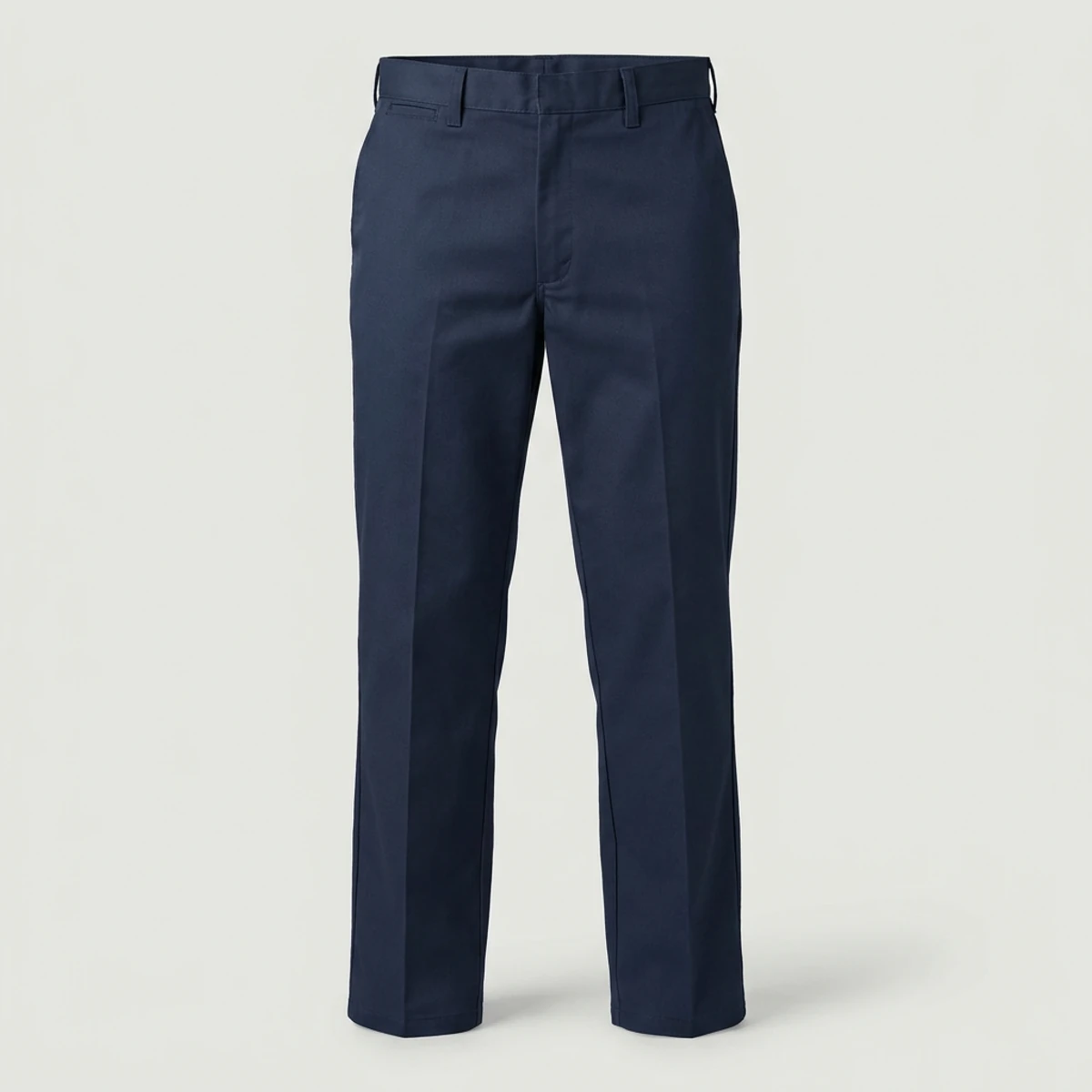
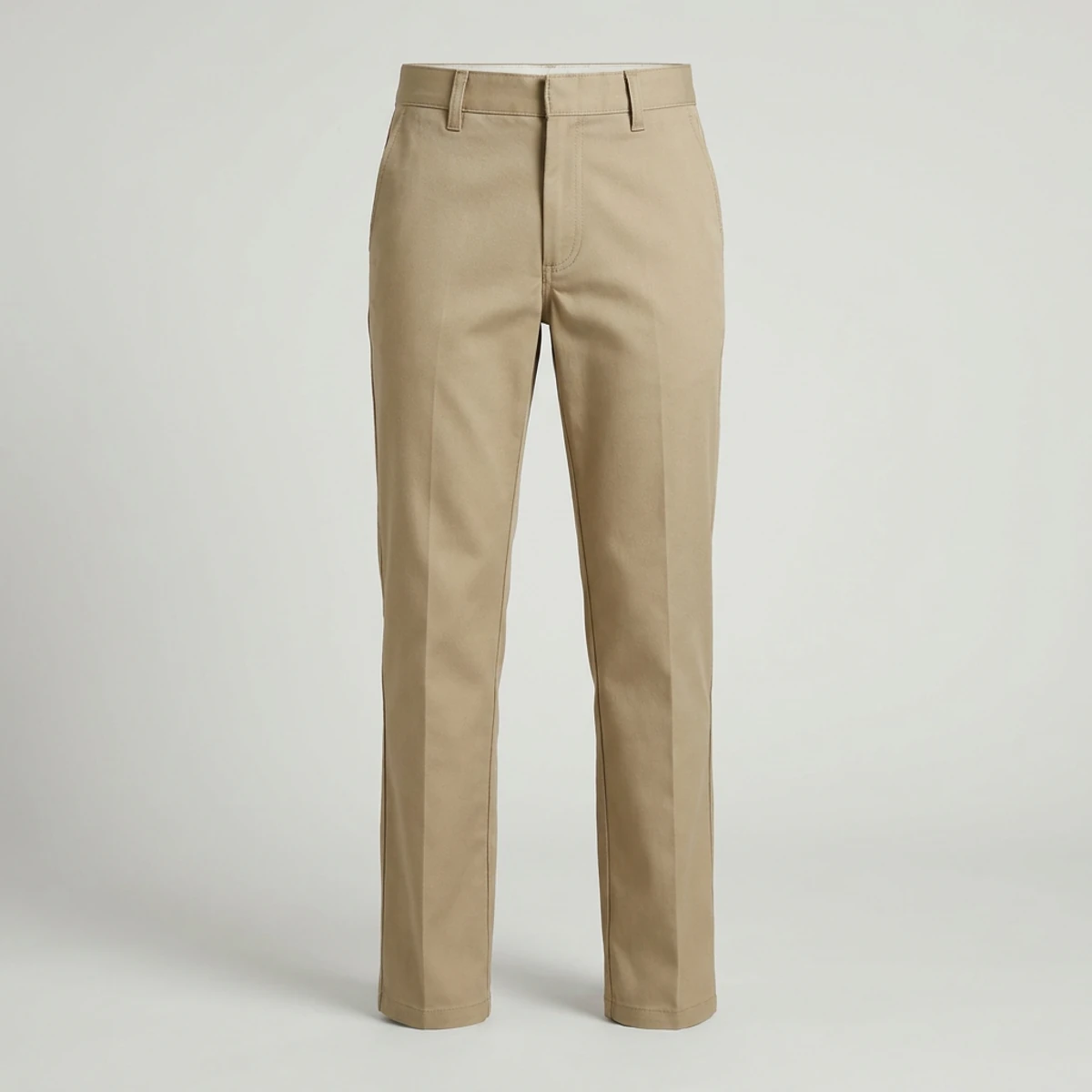
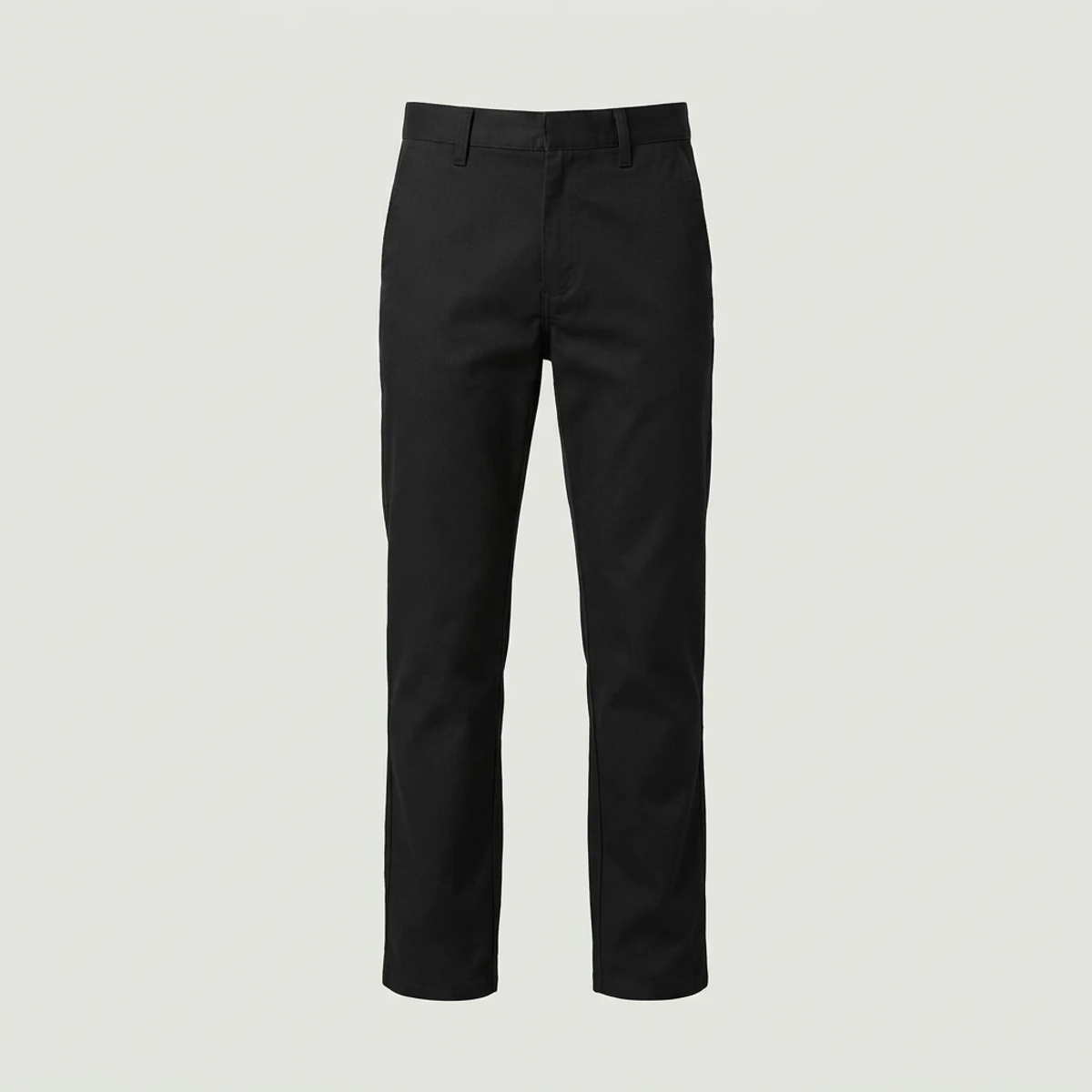
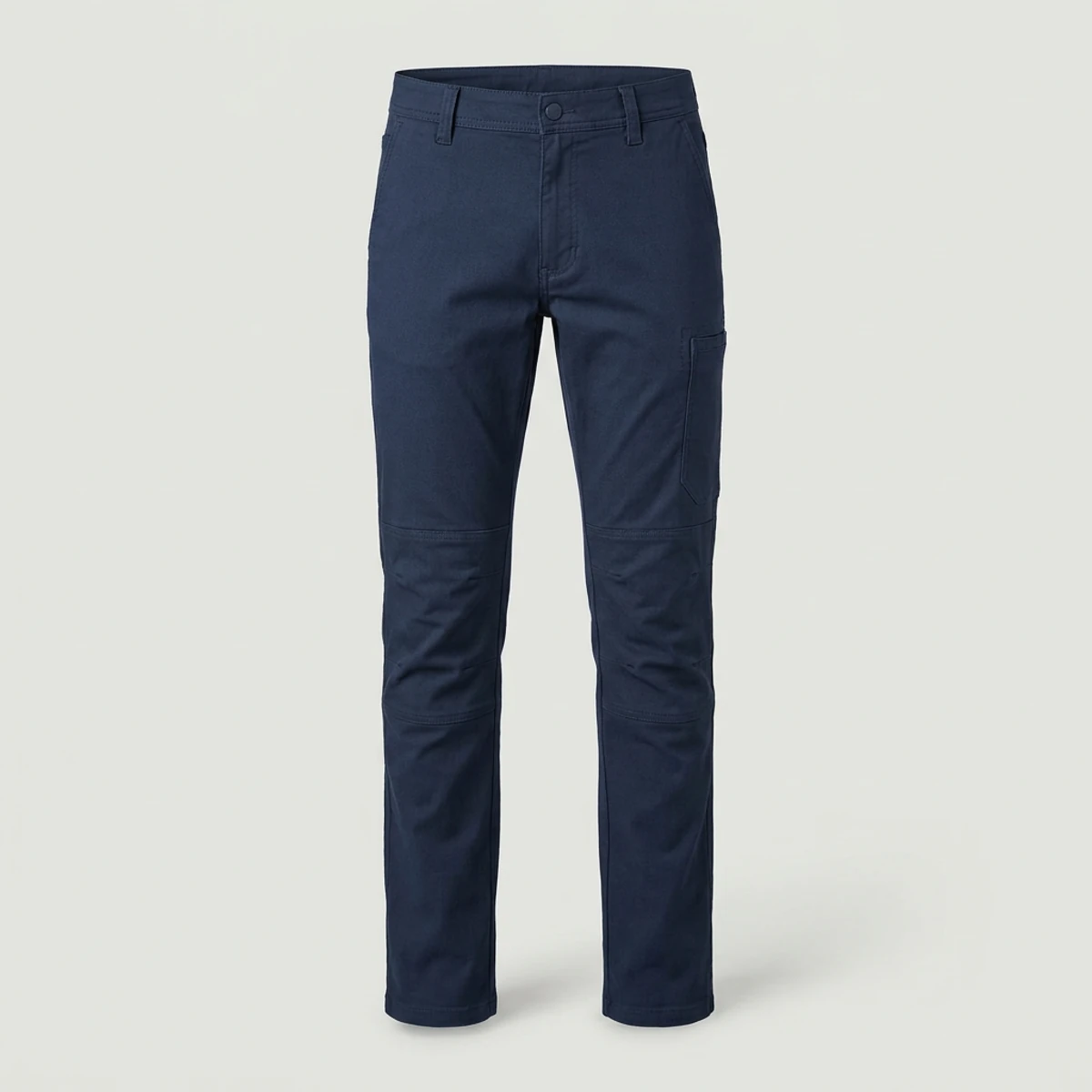
The flat-front industrial pant with slant pockets is the clean, classic uniform pant for service technicians, drivers and maintenance staff. We make custom work pants in this cut to your color and pocket spec, and match the shade from one reorder to the next.
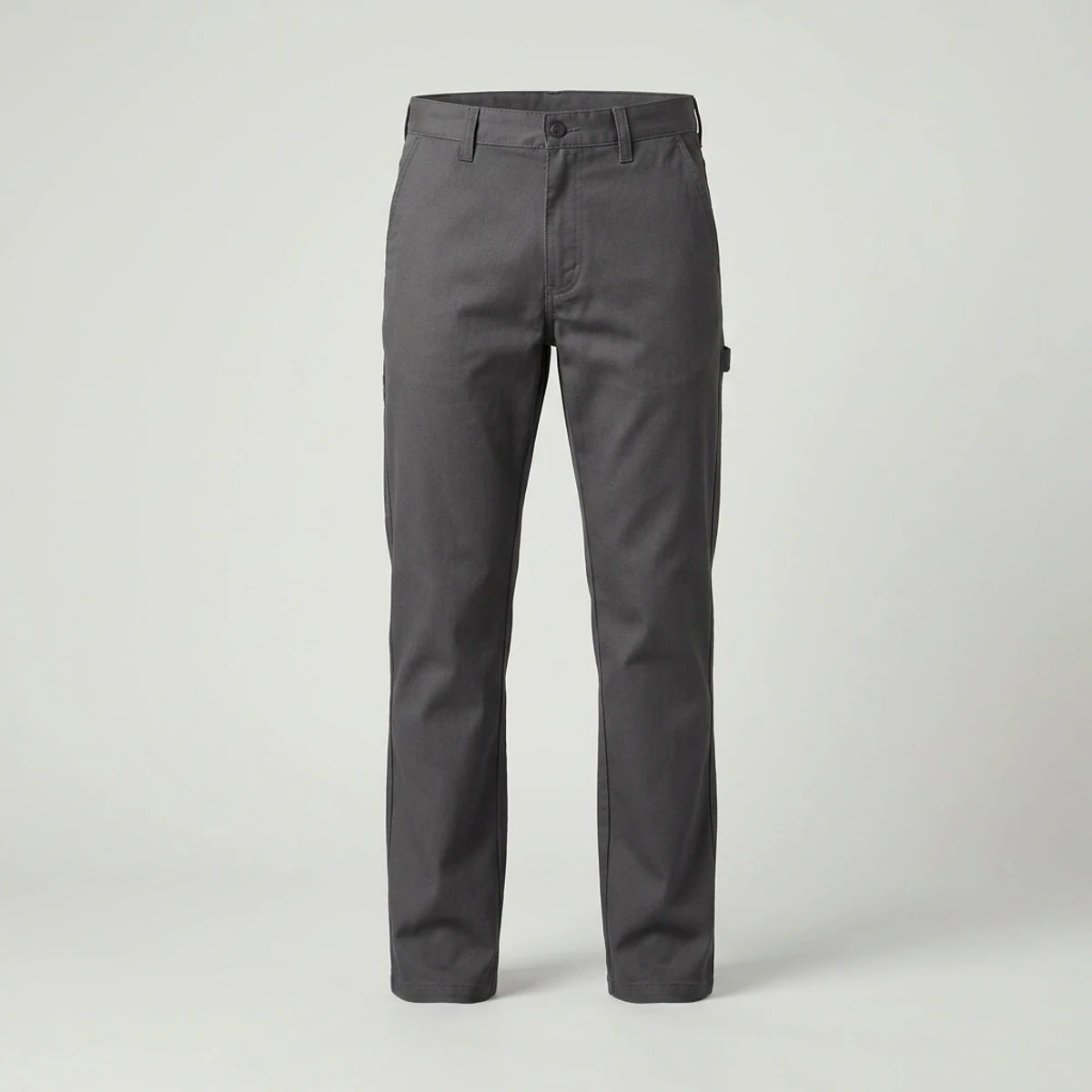
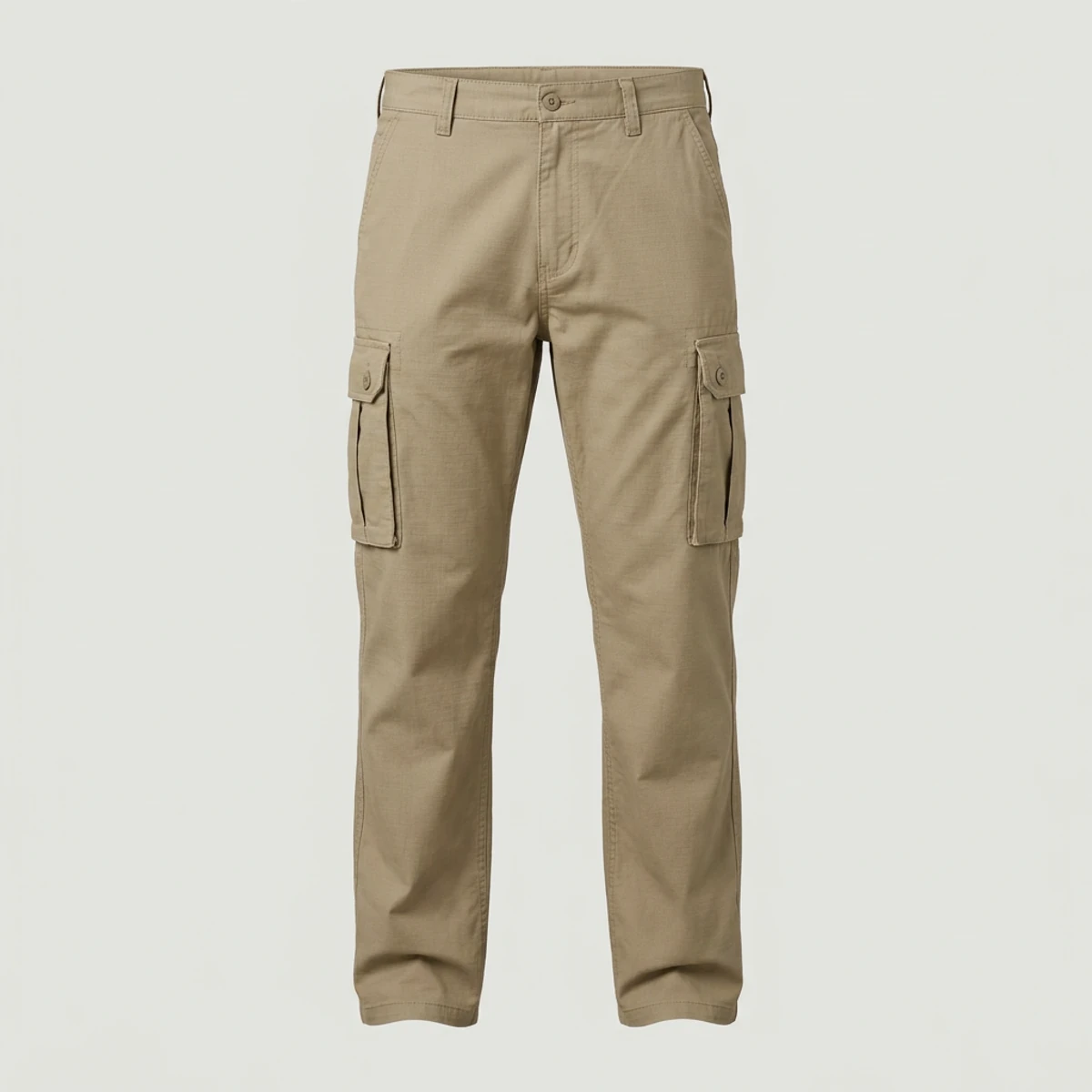
Bellows thigh pockets keep tools, parts and a phone within reach for installers, warehouse teams and field crews. We size and place each pocket to the trade and bartack the stress points.
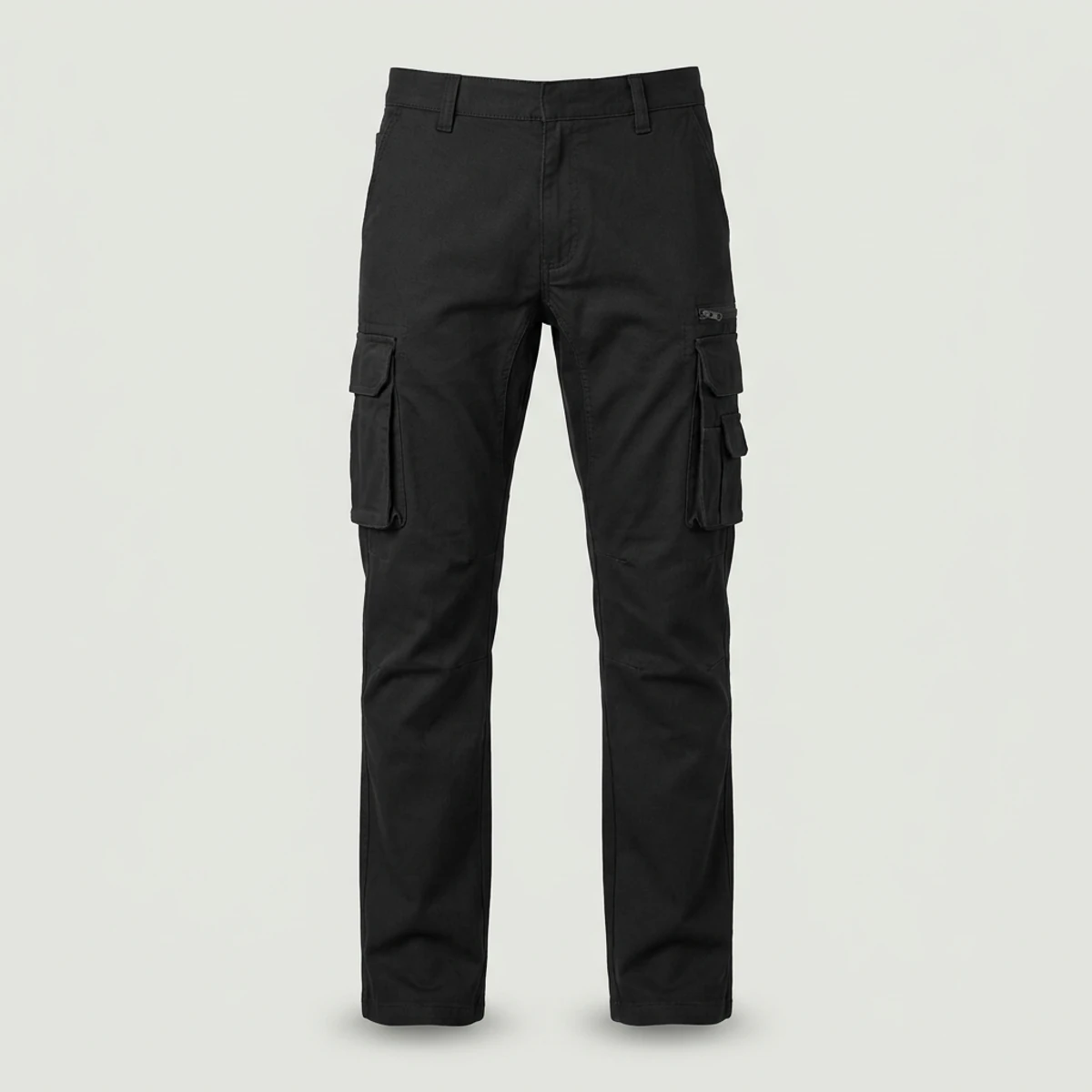
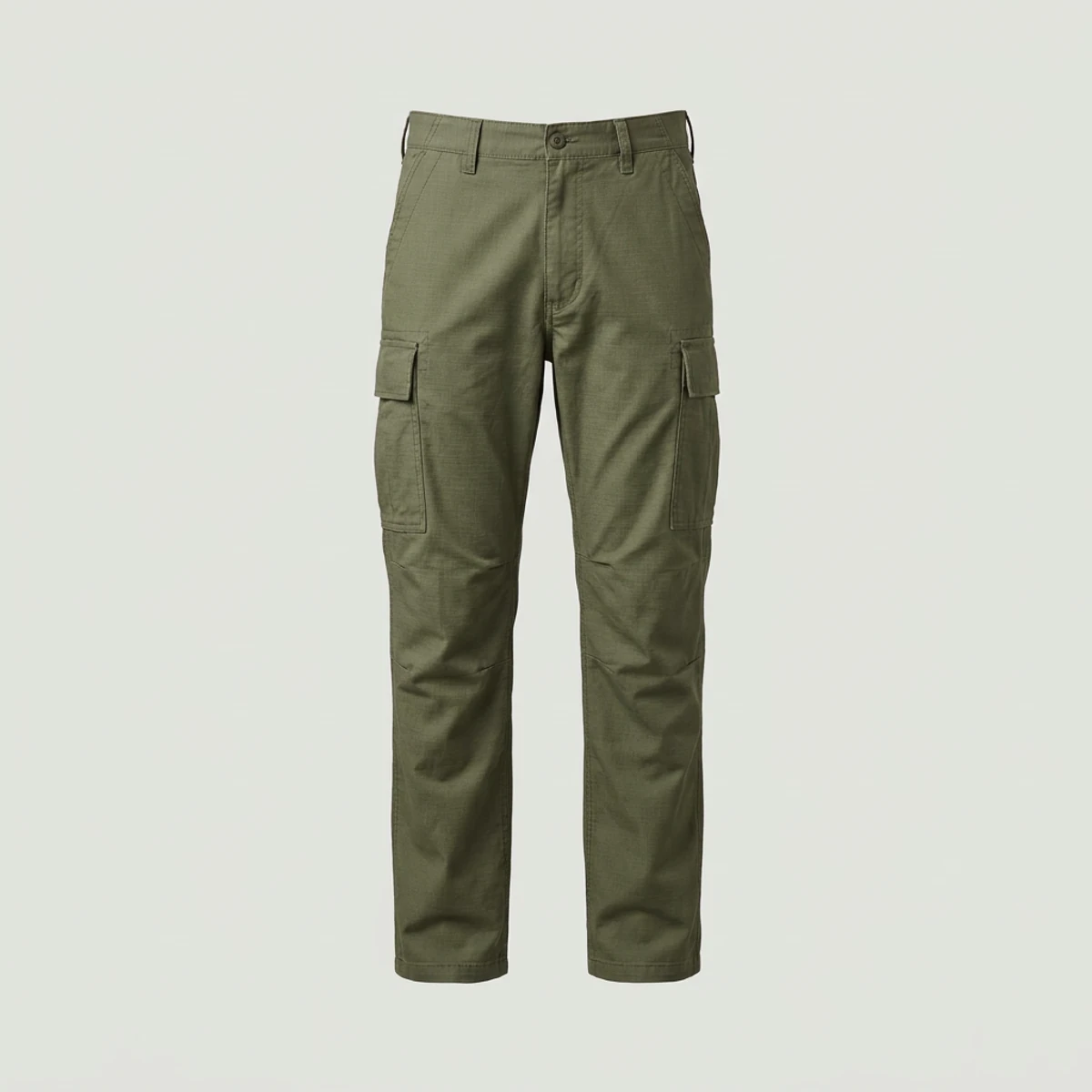
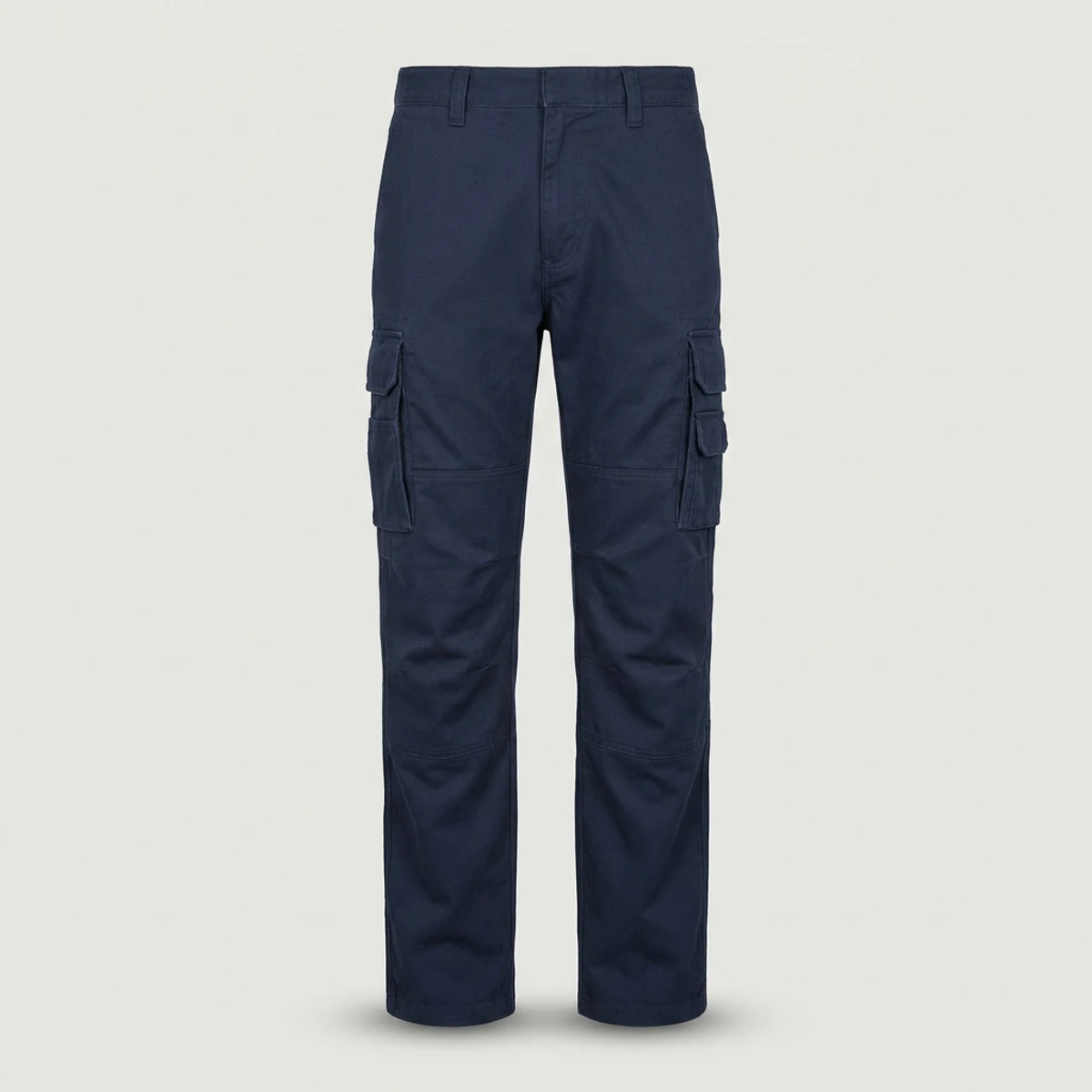
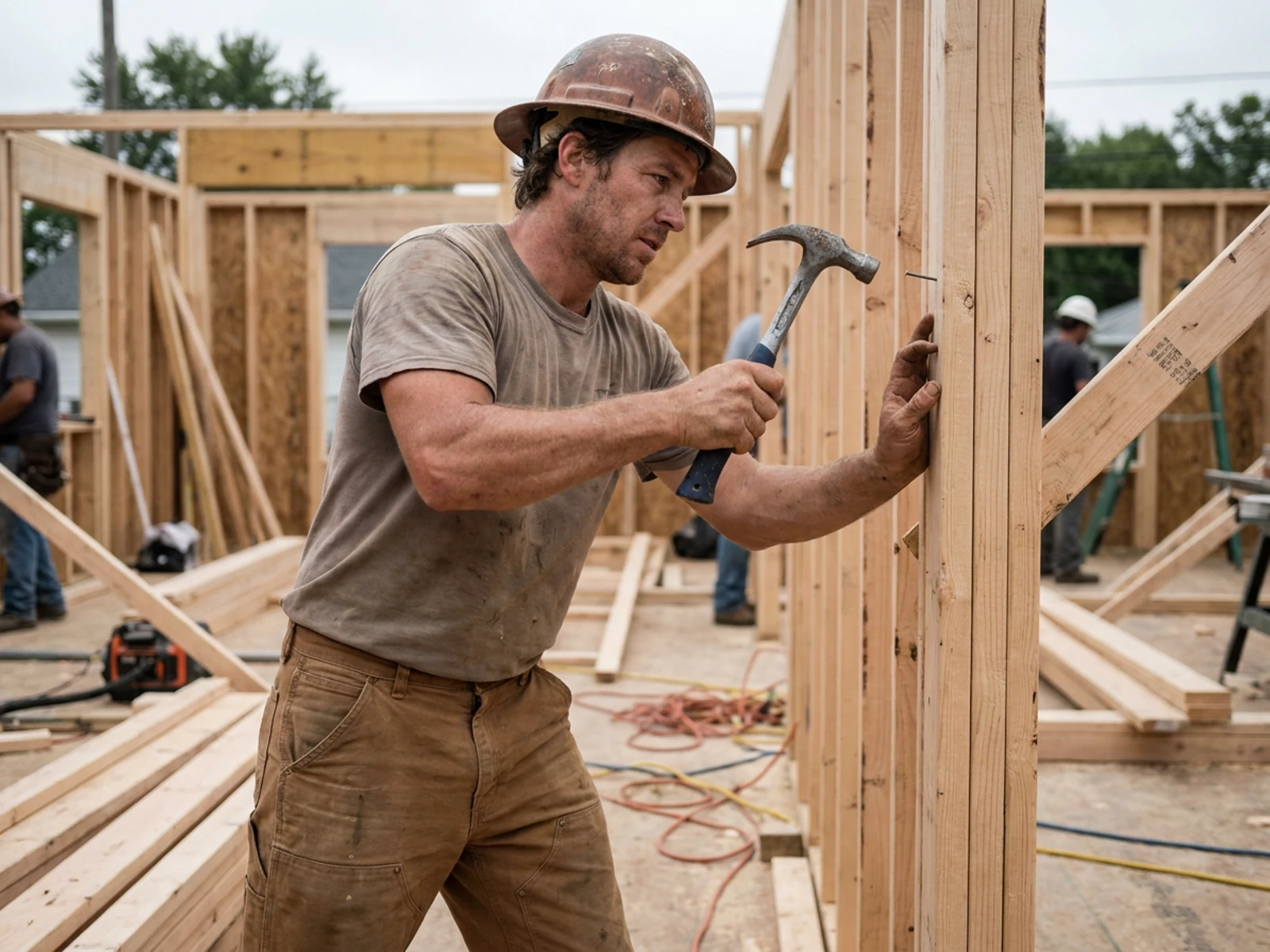
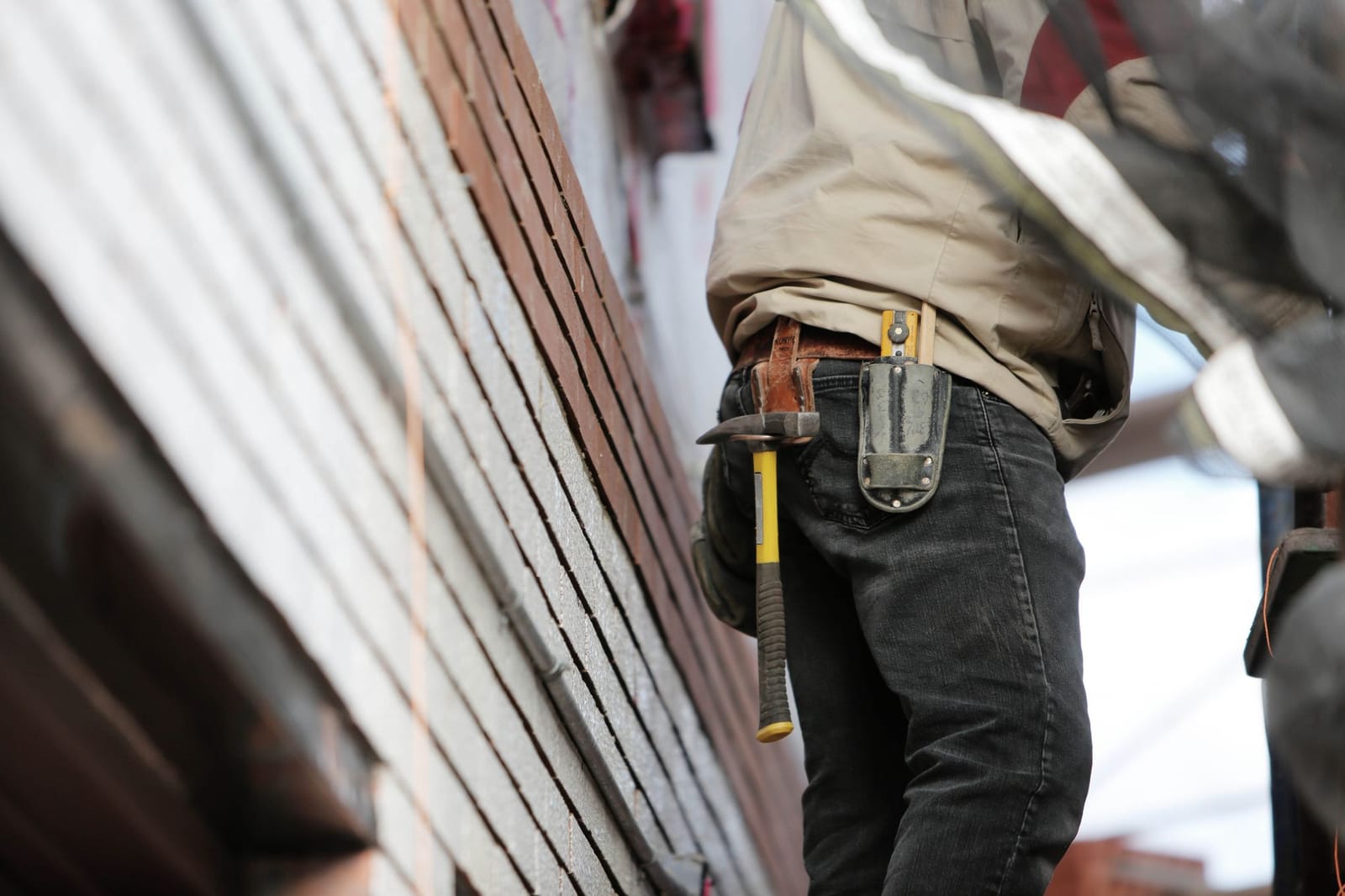
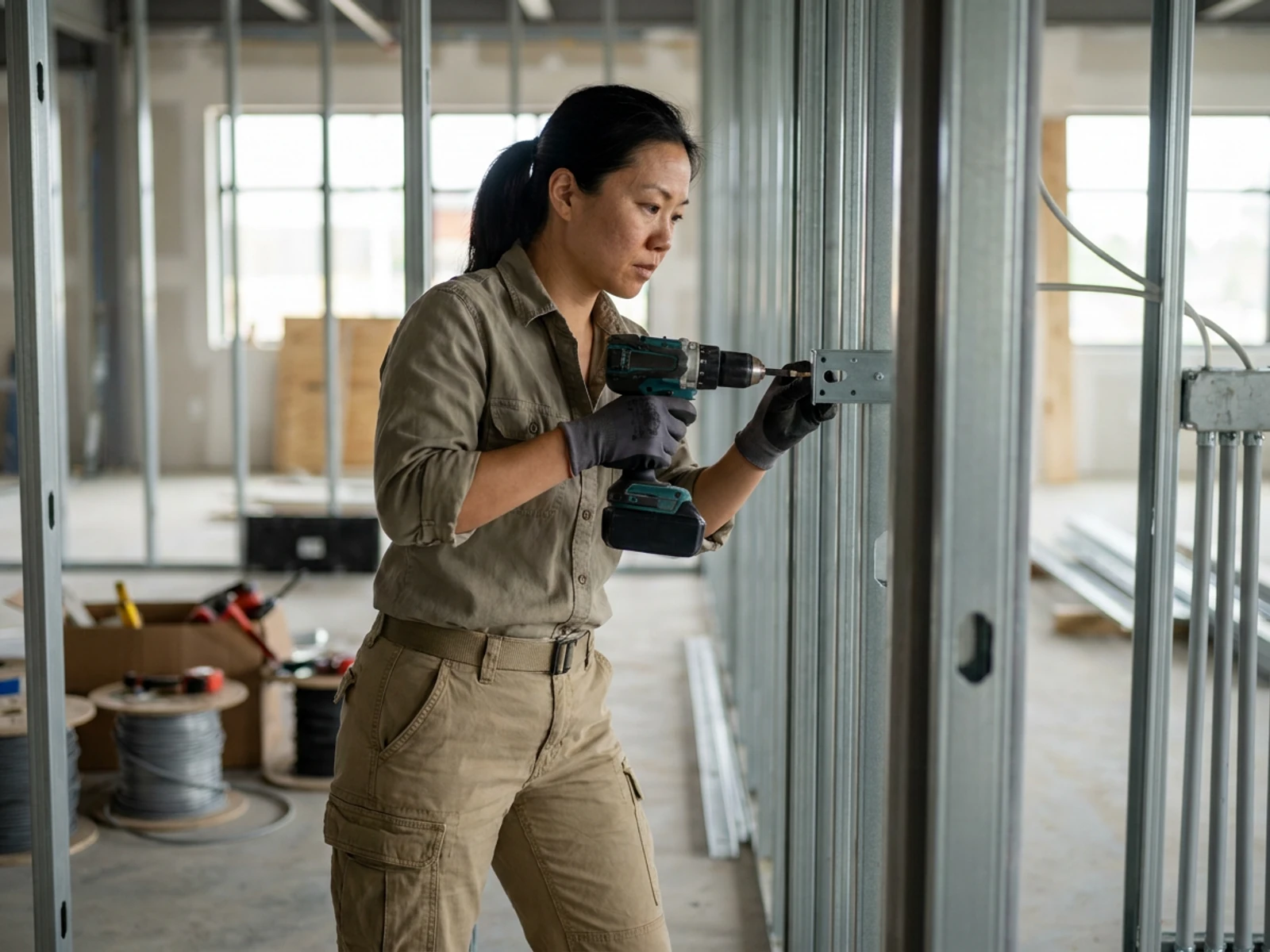
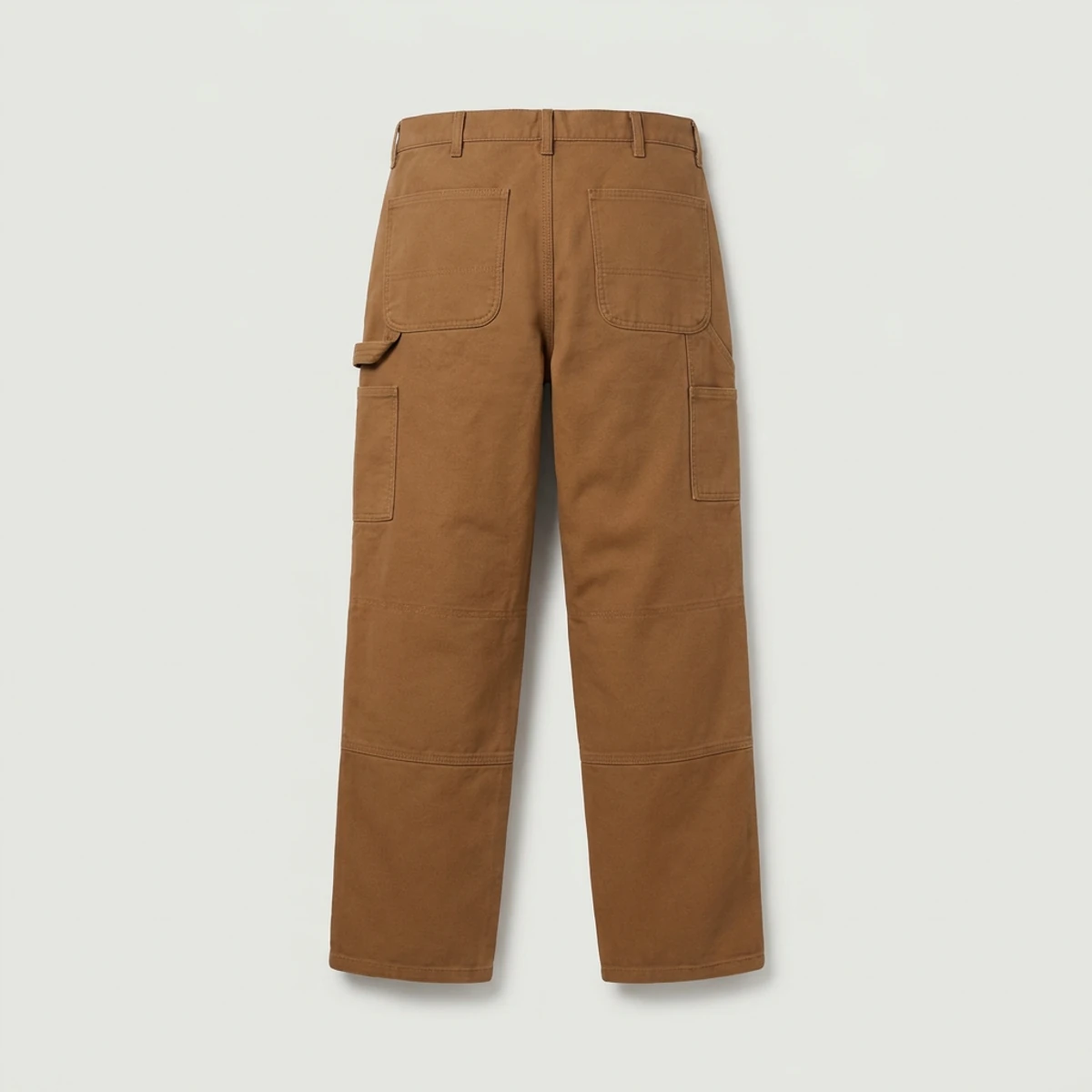
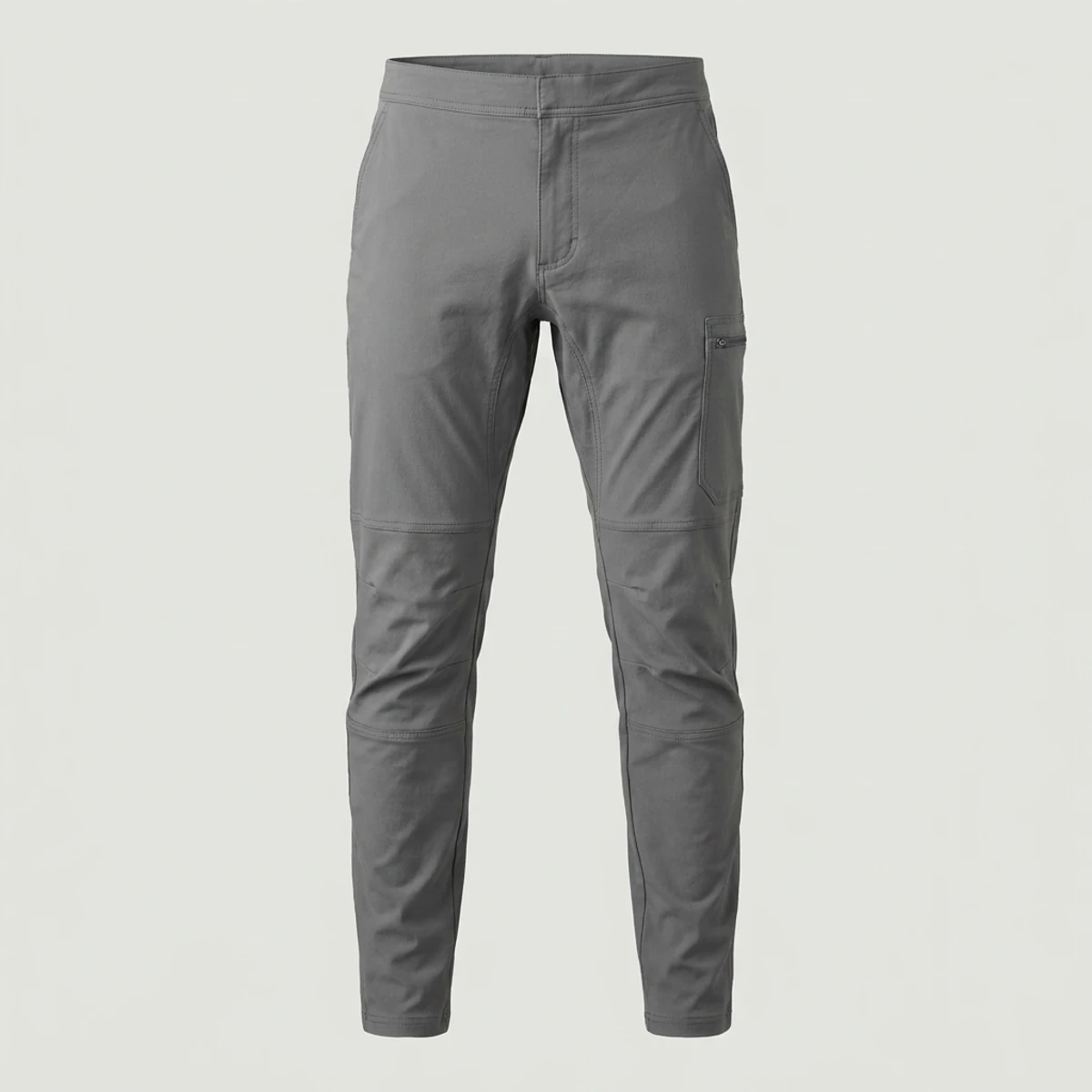
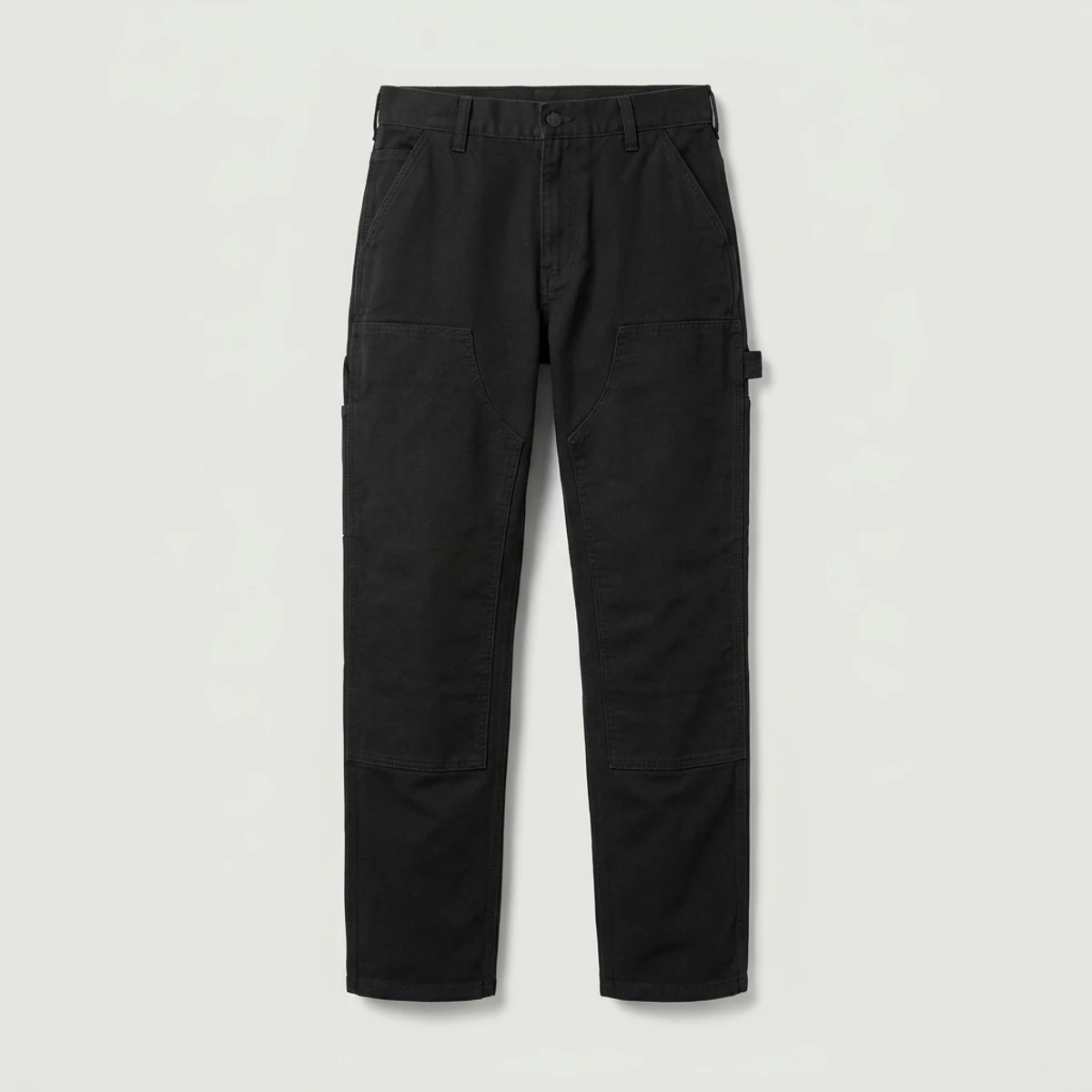
Construction, flooring and carpentry crews want reinforced knees, hammer loops and tool pockets, while crews working in heat or tight spaces prefer lighter stretch fabric. Both utility cuts come in work pants for men and women in the same colors.
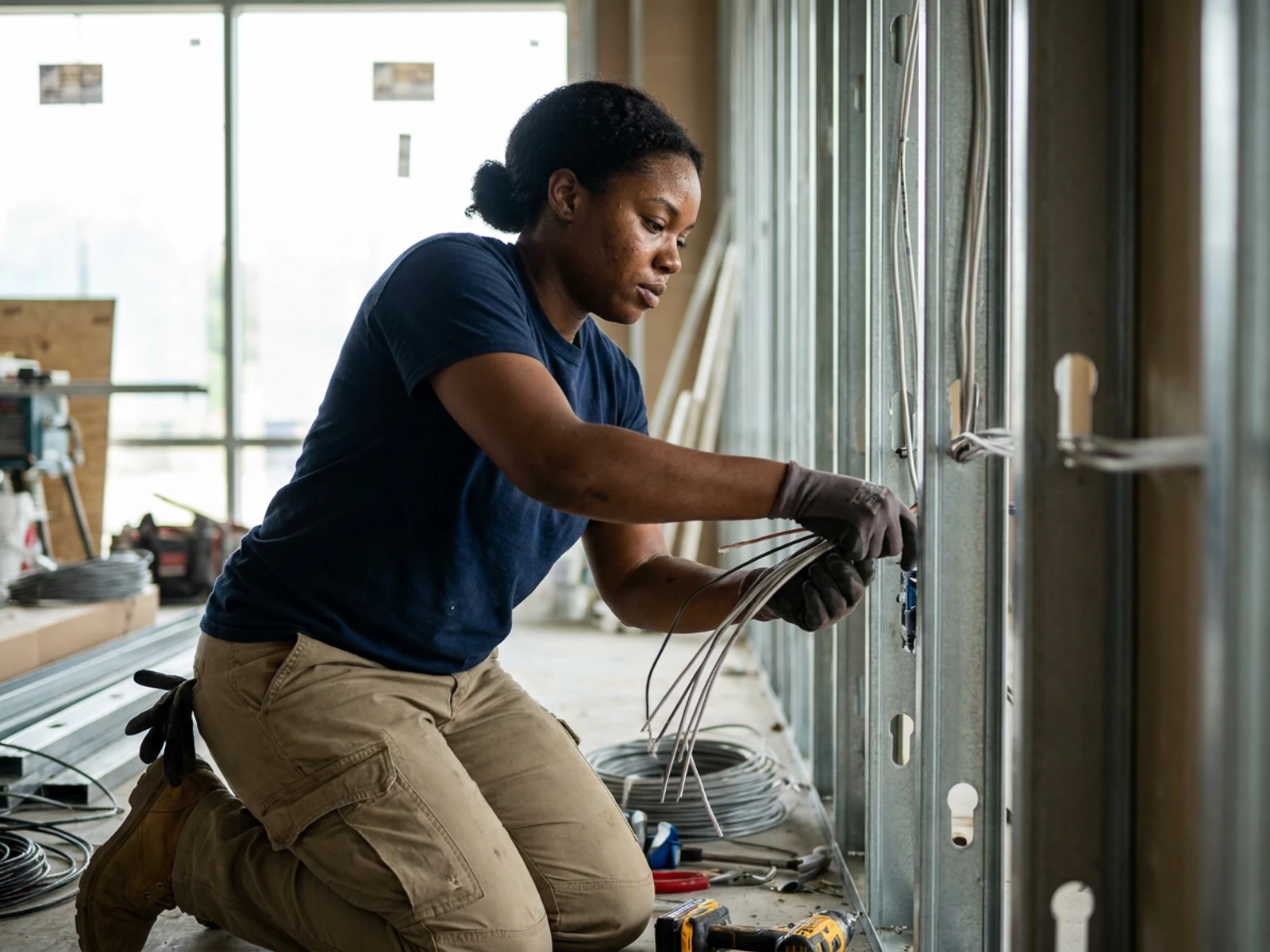
Women on trade crews often end up in men's pants that gap at the waist and bind at the hips. We grade a women's block for each style so the fit holds up through climbing, kneeling and lifting.
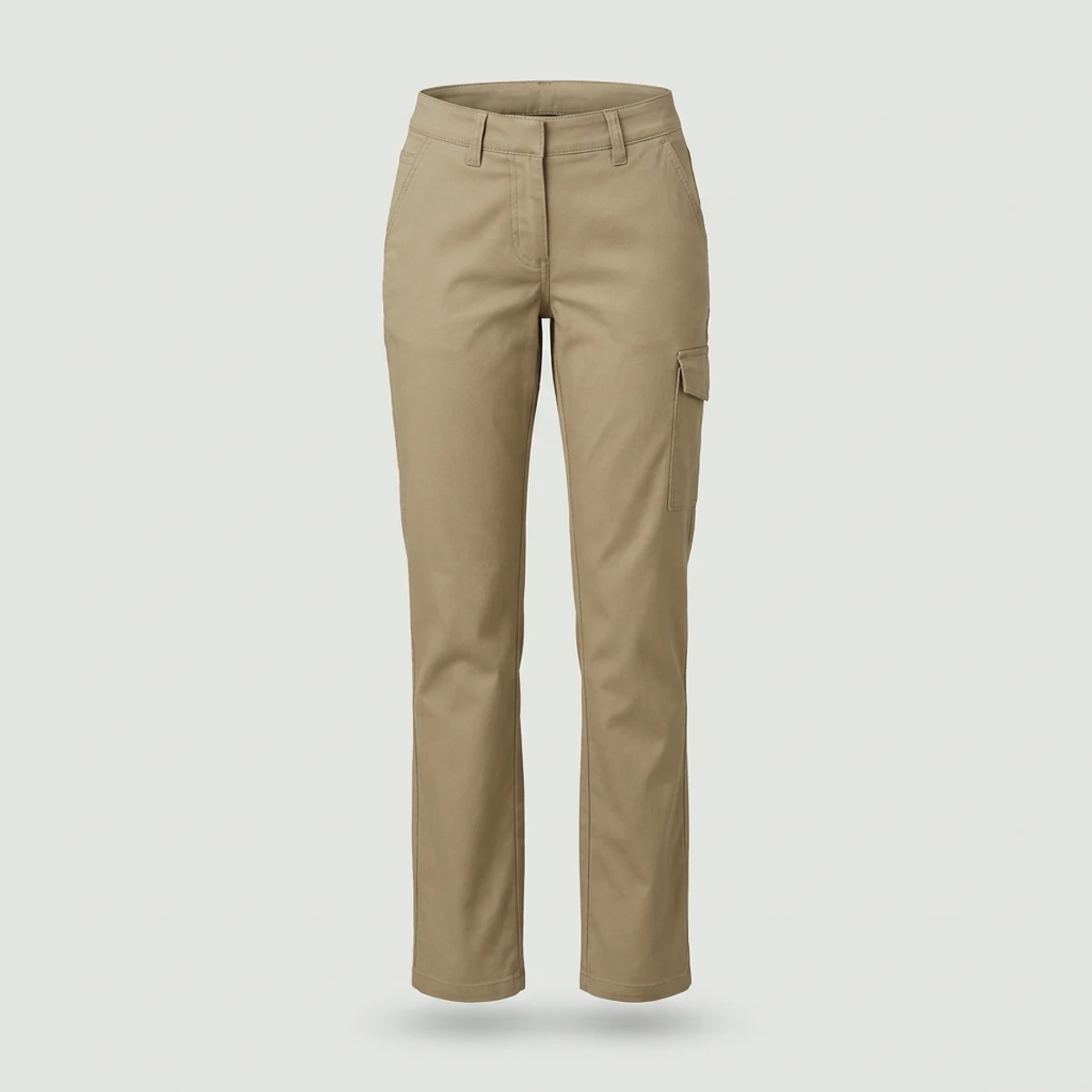
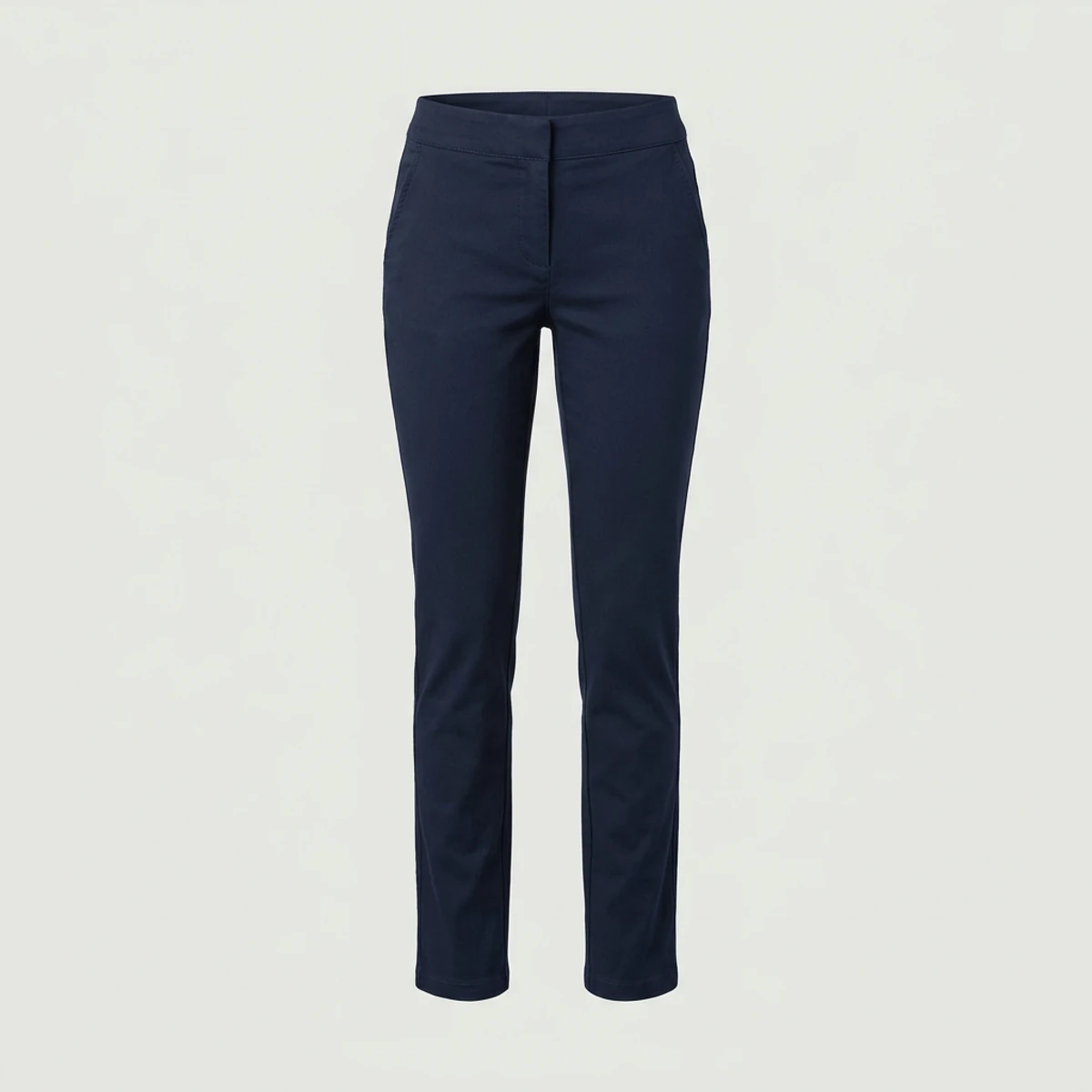
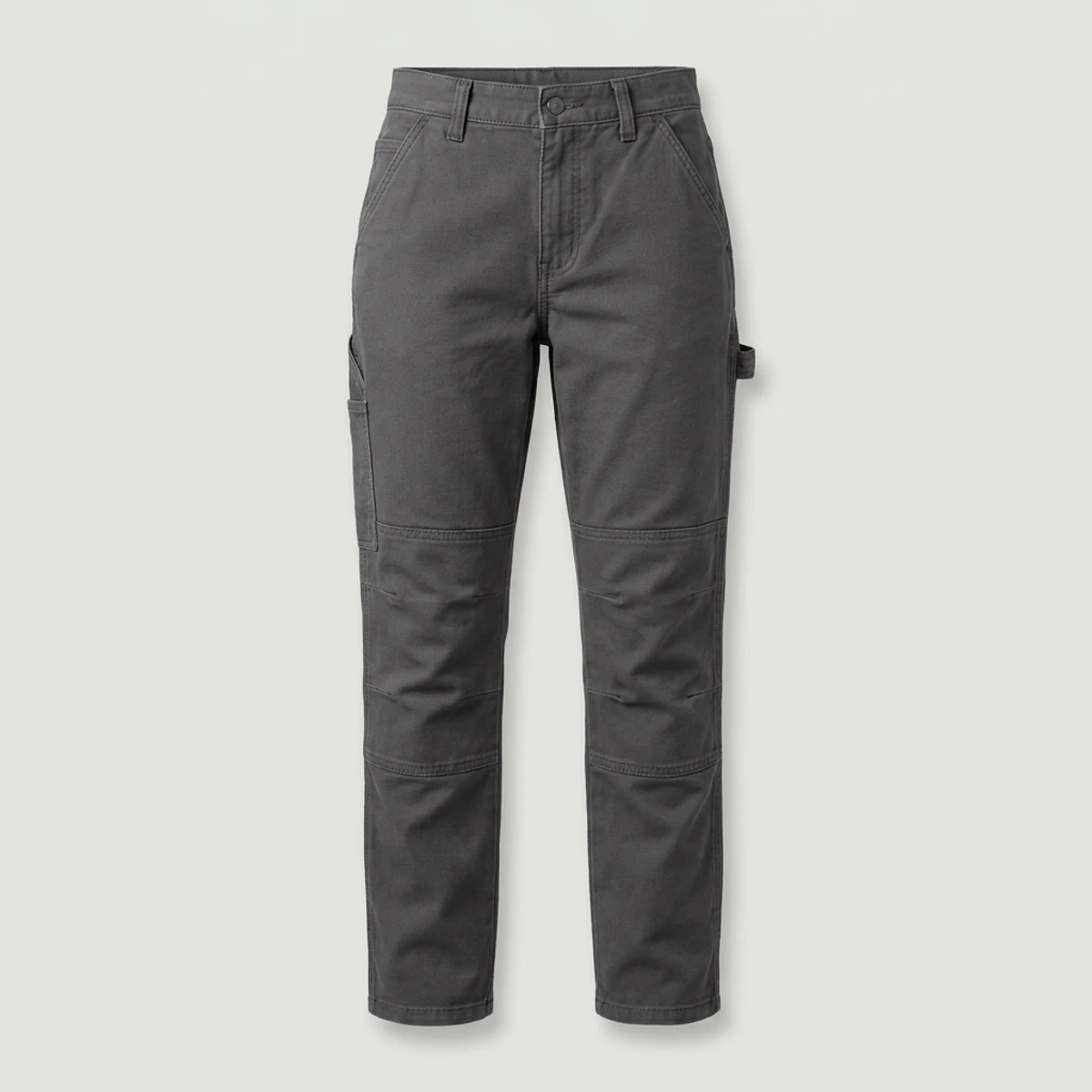
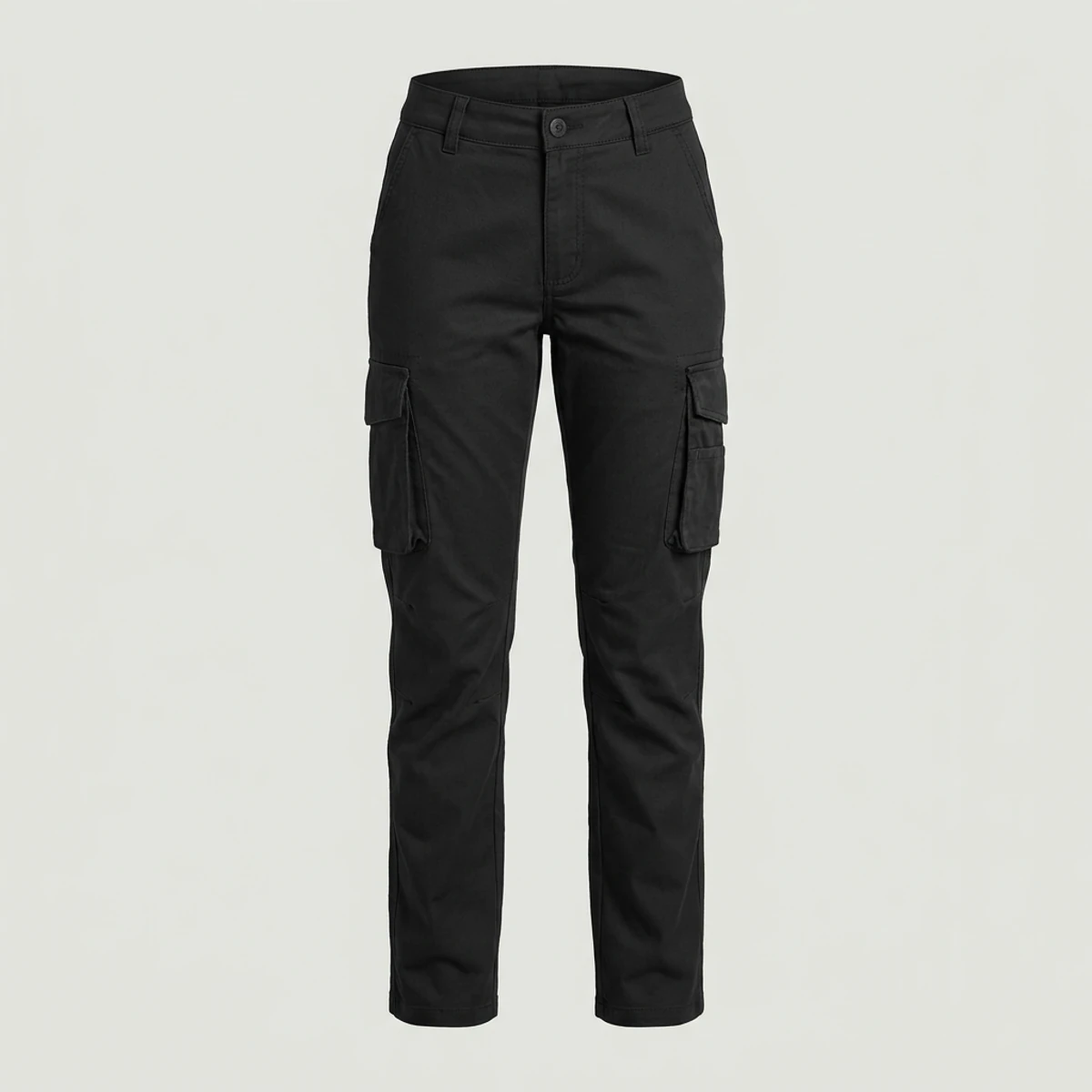
Pick the style, fabric and colors, add your logo and names, then attach the design to your quote. We cut and sew it in Los Angeles from 50 pieces per style.
A good pair of work pants combines heavier, tightly woven fabric, reinforced seams, pockets that hold real tools and a cut that lets the wearer kneel and climb. Regular trousers fail quickly on a job site; purpose-built pants survive a year of daily wear and frequent, often industrial, washing.
Flat waistbands look neat for customer-facing technicians. Partial elastic sides help crews who kneel and climb all day, and a hook-and-bar closure with a metal button holds better than a plastic button under a loaded tool belt.
Deep front pockets, reinforced back pockets and a pocket bag heavy enough not to hole from keys are the baseline. Add a phone pocket on the thigh or side seam, cargo pockets, or tool and hammer loops, with bartacks at every pocket corner.
A diamond crotch gusset and a slightly relaxed seat and thigh stop the seam pulling on ladders and in and out of vans. Triple-stitched seat and inseam seams carry the strain of squatting.
Single knees suit drivers and service technicians. Double or kneepad-ready knees suit flooring, trim and plumbing work under sinks. If your crew already has a pair they like, send it and tell us what fails first.
Work pant styles fall into five families: industrial flat-front, cargo, utility or double knee, stretch utility and painter. Industrial pants suit customer-facing technicians, cargo and utility pants suit crews that carry tools, and each style counts separately toward the minimum of about 50 pieces.
| Style | Description | Common users |
|---|---|---|
| Industrial flat-front | Clean, classic uniform pant with slant front pockets | Service technicians, drivers, maintenance staff |
| Cargo | Bellows pockets on the thighs for tools and parts | Installers, warehouse teams, field crews |
| Utility / double knee | Reinforced knees, hammer loops, tool pockets | Carpenters, flooring, construction |
| Stretch utility | Lightweight fabric with stretch for movement | Crews working in heat or tight spaces |
| Painter | White drill with ruler pocket | Painters and drywall finishers |
For the classic white version, see our painter pants. Denim jeans and canvas carpenter pants are on the denim workwear page.
Work pant fabrics trade comfort against abrasion and stain resistance. Poly-cotton twill holds color through industrial laundering, cotton twill breathes best, canvas or duck resists abrasion most, stretch blends move with the body and ripstop stays light in heat. The right choice follows the trade, the climate and the laundry.
| Fabric | Comfort | Abrasion resistance | Stain and wrinkle resistance | Best for |
|---|---|---|---|---|
| Poly-cotton twill | Smooth, holds a crease | Good | High; survives industrial laundering | Uniform programs, service techs, drivers |
| Cotton twill | Breathable, soft | Moderate | Lower; wrinkles and can fade | Hot climates, indoor work |
| Cotton canvas or duck | Stiff, breaks in over time | Highest | Moderate | Construction, carpentry, hardscape crews |
| Stretch blends | Moves with the body | Moderate to good | Good | Crawl spaces, ladders, kneeling |
| Ripstop | Light and airy | Good; tears do not spread easily | Good | Field crews in heat |
We confirm the fabrics, colors and weights available for your run at quote stage and can send swatches before sampling.
Tip: If your crew uses a uniform laundry service, choose a poly-cotton blend. High-heat industrial washing is harder on cotton-rich fabrics, which tend to shrink and fade sooner.
Custom work pants are specified feature by feature: waistband, fly, gusset, knees, phone pocket, tool loops and hem. Choose each one for a real task on the job, because every added feature adds sewing time, and a feature nobody uses only adds weight and cost.
| Feature | Options | When to choose it |
|---|---|---|
| Waistband | Flat, partial elastic sides, gripper strip | Elastic sides help crews who kneel and climb all day |
| Fly | Zipper with metal button, hook-and-bar closure | Hook-and-bar holds better under a loaded tool belt |
| Gusset | Diamond crotch gusset | Ladder work, squatting, climbing in and out of vans |
| Knees | Single, double, kneepad-ready | Floor, trim, plumbing under sinks |
| Phone pocket | Thigh or side-seam pocket | Technicians who use phones and tablets on site |
| Tool loops and hammer loop | One or both sides | Carpenters and installers |
| Hem | Plain hem or reinforced heel guard | Crews walking in boots all day |
Work pants for men and women can be produced in the same fabric and color, so a mixed crew wears one consistent uniform. Men’s workwear pants are usually ordered by waist and inseam; women’s pants follow a women’s pattern with its own rise, hip and length options rather than smaller men’s sizes.
The minimum of about 50 pieces is counted per style, so tell us how you want men’s and women’s cuts to split when you request a quote. For rise, hip, length and pocket details, see our page on work pants cut for women.
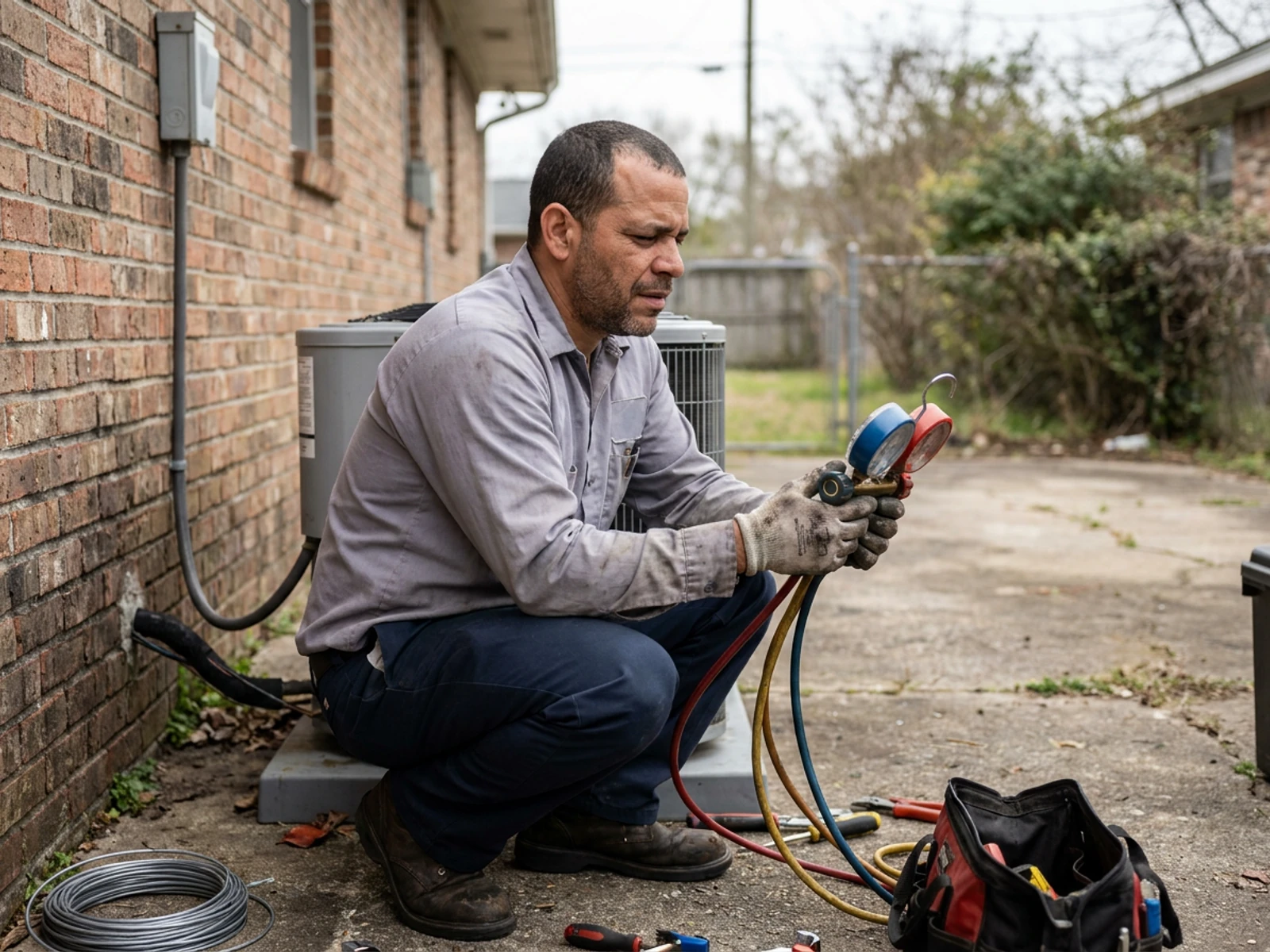
Workwear pants should match the trade: neat industrial pants for technicians in customers’ homes, double-knee utility pants for carpentry, cargo pants for warehouses and dark poly-cotton for automotive work. Color, pockets and fabric weight all follow from what the crew does and where it is seen.
Navy and charcoal work pants hide grease and general dirt best, khaki and tan hide dust and soil, and white is only for painters. Match the color to the dirt the crew actually meets; neutral pants with a branded shirt are the most common and practical uniform combination.
| Color | Hides | Shows | Good for |
|---|---|---|---|
| Navy | Grease, general dirt | Lint, light dust | Service techs, plumbers, HVAC |
| Charcoal or black | Grease, oil, soot | Drywall dust, paint | Automotive, warehouse, facilities |
| Khaki or tan | Dust, sawdust, soil | Grease, oil | Construction, landscaping, carpentry |
| Gray | Dust and light dirt | Heavy oil stains | Mixed crews, manufacturing |
| White | Paint splatter | Everything else | Painters only |
Private label work pants carry your woven labels, care labels and hang tags; wholesale work pants are plain pants in volume for distributors and decorators. Both start from a tech pack or a reference pair, with fabric, hardware and trims chosen before a sample is approved.
Our private label clothing manufacturer page explains each step, and distributors buying plain pants can use the wholesale uniforms program. Retail pants need fiber content labels under the FTC Textile Fiber Products Identification Act rules (16 CFR Part 303) and care instructions under the FTC Care Labeling Rule (16 CFR Part 423).
The cost of custom work pants depends on the fabric, the quantity per style, the number of features, any logo or name decoration, and custom labels or packaging. Each run is quoted on its actual fabric, features and quantity, so no price list is published.
| Cost driver | How it moves the unit price | How to keep it in check |
|---|---|---|
| Fabric | Canvas, ripstop and stretch blends usually cost more than standard poly-cotton twill | Choose fabric for the trade and the laundry, not feel alone |
| Quantity per style | Larger runs spread cutting, setup and sampling across more pairs | Consolidate the crew onto fewer styles and colors |
| Style complexity | Cargo pockets, gussets, double knees and tool loops add sewing time | Keep the features your crew actually uses |
| Decoration | Each embroidered or printed location adds handling per pair | Put the main logo on the shirt and keep pant branding small |
| Personalization | Individual names on pants add handling for every piece | Personalize shirts rather than pants |
| Labels and packaging | Custom woven labels, hang tags and individual bagging add components | Use standard finishing for crew uniforms |
Ready to order
A complete work pant quote needs the styles and quantity per style, waist and inseam sizes, the men’s and women’s split, color, fabric or trade, features, logo files and the laundry setup. Sending the full list with the first message makes pricing faster and shows whether a sample is needed.
A work pant order runs in six stages: brief, fabric and quote, sample, size split, production and delivery. The sample pair is wear-tested on a real job before the size split is confirmed, so problems with pockets, gussets or belt loops are fixed before the full run is cut.
Example: a plumbing company with 12 technicians issues four pairs each (48). Adding two spares in the most common size reaches 50 pairs of one industrial style. If installers need cargo pants, that becomes a second style with its own minimum. Ask us for current lead times when you request a quote.
Crew quantities for work pants usually start at three to five pairs per person, so there is always a clean pair while others are in the wash. Collect real waist and inseam sizes, add spares in common sizes and decide which roles get which style.
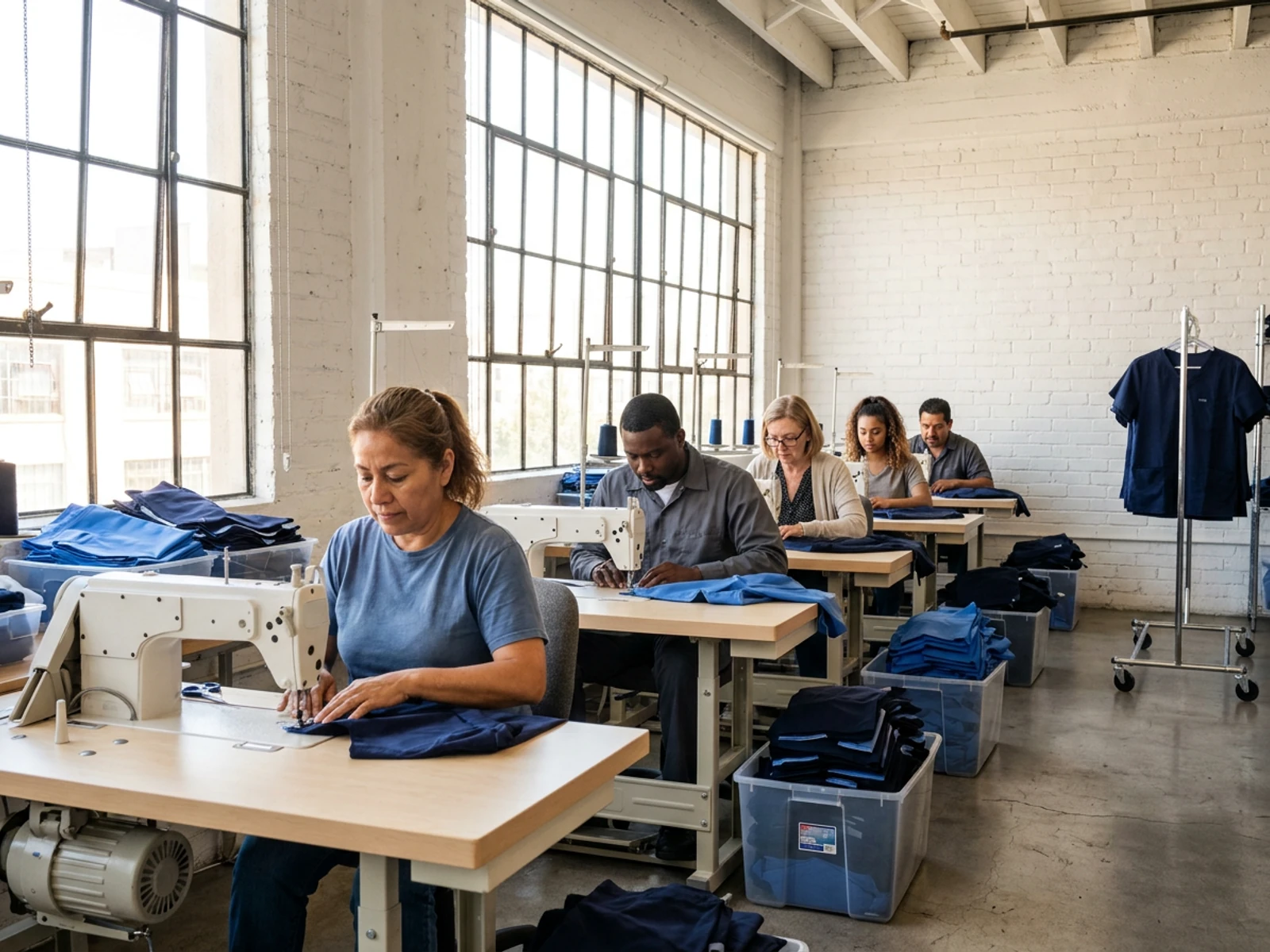
Work pant reorders stay consistent when one approved sample pair is kept as the reference, the fabric and color are recorded on the purchase order, and pants are reordered by style name. Patterns stay on file, so a new run matches the pants already in the field.
When a reorder is smaller than a full style, ask us how it can be combined with other needs to reach about 50 pieces. Planning replacements once or twice a year, instead of one pair at a time, also makes sizing easier to manage.
The most common work pant mistakes are ordering too many styles for a small crew, ignoring women’s fit, choosing light colors for dirty work and skipping the tool-belt test. Each one is cheap to fix at the brief or sample stage and costly after a full run.
Work pants last longest when dark colors are washed inside out in cold or warm water, grease and oil are pre-treated, bleach is avoided on colored fabric and the dryer runs on low or medium heat. Cotton-rich fabrics shrink most at high heat, so poly-cotton suits uniform laundry services better.
If your company uses a uniform laundry service, tell us at quote stage so we can suggest fabrics that suit industrial laundering.
Tip: Retire pants with worn-through knees or broken belt loops promptly. A torn knee catches on ladders and equipment, and a crew in patched pants undoes the point of a uniform.
Need something not covered here? Ask our Los Angeles team and we’ll answer with options for your order.
Ask our Los Angeles teamIt depends on the job. Poly-cotton twill is the uniform-program standard because it resists stains and wrinkles and survives industrial laundering. Cotton twill is cooler. Canvas or duck is the toughest against abrasion. Stretch blends move better for kneeling and climbing. We confirm options and weights at quote stage.
About 50 pieces per style. A style is one cut in one fabric and color, spread across waist and inseam sizes. That lets a small trade business outfit its whole team with spares instead of buying thousands of pairs of stock pants.
Yes. Women's work pants are cut with a different rise, hip and thigh shape, not just smaller men's sizes. We can produce a women's cut in the same fabric and color as your men's pants so a mixed crew looks consistent while everyone gets a proper fit.
Yes. The most common placements are a small embroidered logo on the back pocket or above the right front pocket, or on the thigh of cargo pants. Pants are usually paired with a branded shirt that carries the main logo. Send your file and we will suggest a placement.
Flat-front industrial pants look neater for customer-facing roles like HVAC, plumbing and service techs. Cargo and utility pants add thigh pockets and tool loops for crews who carry tools all day. Many companies order both: industrial for technicians and cargo for installers and laborers.
Most uniform programs issue three to five pairs per person. Three covers a five-day week with home laundering; five suits crews on a weekly laundry-service cycle or doing very dirty work. Add 10 to 15 percent spares in common sizes for new hires and replacements.
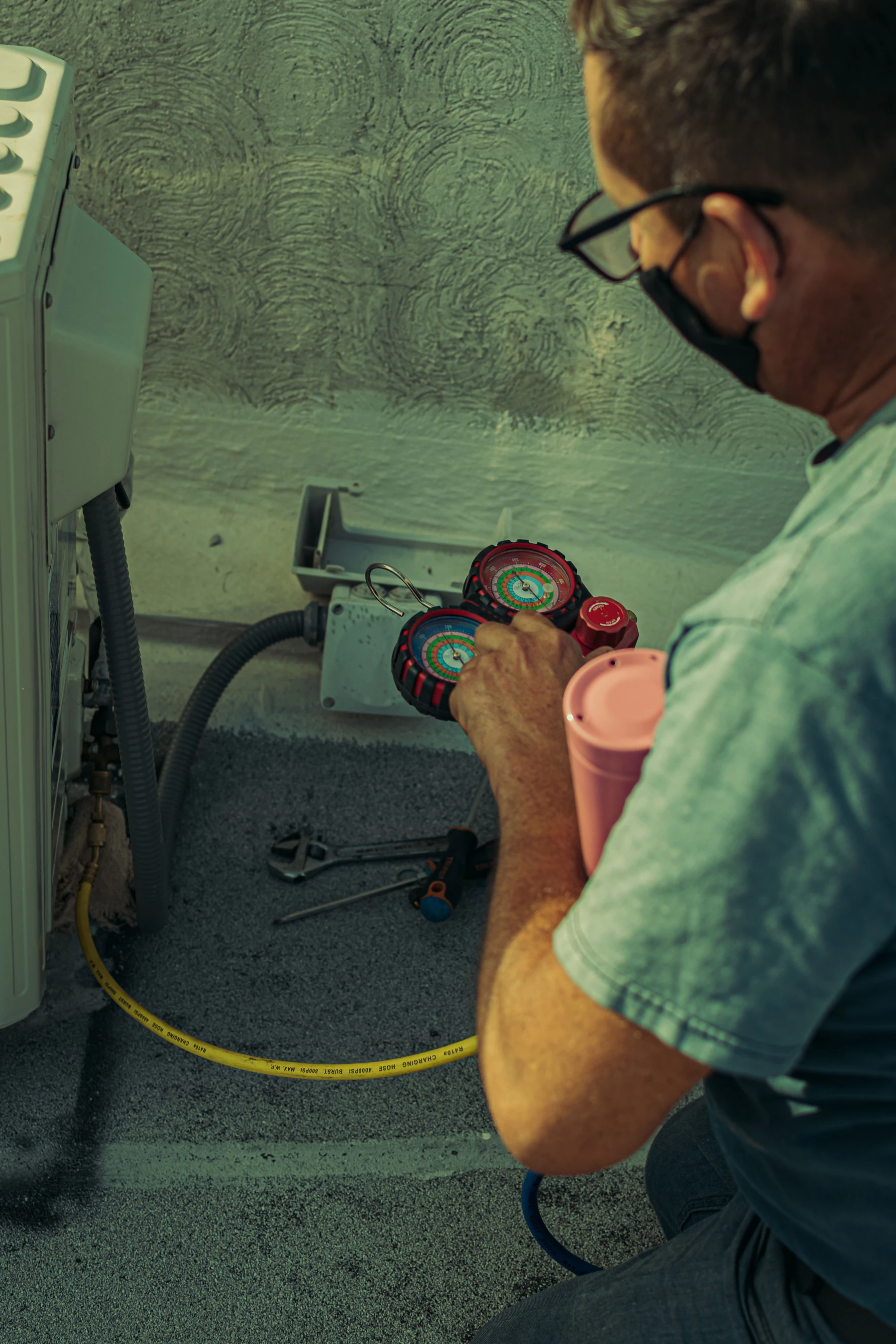
Branded HVAC technician shirts, pants and layering pieces for attic, rooftop and service work, cut and sewn in Los Angeles from 50 pieces per style.
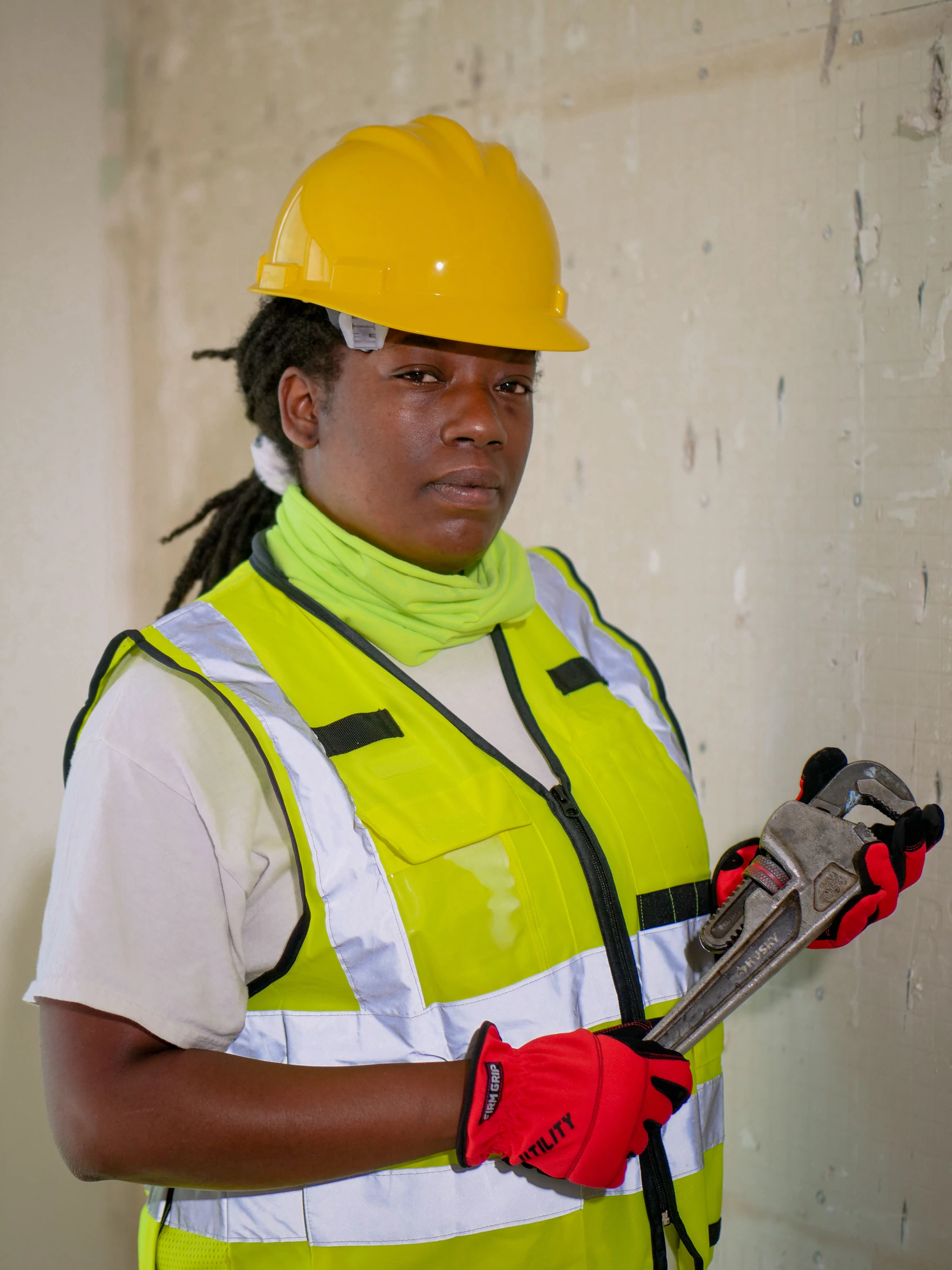
Durable, branded work shirts, pants and coveralls for plumbing companies, cut and sewn in Los Angeles with a 50-piece minimum per style.
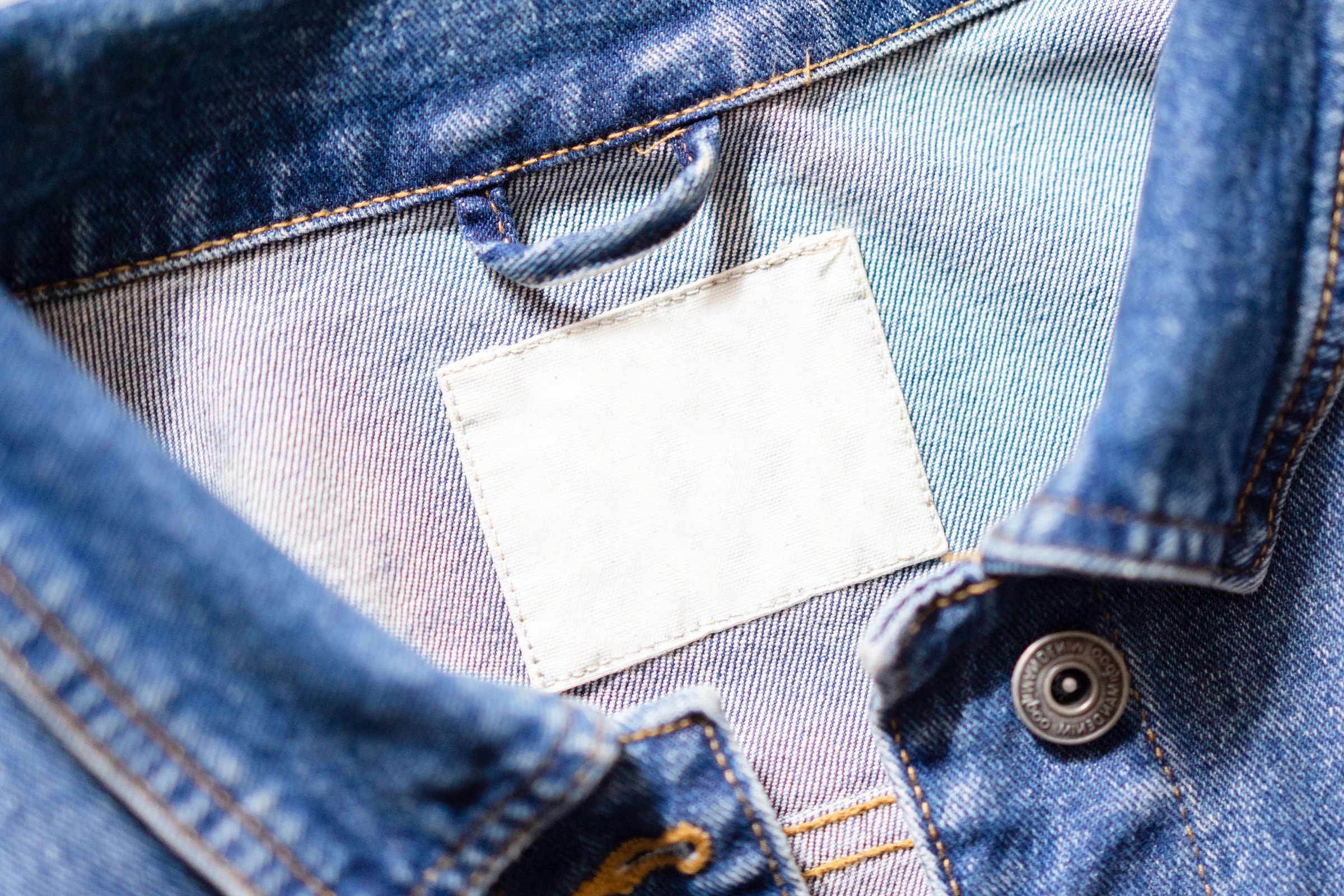
Launch or grow a scrubs or workwear brand with garments cut and sewn in our Los Angeles factory under your label, from about 50 pieces per style.
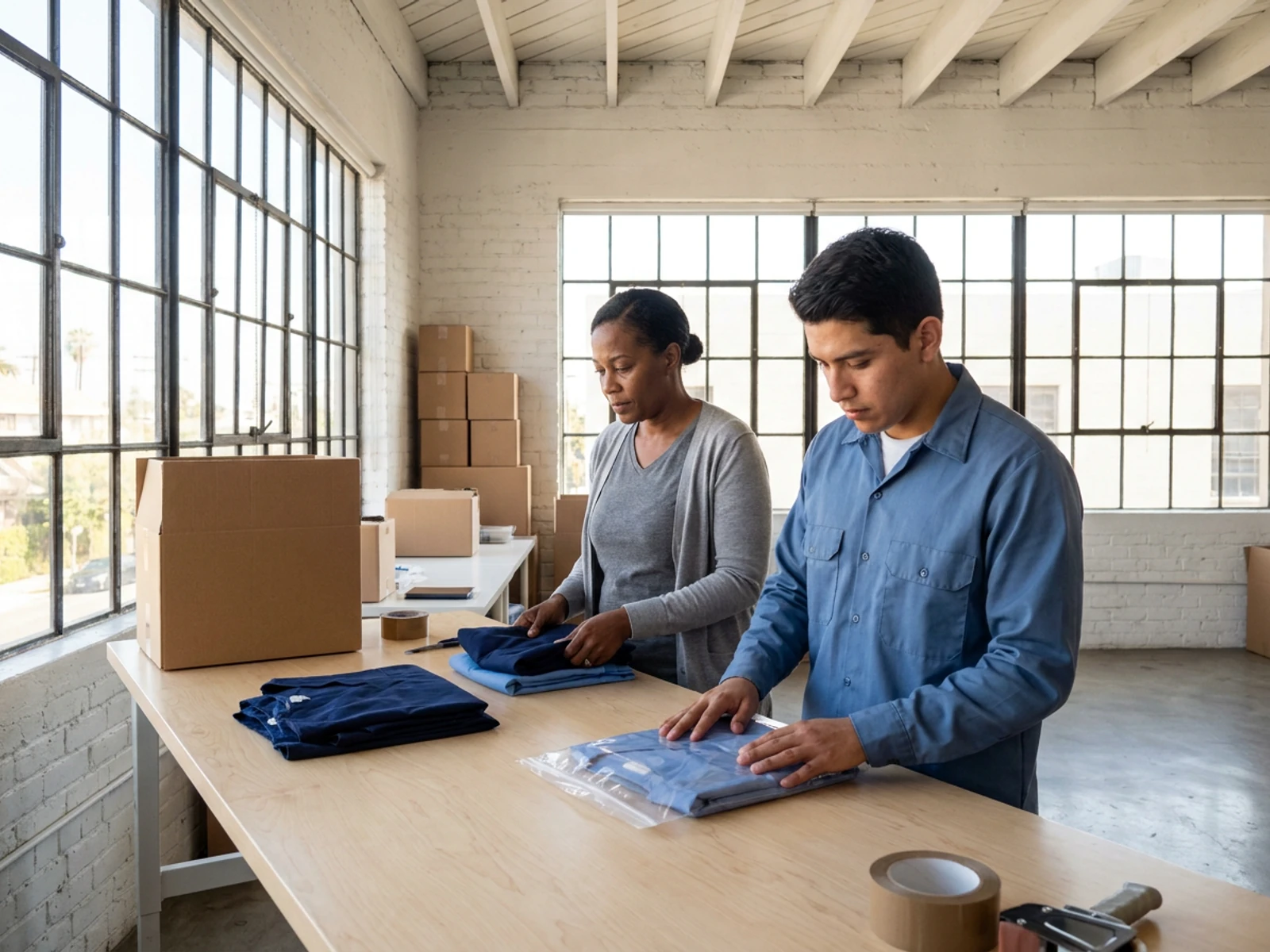
Blank scrub tops, pants and sets plus work uniforms sold wholesale from our Los Angeles factory to resellers, facilities and programs, with quantities confirmed on inquiry.

Work pants on a women's pattern, with the right rise, hip room and usable pockets, sewn in Los Angeles for crews and brands from about 50 pieces per style.
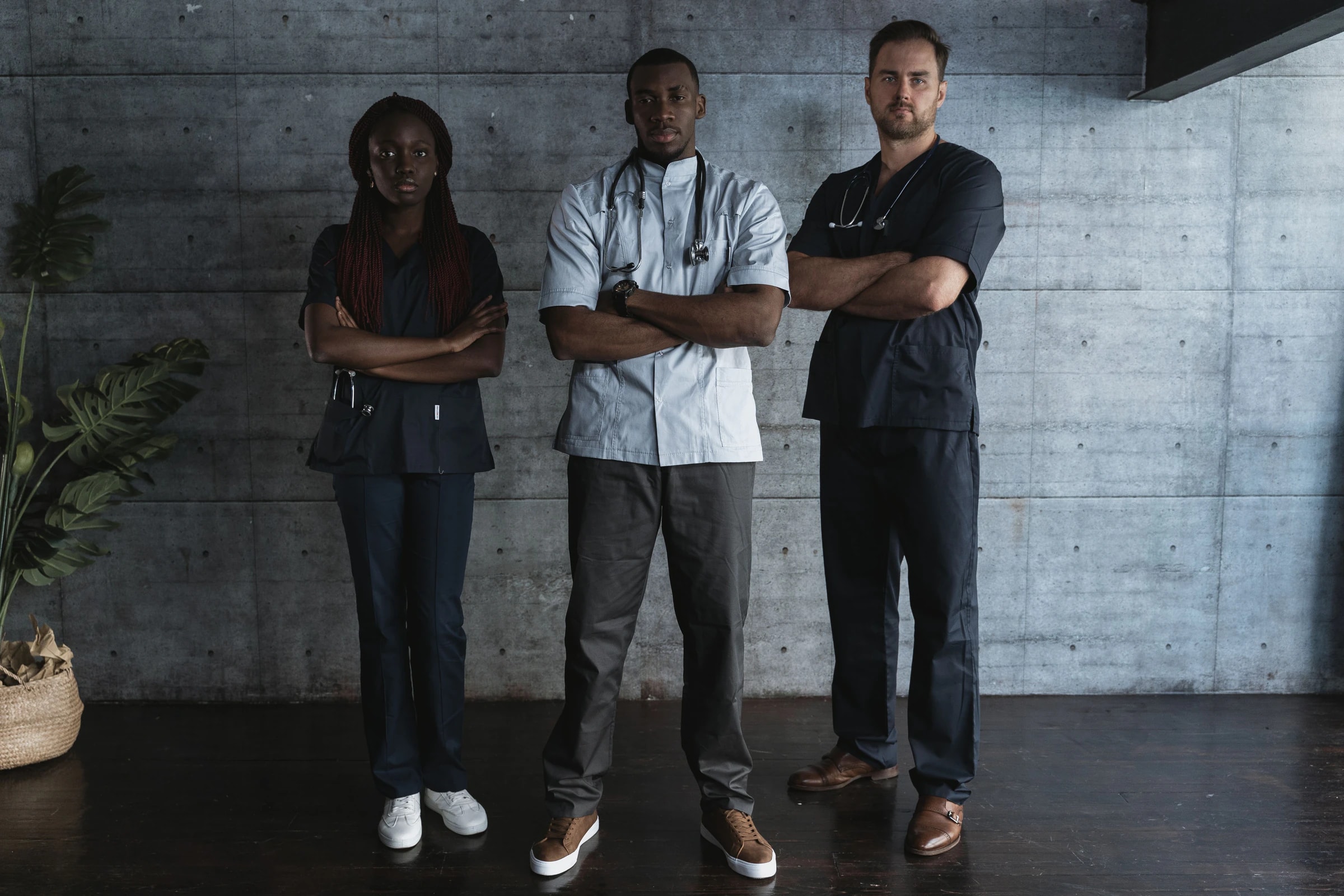
Coordinated medical uniforms for clinics, practices and healthcare brands: scrubs, lab coats and layers, cut and sewn in Los Angeles from 50 pieces per style.