Industries · Los Angeles factory

Custom FR Uniforms for Oilfield Crews

FR clothing for oil and gas is flame-resistant workwear, usually coveralls or shirt-and-pant sets, that self-extinguishes and limits burn injury if a worker is caught in a flash fire from ignited gas or vapor. Custom Uniform Factory cuts and sews oilfield uniforms in its Los Angeles factory from imported flame-resistant fabric, built to the standard your safety program specifies, such as NFPA 2112, with certification status and arc ratings confirmed in writing at quote, from about 50 pieces per style.

Minimum order
About 50 pieces per style
Production
Cut & sewn in Los Angeles, imported fabric
Garments
FR coveralls, shirts, pants, jackets
Standards
Built to the standard you specify; certification confirmed at quote

Oil & Gas by style

16 styles in 4 families · each made to order in your fabric, color and branding from 50 pieces.

Customize your uniformsYour fabric, colors, pockets and branding
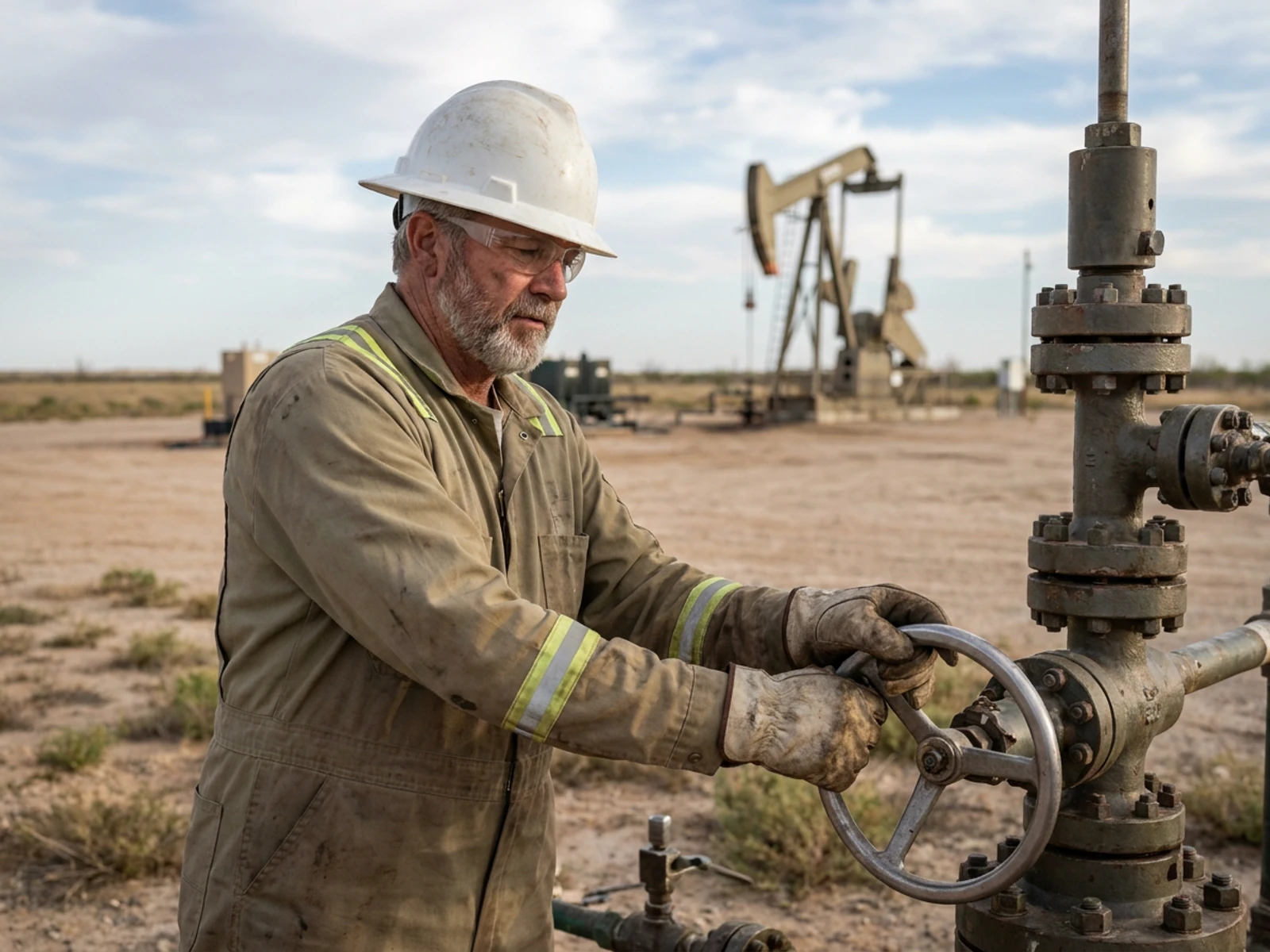
Oilfield worker in a khaki flame-resistant coverall with reflective bands, hard hat and safety glasses turning a valve at a wellhead

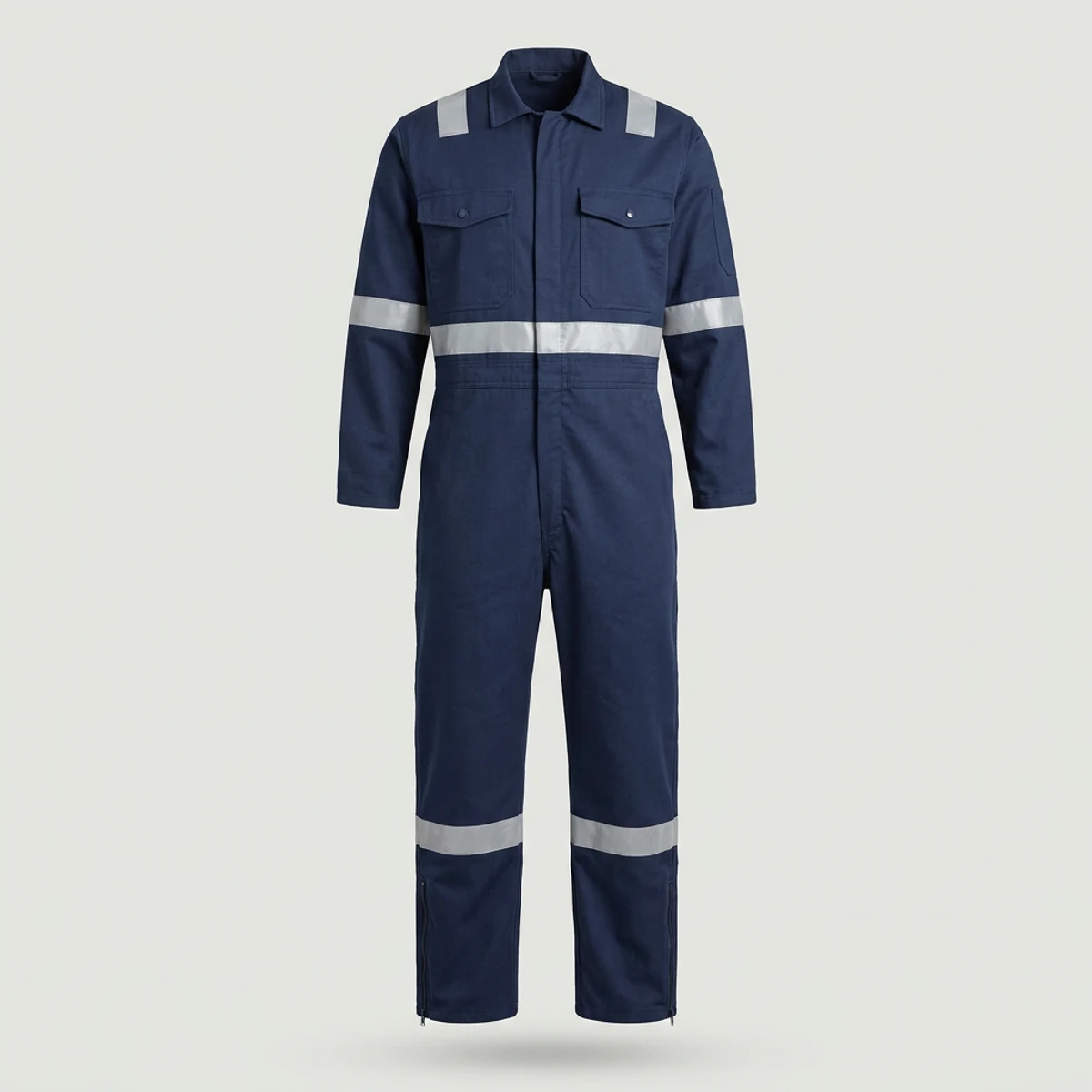
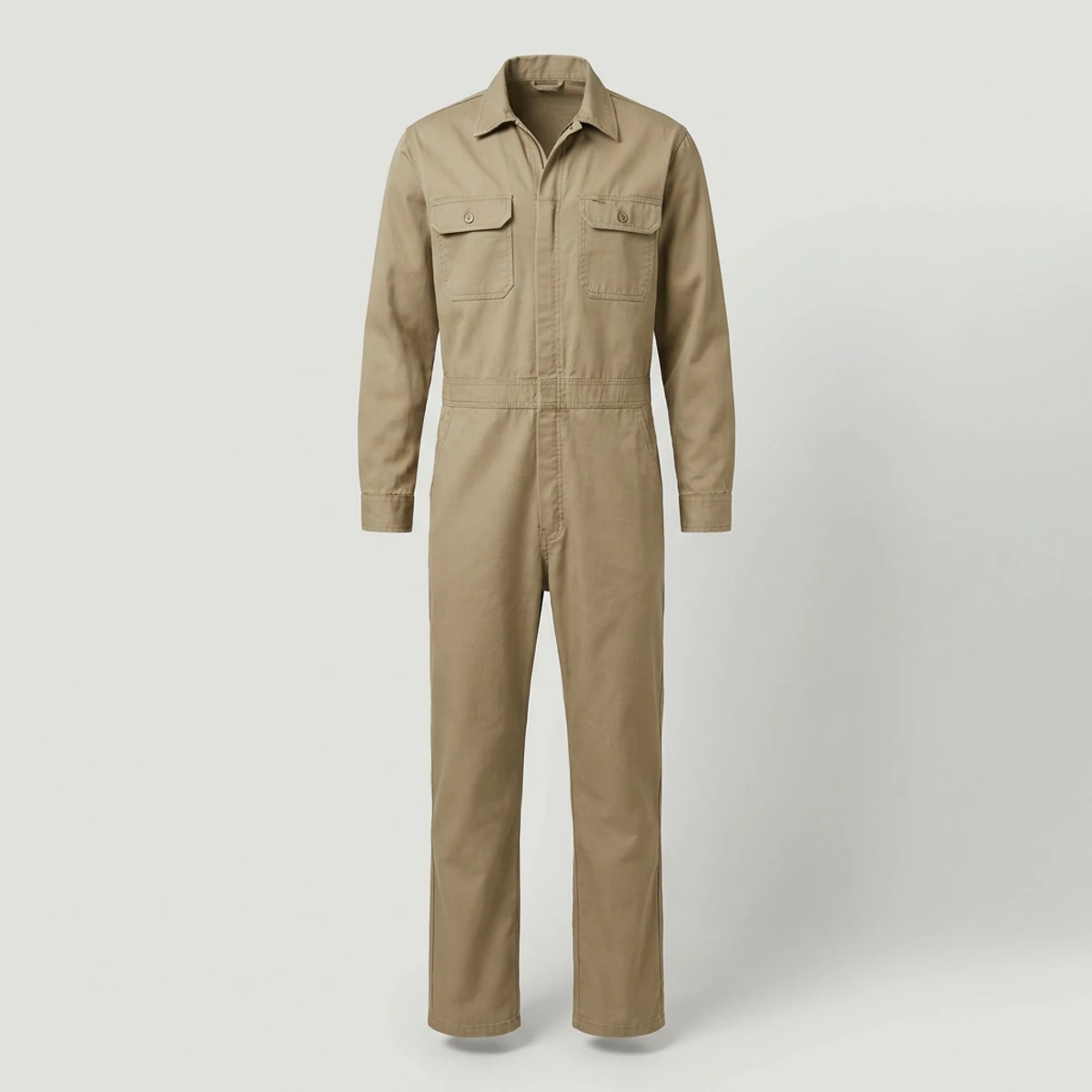
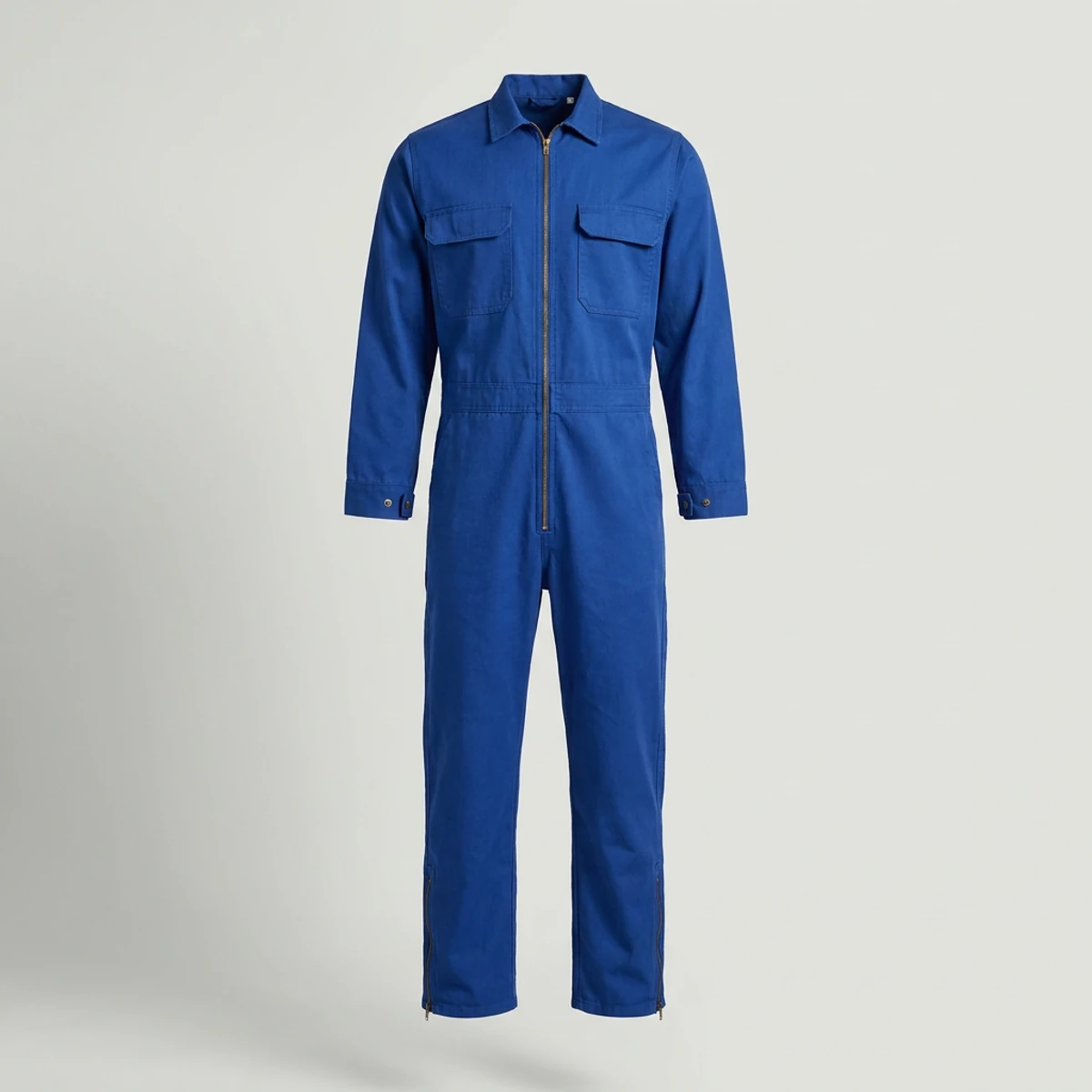
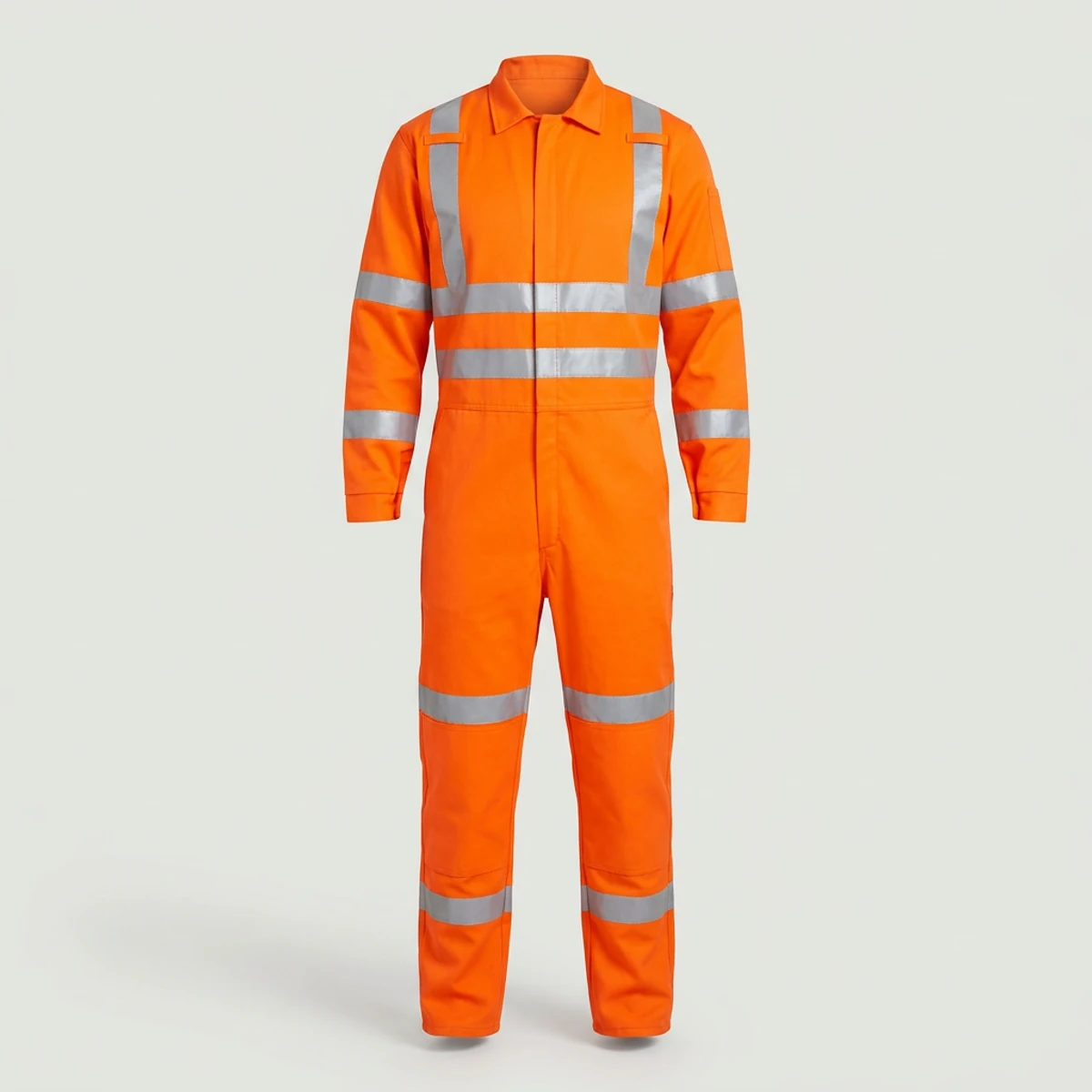
FR coveralls for rig floors and well servicing

One-piece flame-resistant coveralls leave no gap at the waist and keep oil off street clothes on rig floors, workovers and turnarounds. They are built to the flash fire standard your program specifies, with the certification status confirmed at quote.

  • Navy flame-resistant coverall with two-way zipper and reflective tapeNavy FR coverall
  • Khaki flame-resistant coverall with chest pockets and action backKhaki FR coverall
  • Royal blue flame-resistant coverall with snap cuffs and leg zippersRoyal blue FR coverall
  • Fluorescent orange flame-resistant coverall with silver reflective bandsOrange hi-vis FR coverall
Quote FR coveralls
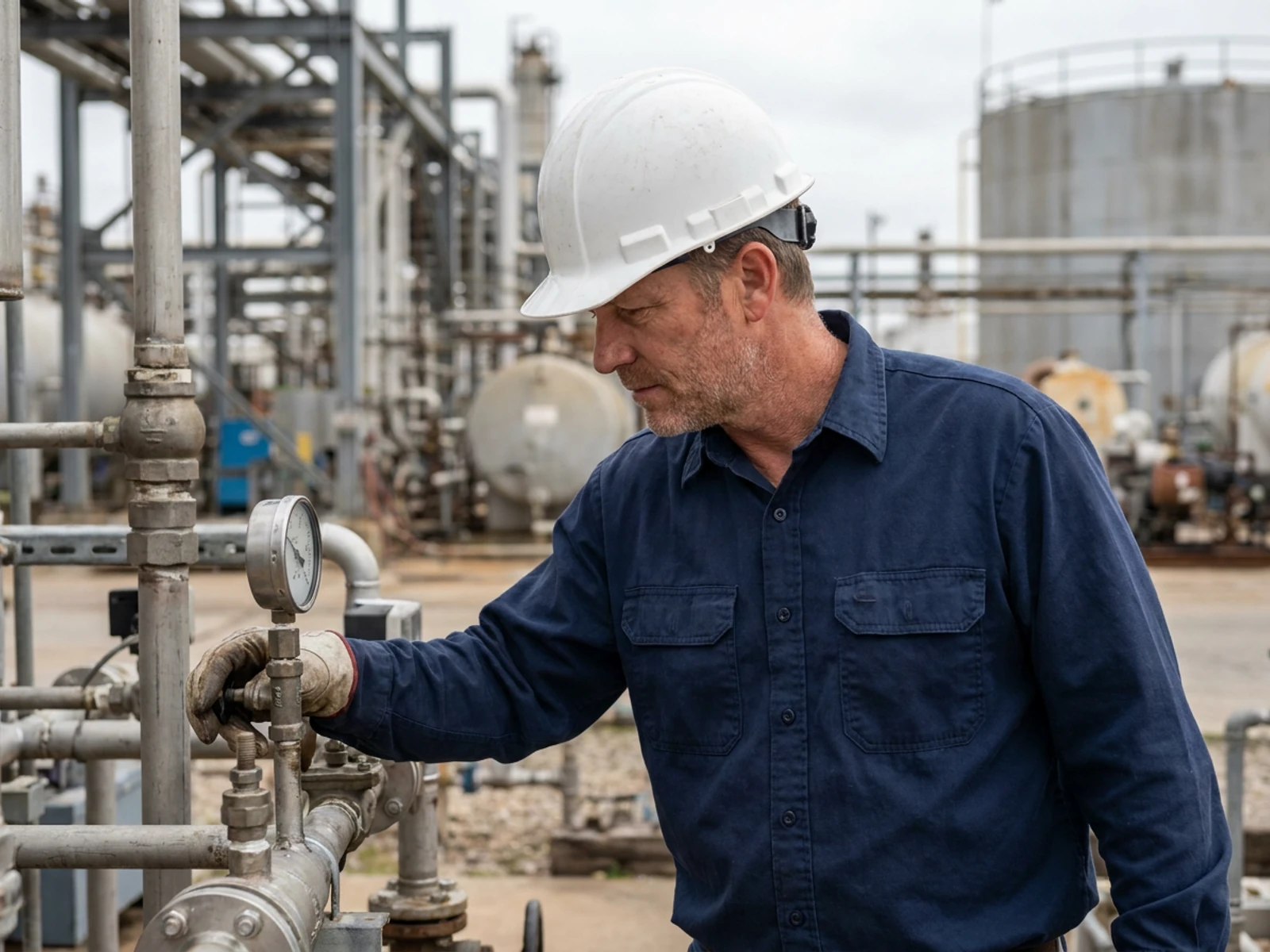
Refinery operator in a navy flame-resistant work shirt checking a pressure gauge

FR work shirts for pumpers and plant operators

Production operators and pumpers wear FR shirts as daily wear, so a cooler fabric and a shirt that stays tucked matter as much as the rating. Logos go on in FR thread or as FR emblems.

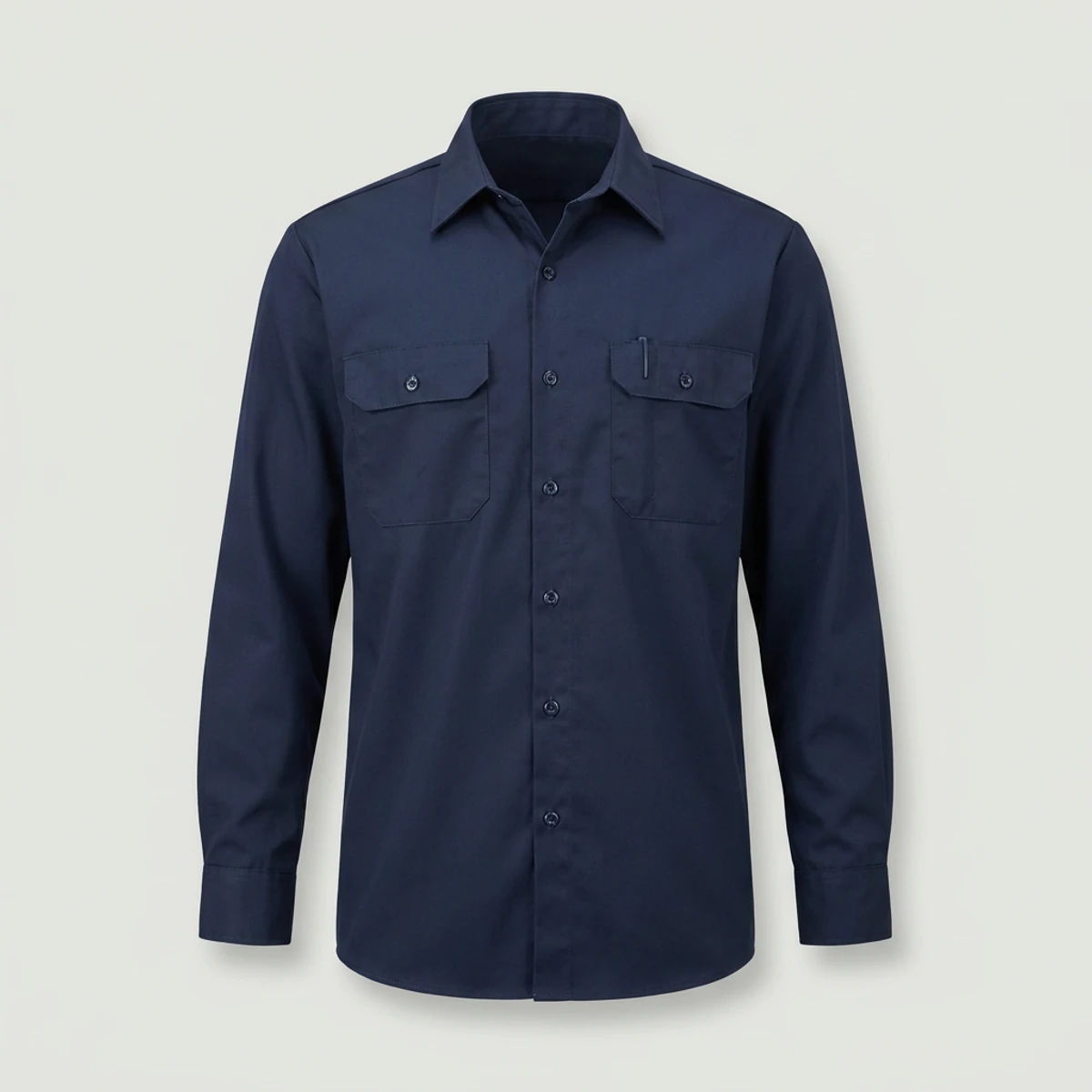
  • Navy flame-resistant button-front work shirt with flap chest pocketsNavy FR work shirt
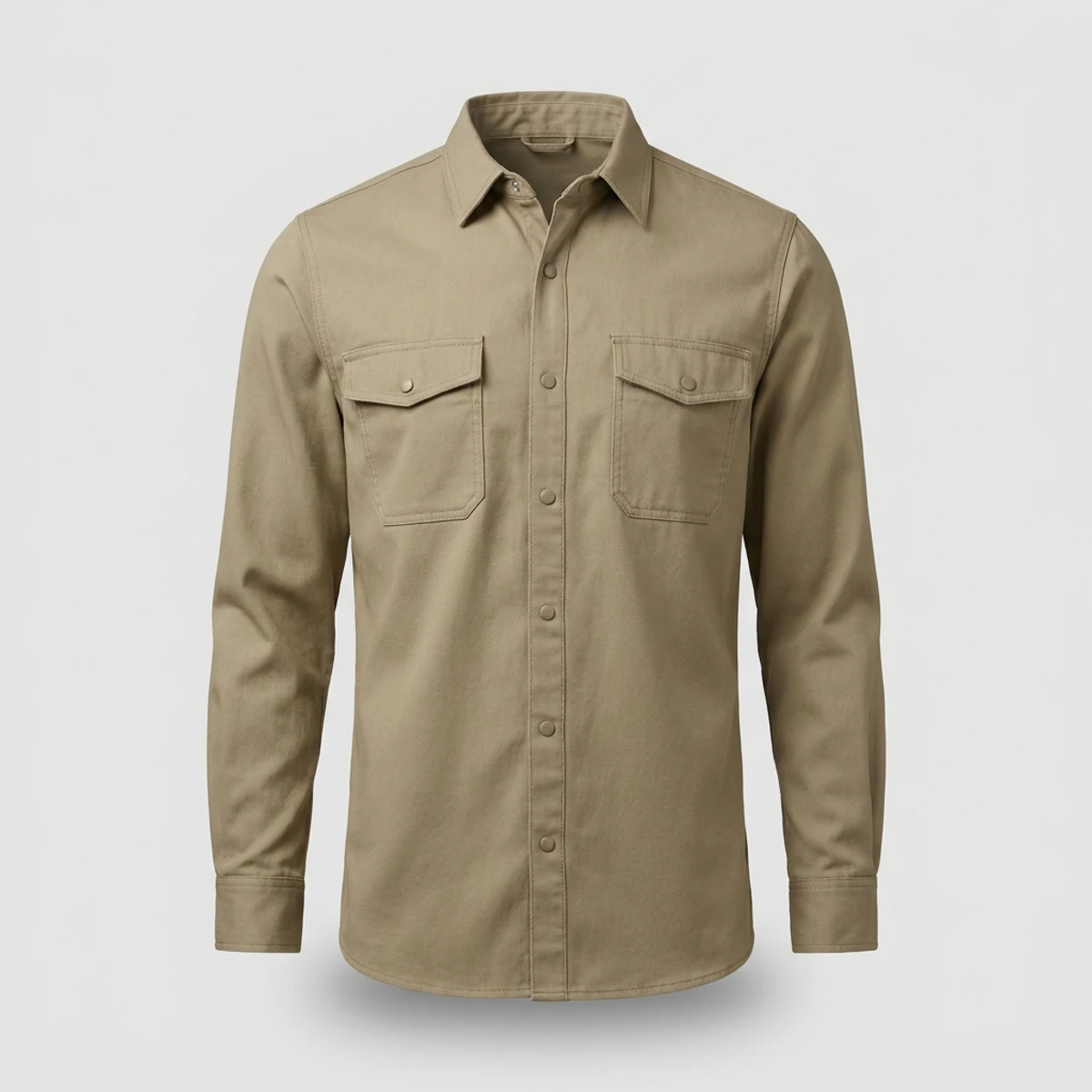
  • Khaki flame-resistant work shirt with snap front and two chest pocketsKhaki FR work shirt
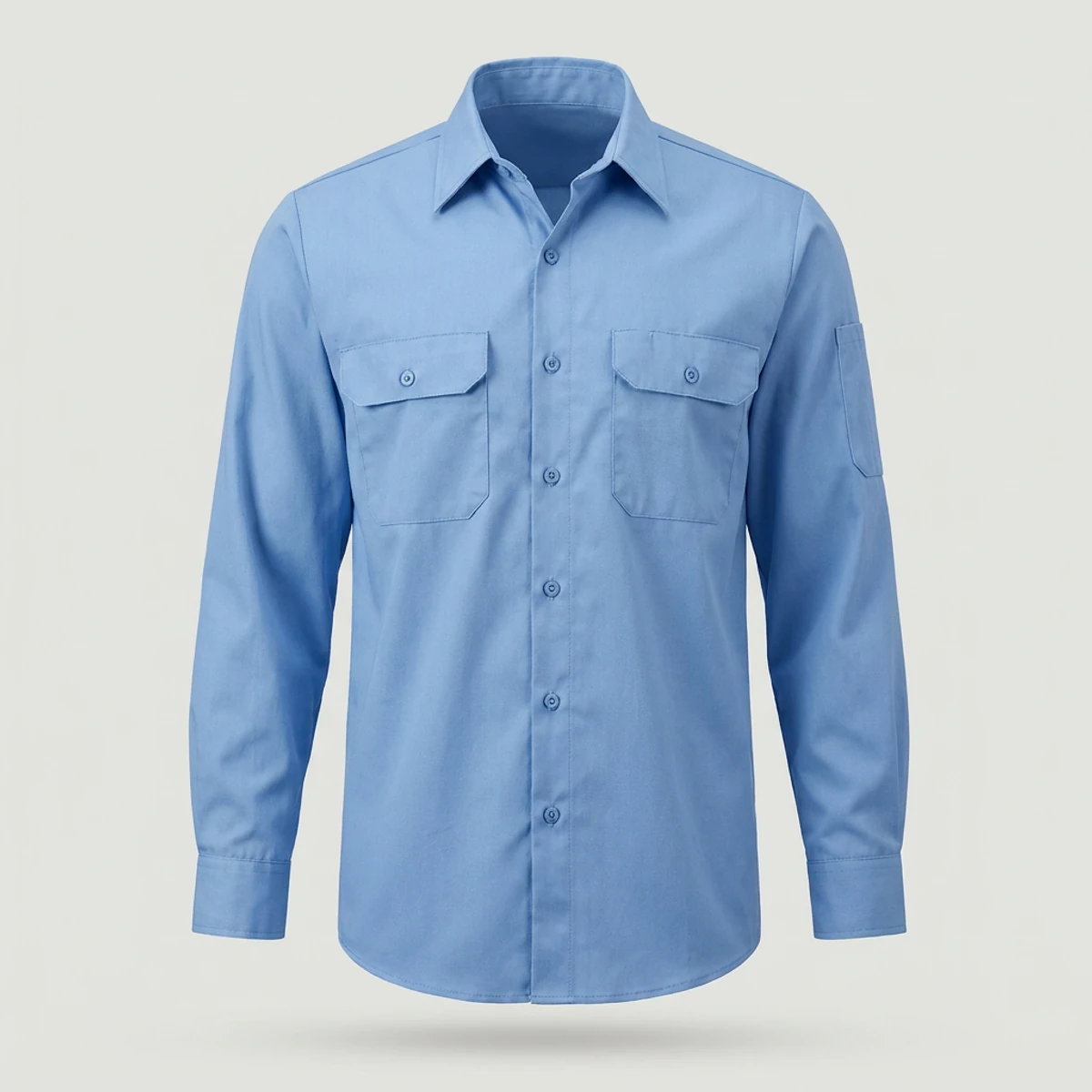
  • Light blue arc-rated work shirt with button front and pen pocketLight blue FR shirt
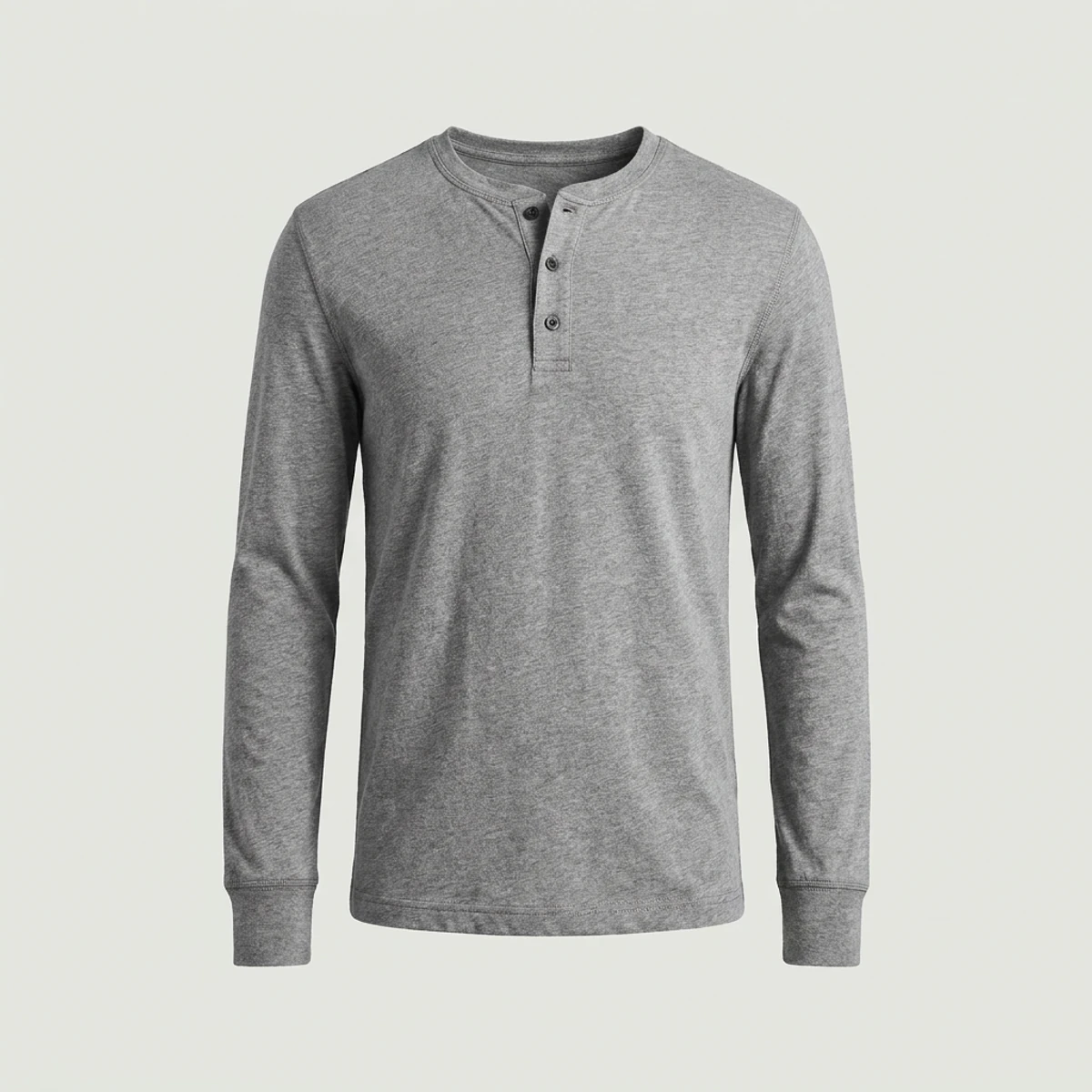
  • Heather grey flame-resistant henley knit shirt with three-button placketGrey FR henley
Quote operator shirts
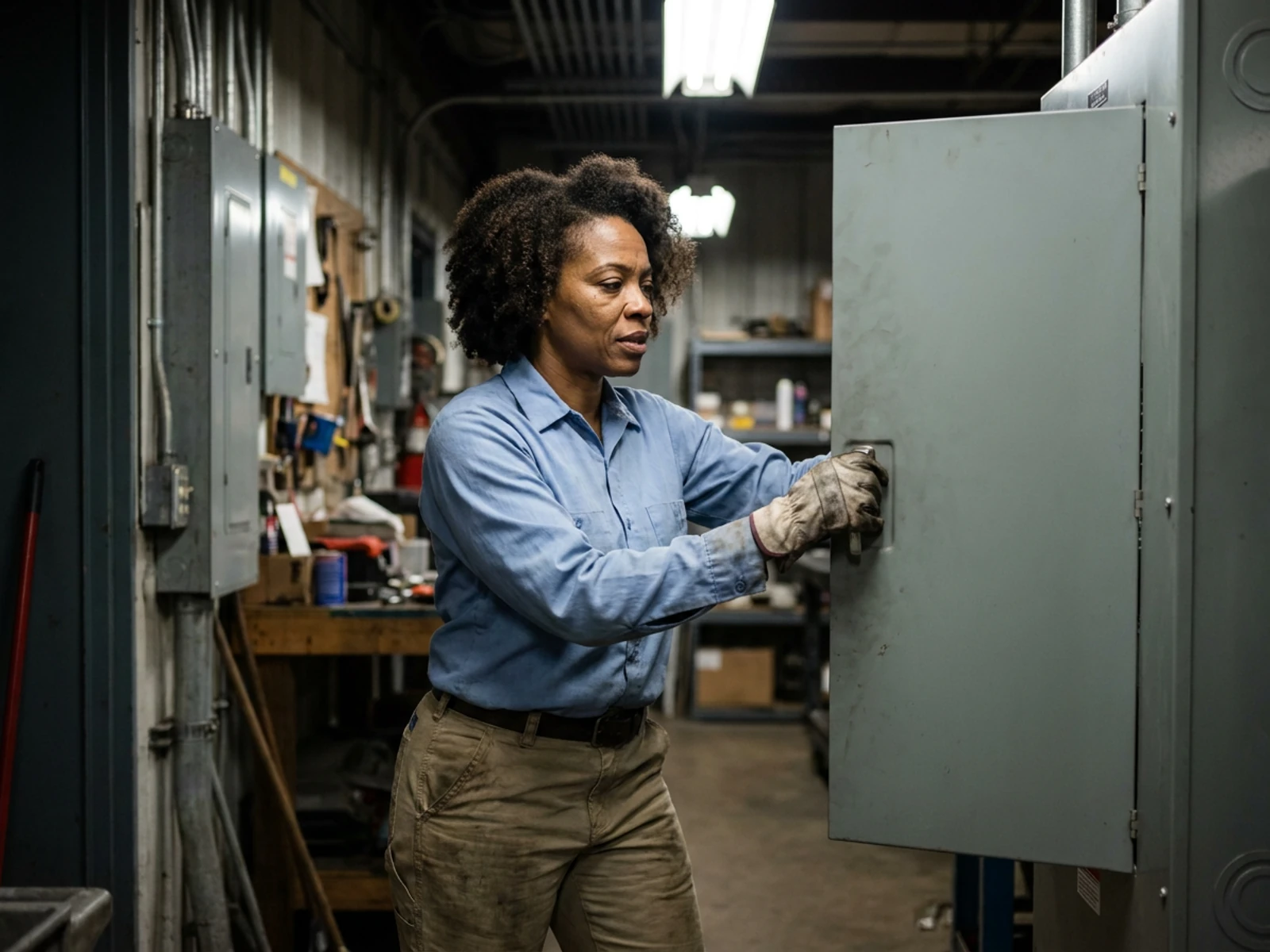
Electrician in khaki flame-resistant work pants opening an electrical panel

FR pants and jeans for two-piece crews

Two-piece crews replace pants and shirts separately, which suits long rotations. FR work pants and FR jeans are made in the same fabric family as the shirts so the crew matches.

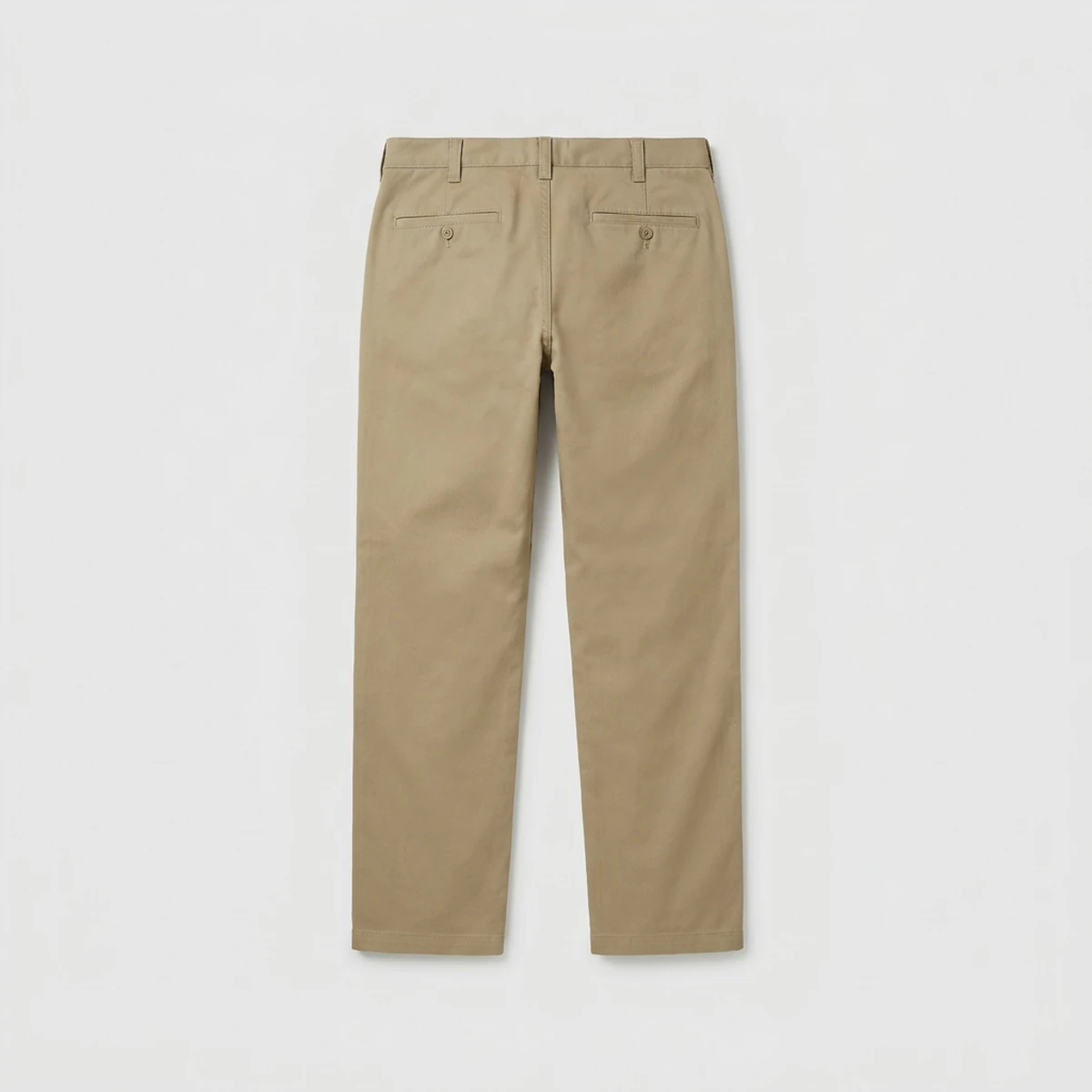
  • Khaki flame-resistant uniform work pants with slant pocketsKhaki FR work pants
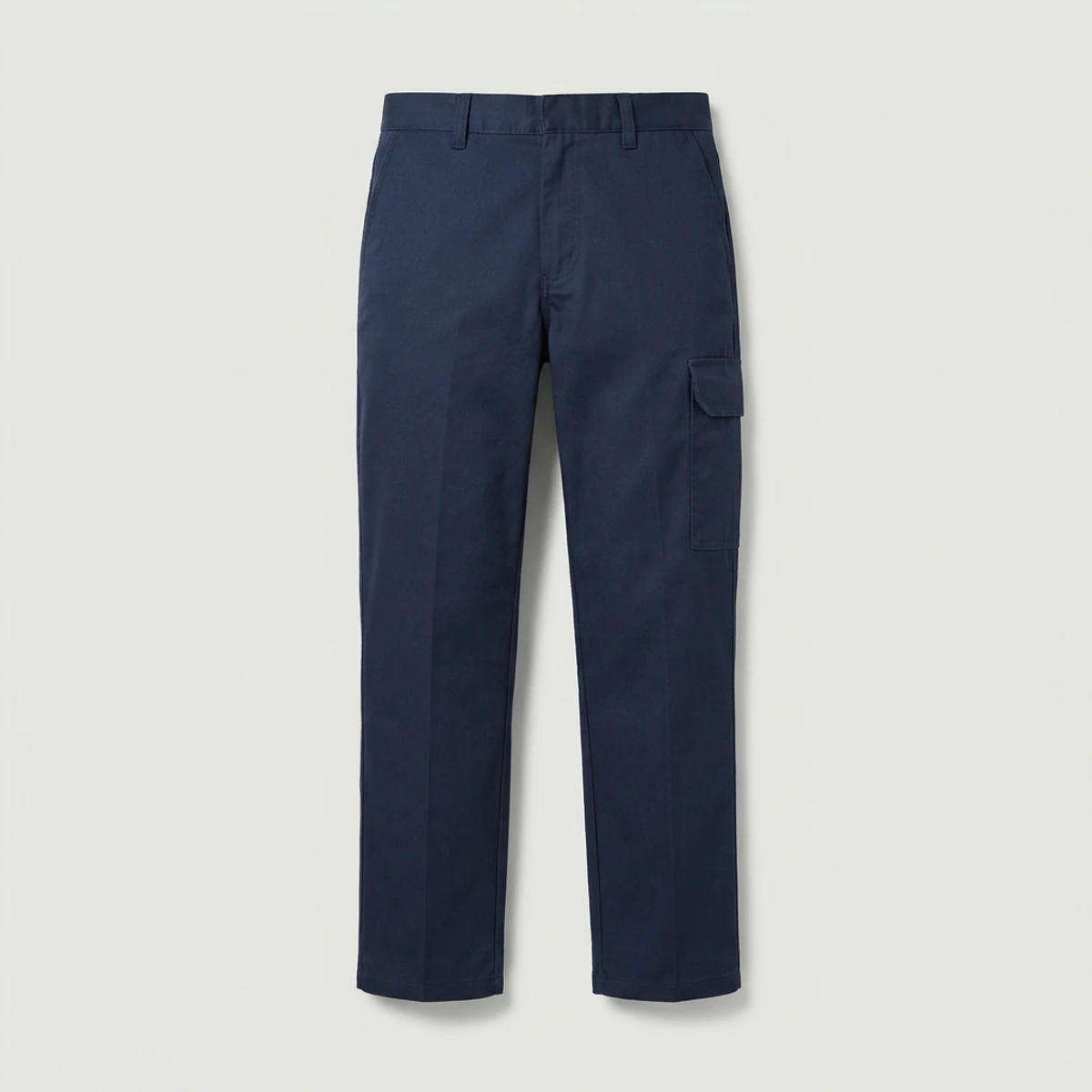
  • Navy flame-resistant work pants with cargo pocket and straight legNavy FR work pants
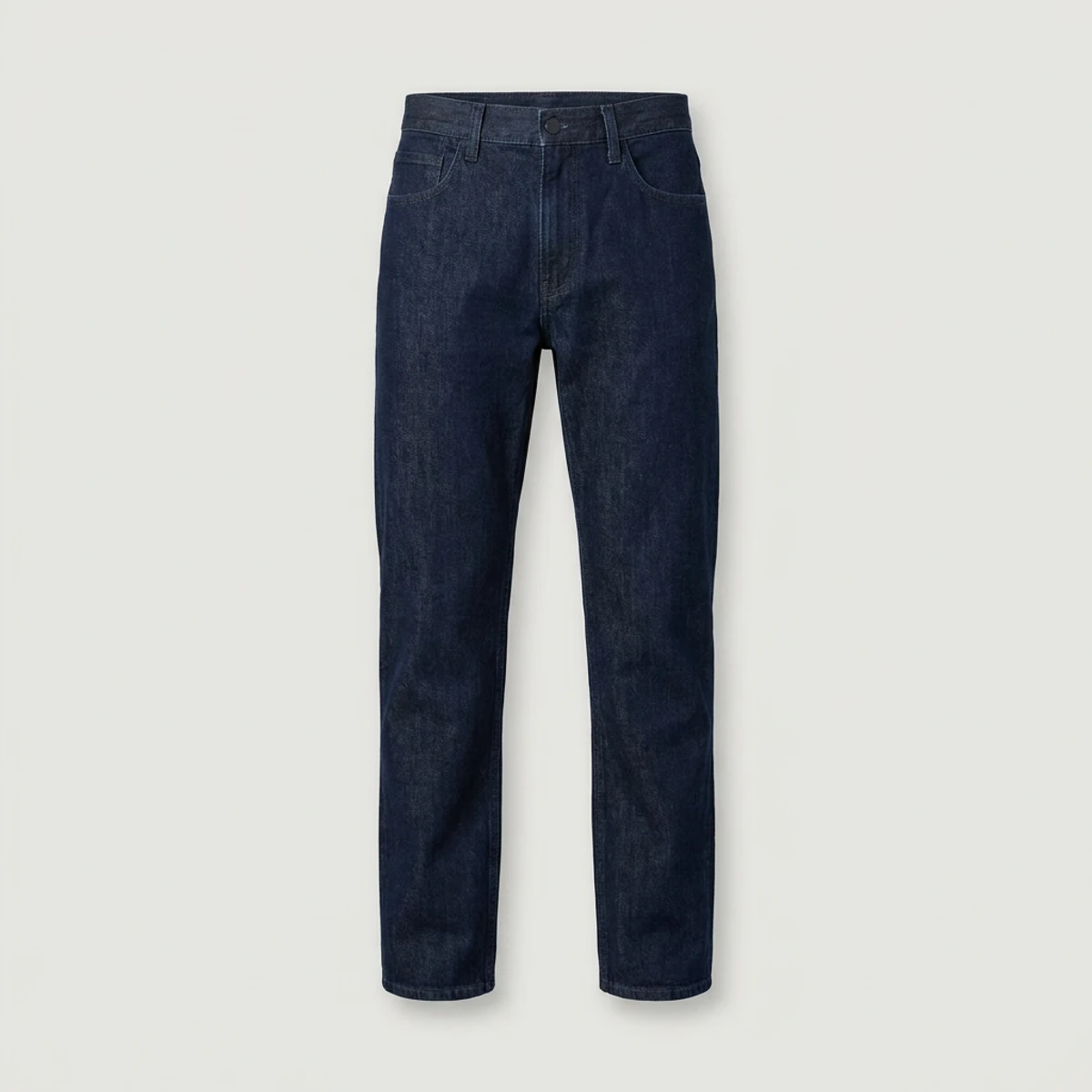
  • Indigo flame-resistant five-pocket work jeans with straight legIndigo FR work jeans
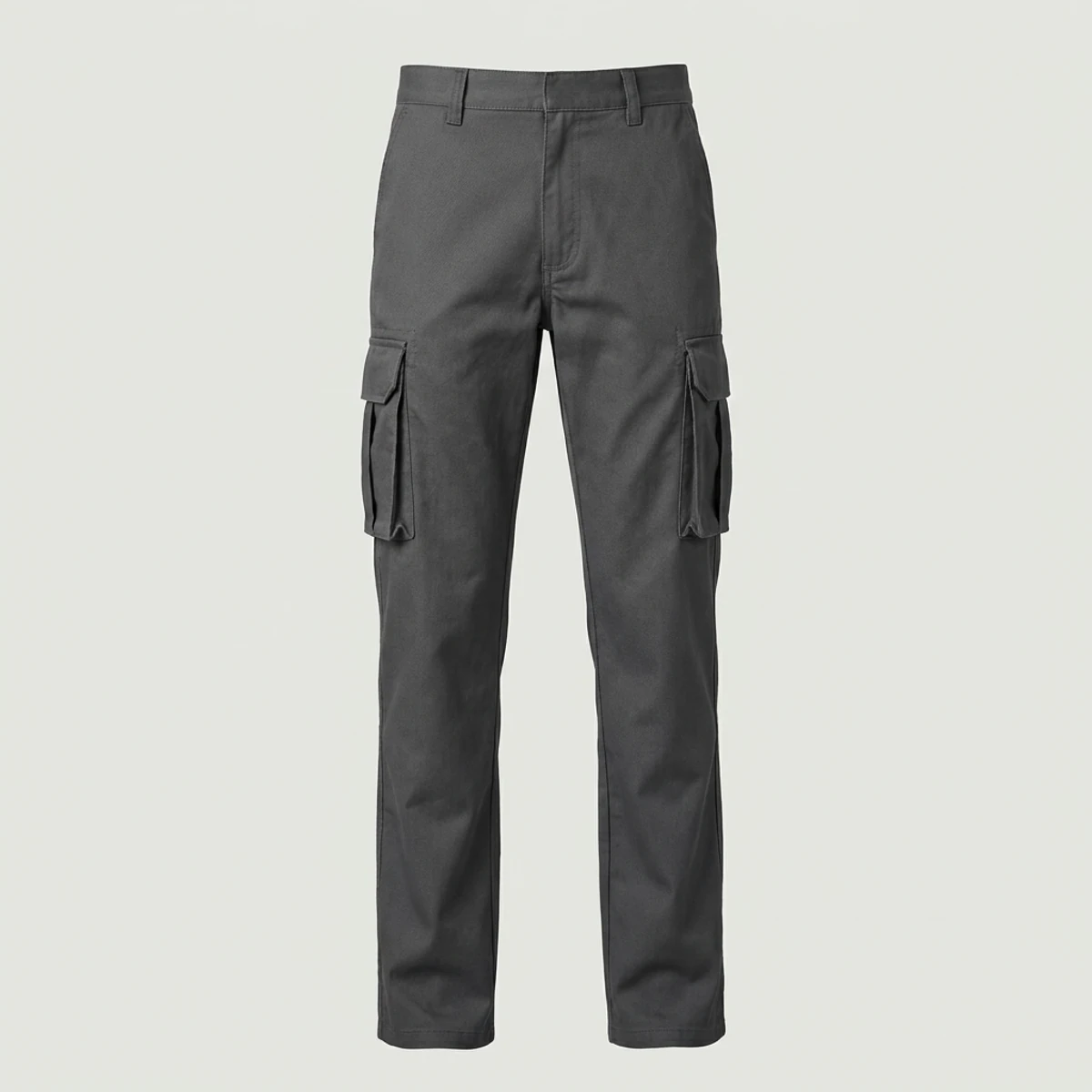
  • Charcoal grey flame-resistant cargo pants with bellows thigh pocketsGrey FR cargo pants
Quote FR pants
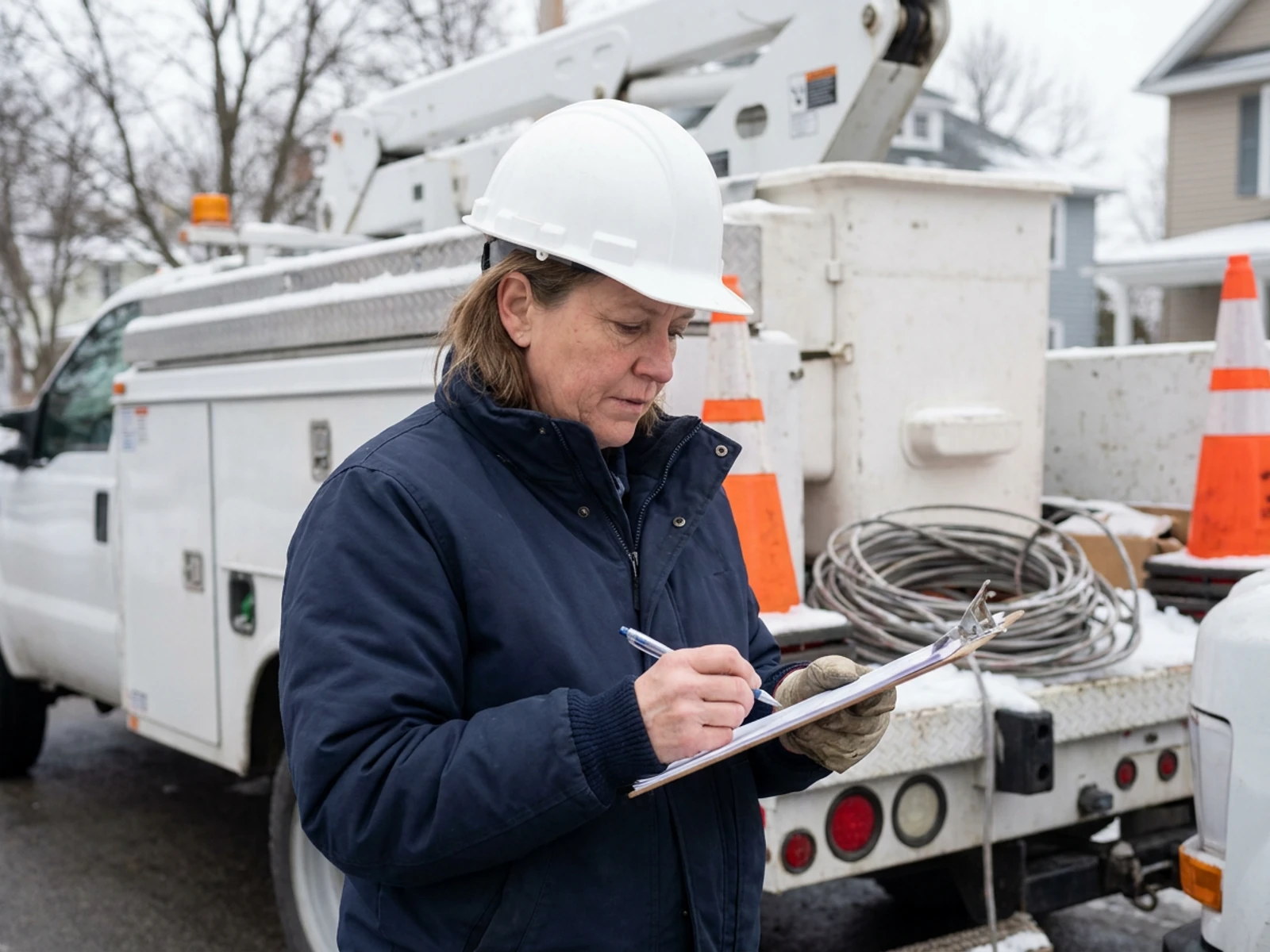
Utility lineworker in a navy flame-resistant jacket reviewing plans beside a bucket truck

FR jackets for northern basins

Winter wellsites need a warm outer layer that is flame resistant itself, because a standard jacket over FR clothing can melt or ignite. FR jackets and hoodies keep the whole layering system protected.

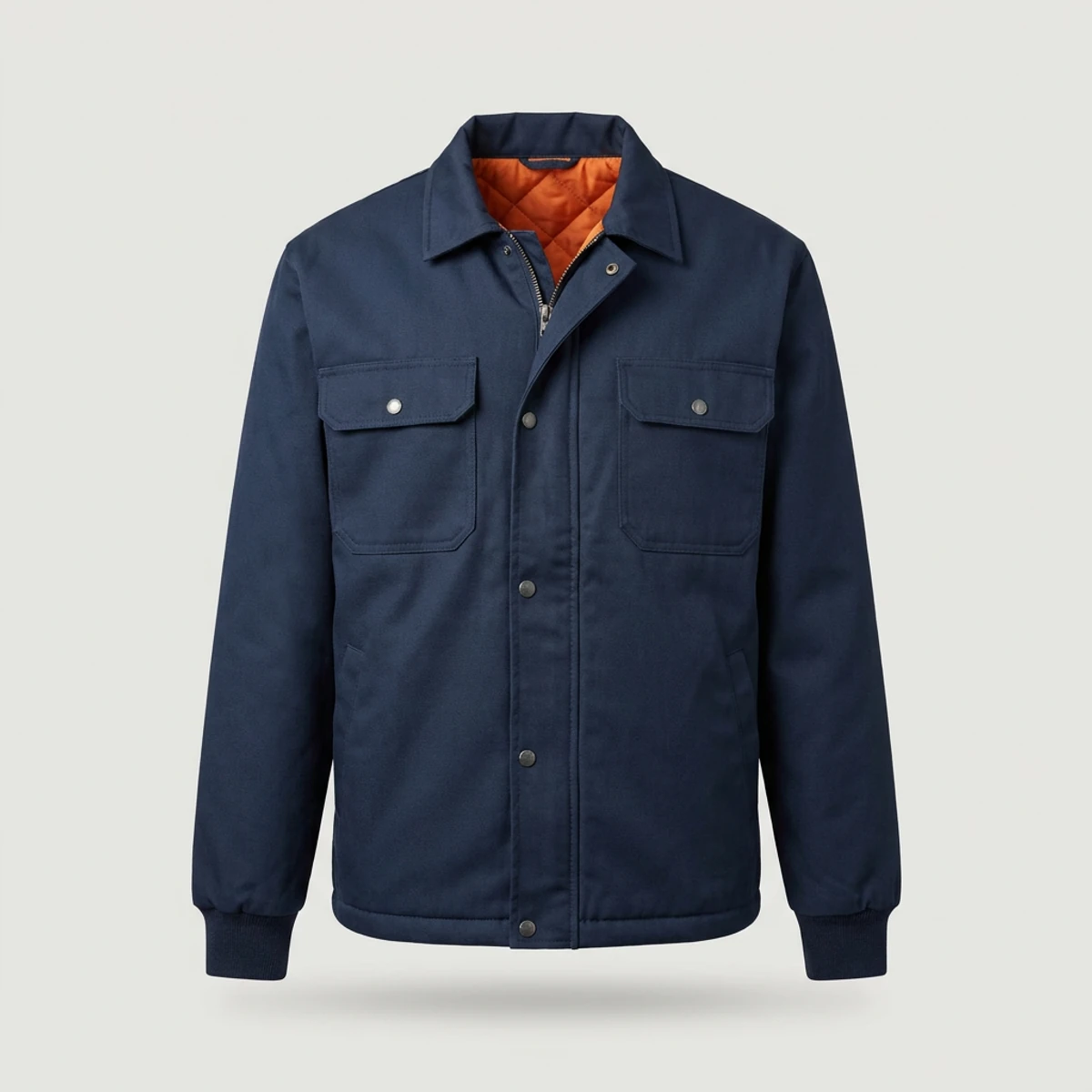
  • Navy flame-resistant work jacket with quilted lining and zip frontNavy FR work jacket
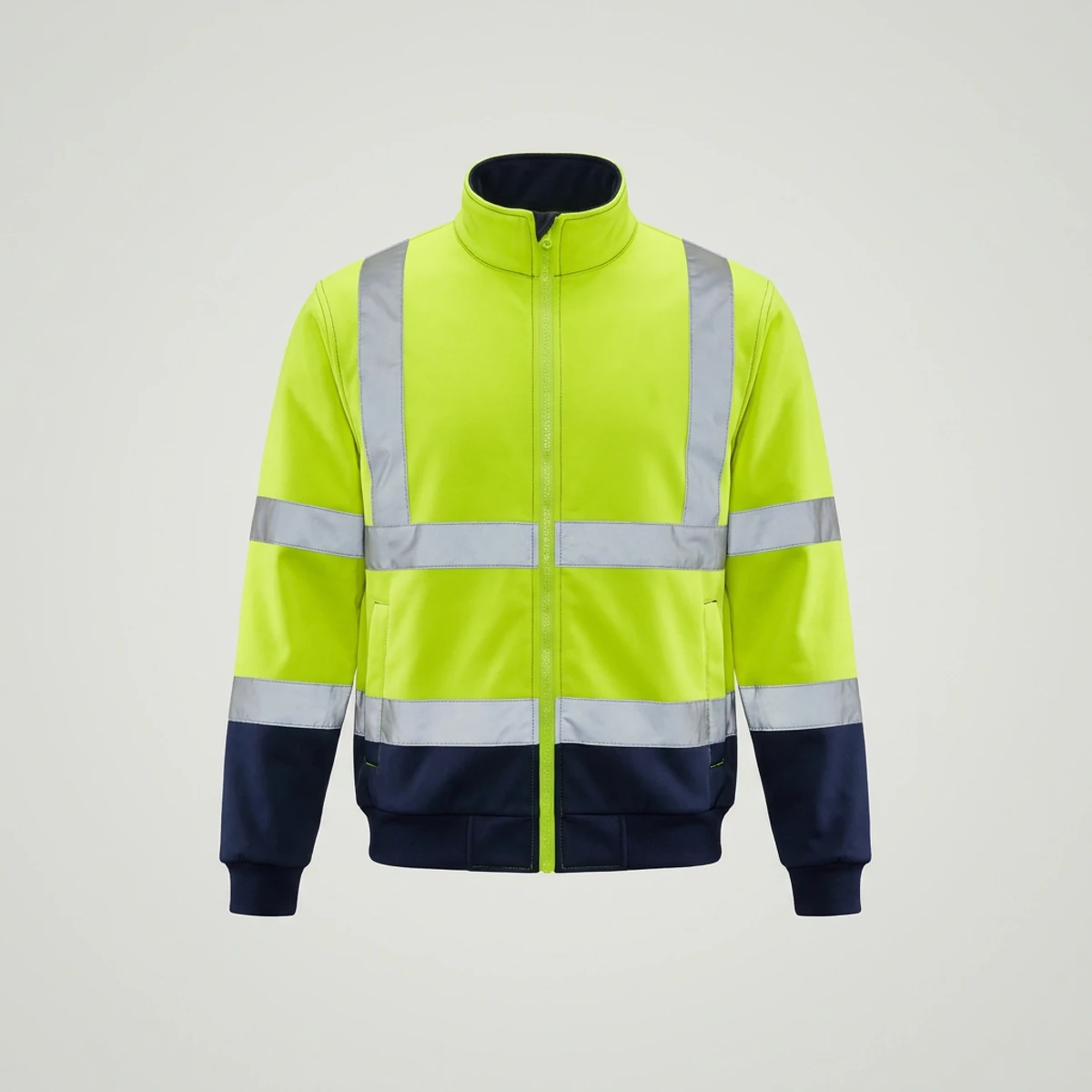
  • Yellow-green hi-vis flame-resistant jacket with navy trim and reflective bandsYellow hi-vis FR jacket
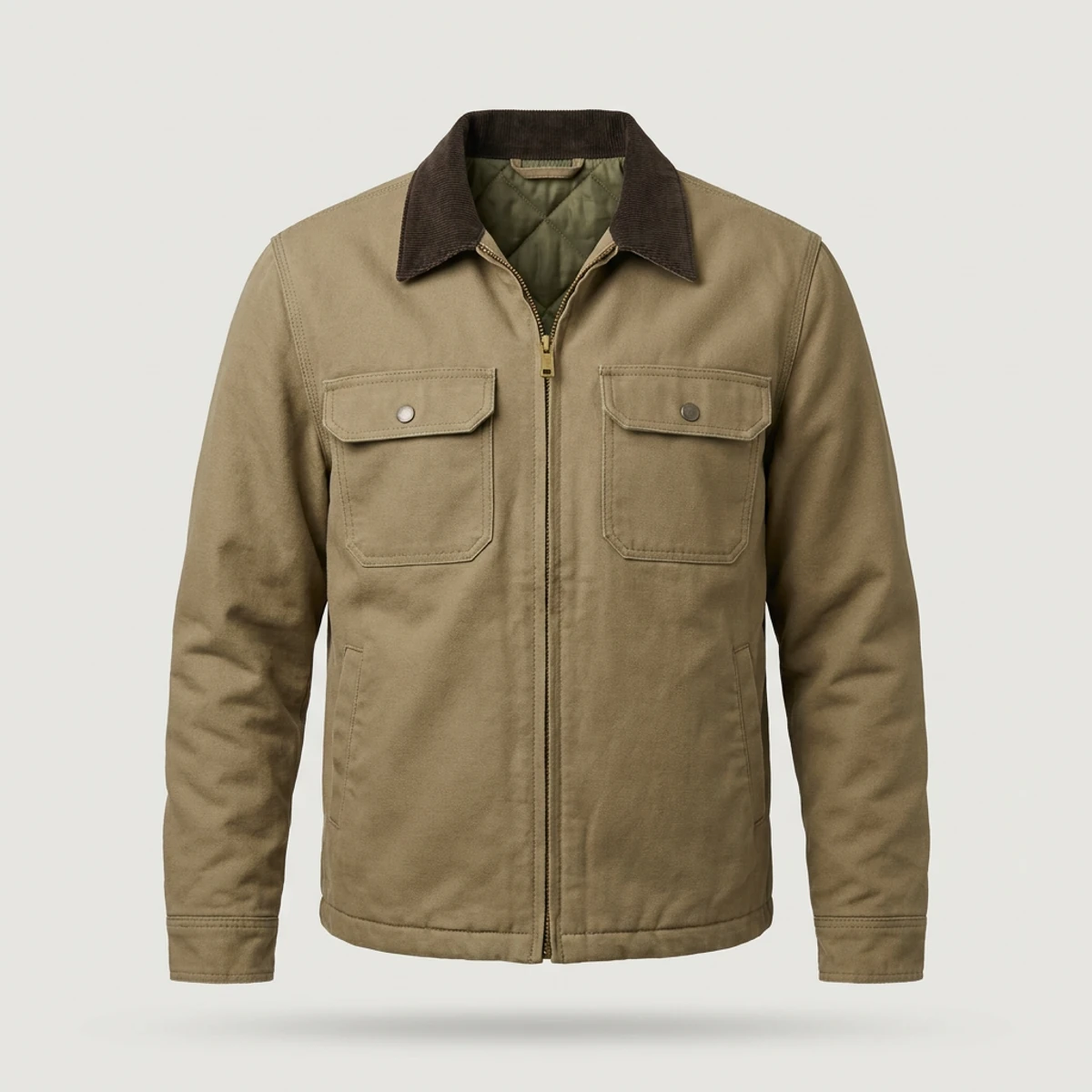
  • Khaki flame-resistant duck work jacket with corduroy collarKhaki FR duck jacket
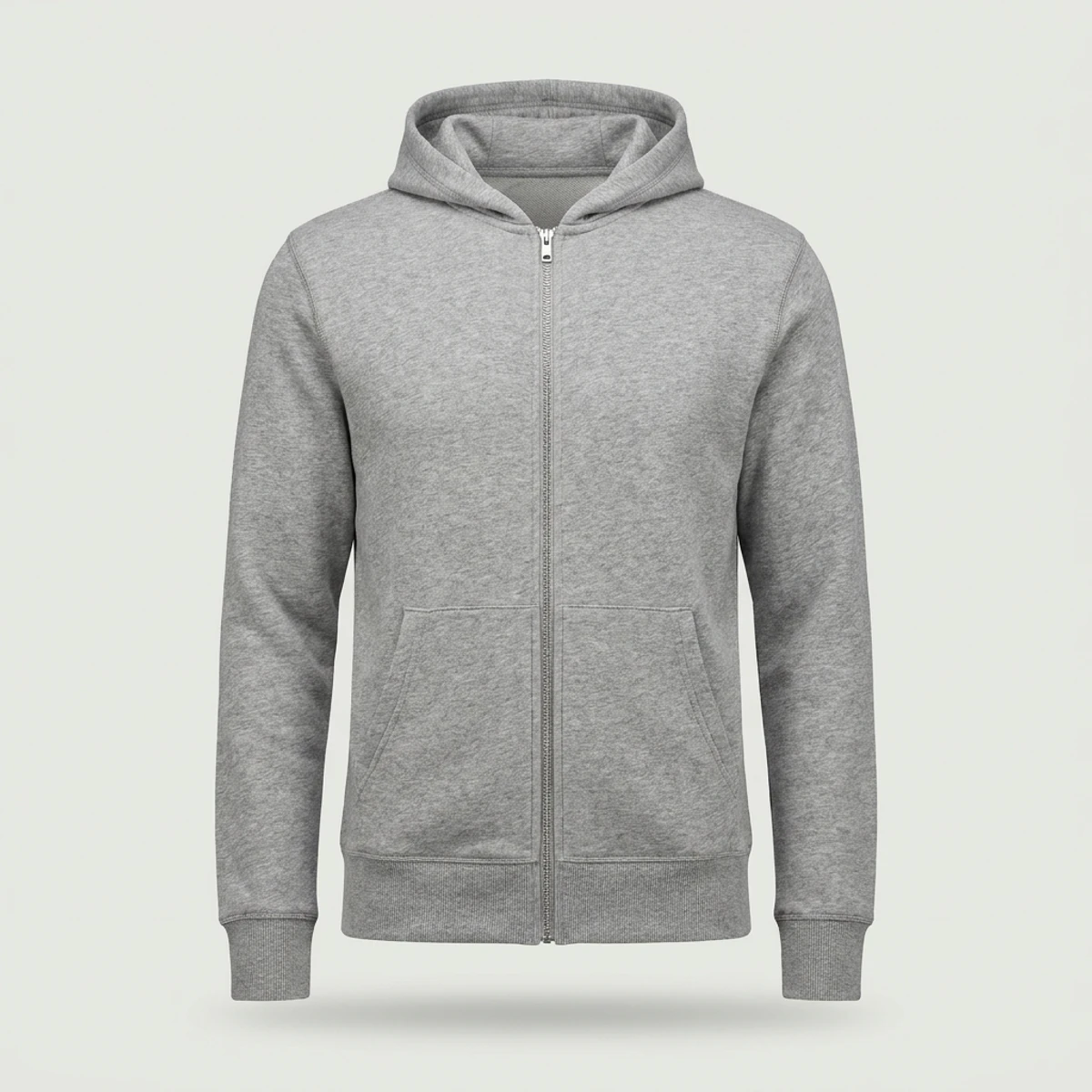
  • Heather grey flame-resistant full-zip hoodie with knit cuffsGrey FR zip hoodie
Quote winter layers

Customize your FR shirts

Pick the style, fabric and colors, add your logo and names, then attach the design to your quote. We cut and sew it in Los Angeles from 50 pieces per style.

When does OSHA expect FR clothing on oil and gas sites?

OSHA expects flame-resistant clothing on oil and gas sites wherever the employer’s hazard assessment finds a potential for flash fire, which in practice covers most well drilling, well servicing and production-related work once hydrocarbons are present. There is no separate regulation for flame resistant clothing in oil and gas; the requirement flows from the general PPE rule.

The Occupational Safety and Health Administration (OSHA) set out its position in a 2010 enforcement memo on flame-resistant clothing in oil and gas drilling, servicing and production, which applies the personal protective equipment standard, 29 CFR 1910.132. Summaries of the memo note that FR is not usually expected during initial rig-up and drilling before active hydrocarbon zones are reached, unless other work calls for it. Operators and refineries frequently require FR for everyone on location regardless, so contractors usually standardize on it.

OperationTypical FR expectationUsual garment
Drilling, once in hydrocarbon zonesFR for the rig crewFR coveralls or shirt and pants
Well servicing, workover, completionsFR for the crew on locationFR coveralls
Production: pumpers, operatorsFR as daily wearFR shirt and pants
Pipeline construction and weldingFR, plus welding protectionFR shirt and pants, leather over the top
Refineries and gas plantsFR by site rule, often arc-rated as wellFR shirt and pants or coveralls
Navy flame-resistant coverall with two-way zipper and reflective tape

NFPA 2112: what the label must show

NFPA 2112 is the National Fire Protection Association (NFPA) standard for flame-resistant garments that protect industrial workers from short-duration flash fire, and most FR clothing oil and gas operators require is specified to it. Compliance is proven by certification of the finished garment, shown on its label, not by the fabric alone.

NFPA 2112 requires the garment model to be certified by an independent certification organization accredited for that purpose. Fabric, thread, closures, labels and emblems are tested as components, and the finished garment carries a label stating that it meets the standard and its edition, with the certifier’s mark. Selection, care and use sit in a separate standard, NFPA 2113. Our NFPA 2112 guide explains the tests and the label line by line.

What this means for buying custom oilfield FR clothing:

  • Specify the standard, not just “FR”. Write NFPA 2112 (and an arc rating, if electrical work applies) into the spec.
  • Ask for the documents in writing: the fabric’s certification and arc rating report, and the certification status of the finished garment.
  • A garment sewn from certified fabric is not automatically a certified garment. Custom Uniform Factory states which of the two you are getting before you order.

FR coveralls vs FR shirts and pants

FR coveralls suit rig floors, well servicing and dirty maintenance, because one piece leaves no gap at the waist and keeps oil off street clothes. FR shirts and pants suit operators, pumpers, supervisors and hot climates, because they run cooler and one piece can be replaced at a time. Many oil and gas uniforms programs issue both.

GarmentStrengthsWatch-outsBest for
FR coverallFull coverage, no waist gap, easy over a base layerHotter; whole garment replaced when damagedRig crews, well servicing, turnarounds
FR shirt and pantCooler, mix-and-match sizing, piece-by-piece replacementShirt must stay tuckedProduction operators, pumpers, supervisors
FR jacket or vestCold-weather layer, must be FR itselfAdds bulkWinter wellsites, northern basins

Construction details matter as much as the garment type: two-way zippers under a covered placket, closed cuffs, flap pockets that do not trap spatter and a fit loose enough to keep an insulating air layer. Our work coveralls page compares cuts in more depth.

Inherent or treated FR fabric for long rotations?

Inherent FR fabric gets its protection from the fiber and usually feels lighter for its rating, which matters on 14-day rotations in Permian heat; treated FR fabric is cotton-rich, cost-effective and comfortable when laundered correctly. Both can carry certification when documented.

FabricTypical weightNotes
FR-treated cottonAbout 200–270 GSMFamiliar feel, durable, most cost-effective
FR-treated cotton-nylonAbout 190–240 GSMBetter abrasion resistance for rough work
Inherent FR blends (aramid, modacrylic)About 150–220 GSMLighter for the rating; protection cannot wash out

Typical industry ranges in GSM (grams per square meter); exact weight and arc rating are confirmed at quote for the fabric you choose.
Navy flame-resistant button-front work shirt with flap chest pockets

Hi-vis FR for roadside and pipeline crews

Hi-vis FR clothing, the most specialized oil and gas apparel, is needed where crews work near traffic or moving equipment, such as pipeline right-of-way, lease roads and midstream construction. Every layer must be flame resistant, including the reflective tape, because a standard polyester vest worn over FR clothing can melt and ignite.

Read more

Our high visibility clothing page covers the classes, and the ANSI/ISEA 107 guide explains how type and class are chosen. Whether a style can be supplied as both FR and ANSI/ISEA 107 compliant is confirmed per style at quote.

Khaki flame-resistant uniform work pants with slant pockets

Branding FR clothing without breaking certification

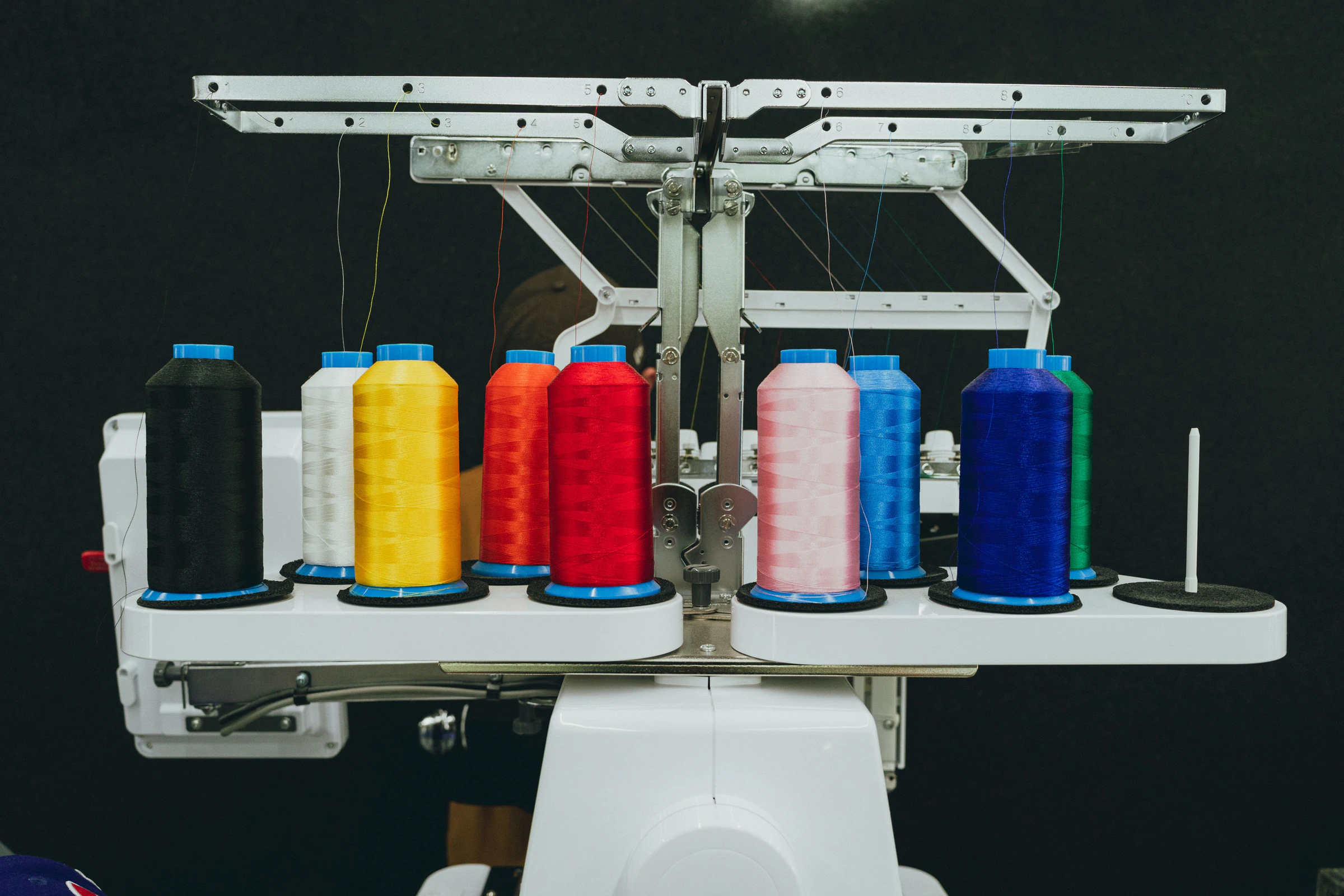
Branding FR clothing safely means using flame-resistant thread on an FR backing, or FR emblems, kept modest in size and agreed per style. Ordinary embroidery thread, vinyl heat transfers and PVC patches can melt or ignite, undoing the protection the garment was bought for.

Read more

OSHA’s guidance to 29 CFR 1910.269 notes that logos and name tags made from non-flame-resistant material can affect a garment’s flame-resistant characteristics. On a certified garment, the certifier also reviews emblems and lettering, so decoration is part of the specification, not an afterthought. Our custom embroidery and printing team plans FR decoration with the fabric documents in hand.

  • Company logo: left chest, FR thread or FR emblem.
  • Crew or company name: across the back on coveralls, sized so contractors are easy to identify on location.
  • Names: an FR name tape above the pocket, if your program uses them.
Navy flame-resistant work jacket with quilted lining and zip front

How should oilfield FR clothing be laundered?

Oilfield FR clothing should be laundered to its care label, without chlorine bleach or fabric softener, and kept free of oil and grease, because hydrocarbons in the fabric are fuel. Heavily soaked garments belong in an industrial laundry. Inspect at every wash and retire torn or worn-thin pieces.

Read more

OSHA stated in a 2015 interpretation letter on laundering FR clothing that home laundering is acceptable when the employer trains workers and inspects the garments. Our guide on how to wash FR clothing covers home and industrial care.

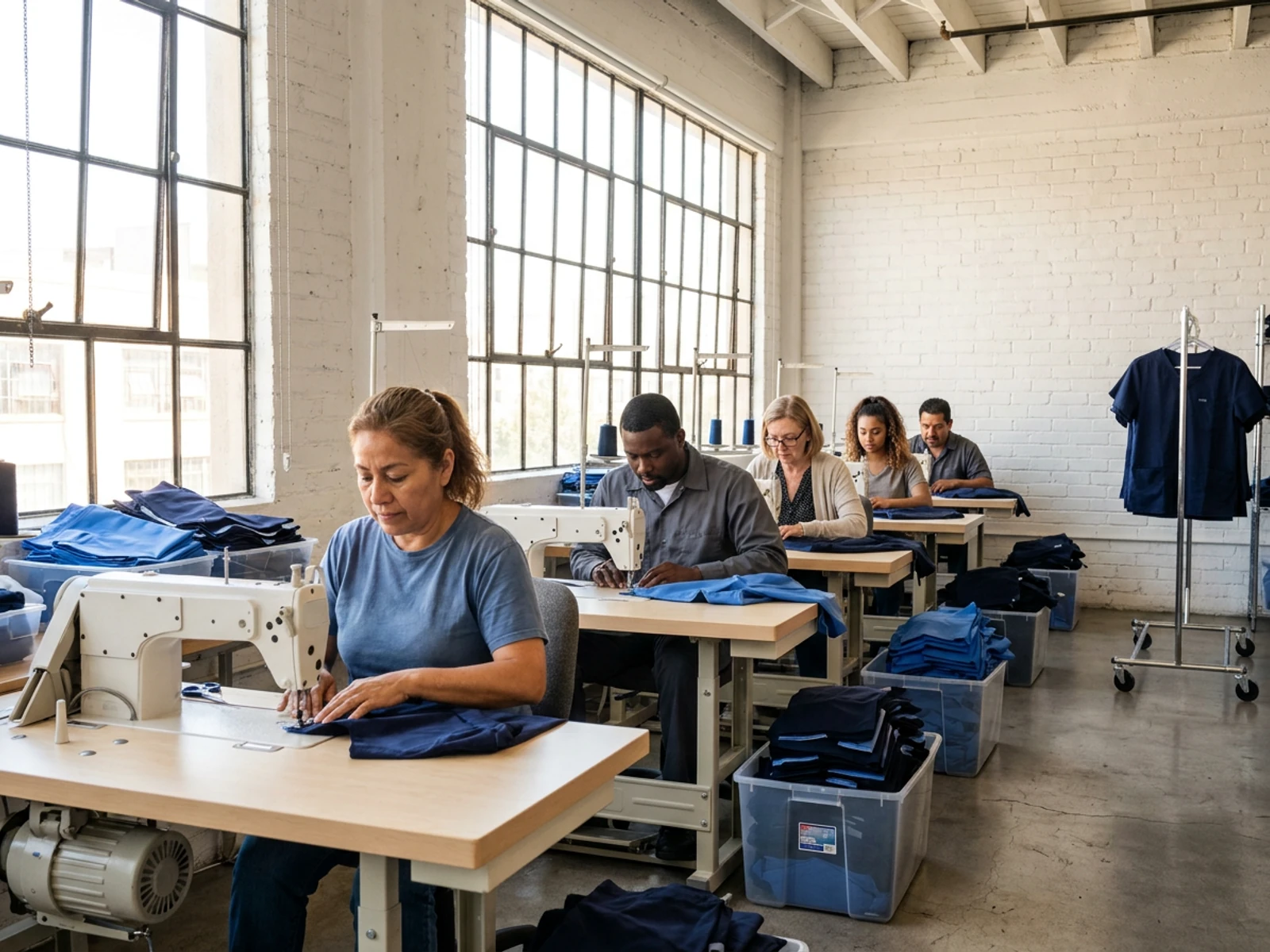
Operators sewing scrub tops on rows of industrial sewing machines

Reorders for rotations and turnarounds

Reorders keep oil and gas workwear and oilfield workwear consistent when crews grow, because the approved pattern, fabric and decoration stay on file. Turnarounds and new contracts bring sudden hiring, so keep a buffer of common sizes and ask for current lead times before a project starts.

What determines the cost of custom FR oilfield uniforms?

The cost of custom FR oilfield uniforms depends on the FR fabric and its documentation, the garment type, quantity per style, FR components and FR-compatible decoration. Every order is quoted on its actual fabric, garment, quantity and artwork, so no prices appear here.

Cost driverHow it moves the costHow to keep it in check
FR fabricInherent FR usually costs more than treated cottonMatch fabric to climate and laundering
Certification and documentationCertified garment programs add documentation and testingSpecify the standard each role actually needs
Garment typeCoveralls and jackets use more fabric and components than shirtsCoveralls only for roles that need them
FR componentsFR thread, zippers and FR reflective tape cost more than standard trimsKeep hardware to what the job requires
Quantity per styleLarger runs spread setup and sampling across more piecesOne color and fabric across the crew
DecorationFR thread, emblems and extra locations add costOne chest logo and a back name

How does ordering work with a 50-piece minimum?

Ordering oil and gas FR clothing runs in five steps, starting with the standard, because the documented fabric decides every later choice of thread, closures and decoration. The minimum is about 50 pieces per style, with sizes mixed in the run.

  1. 01

    Share your hazard assessment

    and the standards required: NFPA 2112, an arc rating, or both.
  2. 02

    Confirm fabric and documents

    in writing for each style.
  3. 03

    Approve a sample

    with FR decoration placed.
  4. 04

    Production

    in Los Angeles.
  5. 05

    Reorder

    the approved spec as crews change.

Ready to order

What to send us for a quote

A complete quote for oilfield uniforms needs the operations and hazards, the standard each garment must meet, the garment mix, climate and the logo plan. Sending them together lets the fabric and documentation be confirmed for each style in one round.

  • Operations: drilling, servicing, production, pipeline, refinery or a mix
  • Standard required: NFPA 2112, minimum arc rating or PPE category, or both
  • Garments and quantities: coveralls, shirts, pants, jackets
  • Climate and rotation length
  • Hi-vis needs for road or pipeline work
  • Logo files, placement and name requirements

For welding-specific spatter protection, see welding clothes; for the full range of flame-resistant garments, see our FR clothing page.

Questions about oil & gas

Need something not covered here? Ask our Los Angeles team and we’ll answer with options for your order.

Ask our Los Angeles team

Is FR clothing required on oil and gas sites?

OSHA expects flame-resistant clothing in oil and gas well drilling, servicing and production-related operations where the employer's hazard assessment finds a potential for flash fire. The legal basis is the general PPE standard, 29 CFR 1910.132, as set out in OSHA's 2010 enforcement memo. Operators often go further and require FR for everyone on location.

Are your oilfield uniforms NFPA 2112 certified?

Certification under NFPA 2112 applies to a finished garment model and is granted by an independent certification organization, not by the sewing factory alone. Tell us the standard your program requires, and we confirm in writing, before you order, which fabric, documentation and certification status the style will carry. Never accept an oilfield uniform on a verbal claim.

Coveralls or shirts and pants for oilfield work?

Coveralls leave no gap at the waist and suit rig floors, well servicing and dirty maintenance work. Shirt-and-pant sets run cooler, let a worker replace one piece at a time and suit operators, pumpers and supervisors. Many crews issue both: coveralls for heavy tasks, two-piece sets for daily wear.

Can you put our company logo on FR clothing?

Yes, with FR-compatible materials only. Logos are embroidered with flame-resistant thread on an FR backing, or applied as FR emblems, and kept modest in size. Standard polyester thread, vinyl transfers and PVC patches can melt or ignite, and OSHA notes that non-FR logos can affect a garment's protection.

What is the minimum order for oil and gas uniforms?

About 50 pieces per style, where one style is one garment in one FR fabric and color; sizes are mixed within the run. A service company can start with one coverall or one shirt and pant combination for the whole crew, then reorder the approved spec as crews grow.

Oil & GasCut & sewn in Los Angeles · from 50 pieces per styleRequest samplesGet a quote