Mesh
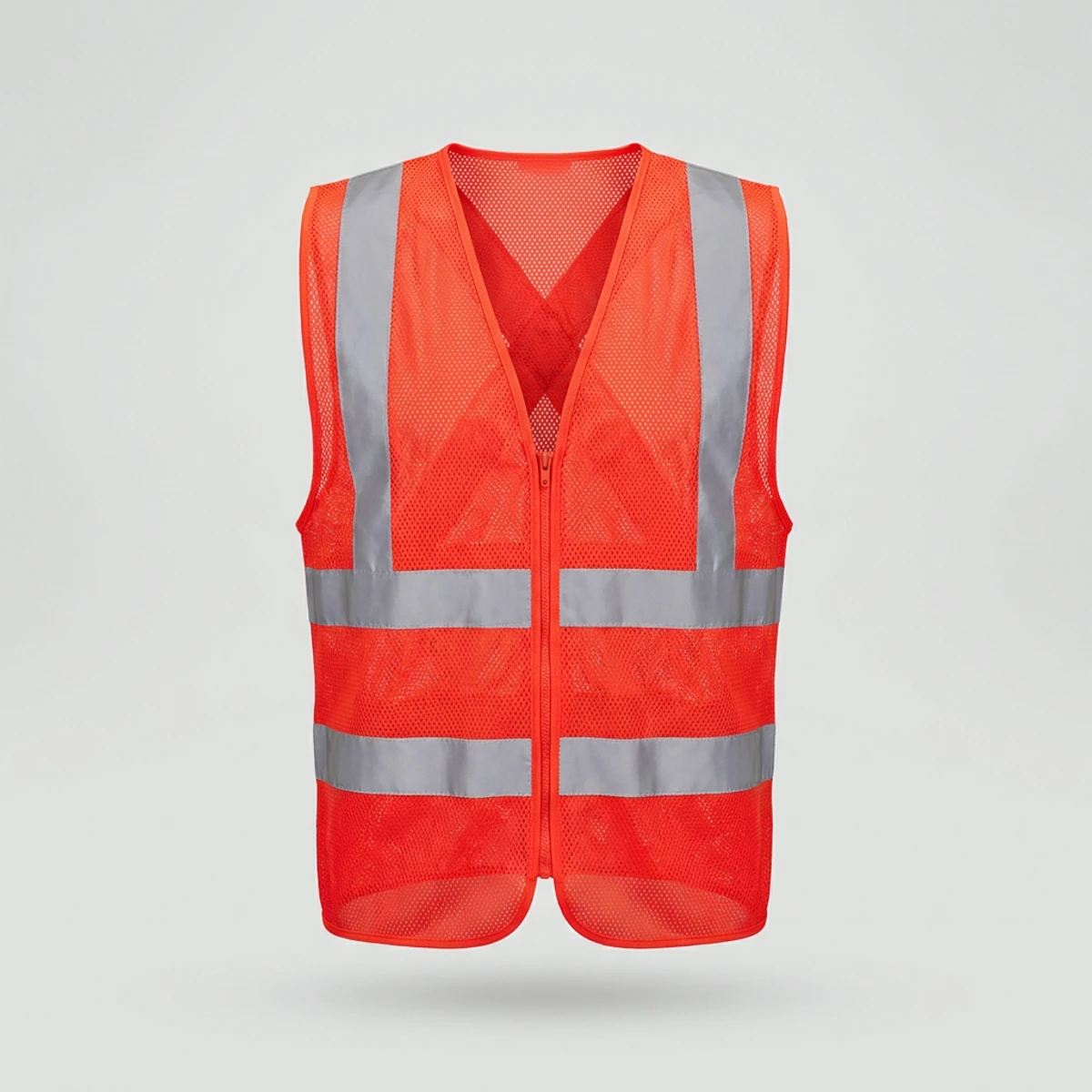
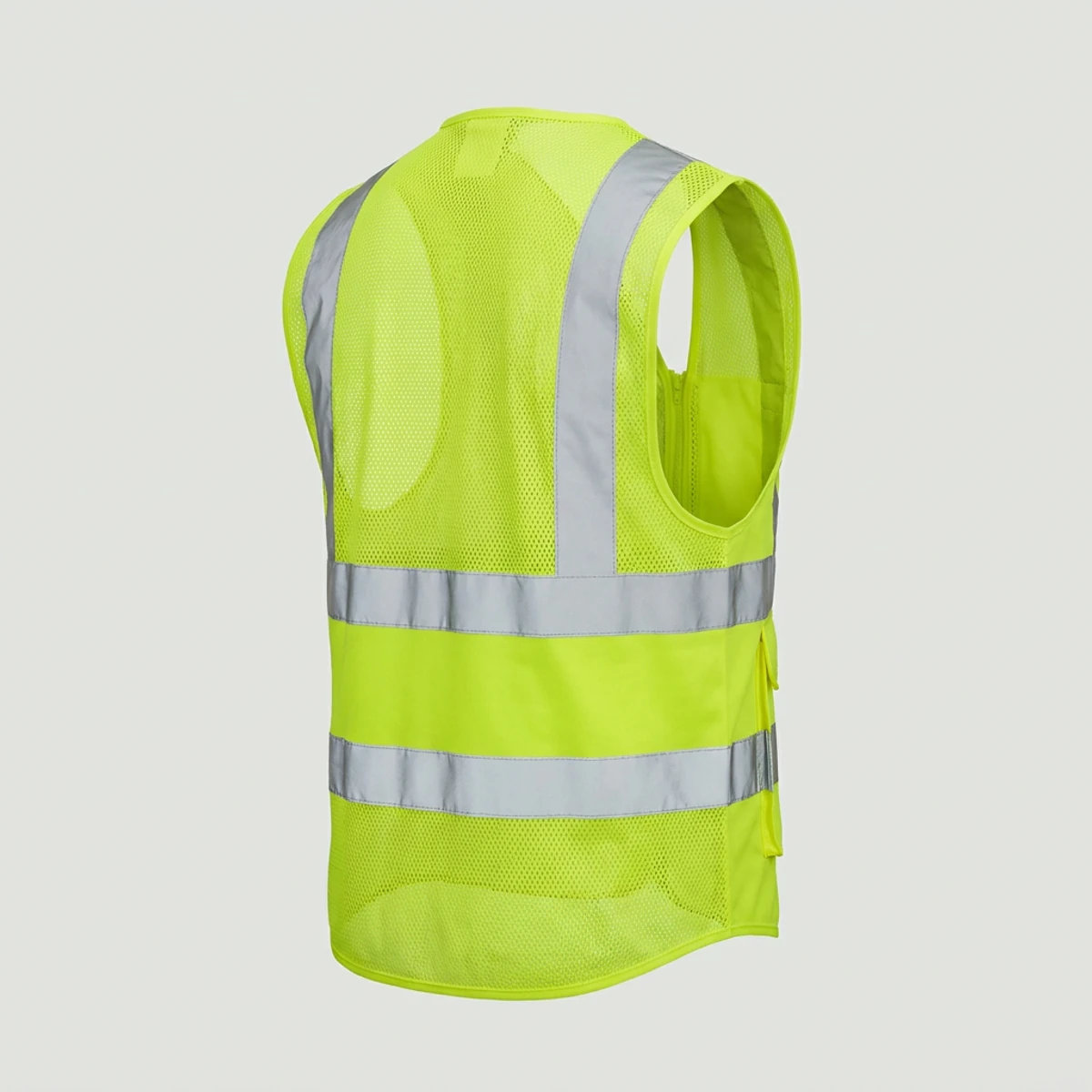
Open polyester mesh with a hook-and-loop or zipper closure is the lightest, coolest vest for hot climates and short visits to site, and the usual choice for visitors, drivers and seasonal staff.
Workwear · Los Angeles factory
A safety vest is a sleeveless high-visibility garment that combines fluorescent fabric, seen in daylight, with retroreflective tape, seen in headlights, so workers stand out near traffic and moving equipment. Custom Uniform Factory cuts and sews safety vests for whole crews in its Los Angeles factory from imported fabric, in mesh, solid, pocketed and breakaway styles designed around the ANSI/ISEA 107 type and class your job requires, from about 50 pieces per style.

12 styles in 3 families · each made to order in your fabric, color and branding from 50 pieces.
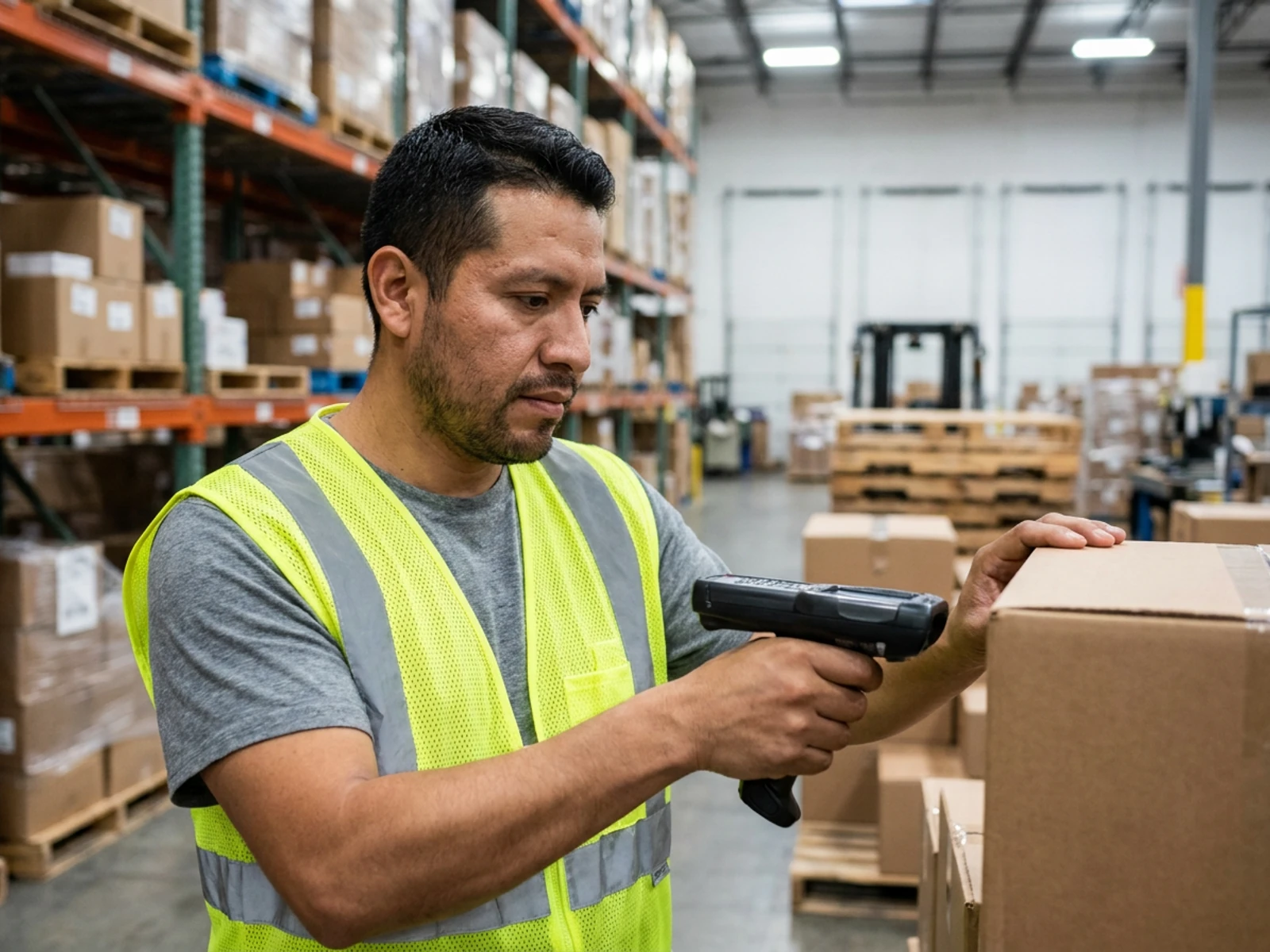
Off-road crews in warehouses, loading docks and parking lots work away from fast traffic, so a lighter Type O Class 1 vest is often enough. We make them in breathable mesh or solid fabric in crew quantities, with the type, class and certified materials confirmed per style at quote.
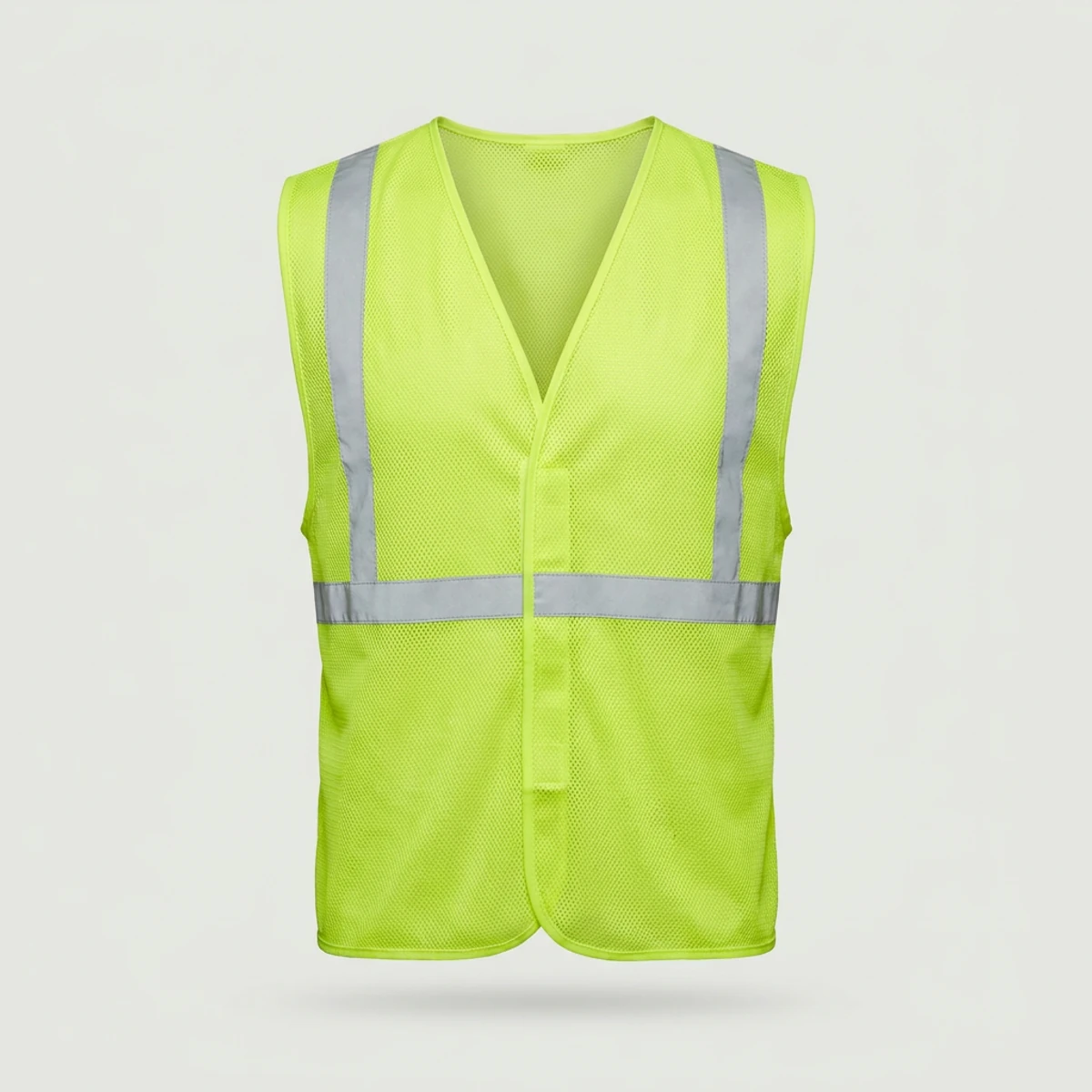
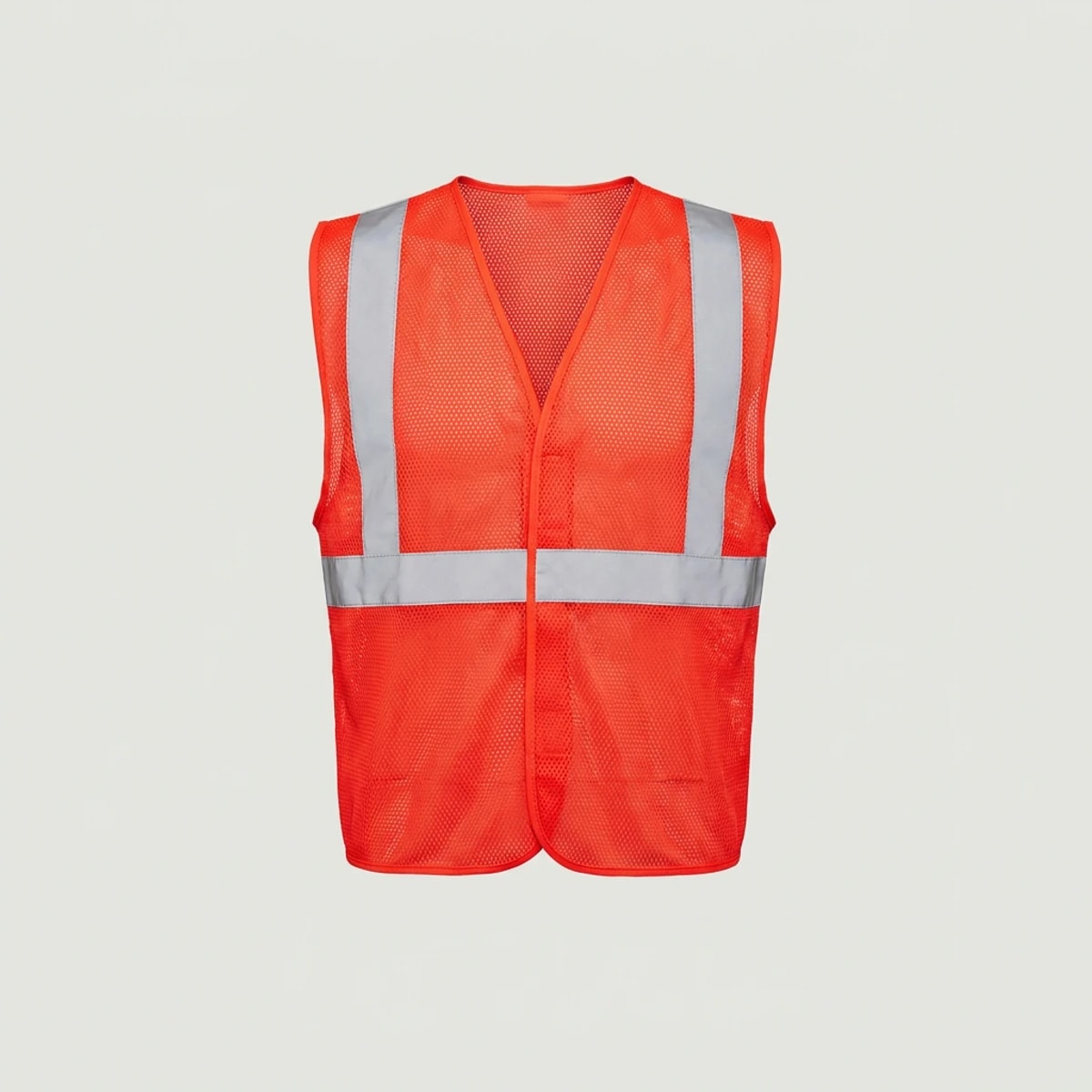
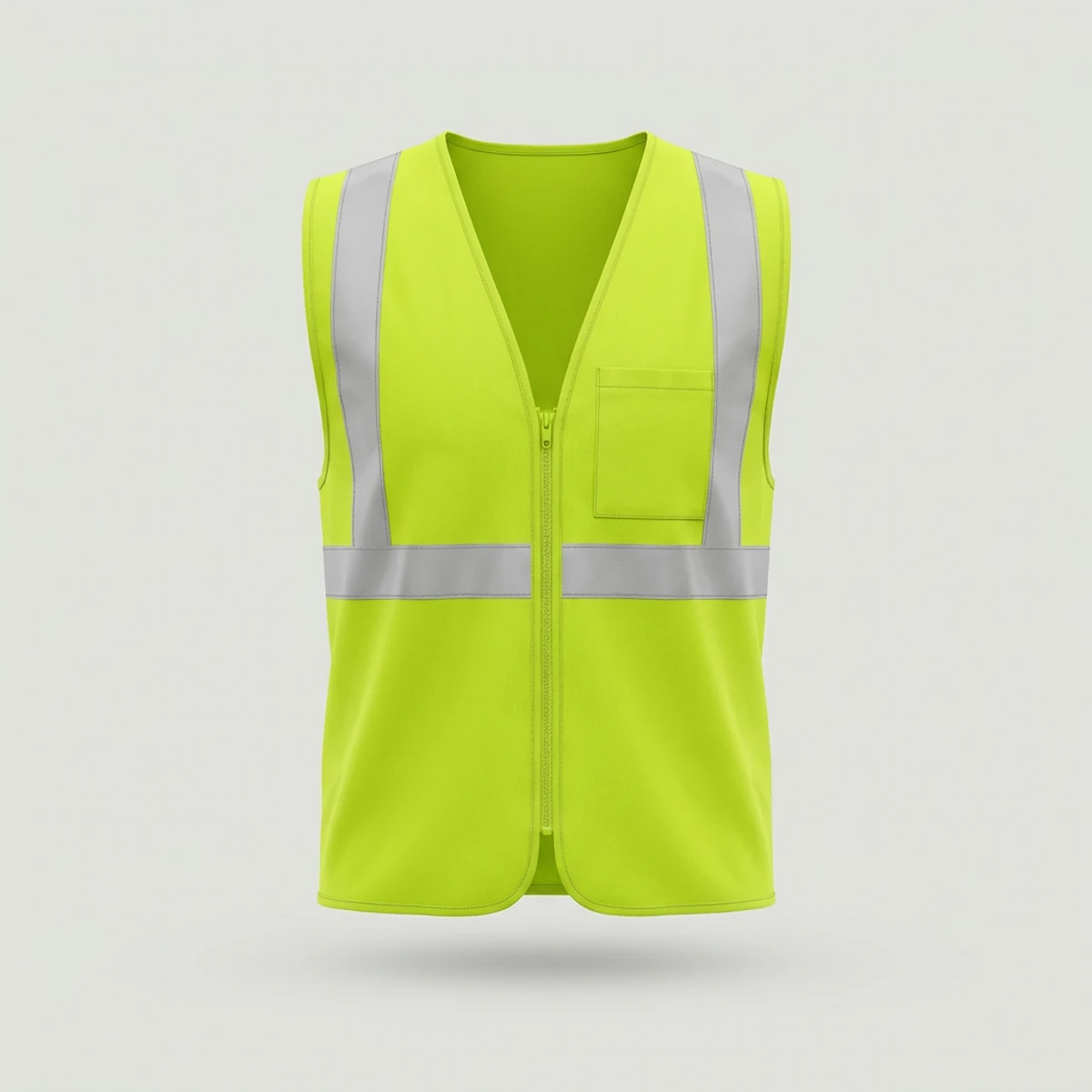
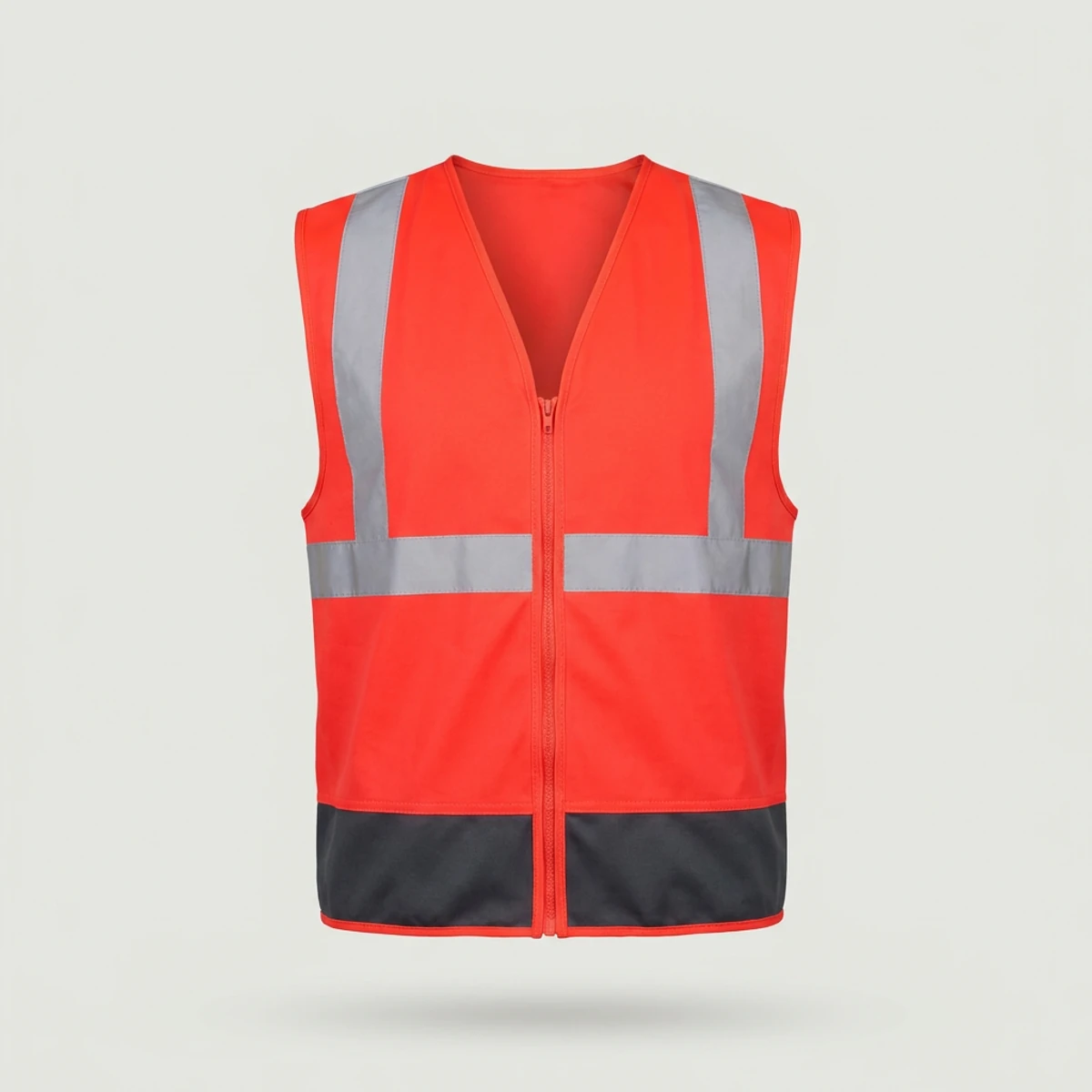
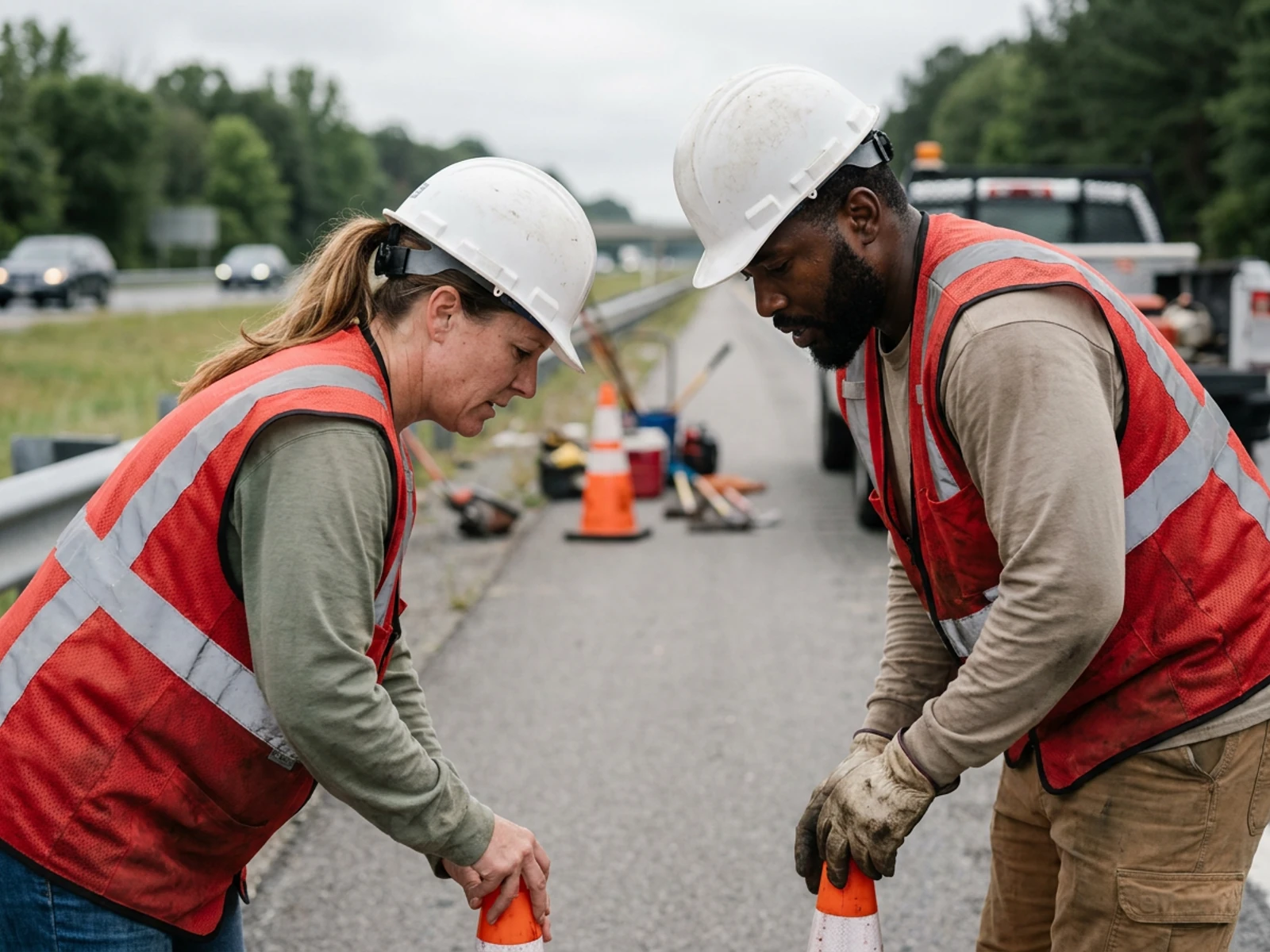
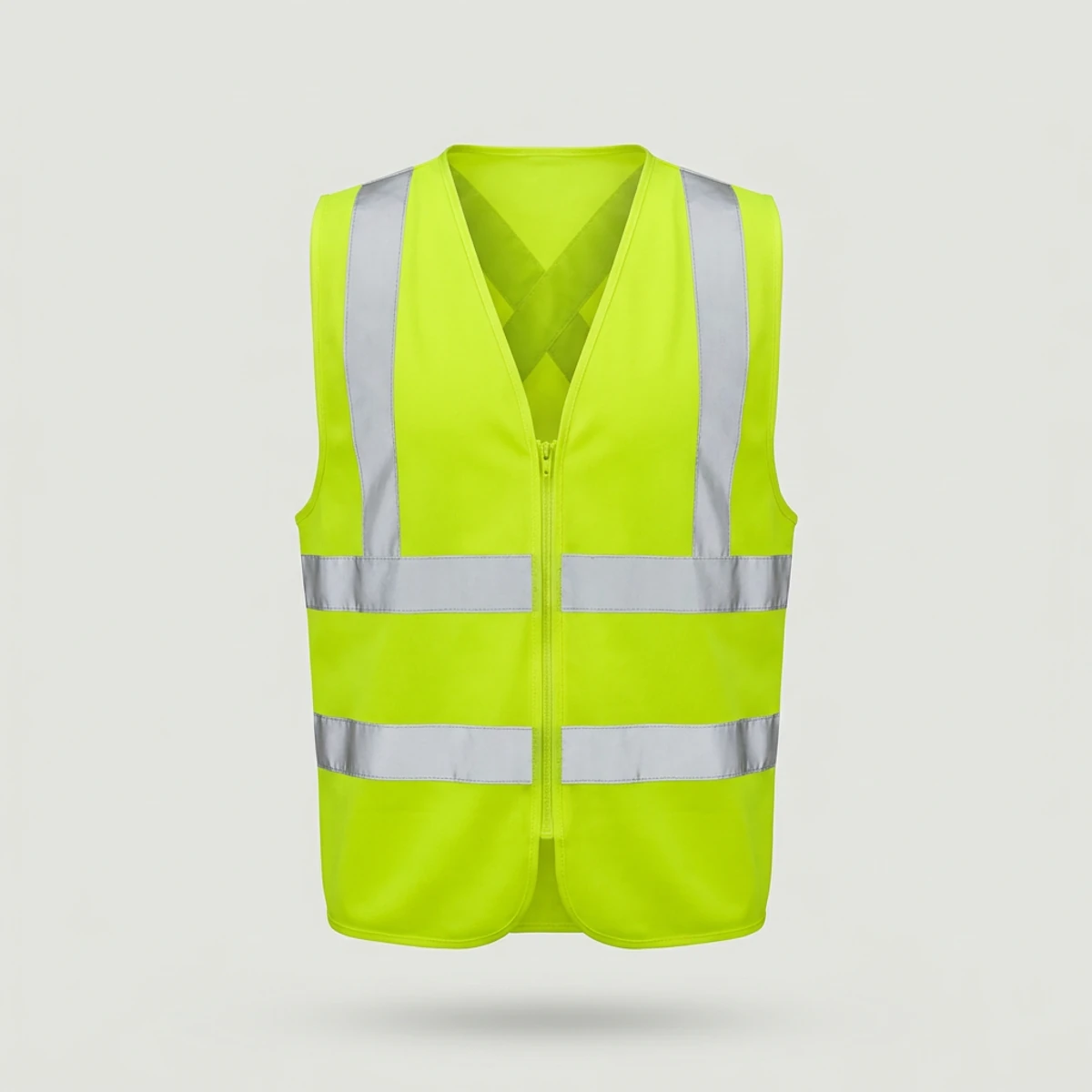
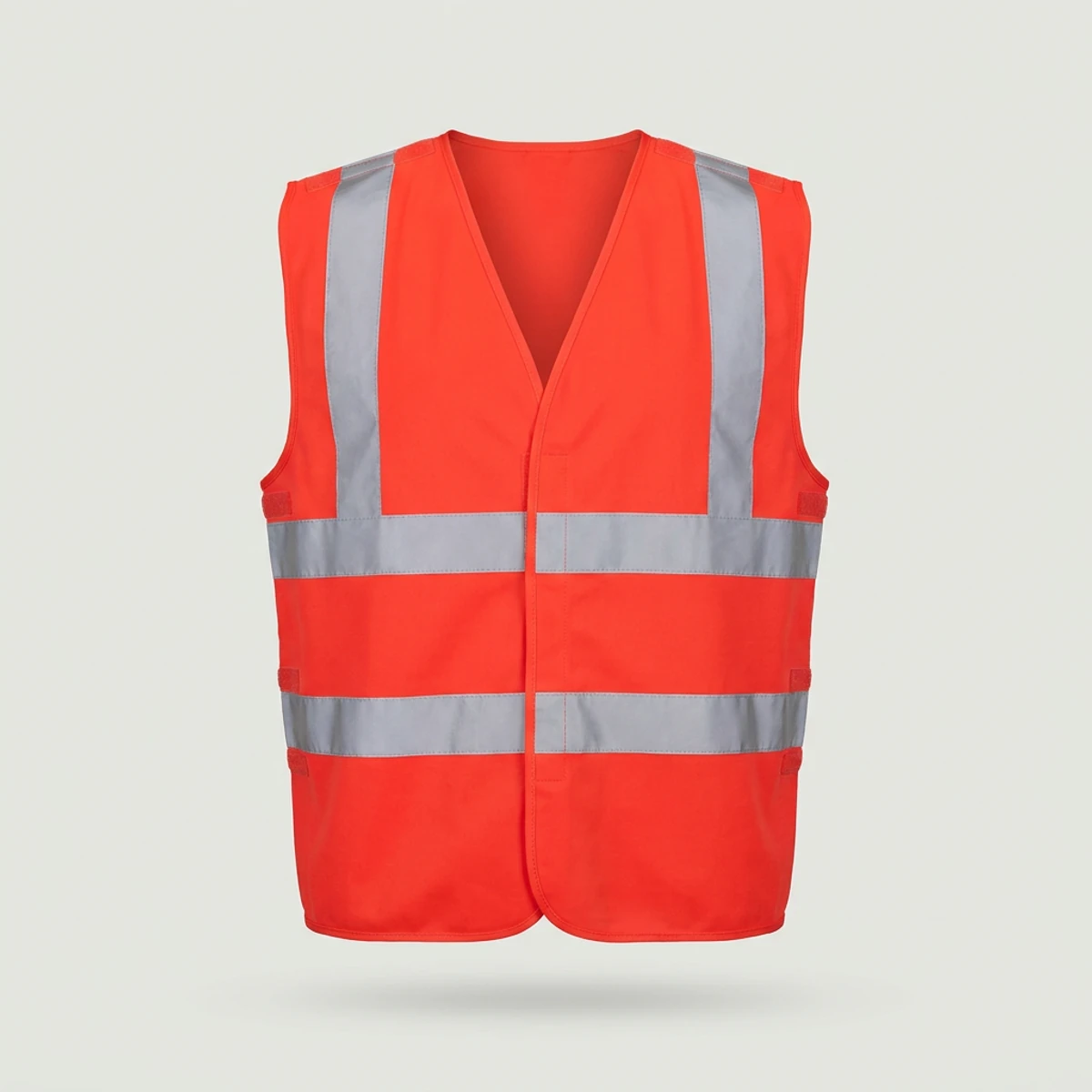
Road, utility and construction crews near traffic usually need a Type R Class 2 vest, with wide reflective bands around the torso and over both shoulders. We build them in solid, mesh or breakaway construction and in both fluorescent colors, sized to fit over winter layers.

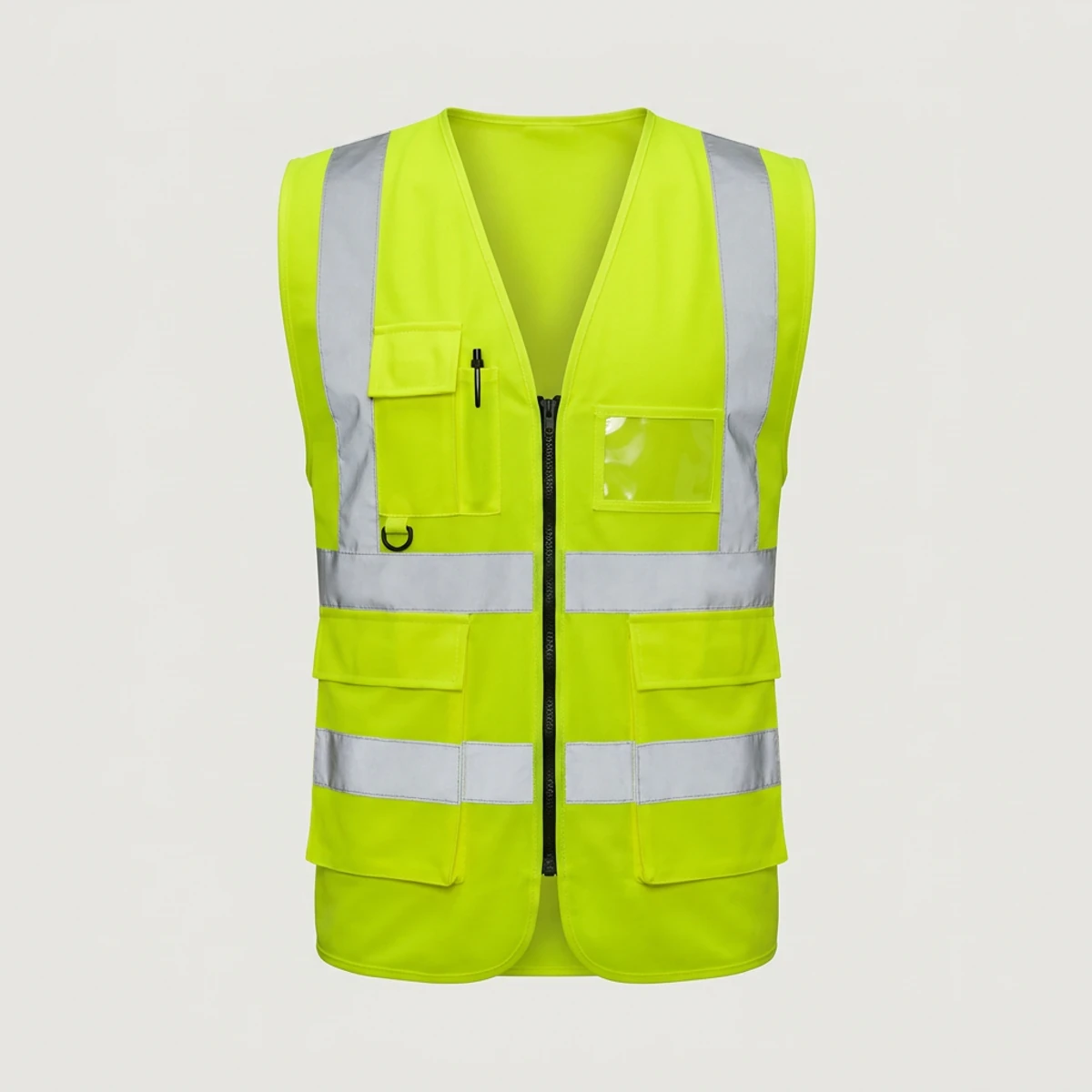
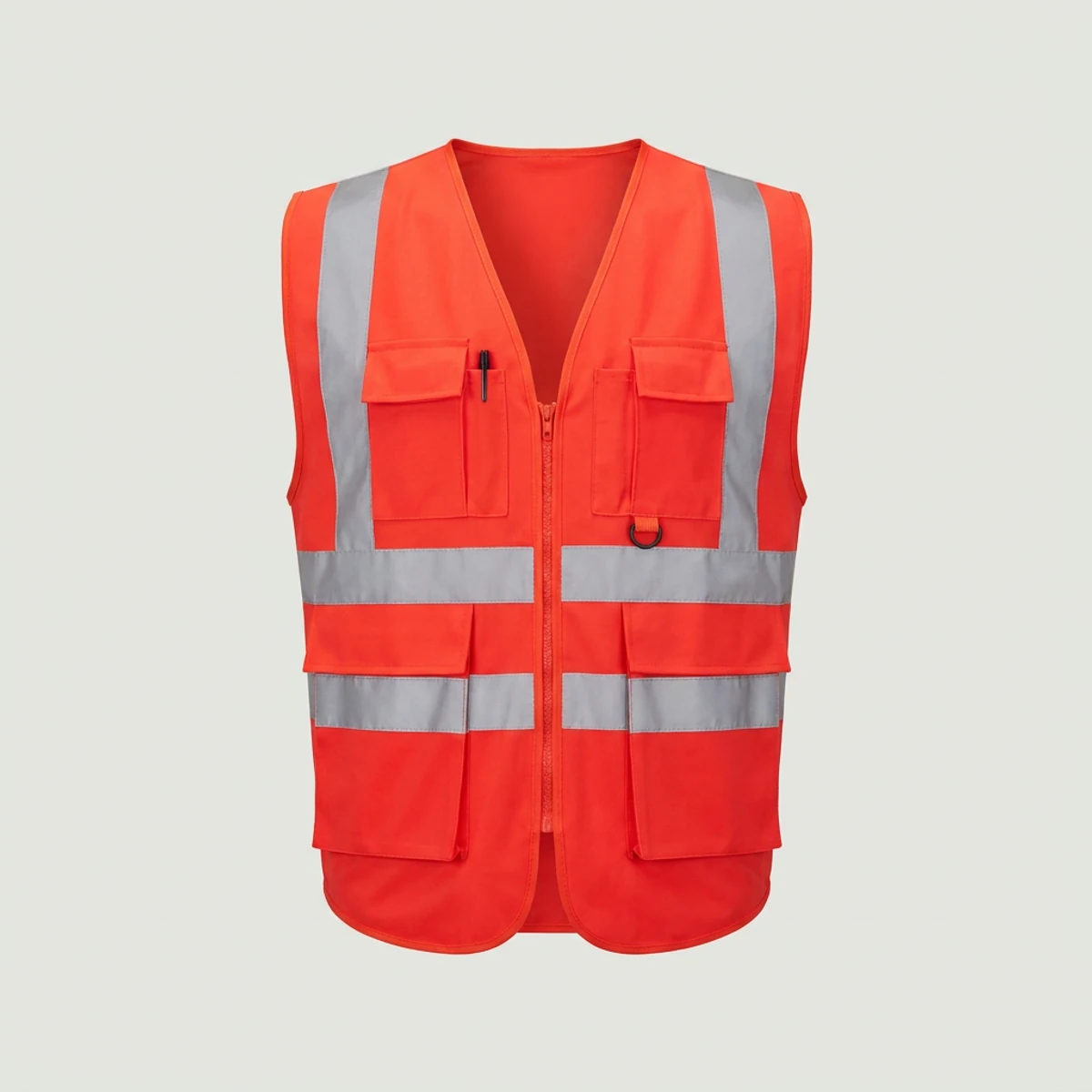
Lead hands, inspectors and surveyors carry radios, tablets, pens and ID badges all day. A solid multi-pocket vest keeps that kit on the body instead of in a truck. We set the pocket layout around what your people carry and keep pockets clear of the reflective bands.
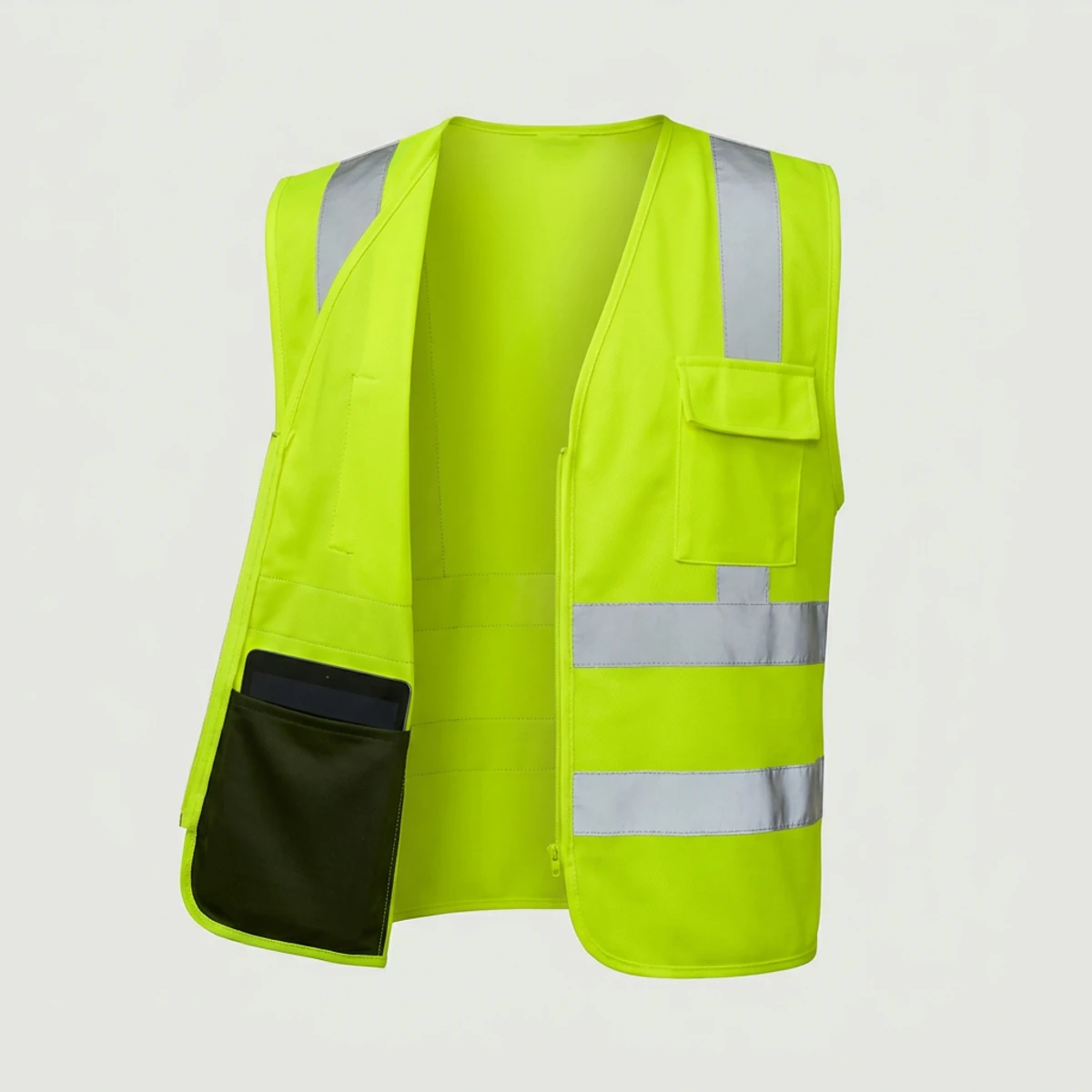
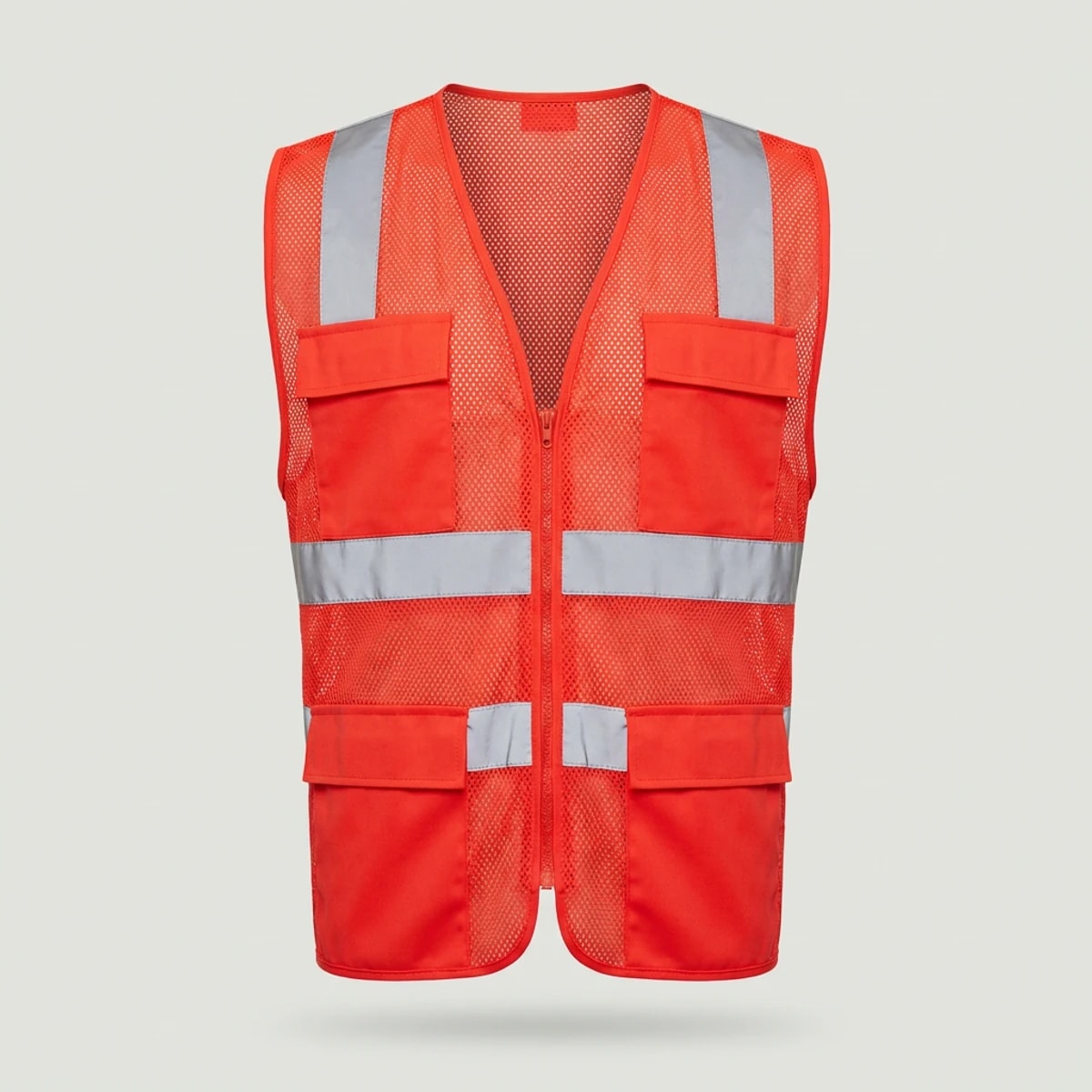
Pick the style, fabric and colors, add your logo and names, then attach the design to your quote. We cut and sew it in Los Angeles from 50 pieces per style.
Choose a safety vest by where your people work, how fast and how dark the traffic is, what else they wear and what they carry. Those four answers settle the type, the class, the fabric and the pocket layout. Your safety program’s hazard assessment has the final say on type and class.
Hi vis vests are classified under ANSI/ISEA 107, the US standard for high-visibility safety apparel, which sets minimum areas of fluorescent background and retroreflective material for each type and class. A vest can reach Type O Class 1 or Type R and P Class 2, but never Class 3, because Class 3 requires sleeves.
| Type and class | Min. background (sq in) | Min. retroreflective (sq in) | Can a vest reach it? | Typical use |
|---|---|---|---|---|
| Type O, Class 1 | 217 | 155 | Yes | Warehouses, loading docks, parking lots |
| Type R, Class 2 | 775 | 201 | Yes | Road, utility and construction crews near traffic |
| Type P, Class 2 | 450 | 201 | Yes | Police, fire and EMS at incident scenes |
| Type R, Class 3 | 1,240 | 310 | No, sleeves required | High-speed roads, night work, poor visibility |
| Class E (pants, shorts) | Supplemental only | Supplemental only | Worn with a Class 2 vest | Makes a Class 3 ensemble |
Figures are from ANSI/ISEA 107-2020, current at the time of writing; the standard allows a smaller background minimum for the smallest size offered in some classes. In roadway work zones, Section 6C.05 of the Manual on Uniform Traffic Control Devices (MUTCD), 11th edition requires Class 2 or 3 apparel for workers within the right-of-way in a temporary traffic control zone. Our ANSI 107 hi-vis classes guide explains each class in detail.
Tip: A sleeveless high visibility vest can never be Class 3. If a contract or general contractor demands Class 3, budget for Class E pants to wear with the vest, or for sleeved Class 3 shirts and jackets from our hi vis clothing range.
A high visibility vest comes in four main constructions: open mesh, solid or two-tone, multi-pocket and breakaway. Each is built in fluorescent yellow-green or orange-red and designed around a specific type and class. Pick the construction by climate, snag risk, what workers carry and whether the vest could catch on moving equipment.
Open polyester mesh with a hook-and-loop or zipper closure is the lightest, coolest vest for hot climates and short visits to site, and the usual choice for visitors, drivers and seasonal staff.
Solid polyester resists wind and snags on tools and rebar. A two-tone vest adds a darker lower panel that hides dirt where it collects first, so the vest looks presentable for longer.
Safety vests with pockets carry the kit a lead hand or inspector needs: chest pockets with pen slots, a radio loop or pocket, a clear ID window and an inside pocket for a tablet or plans. The pocket layout is set around what your workers actually carry.
A breakaway vest separates at the shoulders, sides and front when it snags on a mirror or moving machinery, so it tears free instead of pulling the worker in. It suits equipment operators, road crews and public safety teams.
Reflective safety vests are visible at night because retroreflective tape sends headlight beams straight back toward the driver, while fluorescent background fabric does the work in daylight and dusk. A compliant vest needs both materials, in the right amounts and in the right places, so drivers recognize a human outline from every side.
Choose a mesh high vis vest for heat and short wear, and a solid vest for snag resistance, wind, cold seasons and clean printing. Many crews combine both: a solid front and back with mesh sides. The table matches common working conditions to the vest that usually works.
| Working condition | What usually works | Why |
|---|---|---|
| Hot climates, summer road work | Mesh body, or solid front with mesh back | Air moves through the vest; less heat stress |
| Rebar, framing, tools on belts | Solid polyester | Resists snagging and tearing |
| Cold or wet seasons | Solid vest sized to fit over a jacket | Blocks wind; closes over winter layers |
| Around rotating equipment or vehicles | Breakaway vest | Tears free if it catches |
| Supervisors and inspectors | Solid multi-pocket vest | Holds radio, tablet, pens and ID |
| Night work | Class 2 vest with Class E pants | Adds lower-body outline for a Class 3 ensemble |
The cost of safety vests in bulk depends on the fabric and construction, the class the vest is built to, the features, the quantity per style and the documentation each style carries. No prices are published here, because every order is quoted on its actual vest, materials and quantity. The table shows the usual direction of each factor.
| Cost driver | How it moves the unit price | How to keep it in check |
|---|---|---|
| Fabric and construction | Solid and two-tone vests use more fabric and sewing than open mesh | Use mesh where heat matters and snags do not |
| Class | Class 2 needs far more fluorescent fabric and tape than Class 1 | Buy the class your hazard assessment sets |
| Features | Pockets, zippers, ID windows and breakaway closures add parts and labor | Reserve multi-pocket vests for supervisors |
| Quantity per style | Larger runs spread setup and sampling across more vests, so unit cost tends to fall | Standardize on one or two styles across sites |
| Colors | Each color is its own material run | Use color coding only where it serves safety |
| Decoration | Printed logos and back text add a step per vest | Order plain vests where branding is not needed |
Buying a hi-vis vest for every worker means planning the size spread, color coding, role marking and spares, not just multiplying one vest. Those decisions make the difference between vests that get worn and vests that sit in a truck. Plain vests in quantity fall under our wholesale program.
Plain vests suit crews, visitors, spares and seasonal staff; custom-branded vests suit company identity, role titles and named workers. Both are cut and sewn in the same Los Angeles factory, branded vests from about 50 pieces per style and plain wholesale vests with quantities confirmed on inquiry, so many companies order plain vests for general use and branded vests for supervisors from one brief.
| Plain safety vests | Custom-branded vests | |
|---|---|---|
| Best for | Crews, visitors, spares, seasonal staff | Company identity, role titles, named workers |
| Decoration | None | Printed logo, back text, names or numbers |
| What you send us | Type, class, style, sizes, colors | All of that plus artwork and name lists |
| Main risk | Wrong class for the job | Logo covering required visible material |
For your company name on the back, see custom safety vests printed with your logo.
Safety vests change by workplace because the traffic, the other clothing and the hazards change. Road crews need Type R Class 2, warehouses often start at Type O Class 1, and electrical crews need arc-rated vests. These are common starting points that a safety manager then confirms.
A high visibility safety vest lasts until its fluorescent color fades, its fabric tears or its reflective tape cracks, peels or dulls. Sunlight, abrasion and laundering all shorten service life, and daily-use vests wear out far faster than spares. Some tapes list a maximum number of wash cycles on the care label.
Inspect vests regularly and retire any that look faded, dirty or damaged. A dirty vest is less visible than a clean one, so a replacement cycle protects the crew better than waiting for a vest to fall apart.
Ready to order
A complete vest quote needs the type and class, the style, the colors, the quantity and the size spread. Send as much of this list as you can with your first message, and we can price the vests and confirm the materials and documentation available for each style.
The most common mistakes when buying vests are ordering a “Class 3 vest”, buying on color alone, putting polyester over arc-rated clothing, ordering one size for everyone and skipping replacement. Each one quietly leaves workers less visible or less protected than the vest was bought for.
A bulk vest order runs in five stages: brief, recommendation, sample, production and reorder. The sample is the moment to try the vest over the layers your crew actually wears. Specs stay on file, so replacements and new hires get the same vest as the first run.
Ask us for current lead times when you request a quote, especially ahead of a project start date.
Need something not covered here? Ask our Los Angeles team and we’ll answer with options for your order.
Ask our Los Angeles teamA Class 2 vest carries much more fluorescent background and retroreflective tape than a Class 1 vest, so the wearer is seen from farther away and at higher speeds. Class 1 suits off-road work such as warehouses and parking lots. Class 2 is the usual choice for roadway, utility and construction work near traffic.
No. ANSI/ISEA 107 requires Class 3 garments to have sleeves, so a sleeveless vest tops out at Class 2. Crews that need Class 3 either wear a sleeved Class 3 shirt or jacket, or pair a Class 2 vest with Class E hi-vis pants or shorts, which together make a Class 3 ensemble.
We do not describe a vest as compliant until the facts behind it are in place: background fabric and retroreflective tape tested by an accredited lab, a finished design that meets its type and class, and a compliance label. We confirm the materials and documentation for each vest style at quote stage.
Yes. Many crews start with plain wholesale vests and add branding on a later order. If you expect to print later, choose a solid front or back panel now, because mesh breaks up fine artwork. Our custom safety vest page explains logo placement that keeps the class minimums.
Each style has a minimum of about 50 pieces. We confirm at quote stage how sizes and the two fluorescent colors can be split within that minimum, so tell us your crew's size spread and whether you color-code roles or shifts.
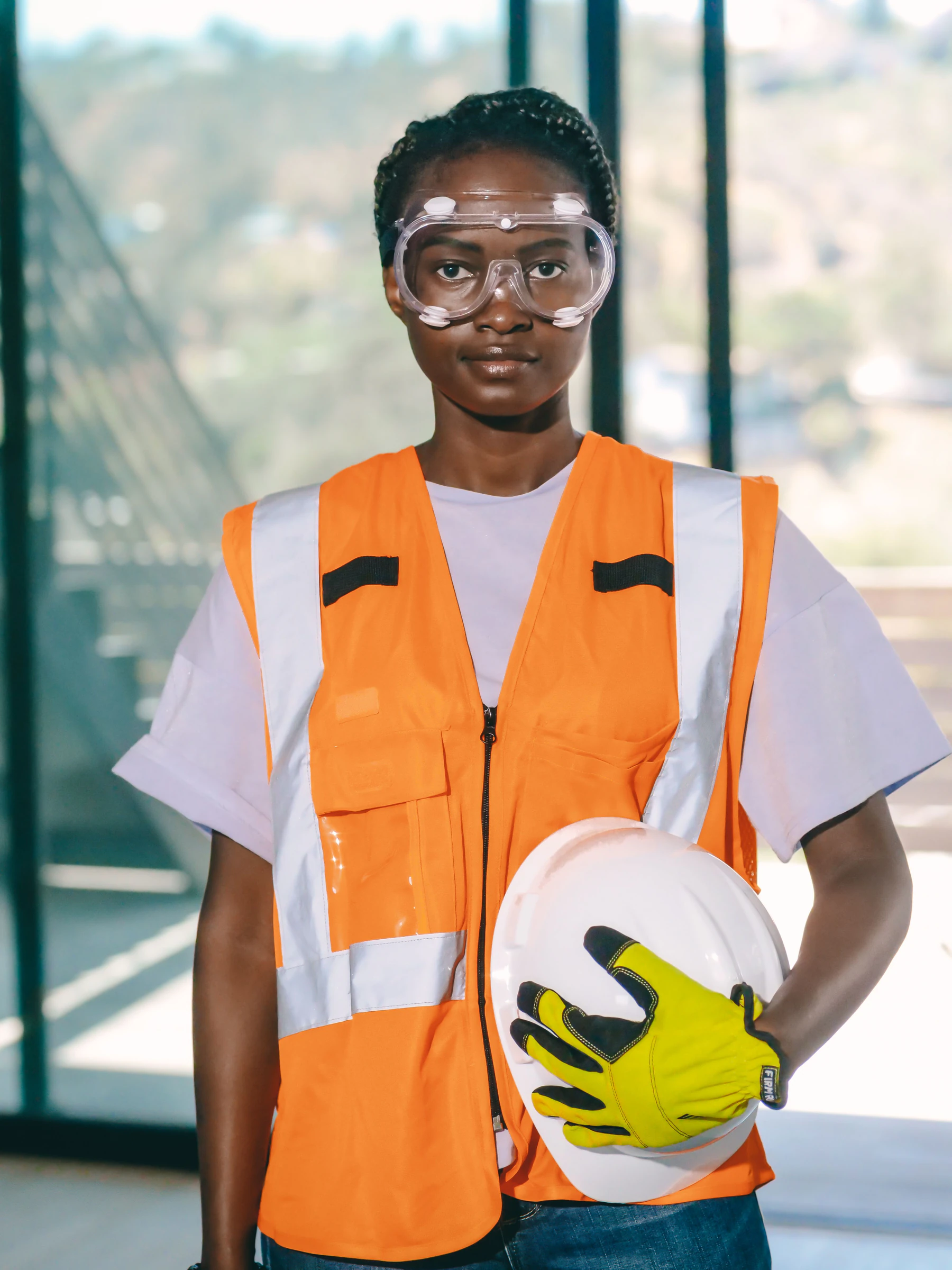
Durable, branded construction uniforms, from hi-vis layers for road and site work to work pants and denim, cut and sewn in Los Angeles from 50 pieces per style.
Blank scrub tops, pants and sets plus work uniforms sold wholesale from our Los Angeles factory to resellers, facilities and programs, with quantities confirmed on inquiry.
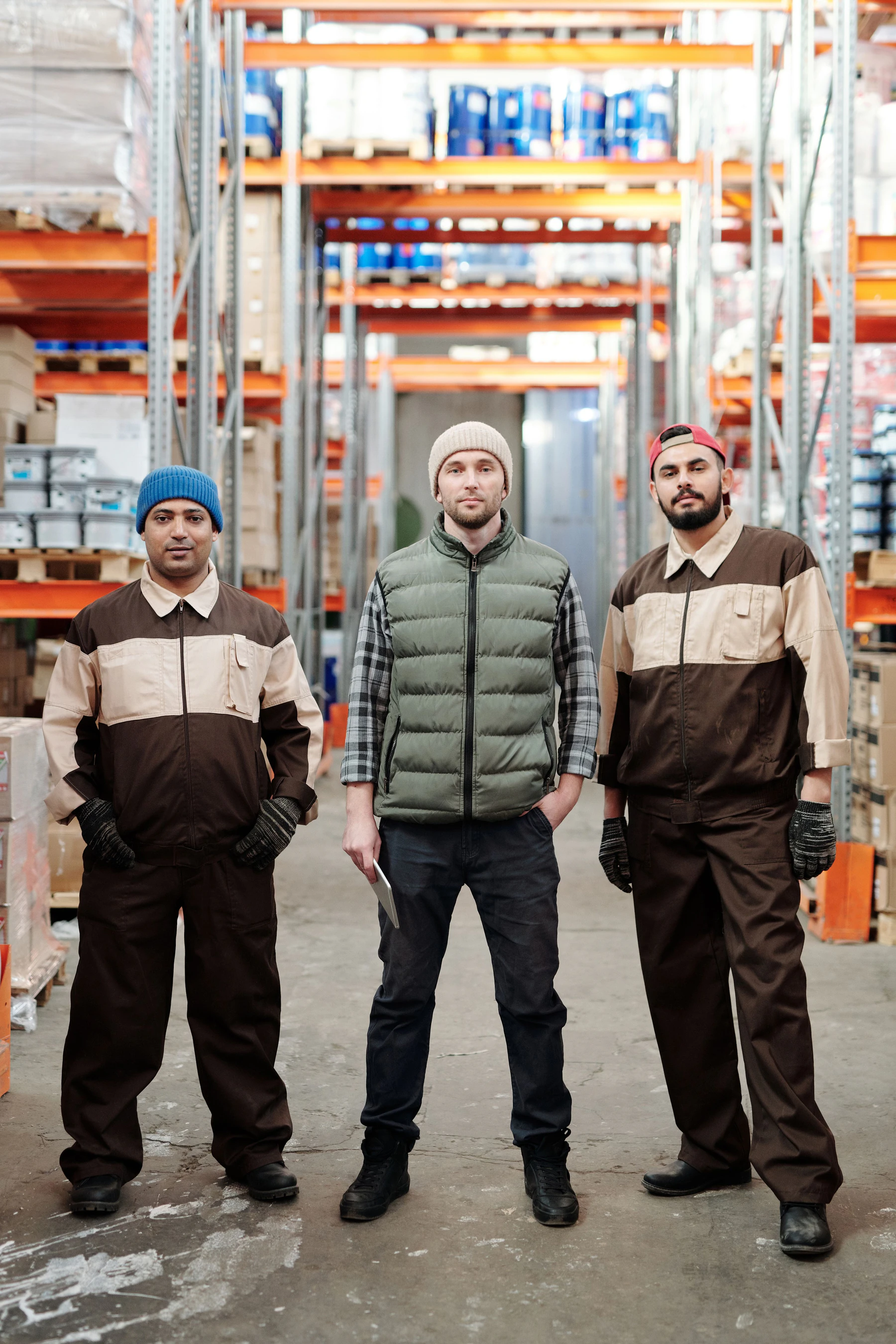
Durable branded shirts, pants and high-visibility vests for warehouses, distribution centers and logistics teams, cut and sewn in Los Angeles from 50 pieces per style.
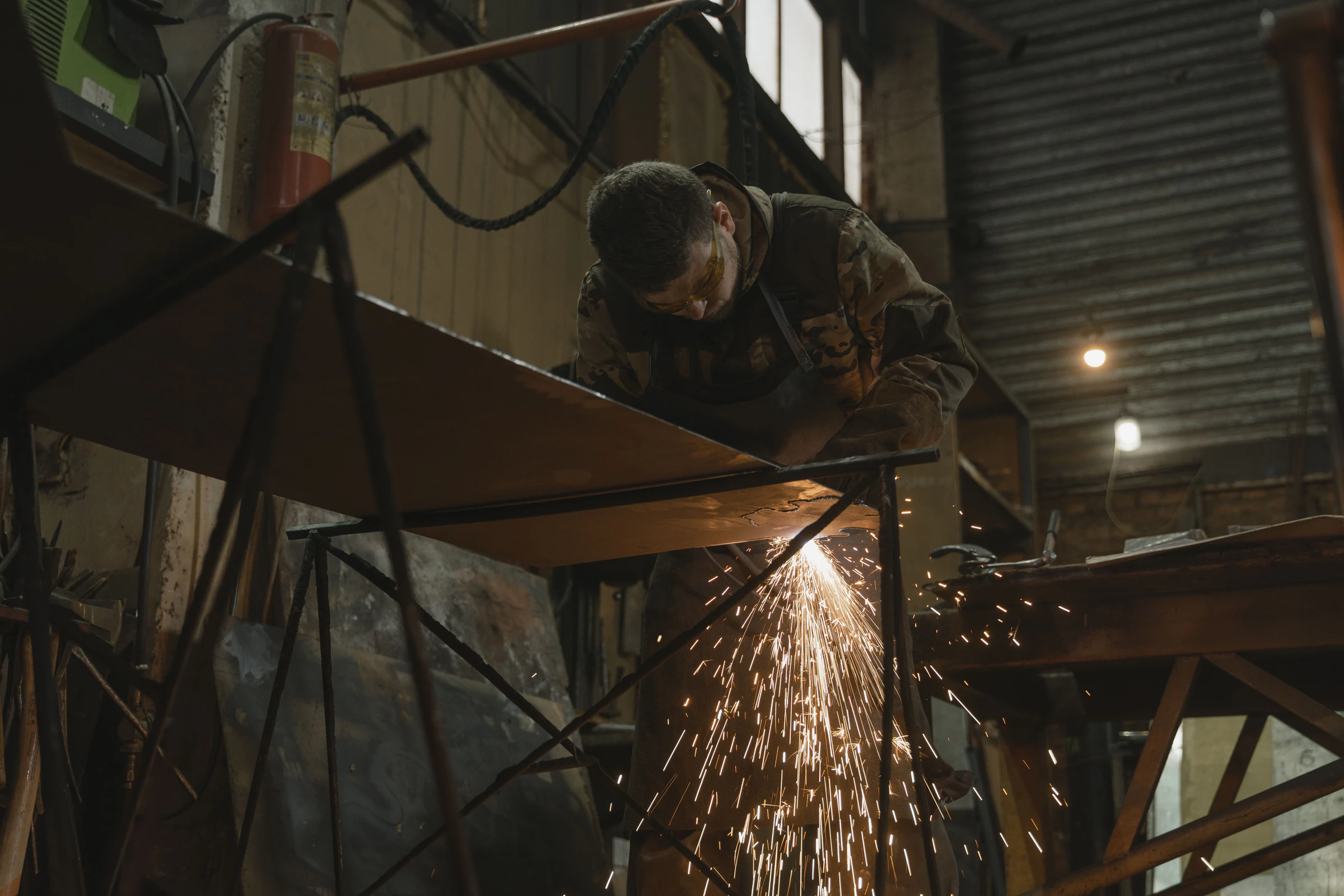
Flame-resistant shirts, pants and coveralls for oil and gas, utility and electrical crews, cut and sewn in Los Angeles with FR components throughout.
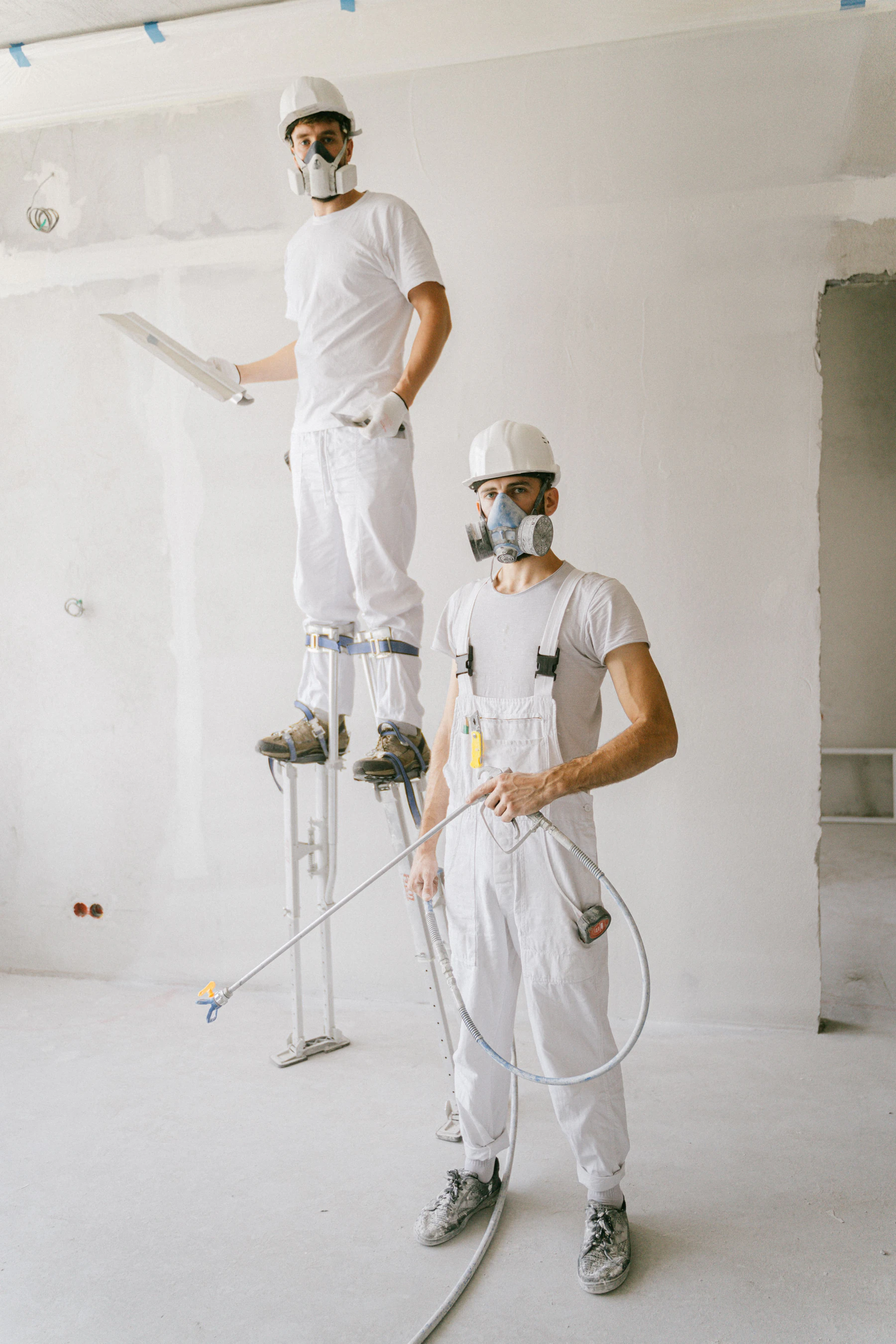
Classic white painter pants with ruler pocket and hammer loop, cut and sewn in our Los Angeles factory with your logo from about 50 pieces per style.