Guide · 9 min read
Coveralls vs Overalls: What Is the Difference and Which Should Your Crew Wear?
The difference between coveralls and overalls is coverage: coveralls are a one-piece garment with sleeves that covers the torso, arms and legs, while overalls (bib overalls) are pants with a bib and shoulder straps that leave the arms free and are worn over a shirt. Coveralls give full-body protection from dirt, chemicals and heat, and overalls are cooler and easier to put on and take off. This guide compares them for work programs, including FR and hi-vis rules.
Coveralls vs overalls: the short version
| Coveralls | Overalls (bib overalls) | |
|---|---|---|
| Construction | One piece: torso, sleeves and legs | Pants with a chest bib and adjustable shoulder straps |
| Arms | Covered | Uncovered; worn over a shirt |
| Typical closure | Front zipper (often two-way) or snaps | Strap buckles plus side openings or zippers |
| Protection from dirt and splashes | Full body | Lower body and chest only |
| Airflow and comfort in heat | Warmer; less ventilation | Cooler; arms and sides breathe |
| Putting on and taking off | Step in, zip up; full removal needed for restroom breaks | Unclip straps; easier mid-shift |
| Fits over | Regular clothes or uniform | A shirt, worn as the top layer |
| Common names | Boiler suit, jumpsuit, overalls (UK) | Bibs, bib-and-brace, dungarees (UK) |
In one sentence: choose coveralls when the whole body needs protecting, and overalls when the legs and front take the wear but arms need freedom and air. Seen from the other side, overalls vs coveralls comes down to how much heat and arm movement the job involves.
What coveralls are
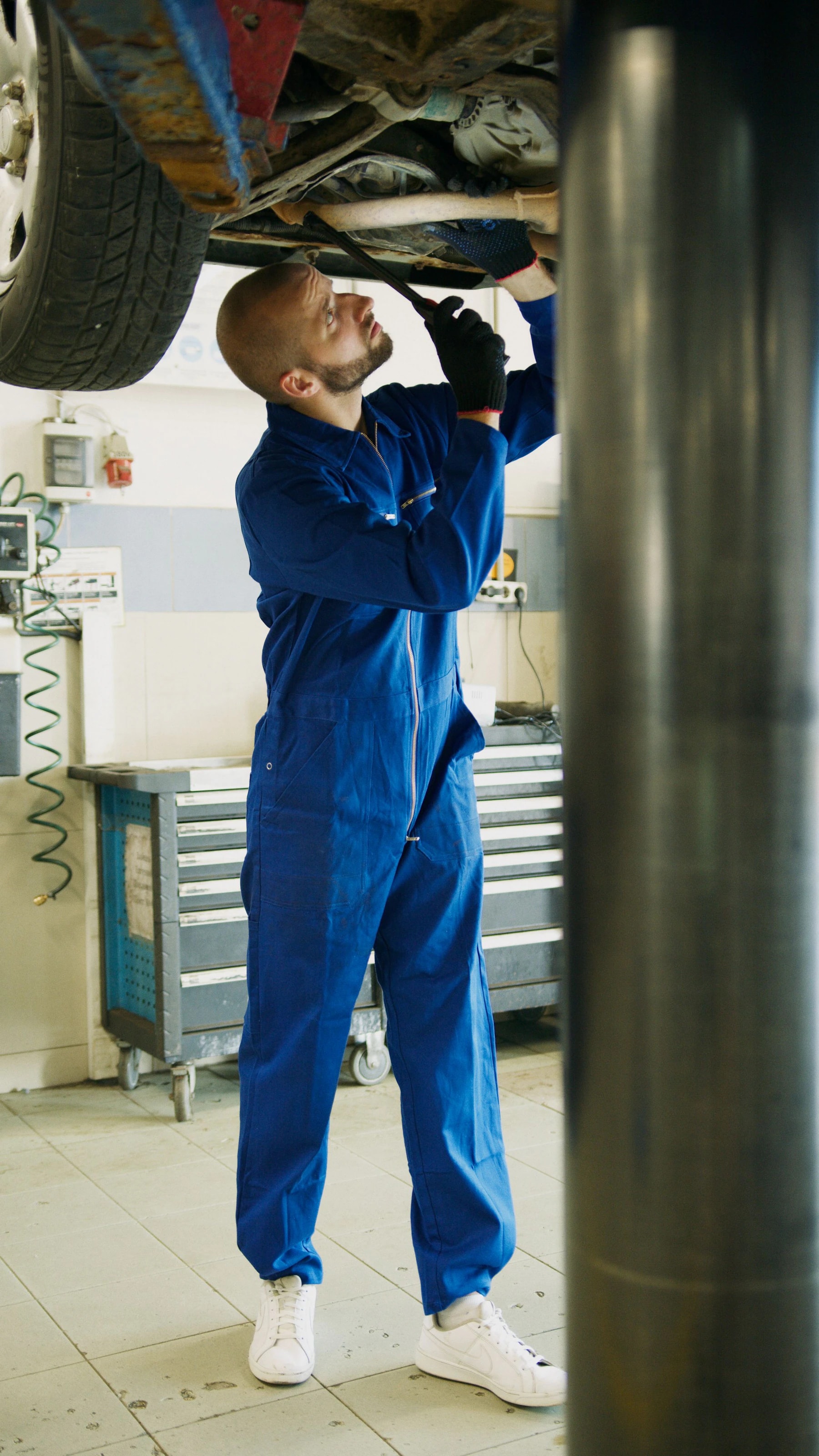
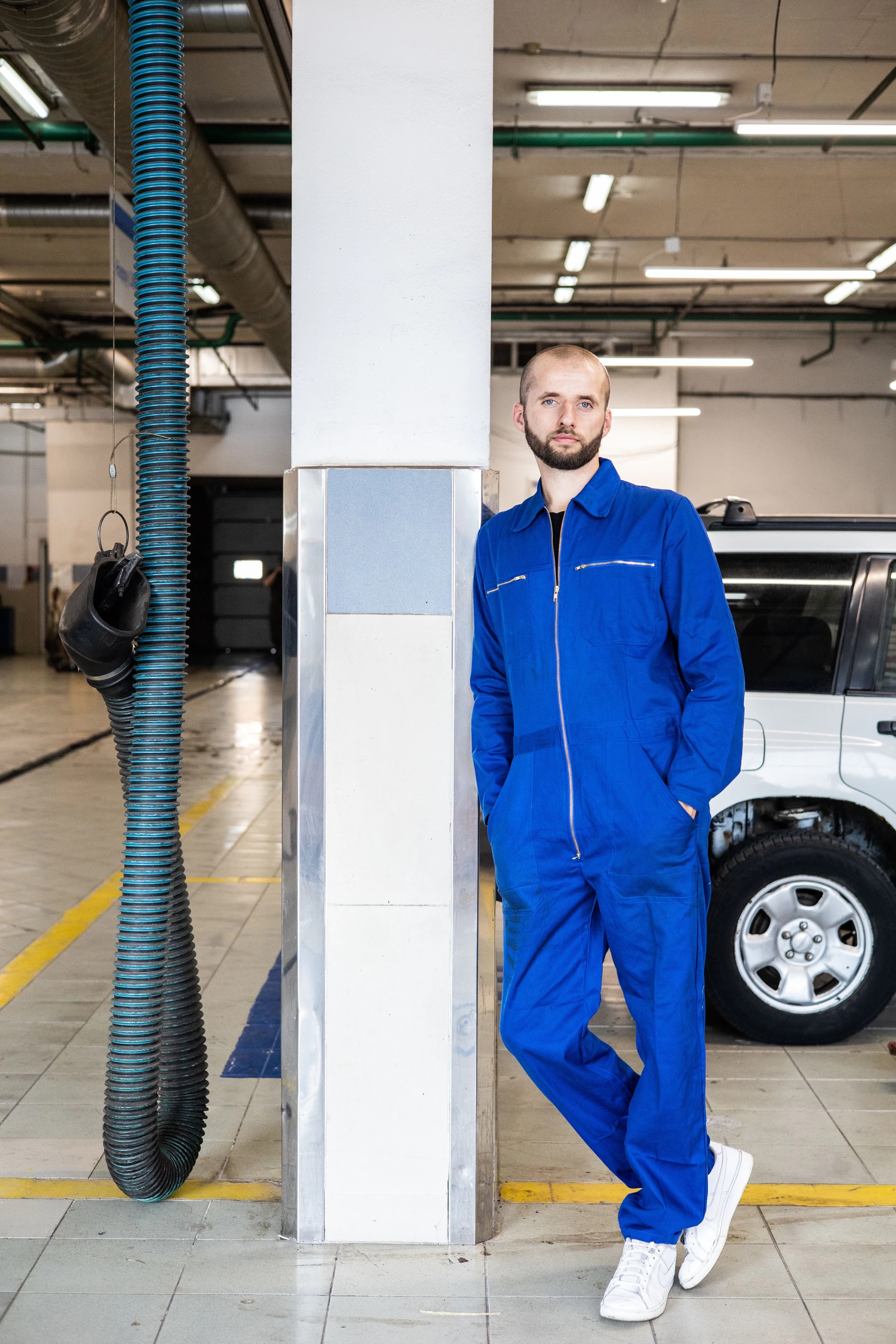
Coveralls are a one-piece work garment with long sleeves and full-length legs, usually closed with a center-front zipper. They are designed to go over street clothes or a uniform, keeping the wearer and their clothes clean and protected. Features commonly found on work coveralls:
- Two-way front zipper, so the wearer can open the bottom without unzipping fully.
- Action back or bi-swing back pleats for reaching and bending.
- Elastic or adjustable waist for fit, and adjustable cuffs.
- Leg zippers to pull coveralls on over boots.
- Multiple pockets, including chest, hip, rule and tool pockets.
- Knee pad pockets for kneeling work.
Coveralls range from lightweight poly-cotton twill for shop work, to heavy cotton duck for outdoor trades, to insulated versions for cold, and to flame-resistant and arc-rated versions for oil, gas, utility and electrical work. Single-use disposable coveralls, typically nonwoven, are a separate category for dust, paint overspray and chemical splash.
What overalls are
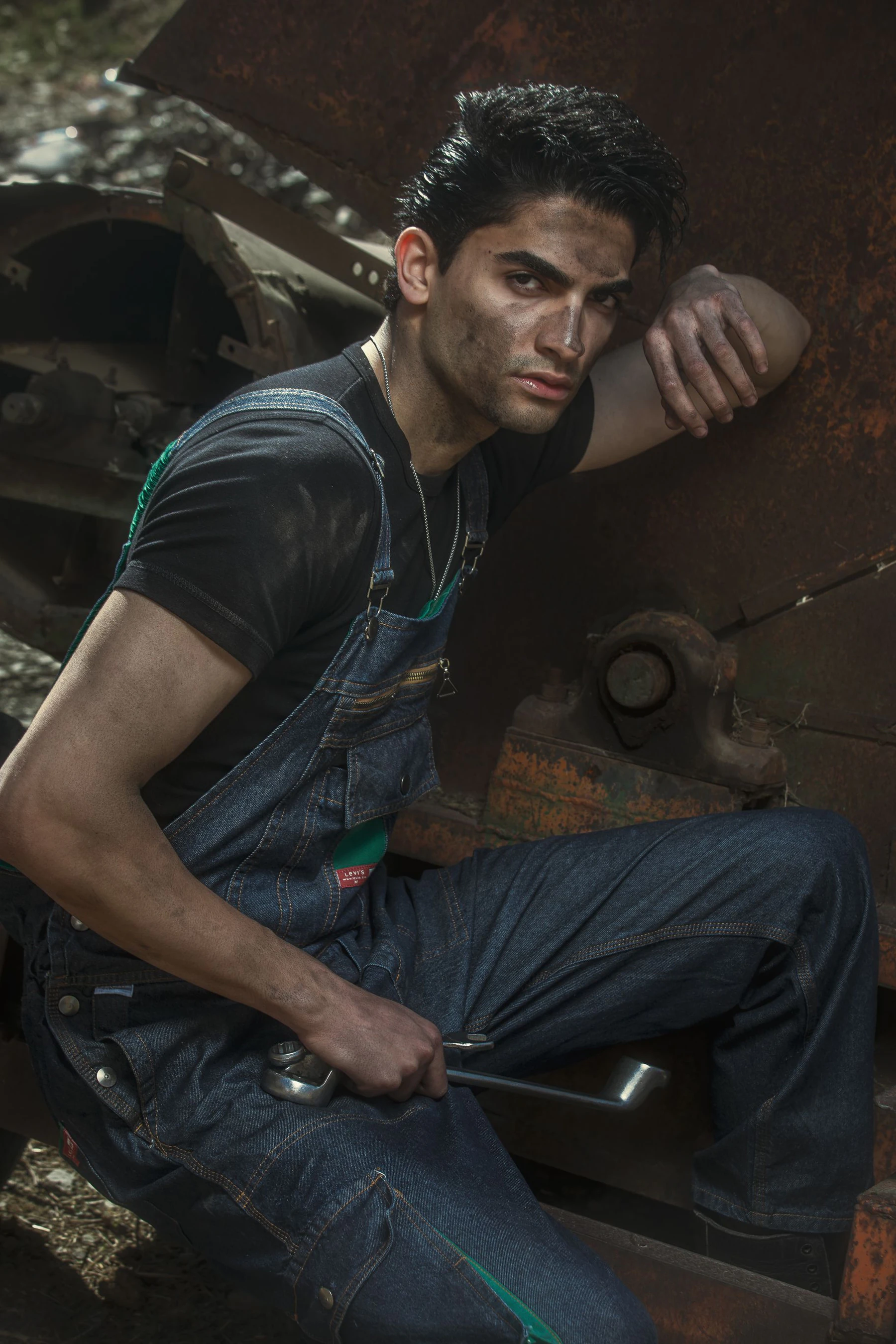
In American usage, overalls are bib overalls: work pants extended into a front bib, held up by shoulder straps that cross or run parallel over the back. They are worn with a T-shirt, work shirt or thermal underneath. Common features:
- Adjustable straps with buckles or clips.
- Bib pocket, often with a zippered or pencil pocket.
- Side openings with buttons or zippers for access to pants pockets and ventilation.
- Hammer loop and rule pocket for carpenters and builders.
- Double-front knees for durability and knee pads.
Denim and cotton duck are the classic overall fabrics, which is why bib overalls are associated with farming, carpentry and painting. Insulated bibs are a staple for winter construction and outdoor work, and painters often wear white bibs or painter pants. See our denim workwear page for denim overalls and work jeans.
Tip: If you are buying for an international team, write “one-piece coverall with sleeves” or “bib overall with straps” in the spec. “Overalls” means different garments in the US and the UK.
Pros and cons by situation
When coveralls are the better choice
- Full-body contamination: oil, grease, paint overspray, dust, insulation fibers.
- Cold environments: a continuous layer with no waist gap, especially insulated coveralls for cold storage and winter outdoor work.
- Fast change-over: one garment on and off, over street clothes, at the start and end of a shift.
- Snag hazards: no loose shirt tails or open sides to catch on machinery.
- One-garment PPE compliance: an FR or arc-rated coverall can replace a separate FR shirt and pants.
When overalls are the better choice
- Heat and humidity: arms and sides vent, and the shirt underneath can be changed during the day.
- Frequent breaks: unclip the straps instead of removing an entire suit.
- Layering flexibility: add or remove jackets and shirts as conditions change.
- Kneeling and front-of-body wear: double knees and the bib protect where the work happens.
- Tool access: bib and hammer-loop pockets keep tools on the body without a belt.
Safety standards: FR, arc flash and hi-vis
The coverall-or-overall choice interacts with safety standards in ways buyers often miss.
| Requirement | Coveralls | Bib overalls |
|---|---|---|
| NFPA 70E arc flash, Categories 1 and 2 | An arc-rated coverall can replace the arc-rated shirt and pants, if its rating meets the required minimum | Must be paired with an arc-rated long-sleeve shirt; the combination must meet the minimum |
| NFPA 2112 flash fire | FR coveralls can be certified as a single garment | Certified FR bibs exist; the shirt underneath must also be FR for full protection |
| ANSI/ISEA 107 hi-vis | Sleeved coveralls can meet Class 3 on their own if they carry enough material | Hi-vis bibs are Class E: compliant only when combined with a Class 2 or 3 top |
| Underlayers | Under FR or arc-rated garments, no meltable synthetic base layers | Same rule applies to the shirt and undershirt |
For the detail behind these rules, see our guides to NFPA 70E arc flash PPE categories, NFPA 2112 flash fire clothing, plus our separate guides on ANSI 107 hi-vis classes and FR laundering.
Tip: For electrical and refinery crews, an FR coverall worn over a cotton T-shirt is the simplest way to guarantee the outer layer is fully FR, with no gap between shirt and pants for an arc or flame to reach.
Fabrics compared
| Fabric | Feel and weight | Best suited to | Garment |
|---|---|---|---|
| Poly-cotton twill | Light to midweight, wrinkle resistant, easy care | Auto shops, manufacturing, maintenance | Coveralls |
| 100% cotton twill | Breathable, comfortable | Warm climates, general shop work | Coveralls and bibs |
| Cotton duck (canvas) | Heavy, abrasion resistant | Construction, farm, outdoor trades | Bibs and coveralls |
| Denim | Durable, classic, softens with wear | Carpentry, farm, lifestyle work brands | Bibs |
| FR treated cotton or inherent FR blends | Protective; follow FR care rules | Oil and gas, utilities, welding, electrical | Coveralls and bibs |
| Insulated shell and lining | Warm, bulkier | Cold storage, winter outdoor work | Coveralls and bibs |
| Nonwoven disposable | Single use, light | Dust, paint overspray, clean tasks | Coveralls |
Use cases by trade
| Trade or setting | Usual choice | Why |
|---|---|---|
| Auto and diesel mechanics | Coveralls | Oil and grease reach arms and back; see our mechanic uniforms page |
| Oil, gas and welding | FR coveralls | Full FR outer layer in one piece |
| Electricians doing energized work | Arc-rated coveralls or AR shirt and pants | Meets 70E categories with one garment |
| Carpenters and general construction | Bib overalls | Tool pockets, knees, airflow |
| Painters | White bibs or painter pants; disposable coveralls for spraying | Light, cleanable; full cover for overspray |
| Farm and ranch | Bib overalls, insulated in winter | Durability and layering |
| Cold storage and freezer work | Insulated coveralls | Continuous warmth |
| Highway and utility crews | Hi-vis coveralls, or Class E bibs with a Class 2 top | Meets ANSI 107 for roadway exposure |
Worked example: choosing for a mixed crew
A facilities company employs shop mechanics, outdoor maintenance staff and a small electrical team. Mechanics get poly-cotton coveralls with knee pad pockets, because oil exposure is full-body. Outdoor staff get duck bib overalls, worn with company-branded shirts so the brand stays visible and they can strip down in summer. The electrical team gets arc-rated coveralls rated to cover their usual PPE category, with a cotton T-shirt underneath, so a single garment satisfies their 70E clothing requirement.
Cost, laundering and lifecycle
Unit price depends on fabric, insulation, FR or hi-vis requirements and decoration, so compare garments on what they replace, not on sticker price alone:
- A coverall replaces a shirt and pants for protection purposes. If the uniform shirt underneath does not need to be FR or branded, one coverall can do the work of two protective garments.
- Bib overalls rely on the shirt underneath. In FR or arc flash programs, that shirt must also be compliant, so you buy and launder two protective garments per worker.
- Laundry loads: coveralls are bulkier per piece; bibs plus shirts mean more pieces. Industrial laundry programs often price per piece, so count both.
- Wear points: coveralls usually fail first at the crotch, knees and cuffs; bibs at the knees, strap hardware and back pockets. Reinforced knees and quality hardware extend life for both.
- Fit across a workforce: bibs, with adjustable straps, cover a wider range of body shapes per size. Coveralls need more sizes, including talls and shorts, to fit well.
How to choose: a quick decision checklist
Answer these questions for each role:
- Does the hazard reach the arms and upper body? (Oil, overspray, sparks, chemical splash, arc flash.) If yes, lean to coveralls, or bibs plus a protective long-sleeve shirt.
- Is a flame-resistant or arc-rated outer layer required? If yes, a single FR coverall is the simplest compliant option.
- Is the work hot and physical, with frequent breaks? If yes, bib overalls are usually more comfortable.
- Is the work cold? Insulated coveralls for static cold, insulated bibs plus jacket for changing conditions.
- Is roadway visibility required? Choose hi-vis coveralls meeting the class you need, or Class E bibs with a Class 2 top.
- How visible should the brand be? Coveralls show branding on every side; with bibs, branding mostly goes on the shirt.
Tip: Run a short wear trial with a few workers per role before committing a whole fleet. Comfort decides whether a garment is worn properly, and a protective garment worn half-unzipped protects much less.
Fit and sizing tips
- Coveralls are sized by chest, with regular, short and tall lengths. Check torso length: too short a coverall pulls at the crotch and shoulders when bending.
- Bib overalls are sized by waist and inseam. Adjustable straps handle torso length, but the waist must still fit without a belt.
- Allow room for layers underneath, especially with insulated garments.
- For FR and arc-rated garments, fit matters for protection: sleeves and legs must stay down to the wrist and ankle when reaching and kneeling.
Common buying mistakes
- Ordering “overalls” from an overseas supplier and receiving coveralls, or the reverse.
- Assuming hi-vis bibs alone meet a Class 2 or 3 requirement. They are Class E.
- Pairing FR bibs with a polyester shirt. The top layer must be FR too.
- Choosing heavy duck coveralls for hot indoor work, where workers will unzip and tie the sleeves around the waist, losing the protection.
- Skipping a two-way zipper on coveralls, which makes breaks awkward and leads workers to leave them half open.
Branding and ordering
Coveralls carry branding well on the chest, back and sleeve; bib overalls on the bib pocket and back of the bib, with most branding going on the shirt underneath. For FR garments, keep logos small and use FR thread; for hi-vis, keep logos off reflective bands. Our coveralls page covers styles and customization, and our custom embroidery service handles logos and names. Custom Uniform Factory cuts and sews workwear in our Los Angeles factory with a minimum of about 50 pieces per style; we confirm fabric and trim options at quote stage.
Frequently asked questions
Are coveralls and overalls the same thing?
No, though the words overlap. In the US, coveralls are one-piece suits with sleeves, and overalls usually means bib overalls: pants with a chest bib and shoulder straps. In British English, overalls often refers to what Americans call coveralls, and a boiler suit is the same one-piece garment. Check the product description, not just the name.
Which is warmer, coveralls or overalls?
Coveralls, because they cover the arms and torso in one continuous layer with no gap at the waist. Insulated coveralls are standard for cold storage and winter outdoor work. Insulated bib overalls are also common and are easier to vent: you can wear them with a jacket and remove the jacket as the day warms up.
Can coveralls be used as arc flash PPE?
An arc-rated coverall can. NFPA 70E allows an arc-rated coverall in place of an arc-rated long-sleeve shirt and pants for PPE Categories 1 and 2, provided its arc rating meets or exceeds the required minimum. Bib overalls only cover the lower body and bib, so they must be worn with an arc-rated long-sleeve shirt.
Can bib overalls be high-visibility?
Yes. ANSI/ISEA 107 Class E covers pants, shorts and bib overalls. A Class E bib is not compliant alone, but worn with a Class 2 shirt, vest or jacket it forms a Class 3 ensemble. Hi-vis coveralls with sleeves can meet Class 3 on their own if they carry the required material.
Why do mechanics wear coveralls instead of overalls?
Mechanics lean over engines, lie on creepers and reach into tight spaces, so oil and grease reach the arms, back and chest. A coverall protects all of that and the shirt underneath in one garment, with no waistband to ride up. Many shops still choose bib overalls in hot bays where airflow matters more.
Need garments made?
Custom Uniform Factory cuts and sews scrubs and workwear in Los Angeles from 50 pieces per style, with your logo or label. Get a quote or request samples.