Closure
A long center-front zip, reaching at least to the waist, lets the top half come off quickly for bathroom breaks. A two-way zip makes dressing and venting easier; snap fronts open with one pull.
Scrubs · Los Angeles factory
A scrub jumpsuit is a one-piece medical uniform that combines a scrub top and pants in a single garment, usually with a front zip, an adjustable waist and jogger or straight legs. Custom Uniform Factory develops, samples, cuts and sews custom scrub jumpsuits in its Los Angeles factory for scrub brands and practices that want a distinctive look, from about 50 pieces per style.

12 styles in 3 families · each made to order in your fabric, color and branding from 50 pieces.
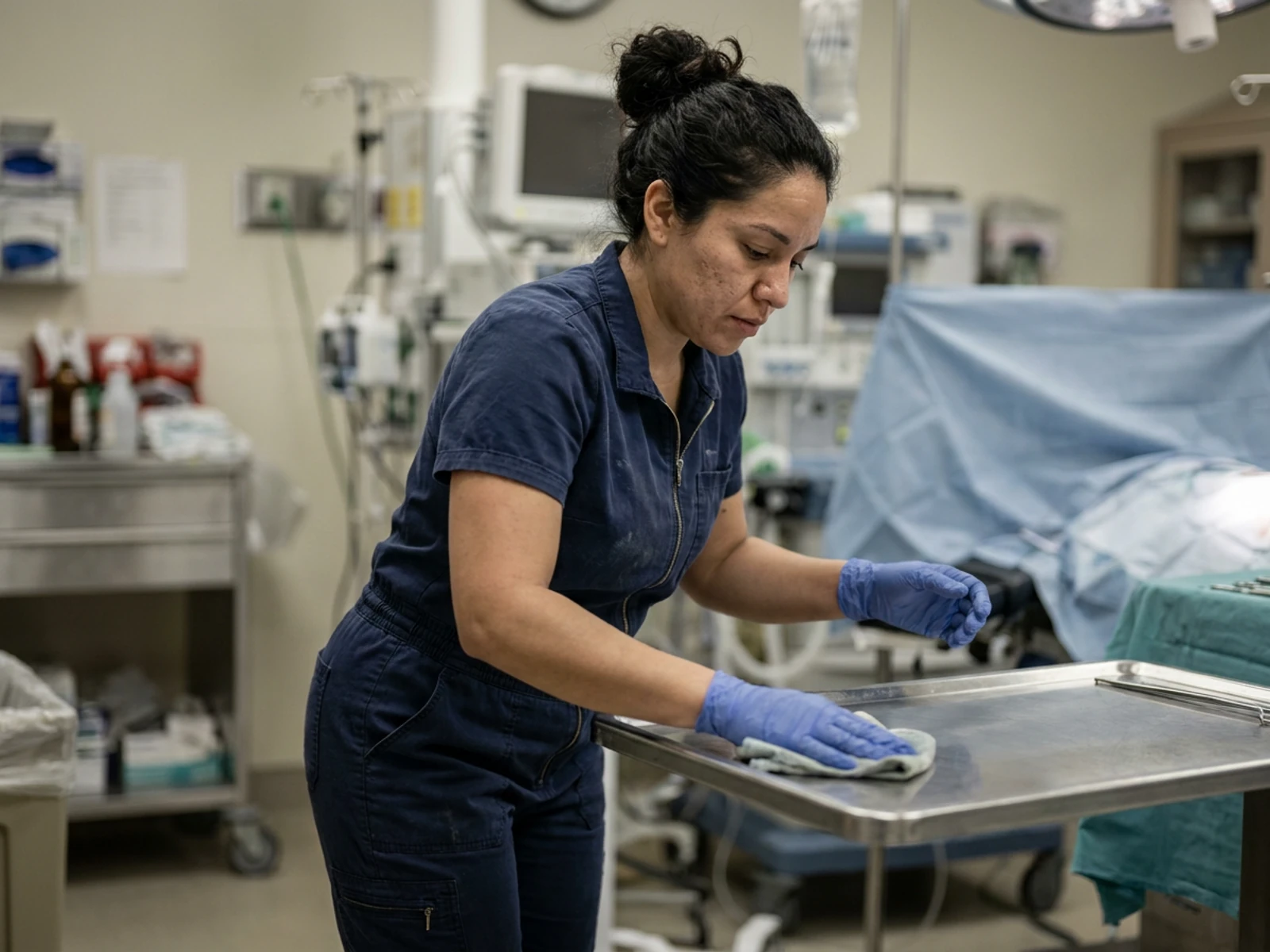
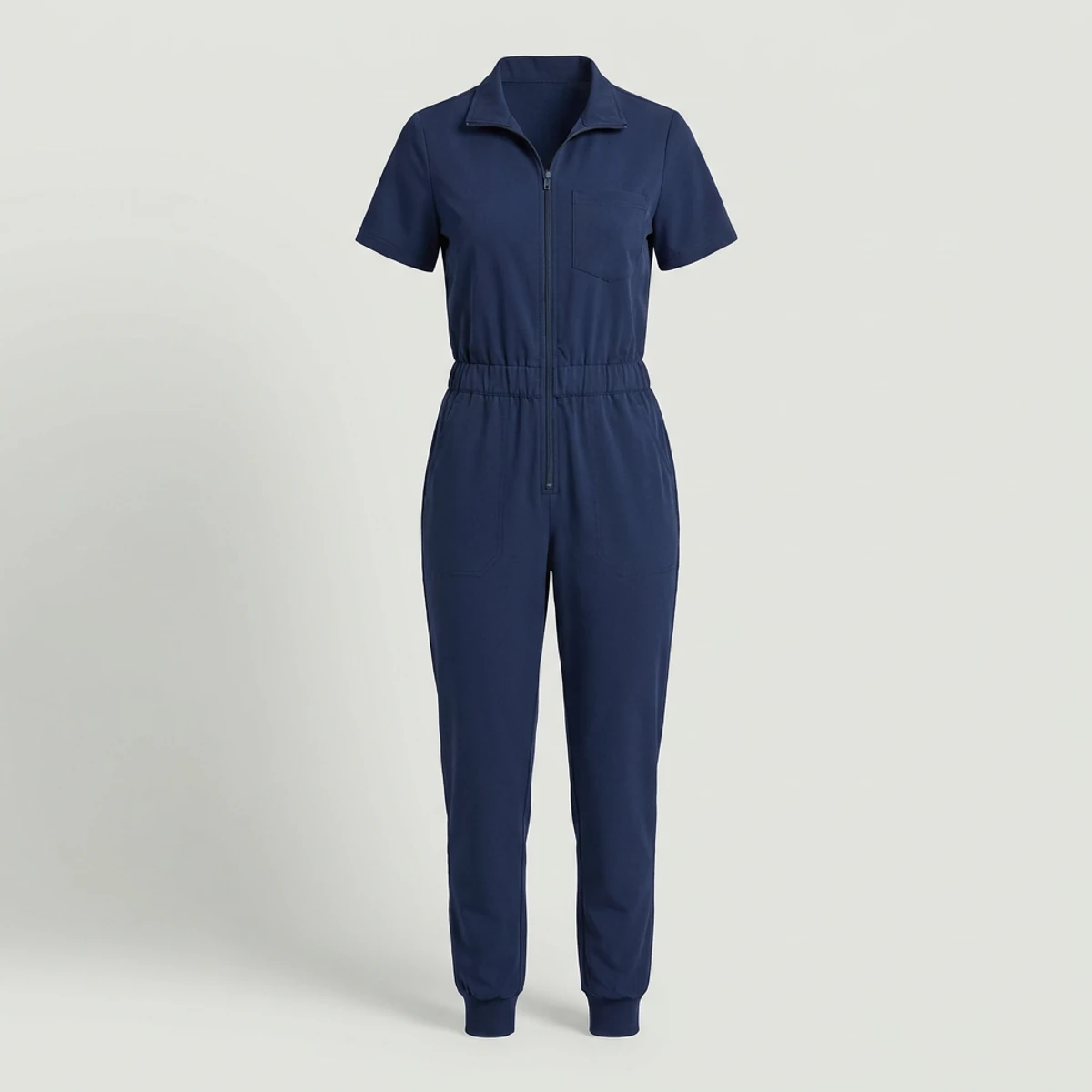
A center-front zip that runs below the waist makes a one piece scrub jumpsuit practical for breaks, and jogger legs keep hems clean. We sample this style first for most clinics and brands because it fits the widest range of bodies.
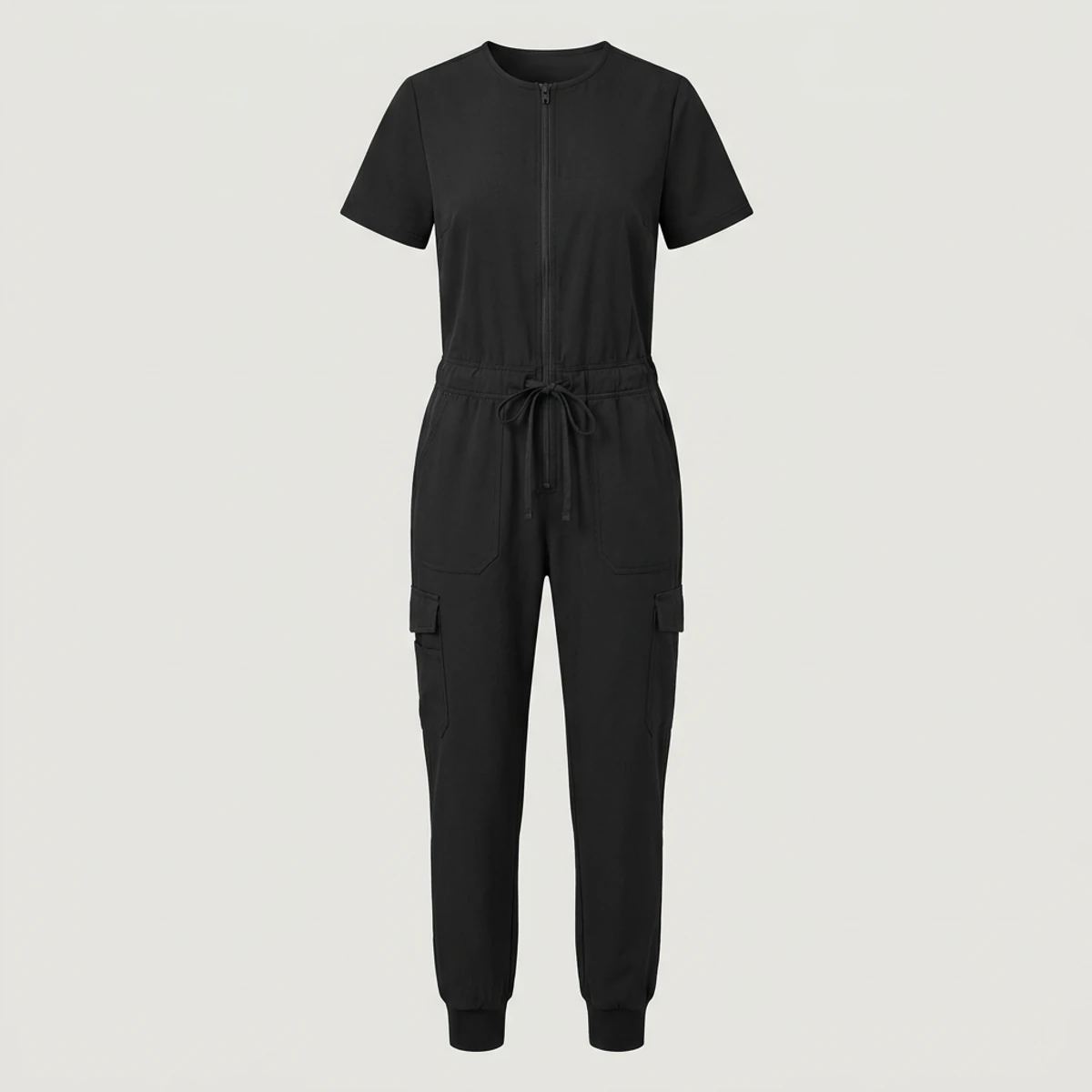
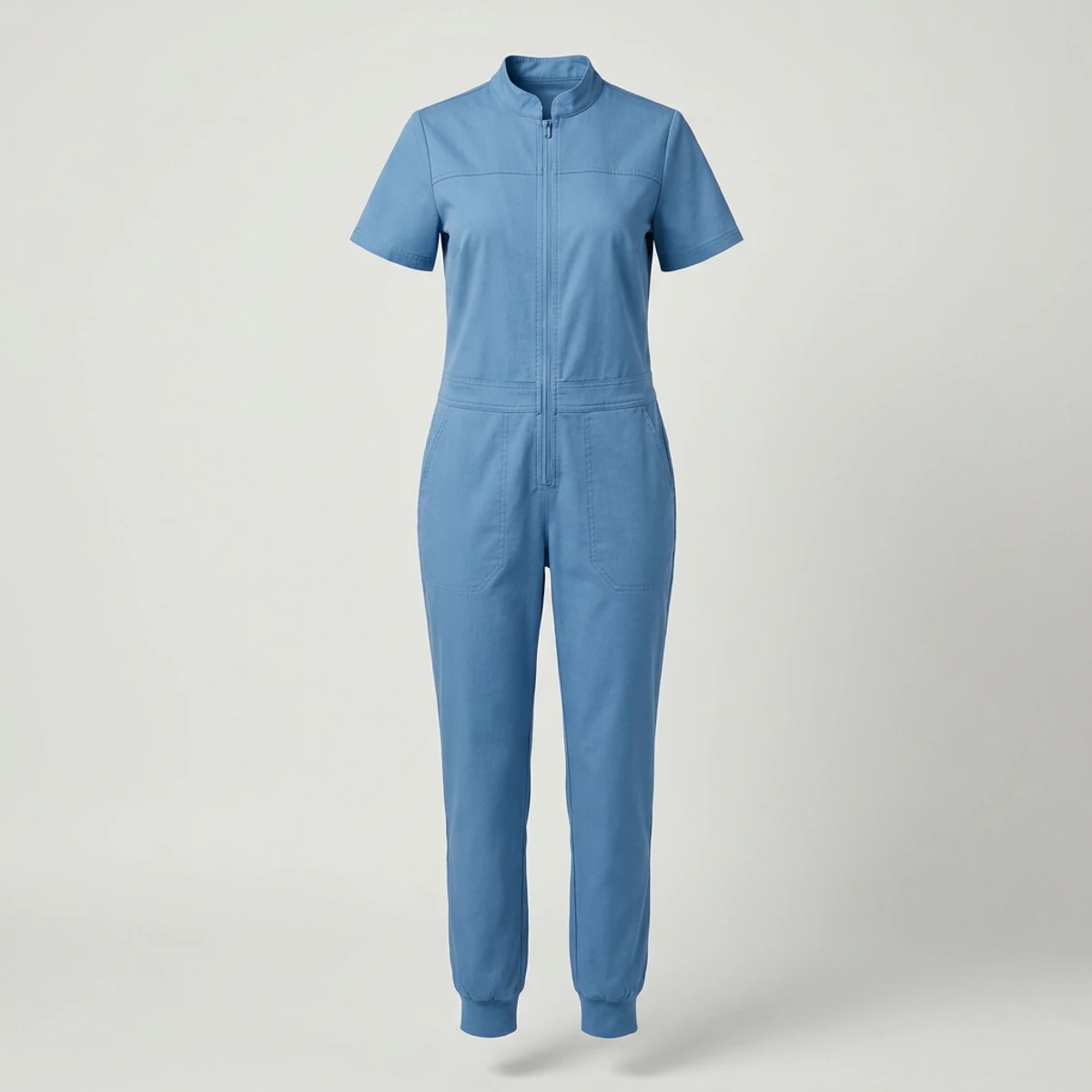
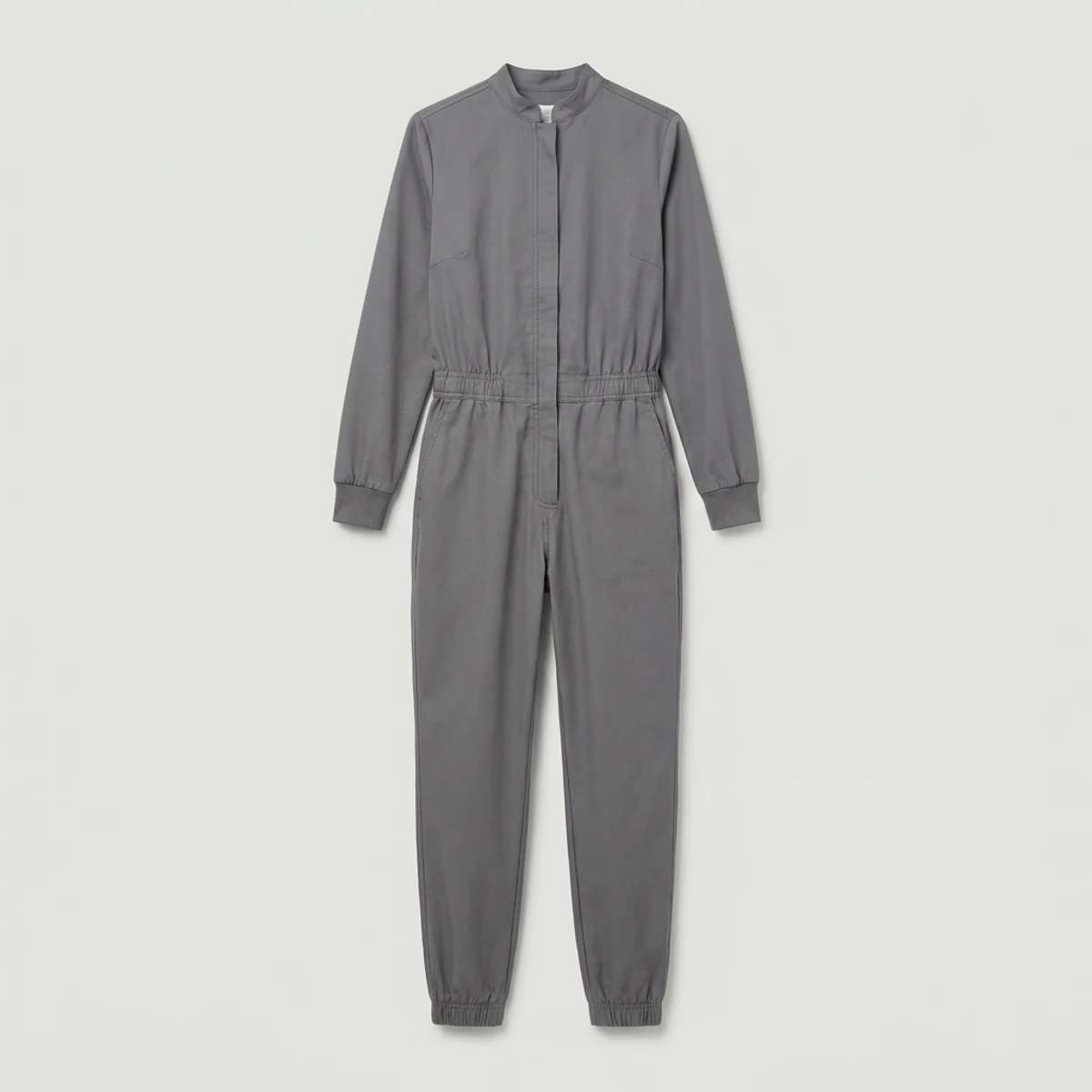
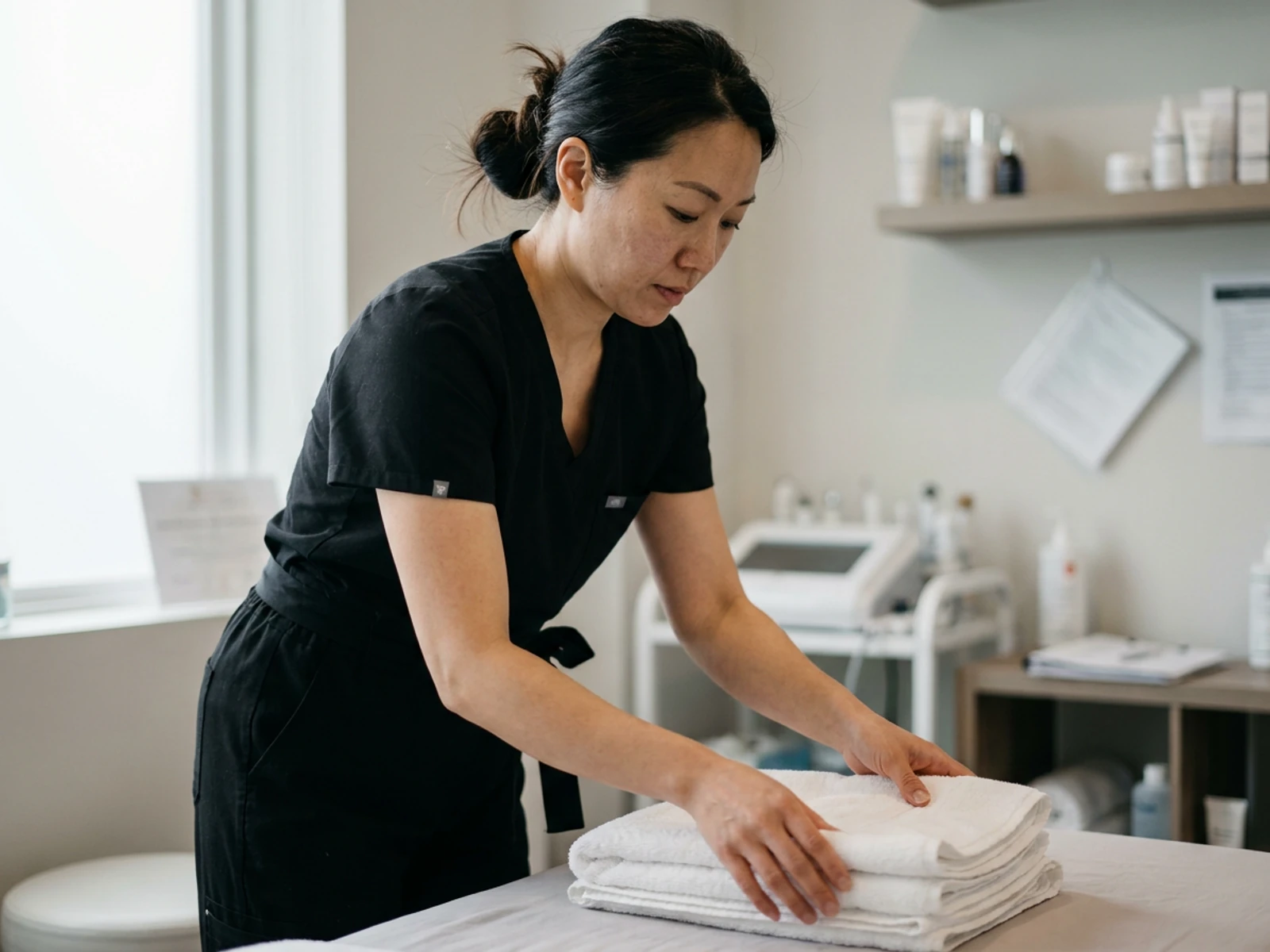
A tie belt and wide legs turn the scrub jumpsuit for women into a fashion piece that still works on shift. Adjustable waists widen the fit range across a size run, which matters when you only order about 50 pieces per style.
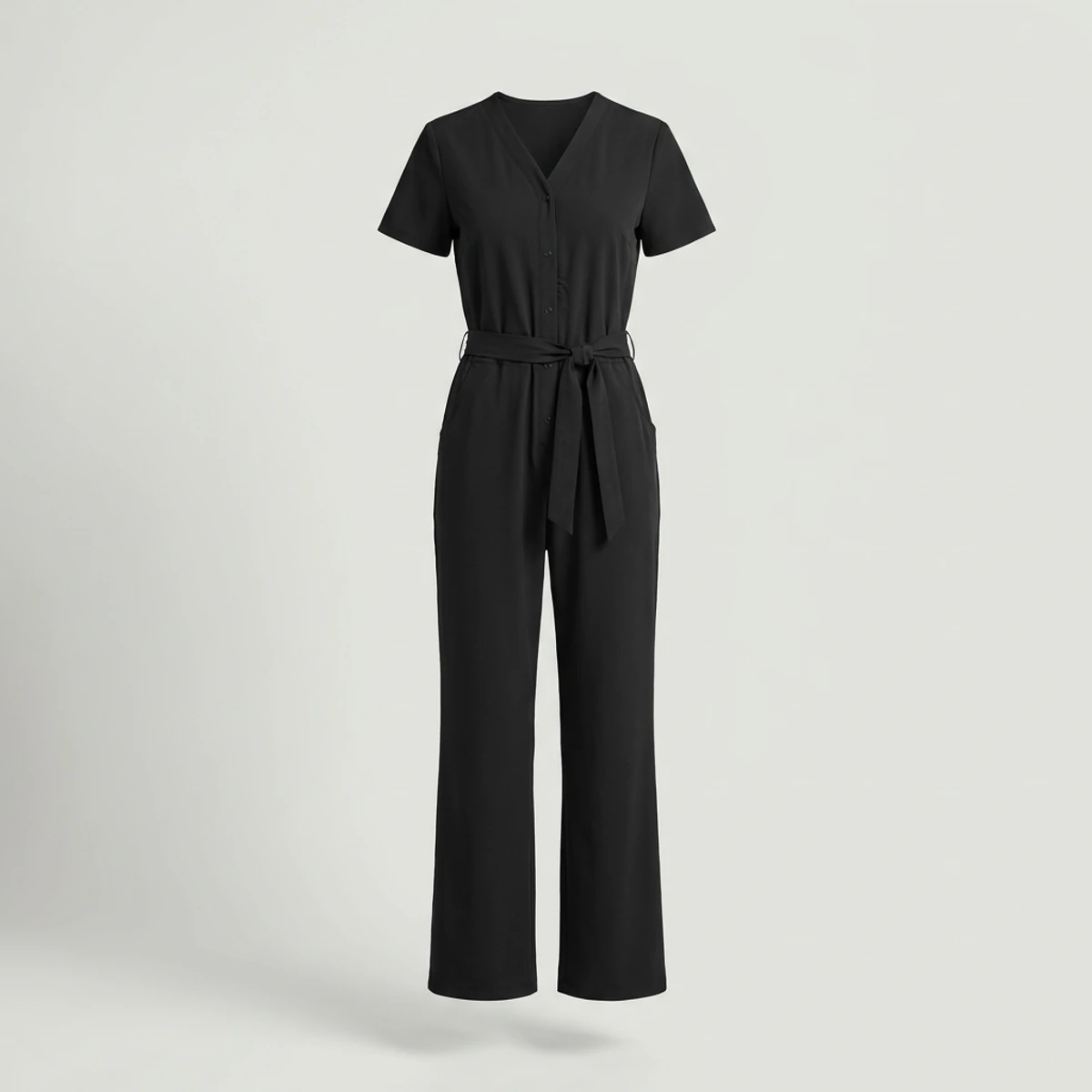
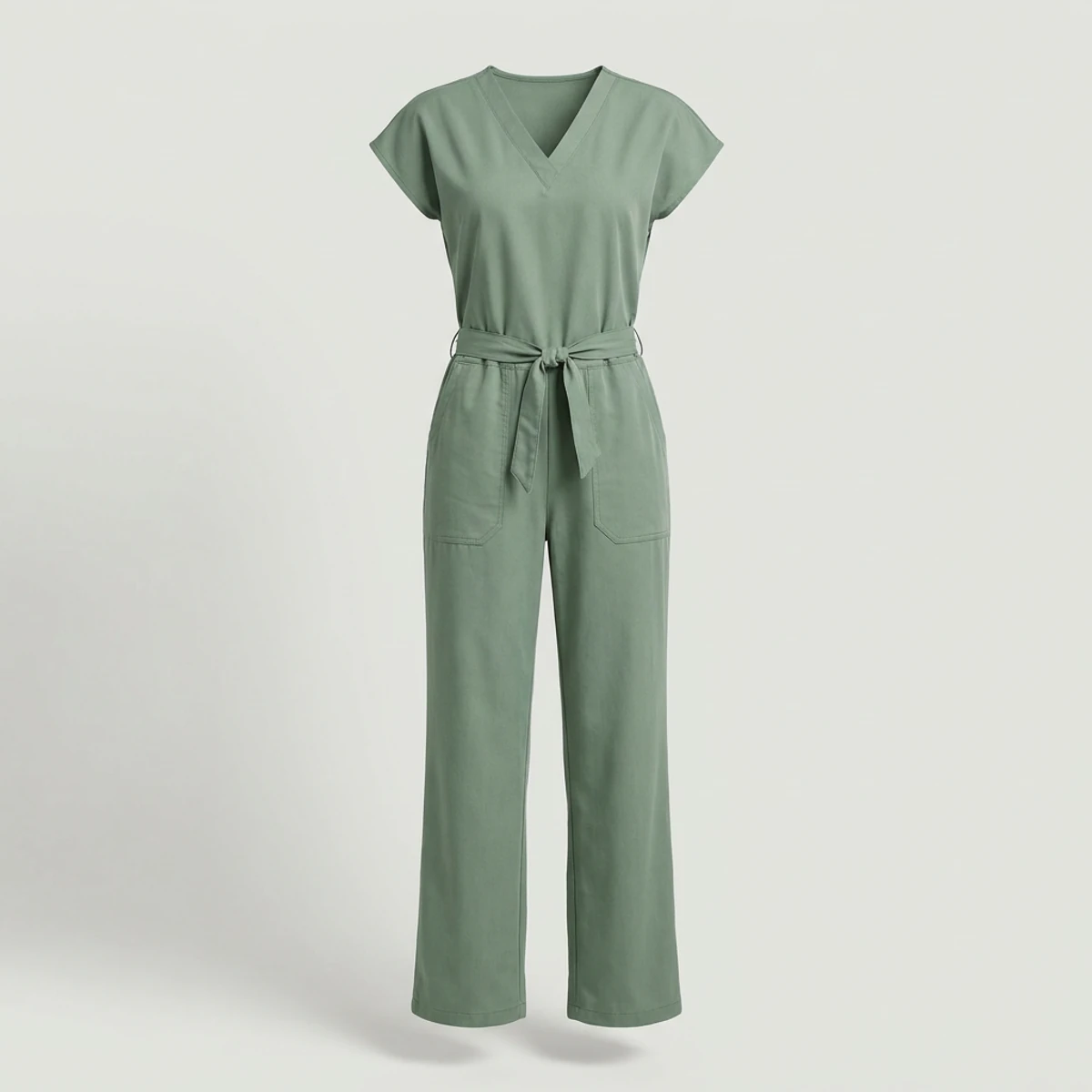
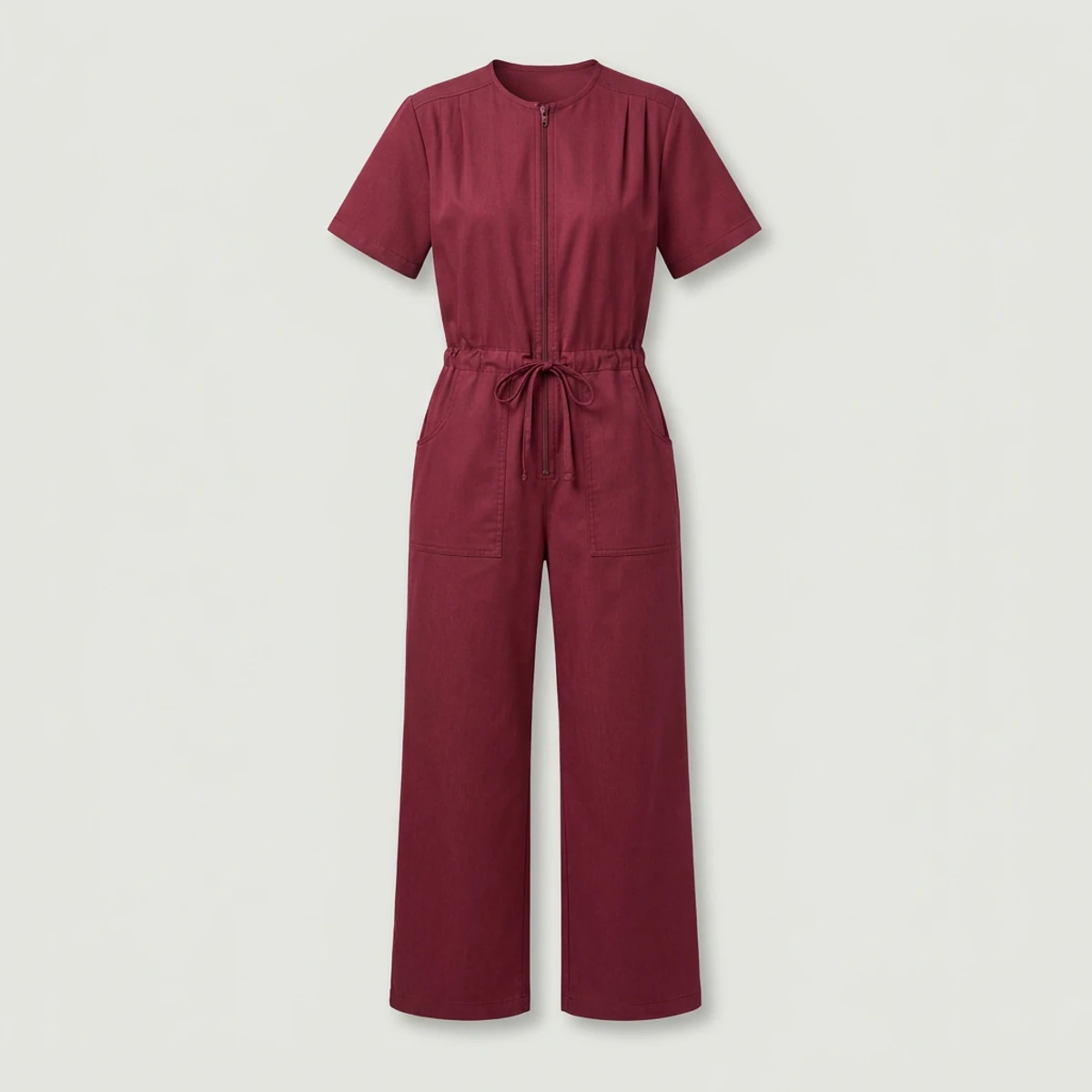
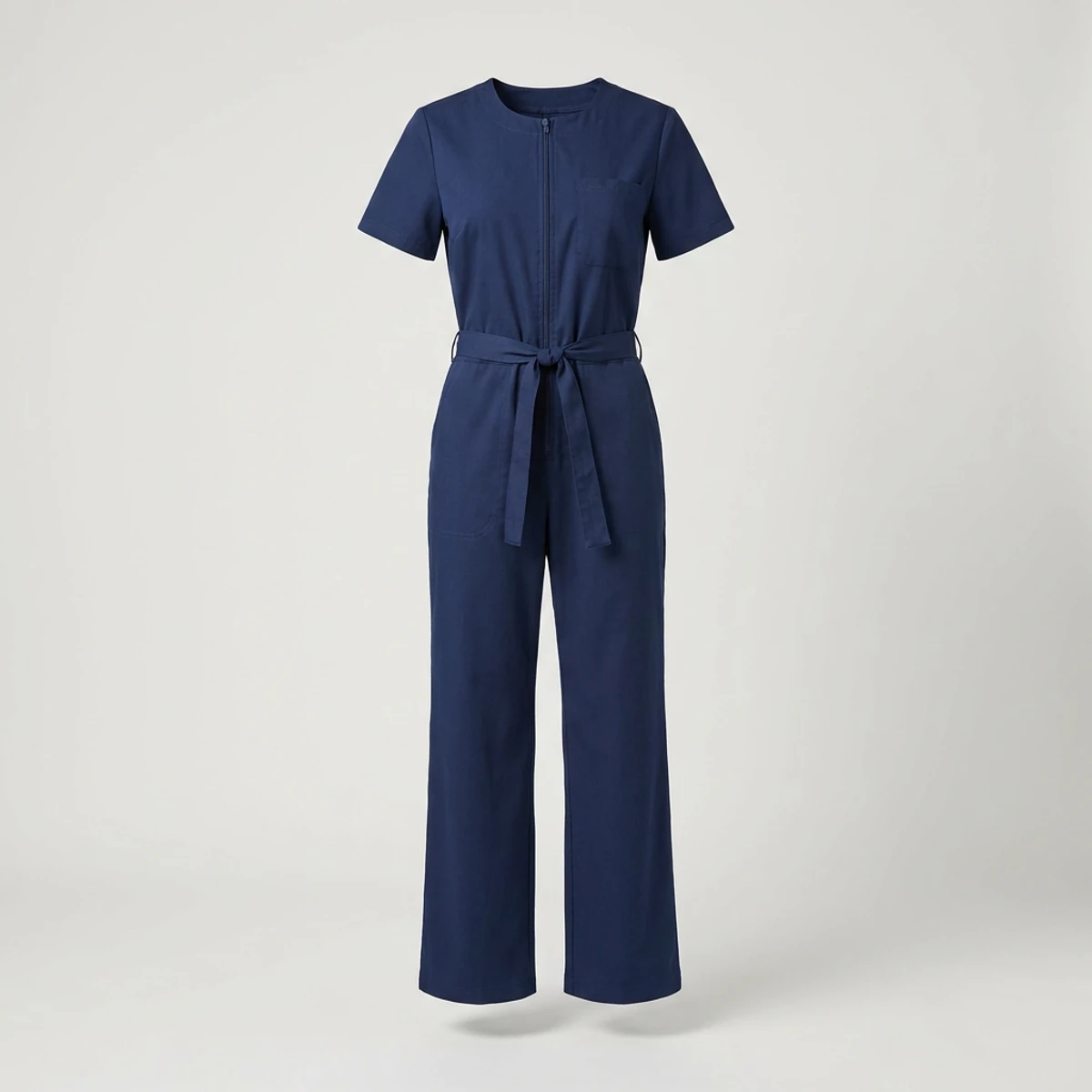
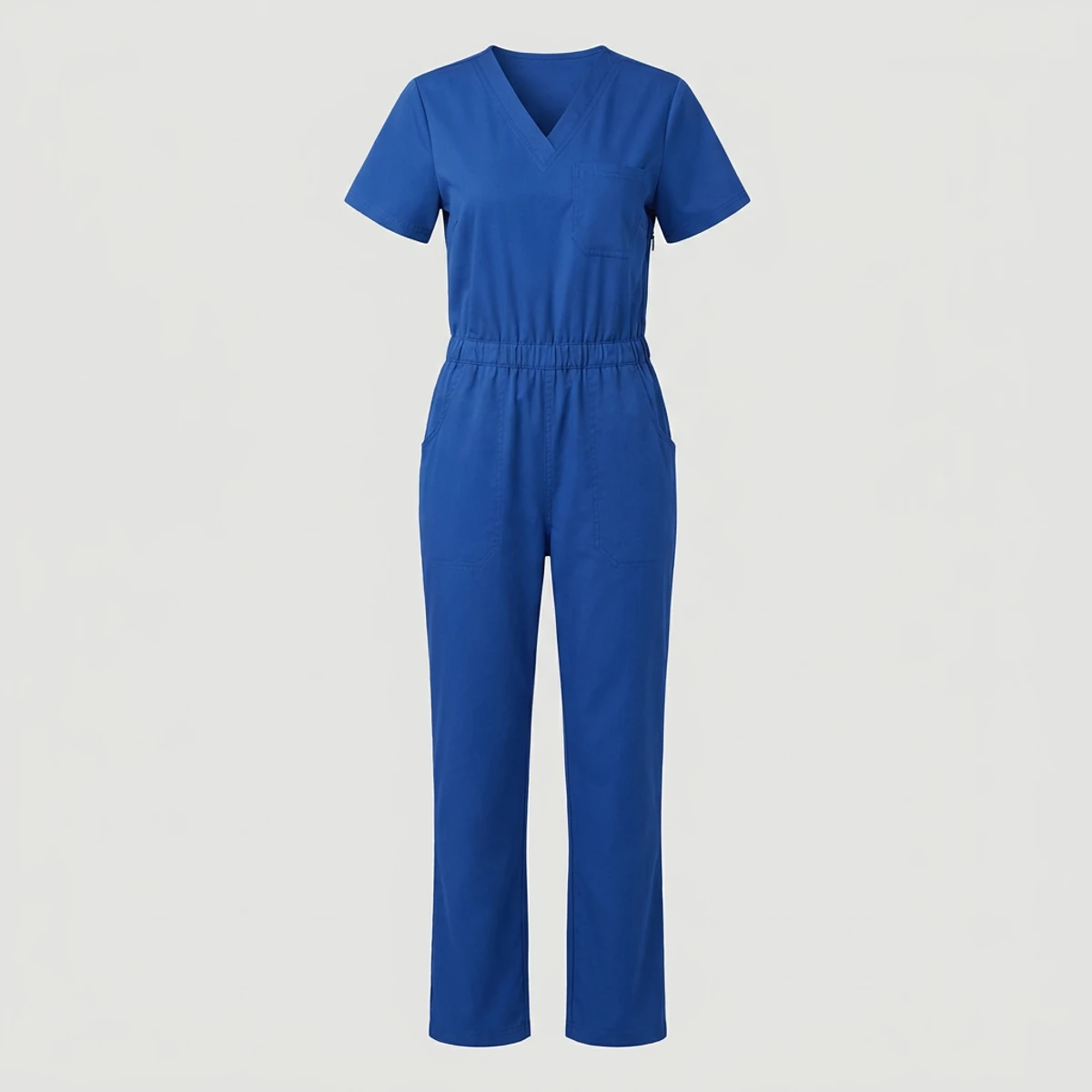
For brands that want the jumpsuit to look like a scrub set, a V-neck or mock wrap bodice with a hidden side or back opening keeps the classic scrub look. We grade torso length carefully on these, because that is where a one-piece pulls first.
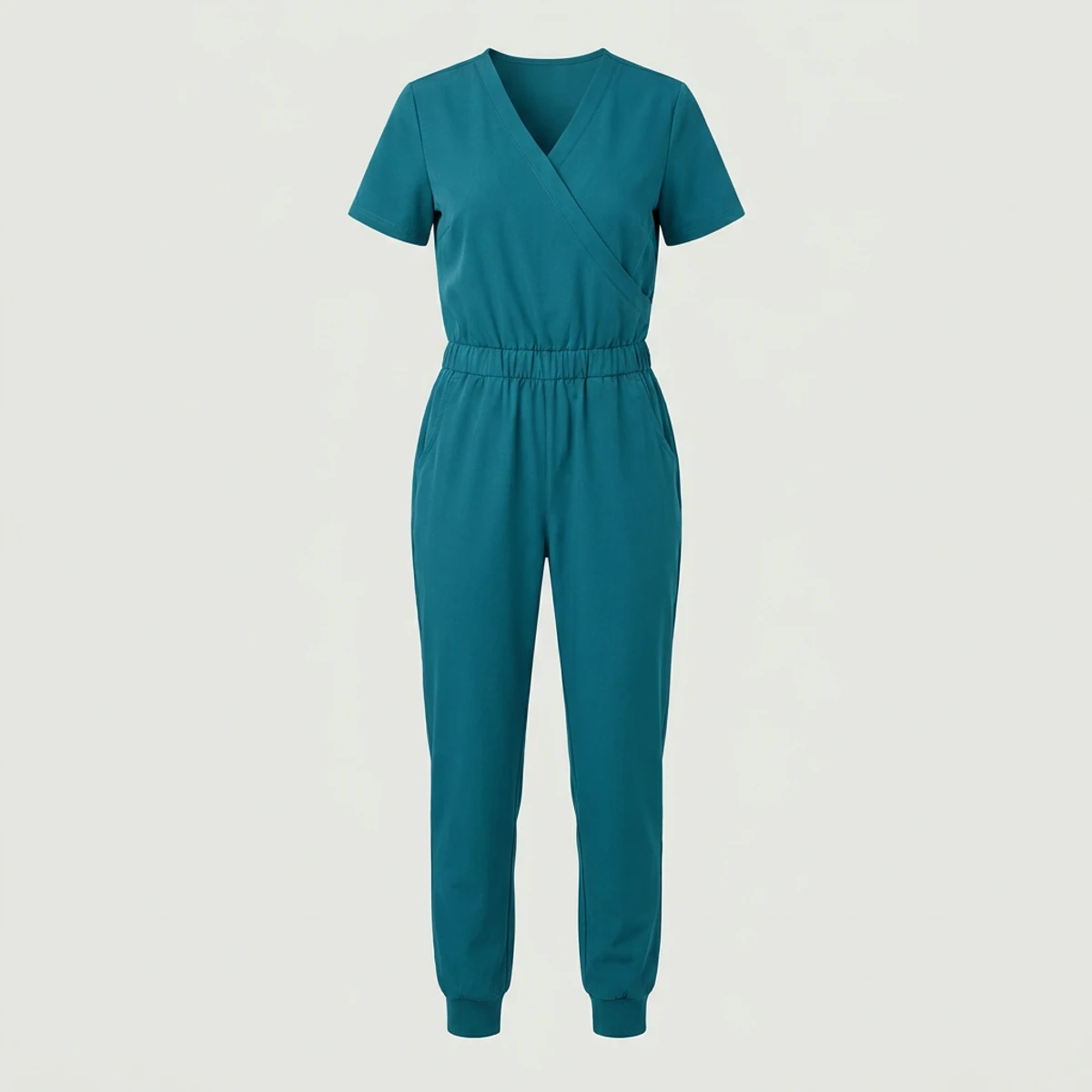
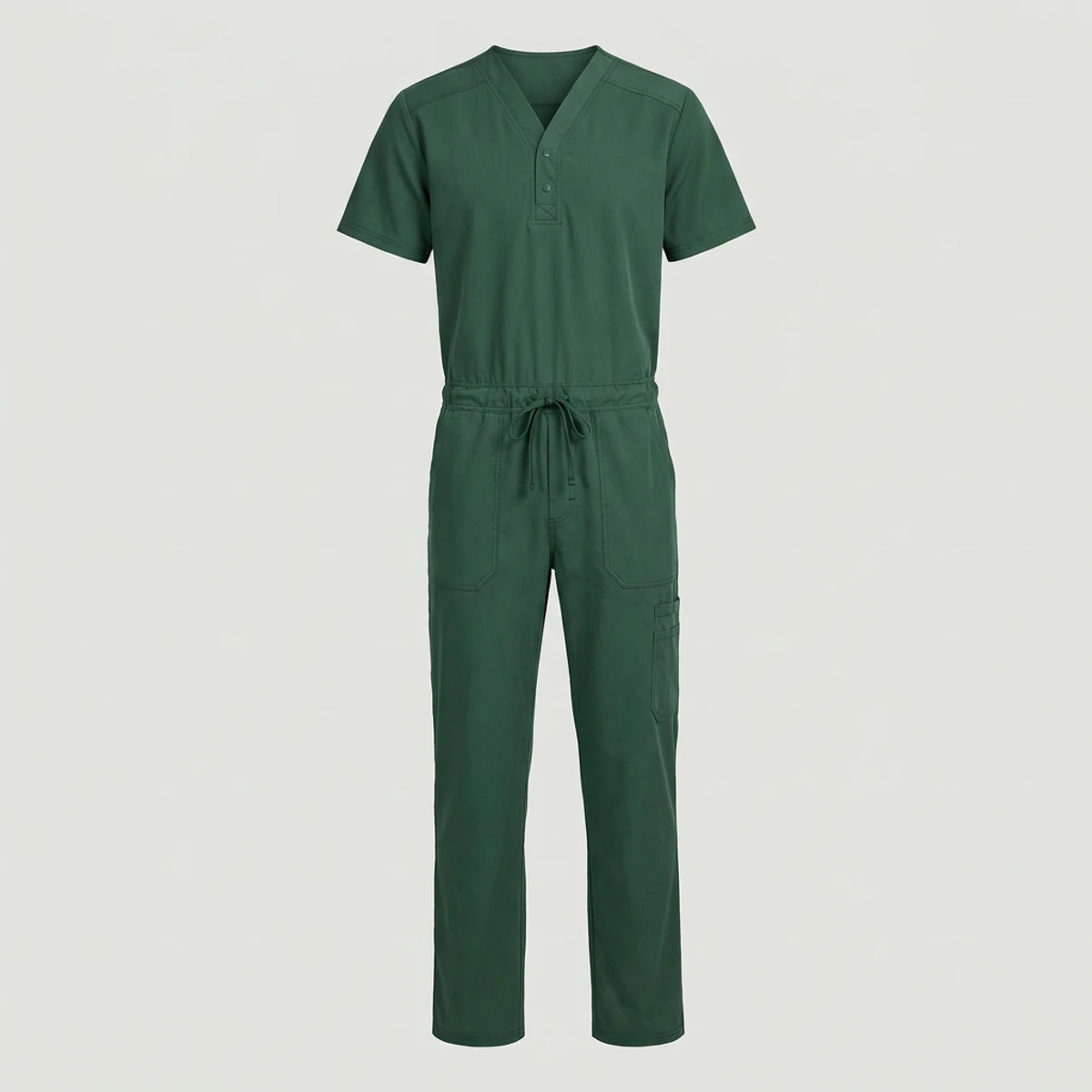
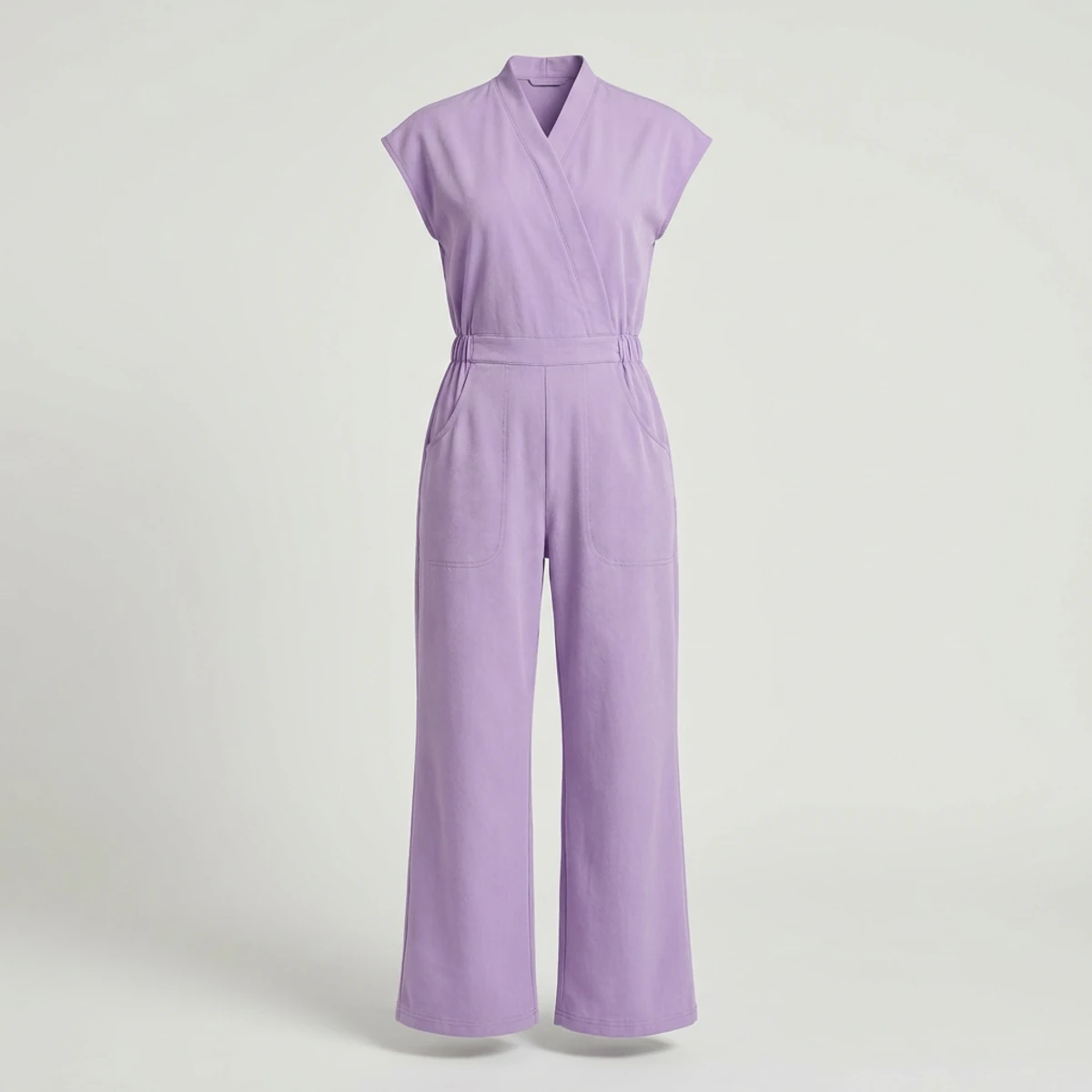
Pick the style, fabric and colors, add your logo and names, then attach the design to your quote. We cut and sew it in Los Angeles from 50 pieces per style.
The one-piece jumpsuit borrows from athleisure and fashion jumpsuits: one garment to put on, no tucking or riding up at the waist, and a clean head-to-toe line that photographs well. For scrub brands, that makes it a memorable product; for practices, it is a polished, modern uniform that still washes, moves and carries tools like scrubs.
Fewer brands offer a jumpsuit than offer tops and pants, which is why new labels use it to stand out. Large hospitals with color-coded programs rarely standardize on one, so most demand comes from brands and smaller, image-conscious practices.
A one piece scrub jumpsuit has to work harder than separates because the top and bottom cannot be adjusted independently. Four areas decide whether it is comfortable through a shift: the closure, the torso length, the waist, and the legs and pockets. Each is set in the pattern and checked on a sample before production.
A long center-front zip, reaching at least to the waist, lets the top half come off quickly for bathroom breaks. A two-way zip makes dressing and venting easier; snap fronts open with one pull.
The measurement that decides comfort. Too short and the jumpsuit pulls at the shoulders when the wearer bends; too long and it bags at the waist. Torso length is graded across sizes and wear-tested on people of different heights.
An elastic back waist, drawstring or adjustable tab lets one size fit a wider range of bodies. A fixed waist looks sharp but narrows the fit range, which matters when a 50-piece run is spread across sizes.
Jogger legs with knit cuffs keep hems off the floor; straight and wide legs read dressier. Chest, side seam and thigh phone pockets are common. Keep heavy items low, because weight in chest pockets pulls a one-piece forward.
The scrub jumpsuit for women dominates the category. Women’s patterns add bust shaping through princess seams or darts, a defined waist and a slightly shorter torso, with necklines from a classic V or mock wrap to a zip-front collar. A women’s and a unisex pattern can be developed side by side, each counted as its own style.
A jumpsuit needs a stretch fabric, because a one-piece has no give between top and pants. Polyester-rayon-spandex or polyester-spandex blends with four-way stretch let the wearer reach overhead and squat without strain at the shoulders and crotch, and their wrinkle resistance keeps the clean line that makes people choose a jumpsuit.
Our scrub fabric guide compares blends, stretch and weight. We confirm the fabrics available for your order at quote stage.
Jumpsuit features are chosen in seven places: neckline, closure, waist, sleeves, legs, pockets and back. Each choice changes comfort, look and how wide a range of bodies one size fits, so the table pairs every option with the trade-off worth checking on the sample before the pattern is finalized.
| Feature | Options | What to consider |
|---|---|---|
| Neckline | V-neck, mock wrap, zip collar, crew | Zip collars double as the closure; V-necks need a separate opening |
| Closure | Center-front zip, two-way zip, snaps | The length of the opening decides how easy bathroom breaks are |
| Waist | Elastic back, drawstring, tie belt, fixed seam | Adjustable waists widen the fit range across a size run |
| Sleeves | Short, cap, long with knit cuff | Short sleeves suit bare-below-the-elbows policies |
| Legs | Jogger, straight, wide | Joggers keep hems clean; wide legs read as fashion |
| Pockets | Chest, side seam, thigh cargo, phone pocket | Keep heavy items low on the body |
| Back | Plain, yoke, gathered or pleated | A back yoke or pleat adds reach room across the shoulders |
Sleeve length is a facility policy question as much as a style one: the Society for Healthcare Epidemiology of America (SHEA) guidance on healthcare personnel attire explains the bare-below-the-elbows approach some hospitals follow.
Tip: Ask wear testers to do three things in the sample: reach overhead, squat to the floor and sit for ten minutes. Any pull at the shoulders or crotch shows up immediately and points to torso length.
A jumpsuit is better for a streamlined, fashion-forward look; a scrub set is better for fit flexibility and large teams. Separates let each wearer pick a top and pant size independently and make bathroom breaks simple, while a one-piece needs a well-designed zip and the right torso length for every wearer.
| Jumpsuit | Scrub top and pants | |
|---|---|---|
| Look | Streamlined, one color head to toe | Classic, mix-and-match |
| Fit range | Narrower; torso length must suit the wearer | Wider; top and pant sized separately |
| Bathroom breaks | Needs a long zip or snap design | Easy |
| Inventory | One SKU (stock-keeping unit) per size | Two SKUs per wearer, but more flexible |
| Best for | Brands, med spas, specialty practices | Hospitals, large teams, color-coded programs |
For most large employers a set of scrub tops and scrub pants is the safer default, with a jumpsuit cut from the same fabric offered as an optional style. For a scrub brand, the jumpsuit is often the product people remember.
The cost of custom scrub jumpsuits depends mainly on pattern development, fabric, quantity per style, construction, decoration and labels. No prices appear on this page because every order is quoted on its actual design and quantity; the table shows how each factor moves the unit price and how to keep it in check.
| Cost driver | How it moves the unit price | How to keep it in check |
|---|---|---|
| Development and sampling | A new one-piece pattern usually needs more fit rounds than a top or pant | Send a clear sketch or tech pack and wear-test early |
| Fabric | Premium four-way stretch blends usually cost more than basic stretch fabrics | Choose stretch and weight for the role, not feel alone |
| Quantity per style | Larger runs spread cutting, setup and sampling across more pieces, so unit cost tends to fall | Start with one hero color plus a neutral |
| Construction | Two-way zips, yokes, belts and extra pockets add components and sewing time | Keep the features wearers will actually use |
| Decoration | Stitch count, thread colors and logo locations add time per piece | One chest logo is usually enough |
| Labels and packaging | Custom neck labels, hang tags and individual bagging add components | Use standard finishing for staff uniforms |
A jumpsuit is sized on two dimensions at once: chest and hip must fit, and so must torso length. Separates let someone wear a medium top and a large pant; a one-piece does not, so grading and a measurement-based size chart matter more than they do for any other scrub garment.
The size range for each jumpsuit pattern is agreed at development and confirmed at quote stage.
Jumpsuits last longest when washed inside out with the zip closed, which protects the zipper teeth and the fabric around them, and dried on moderate heat to keep stretch fabric and elastic waists in shape. Avoid chlorine bleach on colored stretch fabric, since it fades dye and weakens spandex.
Because the garment is a single piece, staff may need more jumpsuits than they would tops and pants, so plan quantities around a full laundry cycle.
Embroidered scrub jumpsuits usually carry a left-chest logo placed above the bust line, so the fit does not distort it, with names below. Private label brands add a neck label, care label and hang tag, sometimes with a small woven tab on a pocket or at the hip as a visible brand detail.
Printing works for larger artwork on the back yoke. Practices can brand jumpsuits through our custom embroidery service, and new labels can launch them under their own name through our private label clothing manufacturing program.
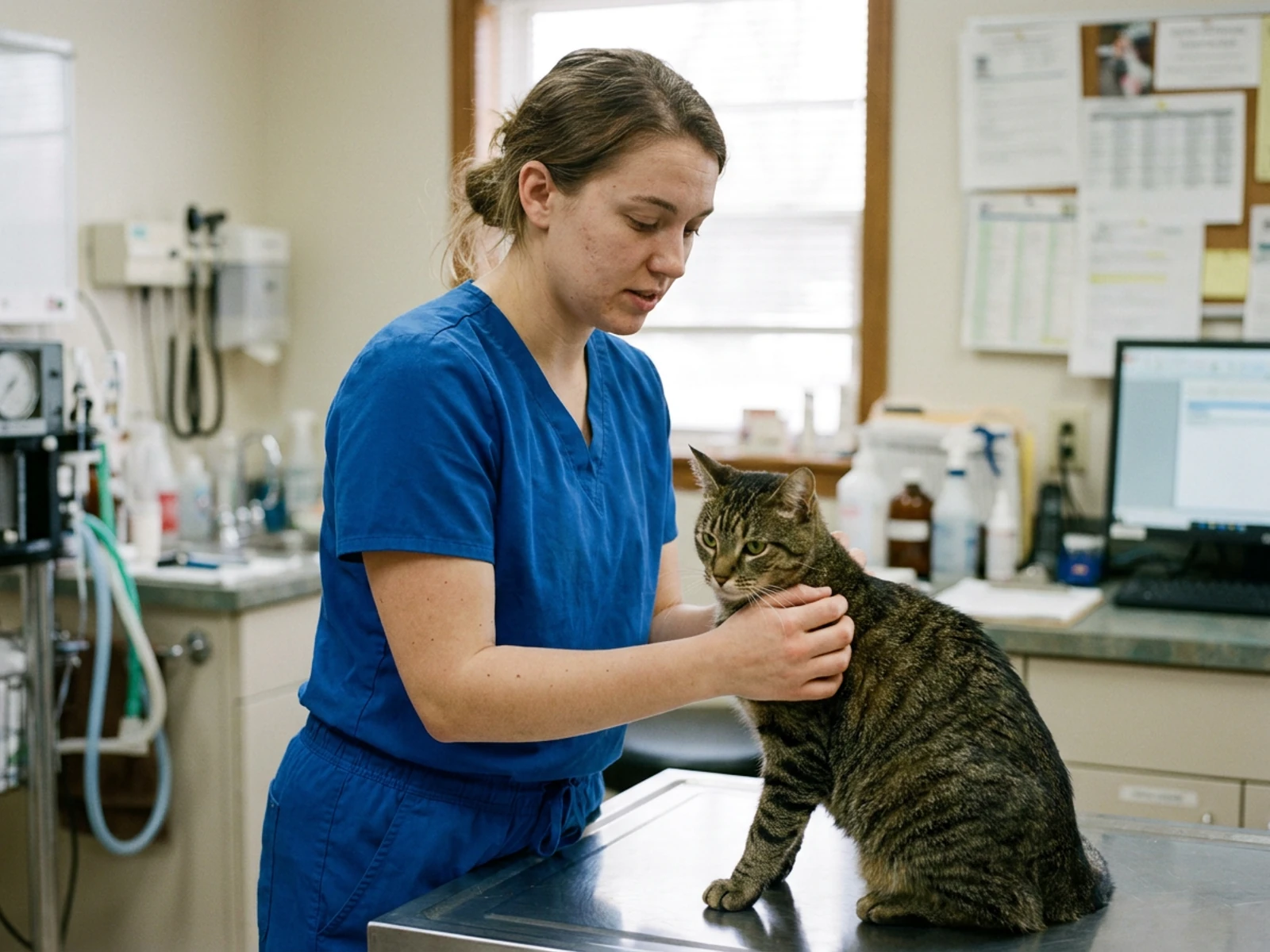
Jumpsuits are chosen mainly where the uniform is part of the client experience: med spas, aesthetics and dermatology practices, dental and specialty clinics, veterinary teams and scrub brands. Hospitals with strict color-coded programs rarely standardize on them, but some offer a jumpsuit as an optional style alongside sets.
Custom scrub jumpsuits start with development, because a one-piece is a more complex pattern than a top or pant. The process runs from brief to pattern and sample, fit adjustments after wear testing, and production in the Los Angeles factory, with the pattern kept on file so later runs match the first.
Founders planning a full collection can read our guide on how to start a scrub brand. Ask us for current lead times when you request a quote.
Ready to order
A complete jumpsuit quote needs the design, fit, fabric, pockets, branding and quantity per style. The more of this list arrives with the first message, the faster the development plan and price can be confirmed, including how many sample rounds the design is likely to need.
The most common jumpsuit mistakes are a zip that is too short, skipping the wear test, choosing a rigid fabric and grading the size run too narrowly. Each one is invisible on a flat sketch, cheap to fix at sampling and expensive to fix after a full run has been cut and sewn.
Need something not covered here? Ask our Los Angeles team and we’ll answer with options for your order.
Ask our Los Angeles teamScrub jumpsuits work for a full shift when the design solves bathroom breaks and movement. A long front zip, ideally two-way, lets the wearer step out of the top half quickly, and a defined, adjustable waist with stretch fabric stops the garment pulling when bending or reaching. Wear-test a sample through a real shift before committing to a run.
The minimum order for scrub jumpsuits is about 50 pieces per style. One style means one pattern in one fabric; the size and color breakdown within that run is agreed at quote stage. A women's pattern and a unisex pattern are developed and graded separately, so plan them as two styles.
Most jumpsuits on the market are cut for women, but a unisex or men's pattern can be developed as a separate style. A men's jumpsuit needs a longer torso and a straighter body, so it is graded and sampled on its own. Industrial coveralls are a different garment built for dirty work rather than clinical wear.
A jumpsuit can be cut from the same stretch fabric and color as your scrub tops and pants, so a collection or a team can mix one-piece and two-piece styles without the colors drifting apart. Fabric availability is confirmed at quote stage, and the shade is approved on a sample before production.
Launch or grow a scrubs or workwear brand with garments cut and sewn in our Los Angeles factory under your label, from about 50 pieces per style.

Stylish tunics, smocks and aprons for hair salons and barbershops, chosen for color and chemical splashes and sewn in Los Angeles from 50 pieces per style.
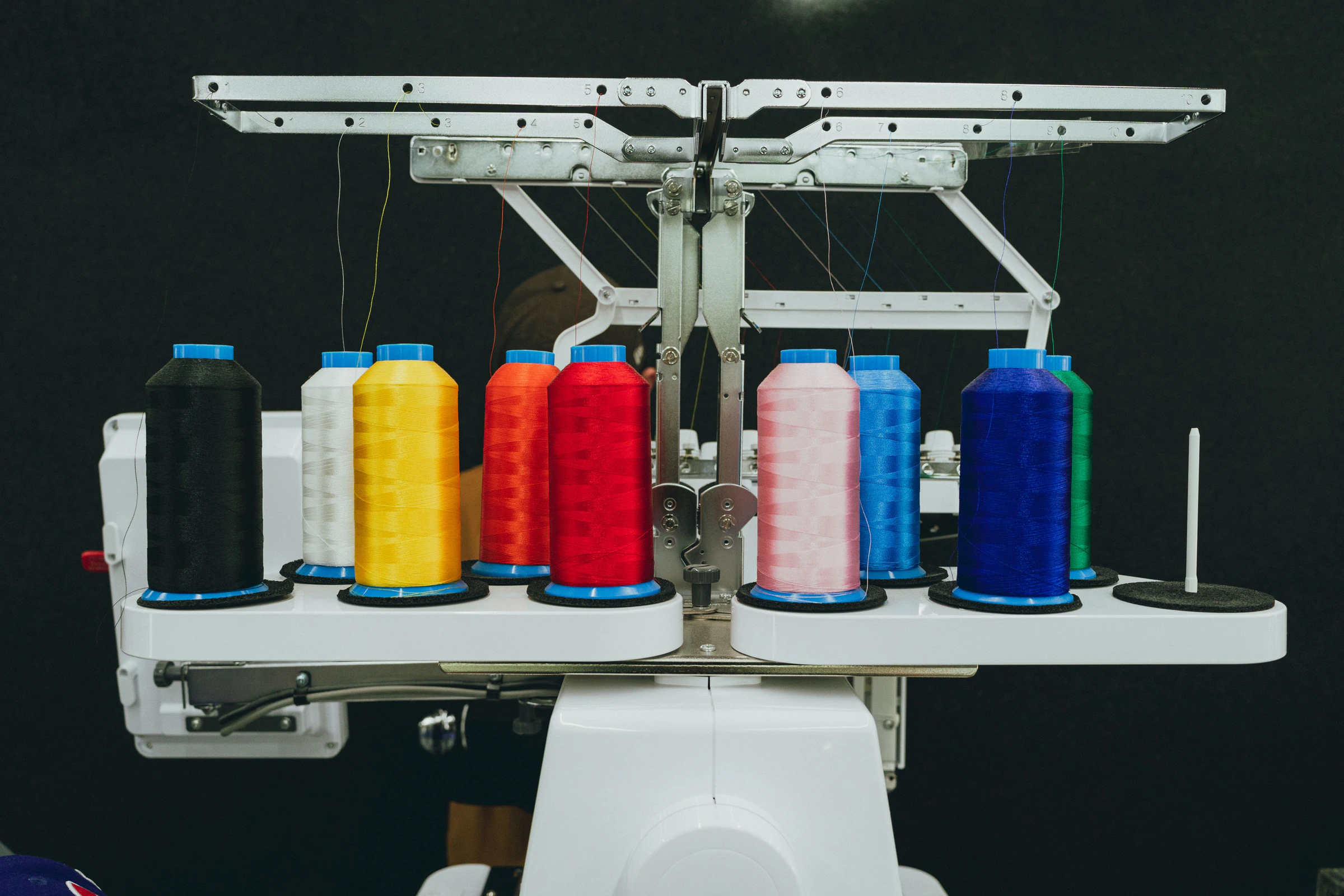
Logo embroidery, screen printing, transfers and patches across workwear, with advice on which method suits each garment, fabric and order size.

Branded scrub hoodies and sweatshirts for healthcare teams, staff gifts and scrub brands, embroidered or printed, from 50 pieces per style.

Long and short sleeve scrub undershirts in stretch knit fabrics, made to match your scrub colors, private label from 50 pieces per style or wholesale by inquiry.