
Industries · Los Angeles factory

Custom Construction Uniforms for Crews

Construction uniforms are the durable work pants, shirts, jackets and high-visibility layers that keep crews protected, visible and recognizable as your company on every jobsite. Custom Uniform Factory cuts and sews them in its own Los Angeles factory with your logo embroidered or printed, from about 50 pieces per style, so general contractors and specialty trades can build a branded program around the hazards their crews actually face.

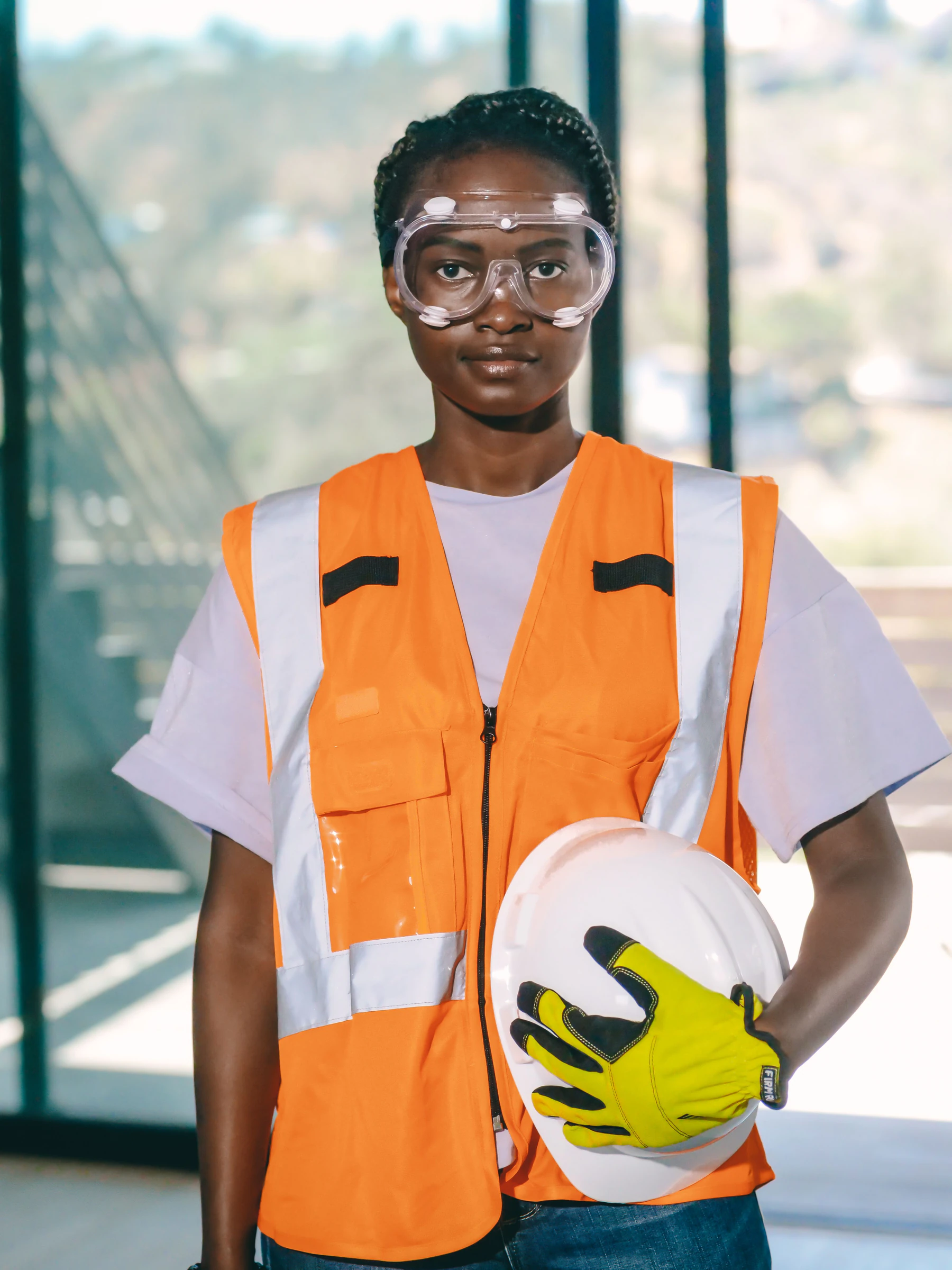
Construction worker in an orange reflective safety vest and goggles holding a white hard hat
Minimum order
About 50 pieces per style
Production
Cut & sewn in Los Angeles, imported fabric
Typical garments
Work pants, work shirts, hi-vis vests and shirts, denim, jackets
Hi-vis reference
ANSI/ISEA 107 performance classes; confirm class needed per task

Construction by style

16 styles in 4 families · each made to order in your fabric, color and branding from 50 pieces.

Customize your uniformsYour fabric, colors, pockets and branding
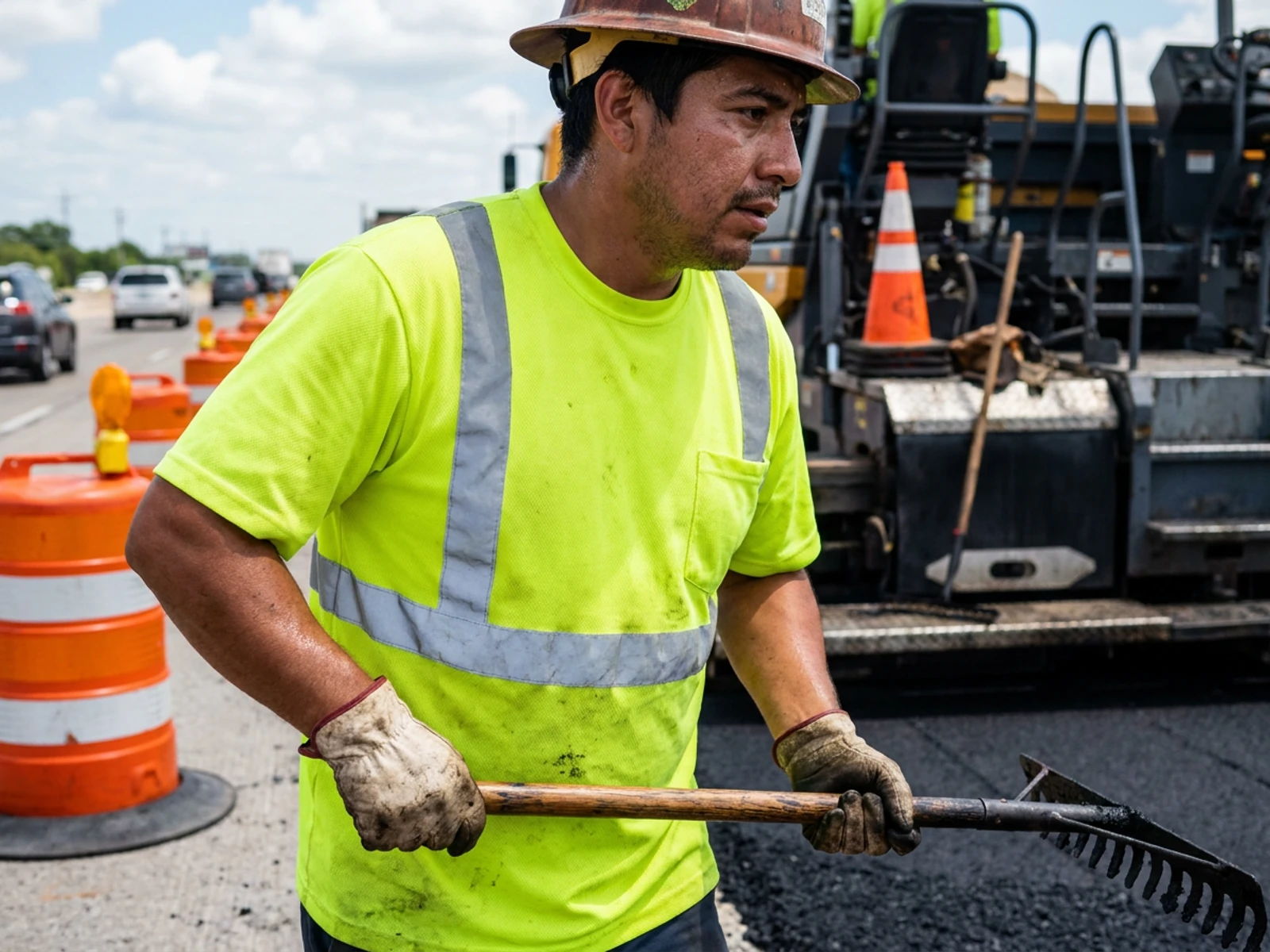
Road crew worker in a yellow-green hi vis T-shirt raking asphalt in a work zone

Bright tees for road and site crews

Short-sleeve hi-vis tees keep crews visible on hot days when a vest gets in the way. We place logos away from the reflective tape and make them to order from about 50 pieces per style.

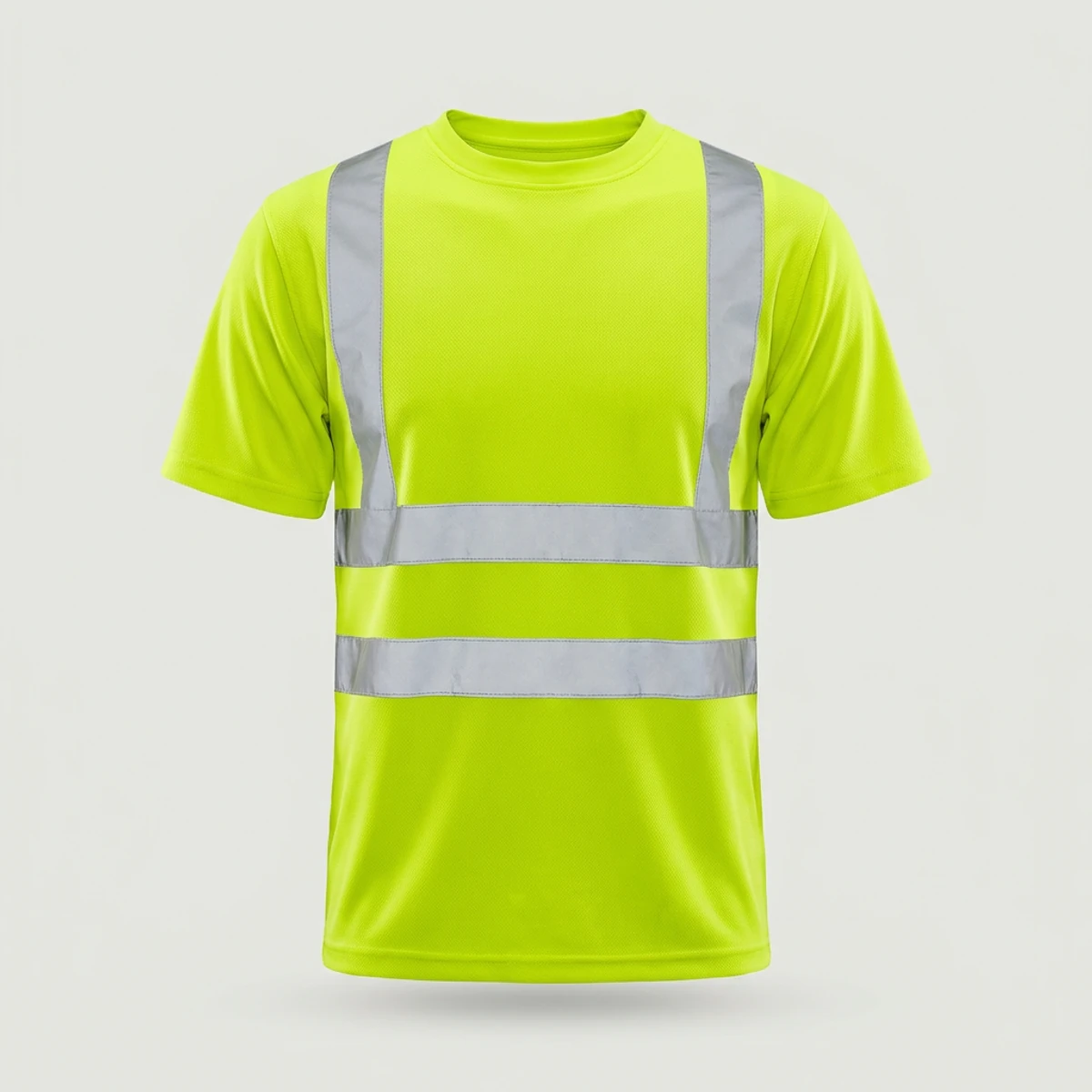
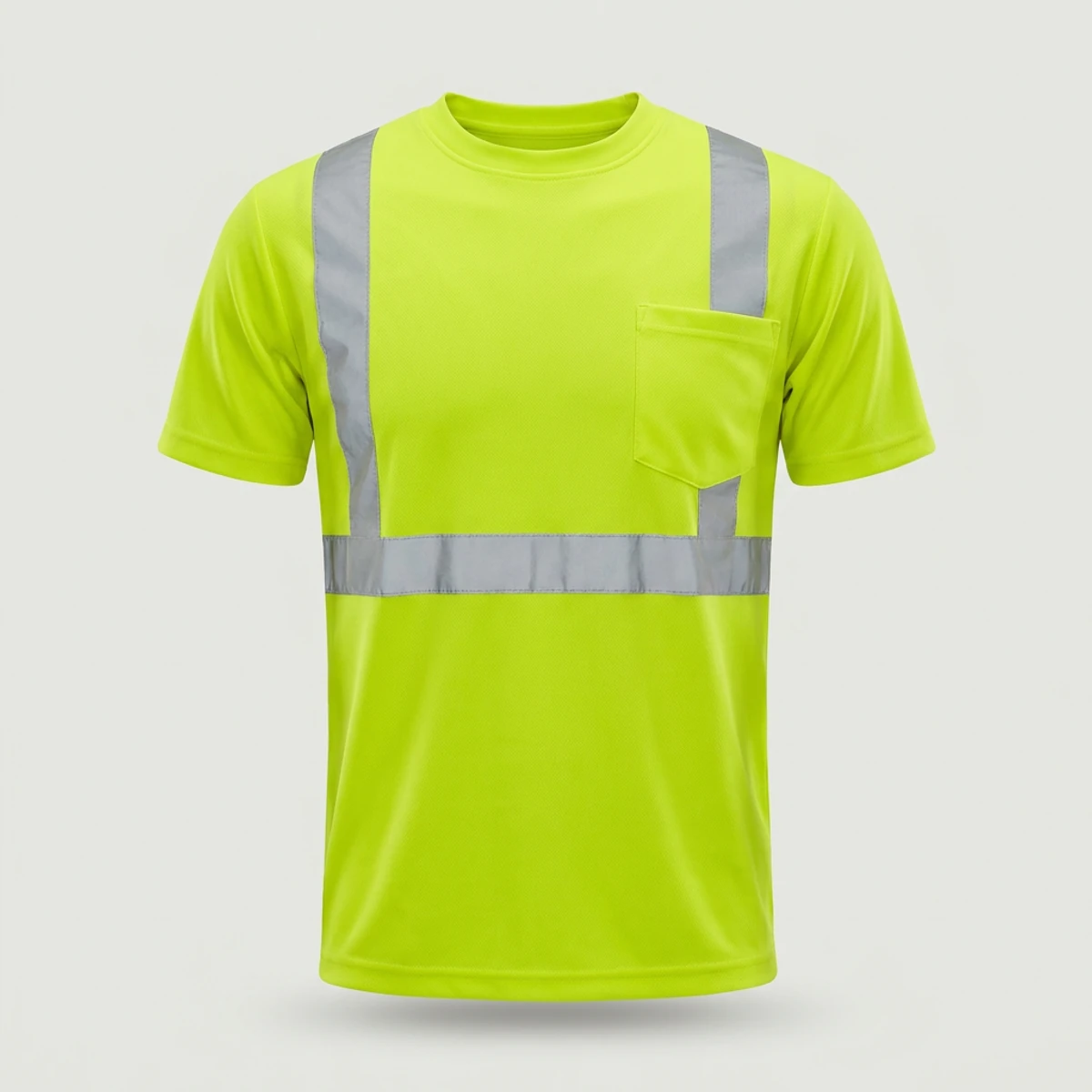
  • Fluorescent yellow-green short-sleeve hi vis T-shirt with silver reflective bandsYellow hi vis T-shirt
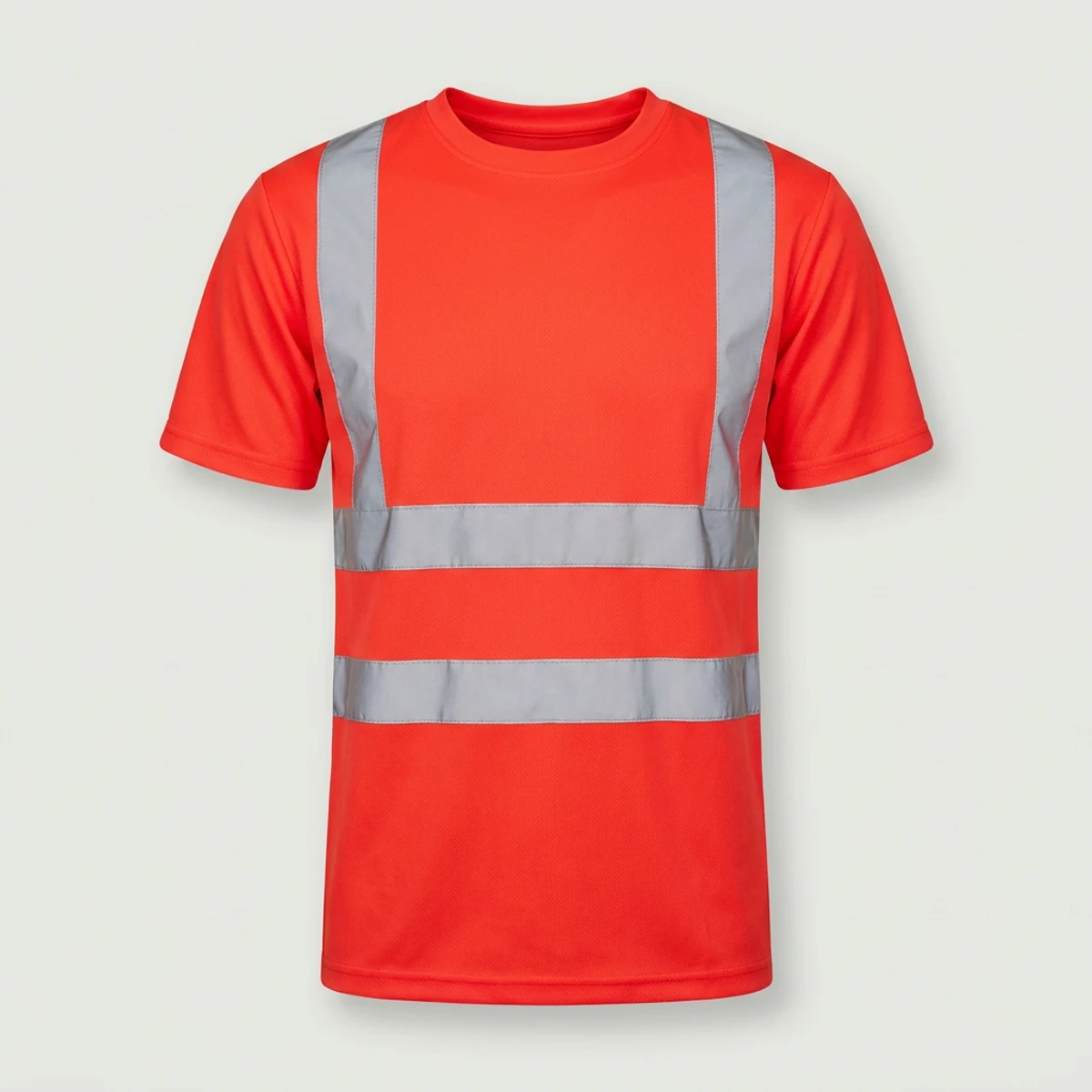
  • Fluorescent orange short-sleeve hi vis T-shirt with reflective torso and shoulder tapeOrange hi vis T-shirt
  • Fluorescent yellow-green hi vis pocket tee with segmented reflective tapeYellow hi vis pocket tee
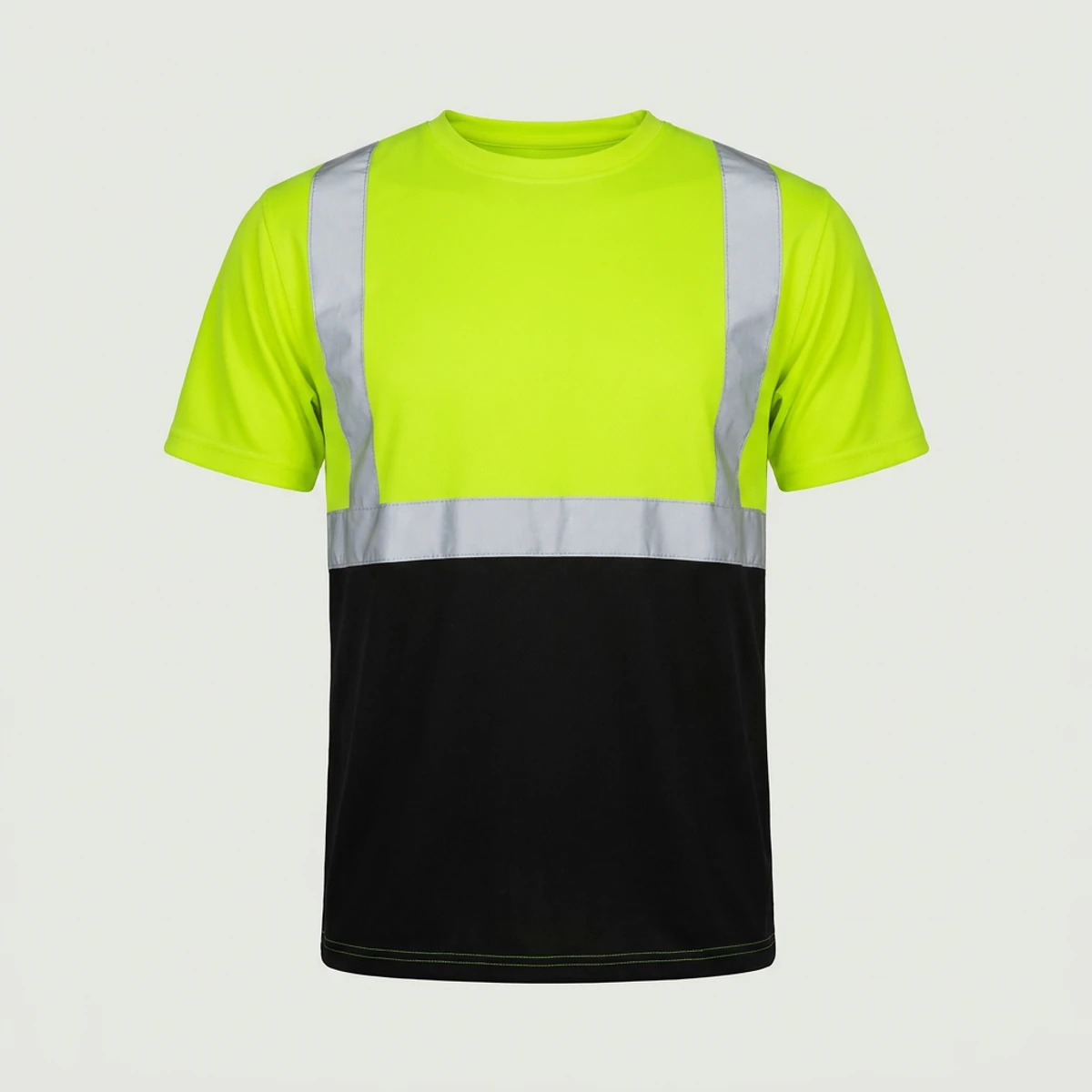
  • Yellow-green hi vis T-shirt with black lower panel and reflective stripesTwo-tone hi vis T-shirt
Quote hi-vis tees
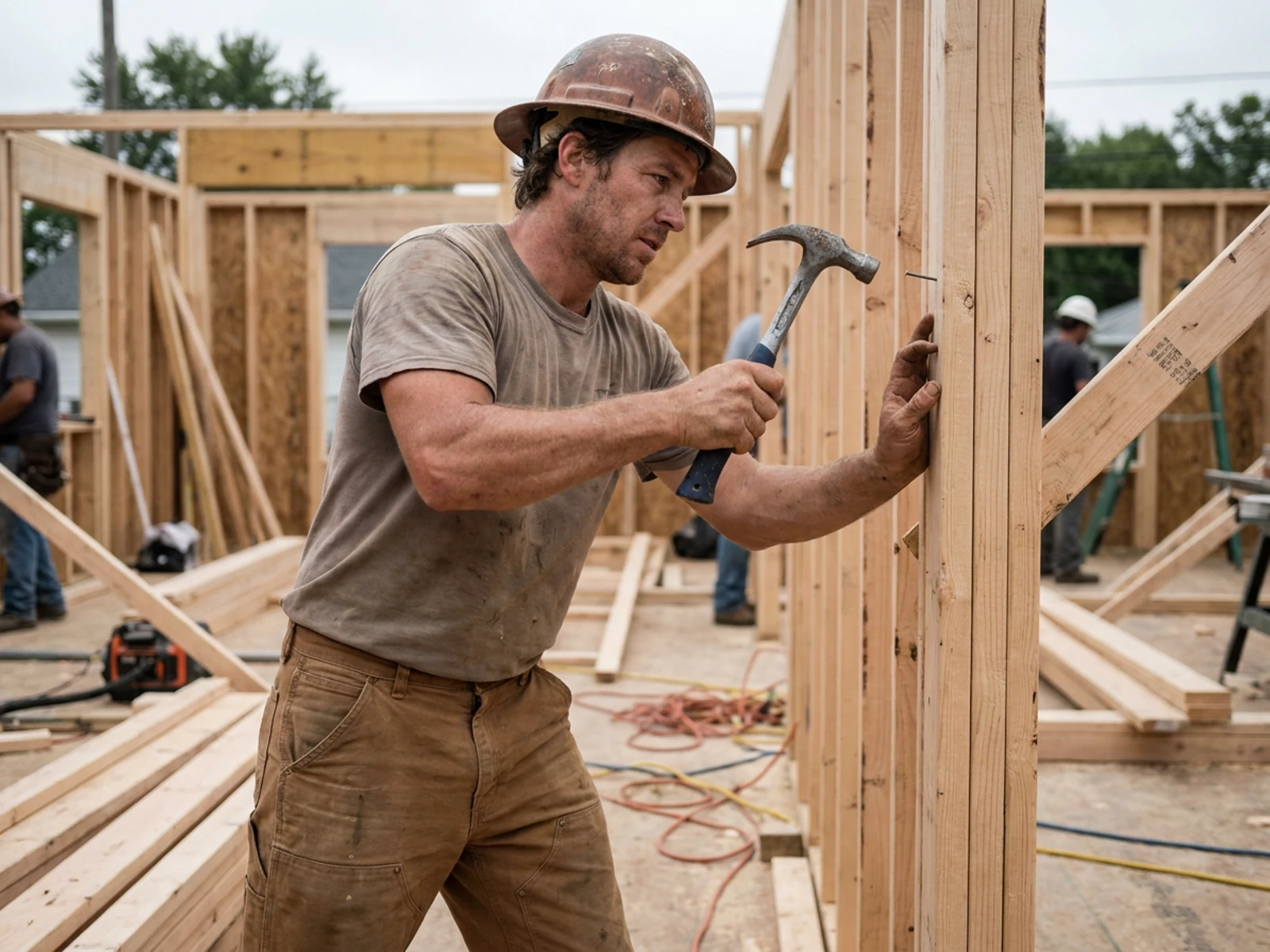
Construction framer in brown double-knee utility pants nailing a wall frame

Double-knee pants for framers

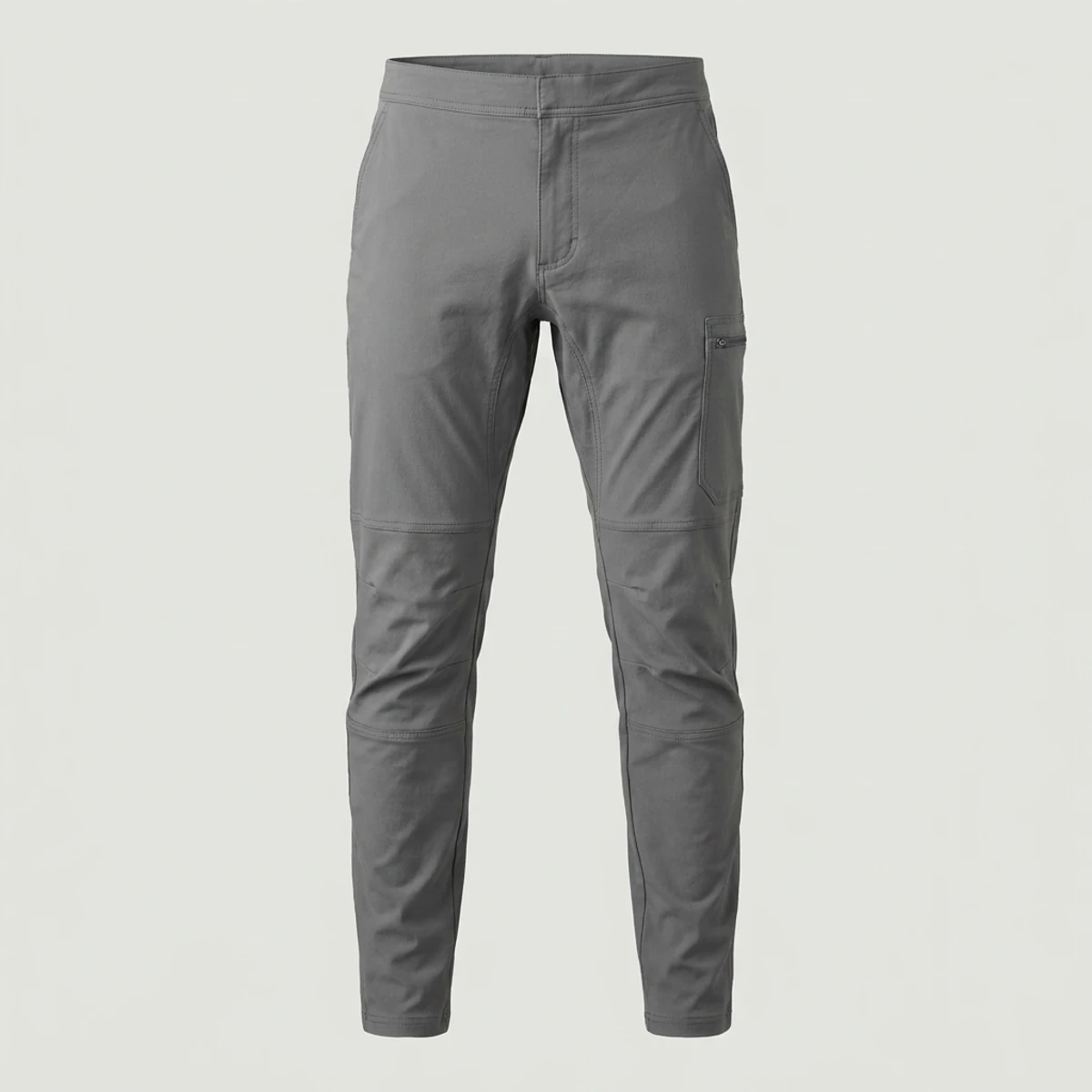
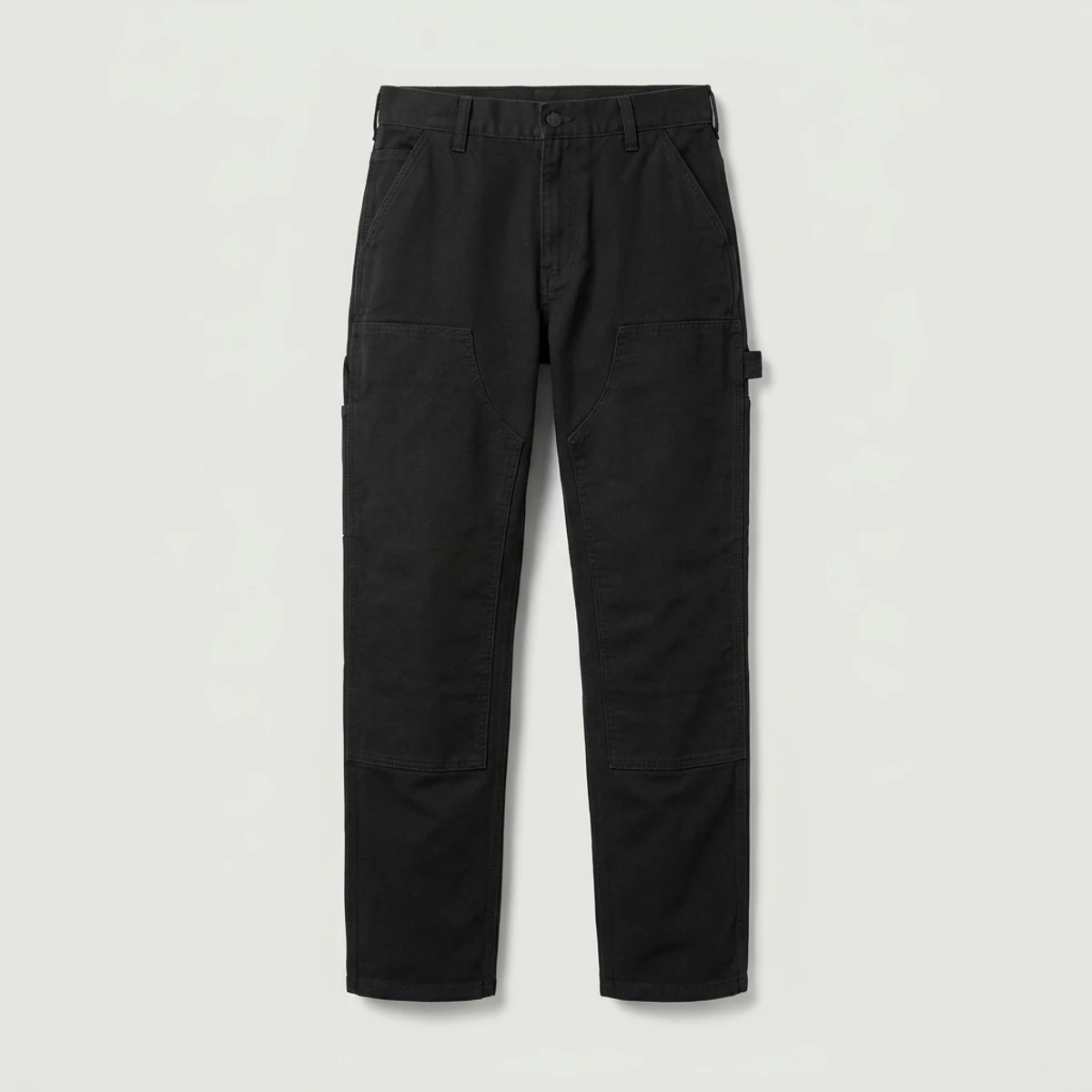
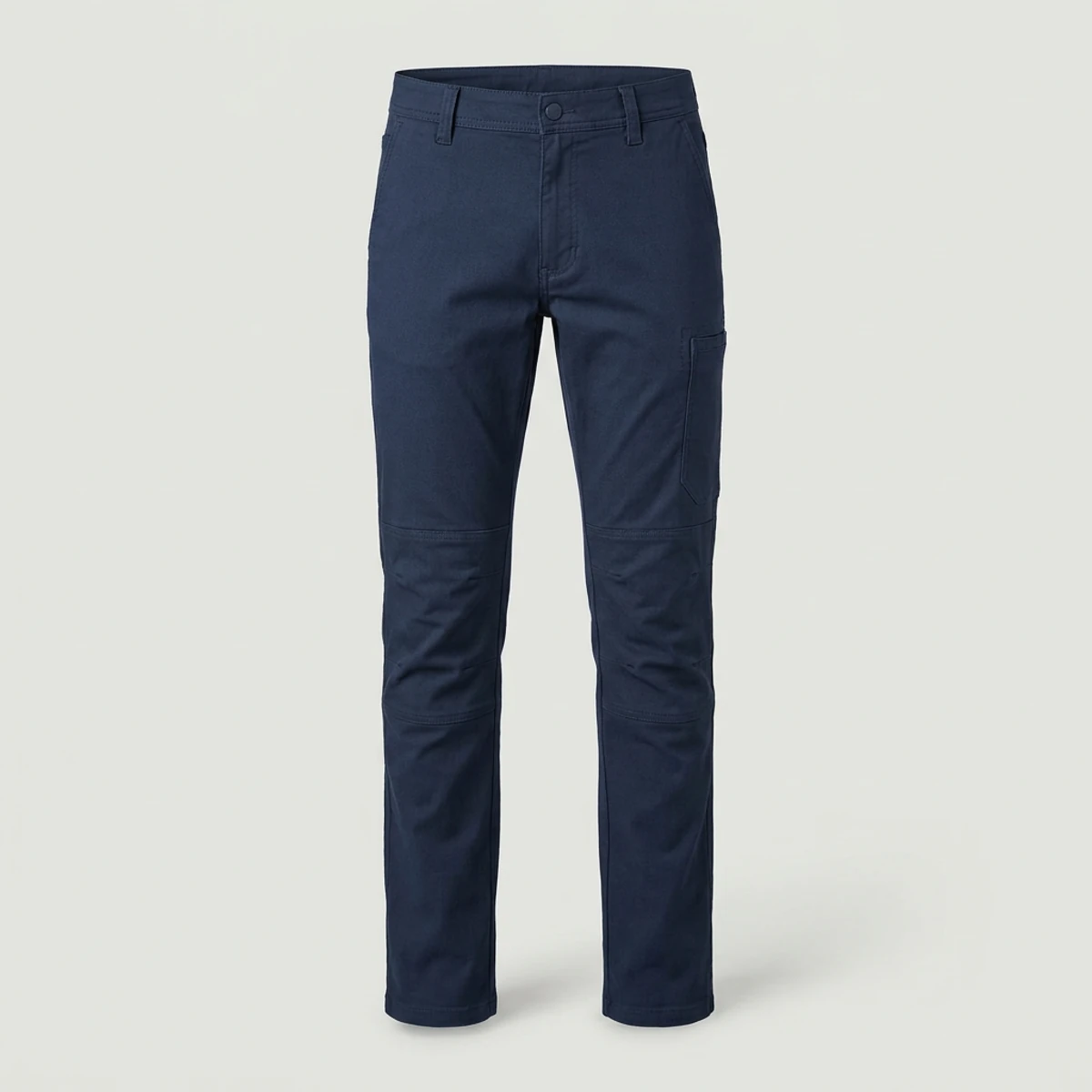
Framers and finish carpenters spend much of the day on their knees, so a reinforced knee stretches the life of a pant. These are sewn in Los Angeles in runs from roughly 50 pieces.

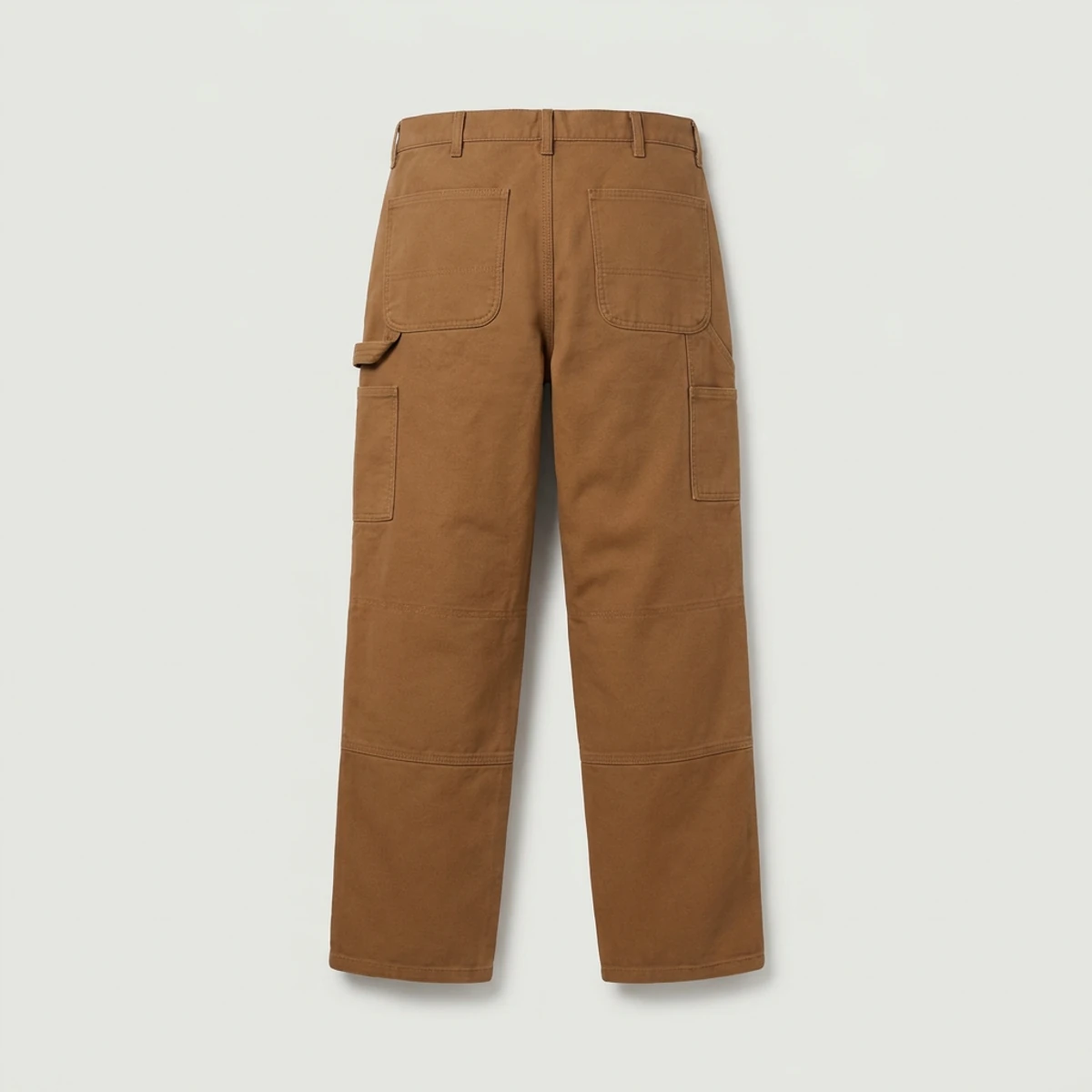
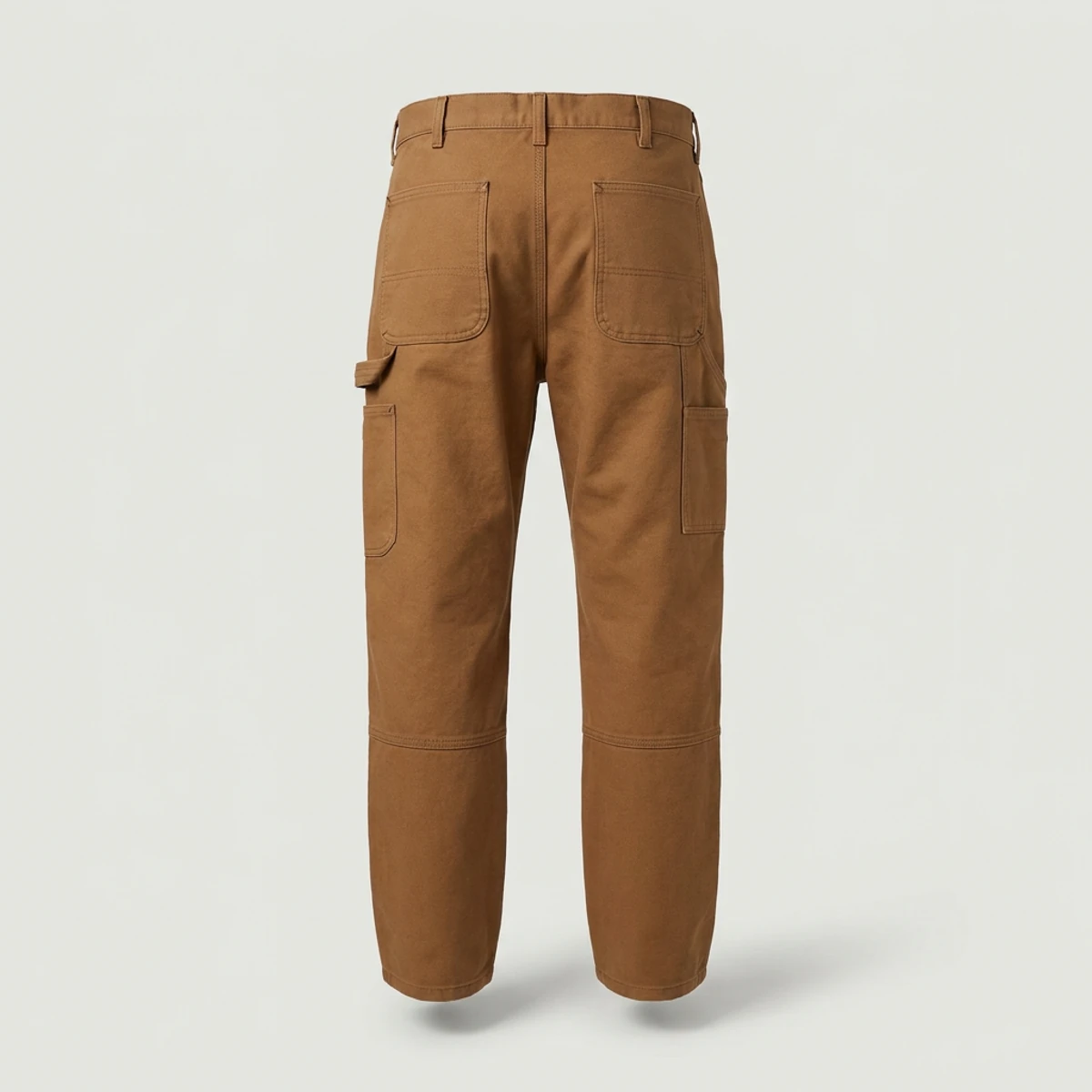
  • Brown double-knee utility work pants with hammer loop and tool pocketsBrown utility work pants
  • Grey lightweight stretch work pants with gusset and thigh pocketGrey stretch work pants
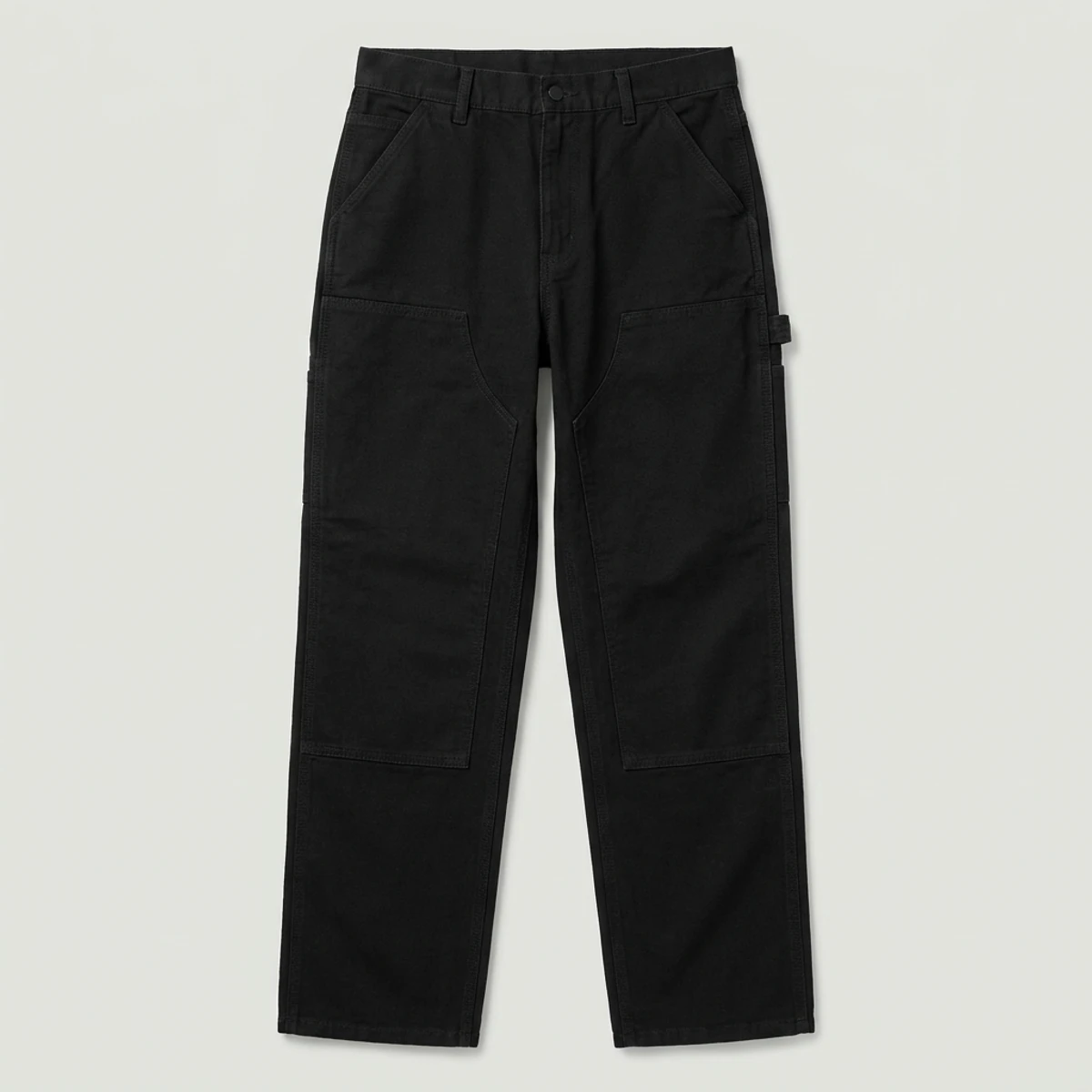
  • Black utility work pants with reinforced knees and side tool pocketsBlack utility work pants
  • Navy stretch work pants with slim straight leg and phone pocketNavy stretch work pants
Quote utility pants
Carpenter in indigo double-knee carpenter pants kneeling to install floorboards

Denim pants with hammer loops

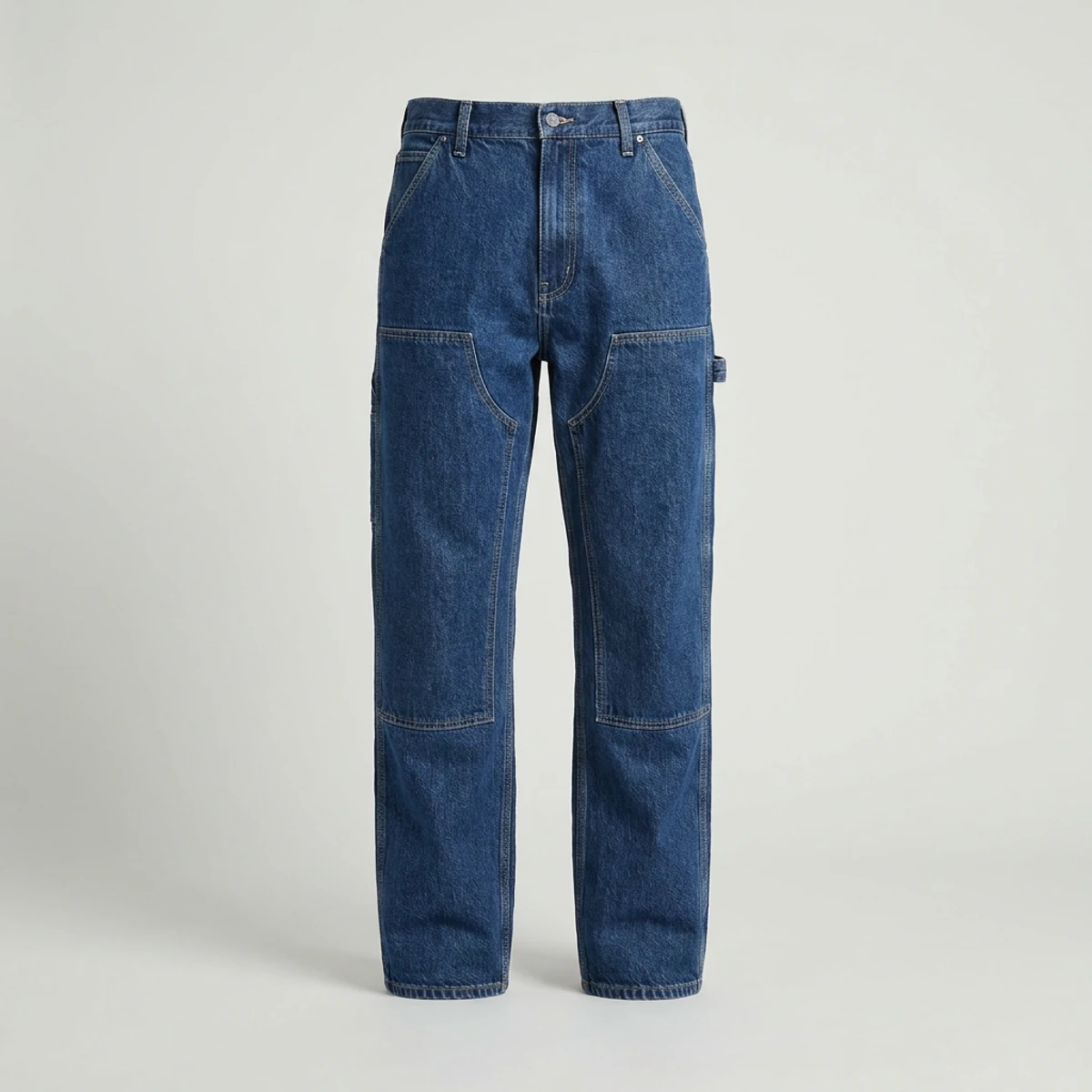
Carpenter pants put the hammer loop and rule pocket right where tradespeople reach for them. We make them in indigo denim or canvas once a style reaches about 50 pieces.

  • Indigo denim double-knee carpenter pants with hammer loop and rule pocketIndigo double-knee carpenter pants
  • Brown duck canvas carpenter pants with double knees and utility pocketsBrown duck carpenter pants
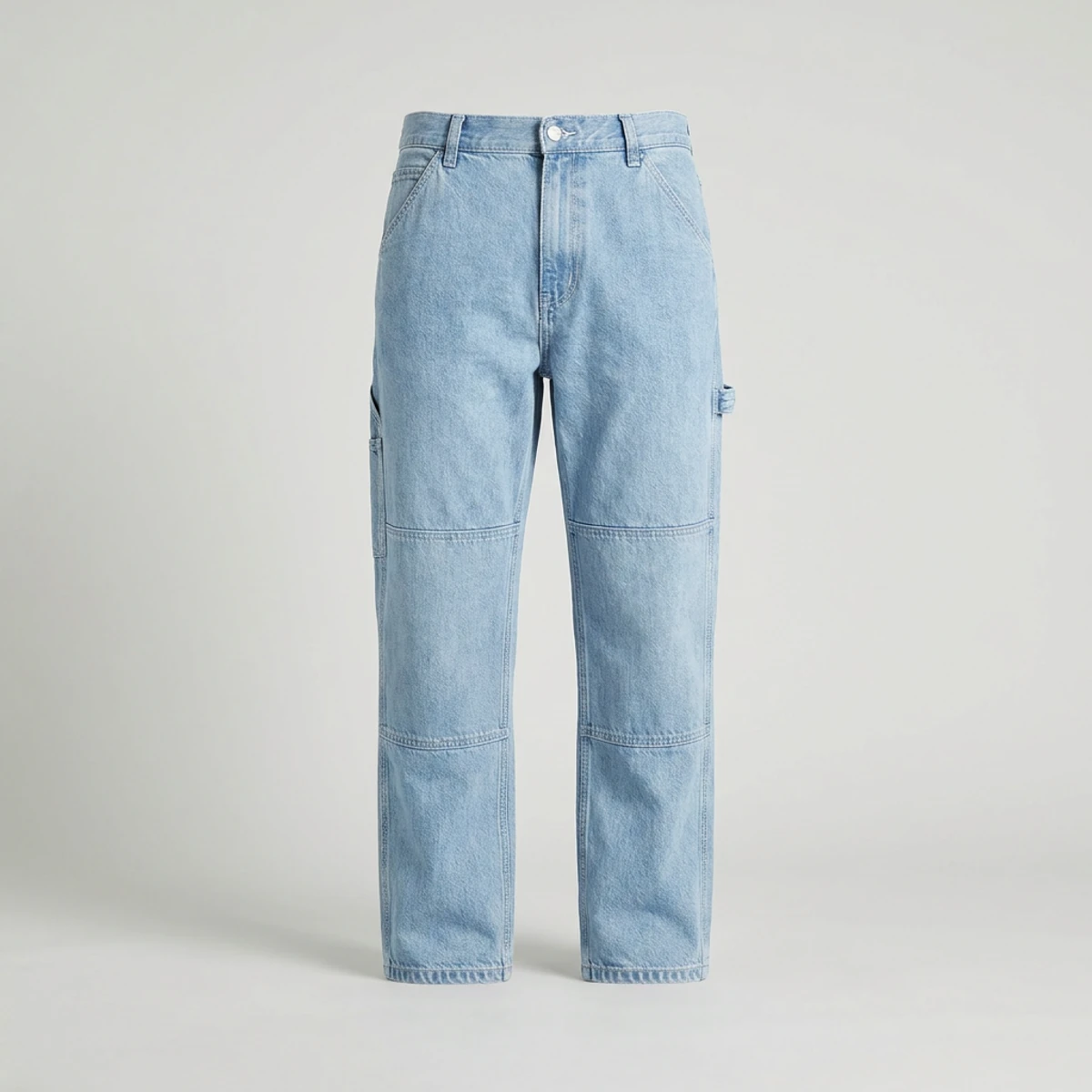
  • Light wash denim carpenter pants with hammer loop and single kneeLight wash carpenter pants
  • Black canvas carpenter pants with double knees and side rule pocketBlack canvas carpenter pants
Quote carpenter pants
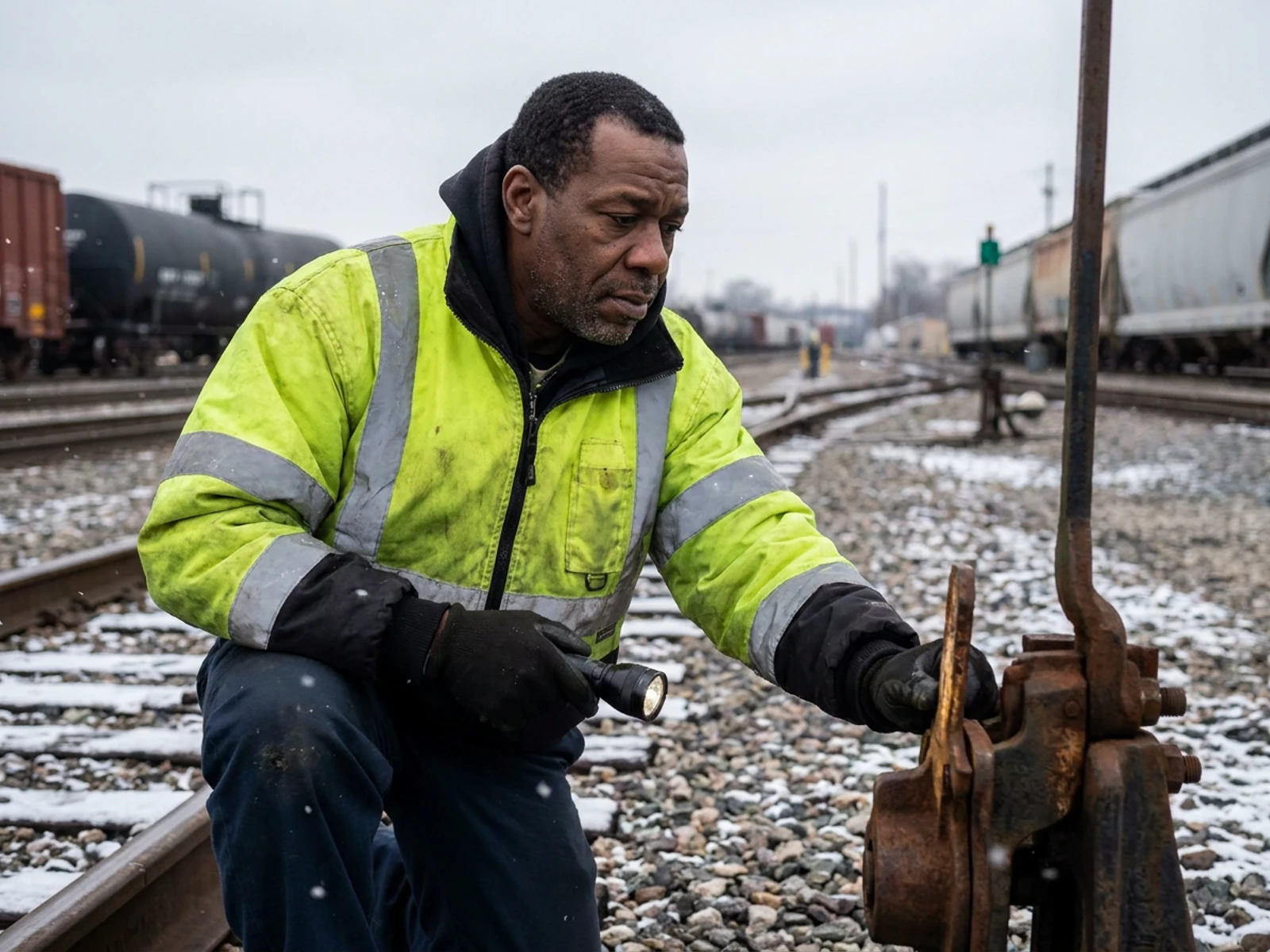
Rail yard worker in a yellow-green hi vis bomber jacket inspecting a rail switch

Visible outer layers for cold-season sites

Early starts and winter shifts need a jacket that keeps crews visible in low light. Your company mark goes on the back panel, made to order with a minimum near 50 pieces per style.

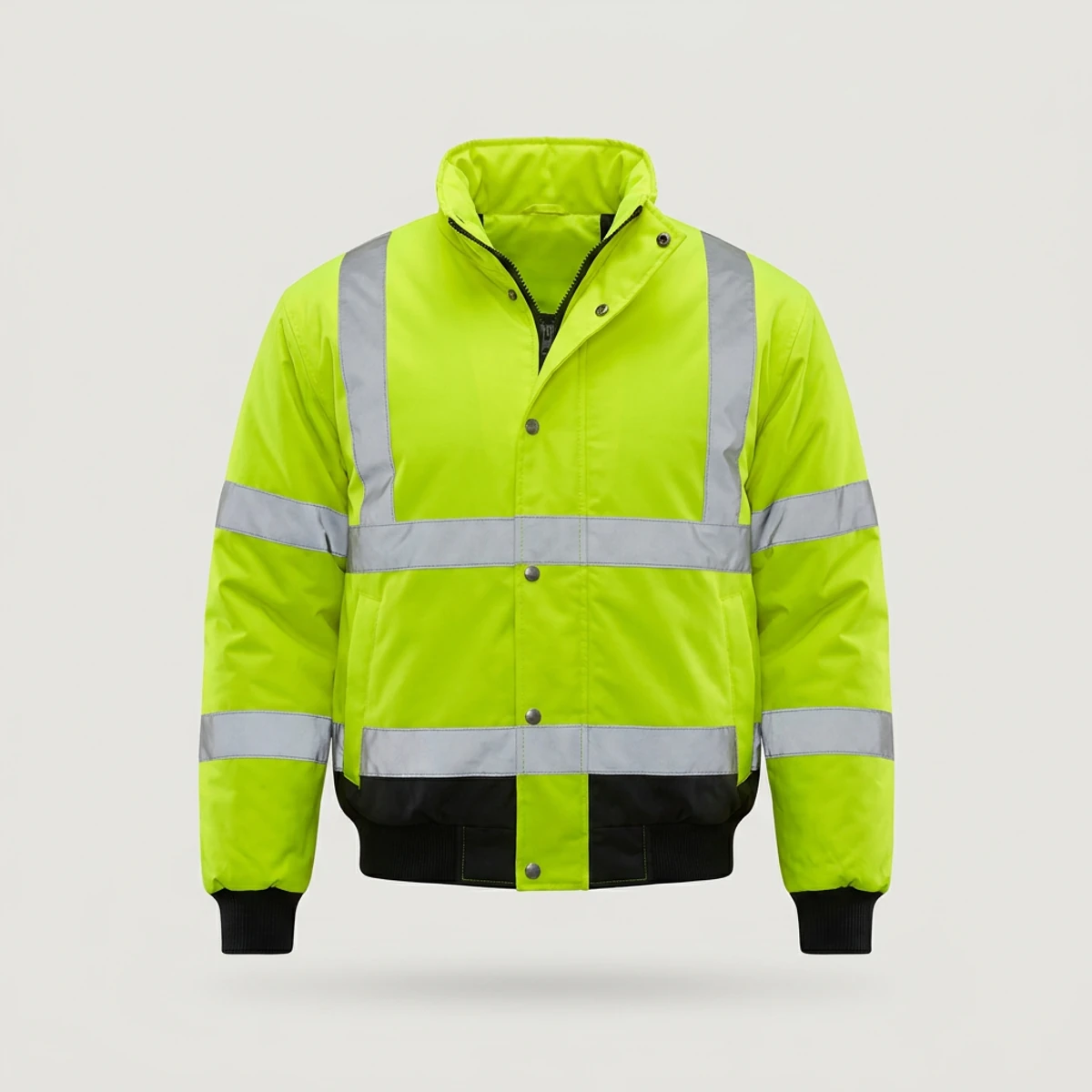
  • Fluorescent yellow-green hi vis bomber jacket with black trim and reflective tapeYellow hi vis bomber jacket
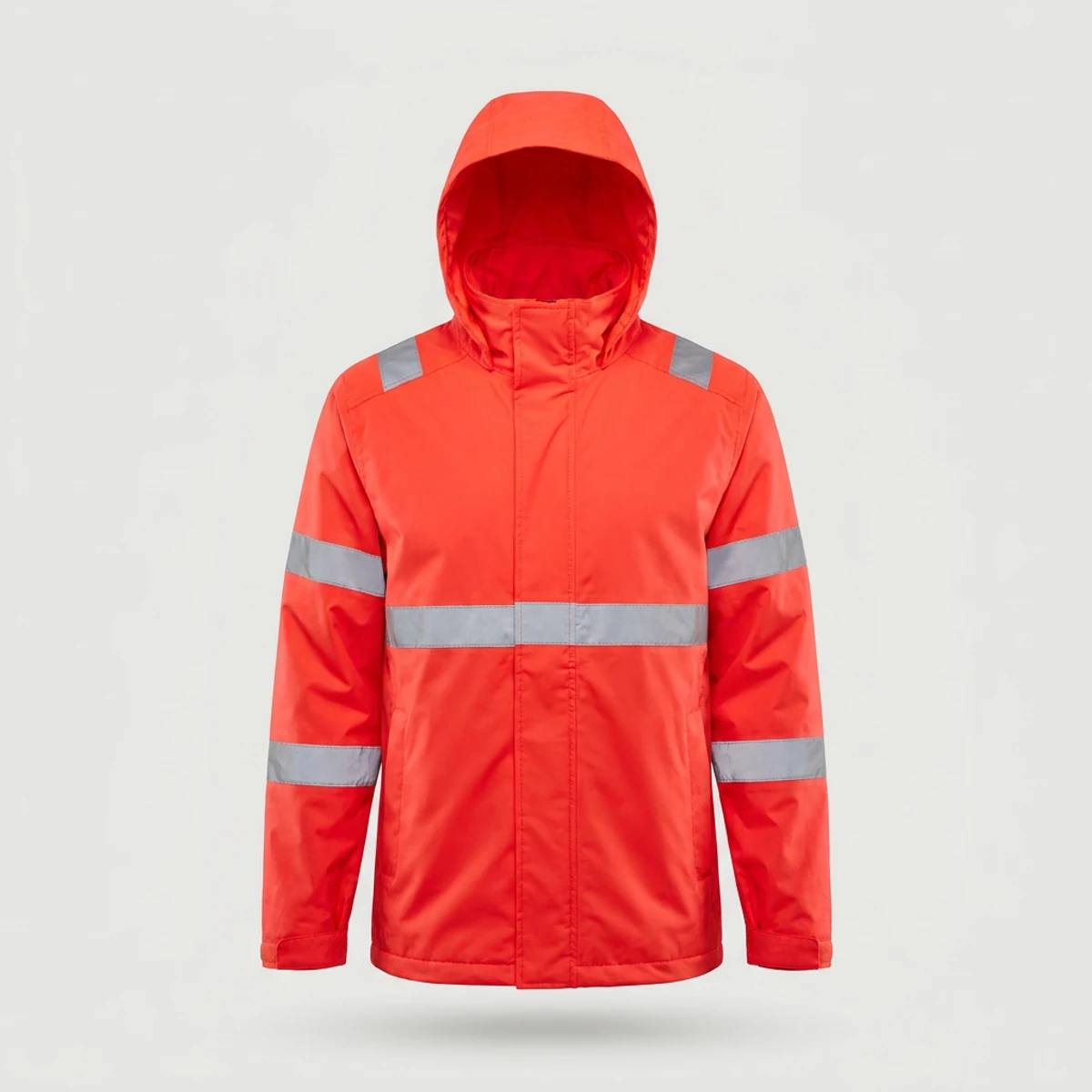
  • Fluorescent orange hi vis rain jacket with hood and sealed-look seamsOrange hi vis rain jacket
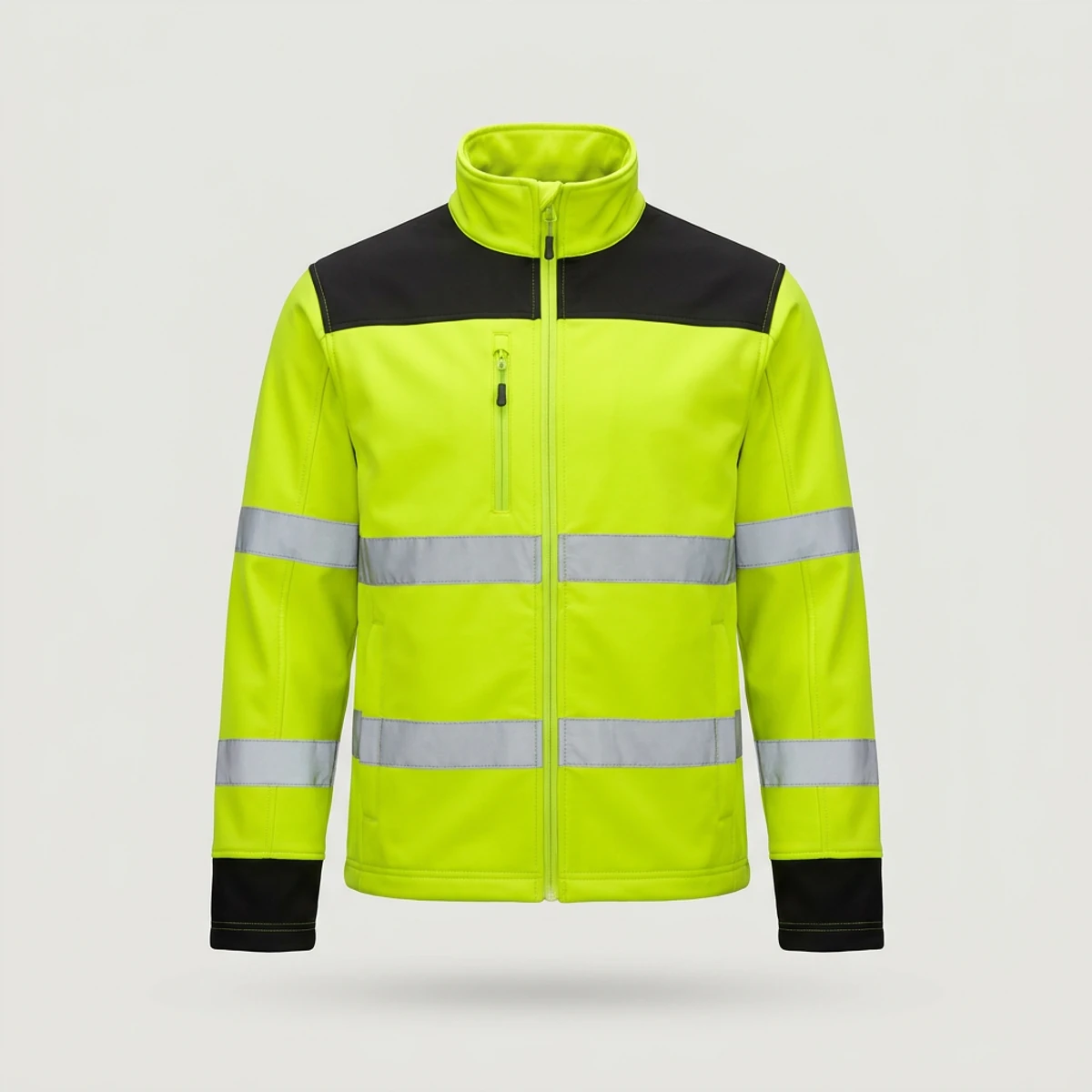
  • Yellow-green hi vis soft shell jacket with black shoulders and reflective bandsYellow hi vis soft shell
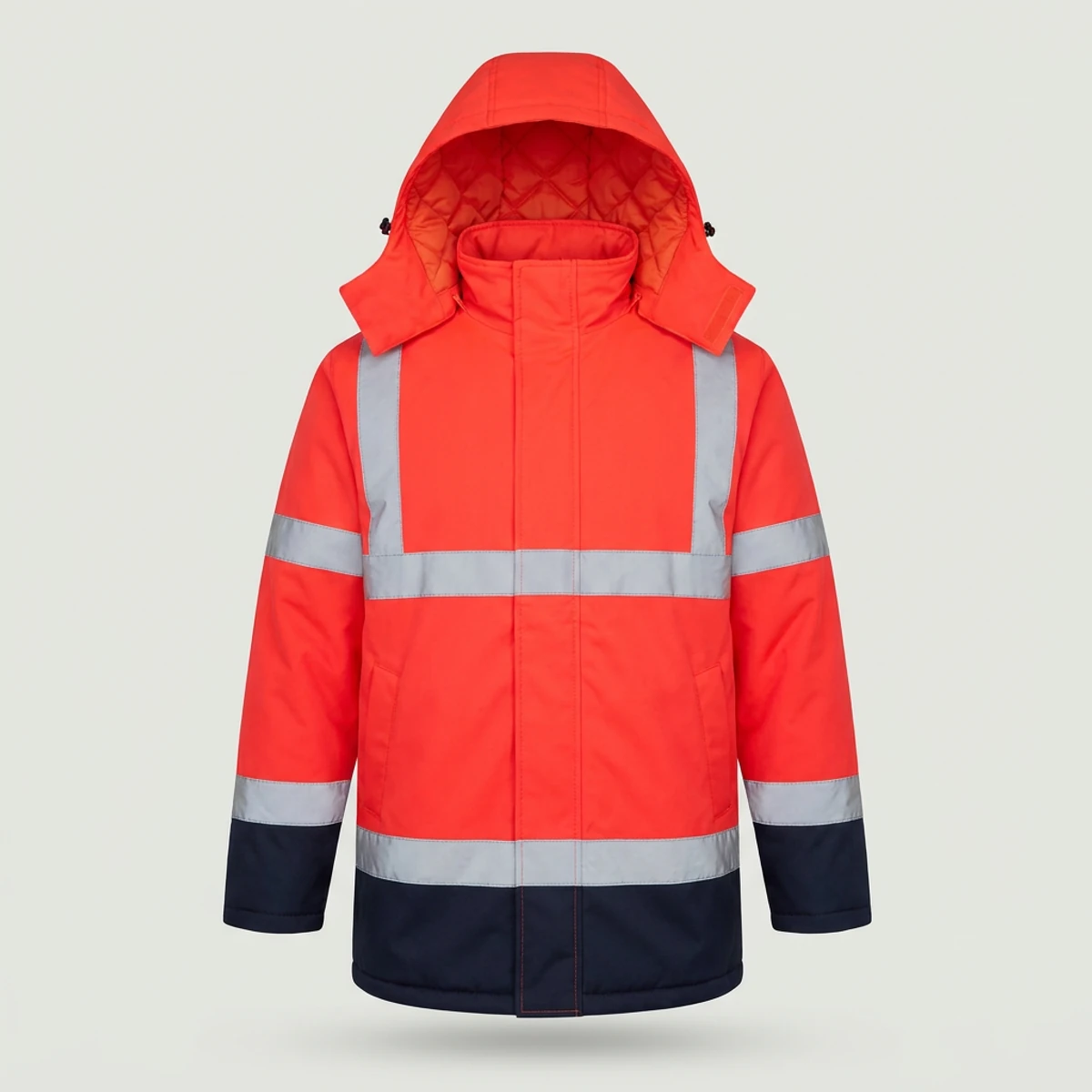
  • Fluorescent orange hi vis parka with detachable hood and quilted liningOrange hi vis parka
Quote hi-vis jackets

Customize your safety vests

Pick the style, fabric and colors, add your logo and names, then attach the design to your quote. We cut and sew it in Los Angeles from 50 pieces per style.

What do construction uniforms need to do?

Construction uniforms need to survive abrasion and dirt, keep workers visible where equipment and traffic move, and show clients, inspectors and the general contractor which company is on site. Crews kneel on rebar, climb ladders and carry block and lumber, so clothing is part of the safety system and part of the brand.

  • Durability. heavy fabrics and reinforced knees, seat, pocket openings and cuffs.
  • Visibility. high-visibility apparel where workers are exposed to traffic or moving equipment.
  • Mobility. room or stretch to kneel, squat and reach overhead without binding.
  • Weather. breathable layers for heat, insulated layers for cold mornings.
  • Identification. a consistent logo so crews, foremen and subcontractors are easy to tell apart.
Construction workwear by role

Construction workwear differs by role: laborers need abrasion resistance and visibility, carpenters need tool loops and reinforced knees, road crews need certified hi-vis, and hot-work trades need flame-resistant garments. Use the table to plan a shared base uniform and the task layers each trade adds on top of it.

RoleTypical garmentsKey requirements
General laborersWork pants, work shirt or tee, hi-vis vest where requiredAbrasion resistance, visibility near equipment
Carpenters and framersCarpenter pants or work jeans, shirt, jacketTool and hammer loops, reinforced knees
Concrete and masonry crewsDurable pants or coveralls, long-sleeve shirtWet concrete is caustic; cover skin and change soaked clothing
Road crews and flaggersHi-vis shirt or vest at Performance Class 2 or 3, work pantsMUTCD and ANSI/ISEA 107 compliance
Equipment operatorsWork shirt, pants, hi-vis when on footVisibility when outside the cab
Electricians and hot-work tradesFlame-resistant garments where the hazard assessment requires themArc flash or flash fire protection
Foremen and superintendentsBranded shirt or jacket in a distinct color, hi-vis as requiredEasy to find on site, professional look for clients
Fluorescent yellow-green short-sleeve hi vis T-shirt with silver reflective bands

When do construction crews need hi-vis clothing?

Construction crews need high-visibility clothing on roadway work zones, where federal traffic-control rules require it, and on any site where the general contractor’s safety plan calls for it near moving equipment. The garment class is set by the work: Class 2 or 3 for roadways, decided by speed, distance and lighting.

The ANSI/ISEA 107-2020 standard (American National Standards Institute / International Safety Equipment Association) defines garment types, Type O for off-road, Type R for roadway and Type P for public safety, and performance classes. Class 1 is the minimum and is limited to off-road use; Class 2 adds material to define the body shape; Class 3 adds the most, typically including sleeves. Class E pants raise a Class 2 top to a Class 3 ensemble. Our ANSI 107 guide explains each class.

  • Roadway work zones: the Manual on Uniform Traffic Control Devices (MUTCD), 11th edition, Section 6C.05, requires workers in the right-of-way within a temporary traffic control zone to wear ANSI/ISEA 107 Performance Class 2 or 3 apparel.
  • Flaggers: the Occupational Safety and Health Administration (OSHA) construction signaling rule (29 CFR 1926.201) requires flagger warning garments to follow Part 6 of the MUTCD; OSHA still references the 2009 edition.
  • Private sites: the general contractor’s safety plan usually sets the rule, often a vest or hi-vis shirt for anyone on foot near equipment.

Our hi-vis clothing and custom safety vests can carry your logo while keeping enough background and reflective material clear for the garment’s class; tell us the class at quote stage.

Tip: Decide hi-vis class by task, not by person. A superintendent who walks a highway job needs the same class as the laborers beside the traffic.

Which other safety rules affect construction workwear?

Beyond hi-vis, OSHA’s construction rules make employers responsible for protective equipment, and that shapes which garments count as uniforms and which count as personal protective equipment (PPE). Flame resistance, entanglement and heat are the other clothing questions on most sites, and each is decided by the hazards the crew actually faces.

  • PPE selection

    29 CFR 1926.28 and 29 CFR 1926.95 make employers responsible for requiring and maintaining protective equipment where hazards exist. Ordinary uniforms are not PPE.
  • Flame resistance

    crews facing arc flash or flash fire need flame-resistant clothing selected under your hazard assessment; see our uniforms for electricians for the arc flash side. Polyester-rich fabrics can melt near sparks.
  • Entanglement

    loose sleeves and hoodie drawstrings can catch in drills, saws and mixers.
  • Heat

    light colors, breathable fabric and long sleeves for sun help in hot climates; California’s heat illness prevention standard (Title 8, Section 3395) is one example of a state rule.

Durable fabrics and work pants

Durable work pants are the base of most construction company uniforms, because the pant takes most of the punishment on site. Strong fabric, room to kneel and pockets for tape measures, pencils and small tools matter most; reinforced knees and hammer loops can be added when we sample your custom work pants.

Carpenters, framers and finish trades often prefer denim workwear such as work jeans, carpenter pants and chore coats. Coveralls suit demolition, concrete and dirty mechanical work where full coverage protects street clothes. Painting crews have their own kit of whites, caps and double-knee pants, covered under uniforms for painting contractors.

Fabric typeStrengthsWatch-outsBest for
Cotton duck or canvasVery abrasion resistant, chars rather than meltsStiff when new, heavy in heatCarpenters, laborers, jackets
DenimDurable, wears in, classic trade lookHeavy, slow to dryFramers, finish trades
Poly-cotton twillHolds color, wrinkles less, lighterPolyester can melt near sparksForemen, shirts, mild conditions
Fabric with added stretchEasier kneeling and climbingCan wear faster at abrasion pointsTrades that kneel and climb constantly
Flame-resistant fabricsProtection for arc flash and flash fire hazardsSpecialized care; selected by hazard assessmentElectricians, hot work

We confirm current fabric options and features at quote stage.

How should construction uniforms be layered by season?

Construction uniforms work best as layers: a breathable base shirt in summer, a branded chore coat or light jacket in spring and fall, and insulated outerwear in winter, with hi-vis on the outside in every season. Planning layers keeps crews in branded clothing year-round instead of personal jackets that hide the logo.

SeasonBase layerMid and outer layerHi-vis approach
SummerLight-colored, breathable shirt or tee; long sleeves for sunNoneMesh hi-vis vest or hi-vis tee
Spring and fallWork shirtBranded chore coat or light jacketVest worn over the jacket
WinterLong-sleeve shirtInsulated jacket or lined coatHi-vis outerwear, or a vest sized to fit over the coat

The common failure is a winter vest that does not fit over a coat, so workers leave it open or take it off. Size cold-weather vests over the outer layer.

Brown double-knee utility work pants with hammer loop and tool pockets

Branding construction company uniforms

Branded construction company uniforms make a crew look organized to clients and inspectors, show which subcontractor is where, and advertise the company at every supply yard and lunch stop. Embroidery suits shirts, jackets and caps worn daily; printing suits large back logos on tees and hi-vis shirts. Both are done through our logo embroidery and printing service.

Hi-vis colors are set by the standard, fluorescent yellow-green, orange-red or red, so your brand color belongs on the base layer and the logo, not on the hi-vis background. Distinct shirt colors or sleeve marks can identify foremen, safety officers and first-year workers.

What determines the cost of custom construction uniforms?

The cost of a custom construction uniform program depends mainly on fabric weight and type, the quantity per style, how many trade-specific styles you run, pant and jacket features, and decoration. No prices are listed here; every order is quoted on its actual fabric, artwork and quantity, and the table shows what moves the unit price.

Cost driverHow it moves the unit priceHow to keep it in check
FabricHeavy duck, stretch and flame-resistant fabrics usually cost more than standard twillUse specialty fabric only for the trades that need it
Quantity per styleLarger runs spread cutting, setup and sampling across more piecesShare one base shirt and pant across every trade
Number of stylesEach trade-specific garment or color is a separate style with its own minimumAdd task layers instead of new base styles
Style complexityDouble knees, tool loops and utility pockets add sewing timeKeep the features crews use
DecorationStitch count, print size and number of locations add time; hi-vis placement needs planningChest logo plus one back print
Labels and packagingCustom labels and individual bagging add componentsUse standard finishing for crew uniforms

How to roll out a construction uniform program

A construction uniform program rolls out best from a shared base uniform outward, adding task layers only where the work needs them. Our minimum is about 50 pieces per style, where a style is one design in one color with sizes mixed inside it, so shared base styles reach it fastest.

  1. 01

    Set a shared base uniform

    one work pant and one shirt or tee for everyone.
  2. 02

    Add task layers

    a hi-vis vest or shirt for road crews, a jacket for winter.
  3. 03

    Count by style, not by person,

    and check each style against the minimum.
  4. 04

    Size the task layers

    If a small group needs hi-vis, consider issuing it to everyone or holding a reserve for future hires.
  5. 05

    Sample first

    Confirm fabric, fit, pockets and logo placement, including on hi-vis garments.
  6. 06

    Issue and record

    what each worker received, including hi-vis class.
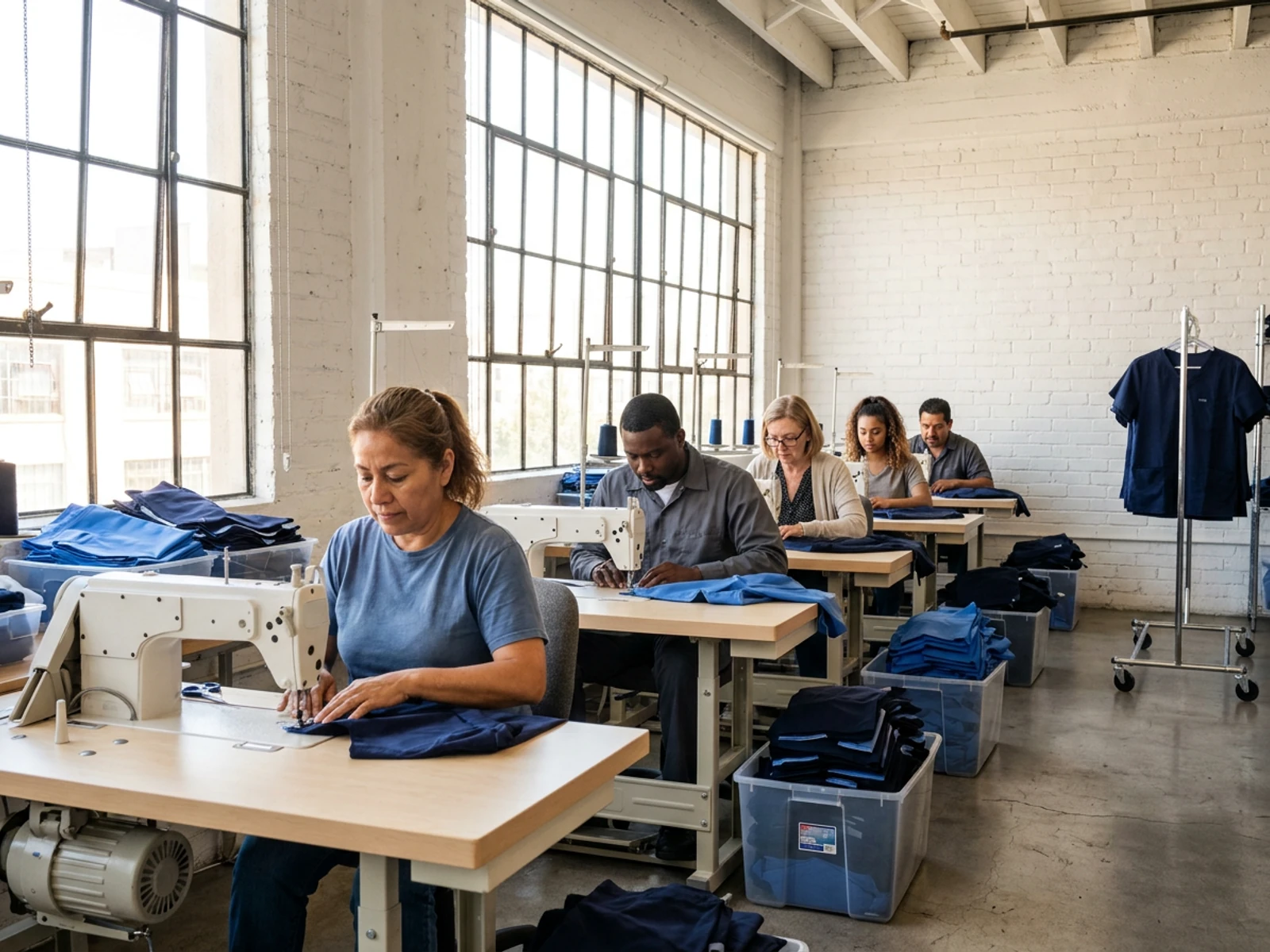
Operators sewing scrub tops on rows of industrial sewing machines

Reorders, seasons and new hires

Reorders of construction uniforms match the existing crew because styles are fixed after sampling. Headcount rises and falls with projects and seasons, so keep a reserve of common sizes in base styles, order outerwear ahead of cold months and track hi-vis condition separately, since faded or dirty hi-vis needs replacing sooner.

Read more

Unbranded base garments can also come through our wholesale blanks program.

Tip: Collect sizes when you onboard each worker and keep them in your HR file. Reorders become a count, not a guessing game.

Indigo denim double-knee carpenter pants with hammer loop and rule pocket

How should construction workwear be washed?

Construction workwear should be washed with heavily soiled garments kept apart from hi-vis, wet concrete rinsed off promptly and every garment cleaned to its care label. Cement is caustic and damages fabric, and fluorescent color fades faster when hi-vis is washed with dirty work clothes.

Read more
  • Follow hi-vis care labels, which can include a maximum number of wash cycles; retire faded, soiled or torn hi-vis.
  • Wash flame-resistant garments per their label and avoid softeners and bleach unless the label allows them.
  • Repair or retire pants with blown knees before they become a snag hazard.

Common mistakes with construction workwear

The most common construction workwear mistakes involve hi-vis: logos that cover reflective tape, branded vests in non-standard colors and winter vests that do not fit over coats. The others are using ordinary workwear for hot work and running so many trade styles that none reaches the minimum.

  1. Logos that cover reflective tape

    or too much hi-vis background.
  2. Branded hi-vis in non-standard colors

    used where a certified class is required.
  3. Ordinary workwear for electrical or hot work

  4. One uniform for every season,

    leaving crews in personal jackets that hide the brand.
  5. Too many trade-specific styles,

    each with its own minimum.

Ready to order

What to send us for a quote

A complete construction uniform quote needs your crew size by trade, the hi-vis class your sites require, any flame-resistant roles and your artwork. With this list in the first message, we can recommend styles that meet the minimum, confirm fabrics and lead times, and prepare a sample.

  • Your logo as a vector file and brand colors.
  • Crew size by trade and sets per person.
  • The hi-vis class your sites require and which roles need it.
  • Any roles with flame-resistant requirements.
  • Garments you use today and seasonal needs.
  • Name or role embroidery needs.

Questions about construction

Need something not covered here? Ask our Los Angeles team and we’ll answer with options for your order.

Ask our Los Angeles team

What is the difference between Class 2 and Class 3 hi-vis?

Both are ANSI/ISEA 107 performance classes. Class 3 has more background and retroreflective material than Class 2, usually including sleeves, so the wearer is visible from further away and the body shape is easier to recognize. It is typically chosen for higher traffic speeds, night work and poor visibility. Your designated safety person selects the class.

Can every trade on our crew wear the same uniform?

The base layer can be shared: one work pant and one shirt style with your logo for everyone. Trades then add what their task needs, such as hi-vis for road crews and flaggers, flame-resistant clothing for electrical or hot work, and coveralls for dirty jobs. Sharing base styles is the easiest way to meet the 50-piece minimum.

Can you put our company logo on safety vests?

Yes. We embroider or print logos on vests, shirts and jackets. On hi-vis garments, logos and lettering should not cover so much of the background or retroreflective material that the garment no longer meets its class. Tell us the class you need and we will plan placement with that in mind.

How many uniform sets does a construction worker need?

Most contractors issue enough shirts for a clean one each working day and fewer pants, since shirts get soaked with sweat daily while pants can last a few days between washes. Add a jacket or insulated layer for winter and a hi-vis layer where required. Increase the count for long shifts or very dusty work.

ConstructionCut & sewn in Los Angeles · from 50 pieces per styleRequest samplesGet a quote