Collar and closures
A collar that buttons or snaps fully closed protects the neck; closures must close completely and, on FR garments, use FR-compatible materials.
Industries · Los Angeles factory
Welding clothes protect against sparks, spatter and hot metal, and where flash fire is also a hazard the uniform has to be flame resistant. Custom Uniform Factory makes branded welder shirts, pants, coveralls and FR uniform options in its own Los Angeles factory, with a minimum order of about 50 pieces per style.
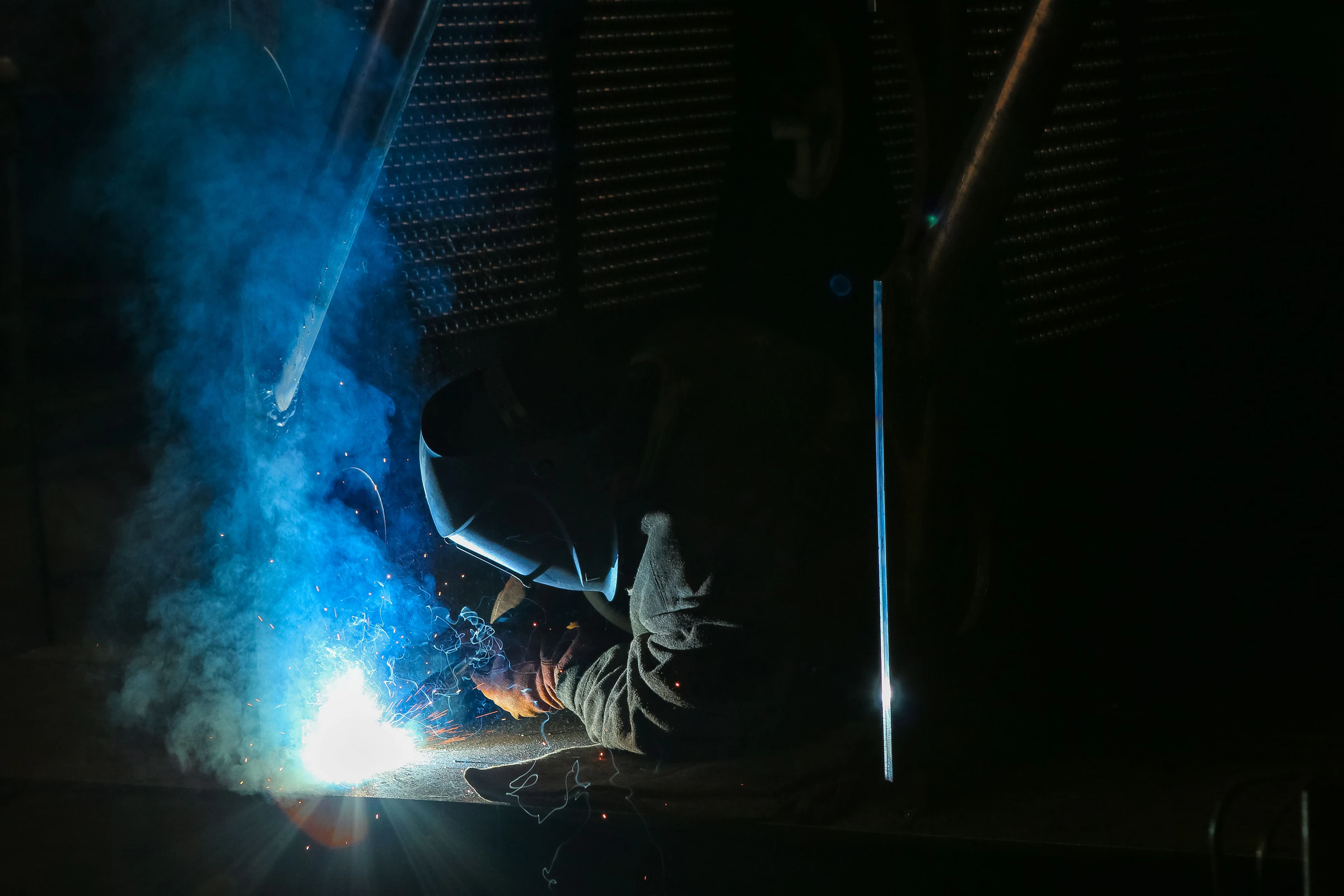
16 styles in 4 families · each made to order in your fabric, color and branding from 50 pieces.
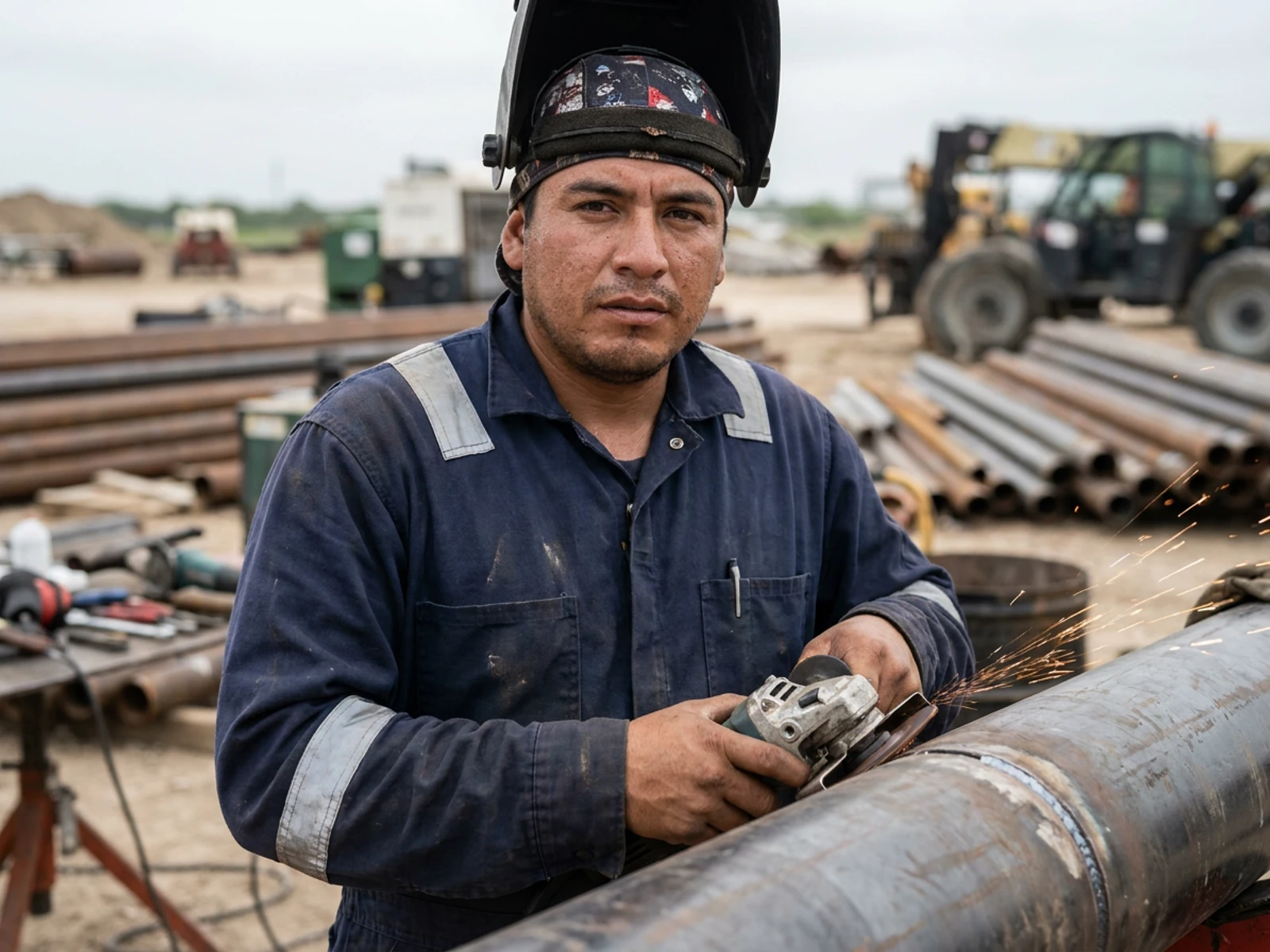
A coverall leaves no gap at the waist for sparks and spatter to find, which is why many pipeline and field welders favor it. We sew flame-resistant coveralls in Los Angeles from about 50 pieces per style.
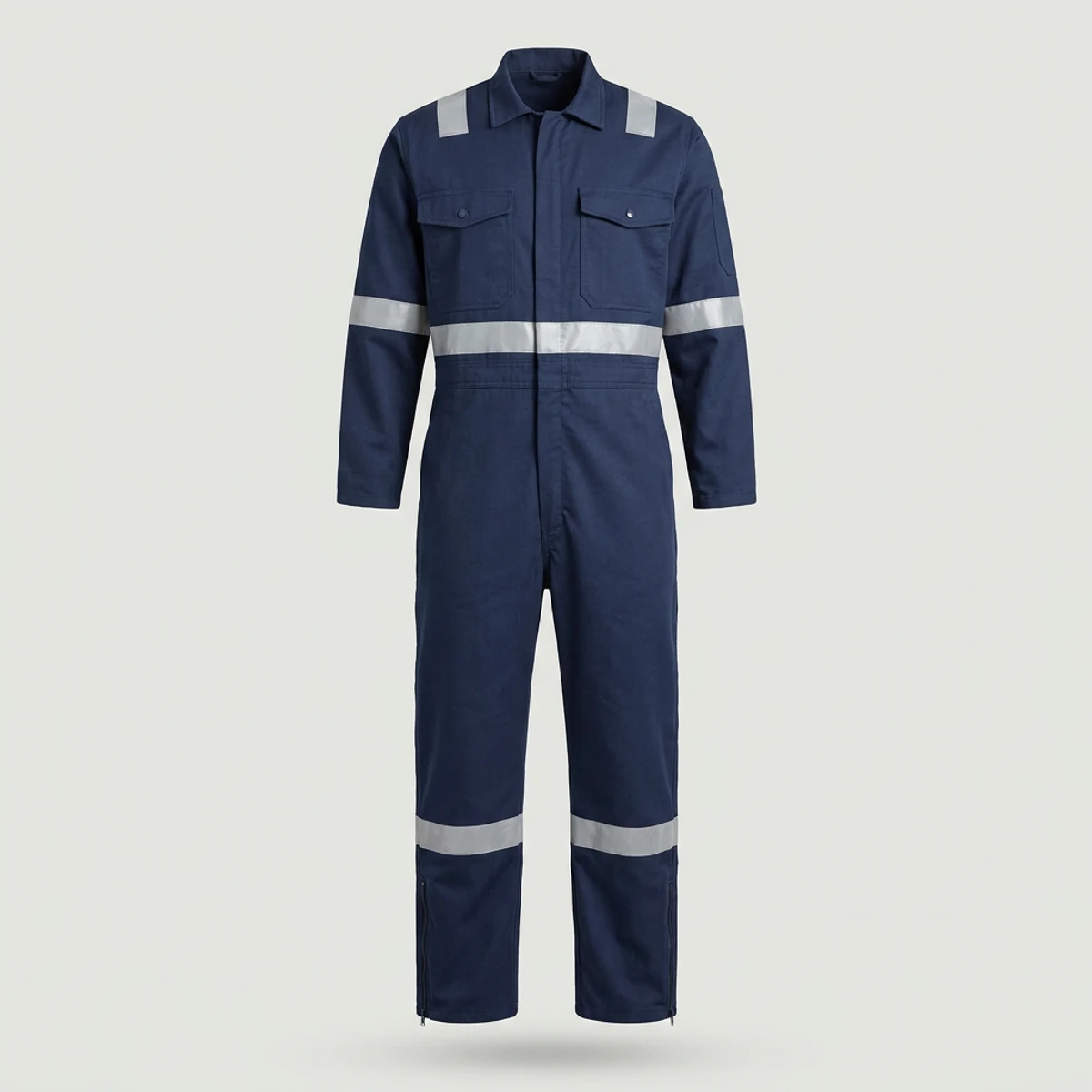
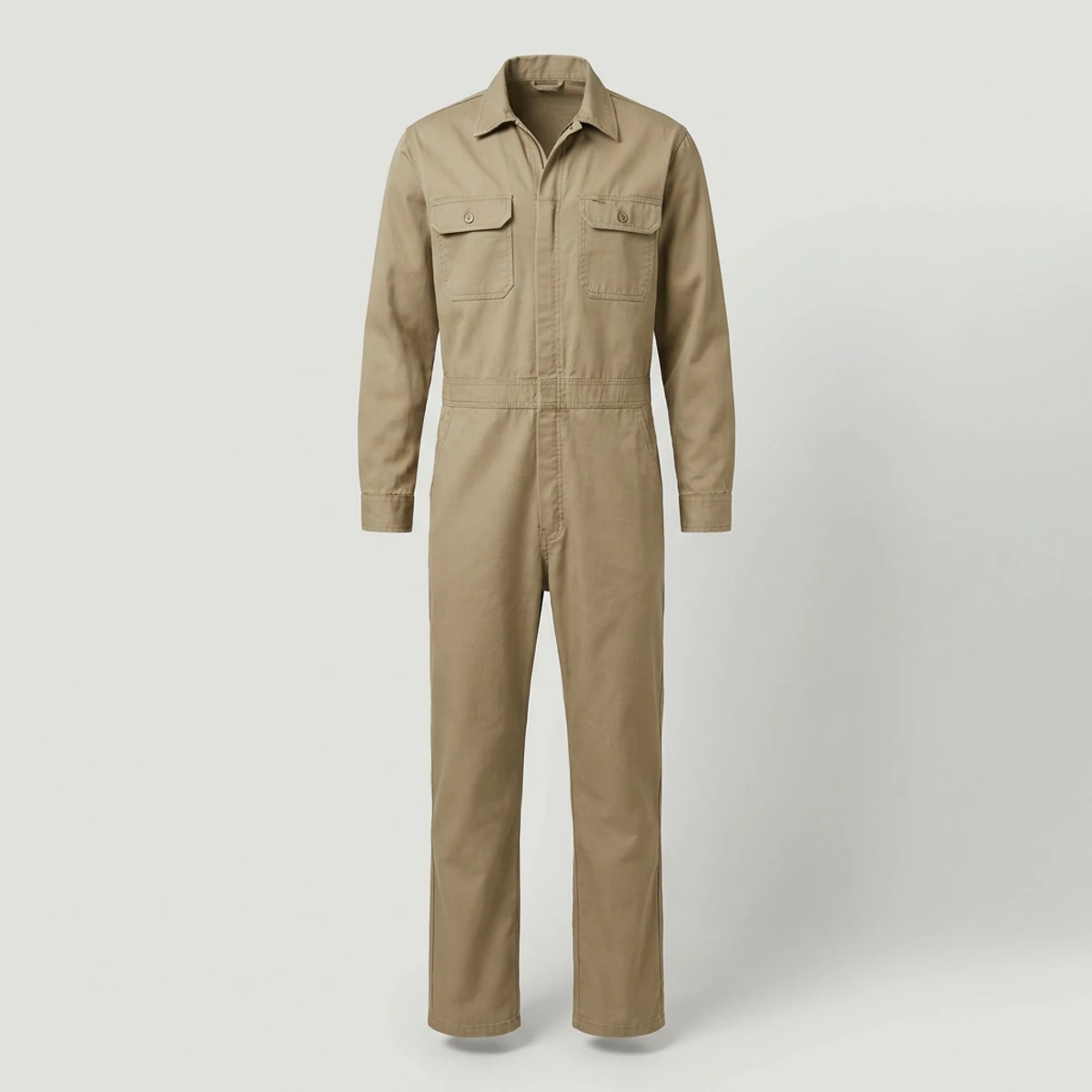
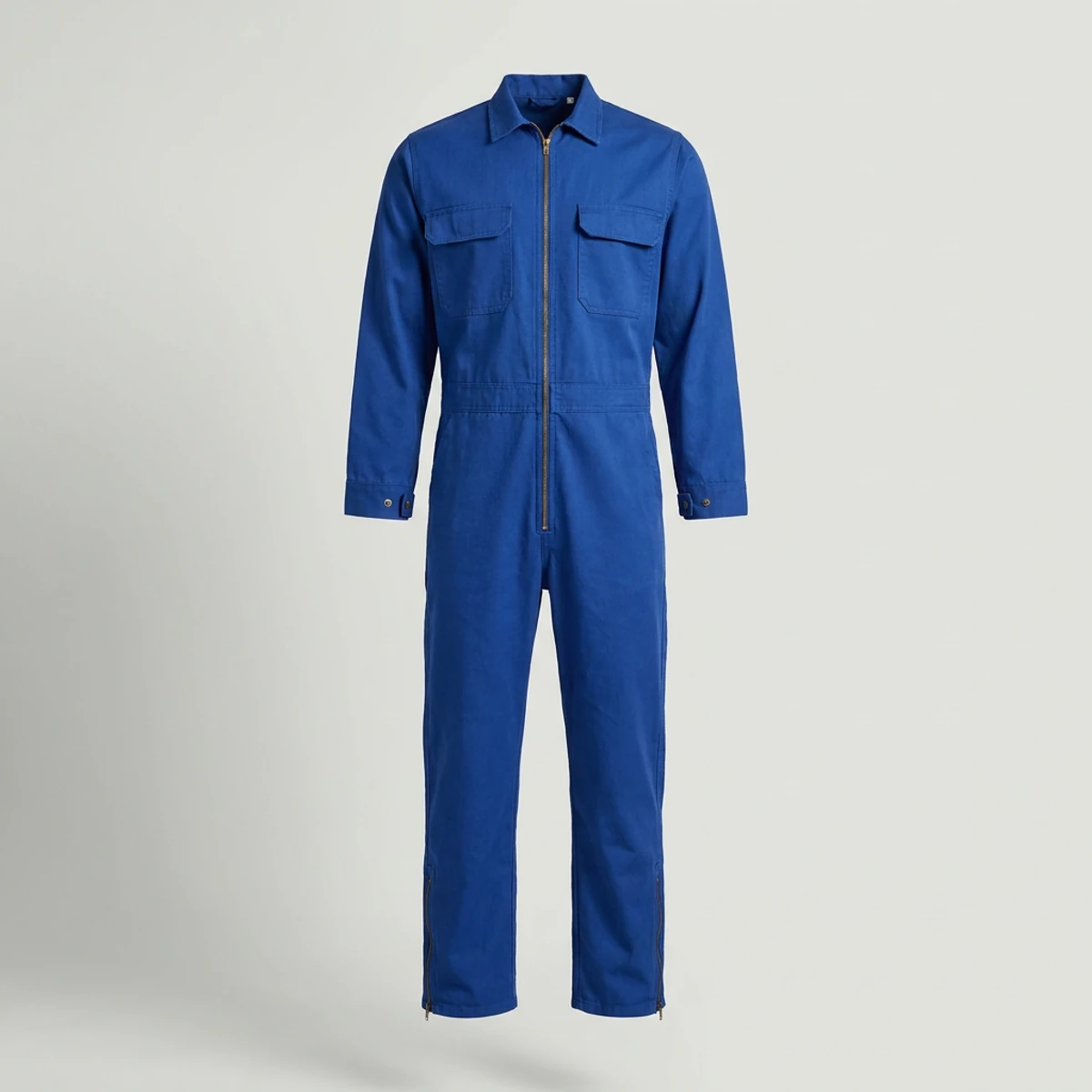
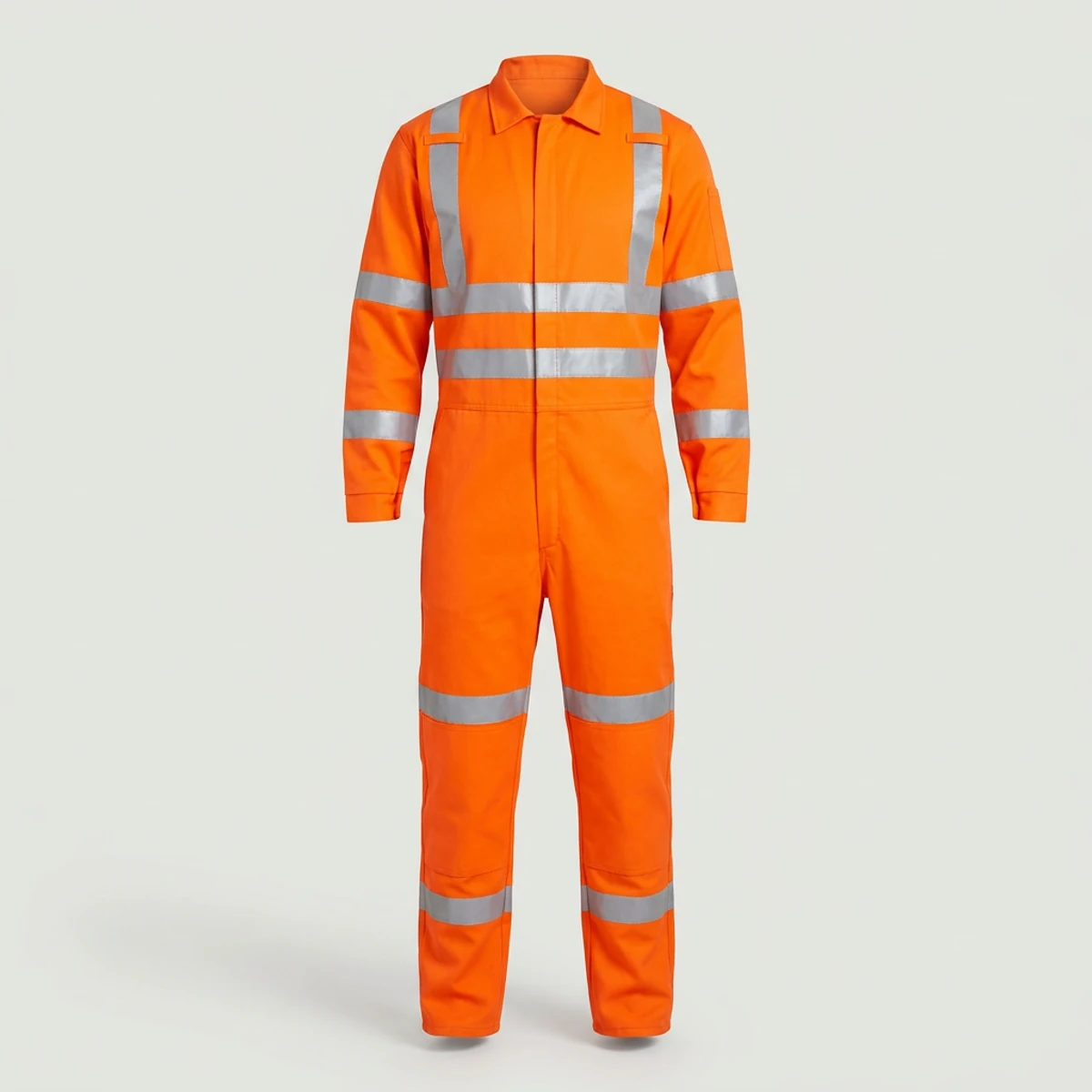
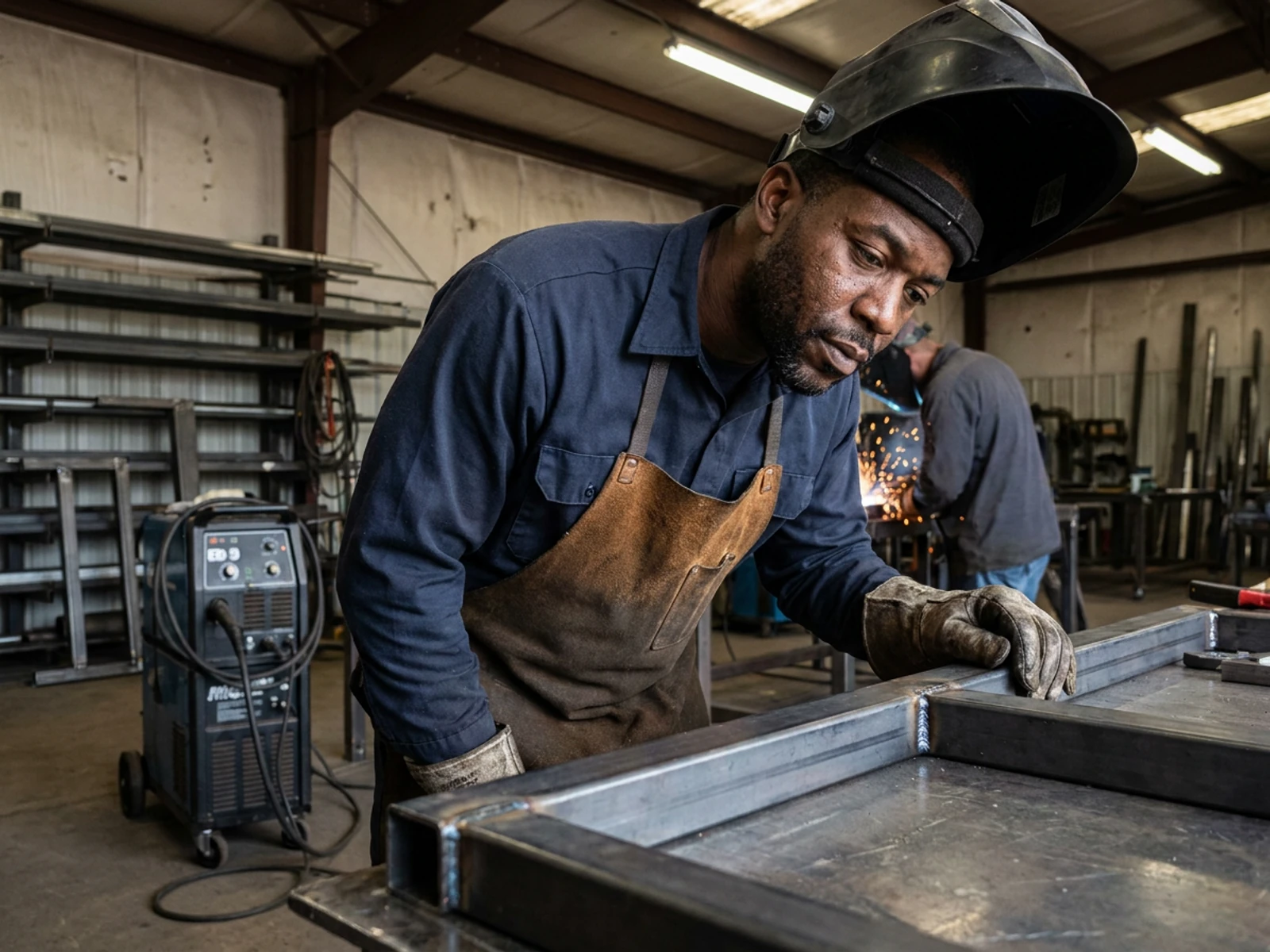
Welders and fitters wear their shirt all shift under a leather bib, sleeves or a jacket, so a collar that buttons closed, buttoned cuffs and a tidy fit matter alongside the FR fabric. We build it to the standard you specify (certification confirmed at quote), add the company patch, and make it from roughly 50 pieces of a style.
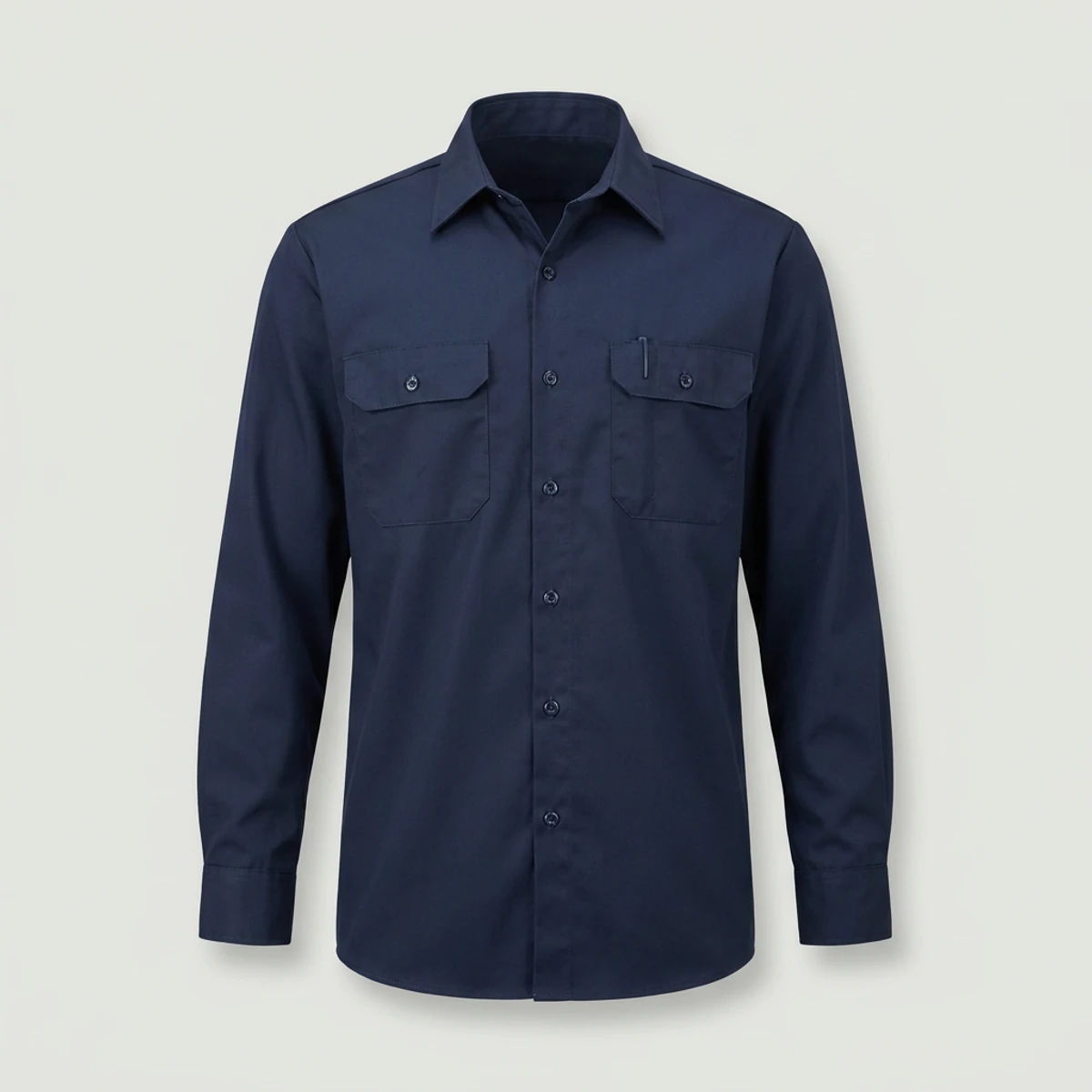
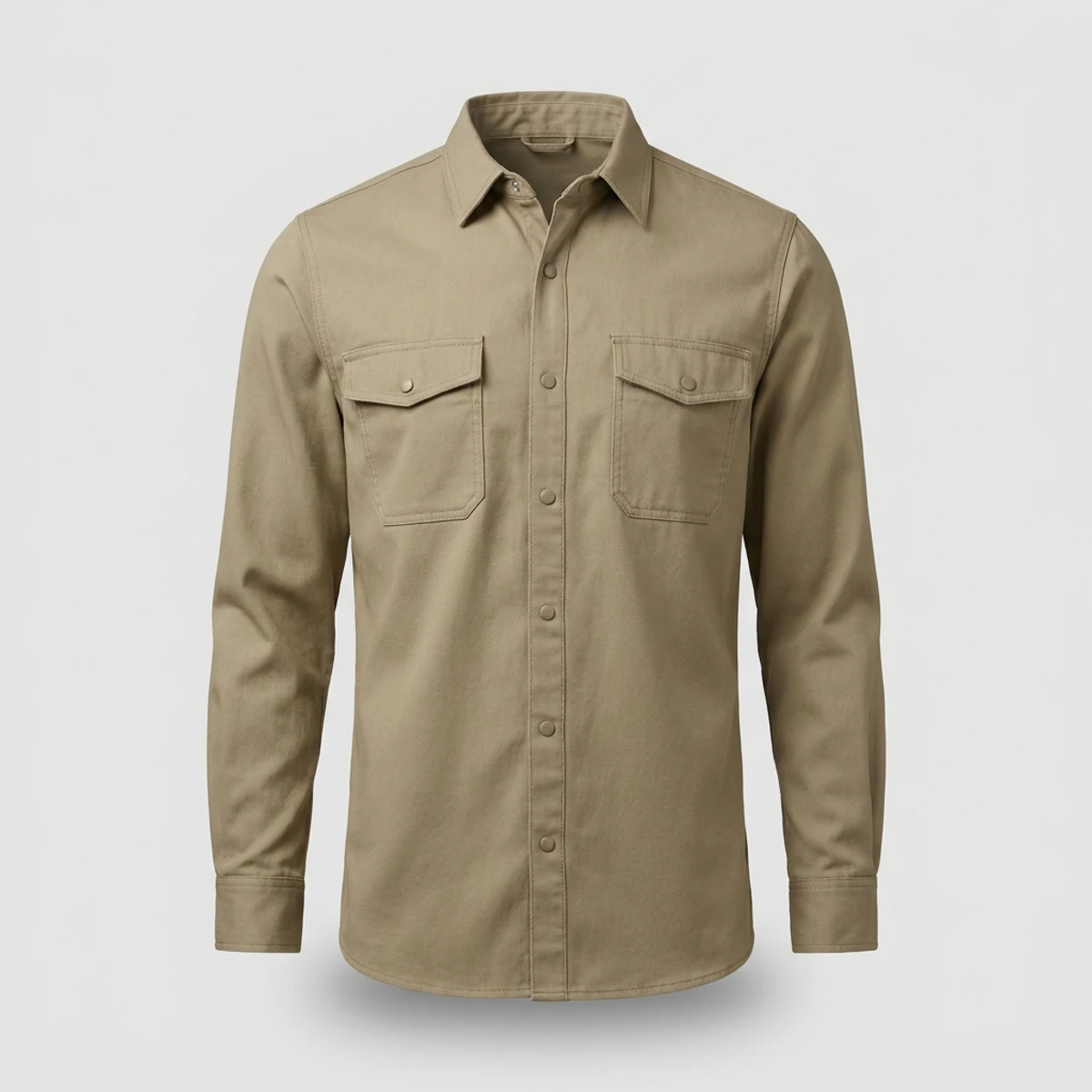
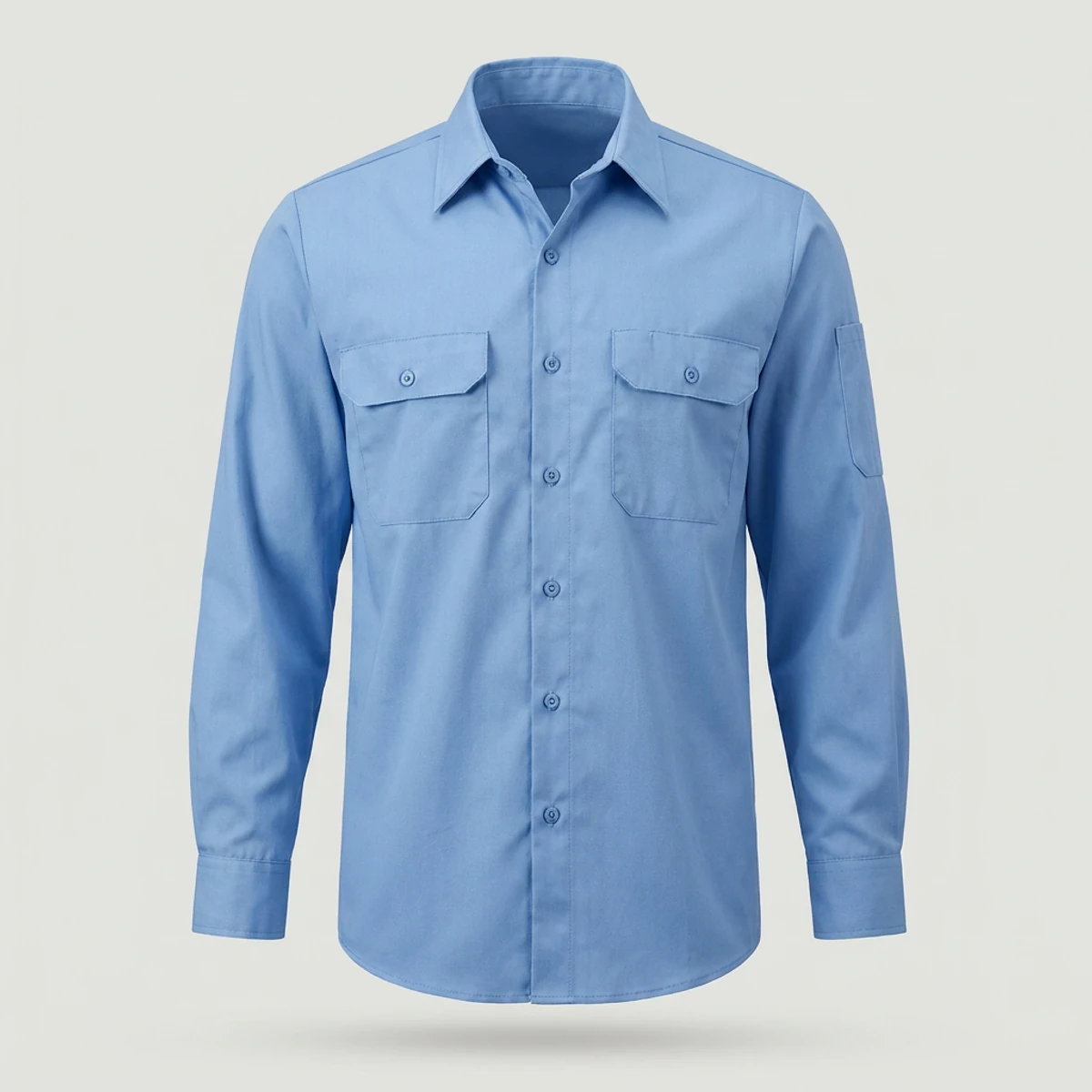
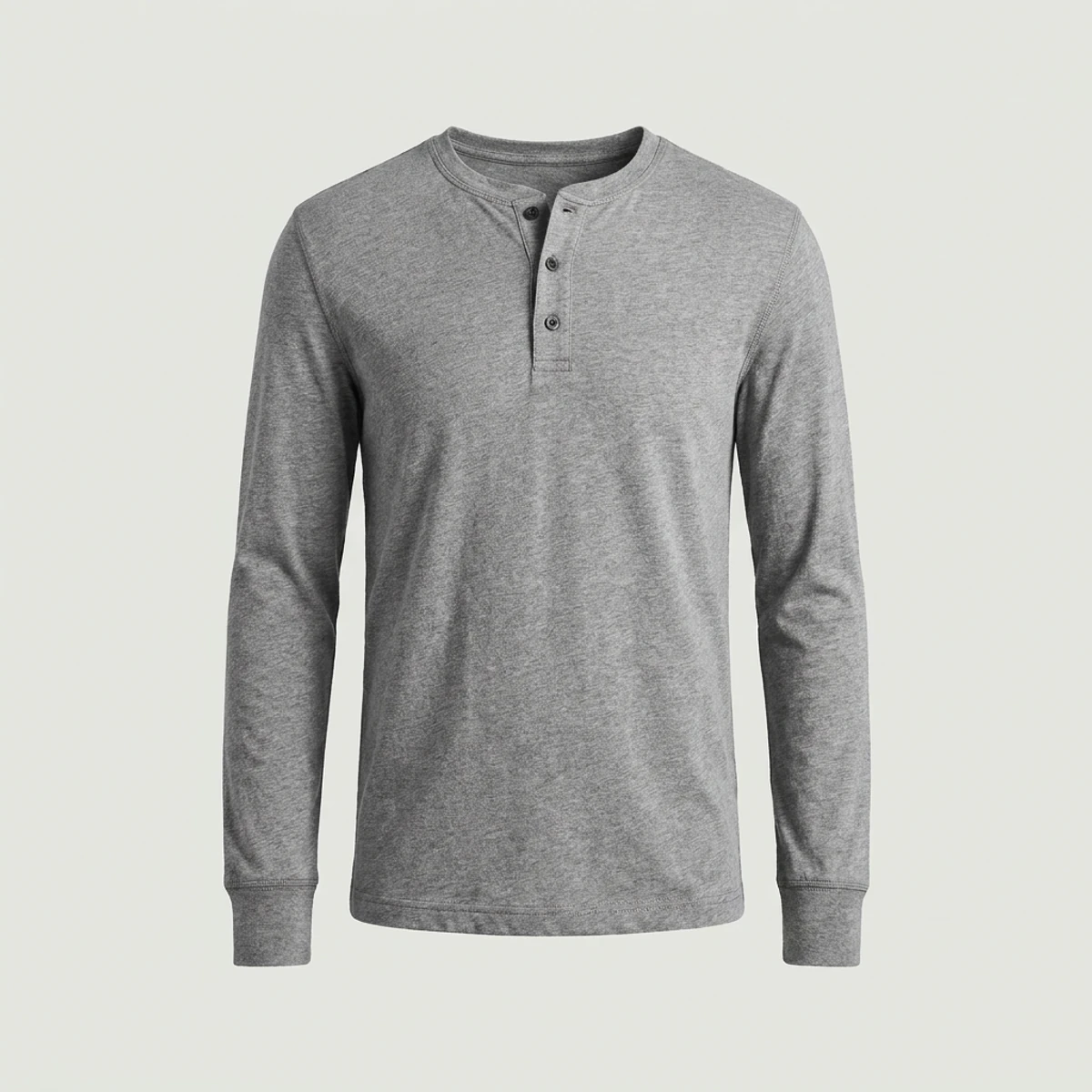
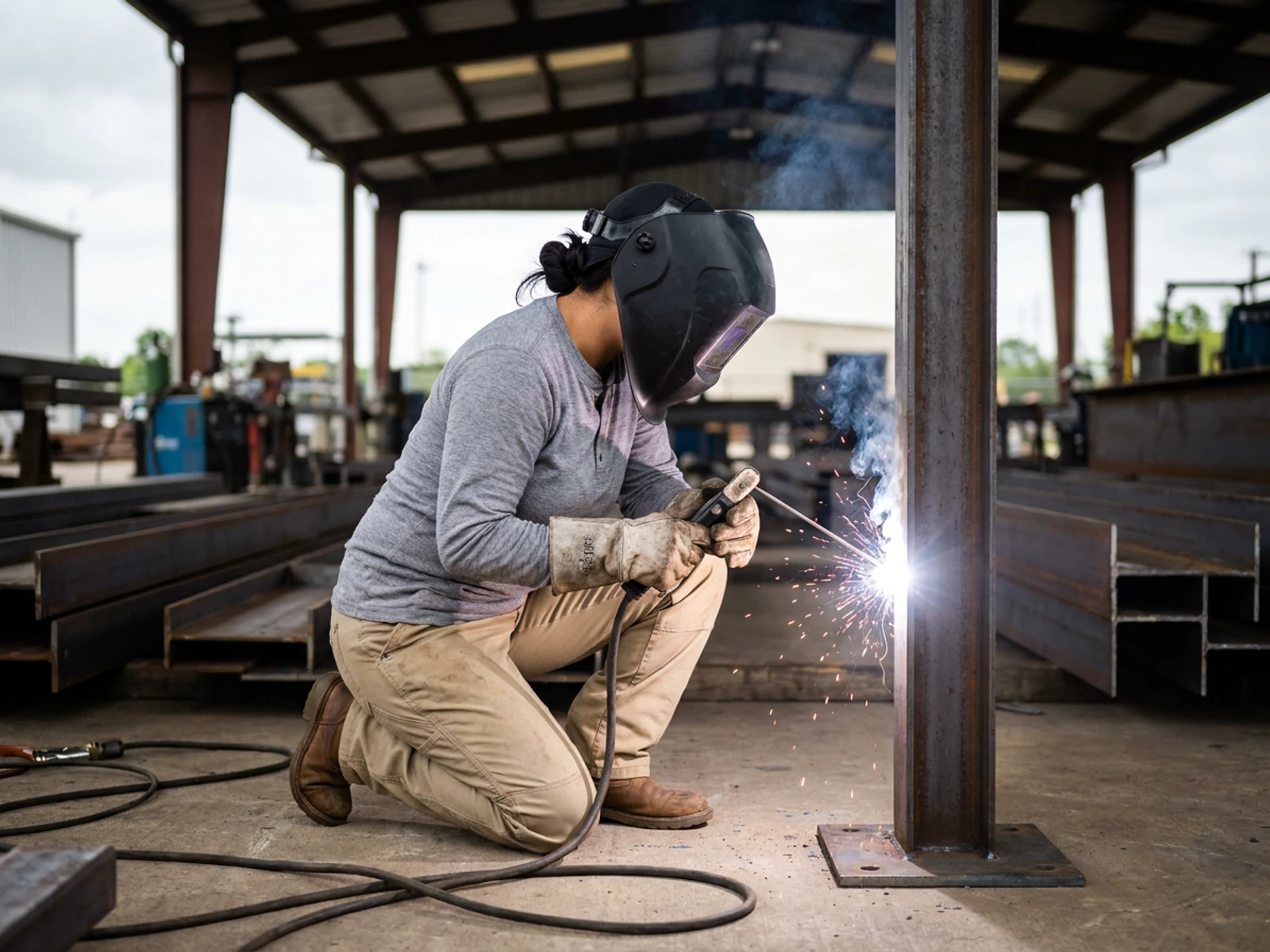
Welders pair FR shirts with matching pants or jeans so no layer undermines the others, and cuffs without turn-ups give spatter nowhere to land when you kneel at a joint. We build them to the standard you specify (certification confirmed at quote) and cut and sew both in Los Angeles, starting at around 50 pieces per style.
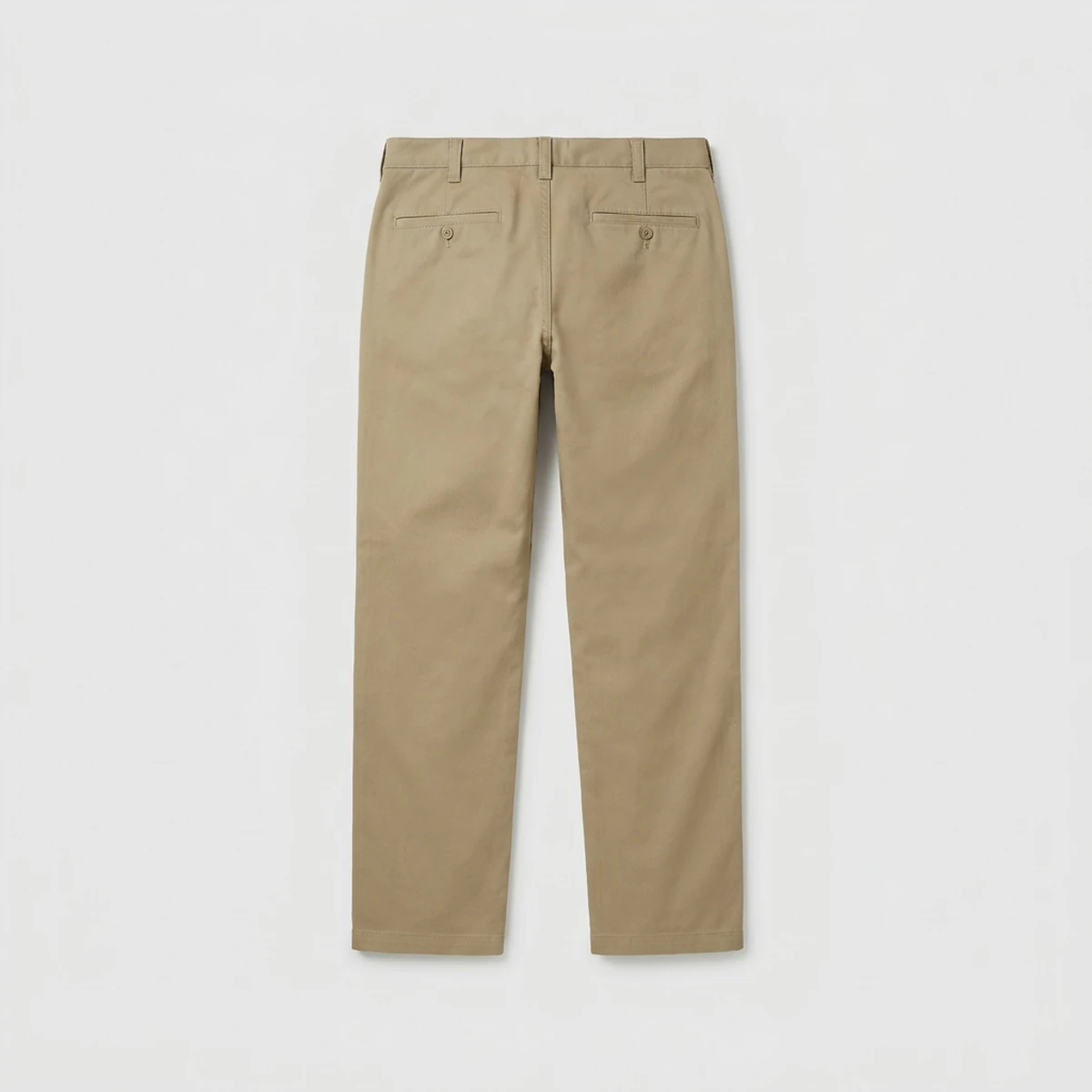
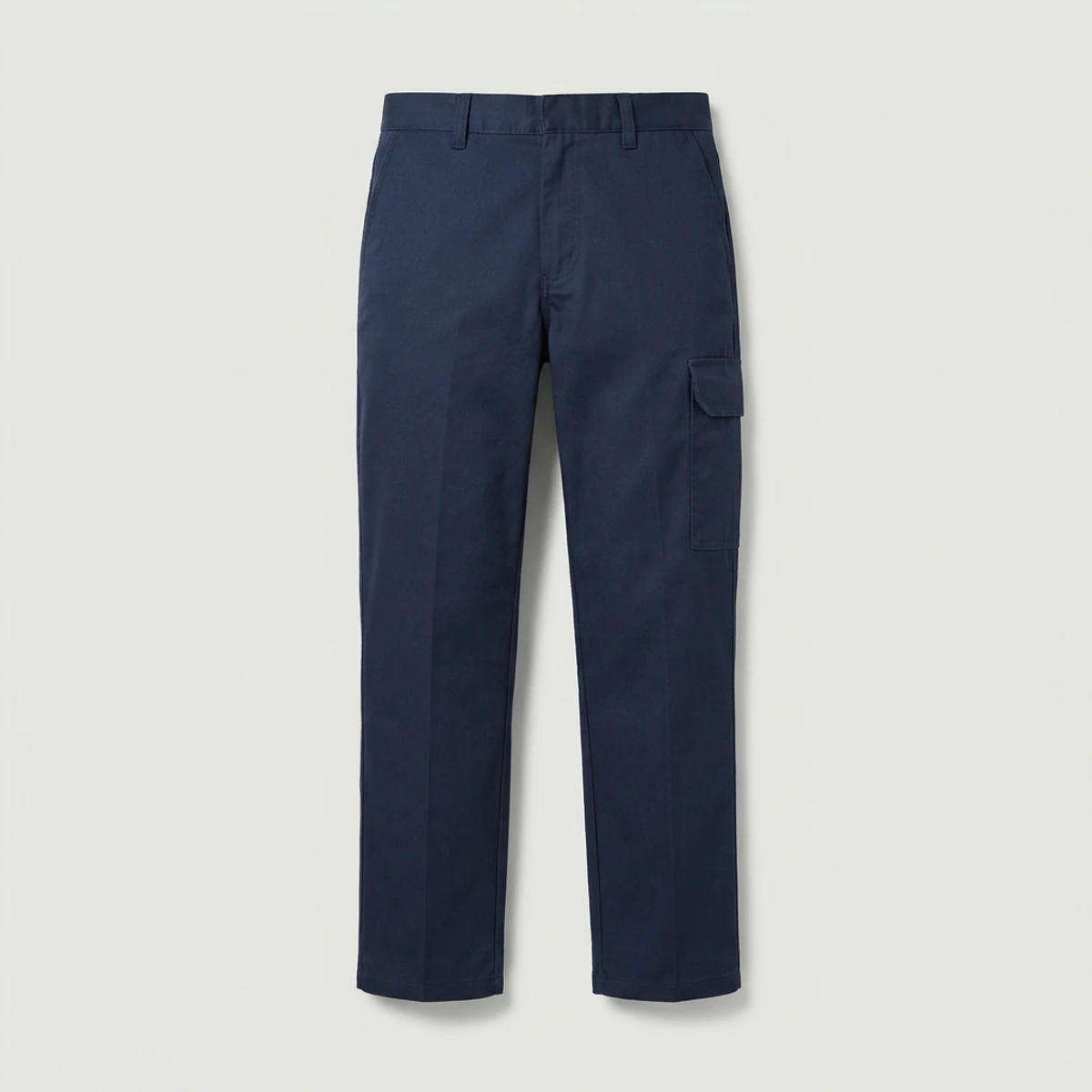
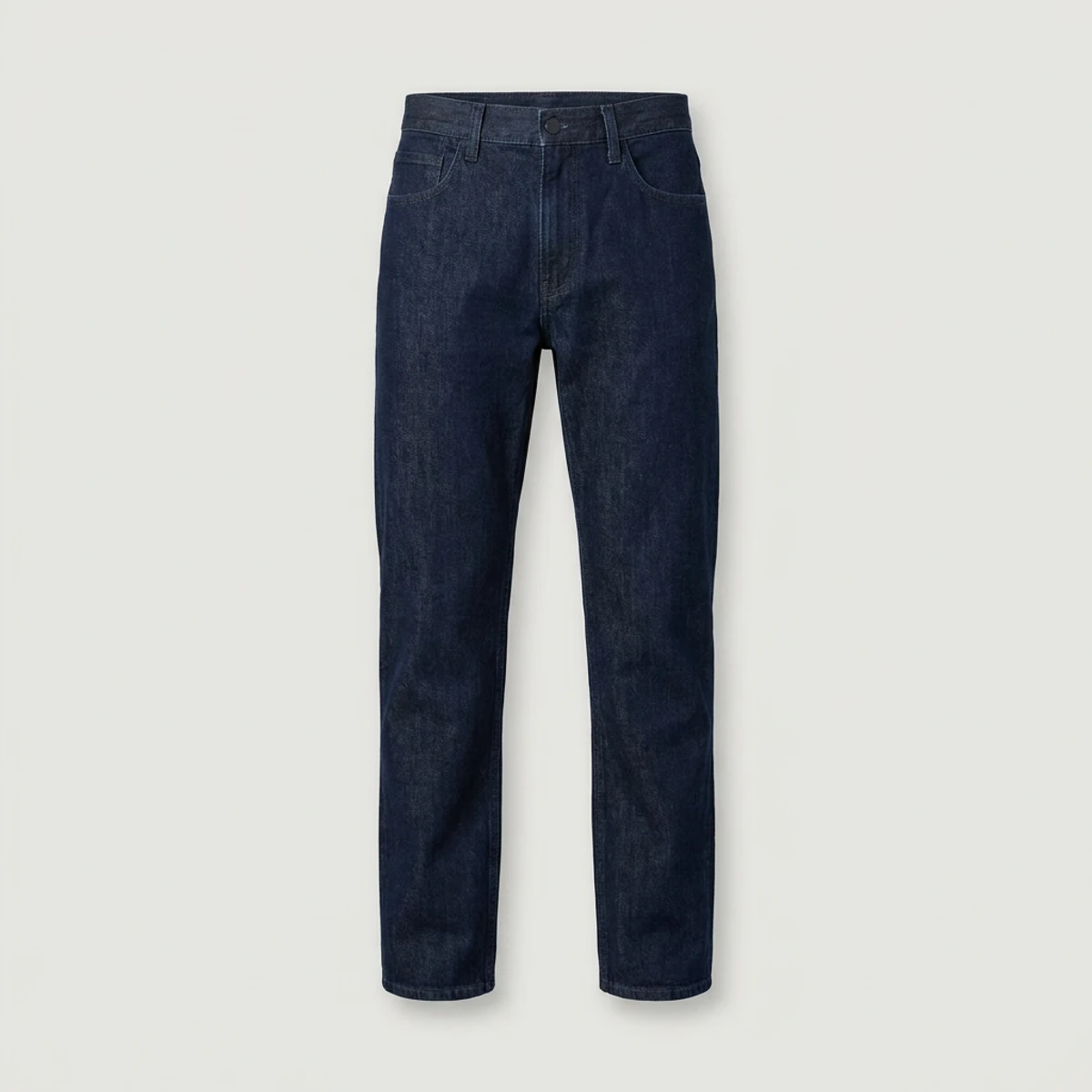
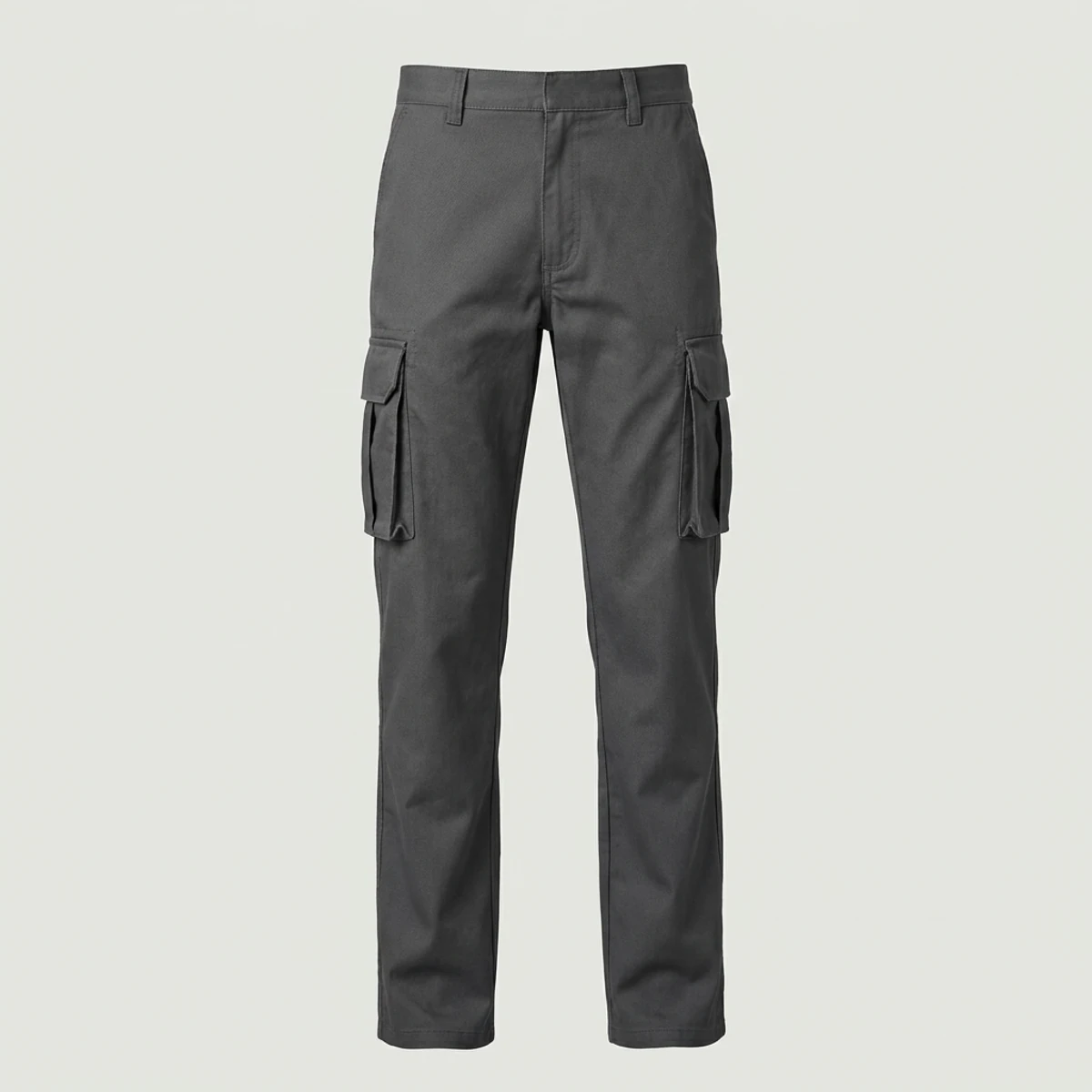
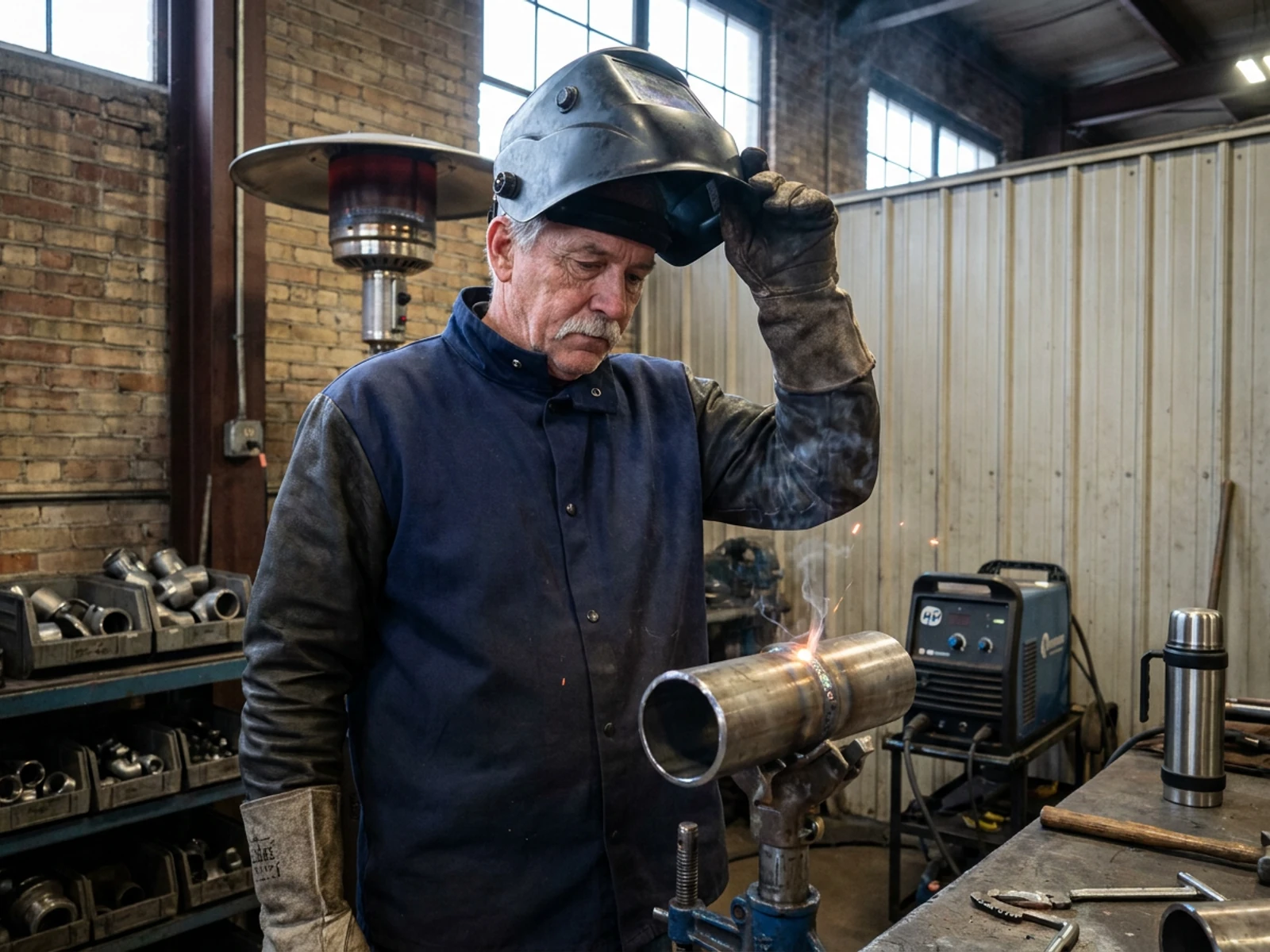
Cold shop floors and outdoor yards call for a jacket that keeps flame resistance intact over the shirt, and many welders want leather sleeves where spatter lands most. We build FR jackets in navy to the standard you specify (certification confirmed at quote) and add your mark once a style reaches about 50 pieces.
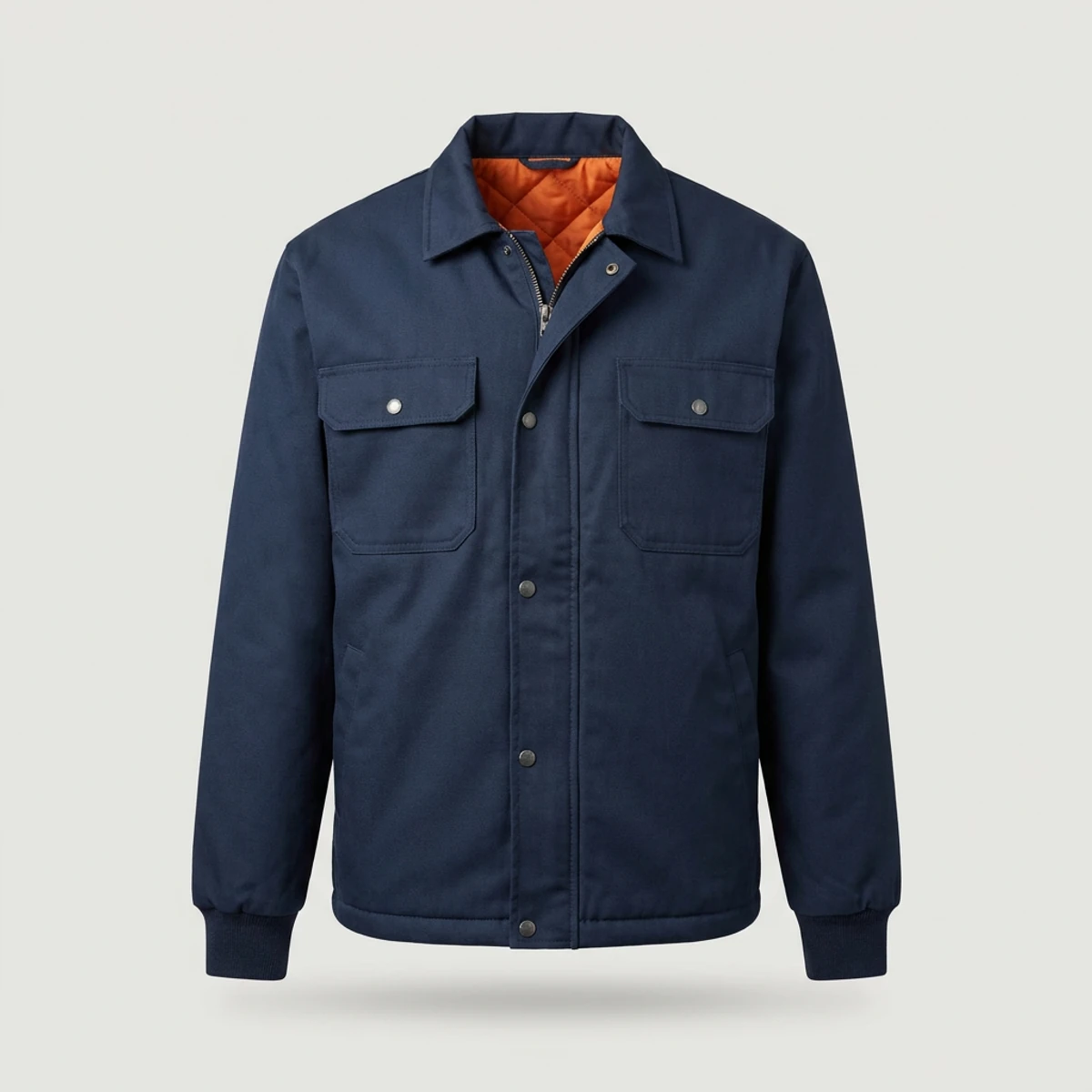
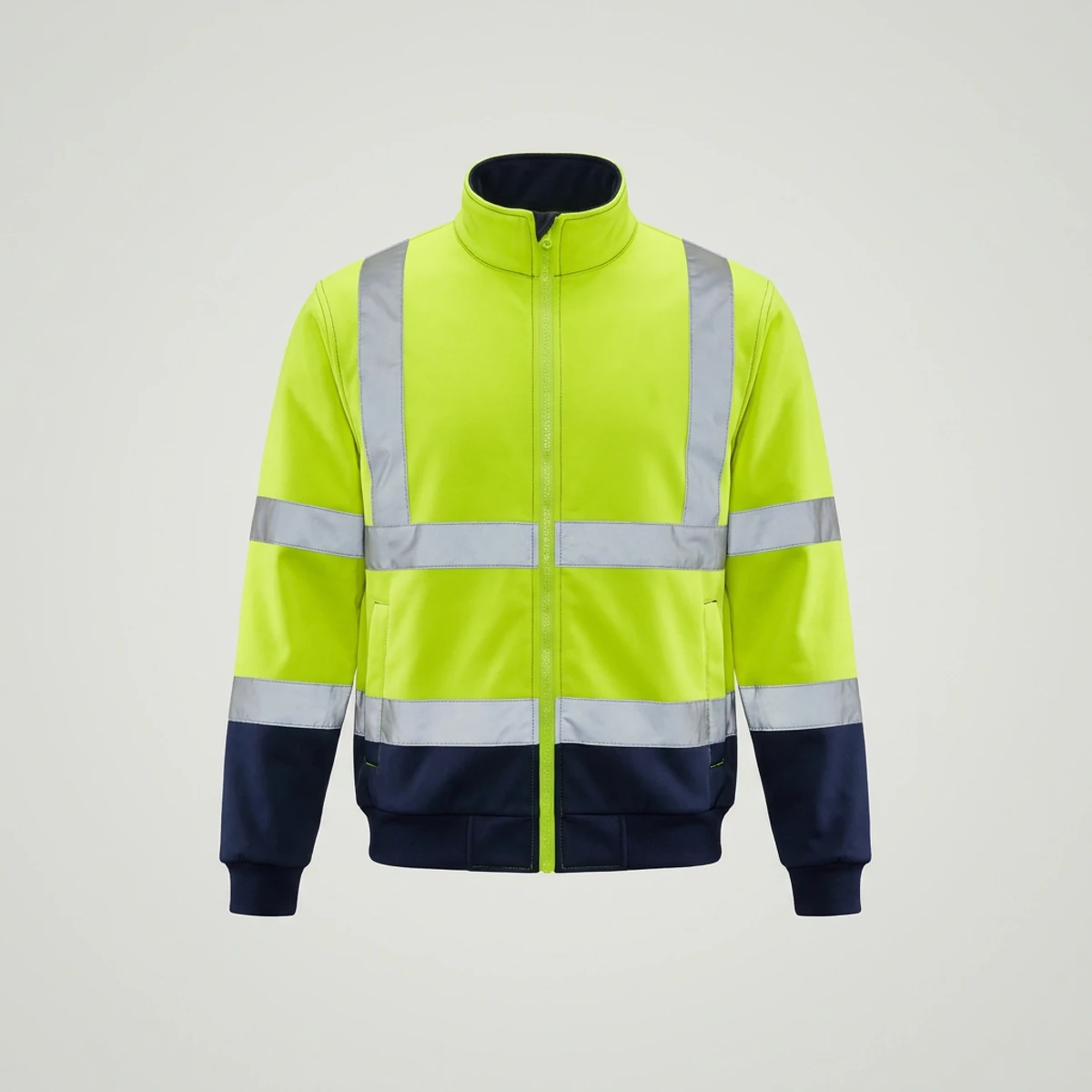
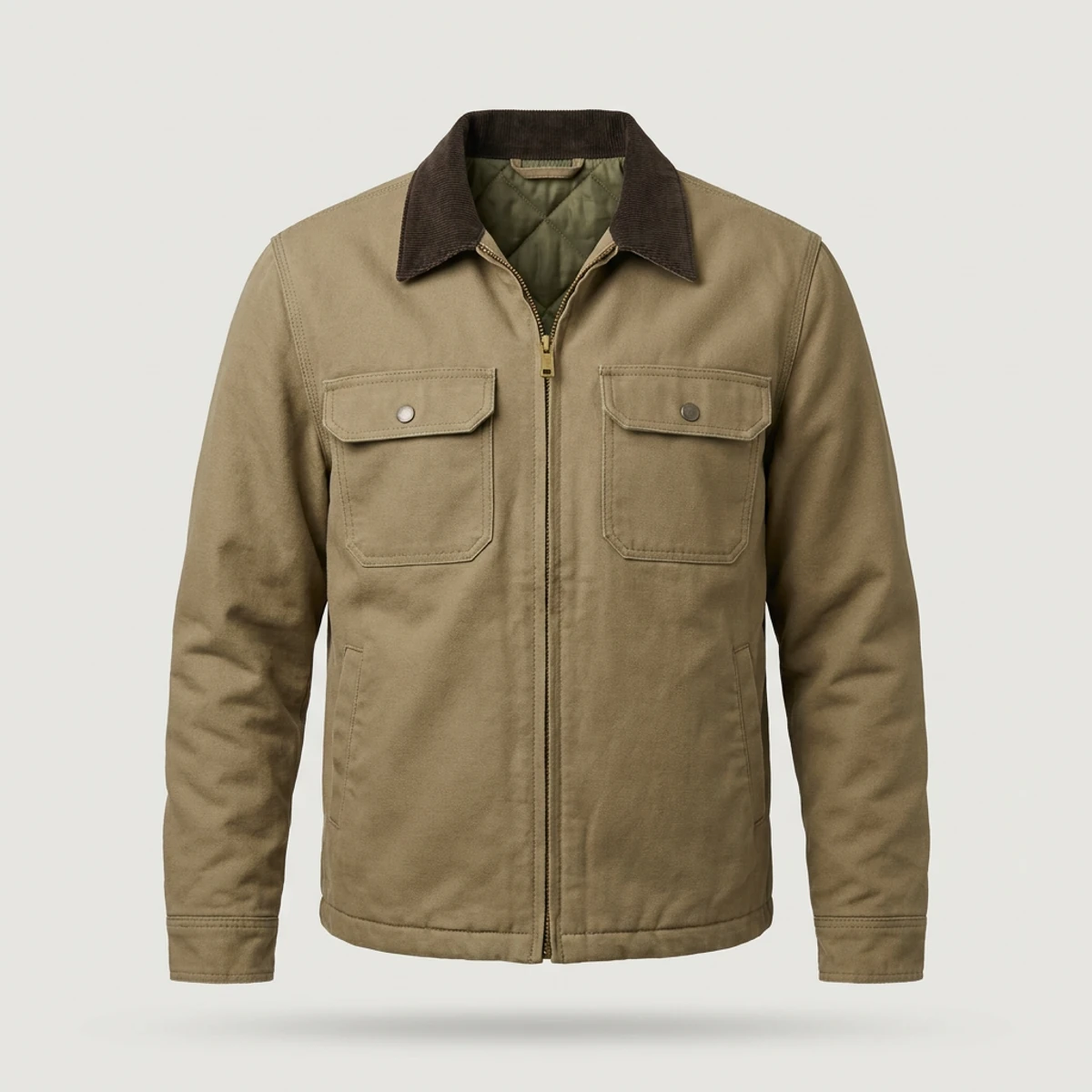
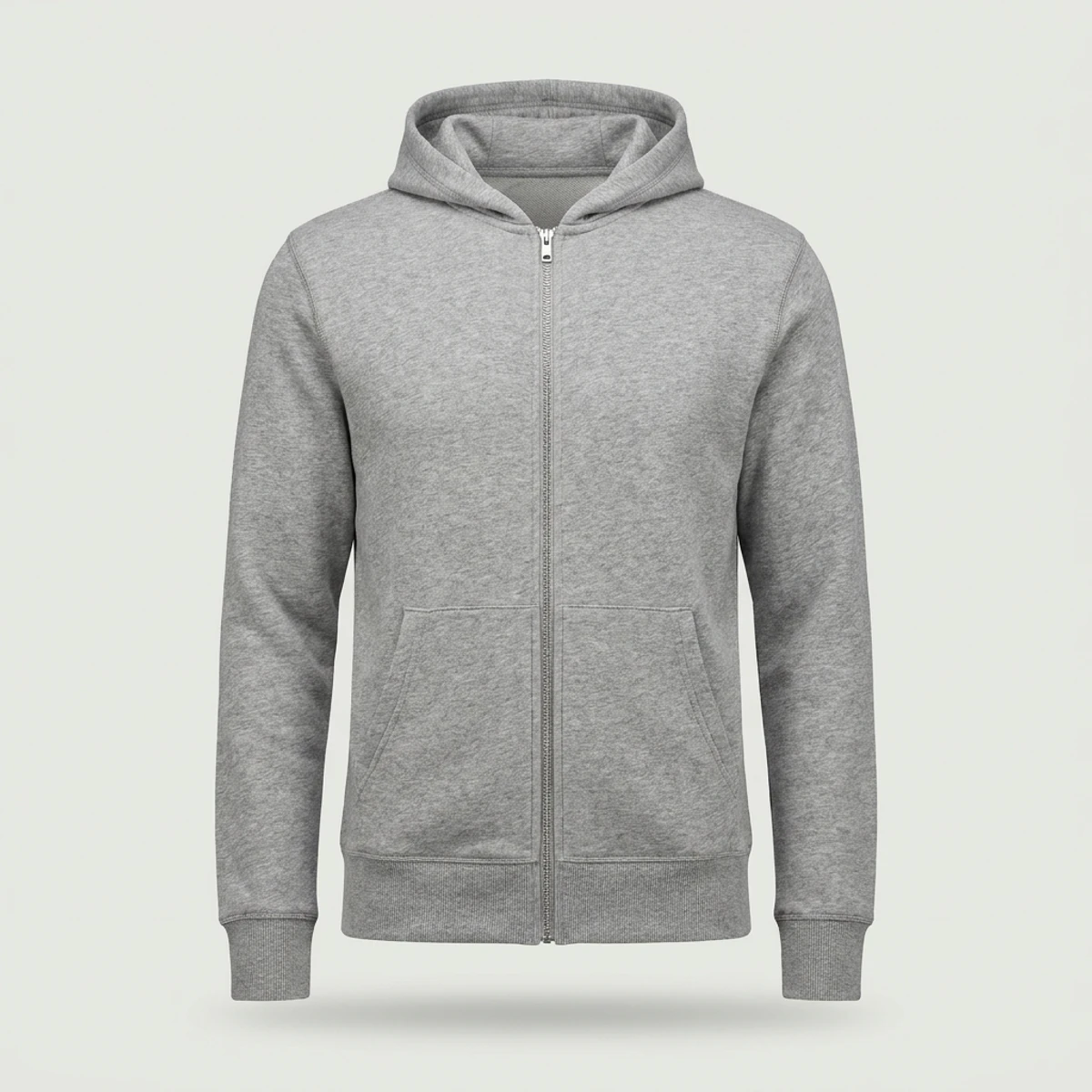
Pick the style, fabric and colors, add your logo and names, then attach the design to your quote. We cut and sew it in Los Angeles from 50 pieces per style.
Welding clothes protect against two different fire hazards: sparks, spatter and molten metal from welding, cutting and grinding, and flash fire from ignited gas, vapor or dust on oil, gas, refinery and chemical sites. The right garment depends on which hazard applies, and many sites have both.
| Hazard | What it is | Who faces it | What the clothing must do |
|---|---|---|---|
| Sparks, spatter and molten metal | Small, repeated hot particles landing on clothing | Welders, cutters, grinders, fabricators | Resist ignition, not melt, shed spatter, cover all skin |
| Flash fire | A short, intense fire from ignited gas, vapor or dust | Oil and gas, refinery, chemical and pipeline workers | Self-extinguish and limit body burn during a short exposure |
A welder on a pipeline right-of-way or a refinery turnaround faces both at once. That is why welders on those sites usually wear flame-resistant (FR) uniforms as their base layer and add leather or dedicated welding protection on top. When flash fire is the main hazard, as on drilling, well servicing and production sites, the uniform is usually specified to NFPA 2112; our page on FR clothing for oil and gas covers OSHA expectations, certification labels and oilfield coveralls, and the NFPA 2112 guide explains the standard.
Welding clothes for spark and spatter work should be flame resistant or heavy natural fiber, never all-synthetic. The Occupational Safety and Health Administration (OSHA) welding rule, 29 CFR 1910.252(b)(3), requires protective equipment under the general PPE standard (29 CFR 1910.132) and says the clothing will vary with the work.
That leaves fiber choice to the employer’s hazard assessment. Polyester and nylon can melt and stick to skin when struck by spatter. FR fabric is the safest choice; heavy cotton or wool burns rather than melts, which is why some shops allow it for light work, but untreated cotton is not flame resistant and can ignite.
Clothing also has to stay clean, because oil, grease and solvent on a shirt are fuel. For heavy or overhead welding, leather sleeves, jackets, aprons or capes go over the uniform, chosen by process and position.
Welder shirts and pants built for spatter leave no gaps and no traps: collars and cuffs that close, pockets that cannot catch molten metal, hems without turn-ups and a fit with an air gap between fabric and skin. Spatter finds every opening, so these four details matter as much as the fabric.
A collar that buttons or snaps fully closed protects the neck; closures must close completely and, on FR garments, use FR-compatible materials.
Flap-covered or zip chest pockets, or no chest pockets at all. An open pocket at chest height is a spatter trap.
Closed sleeve cuffs and full-length pants with no turn-up cuffs, which can trap hot slag at the ankle.
Loose enough to keep an air gap between fabric and skin, without gaping at the front or waist when the welder reaches or kneels.
Welding uniforms differ by role: shop welders and fabricators wear FR shirts and pants or coveralls with leather for heavy work, pipeline welders add hi-vis where equipment moves, helpers match the welder’s spec, and supervisors wear the same FR shirt in a different color. Office staff can wear a standard branded shirt.
| Role | Typical uniform |
|---|---|
| Shop welder or fabricator | FR shirt and pants or an FR coverall, with leather for heavy work |
| Pipeline welder | FR shirt and pants, with a hi-vis element where traffic or equipment moves |
| Welder’s helper or fitter | Same FR spec as the welder they work beside |
| Supervisors and inspectors | FR shirt in a different color, same logo |
| Shop office staff | Standard branded shirt in the same color scheme |
Work coveralls are popular in pipeline and shop work because they leave no gap at the waist; two-piece shirts and pants are cooler and let workers replace one piece at a time. Where pipeline crews need visibility, the hi-vis layer should be FR as well; see our high visibility clothing. Welders who also work near energized equipment may need an arc rating under NFPA 70E as well; our uniforms for electricians cover the arc flash side, and the FR clothing page compares both standards. In hot climates, lighter FR fabrics, a relaxed cut and enough sets to change out of sweat-soaked clothing stop crews rolling up sleeves or leaving shirts open.
FR-treated cotton and inherently FR blends suit welding workwear best, because they resist spatter and, when certified and labeled, also meet NFPA 2112 for flash fire. Untreated heavy cotton is only fair for light work, polyester and nylon blends should stay off the shop floor, and leather is an over-layer, not a uniform.
| Option | Spark and spatter | Flash fire (NFPA 2112) | Notes |
|---|---|---|---|
| Polyester or nylon blends | Poor: can melt | No | Keep off the shop floor and the well site |
| Untreated heavy cotton | Fair for light work | No | Burns rather than melts, but can ignite |
| FR-treated cotton or cotton-rich | Good | When certified and labeled | Common daily wear; protection relies on correct laundering |
| Inherent FR blends | Good | When certified and labeled | FR property is in the fiber |
| Leather | Best for heavy spatter | Not a uniform layer | Worn over FR clothing |
Branding FR clothing helps site supervisors identify contractor crews quickly, and many operators ask for company names on FR garments. Decoration has to protect the garment’s performance and certification: thread, backing, patches and reflective trim must be compatible with the FR spec, so materials and placement are agreed per style before production.
Our custom embroidery and printing team plans FR decoration as part of the garment spec. To sell FR workwear under your own label, our private label service covers custom labels and tags.
The cost of custom welding uniforms depends mainly on the FR fabric and certification required, the quantity per style, whether you run two-piece sets, coveralls or both, garment features and FR-compatible decoration. No prices are listed here; every order is quoted on its actual fabric, certification, artwork and quantity.
| Cost driver | How it moves the unit price | How to keep it in check |
|---|---|---|
| FR fabric and certification | FR fabrics cost more than standard twill; dual flash fire and arc ratings can add more | Specify the standard each role actually needs |
| Quantity per style | Larger runs spread cutting, setup and sampling across more pieces | One FR shirt and pant for the whole floor |
| Garment mix | Shirts, pants and coveralls are separate styles, each with its own minimum | Choose two-piece or coverall as the default, not both for everyone |
| Style complexity | Flap pockets, closed cuffs and FR closures add components and sewing time | Keep the spatter-proof features, drop extras |
| FR-compatible decoration | FR thread and materials, stitch count and locations add cost | One chest logo plus a back name |
| Labels and packaging | Certification labels are part of the garment; custom private labels add components | Use standard finishing for crew uniforms |
A welding and FR uniform program rolls out in six moves, starting with the hazards on each site, because spatter, flash fire and arc flash each call for a different specification. Writing the required standard into the spec before quoting avoids buying garments that look right but carry the wrong label.
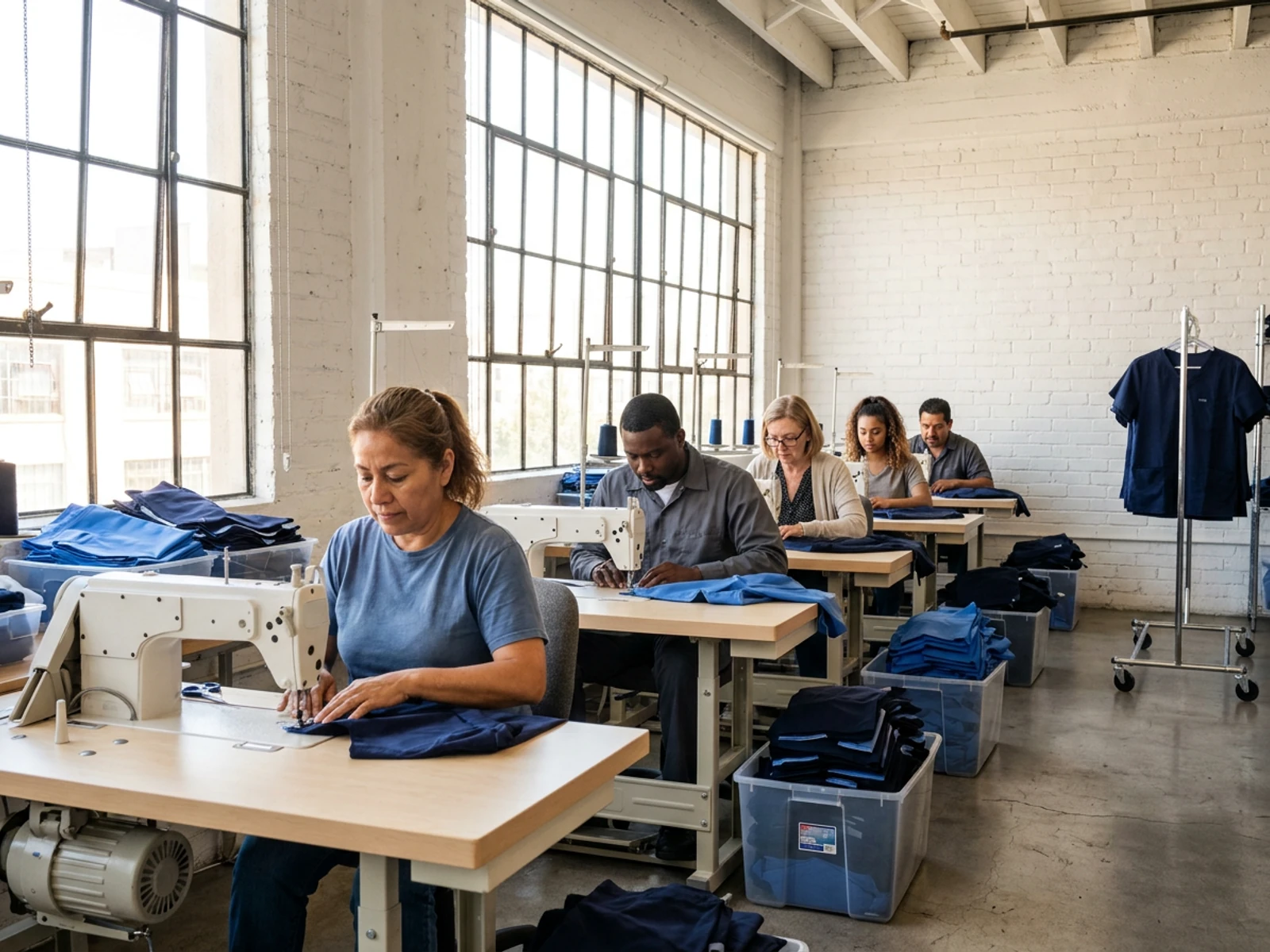
Reorders of welding uniforms meet the same requirement as the first run because the approved spec stays on file. Pipeline and turnaround work brings sudden hiring, so keep a buffer of FR shirts and pants in common sizes, and ask us for current lead times before a project starts.
Replace FR garments that are torn, worn thin or permanently contaminated, and never patch them with non-FR material.
FR welding clothes should be washed to their care label, without chlorine bleach or fabric softener, and with oil and grease removed, because flammable contaminants reduce protection. Heavily oil-soaked garments are best sent to an industrial laundry. Inspect garments at every reorder and retire those with holes or worn-through elbows.
OSHA stated in a 2015 interpretation letter on laundering FR clothing that home laundering is acceptable if the employer trains workers and inspects the garments regularly. See our guide on how to wash FR clothing.
The most common welding uniform mistakes are buying “FR” garments without the certification or rating the site requires, wearing synthetic base layers underneath and adding standard patches afterward. Each can undo the protection the garment was bought for, usually without anyone noticing until an incident.
Ready to order
A complete welding uniform quote needs crew size and roles, the standards each garment must meet, the garment mix and your artwork. With this list in the first message, we can confirm suitable FR fabrics and their documentation, price the order and plan a sample.
Need something not covered here? Ask our Los Angeles team and we’ll answer with options for your order.
Ask our Los Angeles teamWelders should wear long sleeves and full-length pants in flame-resistant or heavy natural-fiber fabric, with collars and cuffs closed and no exposed pockets or cuffs that can catch spatter. All-synthetic fabrics such as polyester and nylon should be avoided because they can melt. Leather jackets, sleeves, aprons and gloves are added for heavier or overhead work.
NFPA 2112 certifies garments for short-duration flash fire, not specifically for welding spatter. An NFPA 2112 garment is flame resistant, so it will not continue to burn after a spark ignites it, but heavy or overhead welding still needs leather or dedicated welding protection over the top. Many oil and gas welders wear NFPA 2112 clothing as the base layer for both hazards.
Yes, but decoration on FR garments is part of the safety spec. Thread, backing and patches must not compromise flame resistance or the garment's certification, so we confirm decoration materials and placement for each FR style at quote stage instead of using standard embroidery supplies by default.
About 50 pieces per style, with sizes mixed in the run. A fabrication shop can order one FR shirt and one pant style for the whole floor, then reorder the approved spec as the team grows. Ask us for current lead times when you request a quote.
A non-melting natural fiber such as cotton, or an FR base layer, is the usual choice under FR clothing. Synthetic performance shirts should be avoided, because if the outer garment is breached or heated the synthetic layer can melt against the skin. Write the base-layer rule into your FR policy so crews know what is allowed.
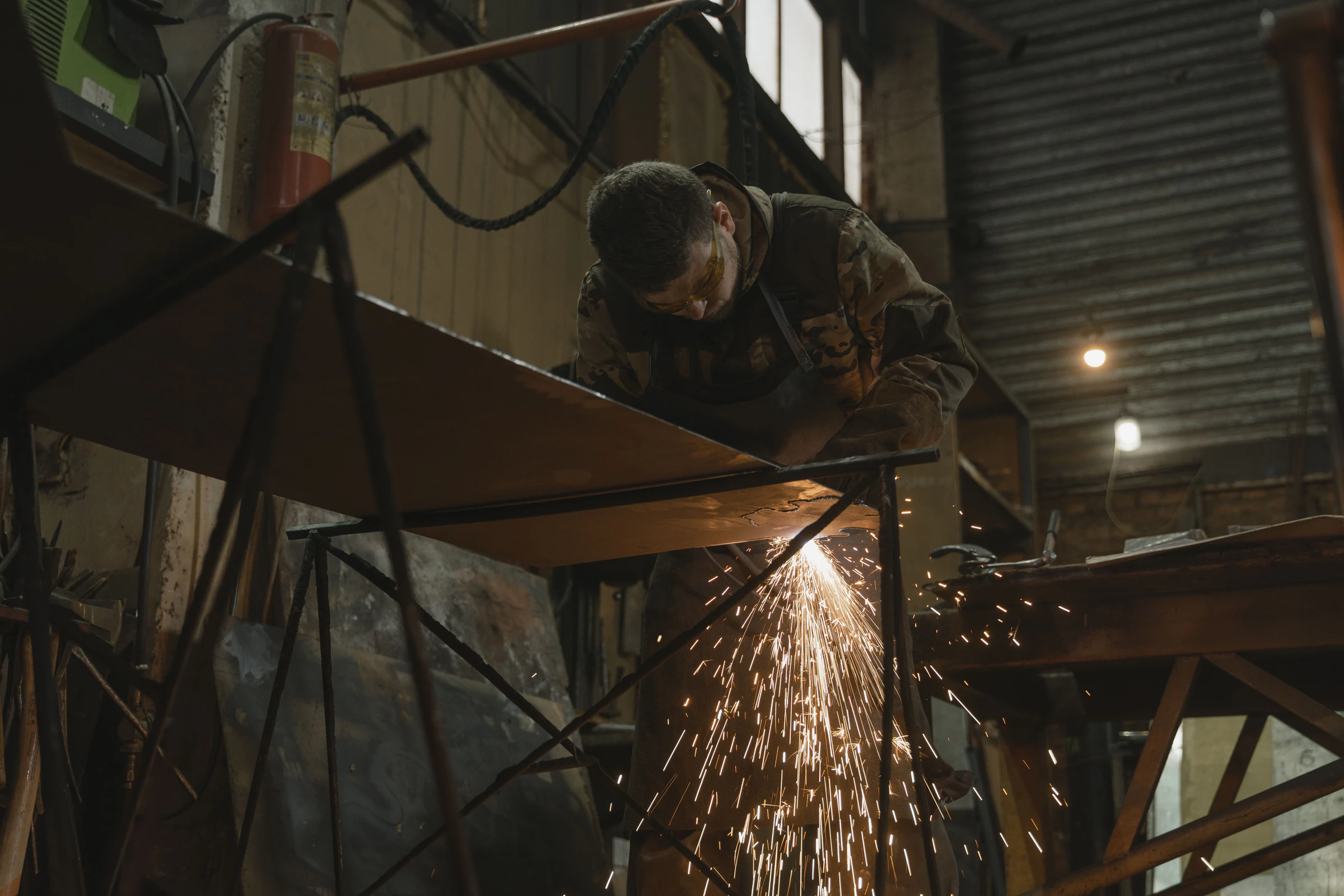
Flame-resistant shirts, pants and coveralls for oil and gas, utility and electrical crews, cut and sewn in Los Angeles with FR components throughout.
What the NFPA 2112 standard requires of flame-resistant garments, how third-party certification and labeling work, who needs 2112 clothing, and how it differs from NFPA 70E.
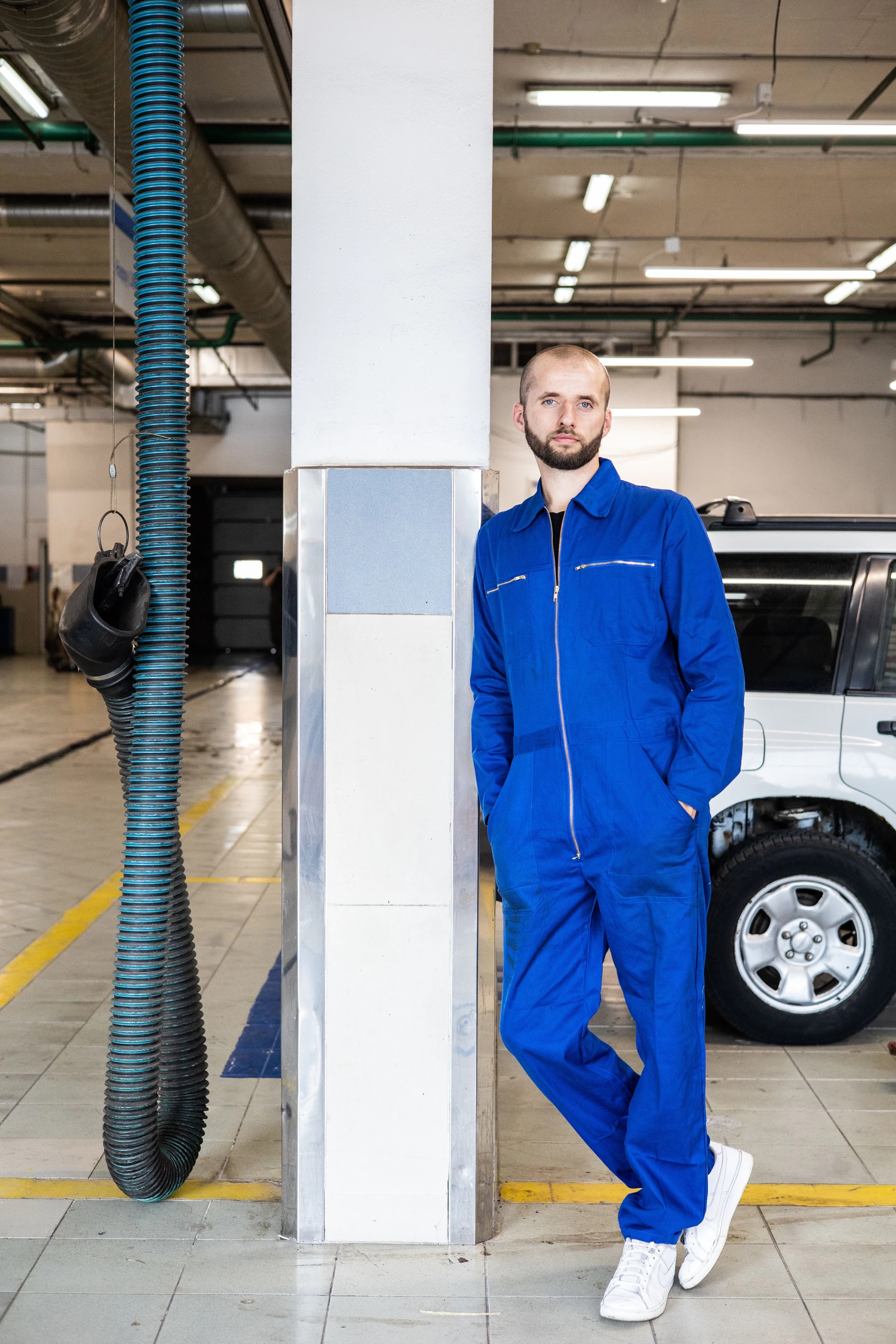
One-piece work coveralls with your logo, name and color, cut and sewn in Los Angeles for mechanics, plants and field crews from about 50 pieces per style.
A practical care guide for flame-resistant and arc-rated workwear: home washing steps, what never to use, handling oil and grease, drying, repairs, inspection and retirement.
FR coveralls, shirts and pants for drilling, well servicing, production, pipeline and refinery crews, built to the flash fire standard you specify and branded without breaking it.
Frocks, coats, aprons and work pants for food and beverage plants, designed around FDA and USDA garment rules, zone color-coding and industrial laundering.