Pockets
Divided chest pockets for pens and thermometers; deep waist pockets for order pads, card readers and towels. A towel loop at the waist helps in kitchens and bars.
Workwear · Los Angeles factory
Custom aprons from Custom Uniform Factory are bib, waist and cross-back aprons cut and sewn in its Los Angeles factory from imported fabric and branded with your logo by embroidery or printing. They suit restaurants, coffee shops, salons, retail and craft businesses, and logo orders start at about 50 pieces per style, with private label options for brands and blank wholesale aprons by inquiry.
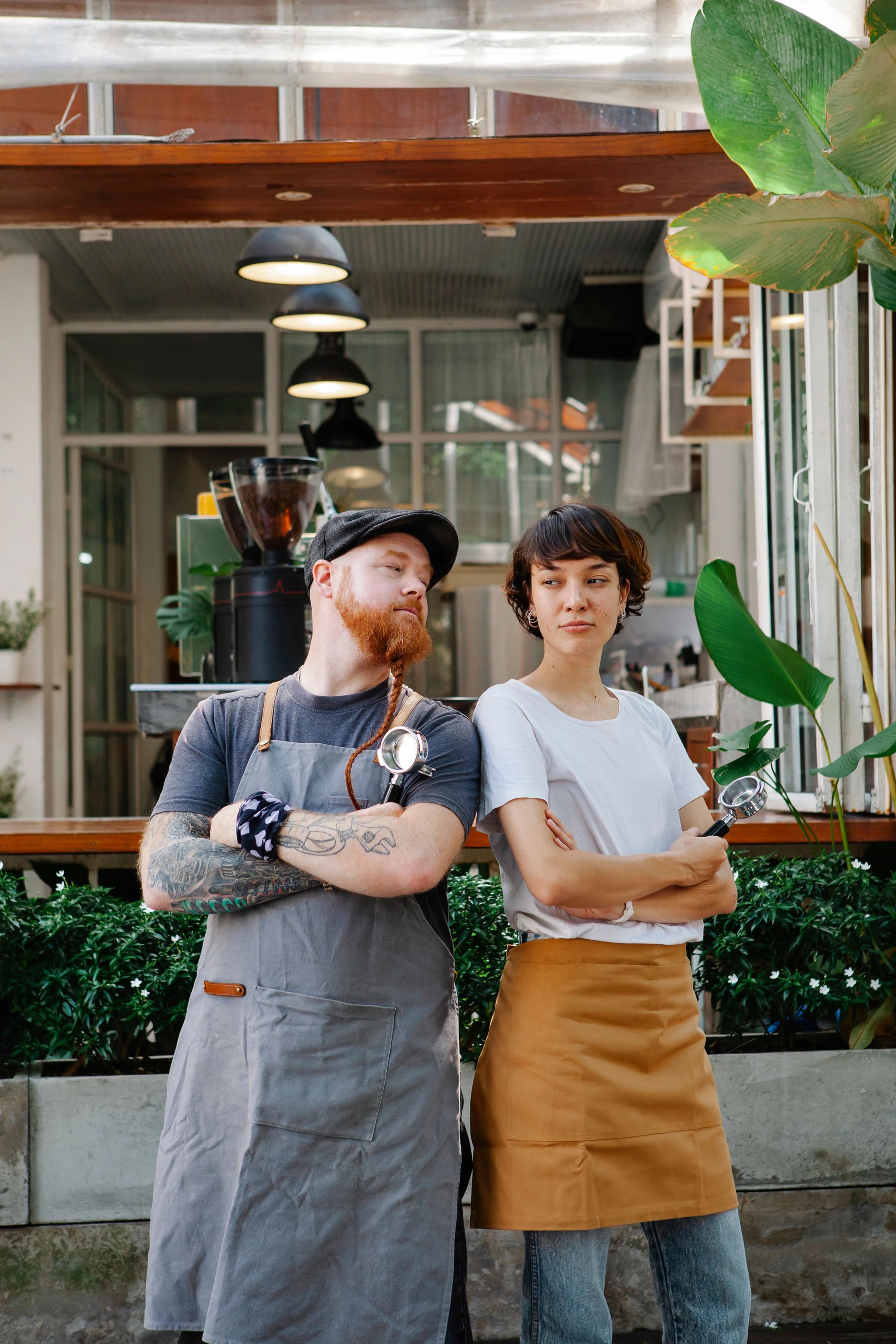
12 styles in 3 families · each made to order in your fabric, color and branding from 50 pieces.
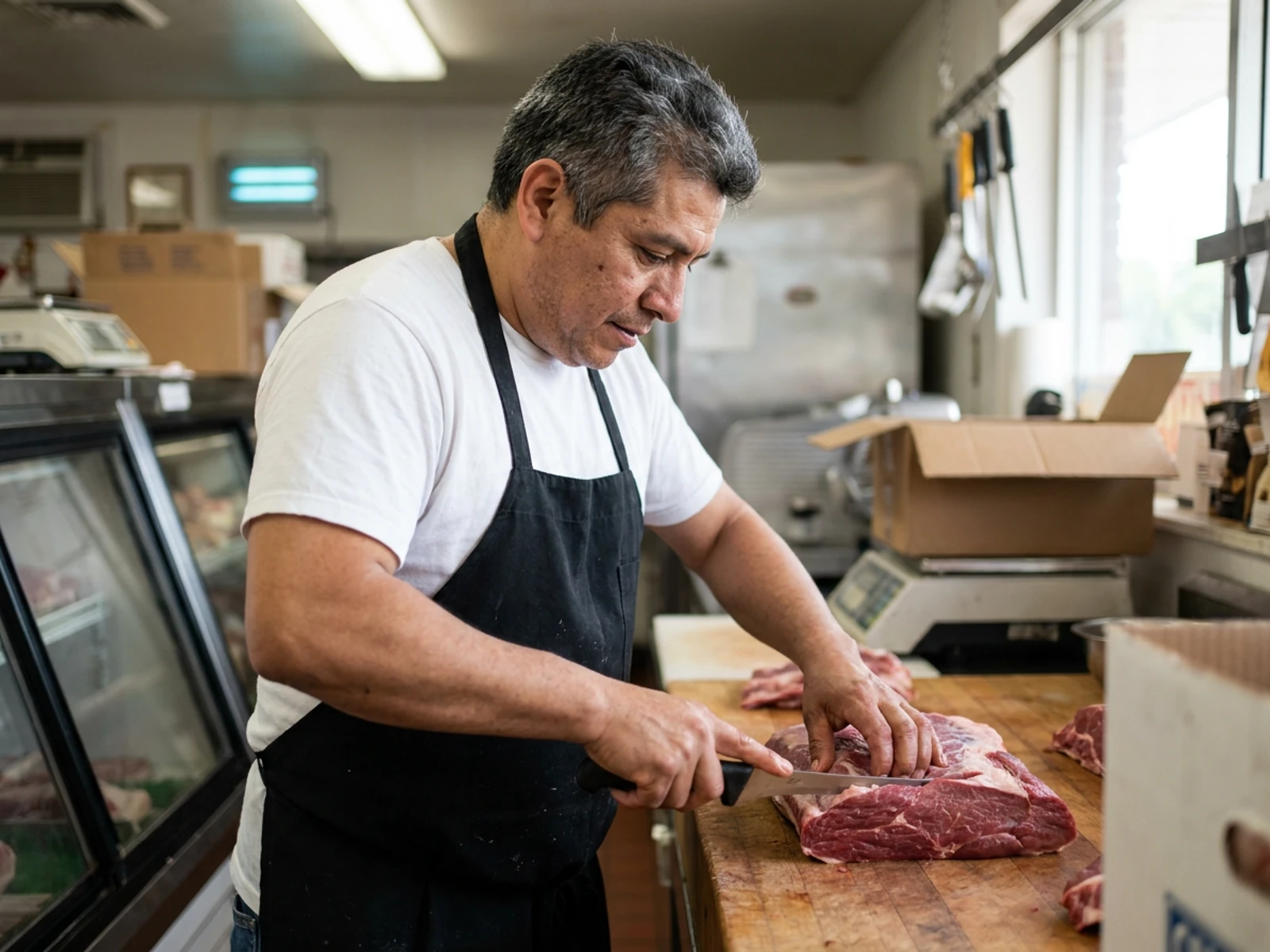
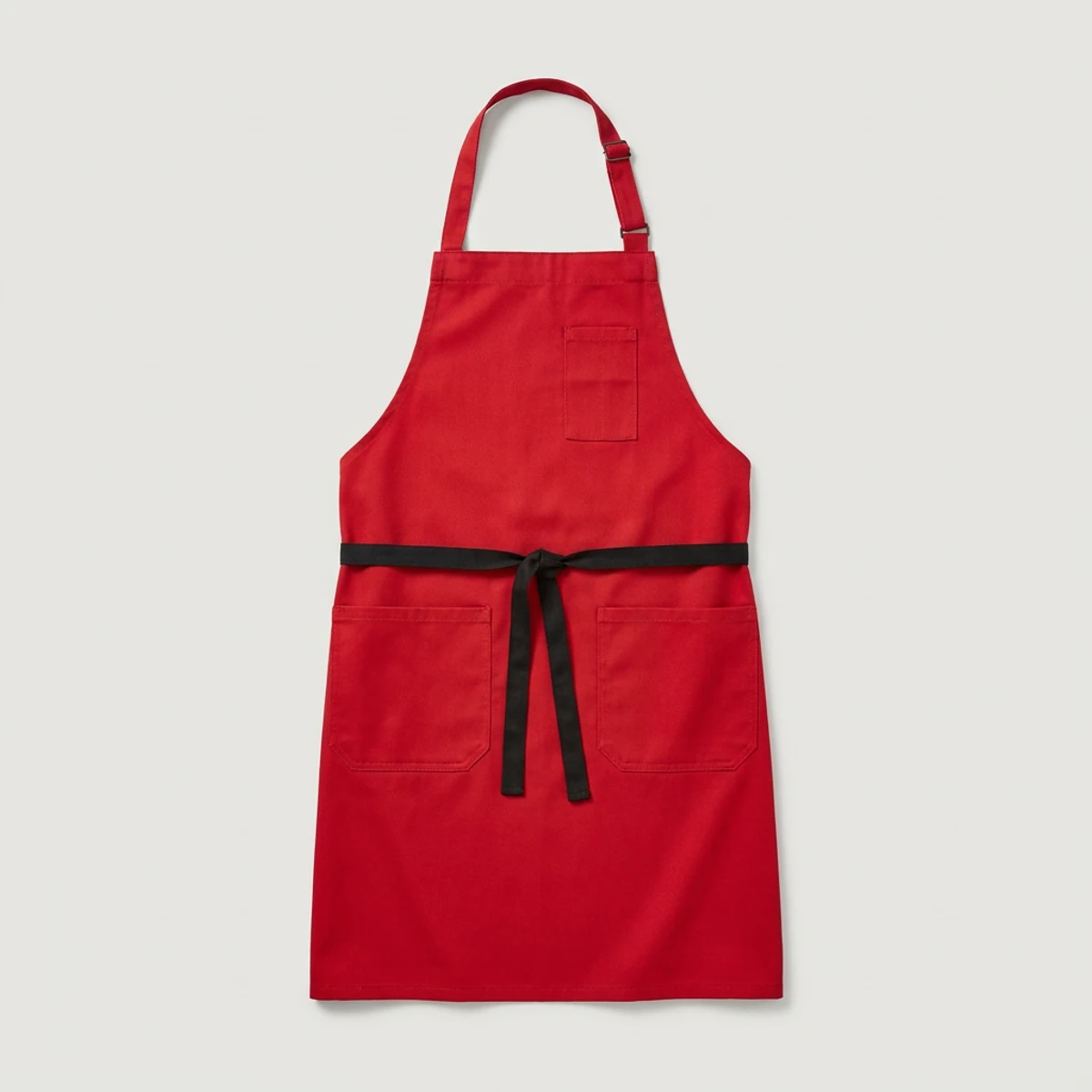
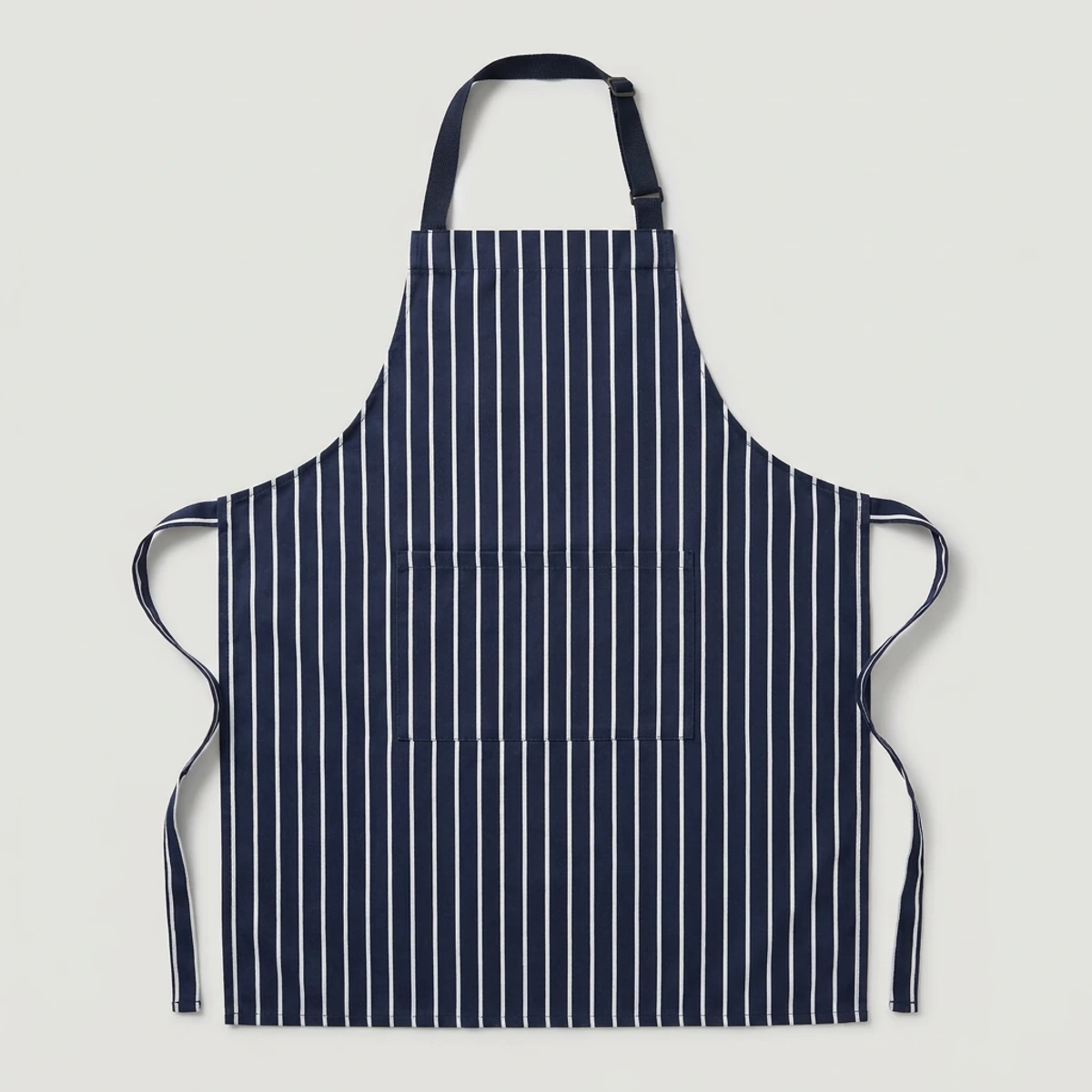
A bib apron with an adjustable neck strap fits nearly everyone, which makes it the easiest style to size for a large team. It covers chest to knee for cooks, butchers, bakers and retail counters, and its broad chest panel is ideal for aprons with logo embroidery or print.
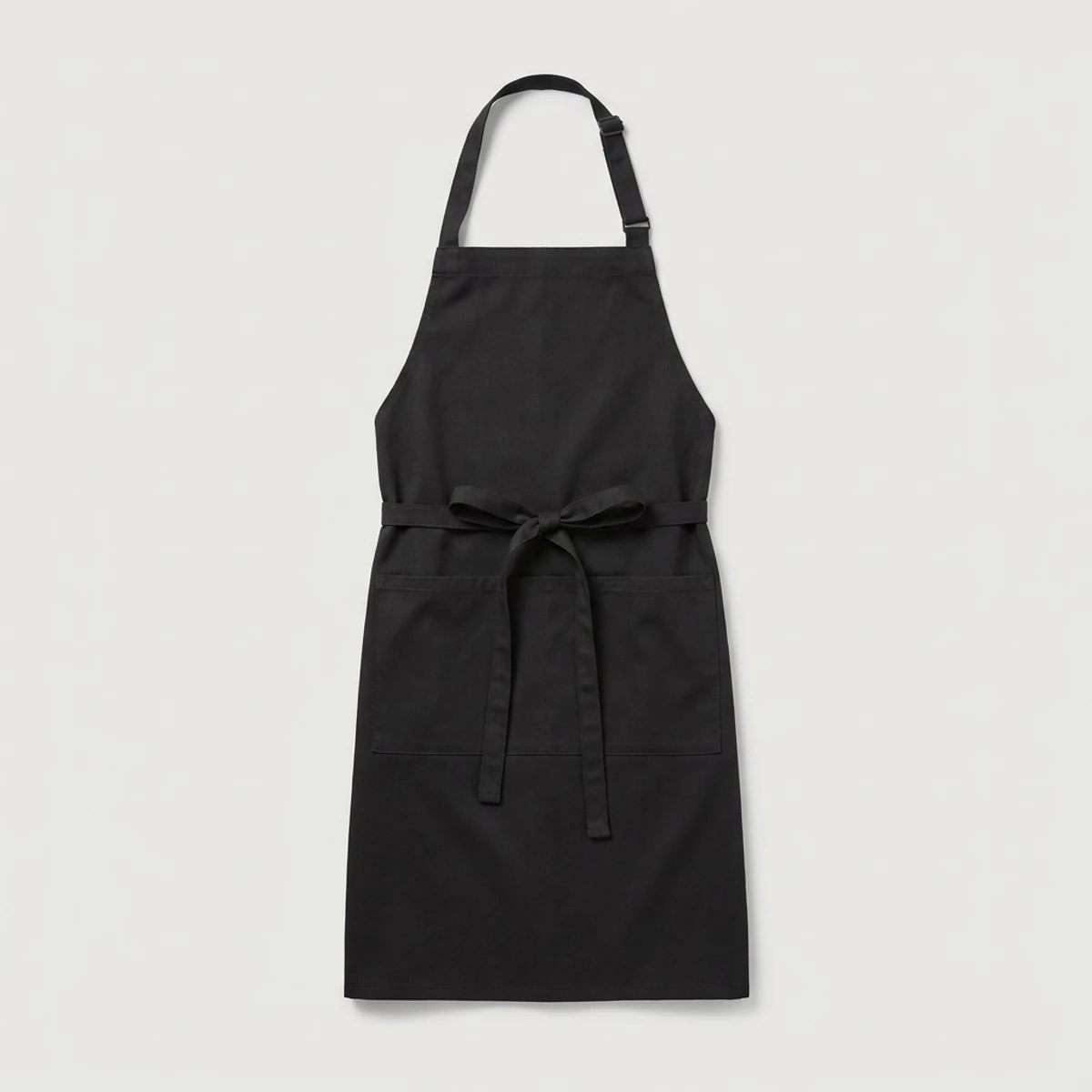
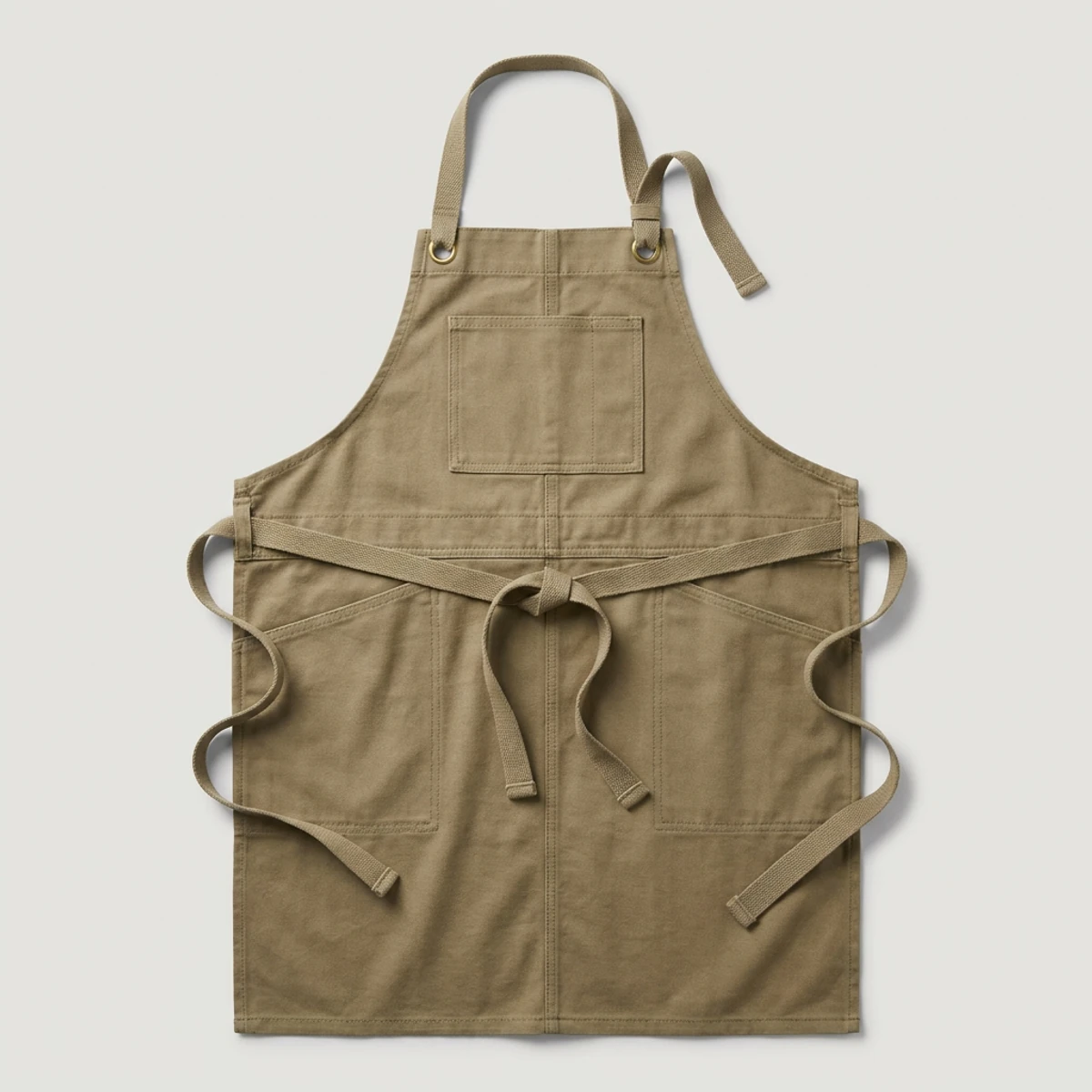
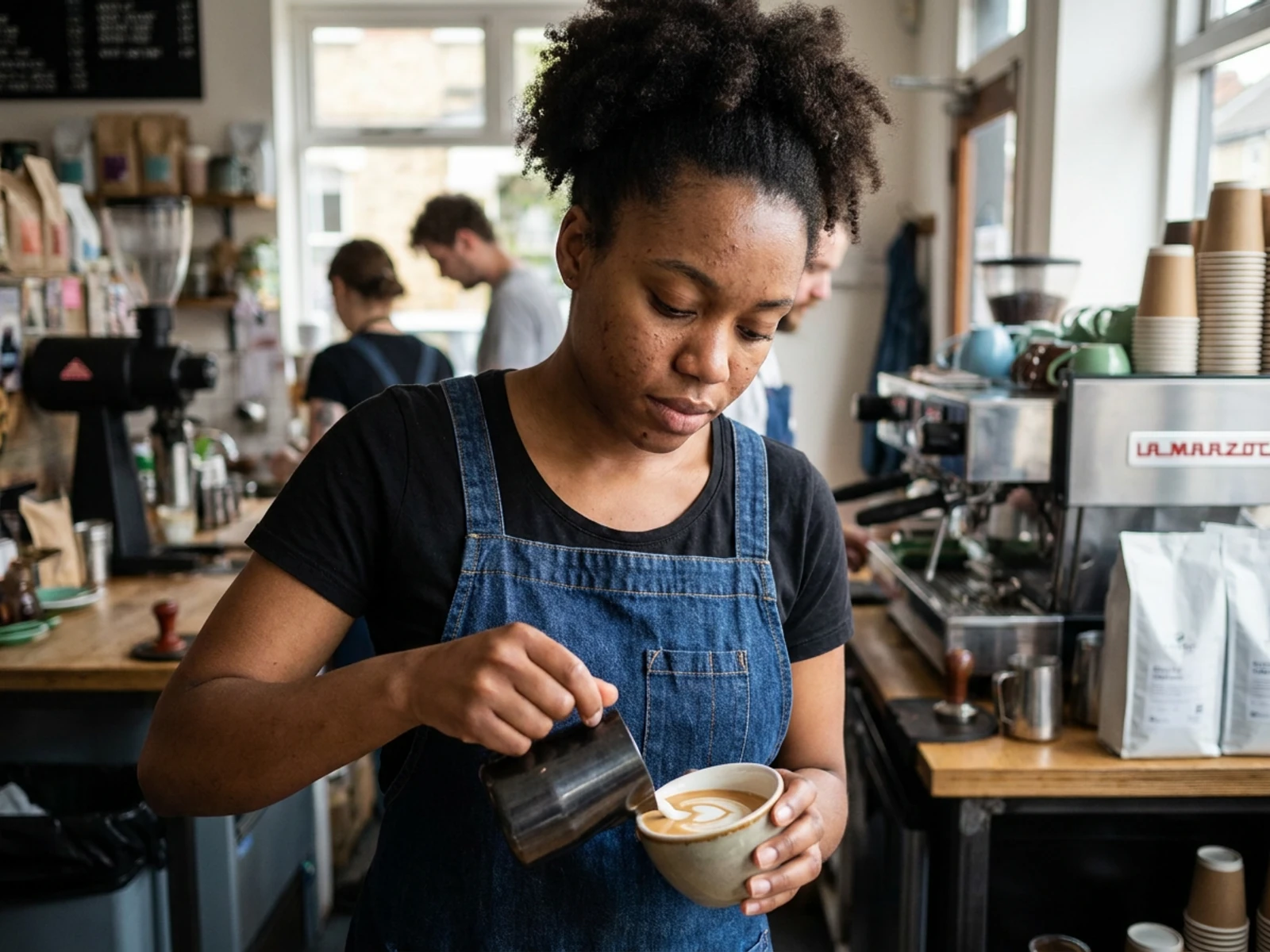
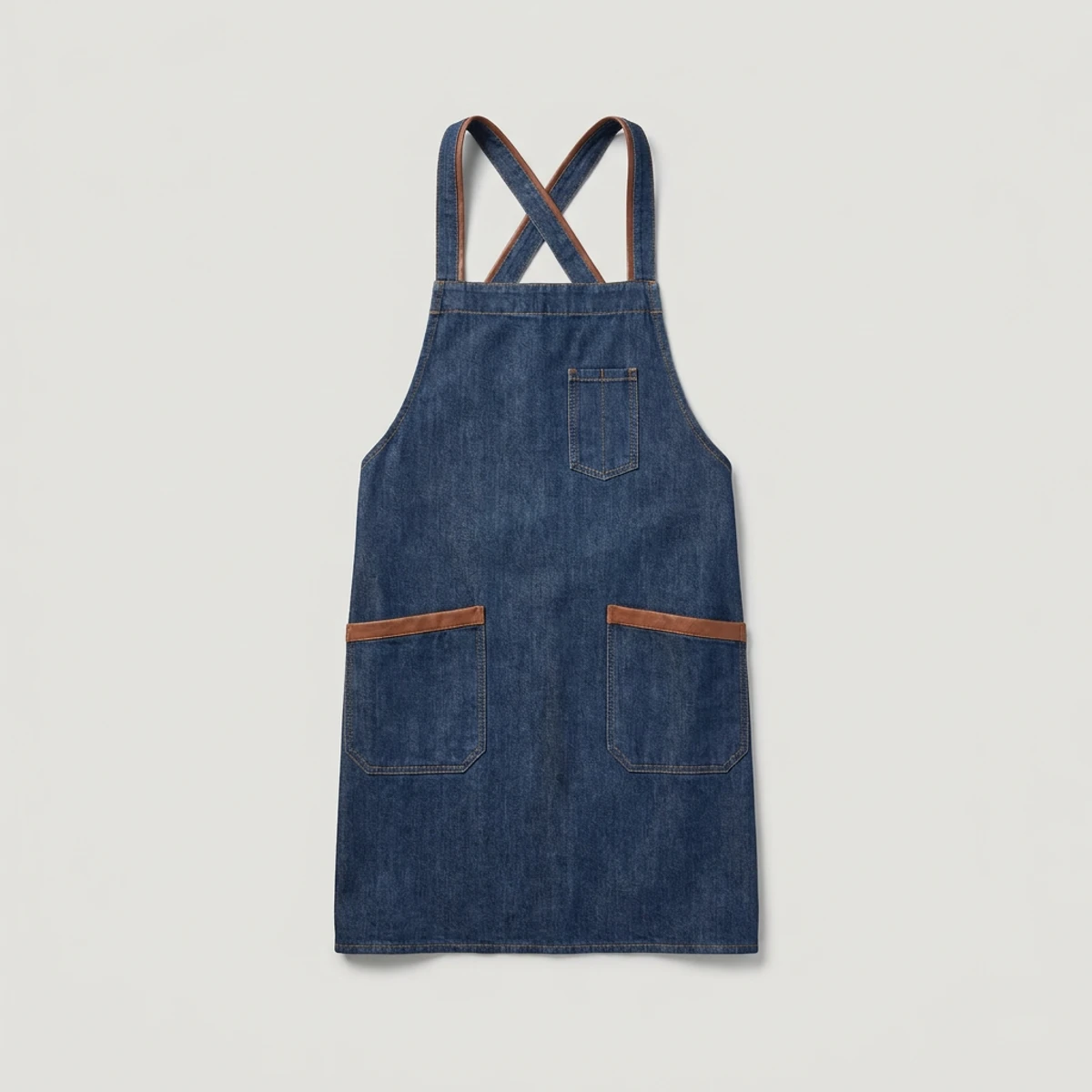
Straps that cross at the back take weight off the neck, which is why baristas, chefs and stylists ask for them on long shifts. Personalized aprons in this style often carry a name or small logo embroidered on the chest.
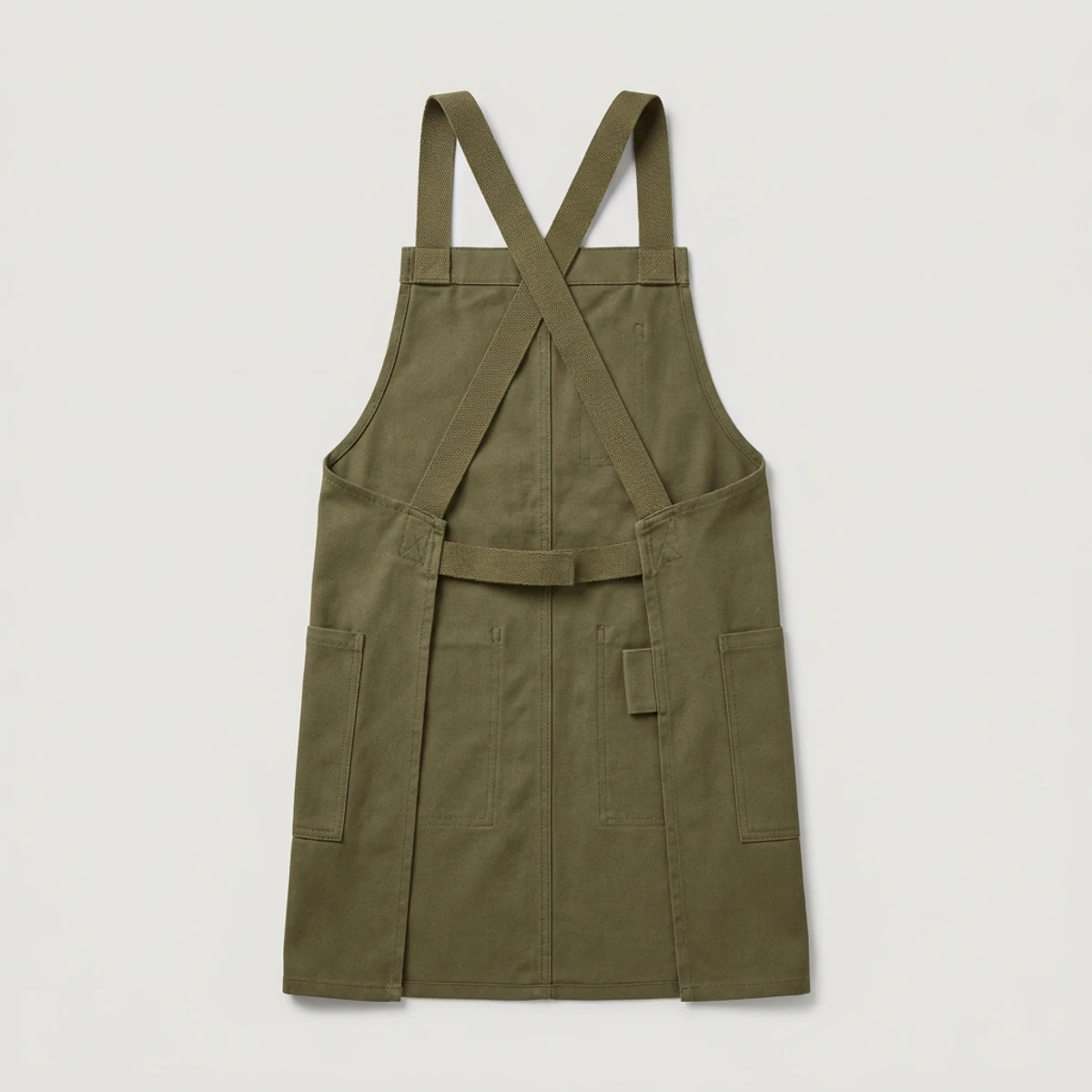
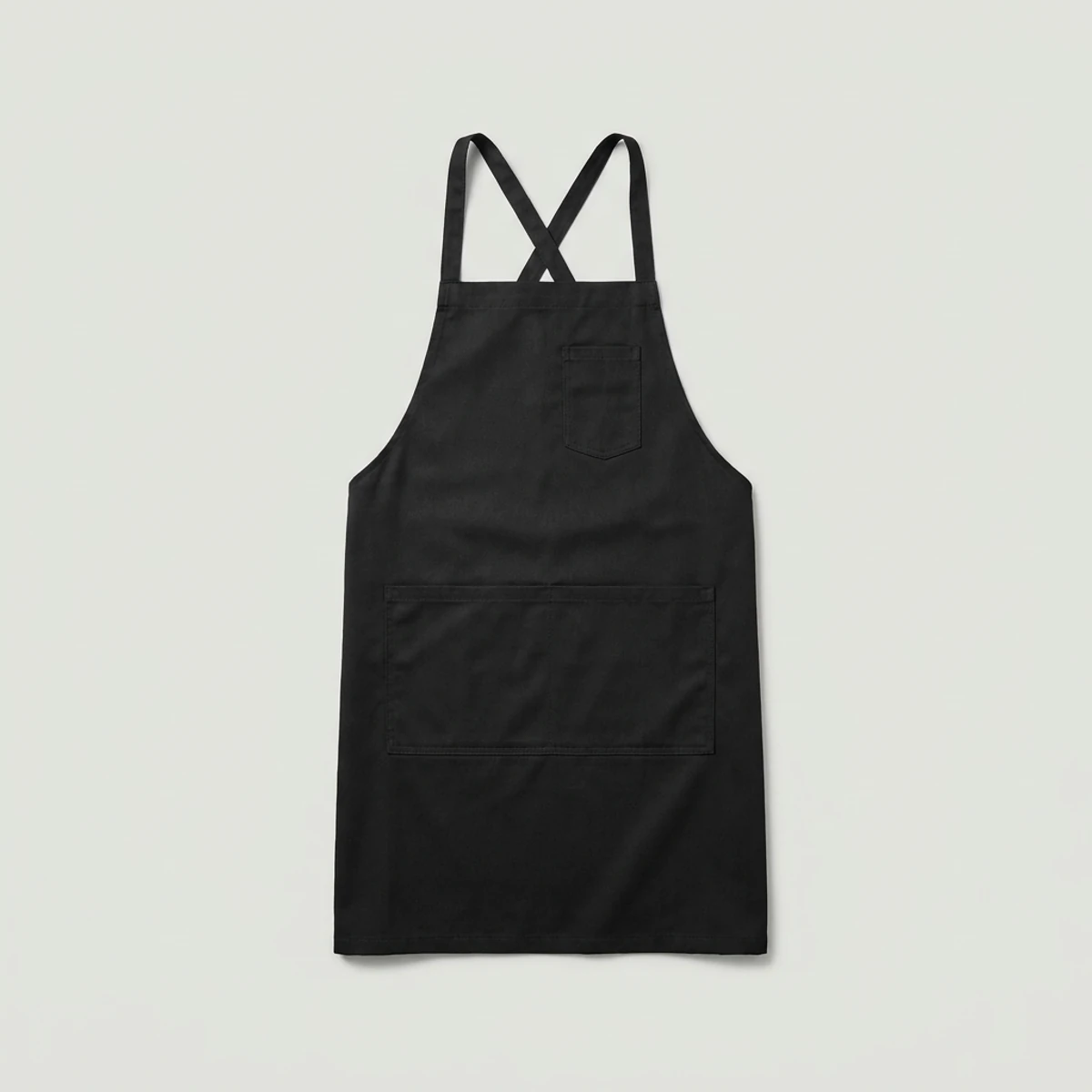
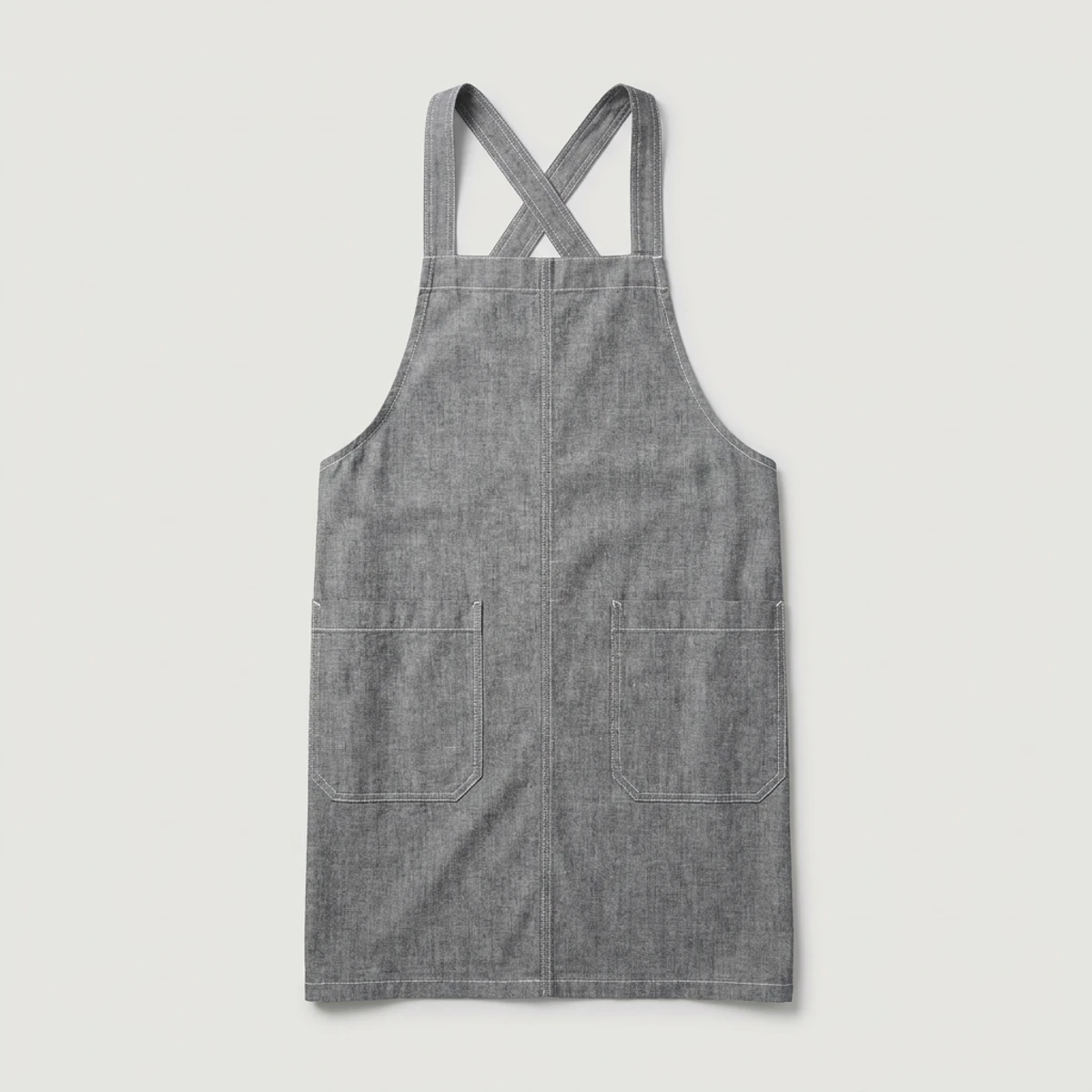
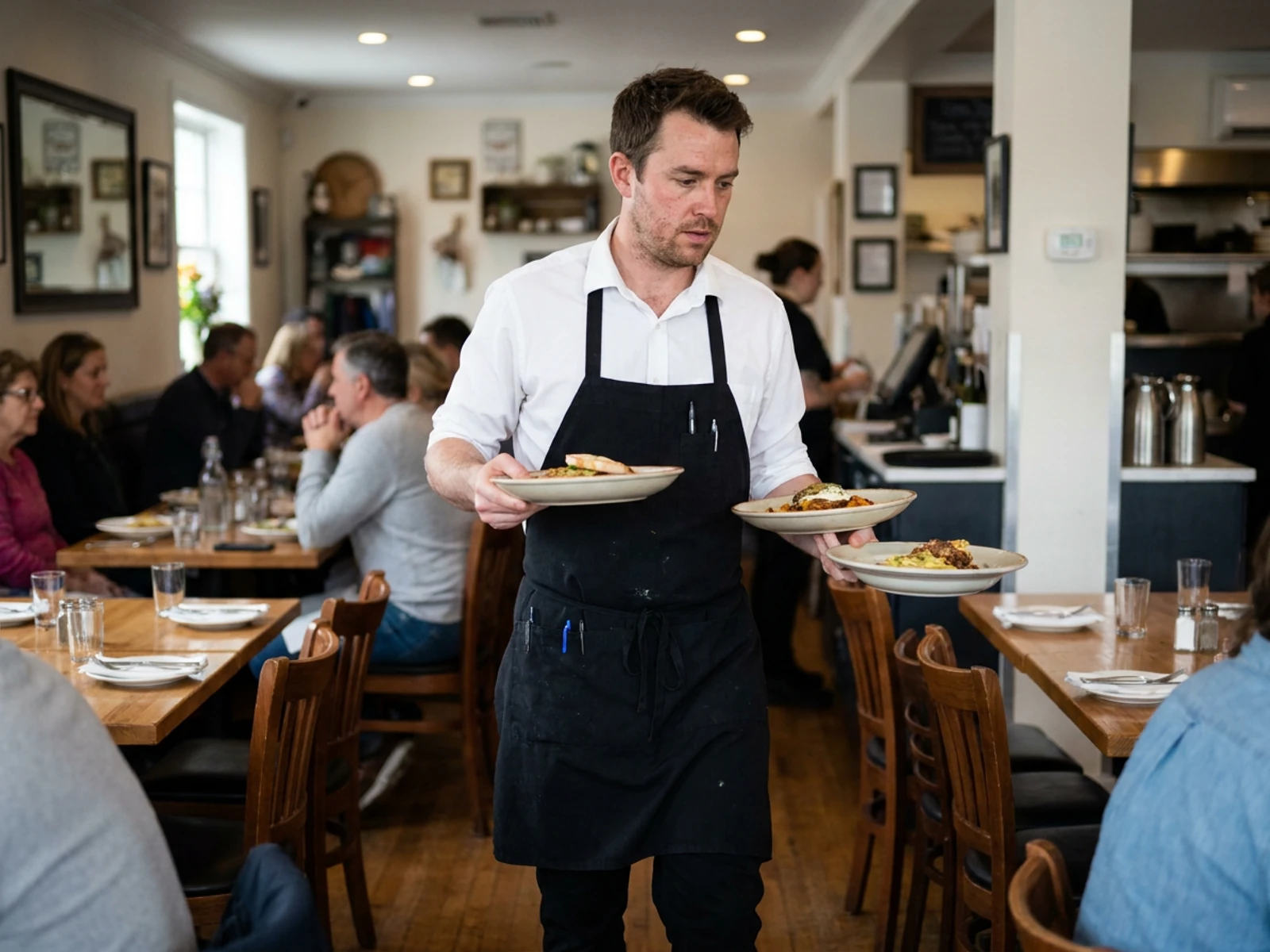
Waist and bistro aprons suit servers, bartenders and front-of-house teams, while heavy-duty tool aprons serve woodworkers, garden centers and maker studios. As private label stock they are sewn in volume from about 50 pieces per style, and wholesale apron quantities are confirmed on inquiry.
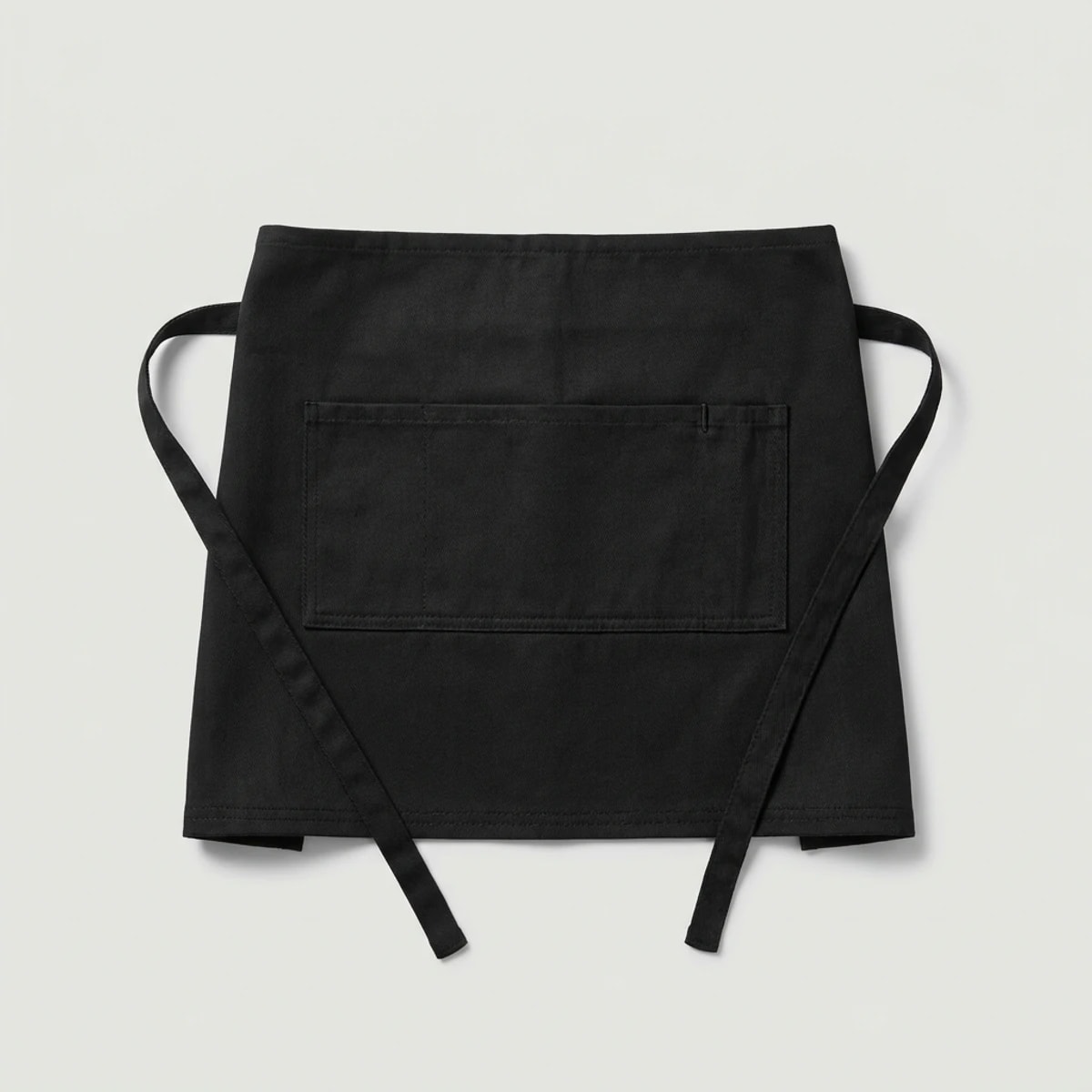
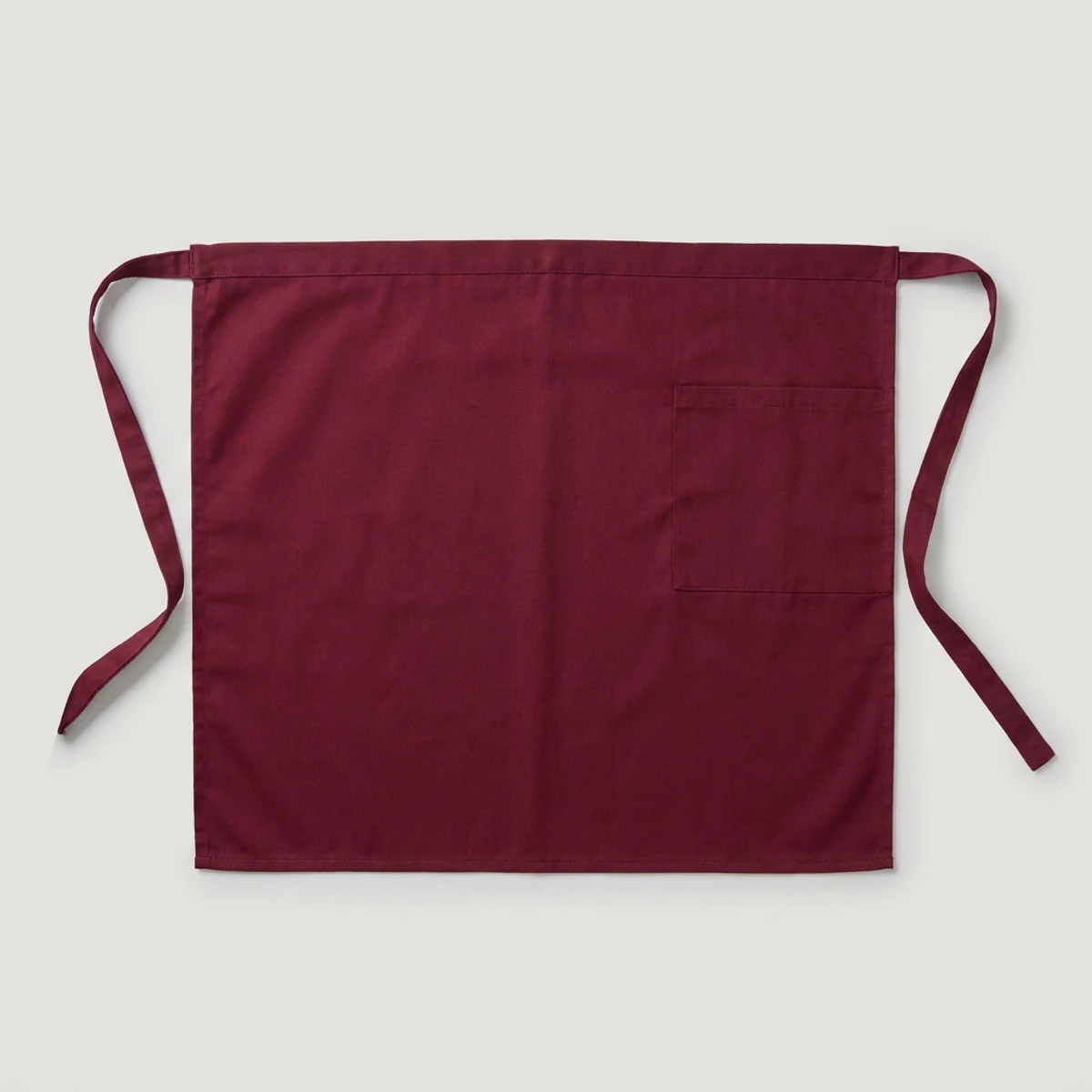
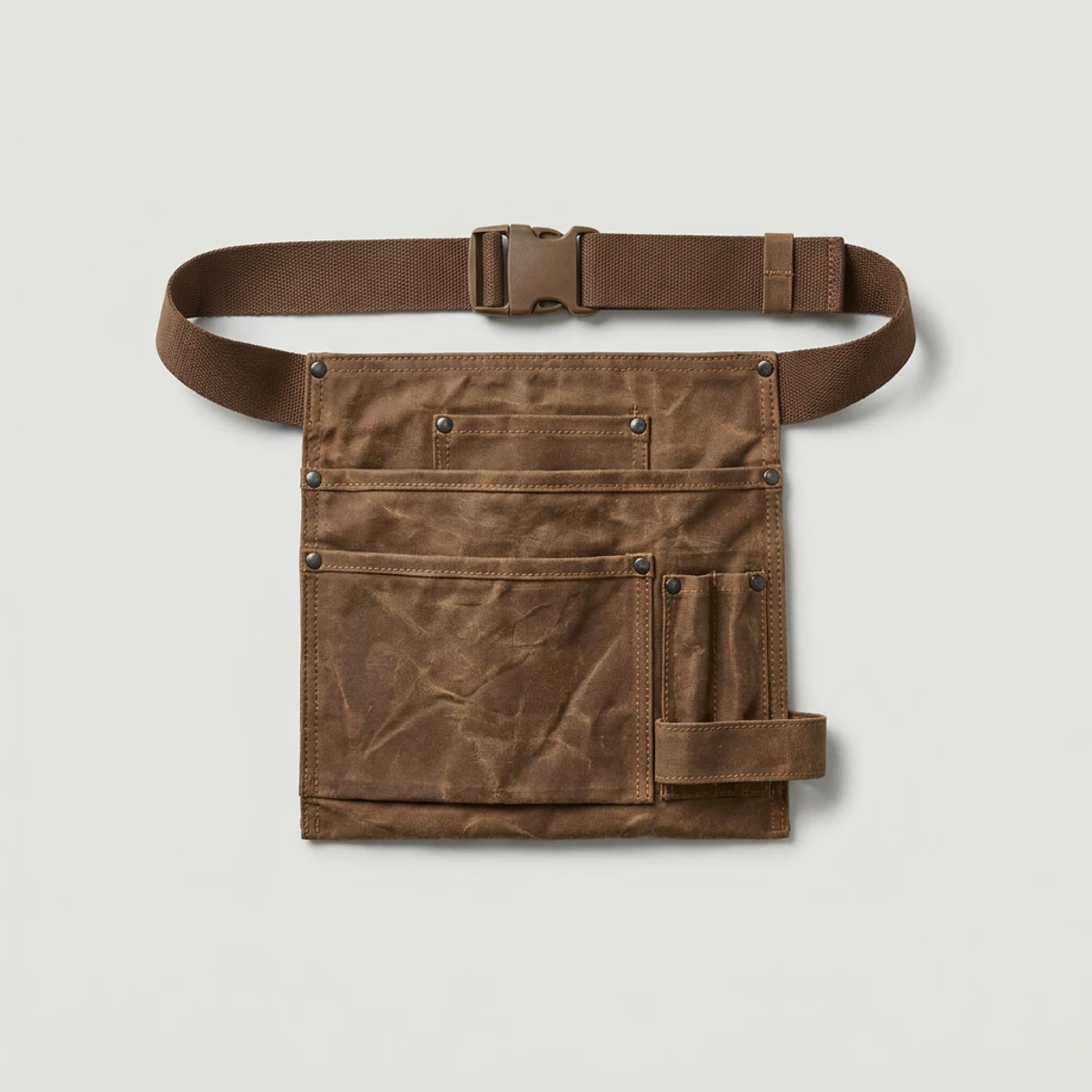
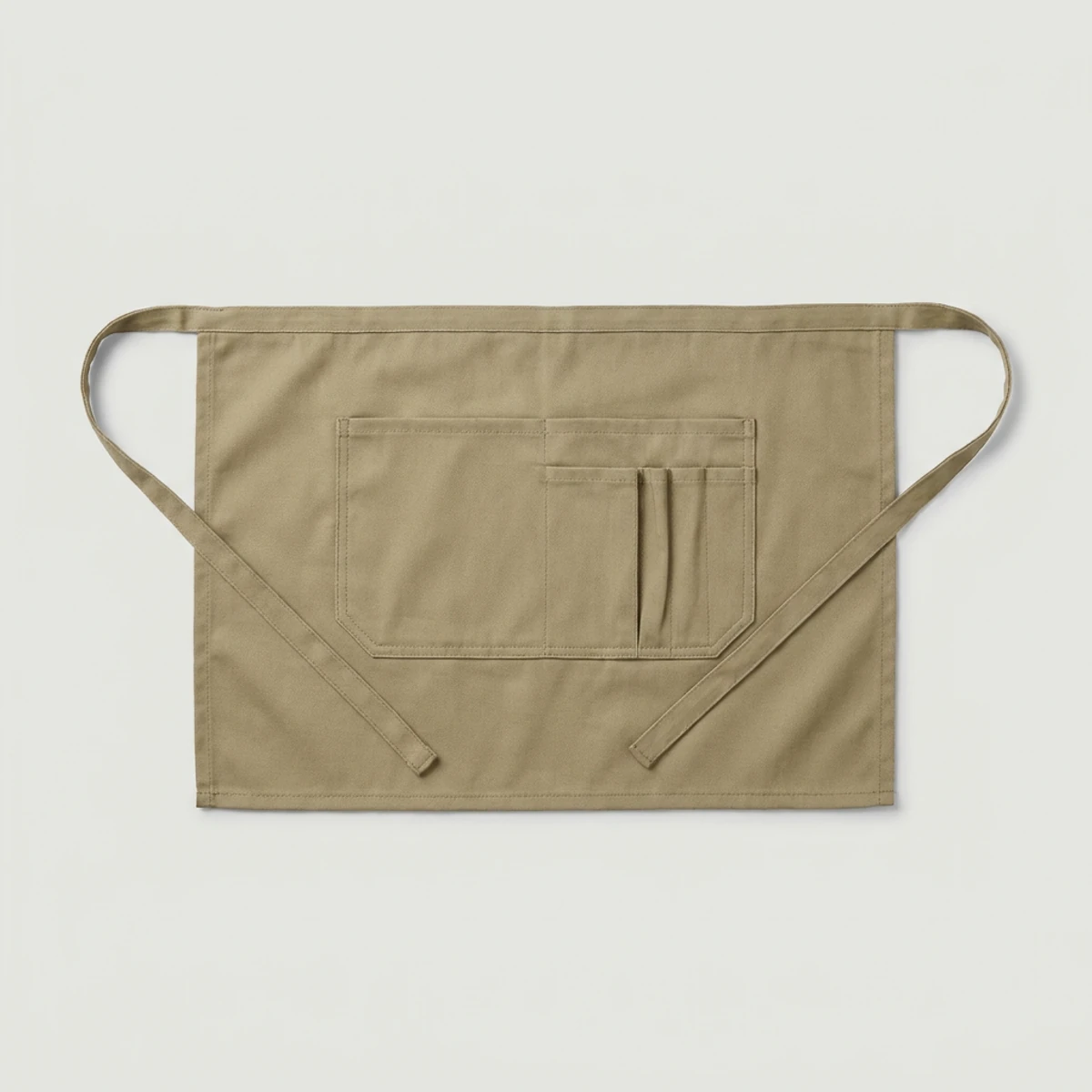
Pick the style, fabric and colors, add your logo and names, then attach the design to your quote. We cut and sew it in Los Angeles from 50 pieces per style.
The right apron style depends on what the wearer does: bib aprons cover cooks and counter staff, cross-back aprons suit baristas and stylists on long shifts, and waist aprons suit servers and bartenders. Style is the first decision on any custom kitchen aprons order, because it sets coverage, pockets and comfort.
| Style | Coverage | Best for |
|---|---|---|
| Bib apron with neck strap | Chest to knee | Cooks, bakers, butchers, retail counters |
| Cross-back apron | Chest to knee, straps cross at the back | Baristas, chefs, stylists on long shifts |
| Waist or bistro apron | Waist to knee or ankle | Servers, bartenders, front-of-house |
| Short waist apron | Waist to upper thigh | Cafés, retail, events |
| Tool or utility apron | Waist, with heavy pockets | Woodworkers, garden centers, maker studios |
Cross-back aprons take weight off the neck; neck-strap bibs are easier to size for a large team, since an adjustable strap fits nearly everyone. In meat, poultry and produce plants, heavy bib aprons layer over frocks; see uniforms for meat, poultry and produce plants.
Poly-cotton twill is the practical choice for restaurants and hotels because it resists stains and wrinkles, cotton canvas gives a premium crafted look, denim hides stains, and coated fabrics shed liquids. Pick fabric by how dirty the job gets and how the aprons will be laundered.
| Fabric | Strengths | Trade-offs | Good fit for |
|---|---|---|---|
| Poly-cotton twill | Stain- and wrinkle-resistant, easy to launder, holds color | Less “crafted” look | Restaurants, catering, hotels |
| Cotton canvas | Premium hand feel, wears in with use, takes embroidery well | Heavier; may shrink slightly and wrinkle | Coffee shops, bakeries, maker brands |
| Denim | Hides stains, durable, casual style | Dark dyes can bleed in early washes | Barbershops, bars, craft brands |
| Water-resistant or coated fabric | Sheds liquids | Less breathable; harder to decorate | Dishwashing, fish counters, florists |
We confirm current fabric options, colors and weights at quote stage and sew a sample so you can check the hand feel and color.
Aprons last when four details are right: pockets placed for the job, straps that adjust, reinforcement where the fabric is pulled hardest, and hardware that survives washing. These small construction choices decide whether an apron makes it through a year of daily use or tears at the strap within months.
Divided chest pockets for pens and thermometers; deep waist pockets for order pads, card readers and towels. A towel loop at the waist helps in kitchens and bars.
Adjustable neck straps, cotton webbing or self-fabric ties, and long ties that wrap to the front so knots sit where staff can reach them.
Bar tacks at strap and pocket corners, where aprons usually tear first.
D-rings, grommets or slide adjusters, in brass or matte finishes to match your brand.
Aprons with a logo are branded by embroidery when the logo is simple and the apron is washed often, and by printing when the artwork is large, full-color or finely detailed. Custom printed aprons suit promotional runs, events and multicolor artwork; embroidery suits restaurants, salons and hotels.
| Method | Look | Durability | Best for |
|---|---|---|---|
| Embroidery | Raised, textured, premium | Excellent through frequent washing | Restaurant, salon and hotel logos; names |
| Screen printing | Flat, crisp, bold colors | Very good when cured properly | Simple logos in one to a few colors, larger runs |
| Heat transfer | Flat, can carry full color and fine detail | Good; avoid high dryer heat | Multicolor or photographic artwork, smaller runs |
Tip: Place the logo on the bib above the pocket line. Logos stitched or printed across pockets distort when the pocket is full and are harder to apply neatly.
Our embroidery and printing page explains each decoration method and its artwork requirements.
Personalized aprons add each wearer’s name or title next to the business logo, usually embroidered on the bib or the waistband. Baristas, stylists and servers like them, and customers use the name, so personalization often earns its cost in service rather than looks alone.
Send one list with each name spelled exactly as it should be stitched, plus the style and color for each person, and names are added piece by piece during the run.
Wholesale aprons are plain, undecorated aprons for decorators, promotional product companies and businesses that brand in-house; private label aprons carry a brand’s own labels and tags for resale. Private label aprons start at about 50 pieces per style, like logo aprons; wholesale quantities are confirmed when you send an inquiry.
Blanks come through our wholesale program. For a brand of your own, our private label service adds woven labels, care labels, hang tags and packaging.
Each role needs an apron cut for its tasks: servers want waist aprons with pad and card-reader pockets, line cooks want knee-length bibs with few pockets near heat, baristas want cross-back bibs, and stylists want dark, stain-hiding fabric. One style for everyone rarely works across front and back of house.
| Role | Style | Pockets and details | Fabric |
|---|---|---|---|
| Server | Waist or bistro, knee to ankle length | Pad, pen and card-reader pockets; long ties | Poly-cotton twill in black or a brand color |
| Bartender | Short waist or bib | Bottle-opener loop, towel loop, pen pockets | Denim or twill |
| Line cook | Bib, knee length | Towel loop; minimal pockets near heat | Poly-cotton twill |
| Barista | Cross-back bib | Chest pen slots, phone pocket | Canvas or denim |
| Hair stylist or barber | Bib or cross-back, often dark | Clip and comb pockets | Water-resistant fabric or dark twill |
| Retail or garden center staff | Bib or utility waist apron | Scanner, tape and tool pockets | Heavy canvas or twill |
Aprons by industry follow the same pattern: restaurants split waist and bib styles between front and back of house, coffee shops favor canvas cross-backs, salons want dark stain-hiding fabric and retail wants tool pockets. Matching aprons to the rest of the uniform finishes the brand look.
Aprons should fall to the knee for most kitchen and counter work, sit wide enough to cover the hips at a sink or grill, and use adjustable or cross-back straps so one size fits most of a team. Length and strap design matter more than size labels.
If you are unsure, sample two lengths and let your team try them during a real shift.
Logo aprons last longest when grease and food stains are pre-treated promptly, aprons are washed at the temperature on the care label, chlorine bleach is kept off colors and embroidery, and printed aprons are washed inside out away from high dryer heat. Canvas and denim soften and may shrink slightly.
Clean aprons are also a food-safety matter: the FDA Food Code, adopted by state and local health departments, expects food employees to wear clean outer clothing. We account for shrinkage when we size the pattern and print care instructions on every label.
The cost of custom aprons depends on the fabric, the quantity per style, the apron’s construction, the decoration, any personalization and the labels and packaging. No prices are listed here, because every order is quoted on its actual fabric, artwork and quantity.
| Cost driver | How it moves the unit price | How to keep it in check |
|---|---|---|
| Fabric | Heavy canvas, denim and coated fabrics usually cost more than poly-cotton twill | Choose fabric for the mess and the laundering |
| Quantity per style | Larger runs spread cutting, setup and sampling across more aprons | One style per role group, not per person |
| Construction | Cross-back straps, extra pockets, leather or metal hardware add parts and sewing time | Keep the pockets staff actually use |
| Decoration | Stitch count, print colors and number of locations add time per apron | One logo on the bib above the pockets |
| Personalization | Individual names add handling for every piece | Send one clean name list |
| Labels and packaging | Woven labels, hang tags and retail packaging add components | Standard finishing for staff aprons |
Launching an apron brand starts with design details that set your apron apart, a focused fabric and color range, compliant labels, packaging and a sample round. Aprons are a common first product for home-goods, kitchen and craft brands because they need no complex sizing.
Our custom garment manufacturing service develops an original apron from your sketch or reference.
An apron order runs in five steps: brief, quote and recommendation, sample approval, production and reorder. The sample carries your logo in its final position, so placement, color and pocket layout are approved on a real apron before the full run.
Ask us for current lead times when you request a quote, especially for openings and events.
Ready to order
A complete apron quote needs the style and quantity, who wears them, fabric and color, logo files, any name list, label needs and your deadline. Sending all of it at once lets us recommend length and pockets and price the order accurately.
The most common apron mistakes are neck straps for long shifts, the wrong pockets, logo detail too fine to stitch, one length for everyone and no spares. Each is easy to avoid at the brief stage and costly once the full run is sewn.
Tip: Ask the people who will wear the aprons, not only the manager placing the order. A server will tell you within one shift whether the pockets are in the right place.
Need something not covered here? Ask our Los Angeles team and we’ll answer with options for your order.
Ask our Los Angeles teamAbout 50 pieces per style. One style means one apron design in one fabric. Most cafés and restaurants meet it with a single style for the whole team. We confirm how colors can be split within the minimum when we quote, and personalized names can be added per apron.
Plan at least two aprons per person, and three for cooks, dishwashers and baristas who get soaked mid-shift or whose aprons go to a weekly linen service. Add a small buffer for new hires. A spare means a stained apron can be swapped during service instead of worn until closing.
For long shifts, usually. Cross-back straps spread the apron's weight across the shoulders and avoid the neck strain a single strap can cause. Neck-strap bib aprons are quicker to put on and easier to size for a large team, because one adjustable strap fits nearly everyone.
Yes. We can make aprons in the same fabric color as your kitchen uniforms and use the same logo artwork and thread colors, so front and back of house look like one brand. Each garment is its own style for the 50-piece minimum, and we confirm color options at quote stage.
Vector artwork (AI, EPS, PDF or SVG) gives the cleanest result for both embroidery and printing. A high-resolution PNG can work for printing. Send Pantone references for brand colors and tell us the logo width you have in mind; we confirm the size and method on your sample.
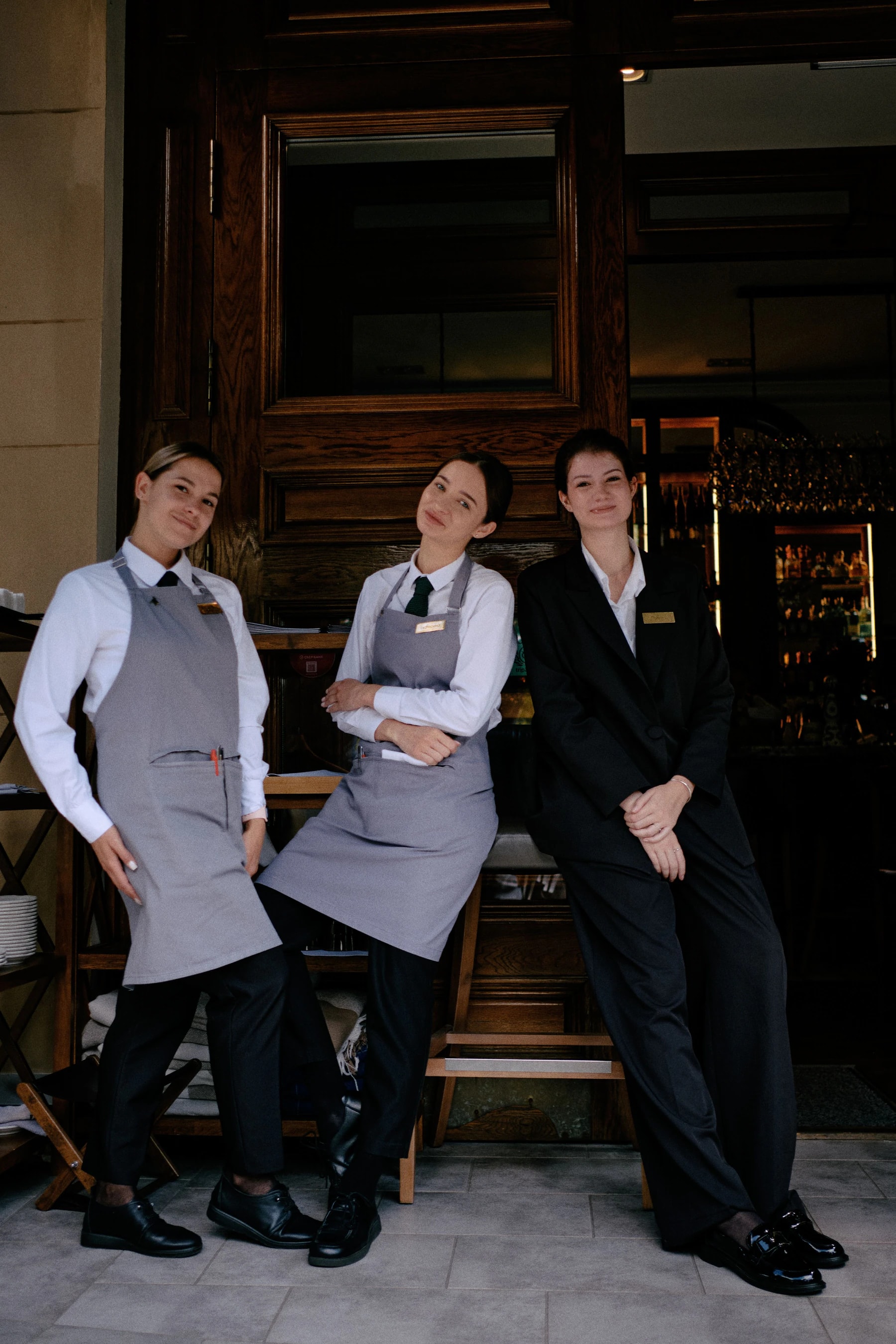
Restaurant uniforms for back-of-house and front-of-house staff, from chef wear to server aprons, cut and sewn in Los Angeles from 50 pieces per style.
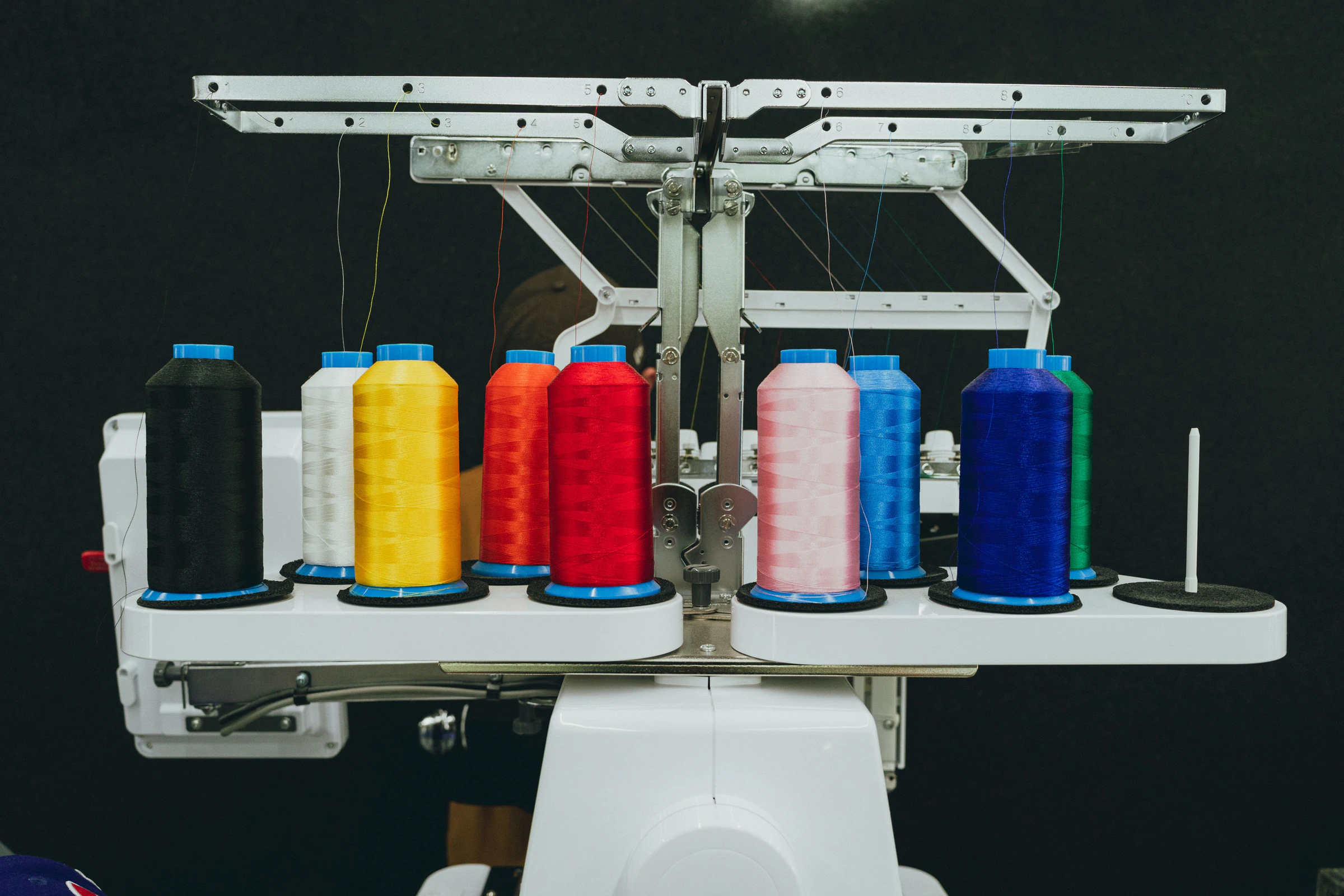
Logo embroidery, screen printing, transfers and patches across workwear, with advice on which method suits each garment, fabric and order size.
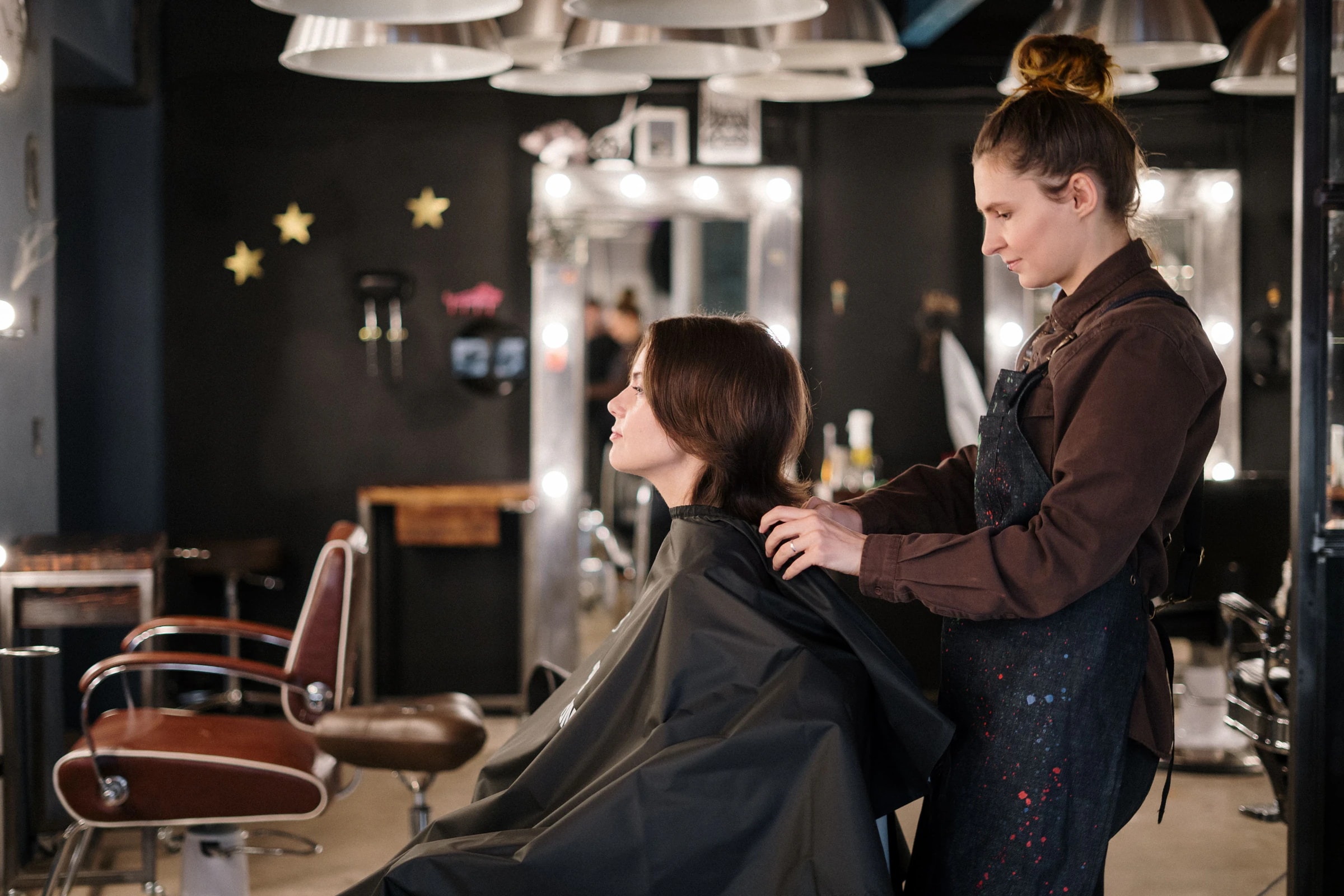
Stylish tunics, smocks and aprons for hair salons and barbershops, chosen for color and chemical splashes and sewn in Los Angeles from 50 pieces per style.
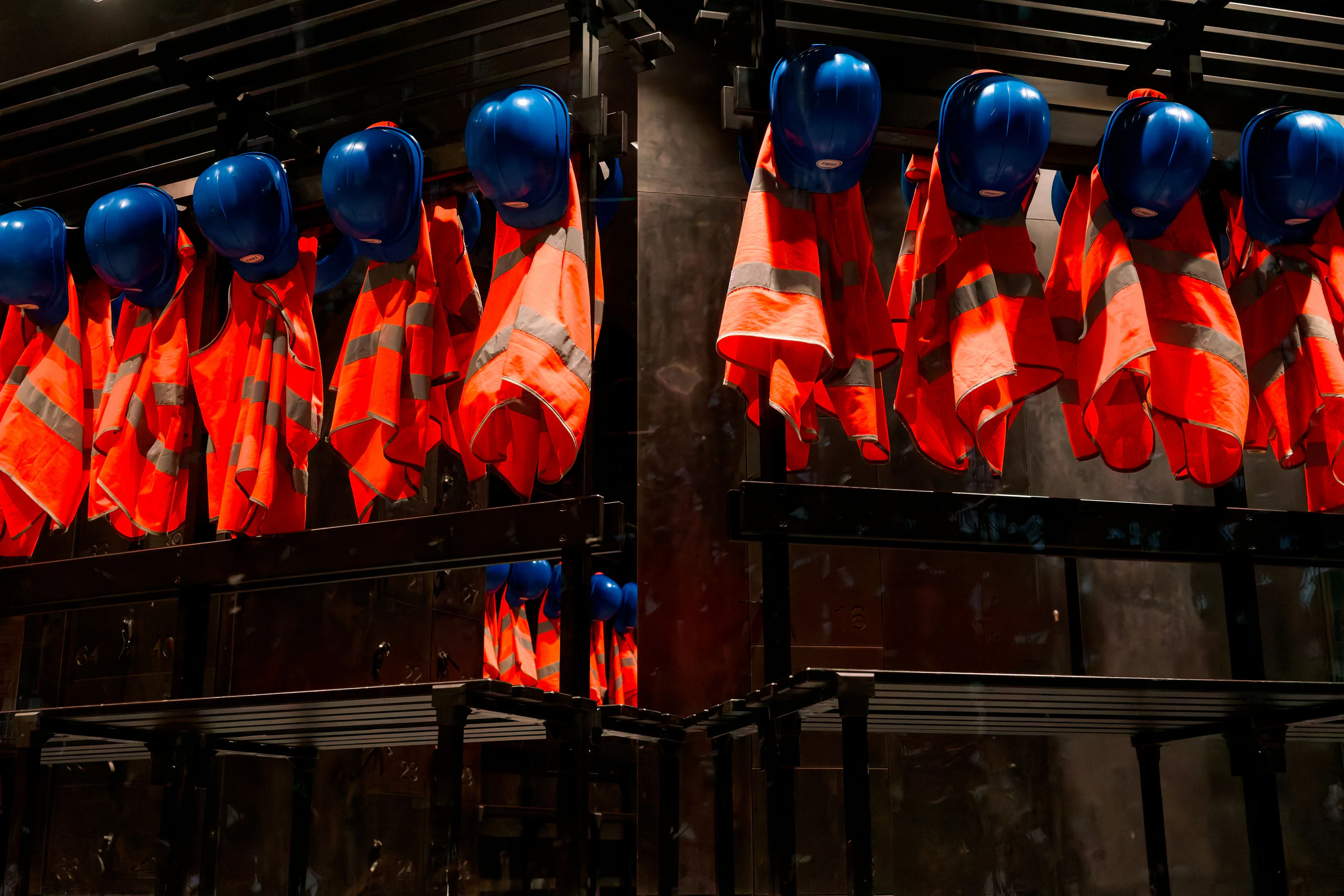
High-visibility vests, shirts, jackets and pants for road, site and warehouse crews, designed around ANSI/ISEA 107 and cut and sewn in Los Angeles.
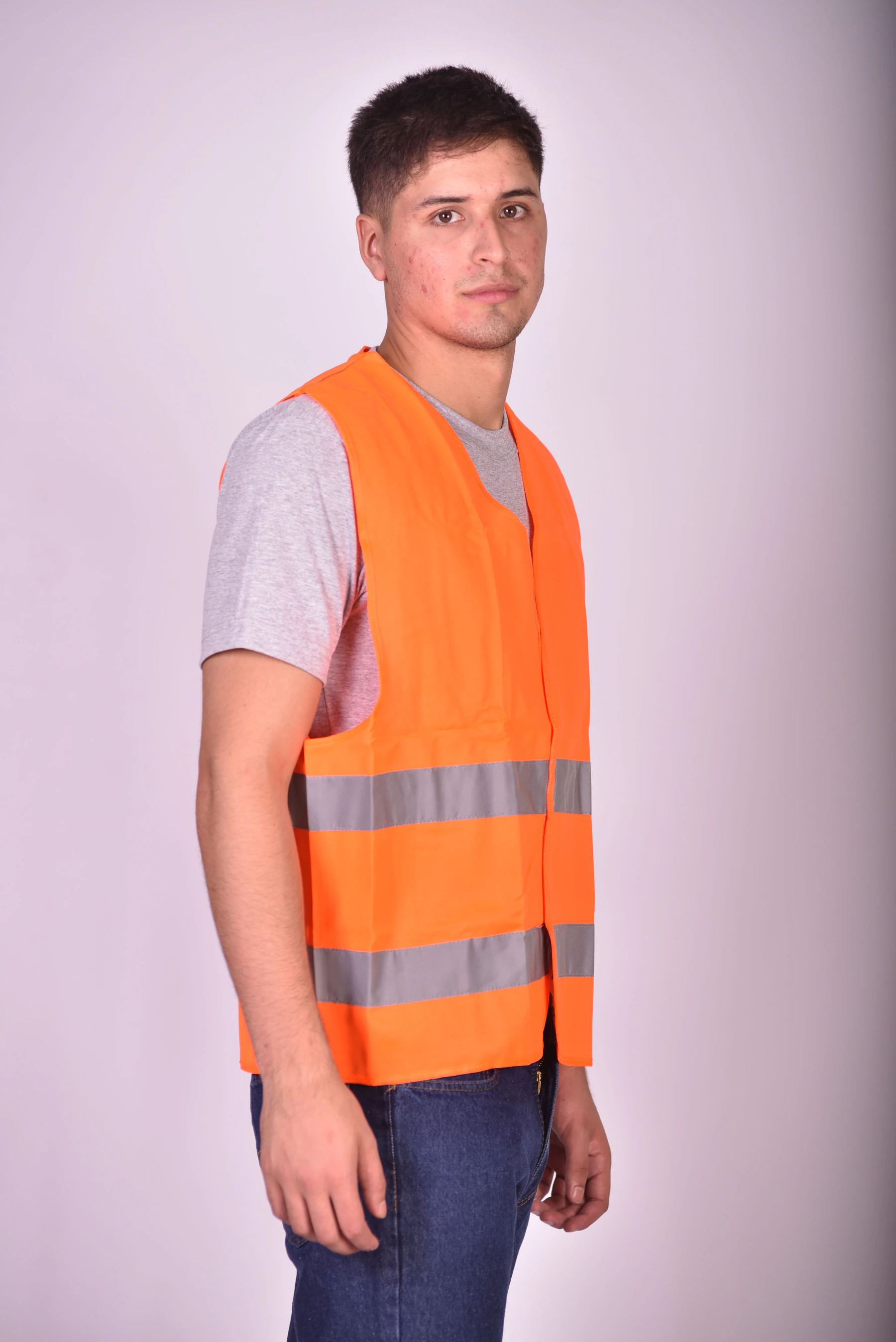
Branded and personalized hi-vis safety vests for construction, utilities, warehouses and events, cut and sewn in Los Angeles from 50 pieces per style.