
Industries · Los Angeles factory

Custom Nursing & Healthcare Scrubs

Healthcare scrubs are the tops, pants and layers that nurses, techs and support staff wear on shift, and for most hospitals the core of the program is the nursing uniform, chosen for stretch, pockets, easy laundering and clear role identification. Custom Uniform Factory manufactures them for hospitals, nursing teams, clinics and urgent care centers, cut and sewn in its Los Angeles factory from imported fabric, with your colors, logo and each person's name and credentials, from about 50 pieces per style.

Group of smiling healthcare workers in blue scrubs and white lab coats posing in a hospital corridor
Minimum order
About 50 pieces per style
Production
Cut & sewn in Los Angeles, imported fabric
Sizes
XXS to 5XL
Garments
Scrub tops, pants, jackets, underscrubs, lab coats

Healthcare & Nursing by style

16 styles in 4 families · each made to order in your fabric, color and branding from 50 pieces.

Customize your uniformsYour fabric, colors, pockets and branding
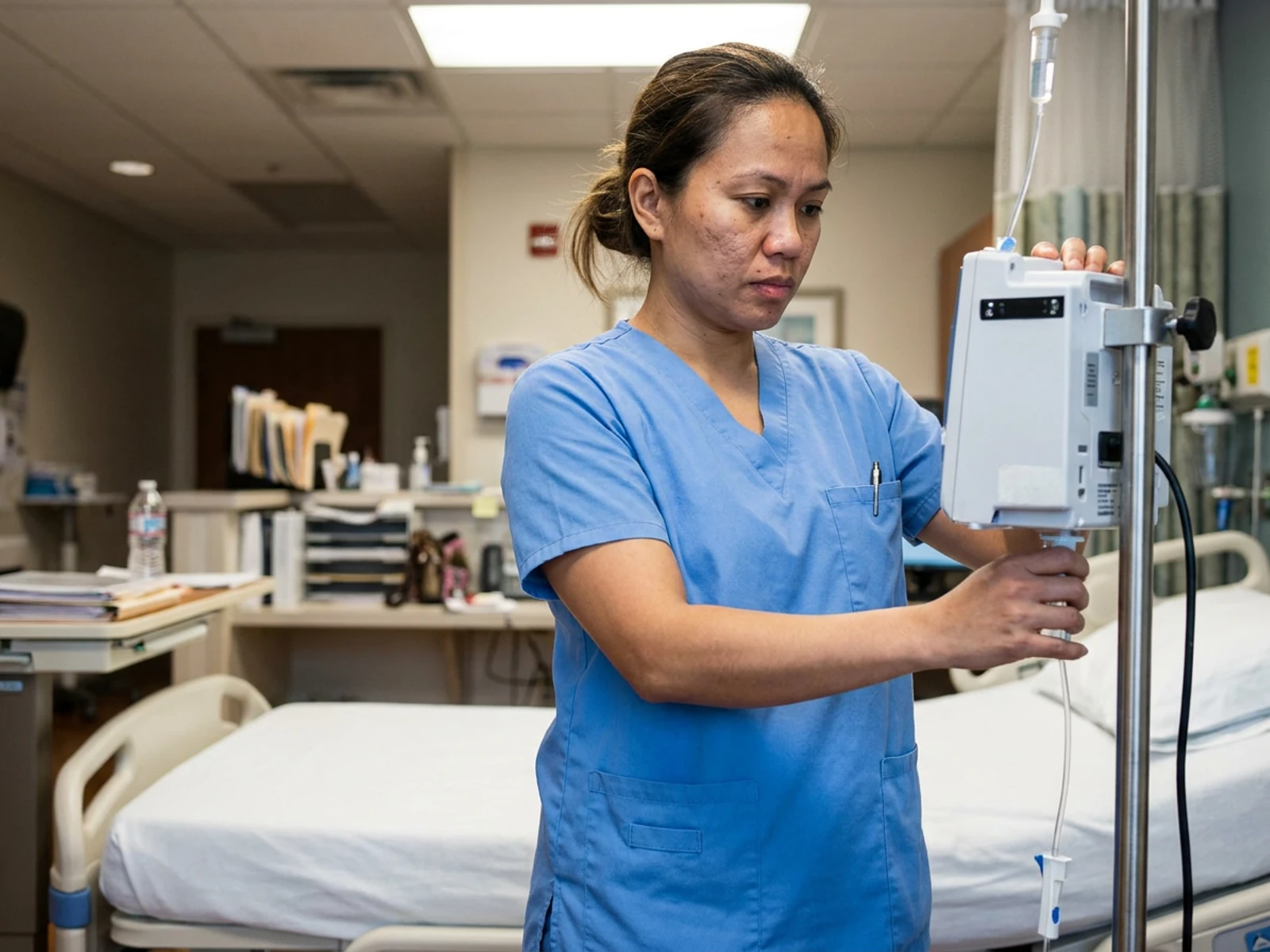
Nurse in a ceil blue V-neck scrub top checking an IV pump in a hospital room

V-neck tops for bedside nursing

Bedside nurses reach, bend and lift all shift, and the V-neck gives them room without a gaping neckline. We color them by unit and add the hospital logo, made in Los Angeles from about 50 pieces per style.

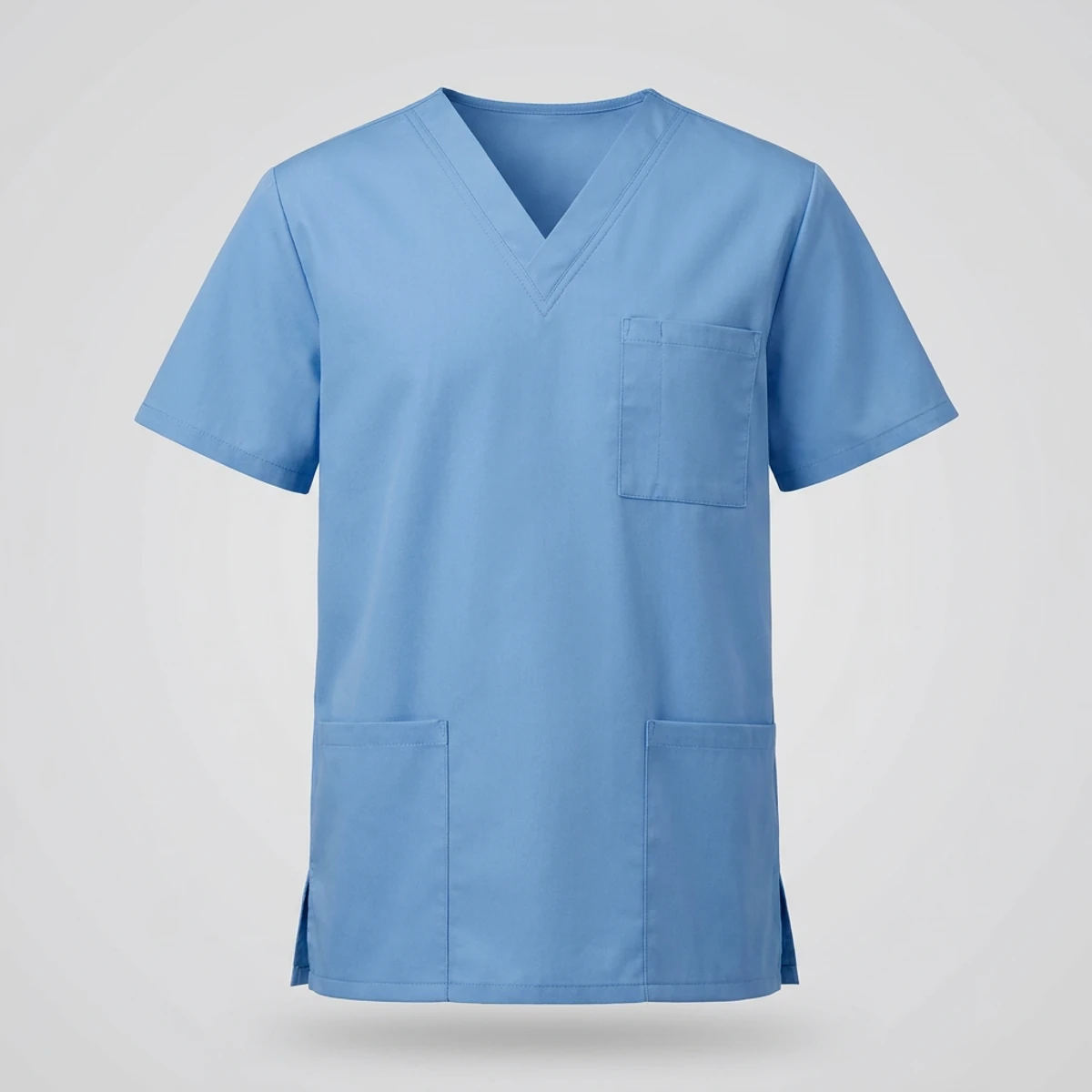
  • Unisex ceil blue V-neck scrub top with two lower patch pockets and chest pocketCeil blue V-neck scrub top
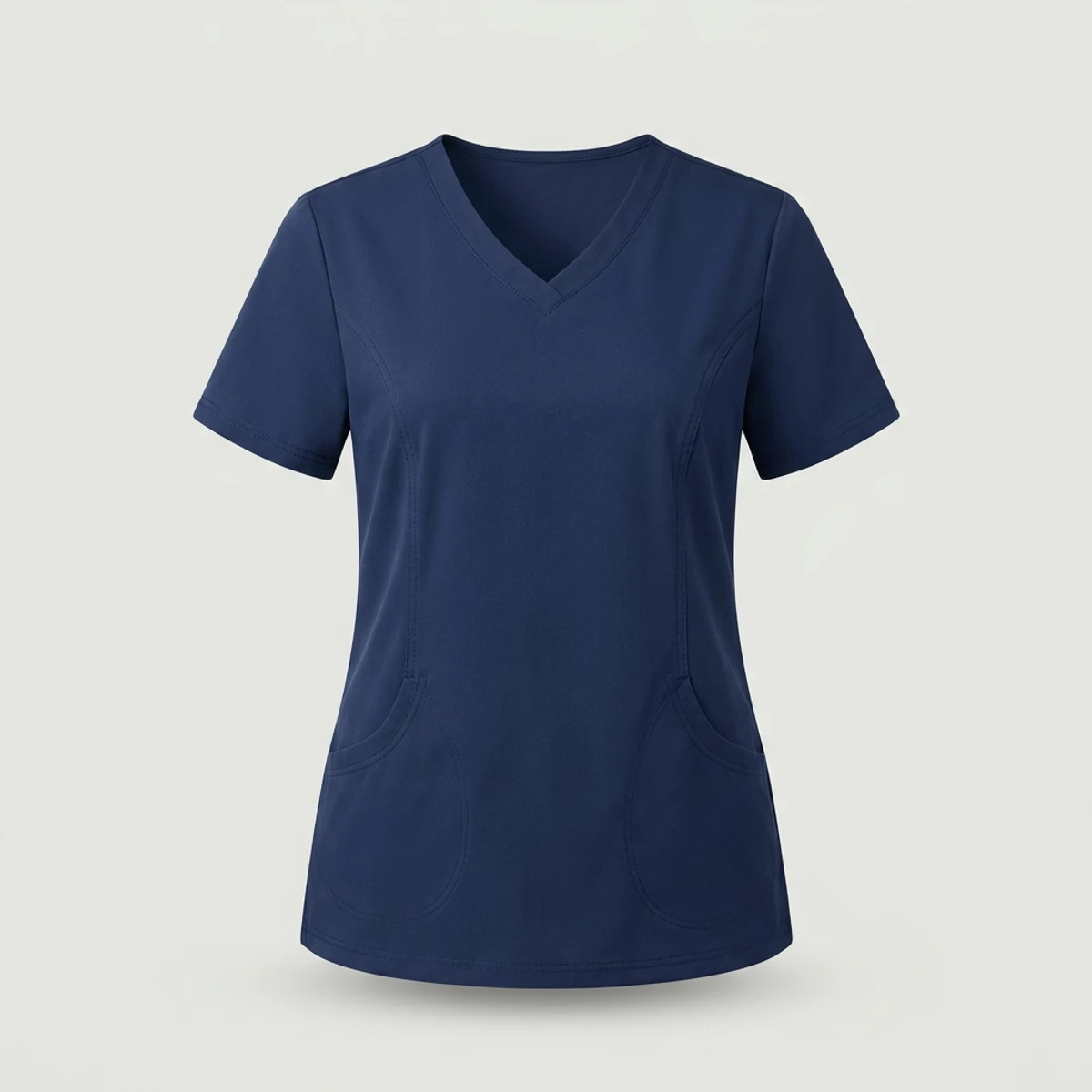
  • Navy women's fit V-neck scrub top with princess seams and curved patch pocketsNavy women's V-neck top
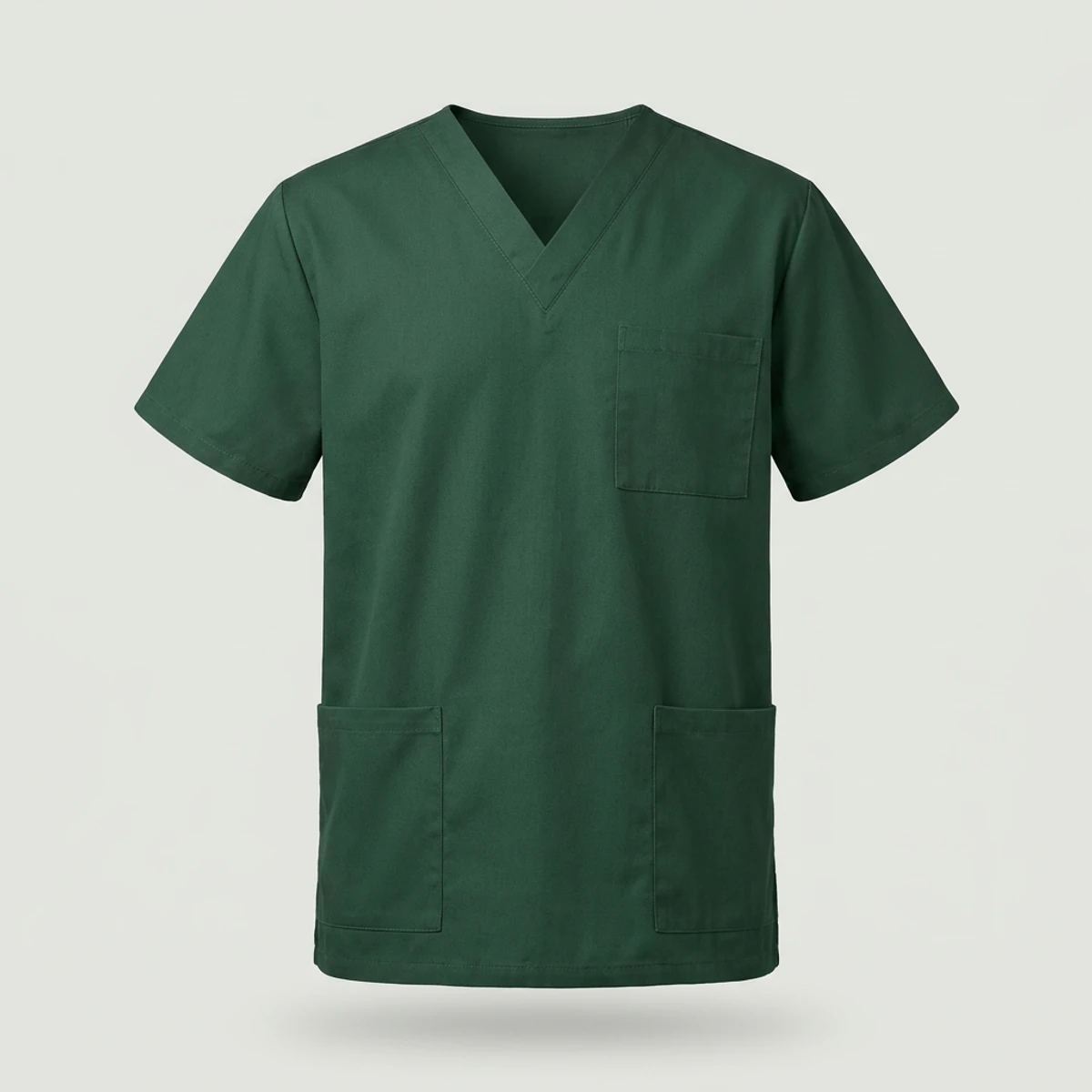
  • Hunter green men's V-neck scrub top cut wider through shoulders with longer bodyHunter green men's V-neck top
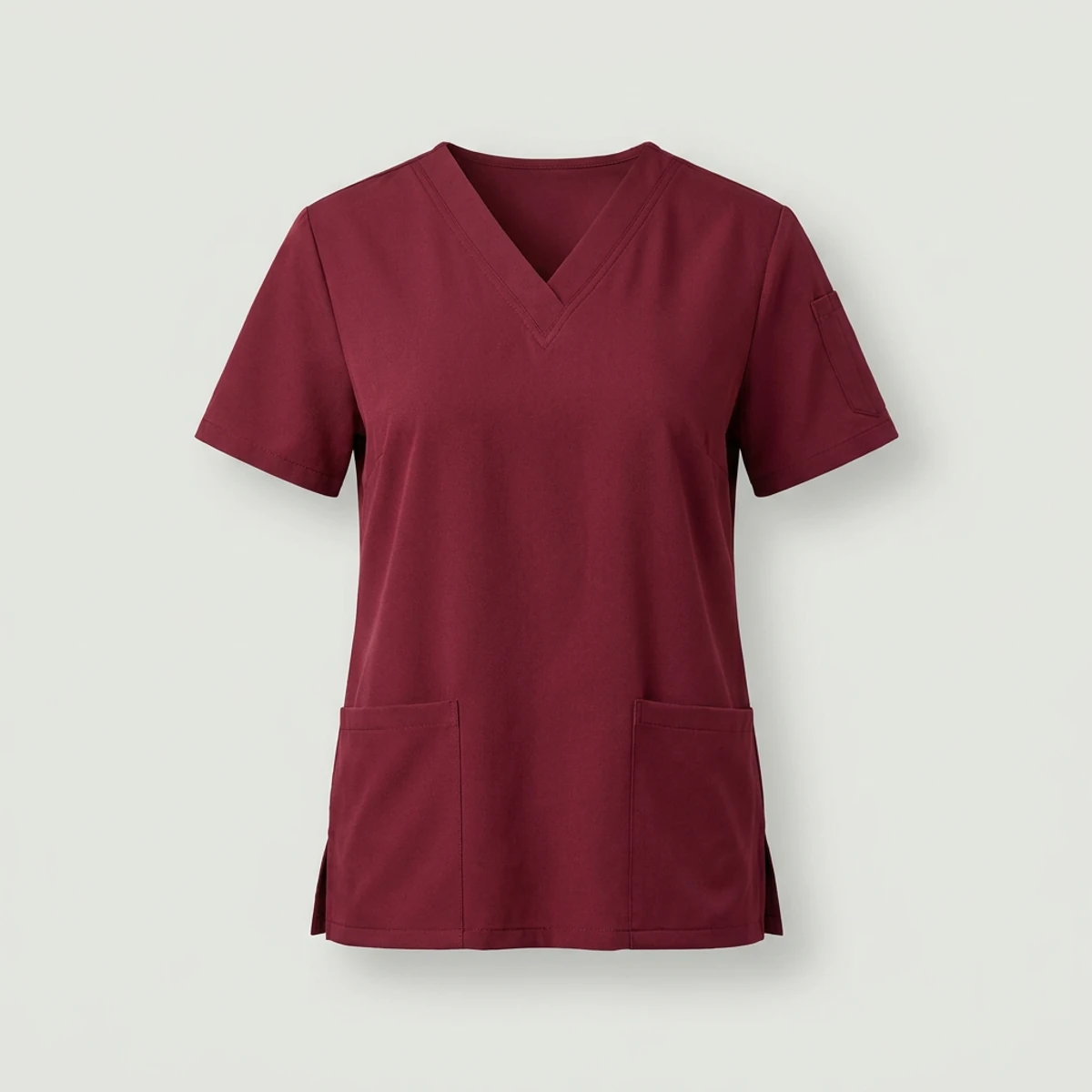
  • Wine colored V-neck scrub top with sleeve pen pocket and side hem ventsWine V-neck top, sleeve pocket
Quote nurse tops
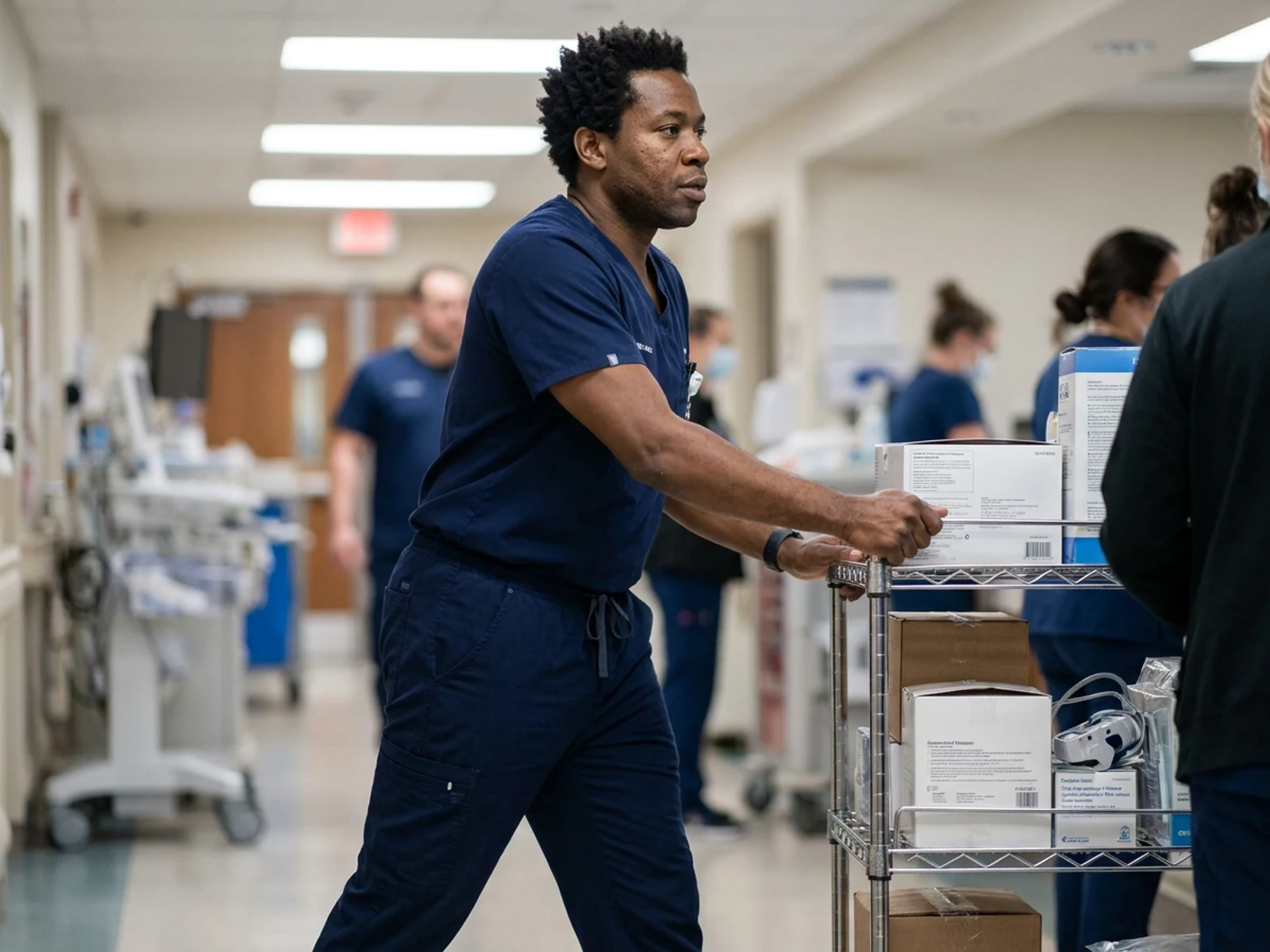
Male nurse in navy straight-leg scrub pants pushing a supply cart down a hospital corridor

Corridor-ready straight-leg pants

A straight leg in stretch twill keeps a clean line from the nurses station to the supply room. Pocket depth is set for phones and shears, with production from roughly 50 pieces of each style.

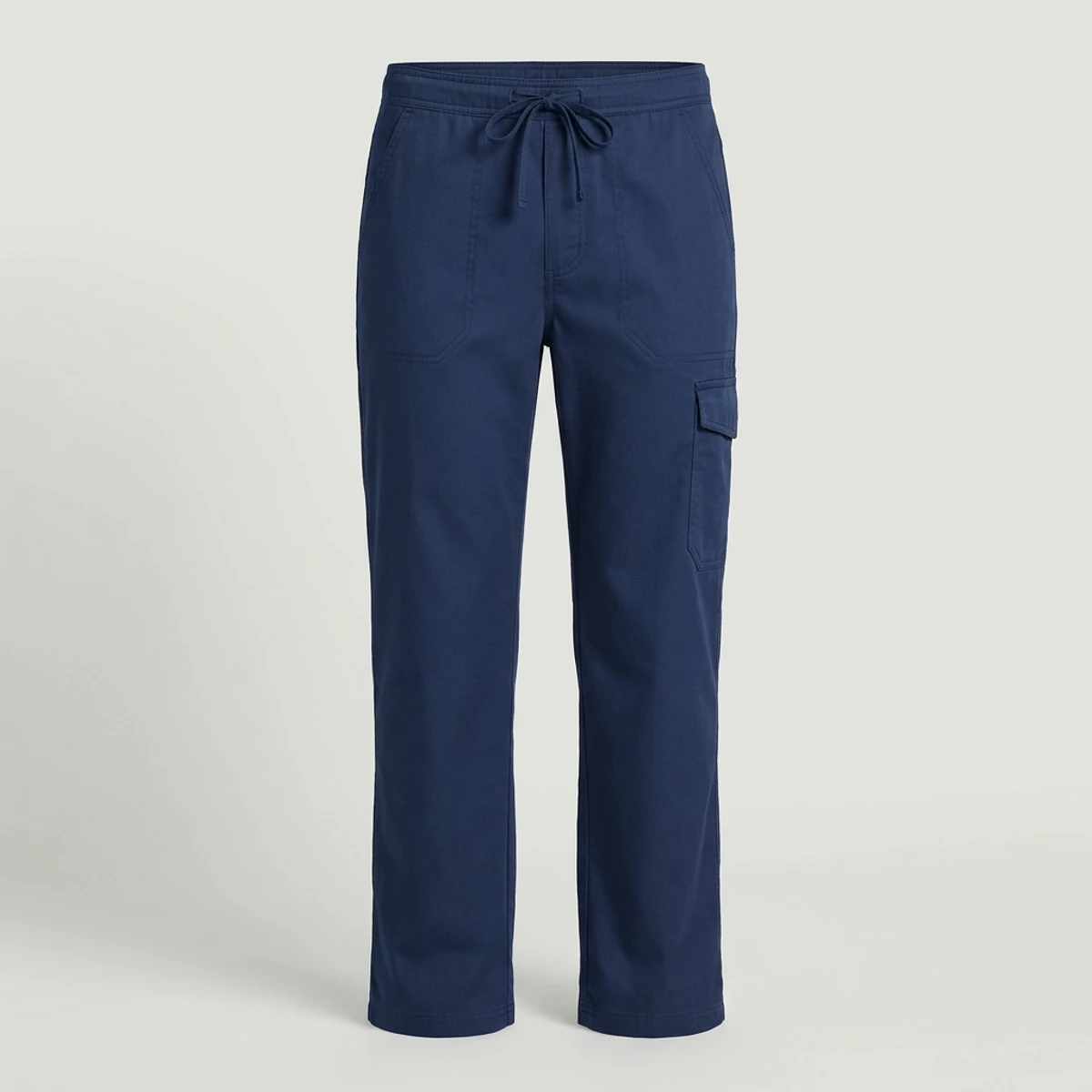
  • Navy straight-leg scrub pants with drawstring waist and cargo pocketNavy straight-leg scrub pants
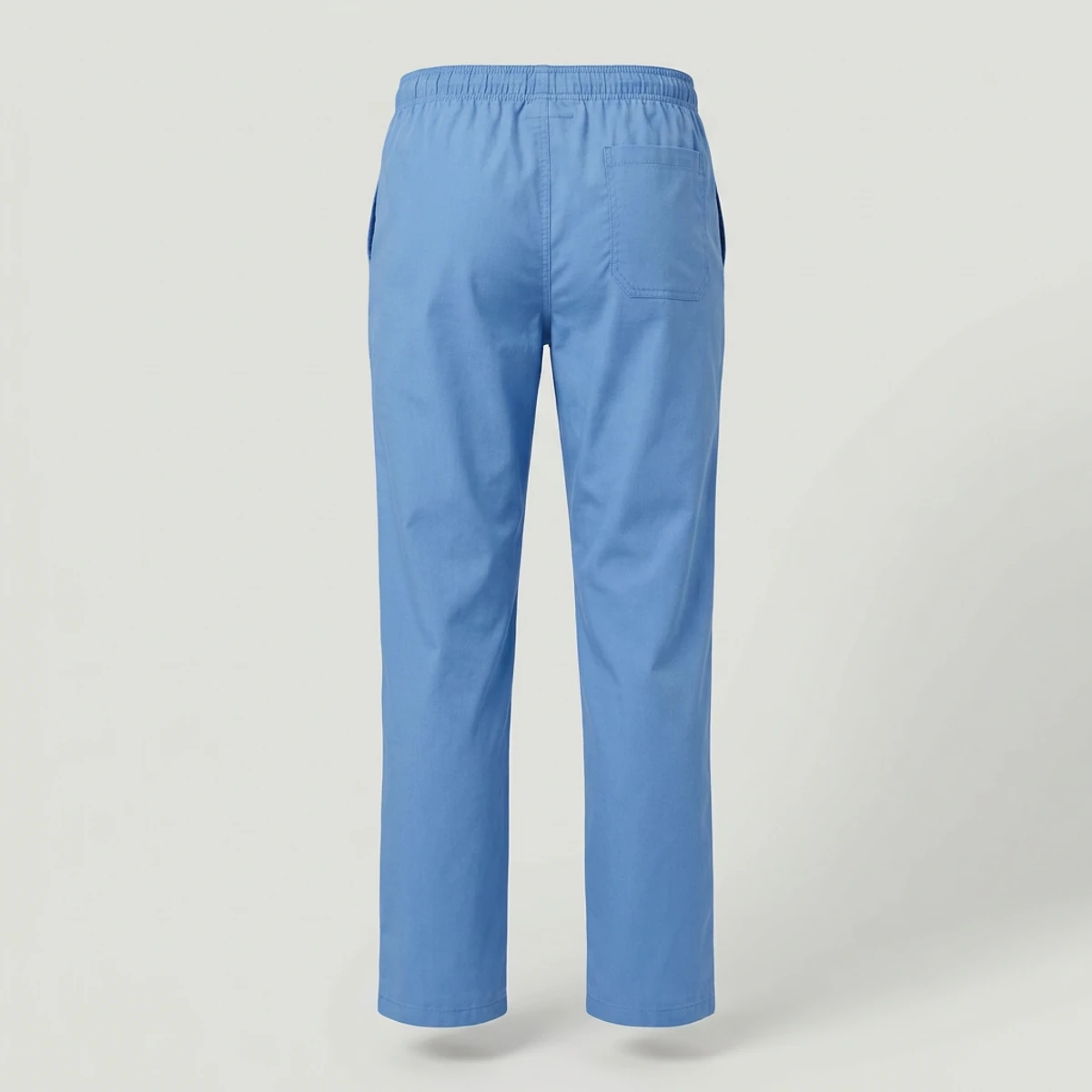
  • Ceil blue straight-leg scrub pants with full elastic waist and side pocketsCeil blue elastic-waist pants
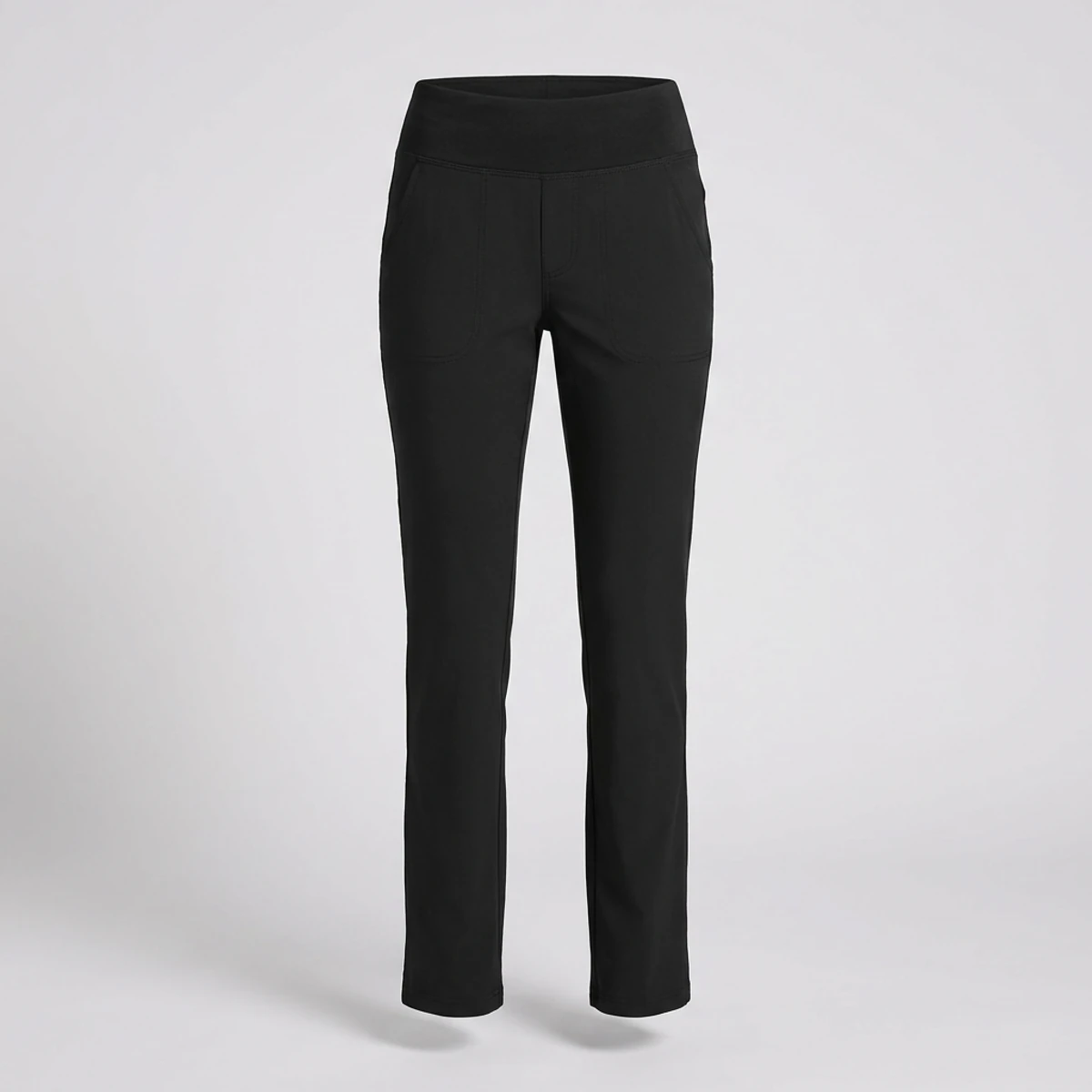
  • Black straight-leg scrub pants with wide knit yoga waistbandBlack yoga-waist scrub pants
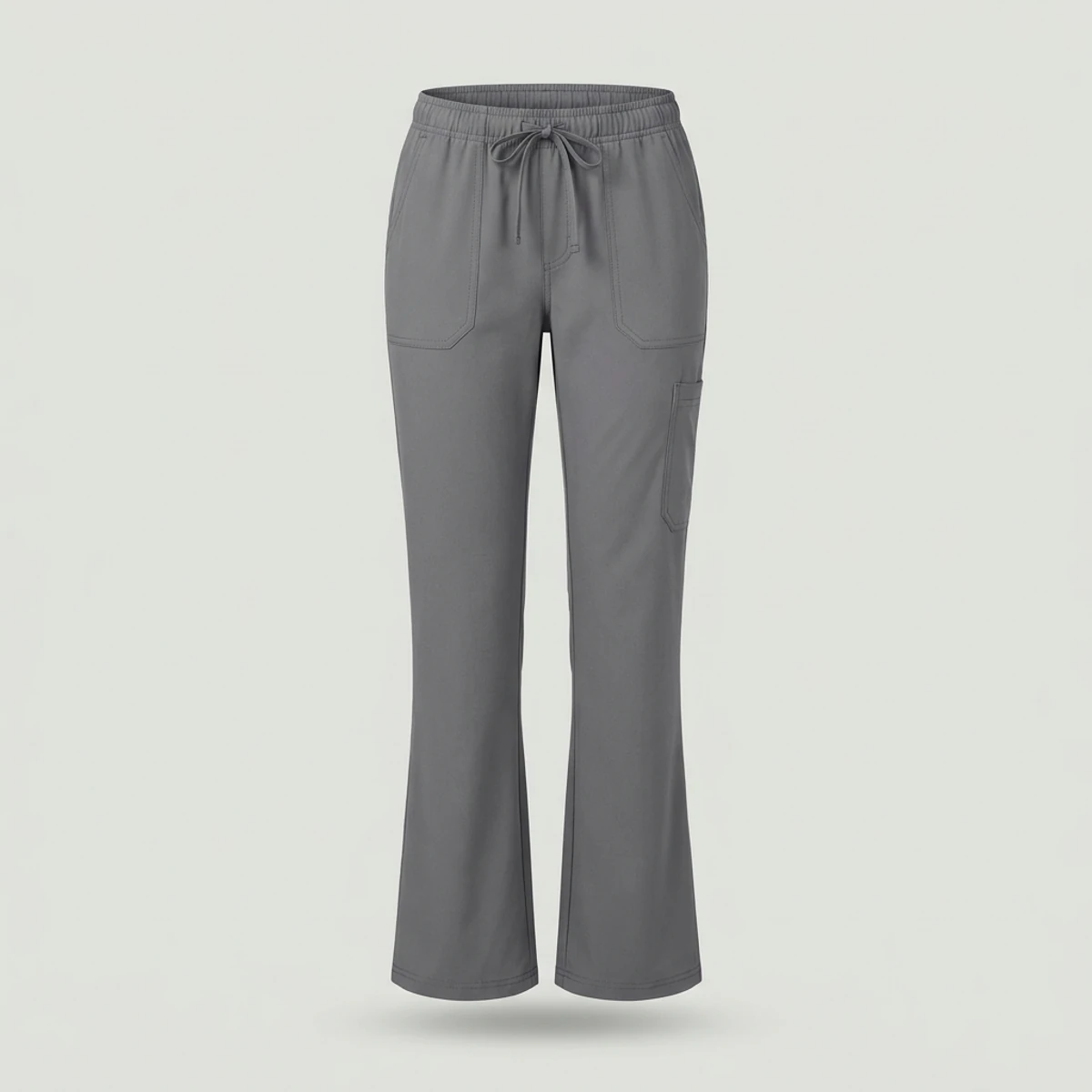
  • Pewter grey bootcut scrub pants flaring slightly below the kneePewter bootcut scrub pants
Quote unit pants
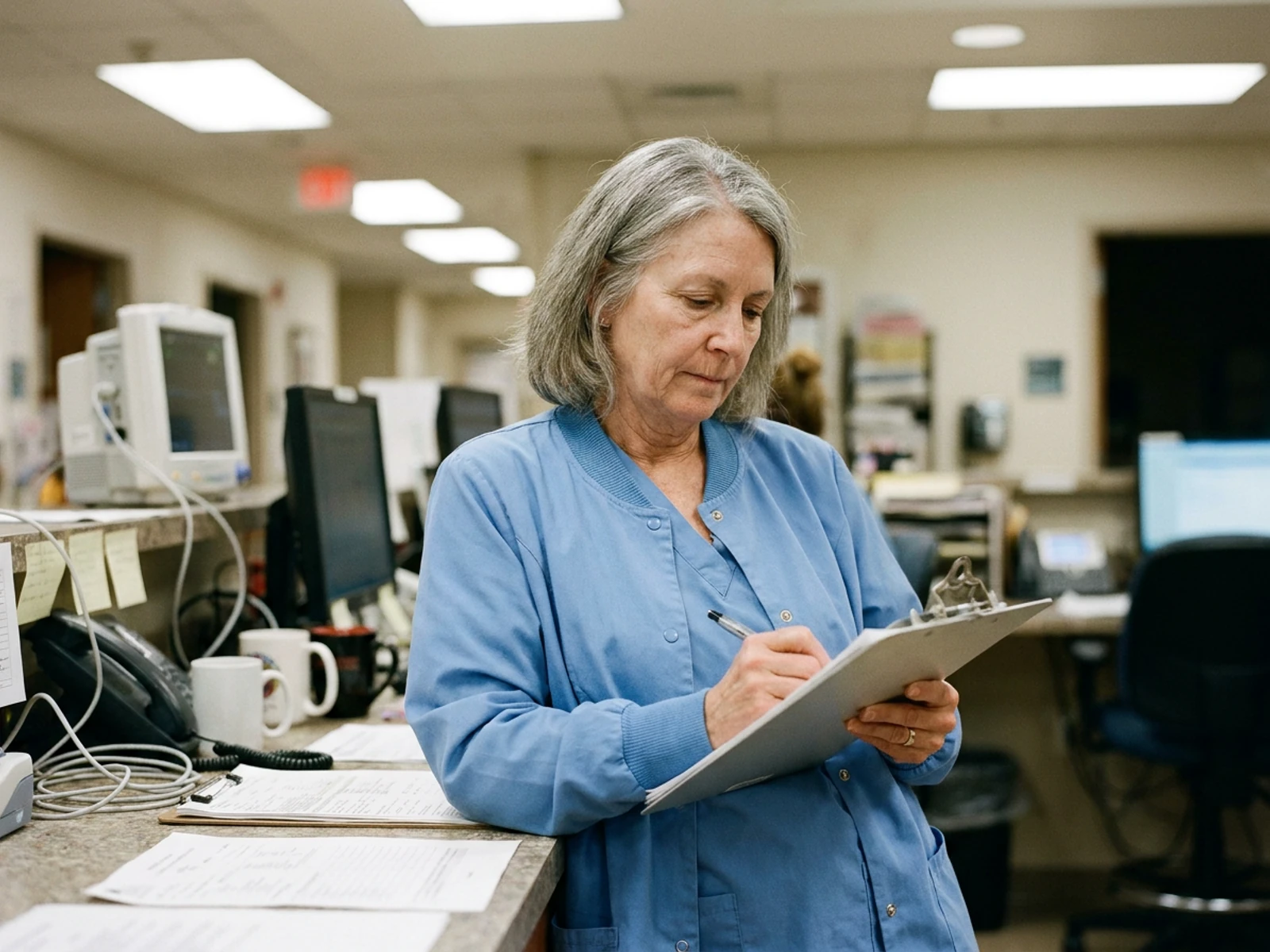
Nurse in a ceil blue snap-front scrub jacket writing notes at a nurses station

Snap-front layers for cold wards

Chilly wards push staff into layers, and a snap front comes off fast before patient contact. We match the jacket to the unit color and sew it with a minimum near 50 pieces per style.

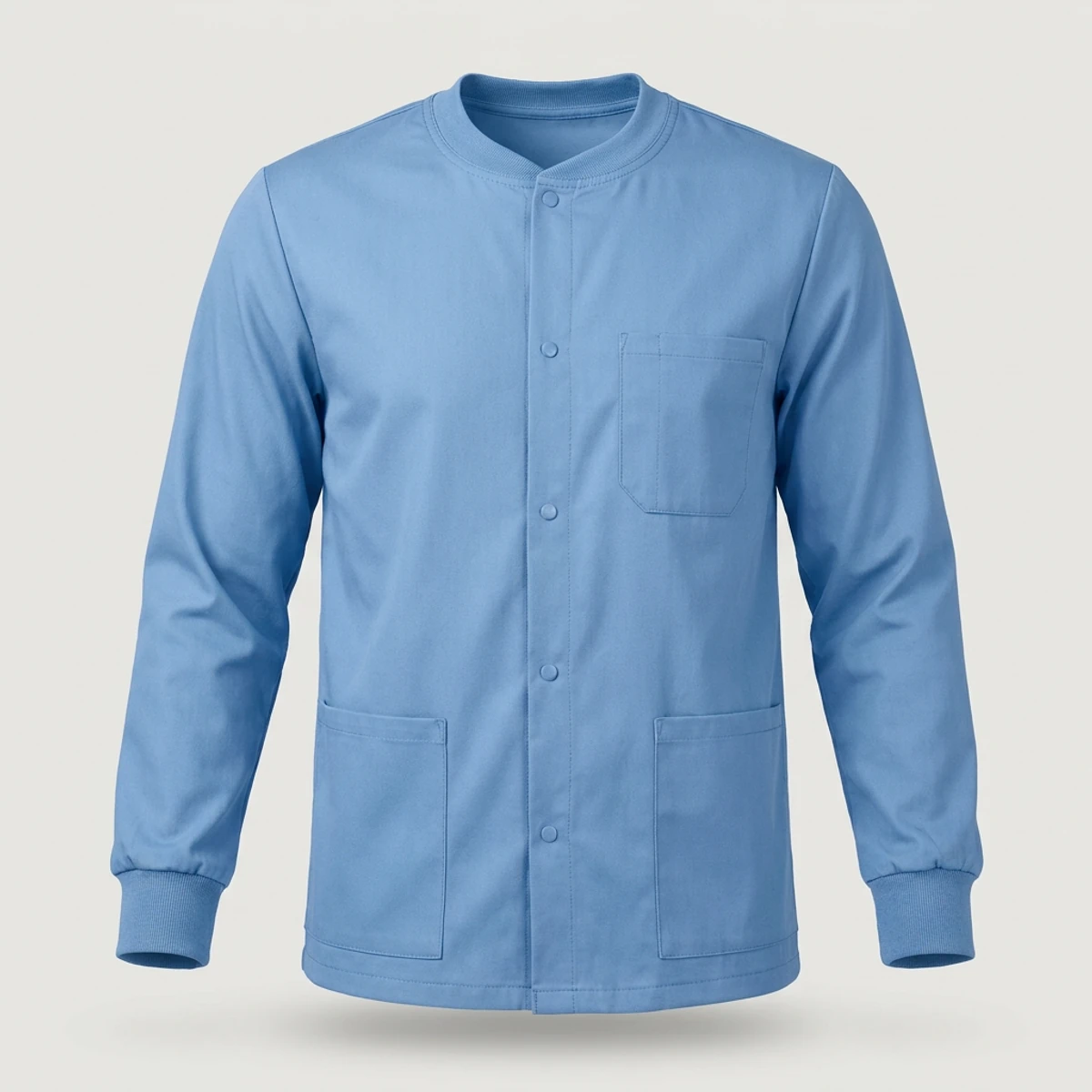
  • Ceil blue snap-front scrub jacket with banded neck and knit cuffsCeil blue snap-front jacket
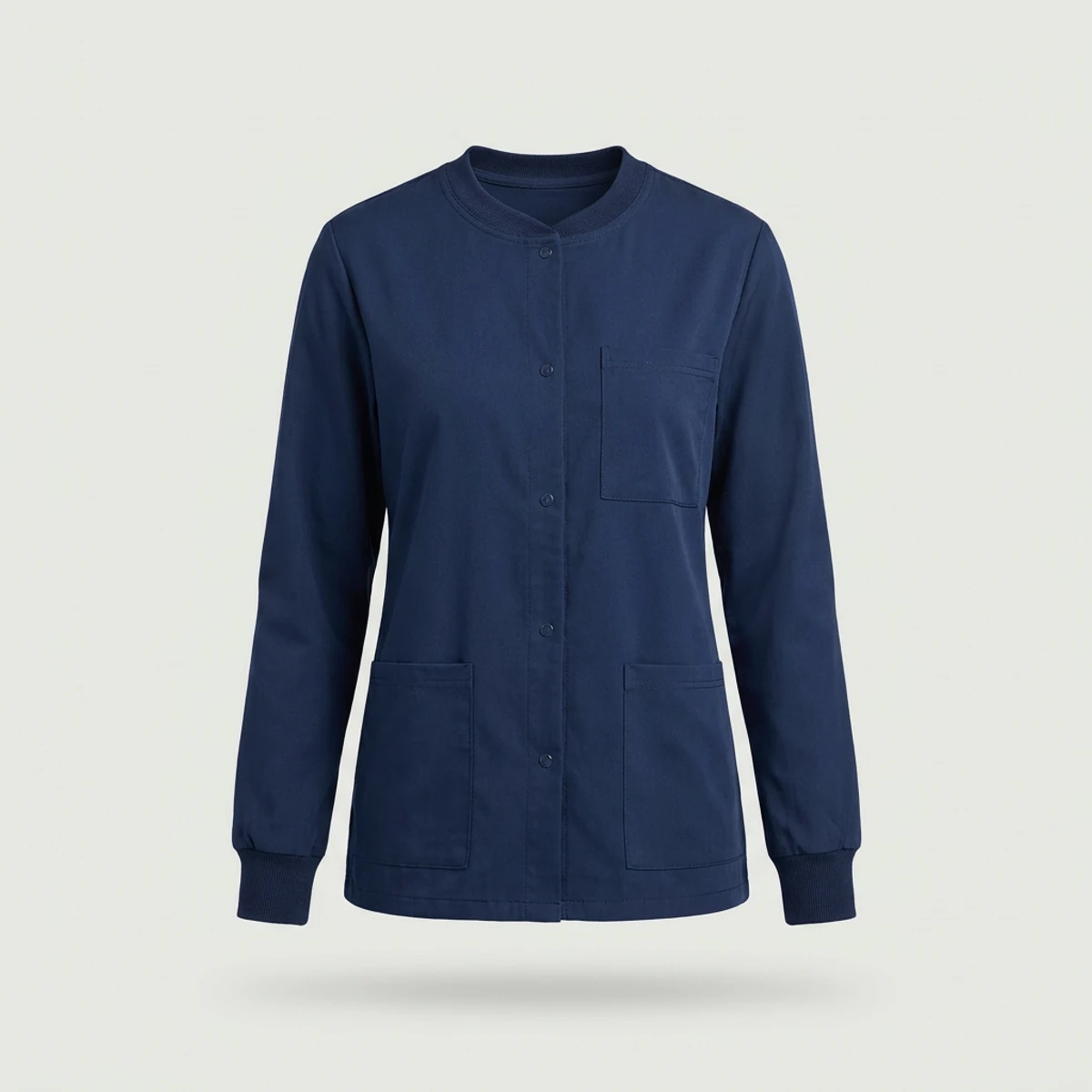
  • Navy snap-front warm-up scrub jacket with crew neck and three pocketsNavy snap-front scrub jacket
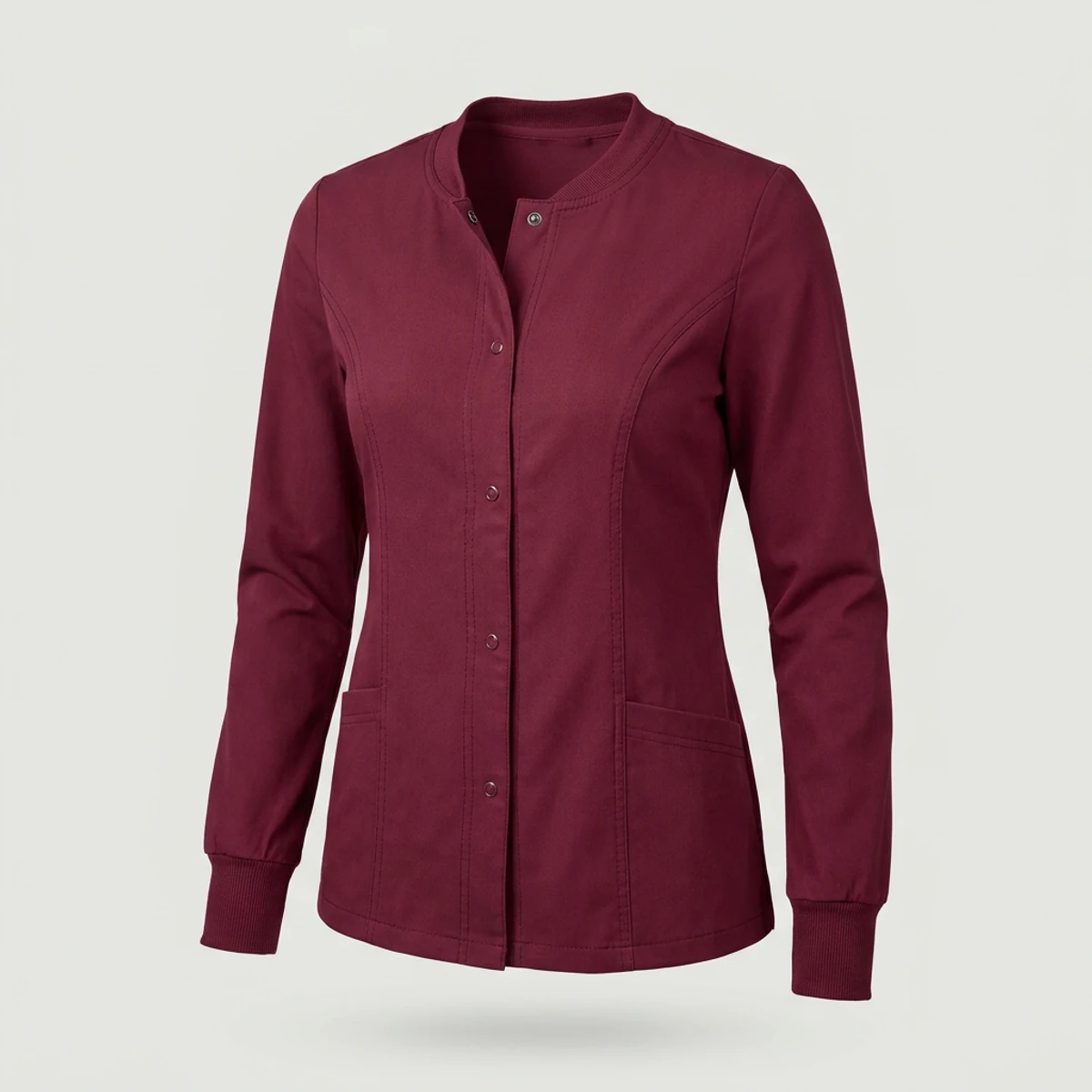
  • Wine colored women's snap-front scrub jacket with princess seamsWine women's warm-up jacket
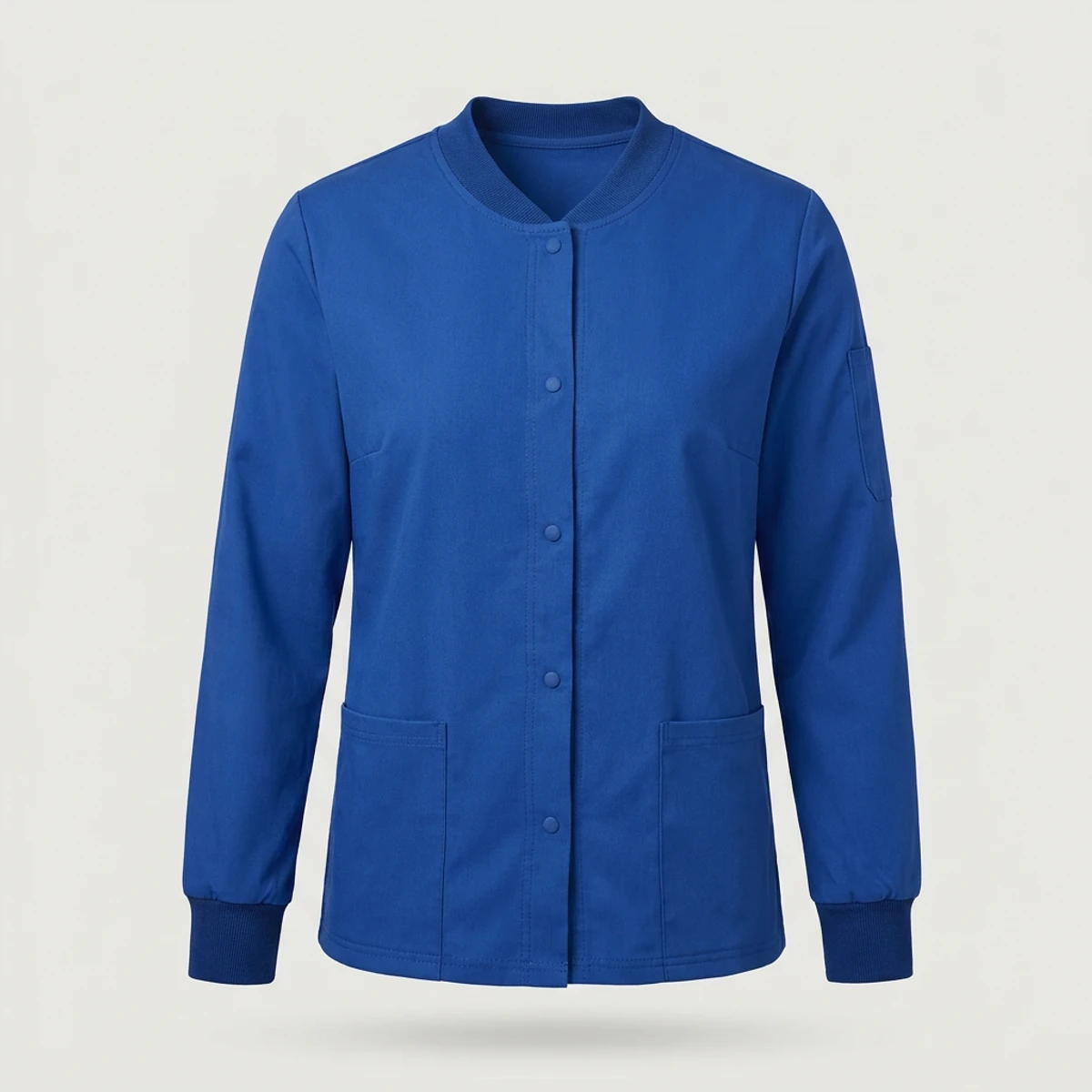
  • Royal blue snap-front scrub jacket with V-neck rib trim and cuffsRoyal blue warm-up jacket
Quote warm-ups
Nurse wearing a black long-sleeve underscrub under a scrub top checking a patient monitor

Thumbhole base layers under scrub sets

Long-sleeve underscrubs keep arms warm under a short-sleeve top, and thumbholes stop sleeves from riding up. They are cut and sewn at our LA factory in runs from around 50 pieces.

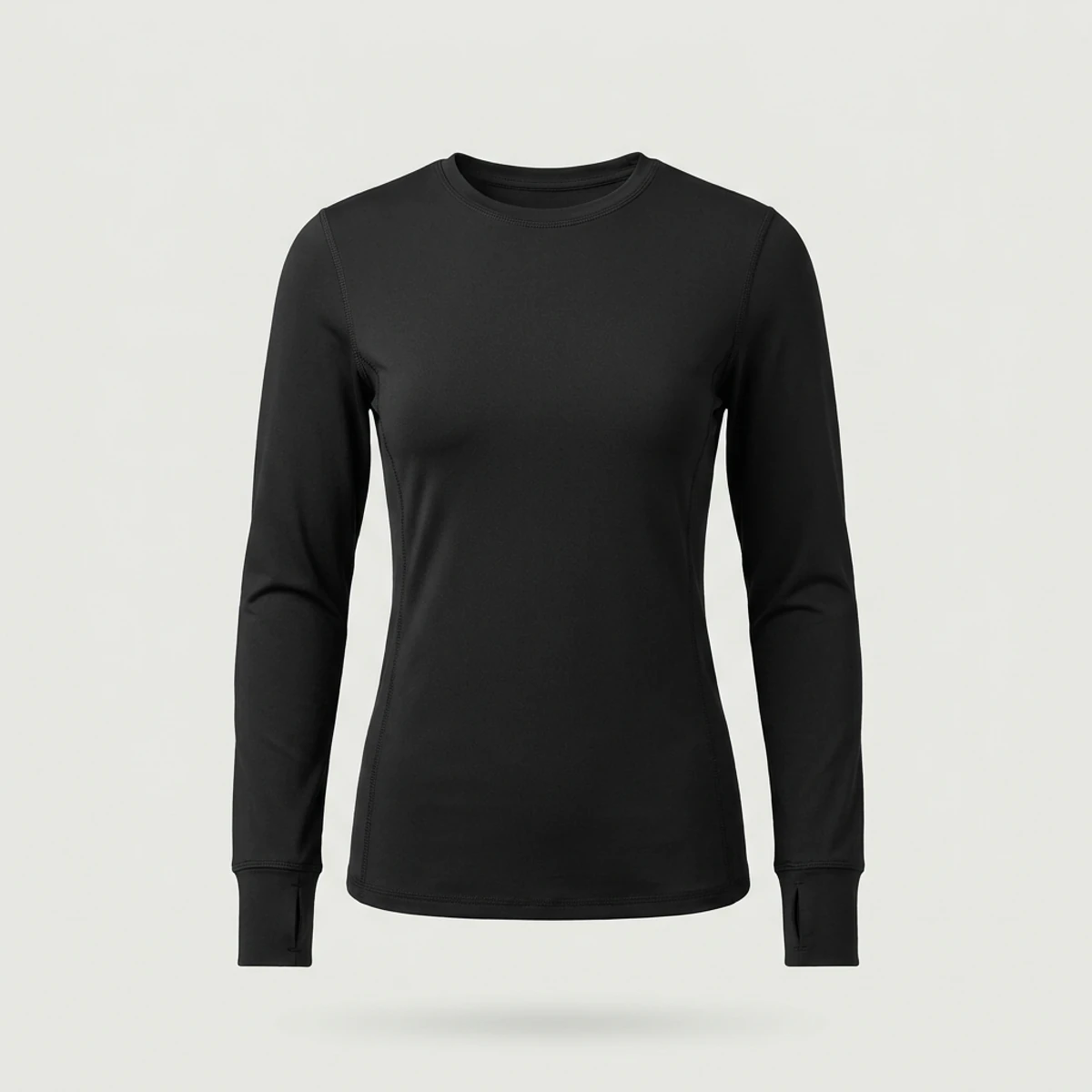
  • Black long-sleeve underscrub with crew neck, flatlock seams and thumbholesBlack long-sleeve underscrub
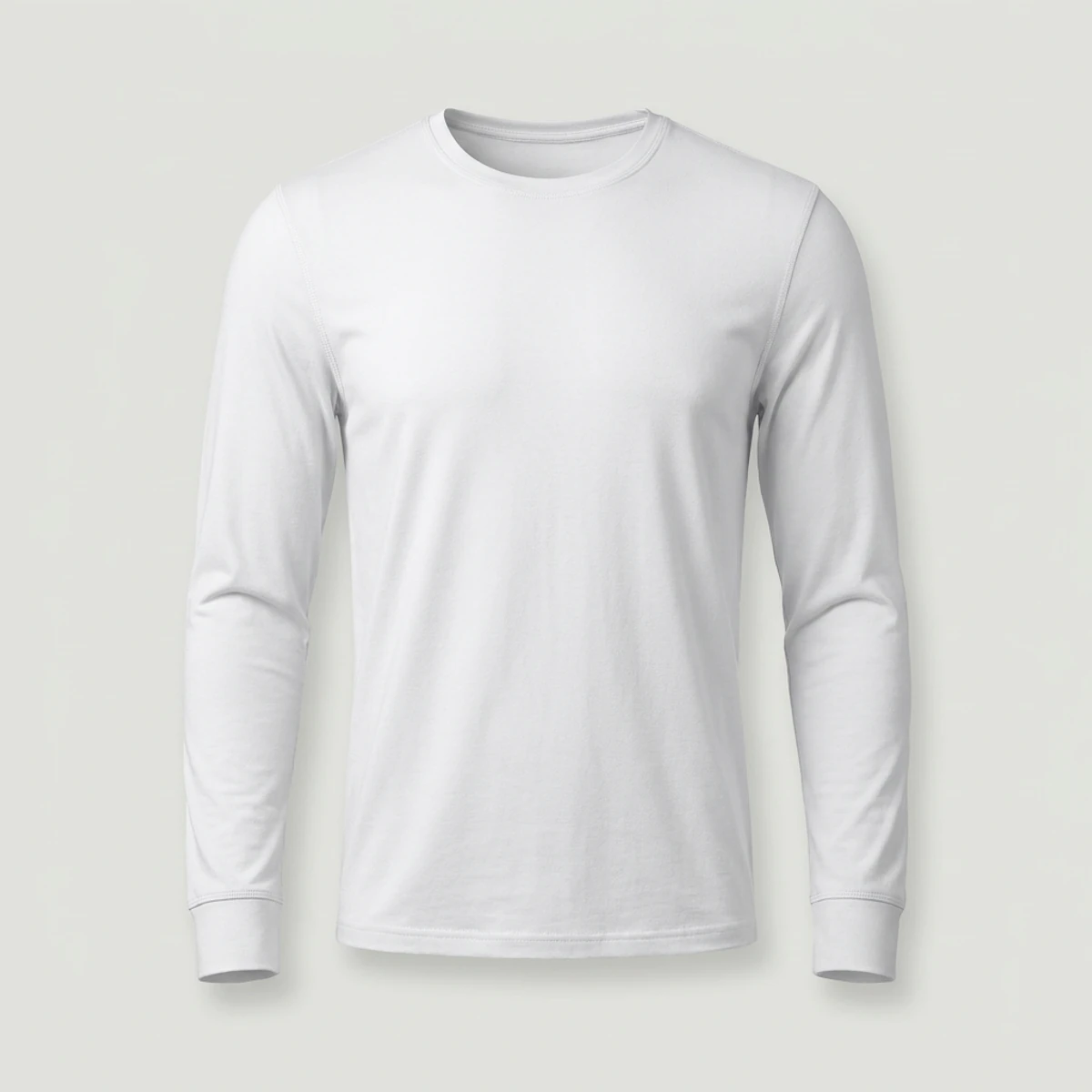
  • White long-sleeve scrub undershirt with crew neck and slim fitWhite long-sleeve underscrub
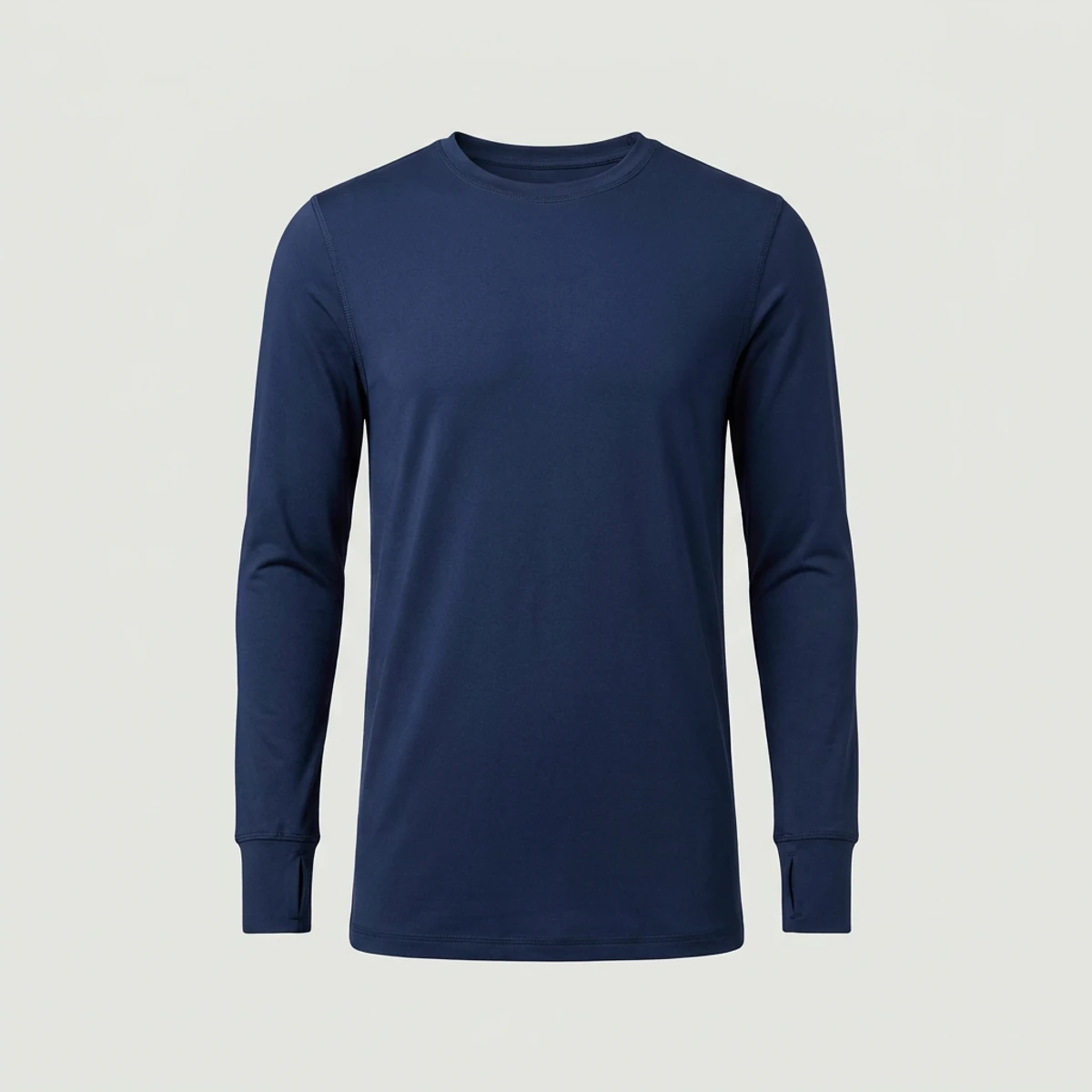
  • Navy long-sleeve underscrub with thumbholes and longer body lengthNavy long-sleeve underscrub
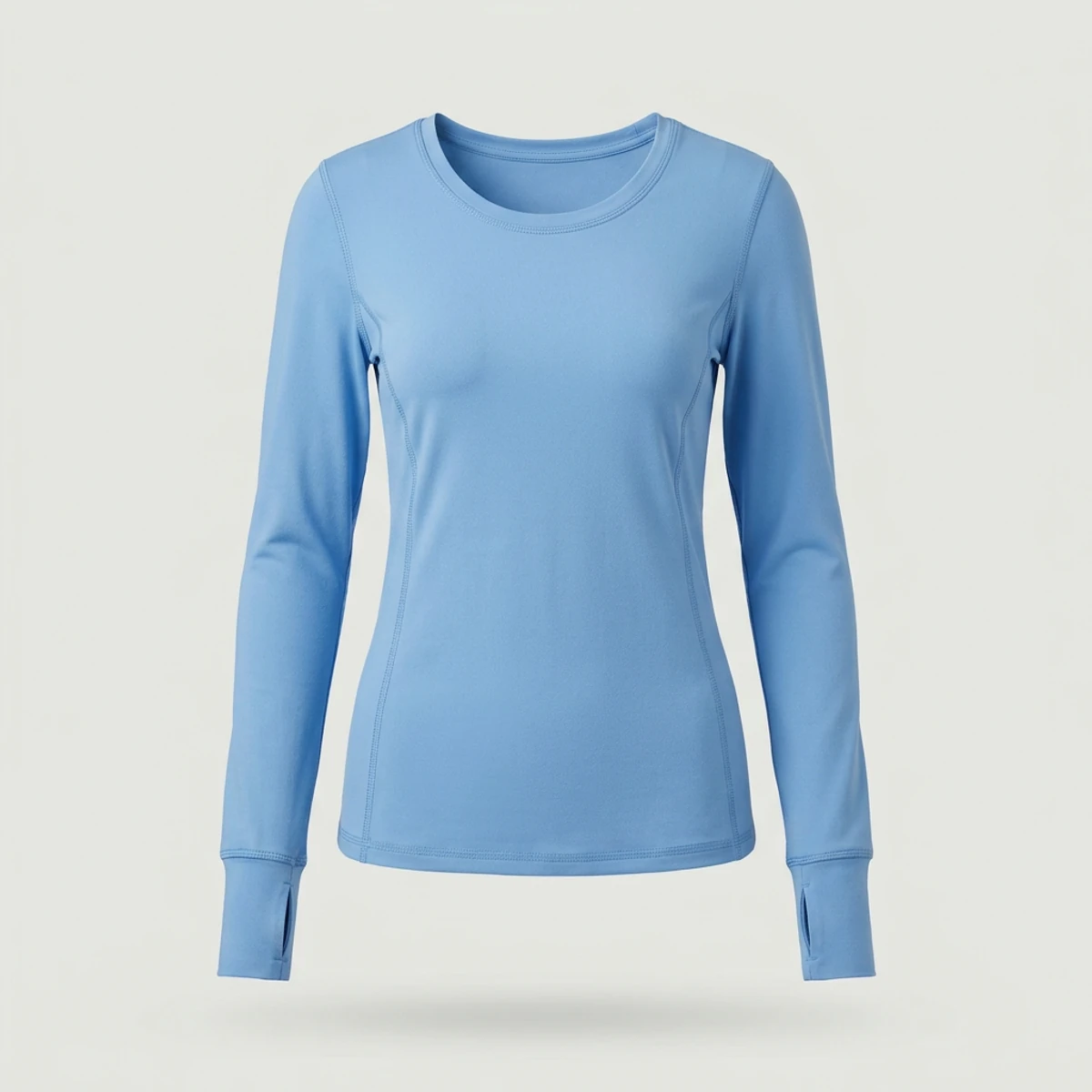
  • Ceil blue women's long-sleeve underscrub with shaped fit and thumbholesCeil long-sleeve underscrub
Quote base layers

Customize your scrub tops

Pick the style, fabric and colors, add your logo and names, then attach the design to your quote. We cut and sew it in Los Angeles from 50 pieces per style.

Which hospital uniforms does each role wear?

Hospital uniforms are planned role by role: registered nurses (RNs) and licensed practical nurses (LPNs) in one scrub color, nursing assistants and techs in another, therapists and support services in their own. Hospital scrubs uniforms rarely mean one garment for everyone, because each group bends, carries and is identified differently. A typical inpatient unit looks like this:

RoleWhat they usually wearWhy
RNs and LPNsScrub top and pant in the RN color, often a warm-up jacketFull range of motion, lots of pocket storage, layers for cold units
Charge nurses and nurse managersSame scrubs as RNs, sometimes a lab coat or jacket with titleVisible leadership role without a separate color
Patient care techs and nursing assistantsScrub set in their own colorPatients and families can tell nurses from assistants
Unit clerks and secretariesScrubs or a jacket in a support-staff colorPatient-facing but not clinical
Therapists (physical, occupational, respiratory)Scrubs or polos in a discipline colorMobility work, frequent bending and lifting
Environmental services and transportScrubs or workwear in a service colorEasy identification across the building

Nursing home scrubs for licensed nurses follow the same logic: RNs and LPNs in one color, set apart from aides. Nursing assistants, medical assistants and the department plan for nursing homes have their own page on CNA and medical assistant scrubs, and physicians are covered under doctor scrubs. Hospital pharmacy and laboratory departments run their own plans, covered on pharmacy scrubs and pharmacist coats and laboratory uniforms for phlebotomy and bench staff.

Uniforms in clinics, urgent care and surgery centers

Clinic uniforms and medical office scrubs differ from hospital programs because outpatient clinics, urgent care centers and ambulatory surgery centers staff differently, so their medical scrubs uniform plans differ too. Clinics separate nurses, medical assistants, providers and front desk by color; surgery centers split facility-laundered operating room (OR) scrubs from the scrubs staff wear from home.

Outpatient clinics and urgent care

RoleTypical uniform
Nurses (RN, LPN)Scrub set in the clinic’s nursing color
Medical assistantsScrub set in a separate color or with an embroidered title
Providers (MD, DO, PA, NP)Tailored scrubs or business wear with a lab coat
Front desk and registrationScrubs or a coordinated top in a front-office color
Radiology and lab staffScrubs in a department color

Color-coding providers, MAs and front desk in a walk-in clinic. Urgent care patients meet several people in one short visit, so medical clinic uniforms work best with three clearly different groups: clinical staff in one scrub color, providers in a lab coat or a darker shade, and front desk staff in a coordinated top. Embroidered titles do the rest.

Ambulatory surgery centers

RoleTypical uniform
Pre-op and recovery nursesScrubs in the nursing color, a warm-up jacket for cold recovery areas
OR staffFacility-issued, facility-laundered surgical scrubs inside restricted areas
Surgical techs and sterile processingFacility scrubs; department color outside the OR

Home health nurses and aides who travel between patients’ homes follow an agency plan rather than a clinic one; see home health aide uniforms for kits built around home washing and car travel.

Tip: If your OR uses facility-laundered scrubs, keep them a different color from the scrubs staff wear from home. It makes it obvious when someone is wearing street-laundered scrubs in a restricted area.

How should a hospital color-code nurse uniforms?

A hospital should color-code nurse uniforms with a few high-contrast colors, one per role group, backed by embroidered names and credentials. There is no national standard, so each facility sets its own code. Fewer, clearly different colors are easier for patients to learn, and text on the chest does the identification that color alone cannot.

Two practical points if you are building or refreshing a color code:

  • Choose colors with clear contrast. Navy and black look similar under hospital lighting; ceil blue and royal blue are easy to tell apart. Test samples side by side under the lights on your floors.
  • Add text, not just color. Patients rarely know a color code. Embroidering the role or credentials on the chest (“Jordan Kim, RN”) does more for identification than color alone. The embroidered scrubs service covers names, credentials and logos.

An example color plan

This is an illustration of how a hospital might structure its code, not a standard.

GroupExample color
Registered nursesNavy
LPNsCeil blue
Nursing assistants and patient care techsBurgundy
Respiratory, physical and occupational therapyHunter green
Imaging and labGray
Environmental services and transportBlack
StudentsThe color their school specifies

Schools that set that color can order nursing student uniforms to the same specification every cohort.

Publish the plan on a poster in patient rooms and on your website. Patients and families can only use a color code they know about.

Hospital nursing scrubs by unit

Hospital nursing scrubs share one color across a role group, but each unit stresses the garment differently. Keep the color and vary the style only where a unit needs it.

UnitWhat registered nurse uniforms need there
ICU and emergencyMany pockets, strong stretch, dark or role-coded colors that hide stains
Medical-surgicalDurable, home-washable sets with room for a full shift of supplies
Labor and deliveryEasy-change sets, often a facility scrub for deliveries
Perioperative and ORFacility-laundered surgical scrubs inside restricted areas
PediatricsBrighter or printed tops where policy allows, same pants
Behavioral healthFew pockets, no loose cords or badge reels that can be pulled

What do nurses need from their scrubs?

Nurses need healthcare scrubs that stretch, carry real equipment, fit a diverse team and layer for cold units, and nursing uniforms that look the same from the first wash to the fiftieth. Scrubs for nurses fail in predictable places: torn seams at the seat, sagging pockets, unisex cuts that fit nobody well and no warm layer, so staff cover the uniform with their own jackets. Specify these four details from the start.

Stretch

Nurses reach, crouch, lift and turn patients all shift. A blend with spandex moves without binding at the shoulders, knees and seat. The scrub fabric guide compares poly-cotton and stretch blends in more depth.

Pockets

Trauma shears, pens, a penlight, tape, alcohol pads, a phone and a badge reel. Chest pockets with pen slots on scrub tops, side pockets low enough to reach without bending and cargo pockets on scrub pants all help. Keep embroidery away from pockets that get used.

Unisex ceil blue V-neck scrub top with two lower patch pockets and chest pocket

Fit

Unisex cuts are easy to order but fit poorly on many people. Offering women’s and men’s cuts across XXS to 5XL lowers complaints and reorders for “a different size”.

Layers

Cold units and night shifts mean jackets and long-sleeve layers. Underscrubs worn under short-sleeve tops keep arms warm, and a scrub jacket with the unit logo gives a consistent look. Where a facility follows bare-below-the-elbows rules for patient care, the SHEA expert guidance on healthcare personnel attire explains the reasoning, so plan layers staff can remove.

Laundering and infection control for nursing scrubs

Nursing scrubs worn as a uniform are usually laundered by staff at home, while clothing that serves as personal protective equipment (PPE) must be provided and laundered by the employer. That split decides which fabrics and threads to choose, because home machines and commercial laundries treat garments very differently.

Under the Occupational Safety and Health Administration (OSHA) Bloodborne Pathogens Standard, 29 CFR 1910.1030, the employer launders or disposes of PPE at no cost to the employee. Many hospitals also issue and launder their own surgical scrubs for the OR. Healthcare laundries follow CDC guidance on laundry in health-care facilities, which notes that hot-water washing at 160°F (71°C) for at least 25 minutes is commonly recommended.

  • If staff wash at home,

    fabrics should hold color and shape through frequent machine washing and drying. Higher-polyester blends tend to do this better than all-cotton.
  • If scrubs go to a commercial laundry,

    expect hot water, strong detergents and high-heat drying. Choose colorfast fabric and polyester embroidery thread, which resists bleach.
  • Fluid-resistant finishes

    help splashes bead off, but they are not a barrier against blood or body fluids; gowns still do that job.
  • Antimicrobial finishes

    can help control odor on the fabric but do not replace laundering. See antimicrobial scrubs for what those finishes can and cannot claim.

Ordering scrubs for nurses with a 50-piece minimum

Ordering scrubs for nurses works style by style, with matching nurse scrub sets built from a top style and a pant style: about 50 pieces per style, where a style is one garment design, such as a V-neck top, in one fabric. Sizes run from XXS to 5XL, and the size and color breakdown within each run is agreed at quote stage. A first order for a nursing unit usually covers:

  1. 01

    Top style

    in the RN color, ordered across the unit’s size run.
  2. 02

    Pant style

    in the same color, sized separately because top and pant sizes often differ.
  3. 03

    Jacket or underscrub

    for the unit, in the same or a neutral color.
  4. 04

    Embroidery

    of the hospital logo plus each nurse’s name and credentials, supplied as a roster.

Fit samples come before production so staff can try them on. Fabric options and current lead times are confirmed at quote stage. Larger systems usually standardize a few styles across every unit and vary only color by role, which keeps each style comfortably above the minimum and gives every nurse uniform in the system the same cut, fabric and embroidery.

How do you roll out a new nursing uniform program?

Roll out a new nursing uniform program in stages: a small working group of bedside nurses picks styles and colors, staff wear-test samples through real shifts, sizes and names are collected in one format, and a production sample is approved before the full run. A clear start date and short transition window protect the new color code.

  1. 01

    Form a small working group

    Include bedside nurses from day and night shift, not only managers. They know which pockets and fits fail.
  2. 02

    Pick styles and colors

    Keep the kit small: one or two top styles, one or two pant styles, one layer.
  3. 03

    Wear-test samples

    Ask several nurses of different builds to wear samples through real shifts and several washes.
  4. 04

    Collect sizes

    Use fit samples or a try-on day, and record top and pant sizes separately.
  5. 05

    Collect names and credentials

    in one agreed format.
  6. 06

    Approve the production sample

    with final embroidery.
  7. 07

    Produce and distribute

    per person, so each nurse receives a labeled bundle.

Tip: Announce the start date for the new color well in advance and set a short transition window. Mixed colors on a unit undermine the code you are introducing.

What determines the cost of a hospital scrub program?

The cost of a hospital scrub program depends on the fabric, the quantity per style, how many styles and colors the program carries, garment complexity, decoration and personalization. No fixed prices appear here, because each program is quoted on its actual fabric, artwork, roster and quantities.

Cost driverHow it moves the costHow to keep it in check
FabricPremium stretch blends usually cost more than standard poly-cottonChoose fabric for your laundering, not feel alone
Quantity per styleLarger runs spread cutting, setup and sampling across more piecesStandardize a few styles across units
Number of styles and colorsEach style and color is its own run to plan, sample and reorderVary color by role, not cut by unit
Style complexityExtra pockets, zips and snaps add sewing timeKeep the features nurses actually use
DecorationStitch count, thread colors and number of locations add time per pieceOne logo position per garment
PersonalizationNames and credentials add handling for every pieceOne clean roster in a single format
Labels and packagingCustom labels and per-person bundling add componentsUse standard finishing unless distribution needs it
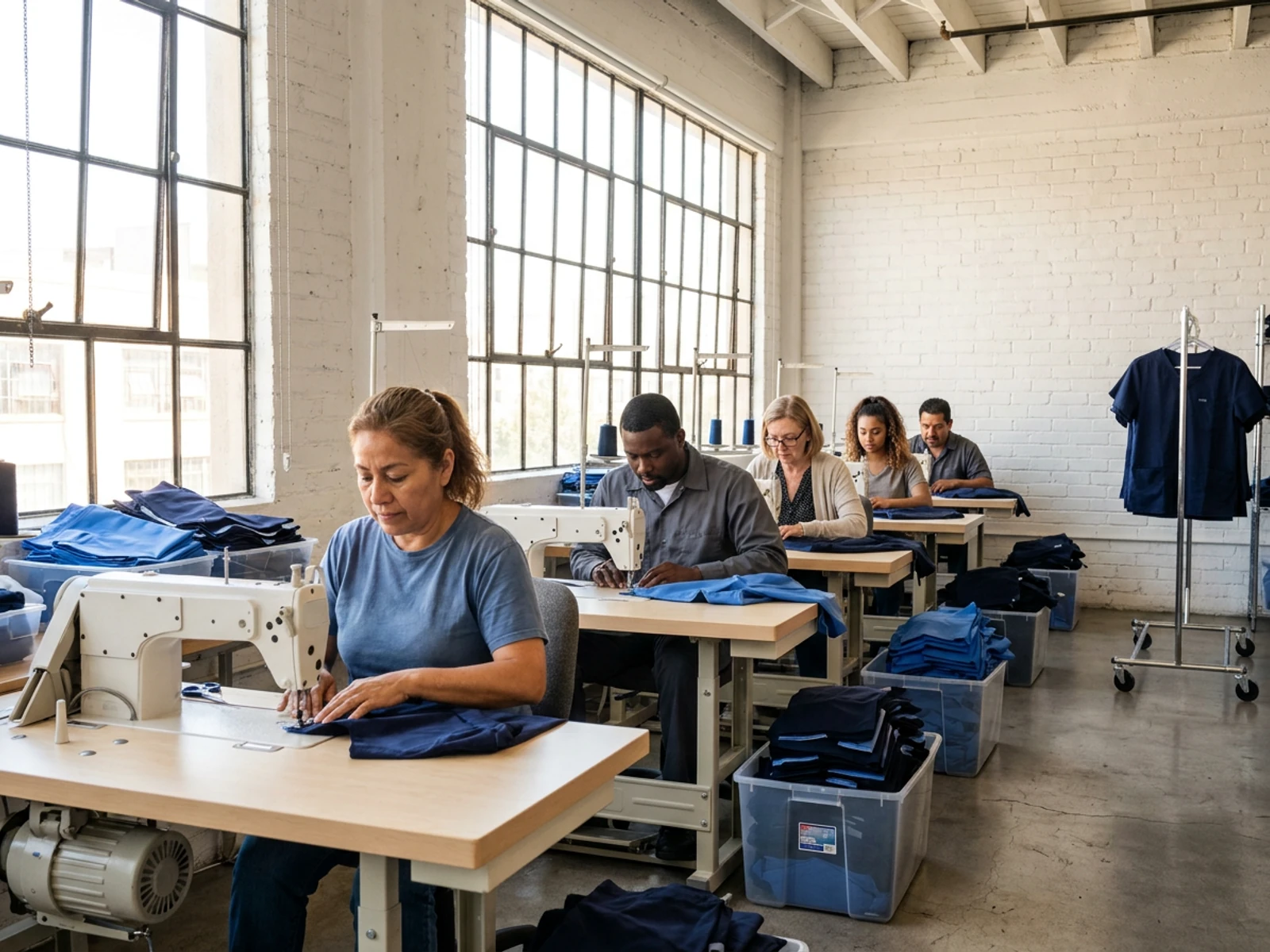
Operators sewing scrub tops on rows of industrial sewing machines

Reorders, new hires and growing the program

Reorders keep work scrub uniforms and other healthcare scrubs consistent as staff turn over: the approved pattern, fabric, color, logo file and name font stay on record, so a run ordered six months later matches the first. Collect new-hire sizes and names in one running list and fold them into the next order of the same style. Health systems dressing several departments or sites to one specification can manage it as a multi-department uniform program.

Read more

When you compare medical apparel companies, ask who actually cuts and sews the garments. Custom Uniform Factory cuts and sews every medical scrub uniform in its own Los Angeles factory, to the specification you approved. For blank scrubs bought in volume to stock a supply room or staffing pool, see the wholesale scrubs program.

What mistakes do hospitals make with uniform programs?

The most common hospital uniform program mistakes are unisex-only sizing, colors approved from a screen, too many colors, no branded layer and treating fluid-resistant scrubs as protective equipment. Each one is cheap to fix during planning and costly after a full run of medical uniforms for nurses has been cut and sewn.

  1. Unisex-only sizing

    It is simple to order and generates the most fit complaints.
  2. Colors chosen from a screen

    Shades shift under hospital lighting; approve physical samples.
  3. Too many colors

    A code with a dozen colors is impossible for patients to learn. Fewer groups with embroidered titles work better.
  4. No plan for layers

    Staff bring their own jackets and hide the uniform. Include a branded layer.
  5. Treating fluid-resistant scrubs as PPE

    They are not a substitute for gowns.

Ready to order

What to send us for a quote

A complete quote for nurse scrubs needs the roles and colors, the styles per role, your logo and name format, the laundering method and whether you want wear-test samples. Sending all of it with the first message means the program can be priced and sampled without back-and-forth.

  • The roles included and the color for each
  • Styles per role (top, pant, jacket, underscrub, lab coat) and approximate quantity per style
  • Your logo file and the name and credential format
  • How scrubs will be laundered: at home, by a commercial laundry or on site
  • Whether you need wear-test samples and a try-on size run

Questions about healthcare & nursing

Need something not covered here? Ask our Los Angeles team and we’ll answer with options for your order.

Ask our Los Angeles team

Is there a standard color code for nurse uniforms?

No. There is no national standard in the US. Each hospital or health system sets its own color code, usually one color for registered nurses and different colors for nursing assistants, techs, therapy and support staff. We produce to whatever color standard you set and keep it on record for reorders.

Are scrubs personal protective equipment?

Usually not. Scrubs are worn as a uniform. Under OSHA's Bloodborne Pathogens Standard, PPE is clothing that prevents blood or other infectious material from reaching skin and clothes, such as gowns, and the employer must provide and launder it. If your facility designates scrubs as PPE, the employer laundering rule applies to them.

Do antimicrobial scrubs prevent infections?

Antimicrobial finishes are designed to inhibit odor- and stain-causing bacteria on the fabric. Under EPA rules, treated textiles generally may only claim to protect the garment itself, not to protect the wearer or patients from disease, unless the product is registered for that claim. Treat them as a comfort feature, not an infection-control measure.

How do we size a whole nursing unit?

Collect sizes from each person, ideally after they try fit samples, then order each style across that size run, which spans XXS to 5XL. Include men's and extended sizes rather than forcing everyone into unisex. We agree the size and color breakdown within the 50-piece minimum per style when we quote.

Can new hires get matching scrubs later?

Yes. We keep your approved styles, colors, logo file and name font on record. Collect new-hire sizes and names in one list, add them to your next production order of the same style, and their scrubs will match the rest of the unit, down to the embroidery placement.

Healthcare & NursingCut & sewn in Los Angeles · from 50 pieces per styleRequest samplesGet a quote