Work shirts
Short sleeves keep forearms clear when working in water; long sleeves protect arms in crawlspaces and look sharper for estimate visits. Collared shirts suit service calls, crew necks suit install crews.
Industries · Los Angeles factory
Plumber uniforms need to survive wet, dirty, cramped work and still look professional when a technician walks into a customer's kitchen. Custom Uniform Factory cuts and sews custom plumbing uniforms in its own Los Angeles factory, with your logo embroidered or printed and a minimum order of about 50 pieces per style.
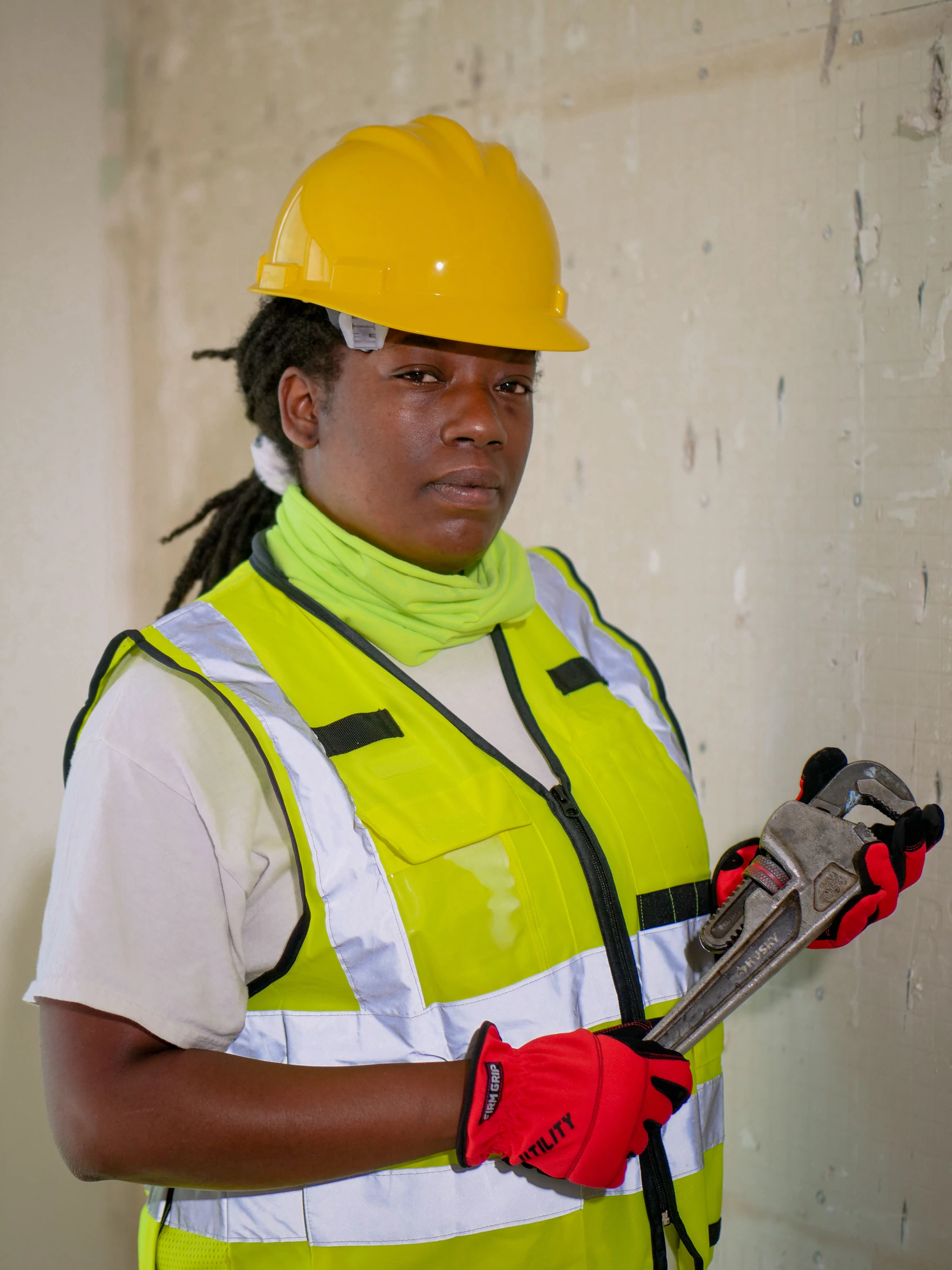
16 styles in 4 families · each made to order in your fabric, color and branding from 50 pieces.

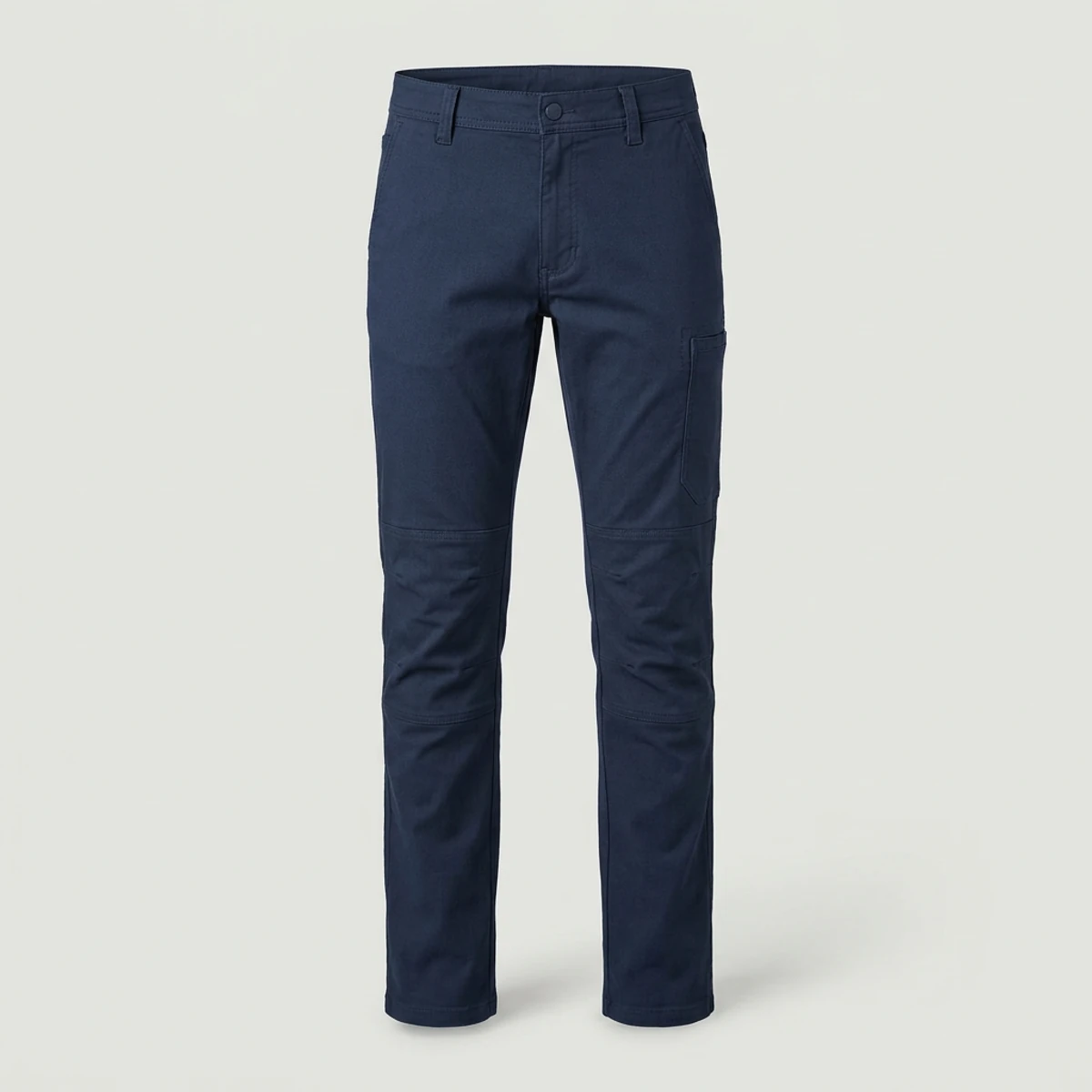
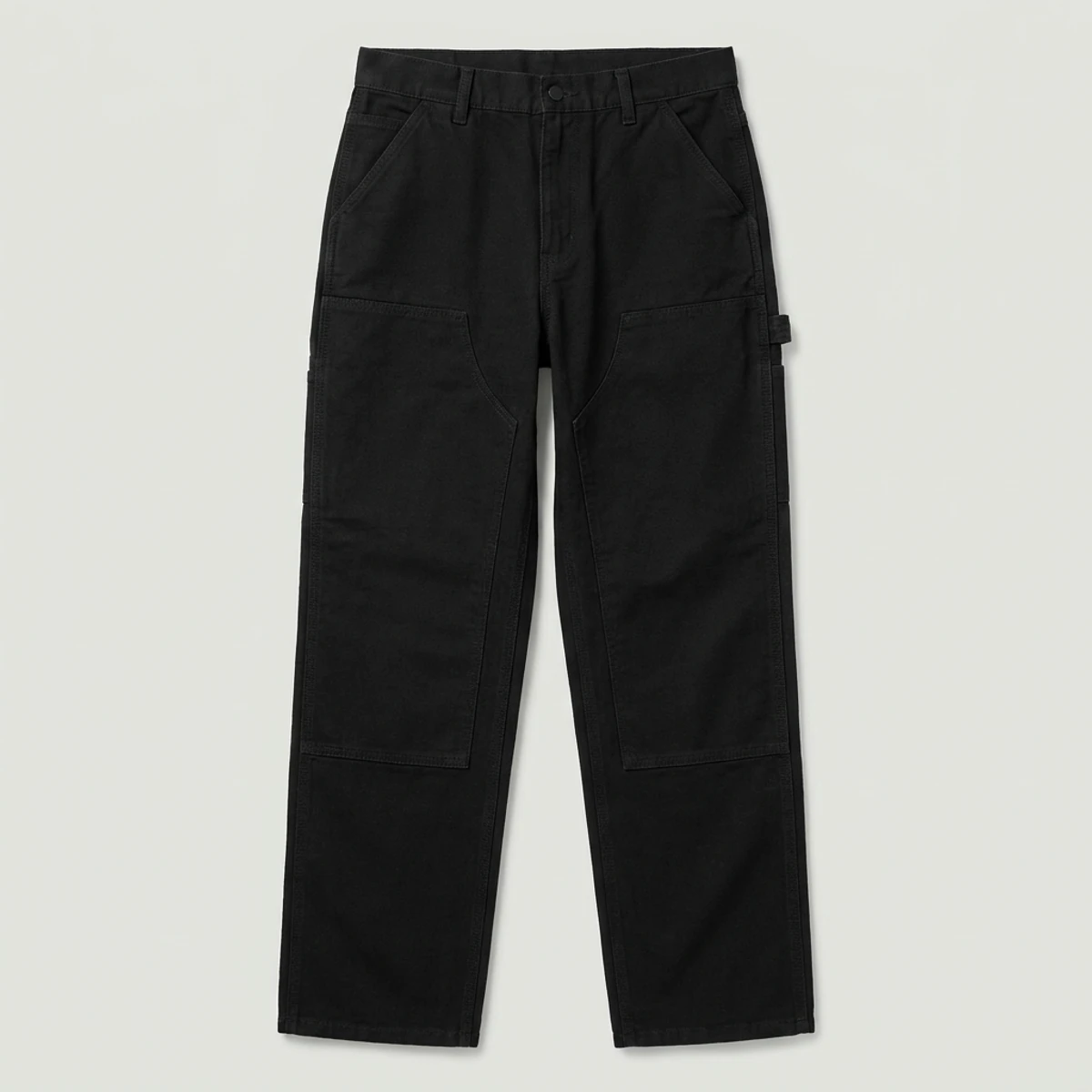
Plumbers crawl under houses and kneel at drains, so double knees and strong seams matter more than anything. We make these pants in Los Angeles from about 50 pieces per style.
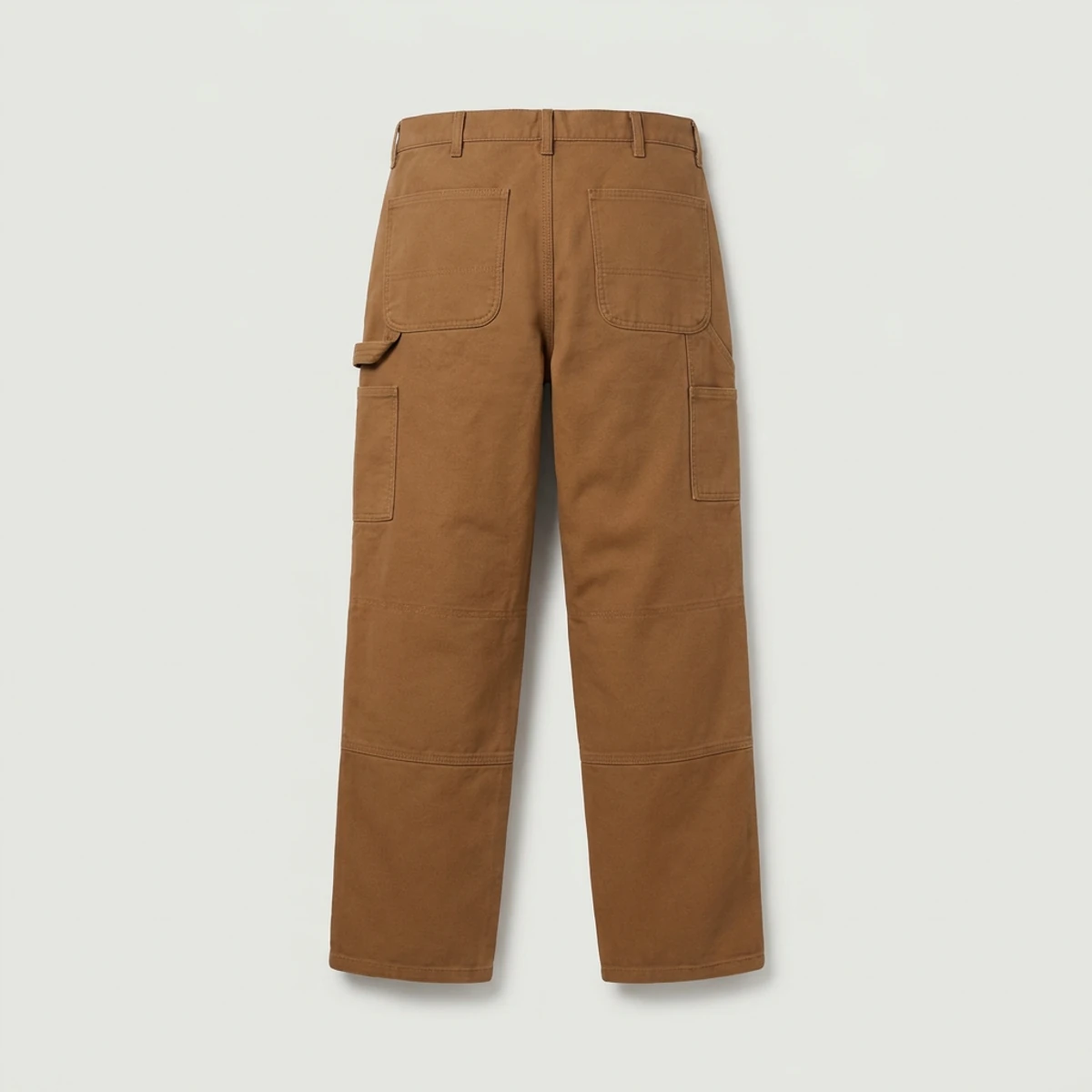
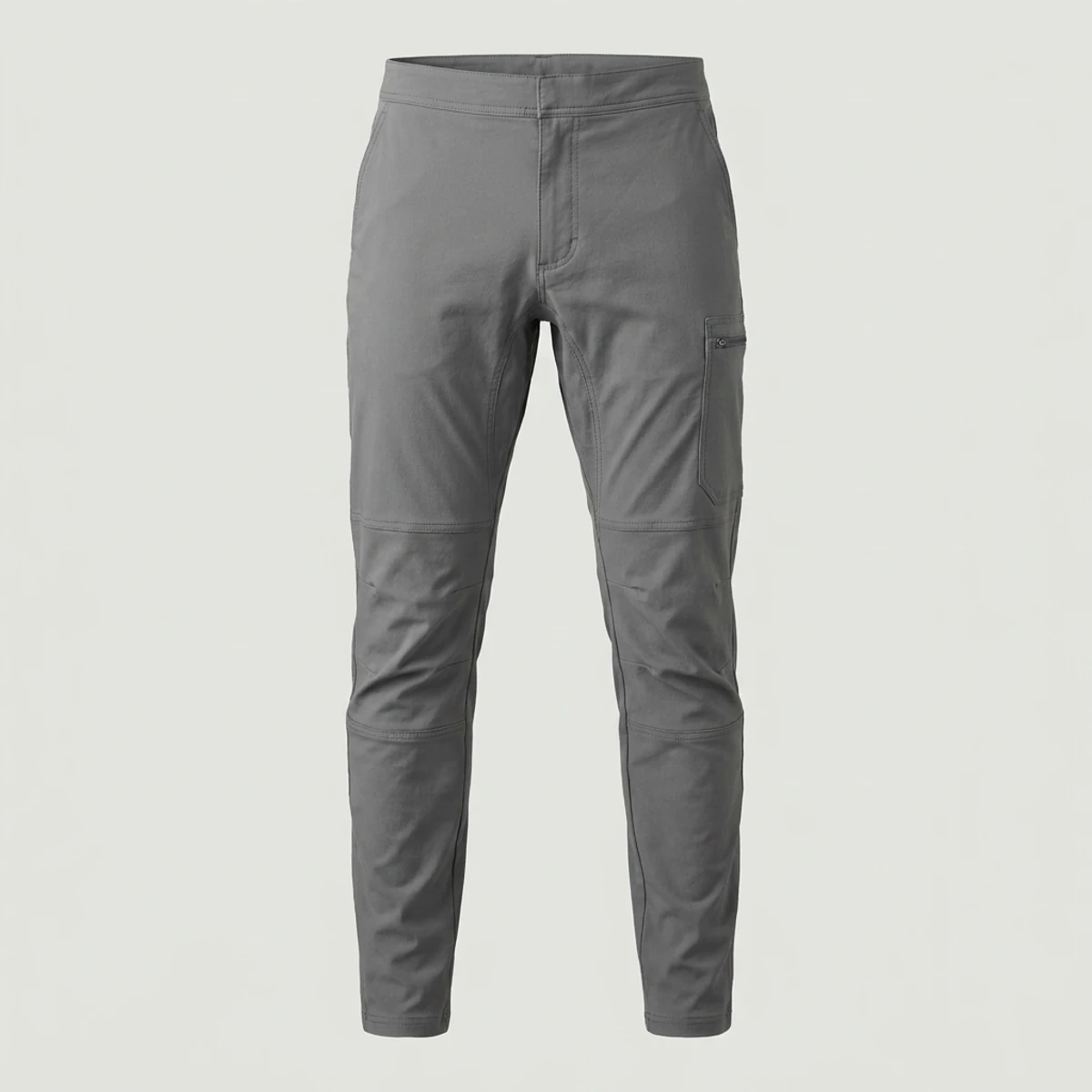
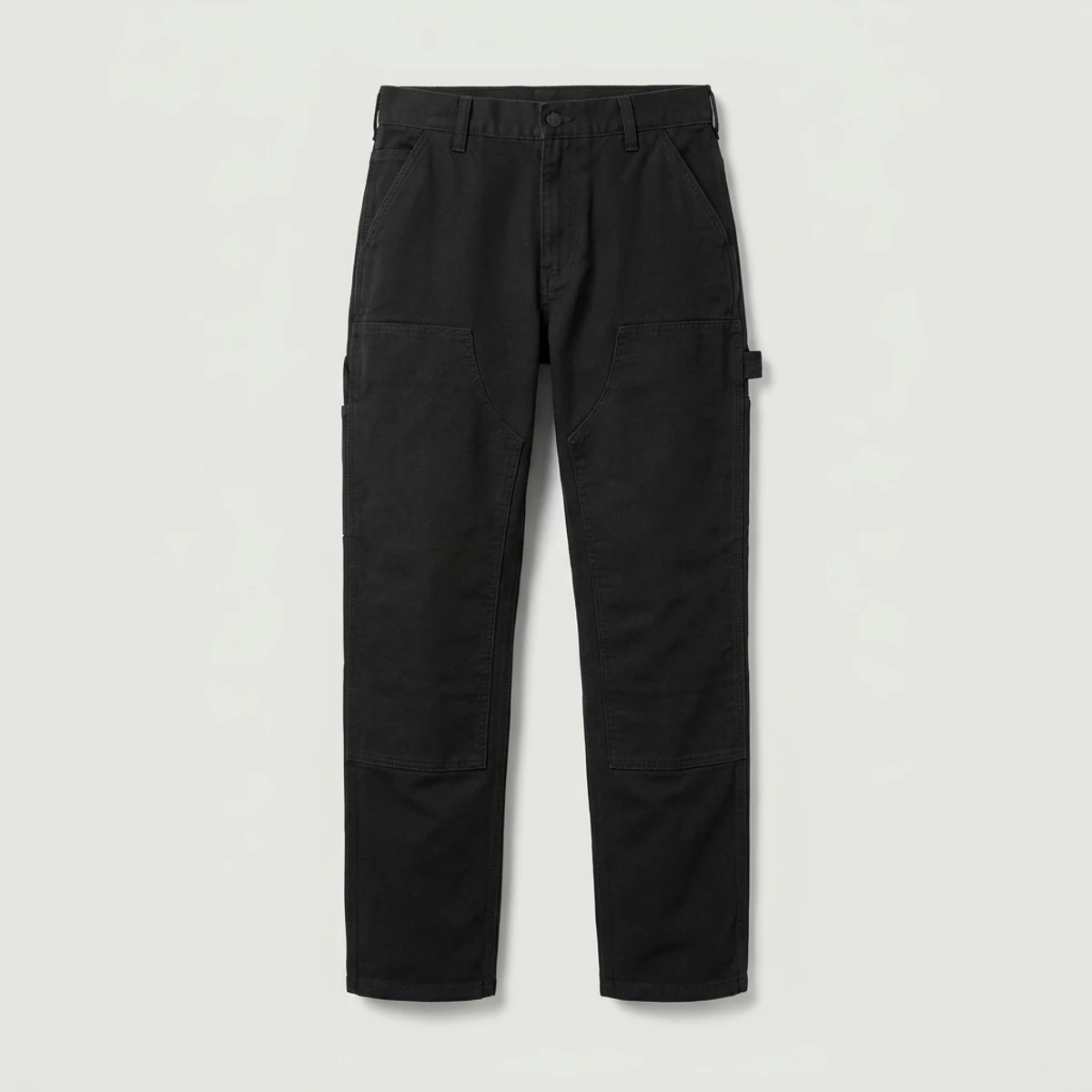

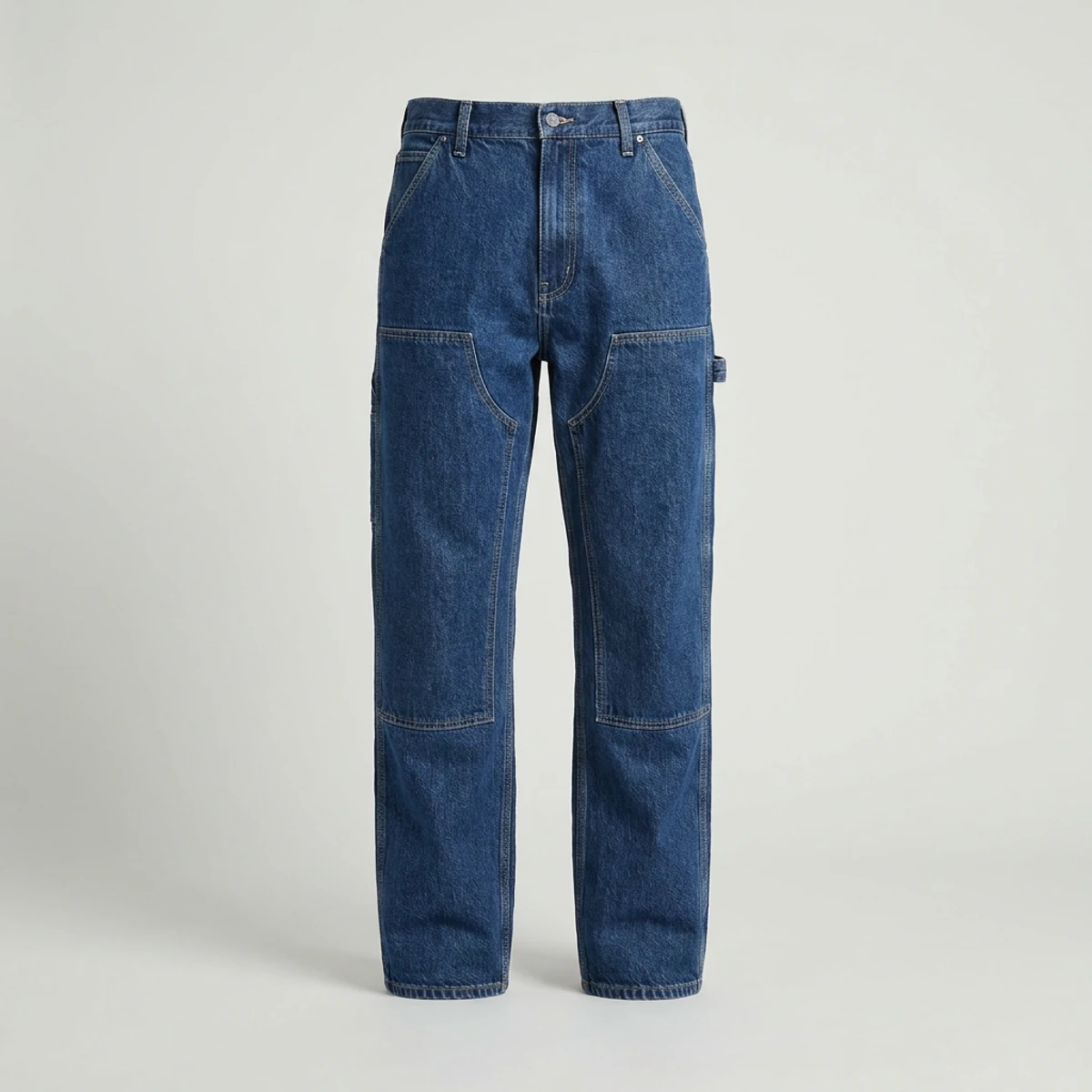
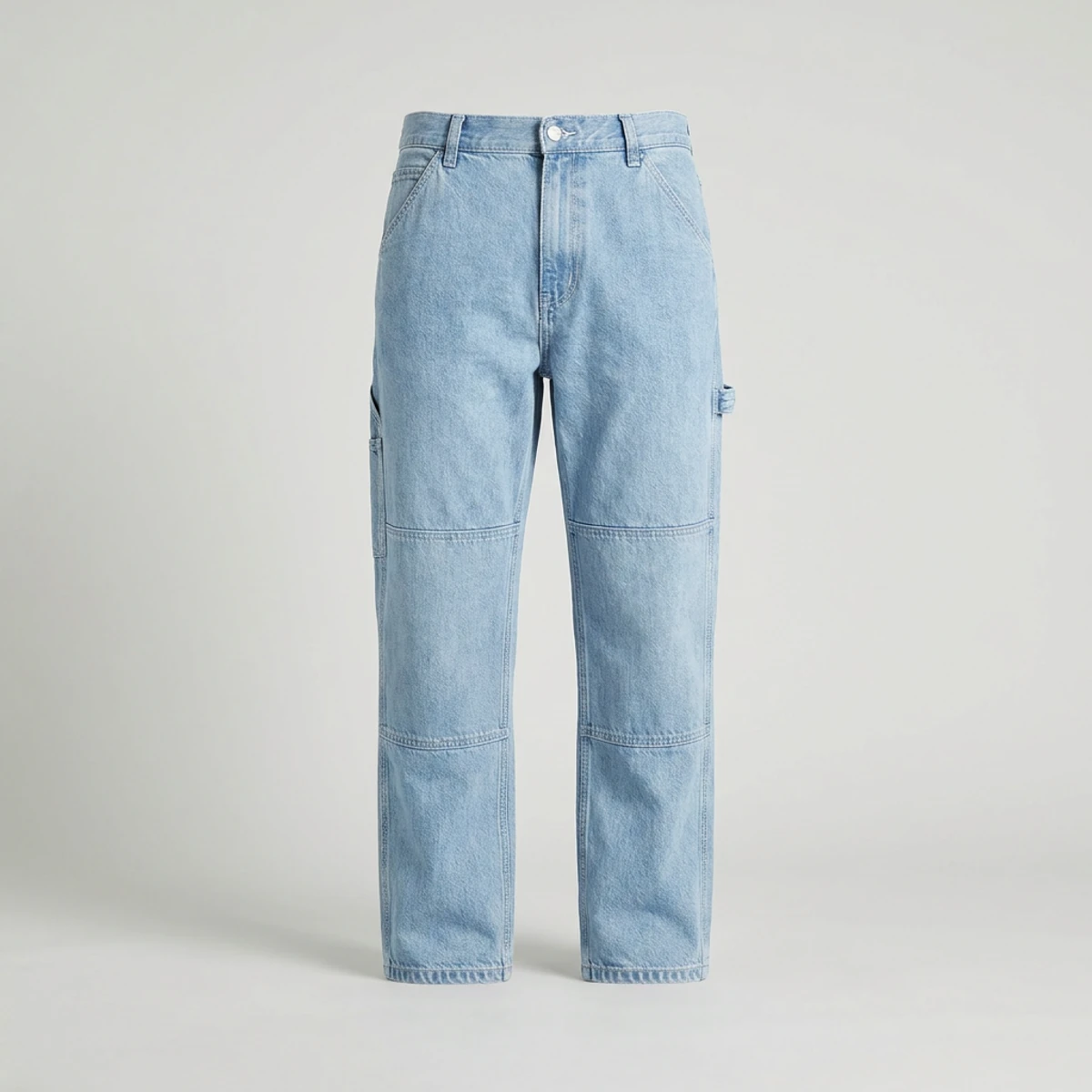
Some shops prefer heavy denim for new-construction rough-in, where pants take a beating. Hammer loops and rule pockets come built in, made to order from roughly 50 pieces of a style.
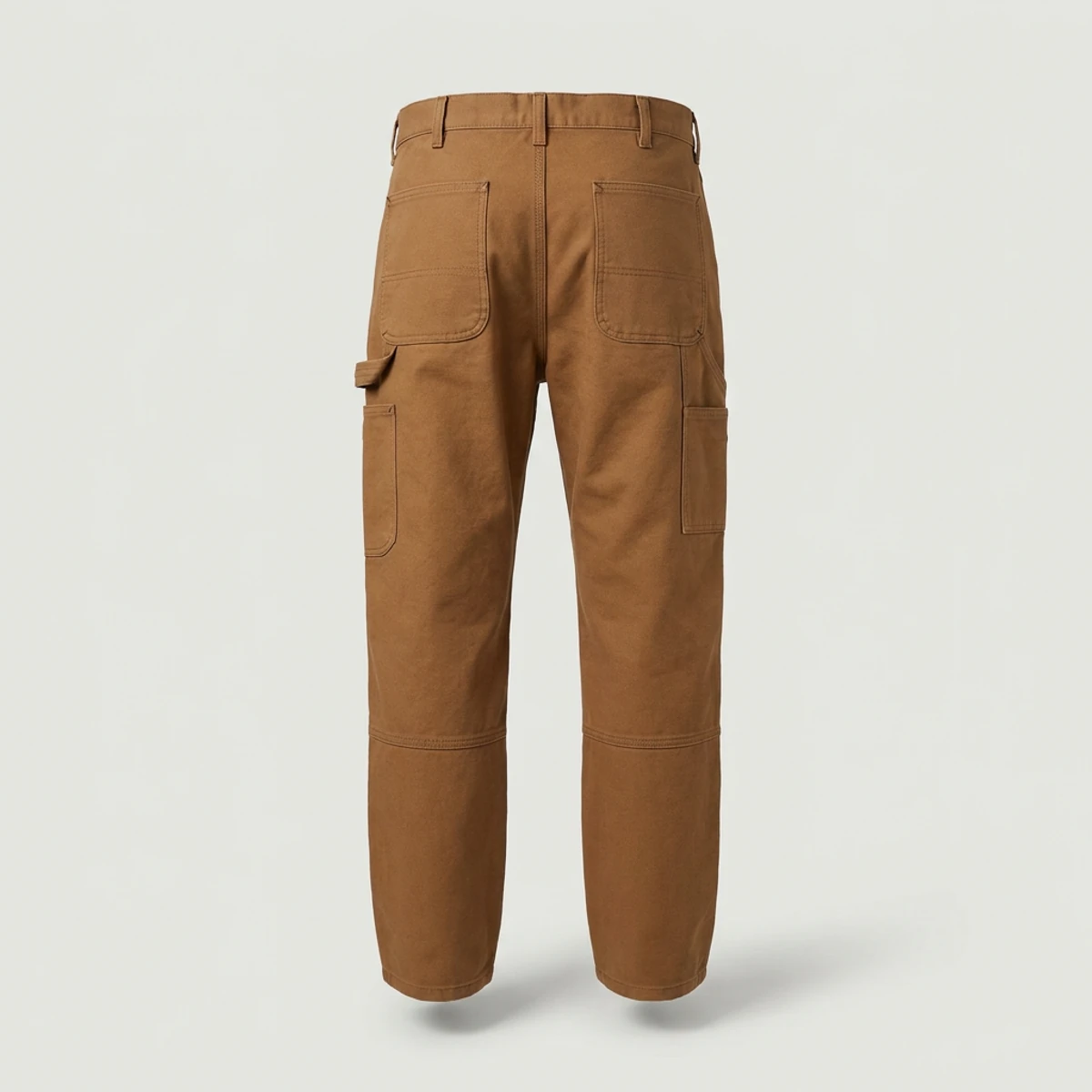
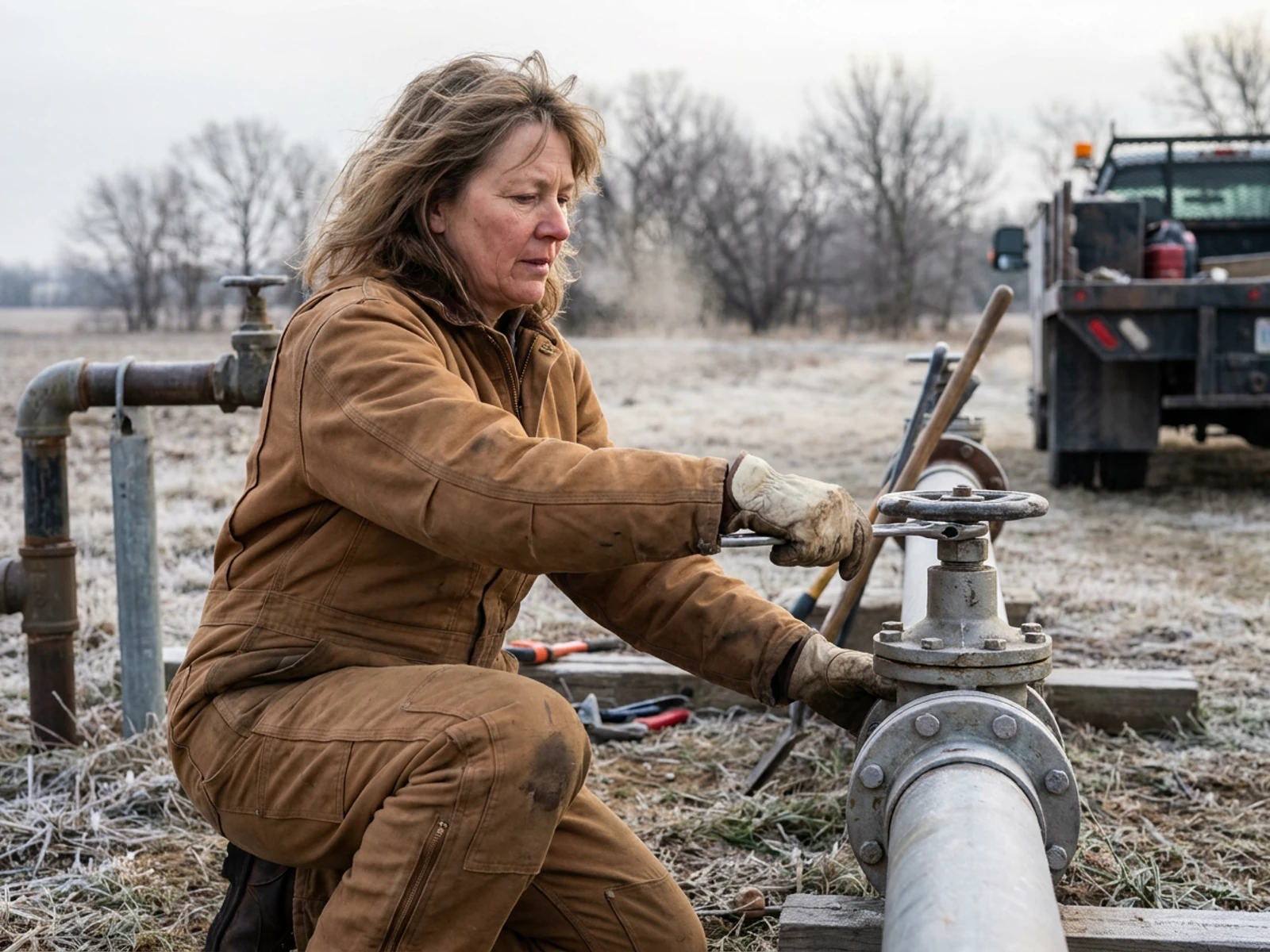
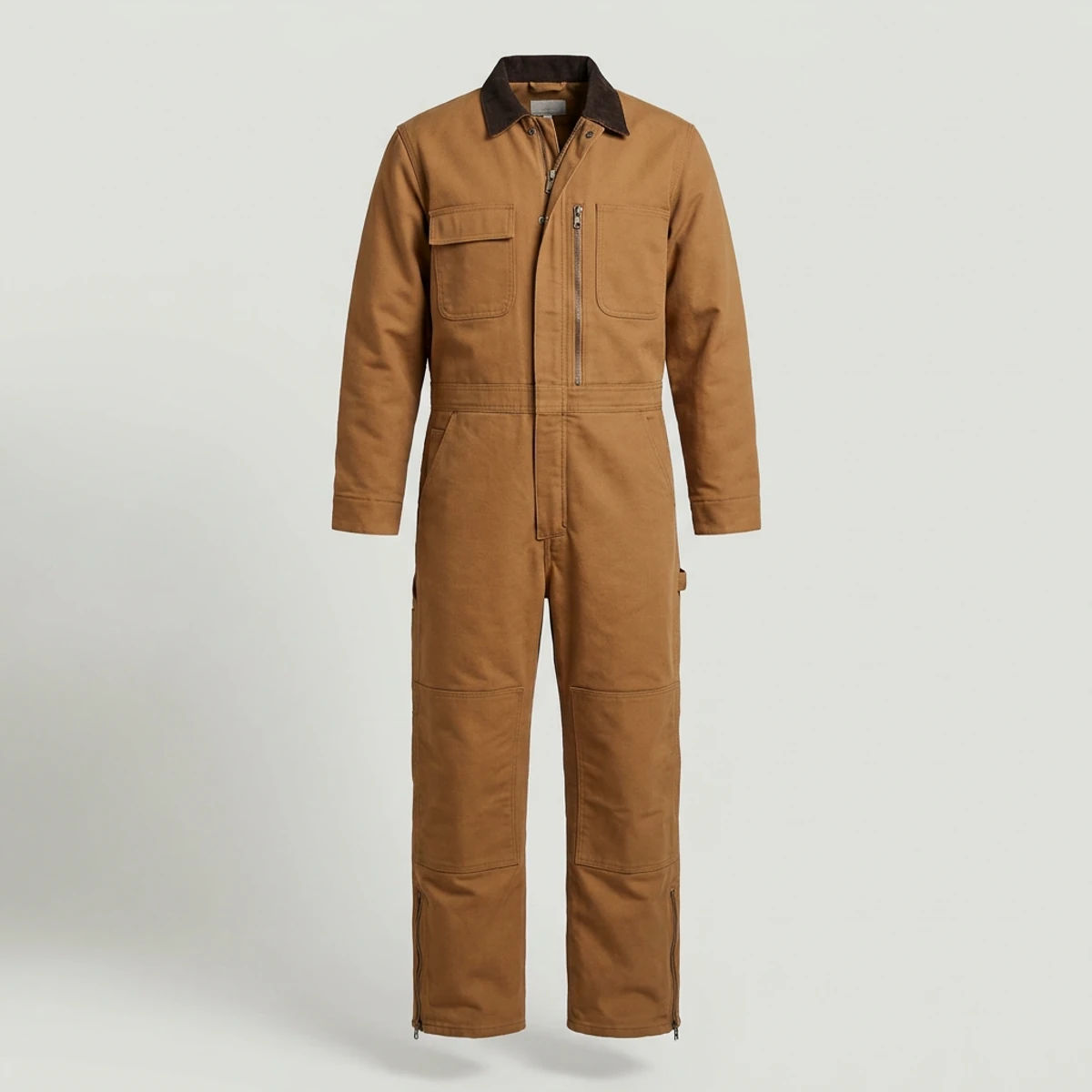
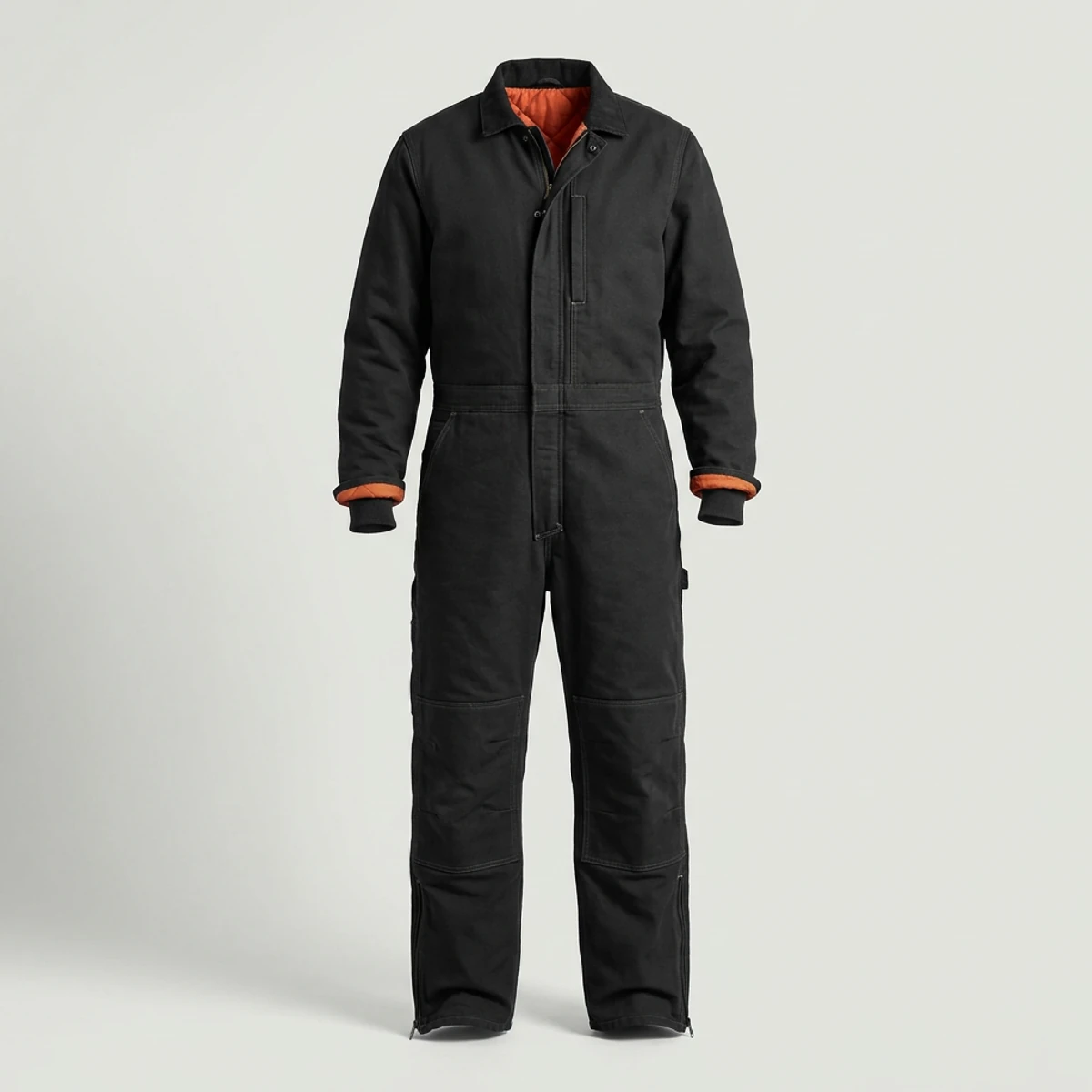
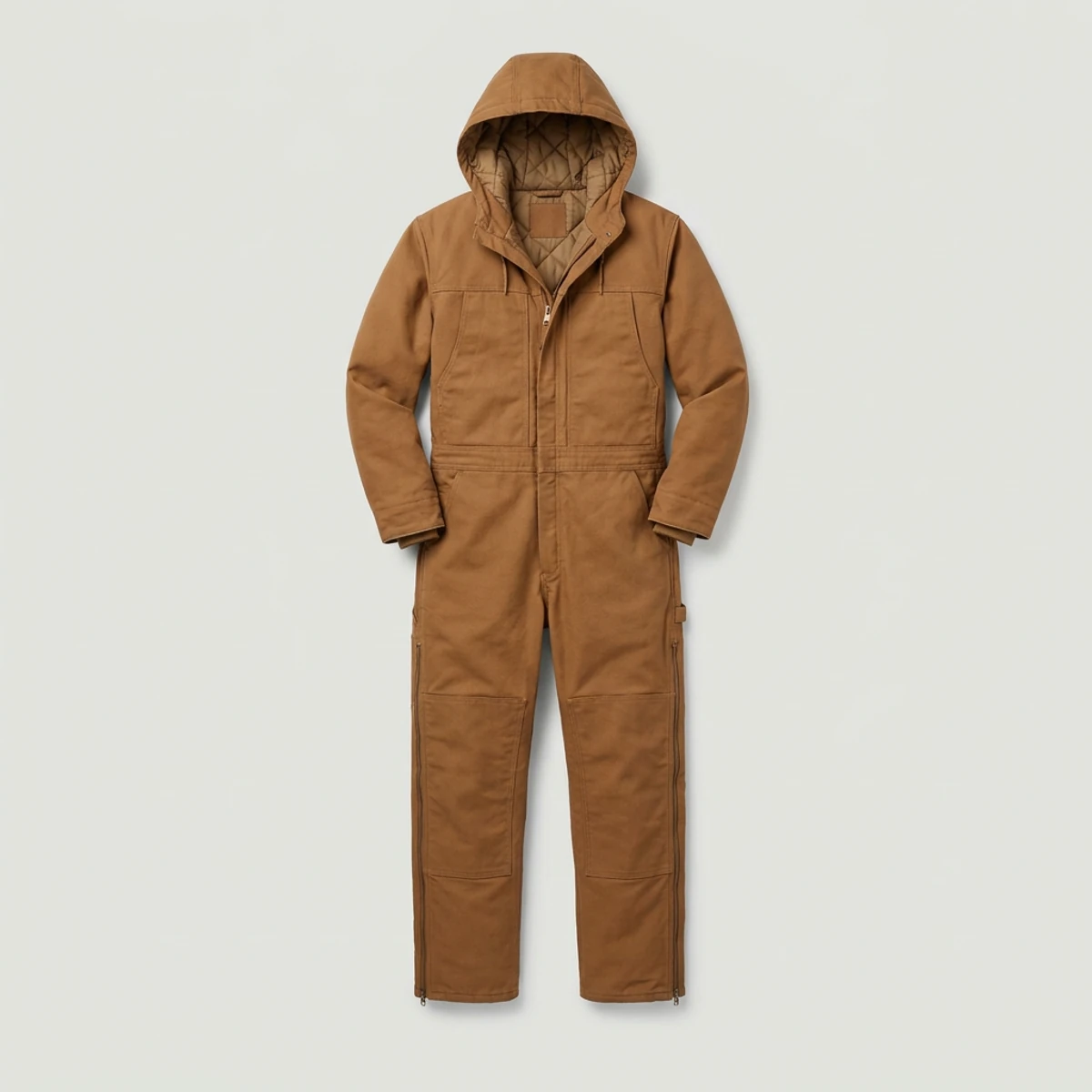
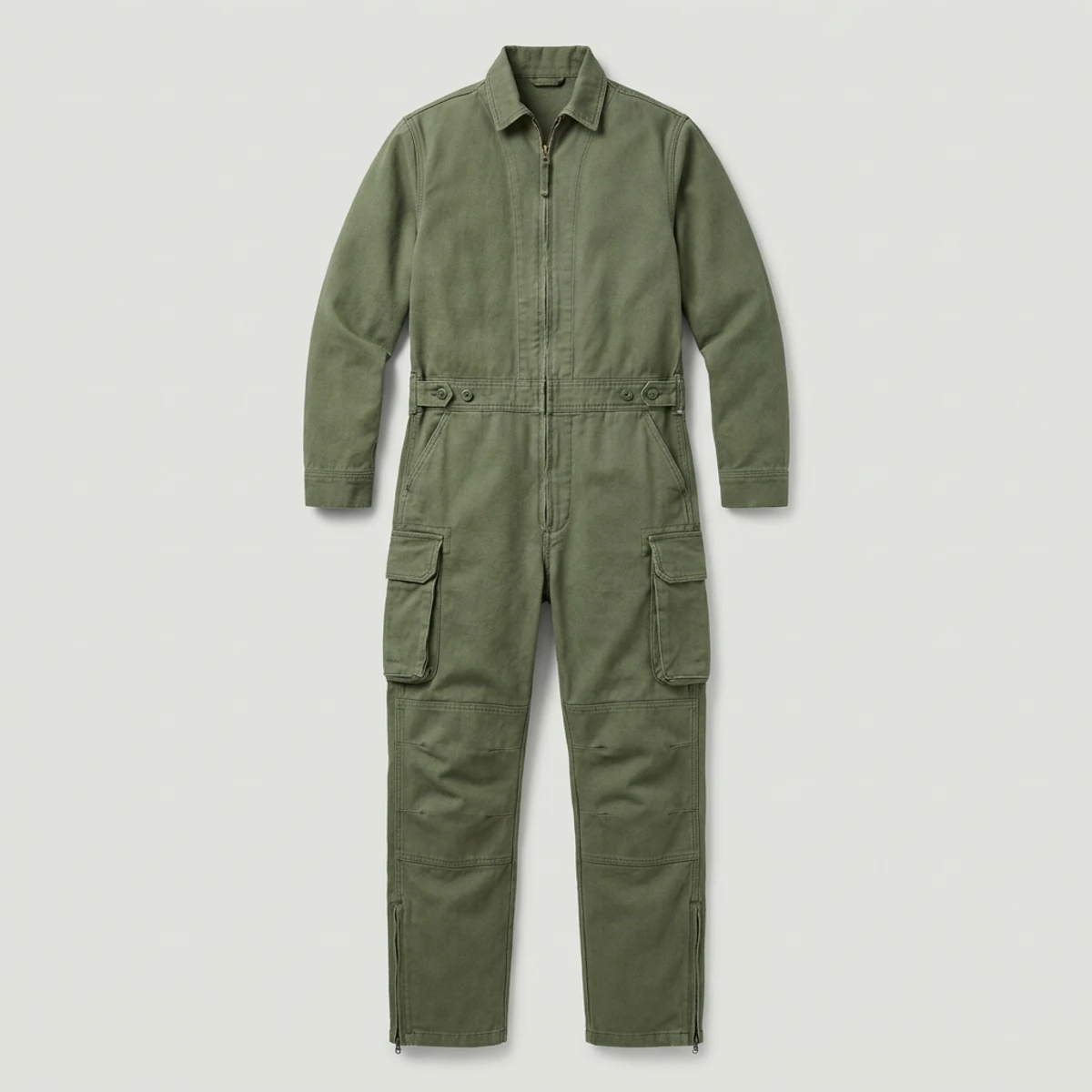
Sewer work and pump stations need a sturdy coverall that keeps contamination off street clothes. We sew them in brown or navy canvas in runs from around 50 pieces.
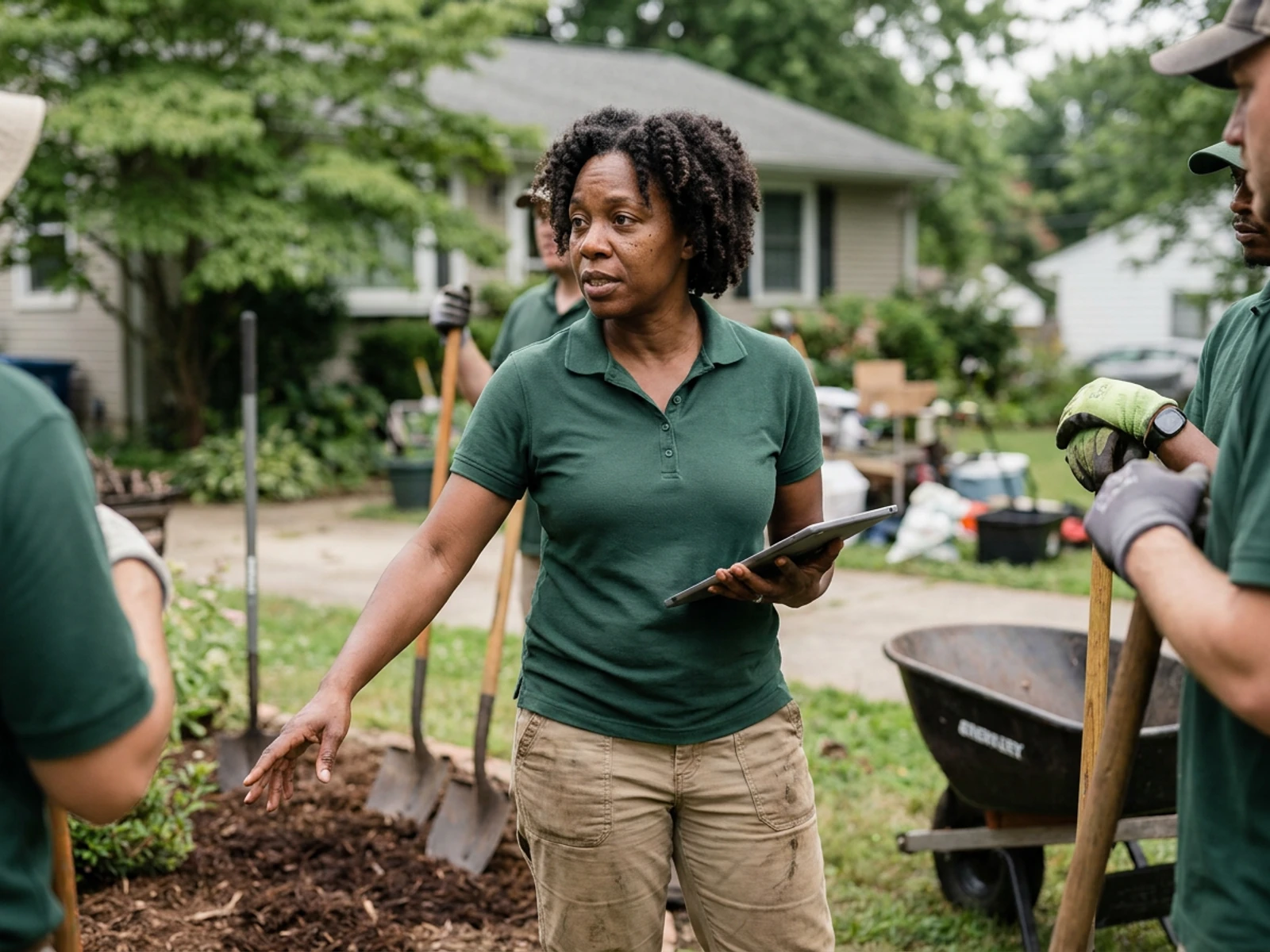
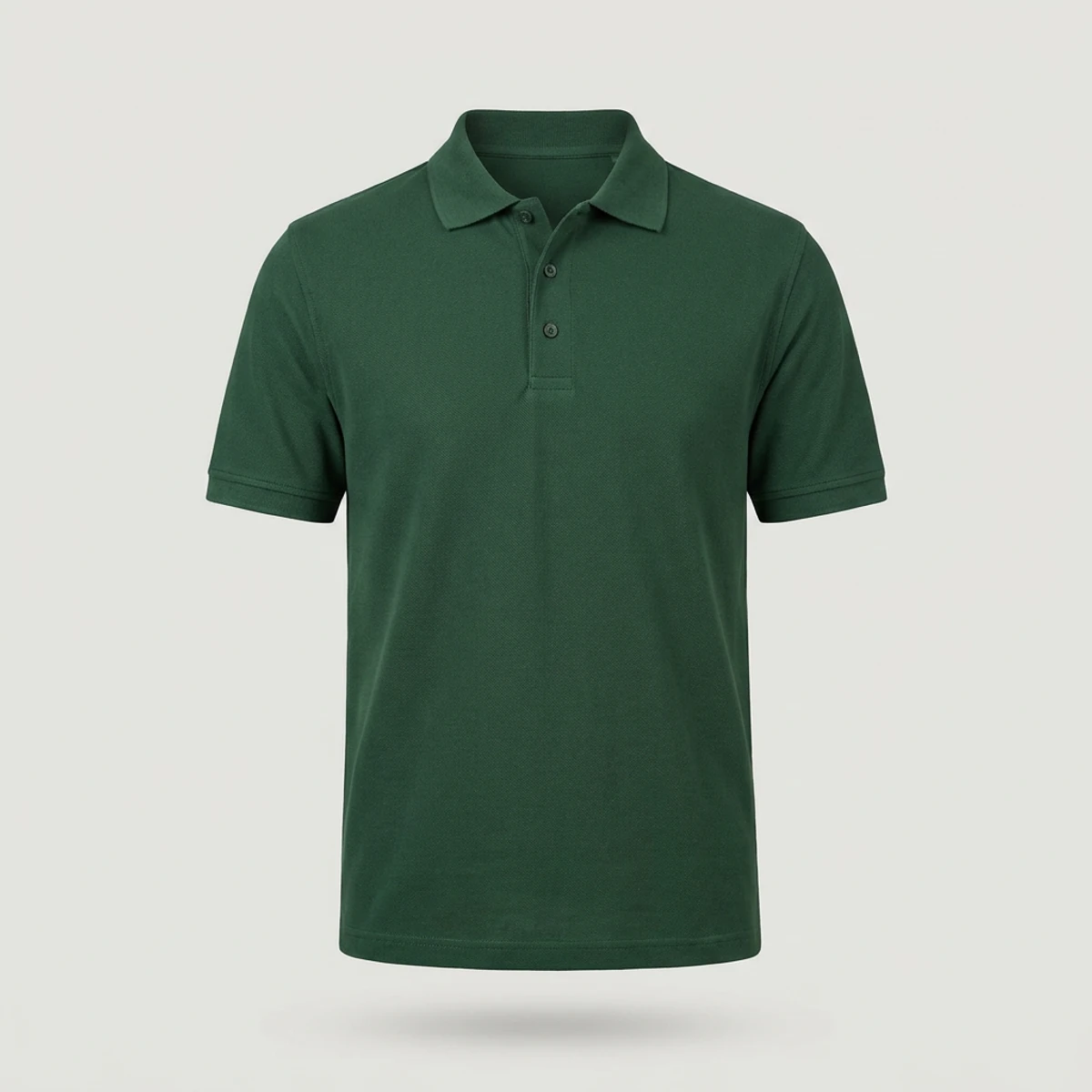
On a service call the plumber's polo is the company's handshake, so a stitched logo and a tidy collar count. These are made to order in LA with a minimum near 50 pieces per style.
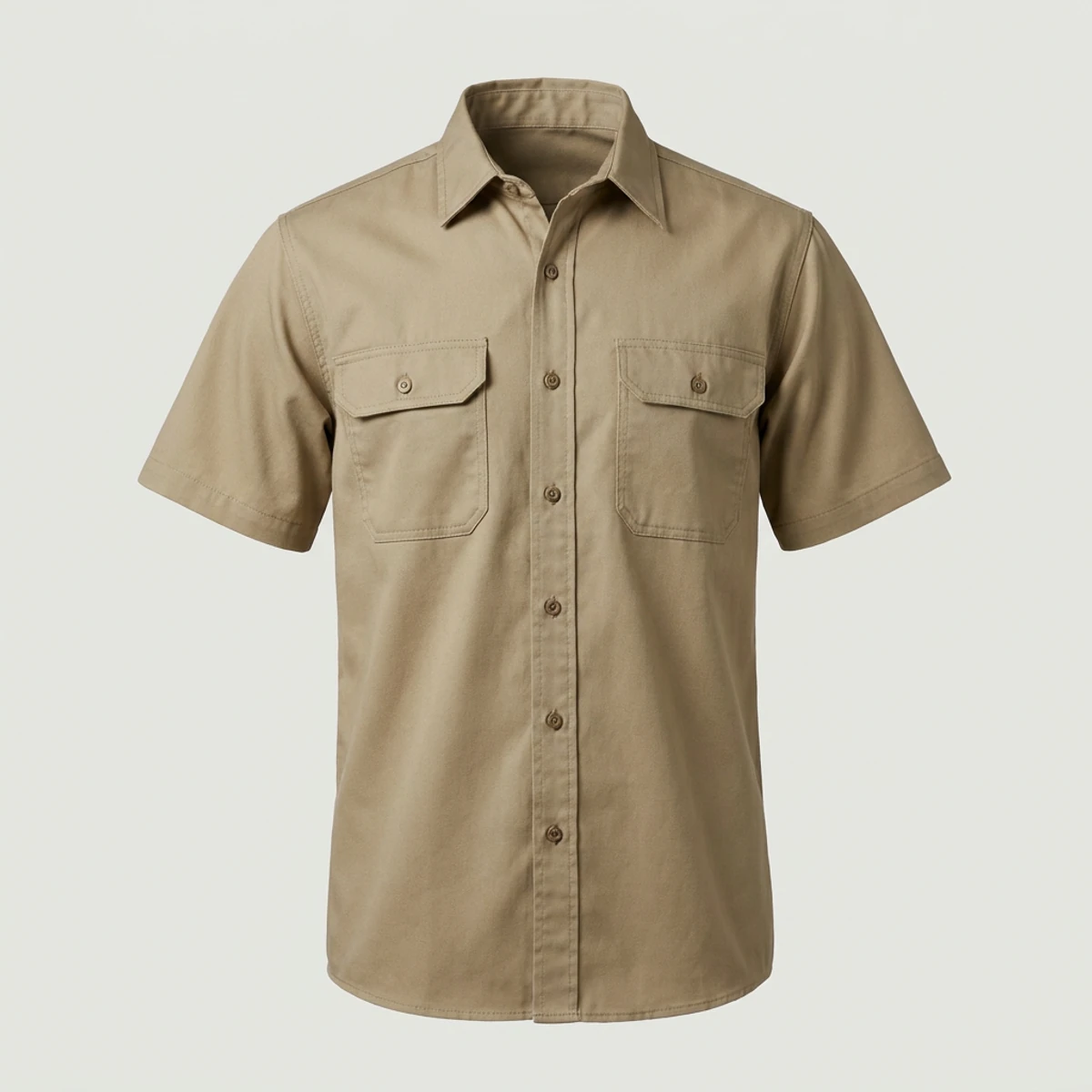
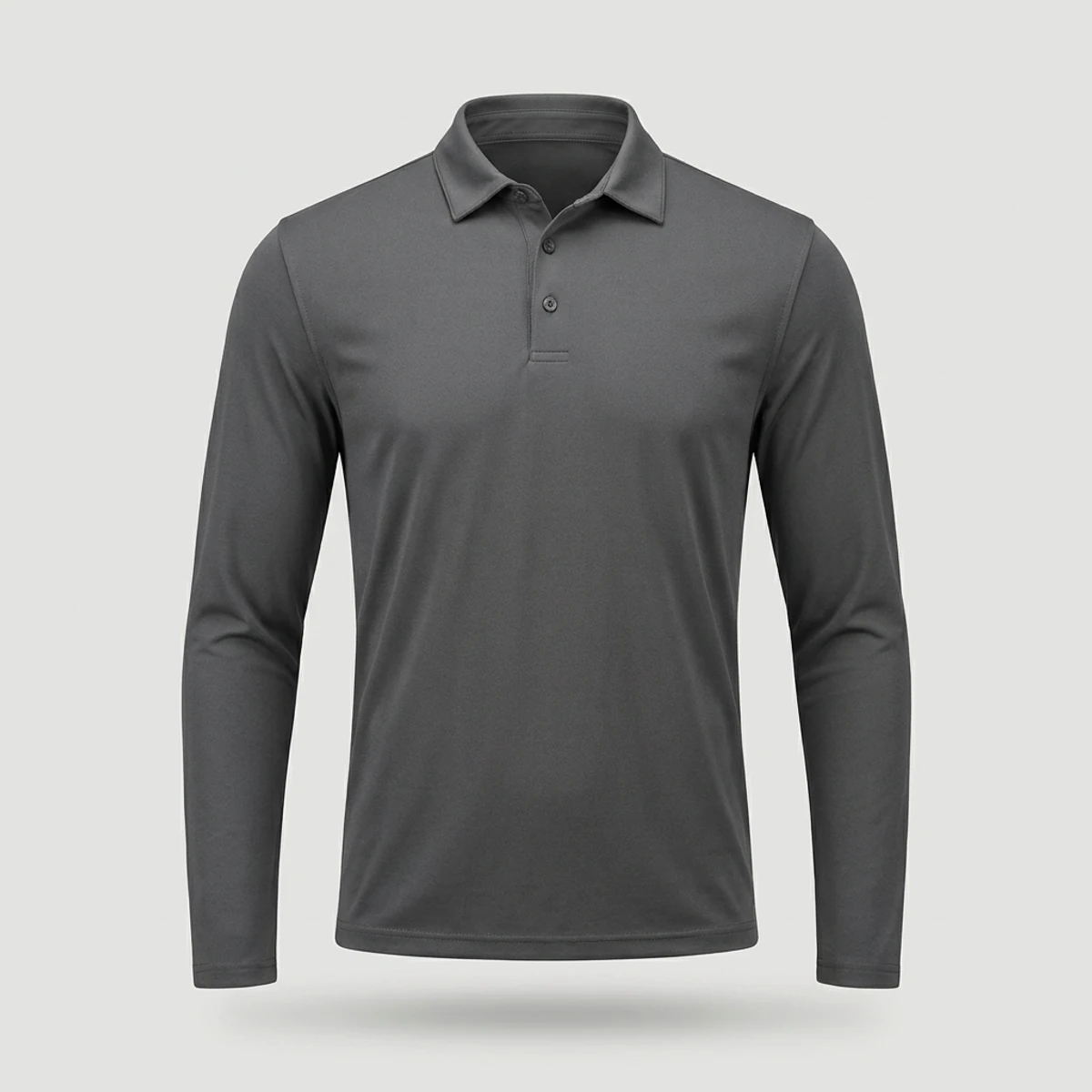
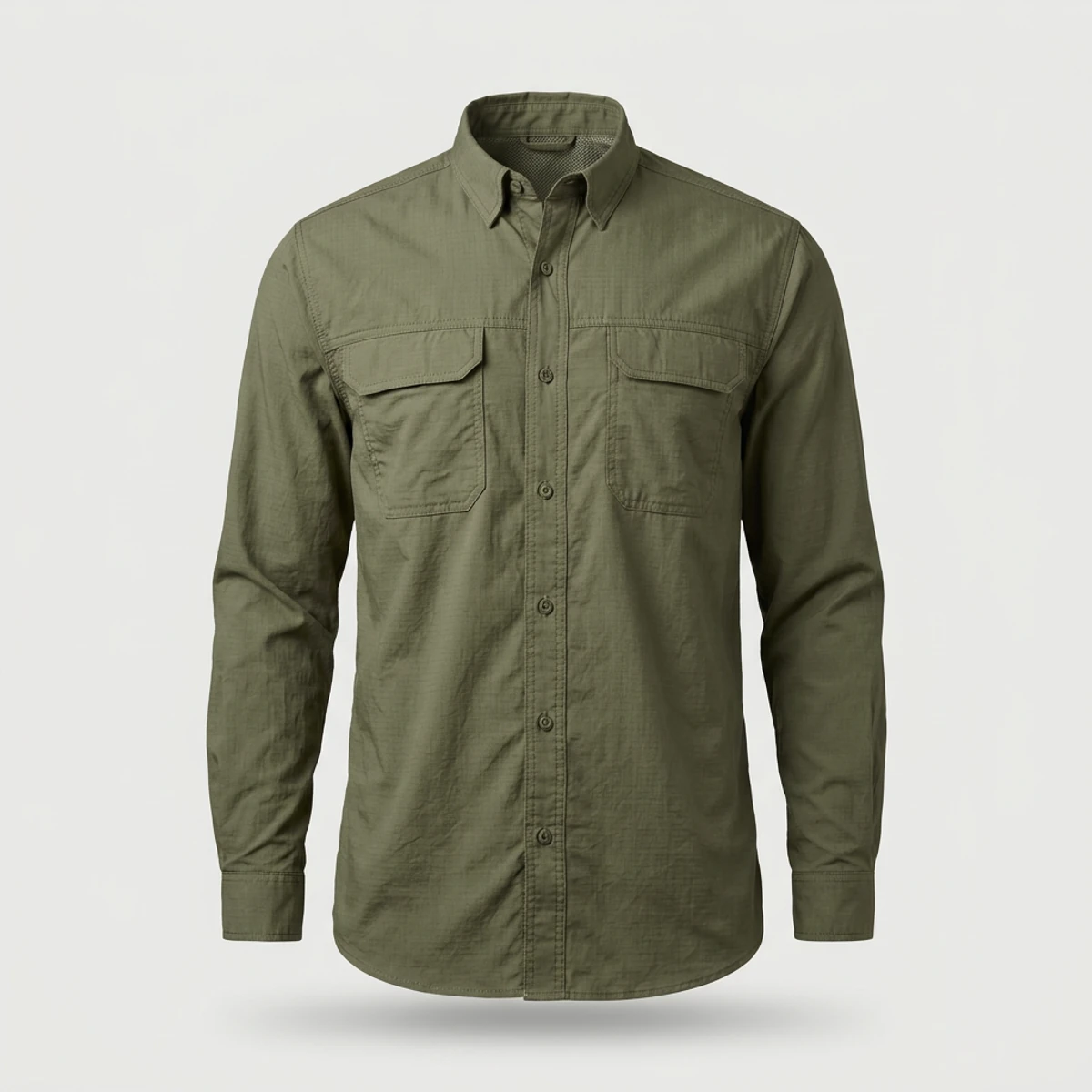
Pick the style, fabric and colors, add your logo and names, then attach the design to your quote. We cut and sew it in Los Angeles from 50 pieces per style.
Plumbing uniforms have to handle wet floors, sludge, torch heat and cramped spaces, then look clean in a customer’s living room an hour later. In one day a technician may kneel on a bathroom floor, lie under a sink and crawl through a crawlspace before explaining an estimate, so the uniform is built around that mix.
Sewage, torch heat, lead dust, traffic and crawlspace conditions are the hazards that shape plumber work clothes. Most plumbing uniforms are not regulated personal protective equipment (PPE), but the Occupational Safety and Health Administration (OSHA) general PPE rule (29 CFR 1910.132) requires employers to assess hazards and provide suitable protection.
| Hazard | Where it shows up | Clothing response |
|---|---|---|
| Sewage and wastewater | Drain cleaning, sewer lines, backups | Coverall over the uniform, removed before entering the cab or a customer’s home; wash separately |
| Torch heat and sparks | Soldering and brazing copper | Cotton-rich shirts rather than all-synthetic fabric, which can melt |
| Lead dust | Old lead pipe, old solder, renovation work | Coveralls that stay at work; protective clothing where the lead standard requires it |
| Traffic | Sewer laterals and meter work in the street | High-visibility apparel at the class the work zone requires |
| Crawlspaces and attics | Cold, damp or very hot spaces, insulation, pests | Long sleeves or a coverall; layers rather than one heavy garment |
On construction and renovation work, OSHA’s lead standard for construction (29 CFR 1926.62) requires employer-provided protective clothing where exposure exceeds its permissible limit. For street work, the Manual on Uniform Traffic Control Devices (MUTCD), 11th edition, Section 6C.05, calls for workers in the right-of-way within a temporary traffic control zone to wear ANSI/ISEA 107 Performance Class 2 or 3 apparel. Gloves, eye protection and respirators sit outside the uniform itself.
Tip: Give drain and sewer techs a coverall and a clean shirt in the van. The coverall takes the mess; the customer only sees the clean shirt.
Plumber work clothes usually come down to four pieces: a branded work shirt, durable work pants, a coverall for the dirtiest jobs and, for street crews, a high-visibility layer. Each can carry the same logo and color, so a technician looks like part of your team whatever the job.
Short sleeves keep forearms clear when working in water; long sleeves protect arms in crawlspaces and look sharper for estimate visits. Collared shirts suit service calls, crew necks suit install crews.
Durable work pants need reinforced or double-layer knees, a phone or tool pocket that closes, and a gusseted crotch for deep crouching without straining seams.
For sewer lines, water heater swaps and crawlspaces, branded coveralls pull over the uniform and keep the shirt clean for the next customer; our coveralls vs overalls guide compares the two.
Crews working laterals, meters or main connections next to traffic need high visibility clothing; we confirm the target ANSI/ISEA 107 class and logo placement at quote stage.
Plumbers should layer a breathable branded shirt, a light long-sleeve layer or work jacket, and a coverall for the dirtiest jobs, because a damp crawlspace and a summer attic need opposite clothing. One heavy garment is too hot in the attic and too wet underneath a house.
In hot regions, plan for heat too: California, for example, has its own outdoor heat illness prevention standard (Title 8, Section 3395), and lighter shirts make long attic jobs more manageable.
Plumbing uniforms are easiest to manage by role: service plumbers in a branded shirt with a coverall in the van, drain and sewer technicians with coveralls as standard issue, install crews in tougher crew necks, and managers in a sharper collared shirt. Shared colors and logos keep every role recognizably part of one company.
| Role | Typical uniform |
|---|---|
| Residential service plumber | Collared or crew-neck branded shirt, work pants, coverall in the van |
| Drain and sewer technician | Durable shirt, work pants, coveralls, hi-vis for street work |
| New-construction and install crew | Crew-neck shirts, work pants, a work jacket for cold sites |
| Water heater and repipe specialist | Branded shirt, reinforced pants, long sleeves for attics |
| Service manager or comfort advisor | Sharper collared shirt in the same colors |
| Dispatch and office | Standard branded shirt |
Cotton-rich twill suits plumbers who solder or braze, because it is less likely than synthetics to melt; poly-cotton holds color and shape through frequent washing; stretch blends help with crawling and under-sink work. Coverall fabric is chosen for sewer and drain jobs, where full coverage matters more than breathability.
| Option | Best for | Trade-off |
|---|---|---|
| Cotton-rich twill | Torch work, durability, comfort | Slower to dry when soaked |
| Poly-cotton blend | Holding color and shape through frequent washing | Higher synthetic content is less suited to torch work |
| Stretch blend | Crawling, crouching, under-sink work | Check how it holds up at the knees |
| Coverall fabric | Sewer, drain and crawlspace jobs | Hot in summer; take off between calls |
Fit matters as much as fabric. Try samples kneeling, lying on your back and folded into a vanity cabinet, and watch for shirts that ride up, pants that pull across the seat and pockets that dump a phone. We confirm available fabrics and features at quote stage.
Branded plumbing uniforms help close estimates, because homeowners often decide whether to approve a quote within minutes of meeting the technician. A visible chest logo, the company name or phone number on the back, the technician’s name, and colors that match the vans and website all signal an established, accountable company.
Embroidery tends to last longest on shirts washed often; printing suits larger back designs. See our custom embroidery and printing options. Supply houses and founders of trade workwear labels can use our private label service to put their own labels and tags on garments we cut and sew. Combined plumbing and heating companies often run one program with their HVAC technicians.
Tip: Put the technician’s first name on the shirt. Customers who know the name can ask for the same person next time.
The cost of a custom plumber uniform program depends mainly on fabric, how many styles and sleeve lengths you run, the quantity per style, garment features and decoration. No prices are listed here, because every order is quoted on its actual fabric, artwork and quantity; the table shows which choices move the unit price.
| Cost driver | How it moves the unit price | How to keep it in check |
|---|---|---|
| Fabric | Stretch and specialty fabrics usually cost more than standard twill or poly-cotton | Choose fabric for torch work and laundering, not feel alone |
| Quantity per style | Larger runs spread cutting, setup and sampling across more pieces | Share one shirt and one pant style across service and install crews |
| Number of styles | Each sleeve length, color or coverall is a separate style with its own minimum | Keep the program to a few core garments |
| Style complexity | Double knees, gussets and closing pockets add sewing time | Keep the features technicians use daily |
| Decoration | Stitch count, colors and number of locations add time per garment | Chest logo plus one back mark |
| Personalization and labels | Names, custom labels and packaging add handling | Send one name list; use standard finishing |
A plumber uniform program rolls out in six moves, from listing roles to issuing garments with care rules. The step that saves the most money is counting by style rather than by person, because a small group can often share a larger group’s shirt instead of needing its own run.
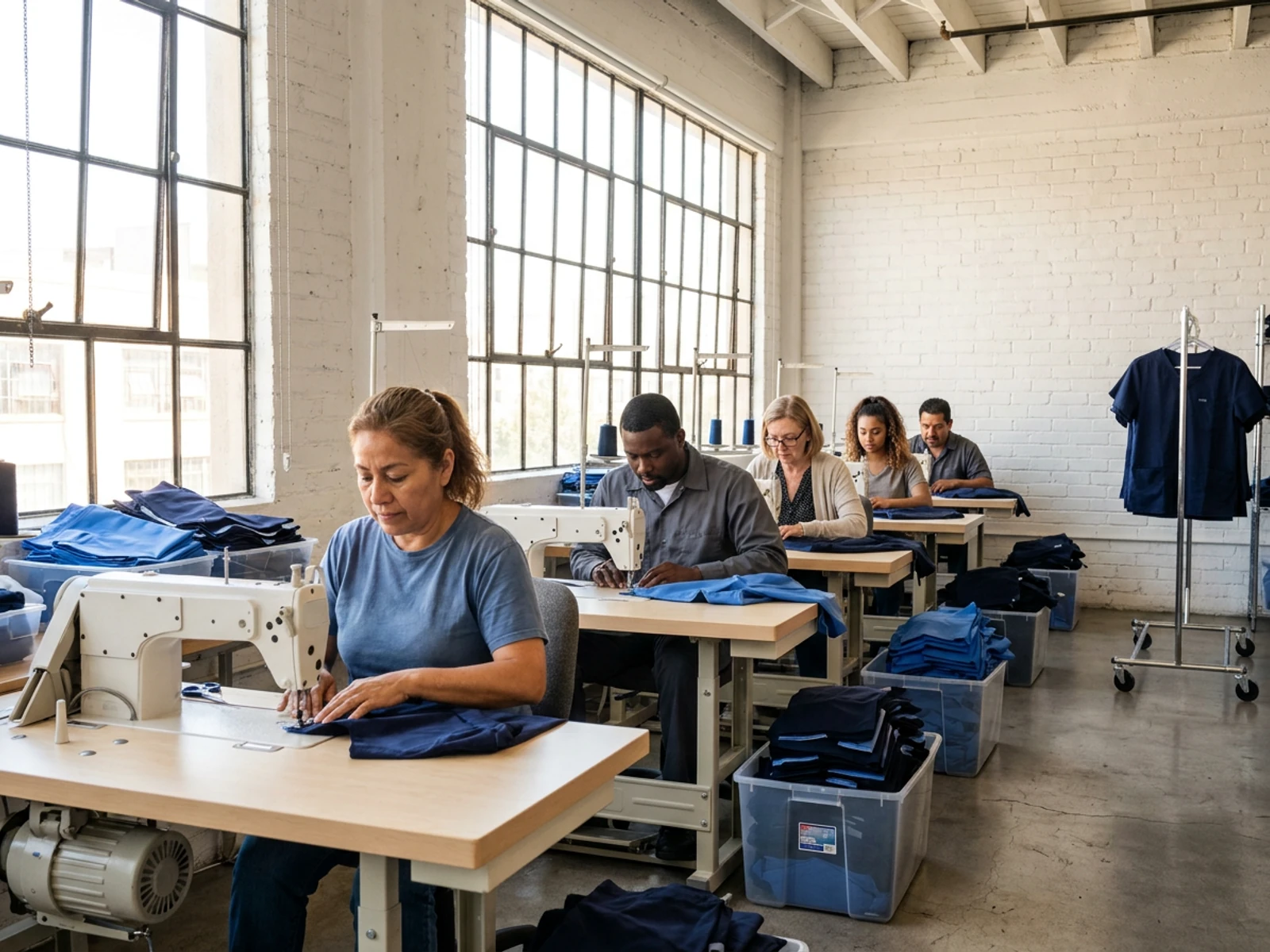
Reorders of plumber uniforms match the shirts already in service because the approved spec stays on file. Plumbing companies often grow one or two technicians at a time, too few for a fresh production run, so a small buffer of shirts and pants in common sizes matters, with coverall replacements planned more often than shirts.
Unbranded spares can also come through our wholesale blanks program. Ask us for current lead times before your busy season.
Sewage-soiled work clothes should be washed separately from other laundry, on the hottest cycle the care label allows, and kept out of the family wash. Coveralls exist so most contamination never reaches the shirt; treat pipe dope, flux and grease before washing, because heat sets them.
Lead-contaminated coveralls should stay at work or go to a laundry that knows they are contaminated, so lead dust does not travel home. Dry darker shirts at moderate heat to protect color.
The most common plumber uniform mistakes are one heavy garment for every condition, too few sets per technician and light colors in a trade full of sludge. Each is cheap to avoid at the planning stage and expensive once a full run has been cut, sewn and issued.
Ready to order
A complete plumber uniform quote needs your roles, garments per role, sleeve lengths, sizes and artwork. Sending the list below with the first message lets us price the order, confirm fabric options and plan a sample in one round instead of several rounds of follow-up questions.
Need something not covered here? Ask our Los Angeles team and we’ll answer with options for your order.
Ask our Los Angeles teamMost plumbing companies issue a branded collared or crew-neck work shirt, durable work pants with reinforced knees, and coveralls for heavy jobs such as sewer, drain or crawlspace work. Long sleeves or a light outer layer help in crawlspaces. Footwear and gloves are set by each company's safety policy.
The minimum is about 50 pieces per style, and sizes can be mixed within that run. If you want the same shirt in two colors, tell us when you request a quote and we will confirm how colors are counted toward the minimum for your order.
Yes. Coveralls are part of our workwear range and can carry the same logo as your shirts, so crews look consistent even on the dirtiest jobs. We confirm fabric options, zipper type and pocket layout at quote stage, and crews can pull them on over the uniform.
Yes. Name embroidery or name tapes are common on service uniforms because customers like knowing who is in their home. Send a name list by size with your order and we match each name to the right garment, so each technician receives a ready-to-wear set.
Yes. If you run a supply house or want to launch a workwear label for the trades, our private label service covers your own labels, hang tags and packaging on garments we design, sample and sew in our Los Angeles factory, with the same 50-piece minimum per style.
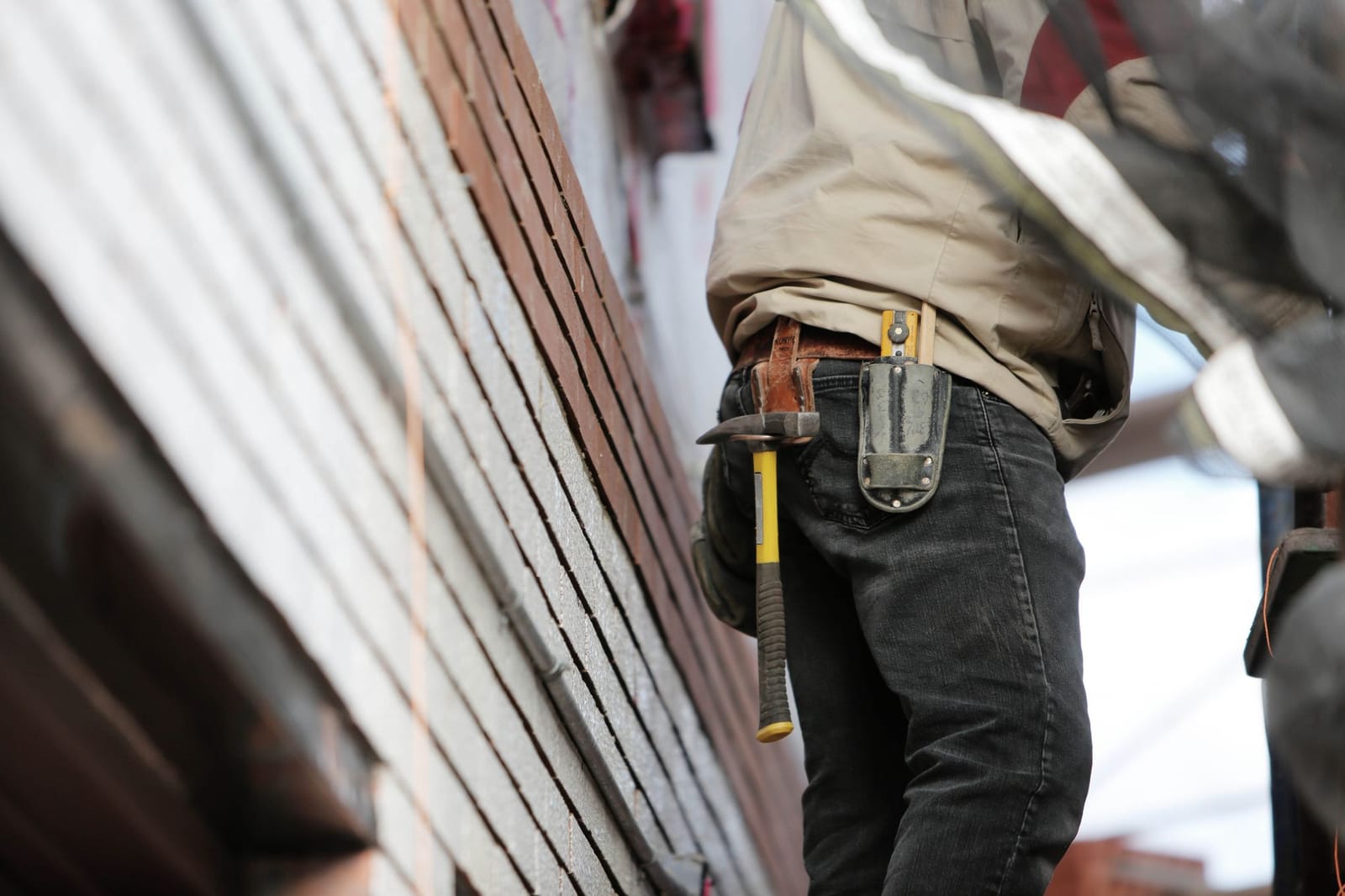
Industrial, cargo and utility work pants in your fit, fabric and color, cut and sewn in Los Angeles from about 50 pieces per style.
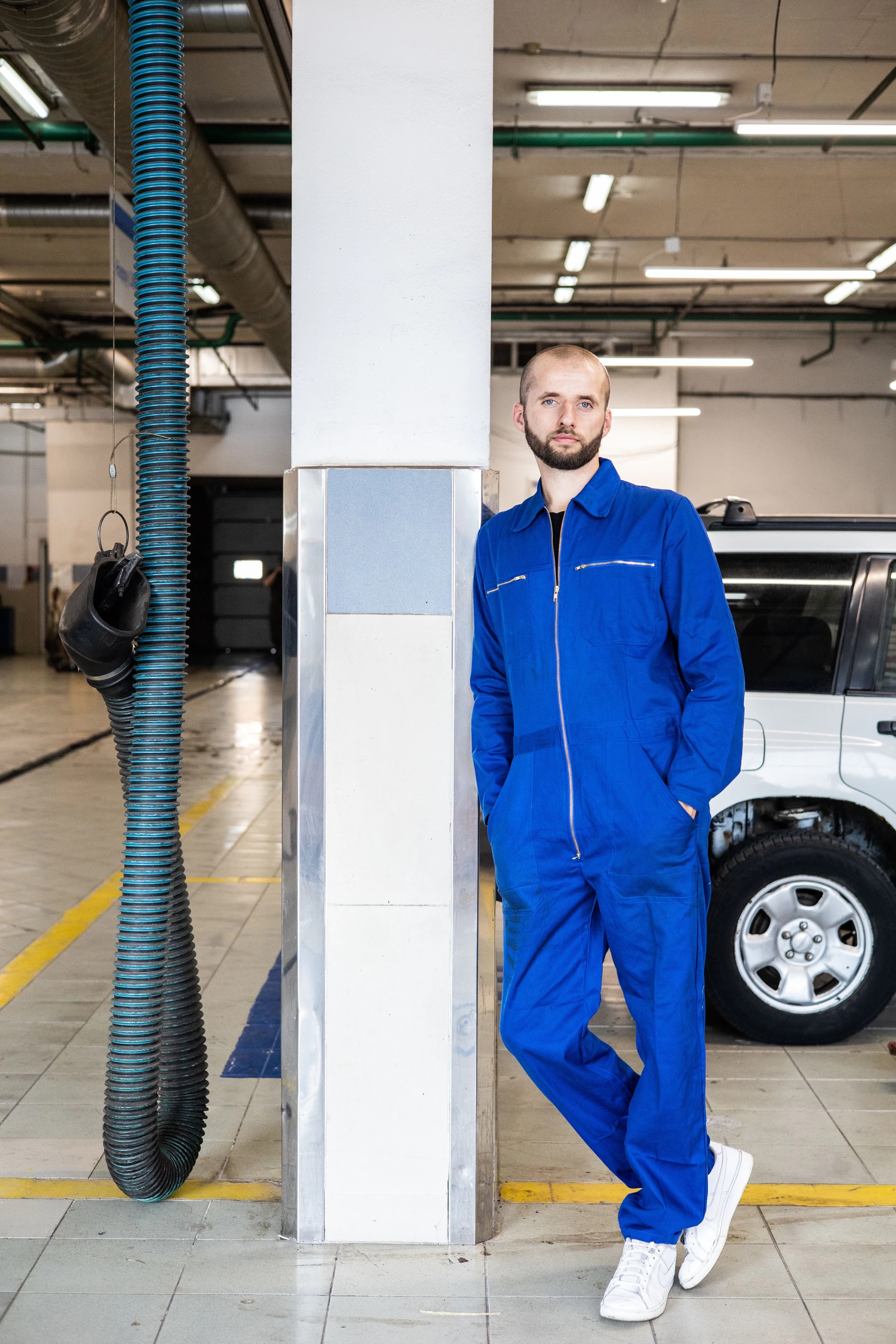
One-piece work coveralls with your logo, name and color, cut and sewn in Los Angeles for mechanics, plants and field crews from about 50 pieces per style.
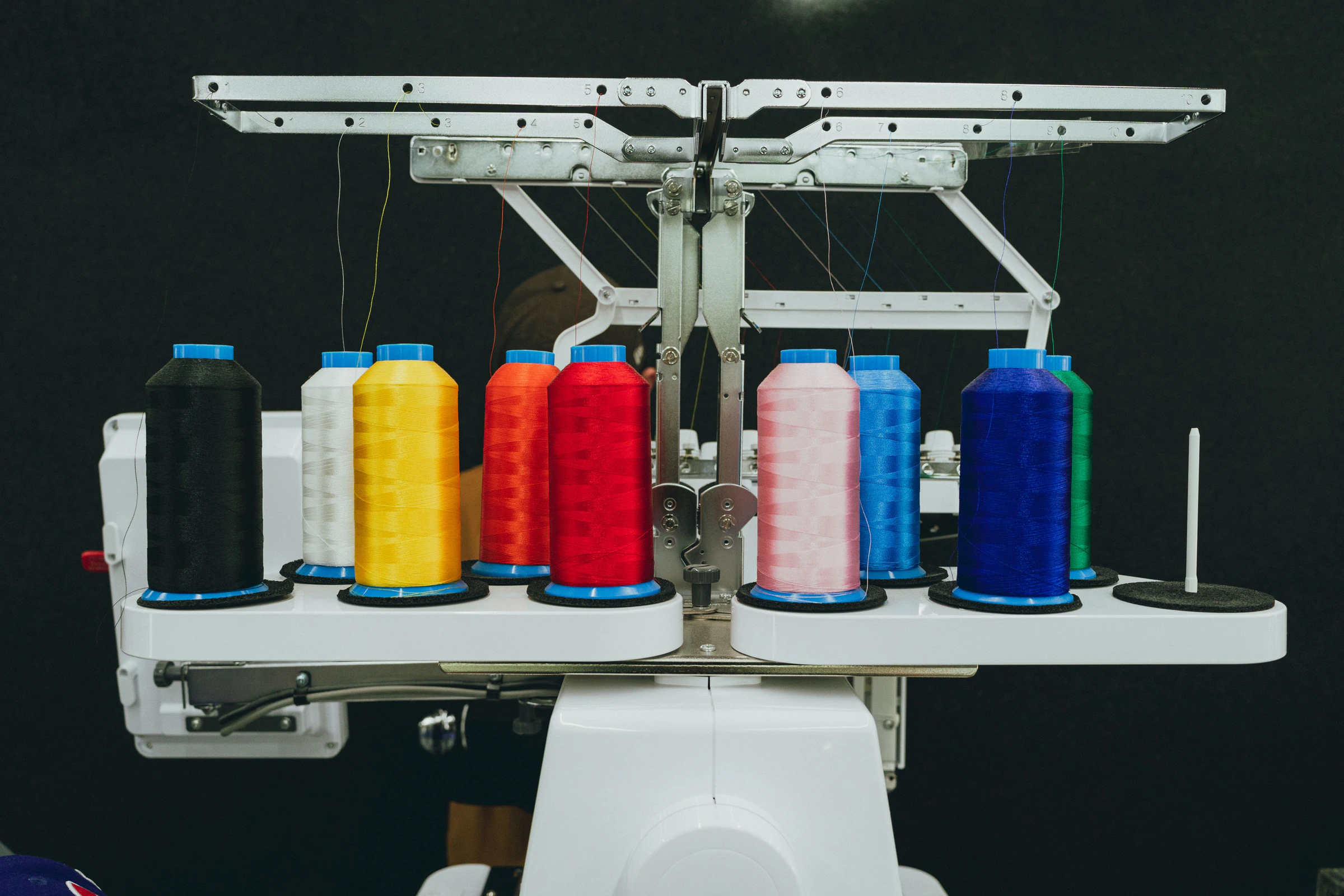
Logo embroidery, screen printing, transfers and patches across workwear, with advice on which method suits each garment, fabric and order size.
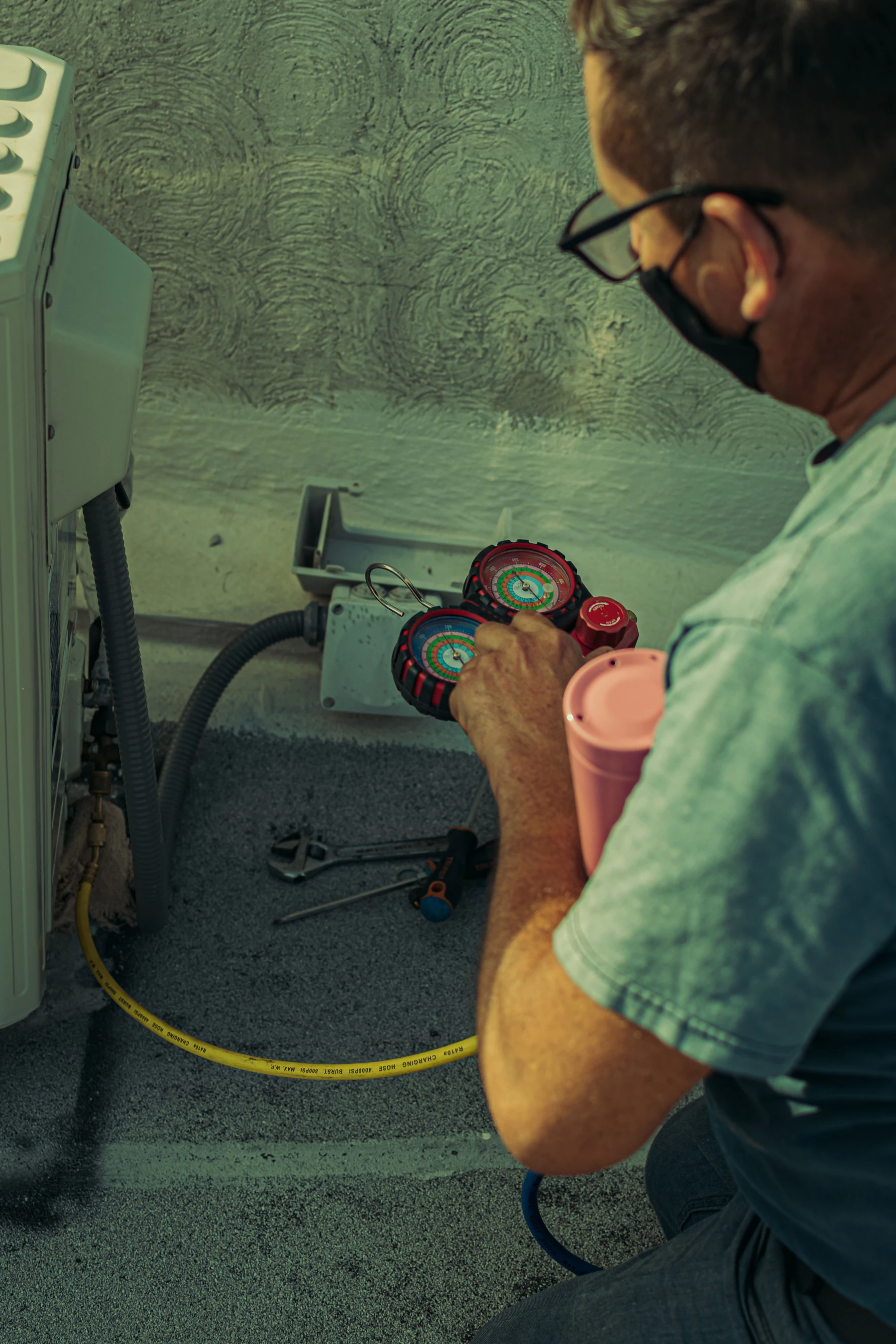
Branded HVAC technician shirts, pants and layering pieces for attic, rooftop and service work, cut and sewn in Los Angeles from 50 pieces per style.
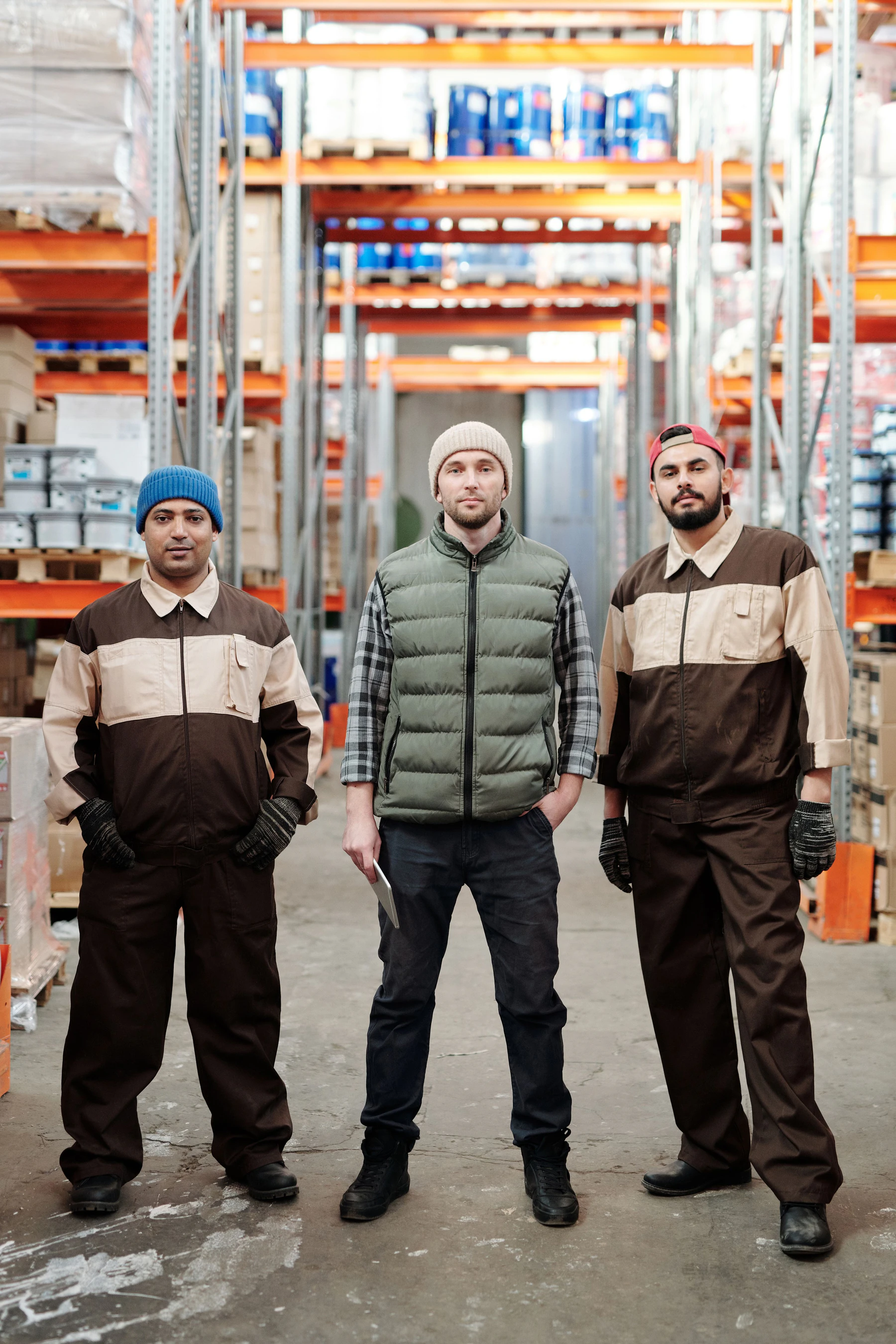
Durable branded shirts, pants and high-visibility vests for warehouses, distribution centers and logistics teams, cut and sewn in Los Angeles from 50 pieces per style.