Services · Los Angeles factory

Custom Embroidery for Work Uniforms

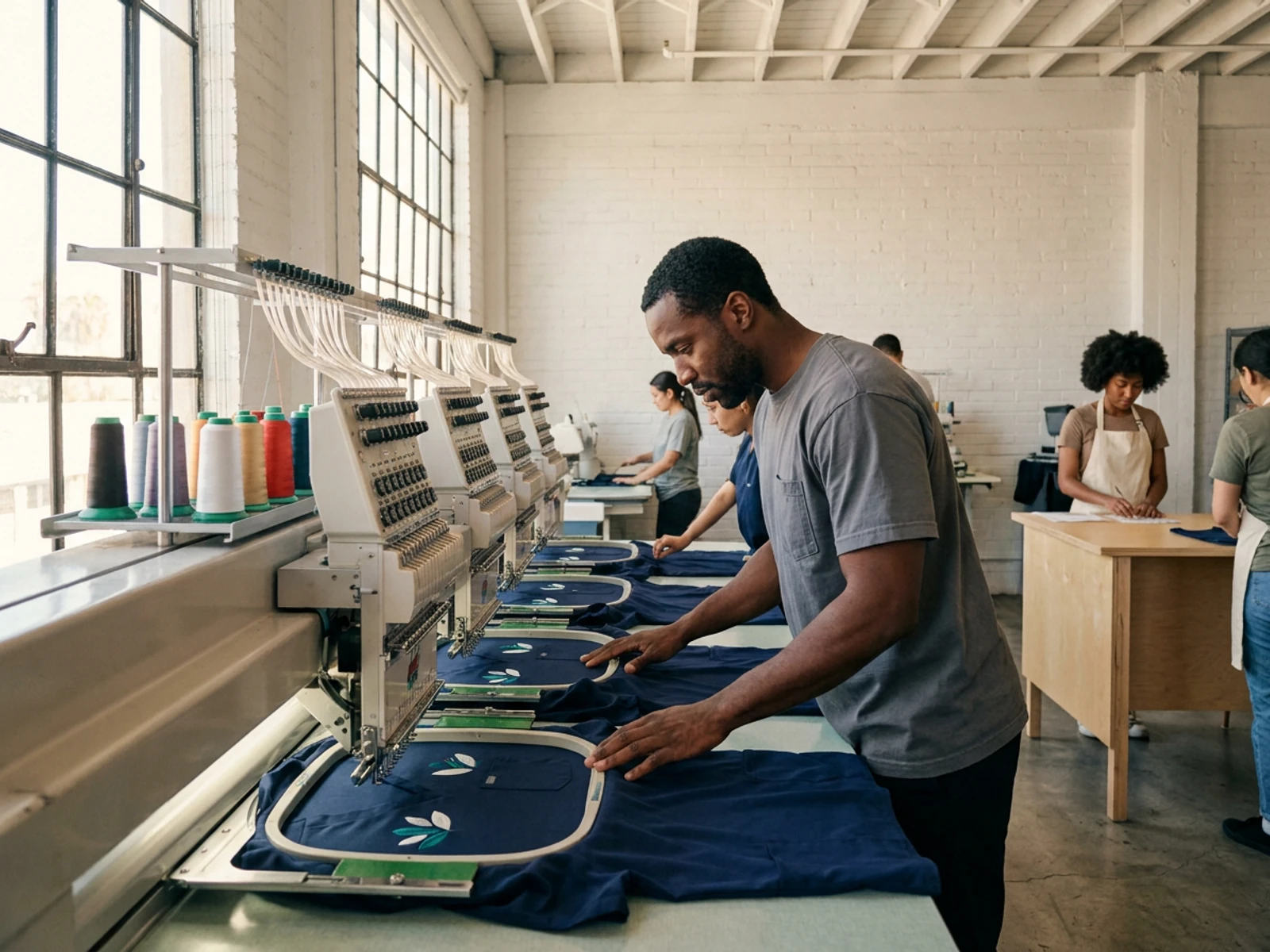
Custom embroidery is the process of stitching your logo into a garment with thread, and it is the most durable way to brand work uniforms that get washed hard. Custom Uniform Factory decorates the uniforms it cuts and sews in its Los Angeles factory with embroidery, printing or patches, choosing the method by garment, fabric, artwork and quantity, on orders from about 50 pieces per style.

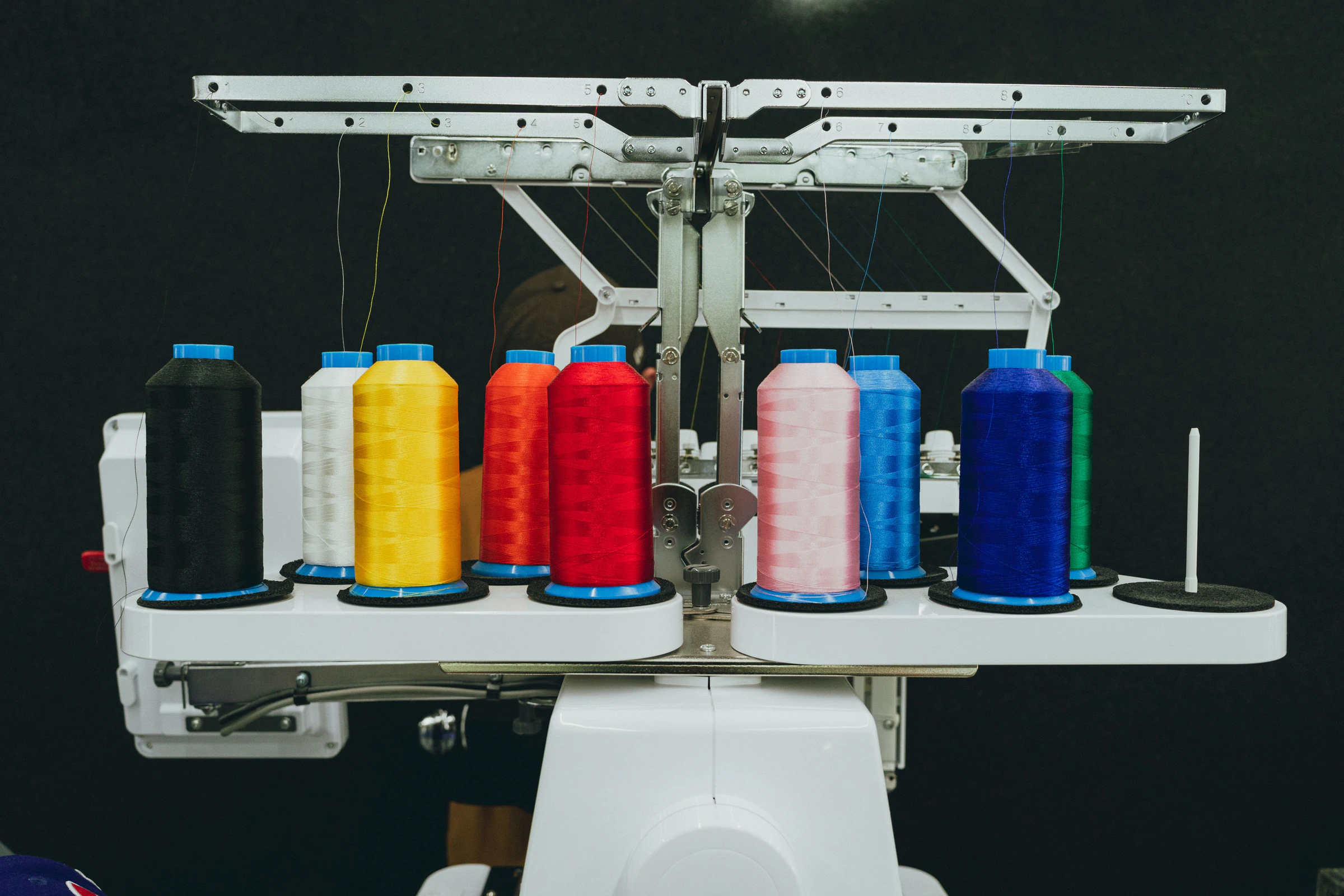
Commercial embroidery machine loaded with colorful thread cones in black, yellow, red, pink and blue
Minimum order
About 50 pieces per style
Production
Cut & sewn in Los Angeles, imported fabric
Methods
Embroidery, printing and patches, confirmed at quote
Artwork
Vector preferred; high-res PNG accepted

Embroidery & Printing by style

16 styles in 4 families · each made to order in your fabric, color and branding from 50 pieces.

Customize your uniformsYour fabric, colors, pockets and branding
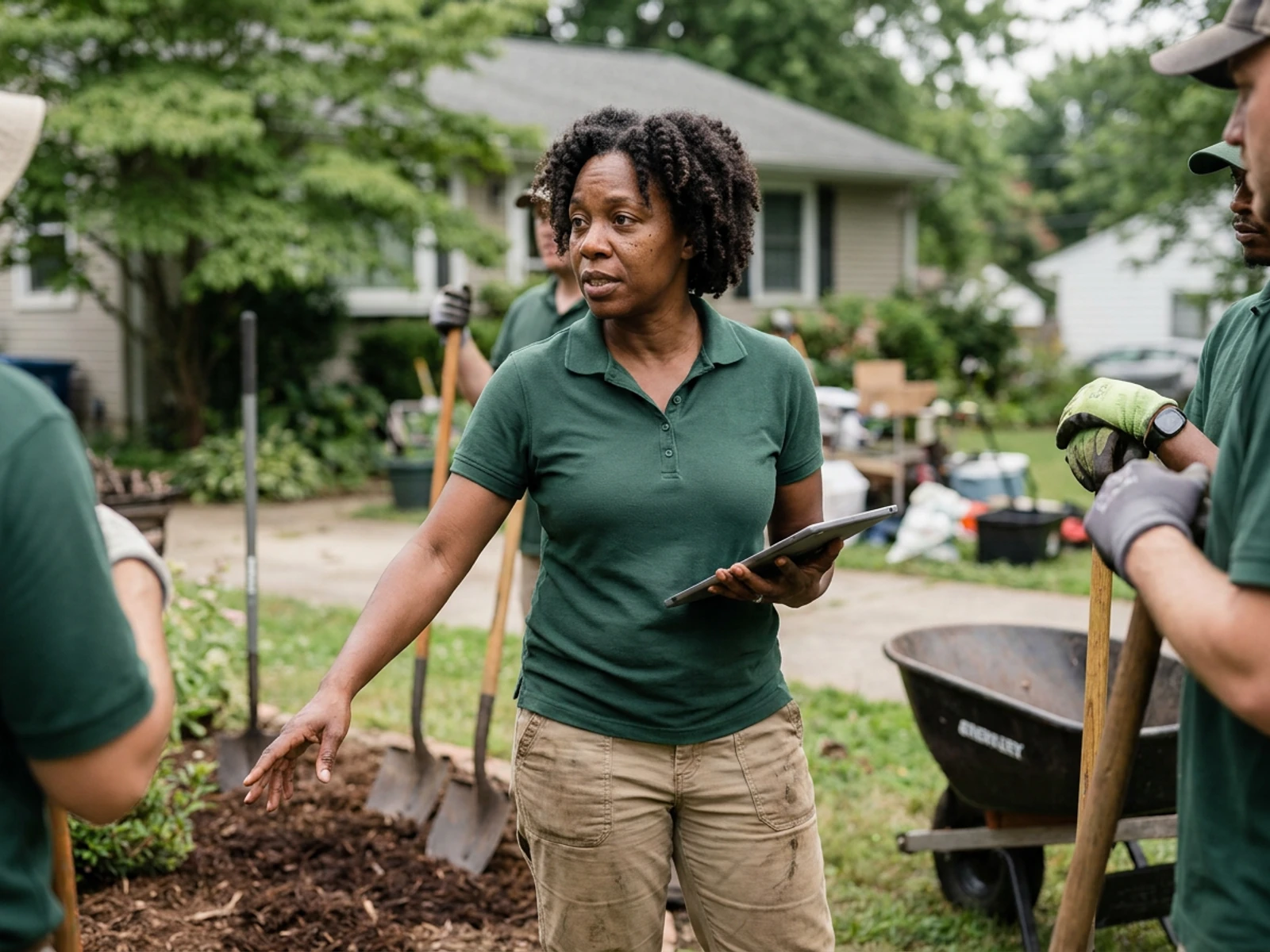
Landscaping crew leader in a hunter green polo talking through a planting plan

Stitched polos for crew leaders

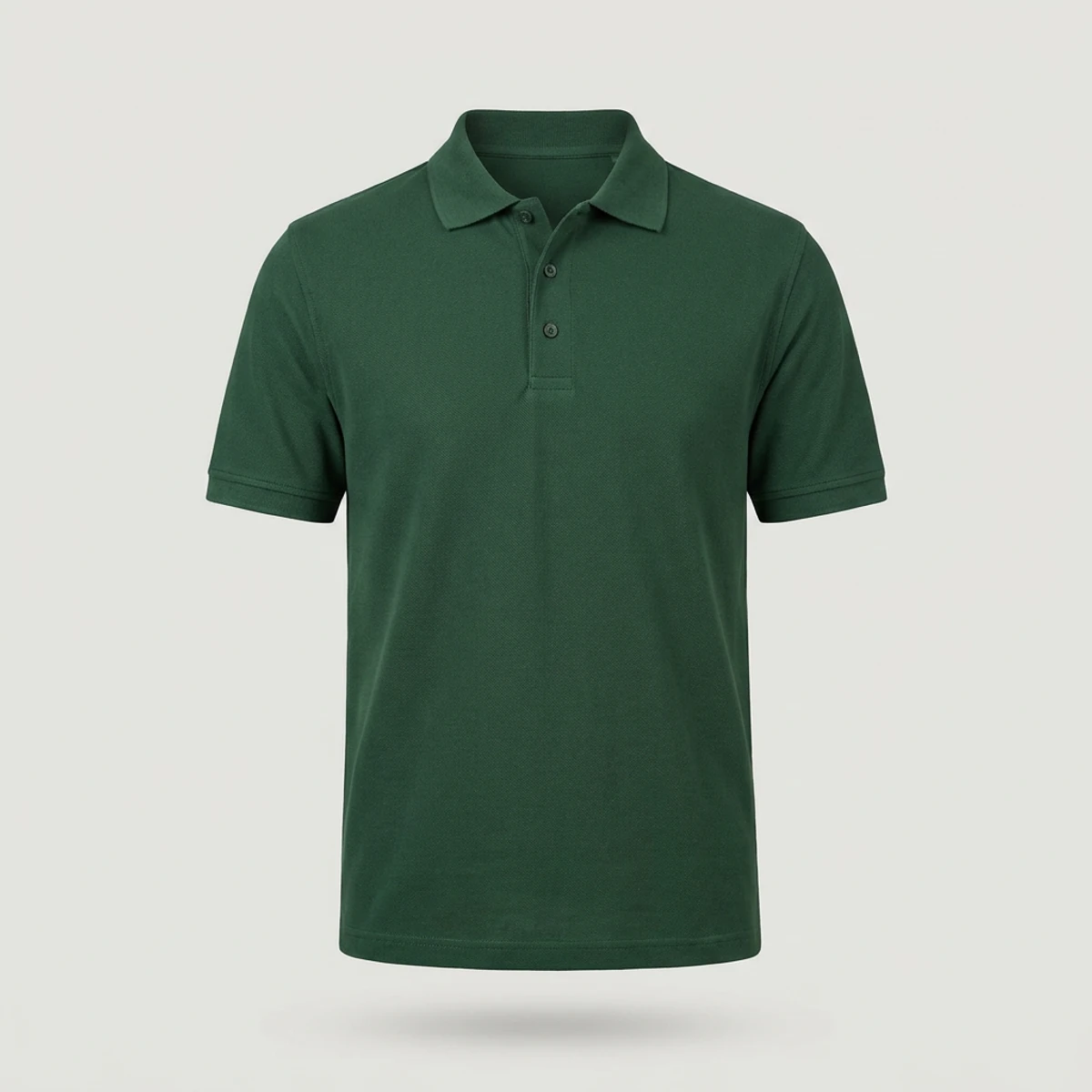
A chest logo on a polo is one of the most requested decorations for service companies, because it reads clearly at a customer's door. We embroider in the same building where the shirts are sewn, starting from about 50 pieces of a style.

  • Hunter green short-sleeve polo with three-button placket for crew leadersHunter green polo
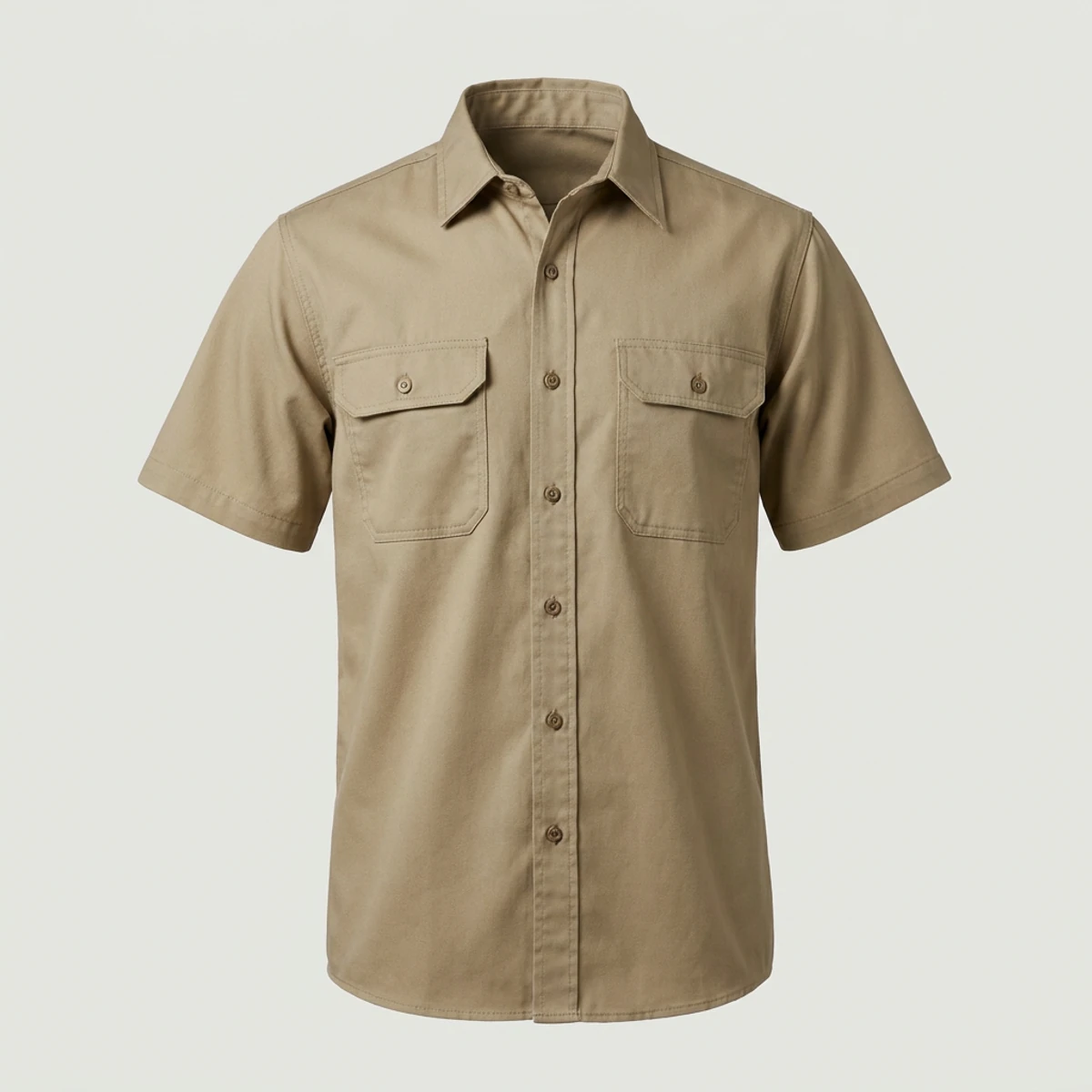
  • Khaki short-sleeve button work shirt with two flap chest pocketsKhaki button work shirt
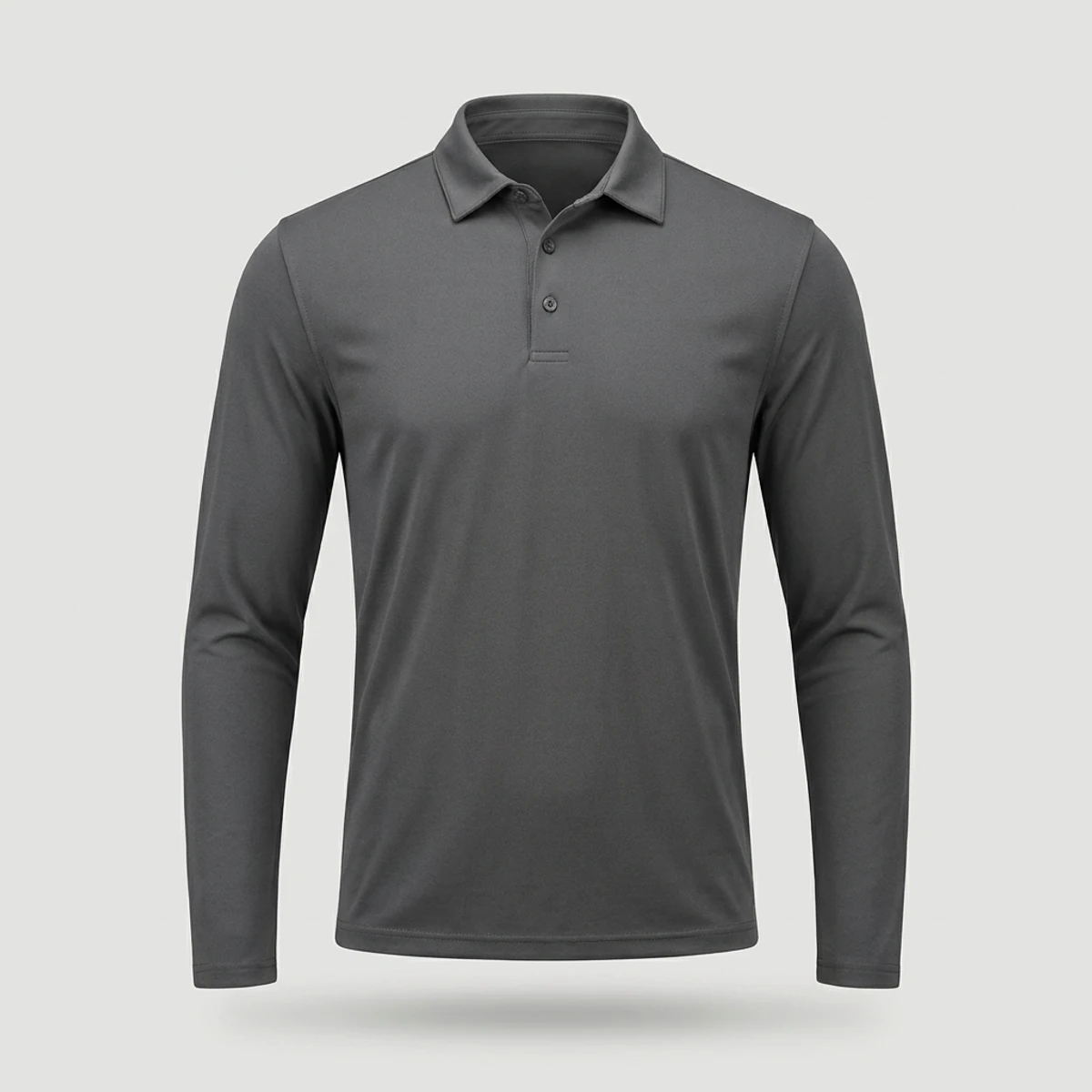
  • Charcoal grey performance polo with sun-protective long sleevesCharcoal performance polo
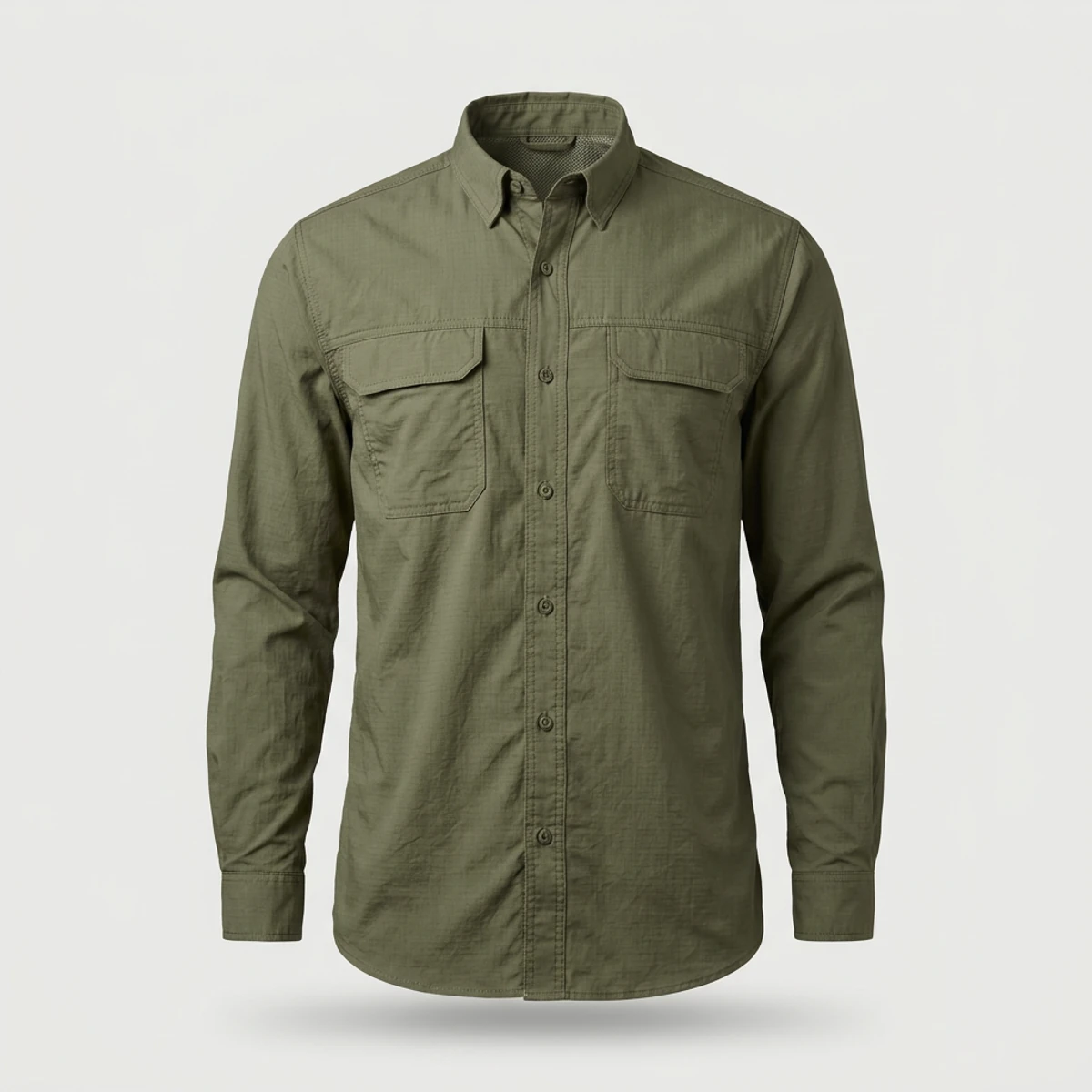
  • Olive vented long-sleeve work shirt with back mesh yokeOlive long-sleeve work shirt
Quote polos
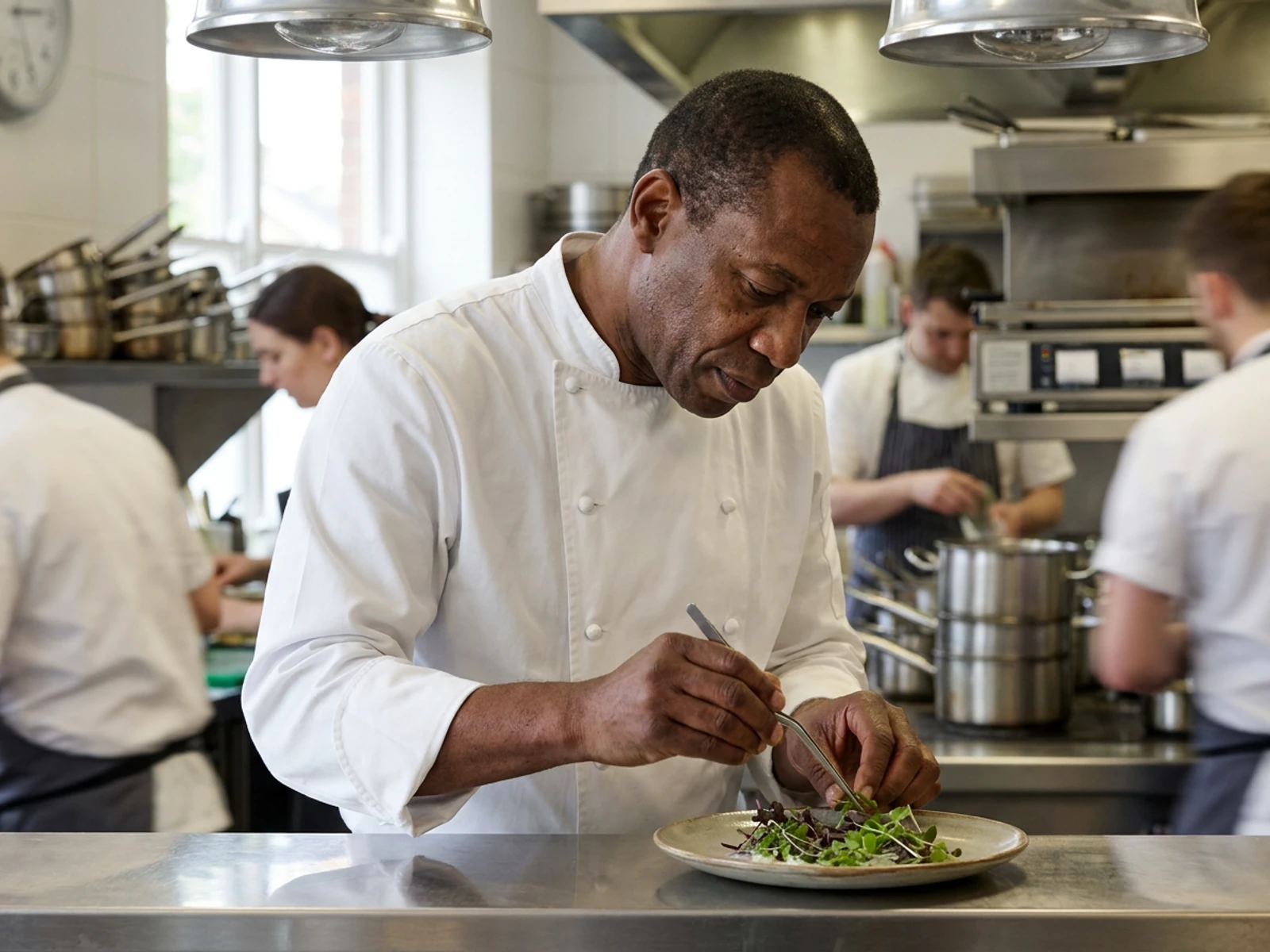
Executive chef in a white double-breasted chef coat plating a dish at a restaurant pass

Chef coats with names on the chest

Kitchen teams usually want the restaurant mark on one side and the chef's name on the other, set high enough to clear an apron bib. We digitize the artwork, stitch a sample, then produce the coats in LA from around 50 pieces per style.

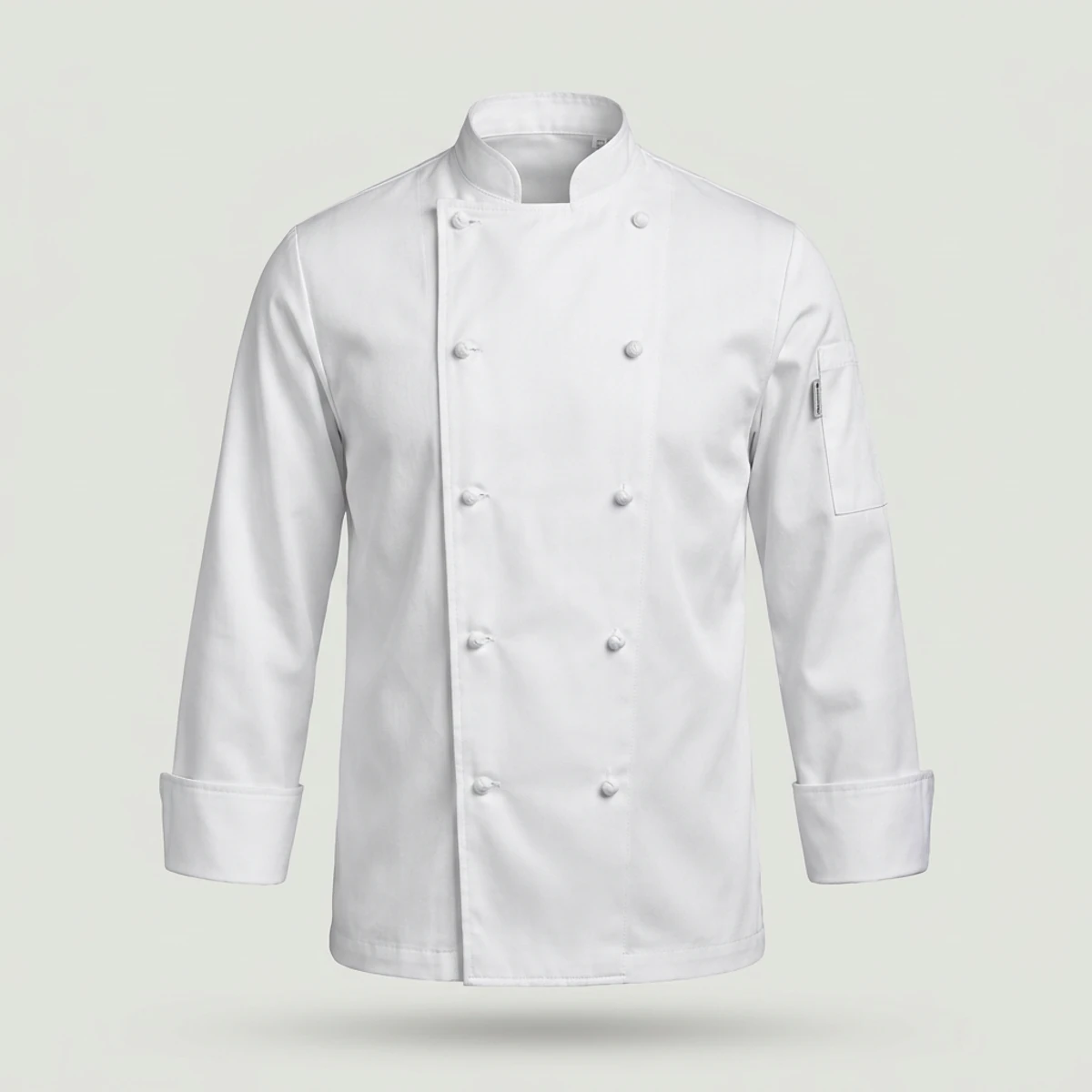
  • White double-breasted executive chef coat with cloth knot buttons and long sleevesWhite executive chef coat
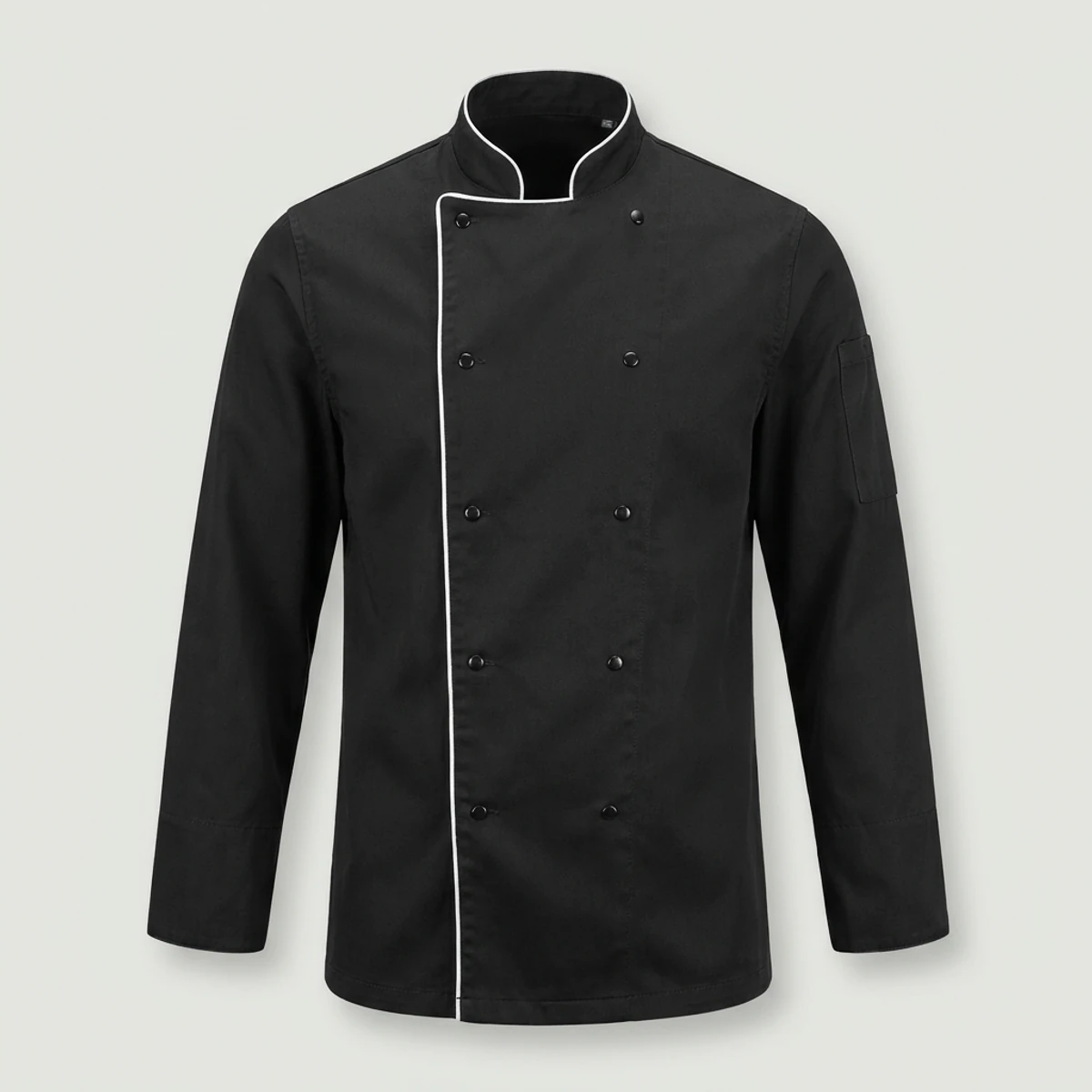
  • Black double-breasted chef coat with white piping on collar and placketBlack chef coat, white piping
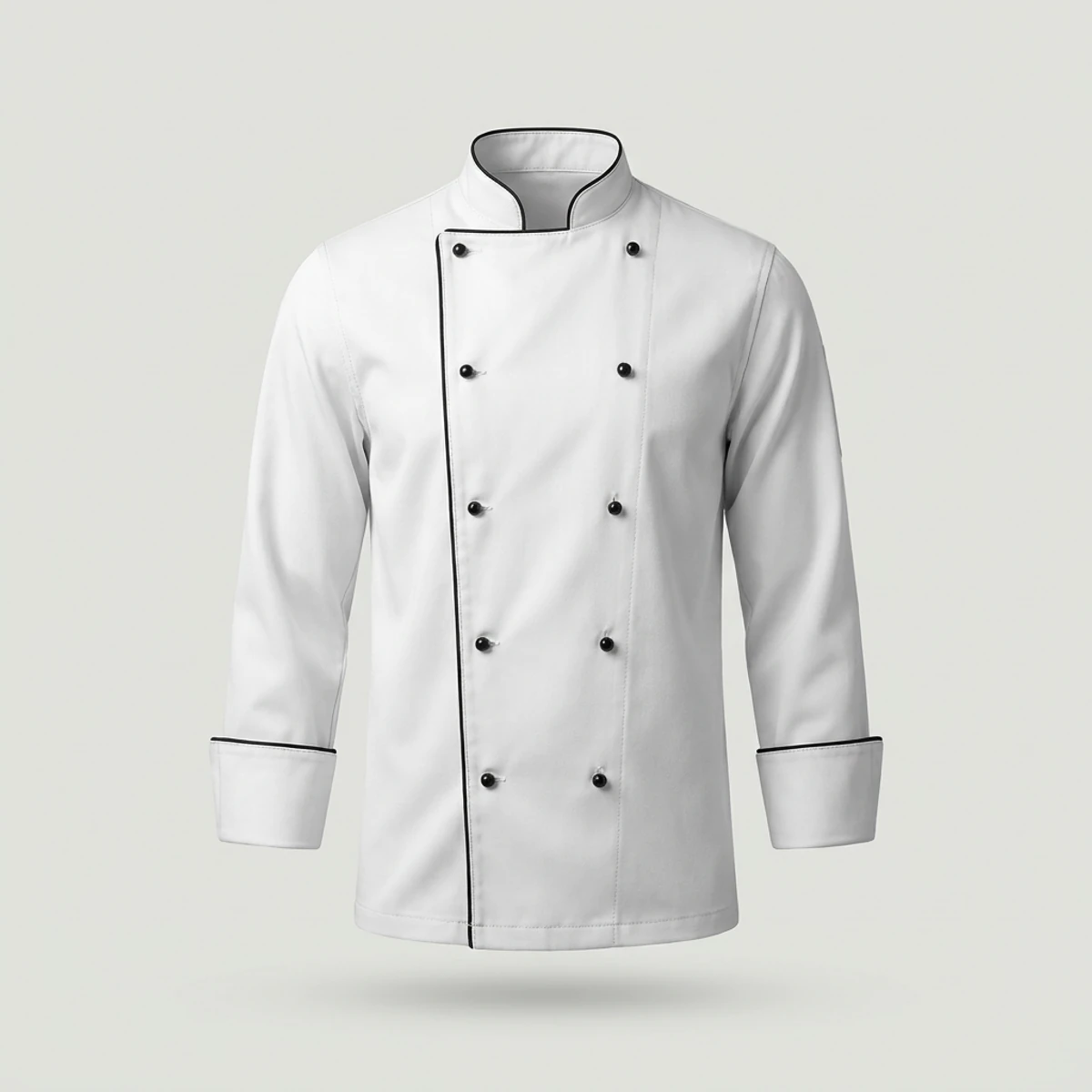
  • White double-breasted chef coat with black piping and black stud buttonsWhite chef coat, black piping
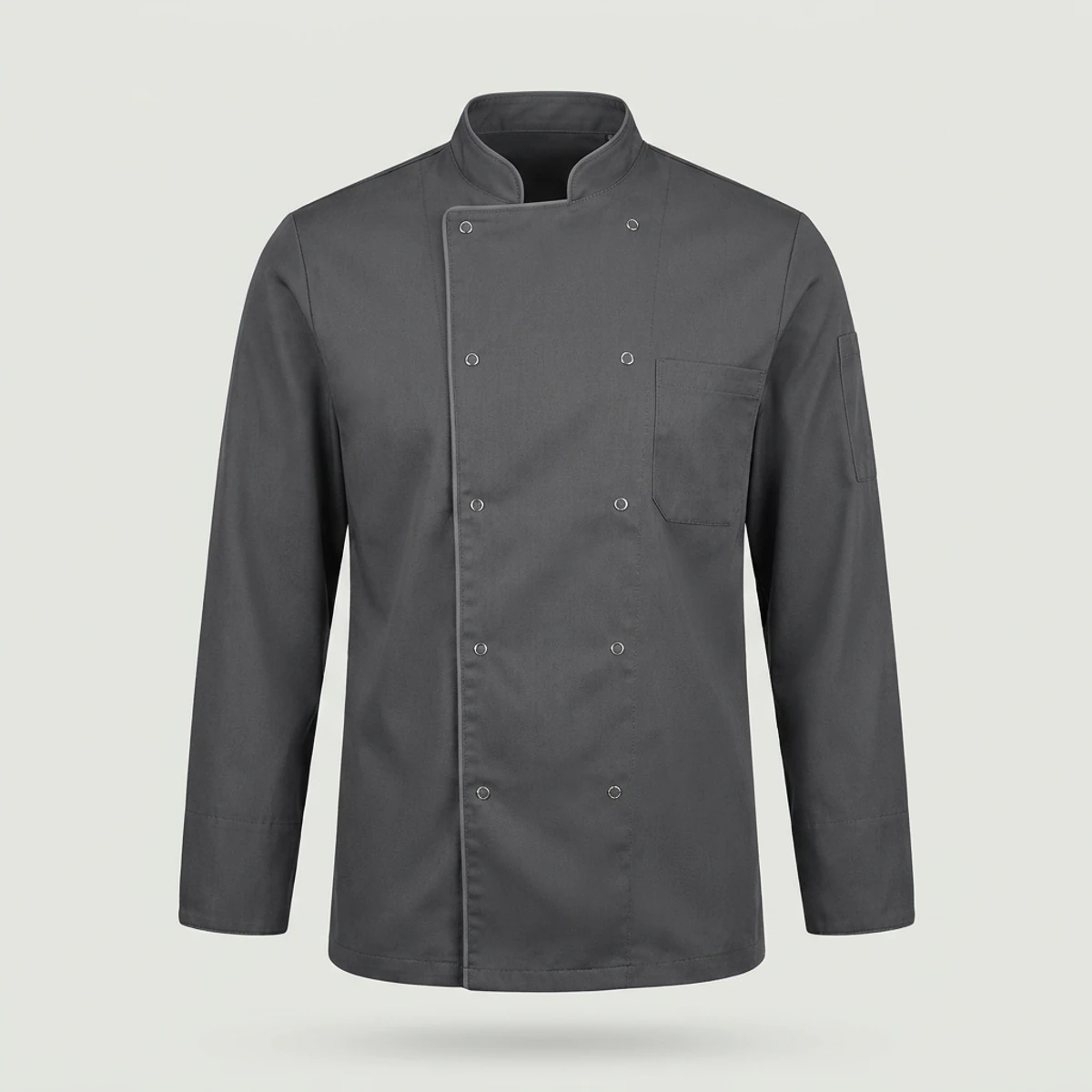
  • Charcoal grey double-breasted chef coat with tonal piping and snap closuresCharcoal executive chef coat
Quote chef coats
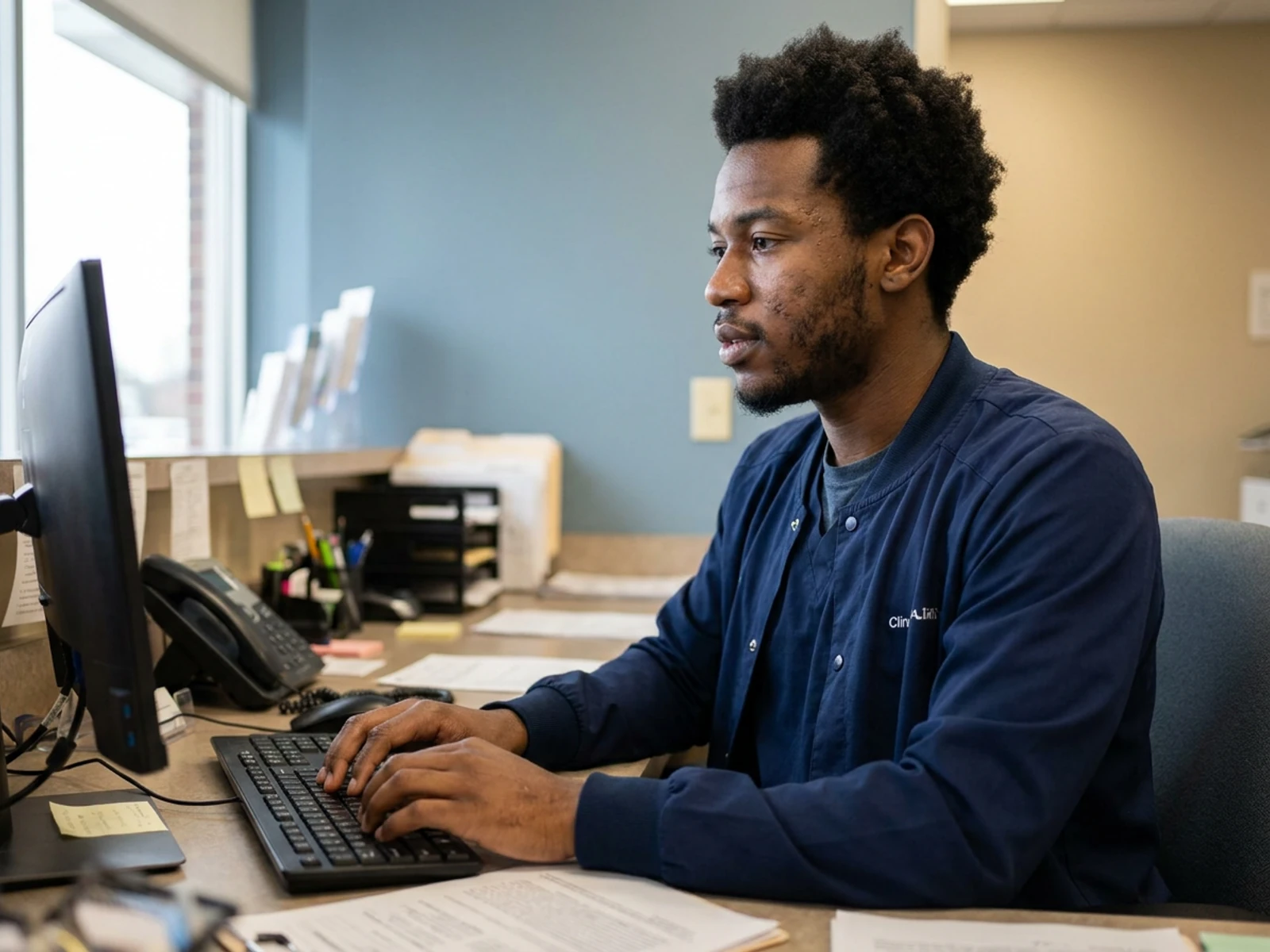
Front desk coordinator in a navy bomber scrub jacket greeting at a clinic reception counter

Front-of-house jackets with a crest

A bomber or collared jacket gives a logo a clean, flat panel that stays visible over any top. Placement, thread colors and backing are approved on a sample before the run, which opens at roughly 50 pieces per style.

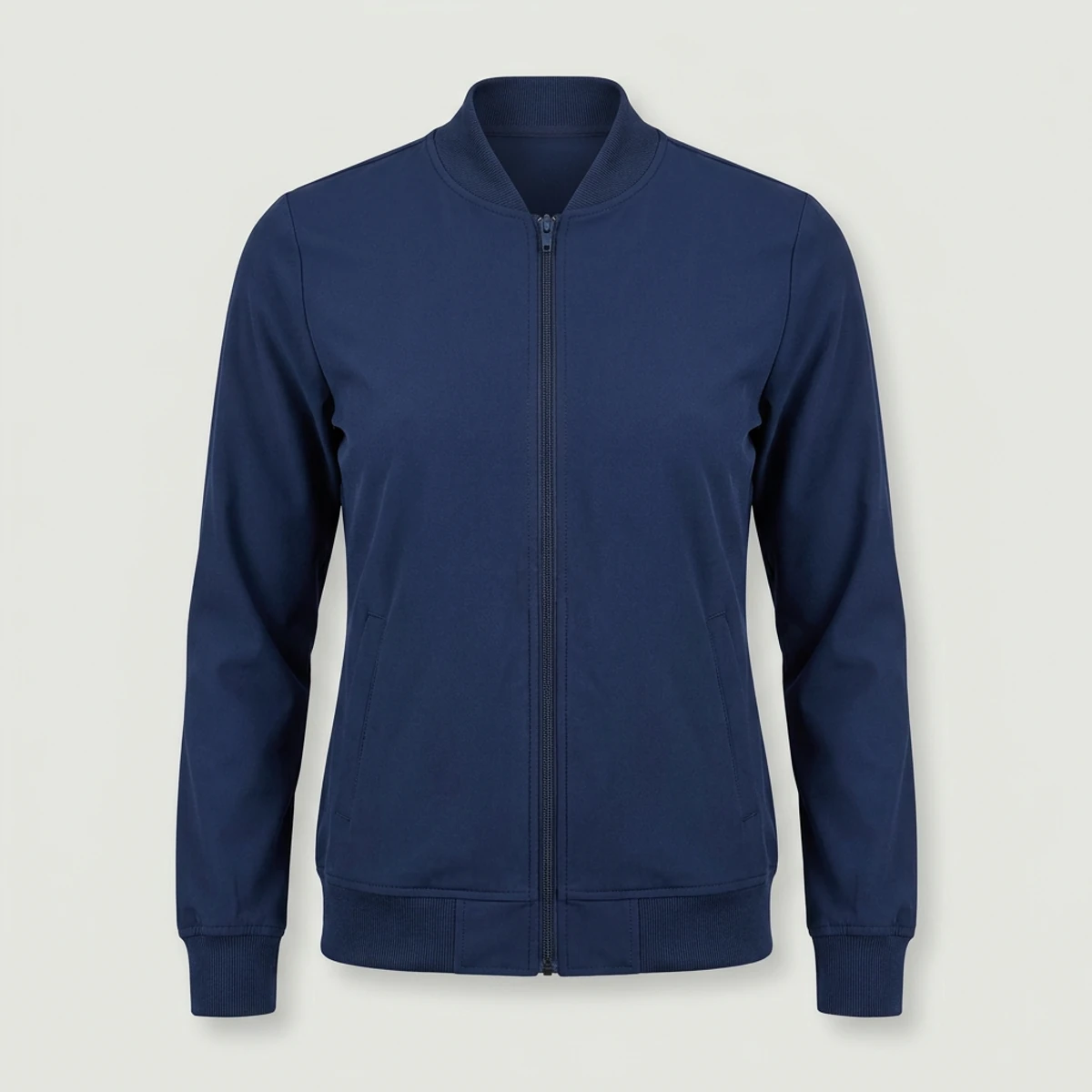
  • Navy bomber scrub jacket with ribbed collar, cuffs and hemNavy bomber scrub jacket
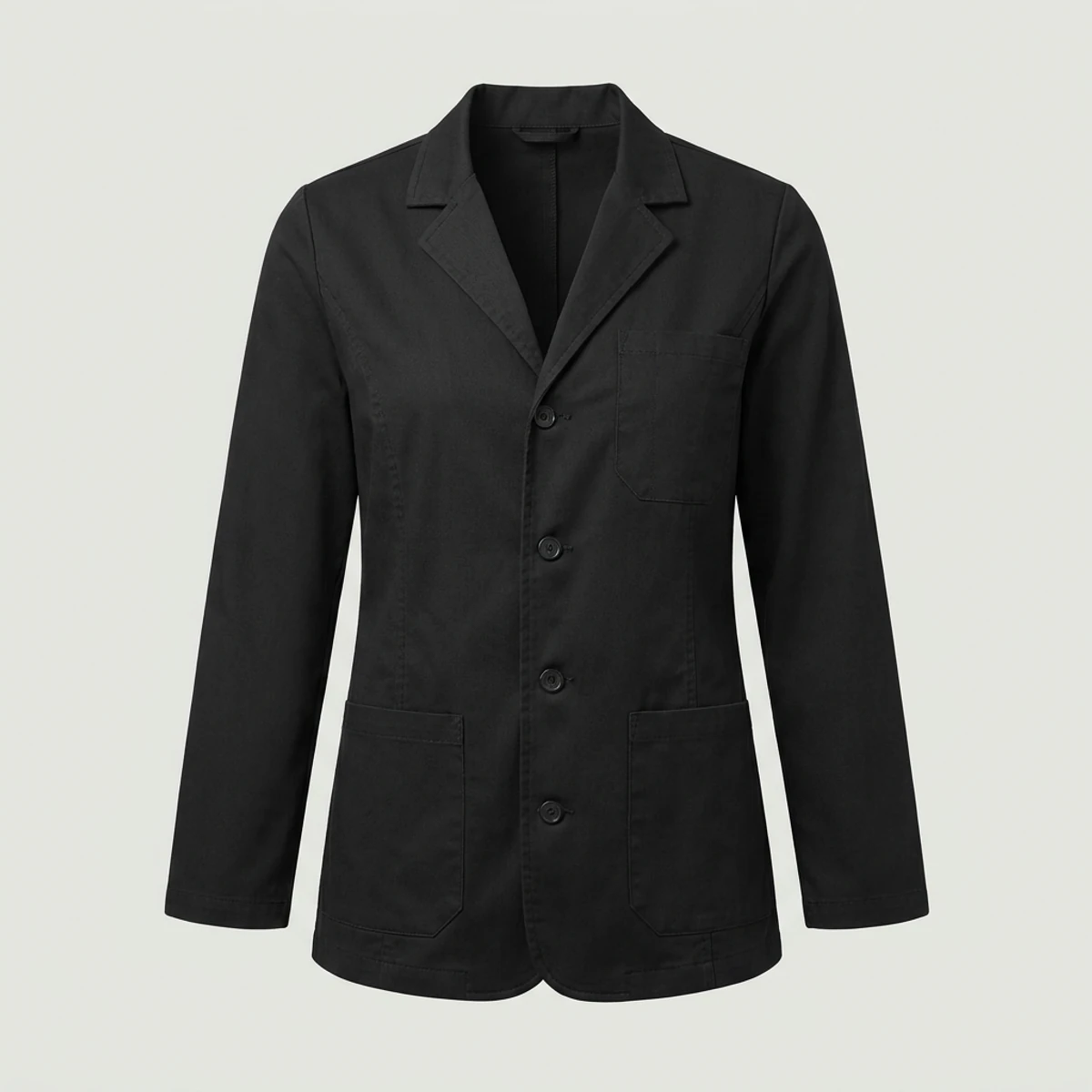
  • Black notched-collar scrub jacket with button front and patch pocketsBlack notched-collar jacket
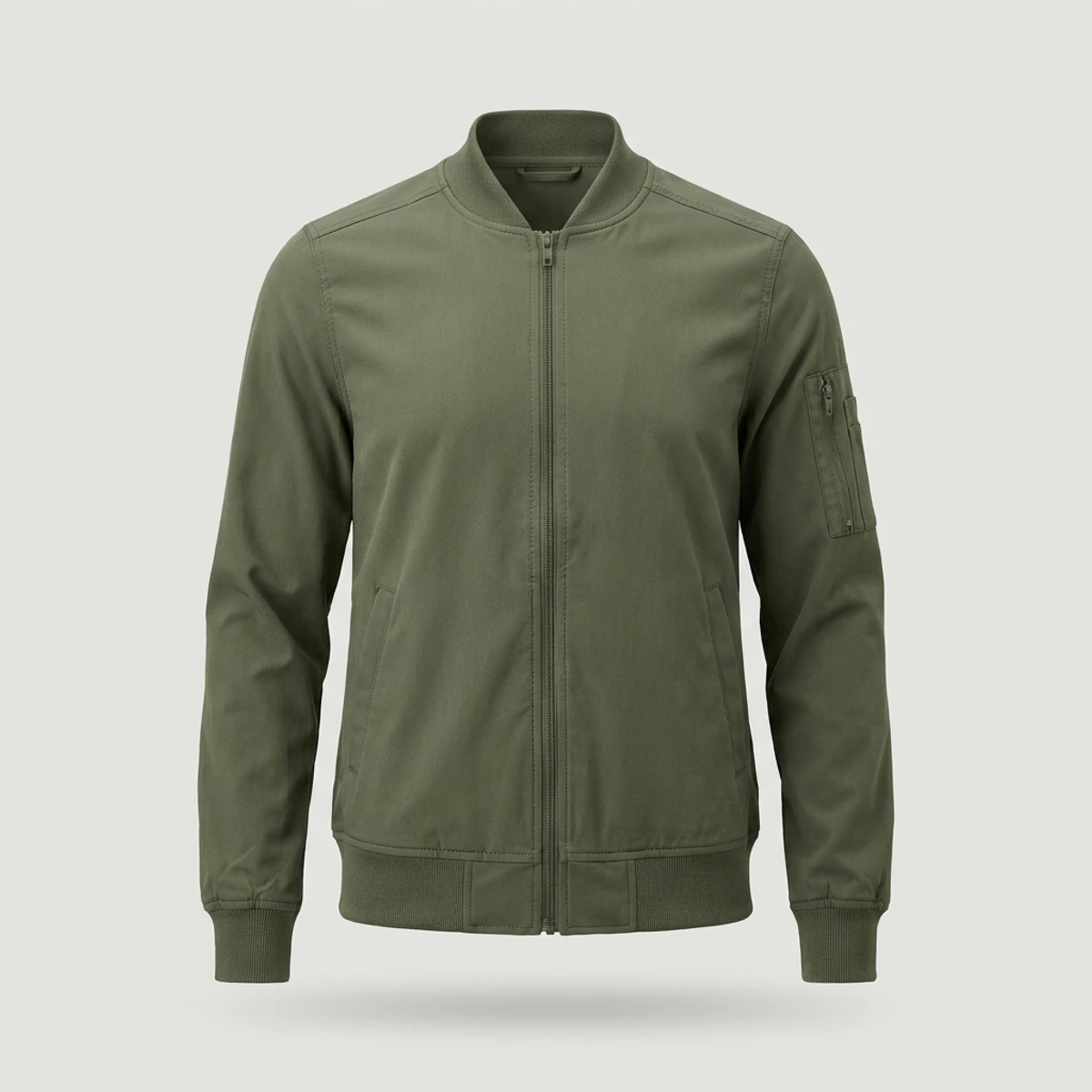
  • Olive green bomber scrub jacket with rib trim and sleeve pocketOlive bomber scrub jacket
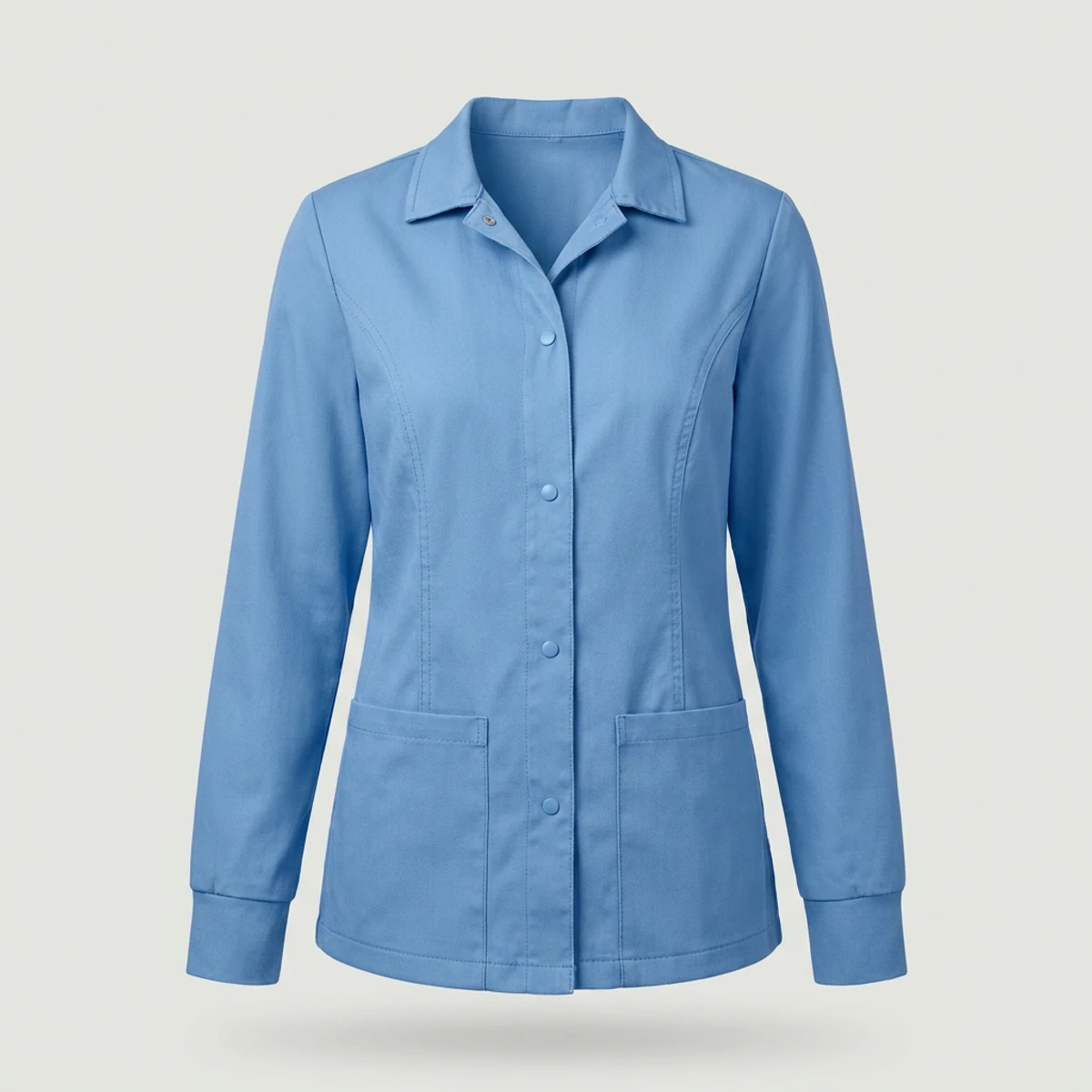
  • Ceil blue women's collared scrub jacket with princess seams and snapsCeil women's collared jacket
Quote jackets
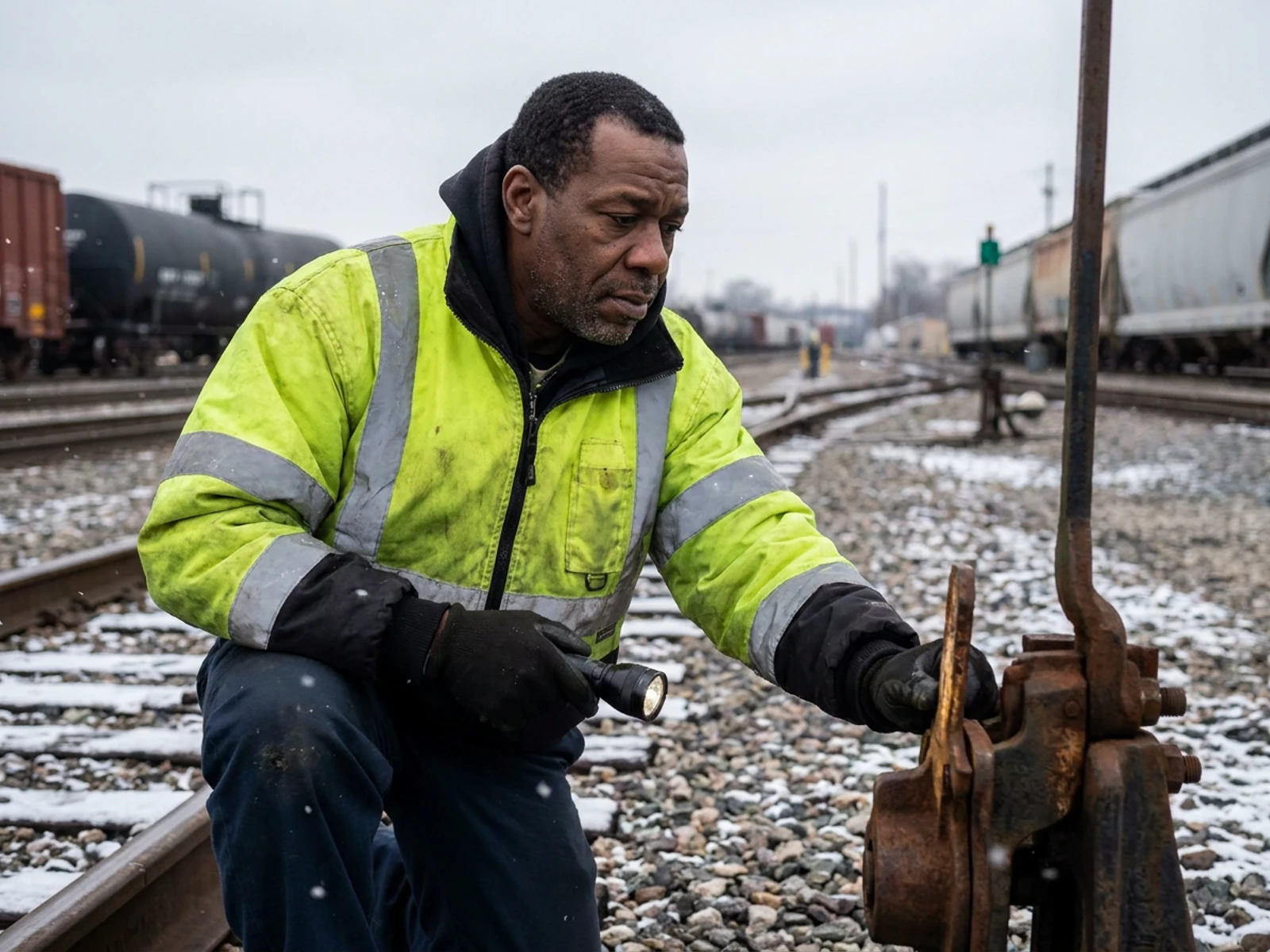
Rail yard worker in a yellow-green hi vis bomber jacket inspecting a rail switch

Company marks on high-visibility jackets

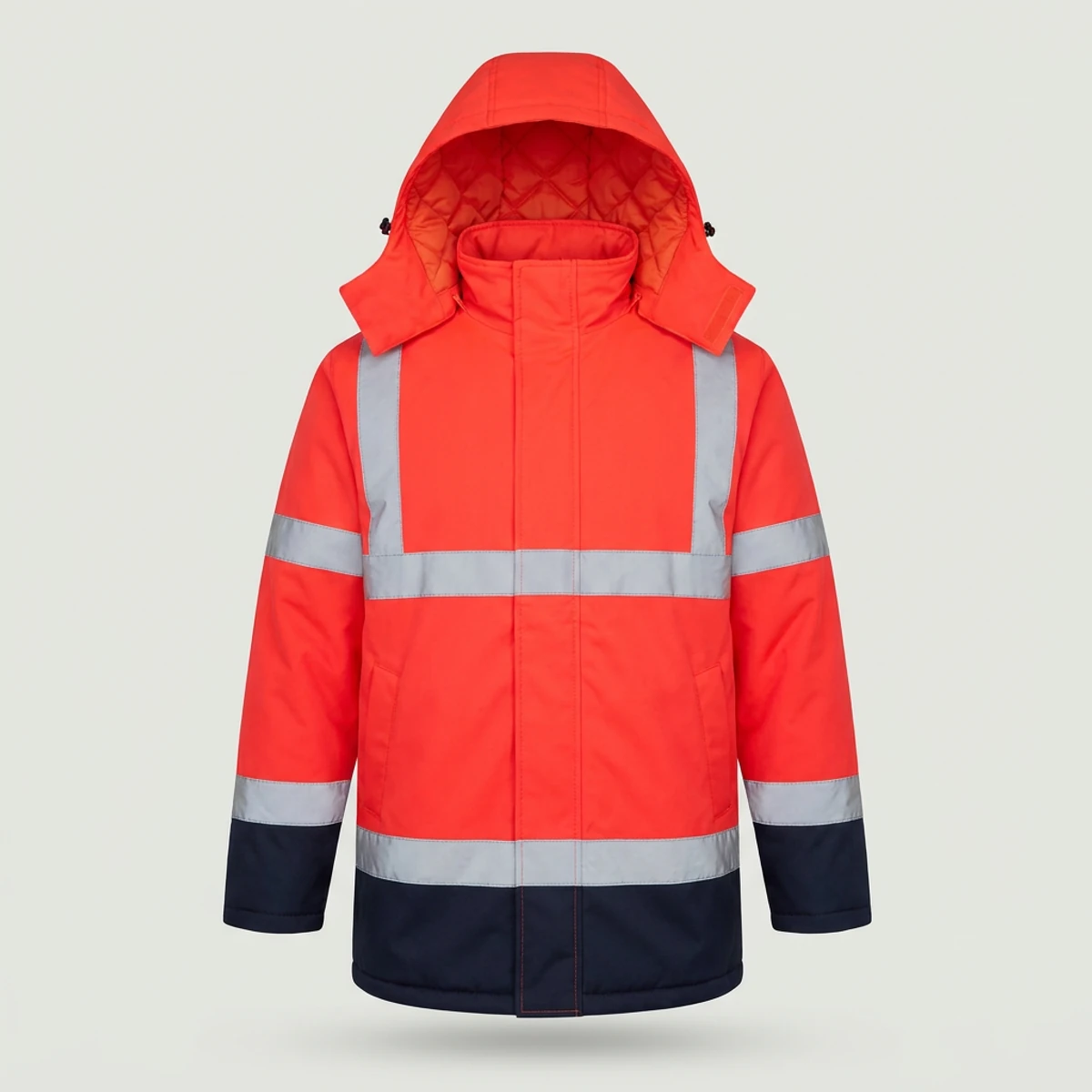
Decorating hi-vis means keeping logos clear of the reflective tape and the background material the garment depends on. We plan artwork around those zones and make the jackets to order in Los Angeles from about 50 pieces each.

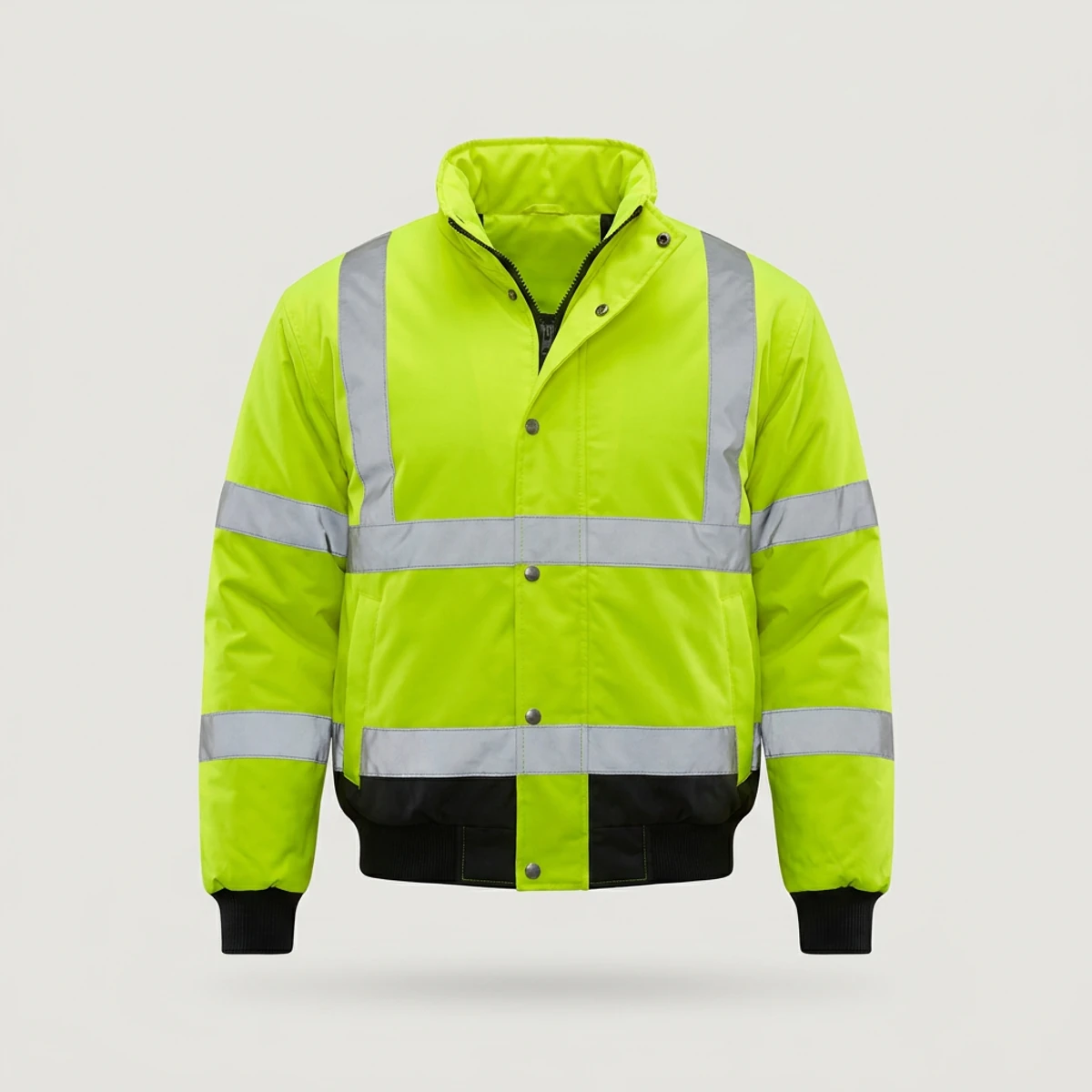
  • Fluorescent yellow-green hi vis bomber jacket with black trim and reflective tapeYellow hi vis bomber jacket
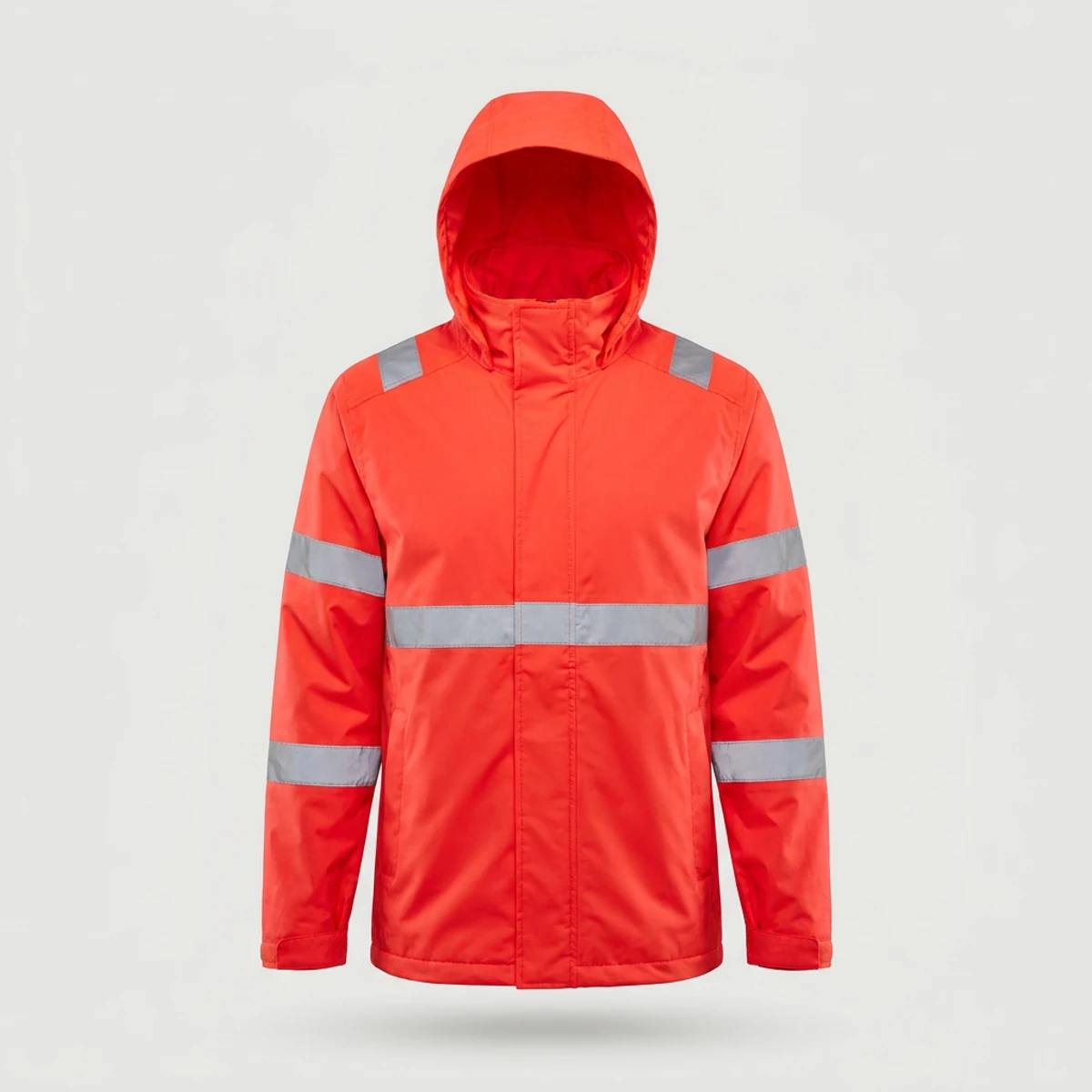
  • Fluorescent orange hi vis rain jacket with hood and sealed-look seamsOrange hi vis rain jacket
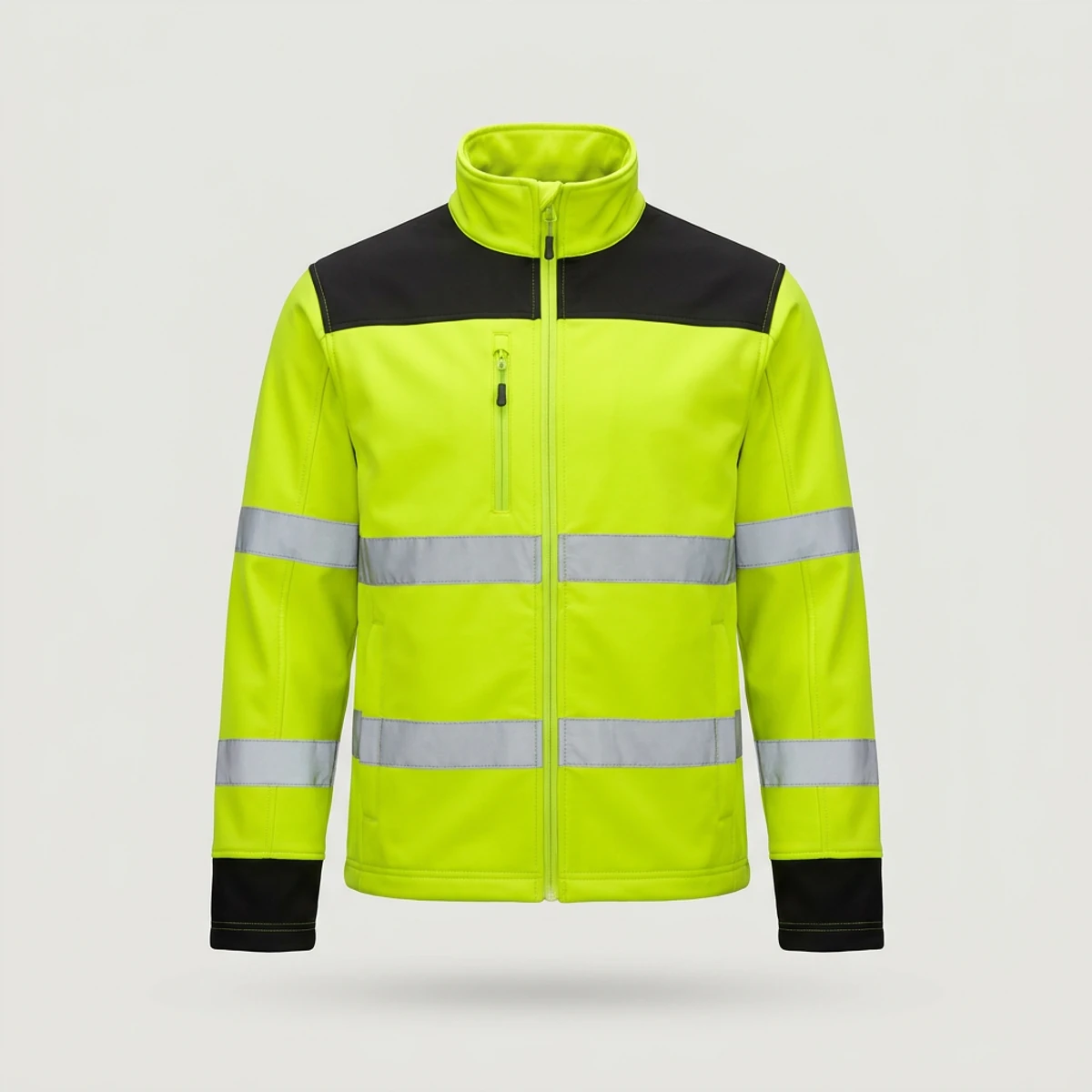
  • Yellow-green hi vis soft shell jacket with black shoulders and reflective bandsYellow hi vis soft shell
  • Fluorescent orange hi vis parka with detachable hood and quilted liningOrange hi vis parka
Quote hi-vis outerwear

Customize your scrub tops

Pick the style, fabric and colors, add your logo and names, then attach the design to your quote. We cut and sew it in Los Angeles from 50 pieces per style.

Multi-head embroidery machine stitching an emblem onto navy scrub tops

When should you choose custom embroidery over printing?

Choose custom embroidery when the garment is washed often or hot, the logo is small and sits on the chest, sleeve or cap, and the fabric has enough body to hold stitches. Choose printing when the design is large, full-color or photographic, or when the garment is a light knit where stitching would feel heavy.

Embroidery reads as premium and does not crack, peel or fade the way ink and films can, which is why it dominates company uniforms. Printing wins on big back designs, fine gradients and soft T-shirts. Most uniform programs end up using both, decided garment by garment.

How do embroidery, printing and patches compare?

Embroidery, printing and patches are the three families of uniform decoration. Embroidery stitches thread into the fabric, printing bonds ink or film to the surface, and patches are made separately and sewn or heat-applied on. Each family has a job it does best, and the right one depends on the garment, fabric, artwork and quantity.

FamilyHow it worksBest forWatch out for
EmbroideryThread stitched through the fabric from a digitized fileChest logos on polos, work shirts, jackets, chef coats, capsVery fine detail, tiny text, photographic art
PrintingInk pushed through a screen, printed directly, or bonded as a transfer filmLarge back prints, T-shirts, full-color logos, individual namesDurability varies by method and laundering
PatchesEmbroidered, woven or PVC badge attached to the garmentRugged workwear, caps, removable or reusable brandingAdds a layer of material; edges must be well secured
Hunter green short-sleeve polo with three-button placket for crew leaders

Logo embroidery

Logo embroidery is offered in three styles in our customizer, each confirmed at quote stage for your garment and fabric. Flat embroidery is the uniform standard; 3D puff and appliqué add height or scale where a bolder mark suits the brand.

Read more
  • Flat embroidery. The standard for chest logos, names and titles. Works on twill, poplin, piqué knit, fleece and most scrub fabrics.
  • 3D puff embroidery. Stitches over a foam layer for a raised logo. Best for simple, bold shapes on caps and heavier jackets.
  • Appliqué embroidery. A fabric shape stitched down with a satin border, used for large lettering where solid stitching would be heavy and stiff.

Cost on embroidery is driven mainly by stitch count, not color count, so a dense logo with solid fills takes longer than an outlined one of the same size. Simplifying a logo for thread usually improves the result as well.

Custom apparel printing

Custom apparel printing covers several techniques, and the customizer lists each as an option confirmed at quote stage, because availability depends on the garment, fabric and artwork. The table summarizes where each one fits.

Print methodBest forNote
Screen printSpot-color logos and back prints on larger runsOne screen per color
DTF (direct-to-film) transferFull-color logos on most fabrics, small runsPrinted film bonded with heat
DTG (direct-to-garment) printPhotographic or full-color artSuits cotton-rich fabric
Heat transfer vinylNames and simple one- or two-color textCut film, good for individual names
Silicone transferRaised, soft-touch premium logosUsed for small brand marks
SublimationAll-over colorLight-colored polyester only
Reflective transferNight-visibility marksDecorative; not a substitute for certified hi-vis material
White double-breasted executive chef coat with cloth knot buttons and long sleeves

Embroidered work shirts

Embroidered work shirts are the default uniform for trades and service businesses: a button-front work shirt or polo with the company logo on the left chest and, often, the employee’s name on the right. Thread survives the frequent, hot laundering that work shirts get, and a stitched logo reads as established and professional.

Read more

The same layout carries across the rest of the kit, from custom chef coats in a kitchen to painter pants and jackets on a crew. HVAC, plumbing and electrical companies usually pair it with a printed back on crew shirts; see HVAC uniforms for a trade example.

Navy bomber scrub jacket with ribbed collar, cuffs and hem

Screen printed uniforms

Screen printed uniforms are the efficient choice when the design is big or the run is large: a company name and phone number across the back of a crew shirt, a bold one- to three-color logo on T-shirts, or event shirts where a soft, light print feels better than heavy stitching.

Read more

Each ink color needs its own screen, so setup is a fixed cost that spreads out as quantity grows. A one-color print across many shirts is economical; a six-color print on a handful is not, and a DTF transfer is often the better fit there.

Which decoration method suits each garment?

The usual decoration method follows the garment: embroidery for polos, work shirts, chef coats and caps, screen printing for T-shirts and large back designs, and transfers or patches for names, full-color art or rugged pieces. The table gives the common starting point; we confirm the final method per garment at quote stage.

GarmentUsual methodWhy
Polo or knit work shirtEmbroideryHolds a chest logo cleanly; reads as professional
Button-front work shirtEmbroideryDurable through industrial laundering
Work jacket or coatEmbroidery on chest; print or embroidery on backLarge back designs are often printed to keep the jacket flexible
Chef coatEmbroideryBleach-resistant thread survives hot, bleached washes
ApronScreen print or embroideryPrint suits large designs; embroidery suits small chest logos
T-shirt or crew shirtScreen print or DTFSoft, light hand; economical at volume
Hoodie or sweatshirtEmbroidery or screen printEmbroidery for a premium chest mark
CapEmbroidery or patchThe standard for structured caps
Hi-vis vest or shirtPrint or transfer sized to the classKeeps background and reflective areas within the standard
FR shirt or coverallDecoration compatible with the FR ratingNon-FR materials can compromise protection

Tip: A uniform program does not need one method for everything. Decide per garment, then keep the logo artwork, colors and placement consistent across methods. On a multi-location uniform program, that one placement sheet is what keeps every reorder matching.

Where should a logo go, and how big should it be?

A company logo usually goes on the left chest at about 3 to 4 inches wide, with names on the right chest, secondary marks on the sleeve and large designs across the back. These are common industry starting points; we adjust size to your logo’s shape and the garment, and confirm it on a sample.

PlacementTypical widthNotes
Left chestAbout 3 to 4 inchesThe default for company uniforms
Right chest (name)About 3 to 4 inchesEmployee name or title
SleeveAbout 2 to 3 inchesSecondary logo, flag or department
Back yoke (below collar)About 3 to 5 inchesSubtle back branding
Full backAbout 10 to 12 inchesCompany name and phone number on crew shirts and jackets
Cap frontAbout 2 to 2.5 inches tallWidth depends on the cap’s front panel

Wide, short logos and tall, narrow logos need different sizes to look the same weight, so final sizing is judged on a sample, not only by numbers.

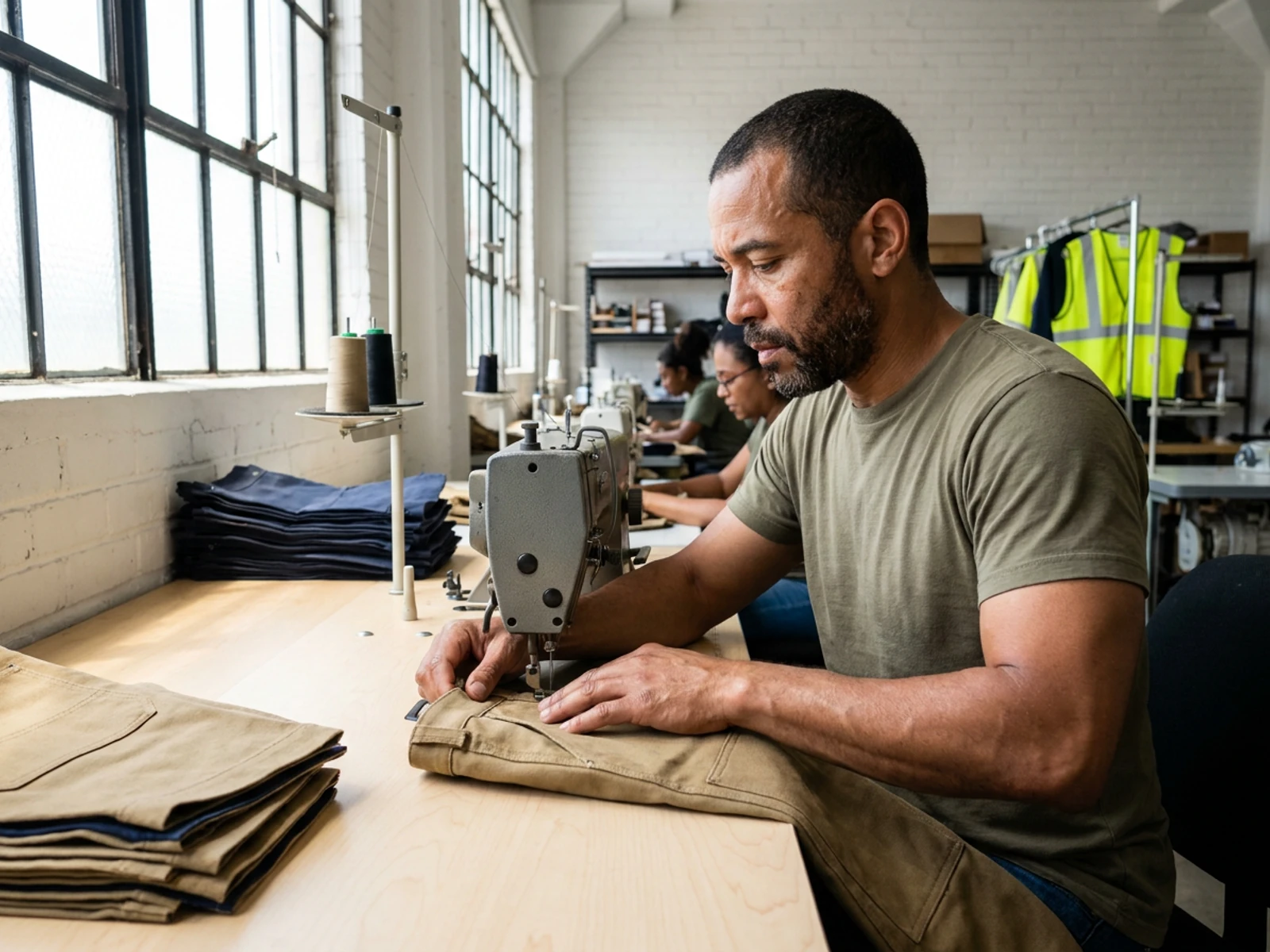
Operator sewing khaki canvas work pants on a heavy-duty industrial sewing machine

How do you decorate flame-resistant and hi-vis workwear?

Flame-resistant (FR) and high-visibility garments carry rules that limit decoration. FR garments need thread and emblems compatible with their FR rating, and hi-vis logos must not reduce fluorescent or reflective areas below the class minimum. Ordinary decoration can undermine the protection the garment is bought for.

Flame-resistant clothing. FR workwear is built to standards such as NFPA 2112, the National Fire Protection Association standard for flame-resistant clothing, which covers the whole garment, including thread, labels and emblems. A standard polyester patch or a non-FR transfer can melt or burn. Our NFPA 2112 guide explains the requirements.

High-visibility clothing. ANSI/ISEA 107 (the American National Standards Institute and International Safety Equipment Association standard) sets minimum areas of fluorescent background and retroreflective material for each class. Logos on hi-vis clothing are sized and placed to stay within it; see our ANSI 107 classes guide.

What determines the cost of custom embroidery and printing?

The cost of custom embroidery and printing depends on the decoration method, the size and density of the design, the number of colors and placements, personalization, the quantity per style and the garment itself. No prices are published here, because each order is quoted on its actual artwork, garments and quantities.

Cost driverHow it moves the unit priceHow to keep it in check
MethodSome methods need setup (screens, digitizing) that spreads over quantityMatch the method to the run size
Design size and densityMore stitches or larger print areas take more time per pieceSimplify fills; size the logo to the placement
ColorsEach screen print color adds a screen; many thread colors add changesUse fewer, more contrasting colors
PlacementsEvery extra location is another setup and passOne chest logo plus one back design is usually enough
PersonalizationIndividual names add handling for every pieceSend one clean name list with sizes
Quantity per styleLarger runs spread setup across more piecesConsolidate onto fewer styles

How does a decoration order work?

A decoration order runs from artwork to an approved sample to production, with one logo standard recorded so every reorder matches. Because the garments are cut, sewn and decorated in the same factory, placement is set on the actual pattern and the sample shows garment and logo together.

  1. 01

    Collect your best artwork

    Vector files and brand color references.
  2. 02

    Create versions for each use

    A full logo for backs, a simplified mark for chests and caps, and a one-color version for single-color printing.
  3. 03

    Choose a method per garment

    using the table above.
  4. 04

    Approve samples

    for each garment and method side by side, so thread and ink read as the same brand.
  5. 05

    Record the standard

    File, size, position and colors for every garment.
  6. 06

    Production and reorders

    The recorded standard is applied to every run and every new location.

If you are building a full uniform line under your own label, decoration is part of our private label clothing service. For scrubs and lab coats with names and credentials, see embroidered scrubs.

What mistakes do buyers make with uniform decoration?

The most common uniform decoration mistakes are shrinking a detailed logo without simplifying it, choosing a method by price alone, ignoring the fabric, decorating safety garments like ordinary clothing and failing to record the approved spec. Each is easy to avoid before the sample is approved.

  1. Shrinking a detailed logo to chest size

    Fine lines and taglines blur in thread. Ask for a simplified chest version.
  2. Choosing method by price alone

    A cheap transfer on a work shirt washed hundreds of times will not last as long as embroidery.
  3. Ignoring the fabric

    Thin, stretchy fabric needs lighter designs; heavy canvas takes dense stitching.
  4. Decorating safety garments as ordinary clothing

    FR and hi-vis garments have rules about what can be added.
  5. Not locking the spec

    Without a recorded file, thread colors and placement drift between reorders.

Tip: Keep the approved sample garment as your physical standard and compare every reorder against it.

Ready to order

What to send us for a quote

A complete decoration quote needs your logo file, brand colors, the garments and placements, quantities per style and how the garments will be washed. The more of this list you send with the first message, the faster the method can be recommended and priced.

  • Your logo. as a vector file (AI, EPS, SVG or PDF), or the highest-resolution PNG you have
  • Brand colors. as Pantone references or a physical swatch
  • Garments and placements. , for example: polo left chest, jacket left chest and full back, cap front
  • Preferred method. , if you have one, or let us recommend
  • Quantities by style and size. , starting at about 50 pieces per style
  • How the garments will be washed. home, commercial or industrial

Questions about embroidery & printing

Need something not covered here? Ask our Los Angeles team and we’ll answer with options for your order.

Ask our Los Angeles team

What does digitizing mean?

Digitizing converts your logo artwork into a stitch file that tells the embroidery machine where every stitch goes, in what direction and in what order. It is done for a specific size, so a left-chest logo and a jacket-back logo need separate files. Good digitizing is the difference between crisp lettering and a blurry patch of thread.

How small can embroidered lettering be?

As a rule of thumb, embroidered capital letters below about a quarter inch tall start to fill in and lose legibility, especially in serif fonts. Printing and woven patches hold finer detail. If your logo has a small tagline, a simplified chest version and a full version for larger placements usually work best.

Is there a separate minimum for decoration?

Decoration is added to the garments we manufacture, and the order minimum is about 50 pieces per style. Embroidery, printing or patches are quoted together with the garments, so you see one total for the program rather than a separate decorating bill.

Can one garment carry two decoration methods?

Yes, where the fabric and garment allow it. A common combination is an embroidered left-chest logo with a screen printed company name across the back of a work shirt or jacket. We confirm the methods and placements for each garment at quote stage and show them together on the sample.

Can you match my brand colors exactly?

Thread and ink get close to a Pantone reference but never match it perfectly, and the same color can read differently in thread and in print. Send Pantone references or a physical swatch, and approve embroidery and print samples side by side so the brand looks consistent across garments.

Embroidery & PrintingCut & sewn in Los Angeles · from 50 pieces per styleRequest samplesGet a quote