Pockets
A chest pocket with pen slots, a badge loop and slim side pockets for a phone and labels. Avoid bulky cargo pockets that catch on bins and counters.
Industries · Los Angeles factory
Pharmacy scrubs are the scrub sets pharmacy technicians, interns and support staff wear behind the counter, usually paired with a white lab coat for the pharmacist so patients can tell roles apart. Custom Uniform Factory manufactures pharmacy scrubs and pharmacist lab coats for independent, chain, hospital and compounding pharmacies, cut and sewn in its Los Angeles factory from imported fabric and embroidered with your logo and staff names, from about 50 pieces per style.

16 styles in 4 families · each made to order in your fabric, color and branding from 50 pieces.

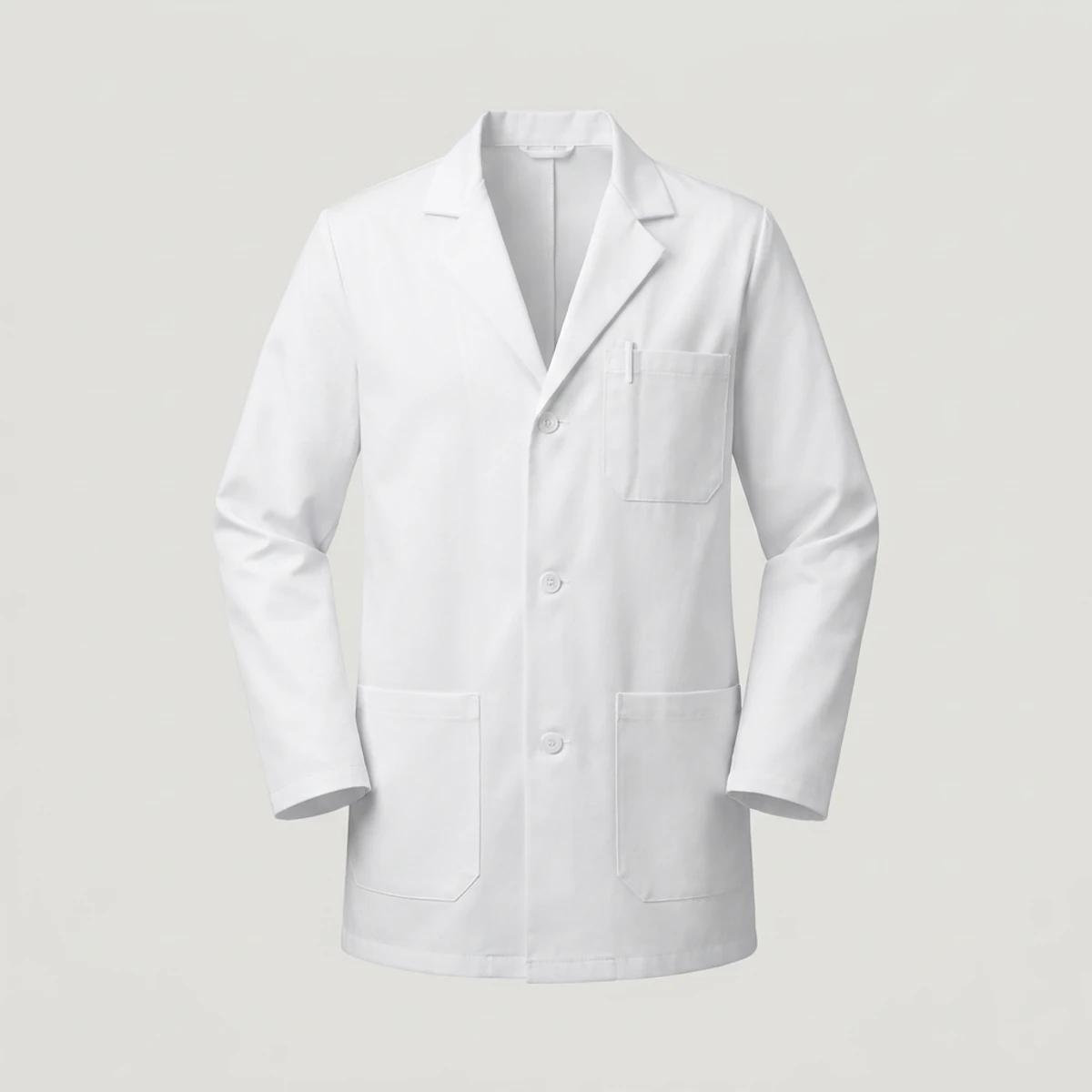
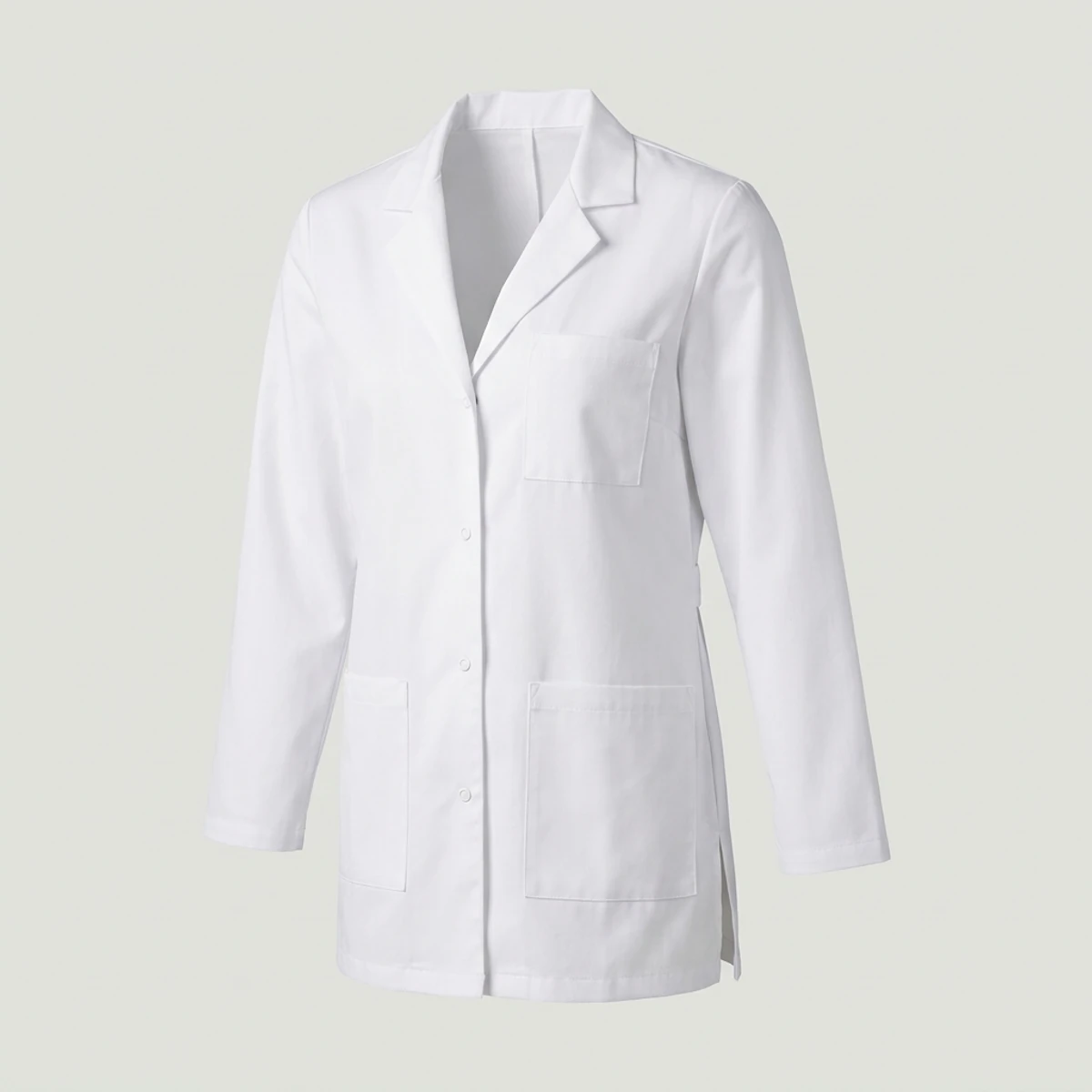
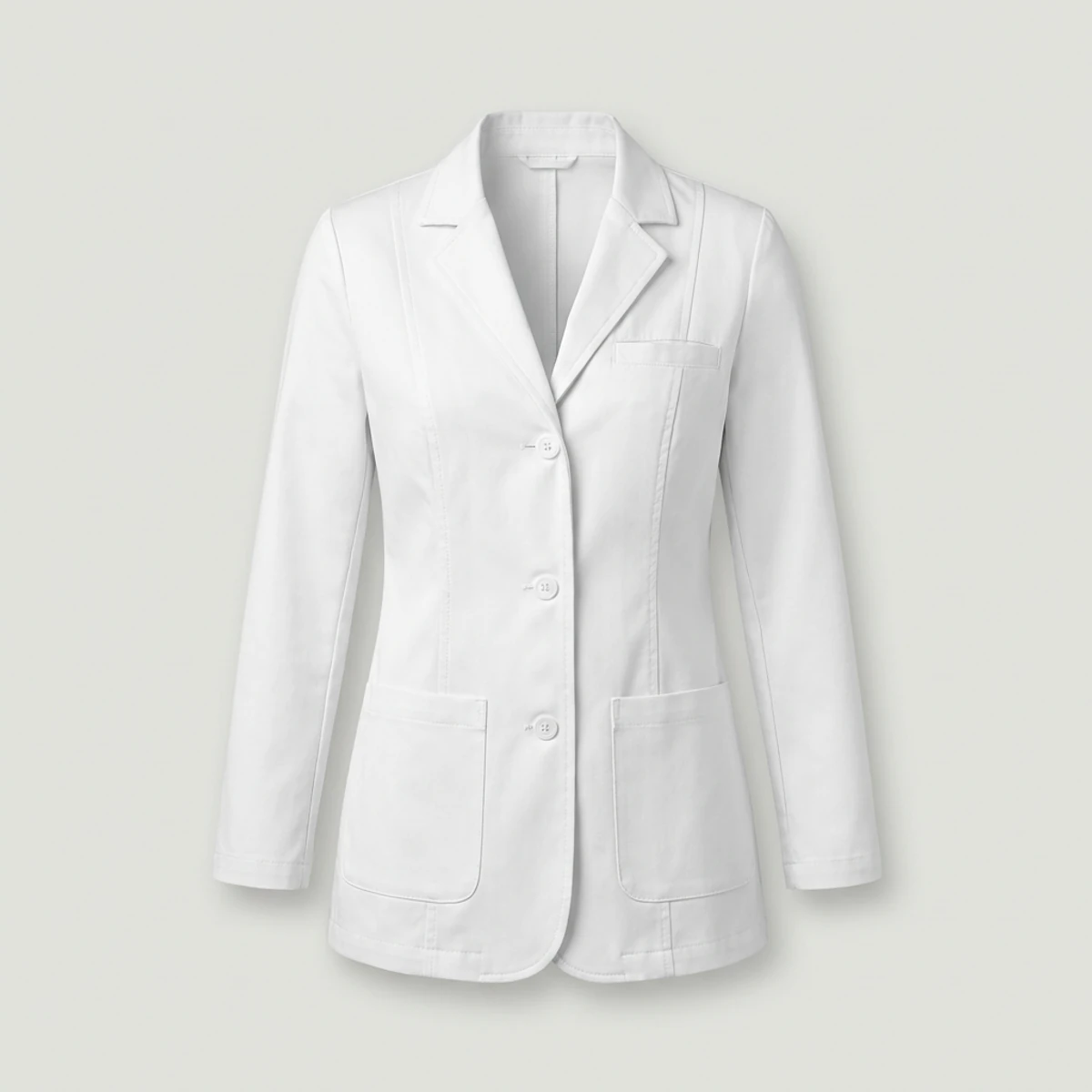
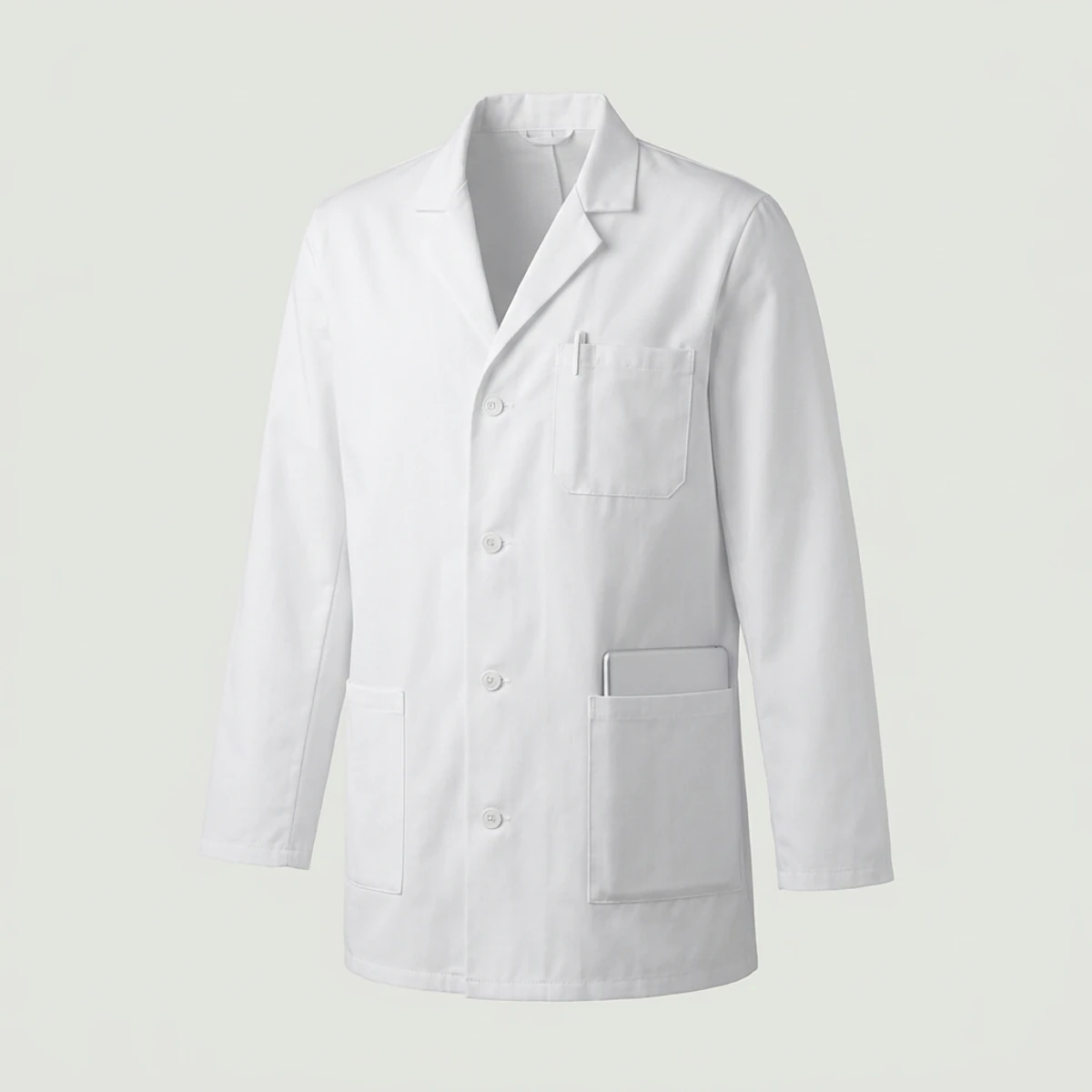
A white mid-thigh coat with a pen-slot chest pocket tells patients who can answer clinical questions. We embroider the name with PharmD or RPh and the pharmacy logo, and sew every coat in Los Angeles from about 50 pieces per style.
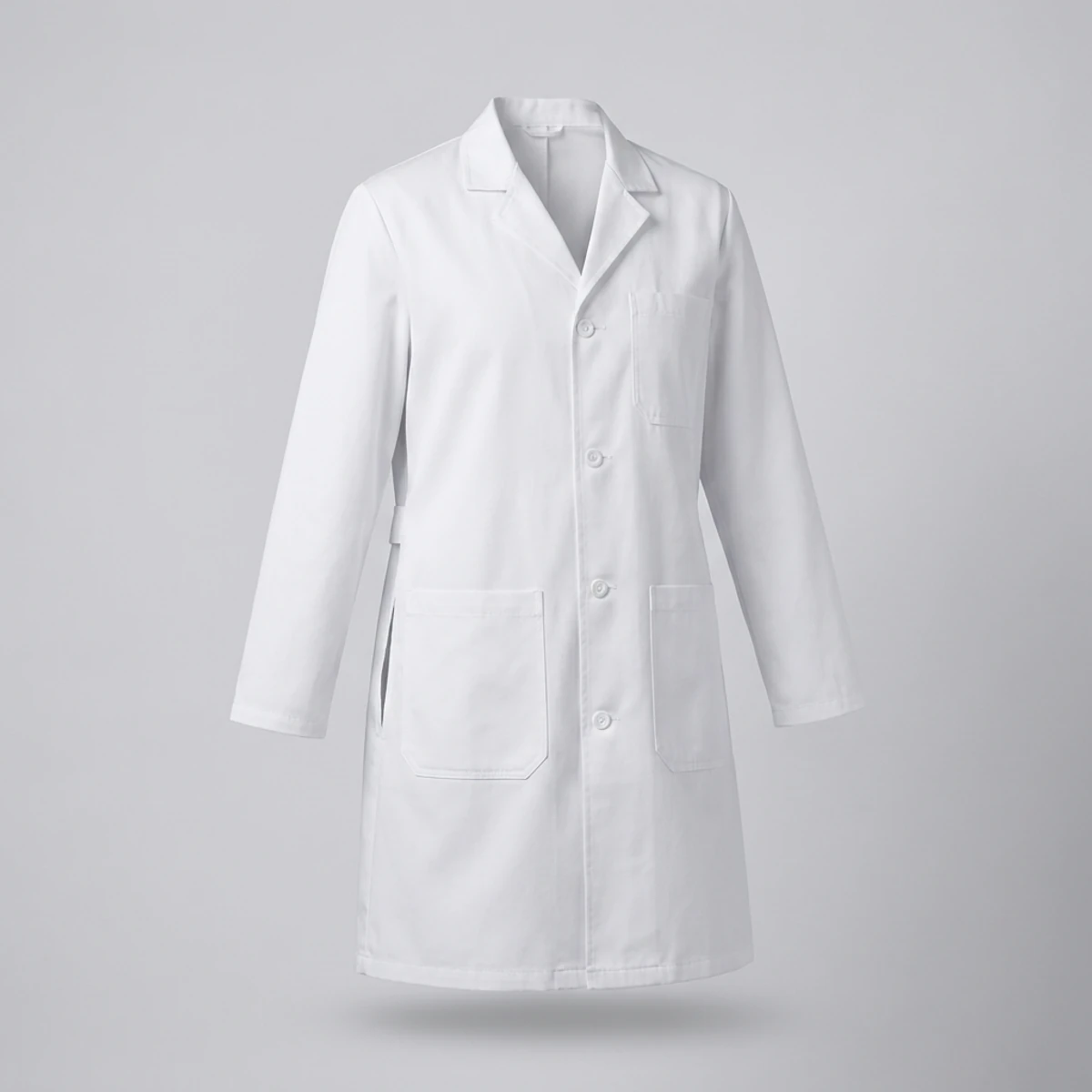
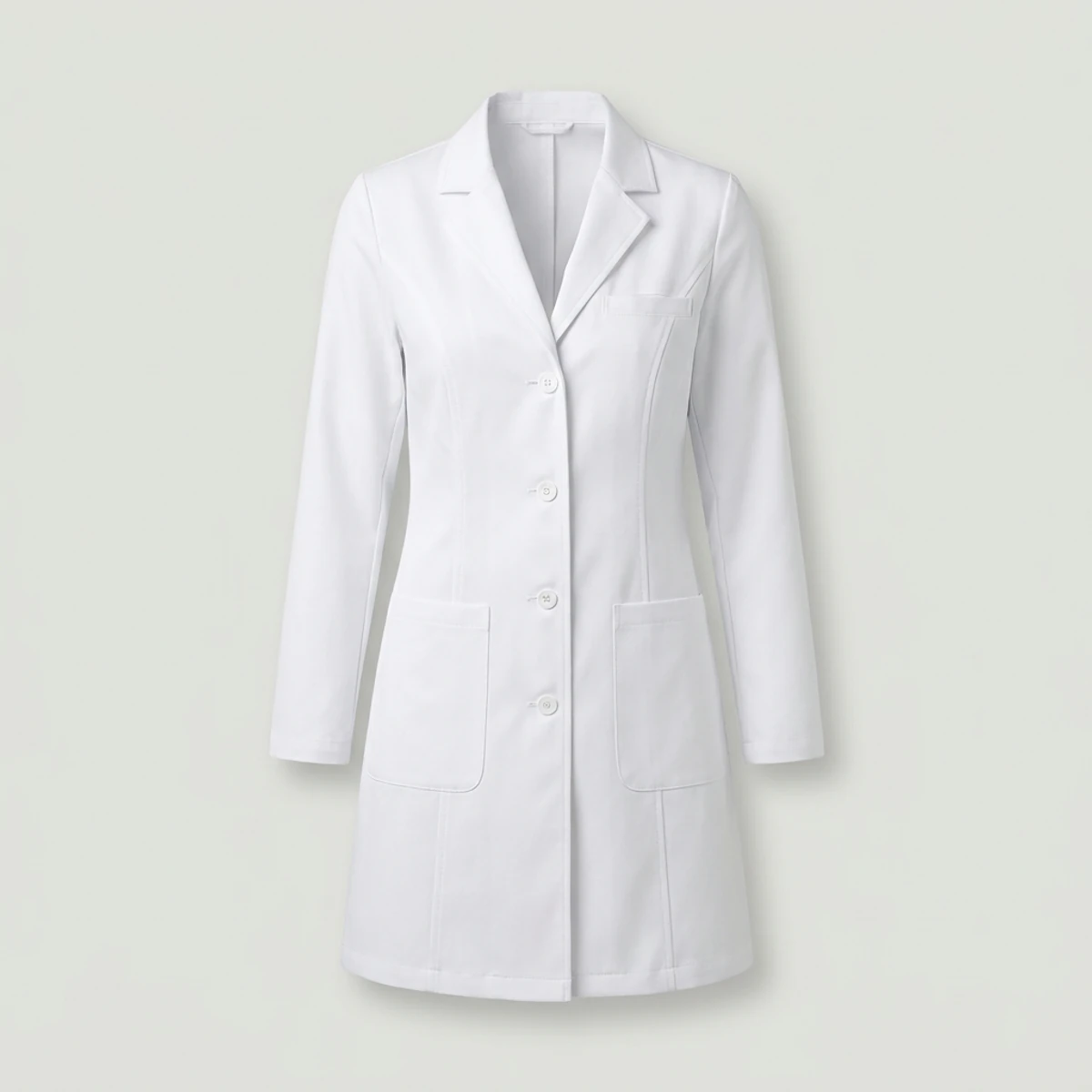
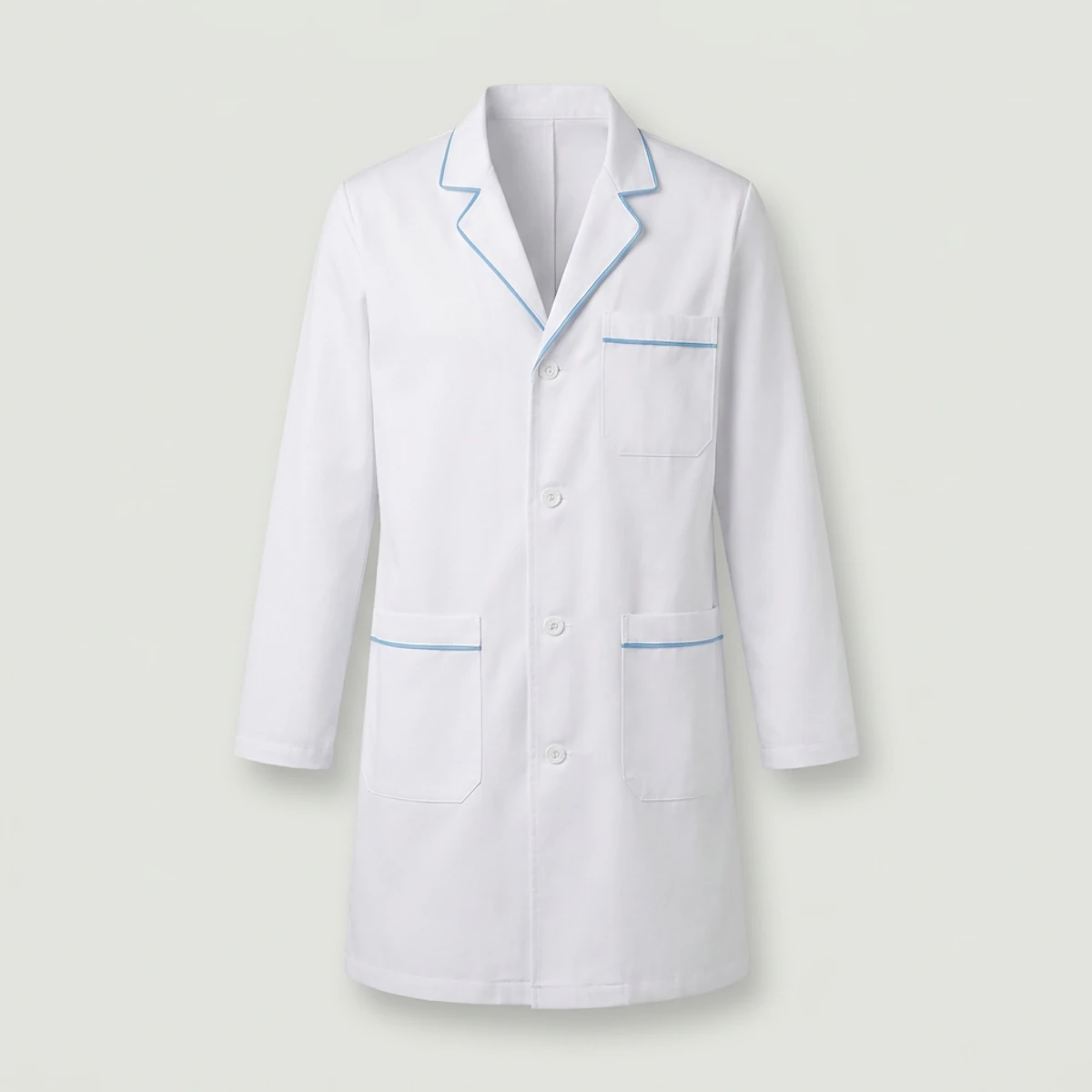
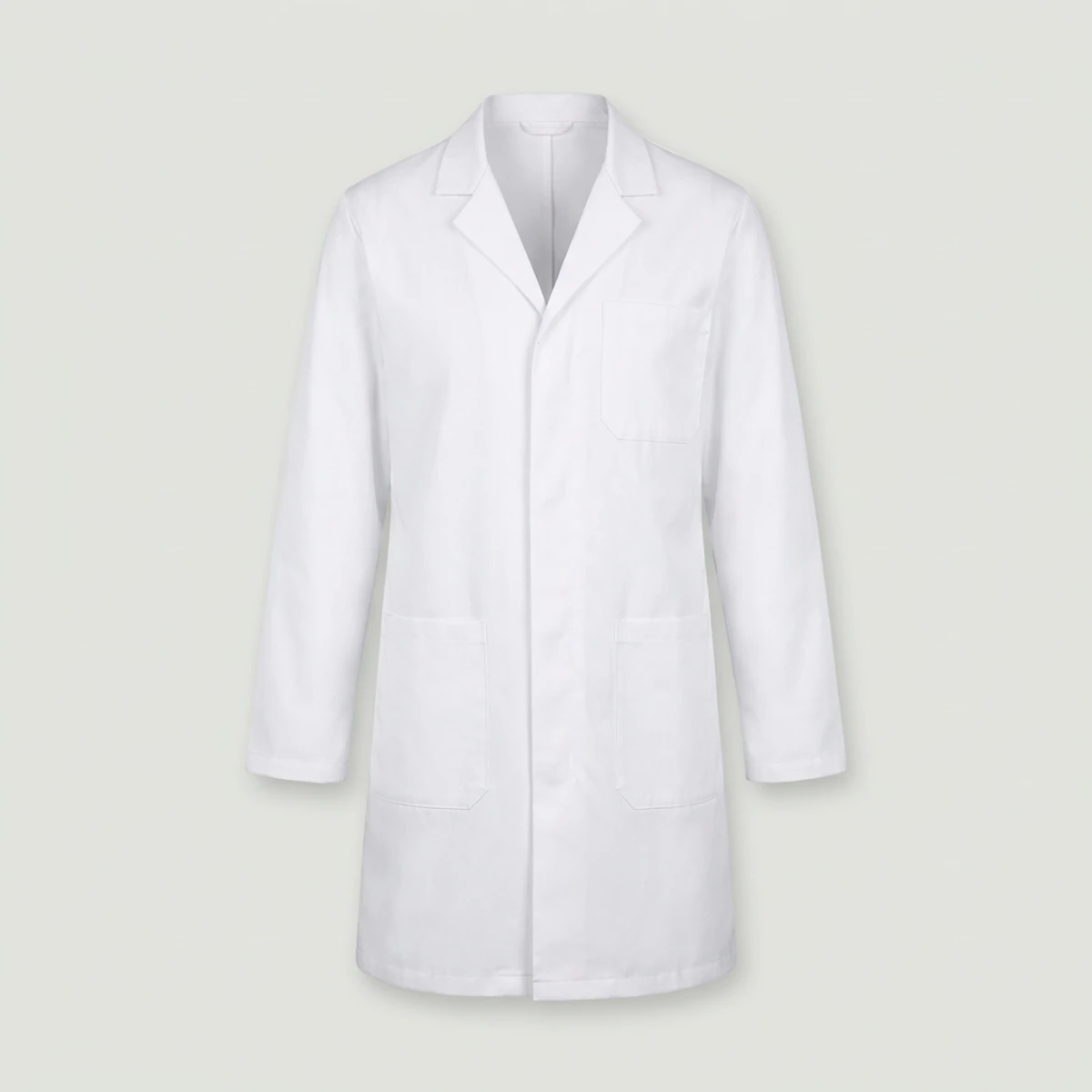

A shorter consultation coat stays out of the way behind a busy counter and in the counseling room. Interns can wear the same style with "Pharmacy Intern" stitched under their name, keeping one coat run for the whole team.
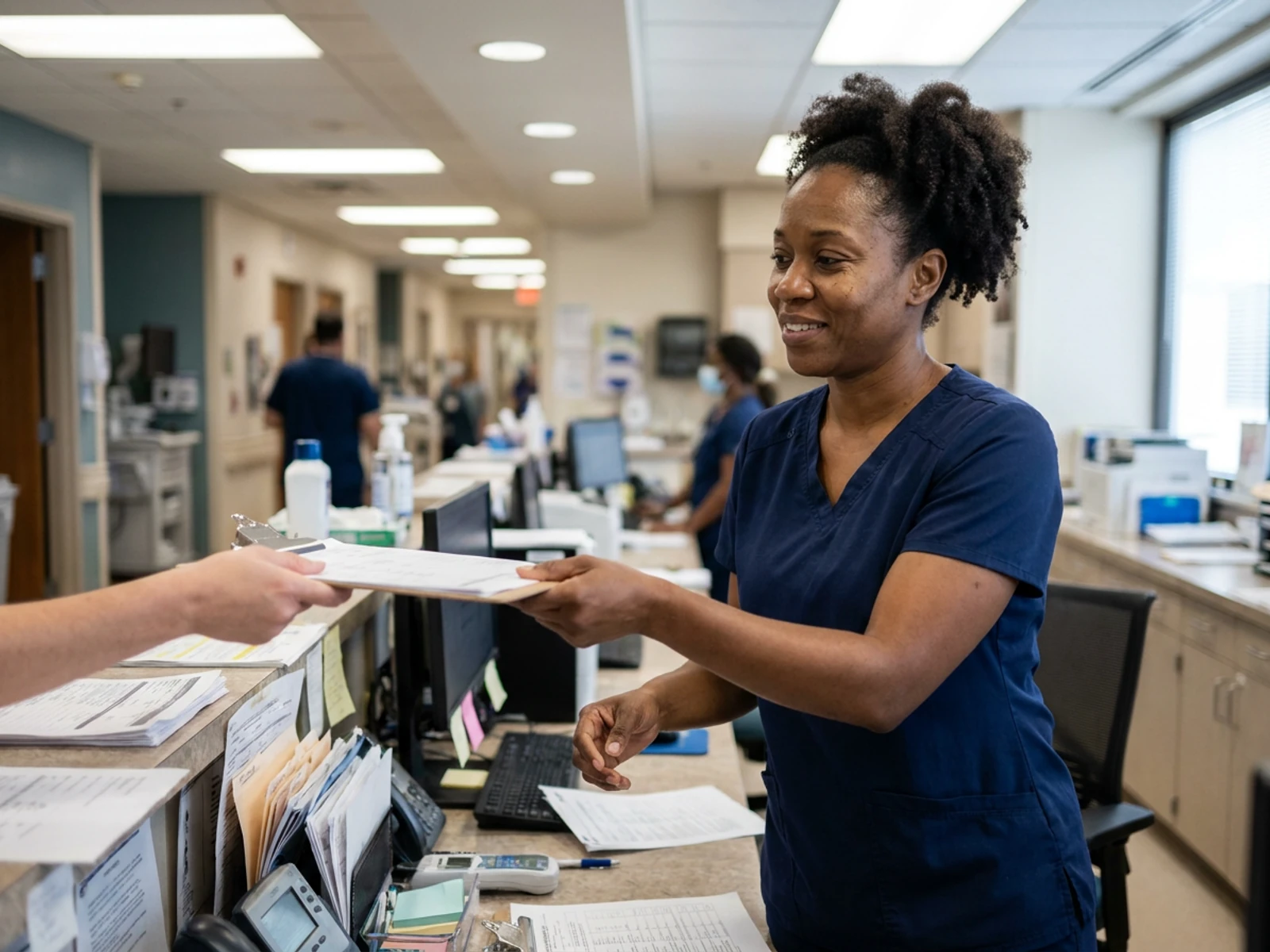
Technicians fill, count and reach shelves all shift, so a scrub set with slim pockets and a badge loop works better than street clothes. One top style in two colors separates technicians from front-store staff while keeping the order above the 50-piece minimum.
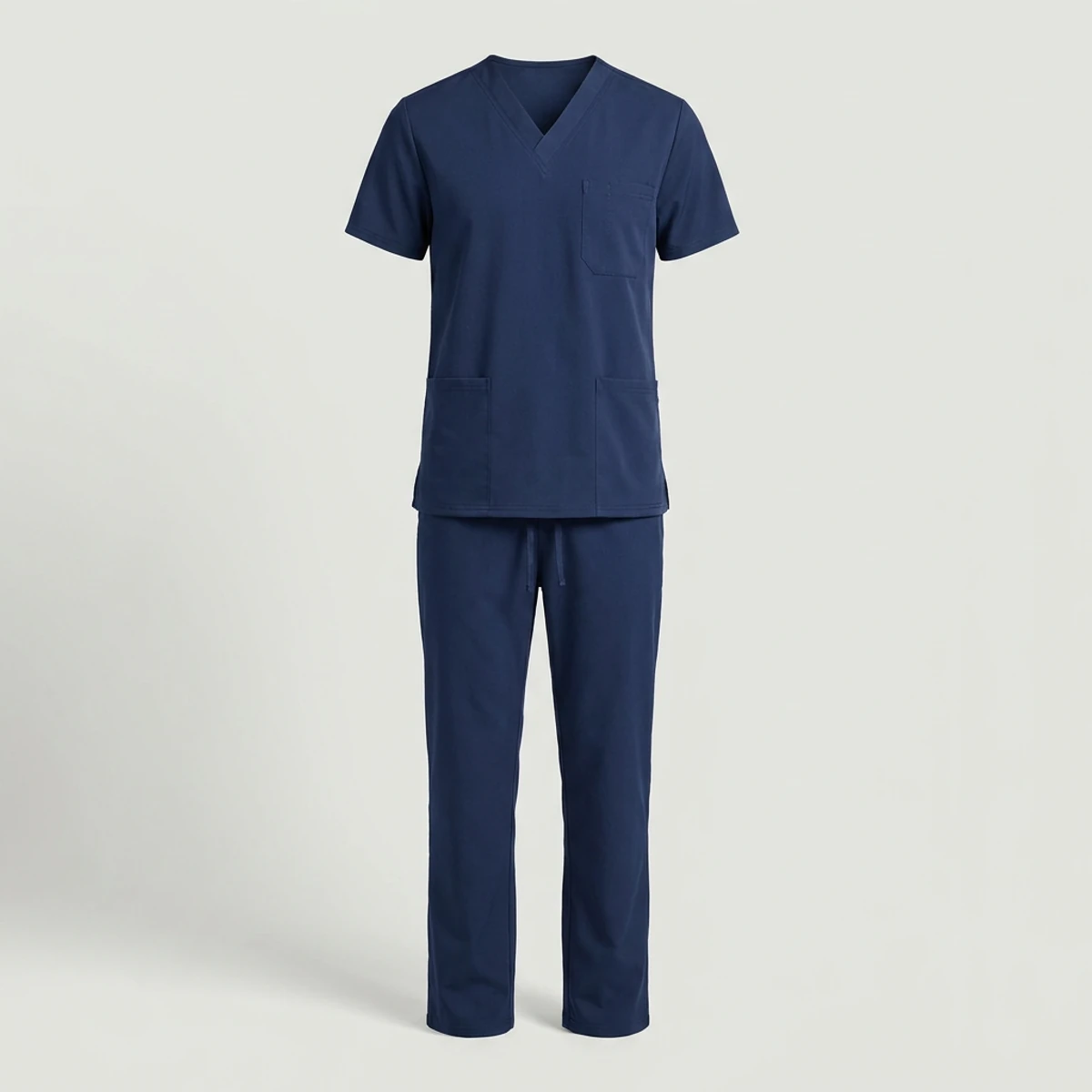
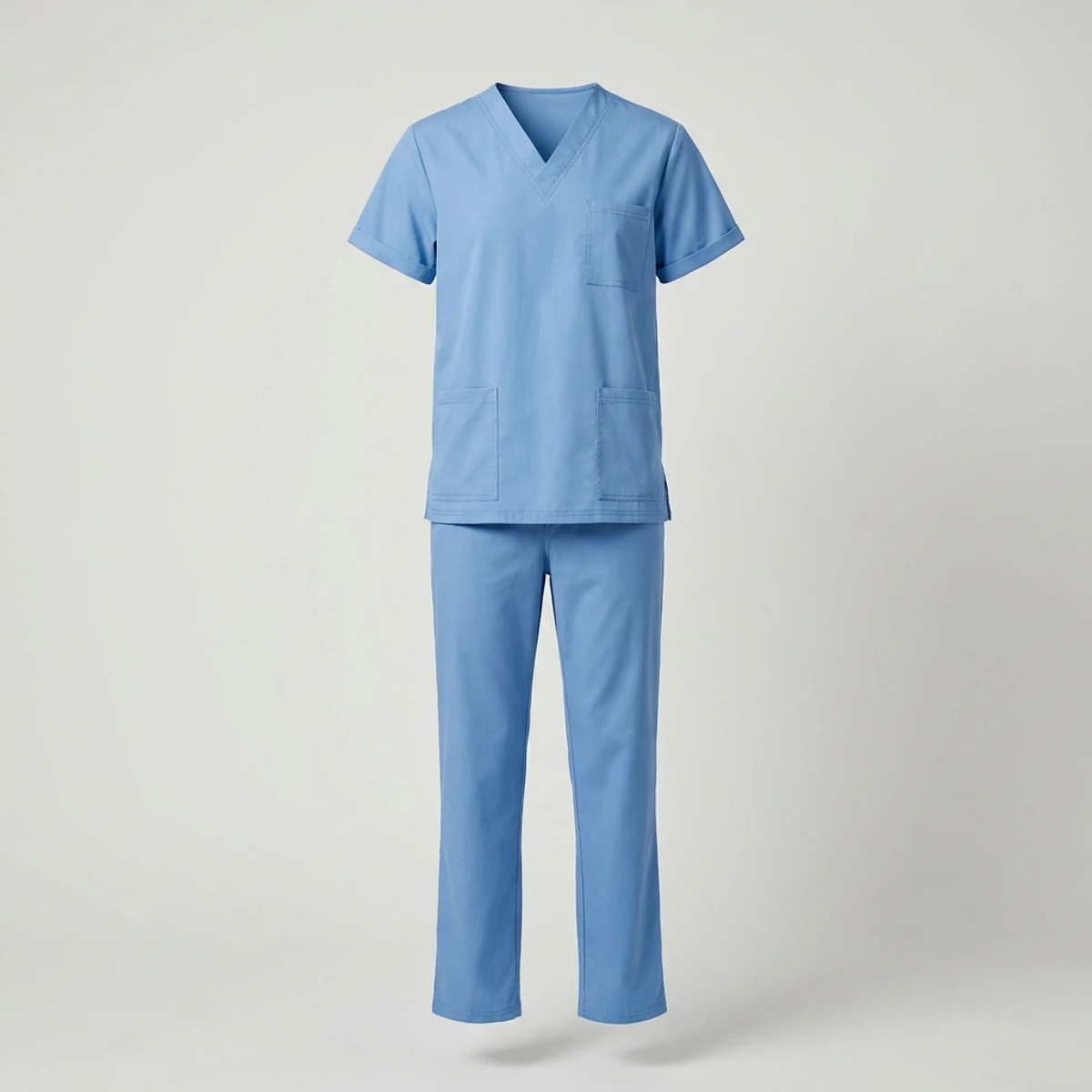
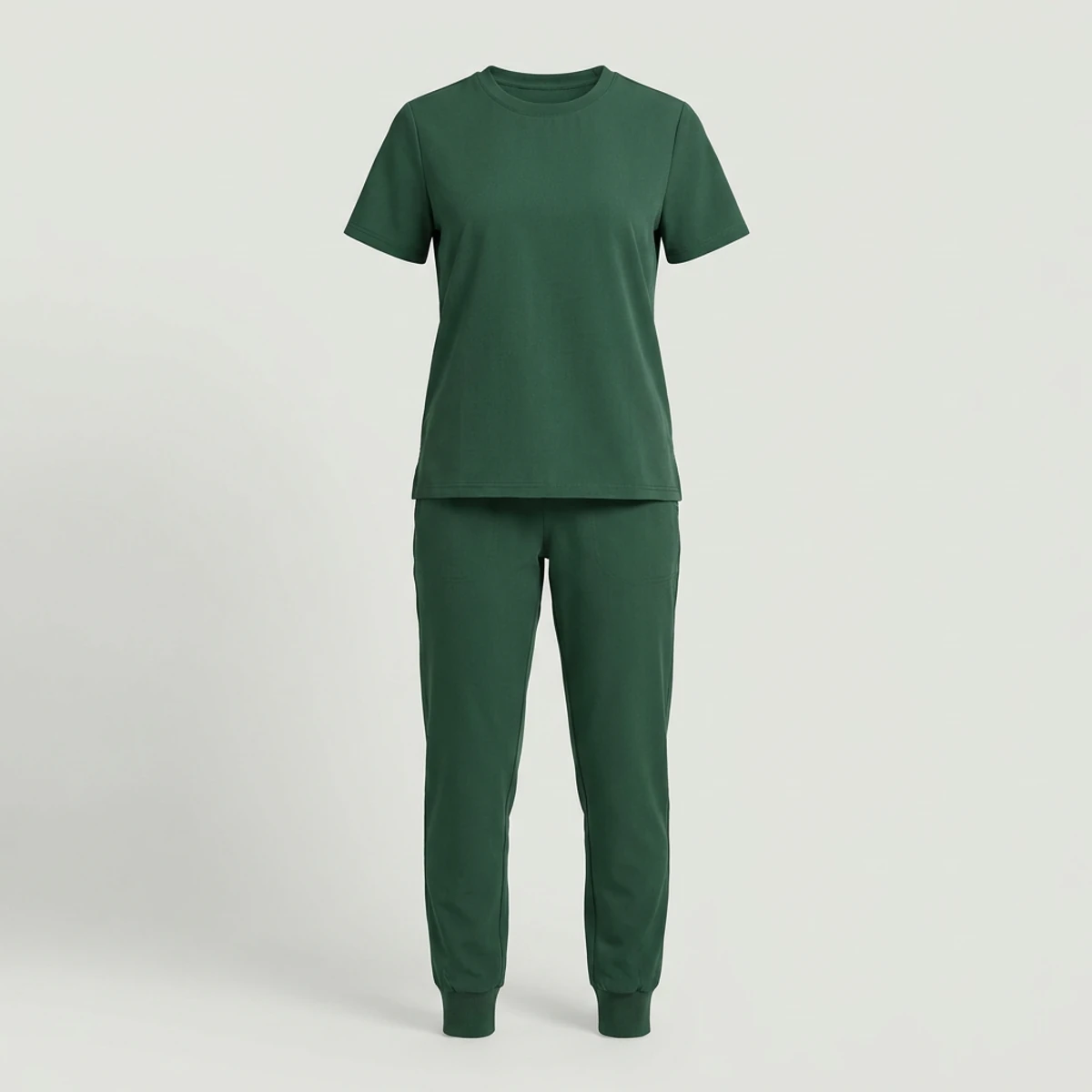
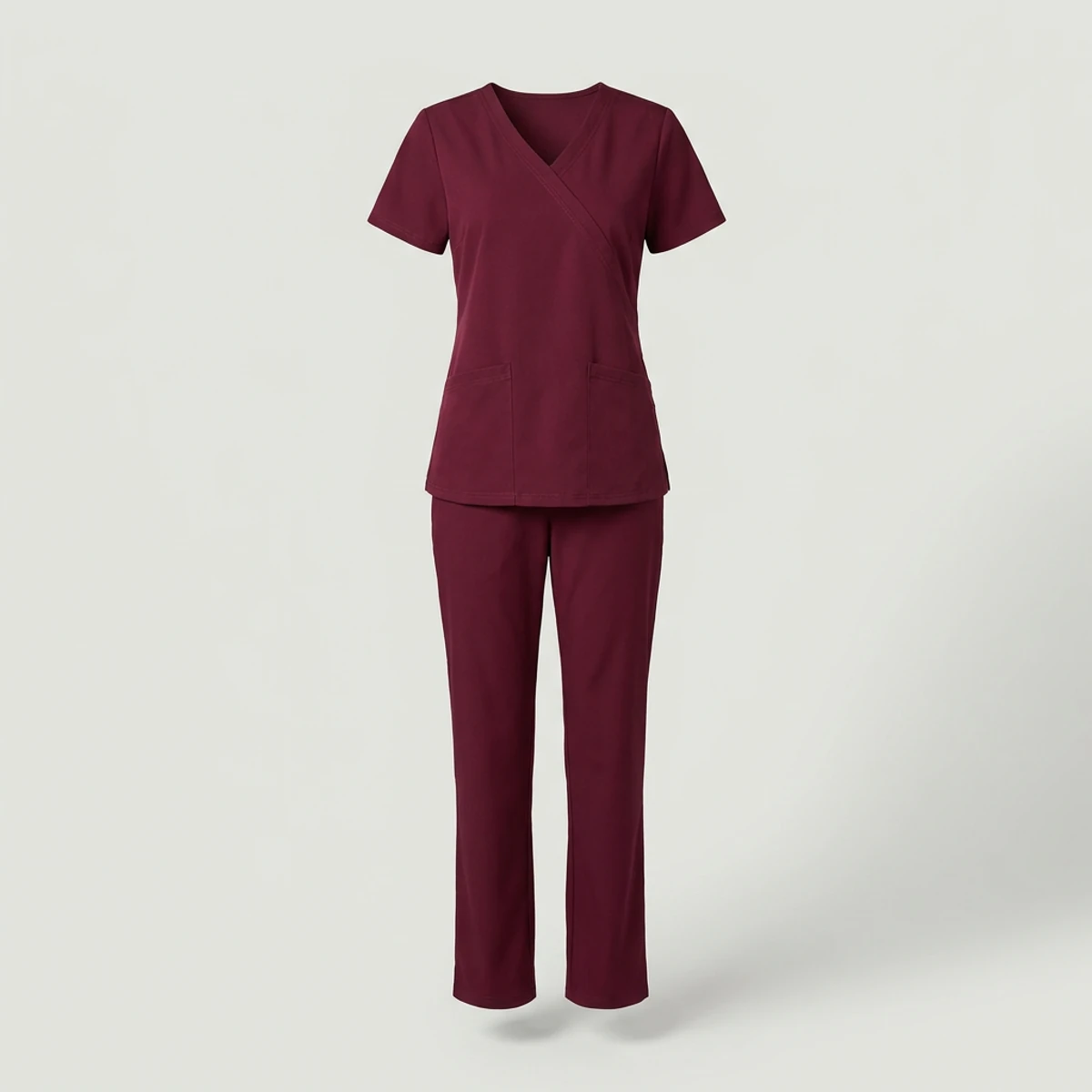

Pharmacy storage areas and hospital basements run cool. A snap-front warm-up jacket in the technician color keeps staff warm over short sleeves and comes off quickly before compounding garb goes on.
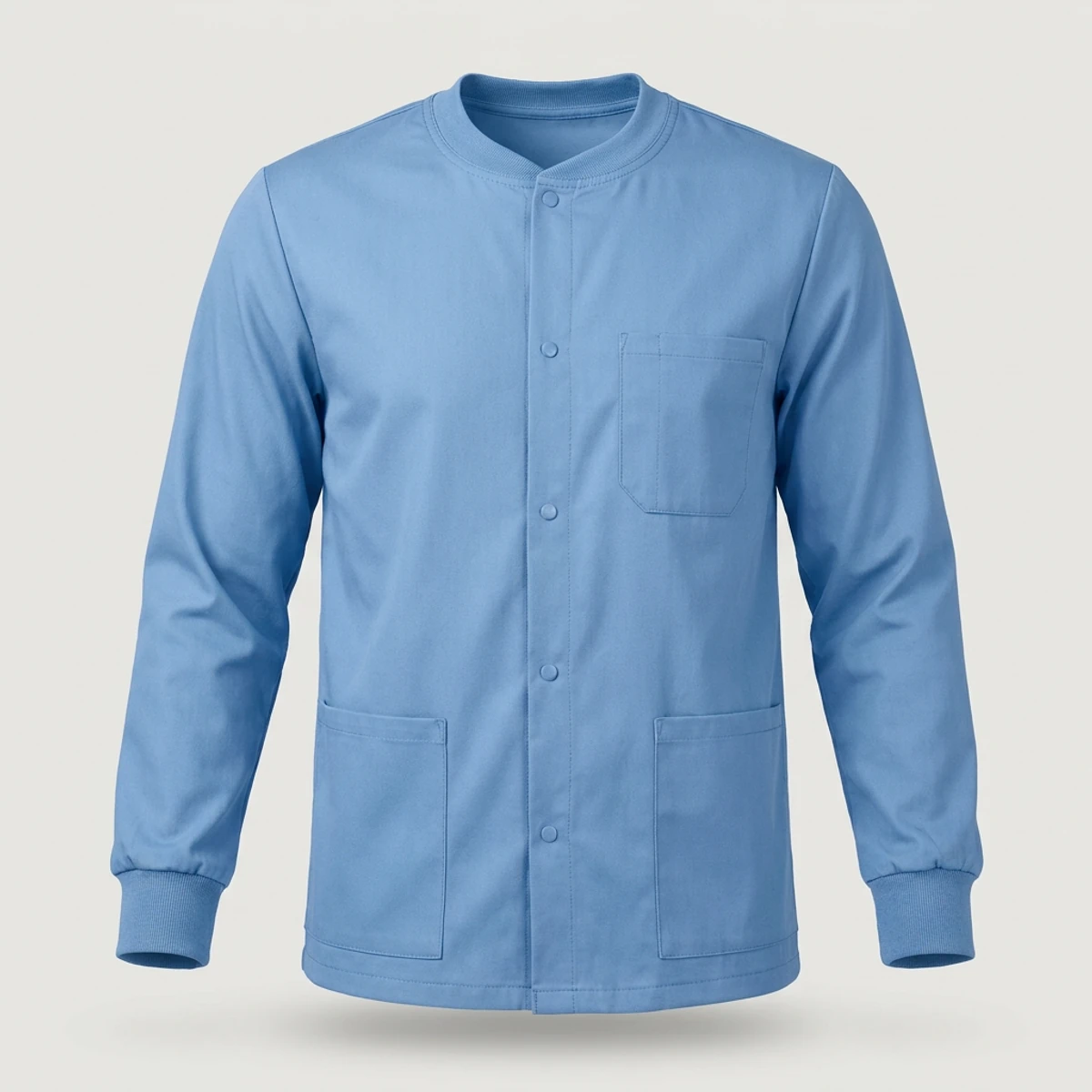
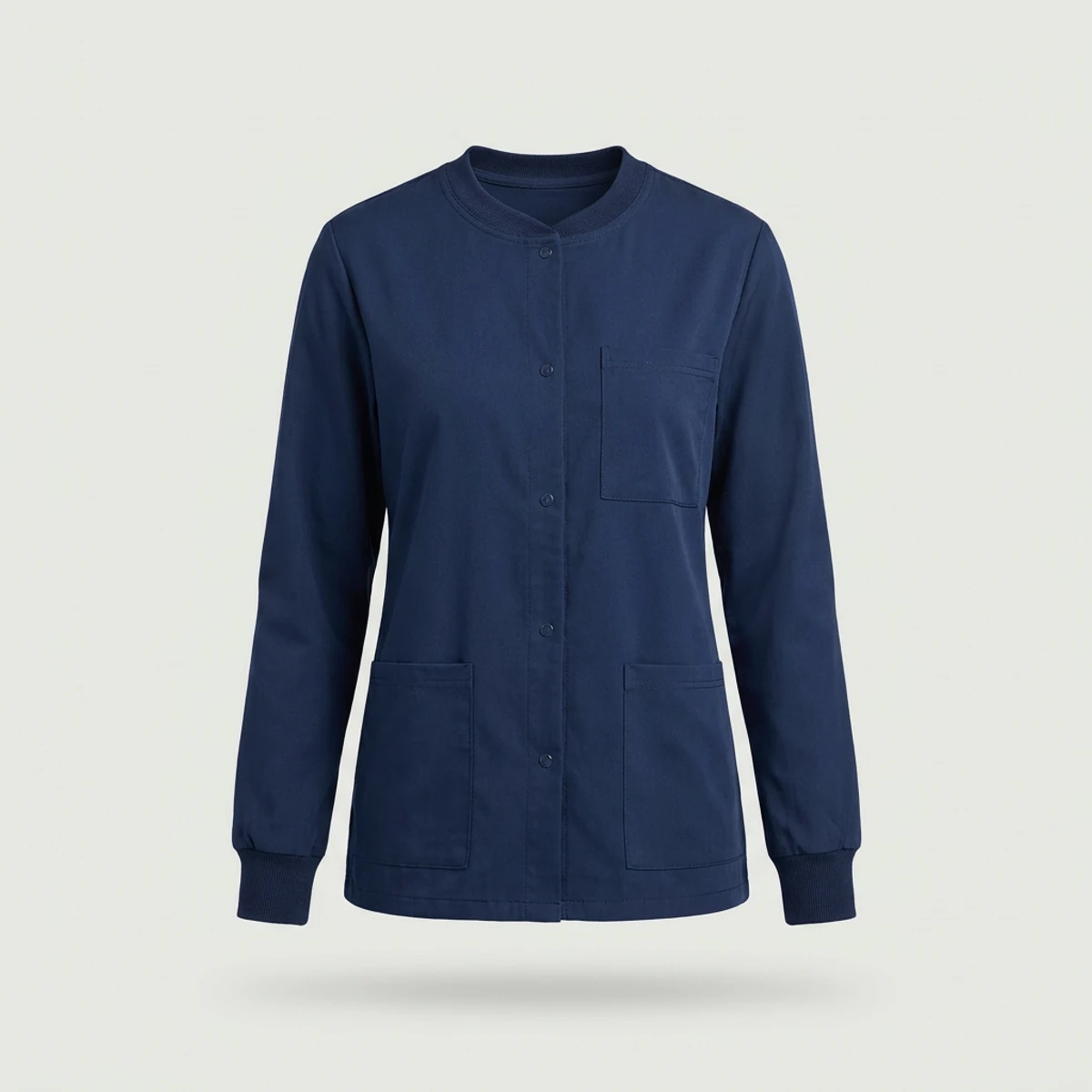
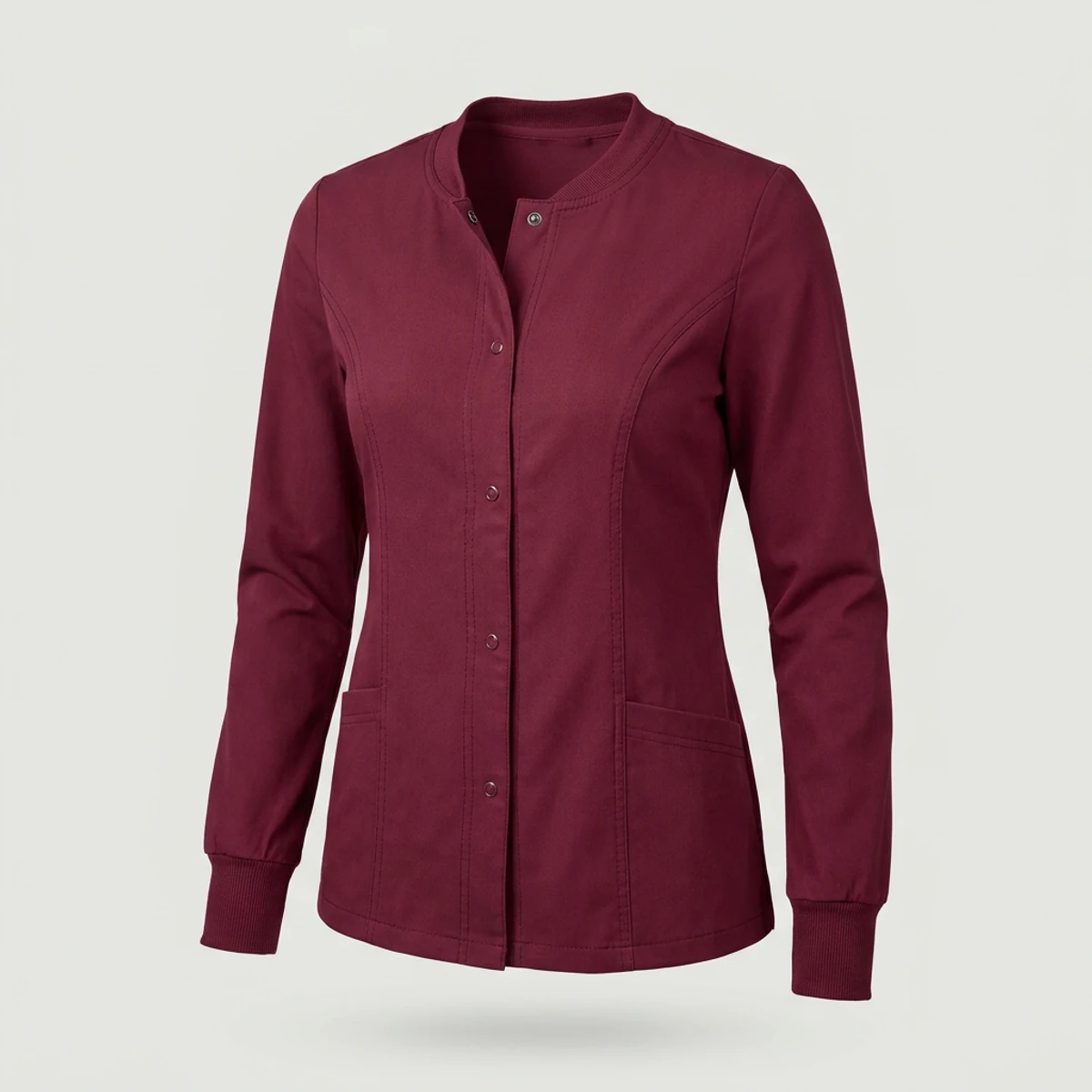
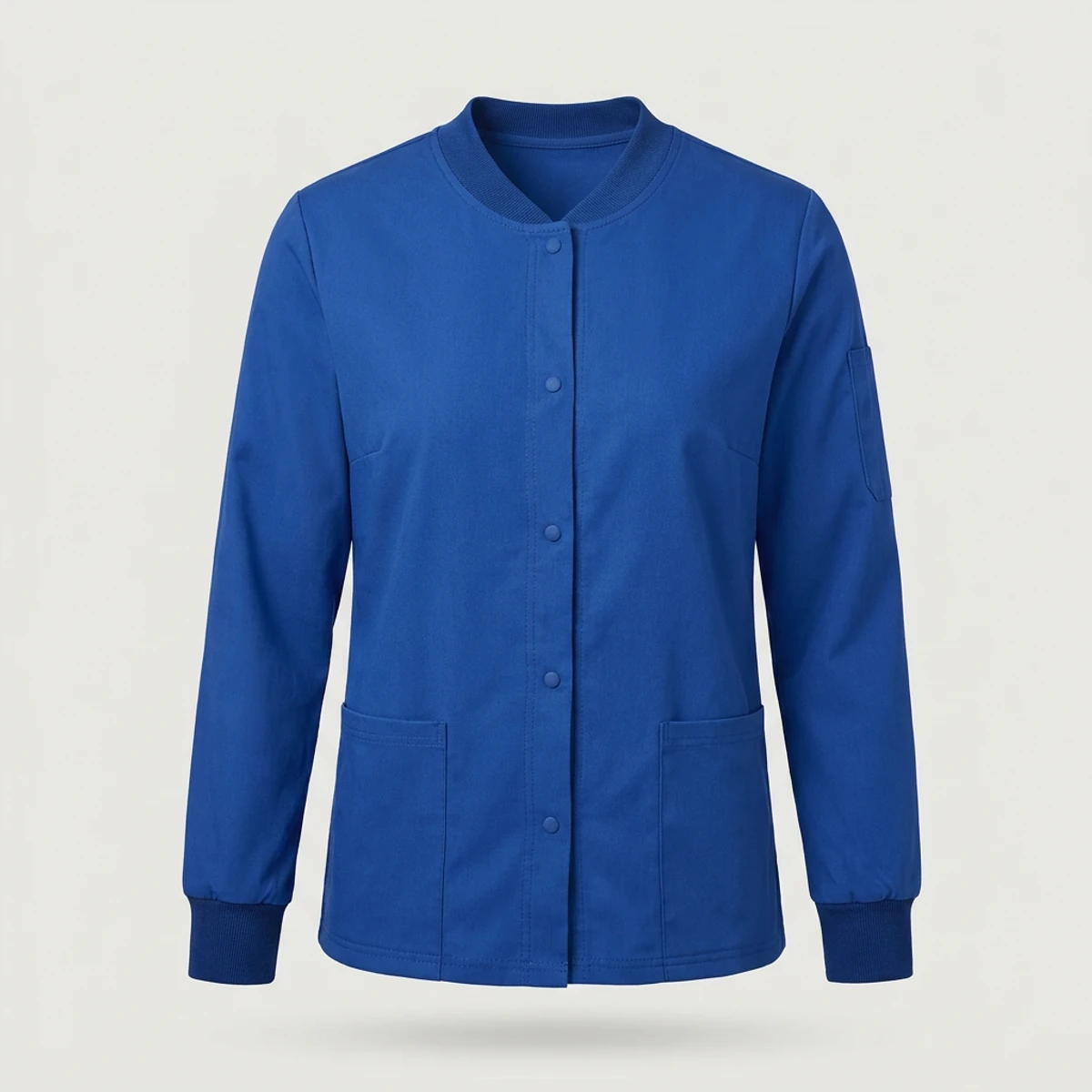
Pick the style, fabric and colors, add your logo and names, then attach the design to your quote. We cut and sew it in Los Angeles from 50 pieces per style.
Pharmacy technicians usually wear scrubs in a role color, pharmacists wear a white lab coat over business clothing or scrubs, interns wear a shorter coat, and cashiers wear a coordinated top or polo. The exact pharmacy uniform depends on the setting: retail counters, hospital pharmacies and compounding rooms each have different needs.
| Setting | Pharmacists | Technicians | Other staff |
|---|---|---|---|
| Independent retail pharmacy | Consultation-length white coat with name and credential | Scrubs in the store color | Scrub top or polo for front-store staff |
| Chain retail pharmacy | Coat to the chain’s specification | Scrubs or polo in the chain color | Front-store uniform from the chain |
| Hospital pharmacy | Staff-length coat or scrubs | Scrubs in the department color | Delivery staff in scrubs or polos |
| Sterile or hazardous compounding | Scrubs under facility-issued protective garb | Scrubs under facility-issued protective garb | Cleaning staff follow room procedures |
| Long-term care and mail-order pharmacy | Scrubs or coat; little public contact | Scrubs or polo, durable for packing work | Same as technicians |
| Clinic or specialty pharmacy | Consultation coat for patient counseling | Scrubs matching the clinic | Patient-facing coordinators in a secondary color |
Scrubs suit pharmacies where technicians fill, count and compound all day; lab coats suit pharmacists who counsel patients; polos suit front-store staff and retail counters that want a softer retail look. Most pharmacies combine all three in one color plan rather than choosing one garment for everyone.
Pharmacy scrubs uniforms work well because they launder easily, carry pockets for pens and labels, and look clinical to patients. A pharmacist lab coat signals who can answer clinical questions. A polo is cheaper to launder and looks retail, but it is a separate garment category; this page covers the scrubs and coats.
Pharmacy technician scrubs need to handle long hours standing at a counter, constant reaching to shelves, label printing and frequent washing. Pharmacy tech scrubs that work well have the four details below; they are the specifications to settle before sampling.
A chest pocket with pen slots, a badge loop and slim side pockets for a phone and labels. Avoid bulky cargo pockets that catch on bins and counters.
A stretch blend that resists wrinkles and dries quickly suits techs who wash scrubs at home; poly-cotton suits hospital laundries. Typical scrub weights run about 150–200 GSM (typical; exact weight confirmed at quote), and the scrub fabric guide compares each blend.
Unisex, women’s and men’s cuts in the same color, with matching scrub pants. Scrub tops run from XXS to 5XL; the scrub size chart compares the cuts.
Short sleeves for the counter, with a long-sleeve underscrub or a scrub jacket for cold pharmacy areas.
A pharmacist lab coat is usually a white consultation- or staff-length coat with a notched collar, a chest pocket with pen slots and two lower pockets, embroidered with the pharmacist’s name, credential and the pharmacy logo. It identifies the pharmacist at the counter and protects clothing from powders and spills.
Pharmacy lab coats are made in the same factory as the scrubs, so the logo and white shade match across an order. The custom lab coats page covers lengths, collars and closures in more detail.
A pharmacy should color-code uniforms by role so patients can see who to ask: a white coat for pharmacists, one scrub color for technicians, a second color or an embroidered title for interns, and a coordinated color for cashiers. Embroidered titles add a second layer of identification.
| Role | Example garment | Example color |
|---|---|---|
| Pharmacist | Consultation or staff lab coat | White |
| Pharmacy intern | Shorter lab coat or scrubs | White coat, or the technician color with “Intern” stitched |
| Pharmacy technician | Scrub set | Navy, ceil blue or the store color |
| Lead or certified technician | Same scrub set | Same color with “CPhT” or “Lead Technician” stitched |
| Cashier and front store | Scrub top or polo | Brand secondary color |
The table is an example, not a standard. Some state boards of pharmacy require staff to wear identification that shows their name and whether they are a pharmacist, intern or technician; check your own board’s rules, because embroidered titles can support but do not replace a required badge. Pharmacist scrubs color choices often follow the hospital’s department colors in health-system pharmacies.
In sterile compounding and hazardous drug areas, scrubs are the clean base layer, not the protective layer: staff put on dedicated garb such as low-lint gowns, hair and shoe covers, masks and gloves over clean attire, following the room’s procedures. United States Pharmacopeia (USP) chapters set those garbing practices.
USP General Chapter 797 covers sterile compounding, including garbing and hand hygiene before entering clean areas. USP General Chapter 800 covers handling hazardous drugs, including protective gowns chosen for that work. Those gowns are specialized protective garments, usually disposable, and are not what a uniform maker supplies. What a uniform program can do is provide clean, low-lint scrubs without loose trims for the compounding team, kept separate from scrubs worn in the retail area. Your facility’s standard operating procedures and state board decide the details.
Tip: Give compounding staff scrubs in a separate color from retail technicians. It makes it easy to spot street-worn scrubs heading into a clean area.
Pharmacy uniform programs follow the same rule at any size: about 50 pieces per style, with the color, size and name breakdown agreed at quote stage. Independents usually order one scrub style and one coat style; chains and health systems set one specification and order by location.
Worked example. An independent pharmacy group with three stores has 4 pharmacists, 2 interns, 12 technicians and 6 front-store staff.
For chains, a written specification for every garment, color and logo placement lets new stores order uniforms that match the rest. Name and title embroidery is handled through the embroidered scrubs service.
The cost of custom pharmacy uniforms depends on fabric, quantity per style, the mix of scrubs and lab coats, style complexity, embroidery and personalization. Every program is quoted on its actual fabric, artwork and quantities, so the table shows which choices move the cost rather than listing prices.
| Cost driver | How it moves the cost | How to keep it in check |
|---|---|---|
| Fabric | Stretch blends usually cost more than poly-cotton | Choose fabric for how staff launder |
| Quantity per style | Larger runs spread cutting, setup and sampling across more pieces | One top style across technicians and front store |
| Garment mix | Lab coats use more fabric and construction than scrub tops | Size coat quantities to pharmacist headcount |
| Embroidery | Stitch count and locations add time per piece | One logo plus one name line |
| Personalization | Names, credentials and titles add handling per piece | One checked roster |
Pharmacy scrubs worn as a uniform are usually washed by staff after every shift, while white pharmacist coats need separate washing with an oxygen-based whitener to stay white. Any garment the pharmacy designates as protective clothing follows the facility’s laundering policy instead of home washing.
The most common pharmacy uniform mistakes are dressing technicians and pharmacists alike, one coat per pharmacist, pale scrub colors behind a busy counter, and wearing retail scrubs into a clean room. Each is cheap to fix while the program is being specified and expensive once garments are embroidered.
Ready to order
A complete pharmacy uniform quote needs headcount by role and location, the garments per role, your color plan and logo, the name and credential format, and whether compounding staff need separate scrubs. With that in one message, the program can be priced and sampled in one round.
Need something not covered here? Ask our Los Angeles team and we’ll answer with options for your order.
Ask our Los Angeles teamMost pharmacy technicians wear scrubs in a color set by their employer, or a polo with uniform pants in some retail settings, plus a name badge. Hospital and compounding technicians wear scrubs as the base layer under any protective garb. Pharmacists usually wear a white lab coat over business clothes or scrubs, so patients can see who is the pharmacist.
Most pharmacists wear a consultation-length coat that ends around the hip or a staff-length coat to mid-thigh. Shorter coats are easier behind a busy counter and in consultation rooms. Short-sleeve pharmacist lab coats exist for warm stores, but long sleeves remain the traditional look.
The minimum is about 50 pieces per style, not per person. A pharmacy with ten technicians and clerks ordering five tops each reaches 50 in one style, with colors and sizes split inside that run at quote stage. Smaller teams often order one shared top and separate roles with embroidered titles.
No. Sterile and hazardous drug compounding rooms use dedicated protective garb, such as low-lint gowns, hair and shoe covers, masks and gloves, put on over clean attire. Scrubs are the clean clothing worn underneath, under your facility's procedures and USP standards.

White and colored lab coats in consultation to full lengths, with name, credential and logo embroidery, from 50 pieces per style.

Lab coats, laboratory scrubs and phlebotomy scrubs for clinical, reference, research and industrial labs, specified around OSHA rules and sewn in Los Angeles from 50 pieces per style.
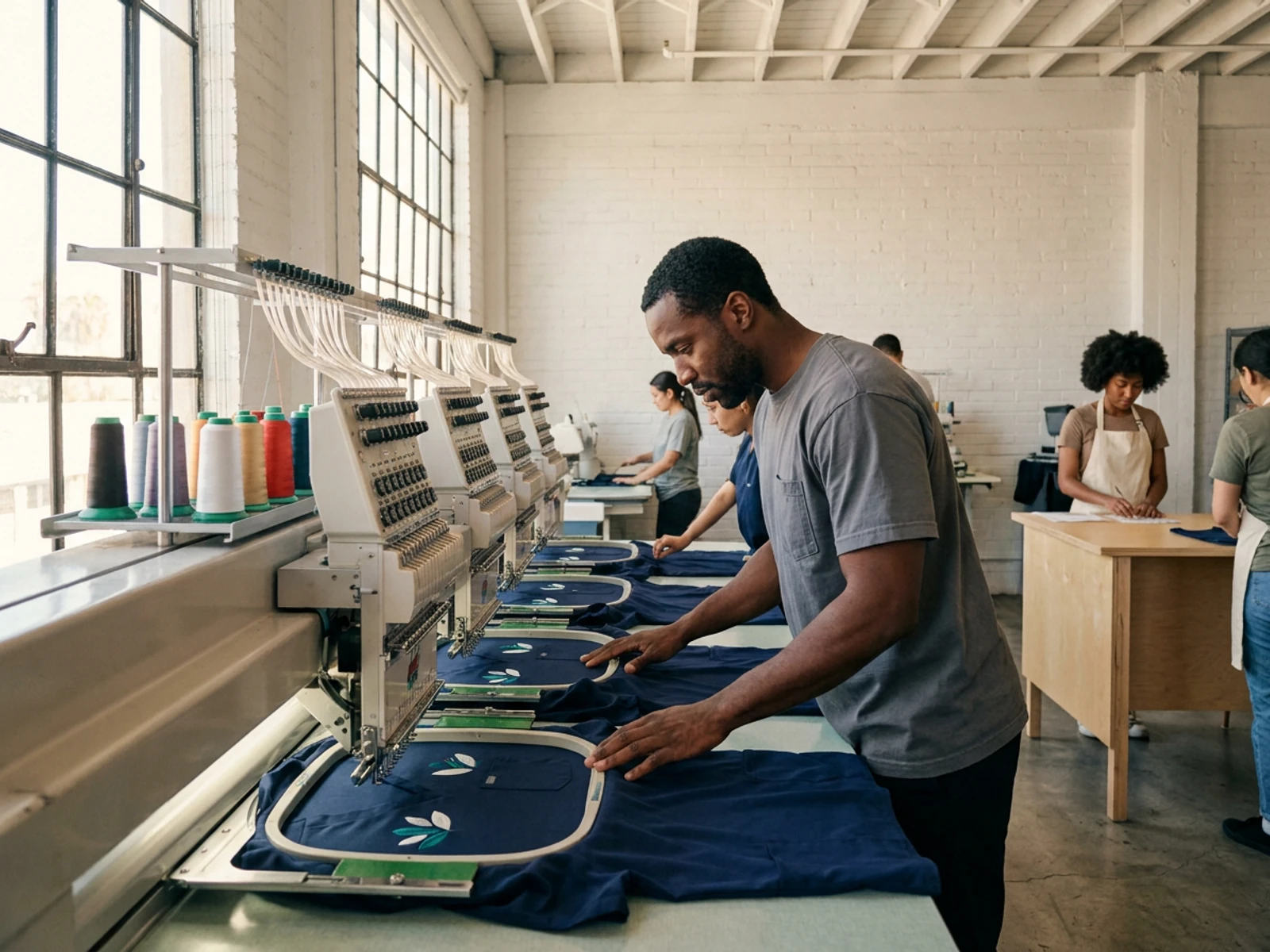
Scrubs, lab coats and scrub jackets embroidered with names, credentials, departments and logos, cut, sewn and embroidered in our Los Angeles factory from 50 pieces per style.

Scrub tops made in your choice of neckline, pockets, fabric and color, embroidered or printed with your logo, from 50 pieces per style.

Nursing uniforms and scrubs for hospitals, clinics and urgent care, planned around role color coding, laundering, pockets and stretch, embroidered in Los Angeles.

Scrubs, jackets and base layers for home health and home care agencies, branded so clients recognize the aide at the door, from about 50 pieces per style.