Services · Los Angeles factory

Custom Clothing Manufacturer in Los Angeles

Custom Uniform Factory is a clothing manufacturer in Los Angeles with its own cut-and-sew factory, producing custom scrubs, lab coats and workwear for brands and businesses across the USA from imported fabric. Working domestically means simpler sampling, direct communication in a US time zone, small runs from about 50 pieces per style, and no ocean freight or import duties on the finished garments.

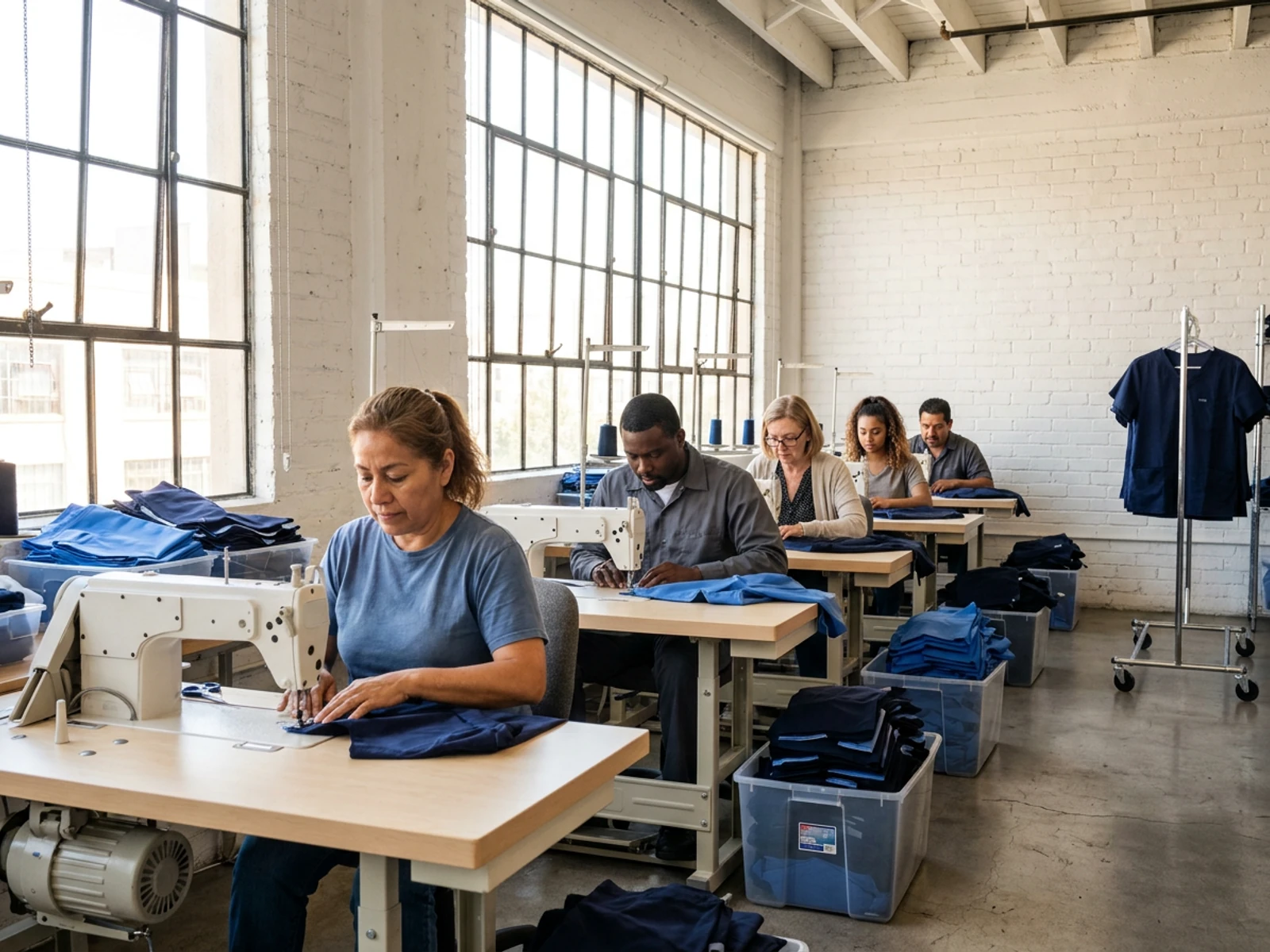
Rows of industrial sewing machines with operators sewing navy and ceil blue scrub tops in a bright cut-and-sew factory
Minimum order
About 50 pieces per style
Production
Cut & sewn in Los Angeles, imported fabric
Services
Pattern work, sampling, grading, cut and sew, finishing
Products
Scrubs, lab coats, uniforms and workwear

Custom Manufacturing by style

16 styles in 4 families · each made to order in your fabric, color and branding from 50 pieces.

Customize your uniformsYour fabric, colors, pockets and branding
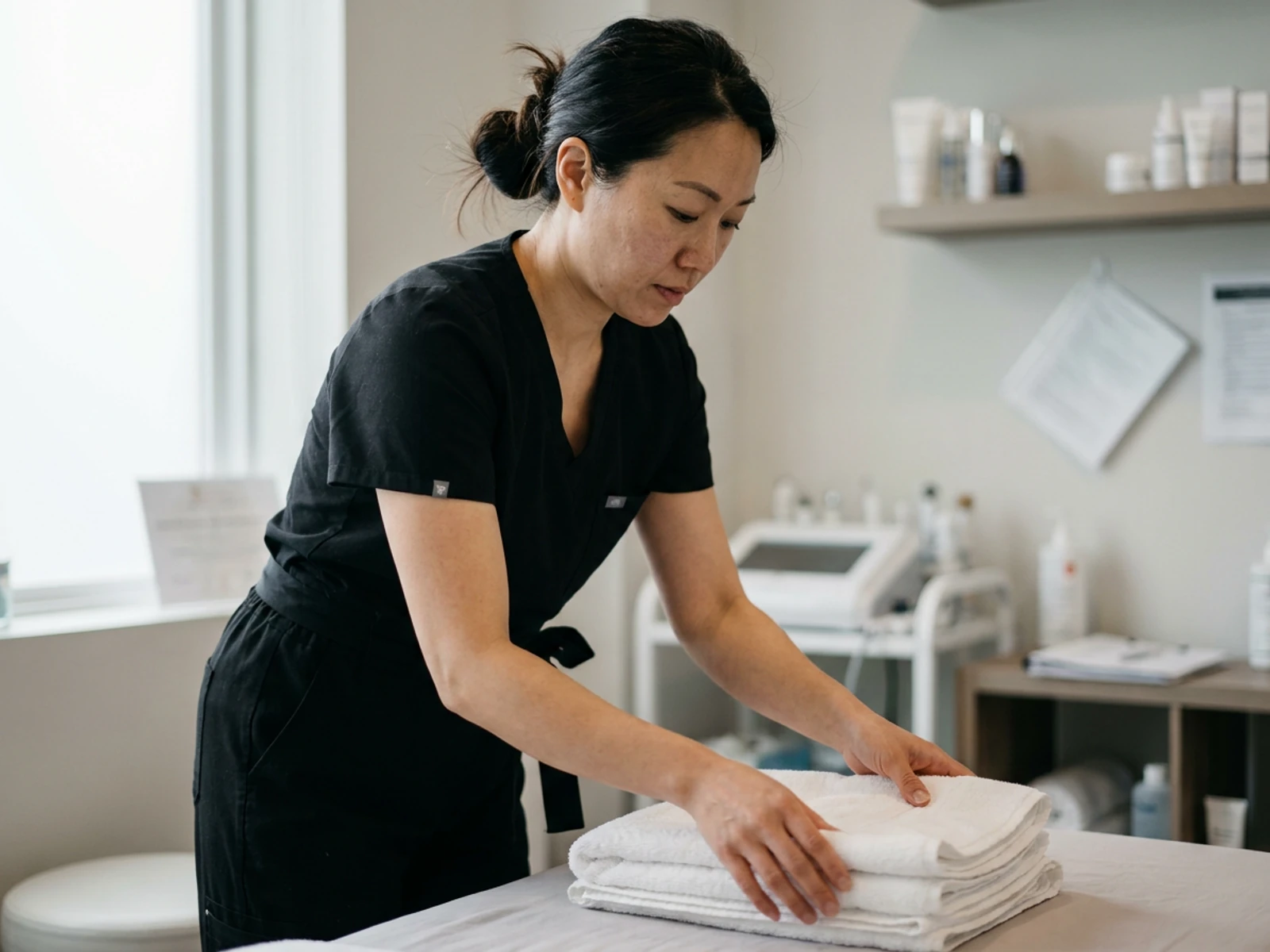
Med spa nurse in a black belted scrub jumpsuit preparing a treatment room

A one-piece built to your brief

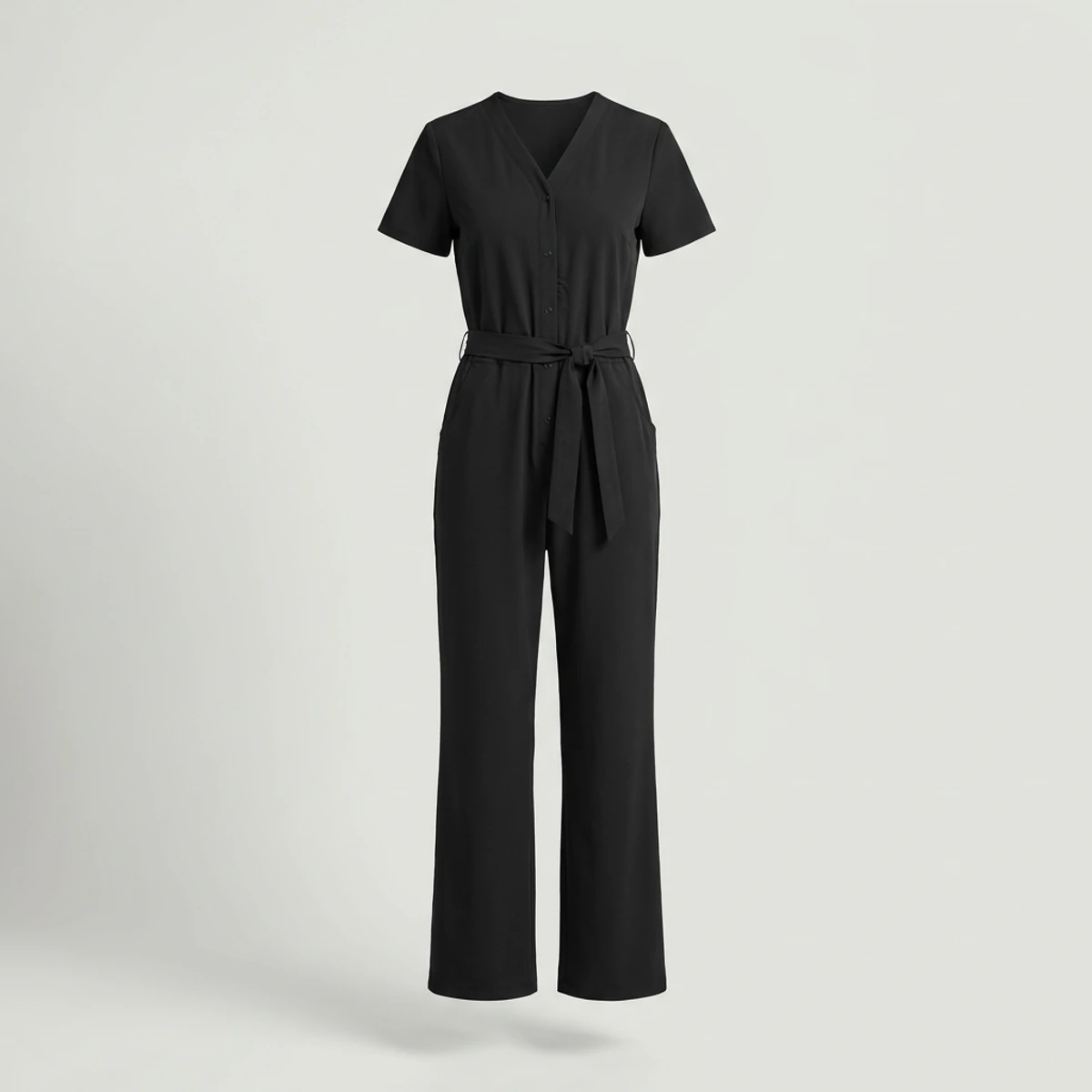
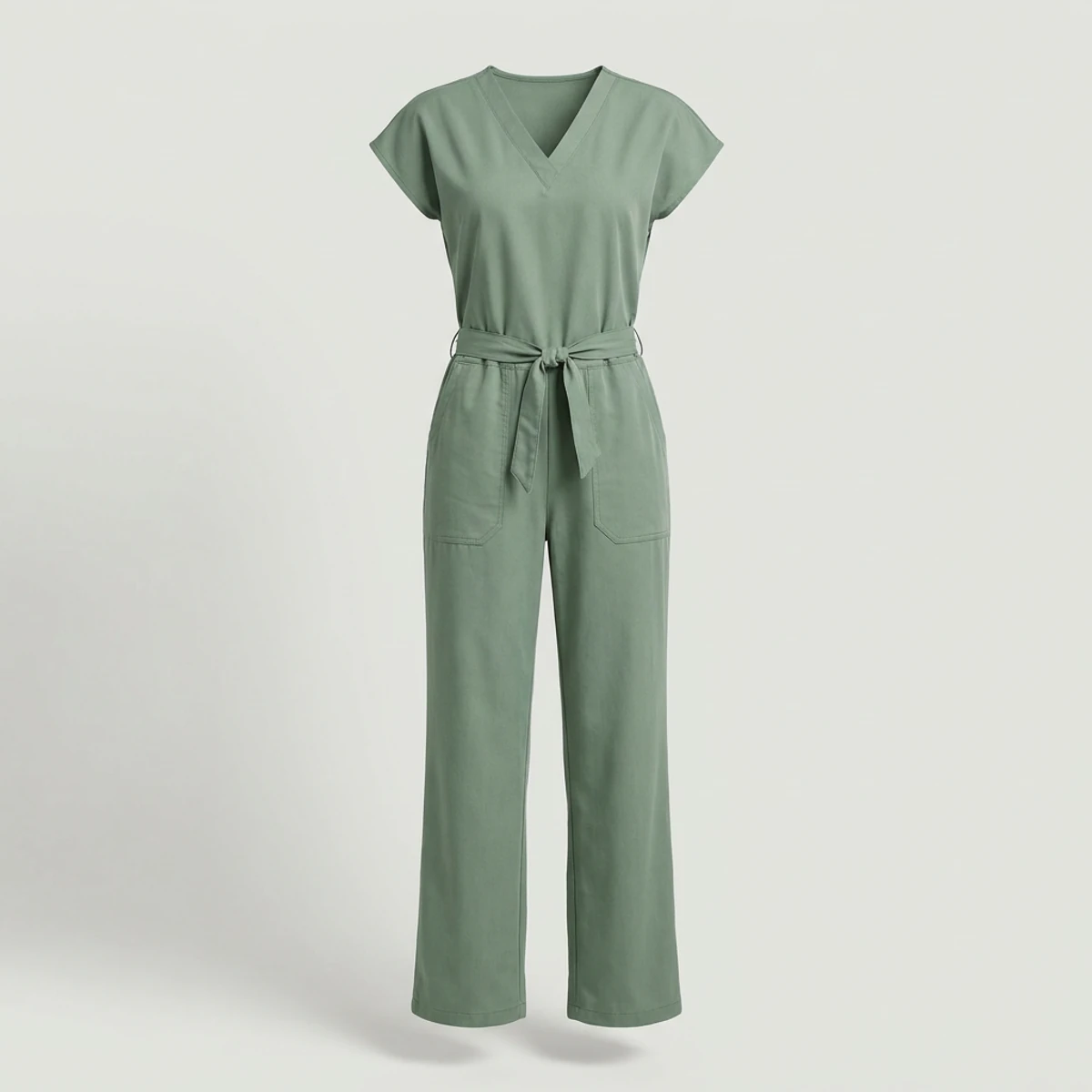
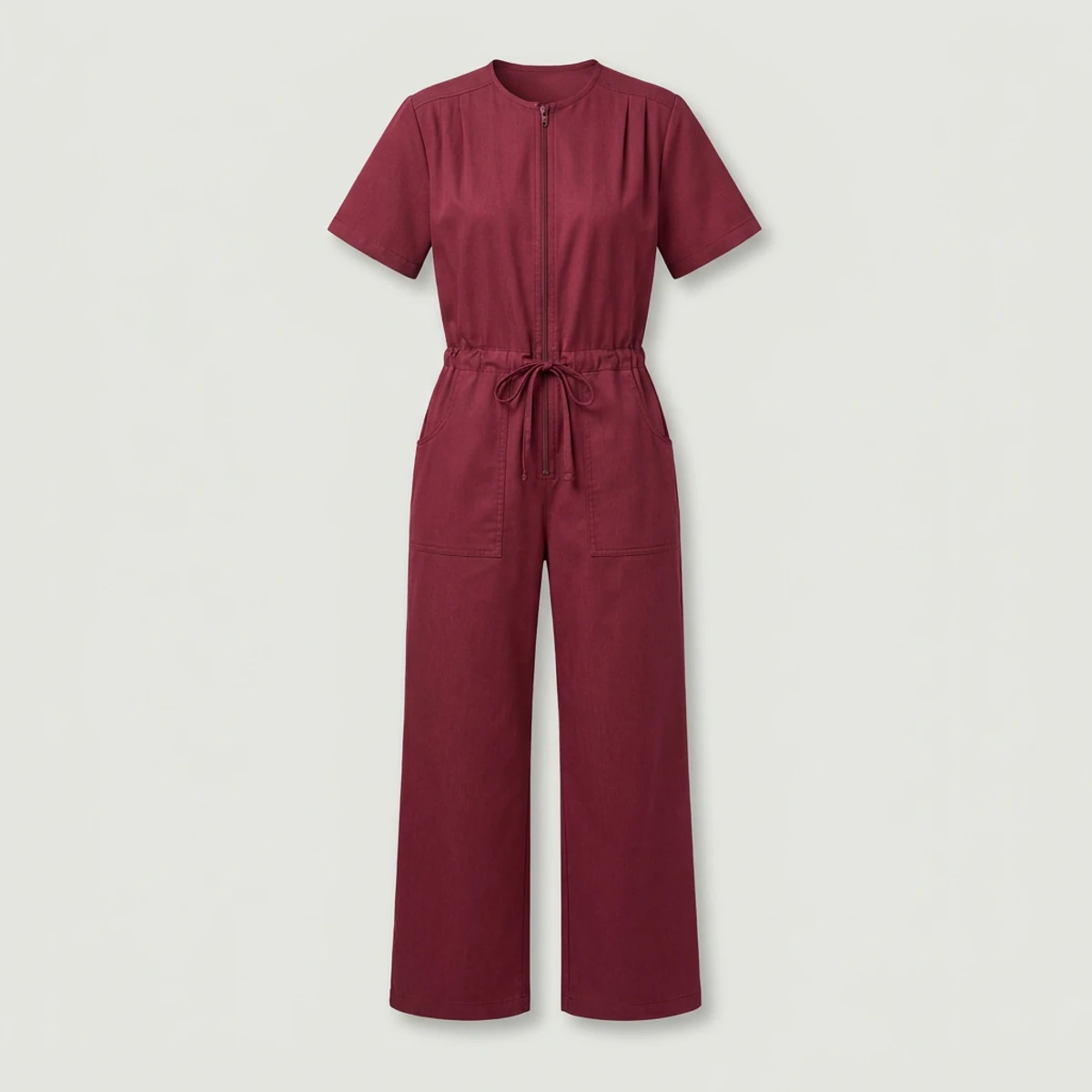
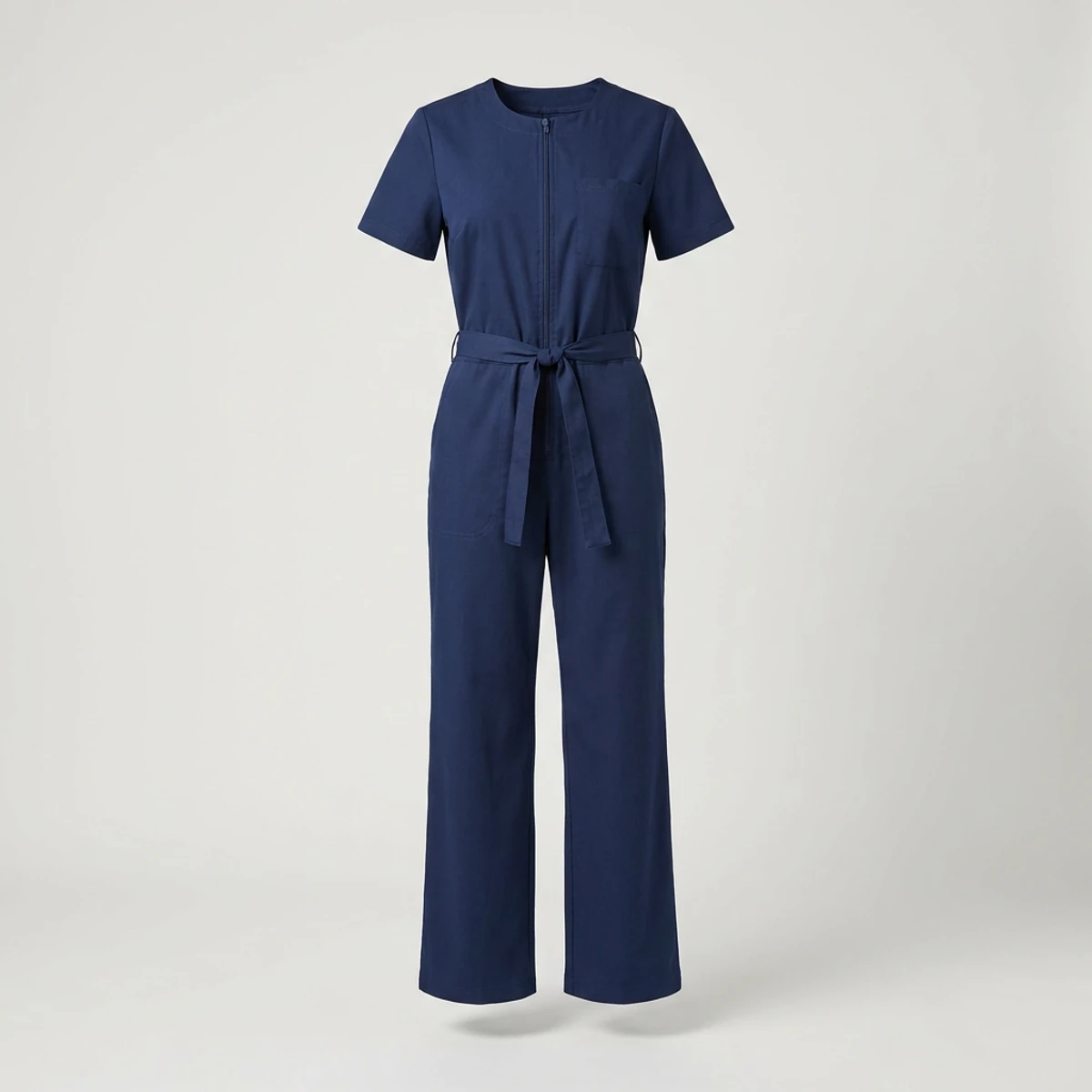
Original silhouettes like a belted wide-leg jumpsuit are where custom development pays off, since stock catalogs rarely carry them. We draft the pattern, sew a fit sample and then produce in Los Angeles from about 50 pieces per style.

  • Black women's scrub jumpsuit with tie belt, V-neck and wide legsBlack belted wide-leg jumpsuit
  • Sage green belted scrub jumpsuit with wide legs and patch pocketsSage belted jumpsuit
  • Wine colored wide-leg scrub jumpsuit with drawstring waist and pleated backWine wide-leg jumpsuit
  • Navy wide-leg scrub jumpsuit with tie belt and chest pocketNavy wide-leg jumpsuit
Quote jumpsuits
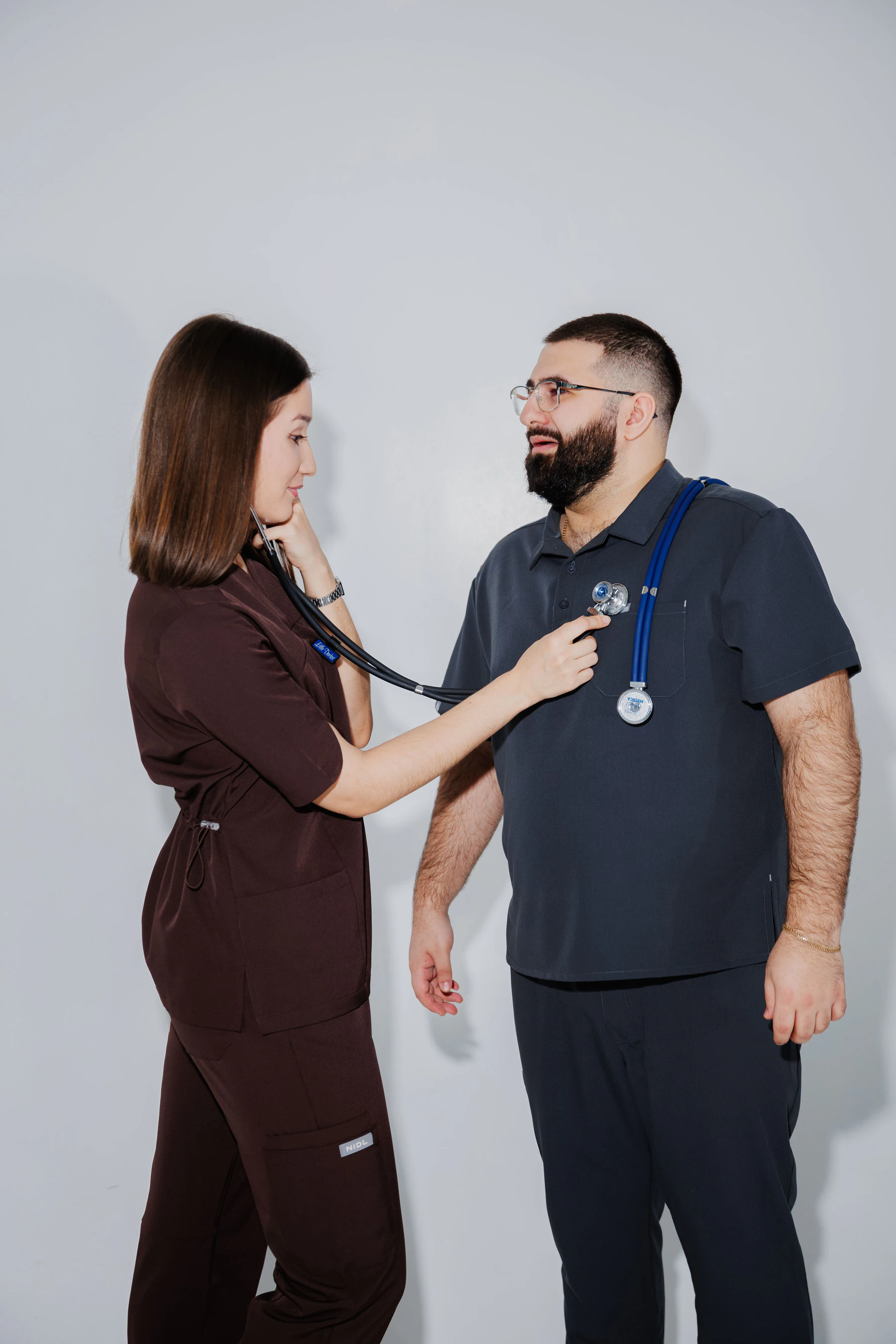
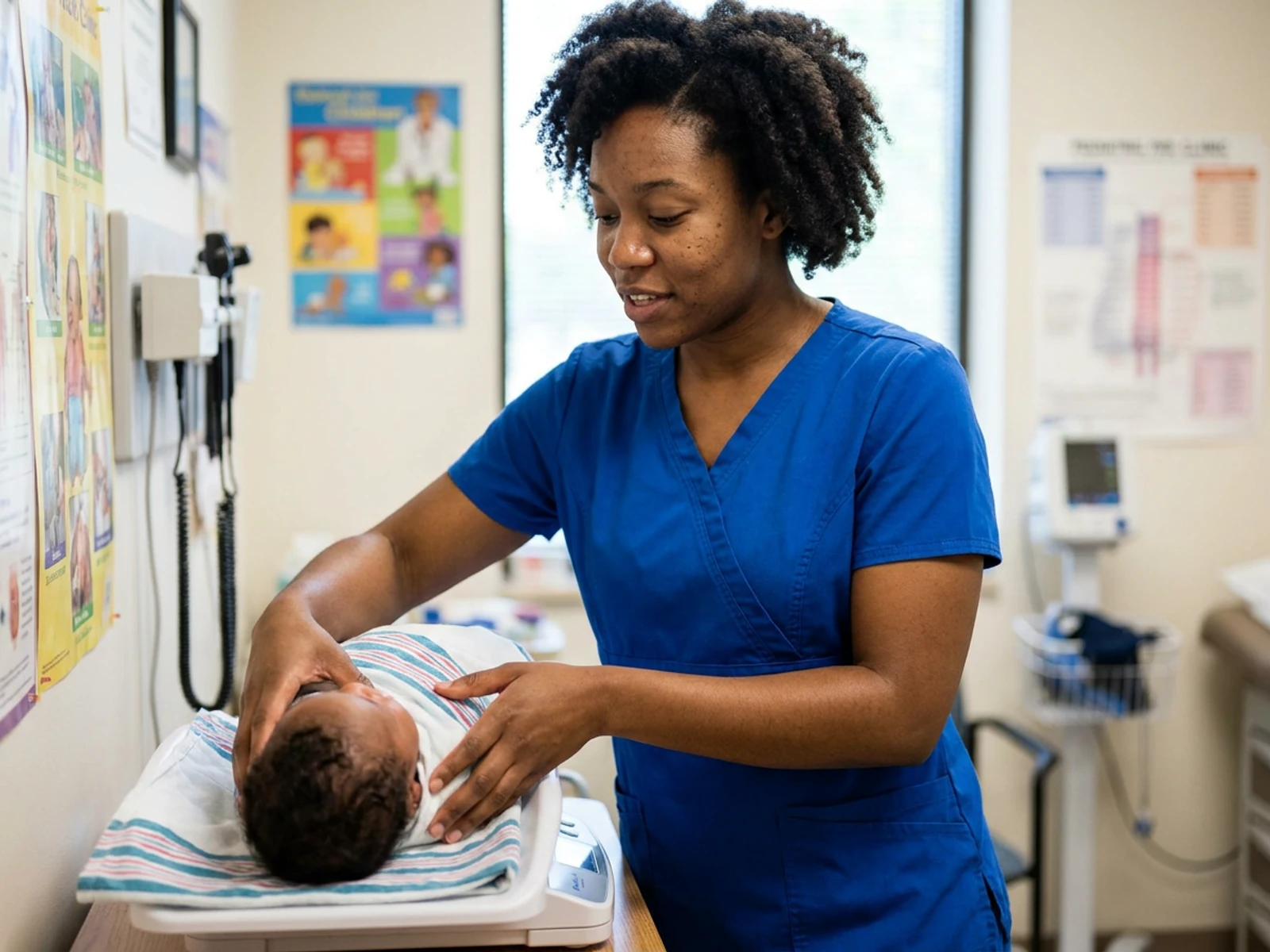
Clinician in a royal blue mock wrap scrub top weighing an infant at a pediatric clinic

Your own block for a tailored top

Brands wanting a signature fit can start from a mock wrap and adjust neckline depth, darts and pocket shape until it is theirs. Production follows the approved sample and starts near 50 pieces a style.

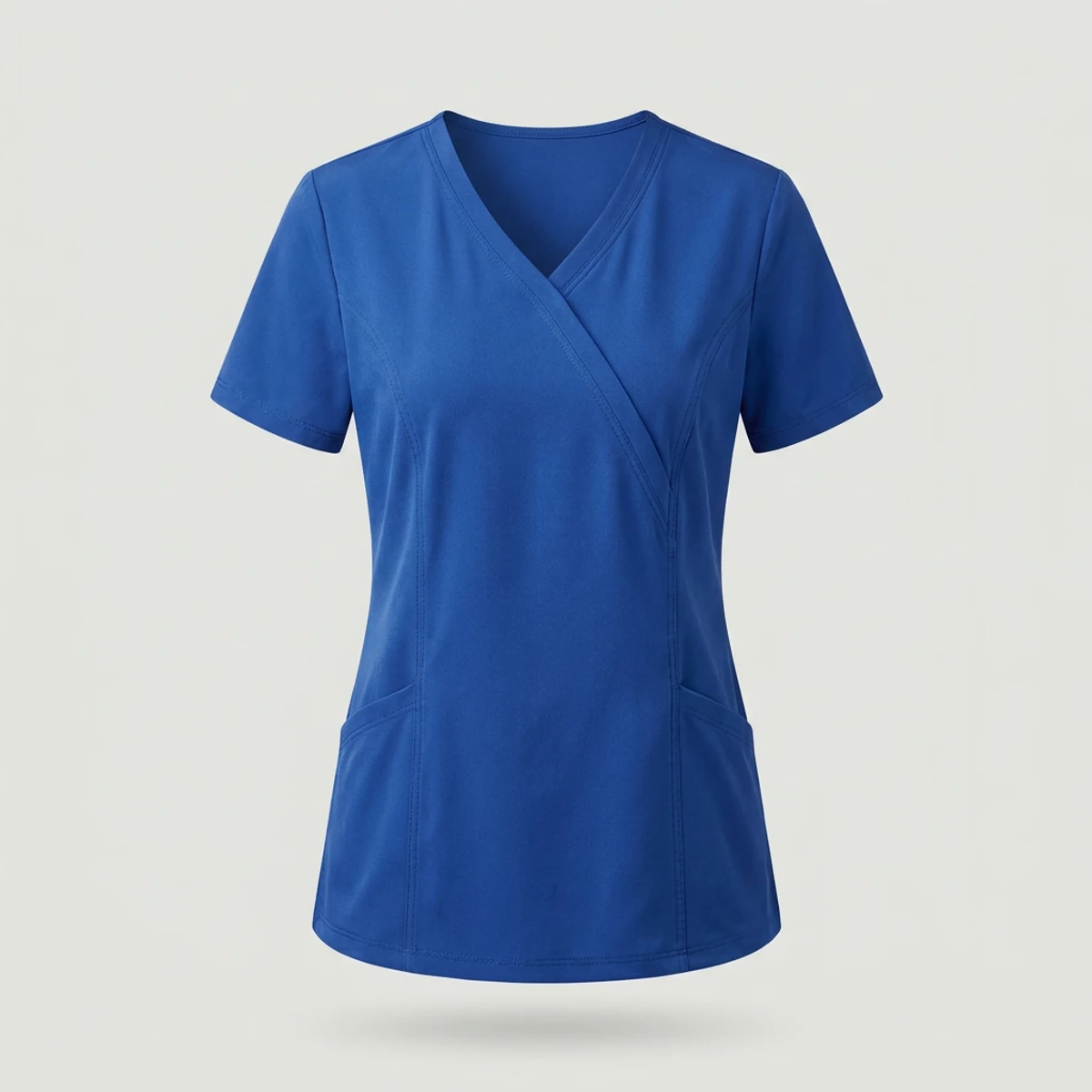
  • Royal blue mock wrap scrub top with crossed front panels and princess seamsRoyal blue mock wrap top
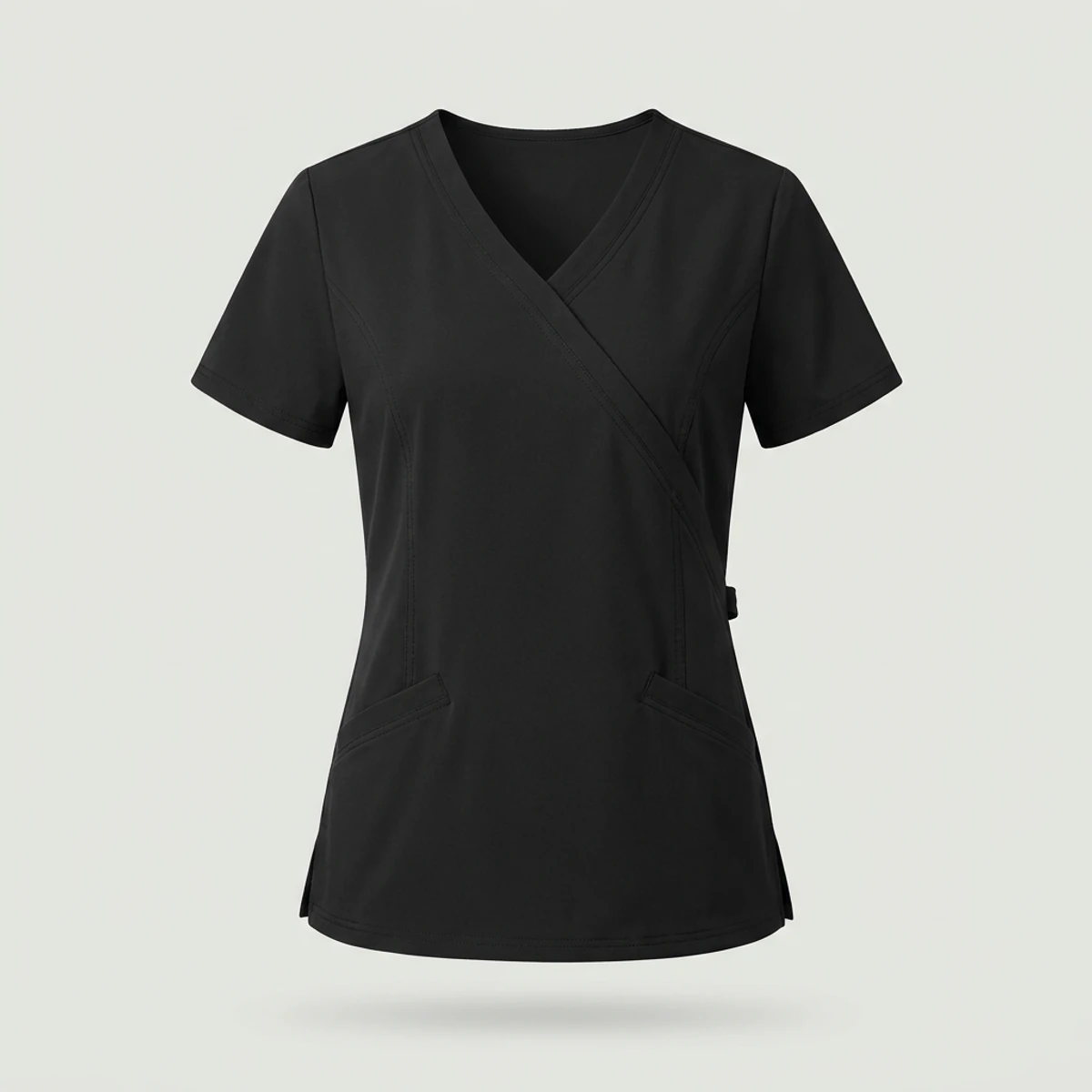
  • Black mock wrap scrub top with side tie detail and angled welt pocketsBlack mock wrap scrub top
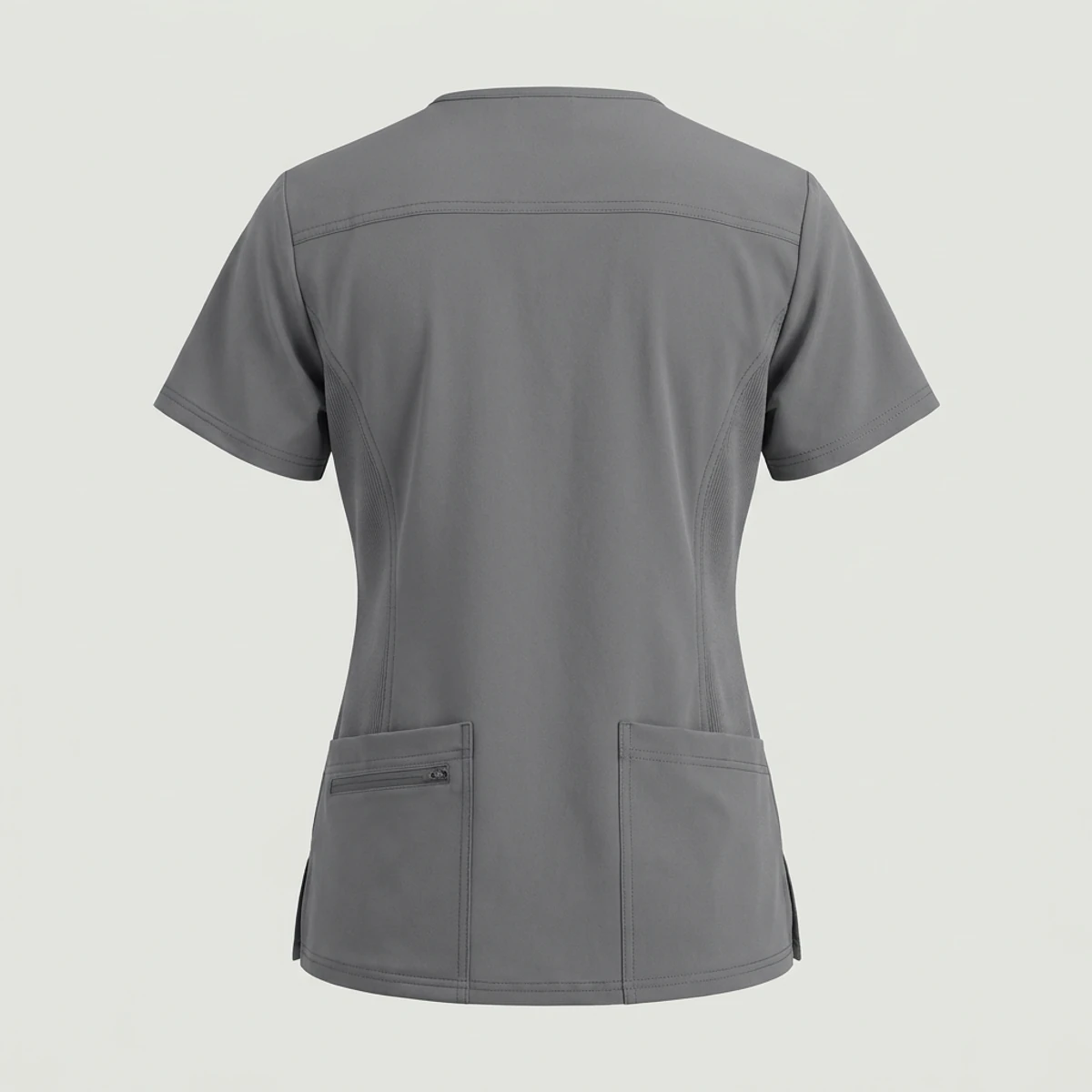
  • Pewter grey tailored mock wrap scrub top with yoke and stretch side panelsPewter grey mock wrap top
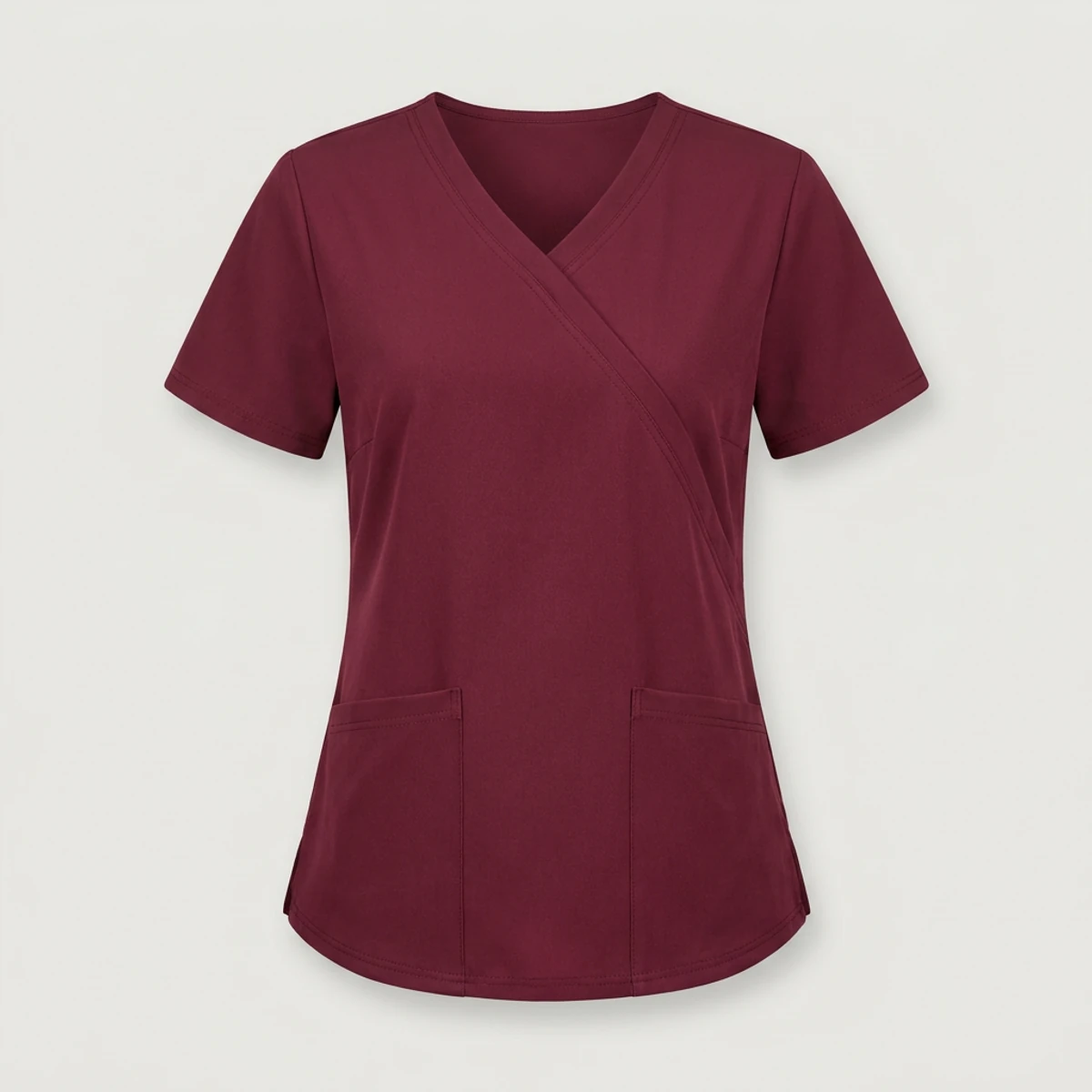
  • Wine red mock wrap scrub top with contrast-stitched patch pockets and short sleevesWine mock wrap scrub top
Quote fitted tops
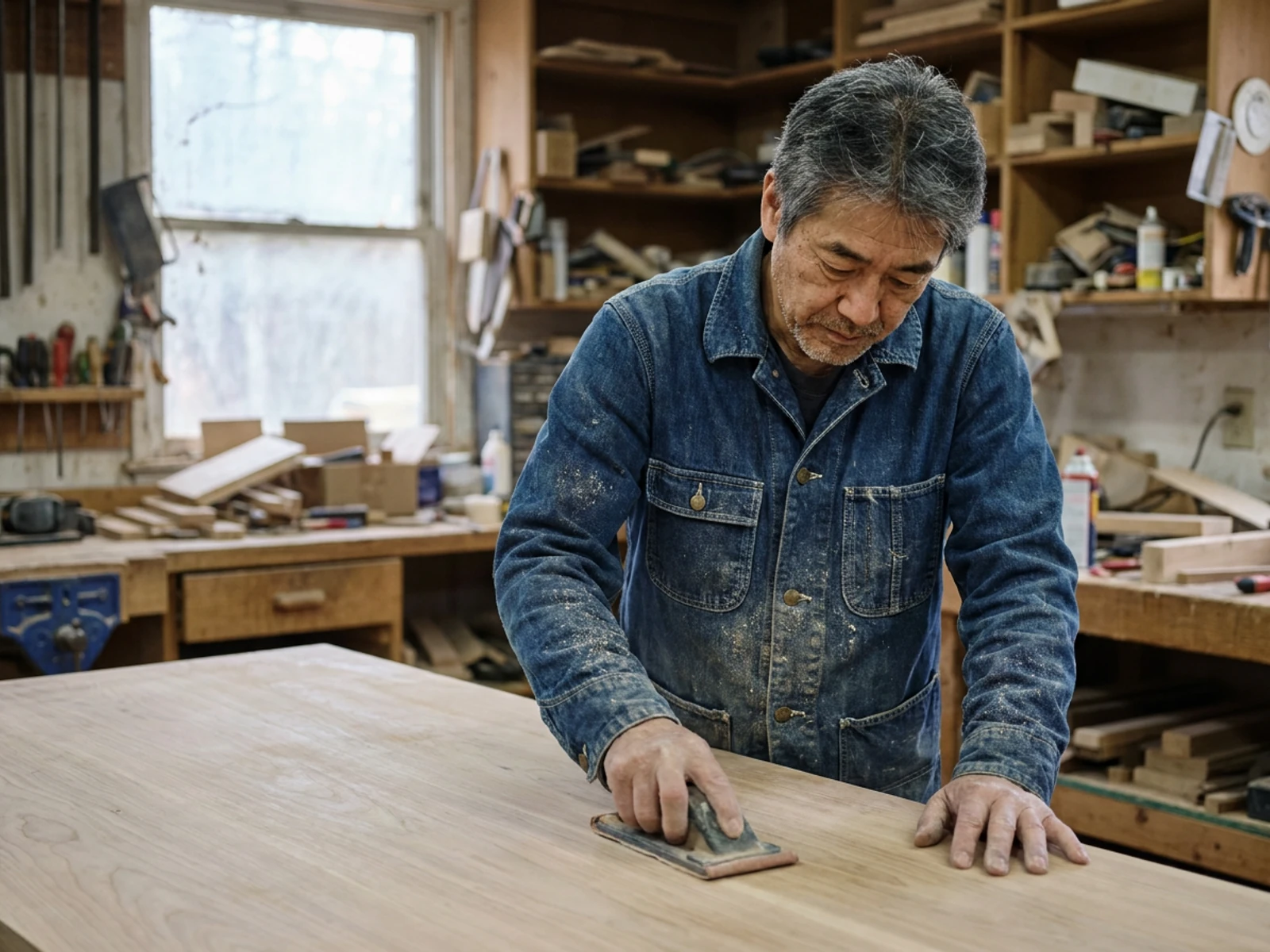
Woodworker in an indigo denim chore coat sanding a tabletop in a workshop

Workshop jackets developed in-house

A chore coat shows what full-package manufacturing covers: fabric sourcing, pattern, trims, labels and sewing under one roof. Every coat is made to order at our LA factory, beginning around 50 pieces per style.

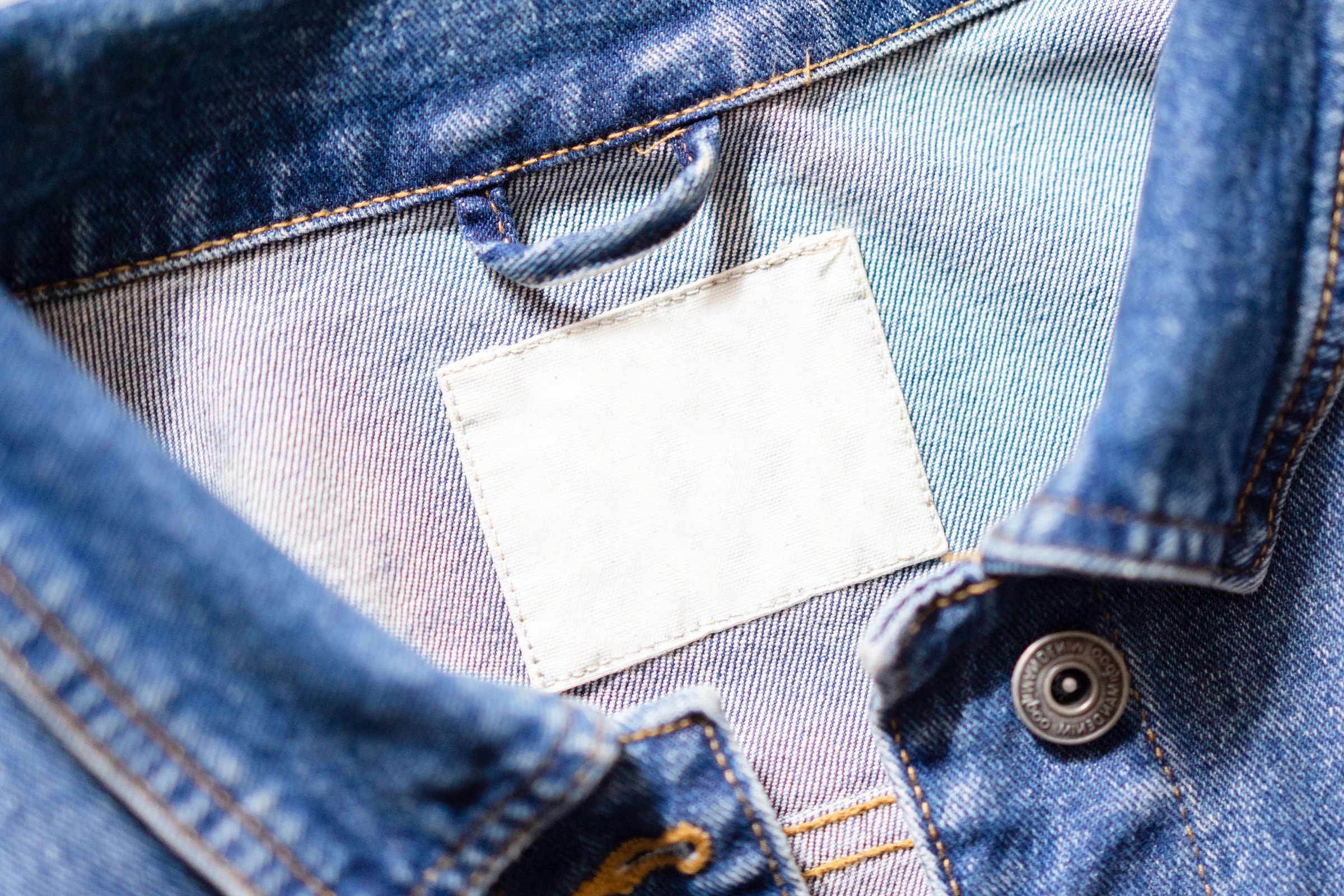
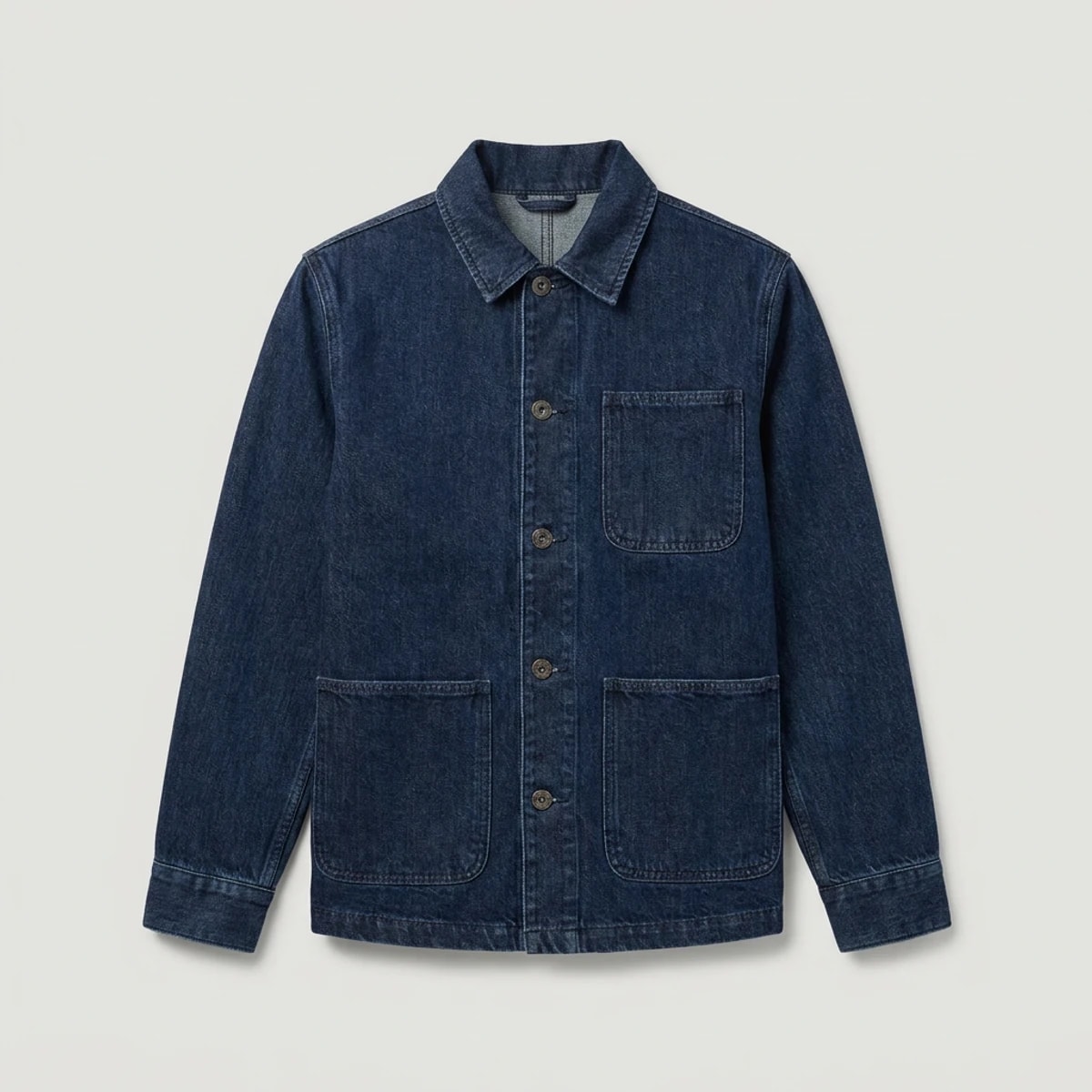
  • Rinse indigo denim chore coat with point collar and four patch pocketsIndigo denim chore coat
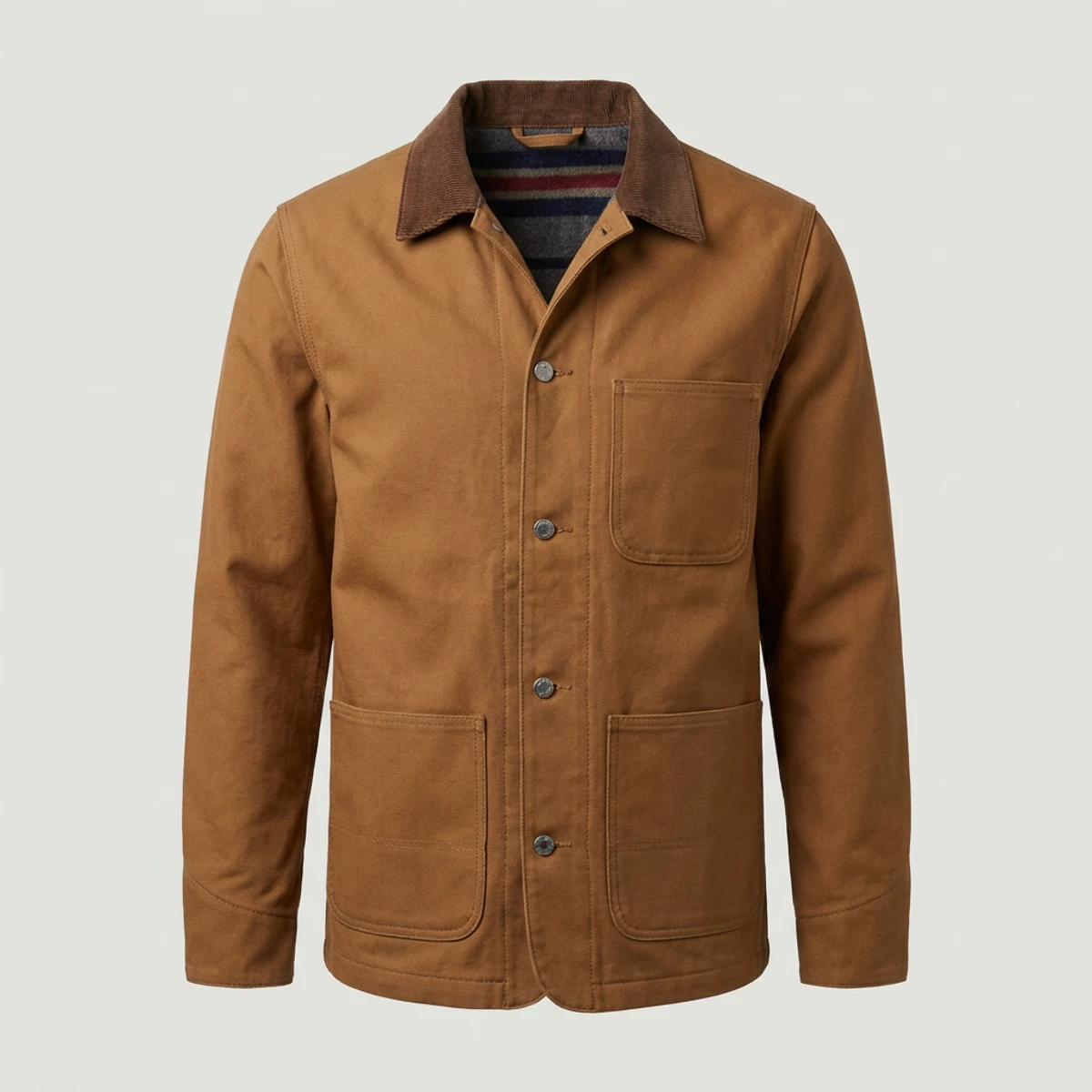
  • Brown duck canvas chore coat with corduroy collar and blanket liningBrown duck chore coat
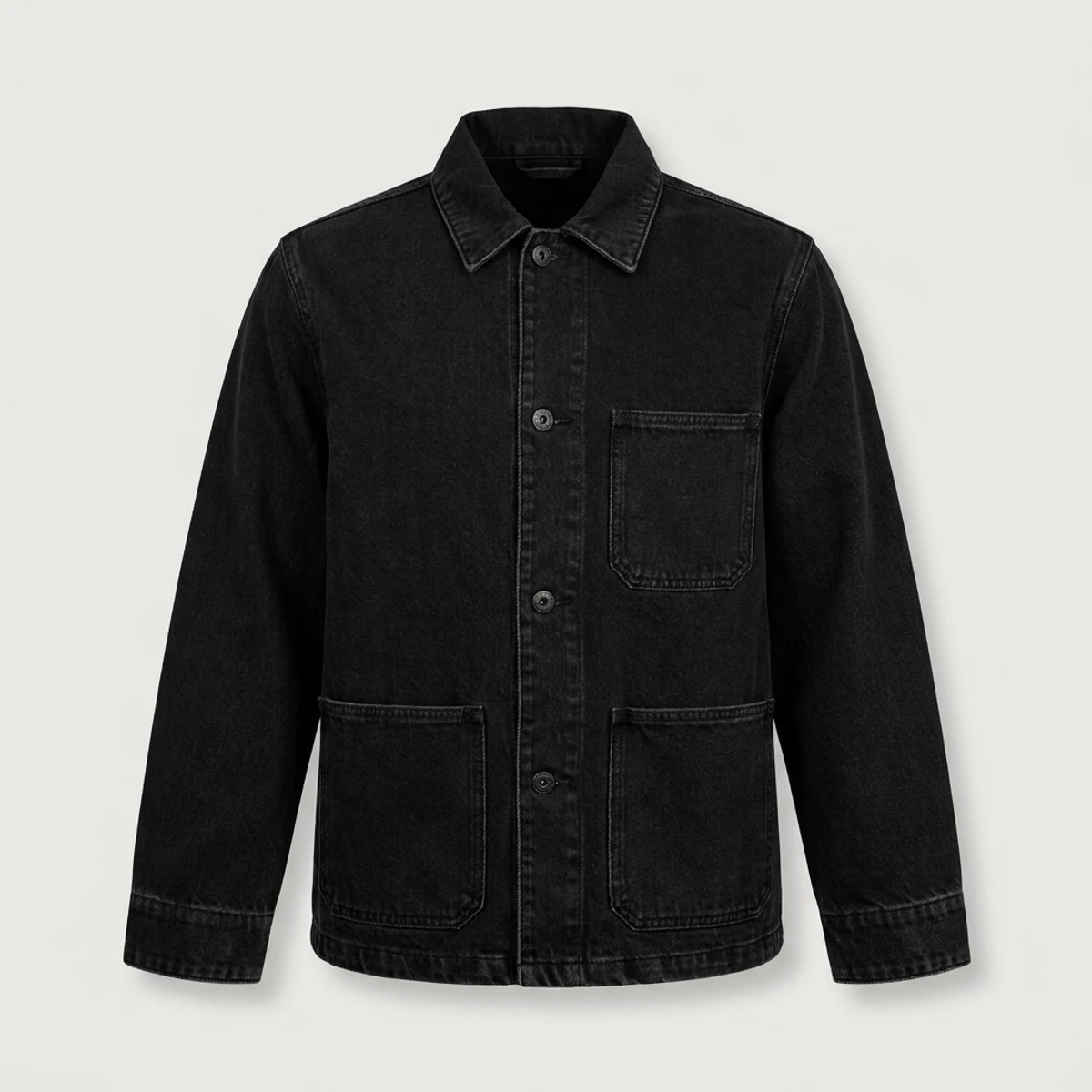
  • Black denim chore coat with three patch pockets and boxy fitBlack denim chore coat
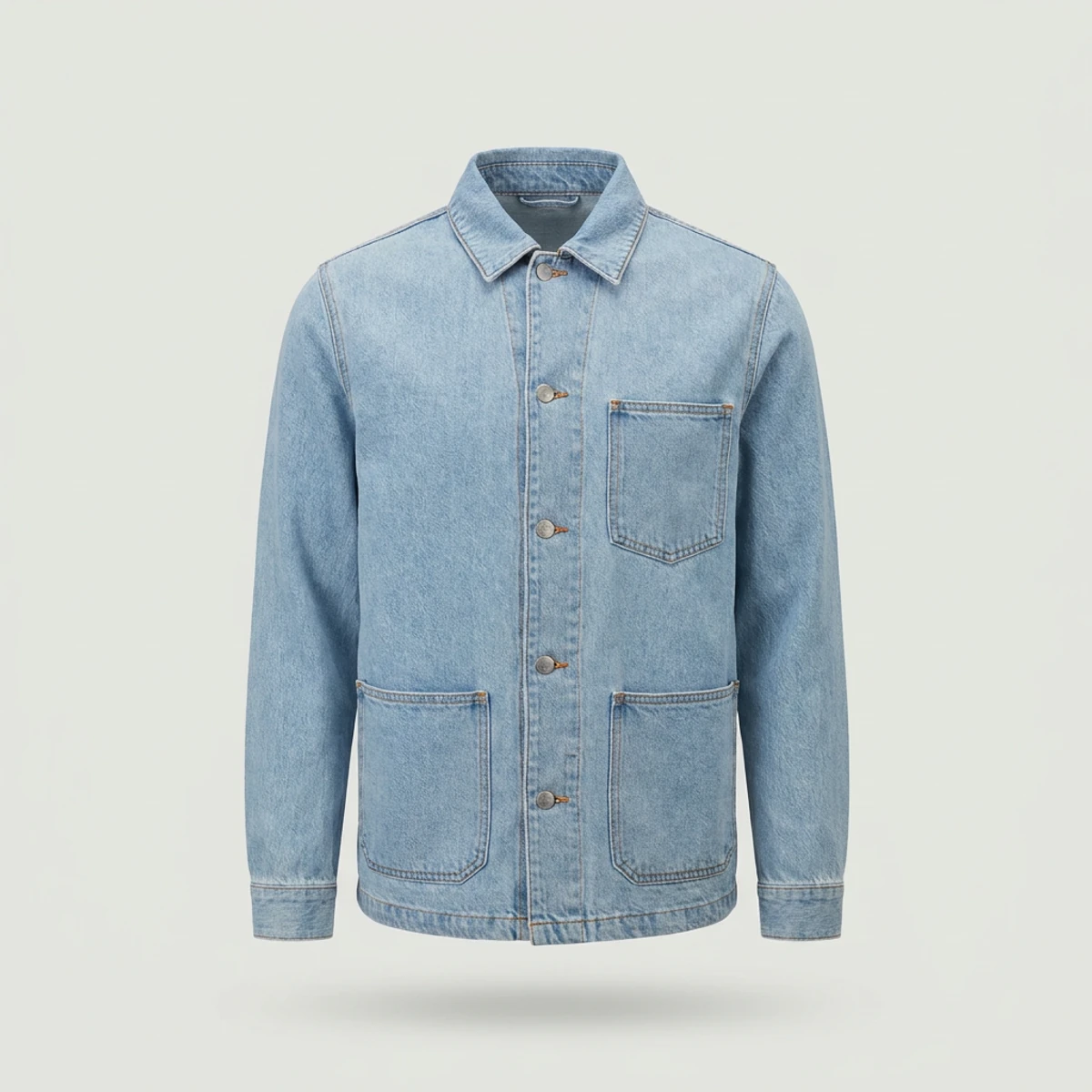
  • Light wash denim chore coat with contrast stitching and chest pocketLight wash chore coat
Quote chore coats
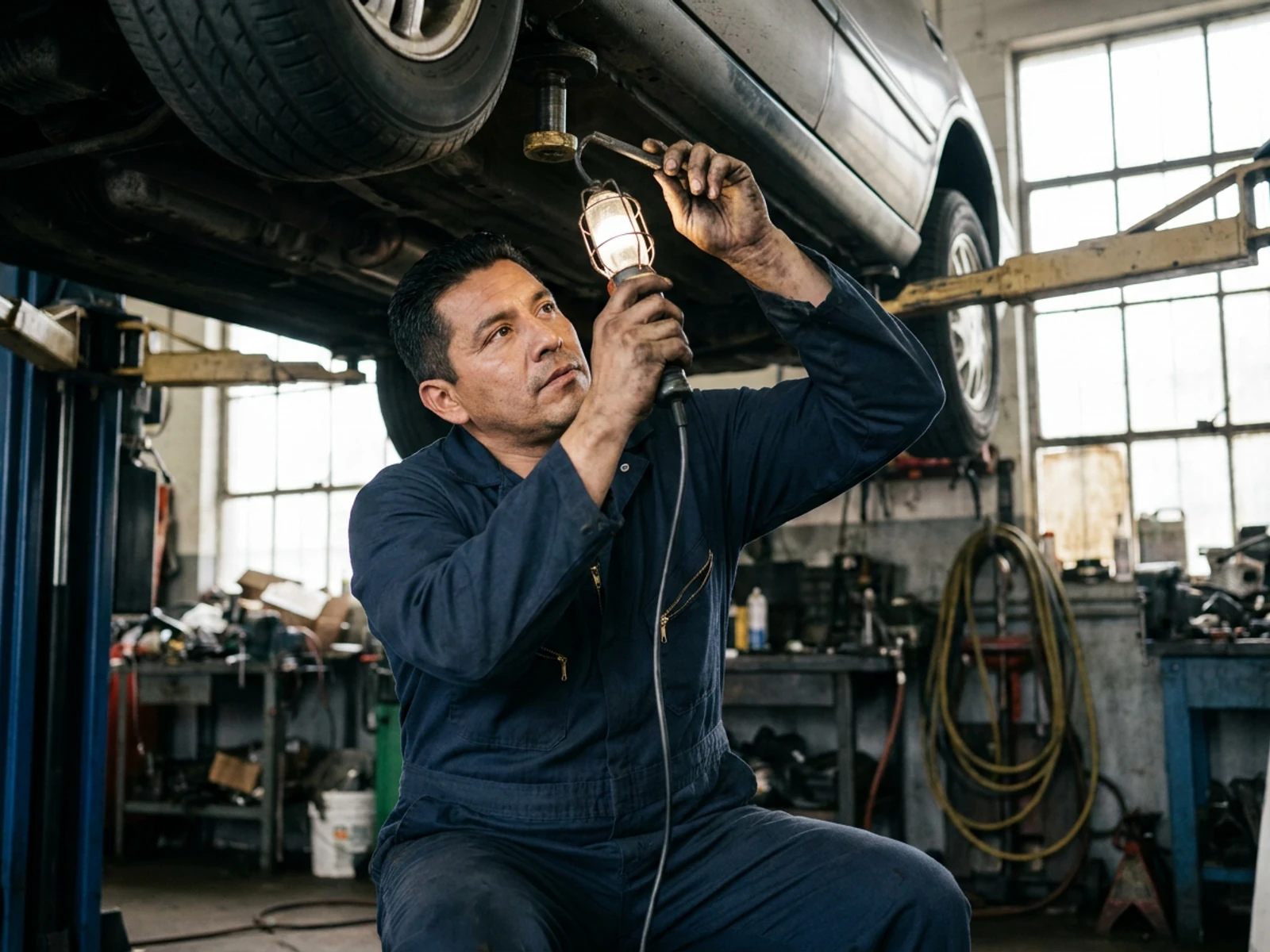
Auto technician in a navy twill work coverall checking under a raised car

Coveralls sewn to a spec sheet

Fleet and plant buyers often arrive with a spec listing zipper type, pocket count and reflective trim. We match it, sample it and run the order in Los Angeles once a style reaches about 50 pieces.

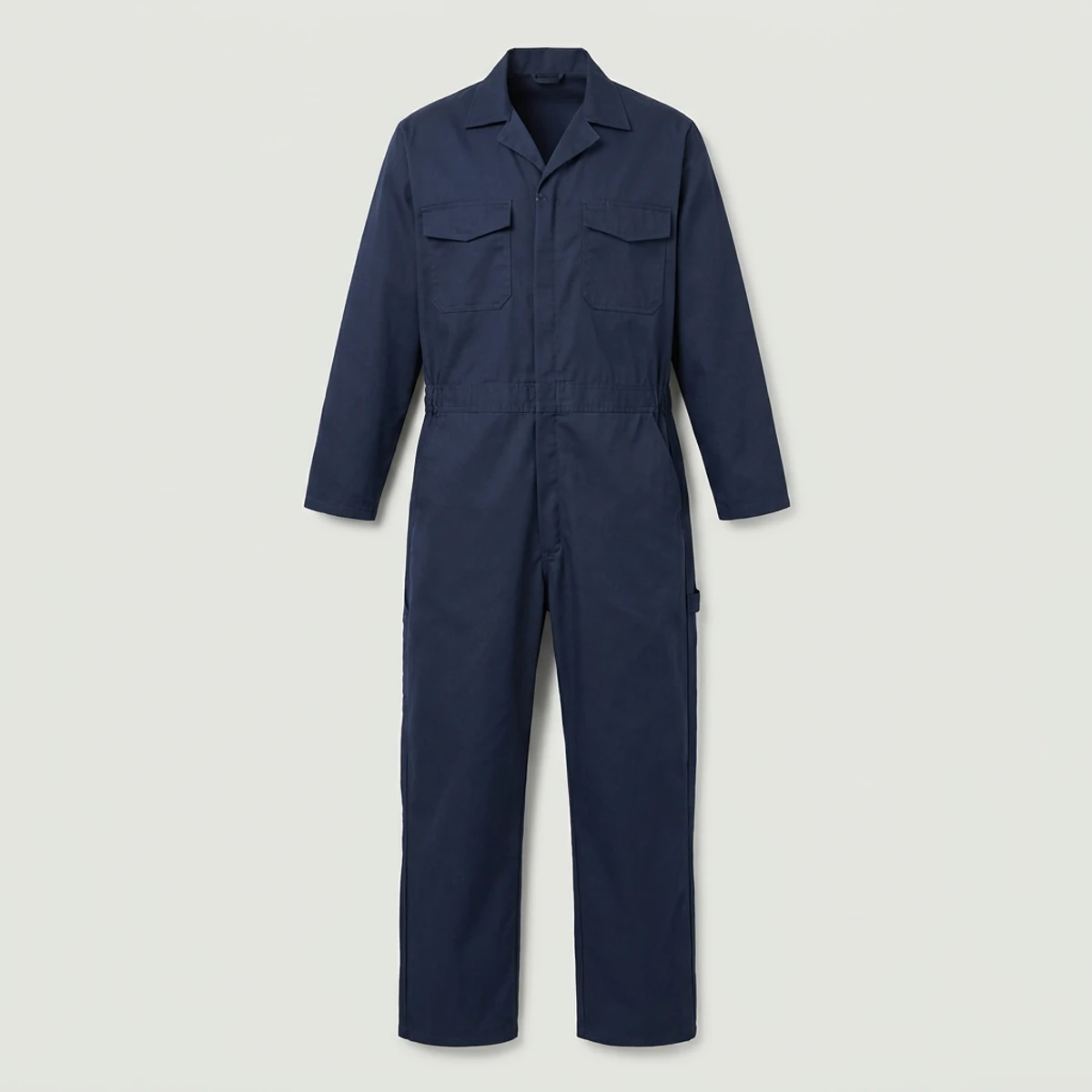
  • Navy poly-cotton twill coverall with two-way zipper and action backNavy twill work coverall
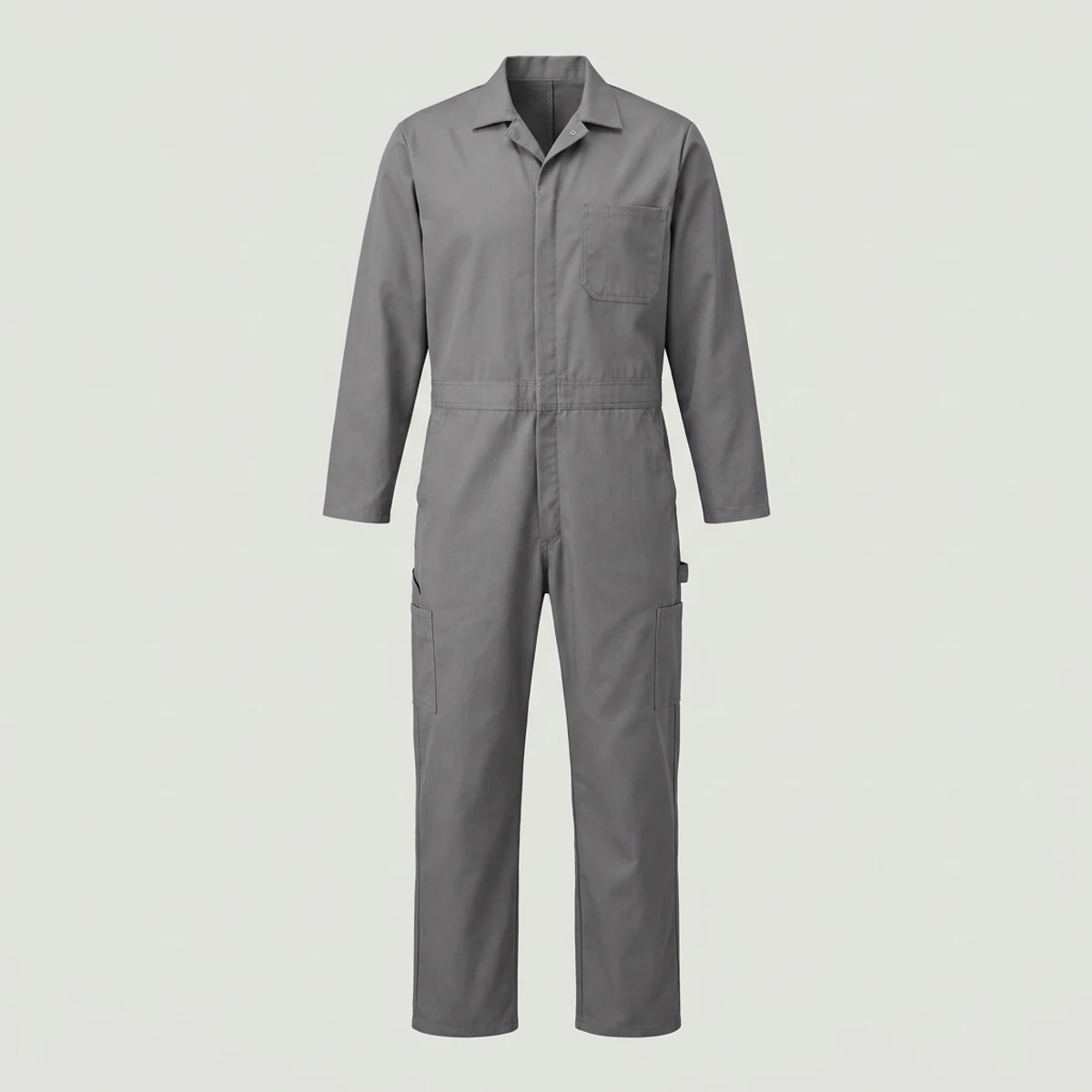
  • Grey twill coverall with concealed snap front and no exposed metalGrey coverall, concealed closure
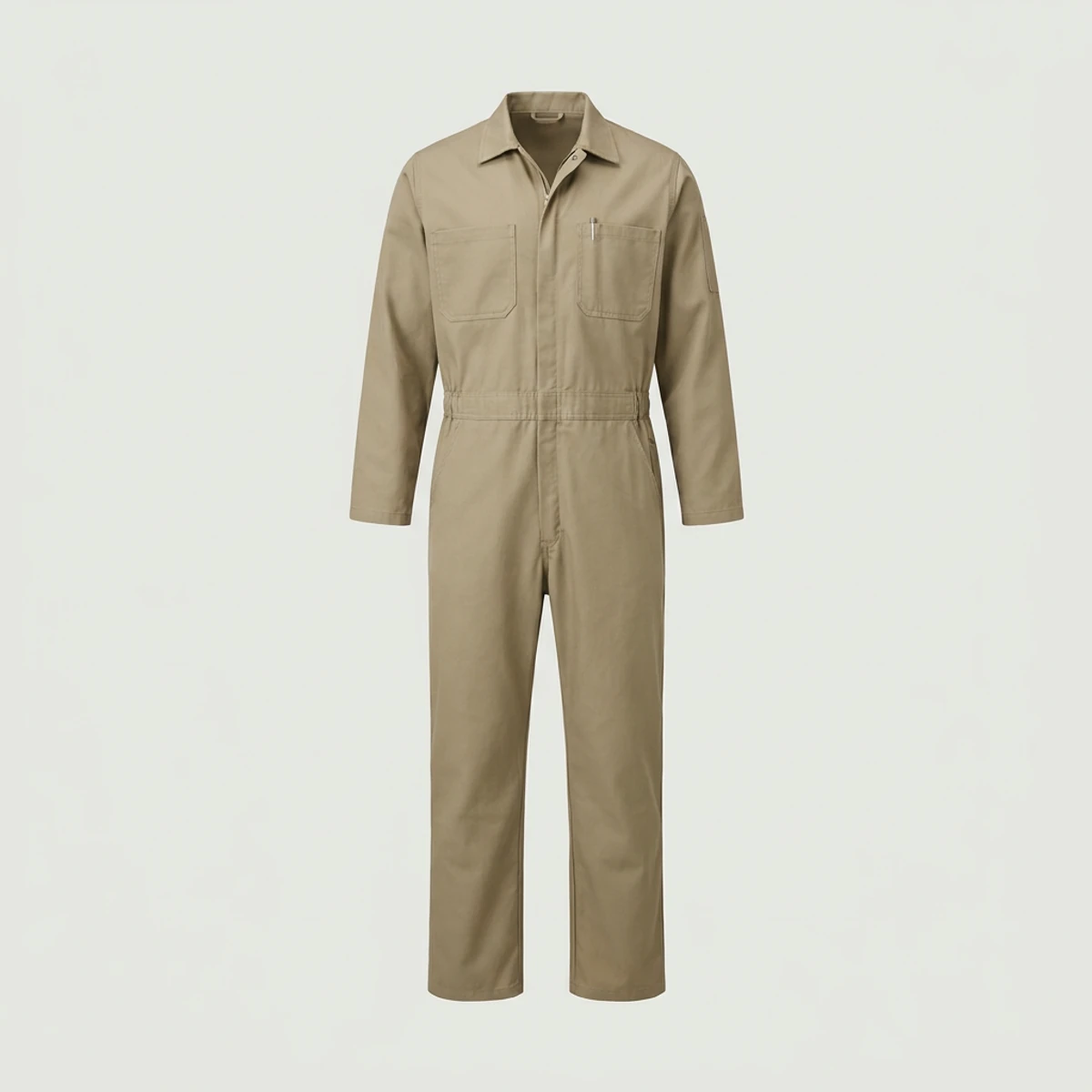
  • Khaki twill work coverall with chest pen pocket and side openingsKhaki twill coverall
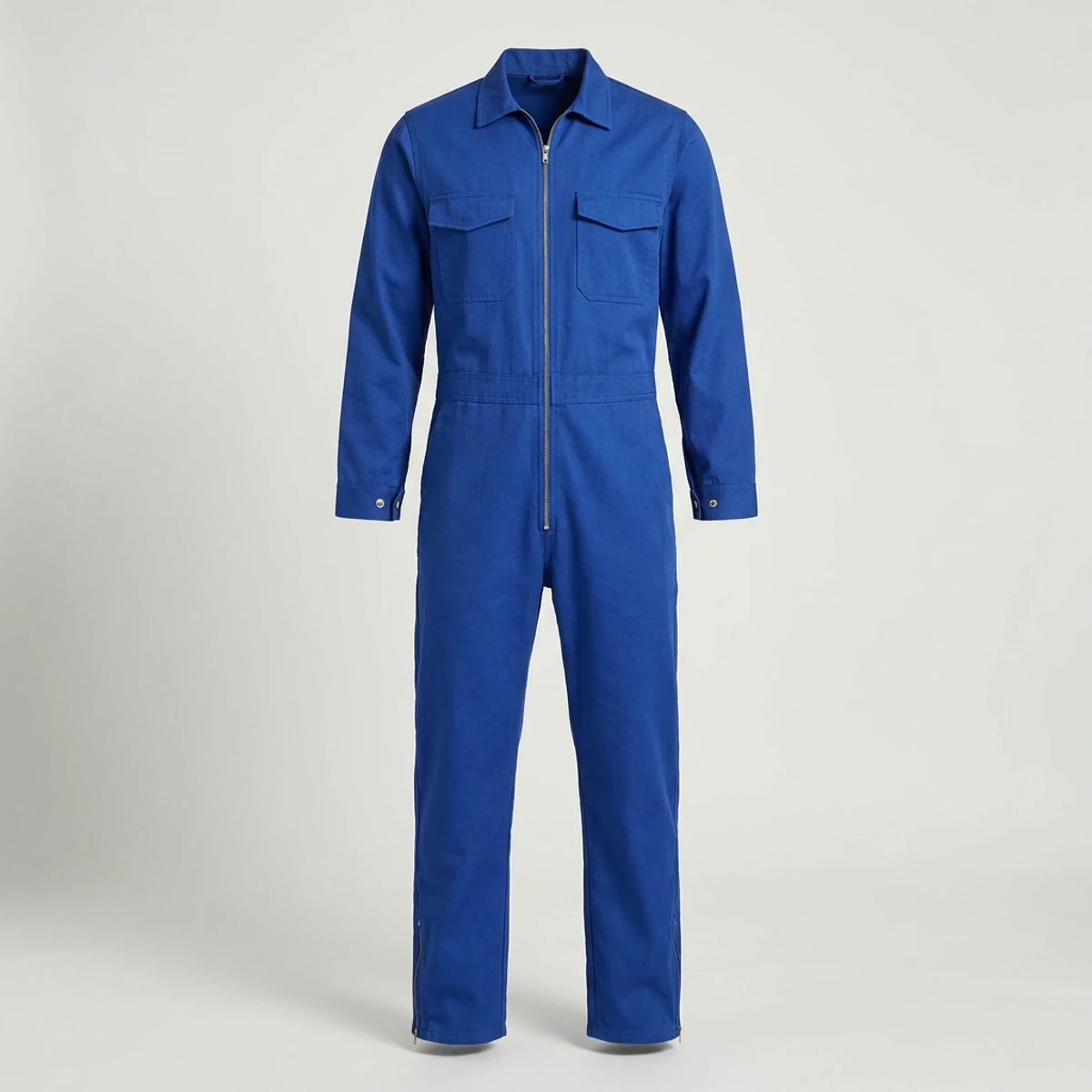
  • Royal blue work coverall with snap cuffs and leg zippersRoyal blue twill coverall
Quote coveralls

Customize your scrub tops

Pick the style, fabric and colors, add your logo and names, then attach the design to your quote. We cut and sew it in Los Angeles from 50 pieces per style.

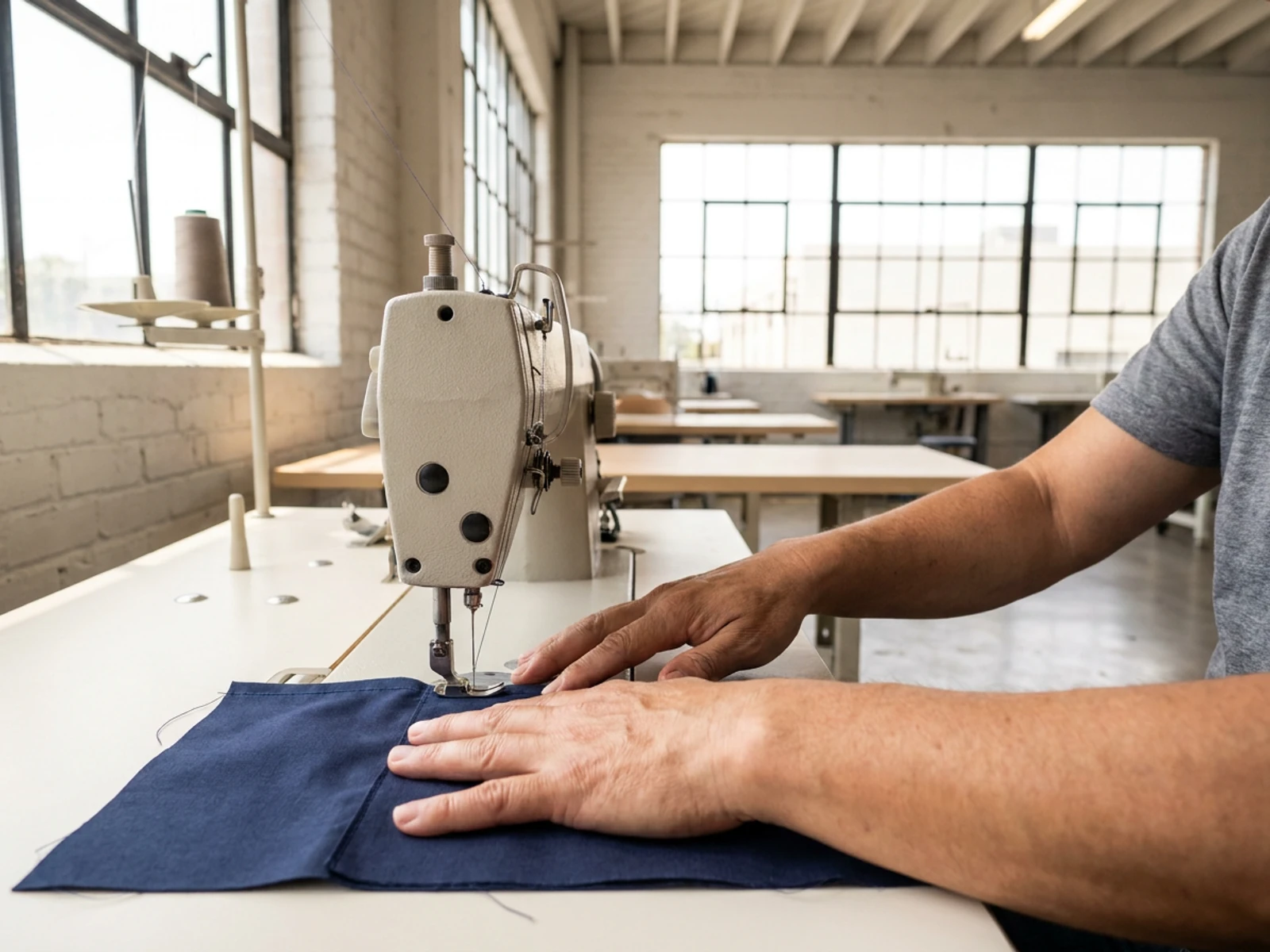
Hands guiding navy scrub fabric on an industrial lockstitch machine

What does a custom clothing manufacturer make?

A custom clothing manufacturer develops and produces garments to your specification rather than selling catalog stock. As an LA clothing manufacturer focused on clothes people work in, Custom Uniform Factory cuts and sews medical apparel, workwear and branded uniforms, from small changes to an existing style through to new garments developed from a sketch.

Read more
  • Medical apparel: custom scrubs, lab coats, scrub jackets, jumpsuits and underscrubs for practices, hospitals and scrub brands.
  • Workwear: work uniforms including chef wear, hi-vis, painter pants, landscaping uniforms, denim, coveralls and work pants.
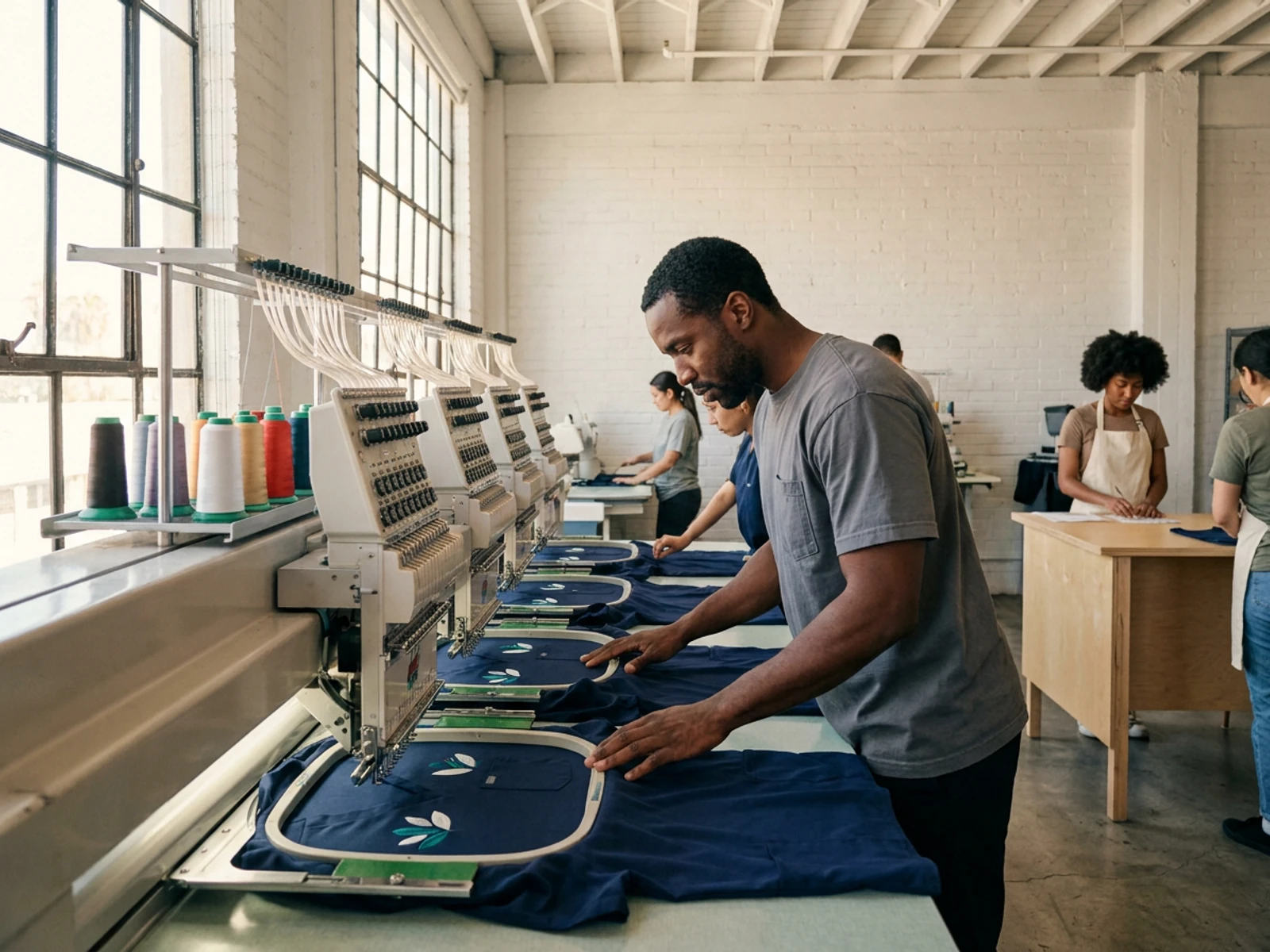
  • Branded uniforms: garments decorated with your logo by embroidery, printing or patches.
Who uses a custom clothing manufacturer?

Brand founders, healthcare employers, trade companies, restaurant groups, retailers and designers moving production onshore all use a custom clothing manufacturer. What they share is a garment they cannot buy off the shelf, or a reason to control fit, fabric and branding themselves.

BuyerTypical projectWhere to start
Scrub and workwear brand foundersA distinctive hero style under their labelA reference garment and target price
Hospitals, clinics and practicesA signature uniform staff cannot buy elsewhereCurrent uniform, pain points, headcount
Trade and service companiesWork pants, shirts or coveralls built around their toolsThe tasks crews do and what fails on current gear
Restaurants and hospitality groupsChef coats, aprons and front-of-house pieces in house colorsBrand palette and role list
Designers moving production onshoreExisting styles cut and sewn in Los AngelesTech packs and approved samples

Custom project examples

Custom projects range from re-cutting an existing garment to developing a new one, and the examples below show the typical scale. Each starts the same way: a clear description of who wears the garment, what they do in it and what is wrong with what they wear now.

  • A clinic’s signature scrub

    An existing top re-cut with a deeper pocket for tablets, a sleeve pen slot and the practice’s brand color.
  • A trade company’s work pant

    A utility pant with a reinforced knee, a thigh phone pocket and belt loops sized for a tool belt.
  • A restaurant group’s chef coat

    A lighter fabric for an open kitchen, contrast piping in the house color and an embroidered logo.
  • A brand’s hero jogger

    A new scrub pant developed from a sketch, sampled, graded across the size range and produced under the brand’s own label.

Tip: Bring the garment you currently wear and say exactly what you dislike about it. “The pocket is too shallow for my phone” is more useful than a page of adjectives.

How does a custom manufacturing project work?

A custom manufacturing project moves through seven stages: specification, pattern making, sampling, grading, cut and sew, decoration, and finishing. Samples are revised until you sign off, and the approved sample becomes the standard every production piece is checked against.

StageWhat happensWhat you decide
Design and specificationYour sketch, sample or tech pack becomes measurable specsFit, features, fabric goals
Pattern makingA pattern is developed or adjusted for your base sizeBase size and fit model
SamplingA sample is cut and sewn in your fabric or a close substituteFit, construction, finishing
GradingThe approved pattern is scaled across your size rangeSize range and lengths
Cut and sewBulk production in the Los Angeles factoryFinal quantities by size
DecorationEmbroidery, printing or patches for logos and namesPlacement and colors
Finishing and packingTrimming, pressing, folding, labeling and packingLabels, tags and packaging

Ask us for current sampling and production lead times when you request a quote; they depend on fabric availability, order size and the complexity of the style.

Why work with a garment manufacturer in Los Angeles?

A garment manufacturer in Los Angeles gives US buyers faster communication, simpler sample rounds, smaller runs, no import paperwork on finished goods and easier quality checks. Los Angeles has long been a center of US apparel production, with fabric suppliers, trim houses and skilled sewing operators close together.

Same time zone

Questions about a pocket placement or a fabric substitution get answered during your working day, not overnight through an agent. You speak directly with the people making your product.

Simpler sampling

Samples are sewn in Los Angeles and ship domestically, so each revision round avoids international shipping and customs. That matters most on new designs, where fit usually needs more than one round.

Black women's scrub jumpsuit with tie belt, V-neck and wide legs

Smaller runs

The minimum is about 50 pieces per style, so you can test a design, carry more colors with less inventory and reorder what sells instead of guessing a year ahead.

Finished goods stay domestic

Garments cut and sewn in Los Angeles do not cross a border to reach a US buyer, so there are no customs entries, ocean freight or port delays on the finished garments.

Domestic vs overseas clothing production

Domestic production usually costs more per unit than overseas manufacturing, but it offers far lower minimums, faster sample revisions, direct quality checks and smaller, more frequent reorders. Many buyers find the total cost closer than the unit price suggests once freight, duties, large minimums and unsold stock are counted.

FactorLos Angeles (our factory)Typical overseas factory
Minimum per styleAbout 50 piecesUsually much higher
Sample revisionsDomestic shipping, same time zoneInternational shipping, time-zone gaps
Finished goodsNo ocean freight or import duties on finished garmentsDuties, brokerage, freight and port risk
Quality checksDirect comparison with the approved sampleOften via third-party inspectors
ReordersSmaller, more frequent runsLarger batches planned far ahead
Unit costUsually higherUsually lower

Can you manufacture scrubs for an established uniform brand?

Yes. Established scrub and medical uniform brands use our Los Angeles factory to move styles onshore, add a US production source next to an overseas supplier, or run capsules and top-up reorders closer to their customers. We work from your tech packs and approved samples, cut and sew from imported fabric, and produce from about 50 pieces per style.

Moving a style or adding a second source

Most brands start with one or two proven styles rather than the whole line. You send the tech pack, the approved sample from your current factory and your fabric and trim references. We review the specs, flag anything we would source or sew differently, and sew a pre-production sample in Los Angeles that you can compare side by side with your current product before any bulk order. A domestic second source suits capsules, size extensions, short runs and reorders that cannot wait for ocean freight, while long-running core styles can stay where they are made today.

What should an existing brand send?

An existing brand should send everything that defines the approved product: the tech pack, a physical sample and the branding standards. The more complete the package, the fewer sample rounds it takes to match what your customers already know.

What you sendWhat we do with it
Tech pack: measurements, construction, bill of materialsCheck it against the sample and build the production spec
Approved or “golden” sampleThe physical standard for fit, stitching and finishing
Pattern files and grade rules, if you own themUse or adjust them; otherwise we make the pattern and grade it
Fabric and trim specificationsSource the same or an equivalent imported fabric, confirmed with swatches at quote
Label, hang tag and packaging artworkSewn-in labels, tags, folding and bagging to your standard
Size curve and quantities per colorPlan the cut; scrub tops run XXS to 5XL

How do reorders stay consistent?

Reorders stay consistent when every run is built from the same approved record. Once you sign off the pre-production sample, the pattern, grading, fabric, trims, label positions and decoration specs are kept on file with that sample, and each reorder is cut from that record and checked against it. Any change, such as a fabric substitution or a revised pocket, goes back through a sample before bulk.

Planning volume and capacity

Share your styles, expected quantities per color, reorder rhythm and peak seasons at the start. Capacity and lead times are confirmed per order at quote rather than promised up front, so an early forecast lets us plan cutting and sewing around your runs and tell you plainly what we can schedule.

What determines the cost of custom clothing manufacturing?

The cost of custom clothing manufacturing depends on the fabric, the quantity per style, the complexity of the garment, the amount of development and sampling, decoration, and labels and packaging. No prices are published here, because each project is quoted on its own specs and quantities.

Cost driverHow it moves the unit priceHow to keep it in check
FabricPerformance and specialty fabrics usually cost more than standard blendsChoose fabric for the job and the laundering
Quantity per styleLarger runs spread cutting, setup and sampling across more piecesConsolidate onto fewer styles and colors
Style complexityMore panels, pockets, zips and reinforcements add sewing timeKeep features the wearer actually uses
DevelopmentNew patterns and extra sample rounds add work before productionStart from an existing base style when you can
DecorationStitch count, colors and placements add time per pieceOne logo standard across garments
Labels and packagingCustom labels, hang tags and individual bagging add componentsUse standard finishing for staff uniforms
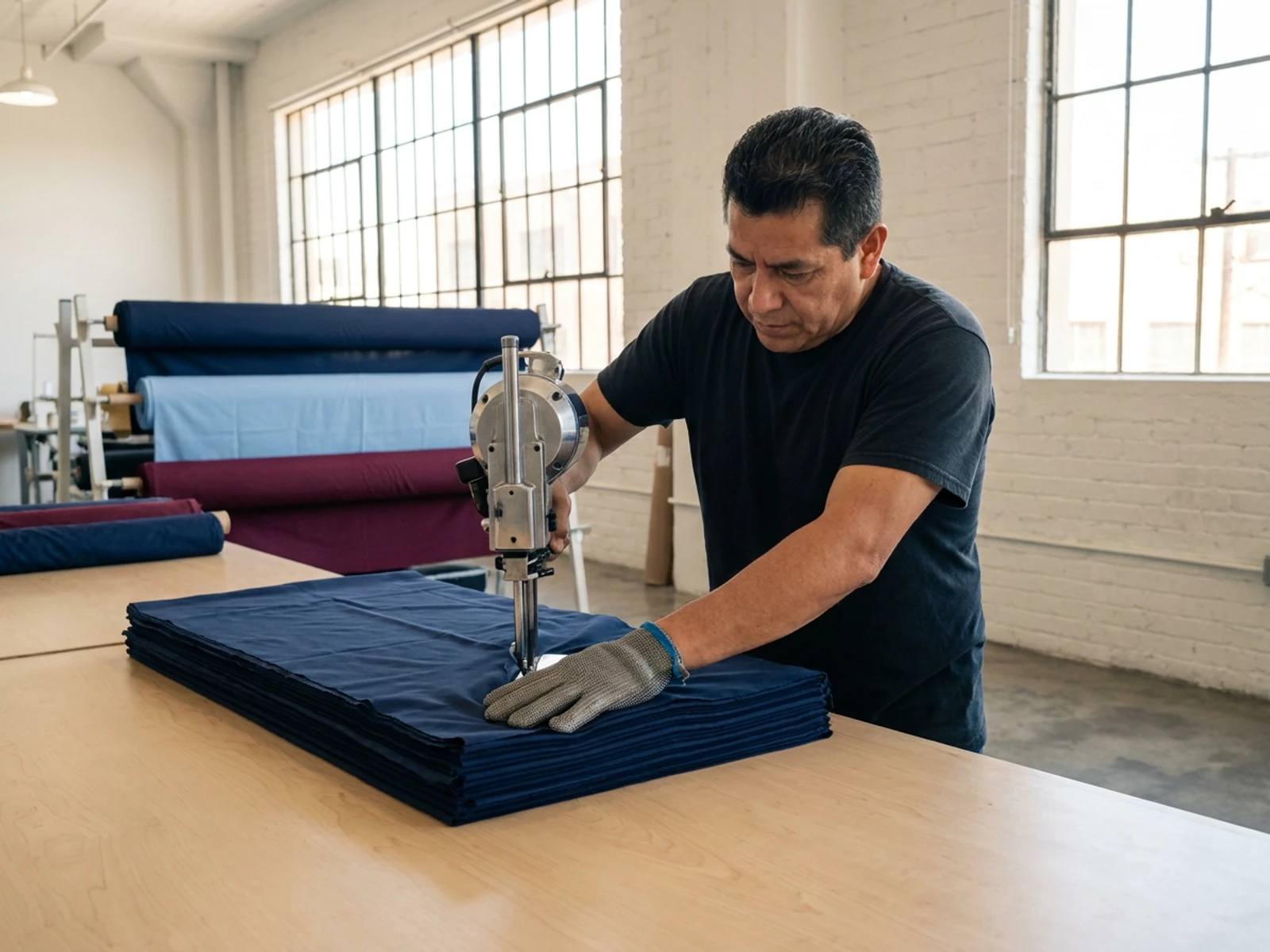
Cutter using a straight-knife machine on layered navy scrub fabric

Is American made clothing right for your project?

American made clothing suits projects that need small or frequent runs, fast reorders, hands-on control of fit and quality, or US production as part of the brand story. It usually costs more per unit than garments made in low-wage countries, because labor and compliance costs are higher.

Read more

Garments from this factory are cut and sewn in Los Angeles from imported fabric. That gives you most of the practical benefits of domestic production, with a qualified origin label rather than an unqualified “Made in USA” claim. US sewing tends to pay off when speed to market, low minimums or quality control matter more than the lowest unit price.

Royal blue mock wrap scrub top with crossed front panels and princess seams

How should you word Made in USA claims?

An unqualified “Made in USA” claim must mean that all or virtually all of the product is made in the United States, so garments sewn in the US from imported fabric need a qualified claim such as “Made in USA of imported fabric”. The wording is regulated, and getting it wrong exposes a brand to FTC enforcement.

Read more

The FTC explains the “all or virtually all” test in its guide Complying with the Made in USA Standard, and the Made in USA Labeling Rule (16 CFR Part 323) covers labels. For textiles, the country-of-origin section of the Textile Act rules (16 CFR 303.33) requires the label to account for imported fabric. We confirm fabric and key components for each order so your labels and product pages are accurate; “Cut and sewn in Los Angeles” is truthful and meaningful to customers.

Ready to order

What to send us for a quote

A complete custom manufacturing quote needs a tech pack, sketch or reference garment, how the garment will be used, fabric goals, quantities per style, branding and your target date. Send as much as you have; gaps are filled during specification.

  • A tech pack, sketch or reference garment. , with notes on what to change
  • How the garment will be used. the job, the environment and how often it is washed
  • Fabric preferences. or performance goals (stretch, durability, breathability)
  • Quantities per style. (about 50 pieces per style minimum) and a size range
  • Branding. logo files, label artwork, embroidery or print placements
  • Origin requirements. , if you need specific wording on labels or product pages
  • Target delivery date and ship-to location.

What mistakes do buyers make with custom manufacturing?

The usual custom manufacturing mistakes are skipping fit sessions, changing the spec after approval, choosing fabric from a photo and assuming “Made in USA” applies automatically. Each one adds sample rounds or legal risk that a clear brief avoids.

  1. Skipping fit sessions

    Try samples on several real wearers, not one fit model, before approving.
  2. Changing the spec after approval

    Late changes reset sampling; collect feedback before sign-off.
  3. Choosing fabric by photo

    Ask for swatches and wash one before deciding.
  4. Assuming “Made in USA” applies automatically

    Origin depends on fabric and components, not just sewing.

Tip: Keep one approved sample of every style as your “golden sample”. It is the physical standard for checking production and every future reorder.

Rinse indigo denim chore coat with point collar and four patch pockets

A US clothing manufacturer for buyers nationwide

As a US clothing manufacturer in Los Angeles, Custom Uniform Factory handles projects for buyers across the country remotely. Brands comparing clothing manufacturers in the USA can start from anywhere: samples ship to you for fitting, approvals happen by email or video, and finished orders ship to your door.

If your goal is to sell under your own brand, our private label clothing manufacturer page covers labels, hang tags and packaging. Healthcare buyers can see how hospital programs are planned on our healthcare scrubs page, and logo work is covered under custom embroidery.

Questions about custom manufacturing

Need something not covered here? Ask our Los Angeles team and we’ll answer with options for your order.

Ask our Los Angeles team

Are your garments American made?

They are cut and sewn in our Los Angeles factory from imported fabric. Under FTC textile rules that means a qualified label such as 'Made in USA of imported fabric' rather than a plain 'Made in USA'. We confirm the fabric and label wording for your order so your claims are accurate.

Do I need to be in Los Angeles to work with you?

No. We serve buyers across the USA. Samples ship to you for fitting, approvals happen by phone, video or email, and finished orders ship to your location. Because we work in US business hours, you are not waiting overnight for an overseas factory to reply.

Can I see production in person?

Ask us about visiting. Some buyers like to review samples, check production or discuss a new project in person, and being close to production is one of the advantages of a domestic manufacturer. Contact us to talk through what you would like to see.

Can you make a garment from just a sketch or an idea?

Yes, as a custom design project. Send a sketch, photos of garments you like and a description of how it will be worn. We work through measurements, fabric and construction with you, then develop a pattern and sample for fitting before anything goes into production.

Can you take over production of styles made elsewhere?

Yes. Designers and brands moving production onshore can send existing tech packs and approved samples. We review the specs, confirm fabric options and sew a sample in our factory so you can compare it with your current product before committing to a production run.

Custom ManufacturingCut & sewn in Los Angeles · from 50 pieces per styleRequest samplesGet a quote