
Industries · Los Angeles factory

Custom HVAC Uniforms for Service Teams

HVAC uniforms have to work in a summer attic, on a winter rooftop and in a customer's hallway on the same day, while carrying your brand on every call. Custom Uniform Factory cuts and sews custom HVAC technician uniforms in its own Los Angeles factory, from breathable work shirts to layering pieces, with a minimum order of about 50 pieces per style.

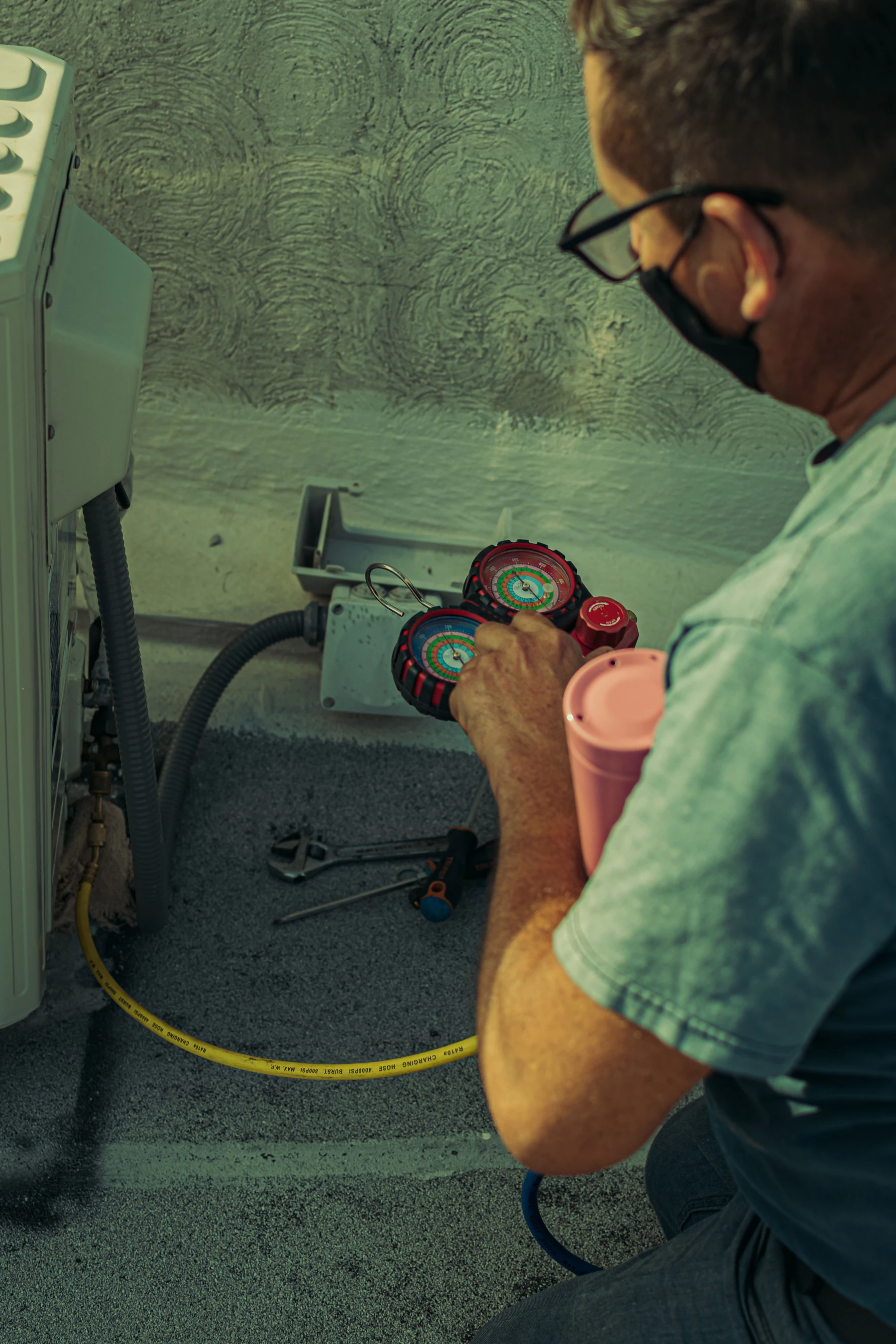
HVAC technician checking refrigerant pressure gauges while servicing an air conditioning unit
Minimum order
About 50 pieces per style
Production
Cut & sewn in Los Angeles, imported fabric
Garments
Work shirts, work pants, jackets, coveralls
Branding
Embroidery, printing, name tapes

HVAC by style

16 styles in 4 families · each made to order in your fabric, color and branding from 50 pieces.

Customize your uniformsYour fabric, colors, pockets and branding
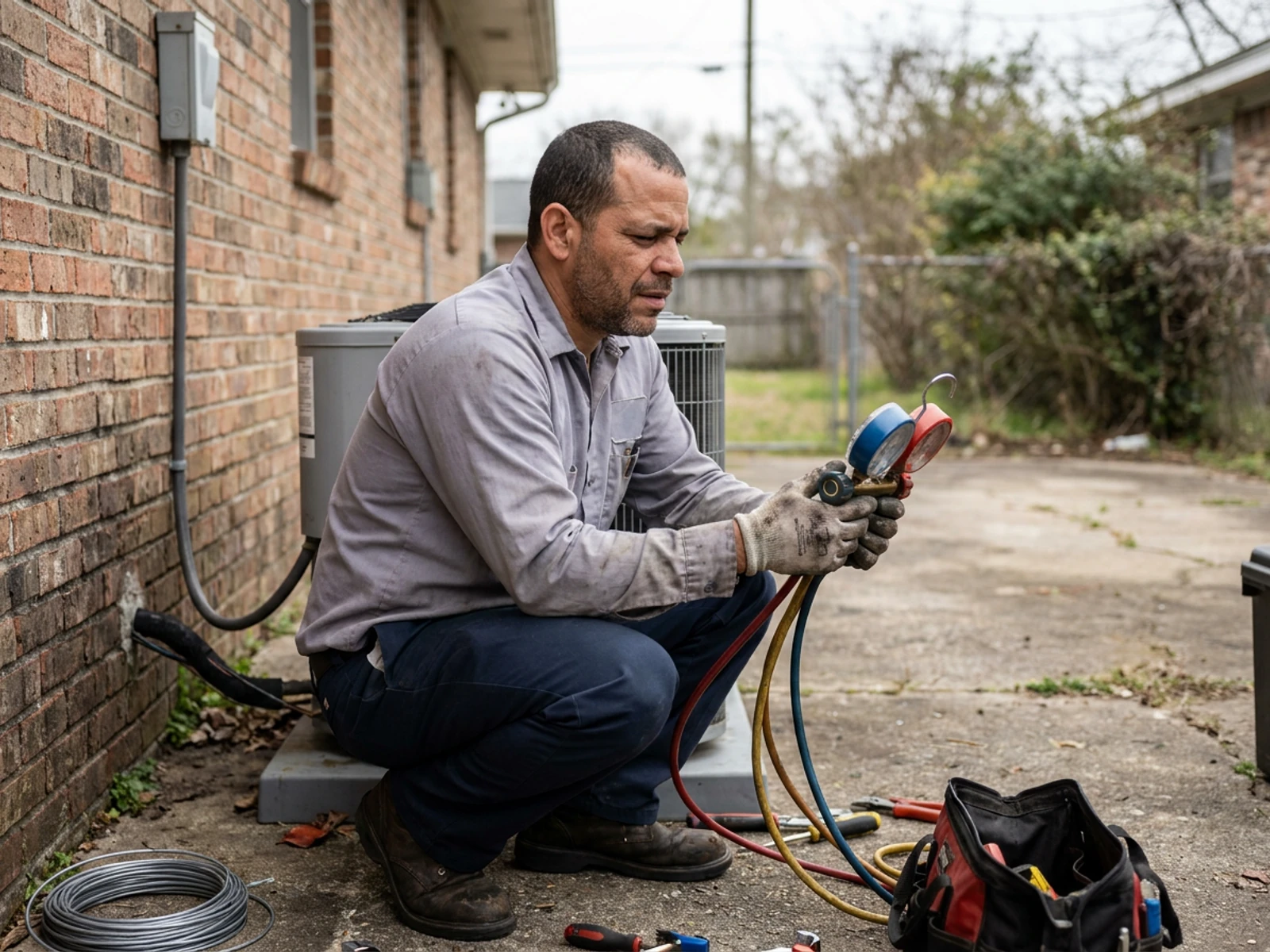
HVAC technician in navy work pants checking an outdoor air conditioning unit

Work pants for rooftop and attic calls

HVAC techs climb to rooftop units and crawl into attics in the same shift, so the pant needs strong seams and room to move. We sew them in navy or your brand color from about 50 pieces per style.

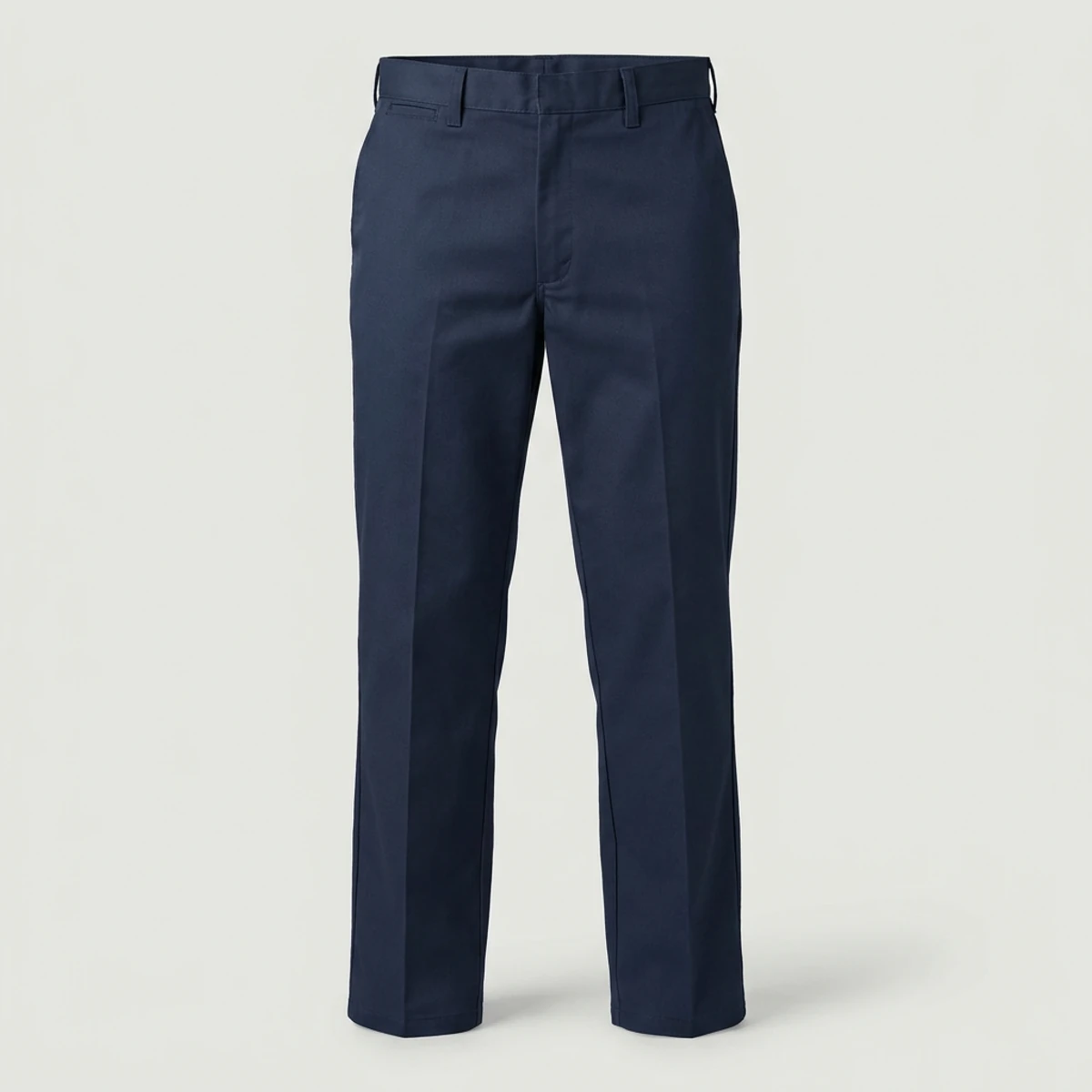
  • Navy flat-front industrial work pants with slant pockets and straight legNavy industrial work pants
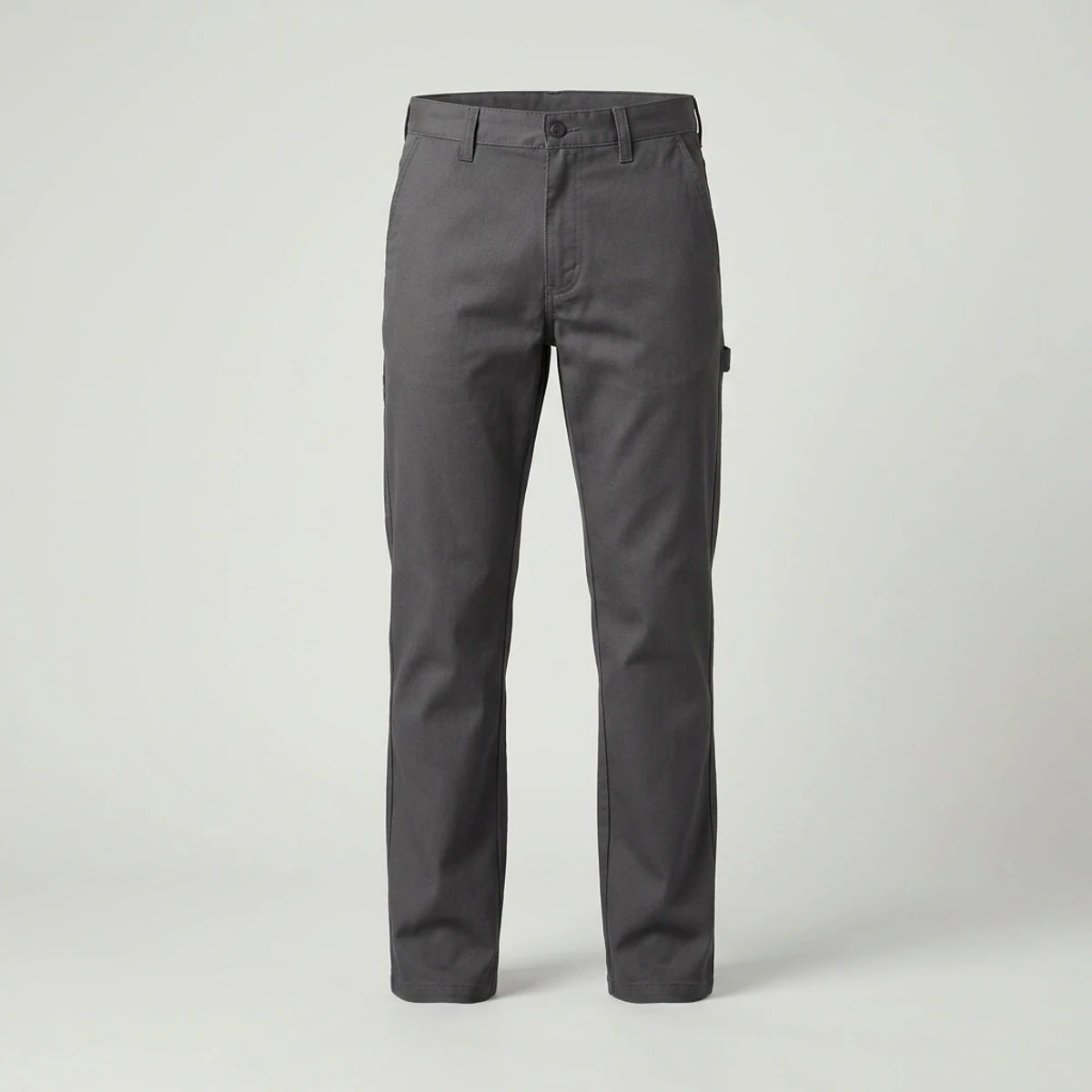
  • Charcoal grey flat-front work pants with cell phone pocketCharcoal industrial work pants
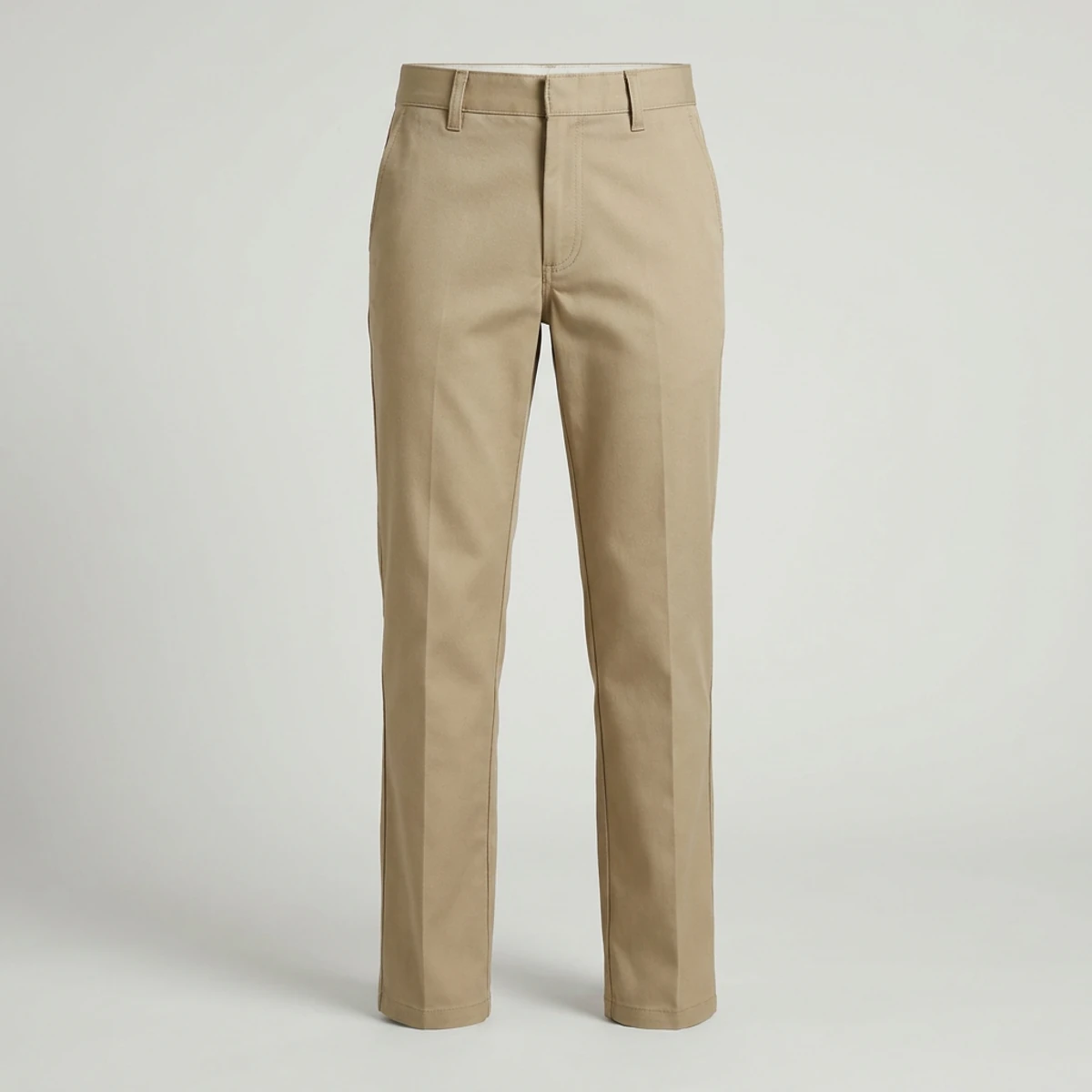
  • Khaki flat-front industrial work pants with hook-and-bar waist closureKhaki industrial work pants
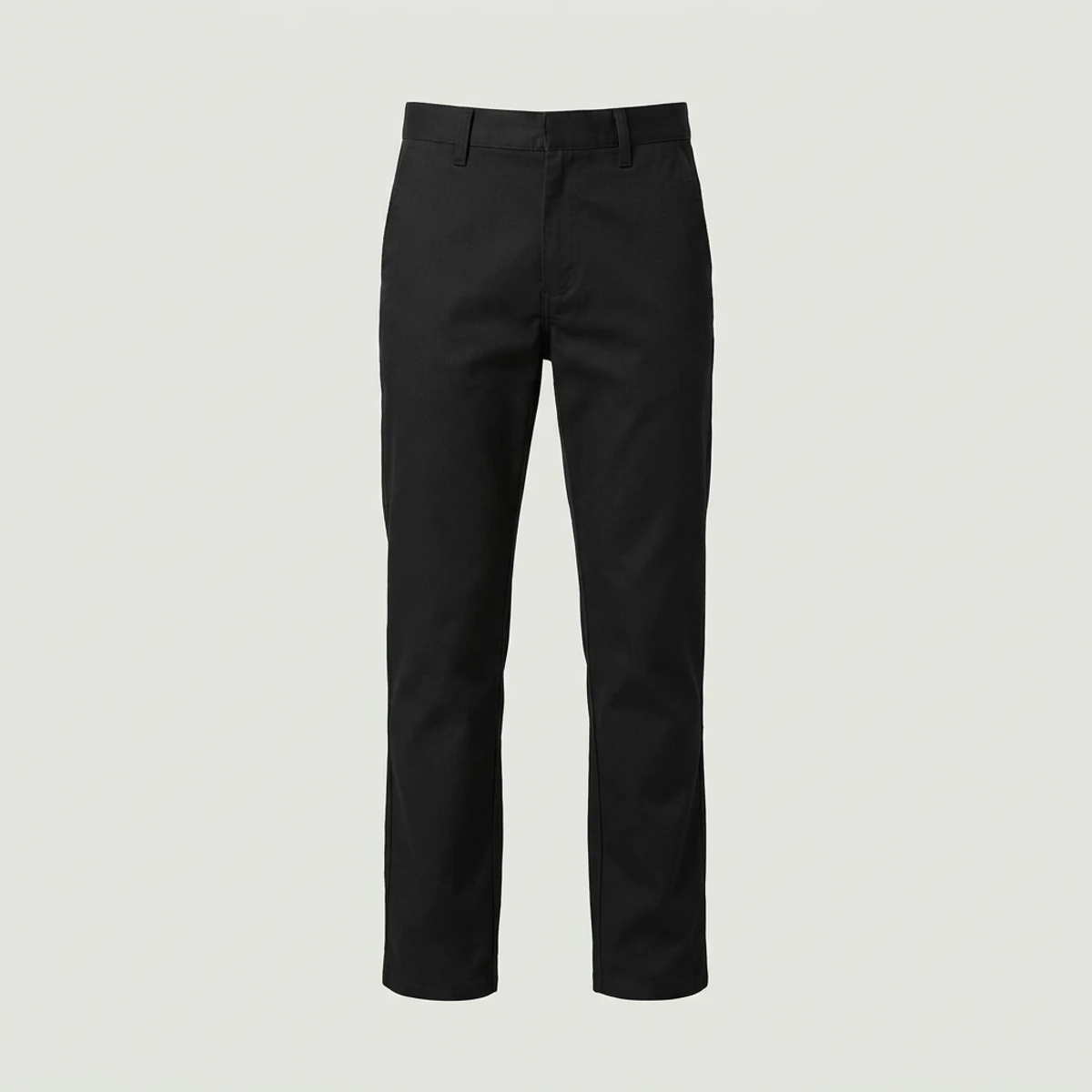
  • Black flat-front work pants with back welt pockets and straight legBlack industrial work pants
Quote tech pants
Landscaping crew leader in a hunter green polo talking through a planting plan

Branded shirts for the customer's door

The technician's shirt is the first thing a homeowner sees, so a clean polo with a clear logo helps sell the maintenance plan. We make it to order from roughly 50 pieces of a style.

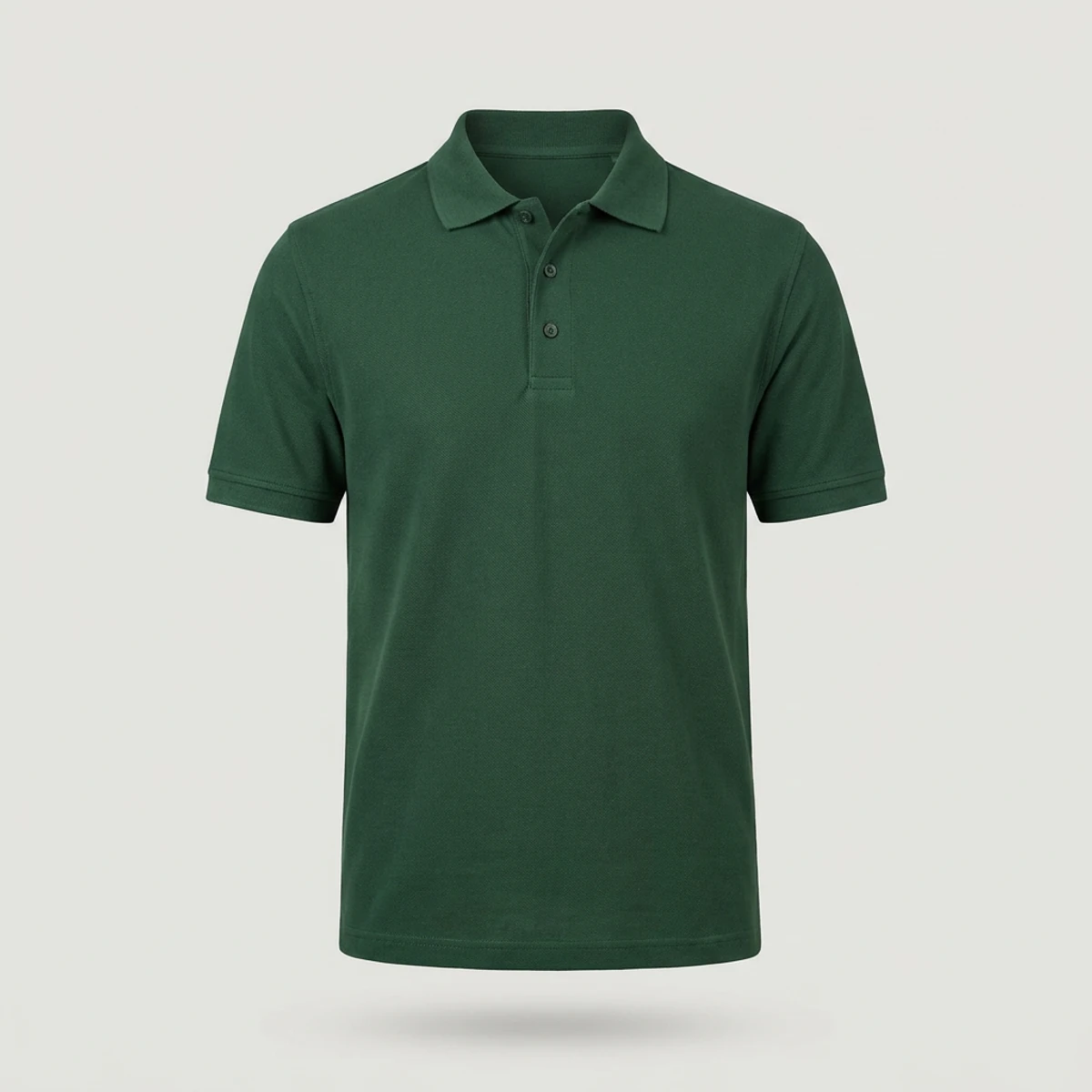
  • Hunter green short-sleeve polo with three-button placket for crew leadersHunter green polo
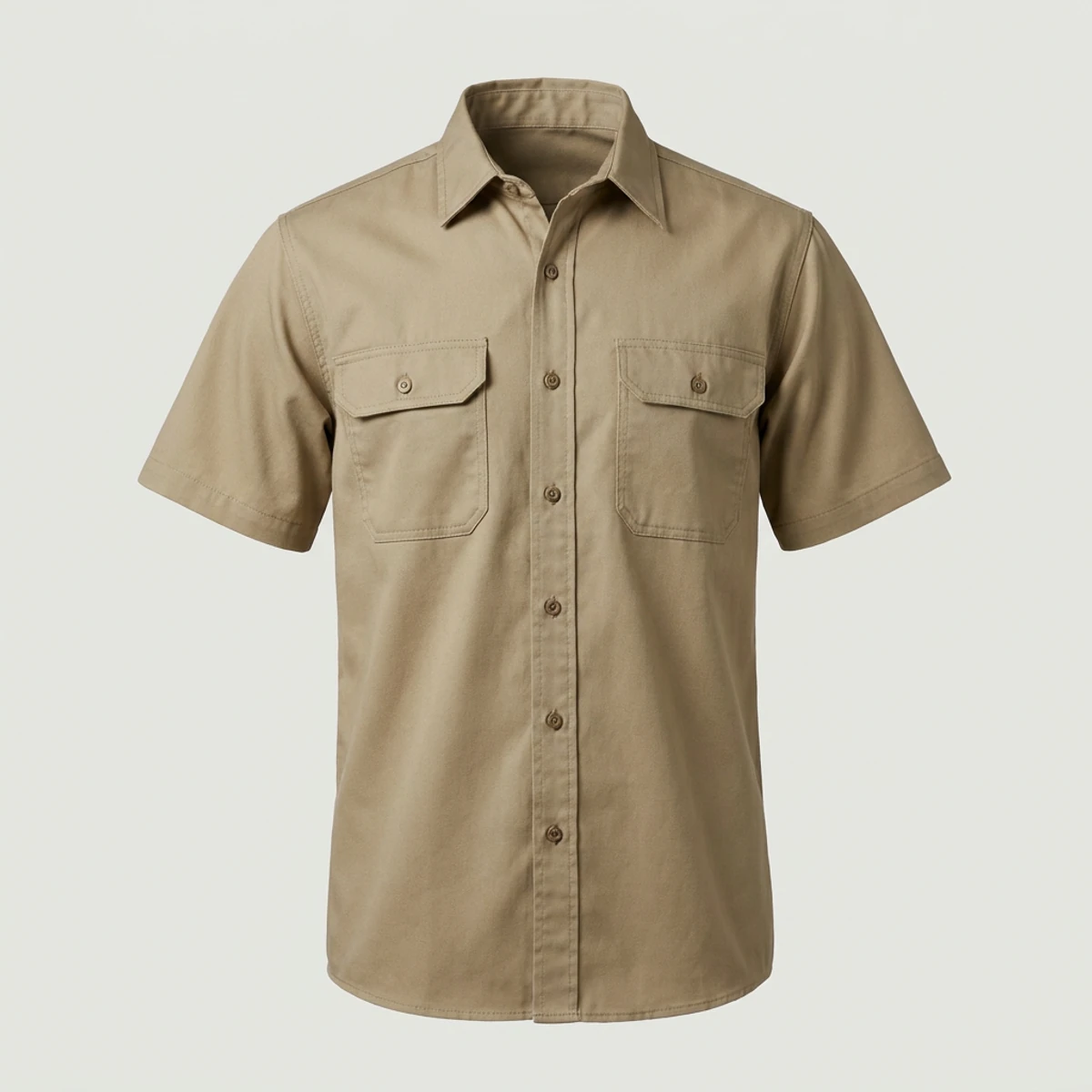
  • Khaki short-sleeve button work shirt with two flap chest pocketsKhaki button work shirt
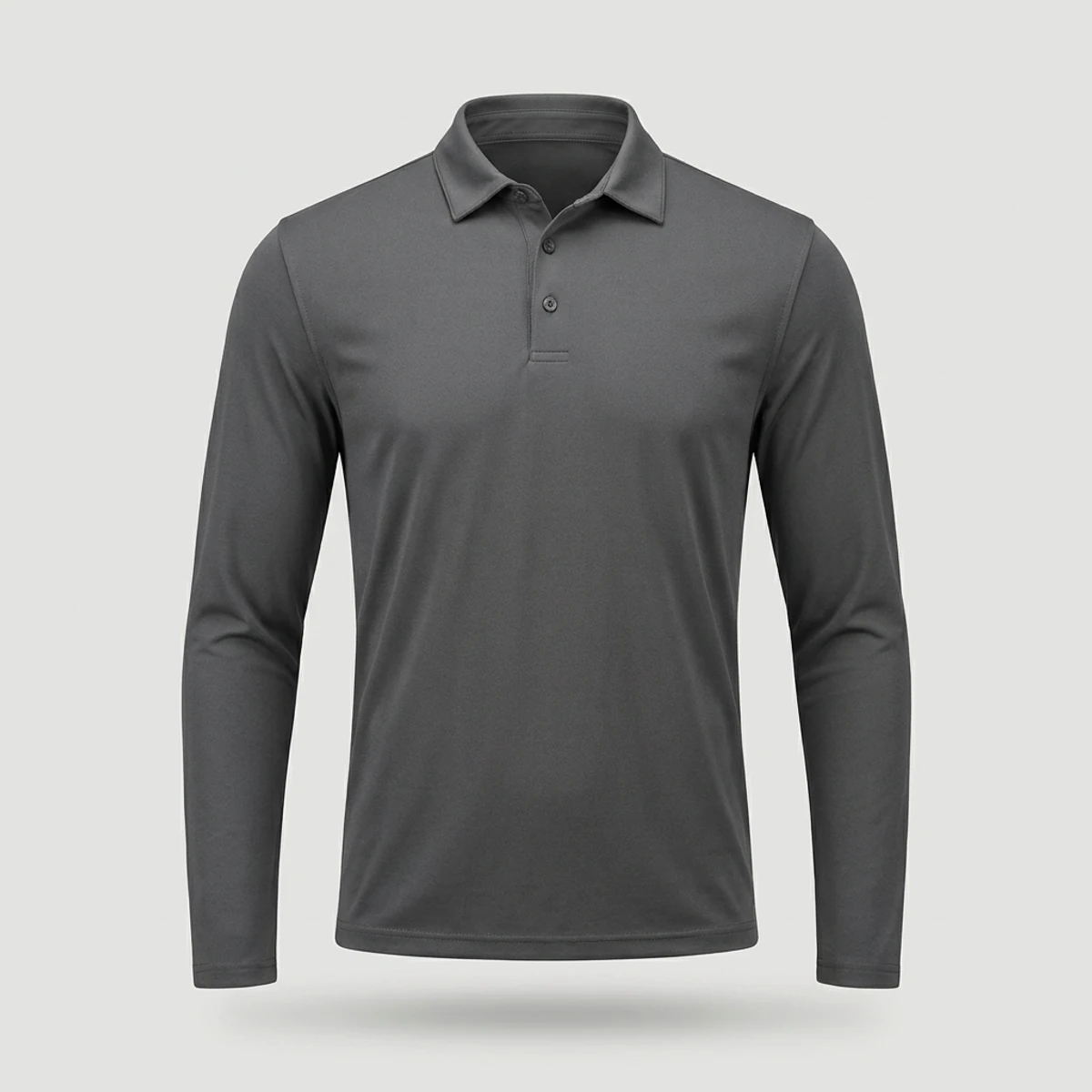
  • Charcoal grey performance polo with sun-protective long sleevesCharcoal performance polo
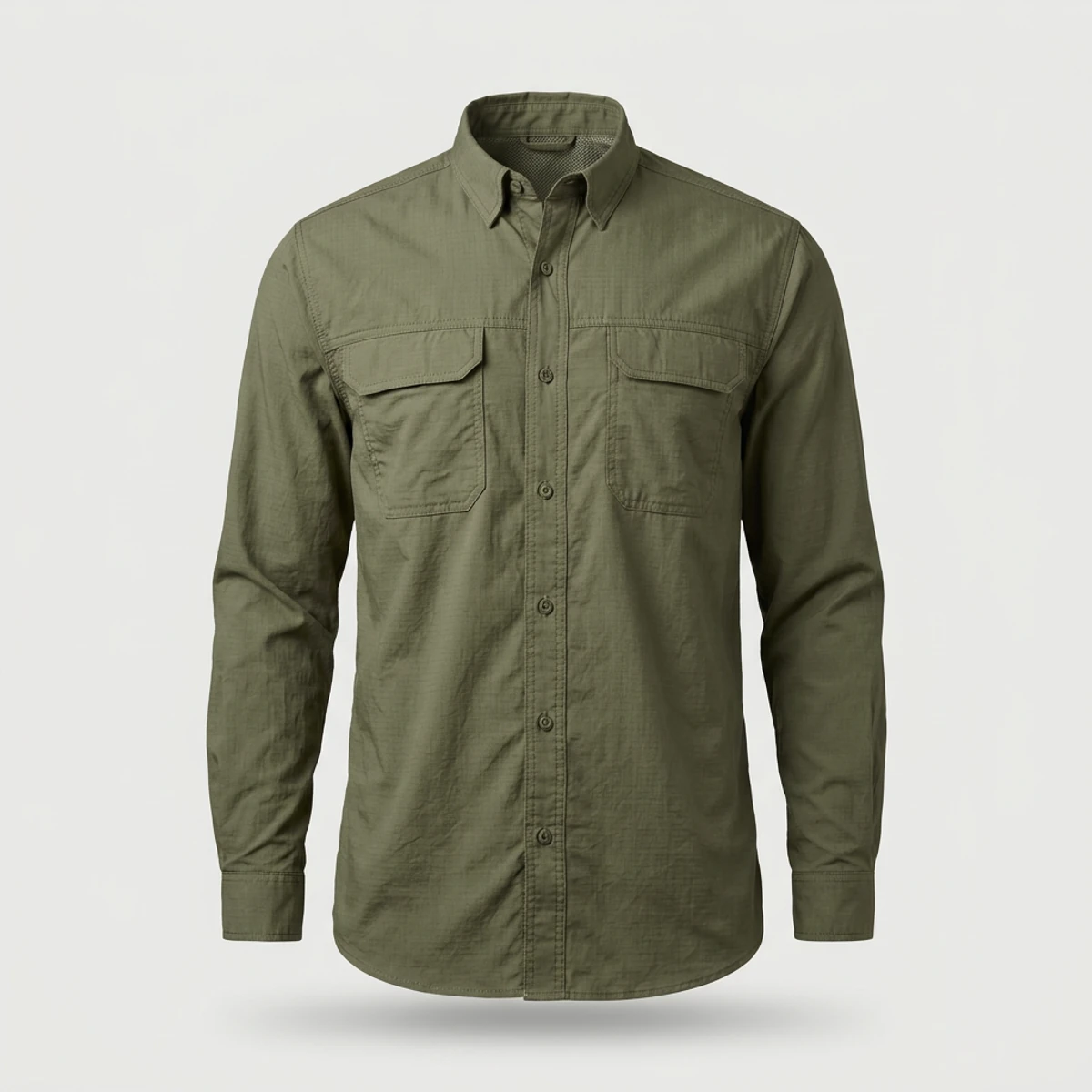
  • Olive vented long-sleeve work shirt with back mesh yokeOlive long-sleeve work shirt
Quote service shirts
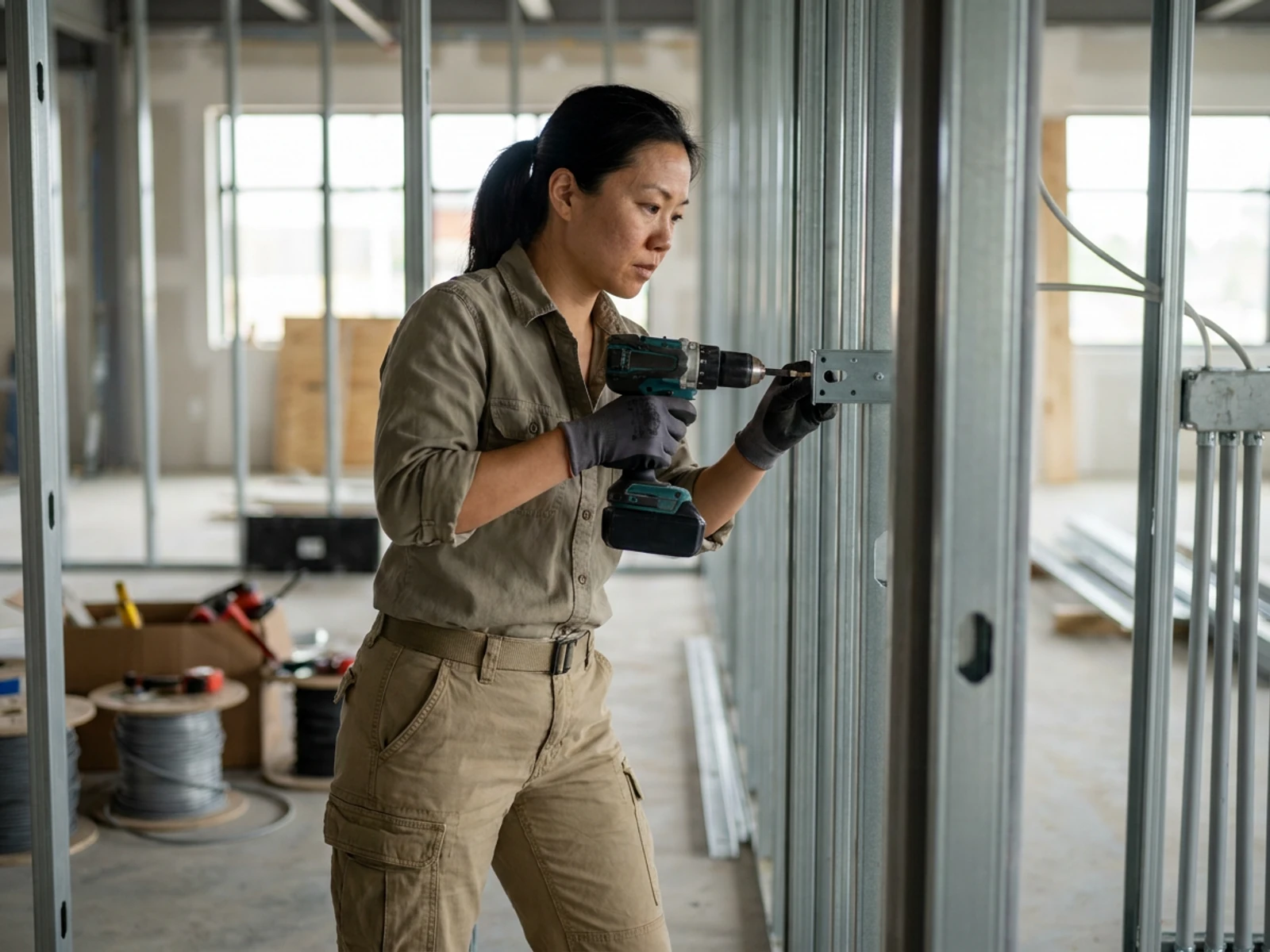
Installer in khaki cargo work pants mounting a bracket on a commercial wall

Cargo pants for install crews

Installers mounting line sets and brackets want a cargo pocket for gauges, a pencil and a phone. These are cut and sewn in Los Angeles with runs from around 50 pieces.

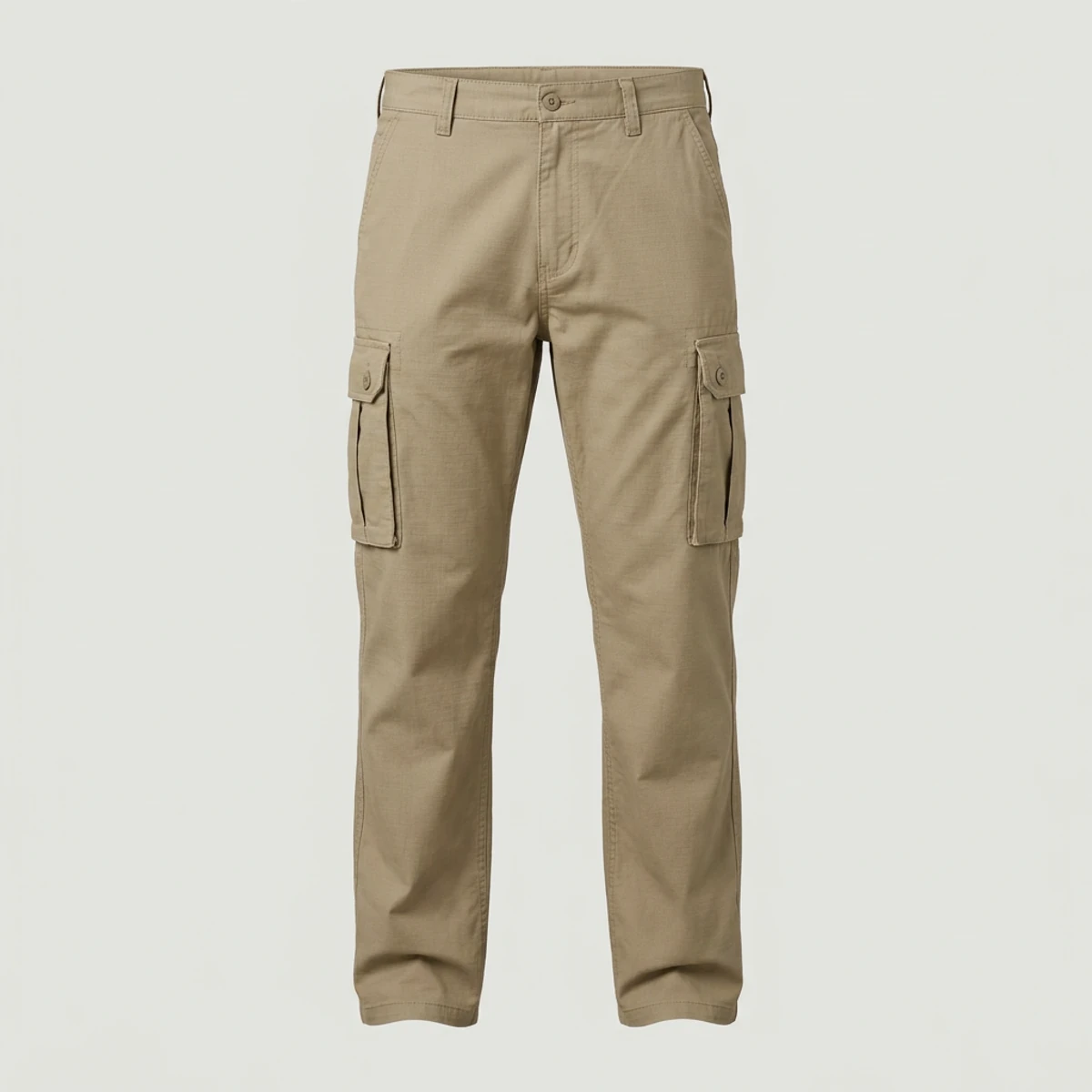
  • Khaki cargo work pants with bellows thigh pockets and flapsKhaki cargo work pants
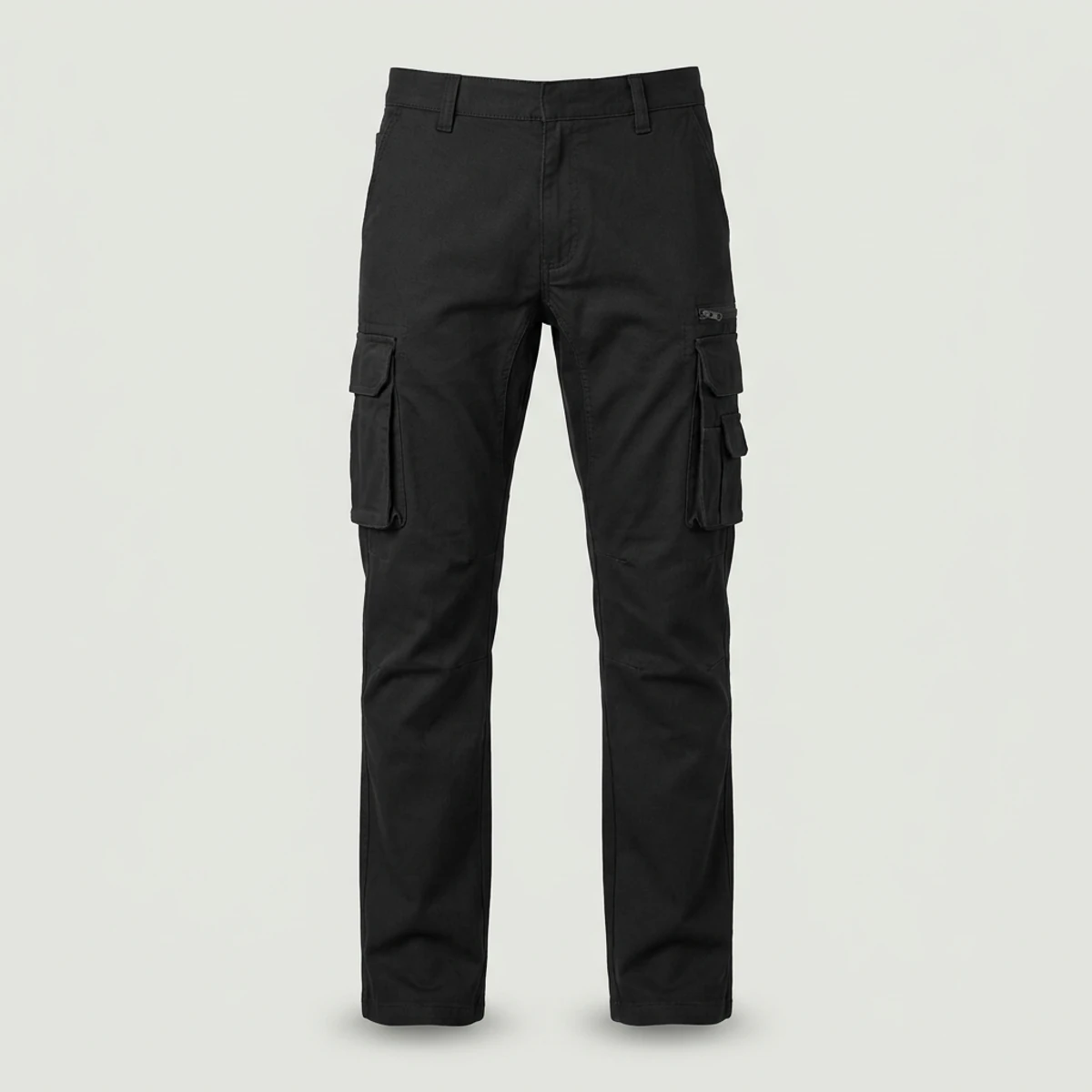
  • Black cargo work pants with zip phone pocket and gussetBlack cargo work pants
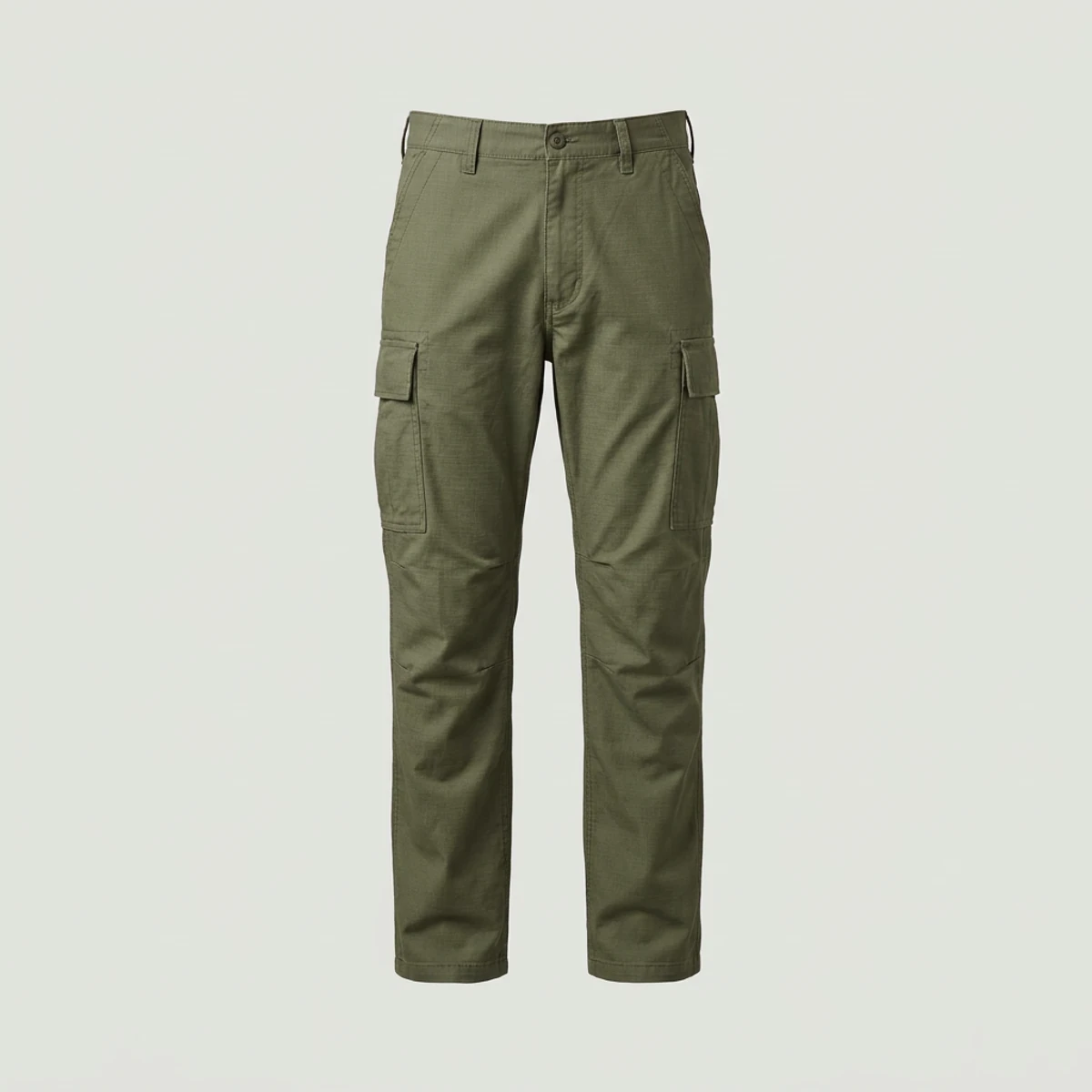
  • Olive green cargo work pants with ripstop fabric and side pocketsOlive cargo work pants
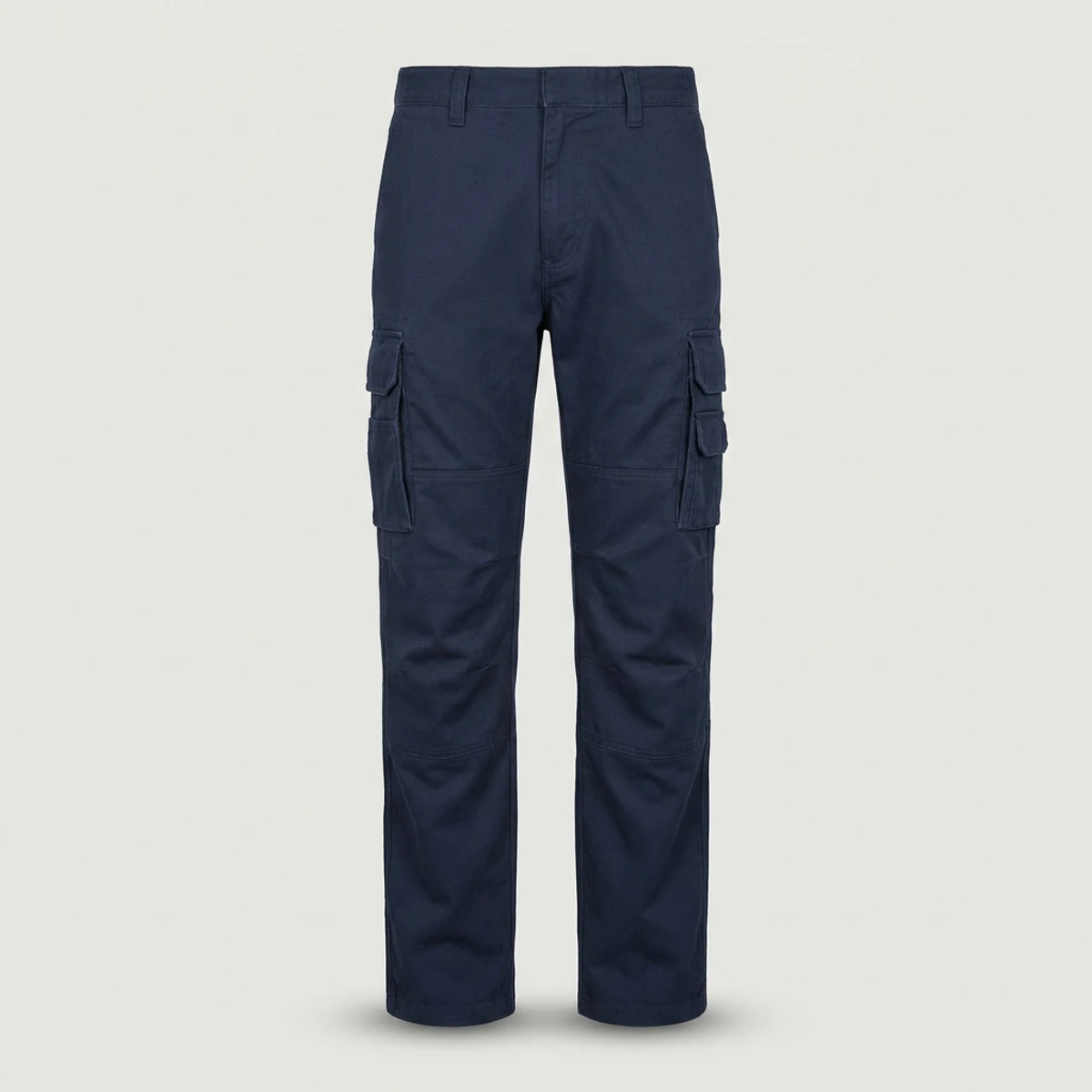
  • Navy cargo work pants with hook-and-loop flap pocketsNavy cargo work pants
Quote cargo pants
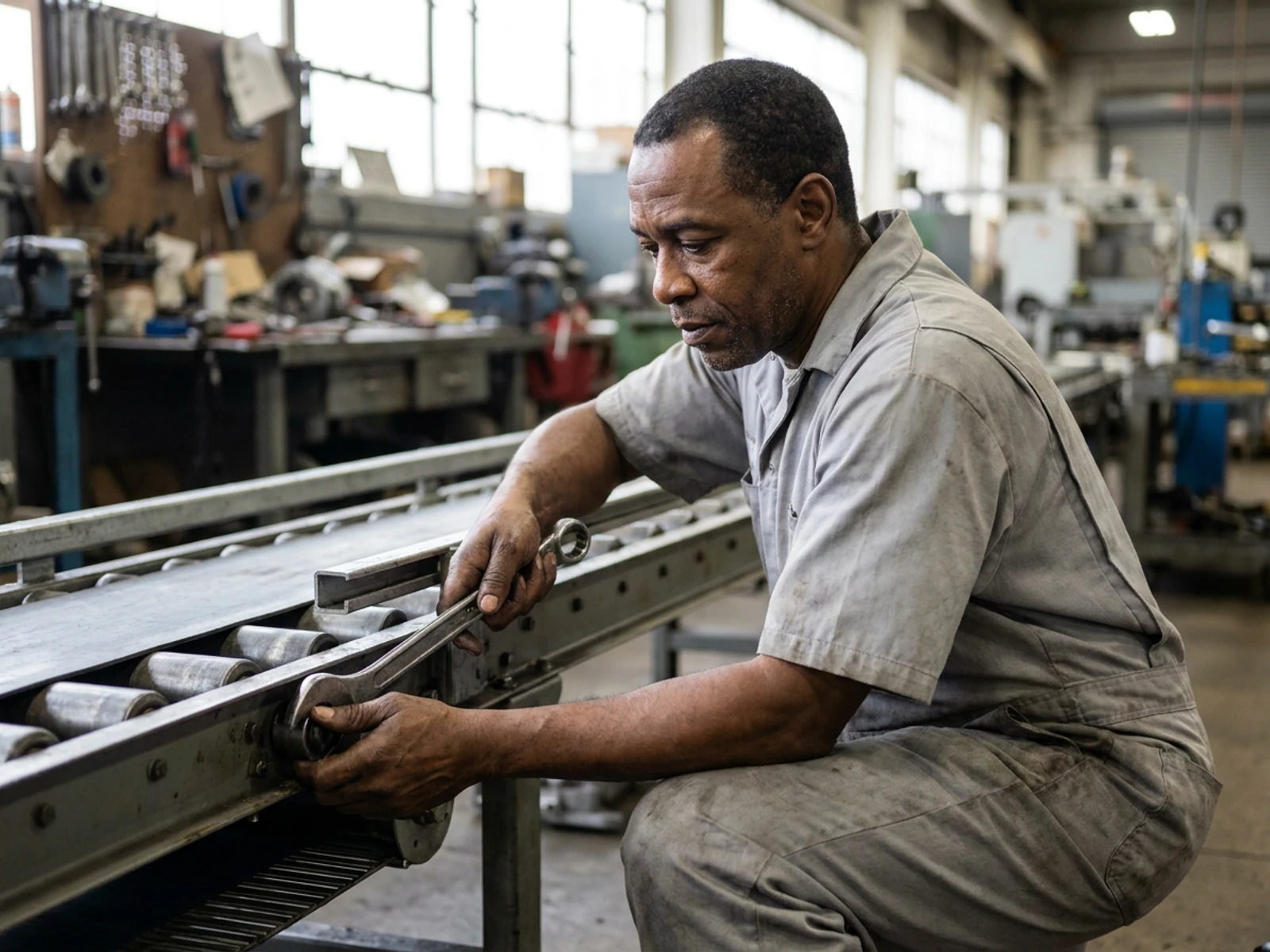
Plant mechanic in a grey short-sleeve coverall servicing a conveyor in a factory

Short-sleeve coveralls for mechanical rooms

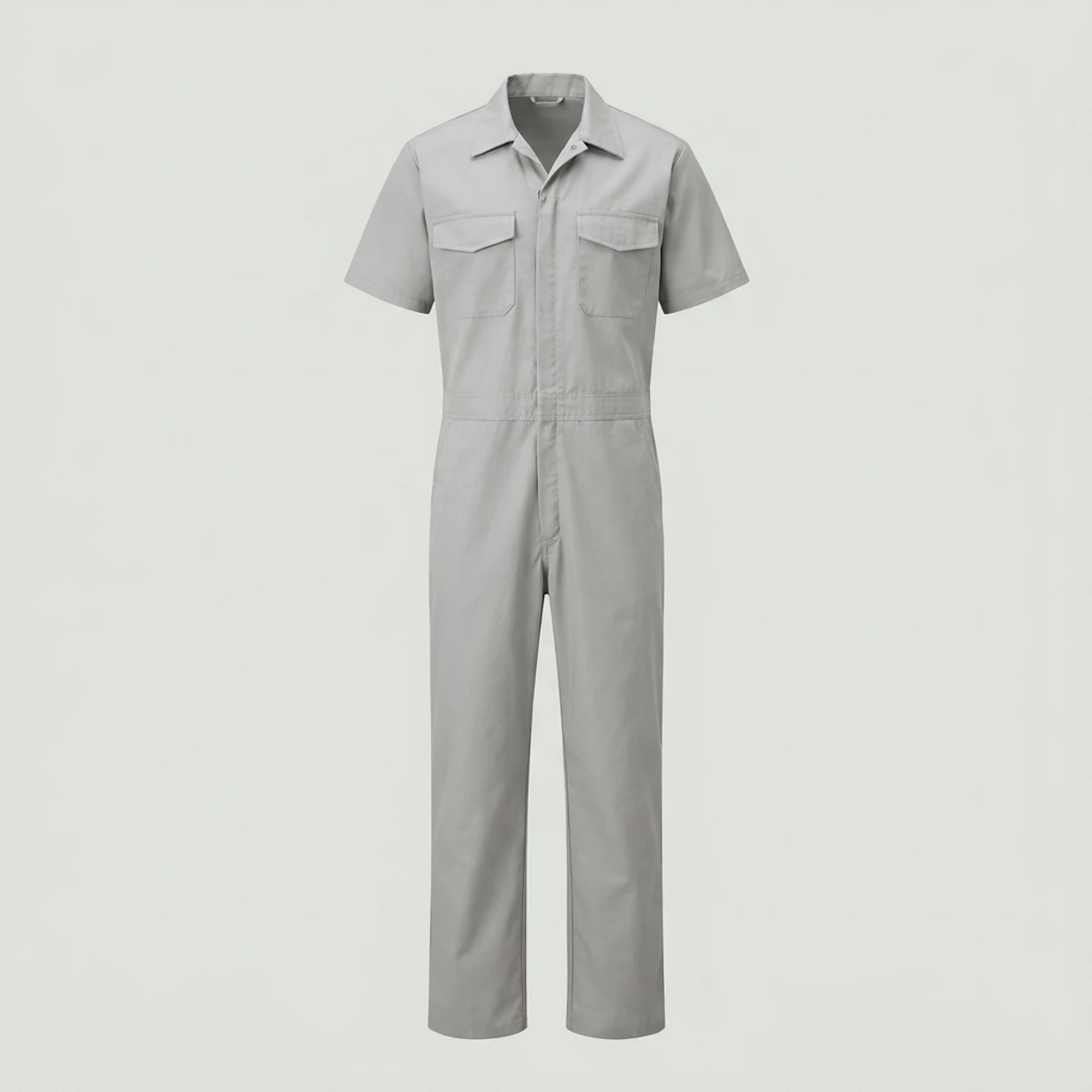
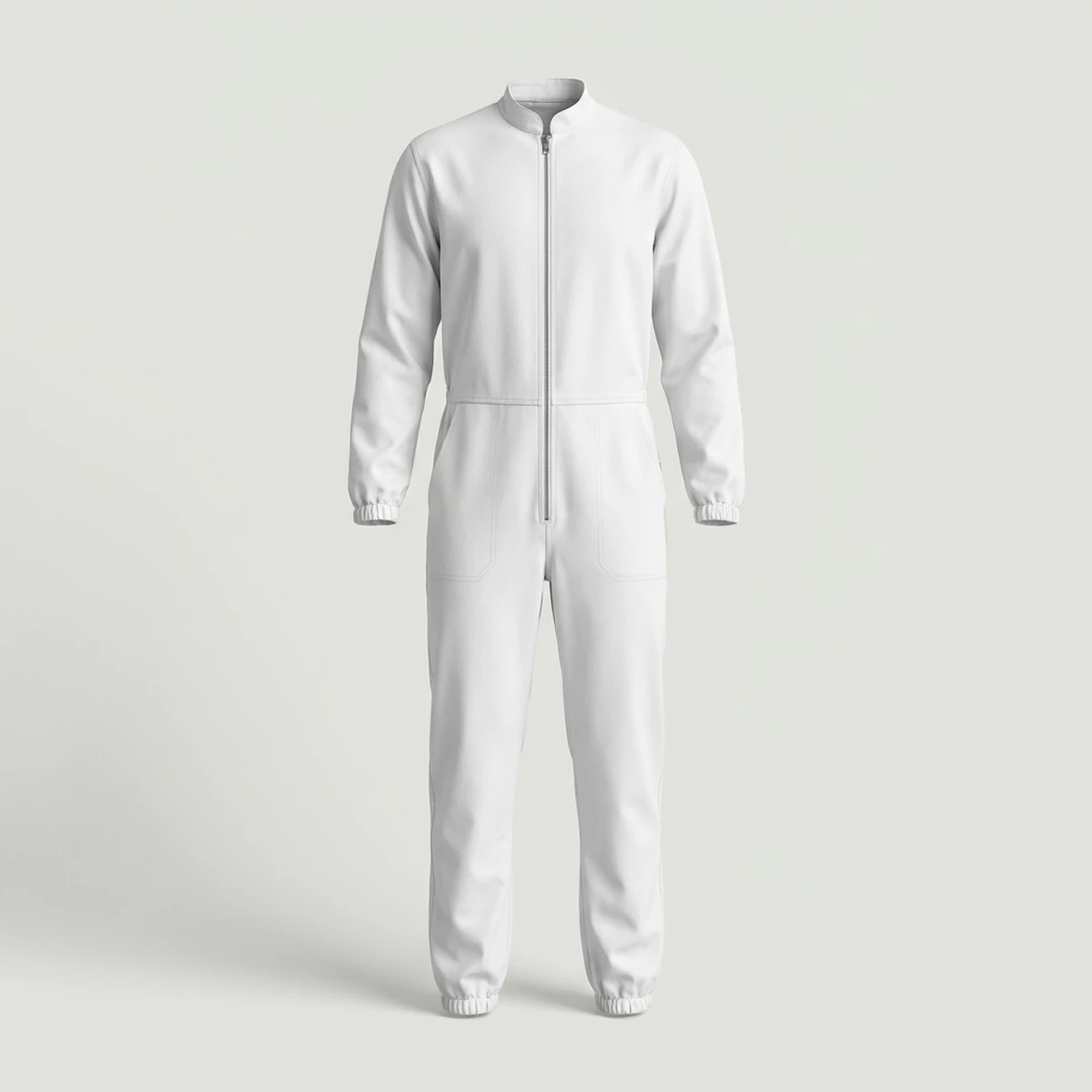
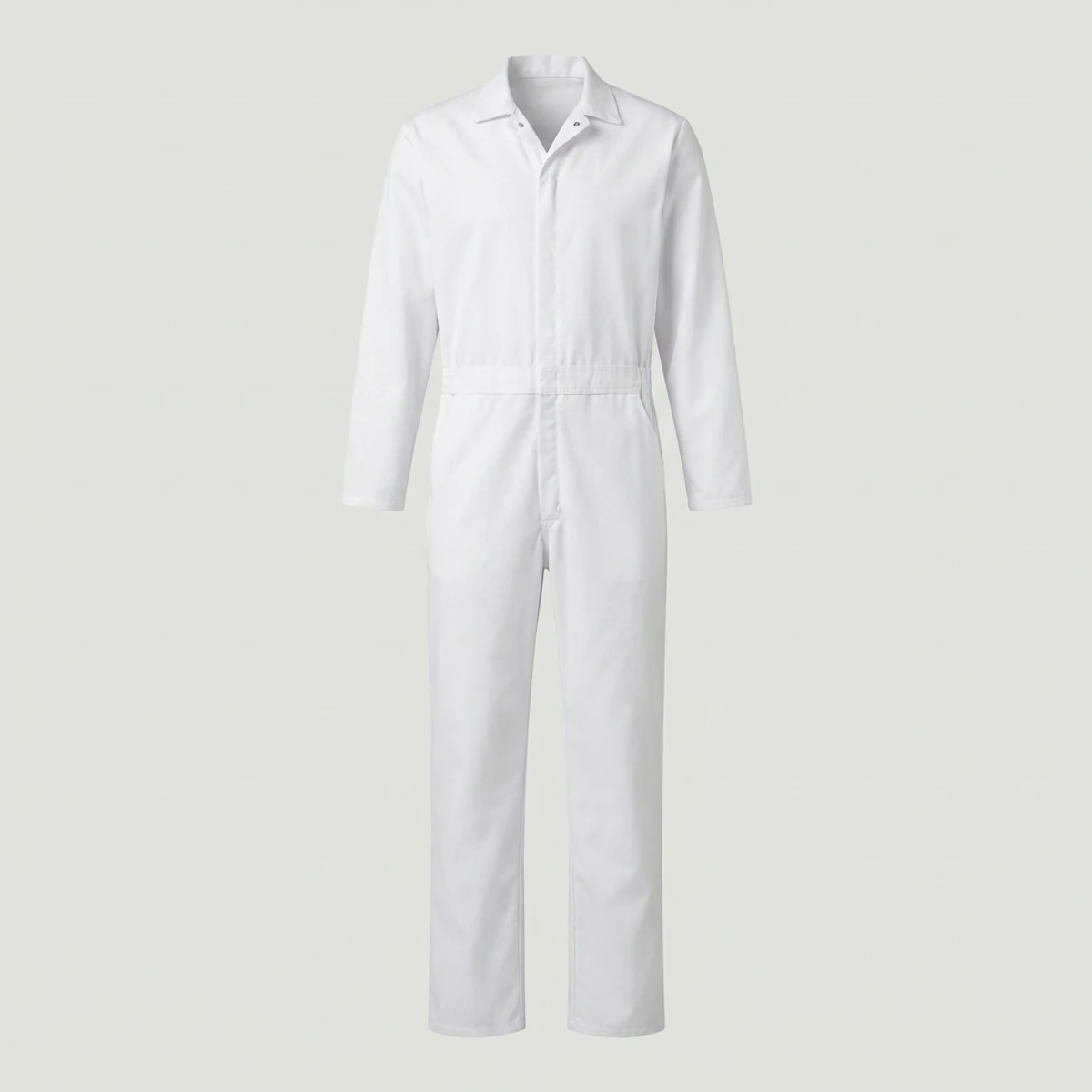
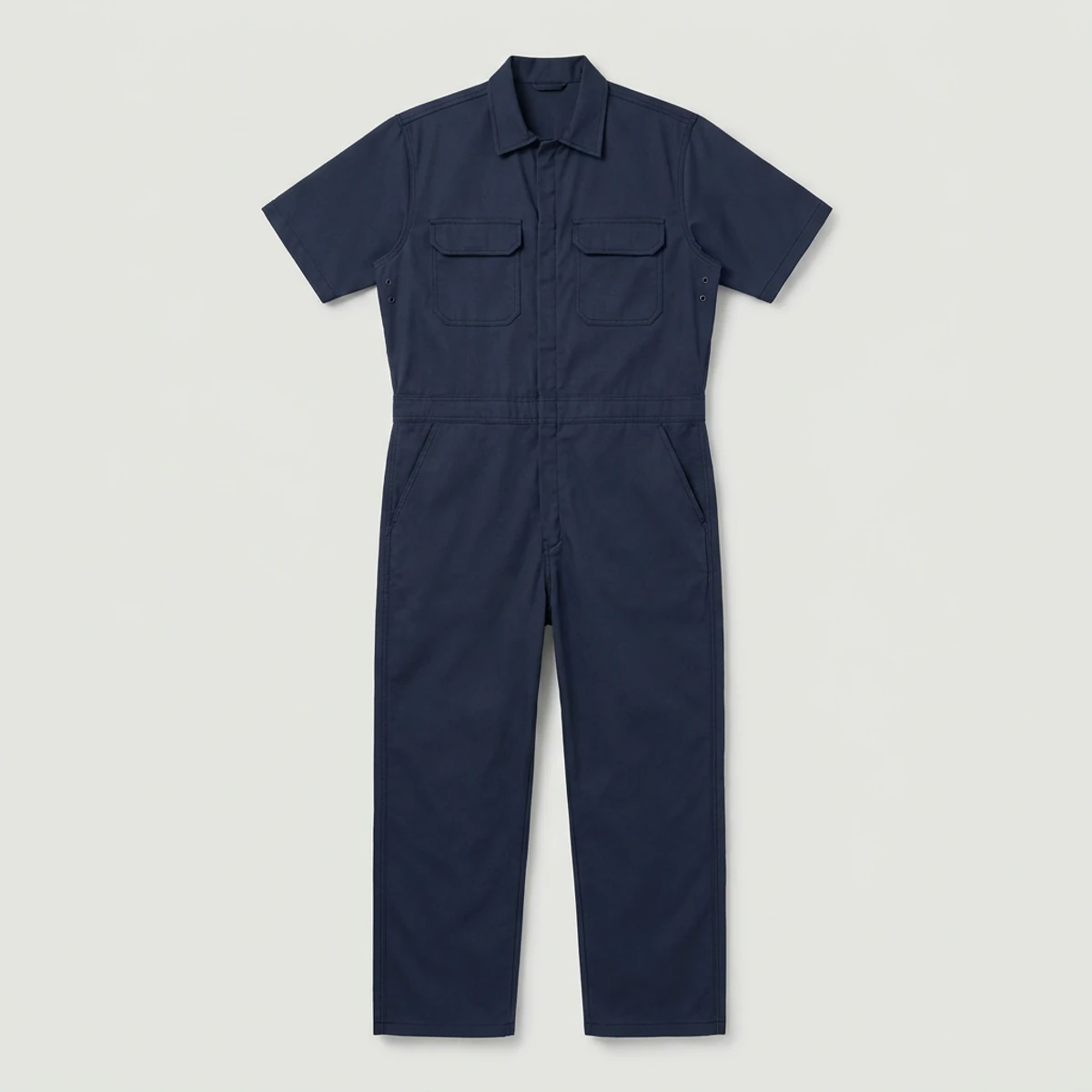
Boiler rooms and dirty mechanical spaces are where a one-piece beats pants and a shirt. We produce them in grey or your color once a style reaches about 50 pieces.

  • Grey short-sleeve coverall with vented back and front zipperGrey short-sleeve coverall
  • White coverall with elastic cuffs and minimal pockets for spray workWhite painter coverall
  • White snap-front coverall without external chest pockets for food plantsWhite snap-front coverall
  • Navy short-sleeve work coverall with underarm eyelets and pocketsNavy short-sleeve coverall
Quote coveralls

Customize your work shirts

Pick the style, fabric and colors, add your logo and names, then attach the design to your quote. We cut and sew it in Los Angeles from 50 pieces per style.

Navy flat-front industrial work pants with slant pockets and straight leg

What makes HVAC uniforms different?

HVAC uniforms have to handle more environments than most trade uniforms: a residential maintenance call, a hot attic air handler, a rooftop package unit and a commercial mechanical room can all fall in one day. A uniform built for one condition fails in the others, so HVAC work uniforms are designed as layers rather than one heavy garment.

The other defining feature is the customer relationship. HVAC companies sell maintenance agreements, replacement systems and indoor air quality add-ons in the home, and the technician’s appearance is part of that sale.

Which hazards shape HVAC technician uniforms?

Heat, brazing sparks, fiberglass, sun and, for some tasks, arc flash are the hazards that shape HVAC technician uniforms. Routine HVAC work rarely calls for regulated clothing, but the Occupational Safety and Health Administration (OSHA) general PPE rule (29 CFR 1910.132) asks employers to assess hazards and provide suitable personal protective equipment (PPE).

HazardWhere it shows upClothing response
HeatSummer attics, rooftops, mechanical roomsBreathable, lighter shirts; extra sets so sweat-soaked shirts get changed
Brazing sparks and hot metalCopper line sets, coil repairsCotton-rich shirts rather than all-synthetic fabric, which can melt
Arc flashLive troubleshooting of panels, disconnects and control circuitsArc-rated clothing where the employer’s NFPA 70E assessment requires it
Fiberglass and dustAttics, duct work, filter changesLong sleeves or a coverall; keeps fibers off skin and out of the customer’s home
Sun and windRooftop unitsLong sleeves, a work jacket for winter roofs

Refrigerant contact, sharp sheet metal and falls are handled with gloves, eye protection and fall protection set by your safety program, not by the uniform. Some states set their own heat rules: California has both an outdoor heat illness prevention standard (Title 8, Section 3395) and an indoor heat standard (Section 3396), one more reason to plan breathable shirts and enough changes for summer routes.

HVAC work shirts

HVAC work shirts are the piece customers see and the piece technicians wear in the worst heat, so four details decide whether they work: breathability, fiber content near torches, collar style and sleeve length. Settle each one at sampling, and wear-test the shirt in an attic rather than the office.

  • Breathability. Attics in summer can be far hotter than outdoors; a breathable fabric and room under the arms keep technicians working longer.
  • Fiber content near heat sources. Anyone who brazes is better off in a cotton-rich shirt.
  • Collar style. Collared shirts look sharper for service and sales calls; crew necks suit install crews.
  • Sleeve length. Short sleeves for summer service; long sleeves against insulation, sheet metal edges and rooftop sun.
Which fabrics work best for HVAC work uniforms?

Cotton-rich twill or poplin is the best all-round fabric for HVAC work uniforms, because it breathes and is less likely than all-synthetic fabric to melt if hit by brazing sparks. Lightweight knits suit summer routes, poly-cotton holds color through frequent washing, and arc-rated fabric is for technicians who troubleshoot energized equipment.

OptionBest forTrade-off
Cotton-rich twill or poplinBrazing, all-round durabilityHolds moisture in extreme heat
Lightweight cotton-rich knitSummer maintenance routesLess formal than a woven collared shirt
Poly-cotton blendColor retention through frequent washingHigher synthetic content is less suited to brazing
Performance poly blendVery hot routes with no brazingCan melt; keep away from torches and energized work
Arc-rated fabricTechnicians who troubleshoot energized equipmentSpecified to an arc rating; follow FR care rules

We confirm available fabrics at quote stage.

Pants, coveralls and layers

HVAC pants take the most wear, because technicians kneel at condensers, climb ladders and crawl through attics. Durable work pants with double-layer knees and bar-tacked pocket corners last longer, and a darker color hides condenser grime. A pull-over coverall keeps fiberglass off the uniform on dusty attic and crawlspace jobs.

Useful features include a gauge or phone pocket on the pant leg, pen slots on the sleeve, a gusseted crotch for ladders and attic access, and a shirt length that stays tucked when reaching overhead. Install crews who carry ladders and line sets all day usually suit a heavier pant; summer service routes may prefer a lighter one.

ConditionWhat worksWhy
Summer atticBreathable short-sleeve shirt, lighter pantsHeat management
Insulation-heavy atticLong-sleeve shirt or coverallKeeps fiberglass off skin
CrawlspaceCoverall over the uniformMoisture, dirt and pests; clean shirt for the customer afterward
Winter rooftopShirt plus a work jacketWind exposure on roofs
Customer’s homeClean branded shirt, outer layers removedProfessional first impression
Hunter green short-sleeve polo with three-button placket for crew leaders

When do HVAC technicians need arc-rated clothing?

HVAC technicians need arc-rated clothing when troubleshooting capacitors, contactors or disconnects exposes them to energized equipment with an arc flash hazard. NFPA 70E, the National Fire Protection Association’s workplace electrical safety standard, then requires arc-rated clothing chosen through the employer’s risk assessment. Ordinary work shirts, even cotton ones, are not a substitute.

There are two practical options: issue arc-rated shirts as the everyday uniform for technicians who do energized diagnostics, or keep standard uniforms and provide arc-rated garments for the specific tasks. We make flame-resistant workwear and confirm the fabric and arc rating at quote stage so your safety lead can match it to the program. Our uniforms for electricians page explains the PPE categories.

Tip: If only some technicians do live troubleshooting, give them arc-rated shirts in the same color and logo as everyone else. Customers see one brand; your safety lead sees the right protection.

HVAC technician uniforms by role

HVAC technician uniforms work best split by role: service technicians in a sharper collared shirt for in-home visits, install crews in tougher crew necks, rooftop technicians in long sleeves and jackets, and sales staff in a polished shirt. All of them can share one logo and color palette, so the brand stays consistent across the fleet.

RoleTypical uniform
Service technicianCollared branded shirt (short and long sleeve), work pants, coverall in the van; arc-rated shirts if doing energized work
Install crewTough crew-neck shirt, work pants, work jacket
Commercial or rooftop techLong-sleeve shirt, work pants, jacket for winter
Comfort advisor or salesSharper collared shirt in brand colors
Dispatch and warehouseStandard branded shirt
Khaki cargo work pants with bellows thigh pockets and flaps

Branding HVAC uniforms that sell service agreements

Branded HVAC uniforms help sell maintenance agreements because customers are more comfortable letting a technician into their home when the person looks established and accountable. A strong program uses one color palette across shirts, vans and website, names on shirts so customers can request the same technician, and enough sets for a clean uniform every day.

The usual layout is a left-chest logo, the company name or phone number on the back, and an optional name. Our logo embroidery and printing service covers both methods; on arc-rated shirts, decoration materials are agreed per style so they do not compromise the garment. To sell uniforms to other contractors or launch your own HVAC workwear label, our private label manufacturing puts your labels and tags on garments we make. Combined plumbing and heating companies can run one program with their plumbing crews.

What determines the cost of custom HVAC uniforms?

The cost of a custom HVAC uniform program depends mainly on fabric, the number of styles and sleeve lengths, the quantity per style, garment features and decoration. No prices are listed here; every order is quoted on its actual fabric, artwork and quantity, and the table shows which choices move the unit price.

Cost driverHow it moves the unit priceHow to keep it in check
FabricArc-rated and performance fabrics usually cost more than standard cotton-rich twillReserve arc-rated shirts for technicians who do energized work
Quantity per styleLarger runs spread cutting, setup and sampling across more piecesUse one collared shirt for service techs and advisors
Sleeve lengths and variantsEach sleeve length or color is its own style with its own minimumSize the long-sleeve run to winter and rooftop needs only
Style complexityGauge pockets, gussets and double knees add sewing timeKeep the features technicians use on calls
DecorationStitch count, colors and number of locations add time per garmentChest logo plus one back print
Personalization and labelsNames and custom labels add handling and componentsSend one name list; use standard finishing for staff uniforms

How to roll out an HVAC uniform program

An HVAC uniform program rolls out in six moves, beginning with who needs arc-rated pieces and ending with garments issued alongside care instructions. Planning sleeve lengths and seasonal quantities early matters most, because each sleeve length is normally its own style for the 50-piece minimum.

  1. 01

    Decide the tiers

    Standard uniform for everyone; arc-rated pieces for anyone doing energized work.
  2. 02

    Split by season

    Plan short and long sleeves separately.
  3. 03

    Set the issue per person

    Summer routes need more shirts than winter.
  4. 04

    Count by style

    Our minimum is about 50 pieces per style, with sizes mixed in the run.
  5. 05

    Approve a sample

    and wear-test it on a real call.
  6. 06

    Collect sizes and names

    , then issue with care instructions.
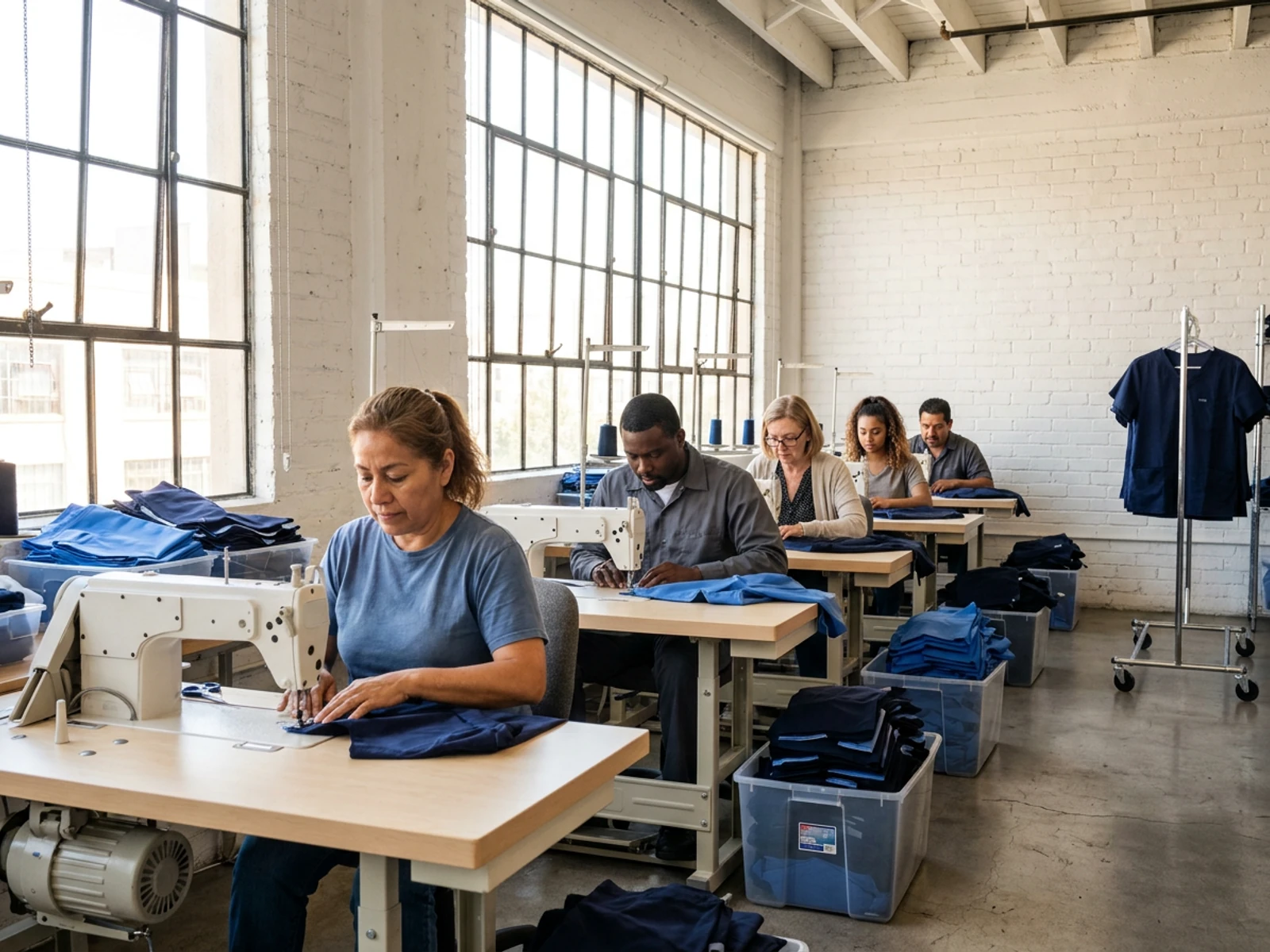
Operators sewing scrub tops on rows of industrial sewing machines

Reorders and multi-branch programs

Reorders of HVAC uniforms match the first run because the approved spec stays on file. Hiring peaks ahead of summer and winter, so reorder before the rush, keep a buffer of the most common sizes and plan short-sleeve replacements at the end of summer, when shirts are most worn. Ask us for current lead times well before your peaks.

Read more

Multi-branch companies can share one shirt with the same logo everywhere, the simplest way to reach the minimum. Branches trading under different names can keep the core shirt and add a branch name on the sleeve or back.

Grey short-sleeve coverall with vented back and front zipper

How should HVAC uniforms be washed?

HVAC uniforms last longest when sweat-soaked shirts are washed promptly, fiberglass-covered coveralls are shaken out outdoors and washed separately, and every garment follows its care label. Salt and body oils set into fabric when shirts sit in a van, and fiberglass transfers to other laundry.

Read more

For arc-rated shirts, avoid chlorine bleach and fabric softener and remove oil and grease, which can reduce protection. Our guide on how to wash FR clothing explains the care rules in detail.

Common mistakes to avoid

The most common HVAC uniform mistakes are one heavy shirt for every season, synthetic shirts for technicians who braze, and too few summer shirts per person. Each one shows up within weeks, either as uncomfortable technicians, melted fabric or crews arriving at a customer’s door in yesterday’s shirt.

  1. One heavy shirt for summer and winter.
  2. Performance-poly shirts for technicians who braze.
  3. Assuming cotton shirts are enough for energized troubleshooting.
  4. Too few summer shirts per technician.
  5. Different shades across reorders because the spec was not kept.
  6. Letting technicians wear personal hoodies over the uniform, which hides the brand on winter calls.

Ready to order

What to send us for a quote

A complete HVAC uniform quote needs your roles, sleeve lengths, any arc rating, sizes and artwork. Sending this list with the first message lets us price the order, confirm fabric options and plan a sample without several rounds of questions.

  • Logo files and brand colors.
  • Headcount by role, sleeve lengths and garments per role.
  • Whether any technicians need arc-rated shirts, and the required rating.
  • Sizes and names per person.
  • Decoration placement and any private label needs.

Questions about HVAC

Need something not covered here? Ask our Los Angeles team and we’ll answer with options for your order.

Ask our Los Angeles team

Do HVAC technicians need FR clothing?

Not usually for routine HVAC work. It can be required when technicians work on or near energized electrical equipment where an arc flash hazard exists, which is assessed under NFPA 70E. If your crews troubleshoot live panels or disconnects, ask your safety lead whether arc-rated shirts should be part of the uniform.

Can we order short and long sleeve versions of the same shirt?

Yes. Each sleeve length is normally treated as its own style, so each would meet the 50-piece minimum. Many HVAC companies order more short sleeves for summer and a smaller run of long sleeves for winter, rooftop work and estimate visits, keeping the same logo and color on both.

Can install crews and service techs have different uniforms?

Yes, and many companies do this. Service technicians often wear a sharper collared shirt for in-home visits, while install crews wear tougher crew-neck shirts and work pants. Both can carry the same logo and colors so the brand stays consistent.

Do you supply HVAC uniforms outside California?

Yes. We cut and sew in Los Angeles and supply businesses across the USA. Send your logo, garment list, sizes and number of technicians, and we will quote and confirm current lead times and shipping for your location. Multi-branch companies can order once and split delivery by branch.

How many shirts does an HVAC technician need?

Enough for a clean shirt every working day plus spares, and more in summer, when technicians may change shirts mid-route after attic work. Track how many shirts each technician actually goes through in a peak season; that figure, not a guess, should set next year's issue per person.

HVACCut & sewn in Los Angeles · from 50 pieces per styleRequest samplesGet a quote