Thread and seams
Flame-resistant thread keeps seams from melting open and exposing skin. Labels and interfacing use FR-compatible materials, because NFPA 2112 tests components as well as the shell fabric.
Workwear · Los Angeles factory
FR clothing is workwear made from flame-resistant fabric that resists ignition and stops burning once the heat source is removed, so it does not keep feeding a burn the way ordinary cotton or melting synthetics can. Custom Uniform Factory cuts and sews custom FR work clothing in its Los Angeles factory from imported certified fabric, for programs built around NFPA 2112 (flash fire) and NFPA 70E (arc flash), using flame-resistant thread and trims, from about 50 pieces per style. Compliance depends on the certified fabric and on garment certification and testing, which we confirm for each style before you order.
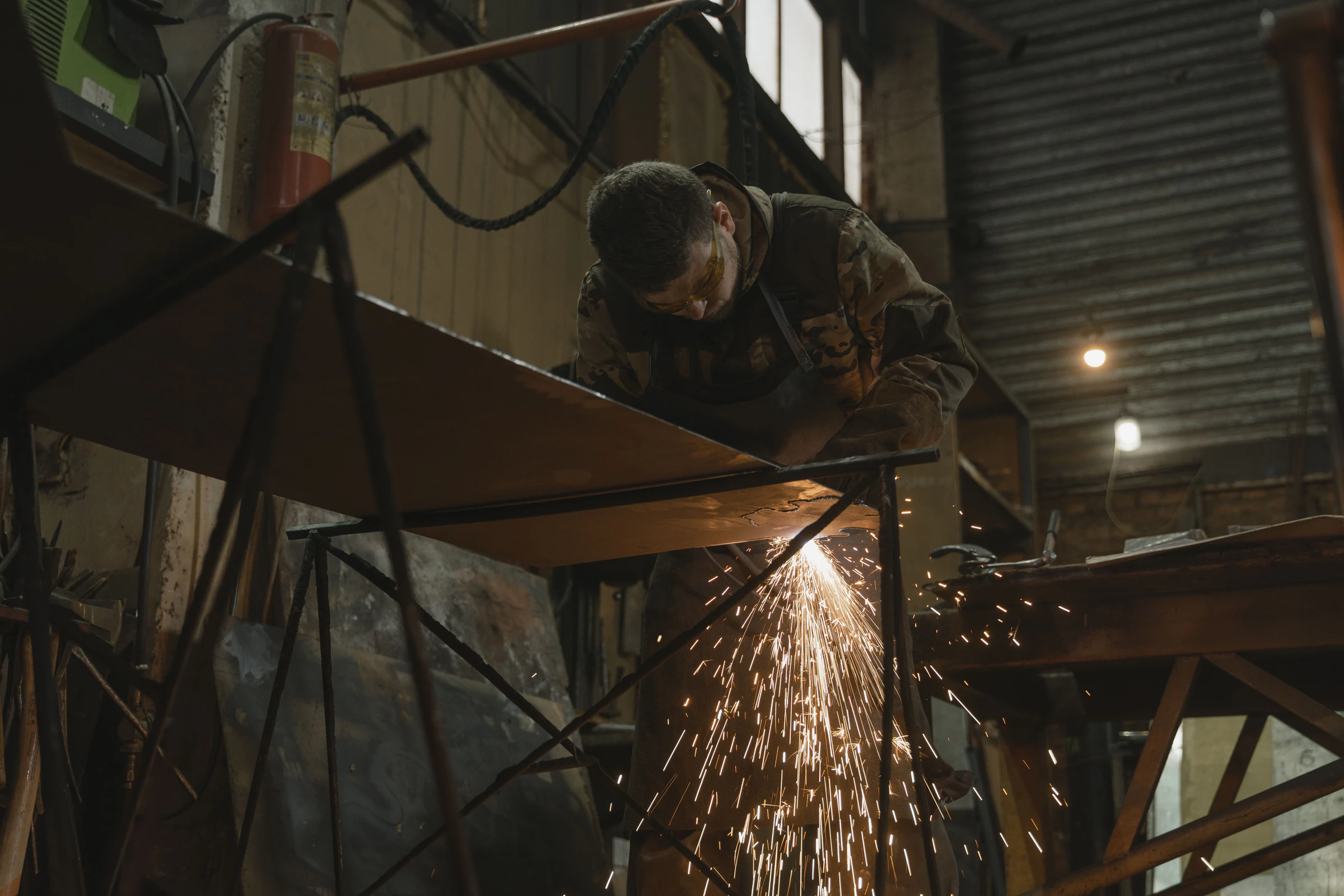
16 styles in 4 families · each made to order in your fabric, color and branding from 50 pieces.
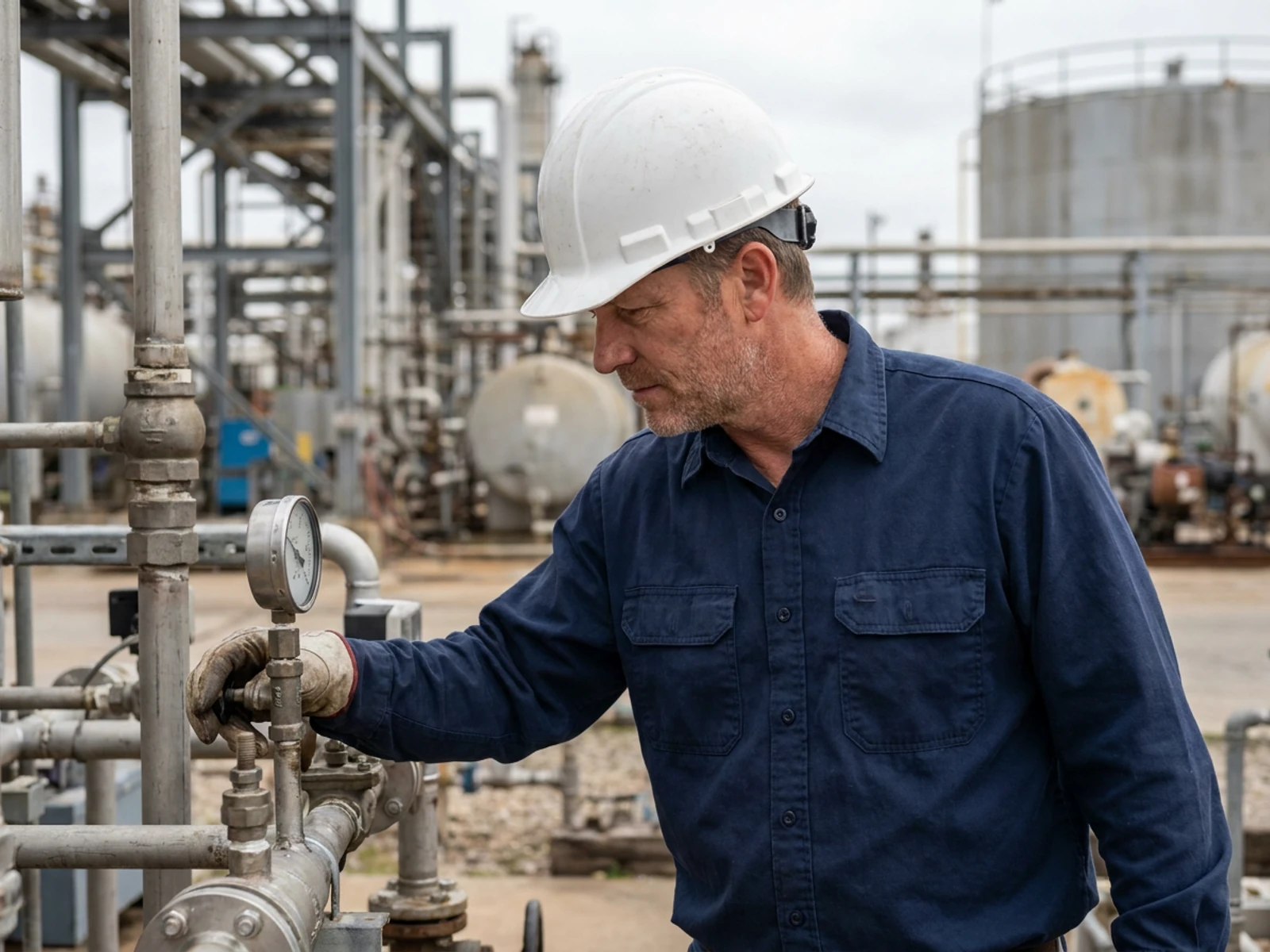
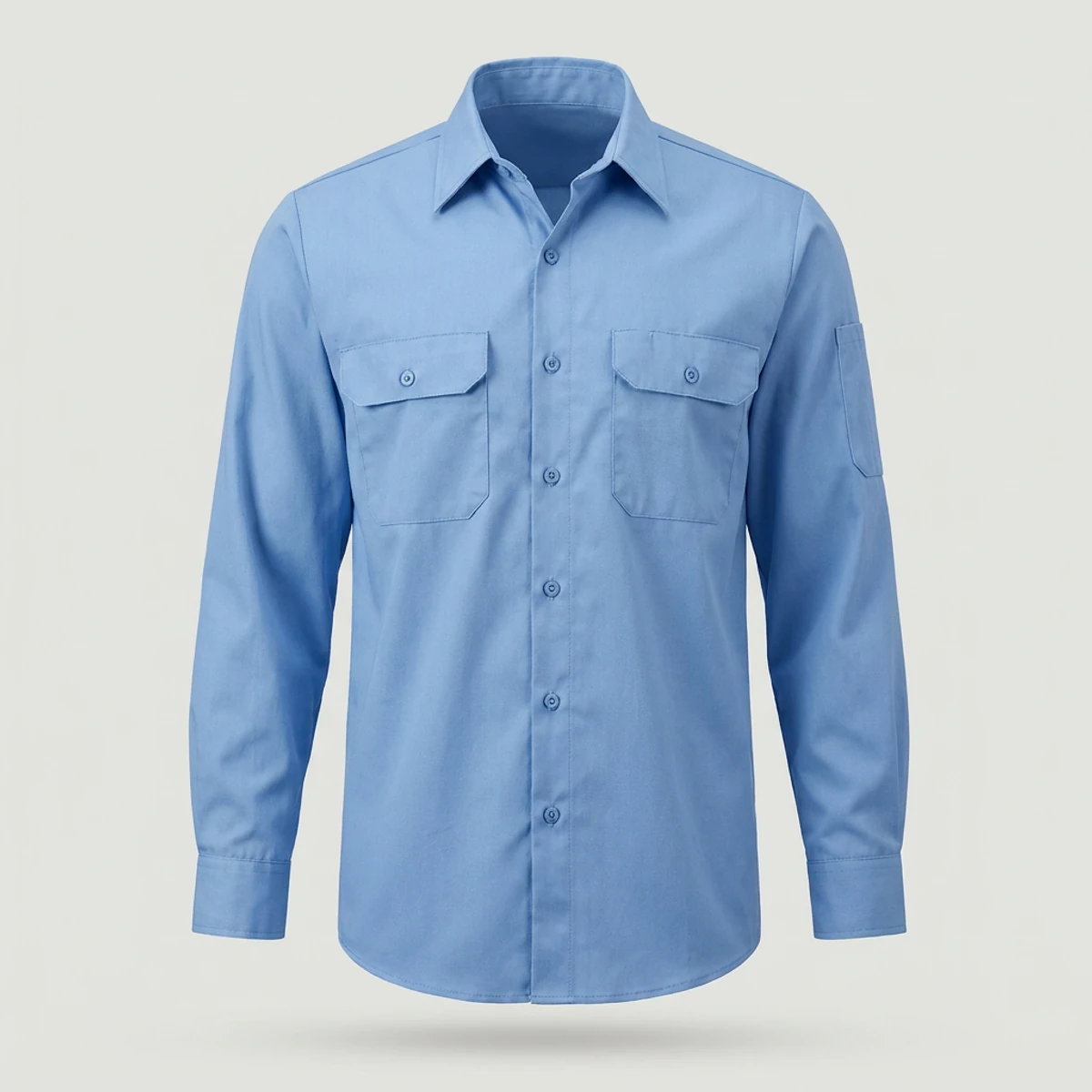
A button-front FR work shirt is the everyday layer for flash fire and arc flash programs. We build it entirely from FR or arc-rated components, including thread, trims and reflective tape, and confirm the fabric's test data before we quote.
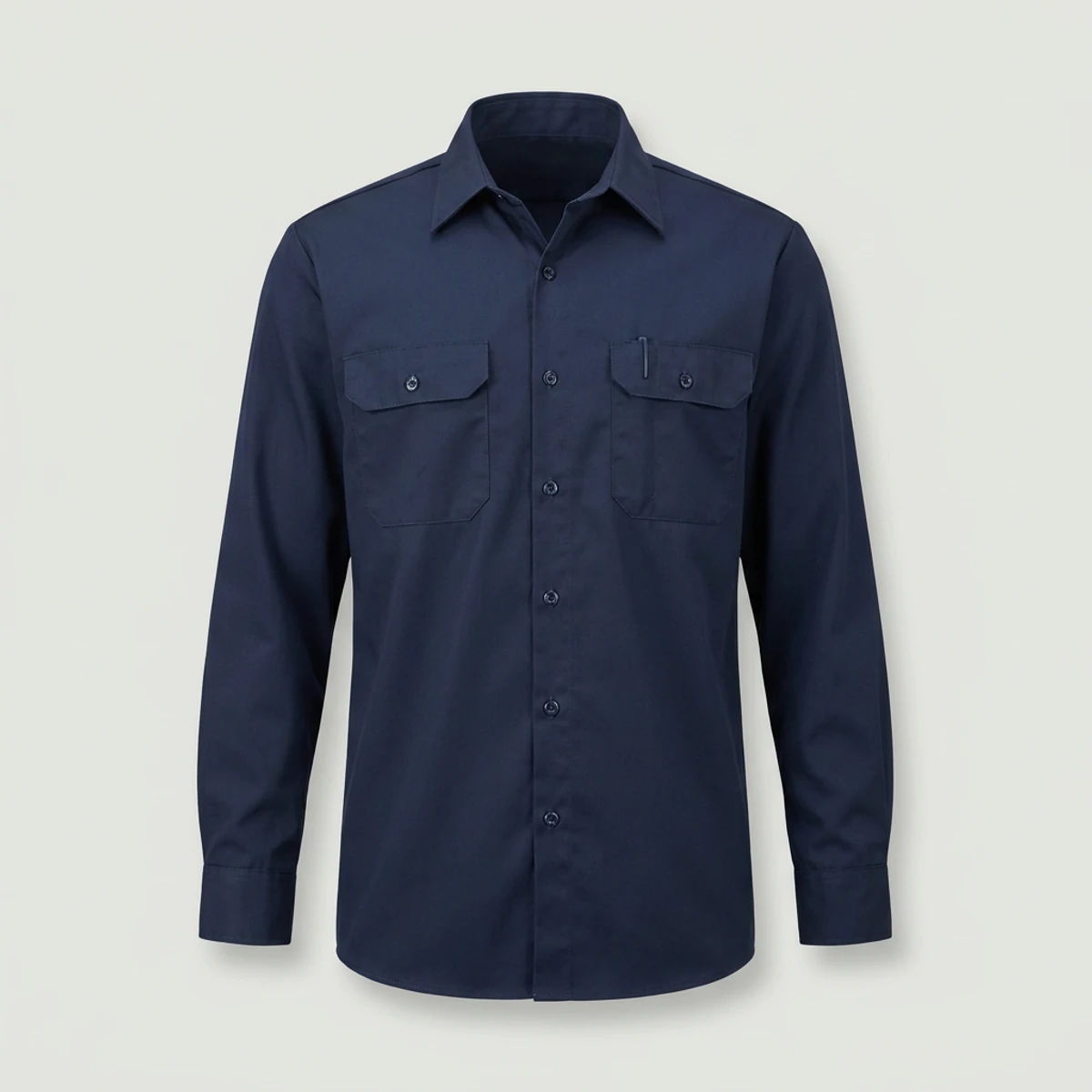
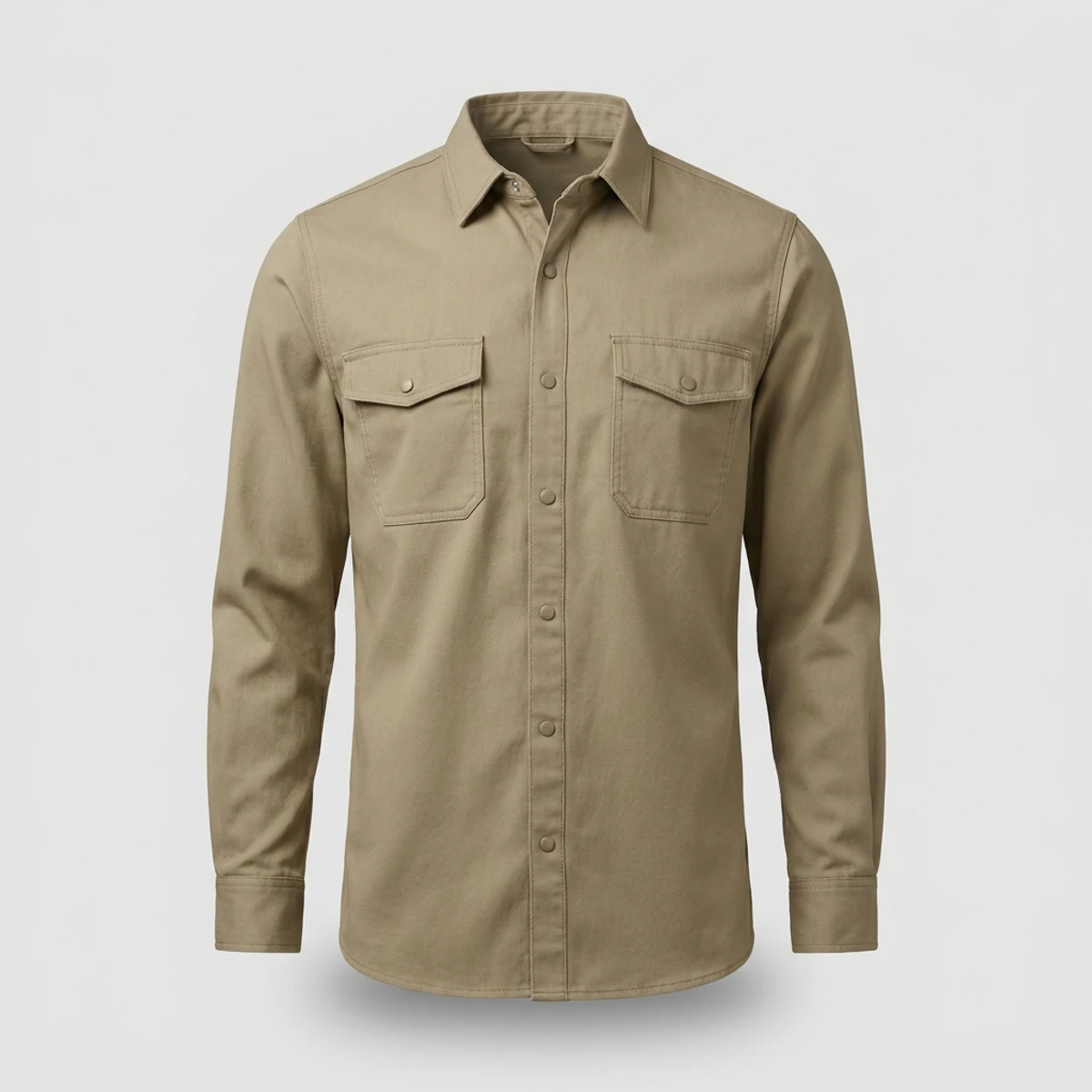
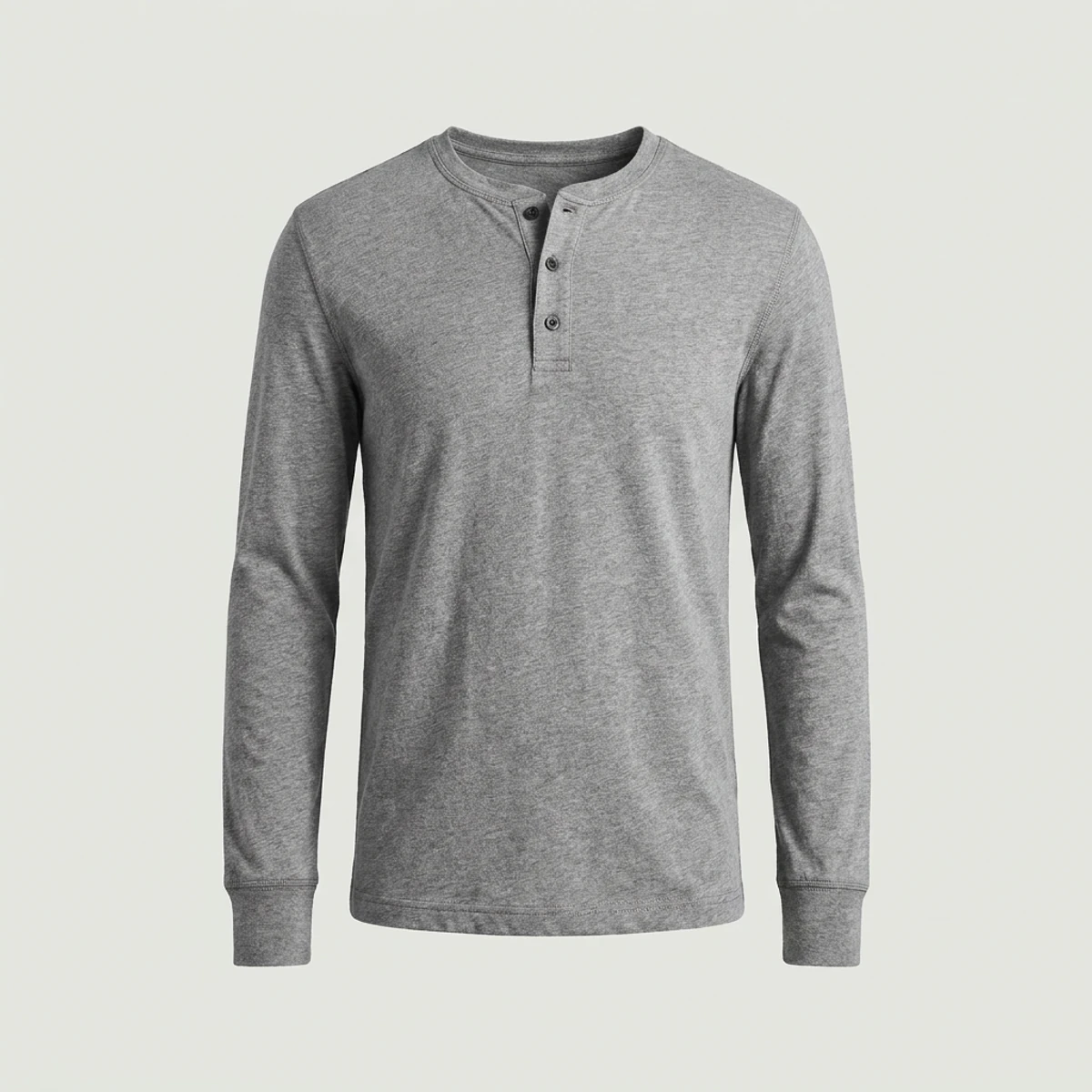
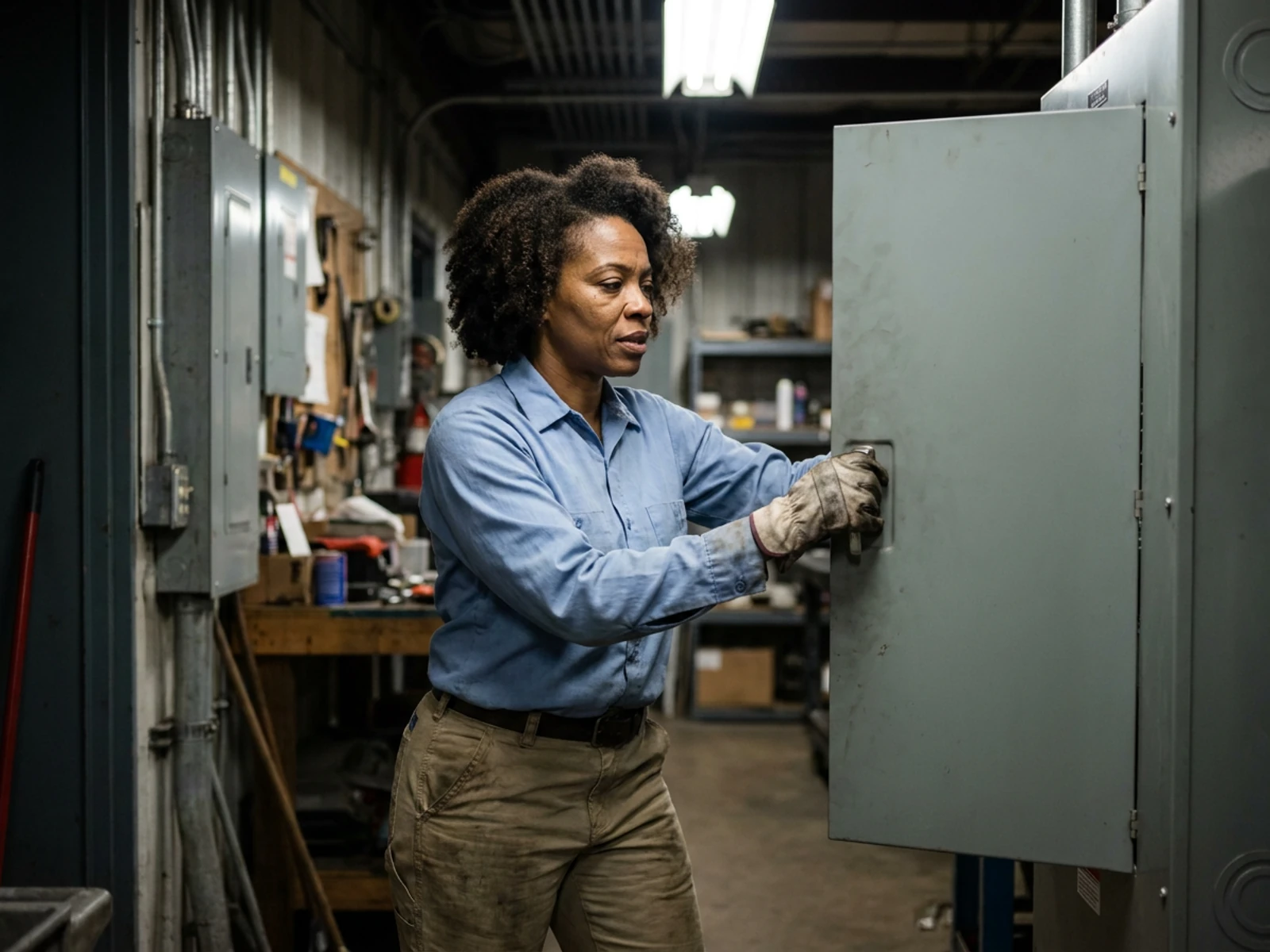
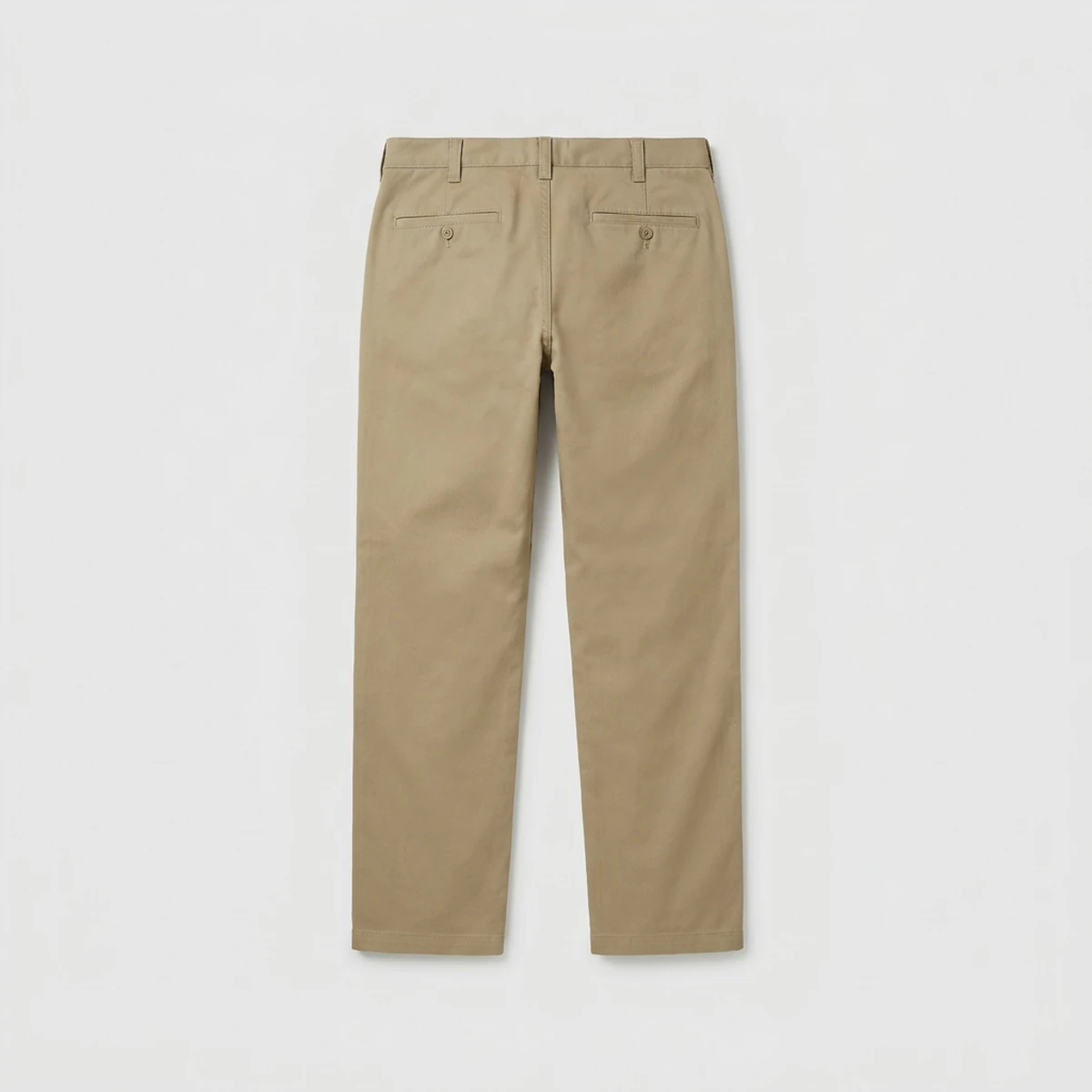
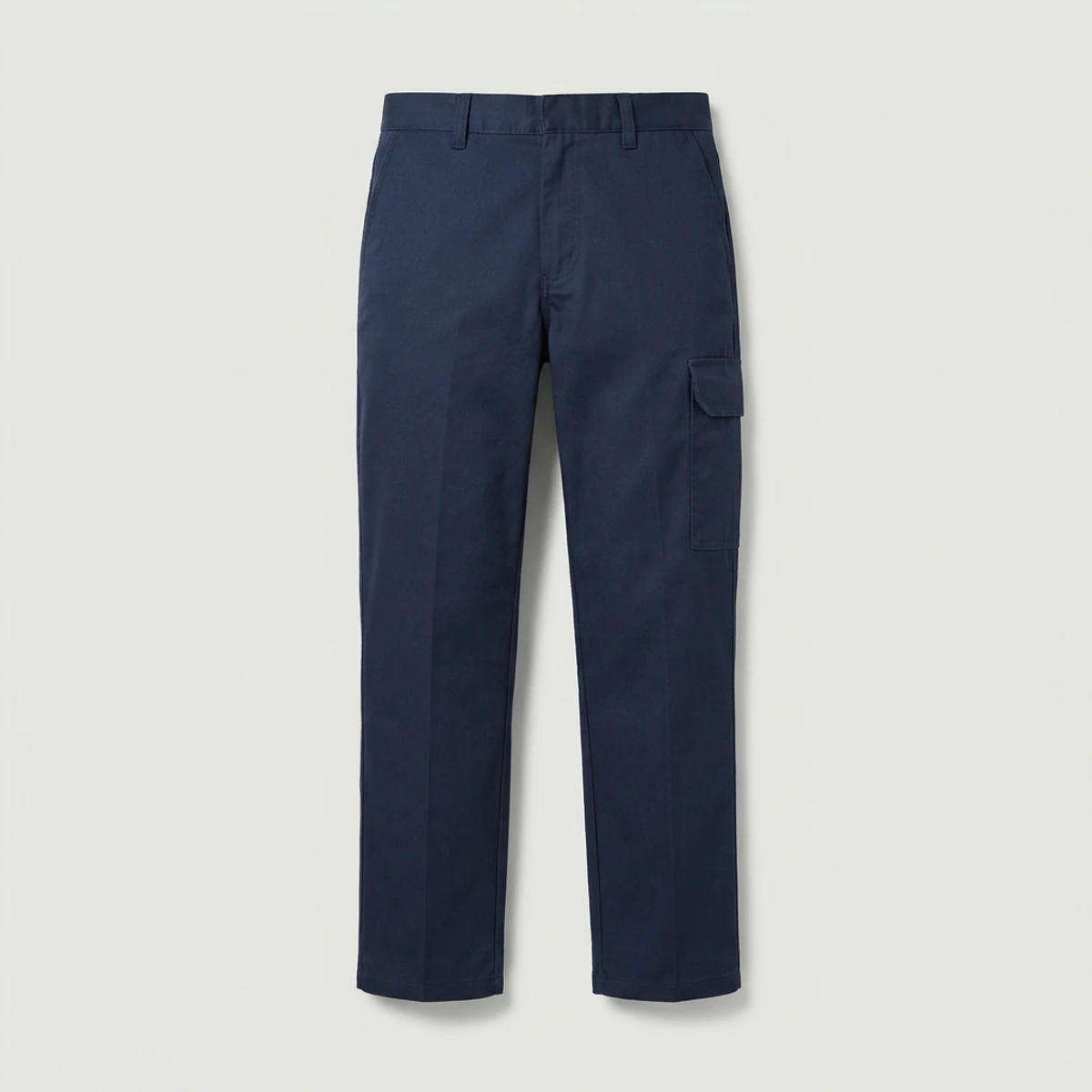
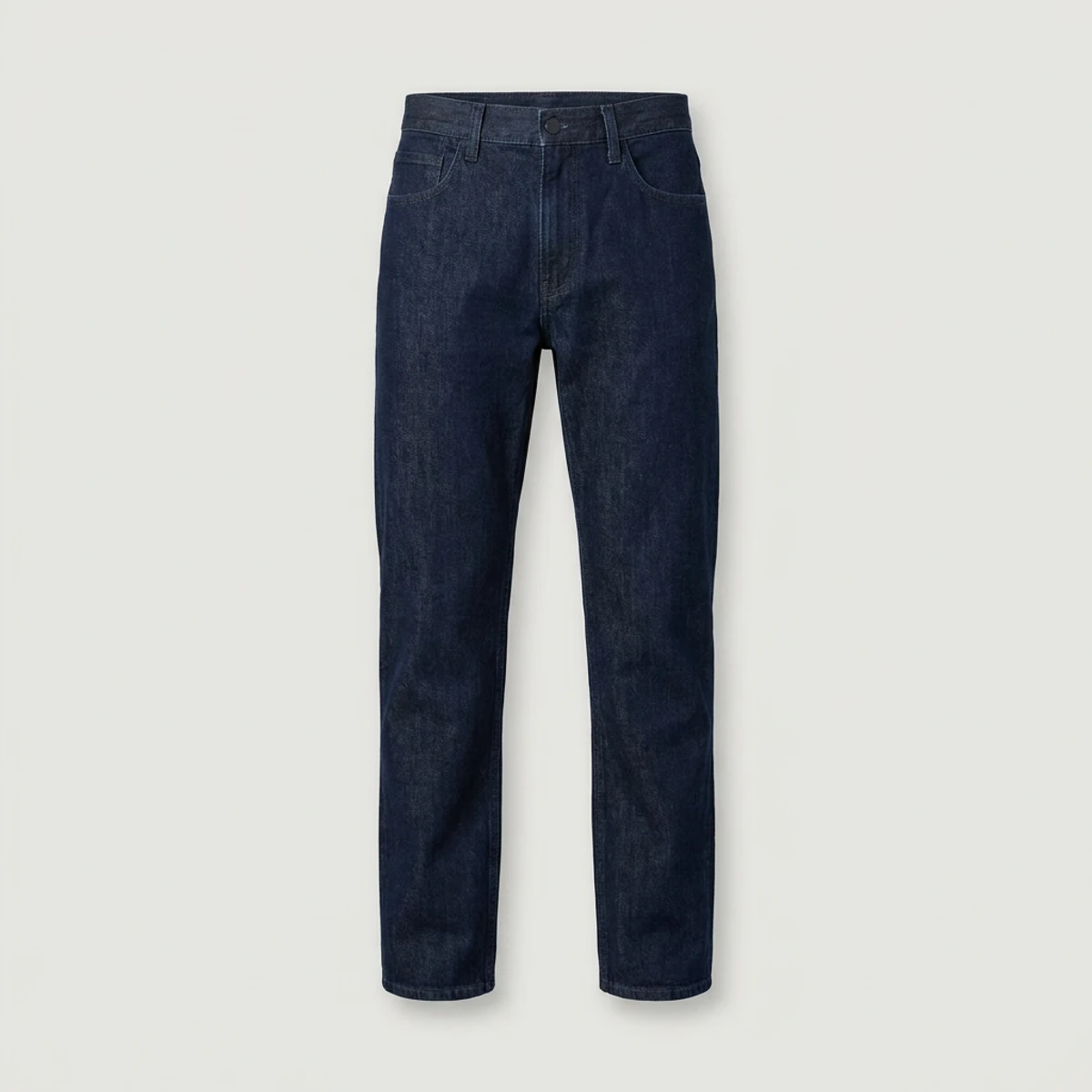
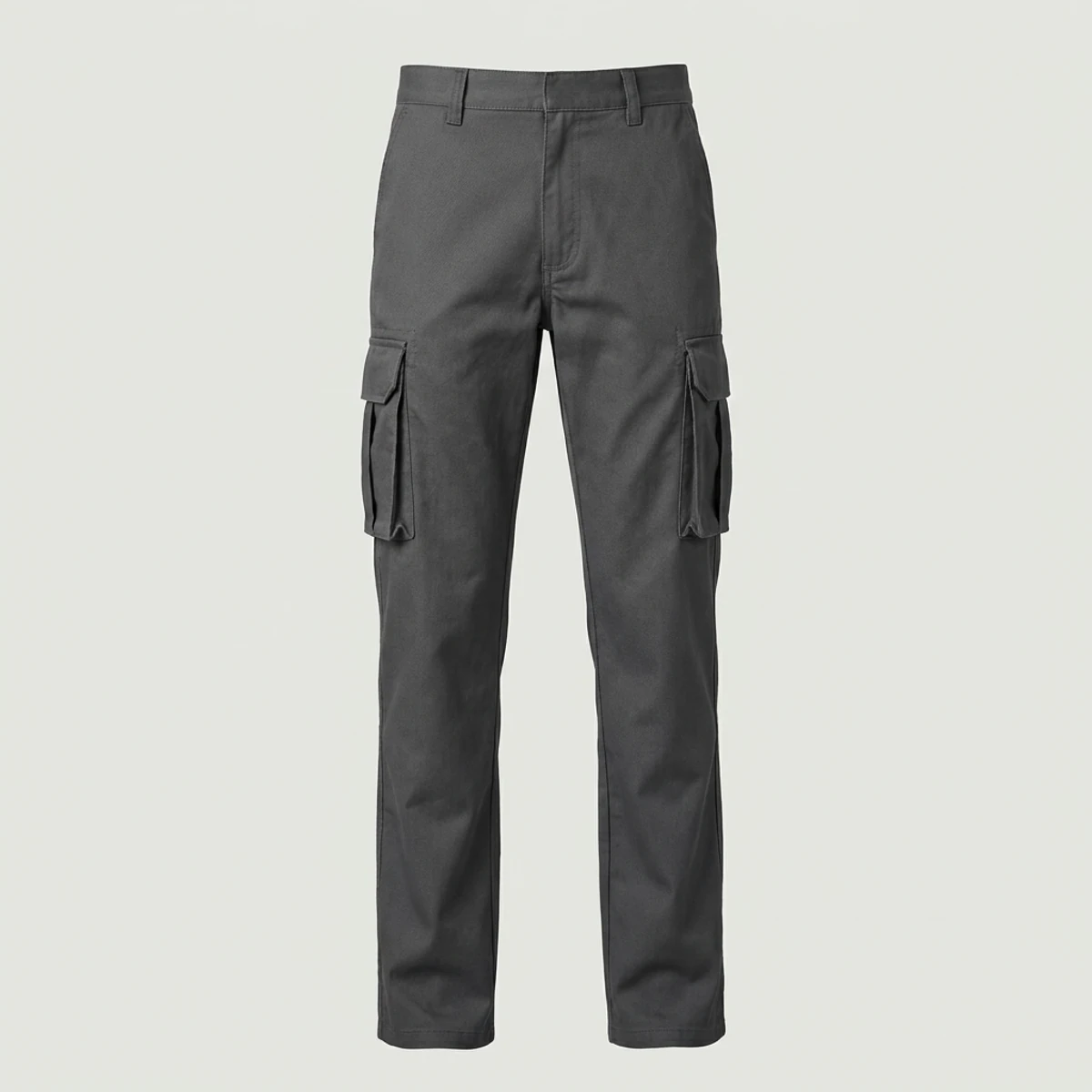
FR pants complete the outfit so no untreated fabric sits exposed below the waist. We make uniform-style pants and five-pocket denim cuts in FR fabric, with FR thread and trims throughout.
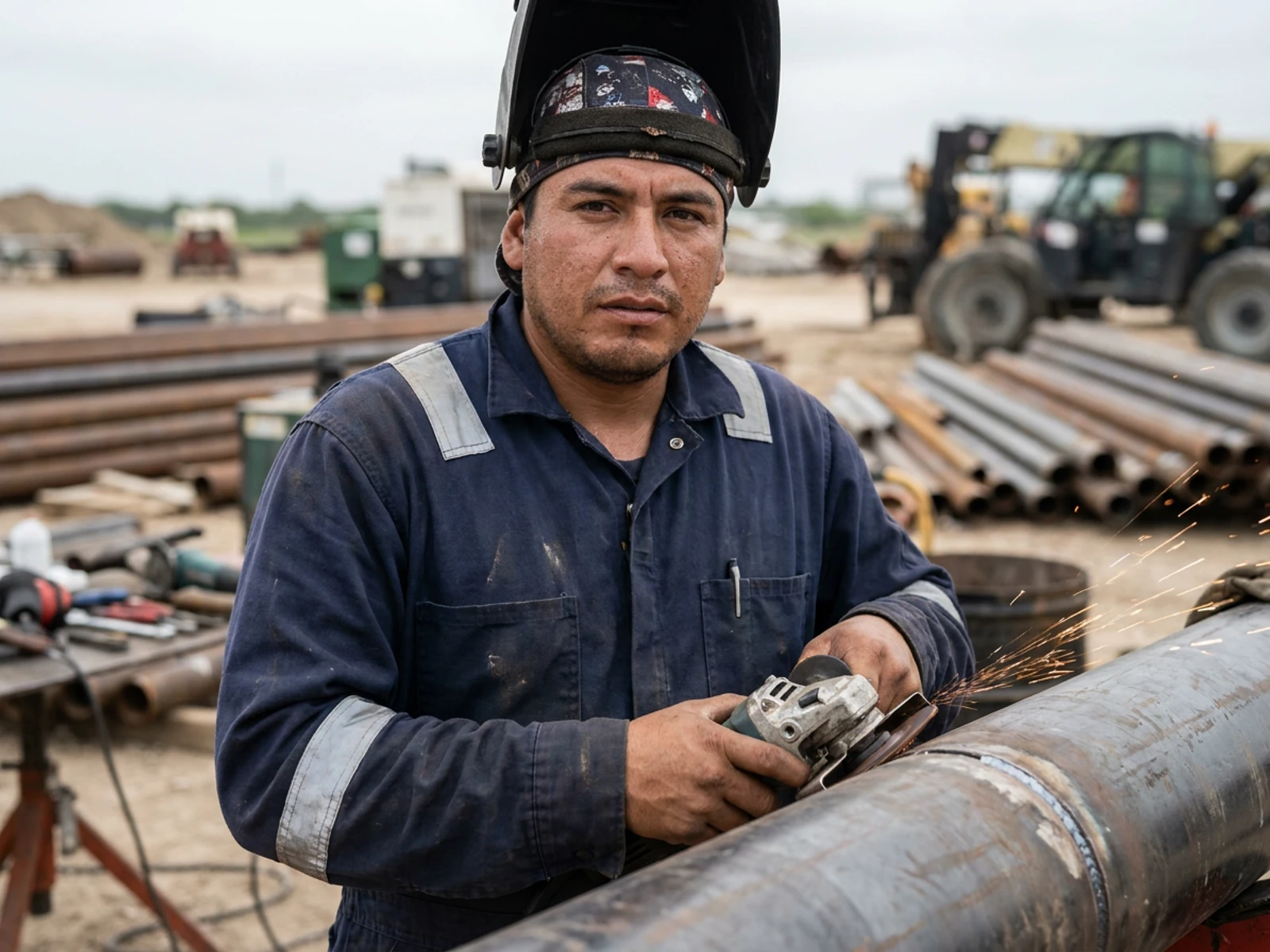
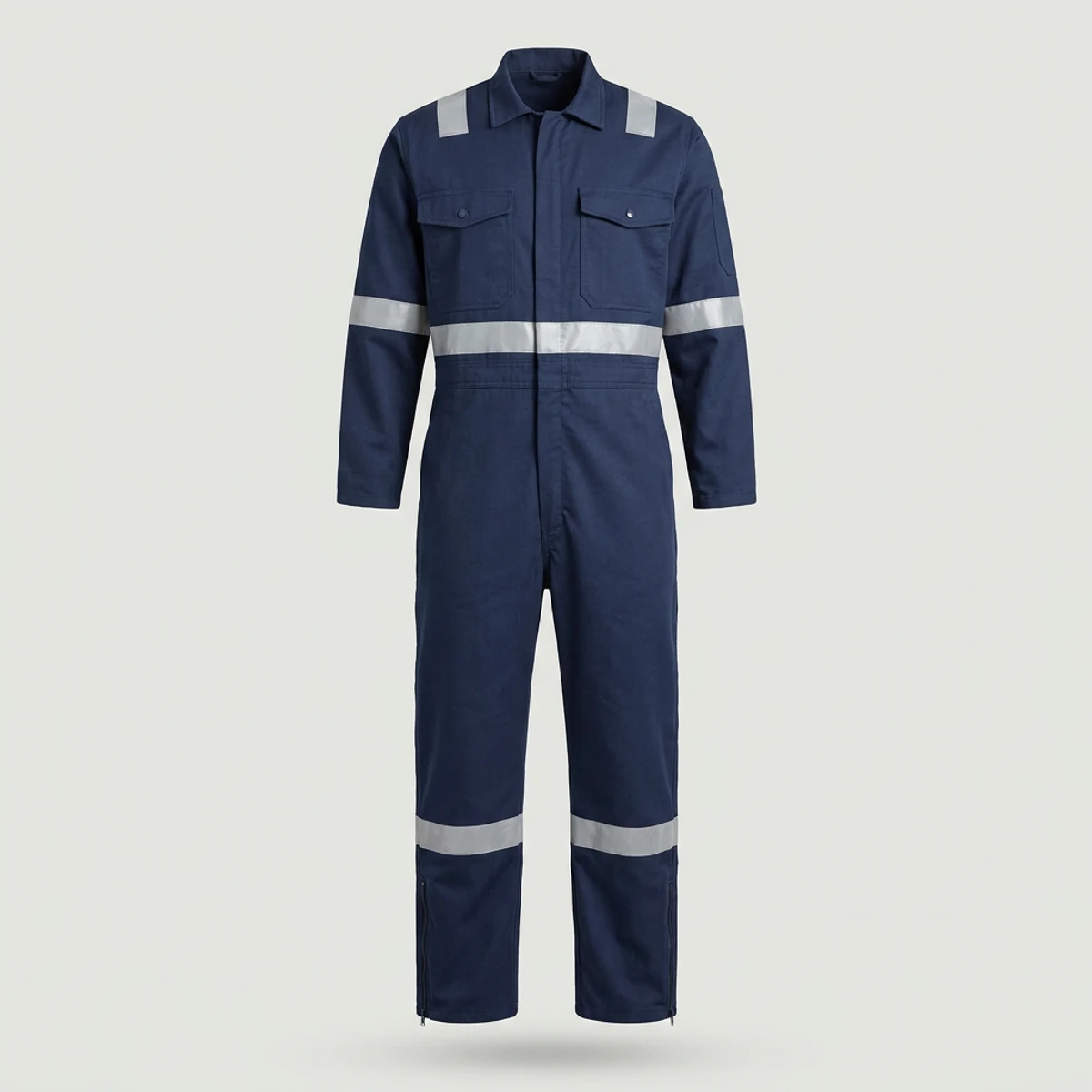
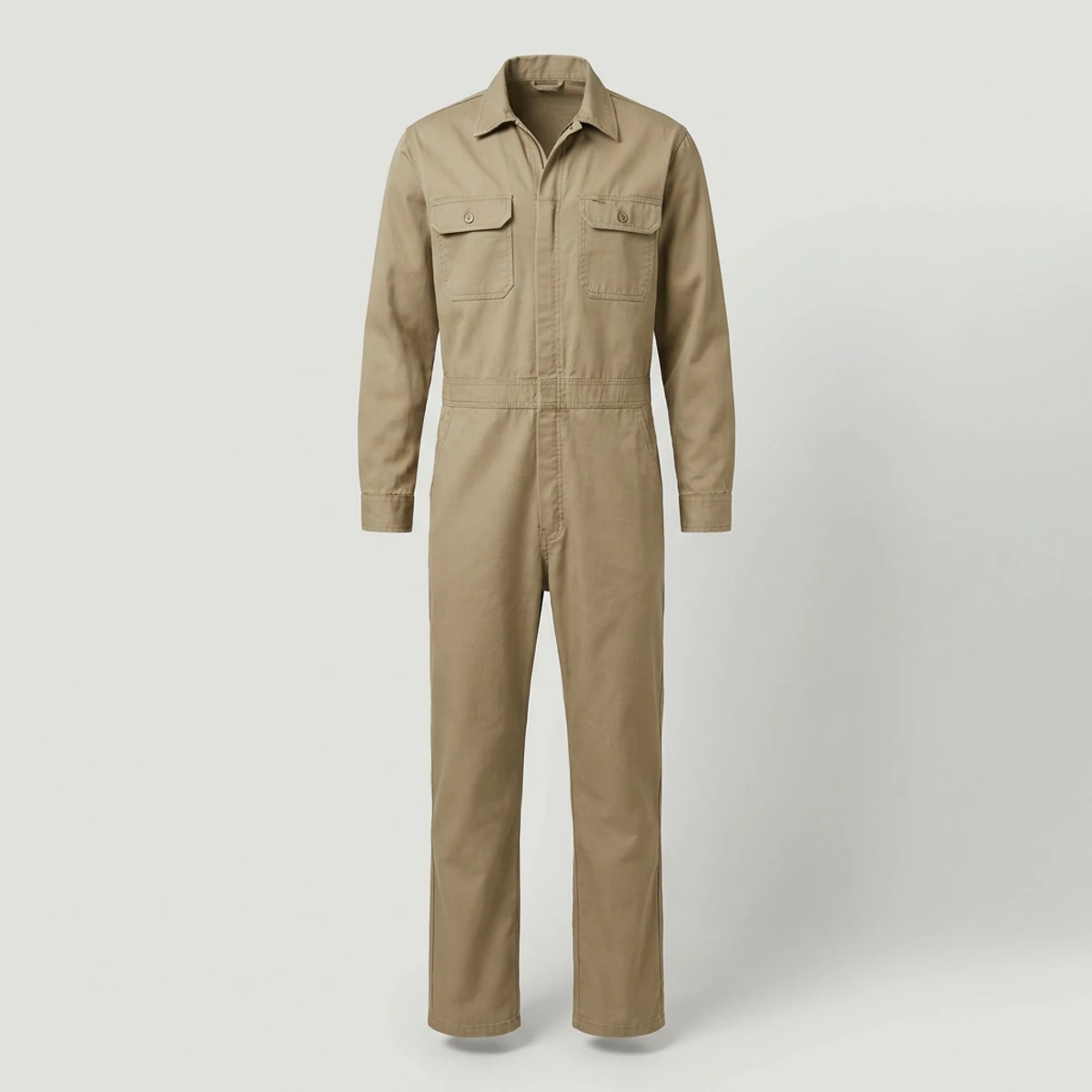
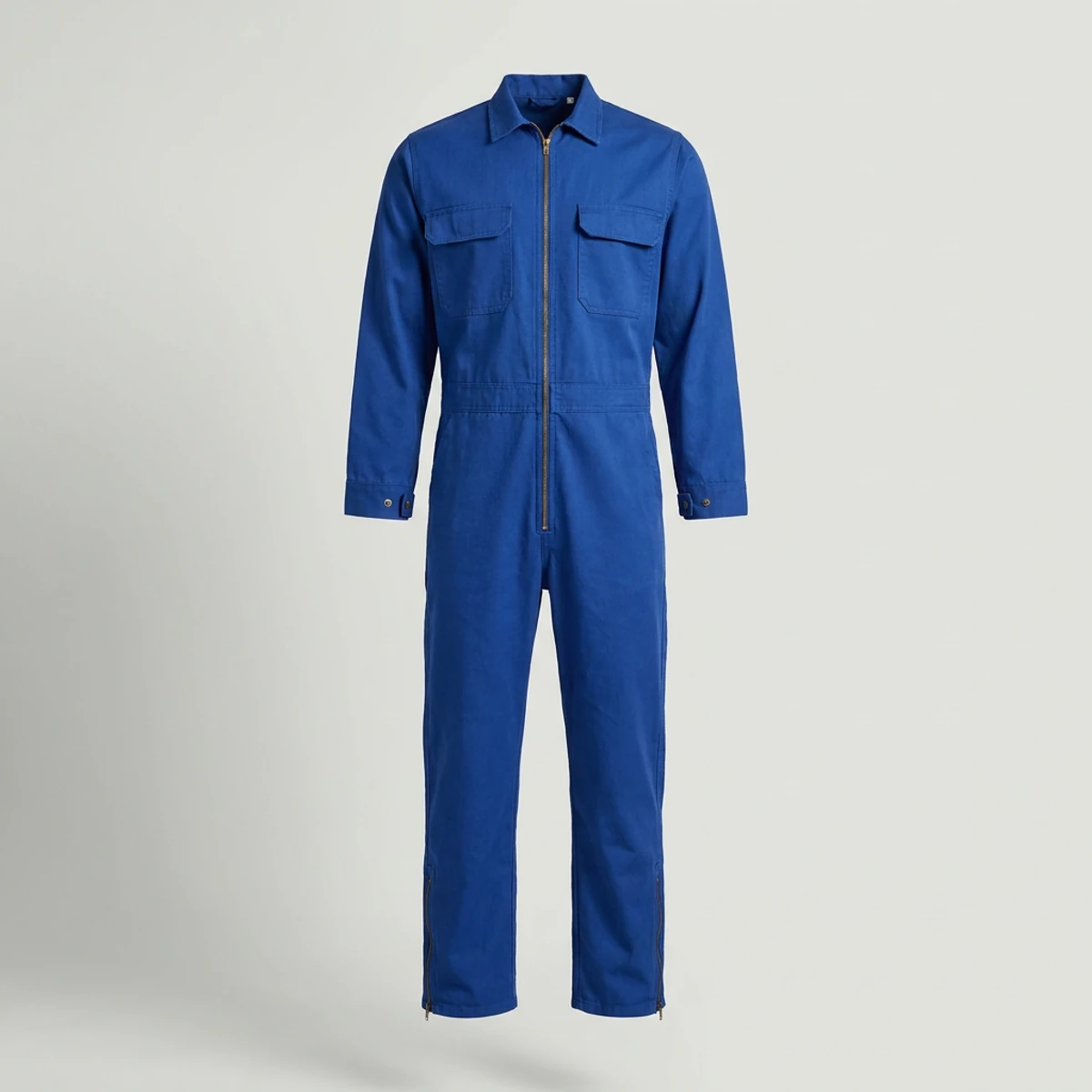
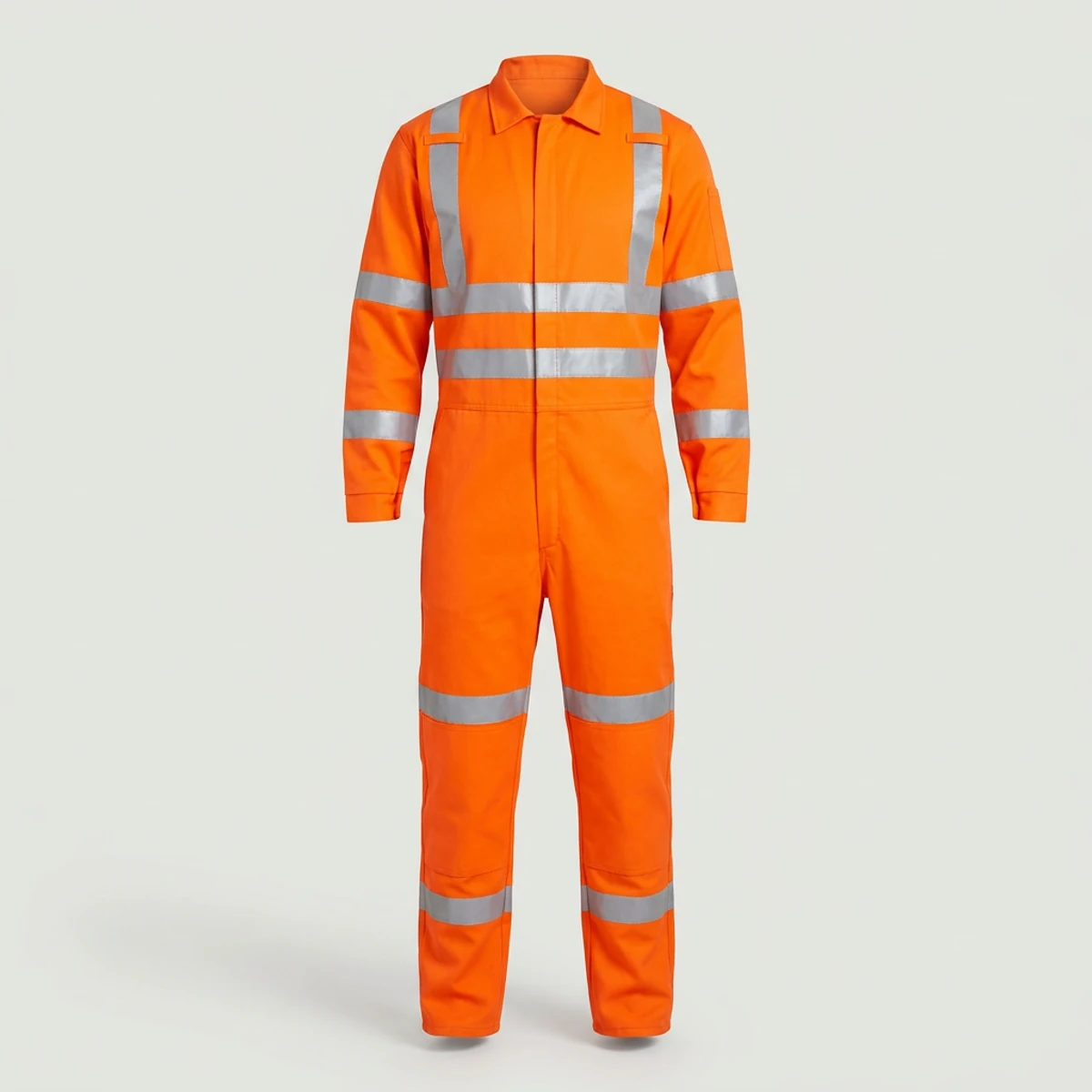
Oil and gas, refining and welding crews often choose an FR coverall for full-body coverage in one garment. We use FR zippers and thread, and can add hi-vis reflective tape that is itself rated for FR use.
Any jacket, rainwear or vest worn over arc-rated clothing must itself be arc-rated, or it can ignite and defeat the layer underneath. We make FR bomber, soft shell and hi-vis outer layers to the rating your program specifies.
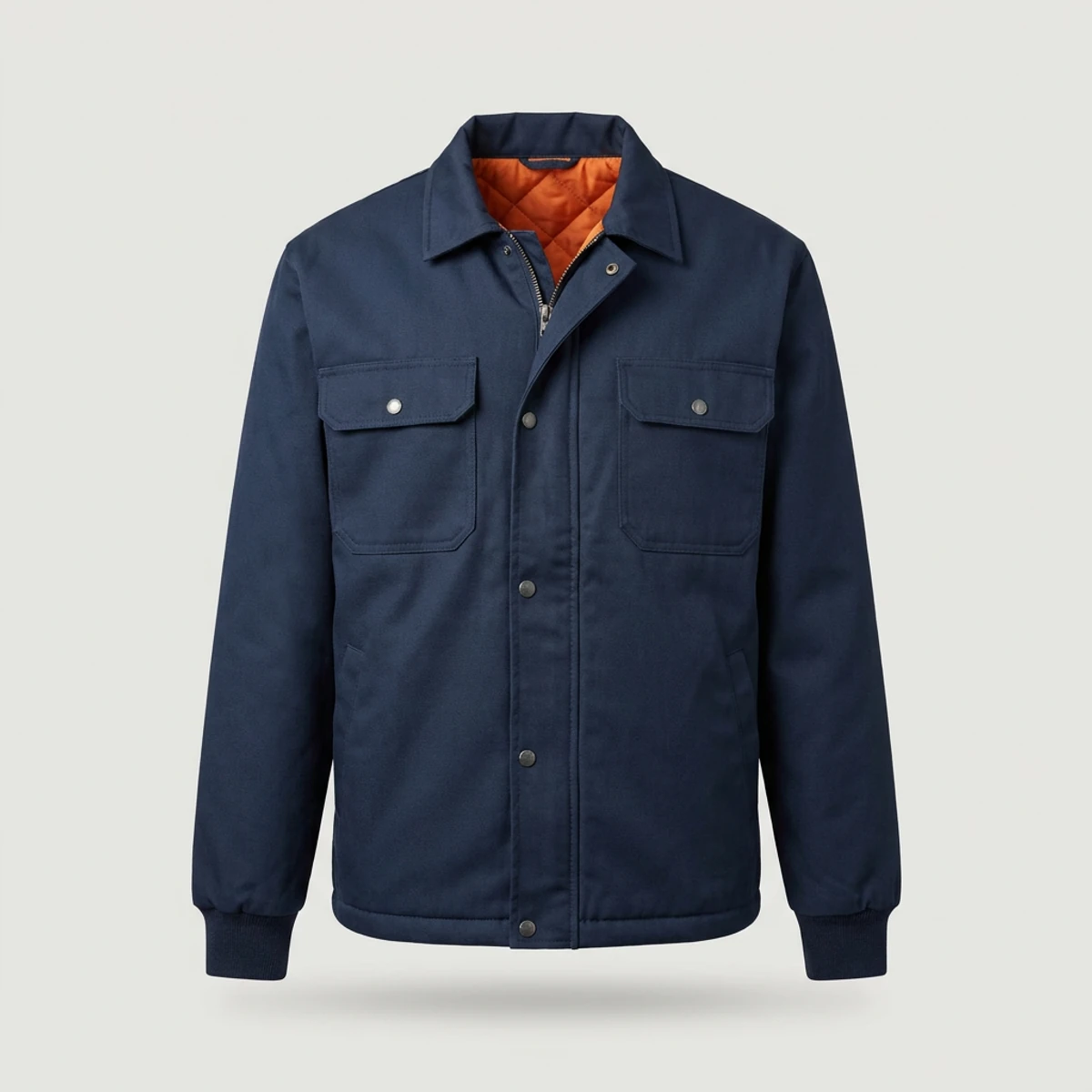
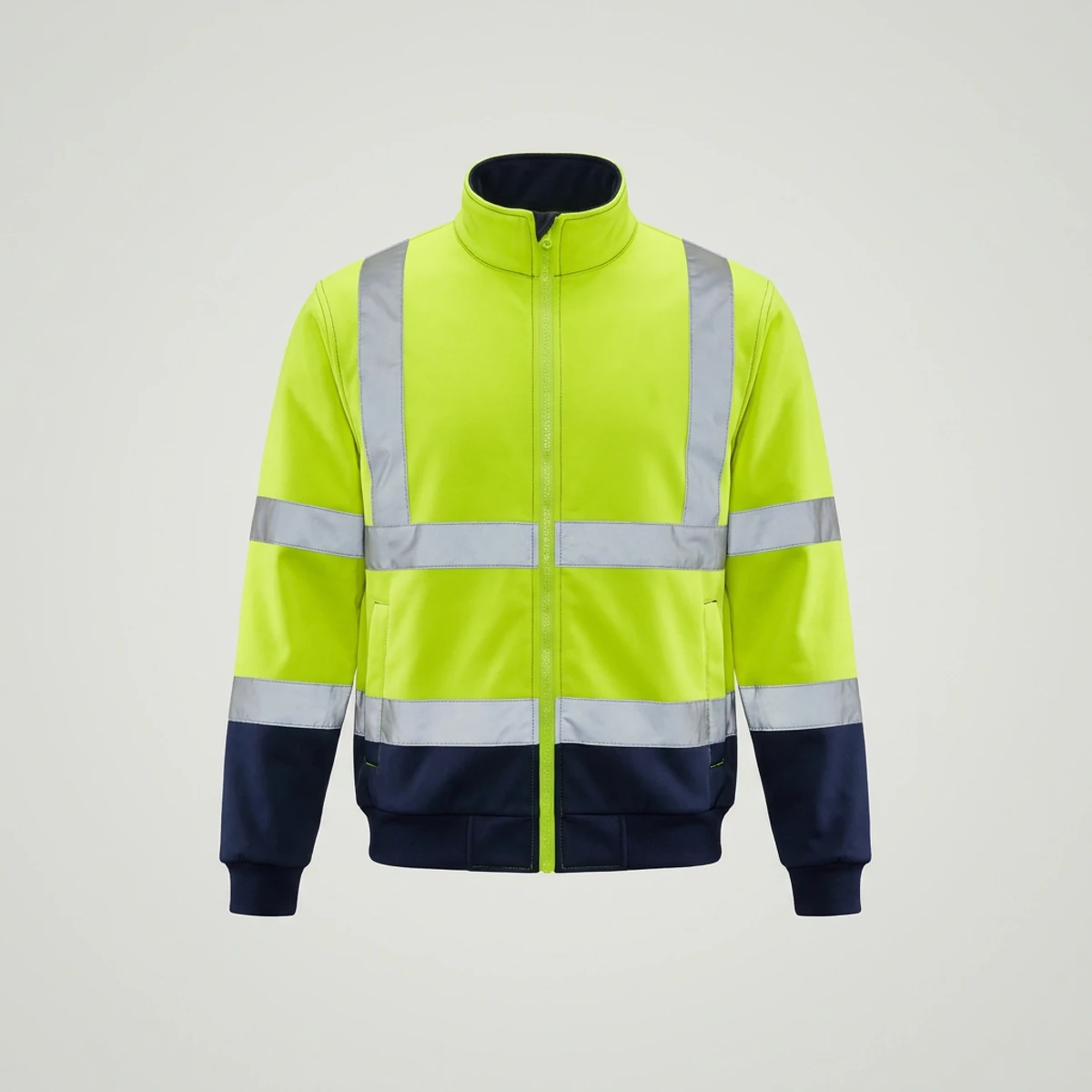
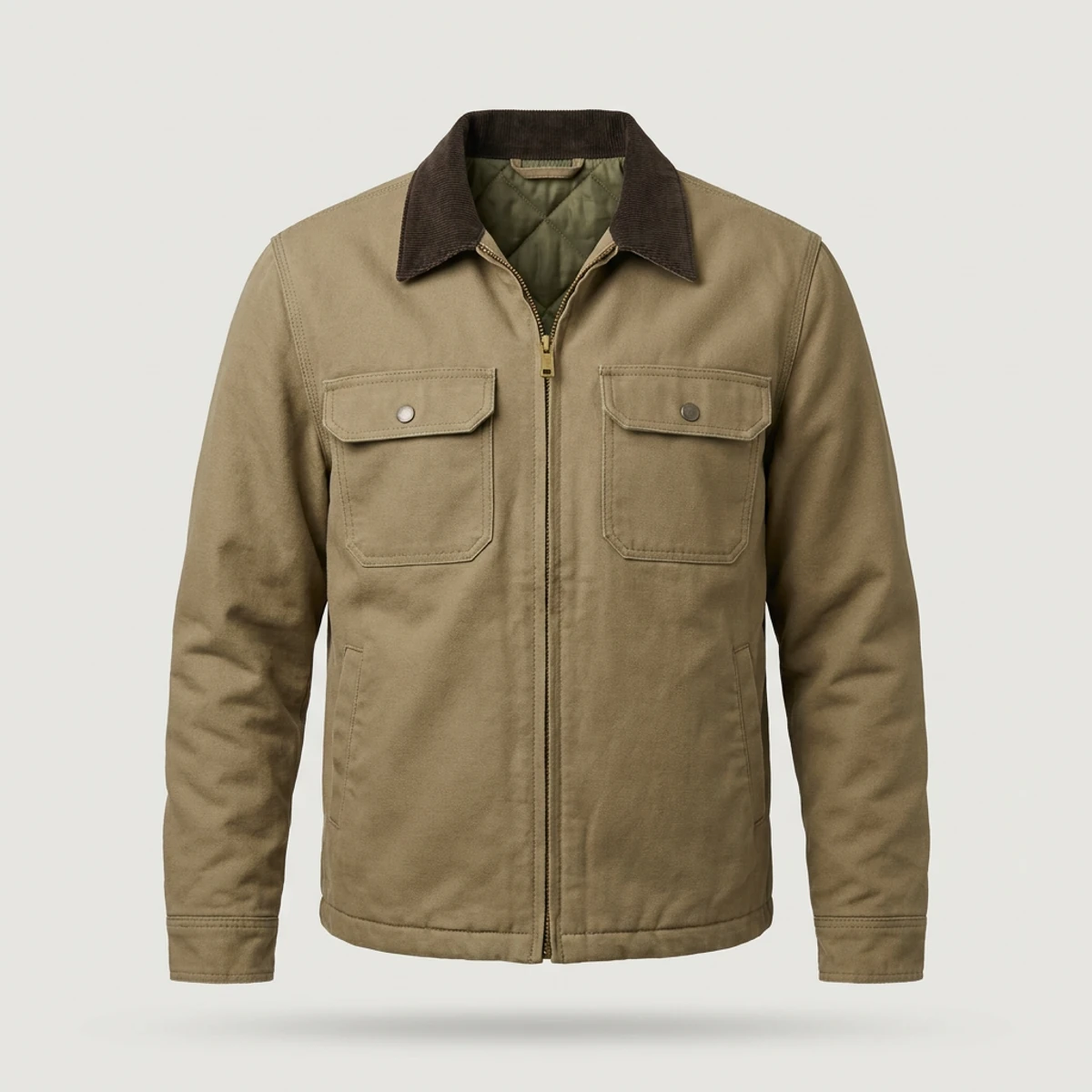
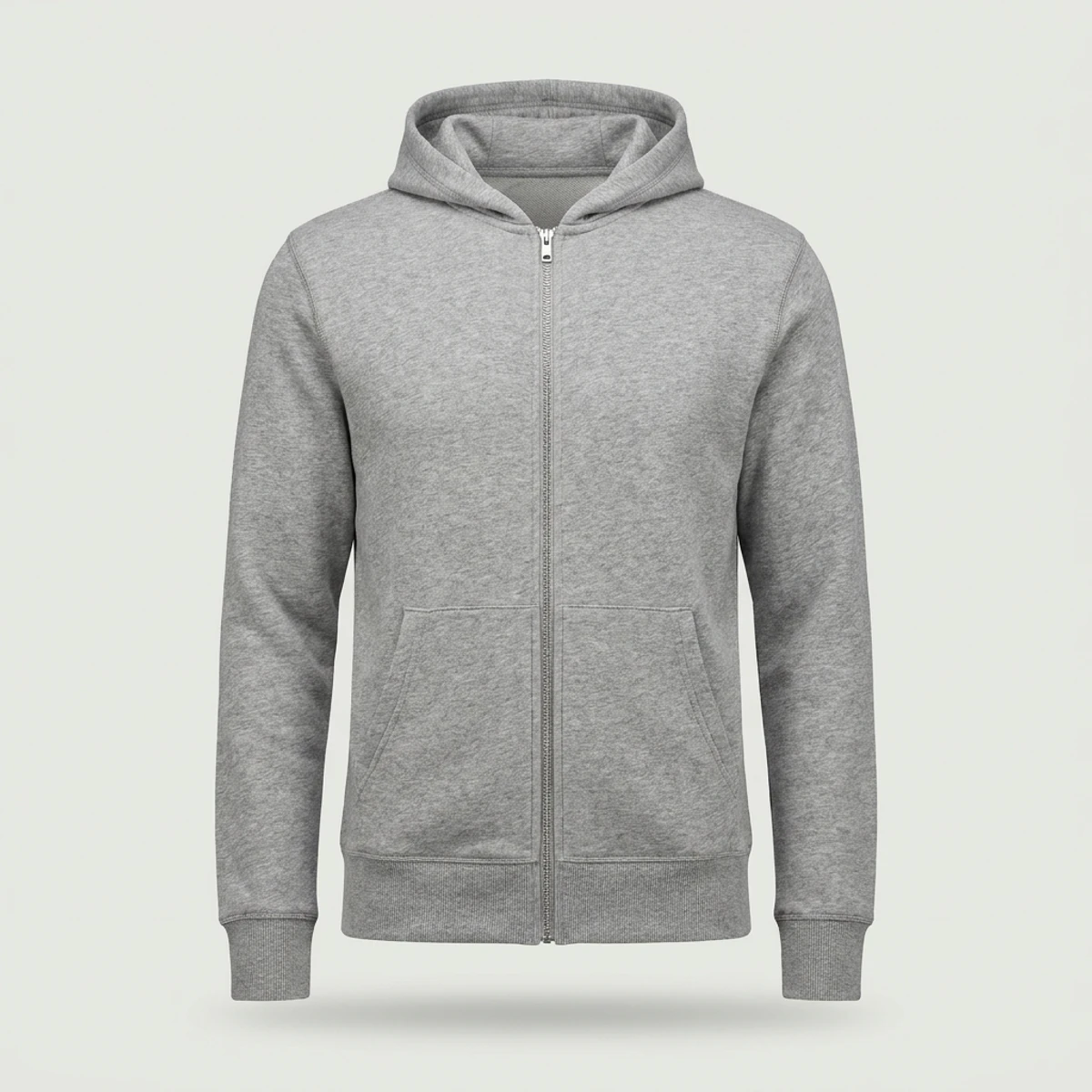
Pick the style, fabric and colors, add your logo and names, then attach the design to your quote. We cut and sew it in Los Angeles from 50 pieces per style.
Flame resistant clothing resists ignition, stops burning once the heat source is removed, does not melt onto skin and insulates the wearer for a few seconds. Ordinary work clothes can make a burn worse: untreated cotton can keep burning, and polyester or nylon can melt and stick to skin.
Flame resistant work clothing does not make a worker fireproof. It reduces burn injury in the seconds of a flash fire or arc flash, which is often the difference between a survivable burn and a fatal one.
FR workwear follows NFPA 2112 when the hazard is flash fire and NFPA 70E when the hazard is arc flash, both standards from the National Fire Protection Association (NFPA). Flash fire is ignited gas, vapor or dust in oil and gas, refining and chemical plants; arc flash is the explosive energy of an electrical fault.
| Flash fire | Arc flash | |
|---|---|---|
| Main US standard | NFPA 2112 (garment performance and certification) | NFPA 70E (electrical safety in the workplace) |
| What the garment needs | Third-party certification to NFPA 2112 | An arc rating (ATPV or EBT) in cal/cm² at or above the hazard |
| Typical industries | Oil and gas, refining, petrochemical | Electrical contracting, utilities, facility maintenance |
| Related OSHA rule | 29 CFR 1910.132 hazard assessment and PPE selection | 29 CFR 1910.269 and 1910.335 |
OSHA is the Occupational Safety and Health Administration and PPE means personal protective equipment. Many fabrics are both certified to NFPA 2112 and arc-rated, so one garment can serve both hazards when the documentation supports it.
NFPA 2112 sets minimum performance and certification requirements for flame-resistant garments worn where flash fire is a risk; the 2023 edition is current at the time of writing. Fabrics must pass flame, heat and manikin tests, and every finished garment must be third-party certified and labeled.
Selection, care and maintenance are covered by a companion standard, NFPA 2113. Our NFPA 2112 guide explains the tests and labels in more detail.
NFPA 70E requires employers to assess arc flash risk and select protective clothing by one of two methods. With the incident energy analysis method, garments must have an arc rating at or above the calculated incident energy. With the PPE category method, the 2024 edition’s tables set four minimum arc ratings.
| PPE category | Minimum arc rating |
|---|---|
| 1 | 4 cal/cm² |
| 2 | 8 cal/cm² |
| 3 | 25 cal/cm² |
| 4 | 40 cal/cm² |
A garment’s arc rating is its ATPV (arc thermal performance value) or, if the fabric breaks open first, its EBT (energy breakopen threshold), measured by the ASTM F1959 arc test; ASTM F1506 is the performance specification for arc-rated garment fabrics. NFPA 70E also requires outer layers worn over arc-rated clothing, such as jackets, rainwear and hi-vis vests, to be arc-rated themselves. The standard is revised every three years, so confirm the edition and tables your program follows; our NFPA 70E guide walks through categories, labels and layering.
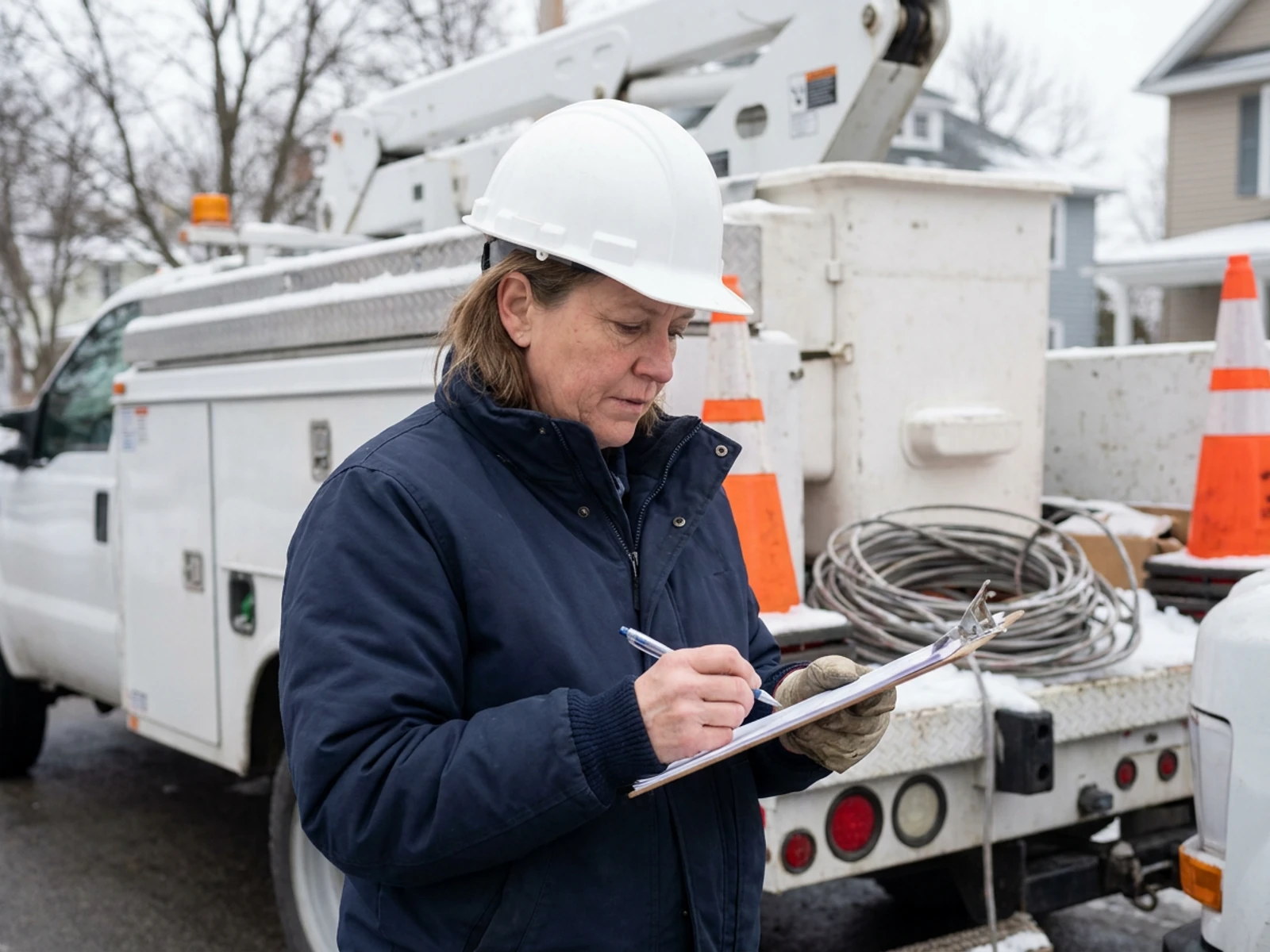
FR lineman clothing has to meet OSHA 29 CFR 1910.269, the rule for electric power generation, transmission and distribution work: no clothing that could melt or keep burning, a flame-resistant outer layer in defined situations, and arc-rated protection covering the body whenever estimated incident energy exceeds 2.0 cal/cm².
Under 29 CFR 1910.269(l)(8), the employer assesses flame and arc hazards and estimates the incident heat energy each task could expose a worker to. The outer layer must be flame resistant when a worker contacts energized parts over 600 volts, when an arc could ignite flammable material nearby, when molten metal or arcs from faulted conductors could ignite clothing, or when the estimate exceeds 2.0 cal/cm². Above that figure, arc-rated clothing at or above the estimate must cover the whole body, with limited exceptions for hands, feet, head and face.
| FR clothing for lineman crews | What to specify |
|---|---|
| Arc-rated work shirt | Arc rating at or above the task estimate; long sleeves worn down |
| Arc-rated pants or jeans | Same rating as the shirt, so the system is consistent |
| Outer layers (jackets, rainwear, hi-vis) | Arc-rated or FR themselves, never ordinary polyester |
| Base layers | Natural fiber or FR; no meltable synthetics |
| Logos and name tags | FR materials only; OSHA notes that non-FR logos can affect protection |
Lineman FR clothing therefore starts from the utility’s incident energy estimates, not from a catalog. Line crews working near traffic usually need FR high visibility clothing as well, and our electrician uniforms page covers arc-rated workwear for inside wiremen and contractors.
Choose an inherent FR fabric when you want protection built into the fiber, and a treated FR fabric when comfort and cost matter more and laundering can be controlled. Both can be certified; the trade-offs are comfort, weight, durability and cost, and the fabric documentation decides what a garment can be sold as.
Custom Uniform Factory confirms which certified FR fabrics are available for your style, with their certifications and arc ratings, at quote stage. Never use spray-on FR treatments to “upgrade” ordinary workwear: they are not a substitute for certified FR garments.
Custom FR clothing is not an ordinary uniform sewn in FR fabric. Every component, from thread and closures to labels, logos and reflective trim, has to hold up in a flash fire or arc, and the fit has to leave an insulating air layer. These four areas change most in construction.
Flame-resistant thread keeps seams from melting open and exposing skin. Labels and interfacing use FR-compatible materials, because NFPA 2112 tests components as well as the shell fabric.
FR zipper tapes and metal zippers sit under a fabric placket. Plastic snaps and standard zippers that could melt are left off.
Logos use FR embroidery thread or FR emblems, kept to a modest size; standard polyester embroidery and vinyl transfers can melt and ignite. If the garment is also high-visibility, the reflective tape must be FR as well. Our embroidery and printing team confirms methods against the fabric documentation.
FR garments fit loose enough to leave an insulating air layer, never tight, and long enough that shirts stay tucked and sleeves stay down. Women’s-cut FR shirts can be developed as a separate style, so smaller crew members are not left in oversized garments.
The cost of custom FR clothing depends mainly on the certified fabric, the protection level, the garment type, the components, the quantity per style and the decoration. No prices are published here, because every order is quoted on its actual fabric, documentation, garment and quantity. The table shows the usual direction of each factor.
| Cost driver | How it moves the unit price | How to keep it in check |
|---|---|---|
| FR fabric type | Inherent FR blends usually cost more than treated cotton or cotton-nylon | Match the fabric to the hazard and the laundering setup |
| Arc rating or category | Higher arc ratings usually need heavier or layered fabric | Order the rating your risk assessment sets for daily wear |
| Garment type | Coveralls and jackets use more fabric and components than shirts | Cover the hazard with the fewest garments |
| FR components | FR thread, zippers, labels and reflective tape cost more than standard trims | Keep hardware and trim to what the job needs |
| Quantity per style | Larger runs spread setup, sampling and documentation across more pieces, so unit cost tends to fall | Standardize on fewer styles and colors |
| Decoration | FR thread, FR emblems and extra locations add cost per garment | One modest chest logo |
FR shirts and FR work clothing change by industry because the hazard changes: flash fire in oil, gas and welding, arc flash for electricians, and both plus high visibility for utilities. These are common starting points; the hazard assessment sets the actual rating.
FR clothing wholesale and private label programs let uniform distributors, safety suppliers and workwear brands use Custom Uniform Factory as their FR clothing manufacturer. Garments come from the Los Angeles factory as blanks or under your own label, with certification and labeling for each style confirmed before production.
Blanks are supplied through our wholesale program, and branded lines through our private label service.
FR garments should be washed exactly as the care label says, without chlorine bleach or fabric softener, and kept free of oil and grease. Contamination can burn, and some laundry products can harm FR performance or coat the fabric. Retire garments that are torn, worn thin or contaminated.
Our guide on how to wash FR clothing covers home and industrial laundering in more detail.
An FR garment label should show the standard the garment is certified or tested to, the arc rating for arc-rated garments, fiber content and care instructions, and the manufacturer and lot. If a garment has no label showing the certification or arc rating your program needs, do not treat it as protective clothing.
Tip: Ask for the fabric and garment documentation before you order, not after delivery. A safety manager will want to see the arc rating, the NFPA 2112 certification and the care instructions in writing.
Ready to order
A complete FR quote needs the hazard, the required performance, the garments, the climate and duty, any extras and your logo and label plans. Send as much of this list as you can with your first message, and we can confirm the certified fabric and documentation available for each style.
The most common FR clothing mistakes are treating FR and arc-rated as the same, wearing non-FR layers, using ordinary decoration, rolling sleeves, laundering wrongly and keeping damaged garments. Each one can turn a protective garment into one that fails in the few seconds that matter.
Ordering custom FR clothing takes four steps: share the hazard assessment, confirm fabric and documentation, approve a sample with FR-compatible decoration, then production. Documentation comes before the sample, because the certified fabric and its ratings decide every later choice of thread, closures and decoration.
Ask us for current lead times when you request a quote.
Need something not covered here? Ask our Los Angeles team and we’ll answer with options for your order.
Ask our Los Angeles teamFR clothing resists ignition and self-extinguishes. Arc-rated clothing is FR clothing that has also been tested against an electric arc and given an arc rating in cal/cm². All arc-rated garments are flame-resistant, but not every FR garment has an arc rating, so electrical workers need the arc rating on the label.
NFPA 2112 requires garments to be certified by an independent certification organization, with ongoing testing, and labeled. Certification depends on the specific fabric, components and garment, so we confirm per style which certified fabric we use and what certification and documentation the finished garment carries before quoting it as compliant.
Yes, with care. Standard polyester thread and vinyl heat transfers can melt and ignite, so decoration on FR garments must use flame-resistant thread or FR emblems, and on arc-rated garments must not compromise the arc rating. We keep logos modest in size and confirm the decoration method with the fabric documentation.
That comes from your arc flash risk assessment, not from the garment supplier. Under NFPA 70E you either match the arc rating to the calculated incident energy or use the PPE category tables, where Category 1 calls for at least 4 cal/cm² and Category 2 for at least 8 cal/cm².
Yes. We produce FR garments in volume for uniform distributors, safety suppliers and workwear brands, either blank or under your own private label. Private label runs start at about 50 pieces per style, and wholesale quantities are confirmed on inquiry. Fabric choice and certification documentation are confirmed for each style at quote stage.
FR coveralls, shirts and pants for drilling, well servicing, production, pipeline and refinery crews, built to the flash fire standard you specify and branded without breaking it.
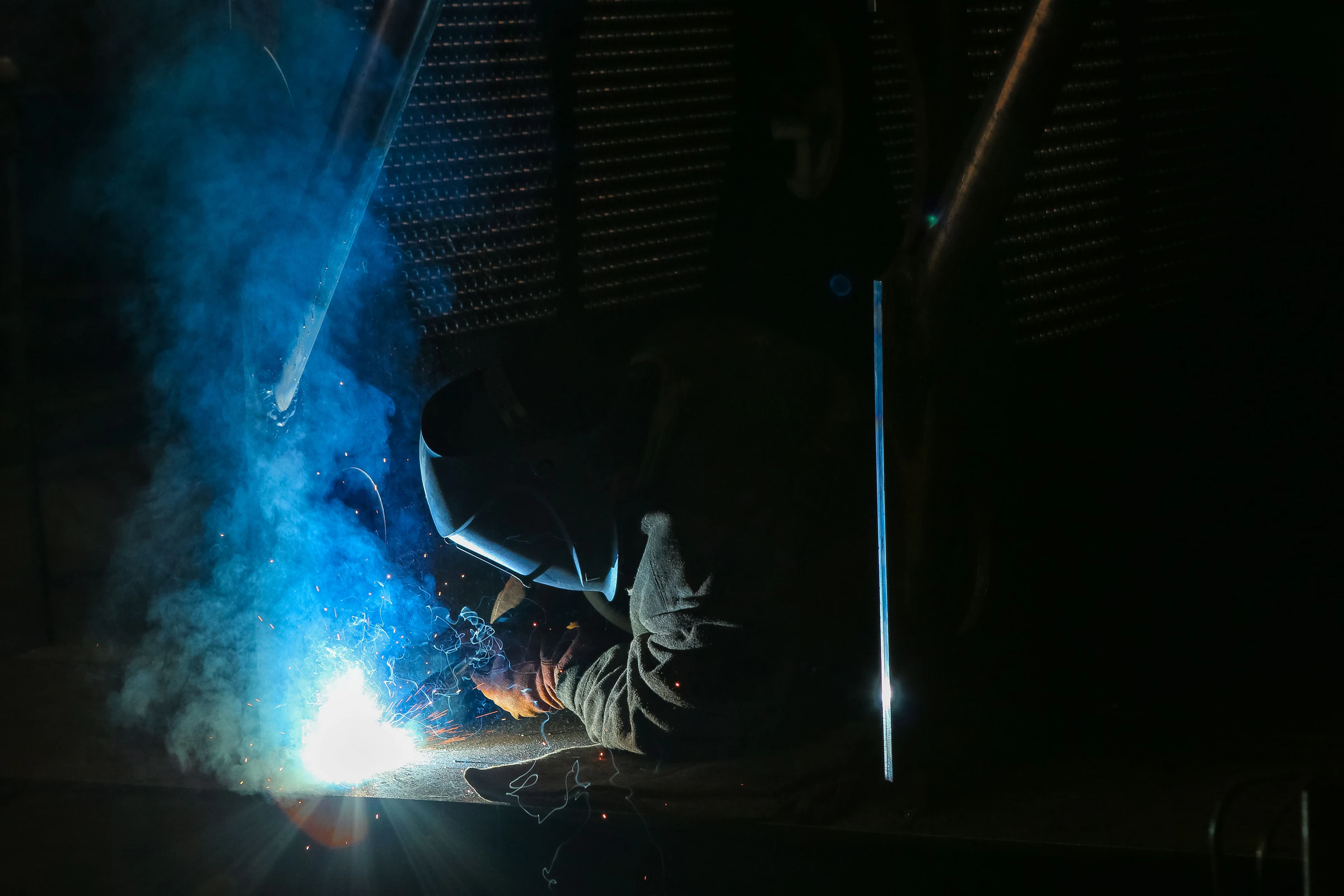
Branded welder shirts, pants, coveralls and FR uniforms for fabrication shops and pipeline welders, built around spark, spatter and flash fire hazards.
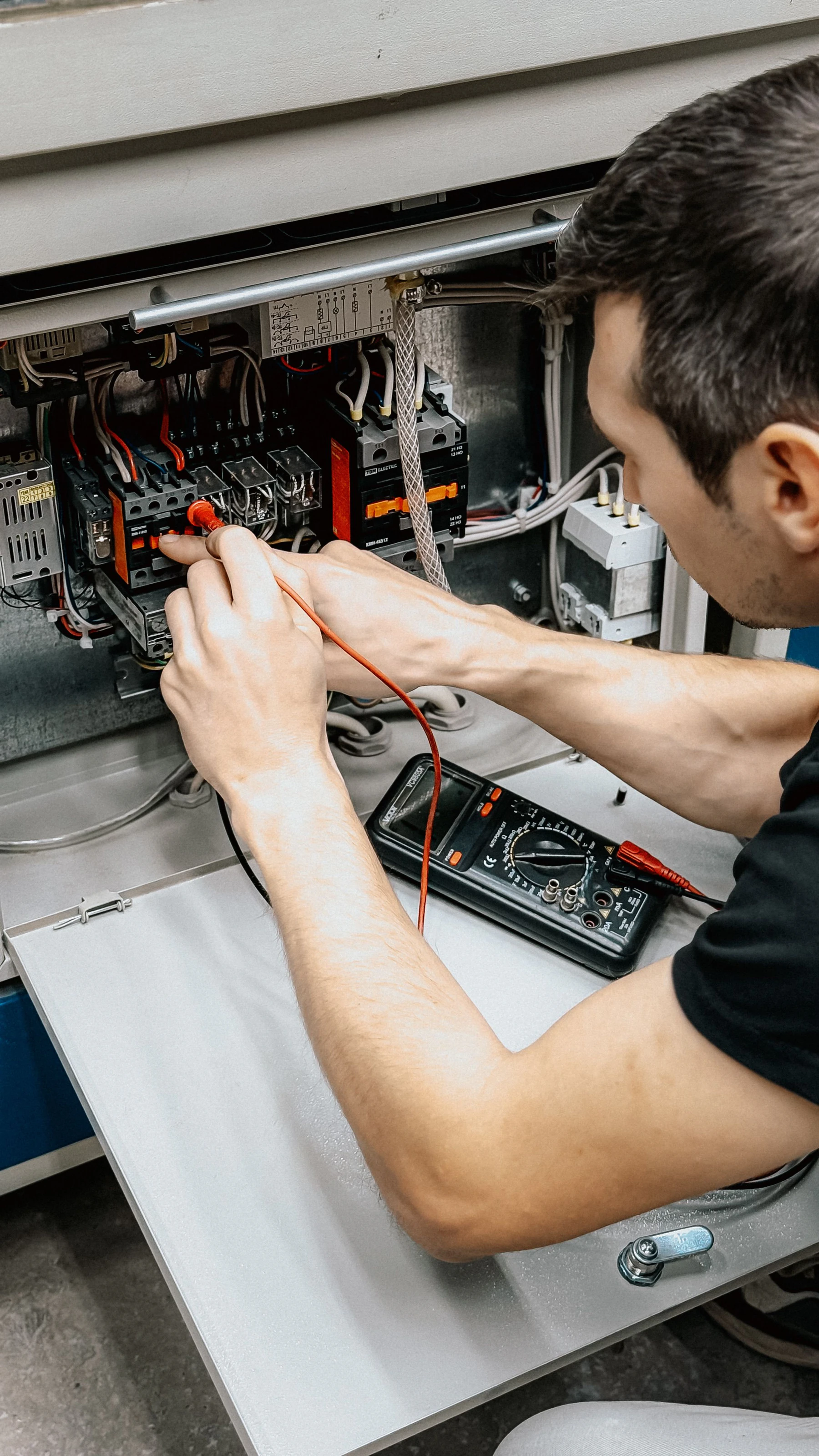
Branded work shirts, pants and arc-rated garment options for electrical contractors, built around NFPA 70E and cut and sewn in Los Angeles from 50 pieces per style.
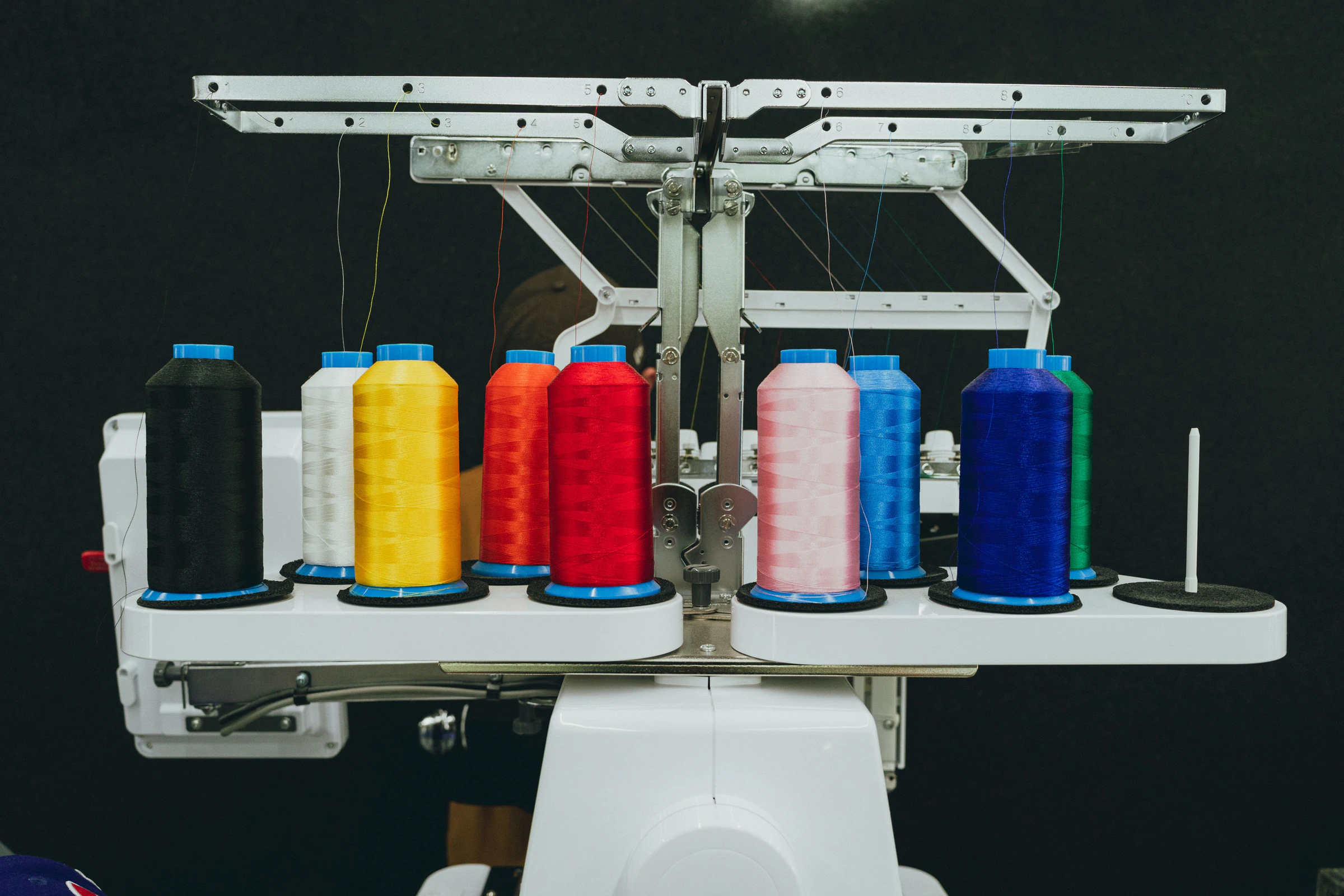
Logo embroidery, screen printing, transfers and patches across workwear, with advice on which method suits each garment, fabric and order size.
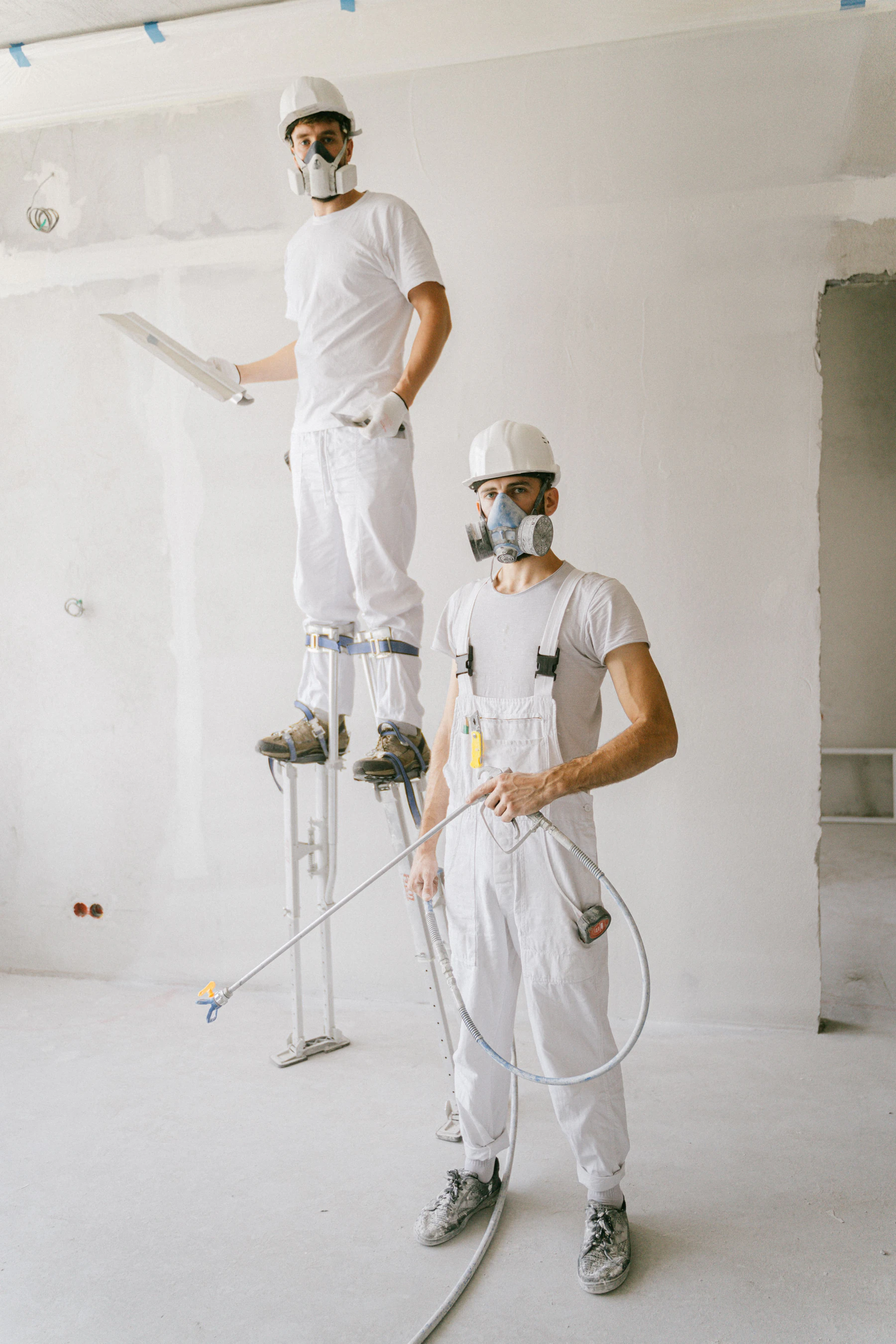
Classic white painter pants with ruler pocket and hammer loop, cut and sewn in our Los Angeles factory with your logo from about 50 pieces per style.
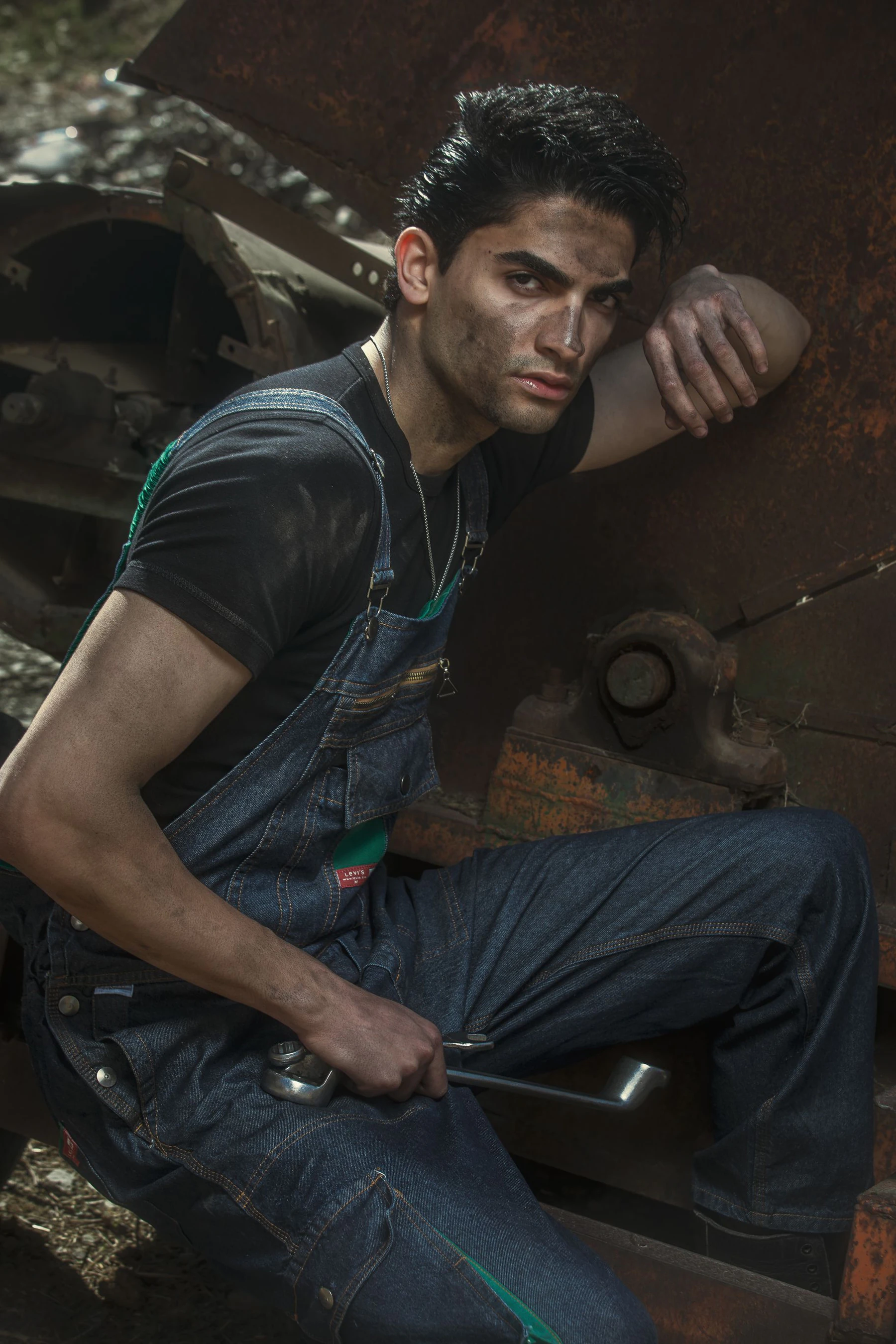
Work jeans, carpenter pants, chore coats and denim overalls cut and sewn in Los Angeles for crews and workwear brands, from about 50 pieces per style.