Guides
What Are Scrubs?
A plain-English explanation of what scrubs are, where the name comes from, how they evolved and why healthcare teams wear them.
Los Angeles factory · from 50 pieces
Our scrubs and workwear guides answer the questions buyers, uniform managers and brand founders ask before they order: what scrubs are, which fabric to choose, how sizing works, which safety standards apply to flame-resistant and high-visibility clothing, and how to start a scrub business. They are written by the team that cuts and sews garments in our Los Angeles factory and link to the official sources behind each fact.
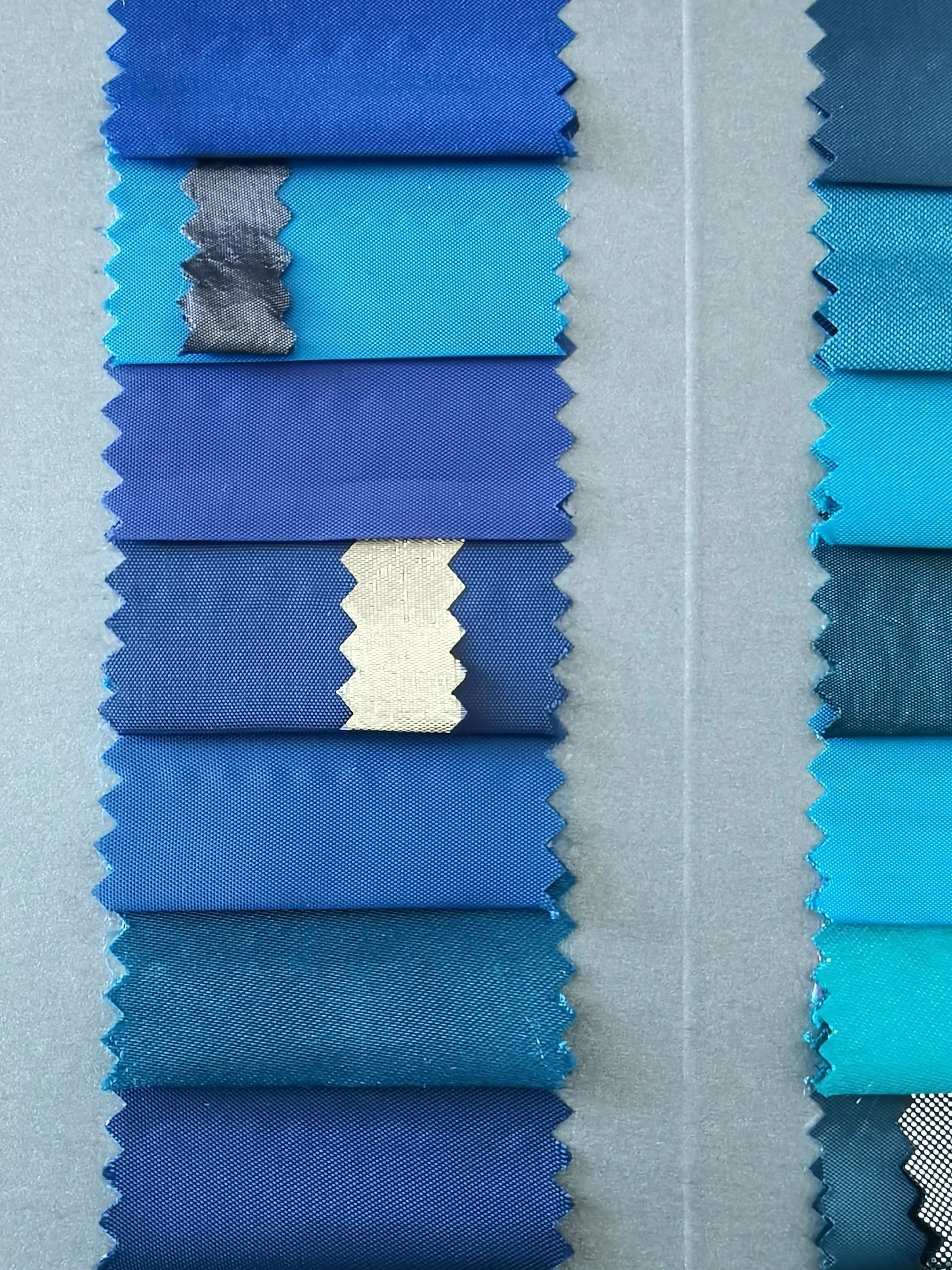
A plain-English explanation of what scrubs are, where the name comes from, how they evolved and why healthcare teams wear them.
How cotton, polyester, rayon and spandex behave in scrubs, which blends suit which roles, and what to ask a manufacturer about fabric.
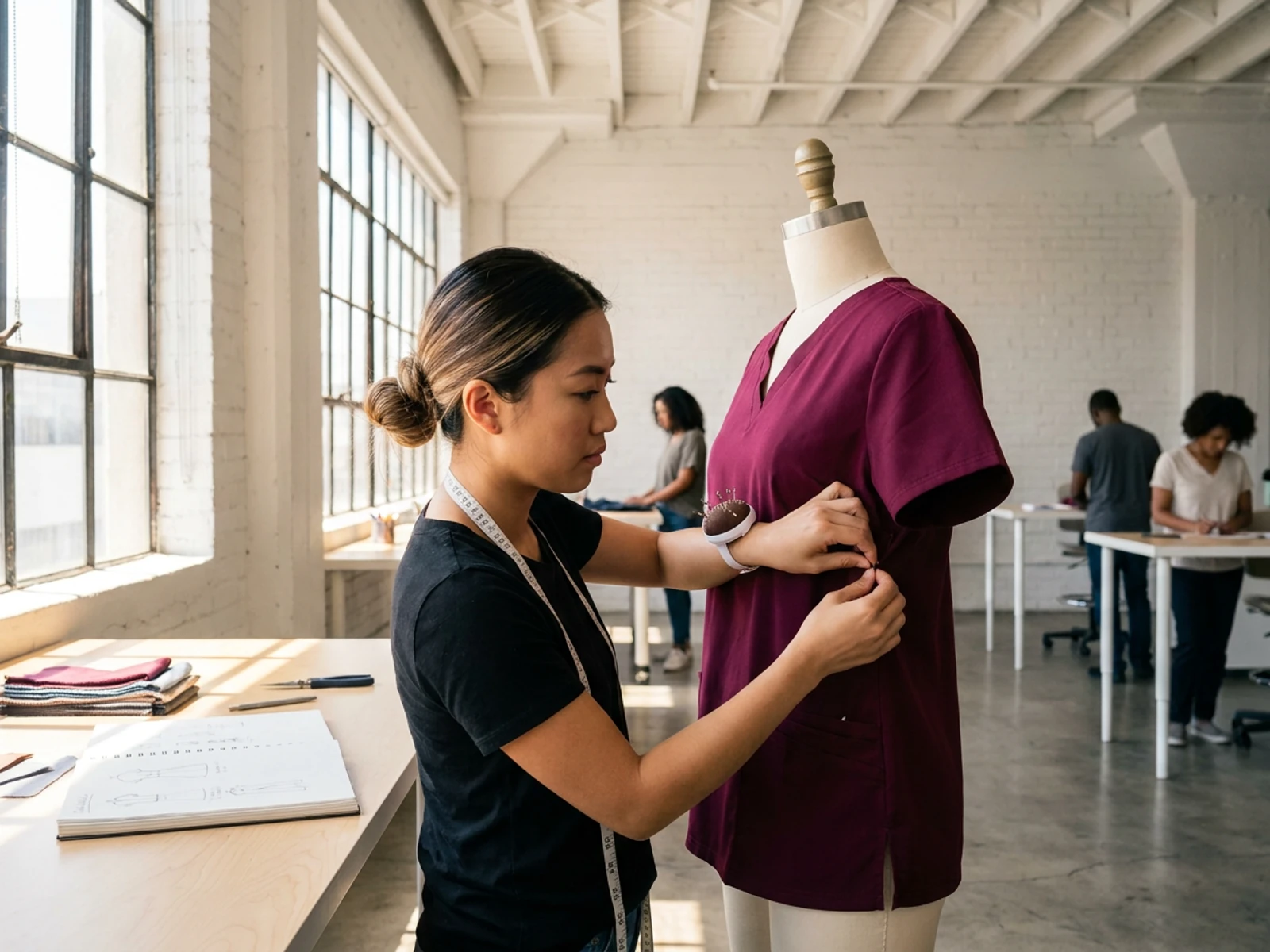
How scrubs are sized and measured, the difference between unisex and women's cuts, a typical size chart, and how to size a whole team.
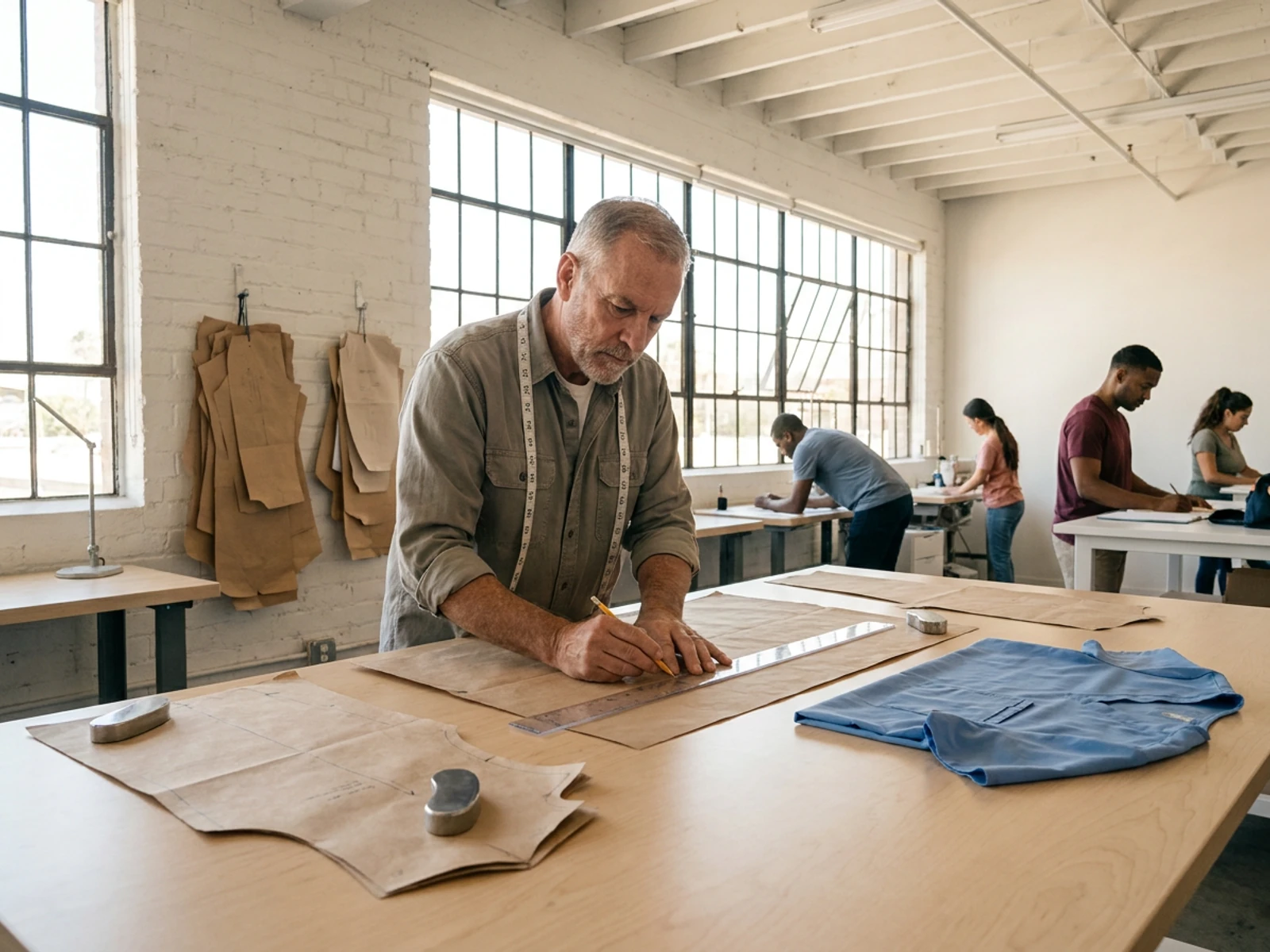
A practical roadmap for founders launching a scrub line: research, design, tech packs, fabric, sampling, minimums, labeling, pricing and channels.
A plain-English guide to NFPA 70E: who it applies to, the four arc flash PPE categories and their minimum arc ratings, and what the standard requires of work clothing.
What the NFPA 2112 standard requires of flame-resistant garments, how third-party certification and labeling work, who needs 2112 clothing, and how it differs from NFPA 70E.
How ANSI/ISEA 107 classifies high-visibility apparel by type and class, the minimum fluorescent and reflective areas for each, approved colors, and how to pick Class 2 or Class 3 for a job.
A practical care guide for flame-resistant and arc-rated workwear: home washing steps, what never to use, handling oil and grease, drying, repairs, inspection and retirement.
The practical difference between coveralls and bib overalls, how each works with FR and hi-vis requirements, and how to choose the right one for each trade.
Start with the question you are trying to answer. The table below points each type of reader to the most useful guide.
| You are… | Your question | Start here |
|---|---|---|
| A practice or clinic manager | What should our team’s scrubs be made of? | Scrub fabric guide |
| A uniform or procurement manager | How do we size 40 people without endless exchanges? | Scrub size chart |
| New to healthcare apparel | What exactly are scrubs, and where did they come from? | What are scrubs? |
| A founder planning a scrub line | How do I go from idea to first production run? | How to start a scrub brand |
| An electrical contractor or safety manager | What arc-rated clothing do my electricians need? | NFPA 70E explained |
| An oil and gas or industrial safety lead | What makes a garment flame-resistant to standard? | NFPA 2112 explained |
| A road, construction or warehouse supervisor | Which hi-vis class does my crew need? | ANSI 107 hi-vis classes |
| Anyone responsible for FR uniforms | How do we wash FR clothing without damaging it? | How to wash FR clothing |
| A facilities or trades buyer | Should we buy coveralls or overalls? | Coveralls vs overalls |
Scrubs look simple, but the details decide whether a uniform program works: the fabric, the cut, the size range and how the garments are laundered. These guides cover the basics and the decisions behind them.
When you are ready to order, our custom scrubs range covers tops, pants, jackets, lab coats and more, all cut and sewn in our Los Angeles factory with a minimum of about 50 pieces per style.
It pairs with our private label service for founders who want to launch on proven styles under their own brand.
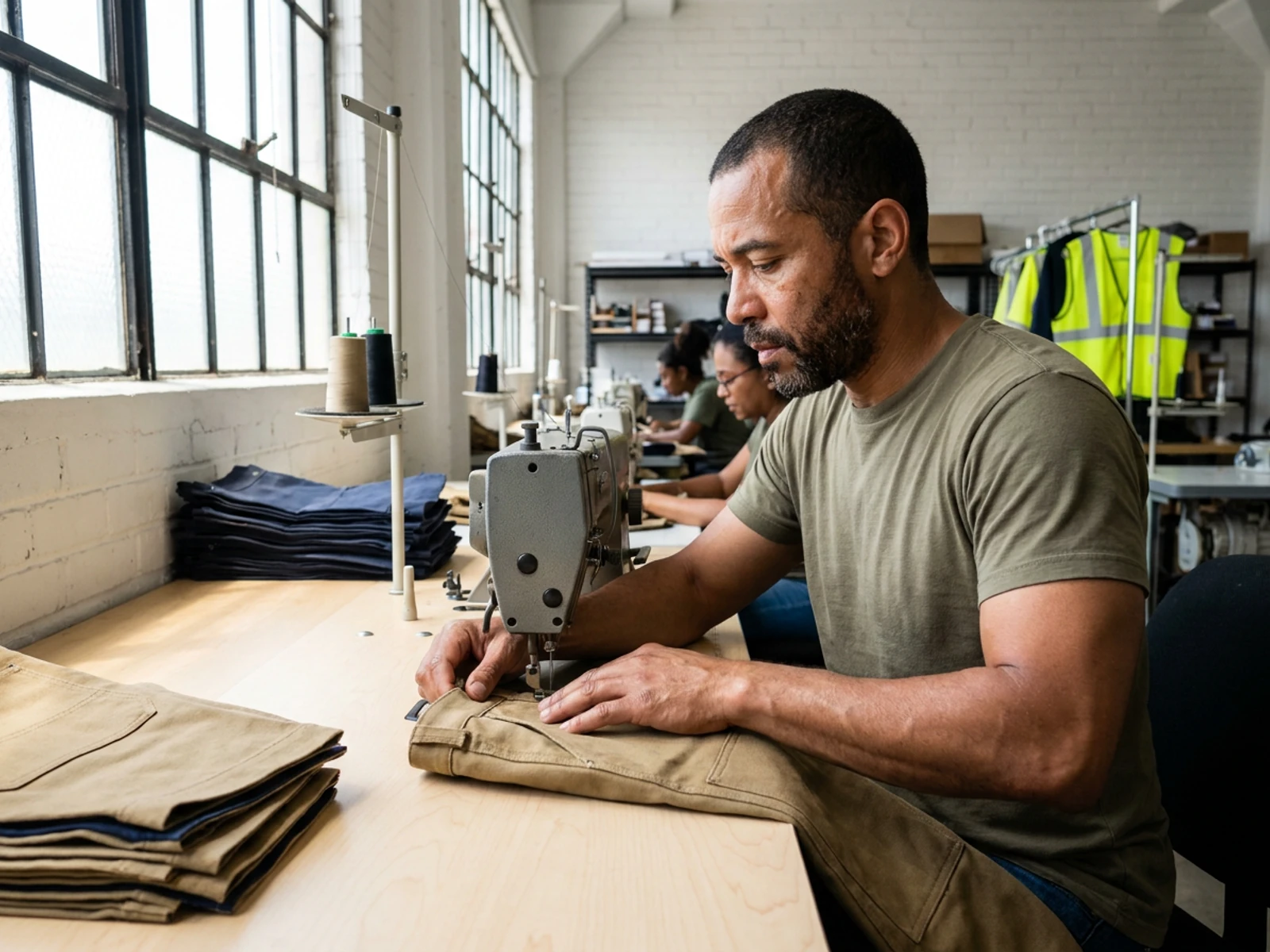
Flame-resistant and high-visibility clothing is governed by consensus standards and workplace rules. These guides explain what the standards require in plain language, with links to the issuing organizations.
For garments built to these standards, see our work uniforms range.
Some questions come up so often that a short answer helps before you read the full guide:
Tip: Standards change. For NFPA and ANSI/ISEA requirements, always check the current edition with the issuing organization before writing a purchasing specification.
Whichever guide you read, the same information makes a quote fast and accurate:
We write for people making real buying decisions and cite official sources such as the FTC, EPA, OSHA, NFPA and ASTM wherever a standard or regulation is involved. Order-specific details, such as fabric options, lead times or exact size charts, we confirm at quote stage.
If a question is not answered here, our services team can help with private label, custom manufacturing, embroidery and wholesale orders.
Ready to order
Tell us the styles, quantities, fabrics and branding you need. We reply with options and a quote.