Guide · 9 min read
Scrub Fabric Guide: Material Types and How to Choose the Best One
Scrub fabric is almost always made from cotton, polyester, rayon and spandex, used alone or blended: polyester brings durability and quick drying, cotton and rayon bring softness and breathability, and a few percent of spandex adds stretch. There is no single best scrub fabric; a poly-cotton blend suits heavy industrial laundering, while a polyester-rayon-spandex blend suits staff who want soft, stretchy all-day comfort. This guide compares each material so you can match the fabric to the job.
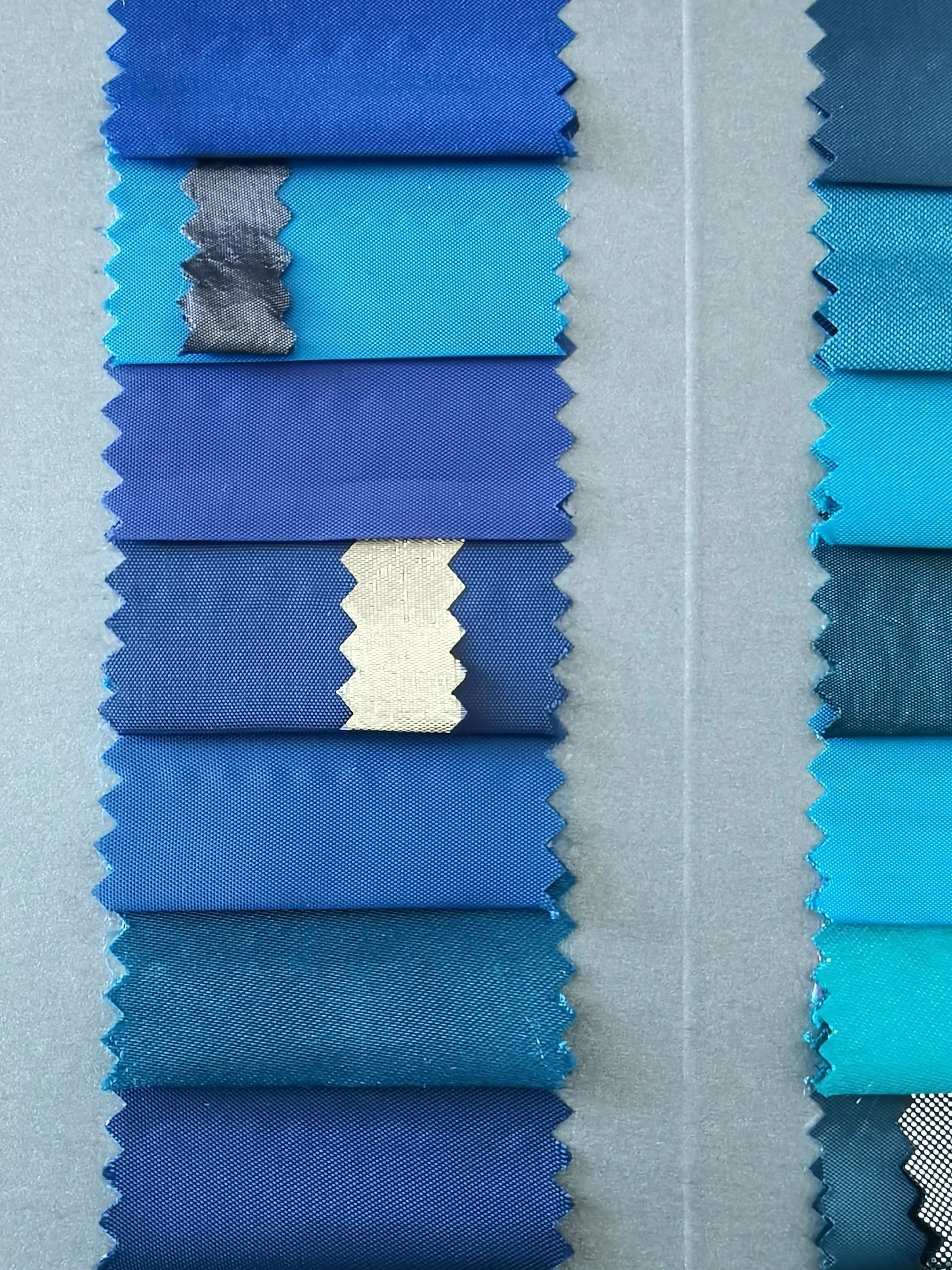
Scrub material types at a glance
Four fibers make up nearly all scrub fabric. Their behavior comes down to how much water they absorb, how strong they are and how well they recover from stretching. Moisture regain, the amount of moisture a dry fiber absorbs from air at standard conditions, is a useful way to compare them: cotton regains about 7 to 11 percent, rayon about 11.5 to 12.5 percent, spandex about 1 percent and polyester under 1 percent, according to standard textile reference values summarized on Wikipedia’s yarn conditioning page.
| Fiber | Moisture regain | Strengths | Weaknesses | Role in scrubs |
|---|---|---|---|---|
| Cotton | About 7–11% | Soft, breathable, absorbent, tolerates hot washes | Wrinkles, shrinks, fades, slow to dry | Classic and comfort-led scrubs; the cotton side of poly-cotton |
| Polyester | Under 1% | Strong, abrasion-resistant, colorfast, wrinkle-resistant, quick-drying | Feels less breathable alone; can hold odors; can pill | The backbone of most blends |
| Rayon (viscose) | About 11.5–12.5% | Very soft, smooth drape, cool feel, takes color well | Weaker when wet; can shrink if washed hot | Adds softness to poly-rayon blends |
| Spandex (elastane, Lycra) | About 1% | Stretches to several times its length and recovers | Sensitive to heat and chlorine bleach | Small percentage for stretch |
In practice, you will rarely buy scrubs in a single fiber other than cotton. Blends let a manufacturer combine polyester’s toughness with cotton or rayon’s comfort and spandex’s stretch.
The common scrub fabric blends
Poly-cotton
A polyester and cotton blend is the traditional hospital scrub fabric. More polyester means better durability, less wrinkling and faster drying; more cotton means a softer, more breathable feel. It holds up well to frequent, hot laundering, which is why it is the usual choice for facility-laundered scrubs and high-volume uniform programs.
Polyester-rayon-spandex
This is the blend behind most modern “fashion” or “performance” scrubs. Polyester supplies strength and color retention, rayon gives a soft, smooth hand, and a few percent of spandex adds stretch. Staff tend to prefer the feel, but the fabric needs gentler care: cooler washes and no chlorine bleach.
Polyester-spandex
A polyester-spandex fabric is lightweight, quick-drying and highly stretchy, and it usually resists wrinkles and fading very well. It suits active roles and athletic-style designs, including joggers. Some wearers find it less breathable than cotton- or rayon-rich fabrics in warm environments.
100% cotton and cotton-spandex
All-cotton scrubs are the softest natural option and stand up to hot water. Cotton-spandex adds a little movement. Both wrinkle and shrink more than synthetic blends, so pre-shrunk fabric and careful sizing matter.
Knit fabrics for underscrubs and layers
Underscrubs and some jackets use knit fabrics, typically polyester-spandex or nylon-spandex jerseys, rather than the woven fabrics used in most tops and pants. Knits stretch naturally and sit close to the body, which makes them ideal as a moisture-wicking base layer.
Weave, knit and weight: the other half of fabric choice
Fiber content tells you what the fabric is made of; construction tells you how it behaves.
- Woven fabrics such as poplin and twill are the norm for scrub tops and pants. Poplin is smooth and light; twill has a diagonal rib and is generally more durable and better at hiding wear.
- Mechanical stretch comes from the weave or yarn twist rather than spandex, and gives a little give without elastic fibers.
- Two-way vs four-way stretch: two-way stretch fabric stretches in one direction; four-way stretches both across and along the fabric, which helps with squatting and reaching.
- Fabric weight, usually given in grams per square meter (GSM) or ounces per square yard, affects warmth, opacity and durability. Lighter fabrics feel cooler but can be more see-through, especially in light colors; heavier fabrics last longer but feel warmer.
When you compare quotes, ask for the fiber content, construction and weight for each fabric option, plus a physical swatch. Two fabrics labeled “poly-rayon-spandex” can feel very different.
What is the best scrub fabric for your team?
The best scrub fabric is the one that fits the work, the climate and the laundry process. Here is how we would start the conversation for common situations:
| Situation | Fabric to consider first | Why |
|---|---|---|
| Hospital or facility laundering at high temperatures | Poly-cotton | Tolerates hot, frequent washing and keeps its shape |
| Long clinical shifts with lots of movement | Poly-rayon-spandex or poly-spandex | Soft or athletic feel with stretch and recovery |
| Dental and med spa practices focused on appearance | Poly-rayon-spandex | Smooth drape, rich color and a polished look |
| Veterinary, grooming and other messy work | Poly-cotton or poly-spandex | Durable, quick-drying and easy to clean |
| Staff with sensitive skin | Cotton or cotton-rich blends | Natural, breathable fiber |
| Hot or poorly air-conditioned environments | Lightweight poly-spandex or rayon-rich blends | Quick drying or a cool hand, with good airflow |
| A new scrub brand chasing comfort | Stretch blends tested on real wearers | Hand-feel and fit are what retail customers compare |
Whatever you choose, test it. Order a sample set, wear it through real shifts and run it through the same laundry process it will face in service before you approve bulk production.
Worked example: choosing fabric for a dental practice
Here is how the decision usually plays out for a mid-sized dental practice with hygienists, assistants and front-desk staff who wash their own scrubs at home.
- Priorities: a polished look for patient-facing staff, comfort through long chair-side sessions, and colors that stay rich after many washes.
- Laundry: home washing at warm temperatures, so a stretch blend is practical.
- Shortlist: a polyester-rayon-spandex blend for its smooth drape and color, and a polyester-spandex for its quick drying and wrinkle resistance.
- Test: a sample set in each fabric is worn by two clinical staff for a week and washed after every shift.
- Decision: whichever fabric still looks and feels right after the wear test, with the opacity checked in the lightest color the practice plans to use.
A veterinary clinic with a commercial washer might reach the opposite answer: poly-cotton, because it tolerates hot washes and heavy soiling better than spandex-rich fabrics.
How to evaluate a fabric swatch or sample
You do not need a lab to compare fabrics. These simple checks catch most problems before bulk production:
| Check | How to do it | What a good result looks like |
|---|---|---|
| Hand-feel | Rub between fingers, hold against your forearm | Smooth, not scratchy or plasticky |
| Stretch and recovery | Stretch a section firmly for a few seconds, then release | Springs back fully with no bagging |
| Opacity | Hold a single layer against a light or over a dark print | No obvious show-through, especially in light colors |
| Wrinkling | Crush a corner in your fist for 30 seconds | Creases relax quickly |
| Wash test | Wash and dry a sample garment repeatedly in your real laundry process | Little shrinkage, fading or pilling |
| Pocket strength | Load pockets with typical tools and wear for a shift | No sagging or seam stress |
Tip: Always run the wash test on a finished garment, not just a swatch. Seams, pockets and elastic often fail before the fabric does.
Antimicrobial and performance finishes
Many scrub fabrics are sold with added finishes. They can be useful, but the claims need care.
- Antimicrobial finishes usually inhibit the growth of odor-causing bacteria on the fabric. Under the U.S. EPA’s treated articles exemption, a treated product can claim to protect the article itself, for example from odor or microbial degradation, but cannot make public-health claims such as protecting the wearer from germs unless the product is registered. The EPA explains this in its guidance on the treated articles exemption (PRN 2000-1) and its page on consumer products treated with pesticides. We cover this in more detail on our antimicrobial scrubs page.
- Fluid-repellent finishes help liquids bead up and roll off the surface. They are not a substitute for impervious gowns or other PPE.
- Moisture-wicking finishes help move sweat to the outer surface of the fabric where it can evaporate.
- Soil-release and wrinkle-resistant finishes help scrubs look better after repeated washing.
Durability varies: some finishes are built into the fiber and last the life of the garment, while topical finishes can wash out over time. Ask how many wash cycles a finish has been tested for.
Care and laundering: match the fabric to the wash
Laundering destroys more scrubs than wear does. Before choosing a fabric, find out how the scrubs will be washed.
- Hot industrial or facility laundry: poly-cotton is the safest bet. Spandex-rich fabrics can lose recovery when repeatedly exposed to high heat or chlorine bleach.
- Home laundering by staff: stretch blends perform well when washed cool or warm and tumble-dried low.
- Color retention: polyester holds dye well; cotton and rayon fade faster, particularly in dark colors.
- Shrinkage: cotton and rayon can shrink in hot water or high dryer heat, so check whether the fabric is pre-shrunk and size accordingly.
Every garment sold in the U.S. must carry care instructions under the FTC’s Care Labeling Rule (16 CFR Part 423), and fiber content must be disclosed under the Textile Fiber Products Identification Act rules (16 CFR Part 303). If you are launching your own label, your manufacturer should help you get the fiber content and care symbols right.
Tip: If staff wash scrubs at home, print simple care instructions in the onboarding pack. Most early fabric complaints trace back to washes and dryers that are too hot.
Common scrub fabric mistakes
- Buying on fiber percentages alone. Construction, weight and finishing change how a fabric feels and wears as much as the fiber blend does.
- Choosing a stretch blend for industrial laundry without checking the laundry’s temperatures and chemicals.
- Ignoring opacity. Lightweight fabrics in white, ceil blue or pastels can be see-through.
- Overstating antimicrobial benefits in marketing or staff communications, which can conflict with EPA rules.
- Changing fabric between orders. A new fabric in the same color often does not match; lock the fabric and color into your specification for reorders.
Questions to ask a manufacturer about scrub fabric
- What is the exact fiber content and fabric construction (woven or knit, weave type)?
- What is the fabric weight, and is it opaque in light colors?
- Is the stretch two-way or four-way, and how well does it recover?
- Which colors are available in this fabric, and how colorfast are they?
- Is there an antimicrobial, fluid-repellent or wicking finish, and what exactly does it claim?
- What care instructions will go on the label, and can it handle our laundry process?
- Can we have swatches and a sample garment before bulk production?
How we work with scrub fabric
We cut and sew scrubs in our own Los Angeles factory, and we confirm fabric options, colors and finishes at the quote stage based on what you need the garments to do. With a minimum of about 50 pieces per style, you can choose a scrub uniform fabric for one department or one product without committing to a huge run.
If you are building a uniform program, start with our custom scrubs range or our wholesale scrubs service. If you are launching your own line, our private label scrubs service lets you pick the fabric, fit and labels under your brand. For sizing decisions, see the scrub size chart guide.
Key takeaways
- Scrub fabric is built from cotton, polyester, rayon and spandex; most scrubs today are blends.
- Poly-cotton suits hard, hot laundering; poly-rayon-spandex and poly-spandex suit comfort and movement.
- Construction and weight matter as much as fiber content, so always get swatches.
- Antimicrobial finishes typically protect the fabric from odor, not the wearer from disease.
- Choose fabric with the laundry process in mind, and wear-test samples before bulk production.
Frequently asked questions
What is the best fabric for scrubs?
It depends on the work and the laundry. For hard-wearing scrubs that face hot industrial washes, a polyester-cotton blend is the proven choice. For comfort and movement over long shifts, a polyester-rayon-spandex or polyester-spandex stretch blend is the most popular modern option. Pure cotton is the softest and most breathable but wrinkles and shrinks more.
Are 100% cotton scrubs good?
Cotton scrubs are soft, breathable and comfortable for people with sensitive skin, and they tolerate high wash temperatures. The trade-offs are wrinkling, shrinkage, slower drying and faster fading than polyester blends. Many buyers choose a cotton-rich poly-cotton blend to keep most of the comfort while improving durability.
Do antimicrobial scrubs kill germs?
Antimicrobial finishes on textiles are usually designed to inhibit odor-causing bacteria on the fabric itself. Under EPA rules, treated clothing that has not been registered for public-health claims cannot claim to protect the wearer from disease. Treat these finishes as an odor and freshness feature, not as infection control.
What is four-way stretch in scrubs?
Four-way stretch fabric stretches both across and along the fabric, usually because spandex is woven or knitted into it. It moves with the body when bending, reaching or kneeling and recovers its shape afterwards. Two-way stretch only stretches in one direction. Stretch fabrics often need cooler washes and no chlorine bleach to keep their recovery.
Which scrub fabric is best for hot climates?
Lightweight fabrics with good airflow work best. Cotton and rayon feel cool because they absorb moisture, while polyester-based performance fabrics move sweat away from the skin and dry quickly. A lighter-weight poly-rayon-spandex blend is a common compromise. Ask for swatches and wear-test a sample set before committing to a large order.
Need garments made?
Custom Uniform Factory cuts and sews scrubs and workwear in Los Angeles from 50 pieces per style, with your logo or label. Get a quote or request samples.