Shirts
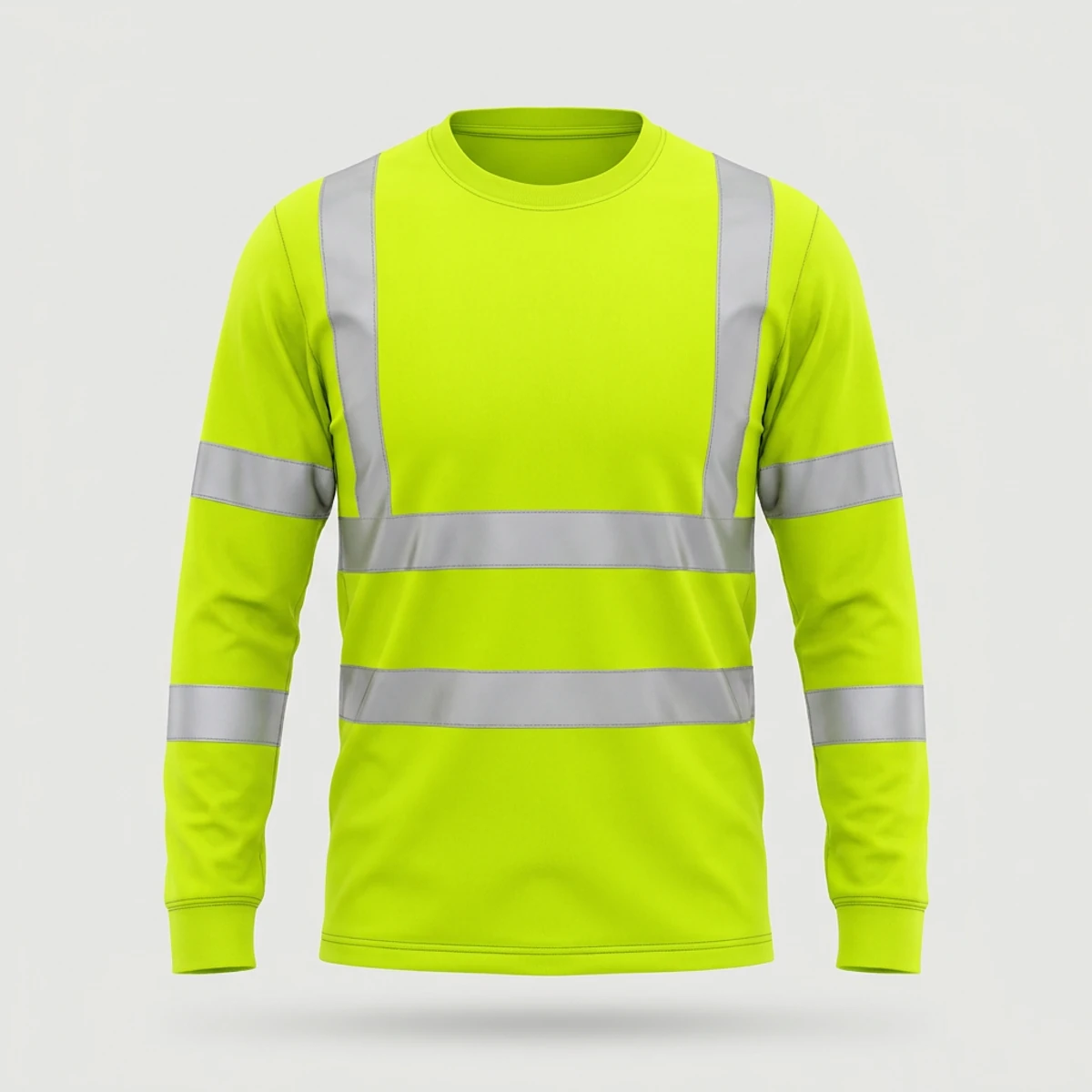
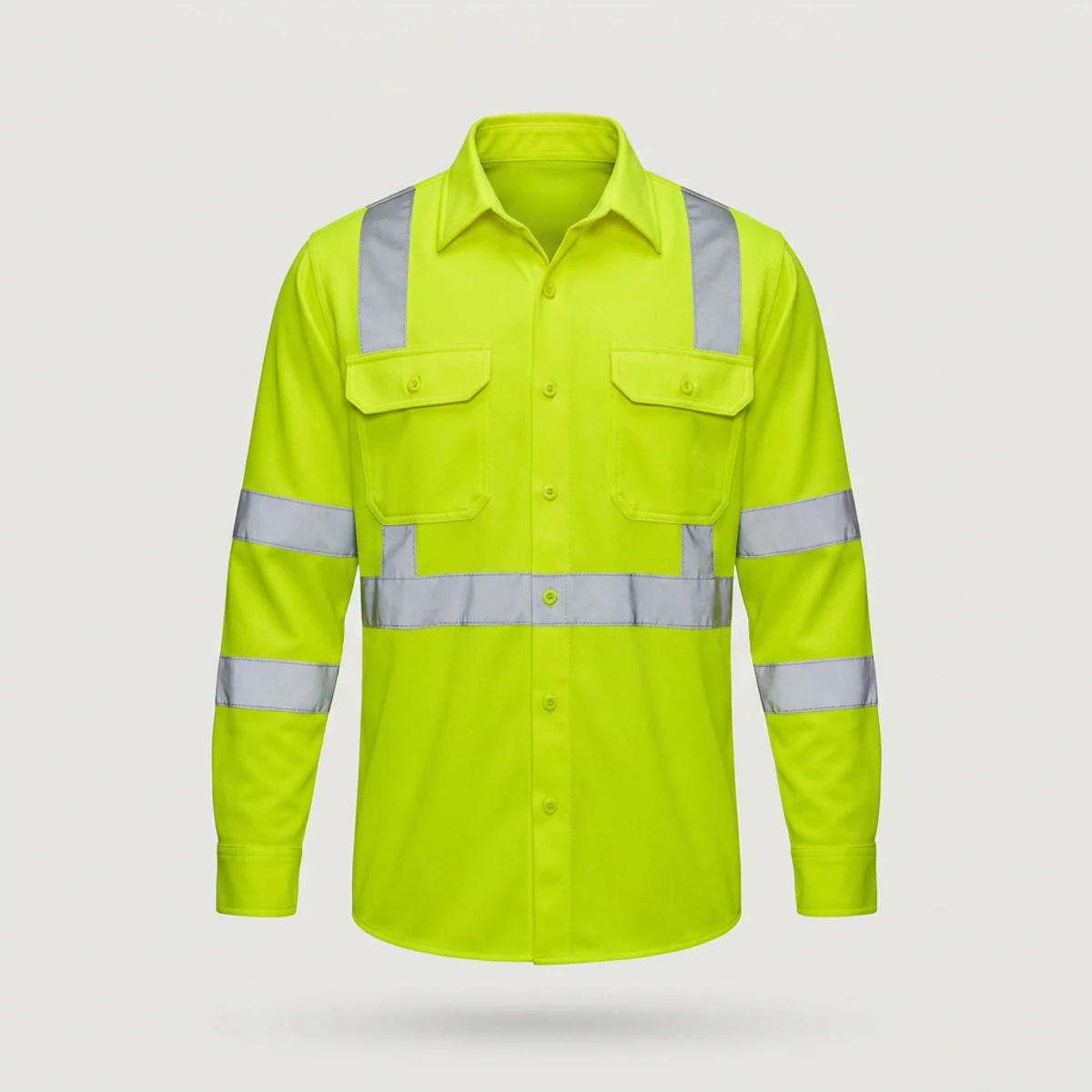
Short-sleeve T-shirts can be designed for Class 2. Long-sleeve shirts with reflective bands on the sleeves can be designed for Class 3. Breathable knit fabric suits hot climates where crews will not keep a vest on.
Workwear · Los Angeles factory
Hi vis clothing combines fluorescent background fabric, which stands out in daylight, with retroreflective tape, which shines back in headlights, so workers are seen near traffic and moving equipment. In the US, these garments are designed to ANSI/ISEA 107, which sorts them into Types O, R and P and Performance Classes 1, 2 and 3. Custom Uniform Factory cuts and sews custom high-visibility workwear in its Los Angeles factory from imported fabric, branded for your company, from about 50 pieces per style.
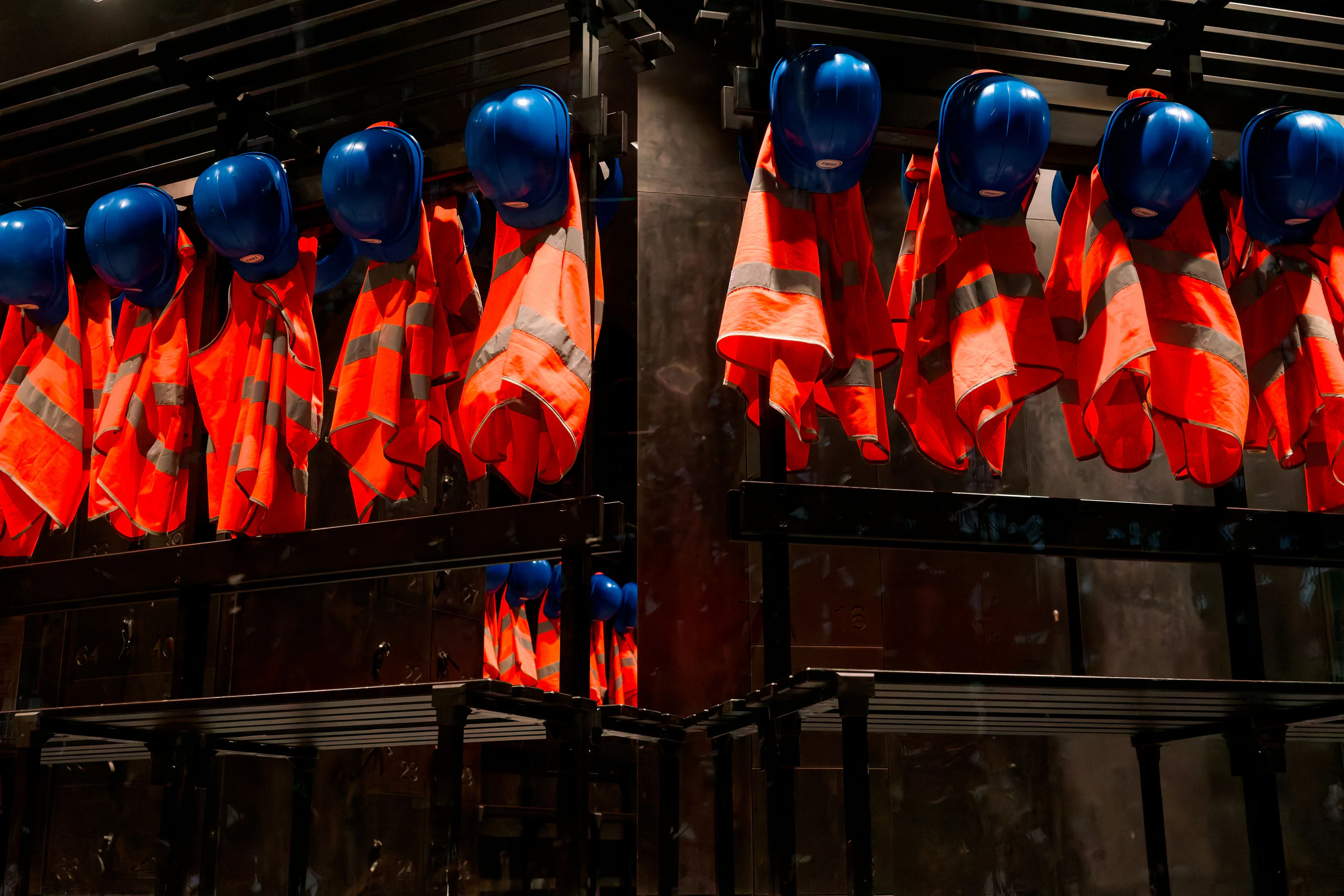
16 styles in 4 families · each made to order in your fabric, color and branding from 50 pieces.
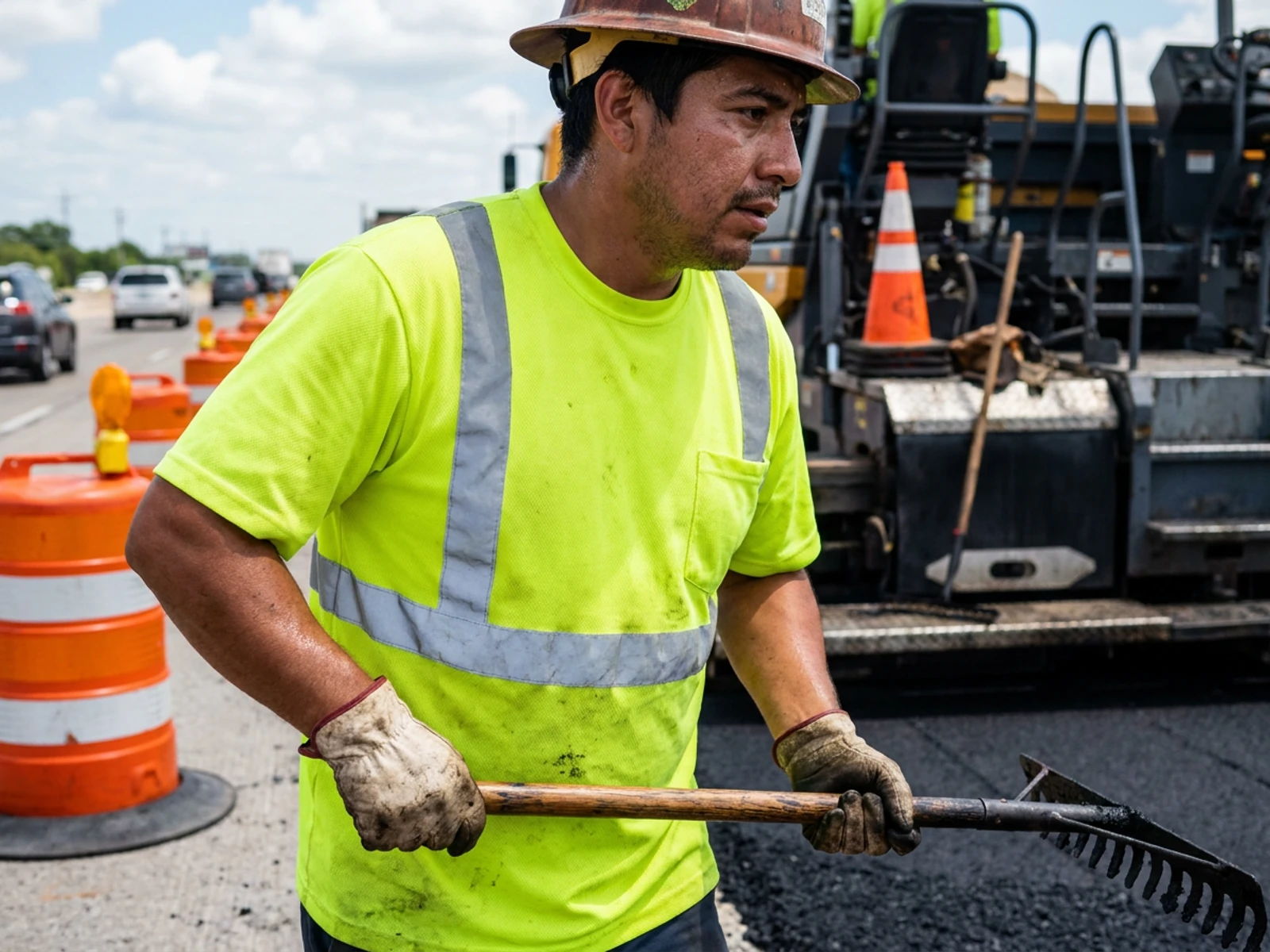
A short-sleeve hi vis T-shirt in breathable knit is the coolest way to keep crews visible in summer heat. We design hi vis shirts around the class your risk assessment calls for, and compliance is confirmed from the fabric and tape test data, not assumed.
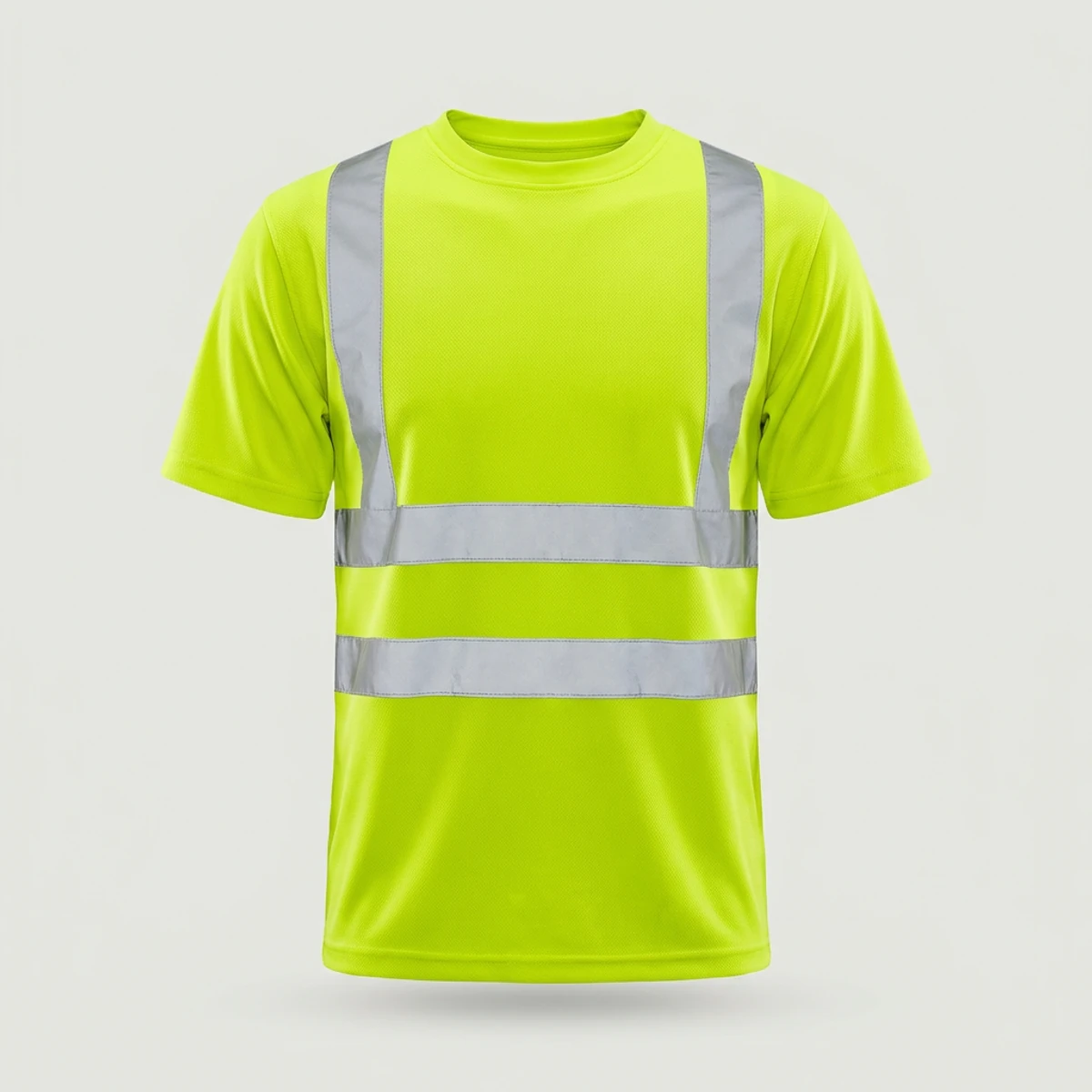
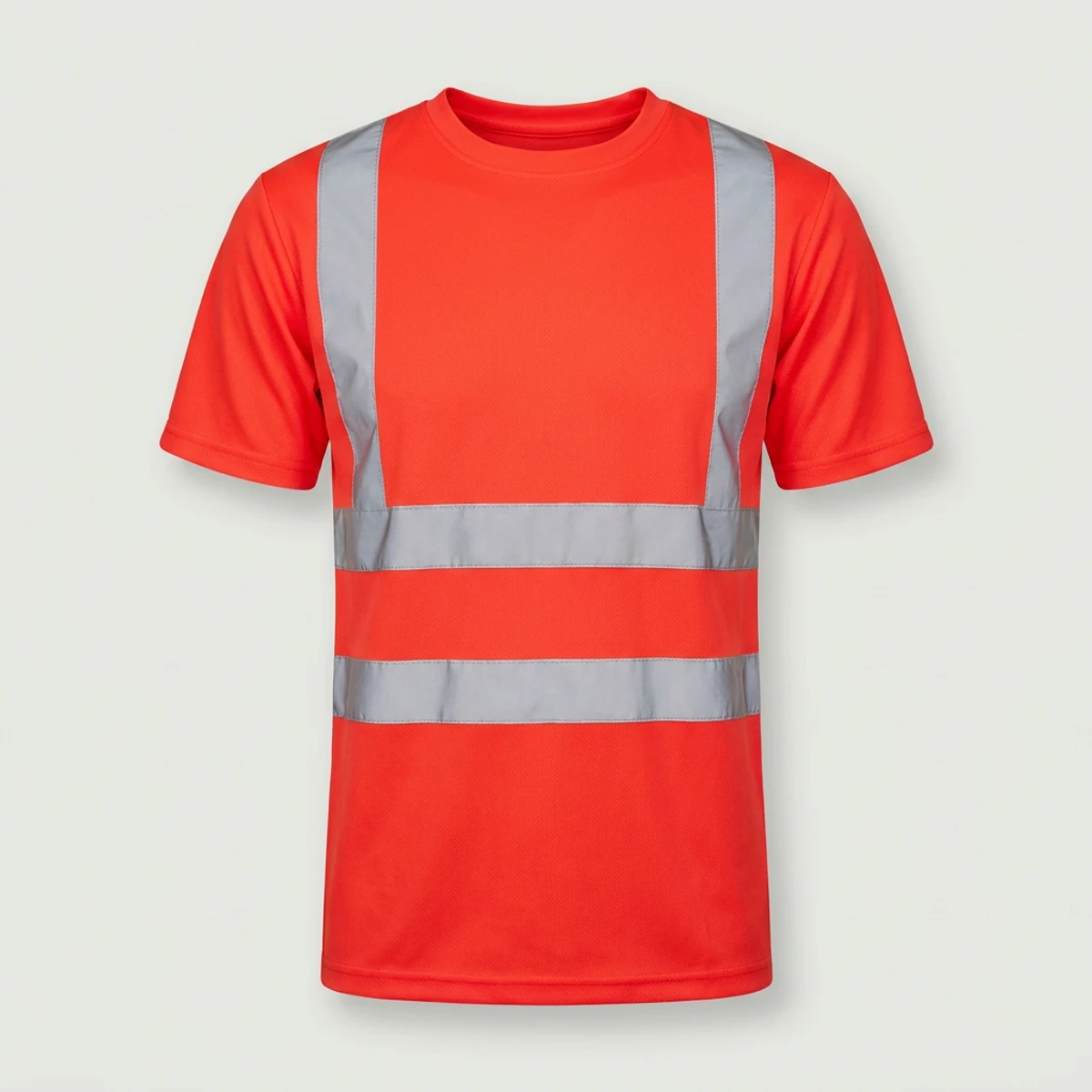
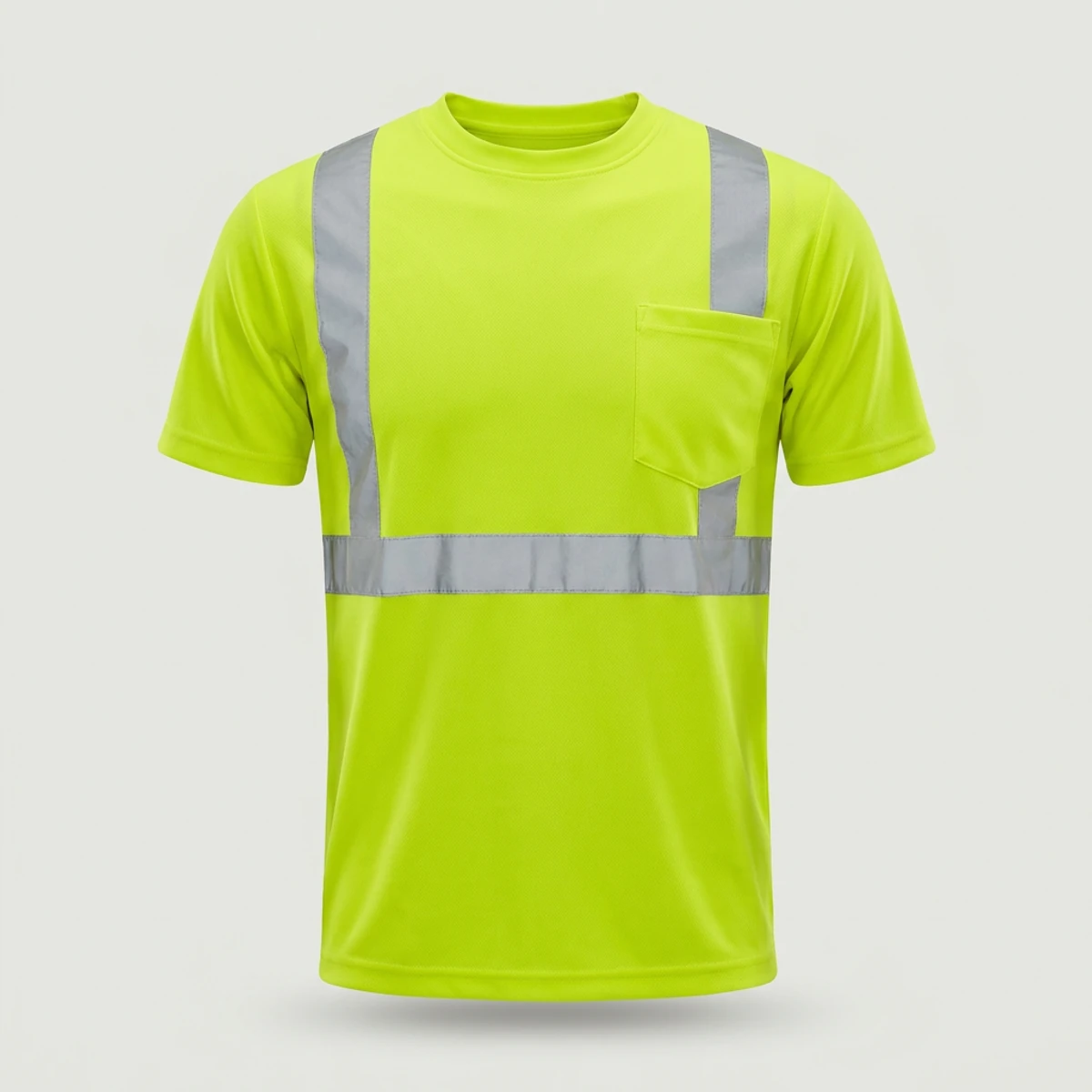
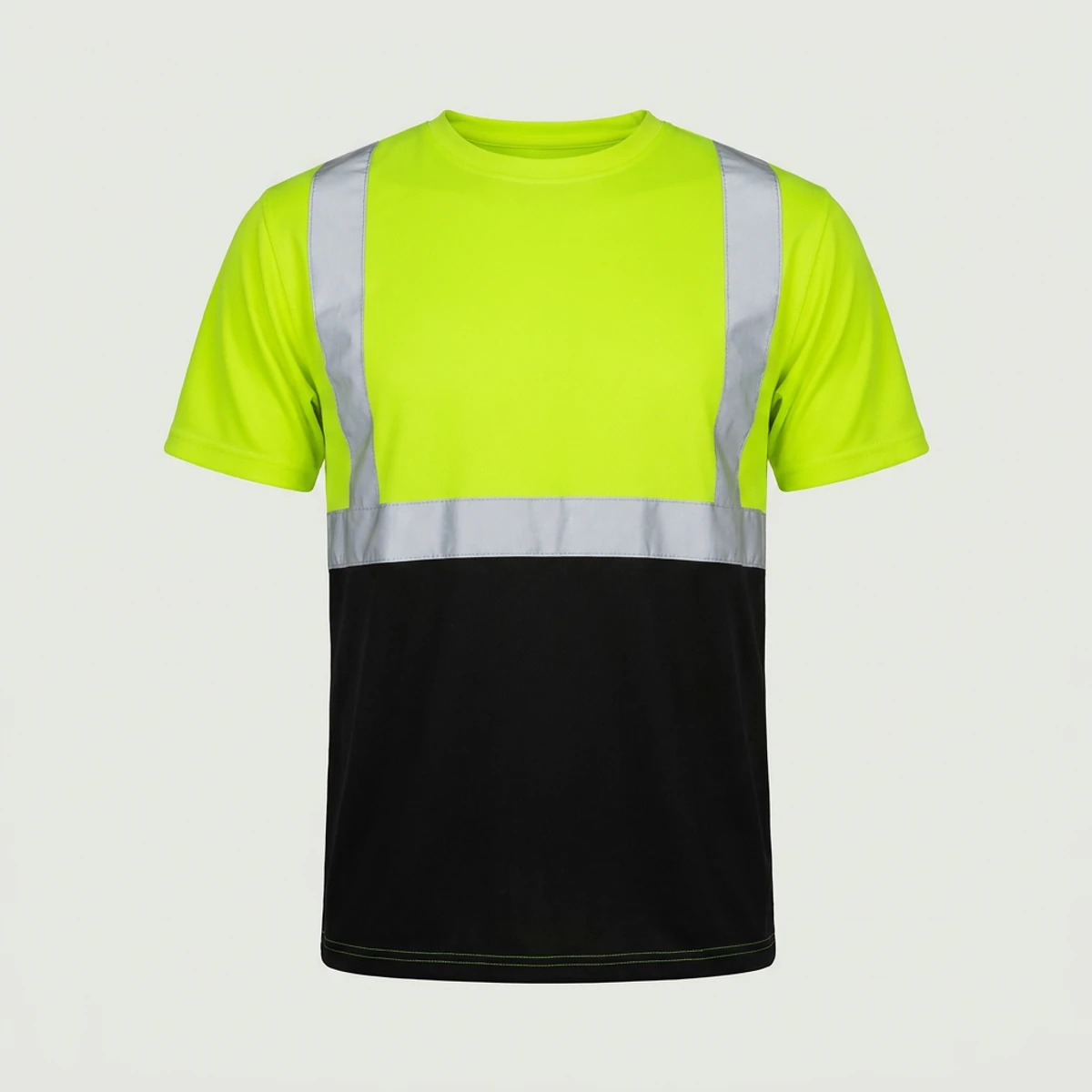
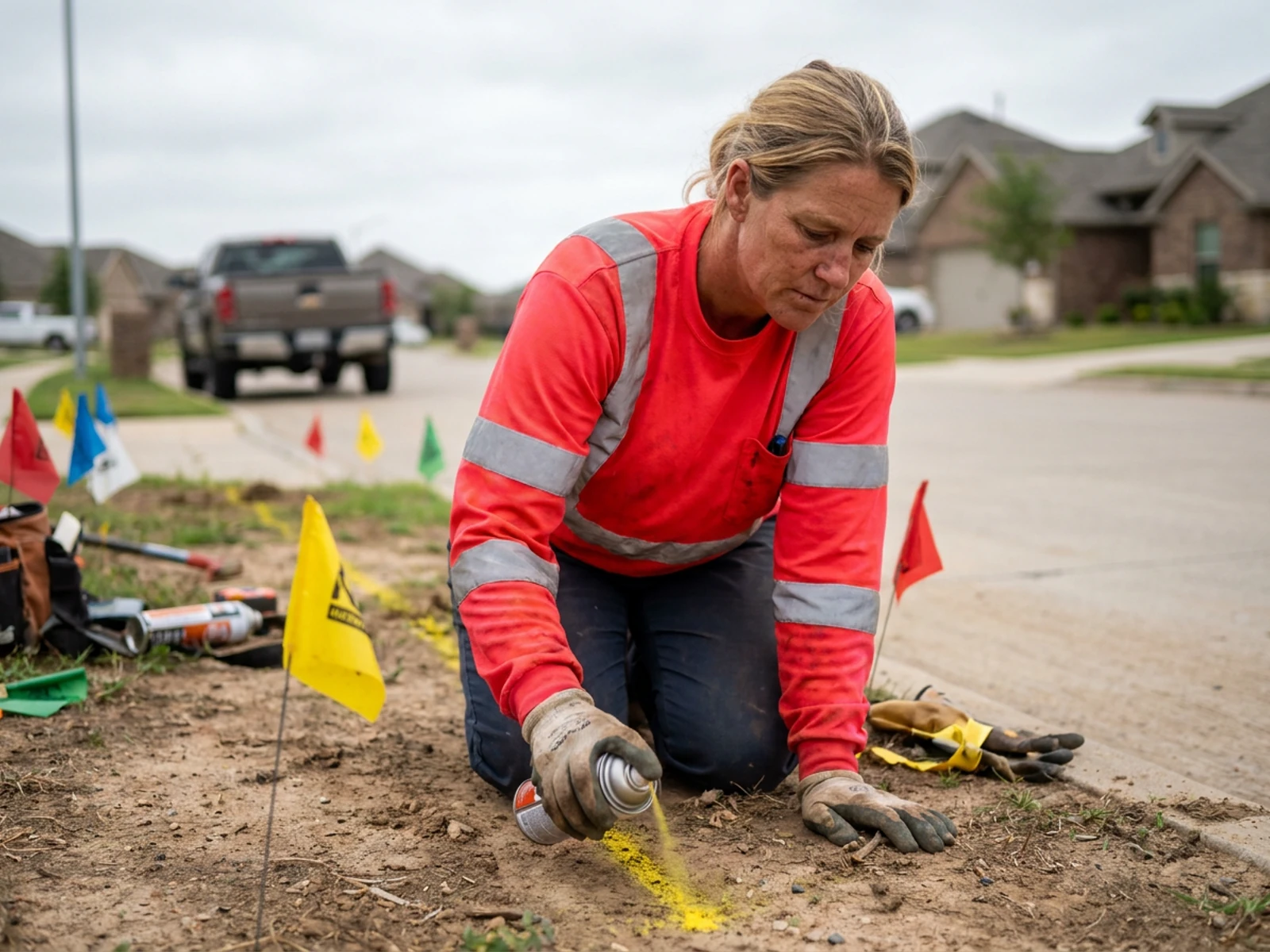
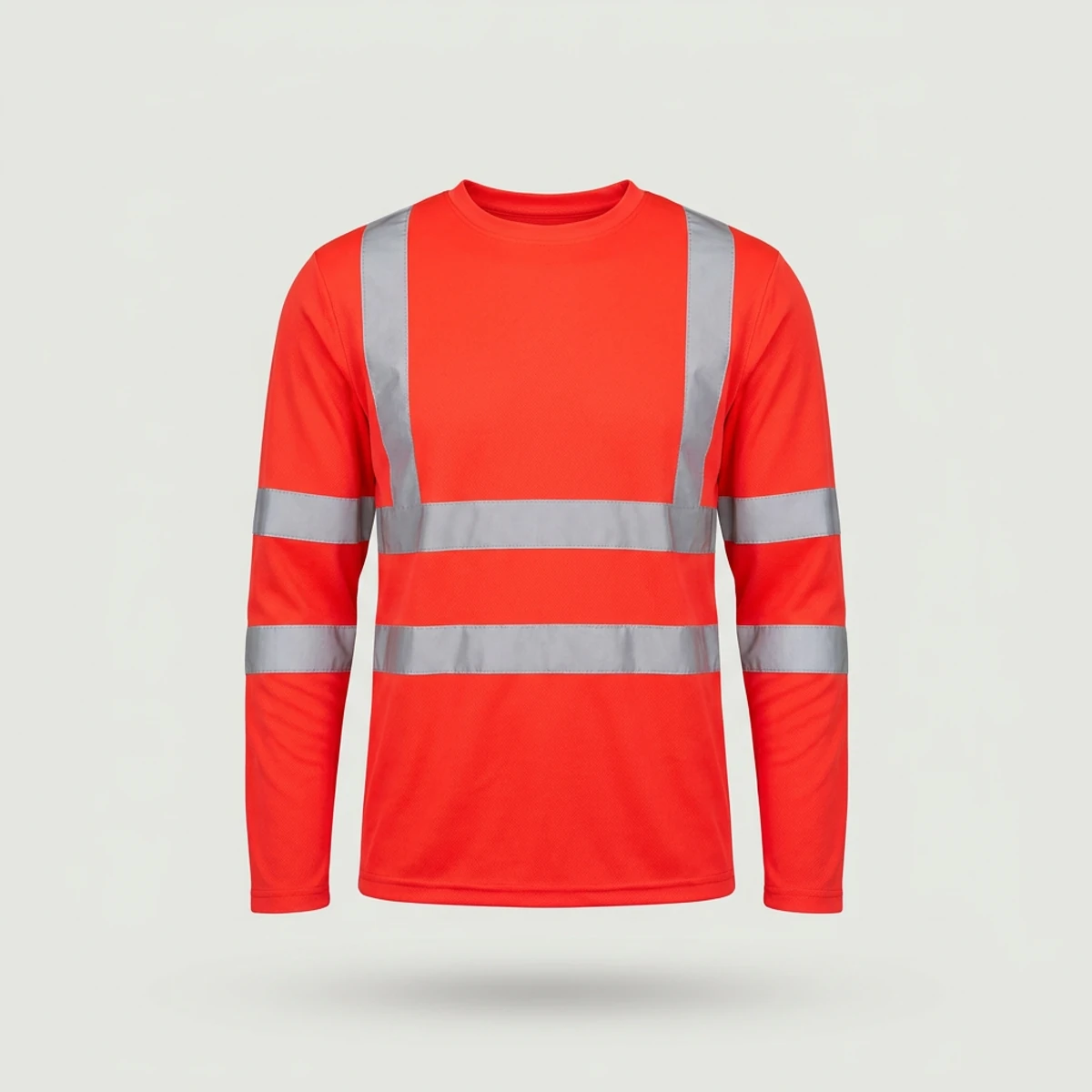
Adding reflective bands around the sleeves is how long-sleeve shirts can be designed for Class 3 visibility, which highway and night crews often need. Long sleeves also protect arms from sun and scrapes on outdoor sites.
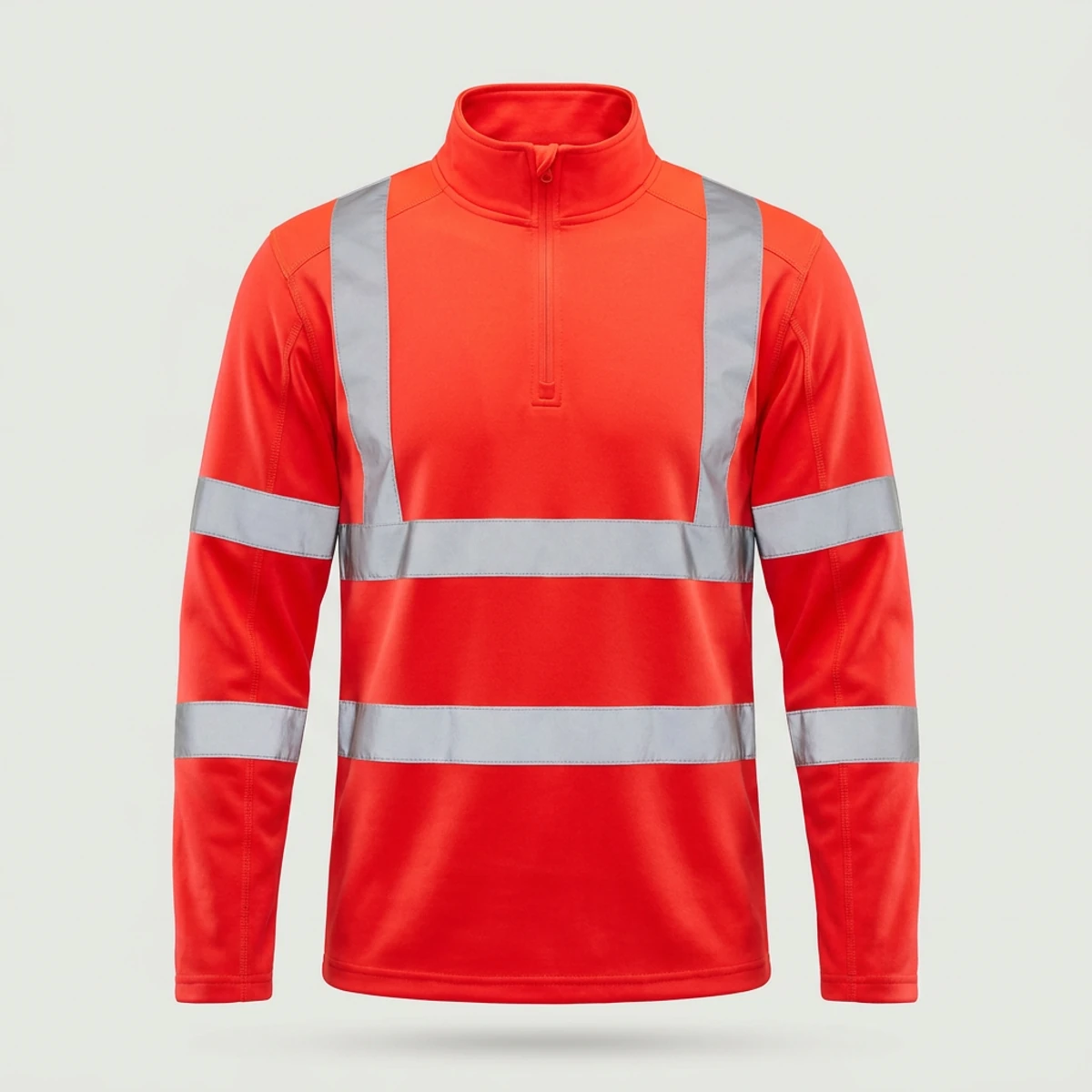
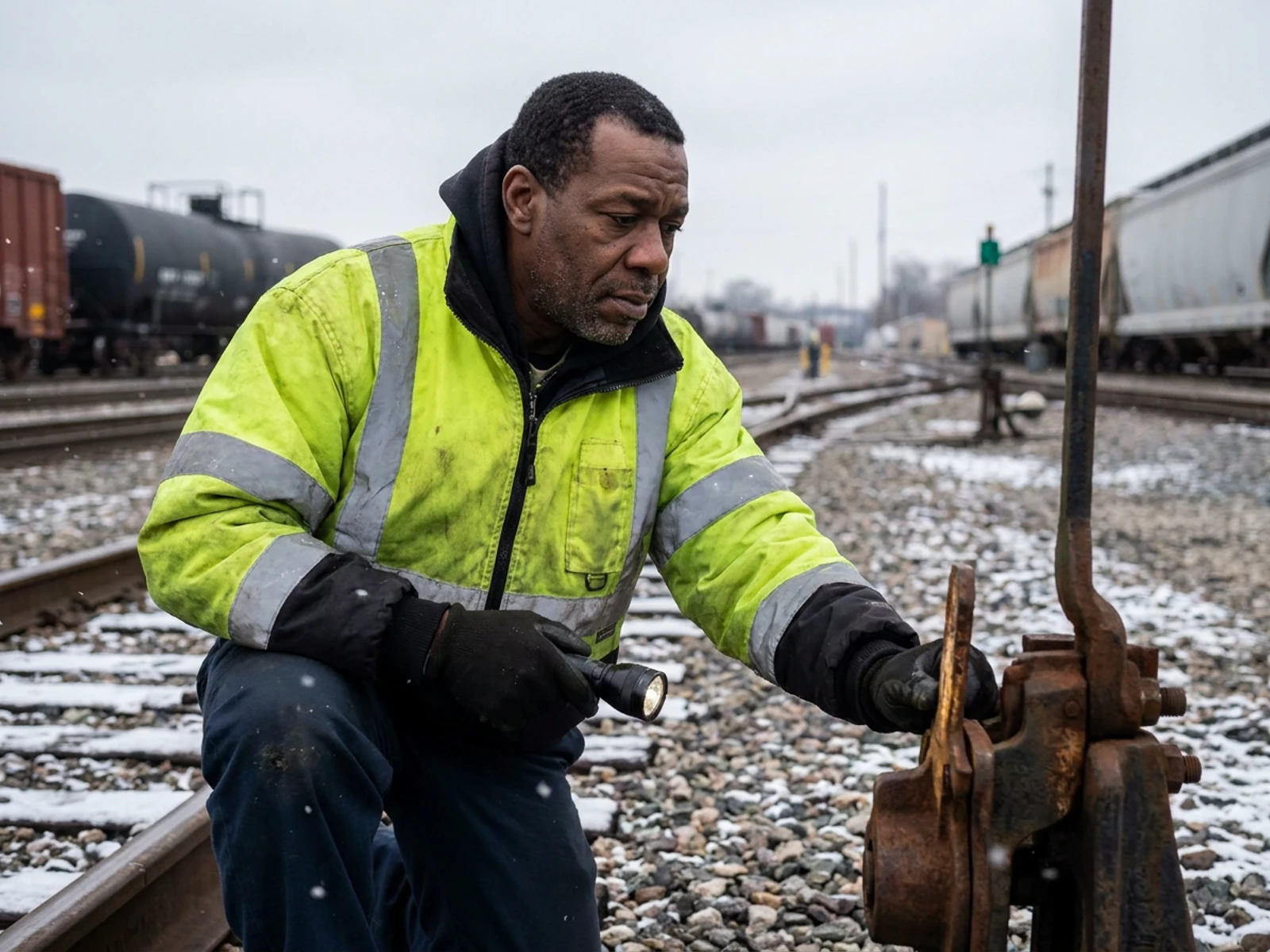
For cold and wet work, a hi vis jacket has to fit over other clothing and keep its reflective tape visible when worn. Bomber, soft shell, rain and parka styles are all possible, each sized for layering and quoted on the fabric you choose.
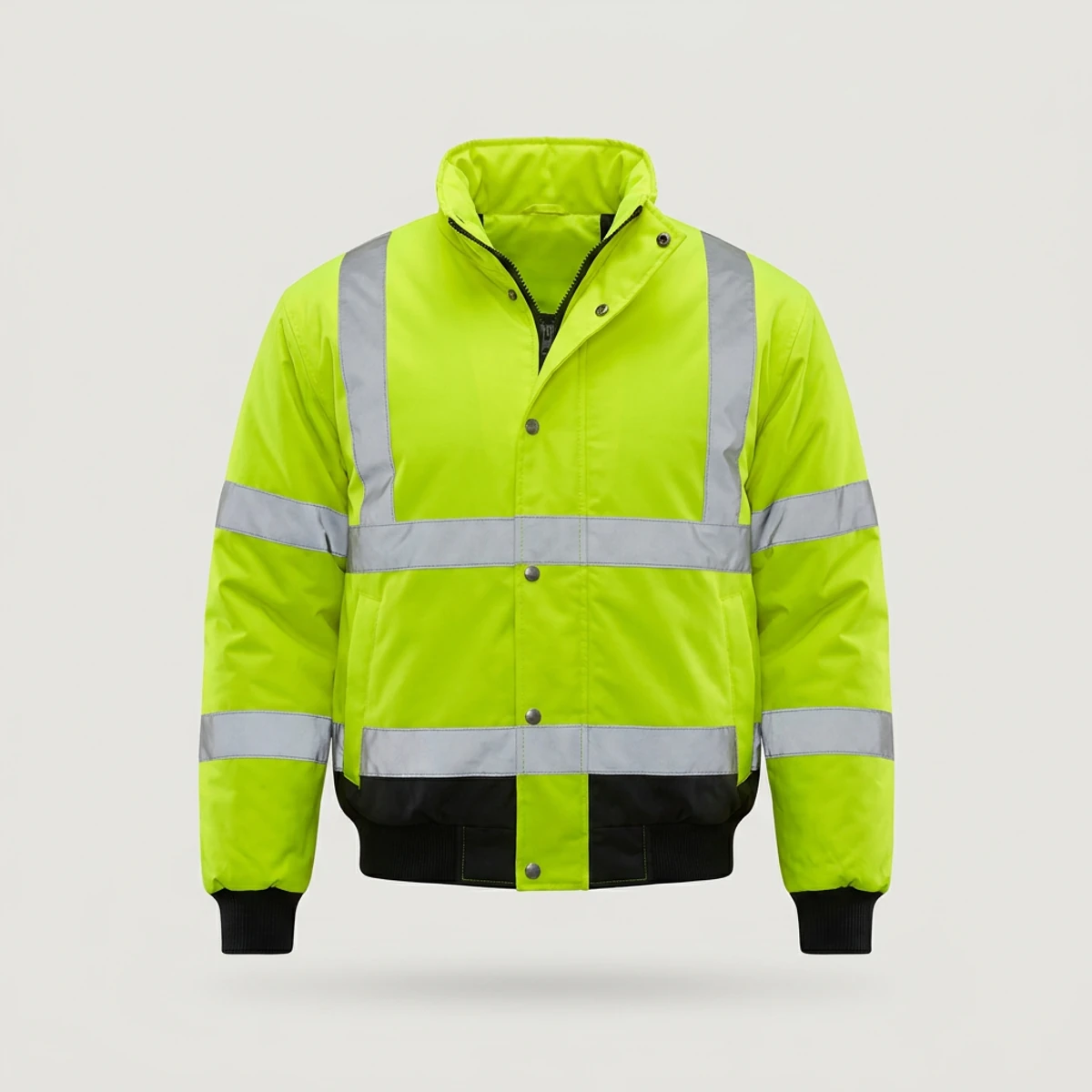
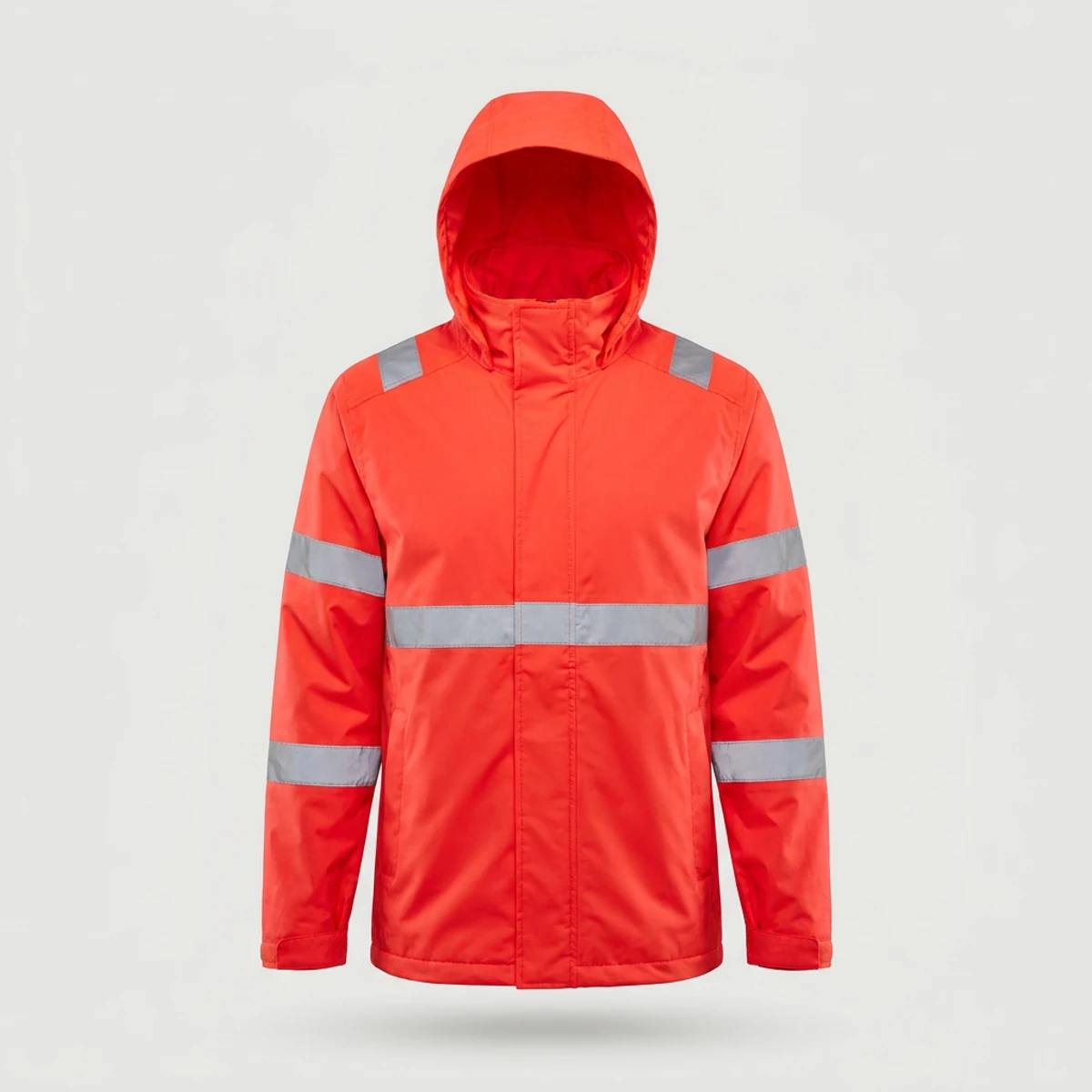
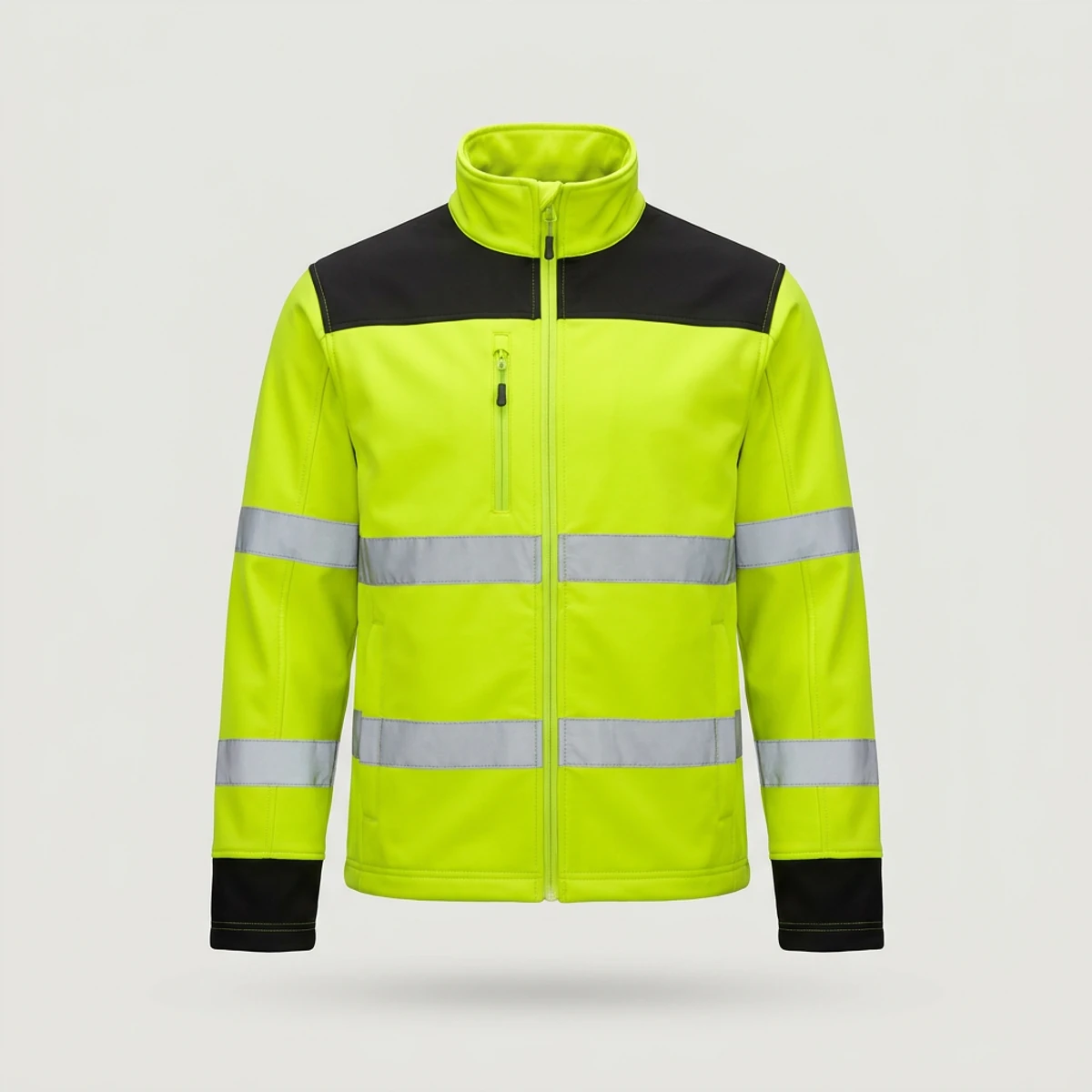
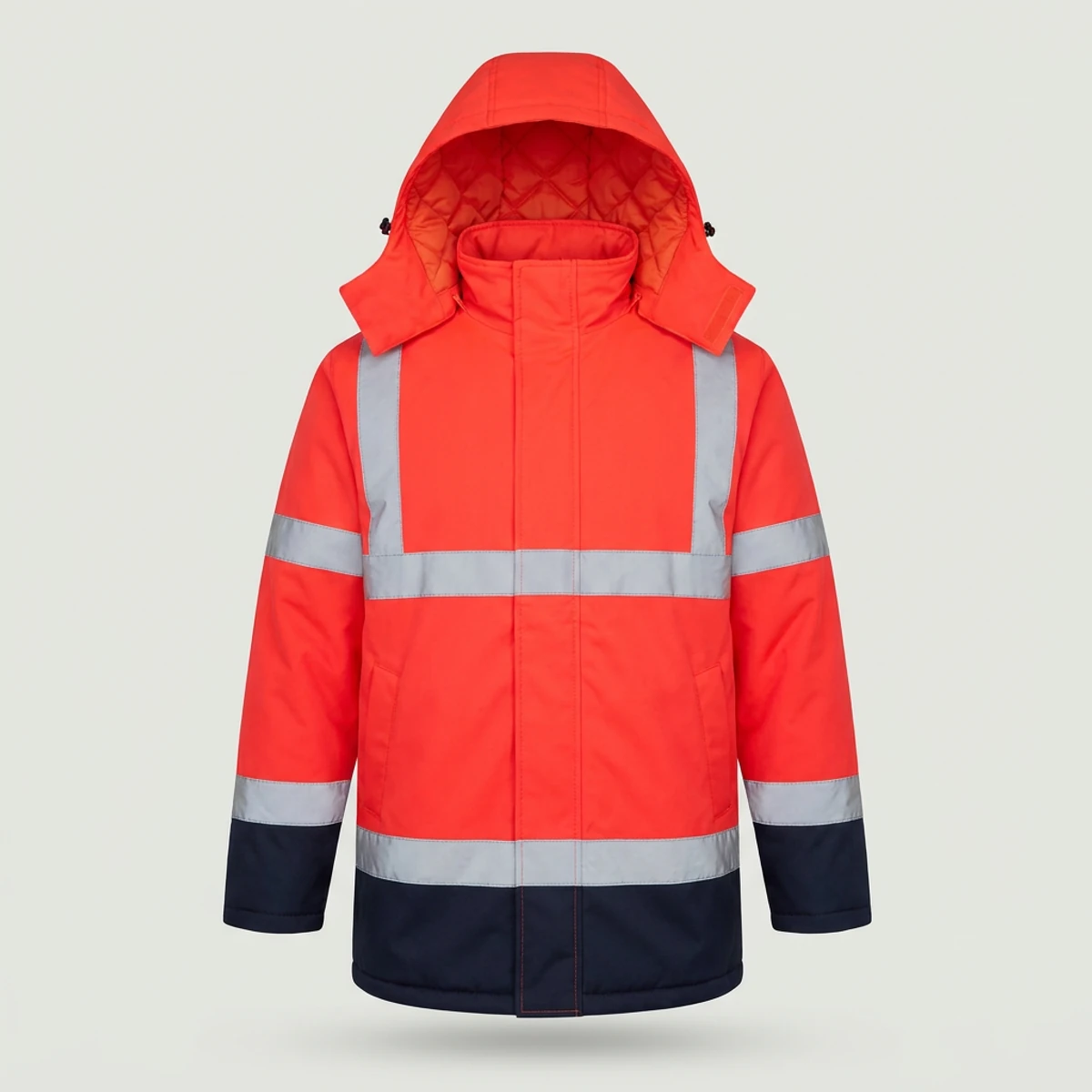
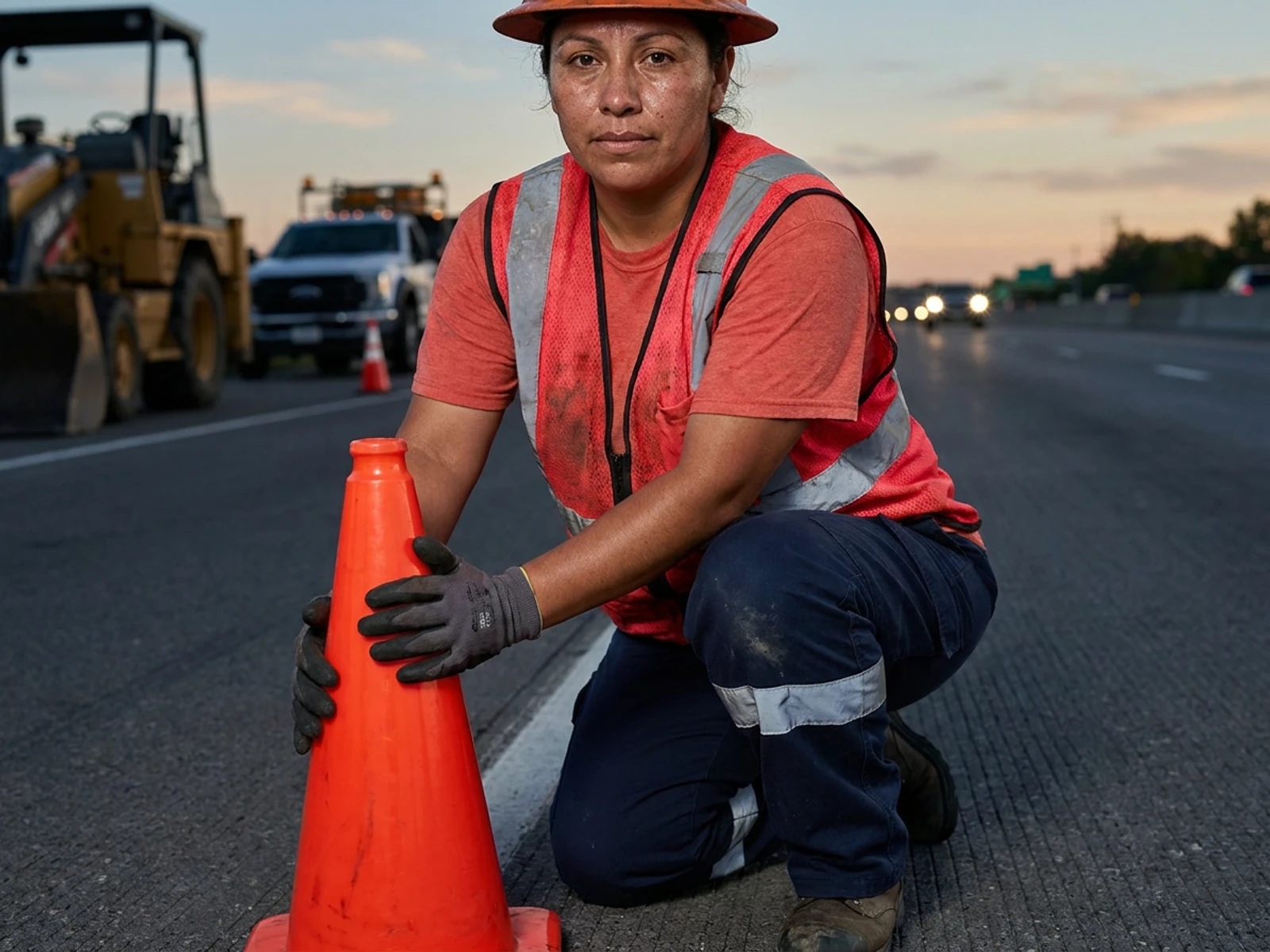
Pants and bibs with reflective bands at the lower legs are designed as Class E supplemental items, which raise a vest or shirt to Class 3 for night and high-speed work. We make them in solid fluorescent fabrics or dark work fabrics with reflective banding.
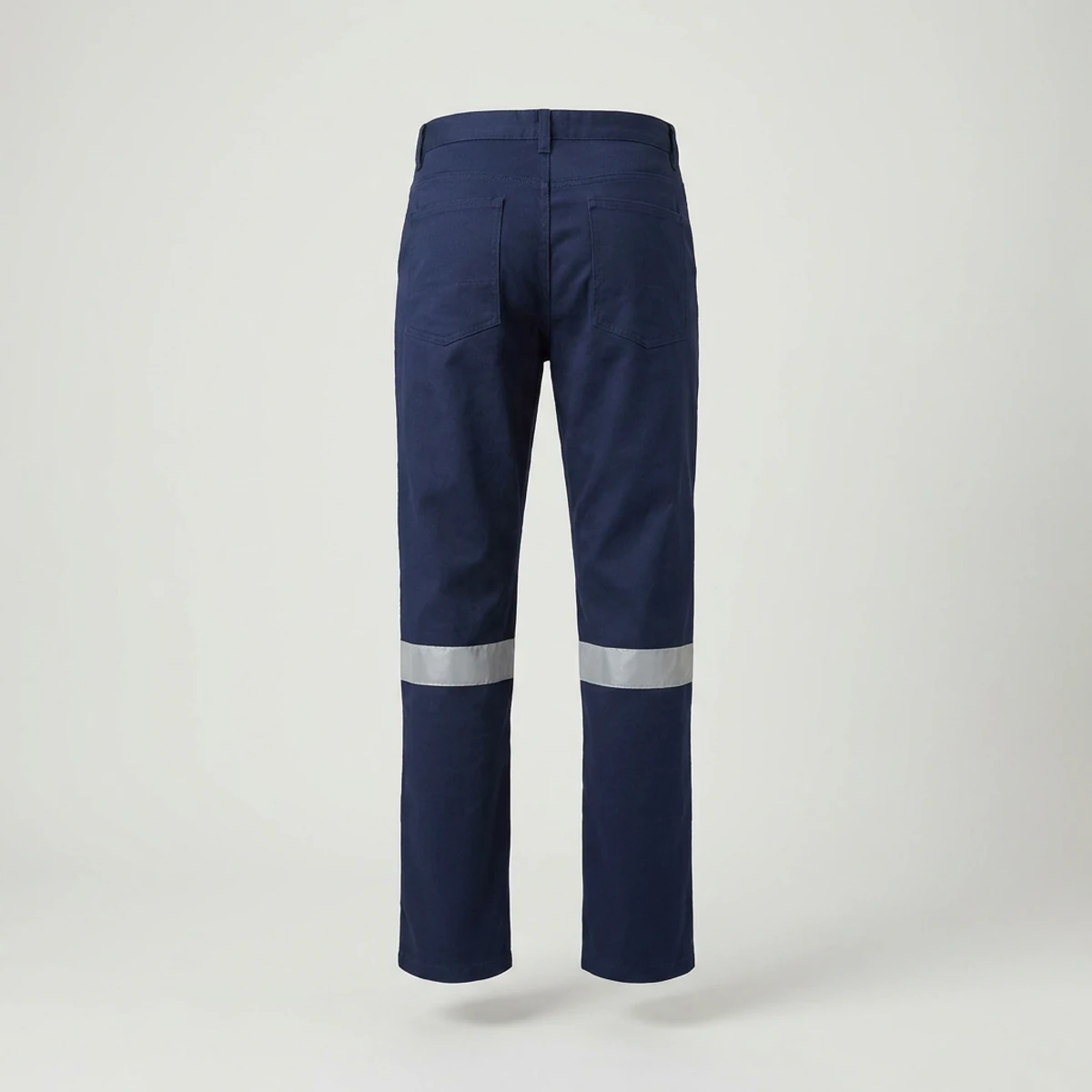
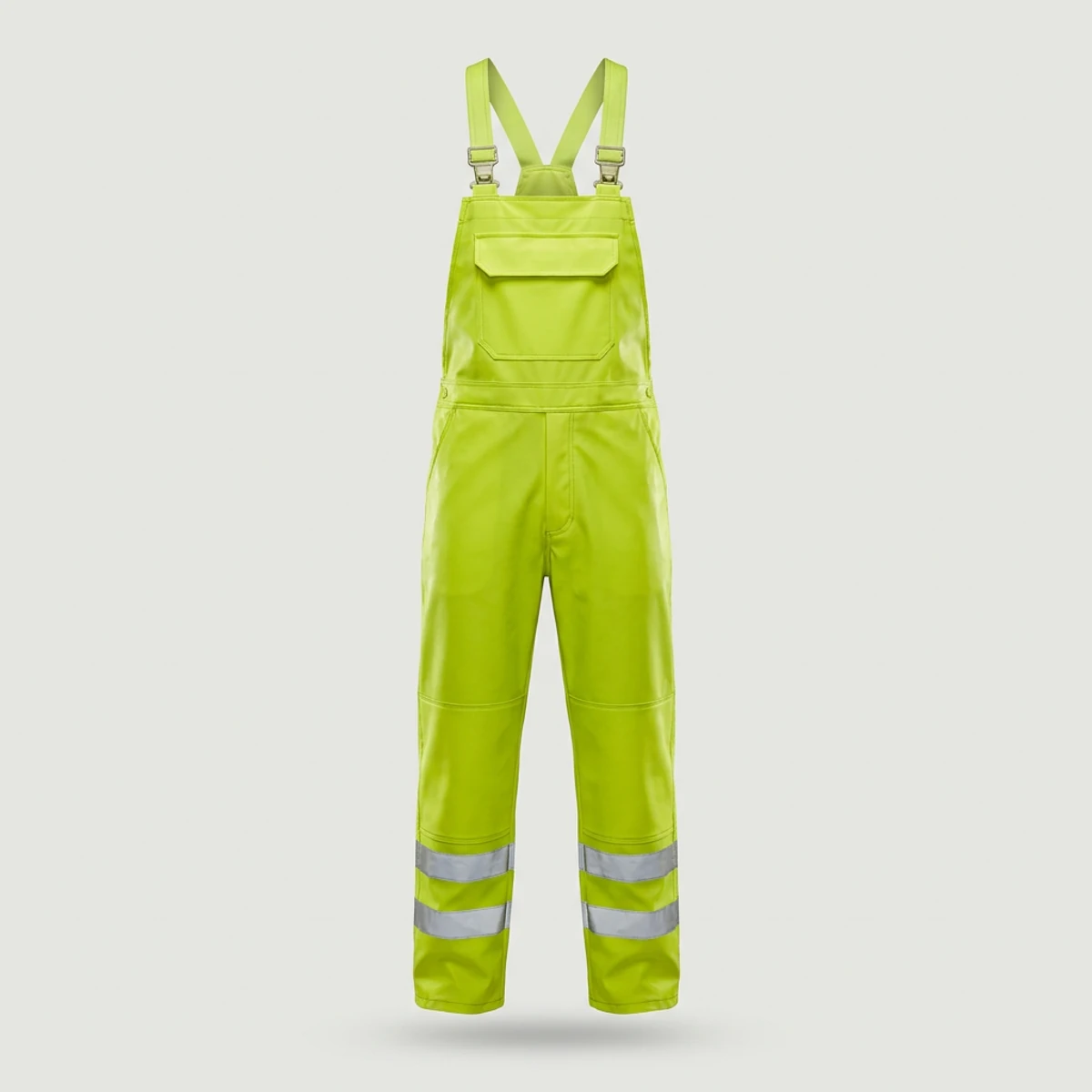
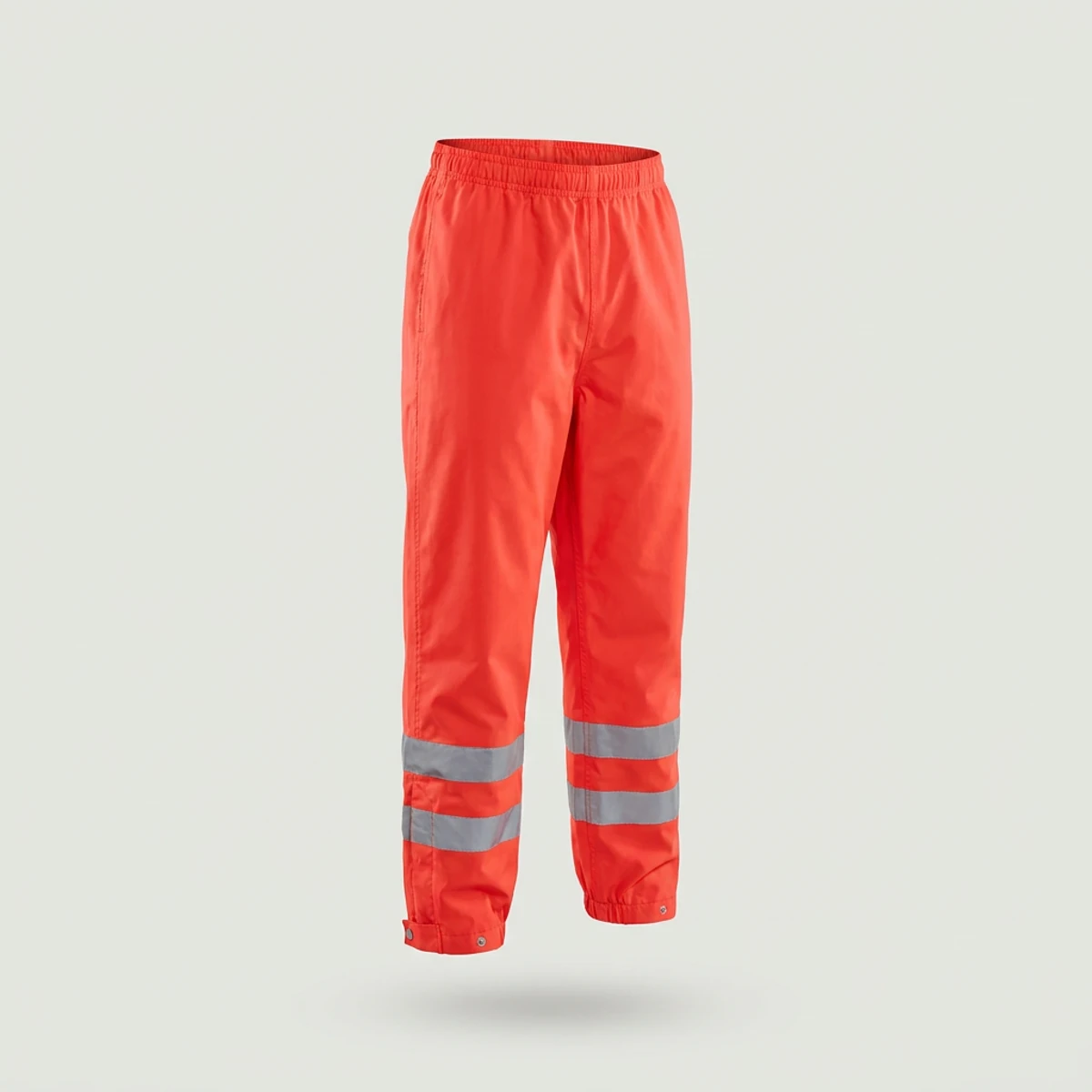
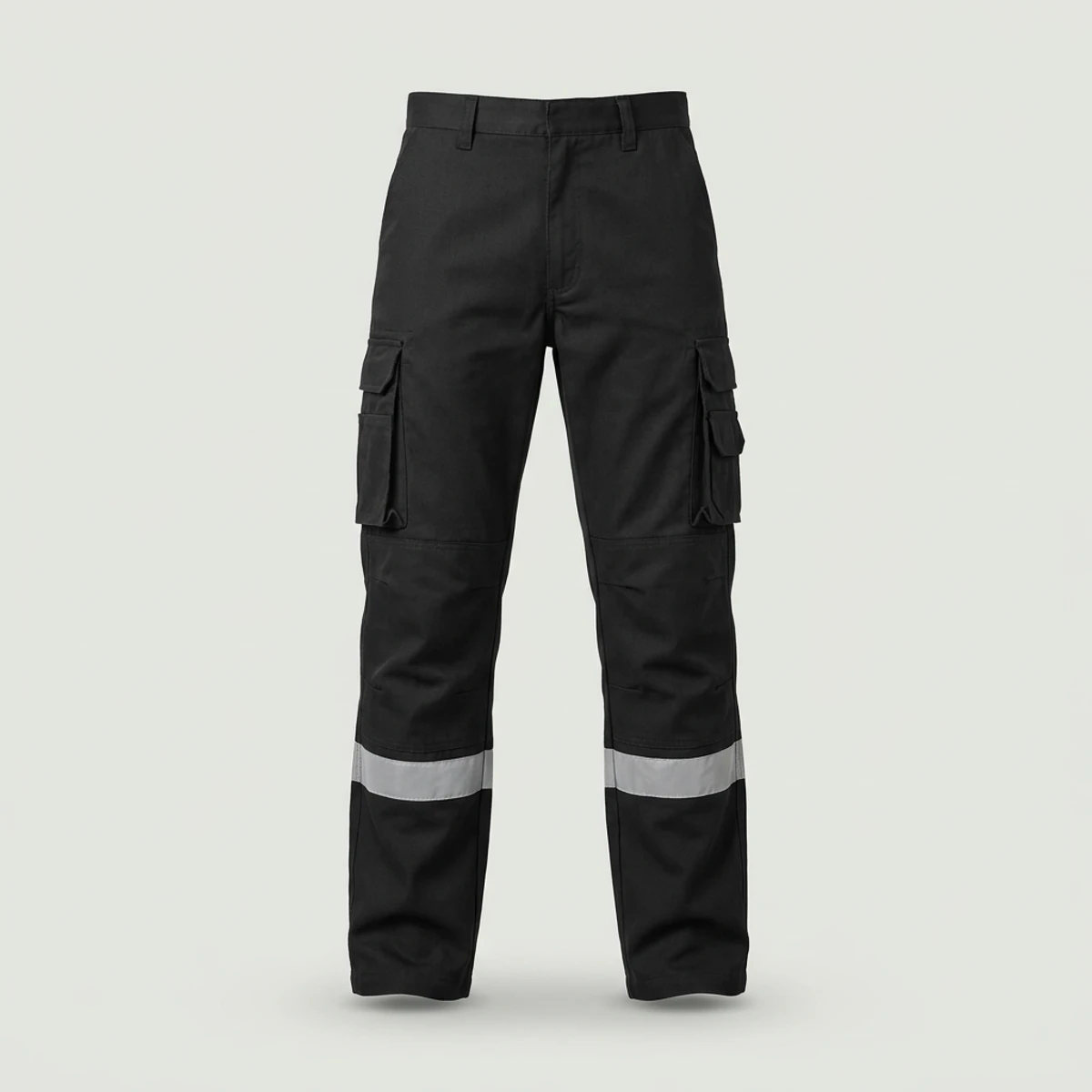
Pick the style, fabric and colors, add your logo and names, then attach the design to your quote. We cut and sew it in Los Angeles from 50 pieces per style.
High visibility clothing works by pairing two materials: fluorescent fabric that looks brighter than its surroundings in daylight and dusk, and retroreflective tape that returns headlight beams to the driver at night. Placement matters as much as quantity, because bands around the torso, arms and legs outline a human shape drivers recognize.
Hi vis workwear is sorted by ANSI/ISEA 107 into three types by where it is worn and three performance classes by how much visible material it carries. Type O is off-road, Type R is roadway and Type P is public safety; Class 3 carries the most material and always includes sleeves.
ANSI/ISEA 107-2020, the American National Standard for high-visibility safety apparel from the American National Standards Institute (ANSI) and the International Safety Equipment Association (ISEA), is the current published edition at the time of writing; check for a newer edition before you specify.
| Type and class | Typical use | Minimum background | Minimum retroreflective |
|---|---|---|---|
| Type O, Class 1 | Off-road: warehouses, parking lots, oil fields | 217 sq in | 155 sq in |
| Type R, Class 2 | Roadway and right-of-way work | 775 sq in | 201 sq in |
| Type R, Class 3 | Roadway work with faster traffic, night work, poor visibility | 1,240 sq in | 310 sq in |
| Type P, Class 2 | Public safety: police, fire, EMS (emergency medical services) | 450 sq in | 201 sq in |
| Type P, Class 3 | Public safety with higher exposure | 775 sq in | 310 sq in |
The standard also allows smaller background minimums for the smallest size offered in some classes, and defines Class E for supplemental pants, shorts and bibs that create a Class 3 ensemble when worn with a Class 2 top. Our ANSI 107 hi-vis classes guide explains each type, class and material test in plain language.
Hi vis shirts, jackets, pants and vests each solve a different visibility problem, and most crew programs combine two or three of them. Shirts suit hot weather, jackets cover cold and wet work, Class E pants complete a Class 3 ensemble at night, and vests add visibility over an existing uniform.
Short-sleeve T-shirts can be designed for Class 2. Long-sleeve shirts with reflective bands on the sleeves can be designed for Class 3. Breathable knit fabric suits hot climates where crews will not keep a vest on.
Jackets and outer layers for cold and wet work are sized to fit over other clothing, so the reflective bands sit where they should and are not hidden under a sweatshirt.
Pants, shorts and bibs are designed as Class E supplemental items. On their own they are not compliant; with a Class 2 top they make a Class 3 ensemble for night and high-speed work.
A vest is the lightest way to add visibility over existing uniforms. For plain vests in crew quantities, see safety vests by class and style; if branding is the priority, see our custom safety vests.
Choose the background color that contrasts most with what your crew works against. Fluorescent yellow-green suits most urban and roadway settings, orange-red stands out against greenery, snow and yellow equipment, and fluorescent red is usually an employer or agency choice. Some companies assign one color to supervisors or one trade.
| Color | Where it stands out | Common choices |
|---|---|---|
| Fluorescent yellow-green | Most urban and roadway settings, dawn and dusk | Road crews, construction, warehouses |
| Fluorescent orange-red | Green and wooded backgrounds, snow, against yellow equipment | Landscaping, forestry, rail, utilities |
| Fluorescent red | Settings where red is the agency or site color | Less common; usually specified by the employer |
Tip: Roadway work zones are stricter than the standard. The federal traffic-control manual allows only fluorescent orange-red, yellow-green or a combination of the two there, so keep fluorescent red for off-road sites.
High visibility safety wear is required by federal traffic-control rules for roadway work zones, by OSHA (the Occupational Safety and Health Administration) for certain construction work near traffic, and by your own hazard assessment everywhere else. The type and class always come from the employer’s assessment of the actual work.
See how we approach construction uniforms and warehouse uniforms for complete crew programs.
ANSI compliance depends on three things: certified materials, a garment design that meets its type and class, and a label with documentation. High visibility garments are not compliant just because they are bright yellow; every one of these three has to be in place before a garment can be called compliant.
Custom Uniform Factory tells you, before you order, which certified materials are used in each style and what documentation comes with it, and never describes a garment as compliant without that documentation.
High visibility clothes can carry your logo, names and crew numbers, as long as the decoration does not cover material the garment needs to meet its class. A large logo over fluorescent fabric or tape can drop a garment below its minimums, so placement is planned with the class in mind.
Our custom embroidery and printing service covers decoration methods for all workwear.
The cost of custom hi vis clothing depends on the garment type, the class it is built to, the fabric, any FR (flame-resistant) requirement, the quantity per style and the decoration. No prices appear here, because every order is quoted on its actual garments, materials and quantity. The table shows the usual direction of each factor.
| Cost driver | How it moves the unit price | How to keep it in check |
|---|---|---|
| Garment type | Jackets and sleeved shirts use more fabric and tape than vests and T-shirts | Match the garment to the climate and the class needed |
| Class | Class 3 needs more fluorescent fabric and reflective tape than Class 2 | Buy the class your hazard assessment sets |
| Fabric | Breathable performance knits and weatherproof shells cost more than basic polyester | Choose fabric by season and duty |
| FR or arc rating | Flame-resistant fabric, tape and thread cost more than standard materials | Specify FR only where the hazard exists |
| Quantity per style | Larger runs spread setup and sampling across more pieces, so unit cost tends to fall | Standardize on fewer styles and colors |
| Decoration | More print locations and colors add time per garment | One chest mark plus one back print |
Hi vis clothing can also be flame-resistant or arc-rated, which utility, electrical and oil and gas crews often need. In that case every material, including the fluorescent fabric, reflective tape and thread, must meet the FR requirements as well as the visibility ones, or the garment can melt or ignite in a flash fire or arc.
See our FR clothing page before you specify a combined garment.
Hi vis by role starts from where each person works and what moves around them. The class always comes from your hazard assessment; this table shows common starting points that safety managers then confirm, from warehouse pickers on Class 1 to flaggers and utility crews on Class 2 or 3.
| Role | Common garment | Starting point to check |
|---|---|---|
| Warehouse picker, dock worker | Vest or T-shirt | Type O Class 1 or Type R Class 2, depending on forklift and truck traffic |
| Parking attendant | Vest or T-shirt | Type R Class 2 |
| Road construction laborer, surveyor | Vest, T-shirt or long-sleeve shirt | Type R Class 2; Class 3 for faster traffic or night work |
| Flagger | Sleeved shirt or jacket, often with Class E pants | Type R Class 2 or 3; check your state DOT’s (department of transportation) rules, especially for night work |
| Utility lineman | Arc-rated hi-vis shirt or jacket | Type R class from the hazard assessment, plus the required arc rating |
| Police, fire, EMS at incident scenes | Breakaway vest or jacket | Type P Class 2 or 3 |
Care for high visibility clothing by following the care label, avoiding chlorine bleach and fabric softener, washing inside out, drying on low heat and storing garments out of sunlight. Fluorescent dyes fade with ultraviolet light and reflective tape wears with laundering and abrasion, so care decides how long a garment stays visible.
Ready to order
A complete hi vis quote needs the garments, the type and class, the color, any FR requirement, the climate, the artwork and the headcount. Send as much of this list as you can with your first message, and we can confirm materials, design and documentation for each style.
The most common hi vis mistakes are buying on color alone, oversized logos, using a Class 2 vest where Class 3 is required, putting polyester hi-vis over FR clothing and keeping worn garments in service. Each one leaves a worker less visible or less protected than the job demands.
Ordering custom hi vis clothing takes four steps: describe the job, confirm materials and design, approve a sample with your logo placed, then production. The sample is where logo placement and fit are checked against the class before the full run is cut and sewn.
Ask us for current lead times when you request your quote.
Need something not covered here? Ask our Los Angeles team and we’ll answer with options for your order.
Ask our Los Angeles teamClass 3 requires more fluorescent background and retroreflective material than Class 2 and must include sleeves with reflective bands, so the wearer's outline is visible from farther away. It is used where traffic is faster or visibility is poorer. Your safety program's hazard assessment decides which class applies.
ANSI/ISEA 107 compliance depends on the fabric and reflective materials being tested by an accredited laboratory and on the finished garment meeting the area and design rules for its type and class. We confirm, style by style, which certified materials we use and what documentation comes with your order before we describe a garment as compliant.
Class E covers supplemental items such as pants, shorts and bib overalls. They are not compliant on their own. Worn with a Class 2 top, a Class E item makes a Class 3 ensemble, which is useful for night work and high-speed roadways.
Often, yes. A breathable knit hi vis T-shirt replaces the shirt-plus-vest combination, so crews wear one layer instead of two in hot weather and are less tempted to take the vest off. A short-sleeve shirt can be designed for Class 2; for Class 3, the sleeves must carry reflective bands, so a long-sleeve shirt is the usual route.
Fluorescent color fades with sunlight and washing, and reflective tape wears with laundering and abrasion. Replace garments that look faded, soiled, torn or have damaged tape, and follow the care label, including any maximum number of wash cycles printed on it. Heavy daily use shortens service life considerably.
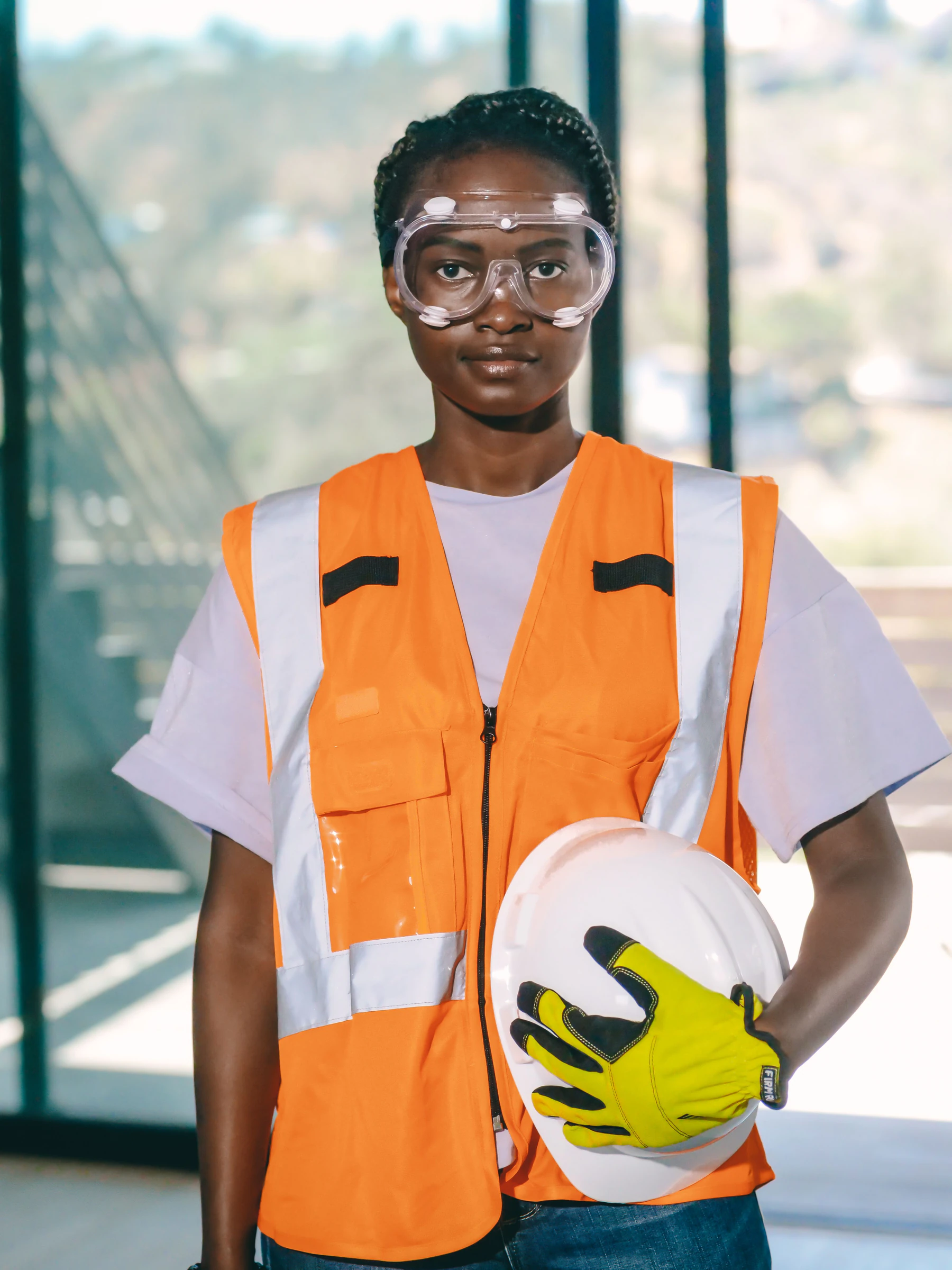
Durable, branded construction uniforms, from hi-vis layers for road and site work to work pants and denim, cut and sewn in Los Angeles from 50 pieces per style.
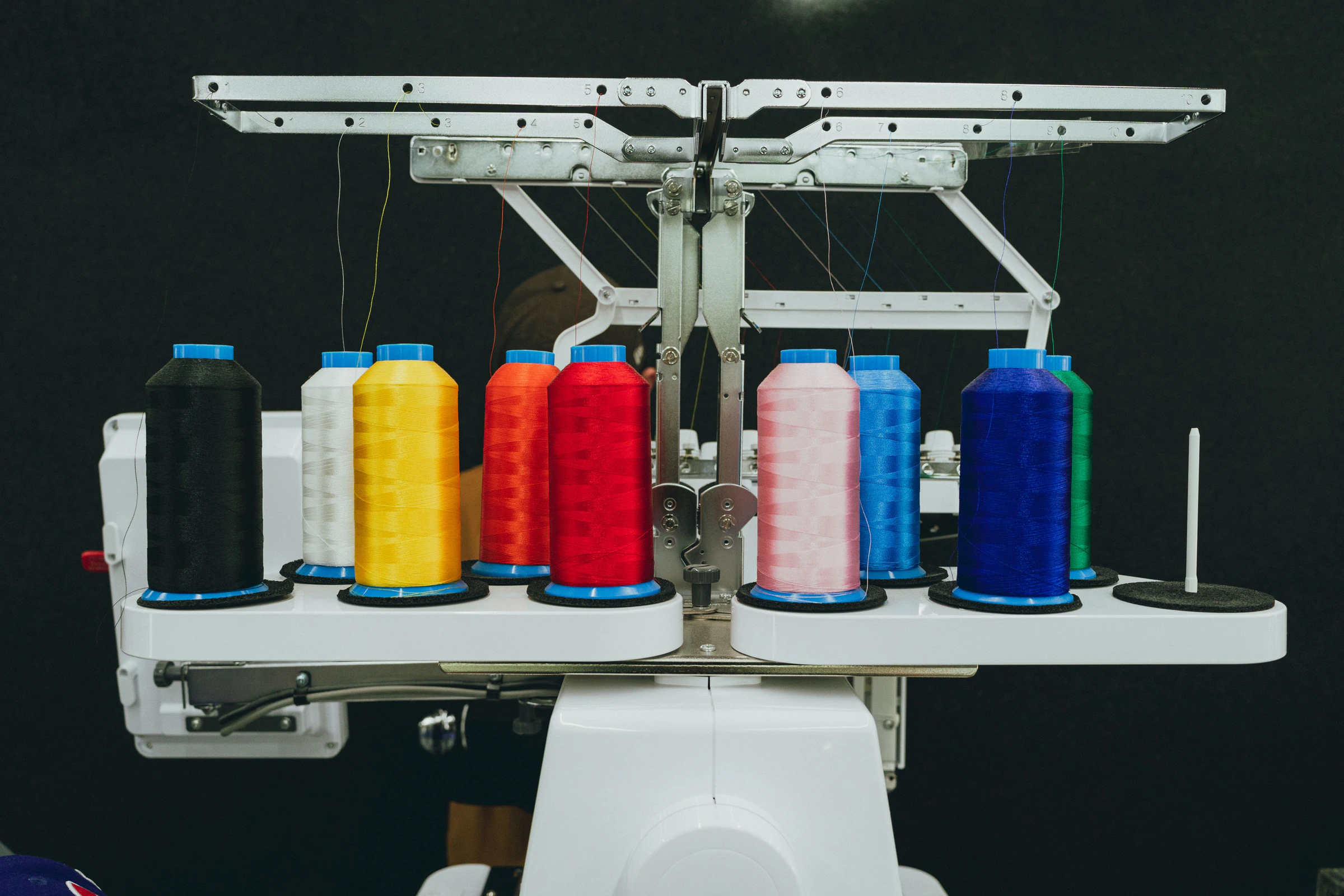
Logo embroidery, screen printing, transfers and patches across workwear, with advice on which method suits each garment, fabric and order size.
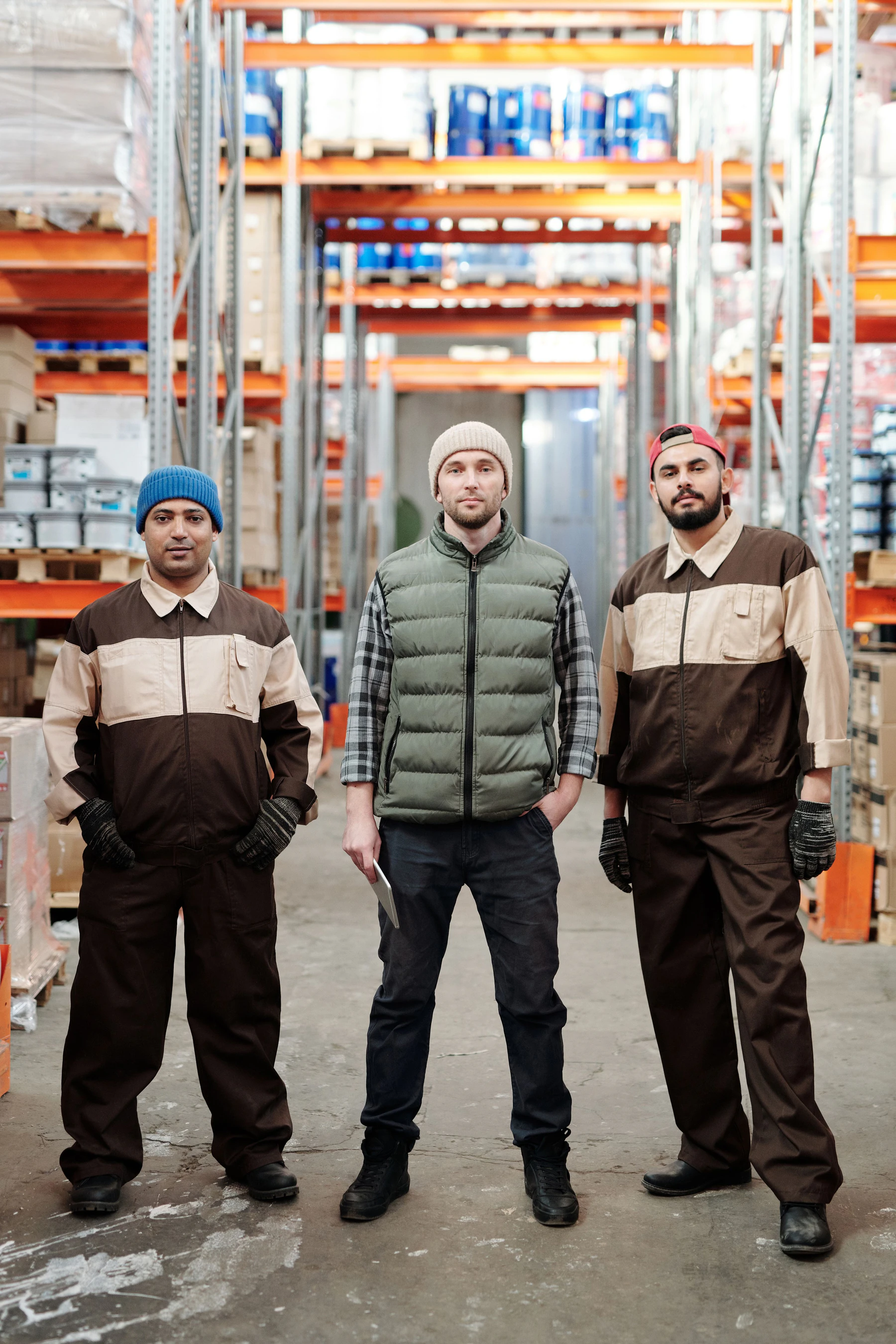
Durable branded shirts, pants and high-visibility vests for warehouses, distribution centers and logistics teams, cut and sewn in Los Angeles from 50 pieces per style.
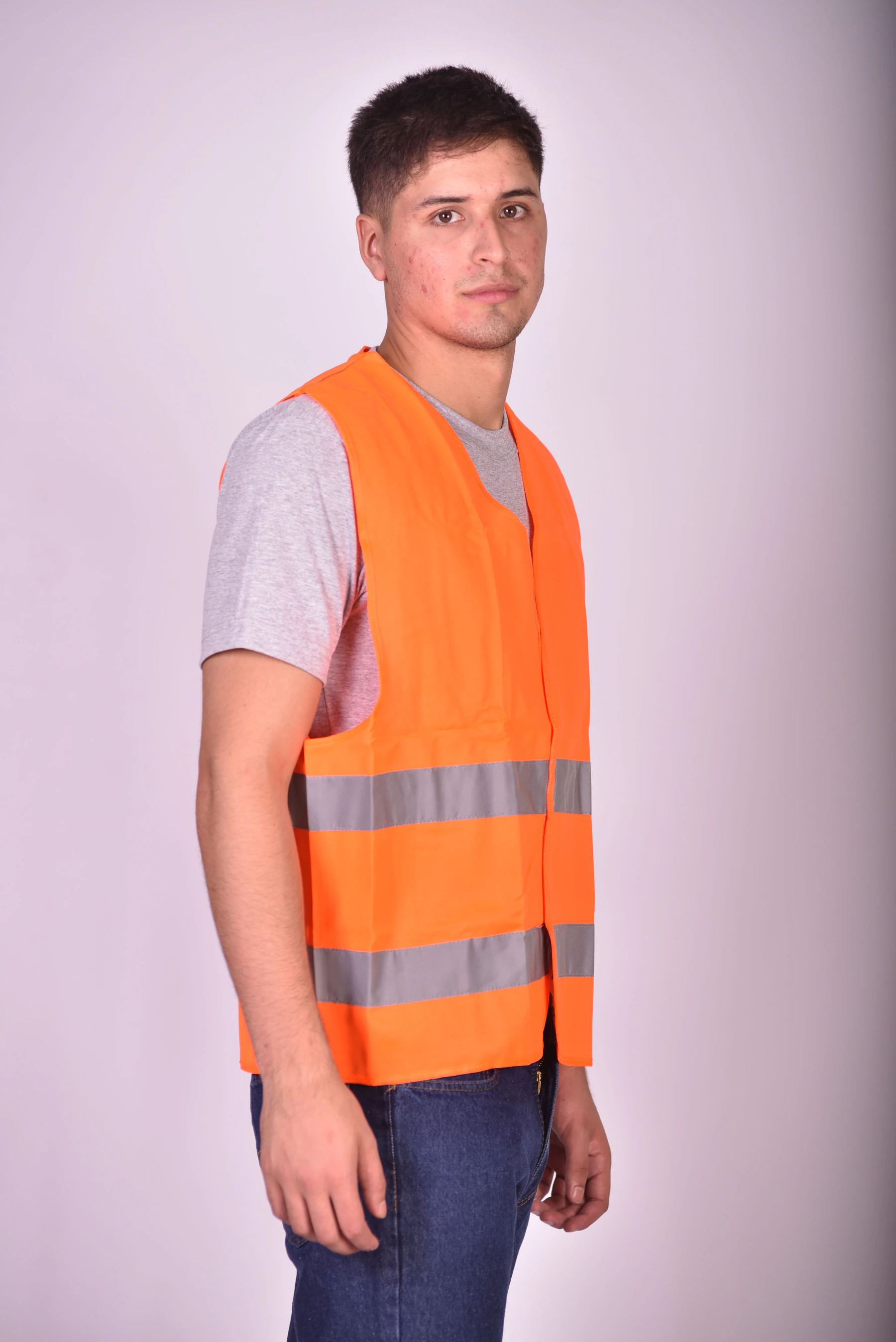
Branded and personalized hi-vis safety vests for construction, utilities, warehouses and events, cut and sewn in Los Angeles from 50 pieces per style.

Hi-vis safety vests in crew quantities: mesh, solid, pocketed and breakaway styles designed around ANSI/ISEA 107, cut and sewn in Los Angeles from 50 pieces per style.