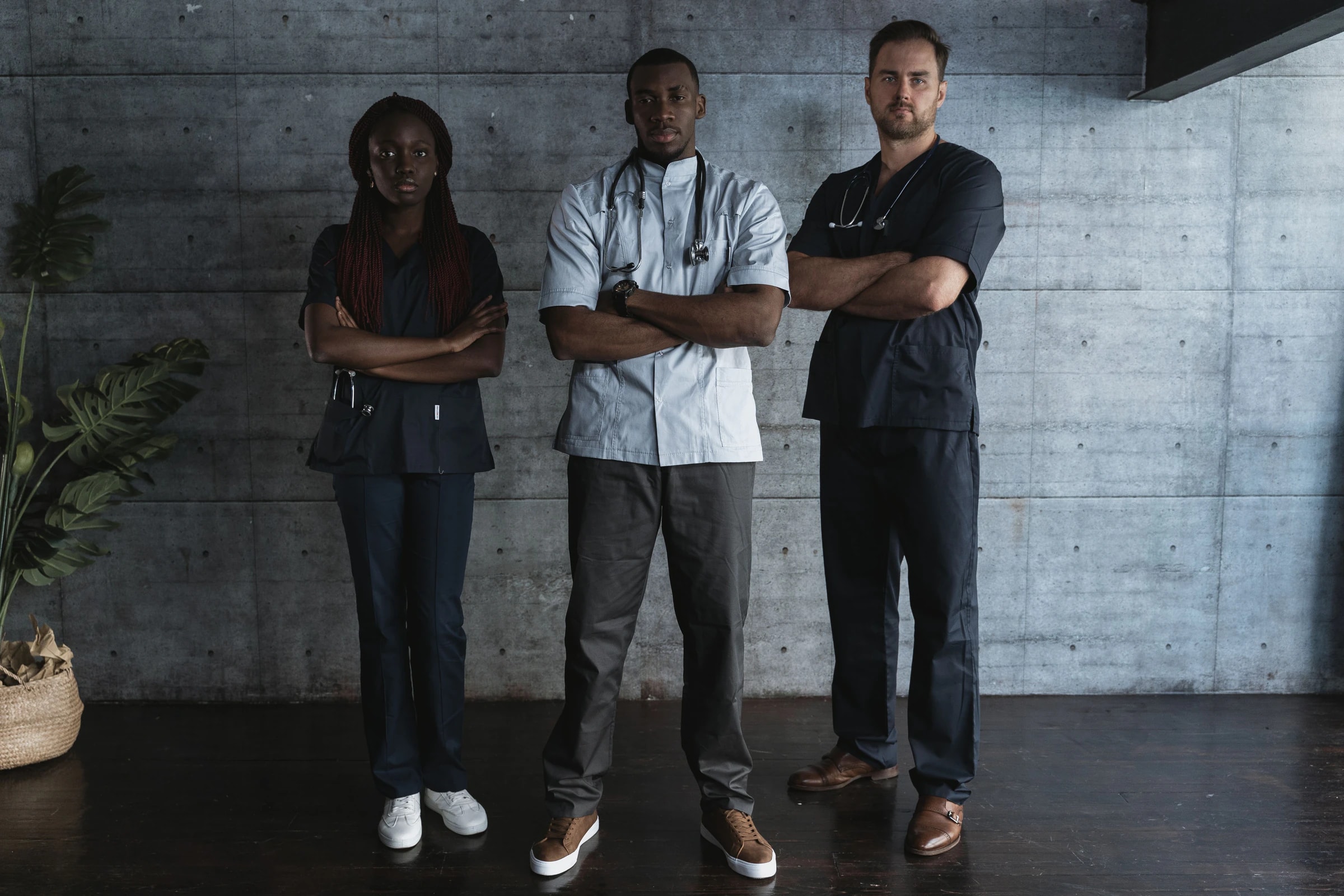
Medical Wear
Coordinated medical uniforms for clinics, practices and healthcare brands: scrubs, lab coats and layers, cut and sewn in Los Angeles from 50 pieces per style.
Los Angeles factory · from 50 pieces
Custom Uniform Factory cuts and sews work uniforms for US businesses in its own Los Angeles factory, from imported fabric: medical wear, chef coats and aprons, high-visibility garments, flame-resistant clothing and durable trade workwear. Every program can carry your logo or your own private label, and orders start at about 50 pieces per style, so a single location gets the same factory-direct service as a large fleet.
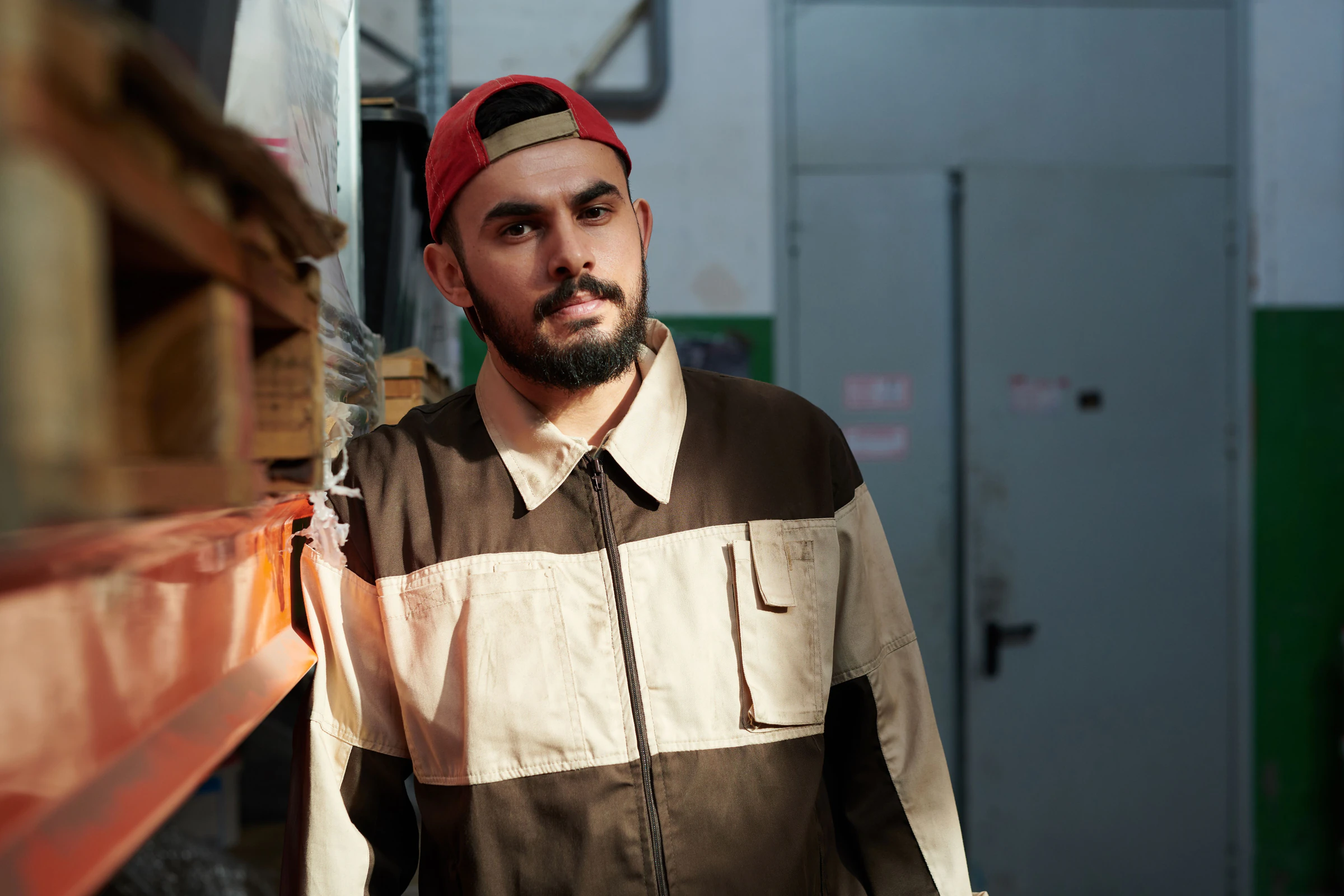
16 styles in 4 families · each made to order in your fabric, color and branding from 50 pieces.
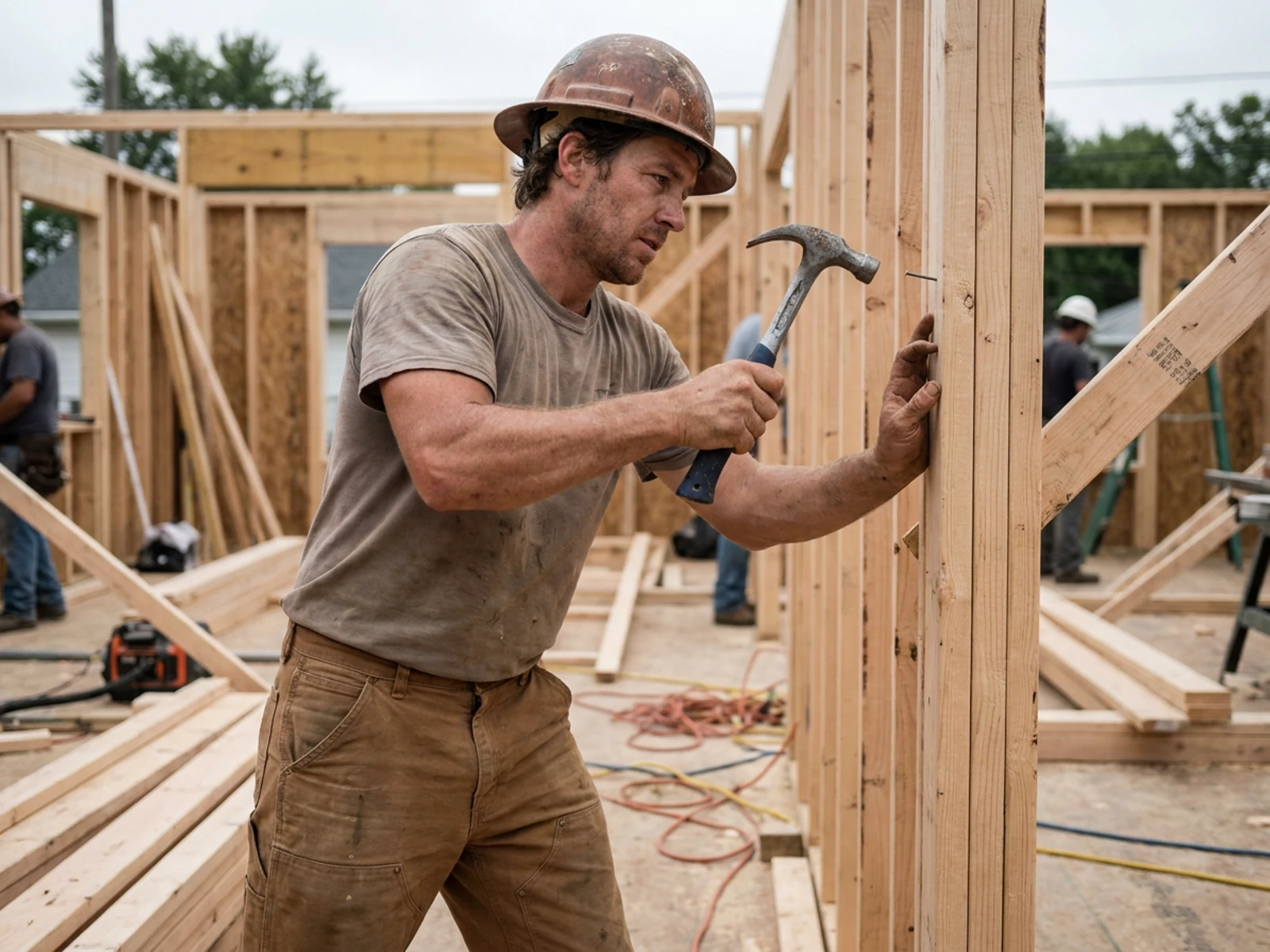
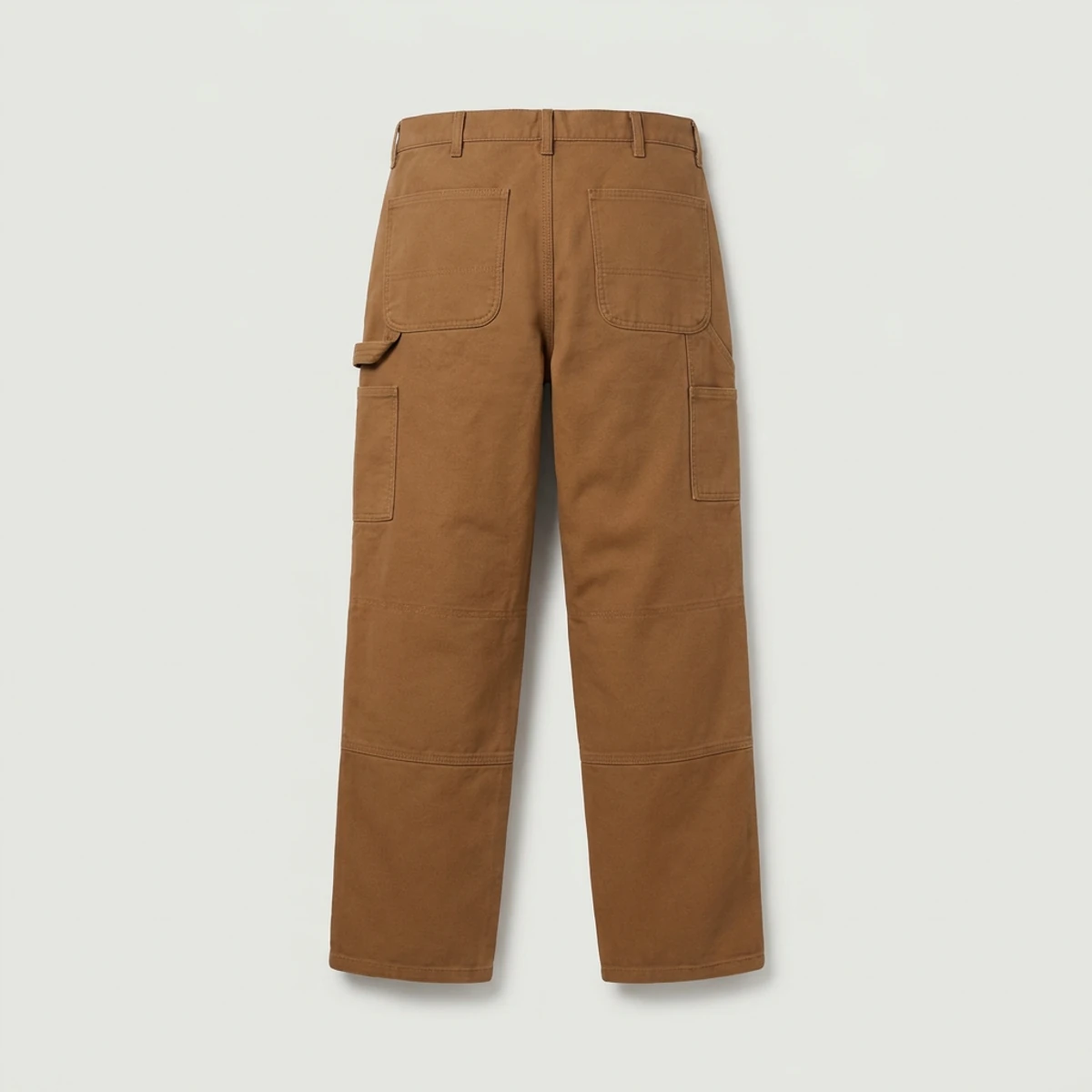
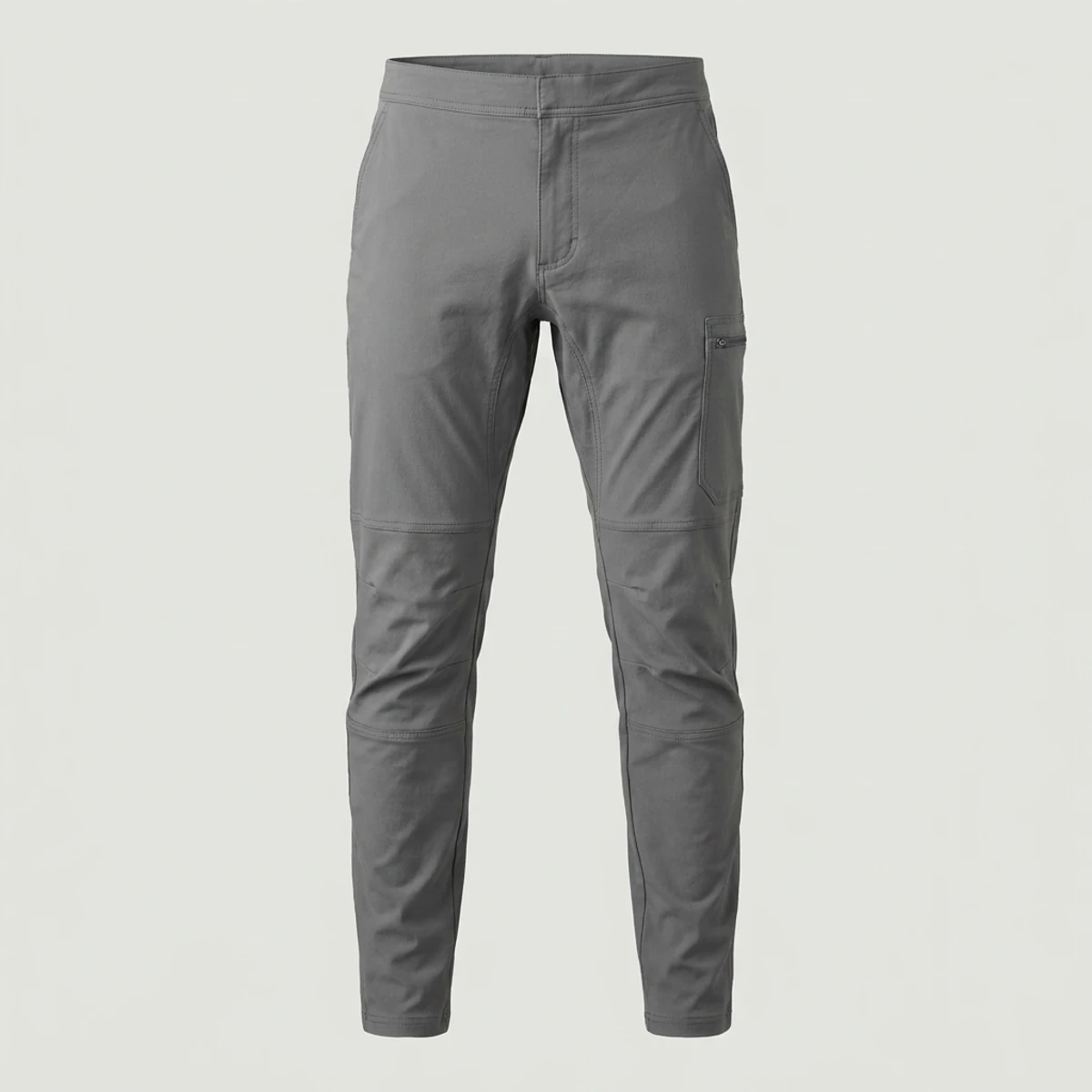
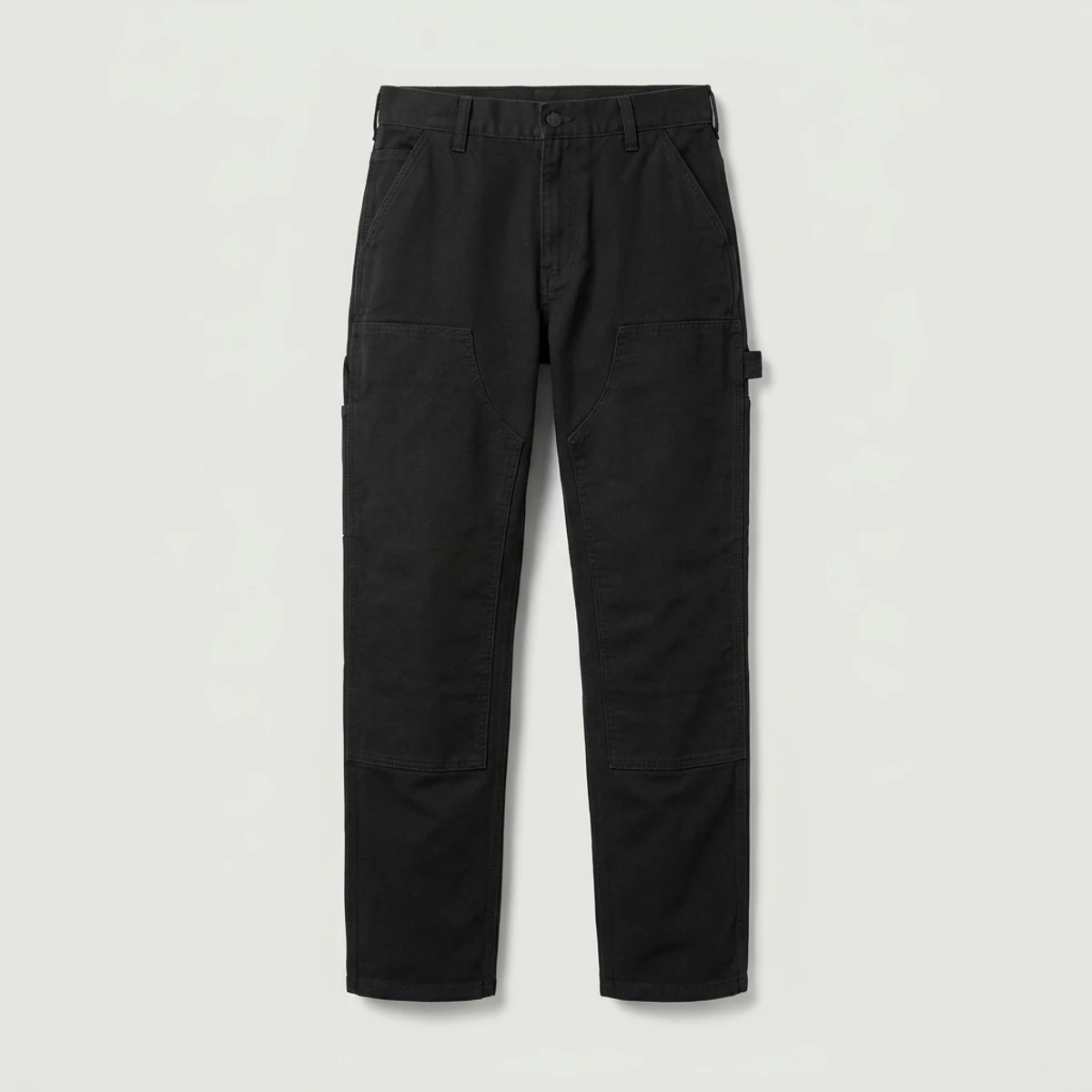
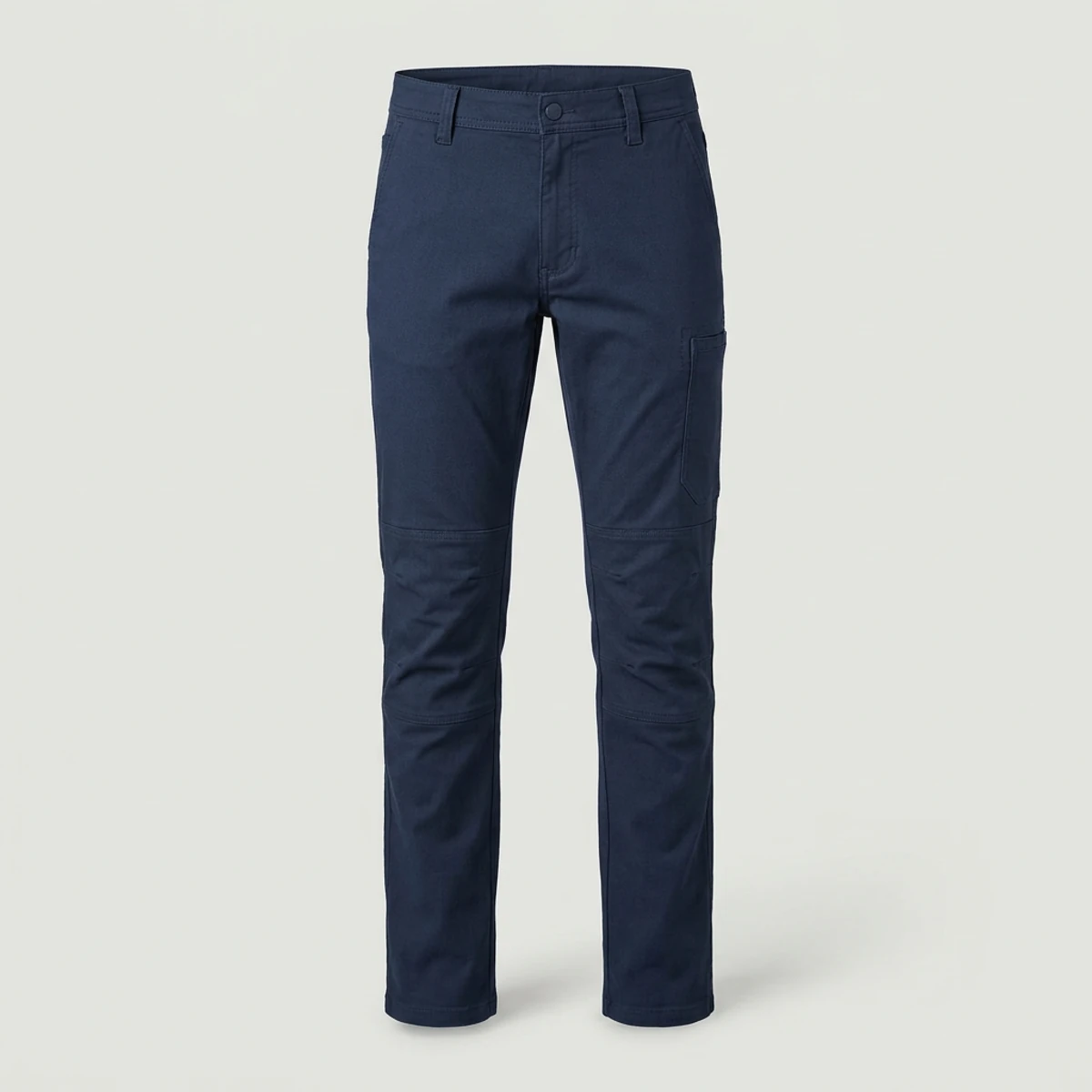
Utility, cargo and industrial pants cover the trades that kneel, climb and carry. Each is cut and sewn in Los Angeles from imported fabric, made to order from about 50 pieces per style.
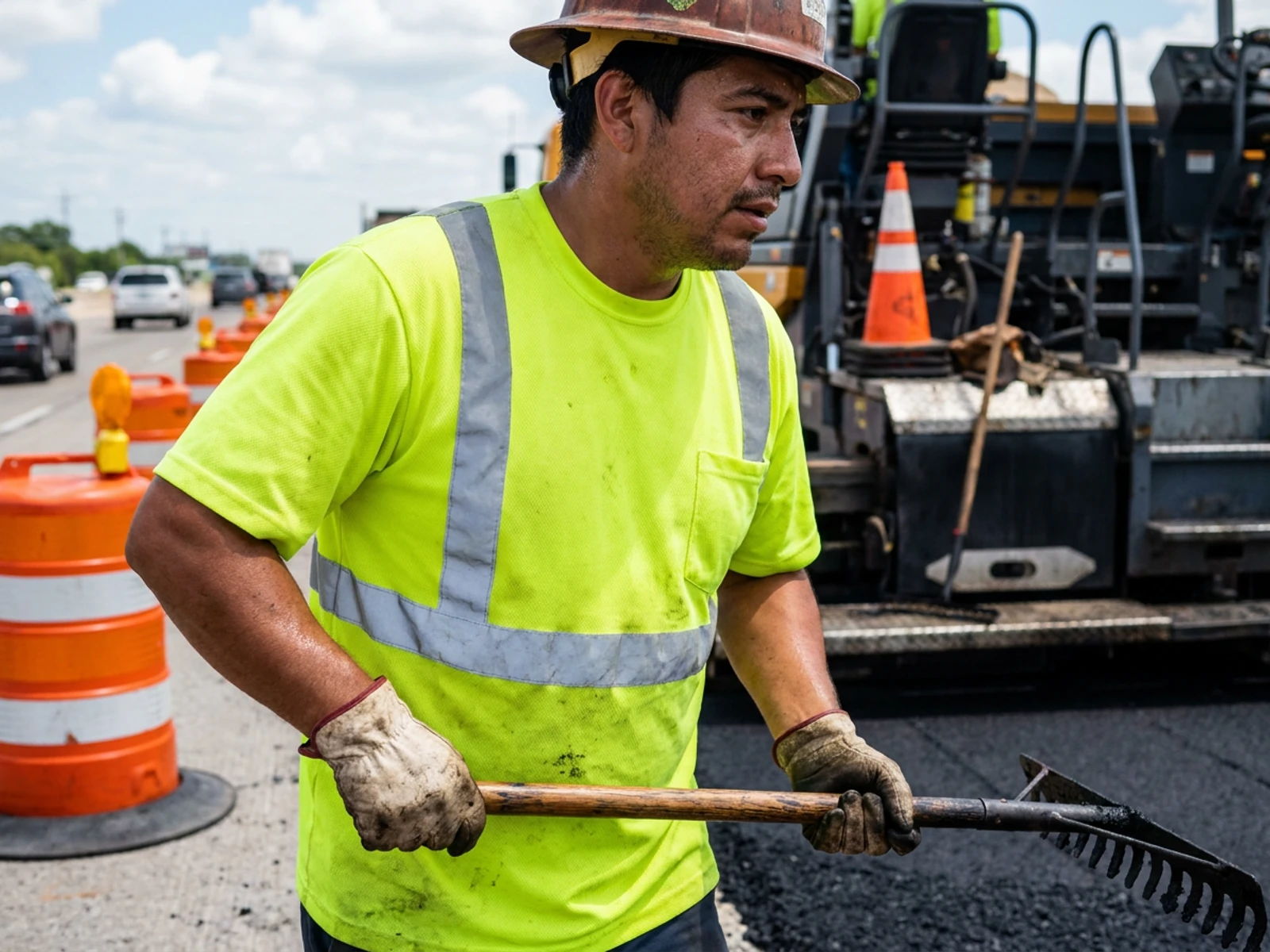
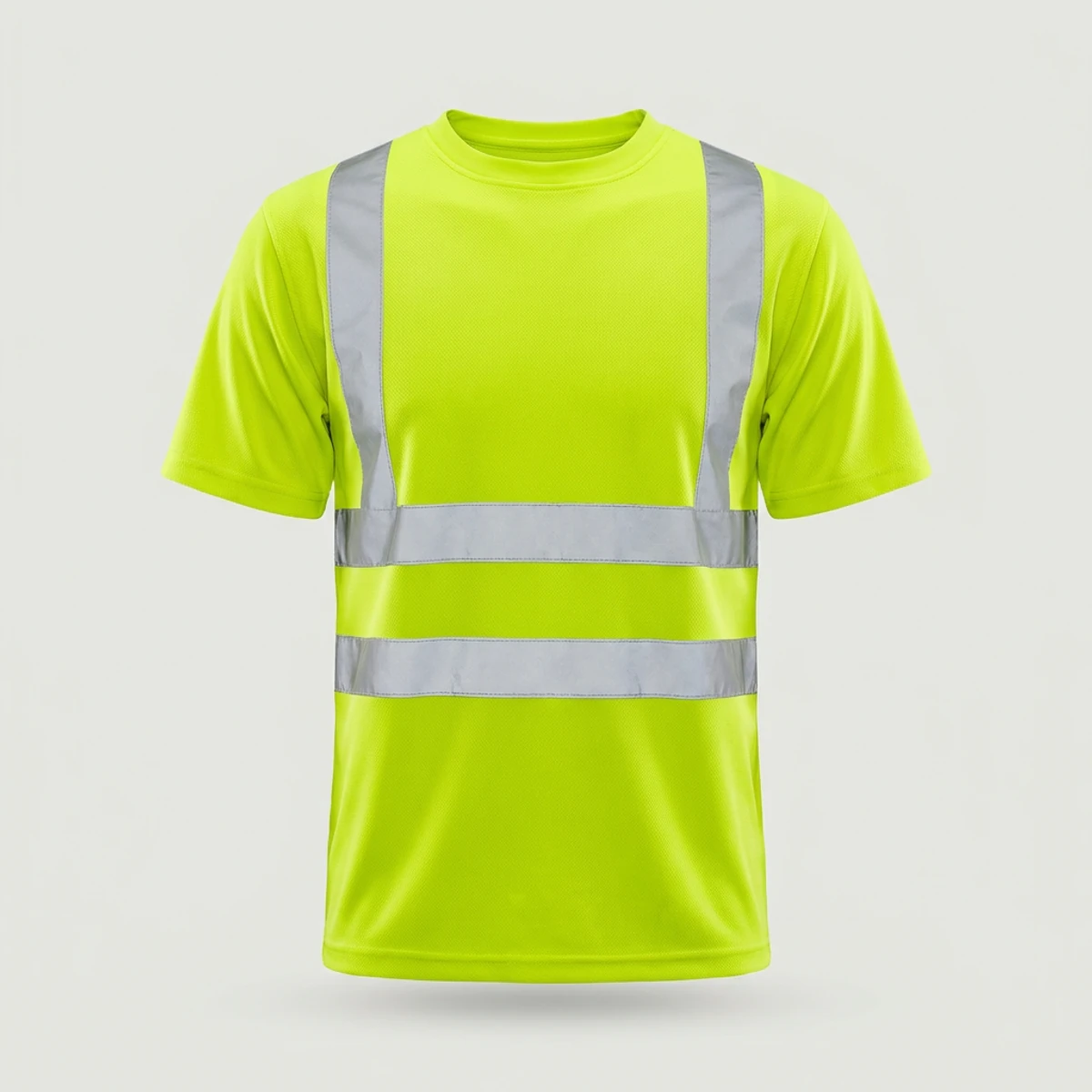
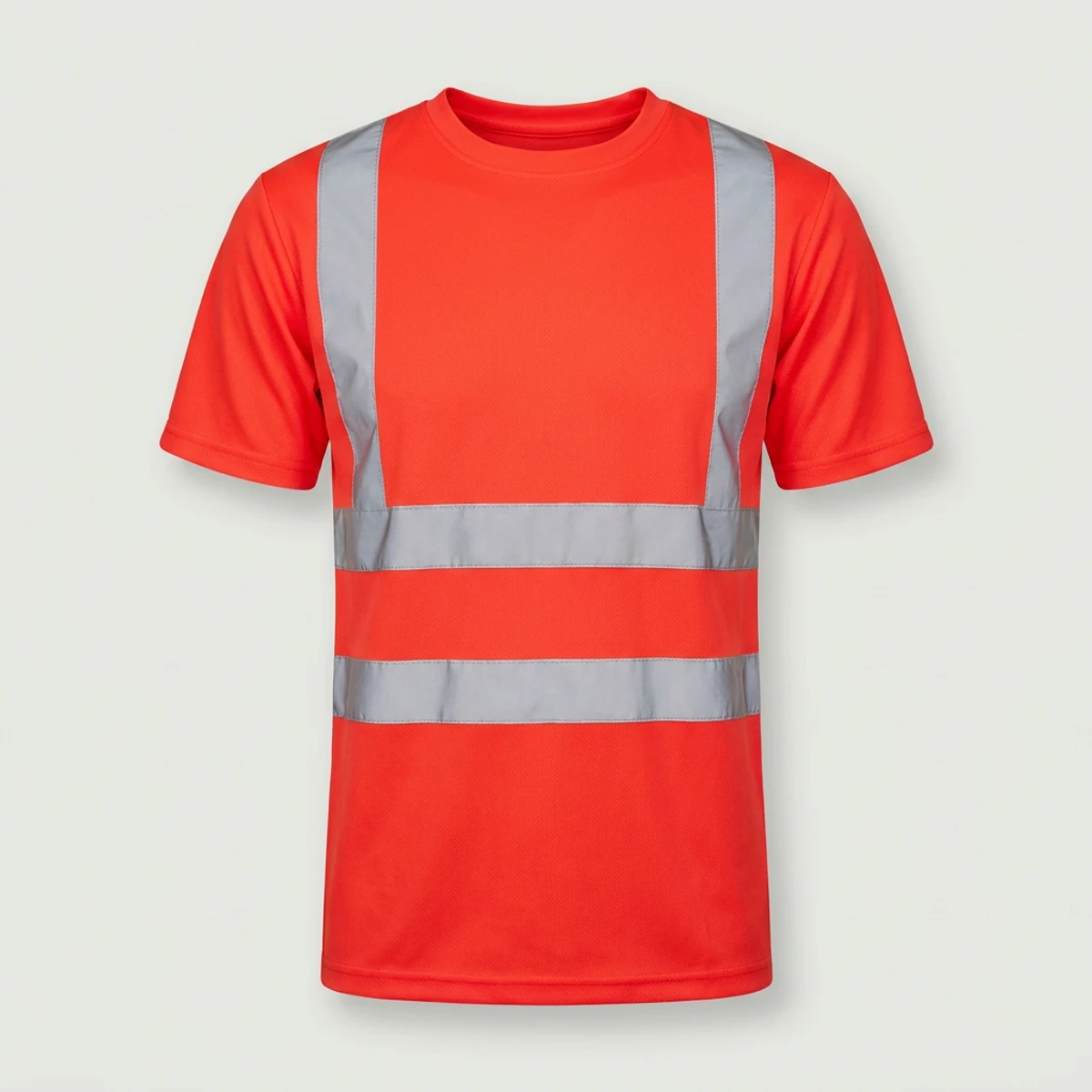
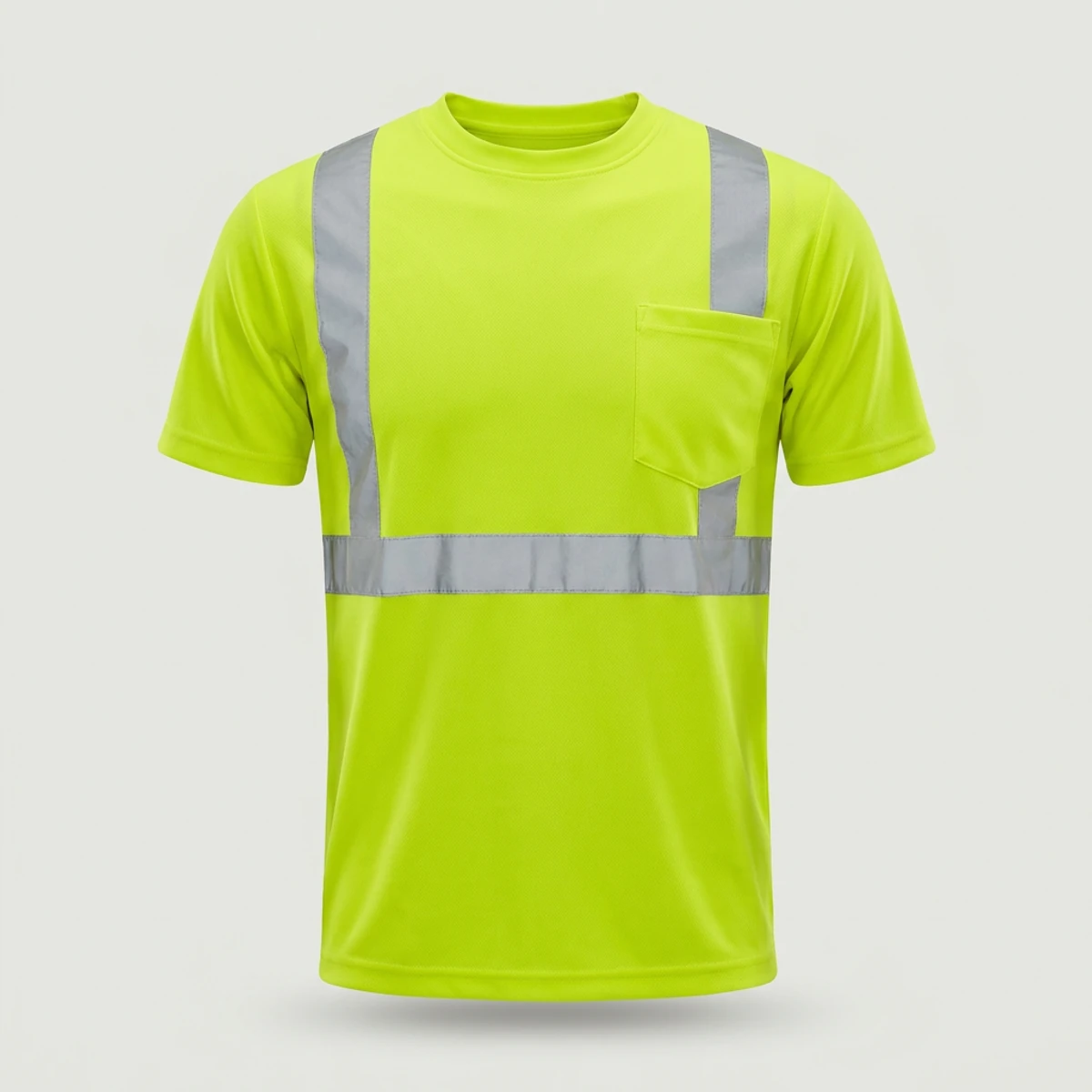
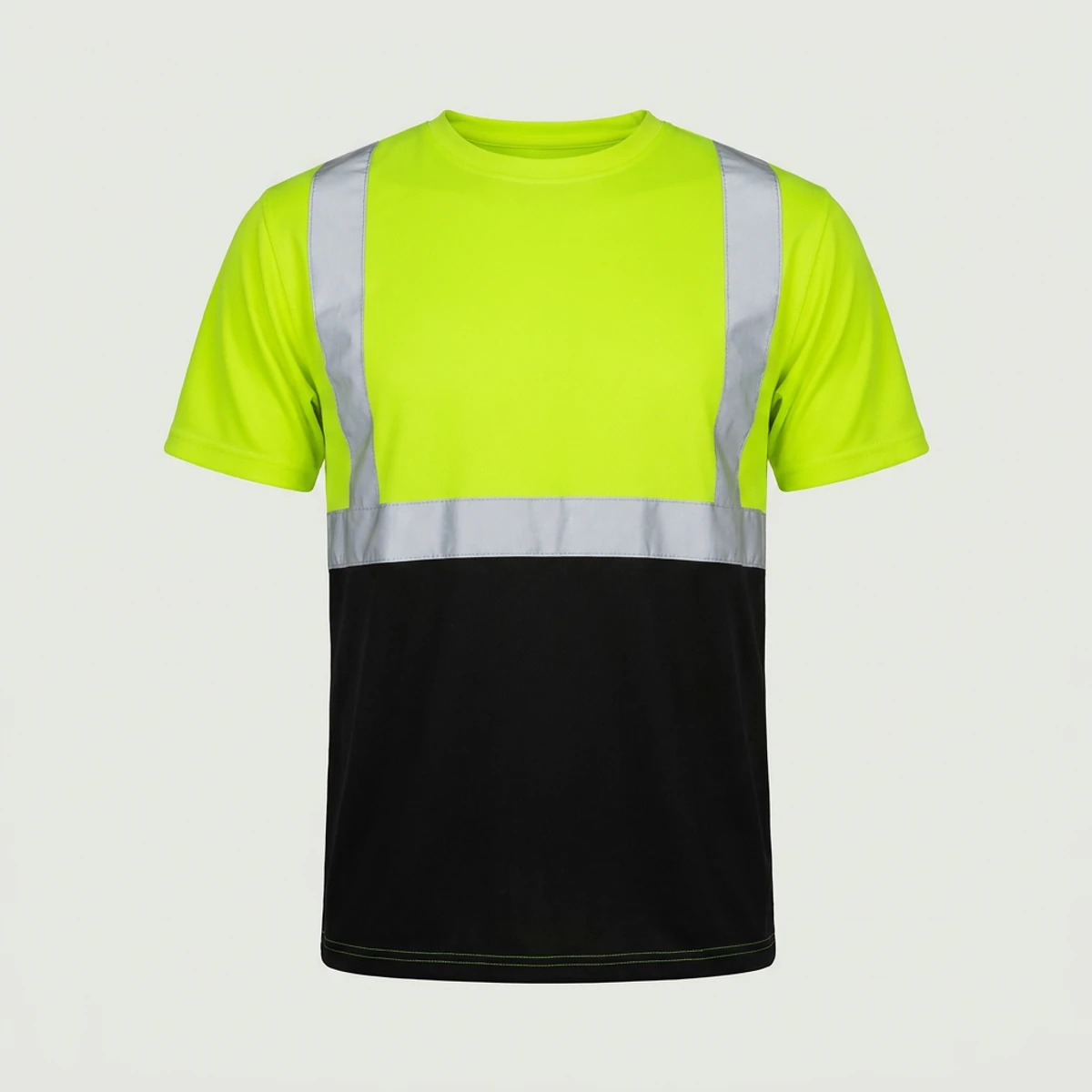
Tees, shirts, jackets and bibs keep crews seen around traffic and machinery. We plan branding around the reflective tape and produce from roughly 50 pieces of a style.
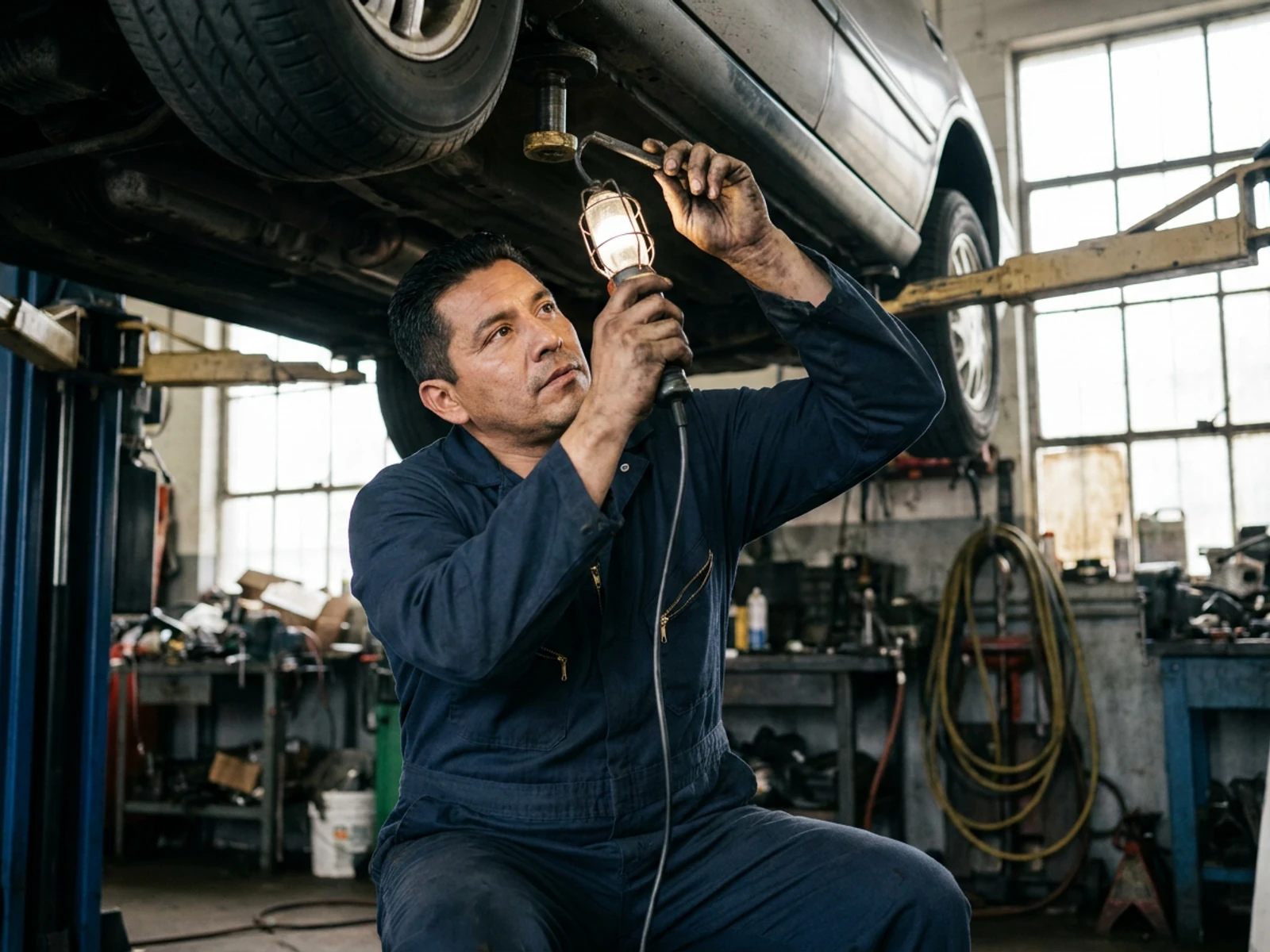
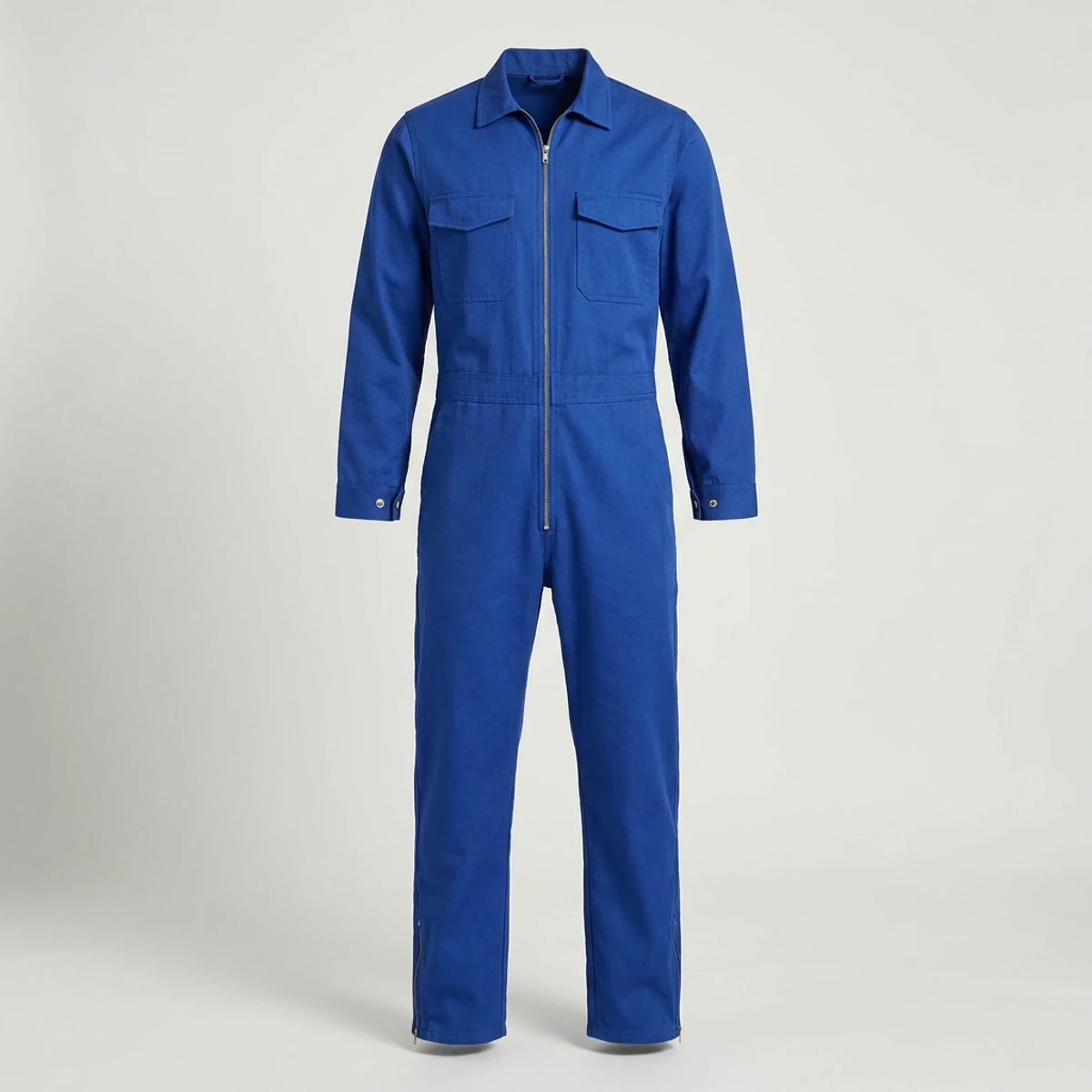
Twill, canvas and short-sleeve coveralls cover auto bays, plants and field service. They are made to order at our LA factory in runs from around 50 pieces.
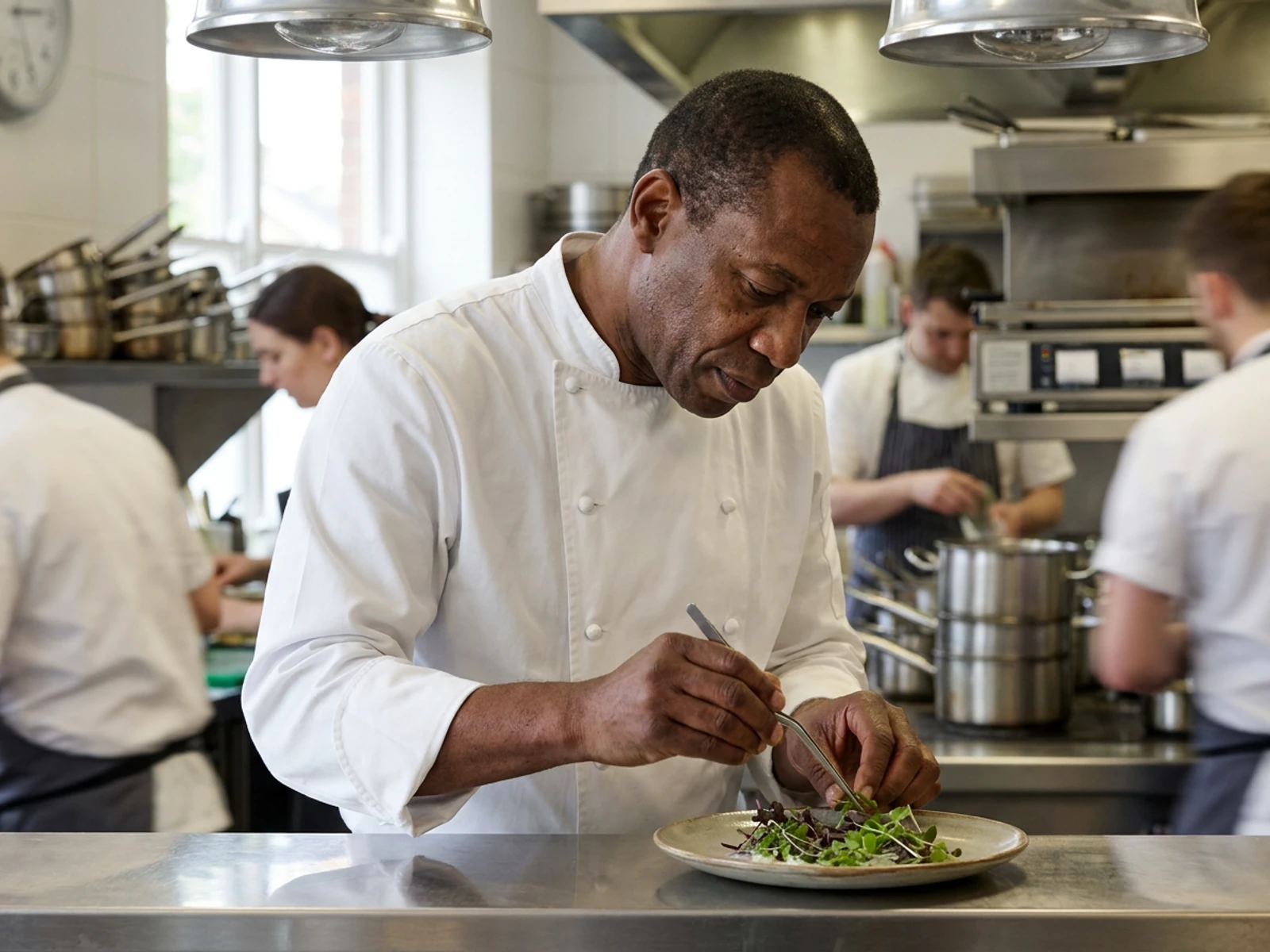
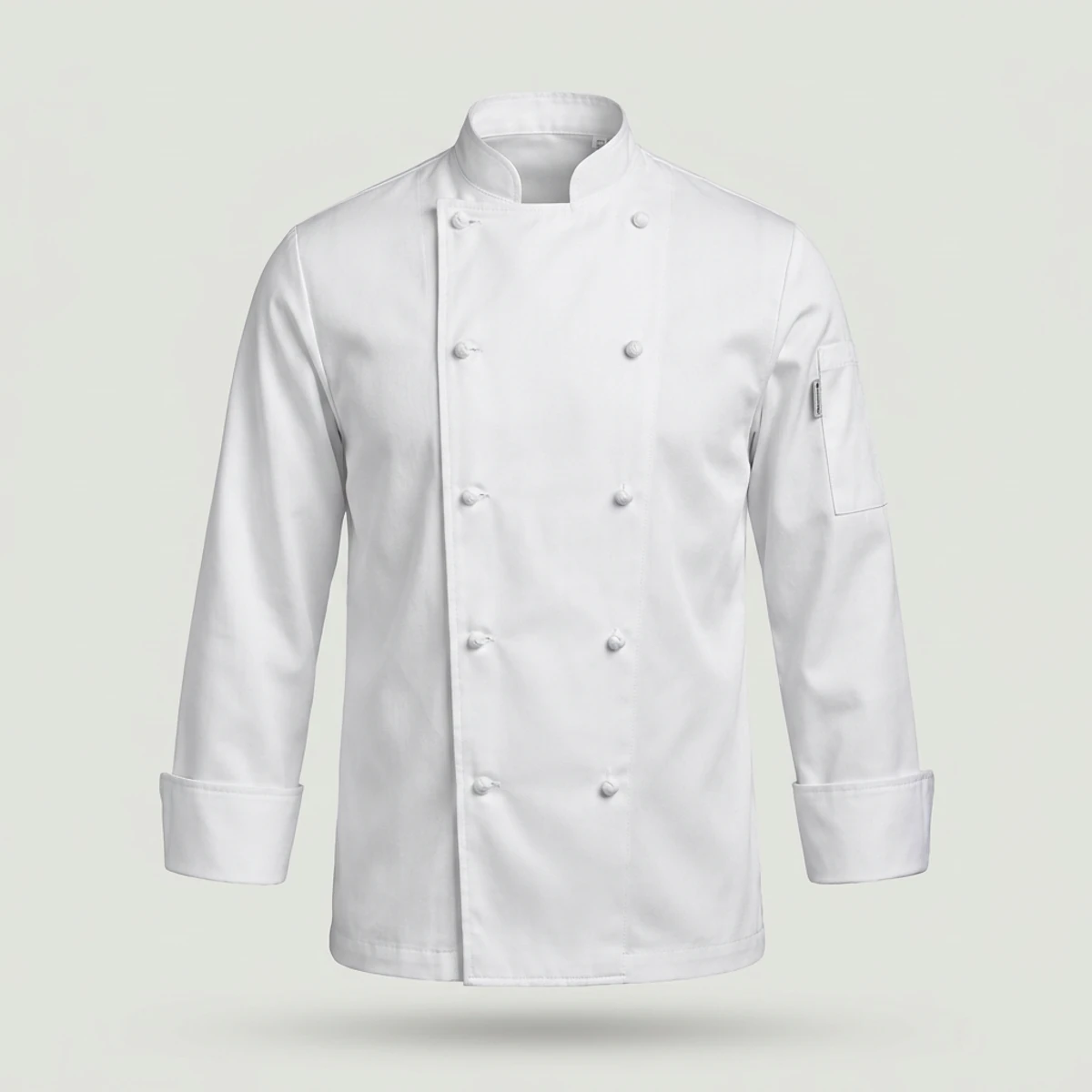
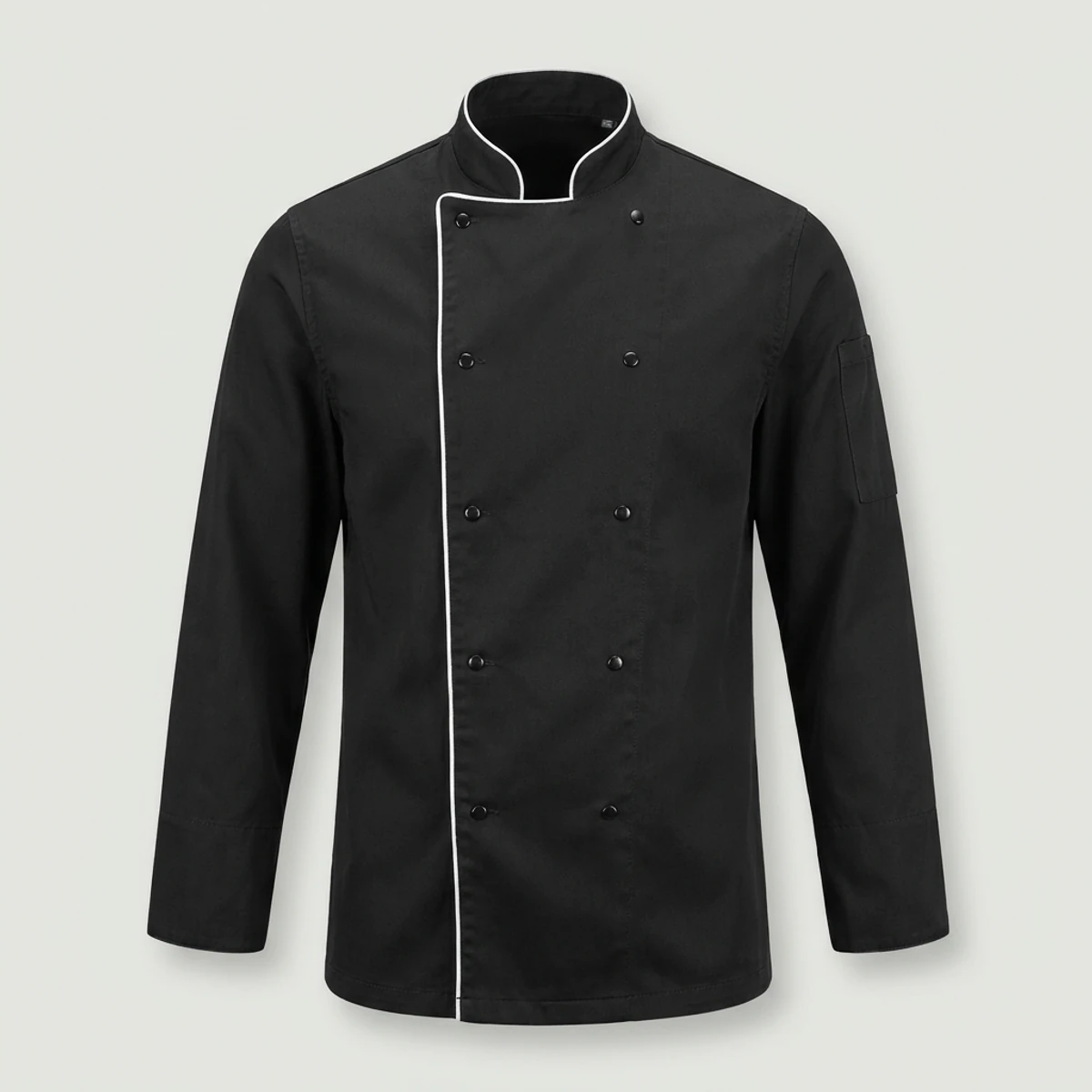
Chef coats, shirts, pants and aprons outfit a kitchen from the pass to the prep station. We stitch your restaurant mark in-house, with each style starting near 50 pieces.
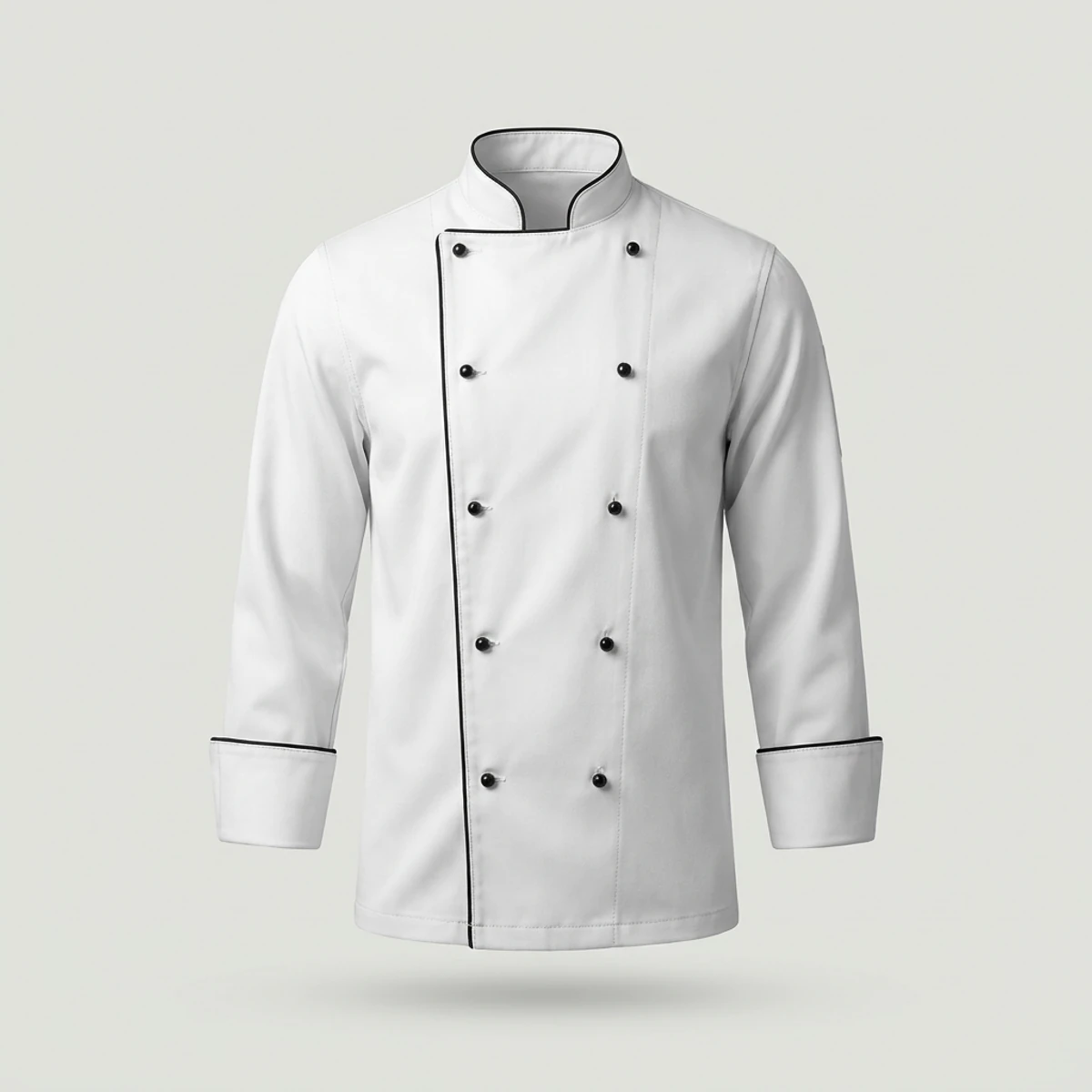
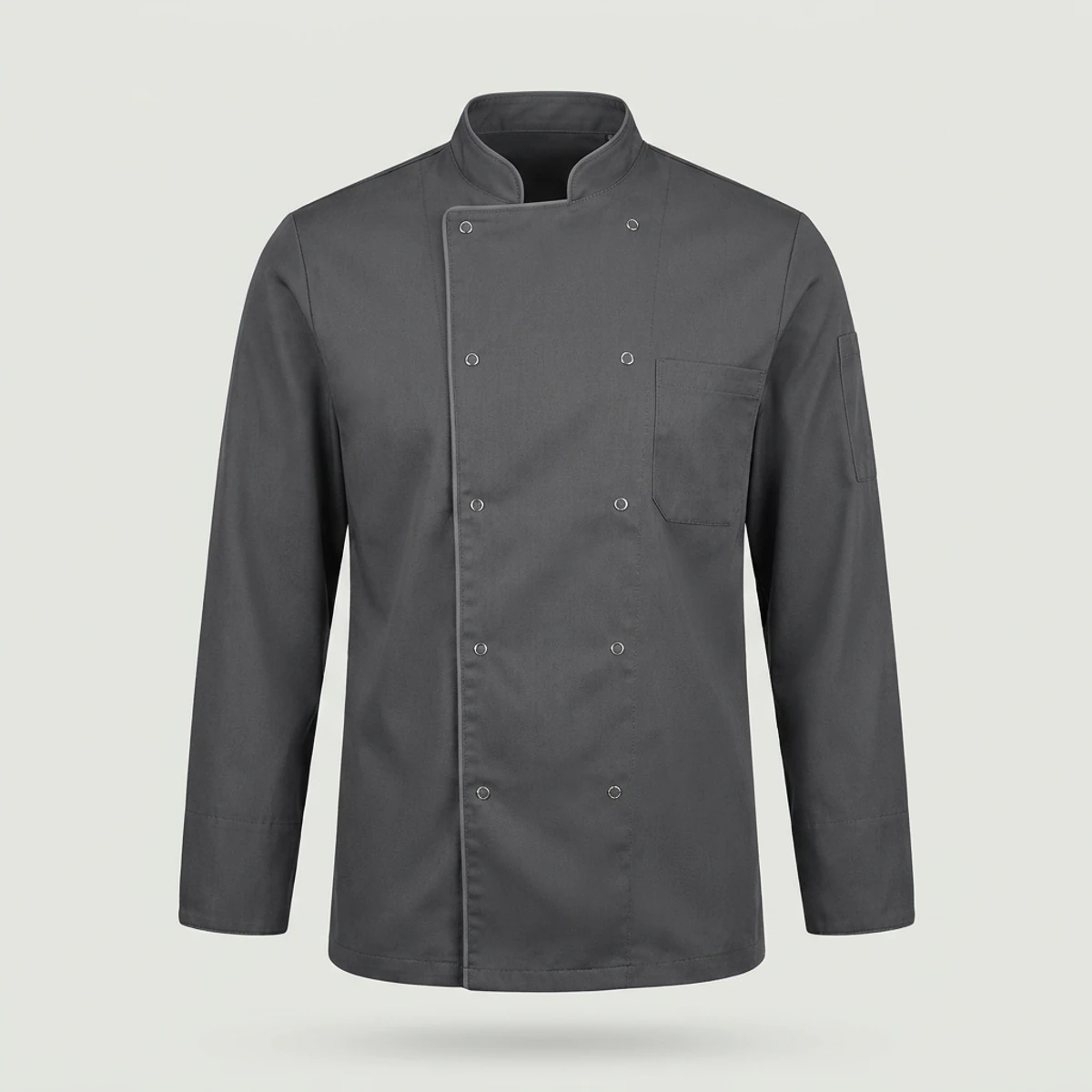
Pick the style, fabric and colors, add your logo and names, then attach the design to your quote. We cut and sew it in Los Angeles from 50 pieces per style.
Coordinated medical uniforms for clinics, practices and healthcare brands: scrubs, lab coats and layers, cut and sewn in Los Angeles from 50 pieces per style.
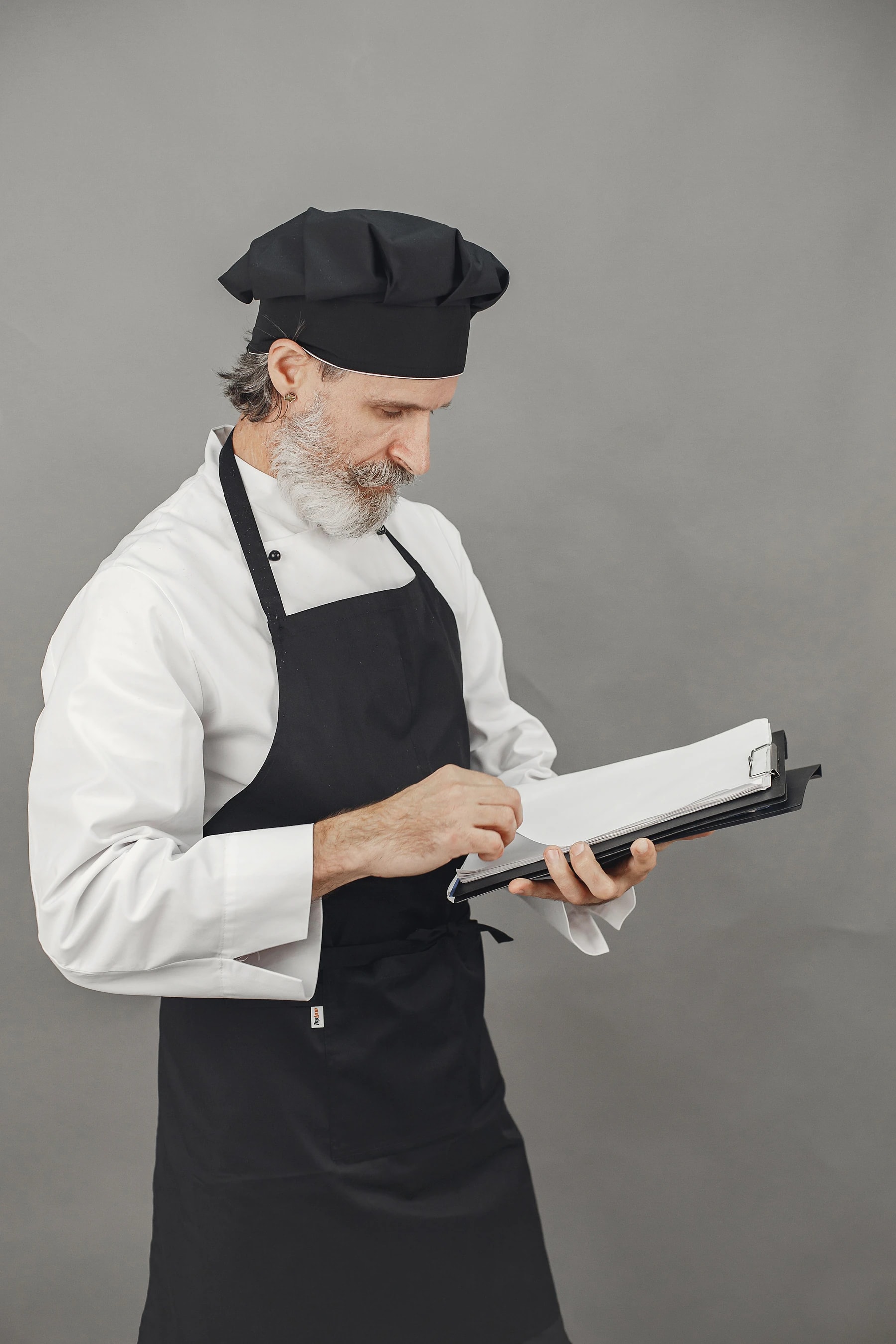
Custom chef coats, chef pants and kitchen uniforms for restaurants, hotels, caterers and culinary brands, cut and sewn in Los Angeles.
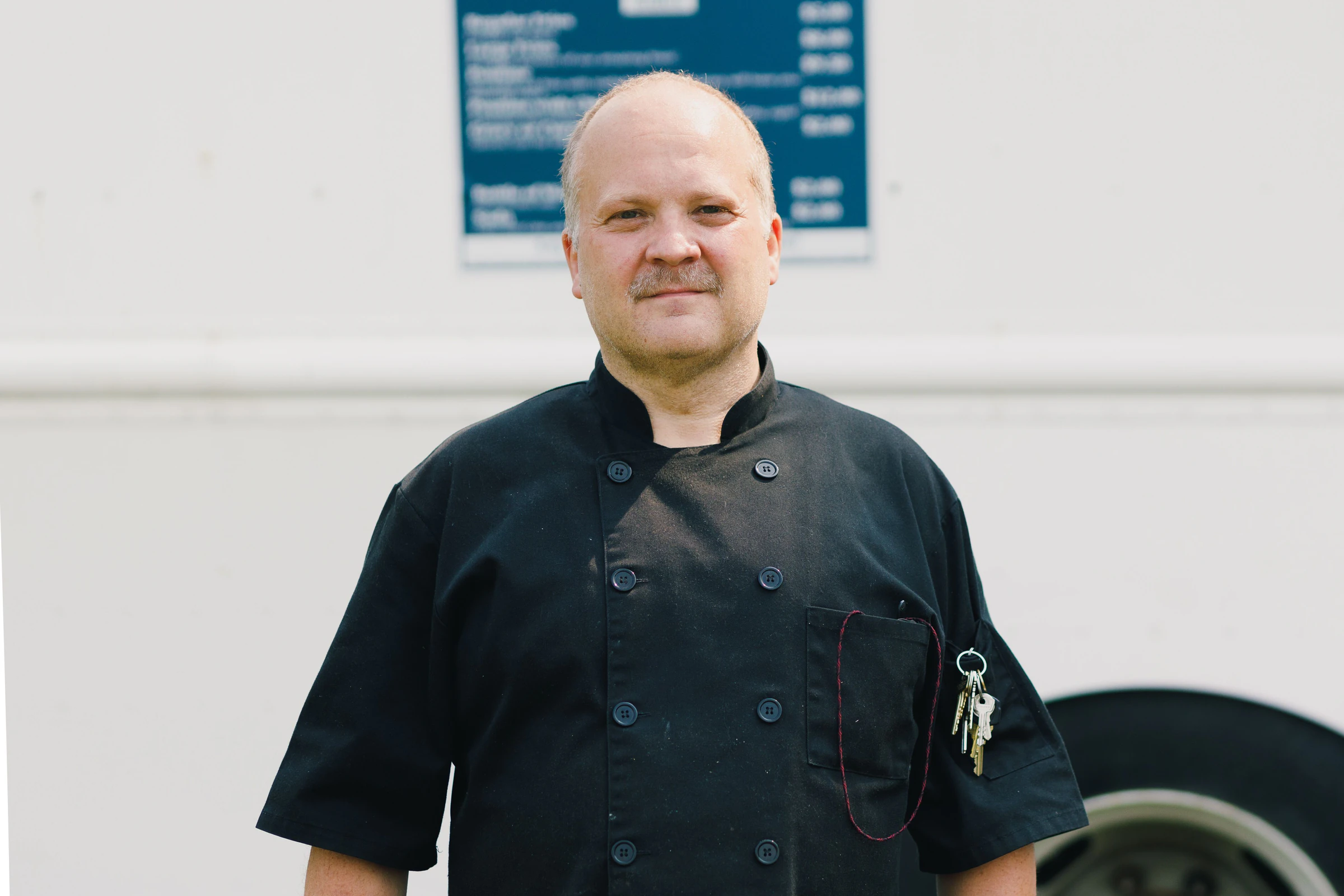
Lightweight chef shirts and cook shirts for line cooks, bakers and open kitchens, embroidered or private label, cut and sewn in Los Angeles from 50 pieces per style.
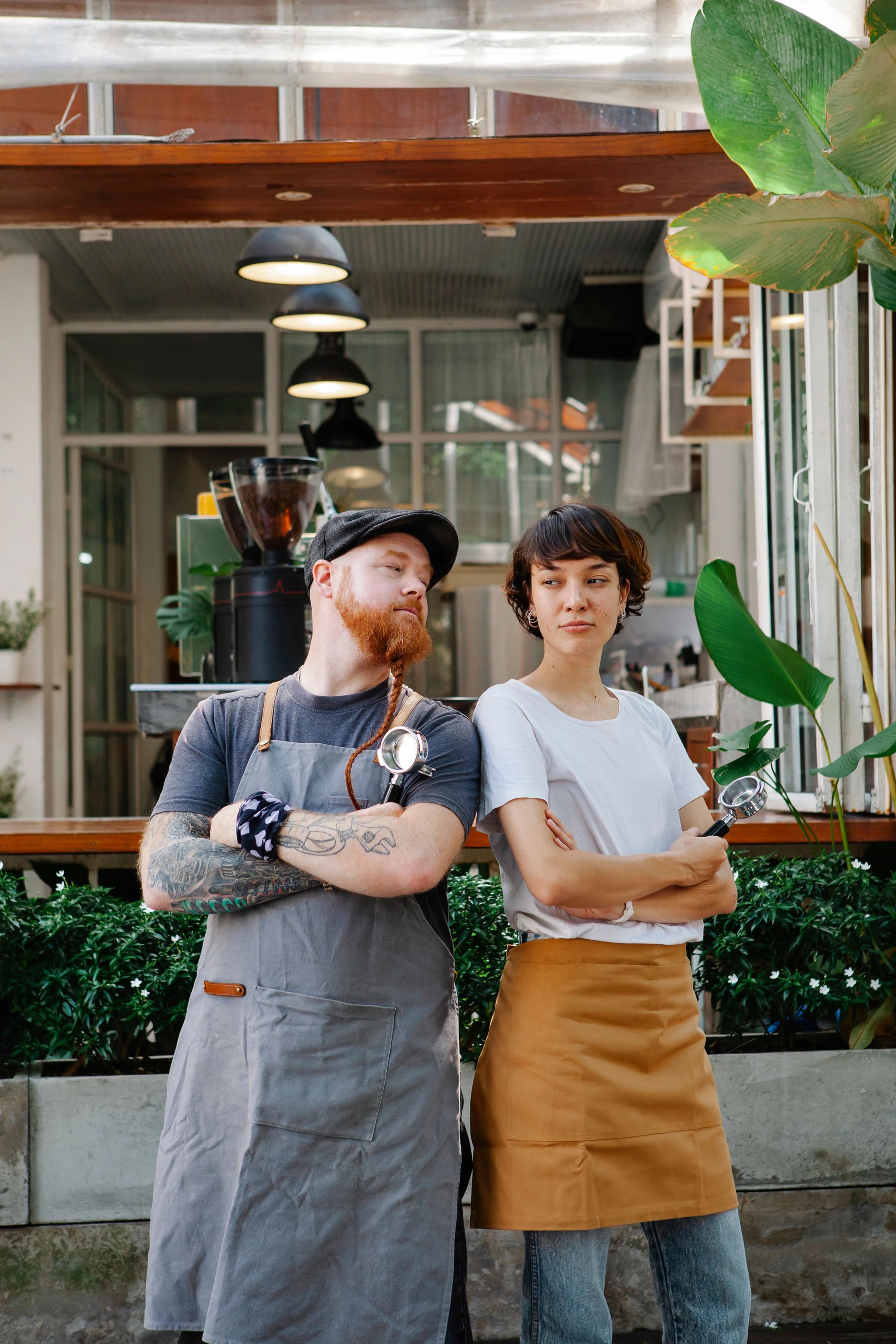
Bib, waist and cross-back aprons with your logo for restaurants, cafés, salons and retail, cut and sewn in Los Angeles from 50 pieces per style.
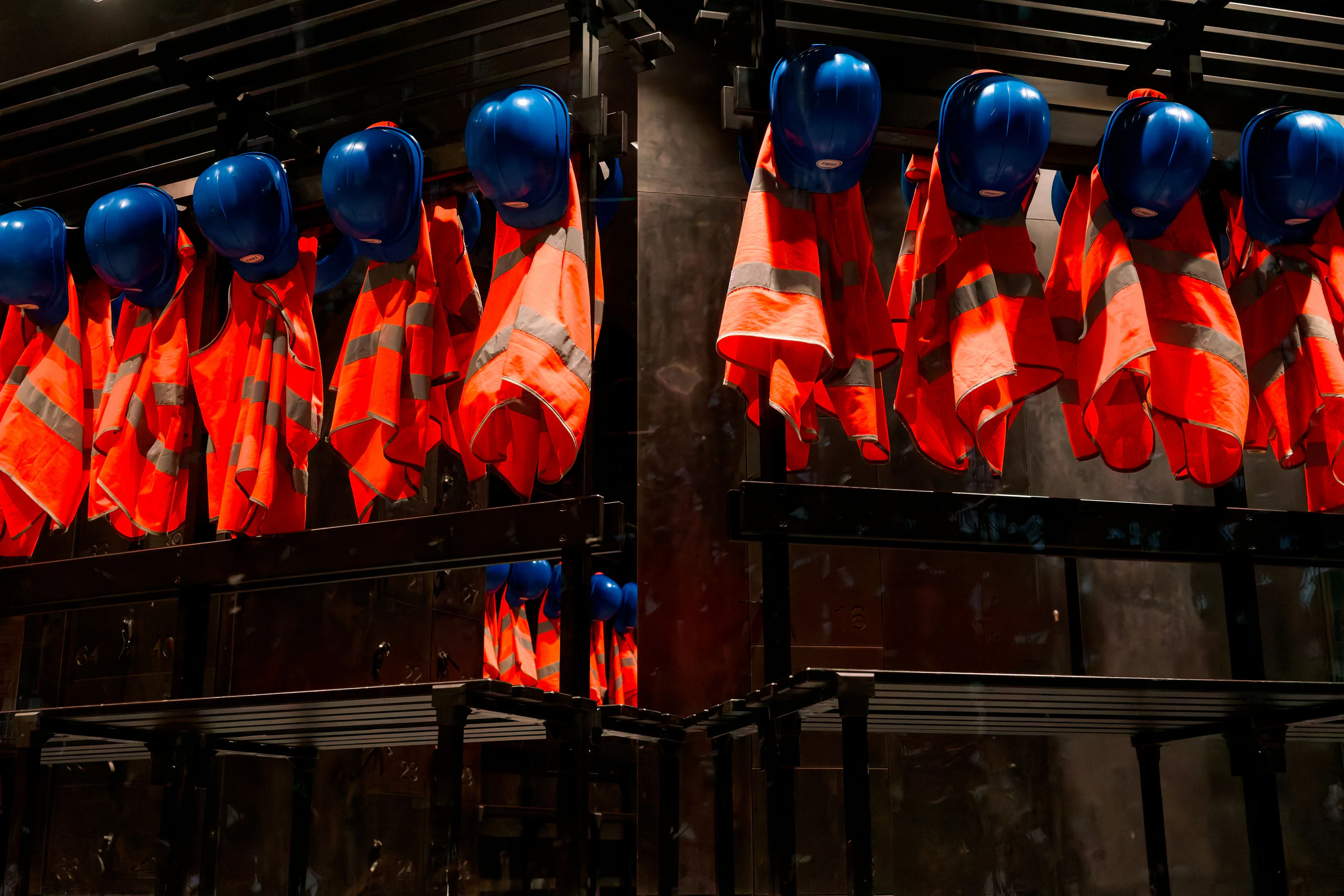
High-visibility vests, shirts, jackets and pants for road, site and warehouse crews, designed around ANSI/ISEA 107 and cut and sewn in Los Angeles.
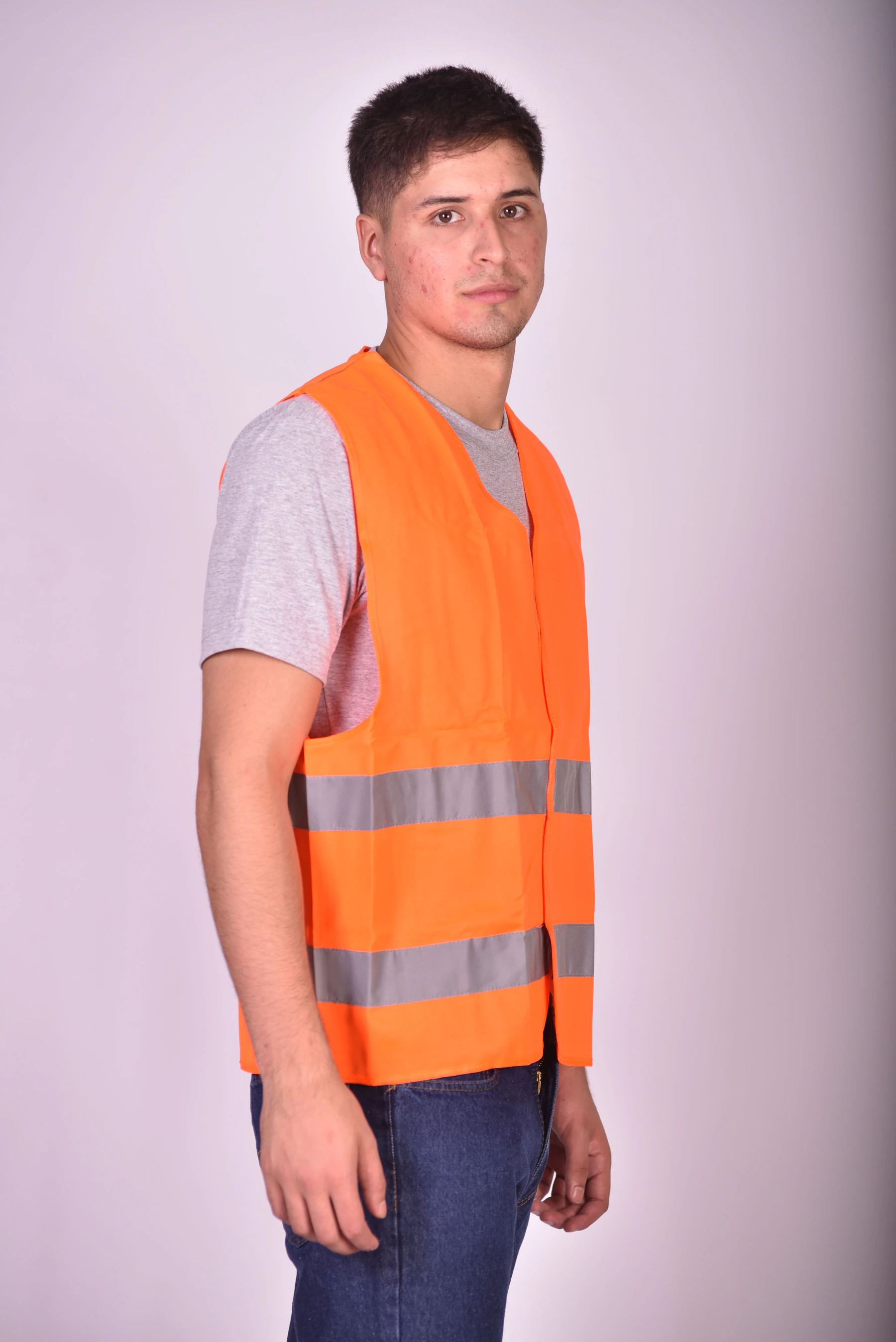
Branded and personalized hi-vis safety vests for construction, utilities, warehouses and events, cut and sewn in Los Angeles from 50 pieces per style.

Hi-vis safety vests in crew quantities: mesh, solid, pocketed and breakaway styles designed around ANSI/ISEA 107, cut and sewn in Los Angeles from 50 pieces per style.
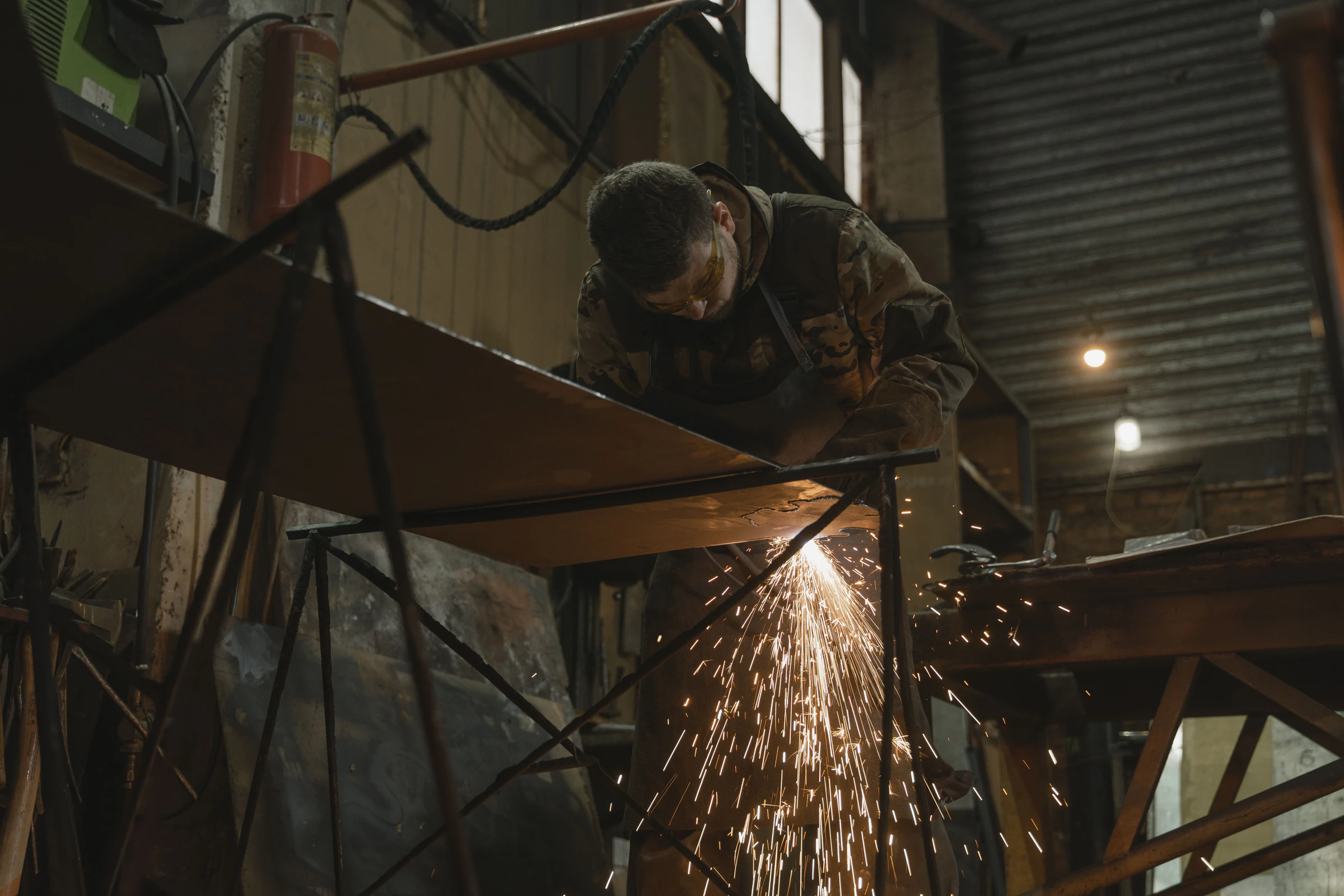
Flame-resistant shirts, pants and coveralls for oil and gas, utility and electrical crews, cut and sewn in Los Angeles with FR components throughout.
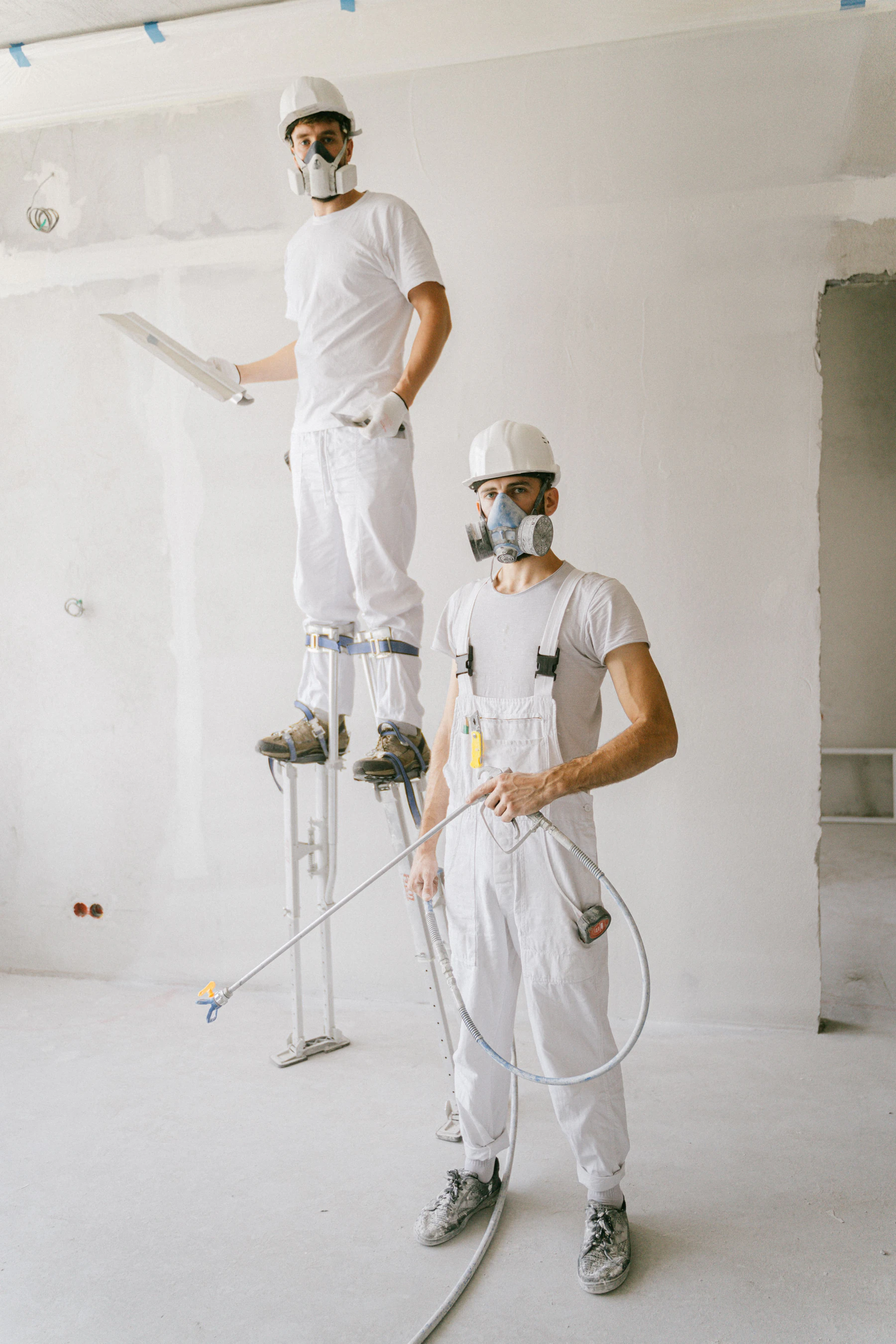
Classic white painter pants with ruler pocket and hammer loop, cut and sewn in our Los Angeles factory with your logo from about 50 pieces per style.
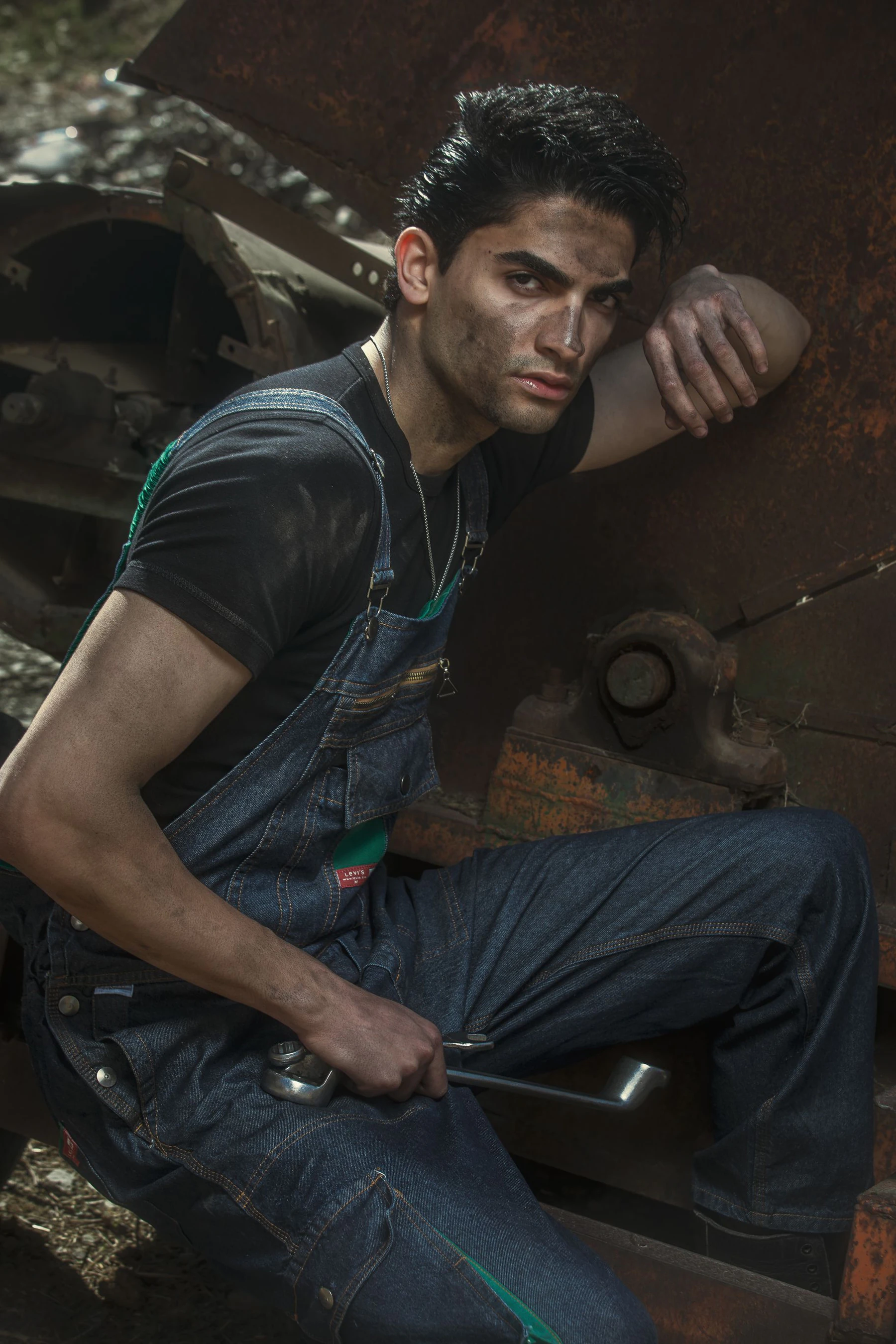
Work jeans, carpenter pants, chore coats and denim overalls cut and sewn in Los Angeles for crews and workwear brands, from about 50 pieces per style.
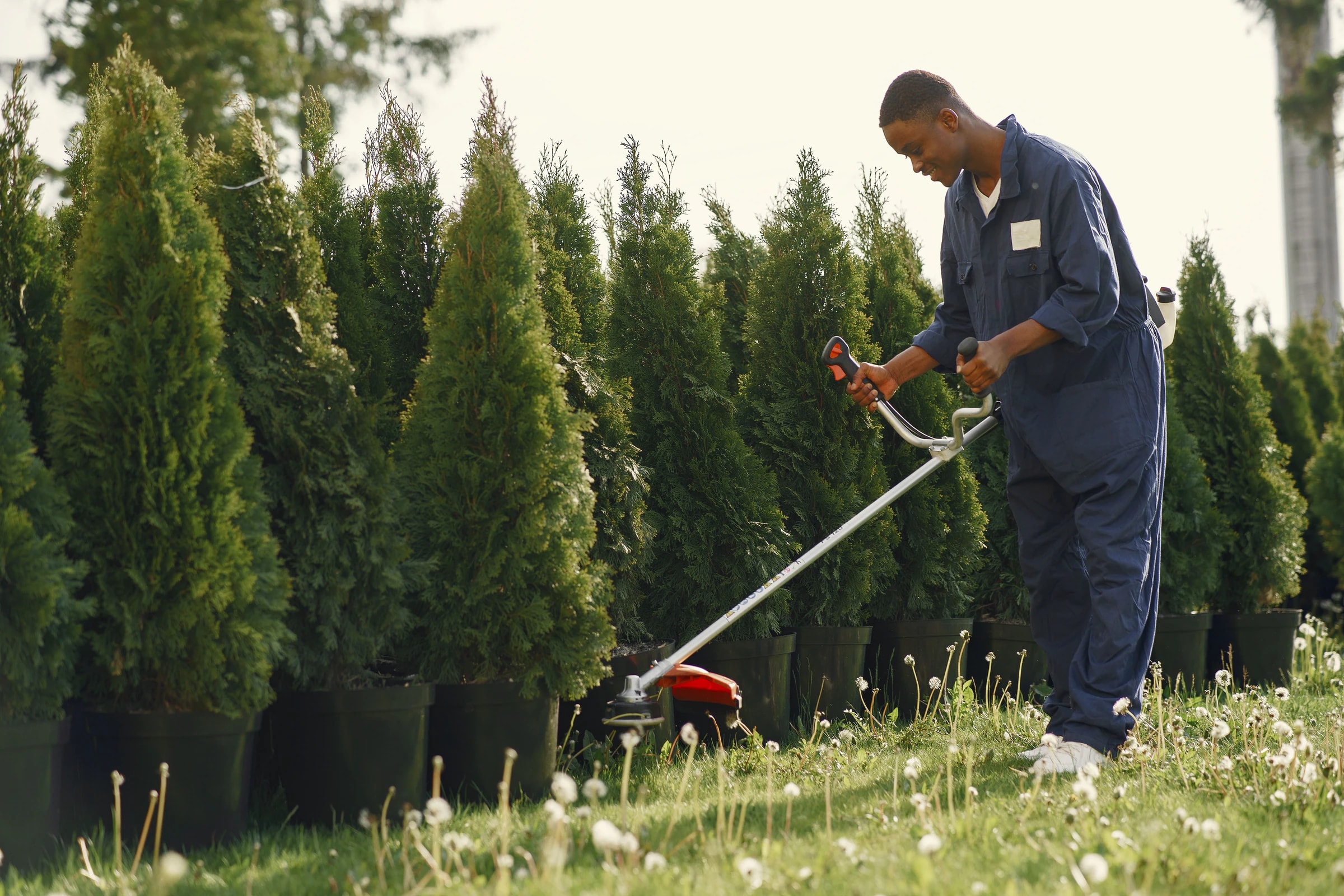
Branded shirts, pants, jackets and hi-vis layers for landscaping and lawn care crews, cut and sewn in Los Angeles from about 50 pieces per style.
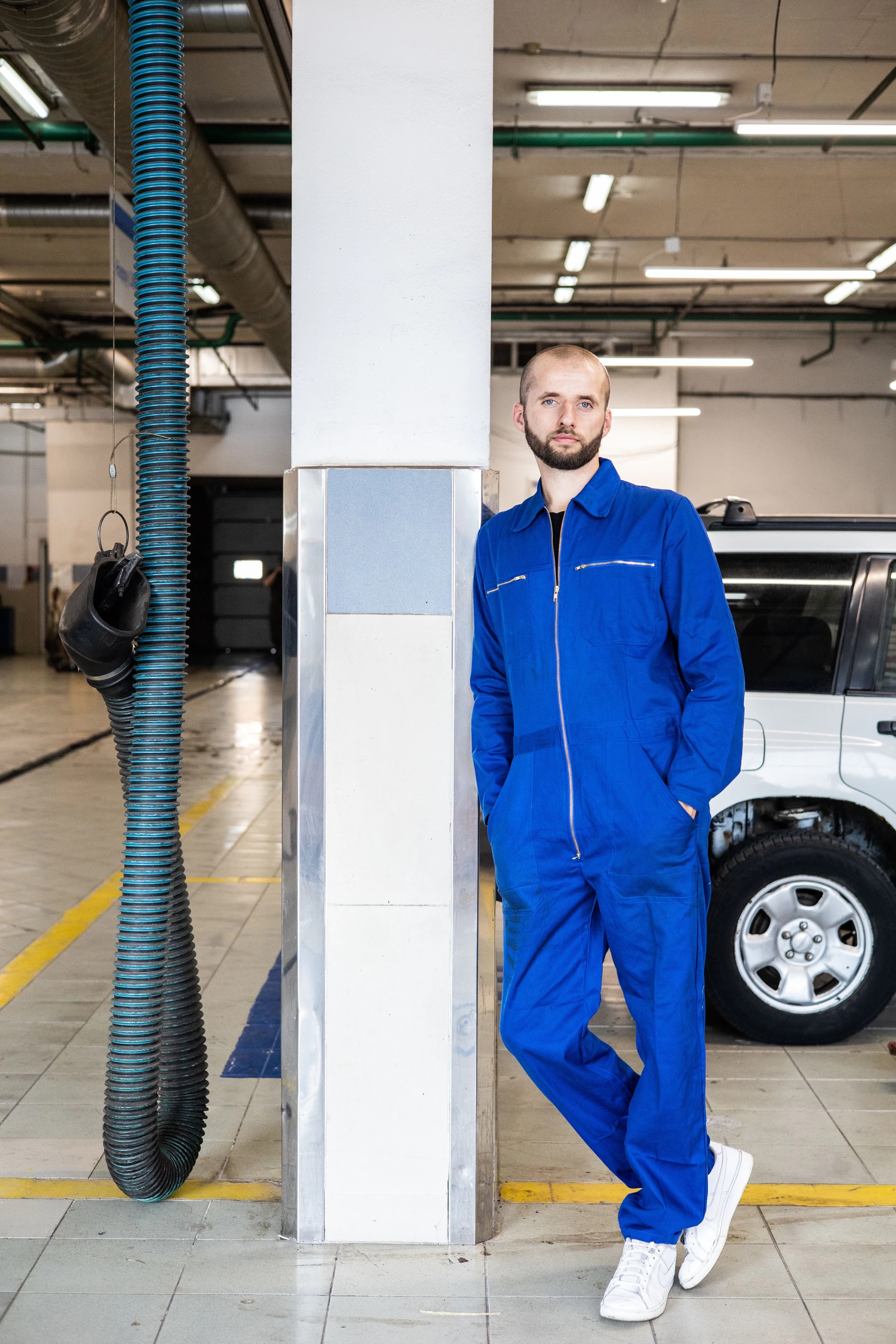
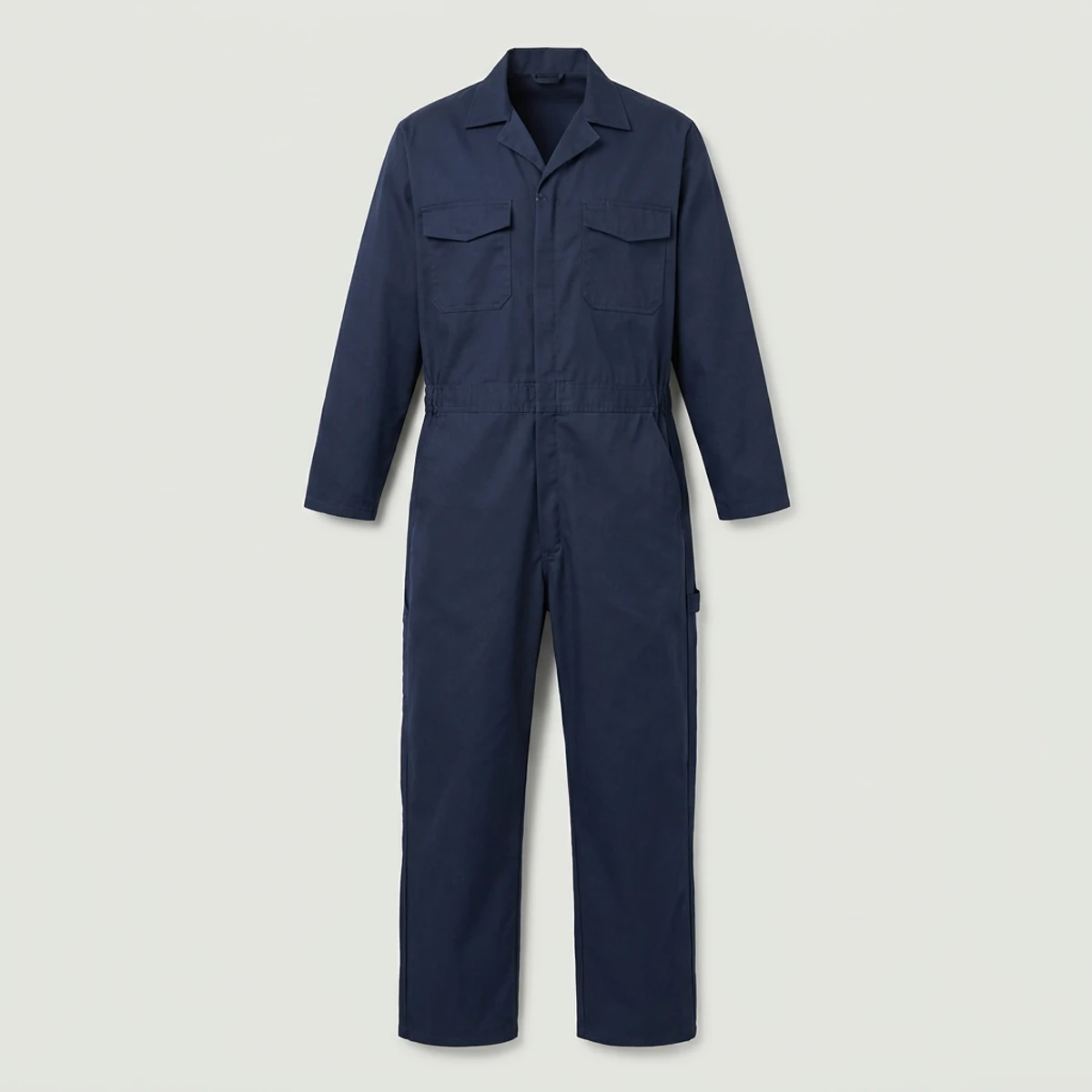
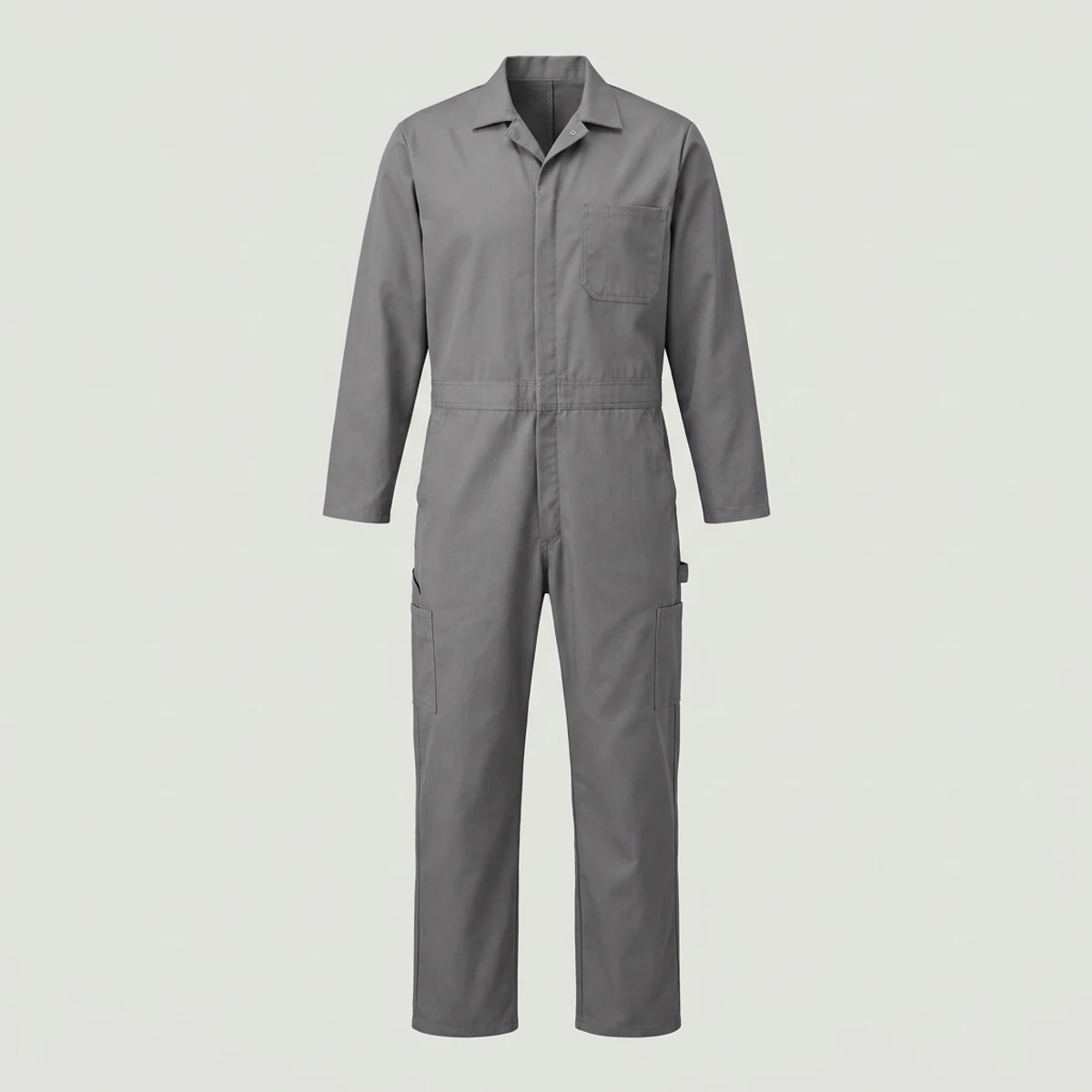
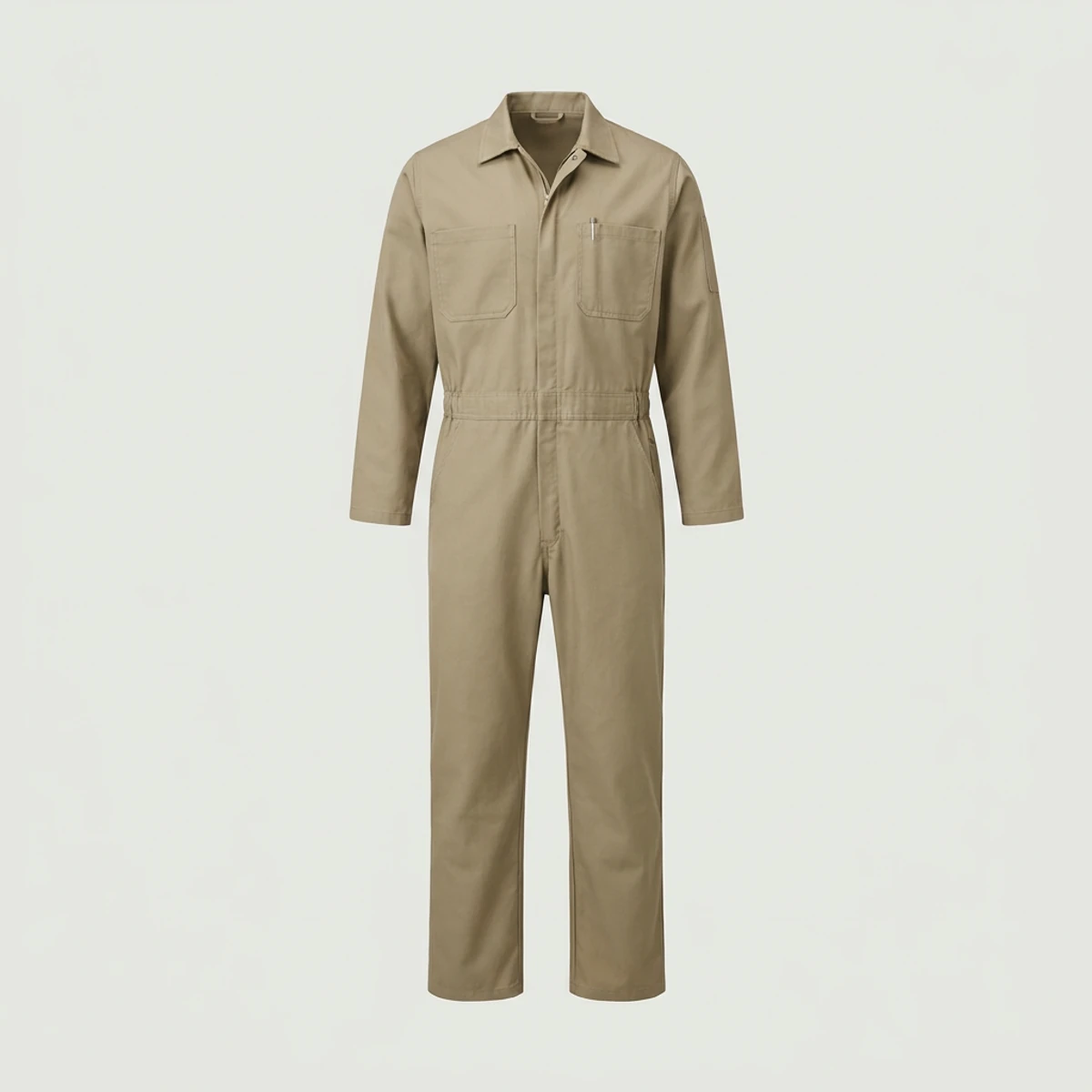
One-piece work coveralls with your logo, name and color, cut and sewn in Los Angeles for mechanics, plants and field crews from about 50 pieces per style.
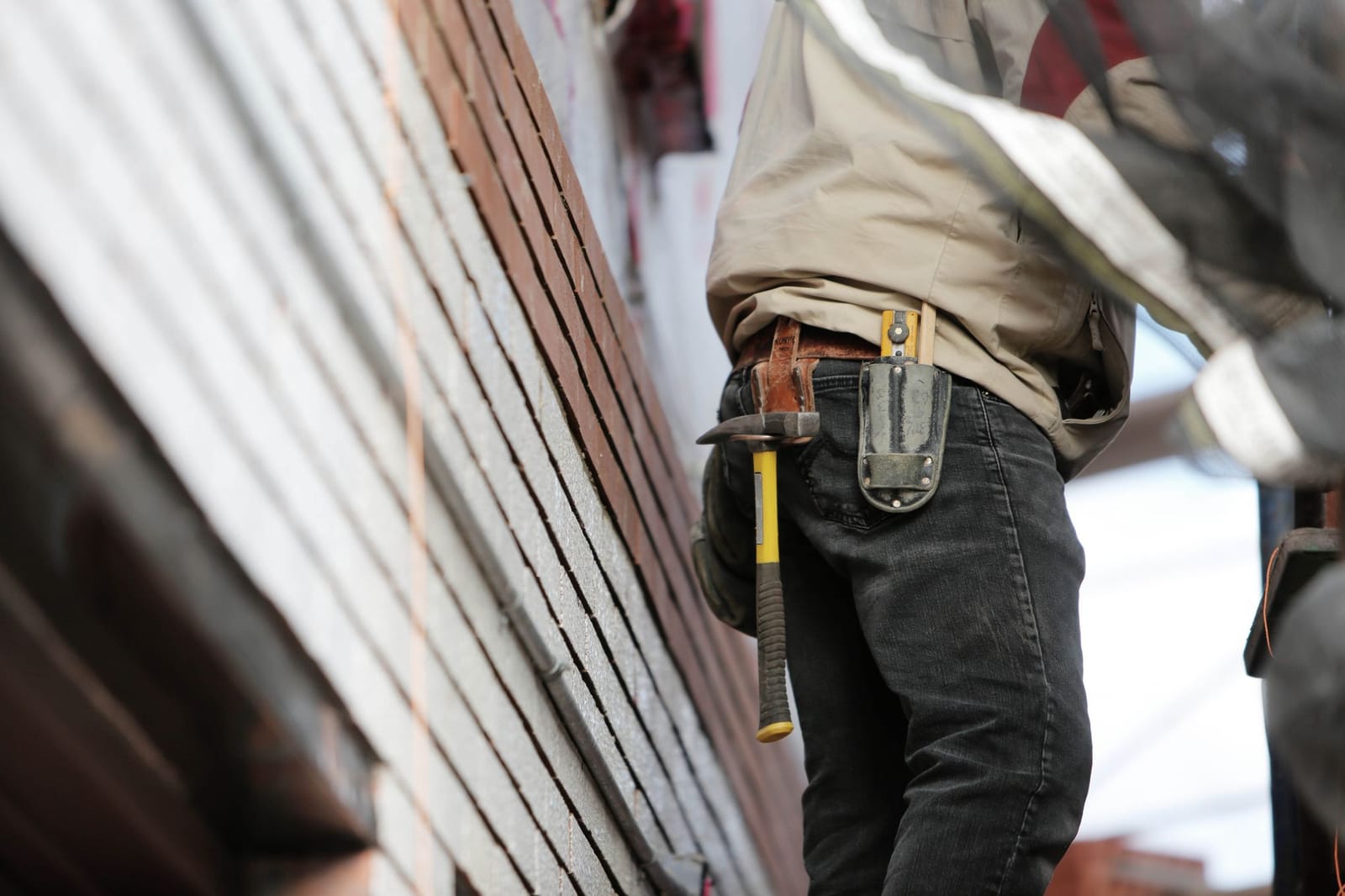
Industrial, cargo and utility work pants in your fit, fabric and color, cut and sewn in Los Angeles from about 50 pieces per style.

Work pants on a women's pattern, with the right rise, hip room and usable pockets, sewn in Los Angeles for crews and brands from about 50 pieces per style.
Workwear uniforms from Custom Uniform Factory cover five families: medical wear, kitchen and hospitality wear, high-visibility garments, flame-resistant clothing and heavy-duty trade workwear. Each family is built around the work first and branded second, and every style can be ordered with your logo, under your label or as a plain blank.
Workwear categories split into two groups: garments chosen mainly for comfort and image, and garments that are personal protective equipment (PPE). Medical, kitchen and trade uniforms belong to the first group. High-visibility and flame-resistant (FR) clothing belong to the second, where certified fabric and documentation matter as much as the sewing.
| Category | Typical buyers | What matters most | Standard or rule to check |
|---|---|---|---|
| Medical wear | Clinics, practices, hospital departments, scrub brands | Comfort over long shifts, role colors, frequent laundering | Your facility’s infection-control and dress-code policy |
| Chef wear and aprons | Restaurants, hotels, caterers, cafés, salons | Heat, stains, hot washes, brand look | The FDA Food Code as adopted locally, and your dress code |
| High visibility | Road crews, construction, warehouses, parking, utilities | Being seen by drivers and equipment operators | ANSI/ISEA 107 type and class; MUTCD Class 2 or 3 in highway work zones |
| Flame resistant | Oil and gas, refining, electrical contractors, utilities | Not igniting or melting in a flash fire or arc flash | NFPA 2112, NFPA 70E, OSHA 29 CFR 1910.269 |
| Trade workwear | Painters, landscapers, mechanics, builders, facilities teams | Abrasion, pockets, movement, washability | Your own job requirements |
Our guides to ANSI 107 hi-vis classes and NFPA 2112 flash-fire garments explain what each standard asks of a garment.
Tip: If one crew needs both hi-vis and flame resistance, specify it as one garment. A standard polyester safety vest worn over FR clothing can melt in a fire or arc, which defeats the FR layer underneath.
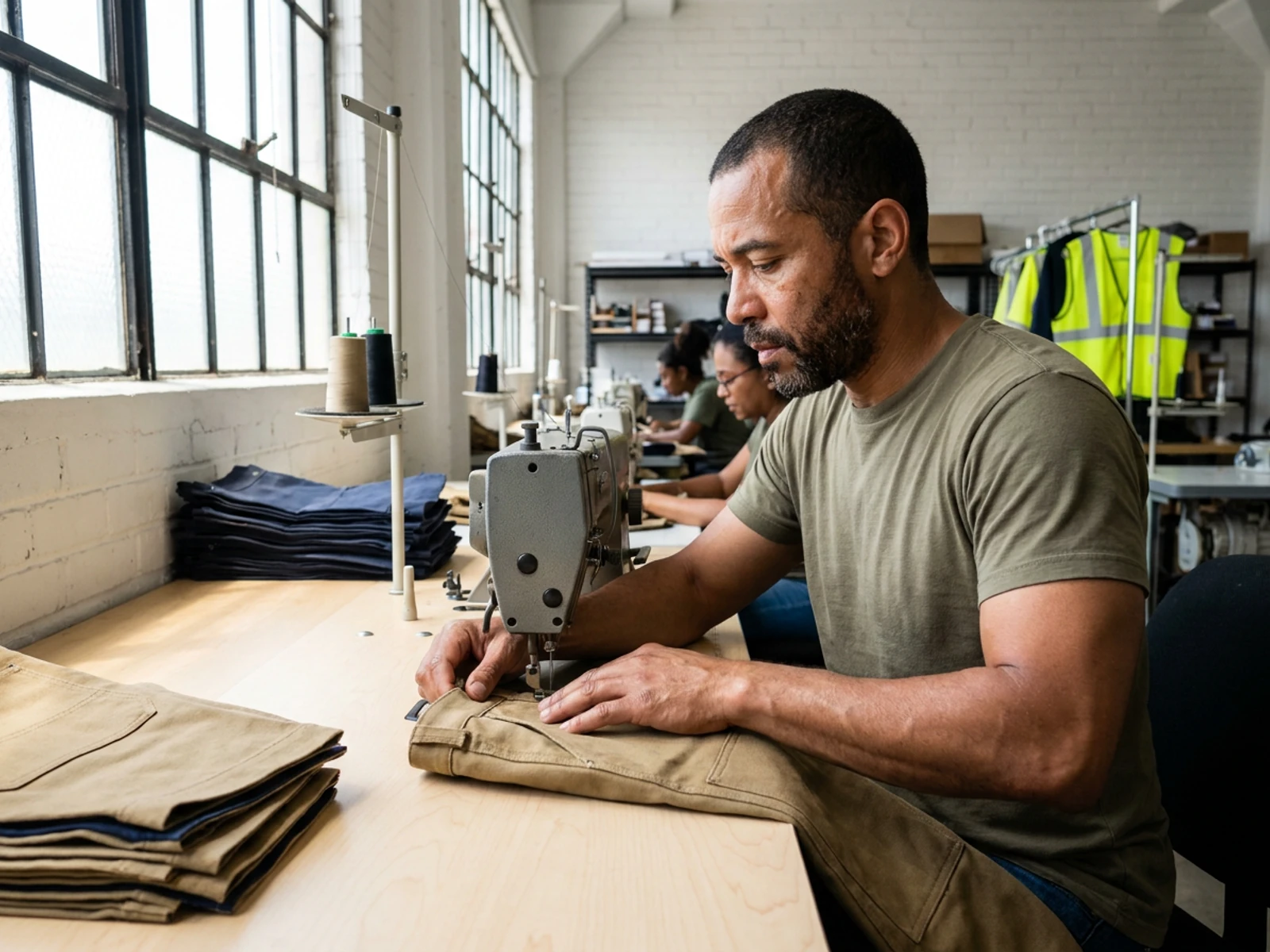
Good work uniform clothes match the fabric to the hazard and climate, reinforce the points that fail first and fit the whole team. Buyers usually judge a uniform in the first week; crews judge it by month six, after dozens of washes and a season of real work.
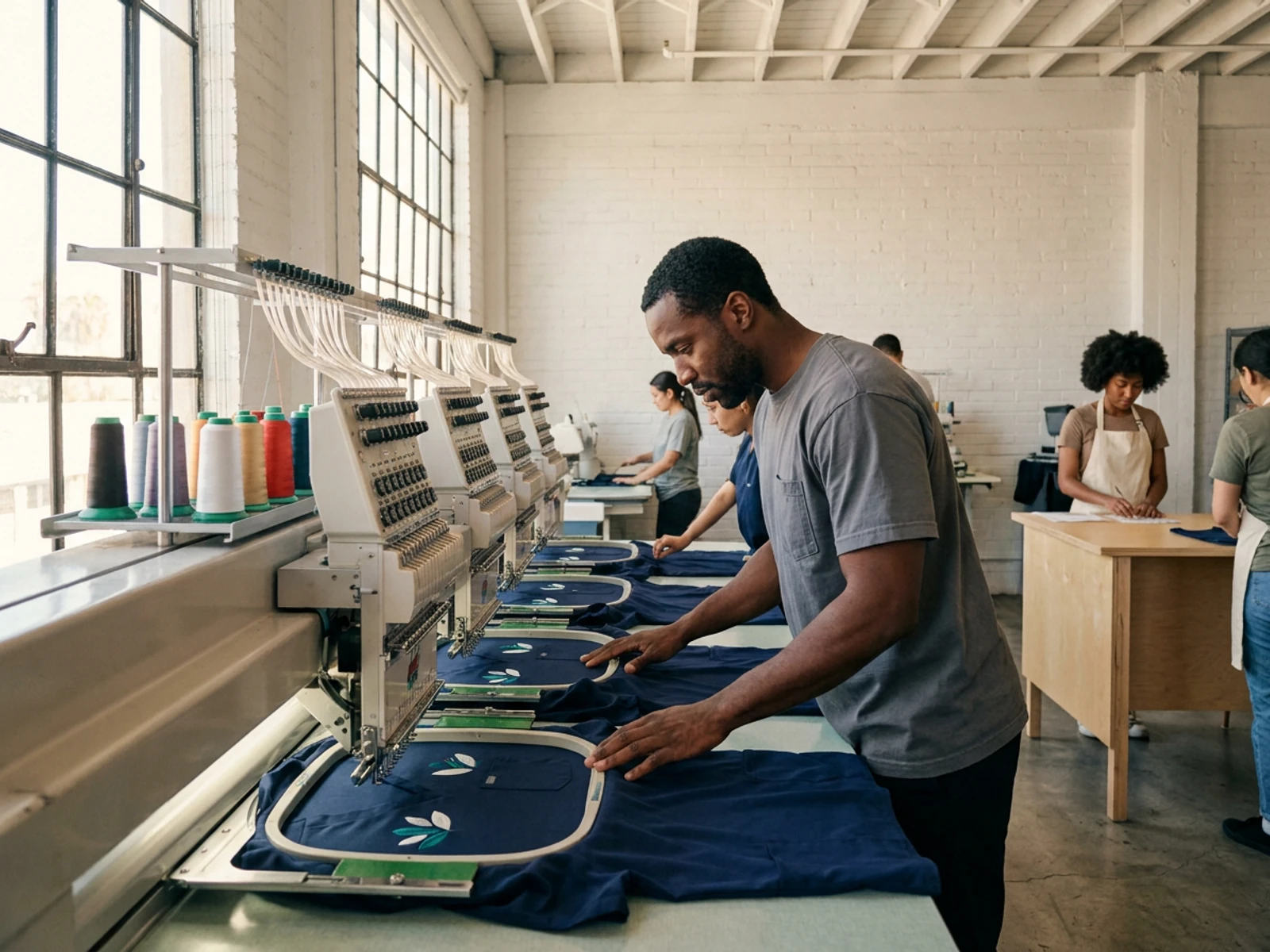
Logos on workwear go on by embroidery for most woven and knit uniforms and by printing for large graphics, lightweight fabrics and high-visibility garments. Protective garments need decoration materials that do not undermine the protection, so FR and hi-vis branding is confirmed style by style.
Our embroidery and printing service explains which method suits which fabric.
Uniforms and work apparel change with the trade: a restaurant needs stain resistance and comfort near heat, a road crew needs visibility under traffic, and an electrical contractor needs arc-rated protection. Industry pages set out the garments, standards and decoration each sector usually needs.
Browse our company uniform programs by industry.
Private label and wholesale workwear serve buyers who are not outfitting their own staff. Brands get garments under their own neck labels, care labels and hang tags; decorators and resellers buy plain blanks to brand in-house. Private label starts at about 50 pieces per style; wholesale blank quantities are confirmed on inquiry.
See our private label clothing program or wholesale blanks.
Custom work uniforms are ordered in four steps: a brief, a sample, production and reorders. The sample is where fit, fabric and decoration are checked on a real garment before the full run is cut, and the approved specs stay on file so later orders match the first.
Ready to order
A complete uniform quote needs the garments, headcount, work conditions, any required safety standard, brand assets, label needs and timing. Sending all of it in the first message gets you an accurate price, fewer back-and-forth emails and a better first sample.
The most common uniform program mistakes are buying on unit price alone, guessing sizes, launching too many styles, and treating protective garments like ordinary ones. Each is cheap to avoid at the brief stage and expensive to fix once a full run has been cut and sewn.
Need something not covered here? Ask our Los Angeles team and we’ll answer with options for your order.
Ask our Los Angeles teamAbout 50 pieces per style, which keeps small and mid-size businesses within reach of factory-direct production. A program can include several styles, such as a shirt, a pant and an apron. We confirm how sizes and colors can be split within each style's minimum when we quote your order.
Yes. We embroider and print logos, names and department titles in our Los Angeles factory. Embroidery suits most woven and knit uniforms; printing suits large graphics, lightweight fabrics and high-visibility garments, where stitching can damage reflective trim. We confirm placement and method on your sample.
We manufacture high-visibility and FR garments for programs that follow ANSI/ISEA 107, NFPA 2112 or NFPA 70E. Compliance depends on certified fabrics and trims and on garment testing, so we confirm the materials and the documentation available for your specific style when we quote.
Yes. Through our private label service we produce workwear under your brand name, with your own neck labels, care labels and hang tags, starting at about 50 pieces per style. We can develop a new design from your sketch or adapt one of our existing patterns.