Stretch
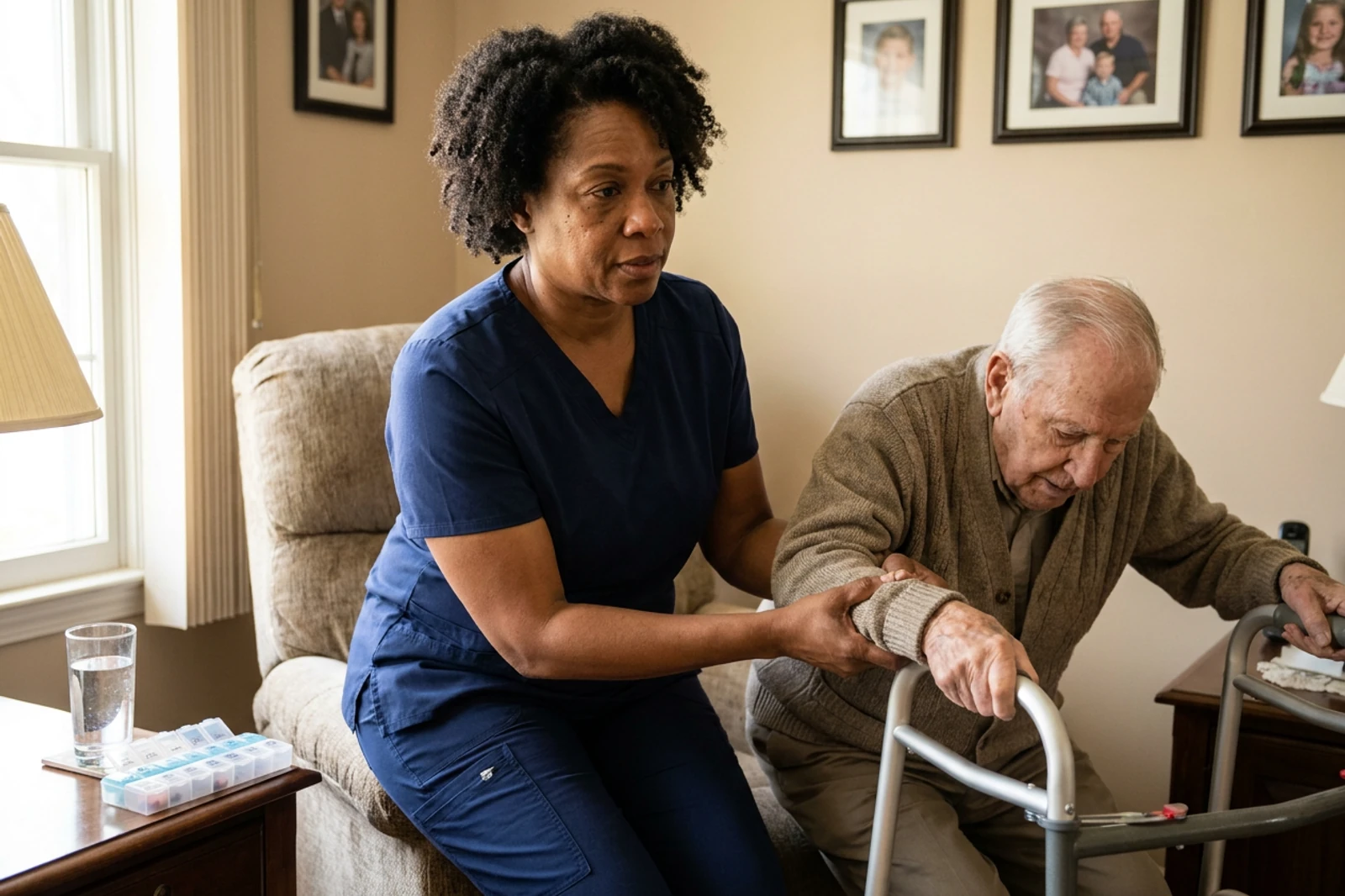
Transfers from bed to chair, bathing and dressing a client all mean deep bends and reaching. A fabric with spandex and room through the shoulders and seat keeps seams from tearing.
Industries · Los Angeles factory
A caregiver uniform is the scrub set or work top a home health aide or caregiver wears on client visits, chosen so families recognize the agency at the door and the garment survives home washing and hours in a car. Custom Uniform Factory manufactures caregiver uniforms for home health, home care and hospice agencies, cut and sewn in its Los Angeles factory from imported fabric, with your logo, role colors and each aide's name, from about 50 pieces per style.
16 styles in 4 families · each made to order in your fabric, color and branding from 50 pieces.
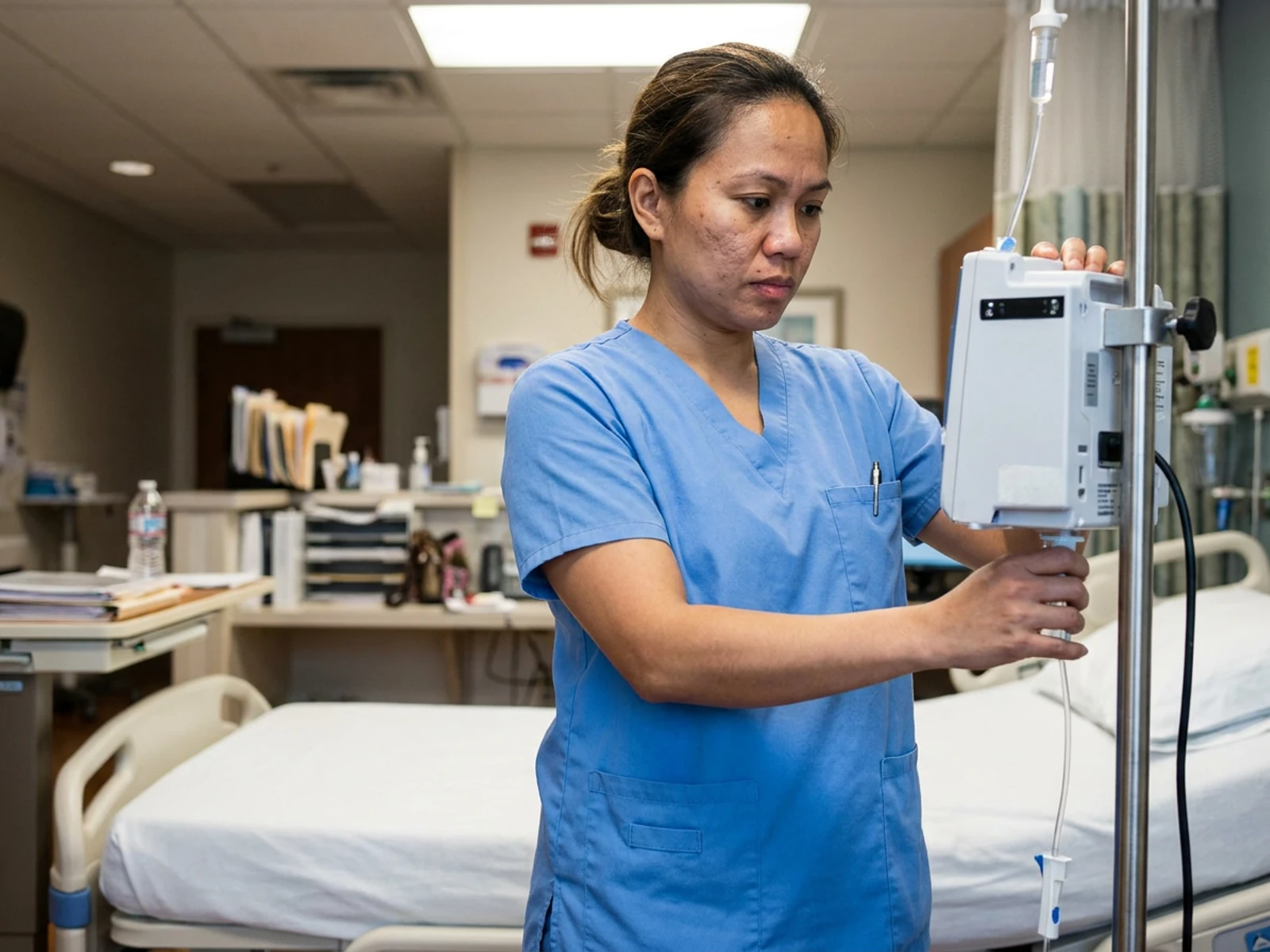
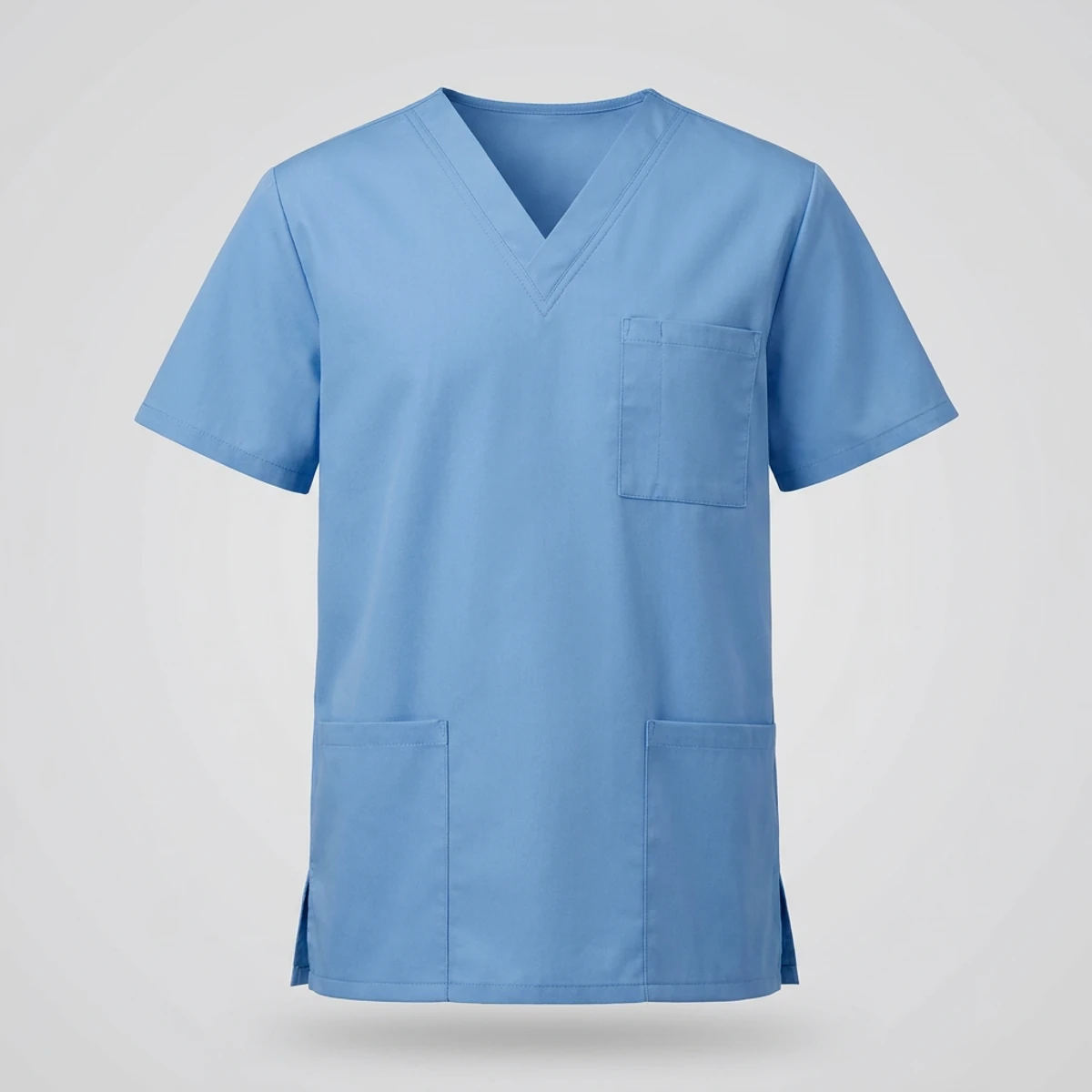
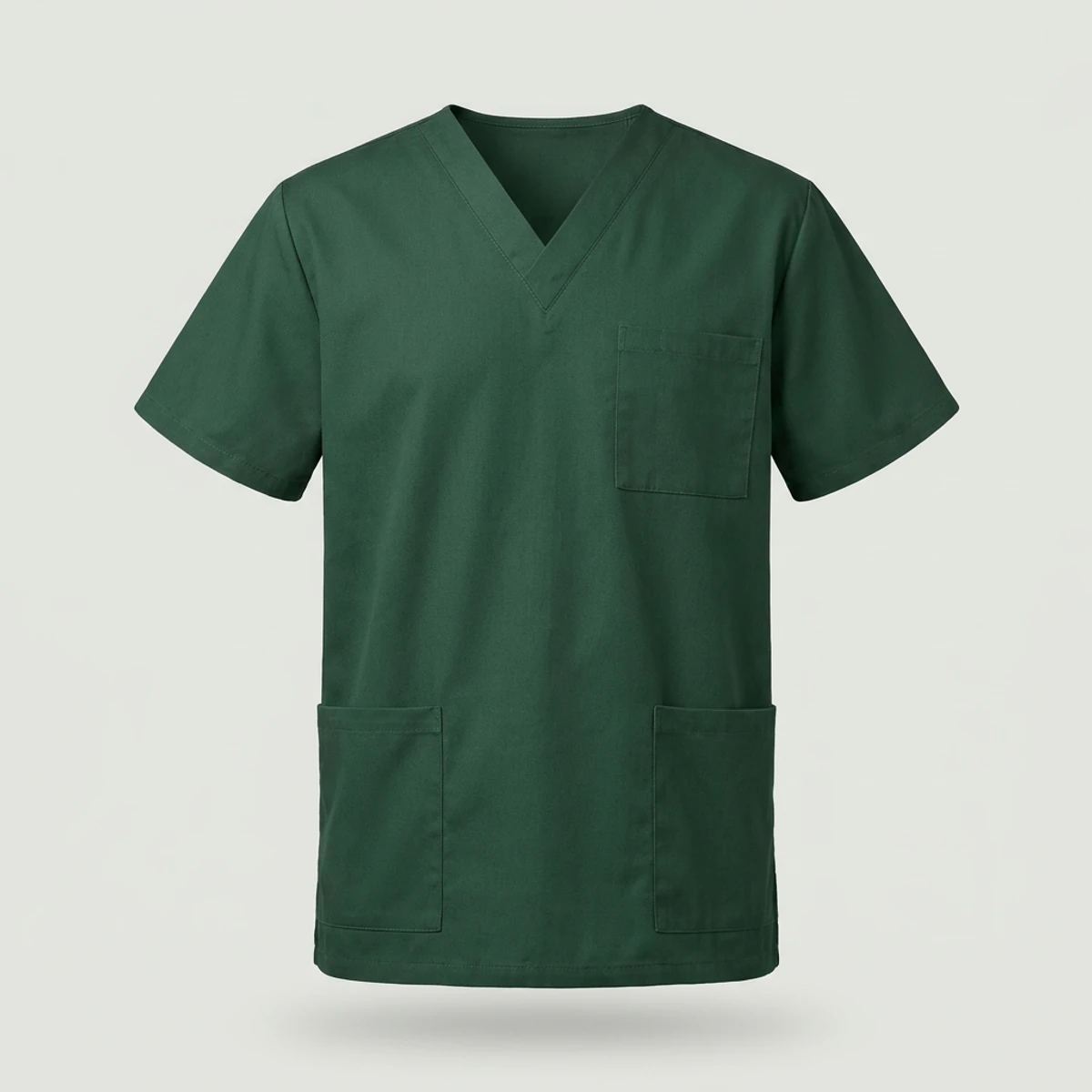
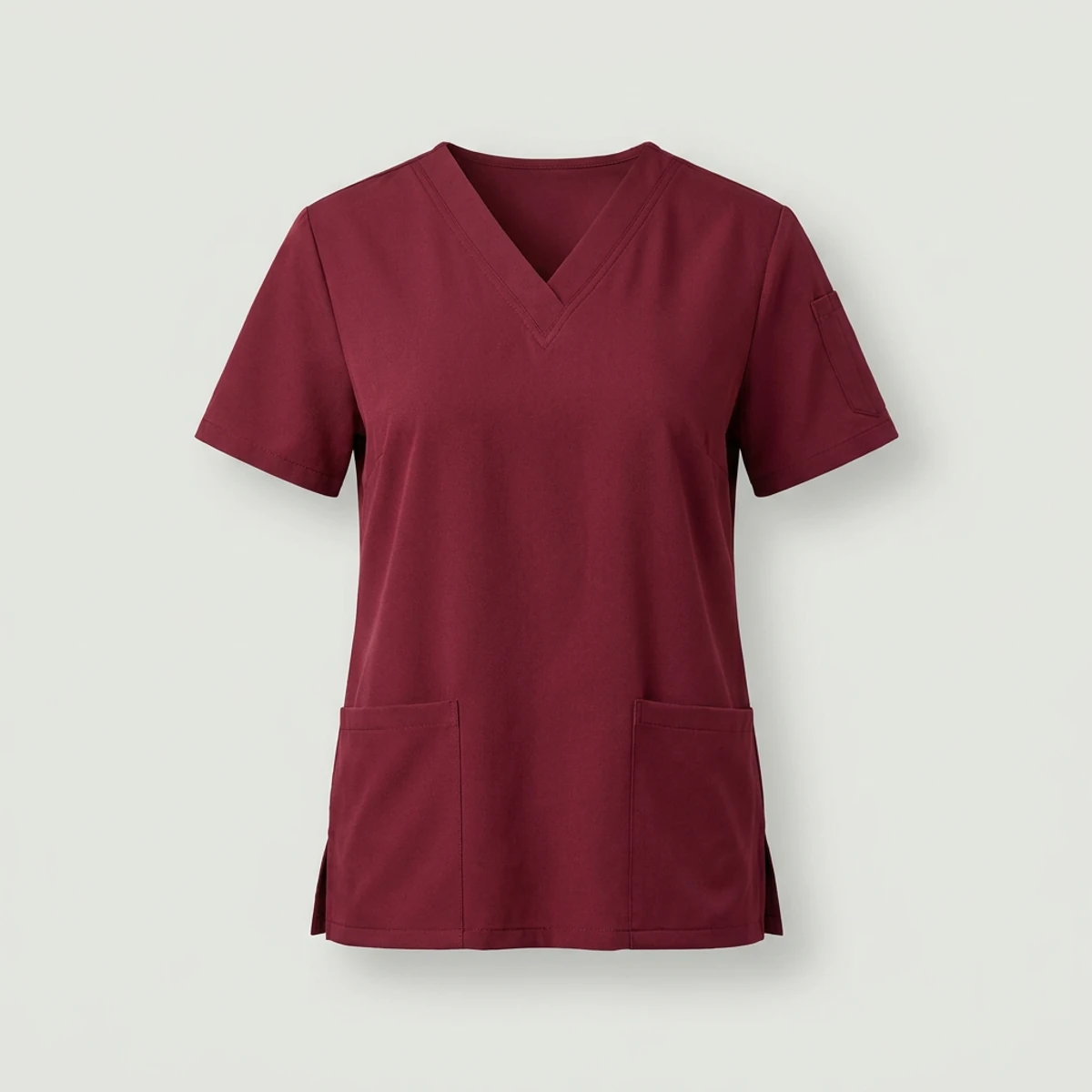
A V-neck top pulls on fast before an early first visit and gives room for the agency logo on one side and the aide's name and HHA title on the other. Tops are cut and sewn in Los Angeles from about 50 pieces per style, in unisex and women's cuts from XXS to 5XL.
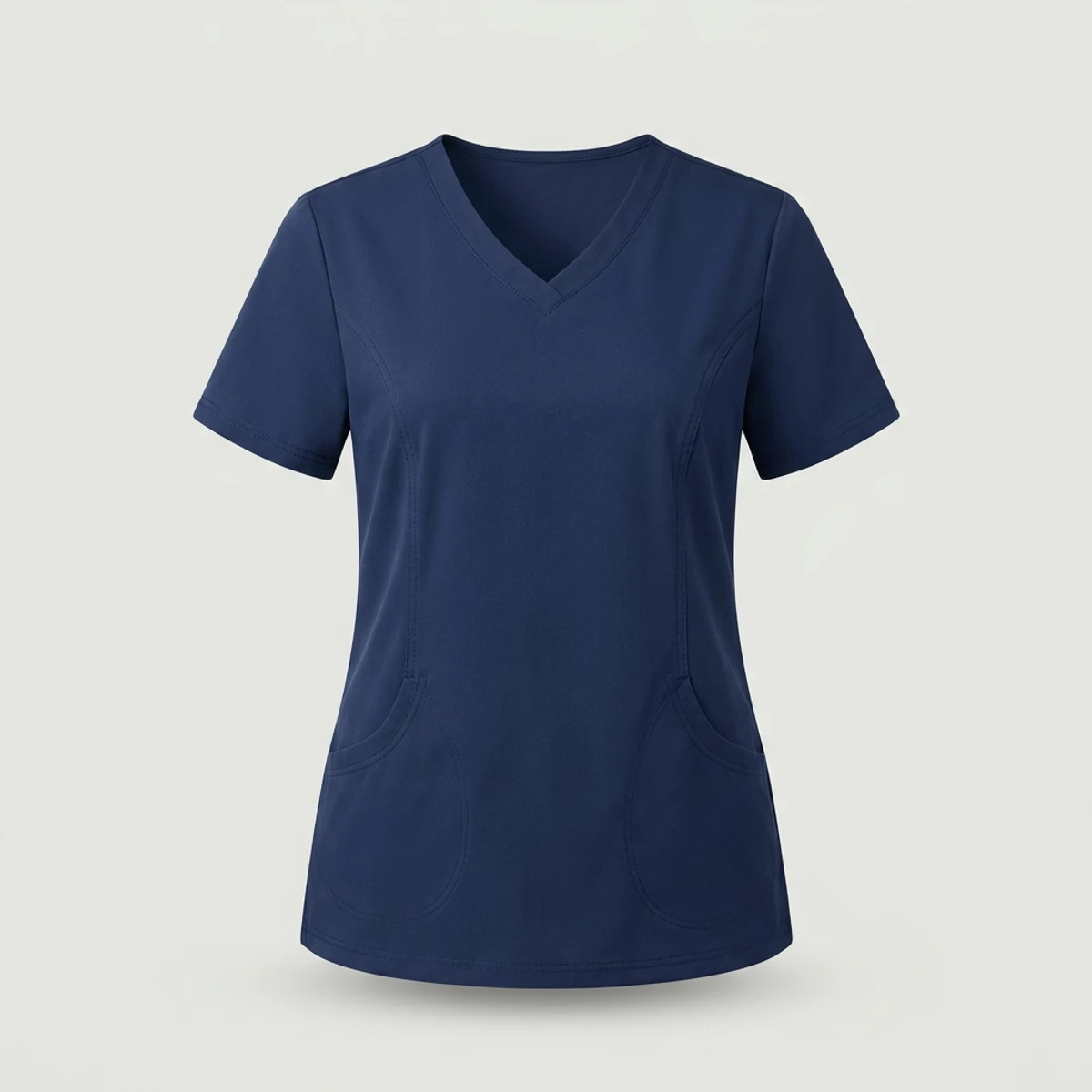
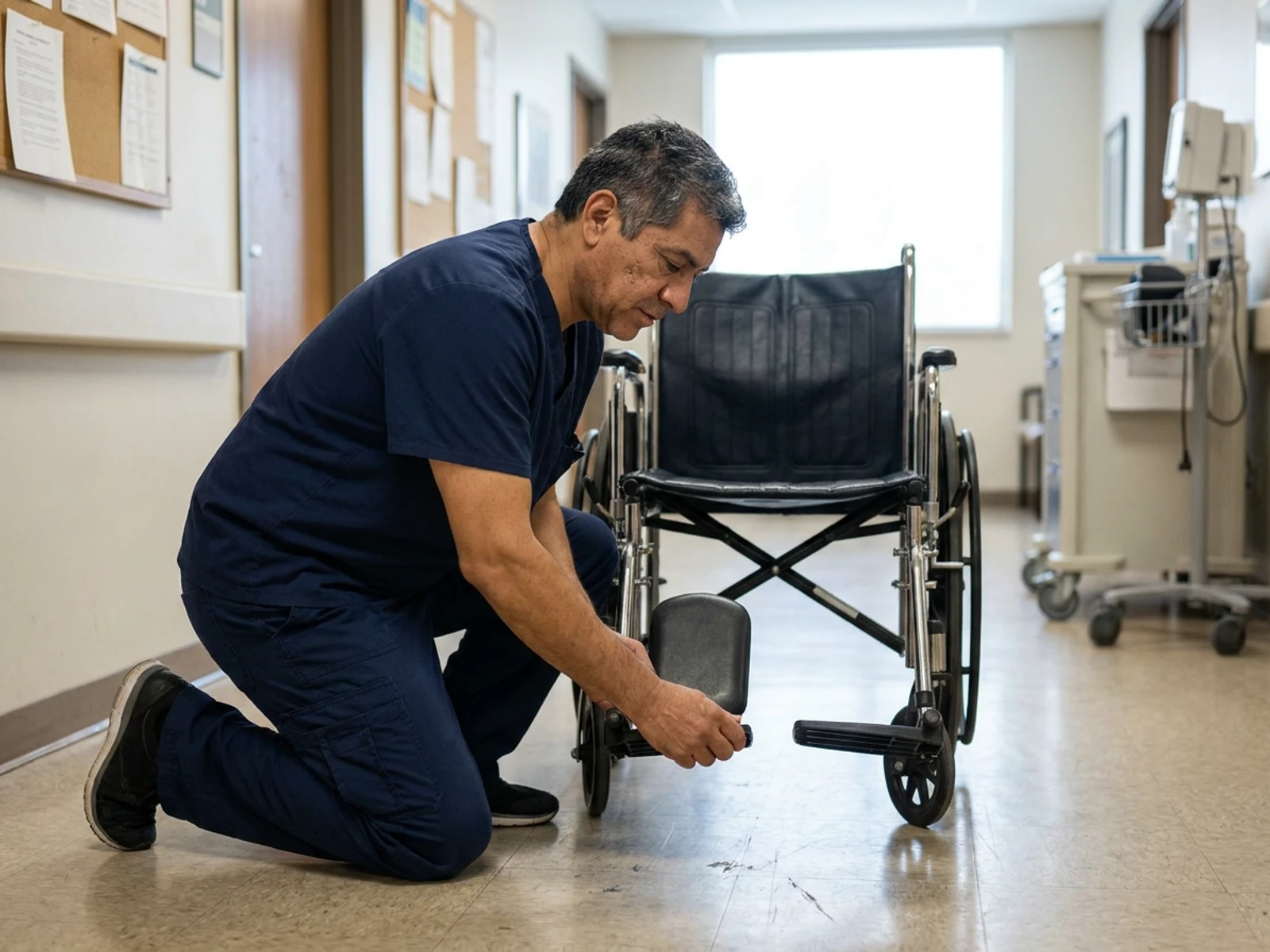
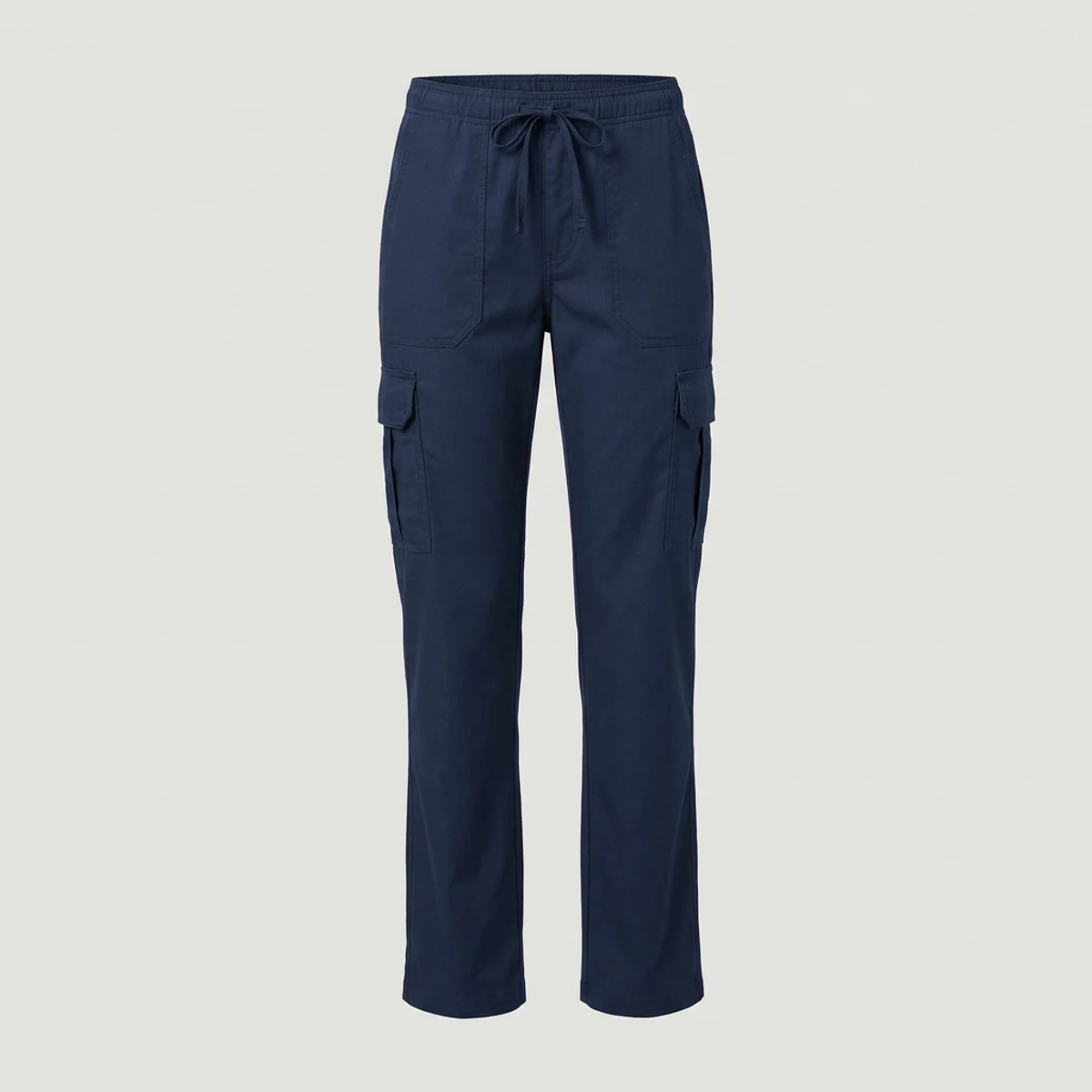
Home care means kneeling beside a tub, lifting from a low armchair and hours behind the wheel. Cargo pockets hold gloves, keys and a phone, and a stretch blend recovers after the drive. Ordered as their own style from roughly 50 pieces.
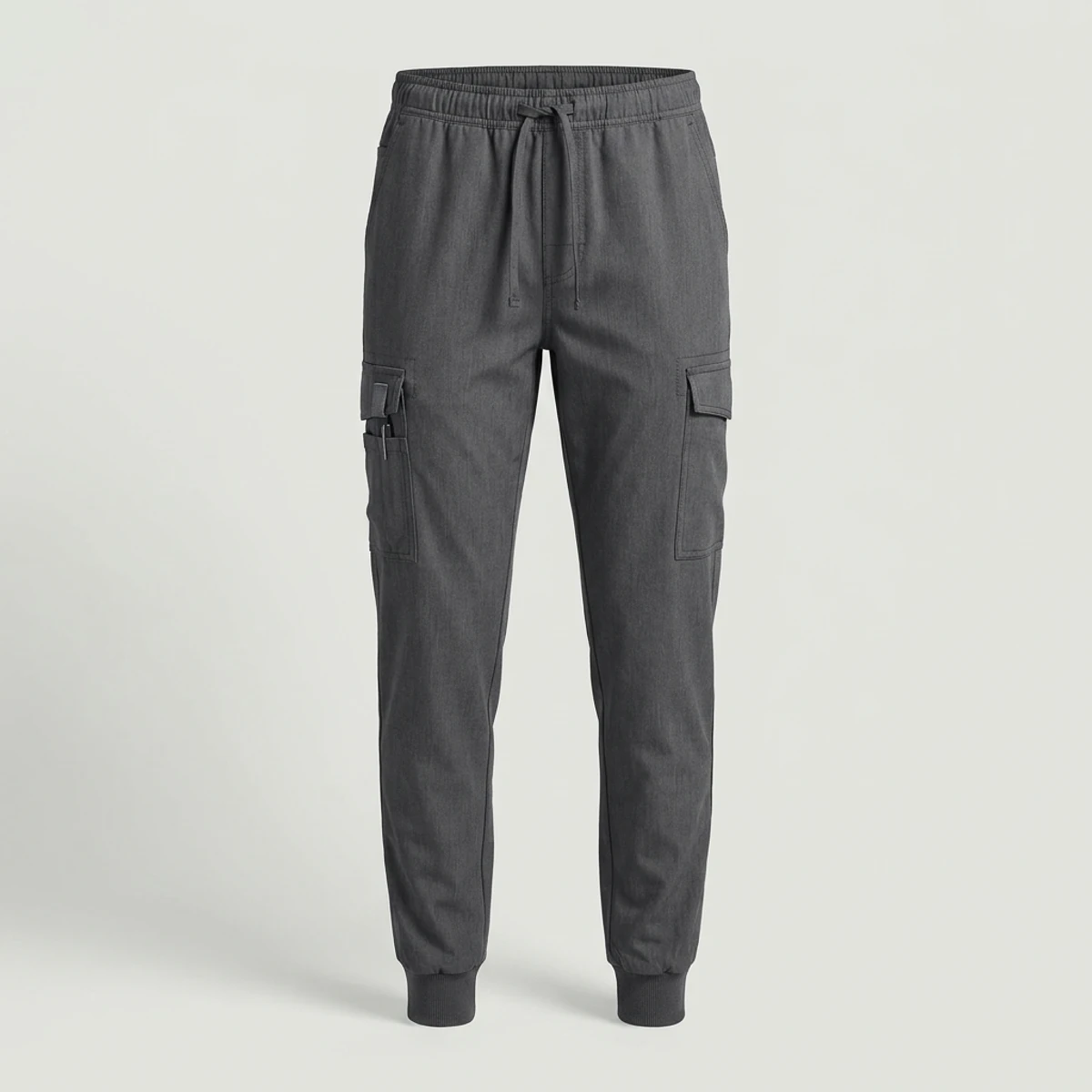
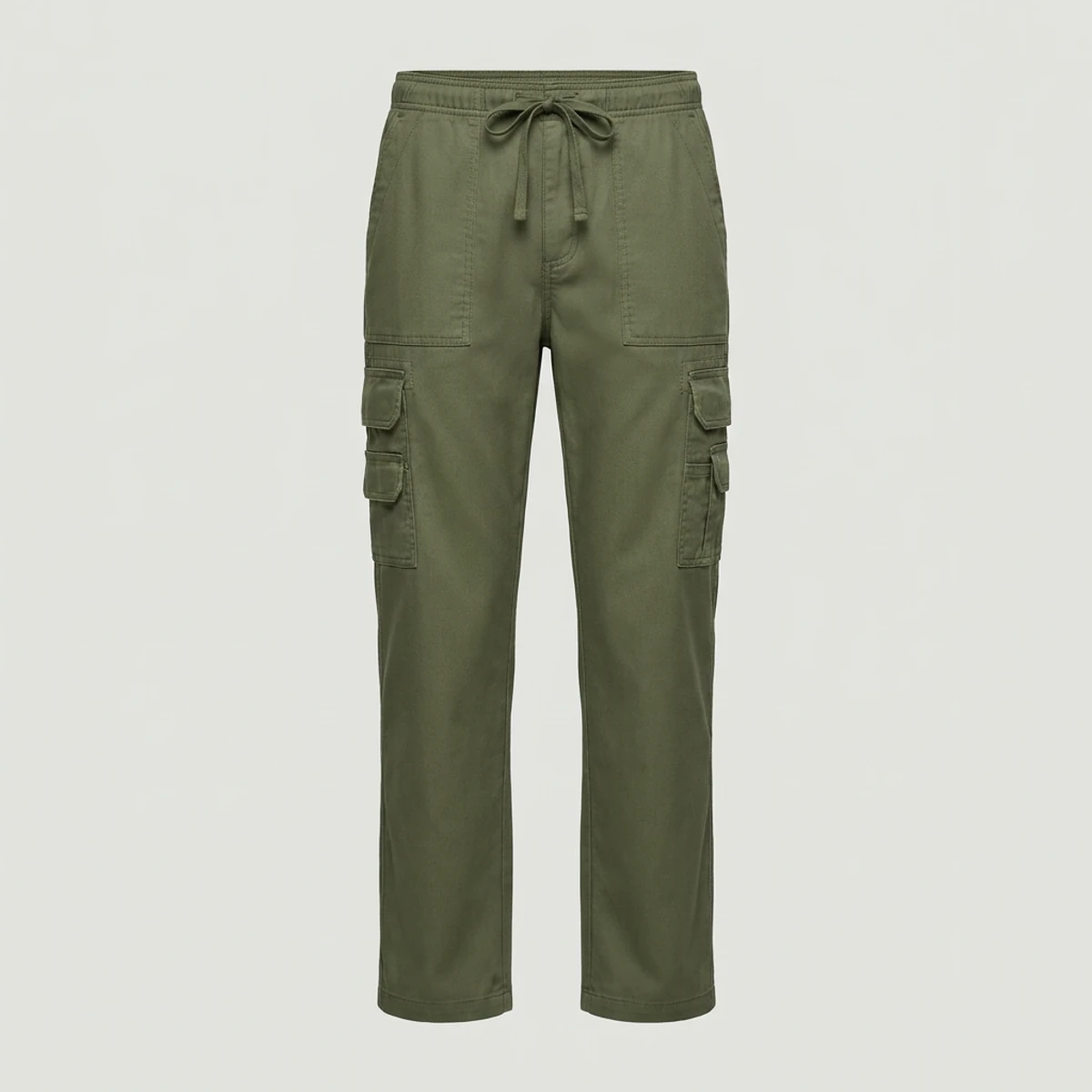
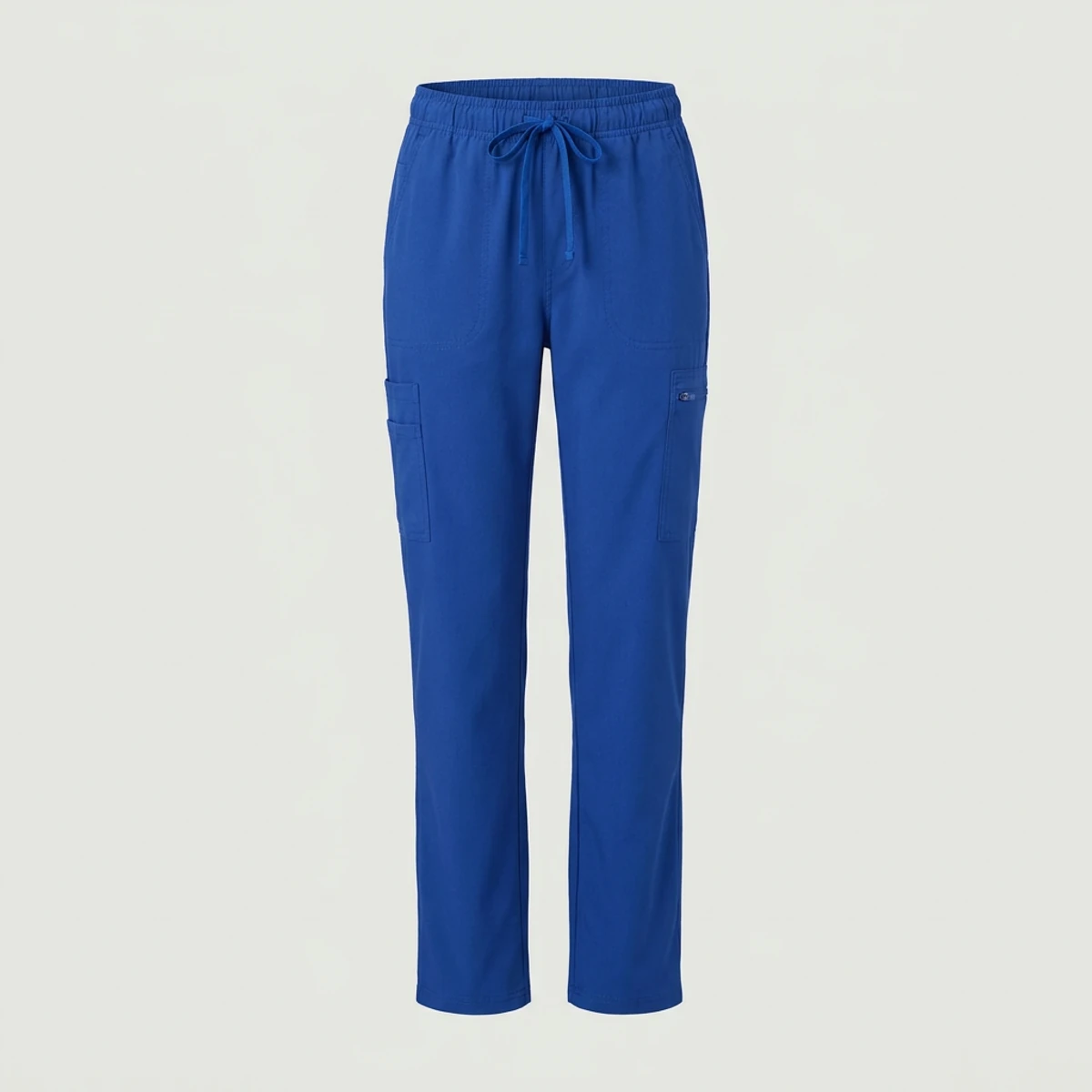
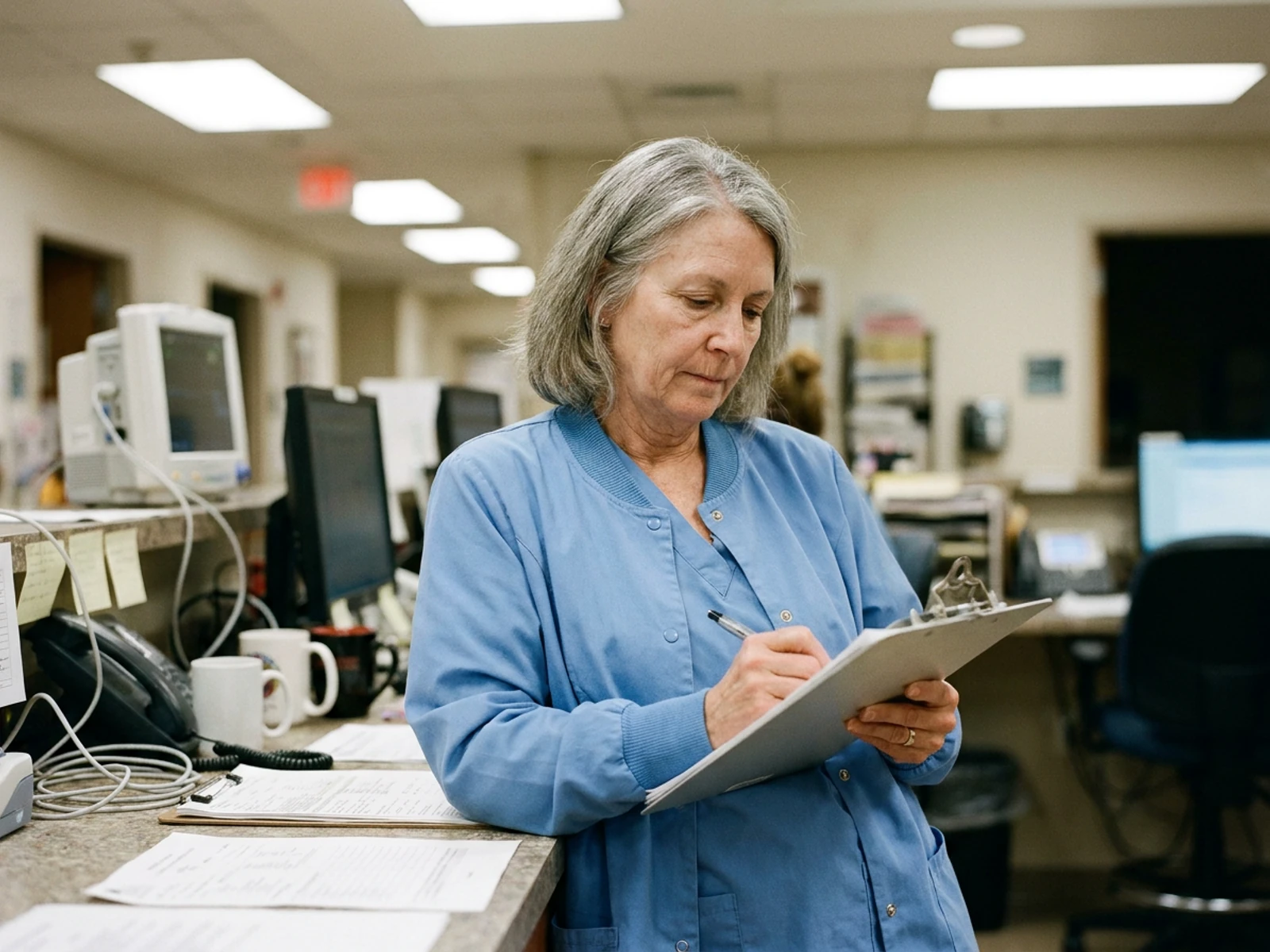
A snap-front jacket with the agency logo keeps aides recognizable on cold porches instead of hidden under a personal coat. Snaps come off quickly before hands-on care, and the jacket matches the scrub color your agency already uses.
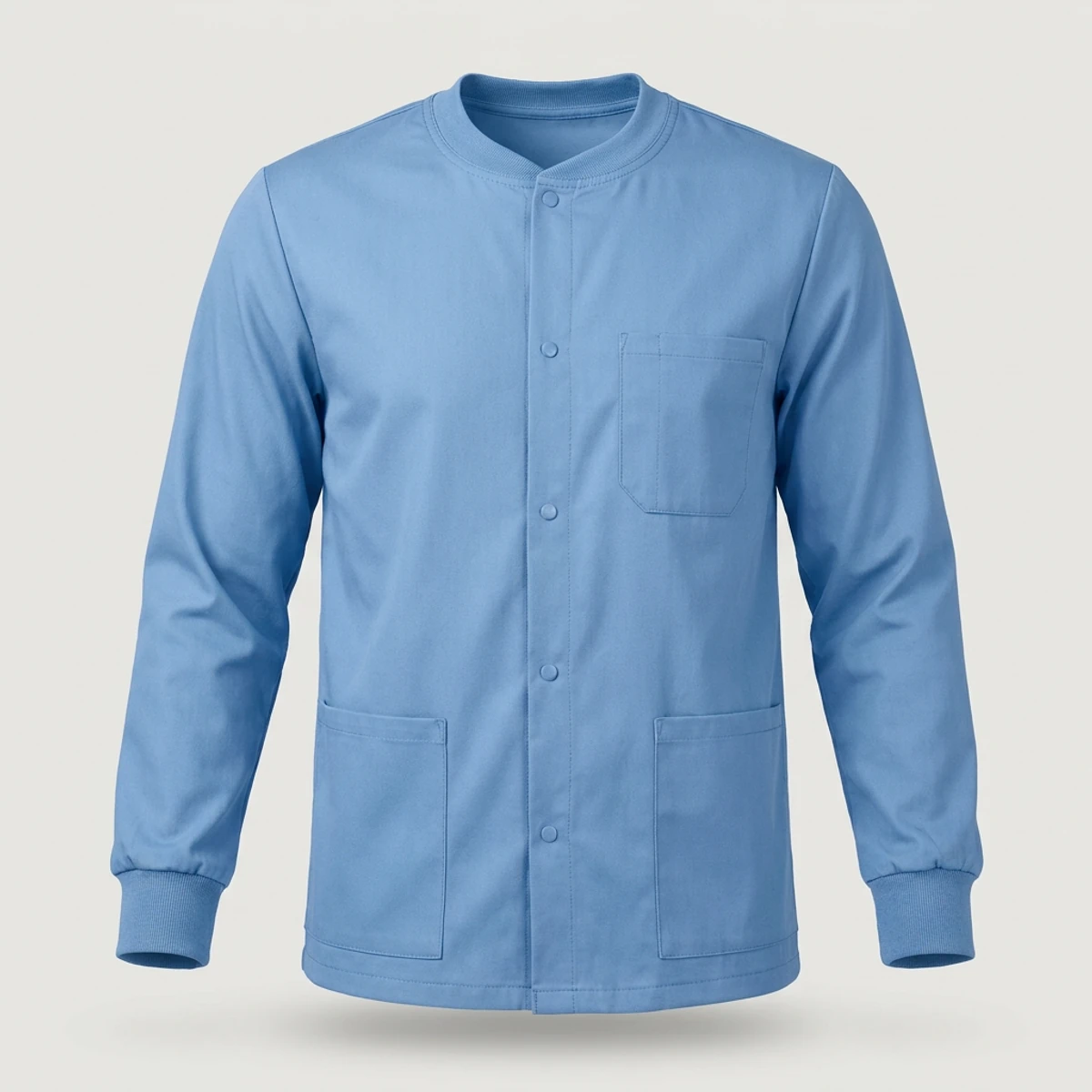
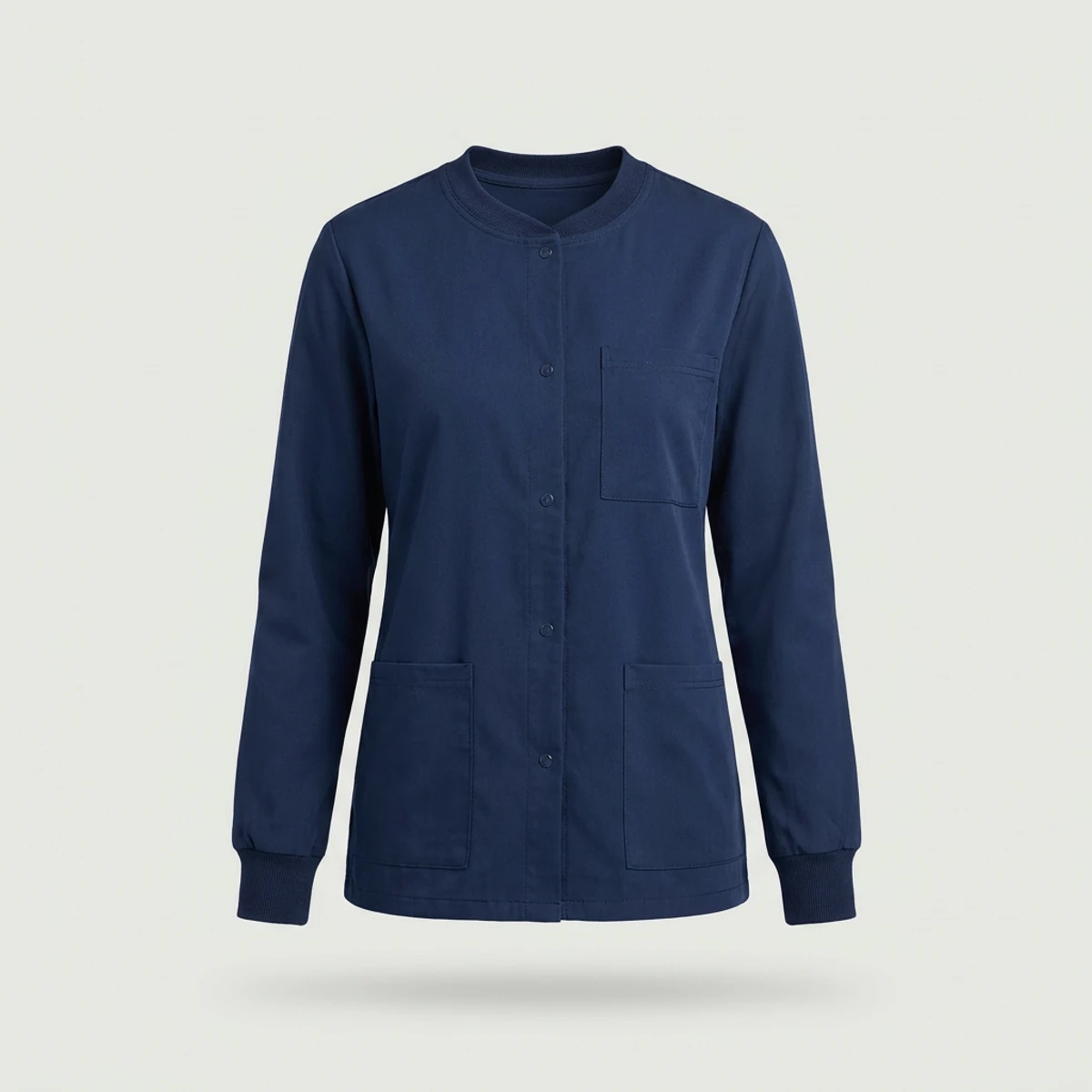
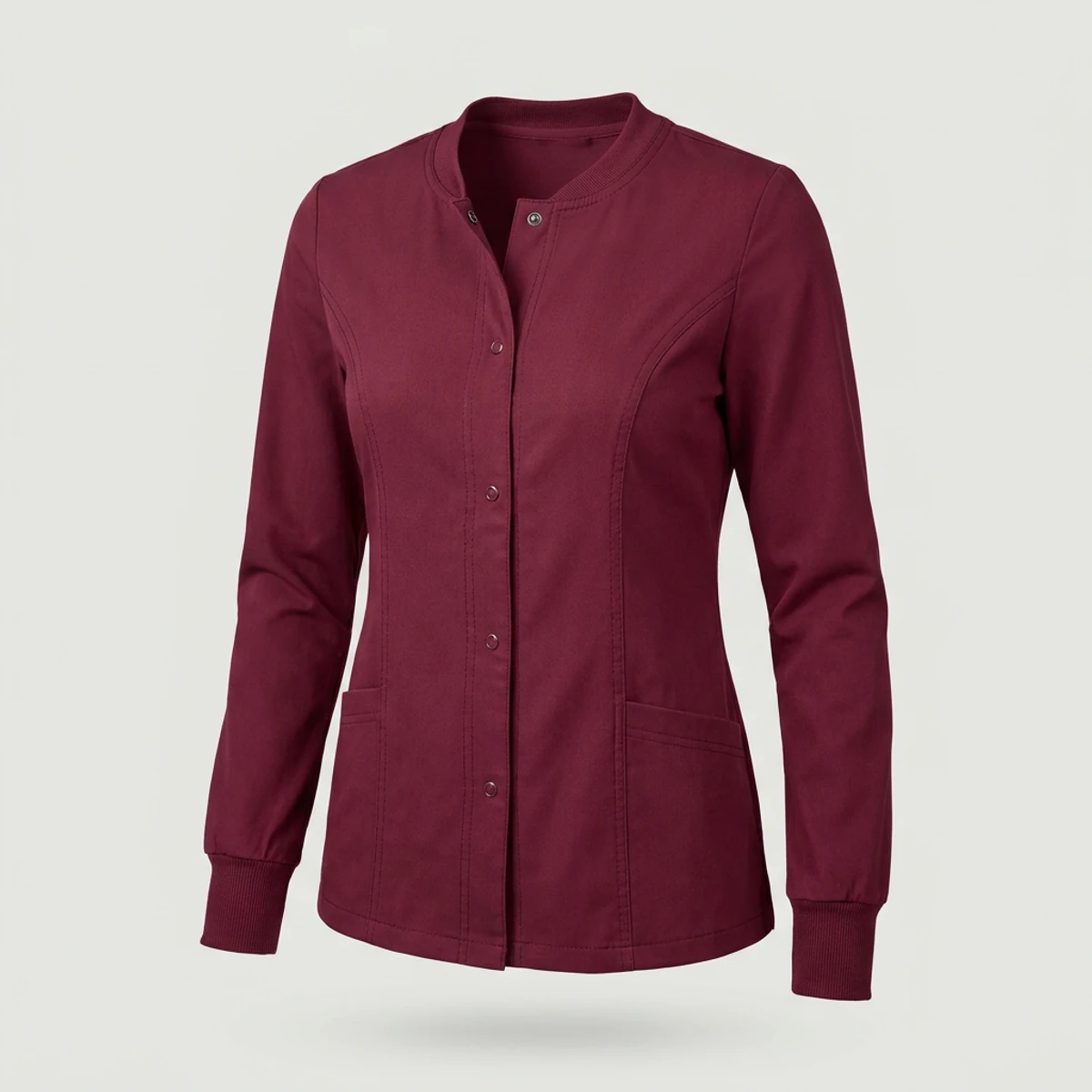
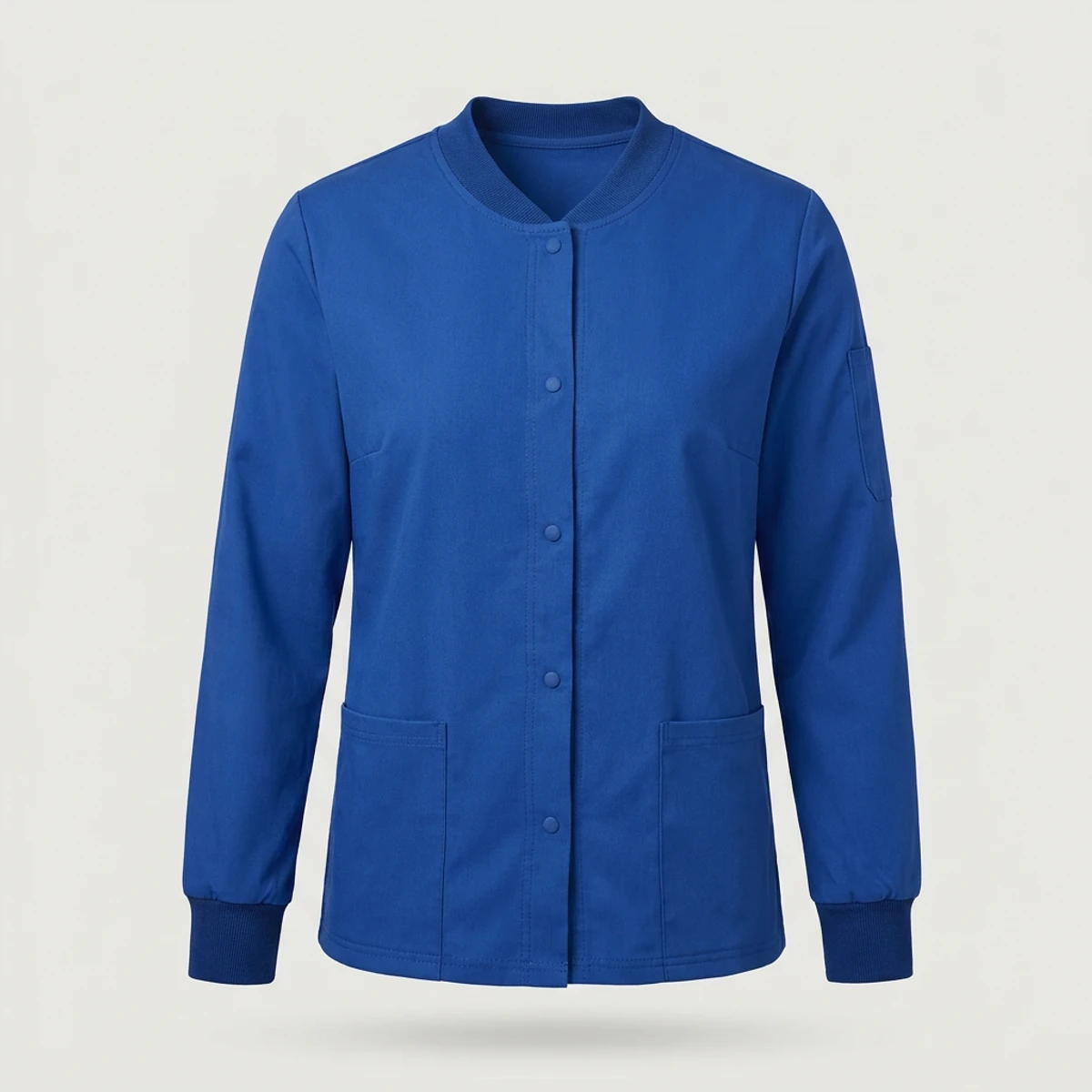
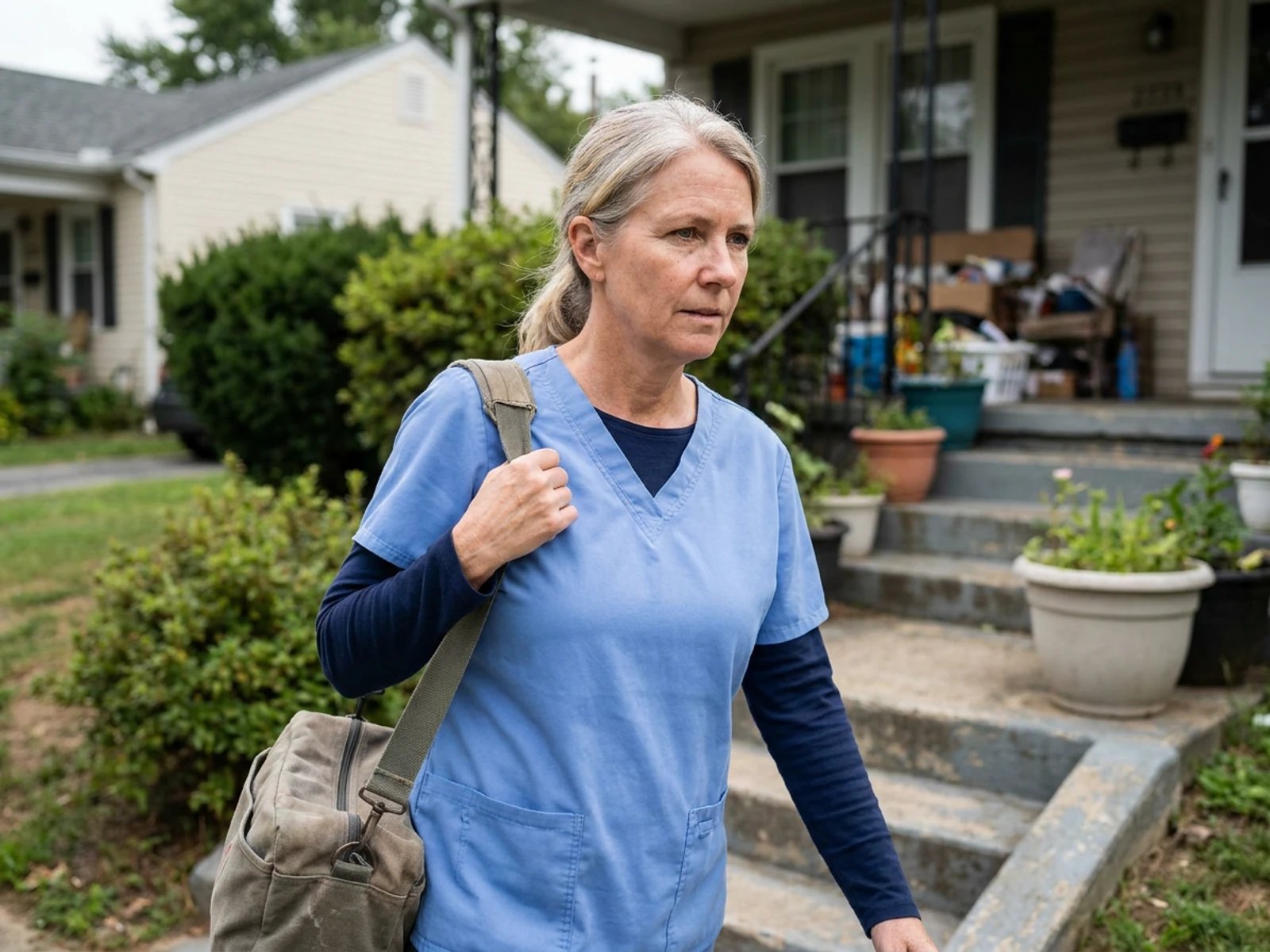
Aides move between overheated living rooms and winter driveways all day. A mock-neck underscrub under a short-sleeve top adds warmth that comes off in seconds, sewn in the agency color from about 50 pieces per style.
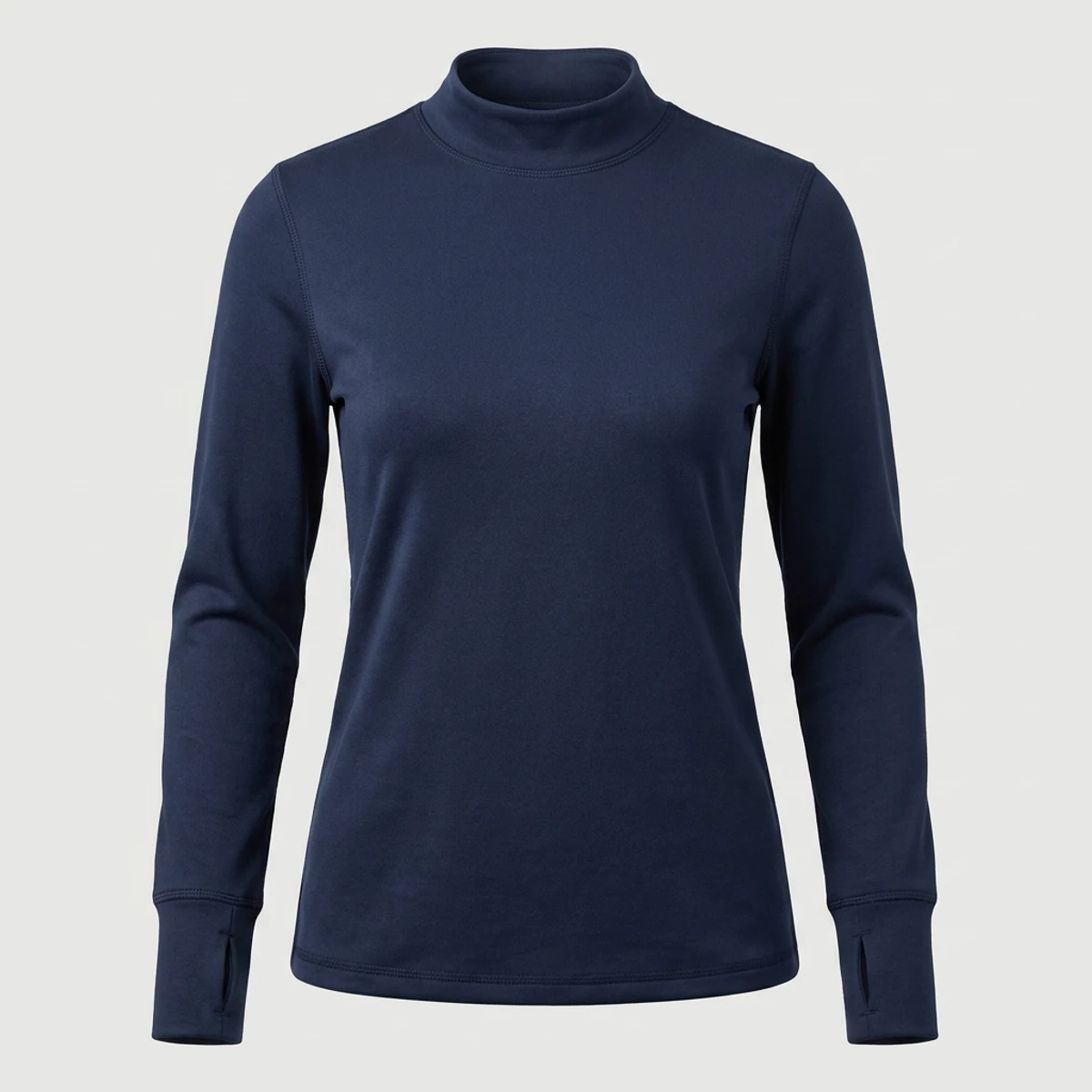
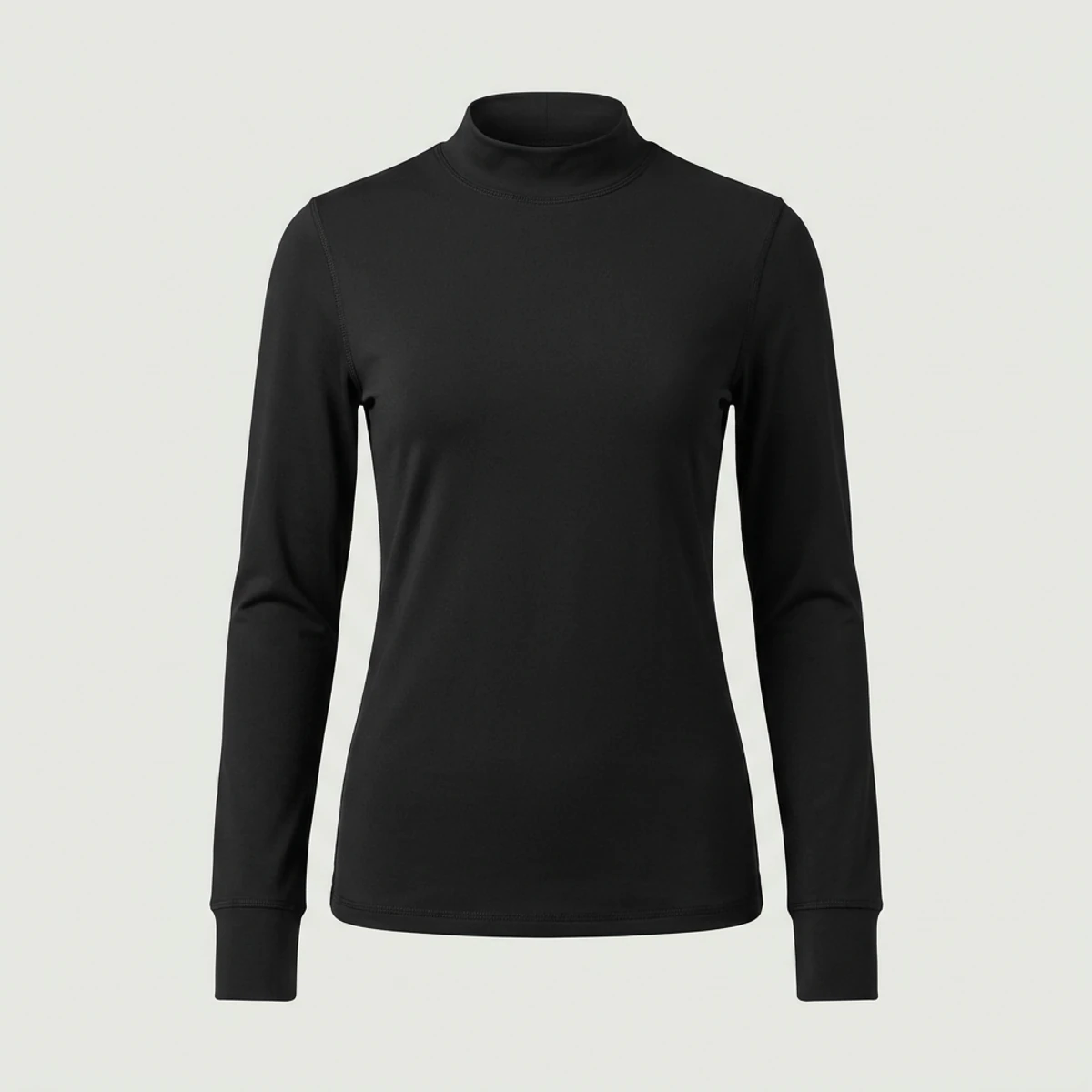
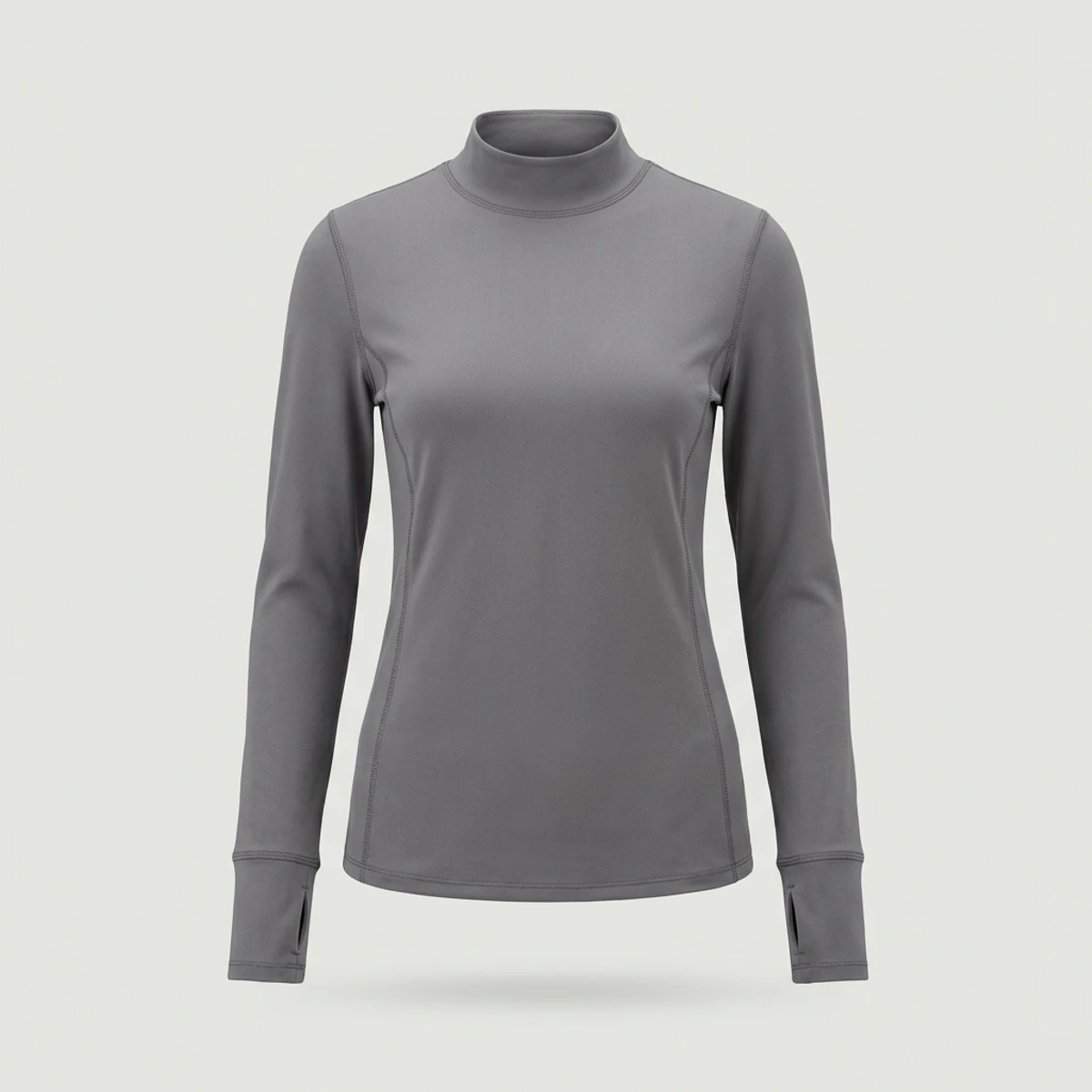
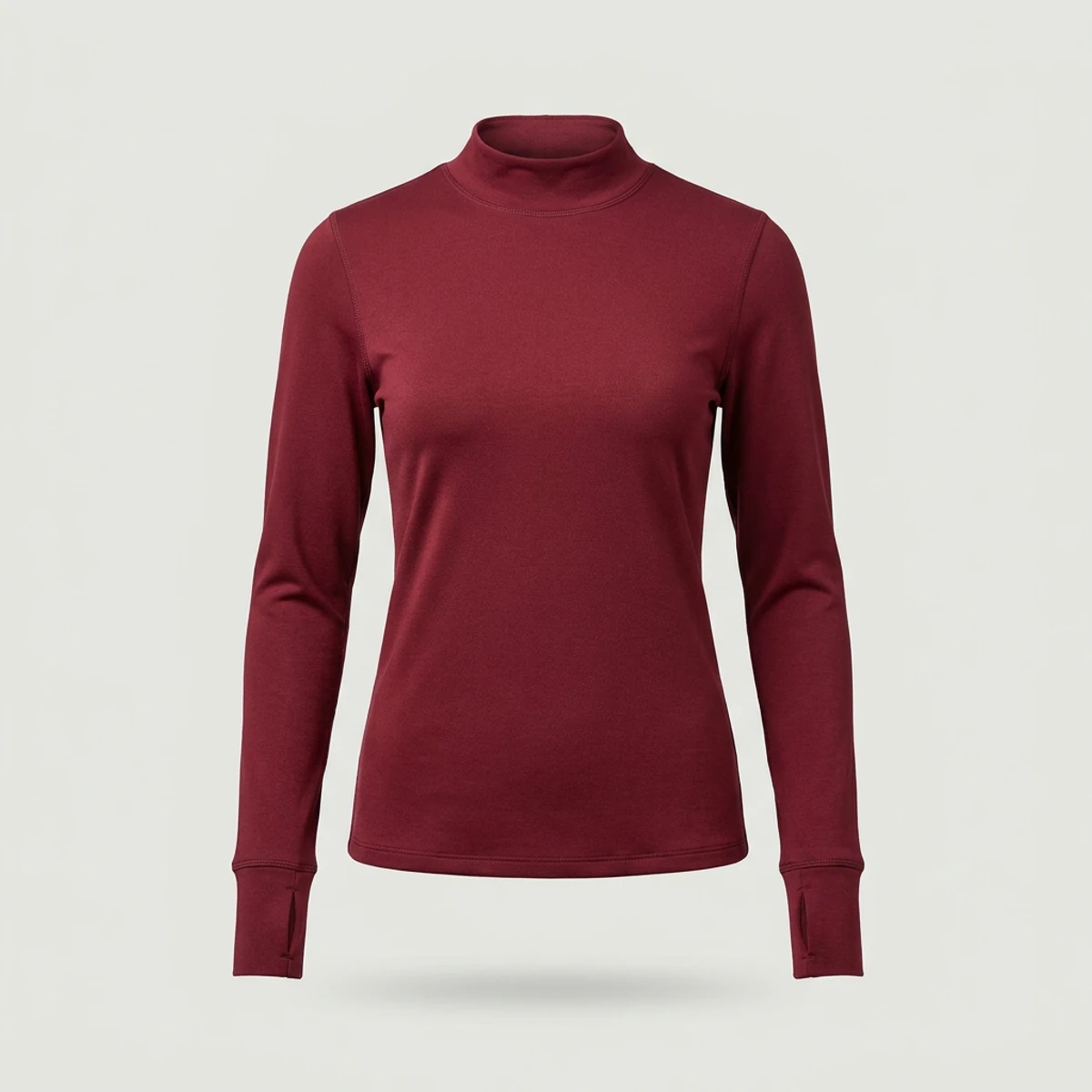
Pick the style, fabric and colors, add your logo and names, then attach the design to your quote. We cut and sew it in Los Angeles from 50 pieces per style.
Home health aides and caregivers usually wear a scrub set in the agency’s color, with the agency logo and their name on the chest, plus a jacket or long-sleeve layer for travel between homes. Home health aide uniforms have to work in a client’s bathroom, kitchen and car on the same day, so the kit is planned around movement, washing and identification.
| Role | Typical uniform | What matters most |
|---|---|---|
| Home health aides (HHAs) and certified nurse aides | Scrub top and pant in the agency aide color | Stretch for transfers and bathing, home-washable fabric |
| Personal care aides and companion caregivers | Scrubs or a coordinated top in a softer brand color | Friendly, less clinical look, still clearly identified |
| Home health nurses (RN, LPN) | Scrubs in a nursing color, often with a jacket | Pockets for supplies, a visible role title |
| Physical, occupational and speech therapists | Scrubs or a work top in a therapy color | Freedom to kneel, reach and demonstrate exercises |
| Hospice aides | Scrub set, often in a calm, darker shade | Quiet, respectful look in family homes |
| Schedulers and intake coordinators | Branded top or jacket in a neutral color | Agency look at office and community events |
Nurse aide uniforms worn inside nursing homes and assisted living facilities follow a facility color plan rather than an agency one; those are covered on the CNA scrubs and medical assistant uniforms page.
Caregivers do not have to wear scrubs by any federal rule; the agency’s dress code decides. Caregiver scrubs suit clinical home health work because they wash hot, dry fast and read as healthcare at the door. Non-medical home care agencies sometimes prefer a softer, less clinical top so the visit feels like company rather than treatment.
Three questions settle it for most agencies:
Custom Uniform Factory makes the scrub side of the program: custom scrub tops, scrub pants and layers. Ask at quote stage if you also want a knit top for companion-care staff.
Caregiver scrubs work in a client’s home when they stretch for lifting and bathing, hold the small items an aide carries room to room, layer for the drive between visits and fit a varied team. These four details decide whether aides wear the uniform proudly or cover it with their own clothes.
Transfers from bed to chair, bathing and dressing a client all mean deep bends and reaching. A fabric with spandex and room through the shoulders and seat keeps seams from tearing.
Gloves, a pen, a small notebook, a phone, car keys and a hand sanitizer bottle. Two lower pockets on the top and a secure cargo pocket on the pant keep hands free, and a zip or snap pocket keeps keys from falling out in a client’s car or bed.
Aides walk in and out of cold and hot houses all day. A scrub jacket with the agency logo, or a long-sleeve underscrub under a short-sleeve top, keeps the look consistent so nobody arrives in an unbranded hoodie.
Home care teams vary widely in age and build. Offer women’s and unisex cuts across XXS to 5XL so every aide gets a uniform that fits without alterations.
Fabrics that survive home laundering and car travel are stretch blends that dry fast, resist wrinkles after hours of sitting and hold color through frequent machine washing. Home care uniforms are almost always washed by the aide at home, so match the fabric to a household machine, not an industrial laundry.
| Fabric type | Typical weight | Strengths | Best for |
|---|---|---|---|
| Polyester-rayon-spandex | About 160–220 GSM | Soft, four-way stretch, wrinkle resistant after driving | Aides on long routes, premium agency brands |
| Polyester-spandex | About 140–200 GSM | Light, quick drying, strong stretch recovery | Warm climates, aides who wash every night |
| Poly-cotton (e.g. 65/35) | About 150–220 GSM | Durable, holds color, tolerates hot washes | Hospice and agencies that launder centrally |
| 100% cotton | About 150–200 GSM | Breathable, soft on sensitive skin | Low-contact companion care |
Typical weights; the exact weight of your chosen fabric is confirmed at quote stage. GSM (grams per square meter) measures fabric weight. The scrub fabric guide compares these blends in more depth.
Tip: Ask two or three aides to wear sample sets for a full week of visits and home washes before you approve a fabric. Pilling, fading and wrinkling show up by the fifth wash, not on the first day.
A caregiver uniform is usually not personal protective equipment (PPE). The Occupational Safety and Health Administration (OSHA) Bloodborne Pathogens Standard, 29 CFR 1910.1030, defines general work clothes such as uniforms, pants and shirts that are not intended to protect against a hazard as outside PPE, so aides can launder them at home.
The distinction matters in practice:
Home health aide uniforms carry the agency logo on the left chest and the aide’s name and role title on the right, such as “Maria L., HHA”. That pairing tells a client, a family member or a building concierge who has arrived and which agency sent them, before anyone opens a door chain.
Embroidery suits home care because stitched thread survives frequent home washing. Keep the logo about 3 to 4 inches wide and the name line large enough to read at arm’s length. The embroidered scrubs service explains placement and thread choices, and custom logo embroidery covers artwork for jackets.
Home care uniforms should be color-coded by role when an agency sends nurses, aides and therapists into the same homes, because families quickly learn who does what. Agencies with only aides usually pick one brand color and let the embroidered title do the work.
| Group | Example color |
|---|---|
| Home health aides and CNAs | Agency brand color |
| Nurses (RN, LPN) | Navy |
| Therapists | Charcoal |
| Hospice team | A darker, calm shade such as wine |
The plan above is an illustration, not a standard.
Size a home care team with a try-on kit of samples sent to the office, recording top and pant sizes separately for every aide. Teams are spread across routes and shifts, so a sizing day rarely reaches everyone; a kit that stays in the office for two weeks does. Sizes run from XXS to 5XL.
Record sizes on one roster with names and role titles, then use it for every reorder. The scrub size chart shows how unisex and women’s cuts compare.
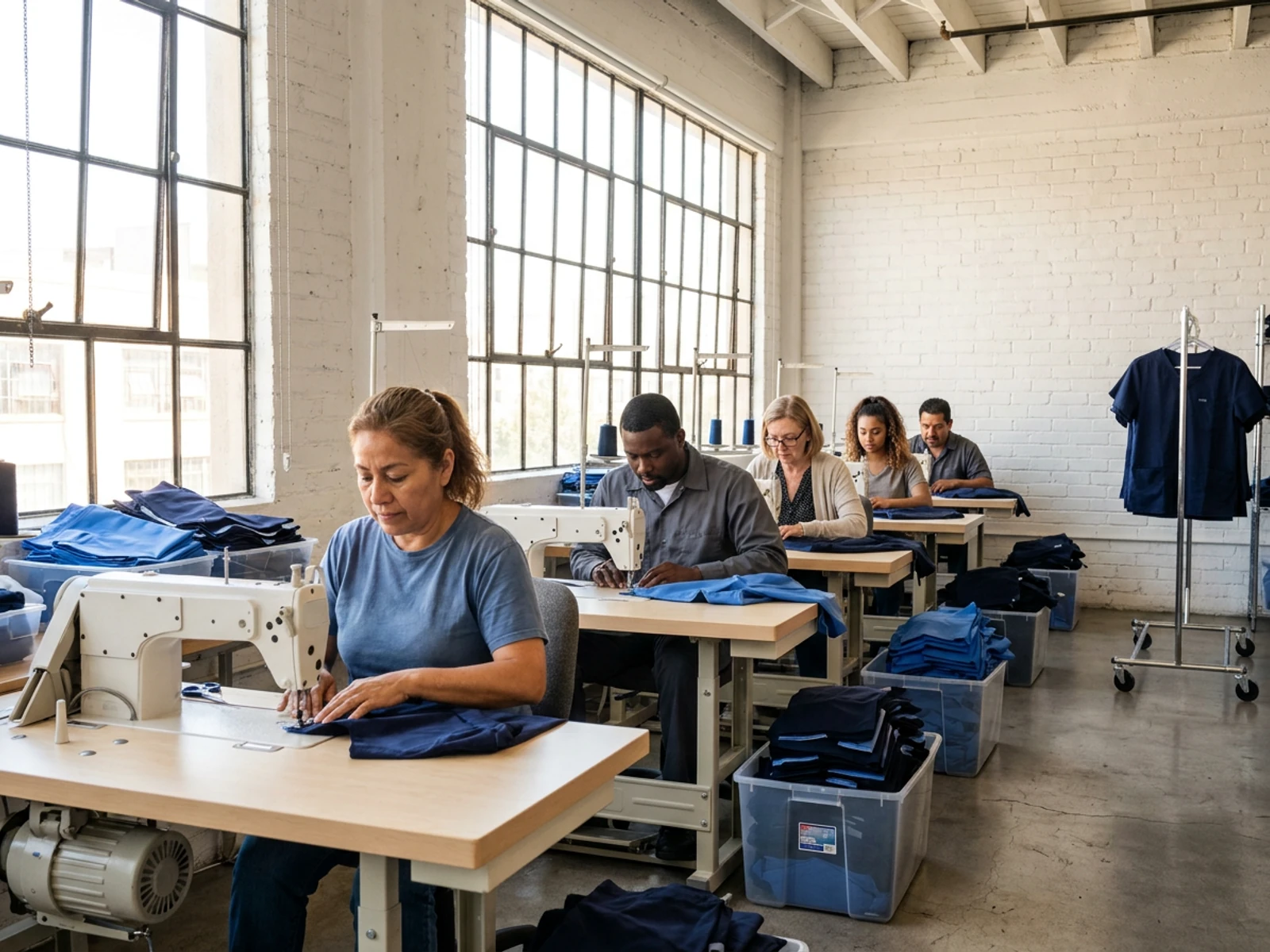
Reorders keep a high-turnover home care agency in matching uniforms: the approved style, fabric, color, logo file and name format stay on record, so a run ordered months later matches the first. Keep a small stock of common sizes so new aides can start on day one.
A simple new-hire kit is two or three tops, two pants and one jacket per aide. Add each new name to a running list and fold it into the next production run of the same style.
The cost of a caregiver uniform program depends on fabric, quantity per style, how many styles and colors the agency carries, garment complexity and how much embroidery each piece gets. Each program is quoted on its actual fabric, artwork, roster and quantities, so the table shows which choices move the cost rather than listing prices.
| Cost driver | How it moves the cost | How to keep it in check |
|---|---|---|
| Fabric | Premium stretch blends usually cost more than standard poly-cotton | Choose the blend for home washing, not feel alone |
| Quantity per style | Larger runs spread cutting, setup and sampling across more pieces | One top style for every aide |
| Styles and colors | Each style and color is its own run to plan and reorder | Separate roles by title before adding colors |
| Style complexity | Zip pockets, snaps and extra cargo pockets add sewing time | Keep the features aides use on visits |
| Decoration | Stitch count and number of locations add time per piece | One chest logo plus one name line |
| Personalization | Individual names add handling for every piece | One roster in a single format |
Caregiver uniforms are ordered at about 50 pieces per style, where a style is one garment design in one fabric. Most agencies reach it with one shared top style across all aides, sized across the team, then add pants and jackets as separate styles.
Current lead times depend on fabric and order size; ask when you request a quote. Agencies stocking plain sets for new hires can buy them through the wholesale scrubs program.
The most common home care uniform mistakes are no branded layer, unclear role titles, too few sets per aide, fabric chosen for industrial laundries and charging aides in ways that break wage rules. Each is easy to fix while the program is being planned.
Ready to order
A complete quote for caregiver uniforms needs headcount by role, garments per role, colors, your logo file, the name and title format and how aides launder. Sending it together lets the program be priced and sampled in one round.
Need something not covered here? Ask our Los Angeles team and we’ll answer with options for your order.
Ask our Los Angeles teamYes. Facility-based nurse aides, dietary, housekeeping and activities staff follow a facility color plan rather than an agency one, so they are covered on our CNA and medical assistant scrubs page. Agencies that staff both home visits and facilities often keep one agency style and add a facility color when a contract requires it.
Under the federal Fair Labor Standards Act, a required uniform is an employer business expense, and charging for it may not bring an employee's pay below the minimum wage or overtime due. Some states go further. Many agencies issue a starter set at hire and replace worn sets on a schedule, which avoids the question entirely.
Plan enough sets to cover every shift between washes, plus one spare for a soiled visit. An aide working five days a week who washes twice a week usually needs at least three sets. Order spares in your most common sizes so new hires can start without waiting for a production run.
Yes. Send one roster with each aide's name, role title and sizes, spelled exactly as it should be stitched. The agency logo stays identical on every garment, and each person gets their own name line below it. New hires are added to the next run of the same style.
Often, yes. Seventeen aides ordering three tops each come to about 50 pieces of one top style. Smaller agencies usually put every aide in one shared top style, separate roles by embroidered title and order pants or jackets on a later run once headcount grows.
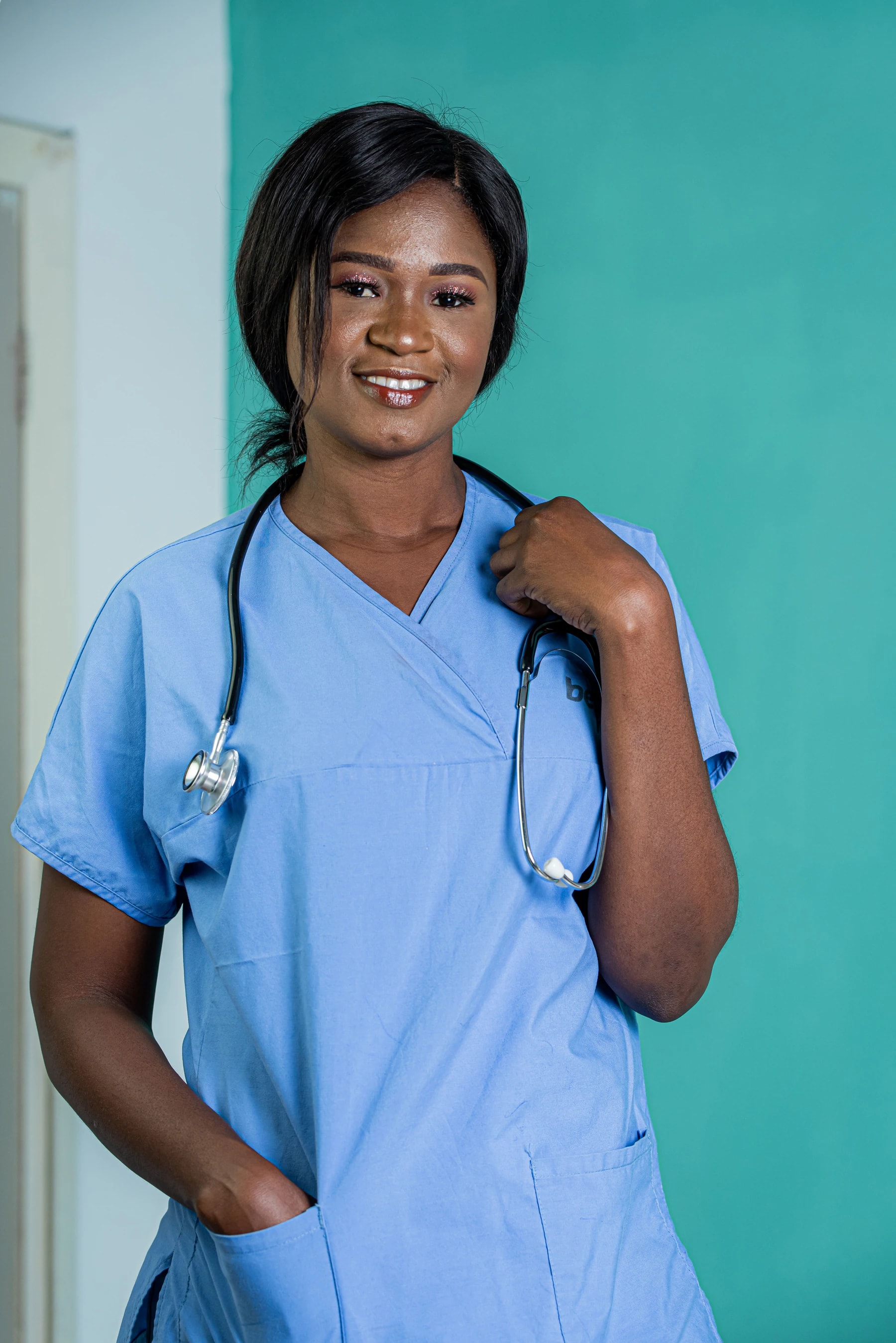
Scrub tops made in your choice of neckline, pockets, fabric and color, embroidered or printed with your logo, from 50 pieces per style.
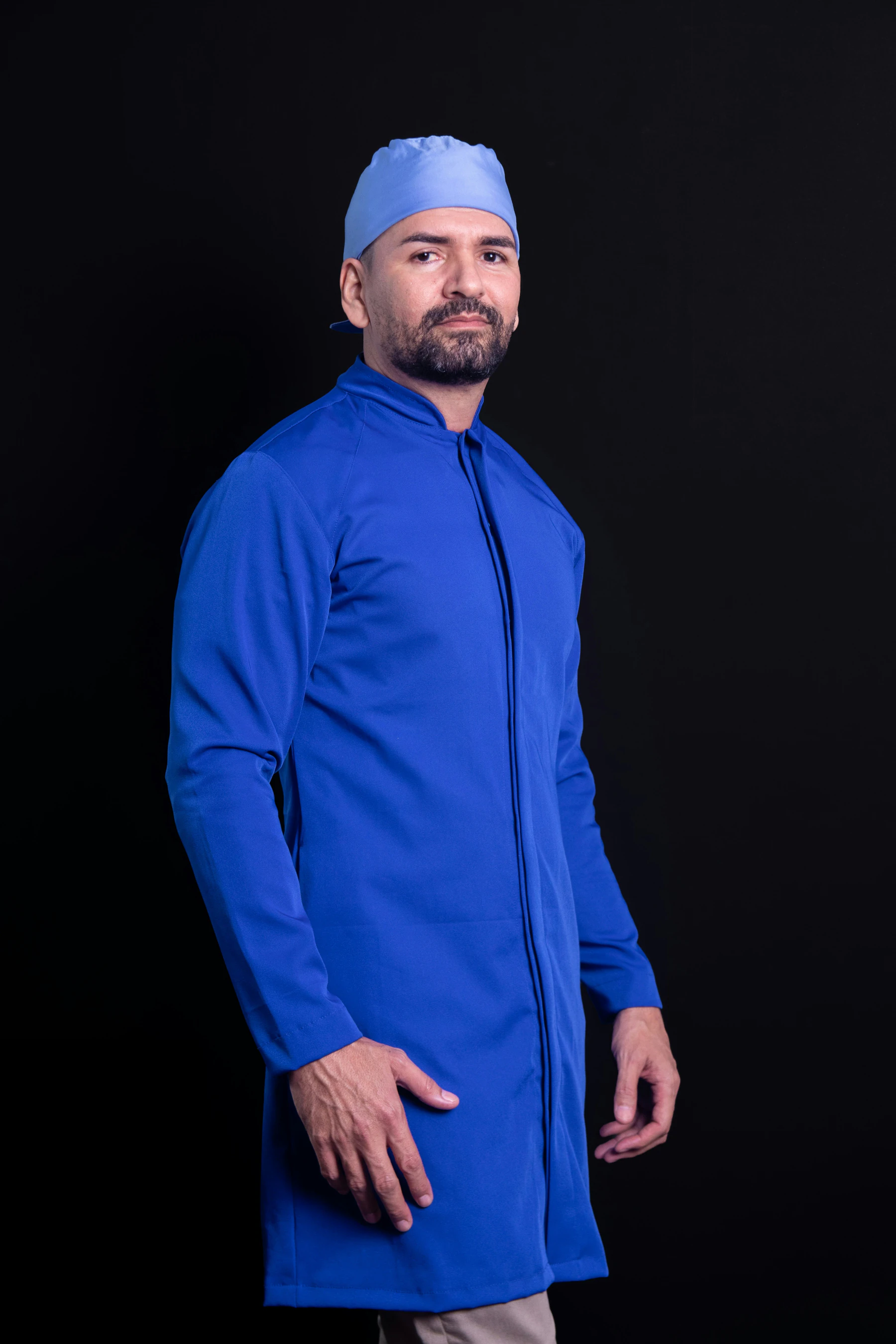
Snap-front and zip warm-up scrub jackets in women's and unisex fits, embroidered with your logo or made under your label, from 50 pieces per style.
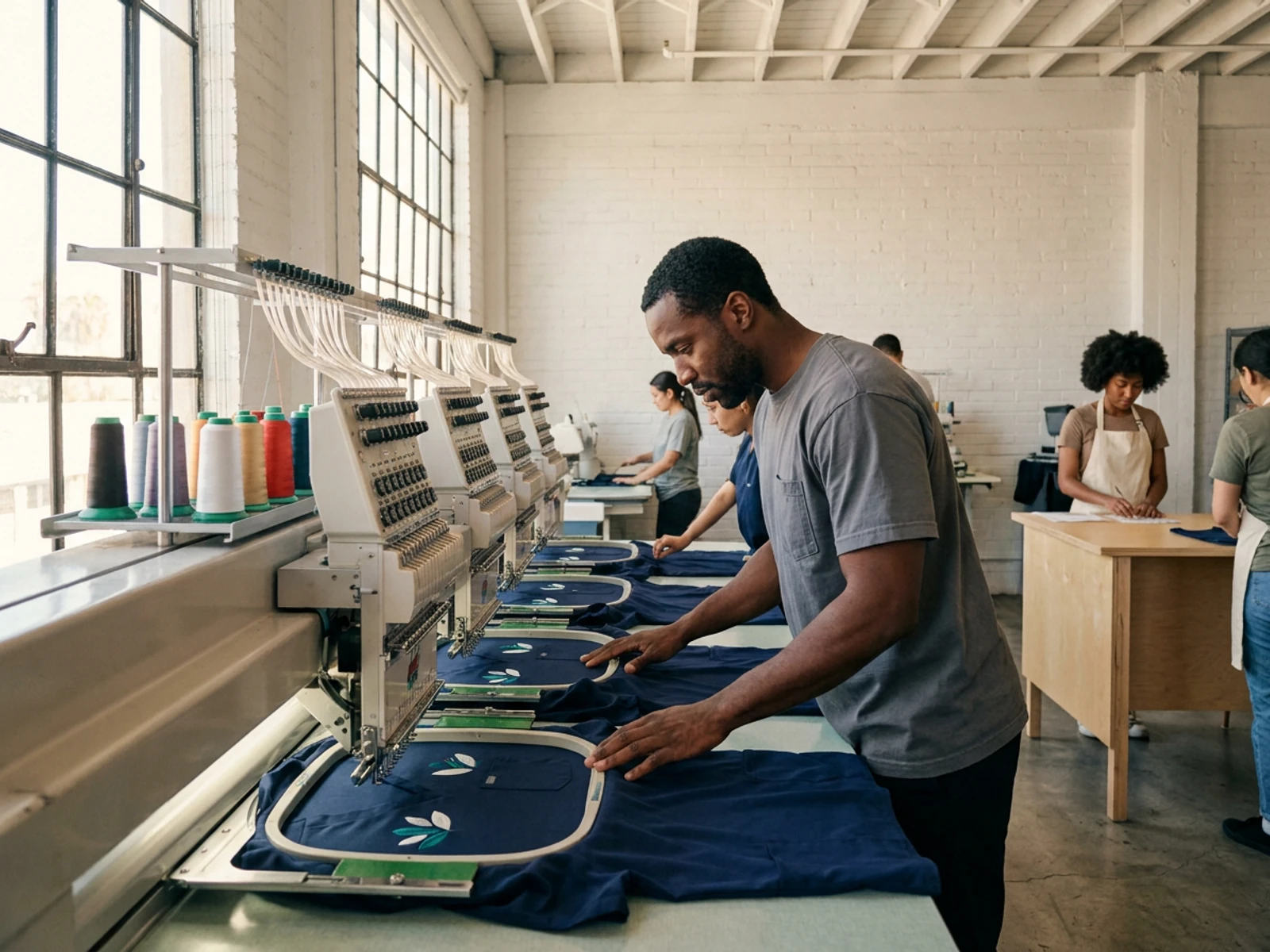
Scrubs, lab coats and scrub jackets embroidered with names, credentials, departments and logos, cut, sewn and embroidered in our Los Angeles factory from 50 pieces per style.
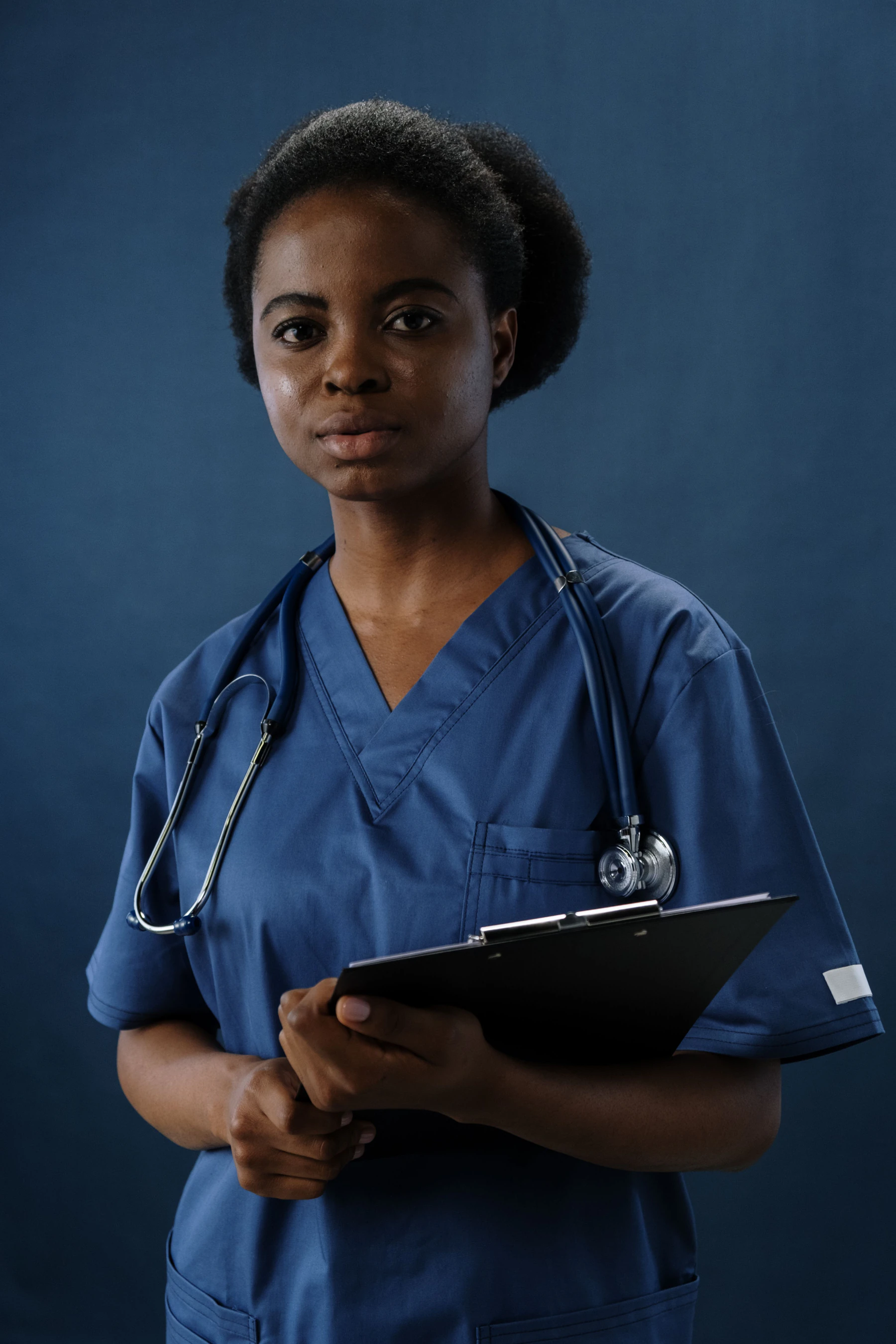
Durable scrubs for CNAs and medical assistants, plus department-coded nursing home and assisted living uniforms, for care facilities, clinics, agencies and CNA programs.
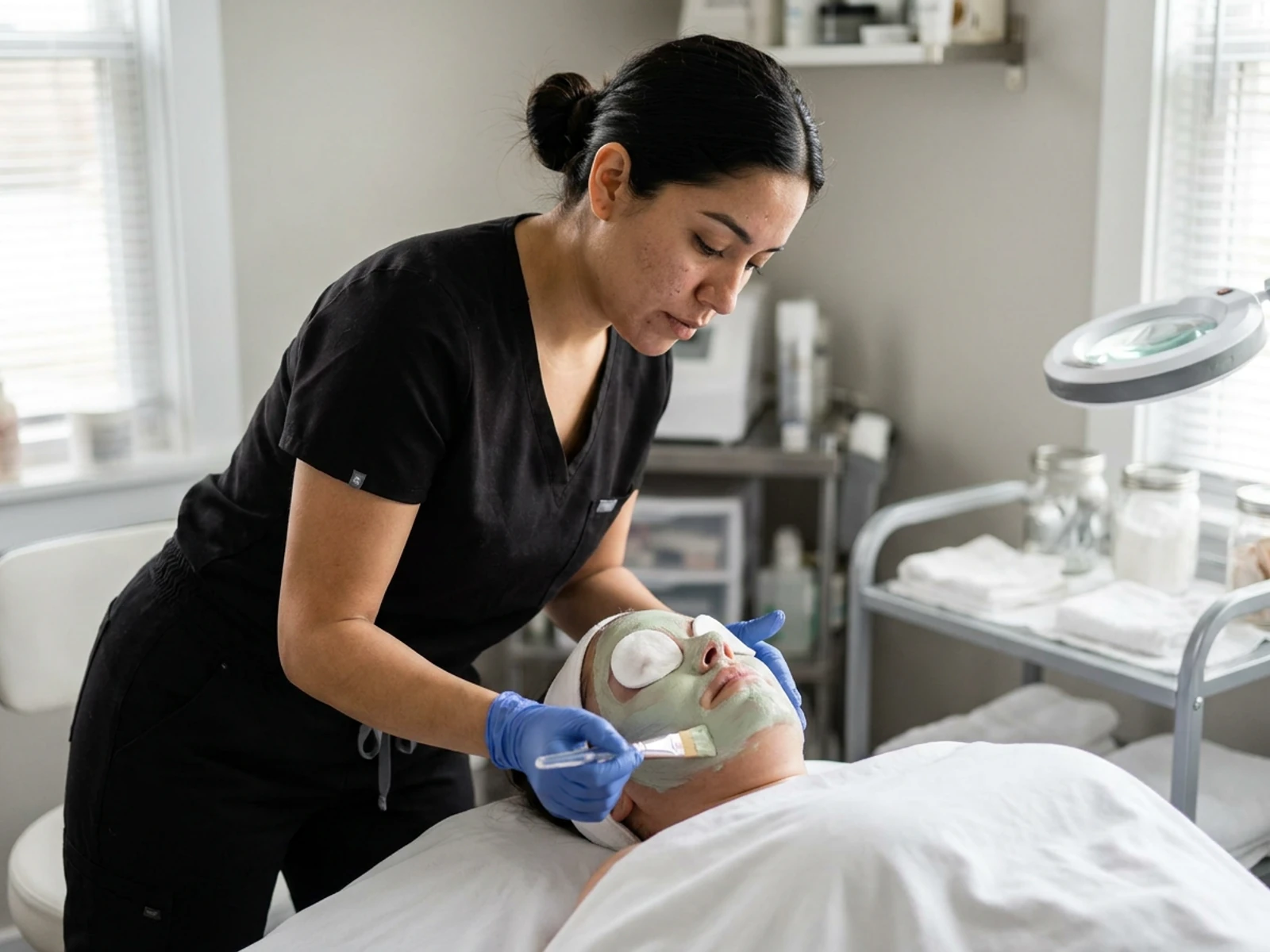
Fitted scrub sets for estheticians, aesthetic nurses, injectors and laser technicians, in black, neutrals or your brand color, embroidered and sewn in Los Angeles from 50 pieces per style.