Length
Full length to the knee for bench work; staff length for supervisors and lab managers who move between areas.
Industries · Los Angeles factory
Laboratory uniforms are the lab coats, scrubs and phlebotomy sets that clinical, reference, research and industrial lab staff wear at the bench and the draw station, chosen so protective layers can be removed and laundered under OSHA rules. Custom Uniform Factory manufactures them for hospital labs, independent reference labs, universities and testing companies, cut and sewn in its Los Angeles factory from imported fabric and embroidered with your logo, from about 50 pieces per style.
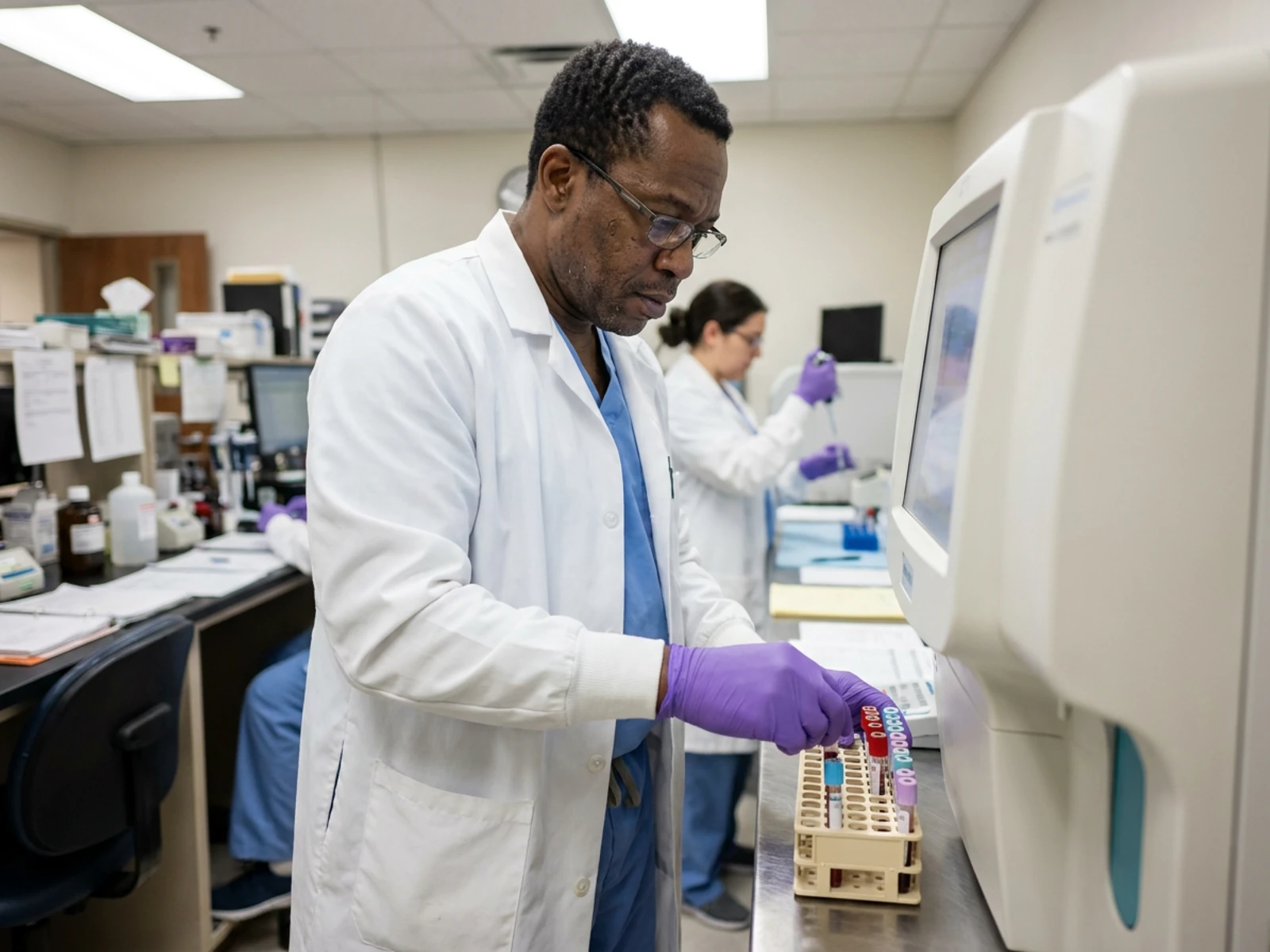
16 styles in 4 families · each made to order in your fabric, color and branding from 50 pieces.

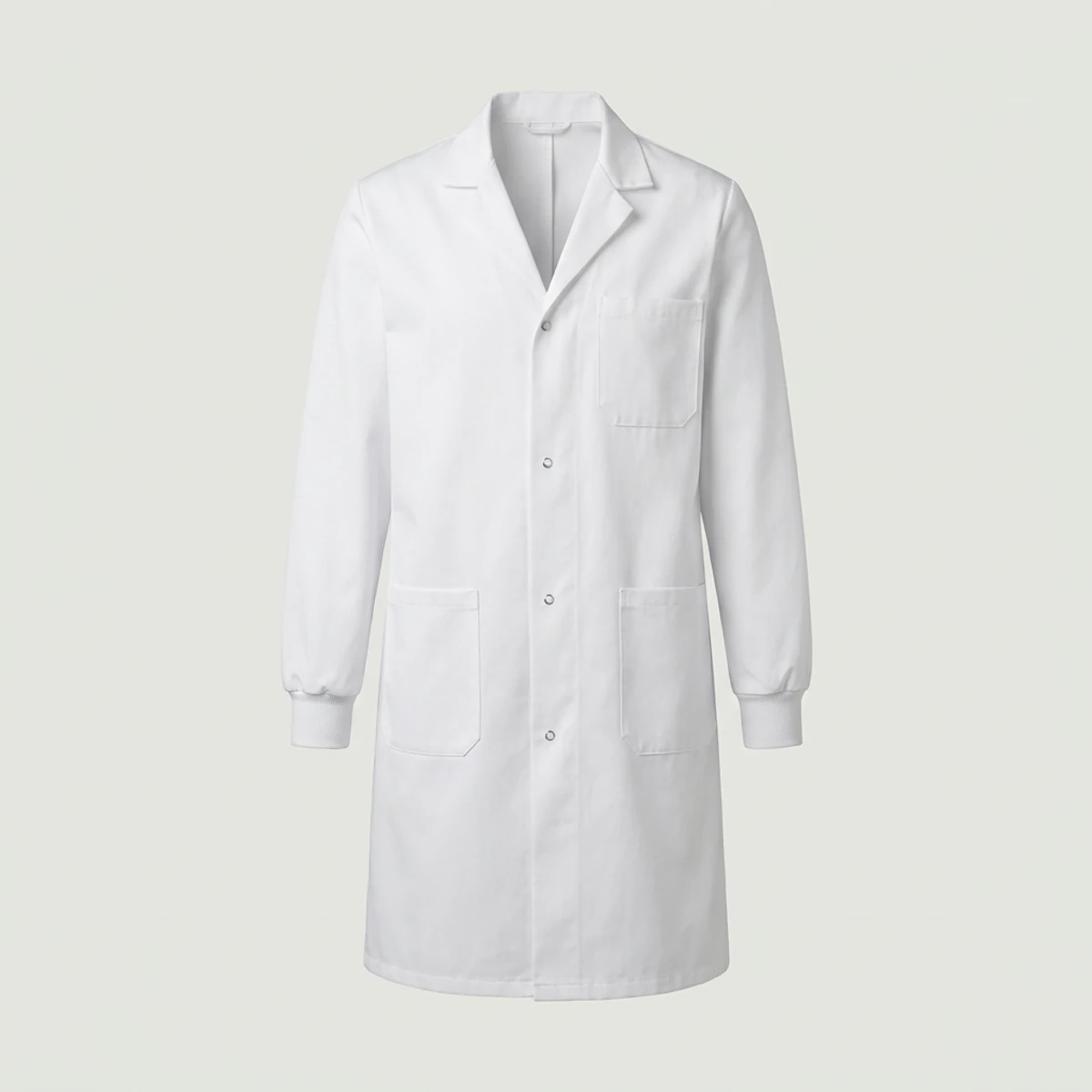
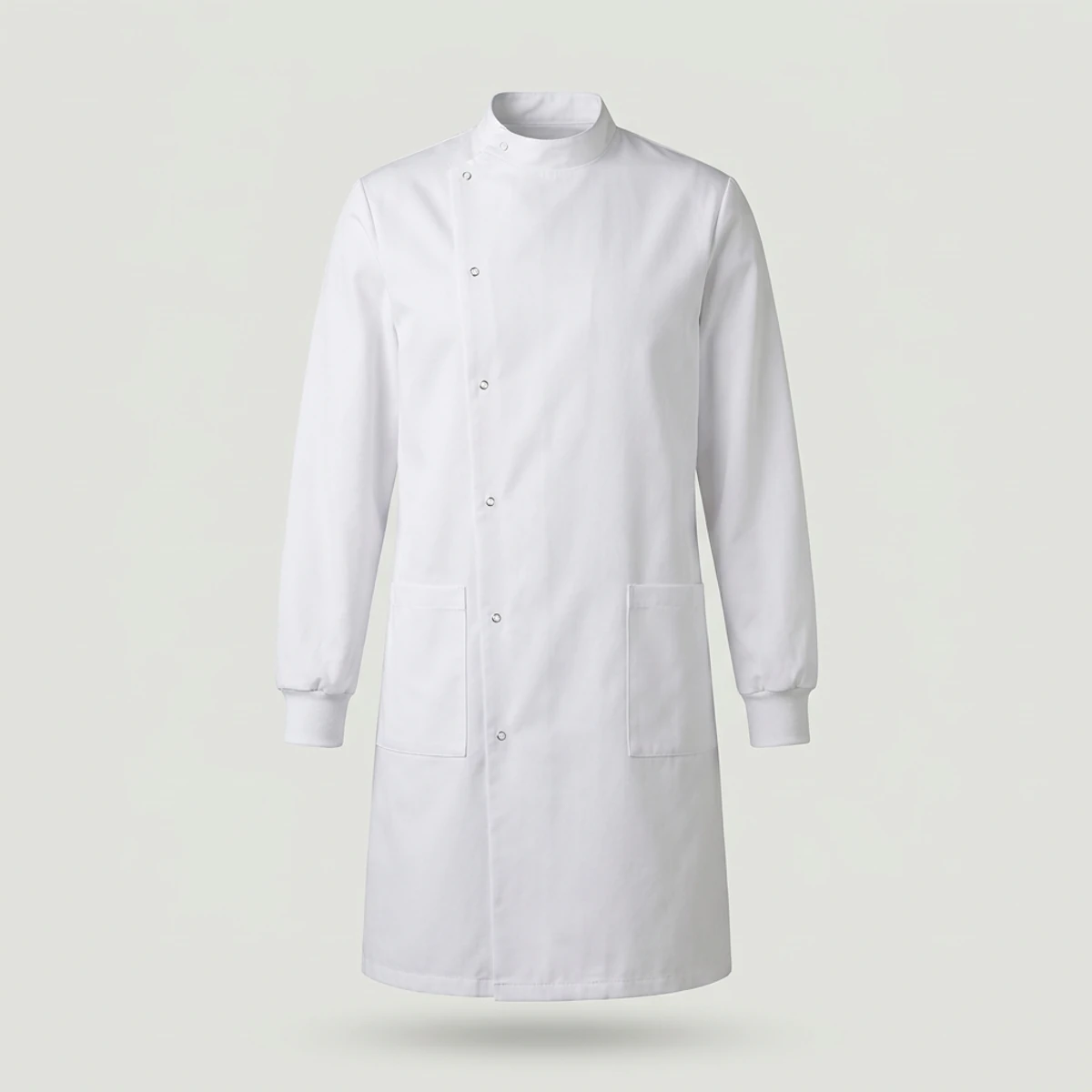
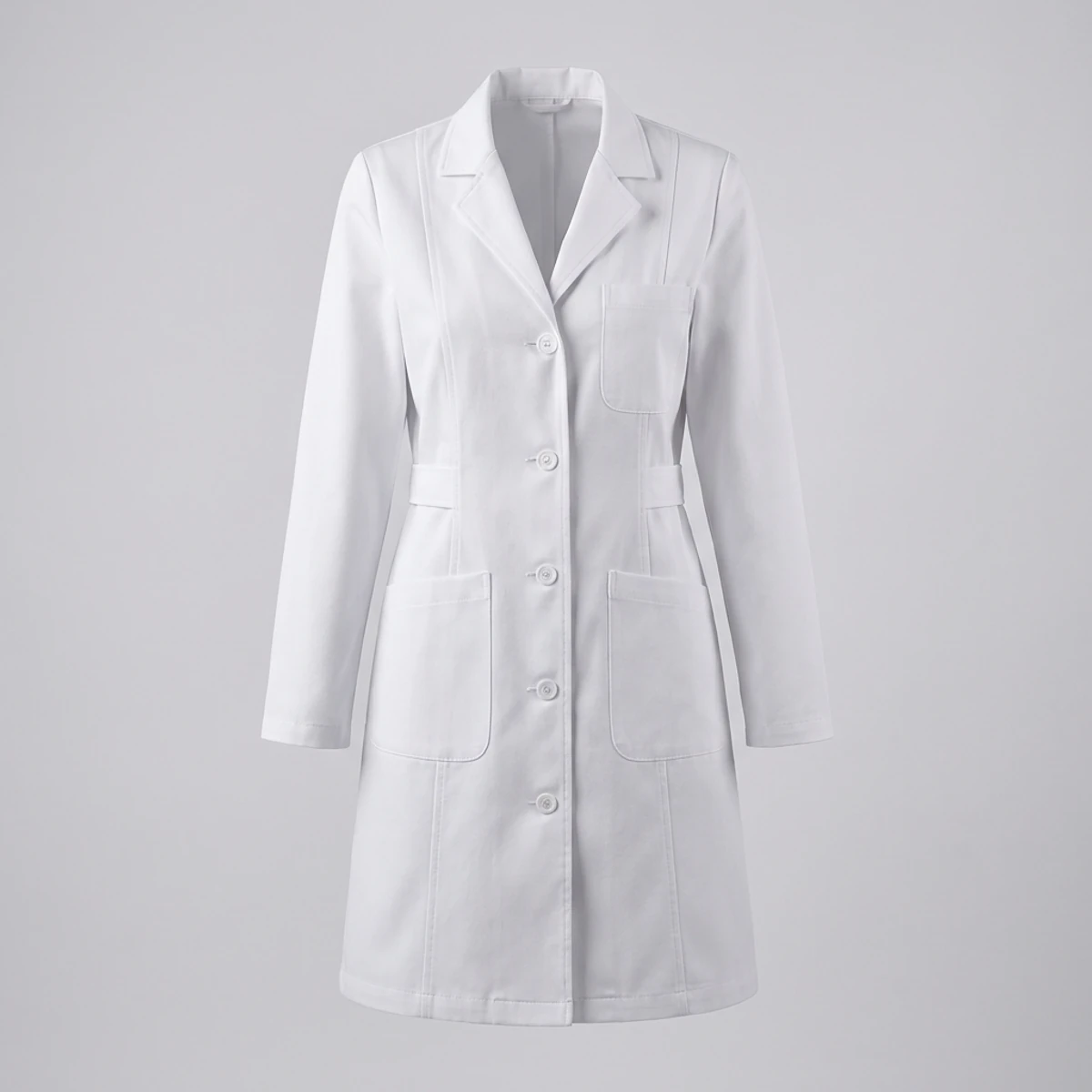
A full-length coat with knit cuffs and a snap front covers clothing at the bench and comes off in one pull if it is splashed. Fabric is chosen from your hazard assessment, and coats are sewn in Los Angeles from about 50 pieces per style.
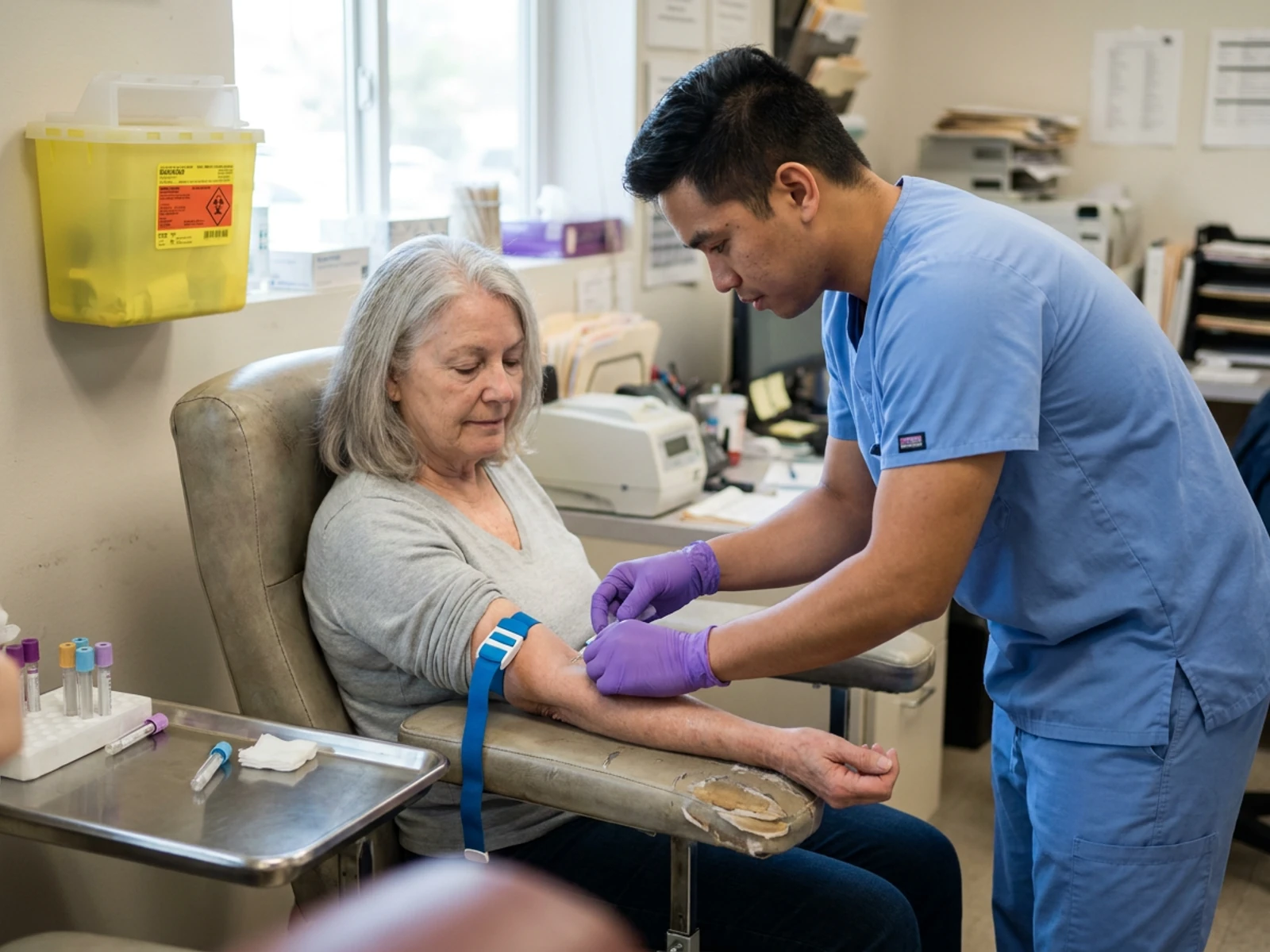
Phlebotomists bend over draw chairs and beds all shift and carry tourniquets, gauze and tape in their pockets. A V-neck top with two deep lower pockets and a chest pen pocket, in a stretch blend that dries fast, keeps supplies close. Your lab logo is stitched on the chest.
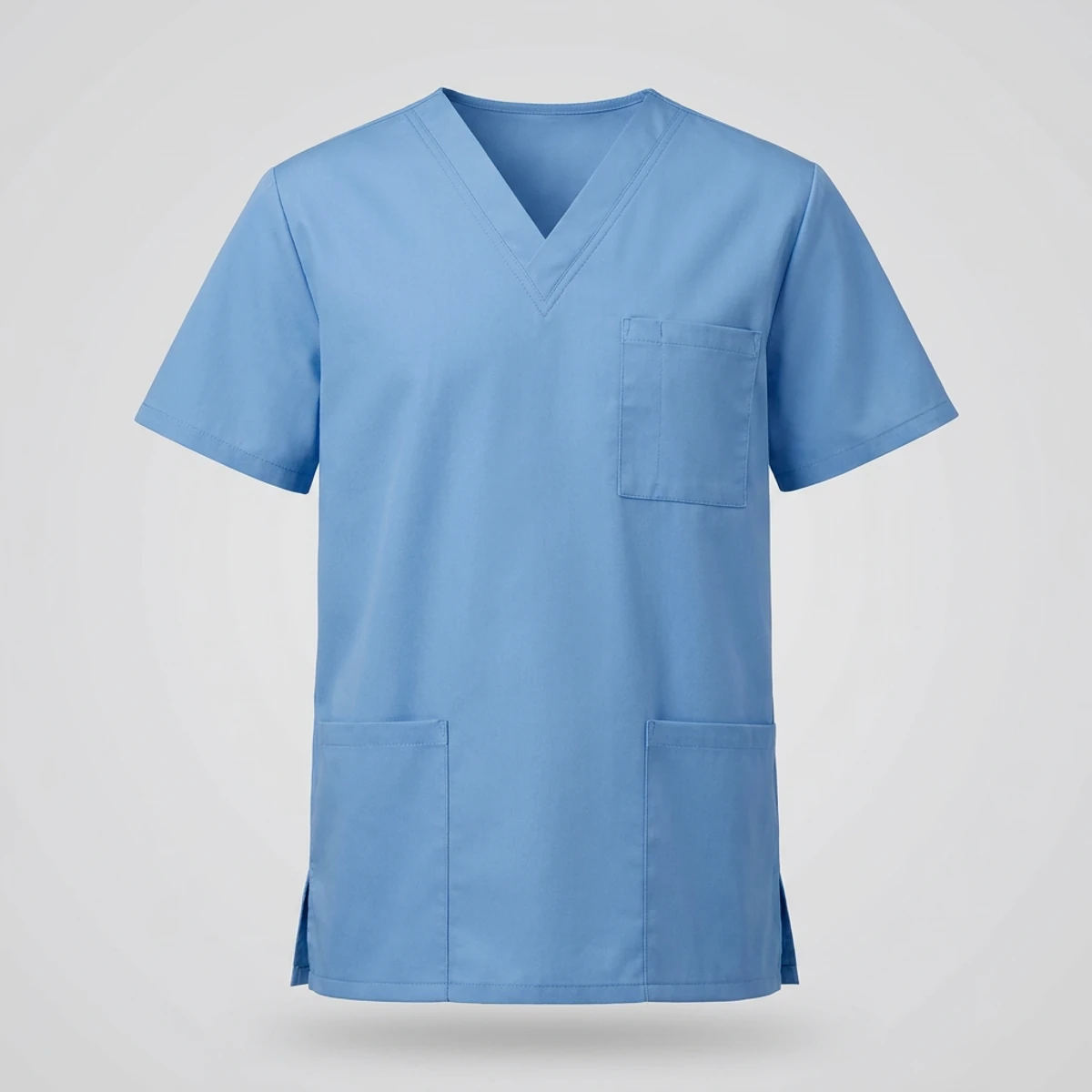
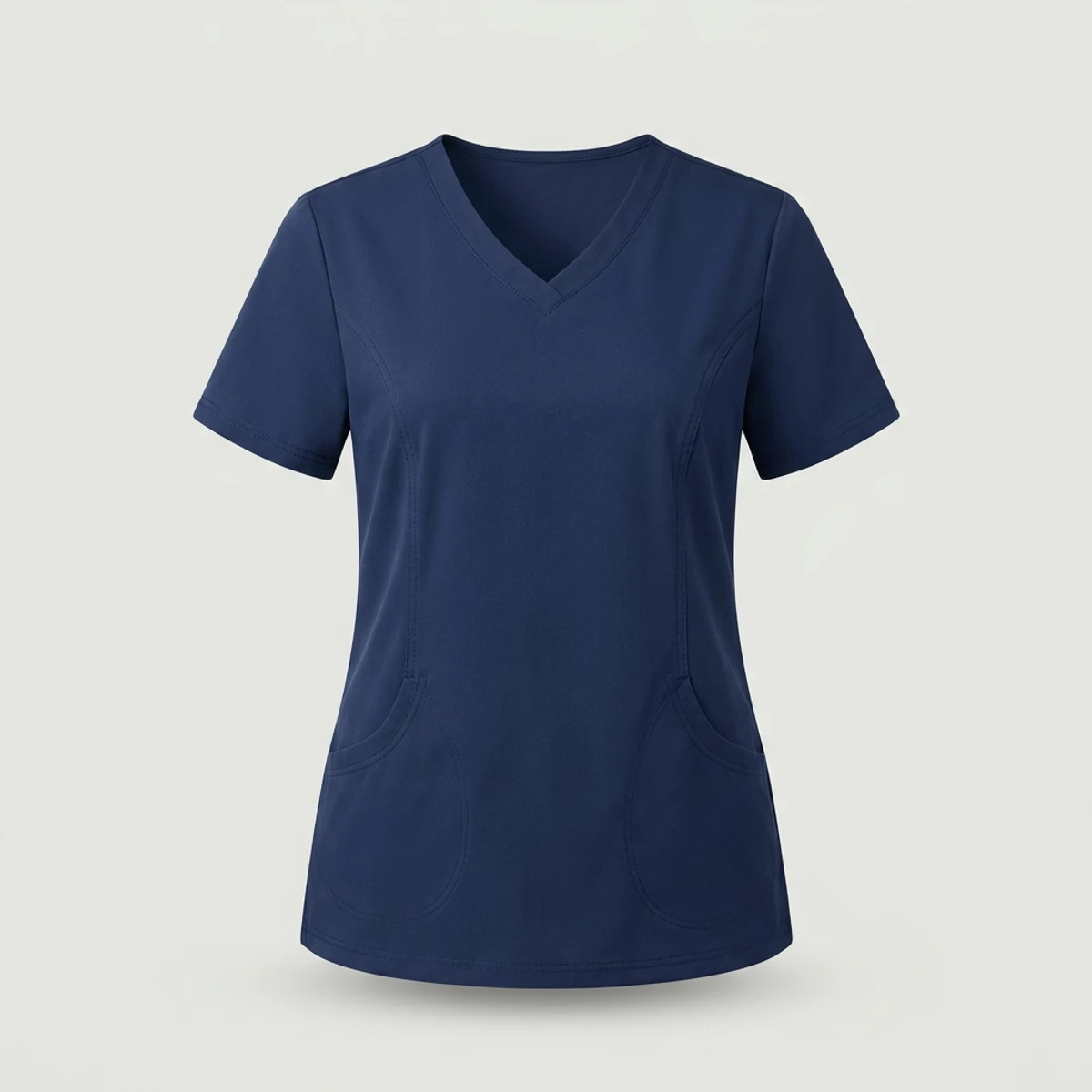
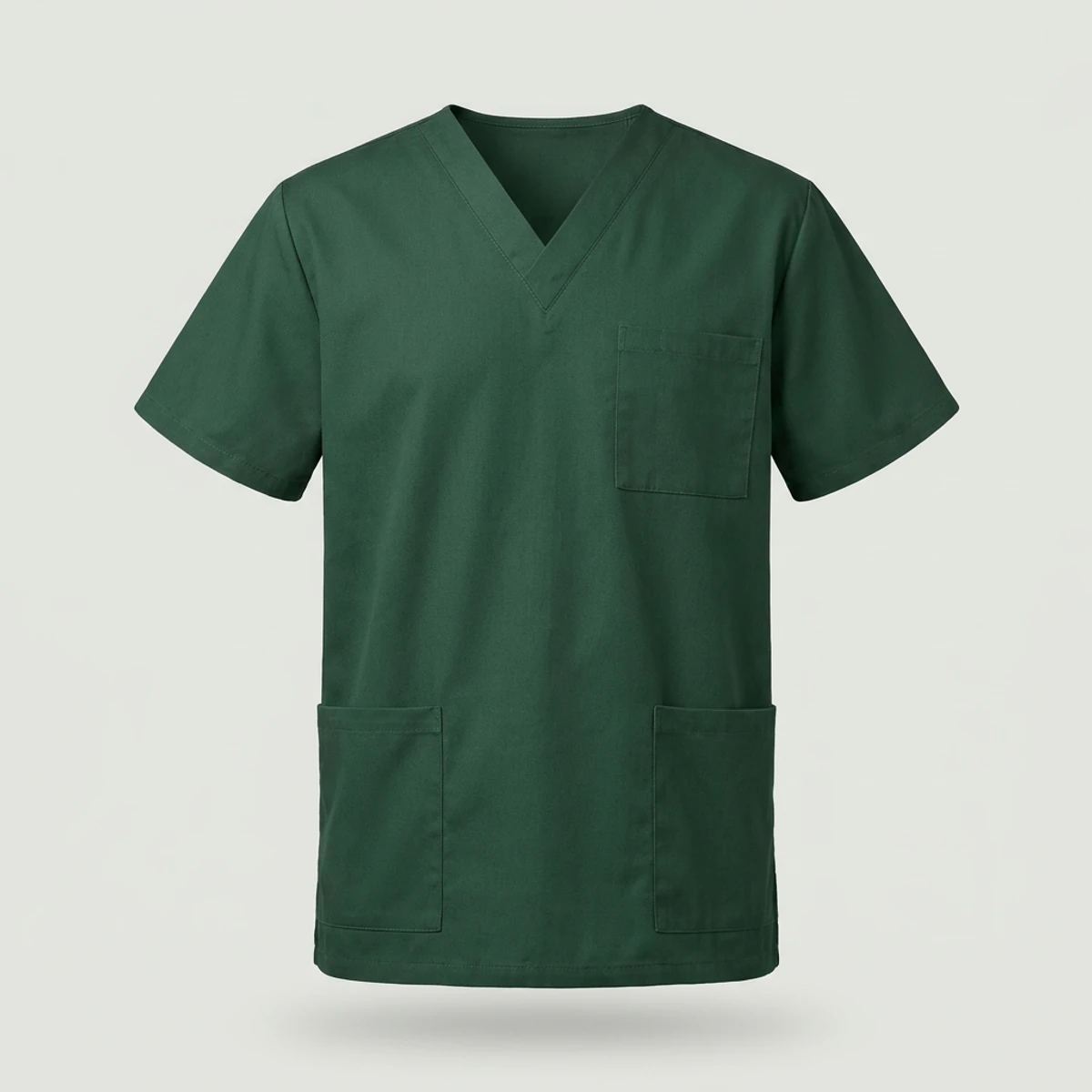
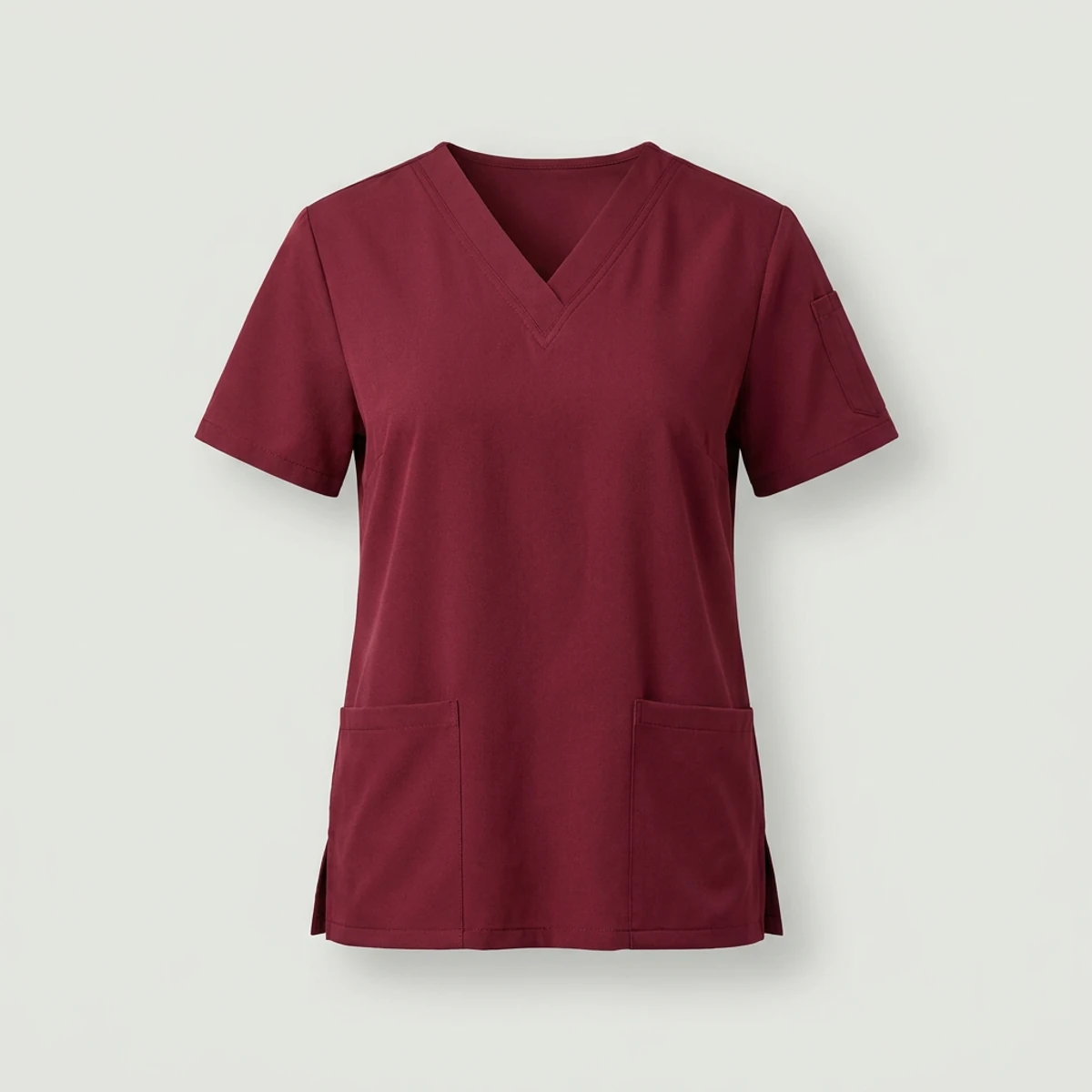
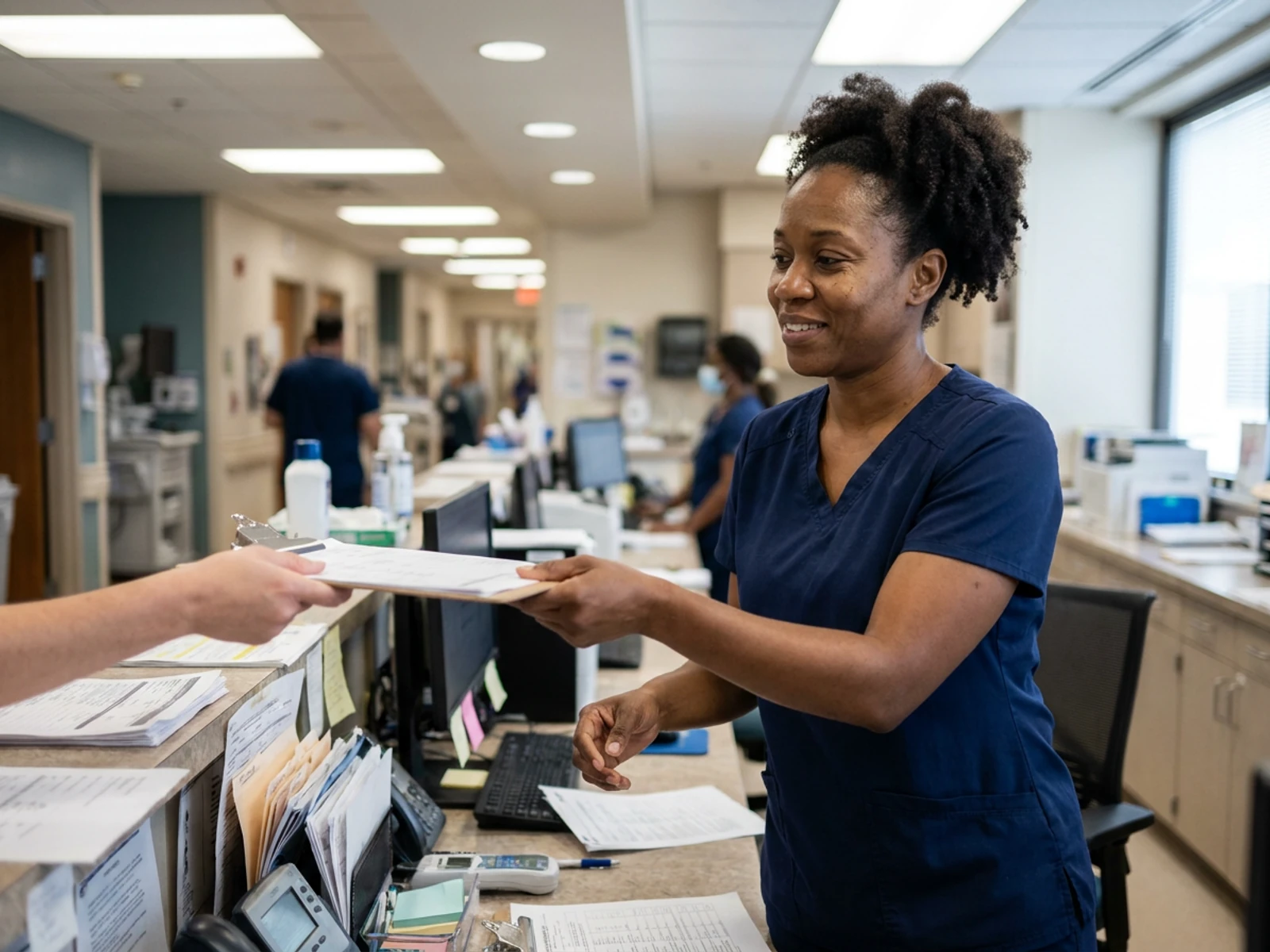
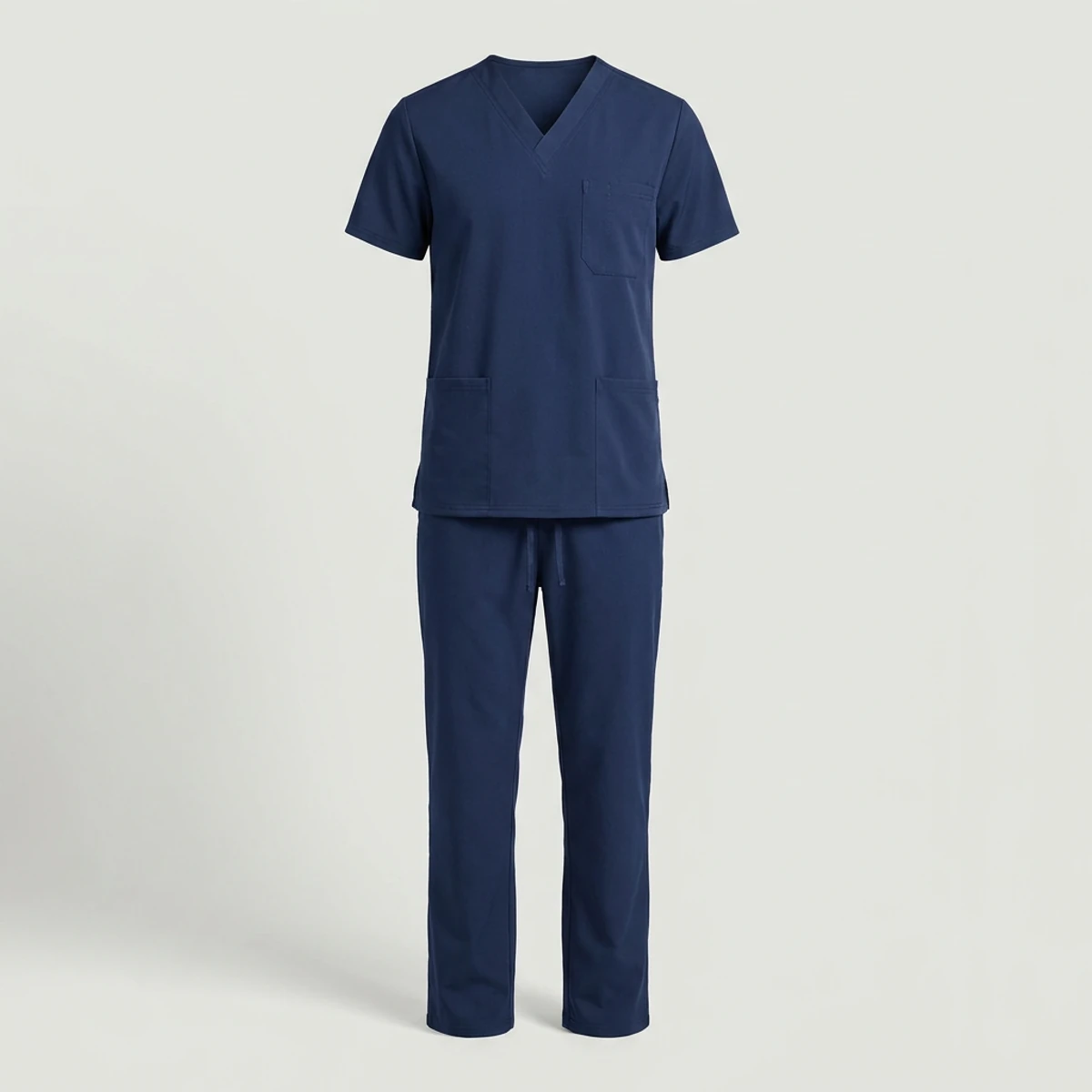
Chemistry, microbiology, blood bank and specimen processing can each wear their own scrub color, so supervisors see who belongs where across shifts. One top style in several colors keeps a multi-department lab above the minimum.
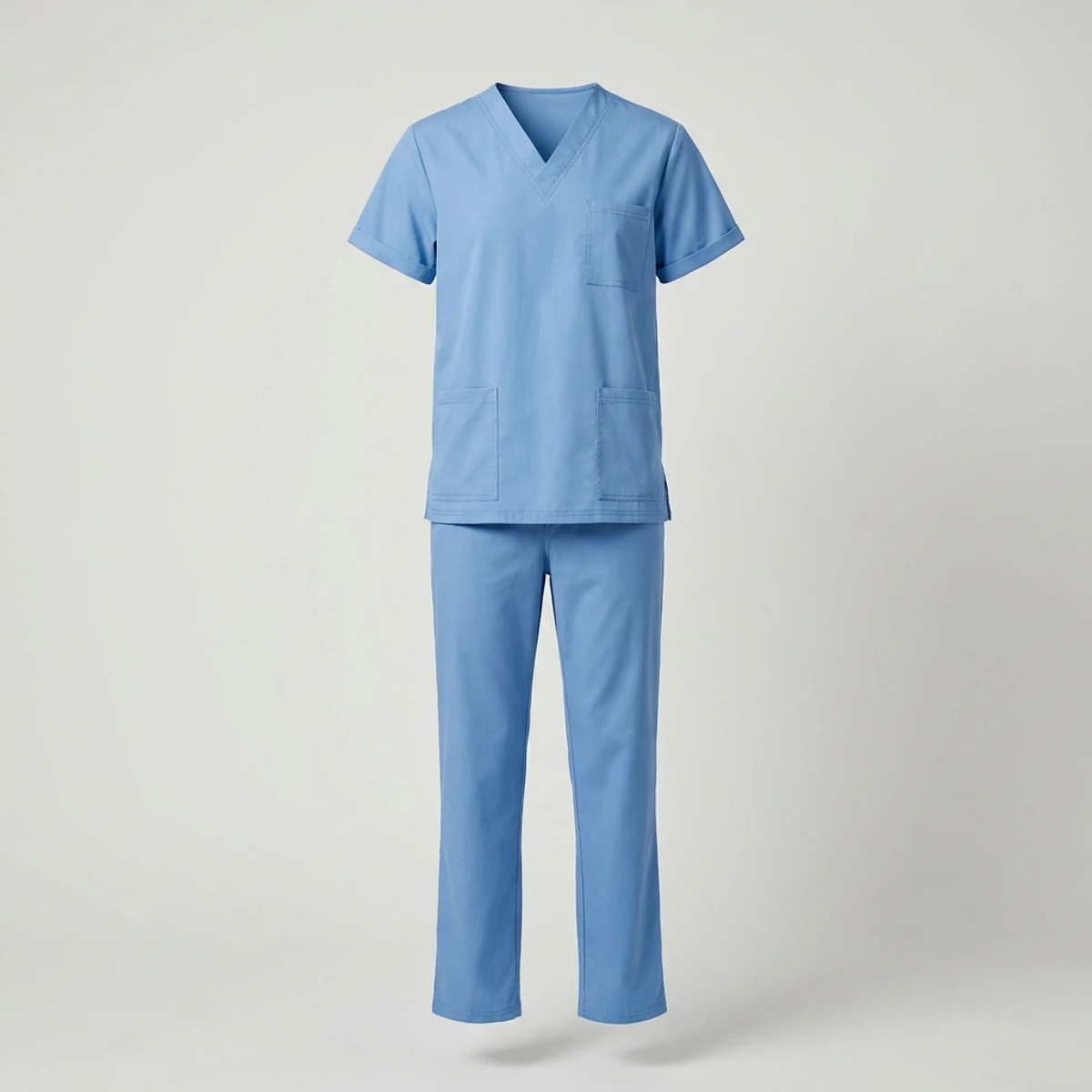
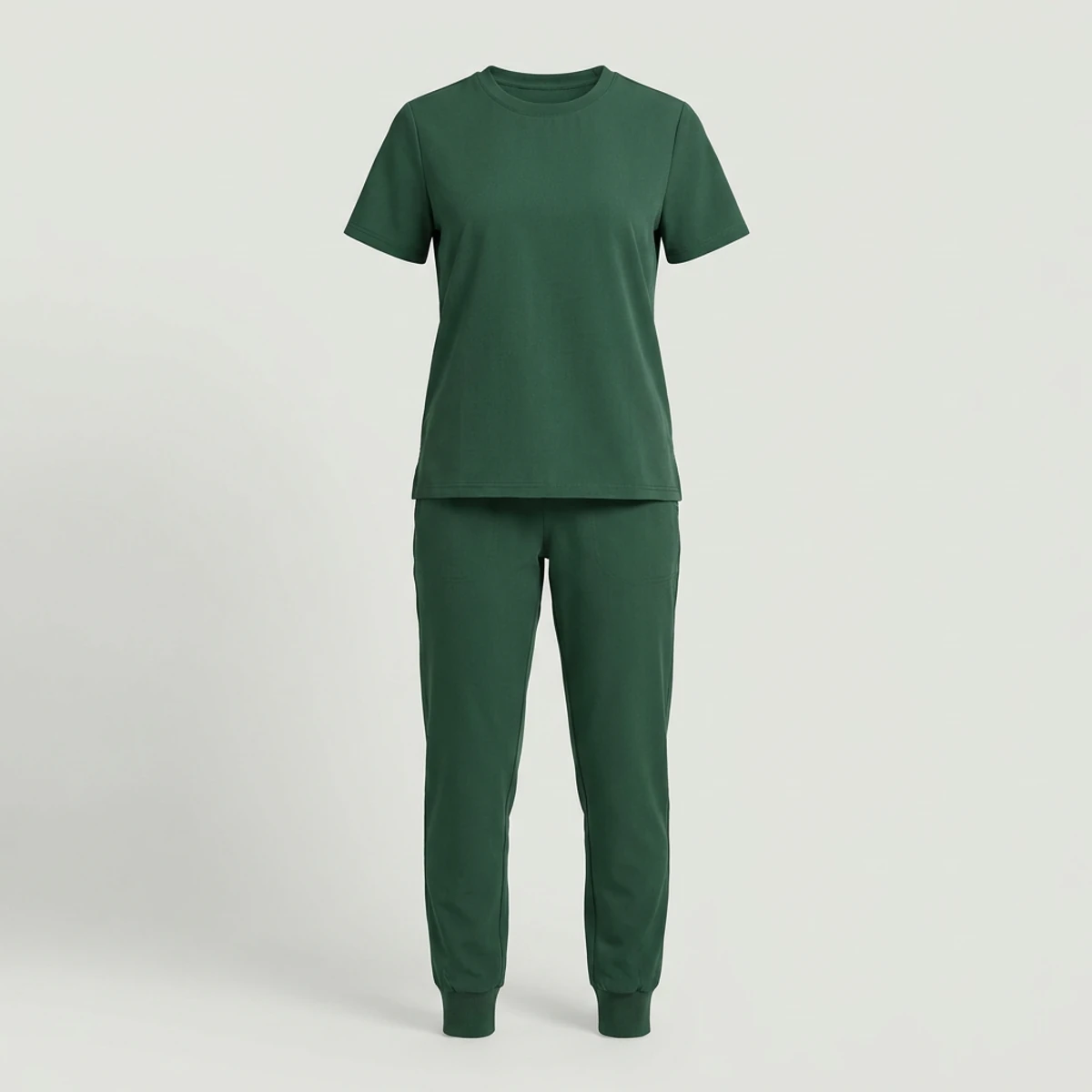
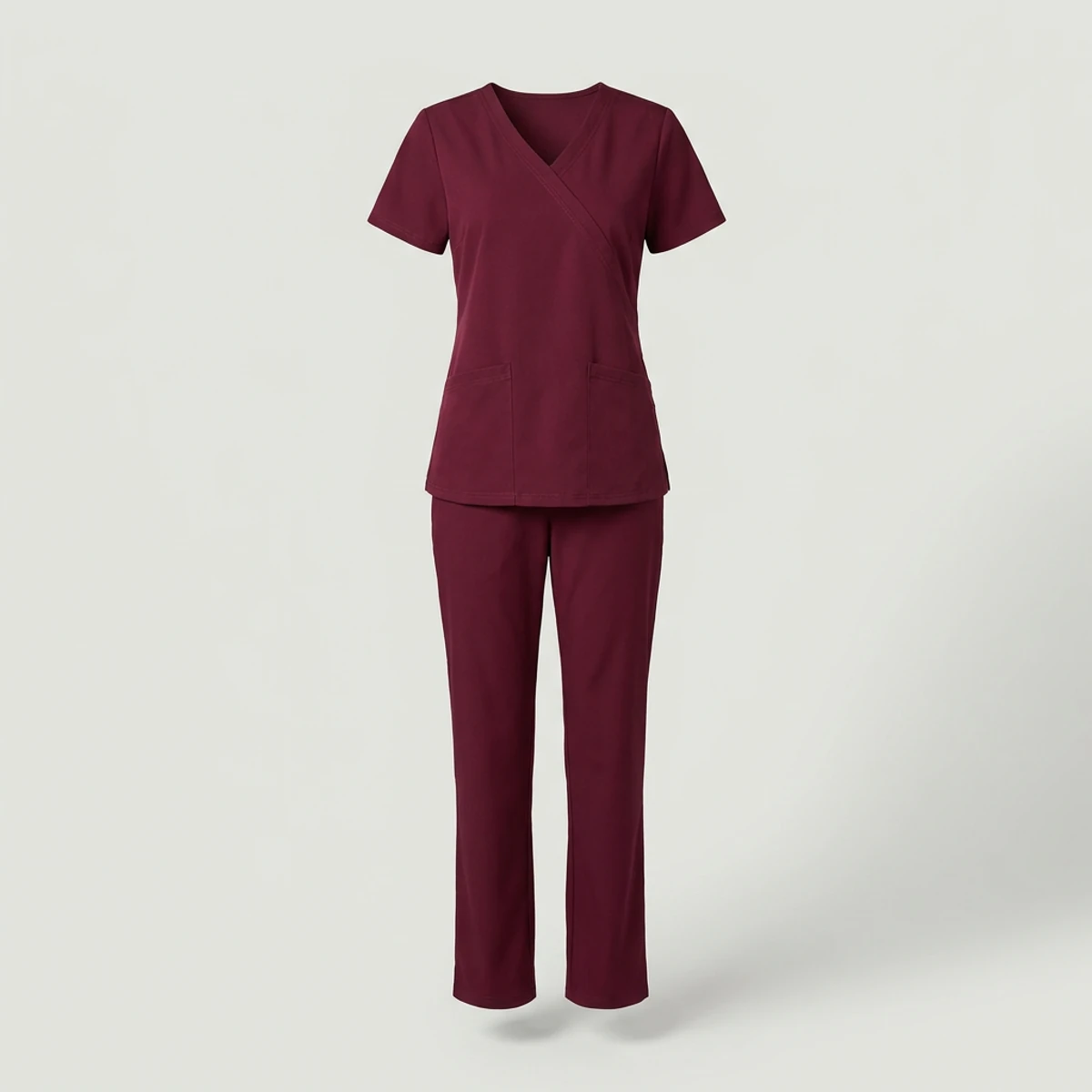

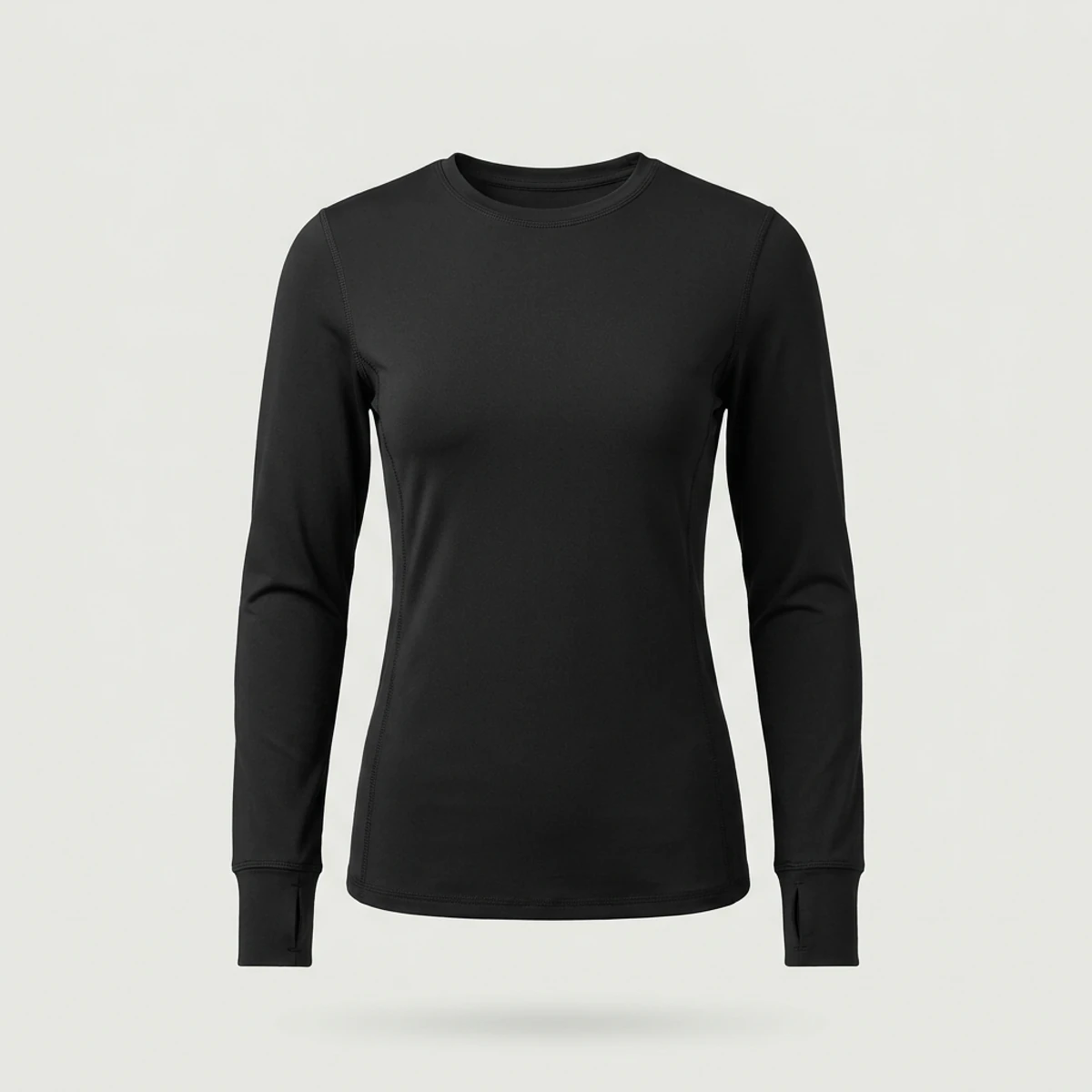
Analyzer rooms are kept cool for the equipment. A fitted long-sleeve underscrub under a short-sleeve top keeps lab techs warm and sits flat under a lab coat cuff.
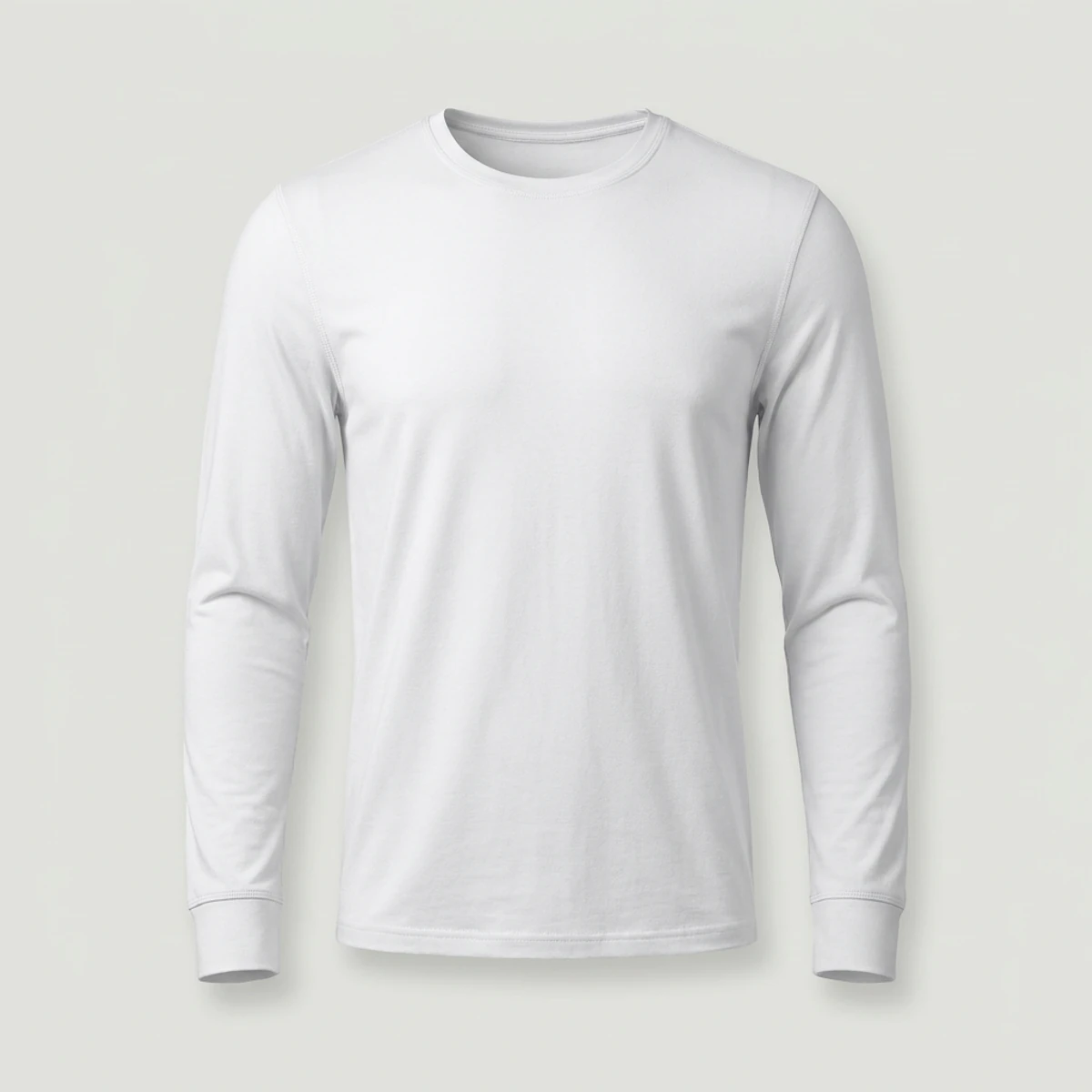
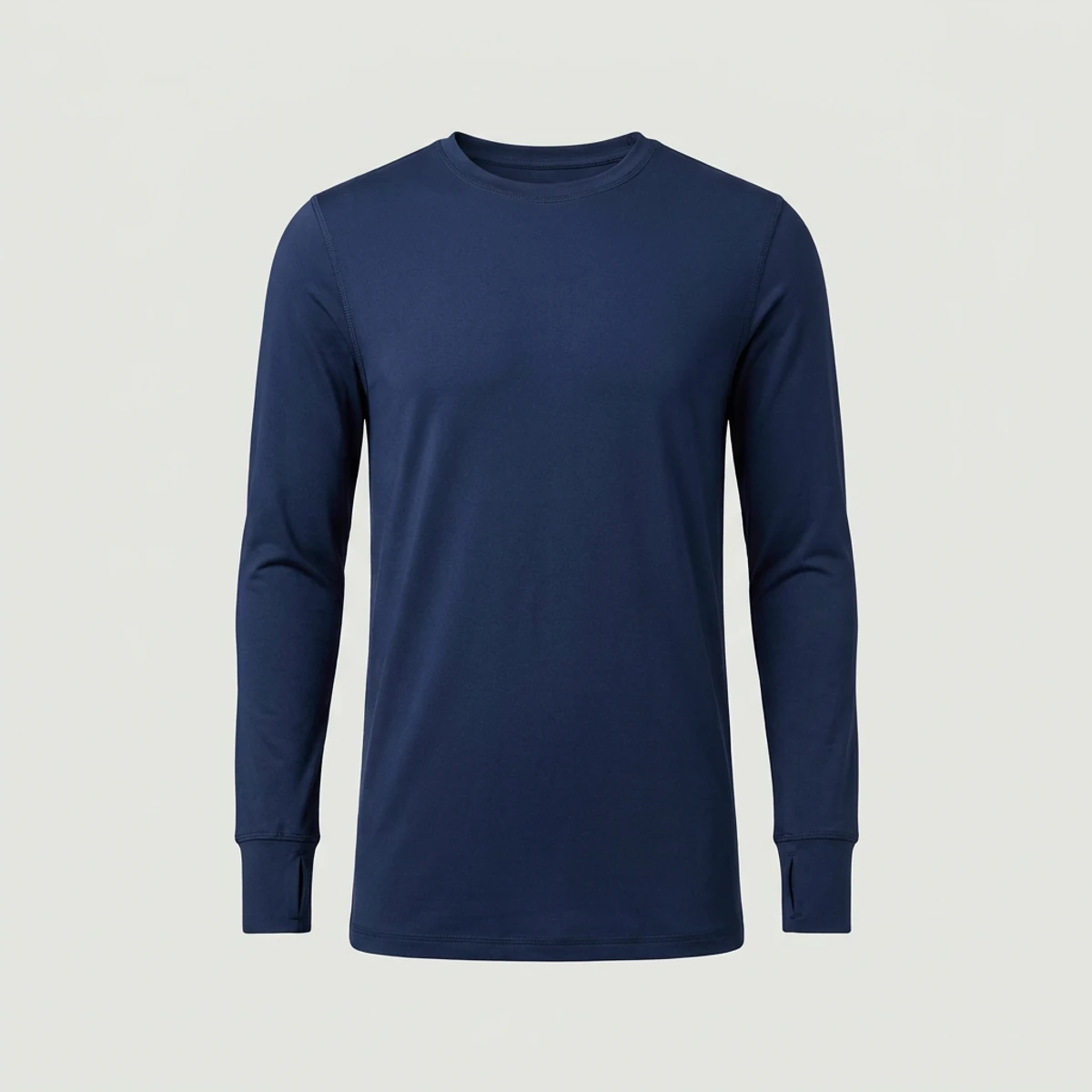
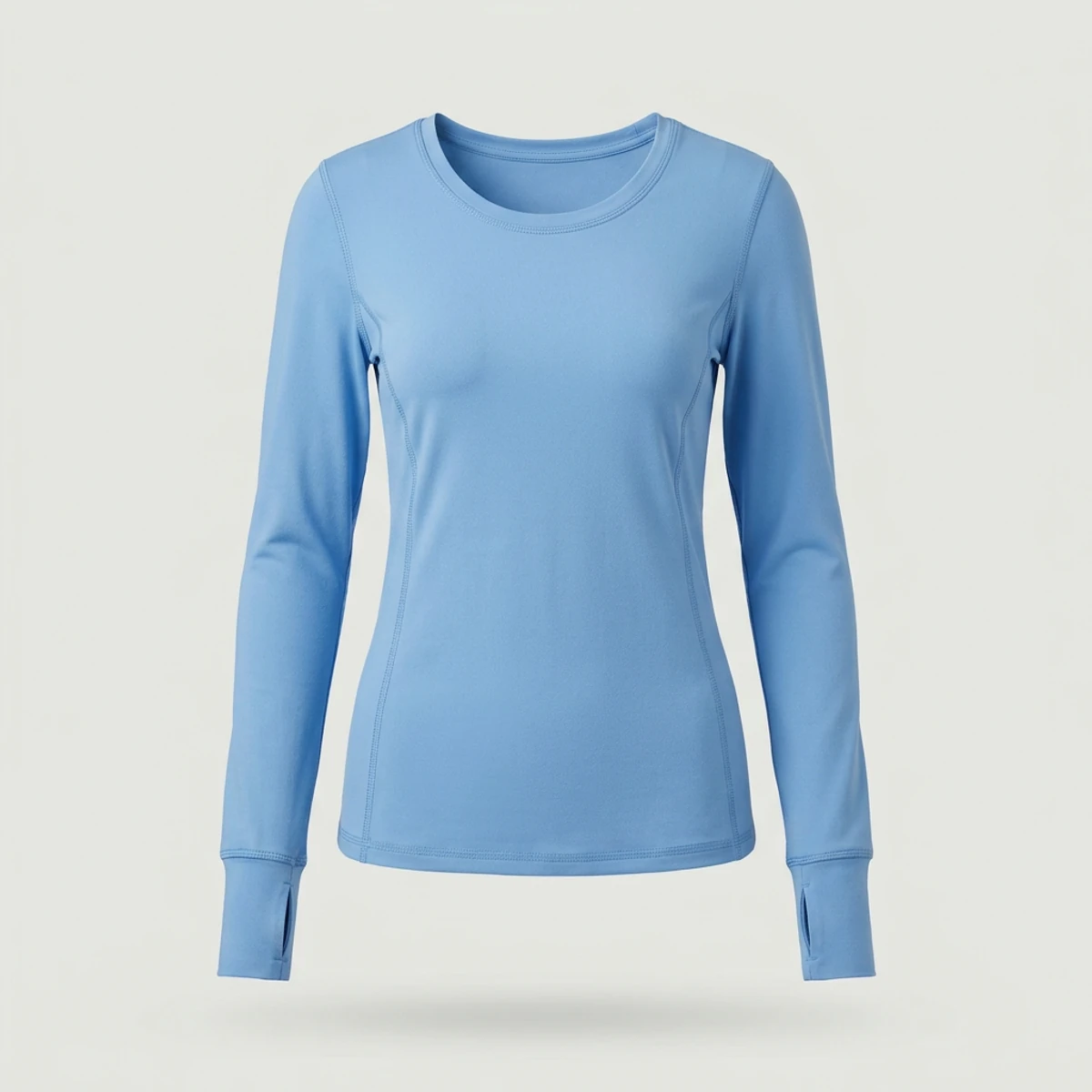
Pick the style, fabric and colors, add your logo and names, then attach the design to your quote. We cut and sew it in Los Angeles from 50 pieces per style.
Laboratory staff usually wear scrubs or work clothes as the base uniform and a lab coat or gown over them as protection at the bench, chosen from the lab’s hazard assessment. Clinical labs focus on blood and body fluids, research labs on biological agents and chemicals, and industrial labs on chemicals and heat.
| Lab type | Base uniform | Protective layer | What drives the choice |
|---|---|---|---|
| Hospital clinical lab | Laboratory scrubs in a department color | Lab coat or barrier gown at the bench | Blood and body-fluid exposure |
| Independent reference lab | Scrubs or company polo and pants | Lab coat, often snap-front with knit cuffs | Volume work, shared laundry service |
| Phlebotomy draw station | Phlebotomy scrubs | Lab coat or gown per exposure control plan | Patient contact, needle work |
| University and research lab | Street clothes or scrubs | Lab coat by biosafety level and chemical risk | Biological agents, solvents, open flames |
| Pathology and histology | Scrubs | Fluid-resistant gown or coat | Fixatives and tissue handling |
| Industrial and quality-control lab | Work shirt and pants | Lab coat, FR coat where the hazard requires | Chemicals, heat, product contact |
A lab coat is personal protective equipment (PPE) when the employer selects it to protect against a workplace hazard, such as blood, infectious agents or chemicals. In that case the employer must provide it, keep it clean and keep it at work. A coat worn only for identification is a uniform.
Three Occupational Safety and Health Administration (OSHA) standards decide this in most US labs:
For research labs working with biological agents, the CDC and NIH manual Biosafety in Microbiological and Biomedical Laboratories (BMBL) sets practices by biosafety level, including protective coats, gowns or uniforms designated for lab use and removed before leaving the lab.
Choose lab coat fabric from the hazard first: poly-cotton suits routine clinical and teaching labs, 100% cotton suits labs that want a fabric that does not melt, fluid-resistant finishes suit splash work, and flame-resistant (FR) fabrics are for labs with flammable solvents or open flames. Disposable coats remain the barrier for high-splash work.
| Fabric | Typical weight* | Best for | Limits |
|---|---|---|---|
| Poly-cotton twill | About 150–220 GSM | Clinical, teaching and reference labs | Not fluid-proof; not flame resistant |
| 100% cotton twill | About 170–240 GSM | Labs that prefer a fabric that chars rather than melts | Wrinkles and shrinks; not flame resistant unless treated |
| Fluid-resistant finished fabric | Varies | Routine splash protection where the hazard assessment allows | Finish wears with washing; confirmed at quote |
| Flame-resistant fabric | Varies | Flammable solvents, pyrophorics, open flames | Specified by the safety officer; confirmed at quote |
*Typical industry ranges; exact weight confirmed at quote.
The custom lab coats page covers lengths, collars and embroidery for every coat style, and FR garments for other hazards sit in the flame resistant clothing range.
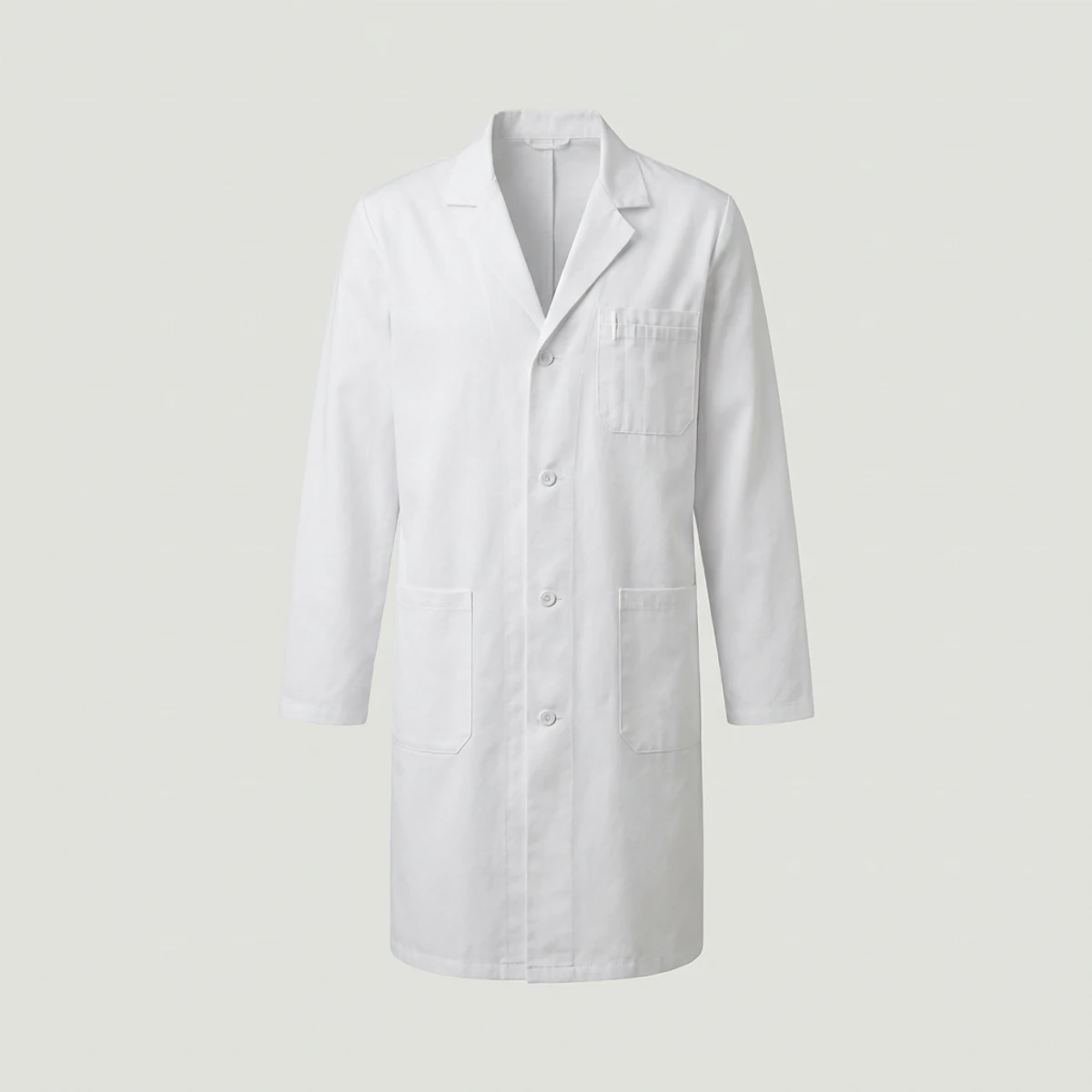
A bench coat should cover the arms and torso fully, open fast and keep sleeves away from the bench. Four details make the difference between a coat that protects and one staff push up or leave unbuttoned.
Full length to the knee for bench work; staff length for supervisors and lab managers who move between areas.
Snap fronts come off in one pull if the coat is contaminated; buttons look more formal for client-facing staff.
Knit cuffs keep sleeves closed at the wrist and under gloves, so cuffs do not drag through samples.
A closed or higher-fastening collar covers more of the clothing underneath than an open lapel.
Laboratory scrubs are the everyday base uniform in most clinical labs, and lab tech scrubs are often color-coded by department or shift so supervisors can see who belongs in which area. A darker color hides reagent stains better than ceil blue or white.
| Department | Example scrub color |
|---|---|
| Chemistry and hematology | Navy |
| Microbiology | Hunter green |
| Blood bank | Wine |
| Specimen processing | Charcoal |
| Phlebotomy and outreach | Royal blue or ceil blue |
The colors above are an example. Use a long-sleeve underscrub under short-sleeve scrub tops in cold instrument rooms, or a snap-front scrub jacket outside the bench area.
Phlebotomy scrubs need deep pockets for tourniquets, gauze, tape and a phone, stretch for bending over draw chairs and beds, and a color that hides small stains. Phlebotomist scrubs for mobile teams also need to look professional at a patient’s front door.
Gloves and any coat or gown for procedures follow the exposure control plan; the scrubs are the uniform underneath.
Lab coats used as PPE are laundered by the employer, through an on-site laundry or a contracted service, and never taken home. Contaminated coats are bagged where they were used, in labeled or color-coded bags, and handled as little as possible, as the Bloodborne Pathogens standard requires.
The cost of custom laboratory uniforms depends on fabric, quantity per style, coat length and features, special finishes, embroidery and personalization. Every order is quoted on its actual fabric, artwork and quantities, so the table shows which choices move the cost rather than listing prices.
| Cost driver | How it moves the cost | How to keep it in check |
|---|---|---|
| Fabric | Cotton, fluid-resistant and FR fabrics usually cost more than poly-cotton | Match fabric to the hazard, not to every coat |
| Quantity per style | Larger runs spread cutting, setup and sampling across more pieces | One coat style across departments |
| Coat features | Longer lengths, knit cuffs and snaps add fabric and sewing | Keep features the hazard requires |
| Embroidery | Stitch count and locations add time per piece | One logo plus one name or department line |
| Personalization | Names and departments add handling per piece | Pooled, unnamed coats for shared lab use |
Multi-site labs order laboratory apparel against one written specification: each coat and scrub style is fixed by fabric, color, length and logo placement, and each site orders against it. The minimum is about 50 pieces per style, with sizes and names agreed at quote stage.
The most common laboratory uniform mistakes are treating a standard coat as chemical or flame protection, letting staff take coats home, ordering too few coats for the laundry cycle and skipping knit cuffs. Each is simple to prevent when the specification is written.
Ready to order
A complete laboratory uniform quote needs headcount by role and site, the garments per role, the hazards your safety officer has identified, your color plan, logo files and how coats are laundered. With that in one message, coats and scrubs can be specified and sampled in one round.
Need something not covered here? Ask our Los Angeles team and we’ll answer with options for your order.
Ask our Los Angeles teamWhen a lab coat is personal protective equipment, the employer must clean, launder or dispose of it at no cost to the employee, and staff must not take it home. OSHA's Bloodborne Pathogens standard says this for coats that protect against blood and other potentially infectious materials. Scrubs worn only as a uniform are often washed by staff unless the lab designates them as protective.
Standard poly-cotton lab coats are neither fluid-proof nor flame resistant. Fluid-resistant finishes and flame-resistant fabrics are specialized options chosen from your hazard assessment, and their availability is confirmed at quote stage. Many clinical labs use disposable barrier gowns or coats for high-splash tasks and reusable coats for routine bench work.
Phlebotomists usually wear the color their lab or hospital assigns. Navy, ceil blue, royal blue, wine and gray are common, and darker colors hide stains better. Mobile phlebotomy companies often choose a brand color so patients recognize them at the door. The color is set by the employer, not by a national rule.
Yes. Coats and scrubs are separate styles, each with a minimum of about 50 pieces, and they can share one logo file, color plan and name roster. Many labs order scrubs for every employee and coats for bench staff, with department titles embroidered so roles stay clear across shifts.

White and colored lab coats in consultation to full lengths, with name, credential and logo embroidery, from 50 pieces per style.
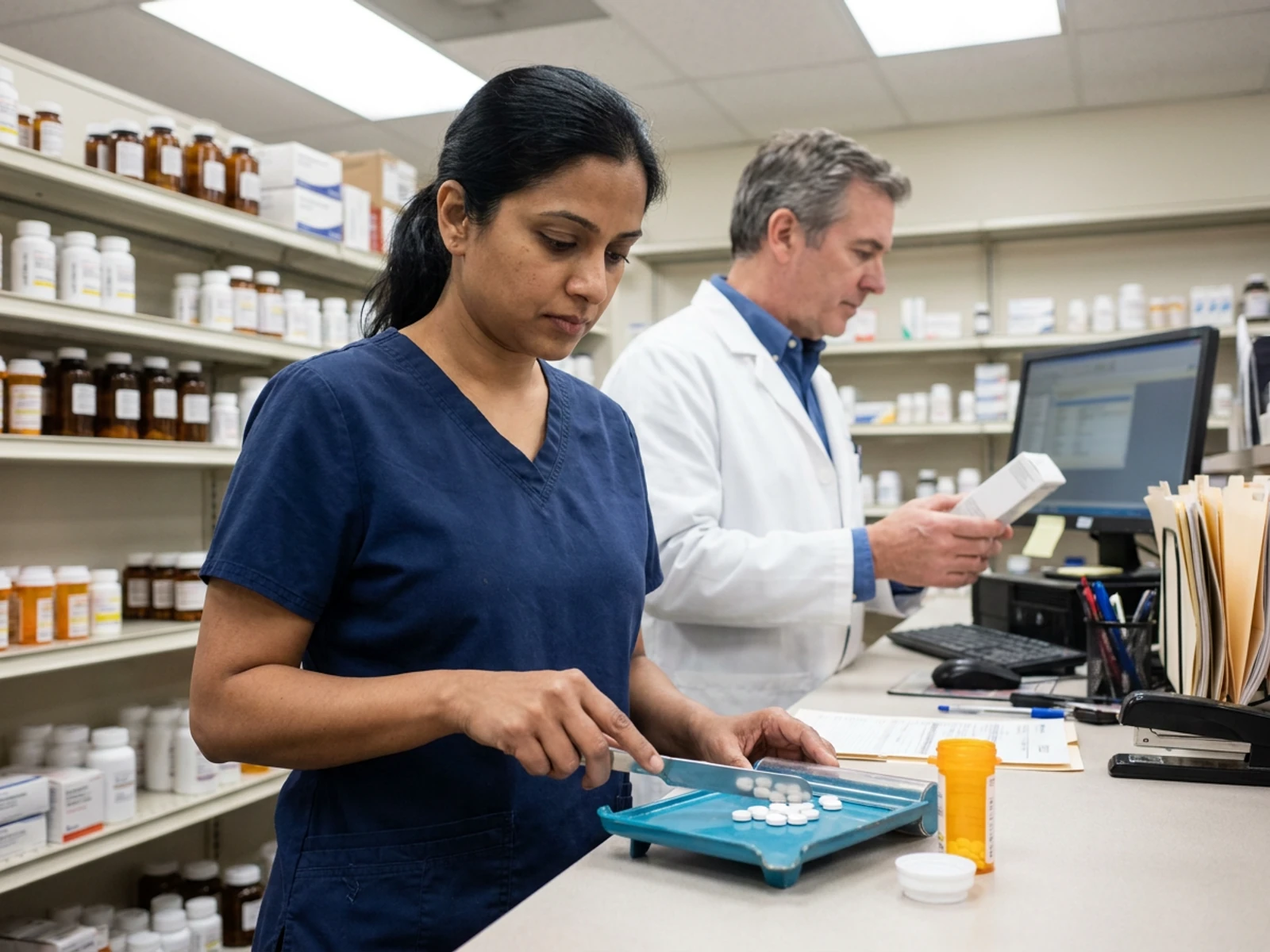
Scrubs for pharmacy technicians and lab coats for pharmacists, color-coded by role for retail, hospital and compounding pharmacies and sewn in Los Angeles from 50 pieces per style.

Scrub tops made in your choice of neckline, pockets, fabric and color, embroidered or printed with your logo, from 50 pieces per style.
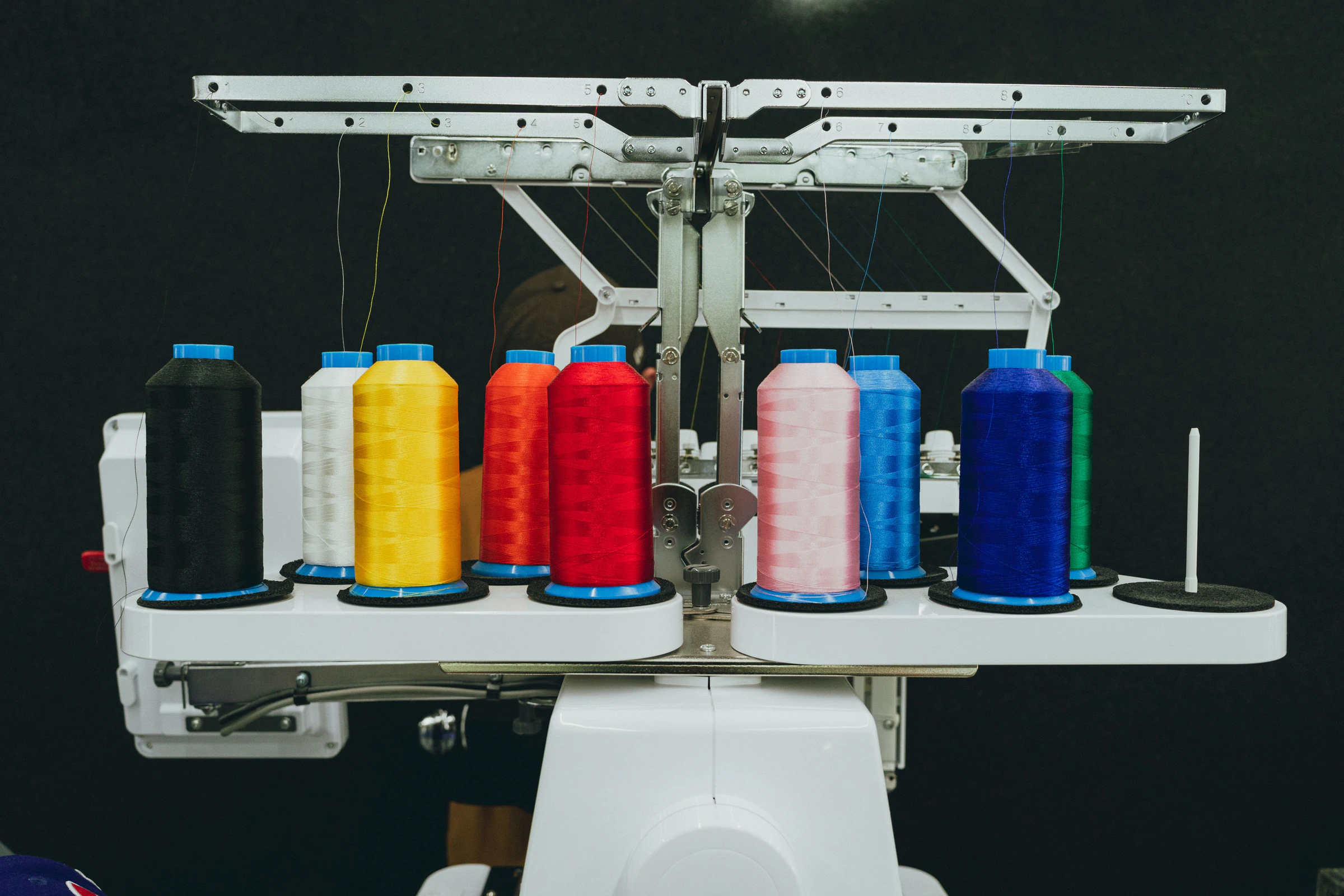
Logo embroidery, screen printing, transfers and patches across workwear, with advice on which method suits each garment, fabric and order size.
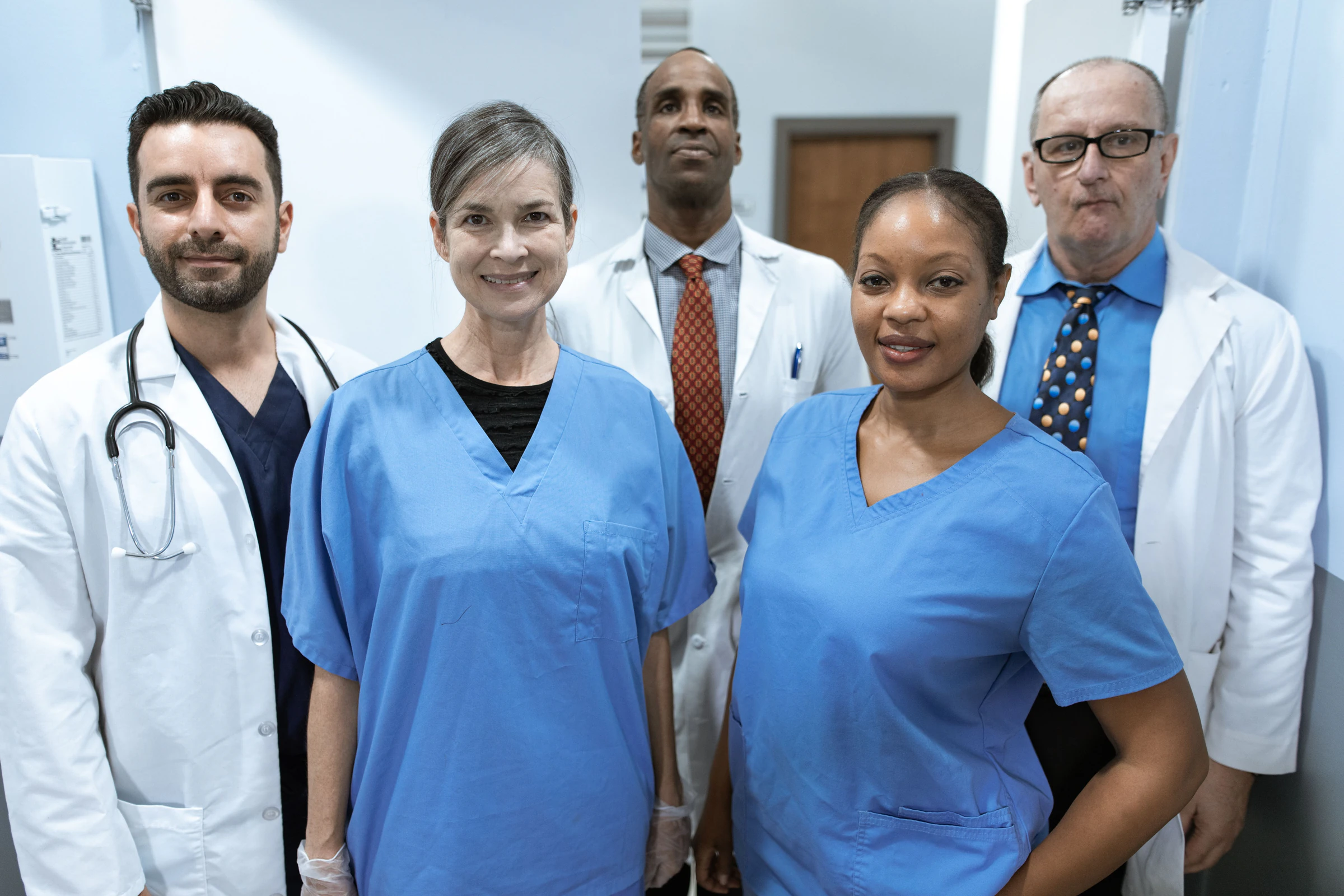
Nursing uniforms and scrubs for hospitals, clinics and urgent care, planned around role color coding, laundering, pockets and stretch, embroidered in Los Angeles.
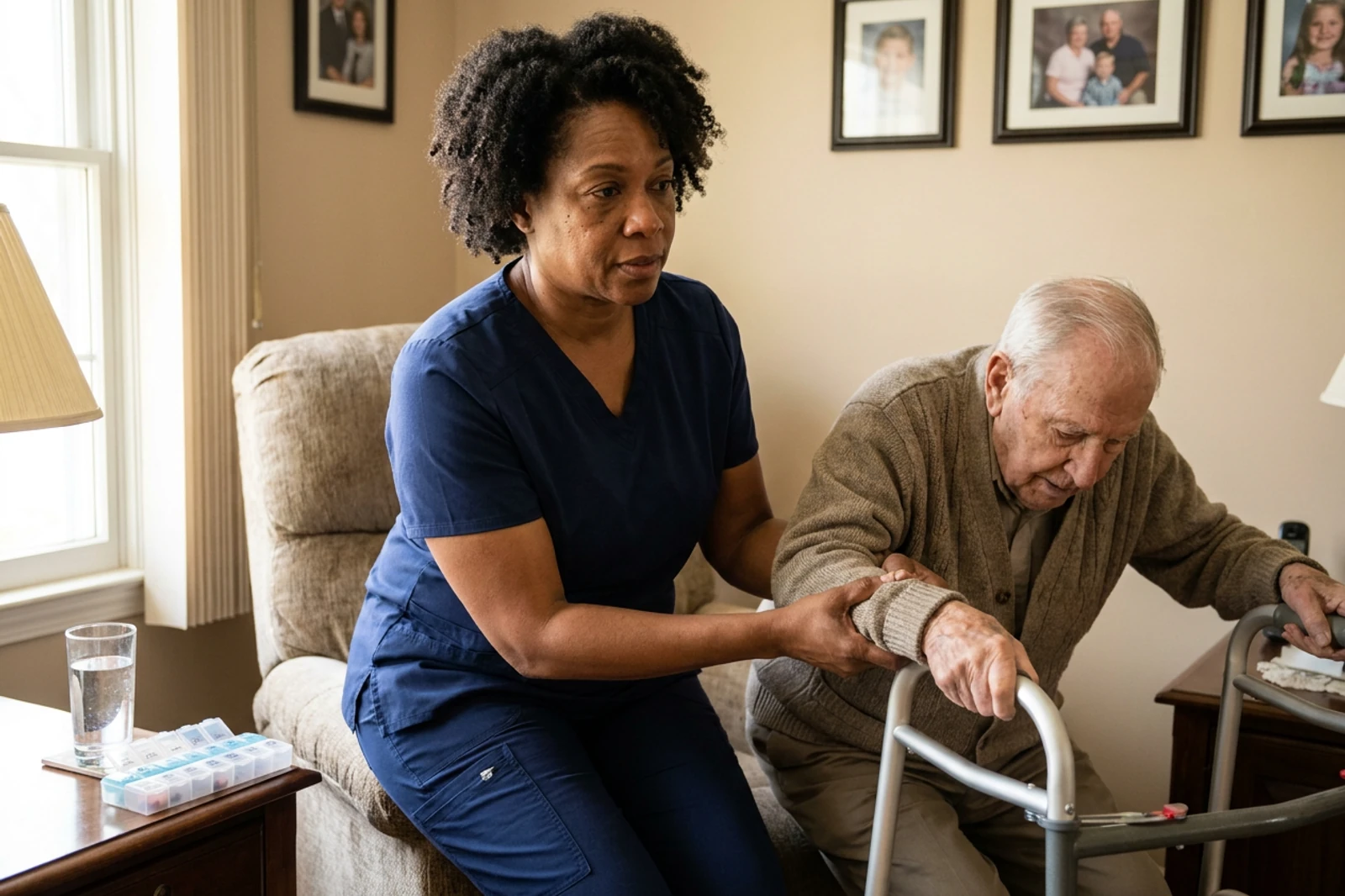
Scrubs, jackets and base layers for home health and home care agencies, branded so clients recognize the aide at the door, from about 50 pieces per style.