Shirts
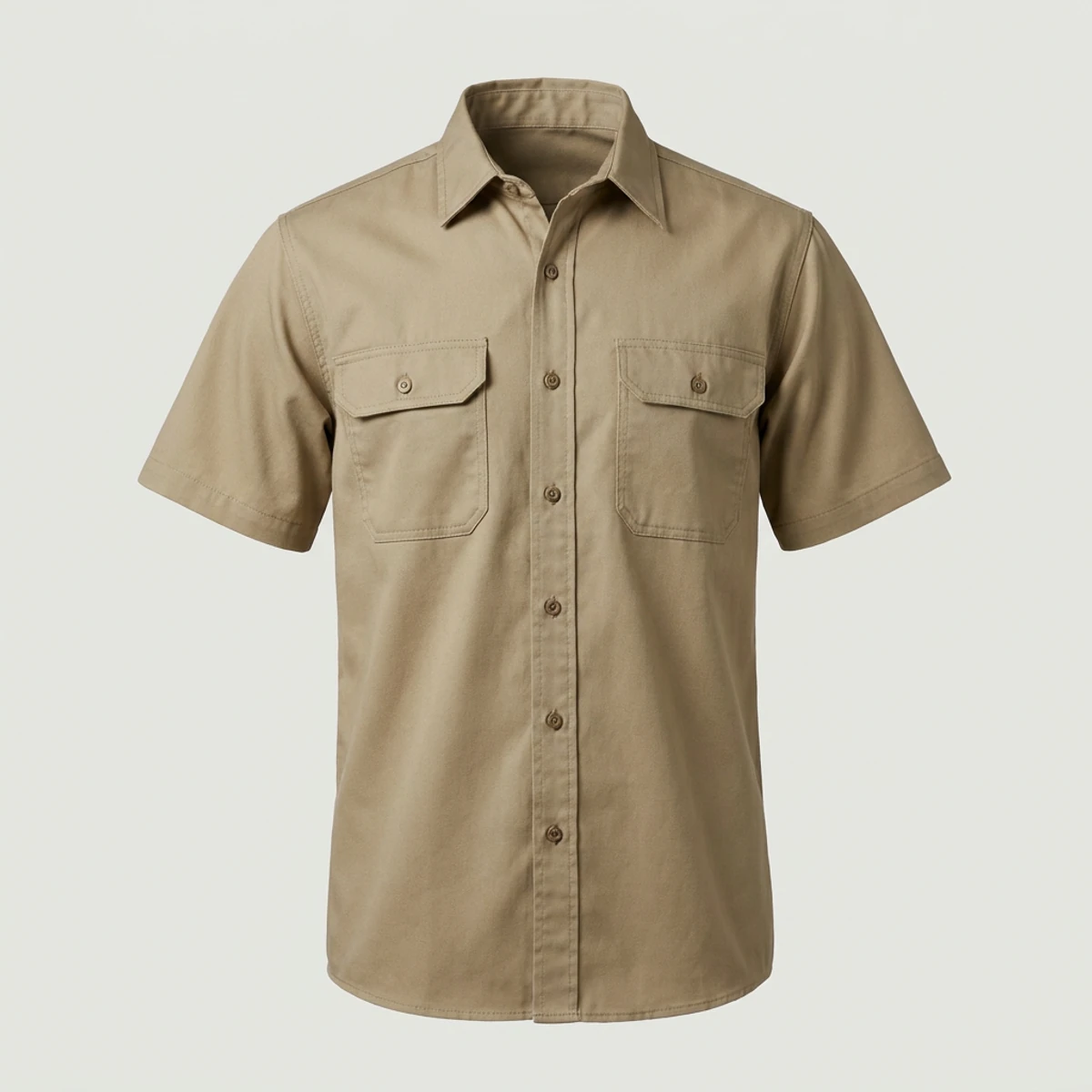
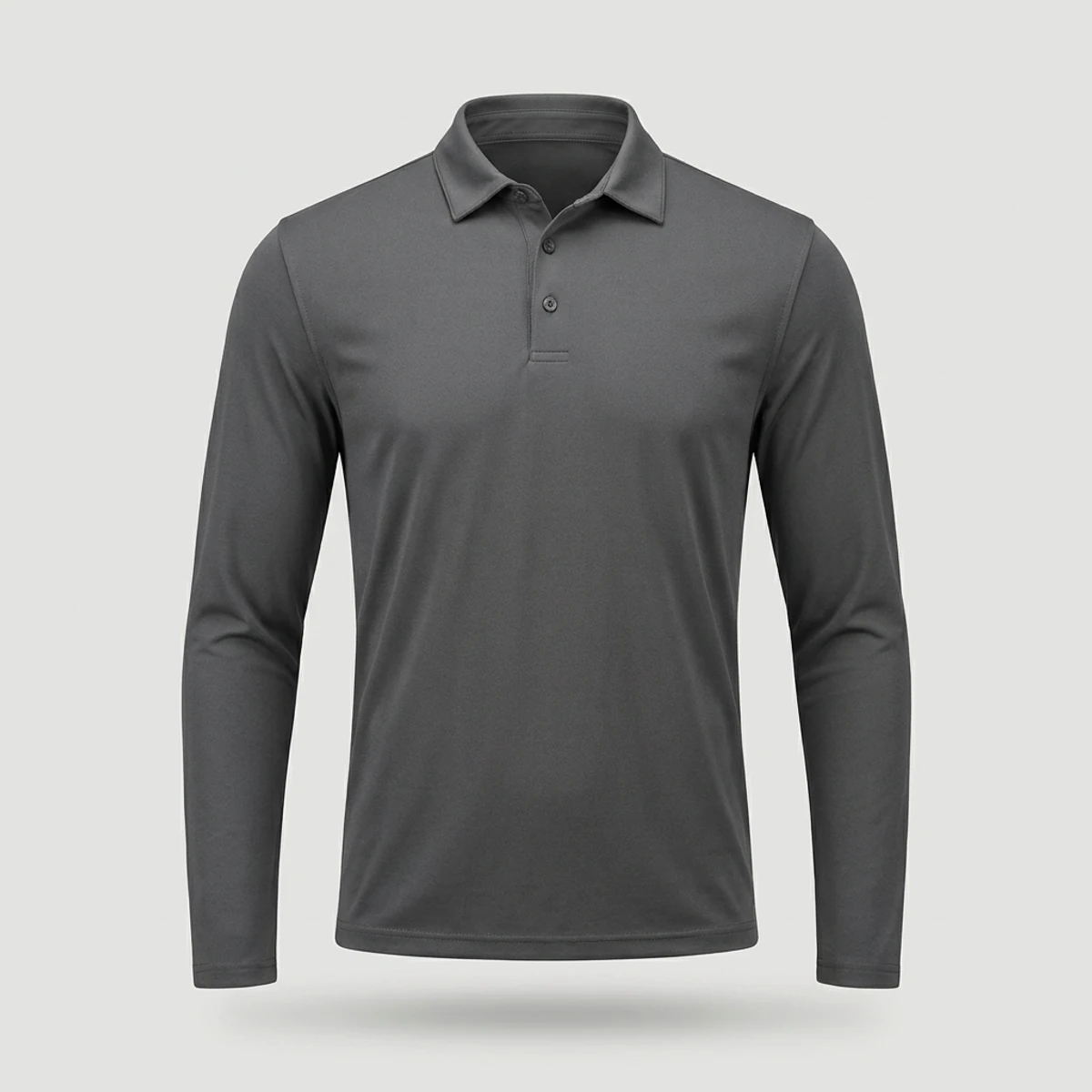
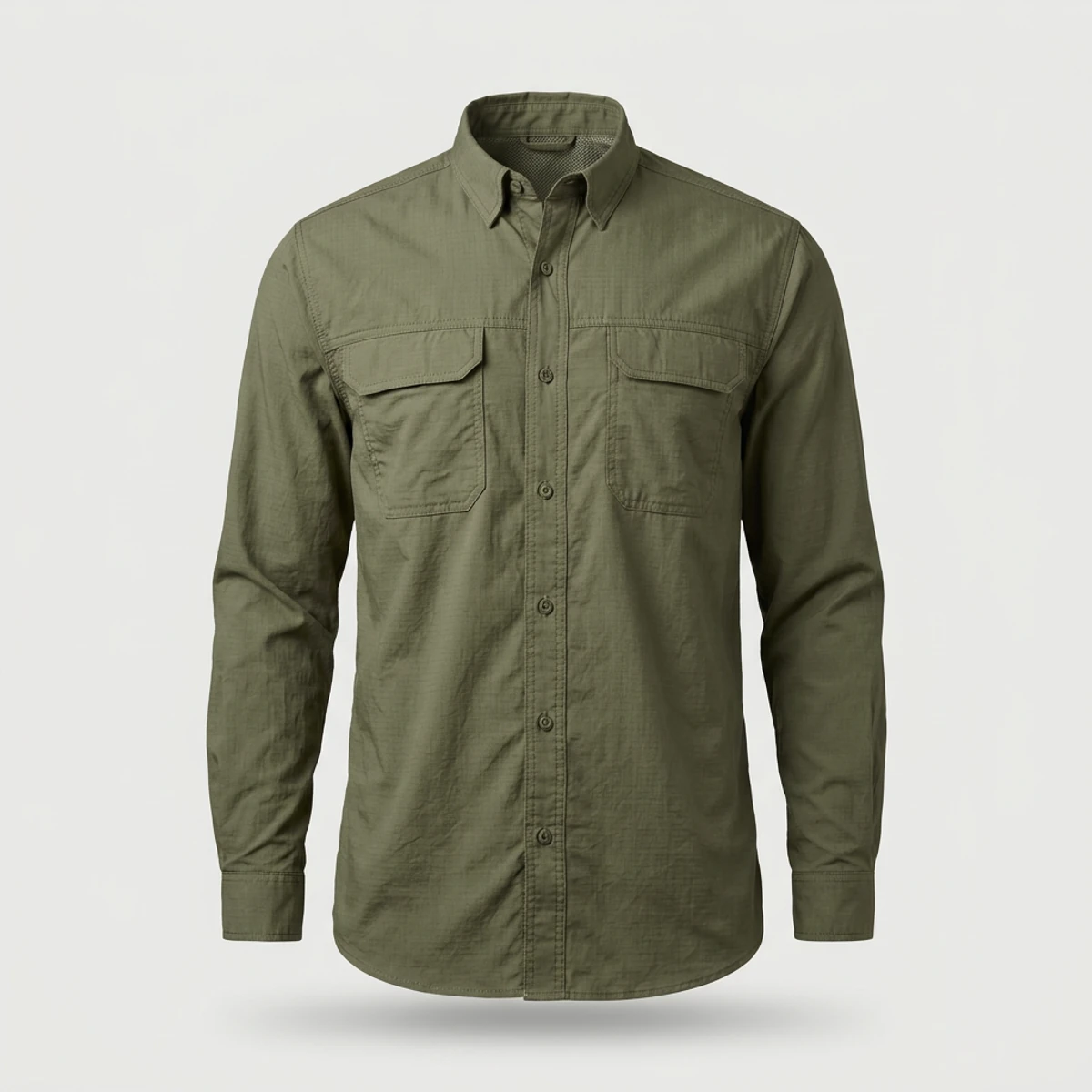
The shirt carries the brand, so most programs start here: a wicking tee for mowing crews, a polo for crew leaders and a long-sleeve work shirt for sun and brush protection.
Workwear · Los Angeles factory
Landscaping uniforms are branded work shirts, pants and outer layers built for long days outdoors: breathable, tough enough for brush and equipment, and easy to spot from the street. Custom Uniform Factory cuts and sews landscaping uniforms in its Los Angeles factory from imported fabric for lawn care, tree care and landscape companies across the USA, with your logo and a minimum of about 50 pieces per style.
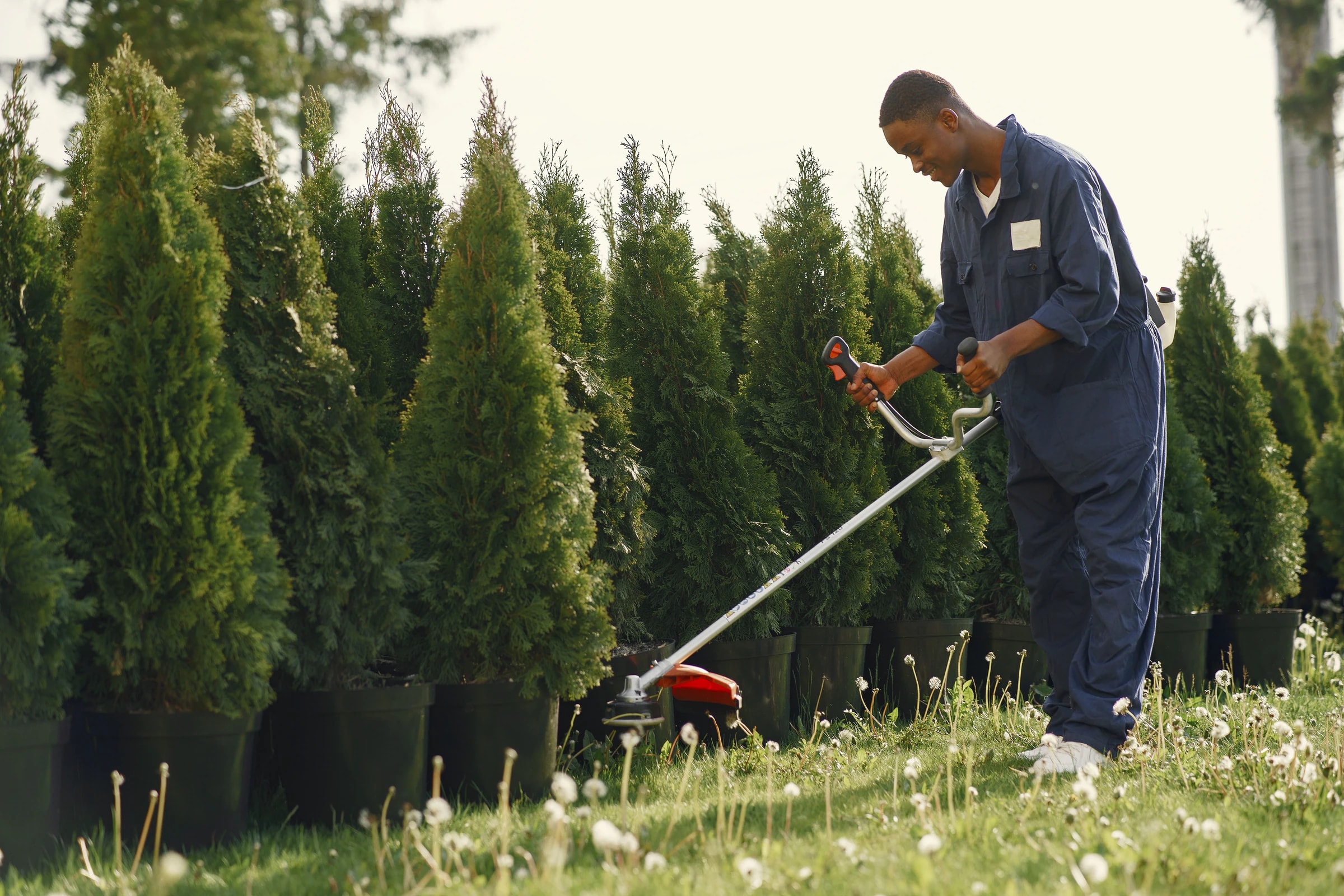
12 styles in 3 families · each made to order in your fabric, color and branding from 50 pieces.
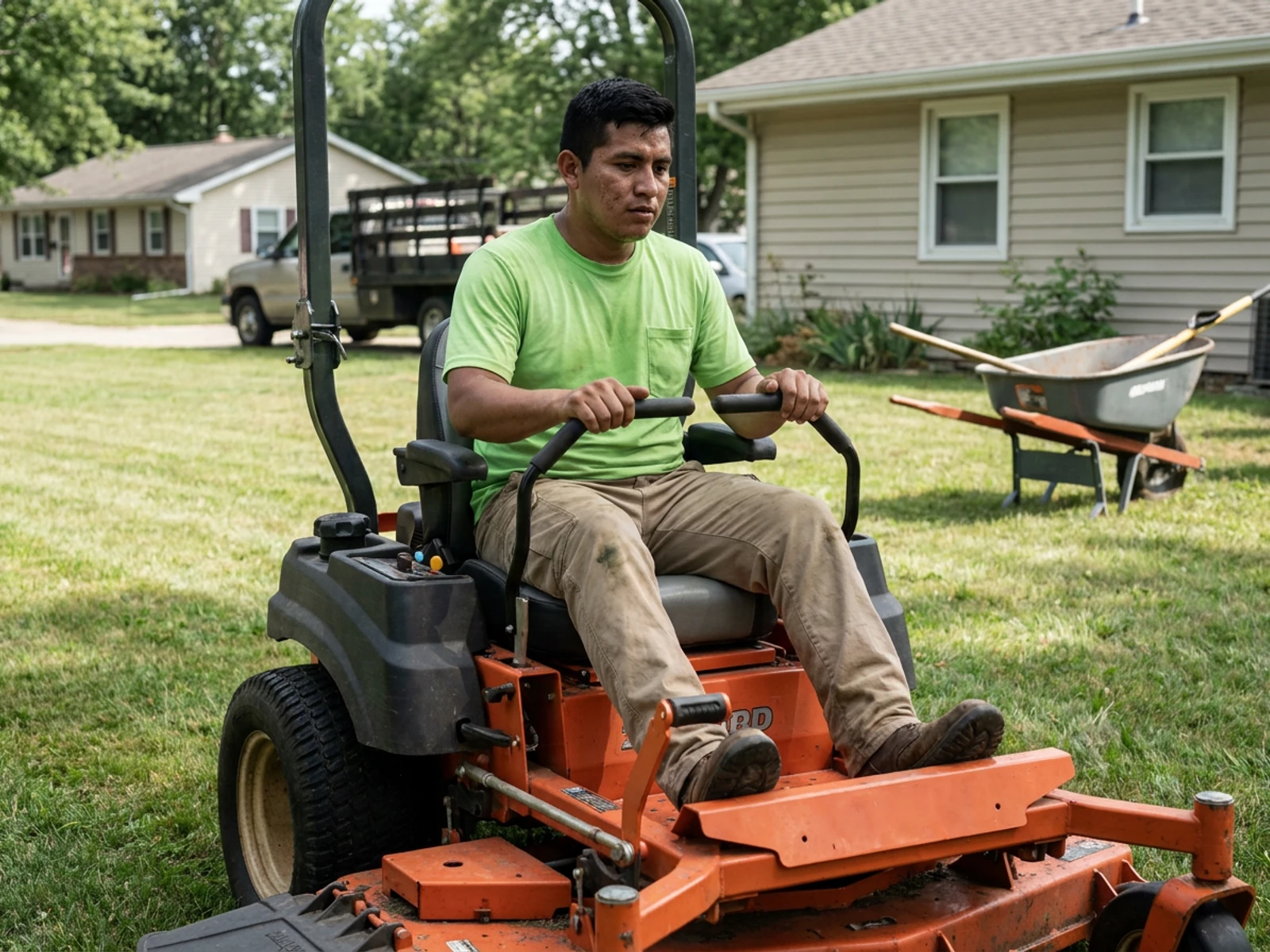
Mowing and maintenance crews in hot climates go through shirts fast, so most landscaping uniforms start with a wicking tee that carries a chest logo and a large back print. We match the color to your trucks and trailers so the crew reads as one company from the street.
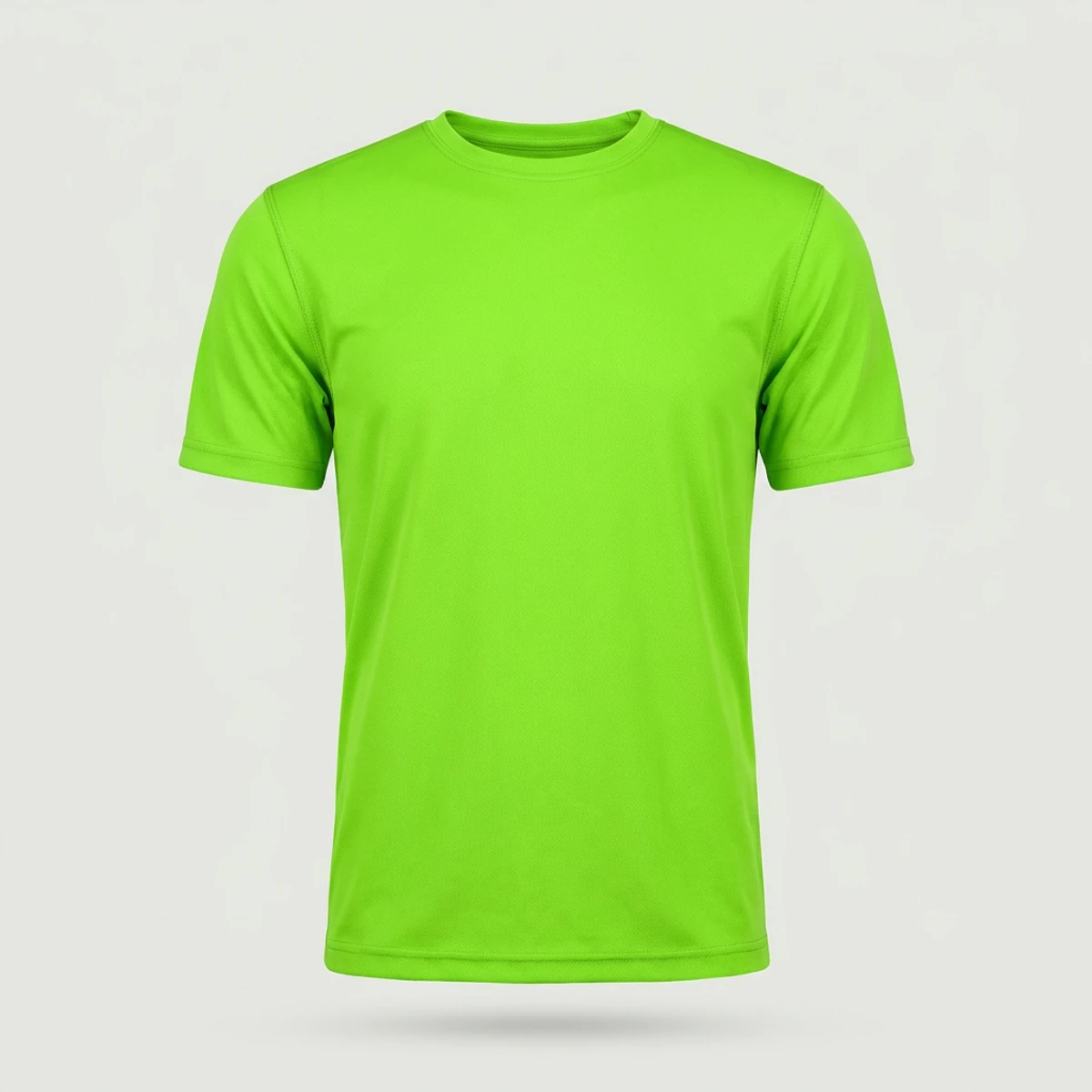
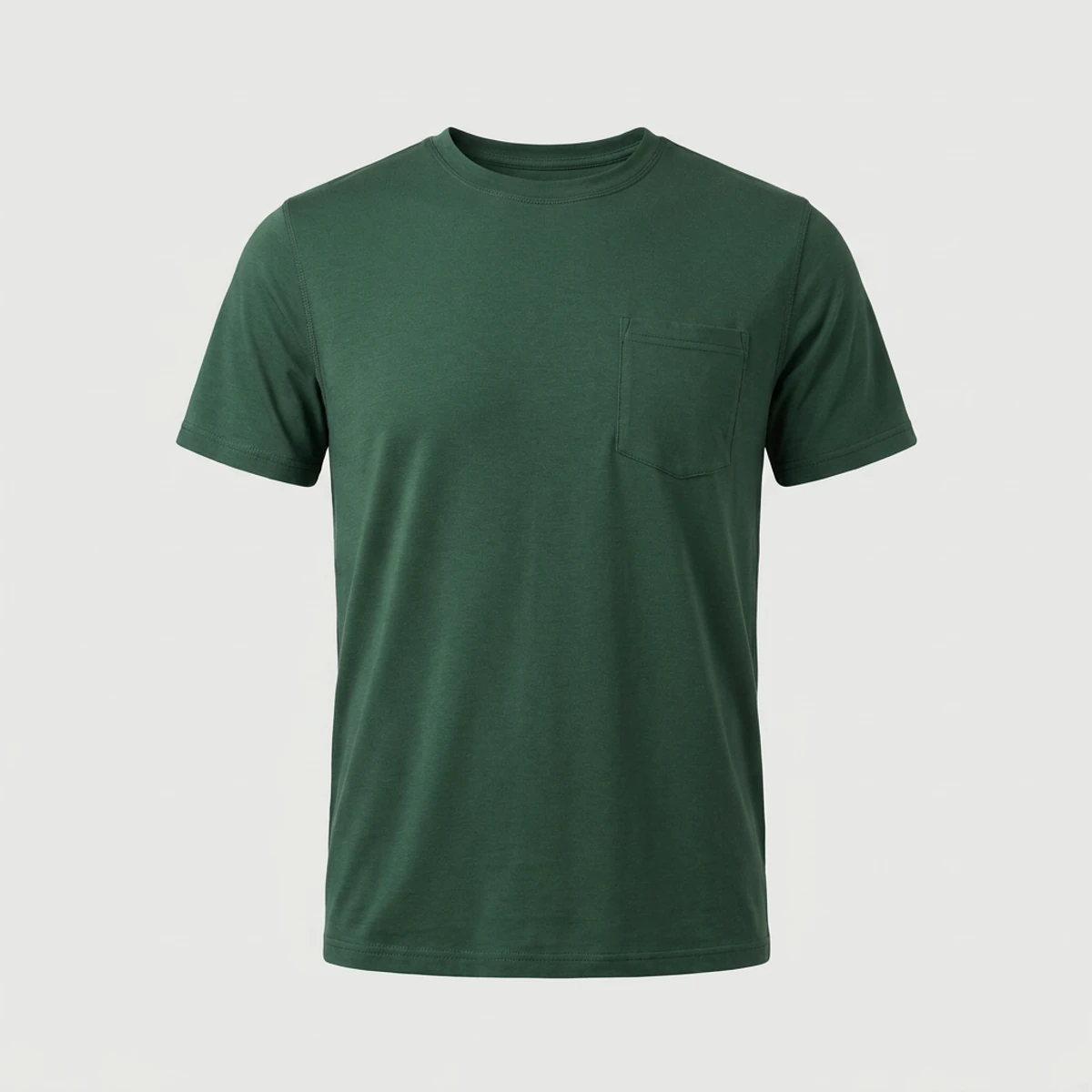
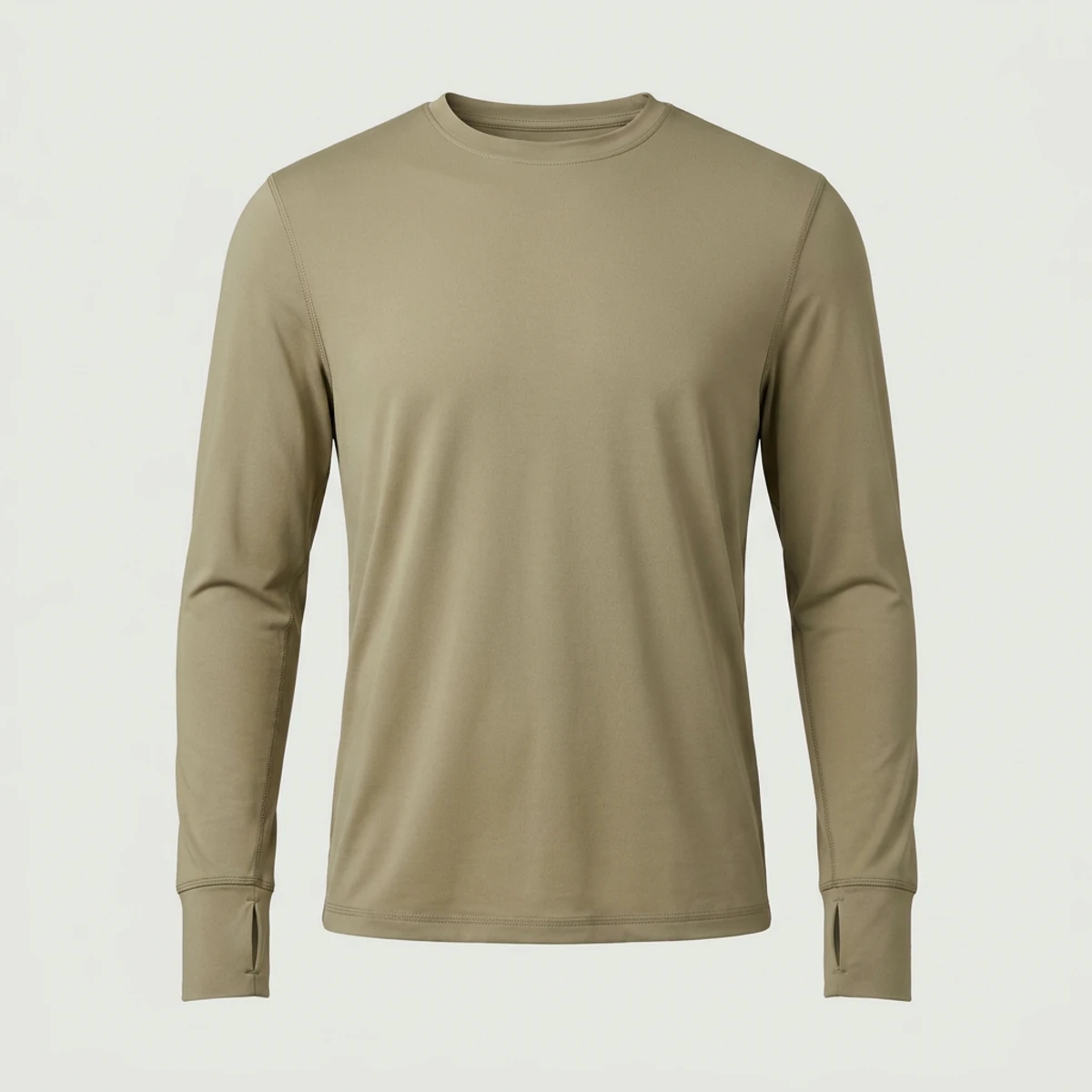
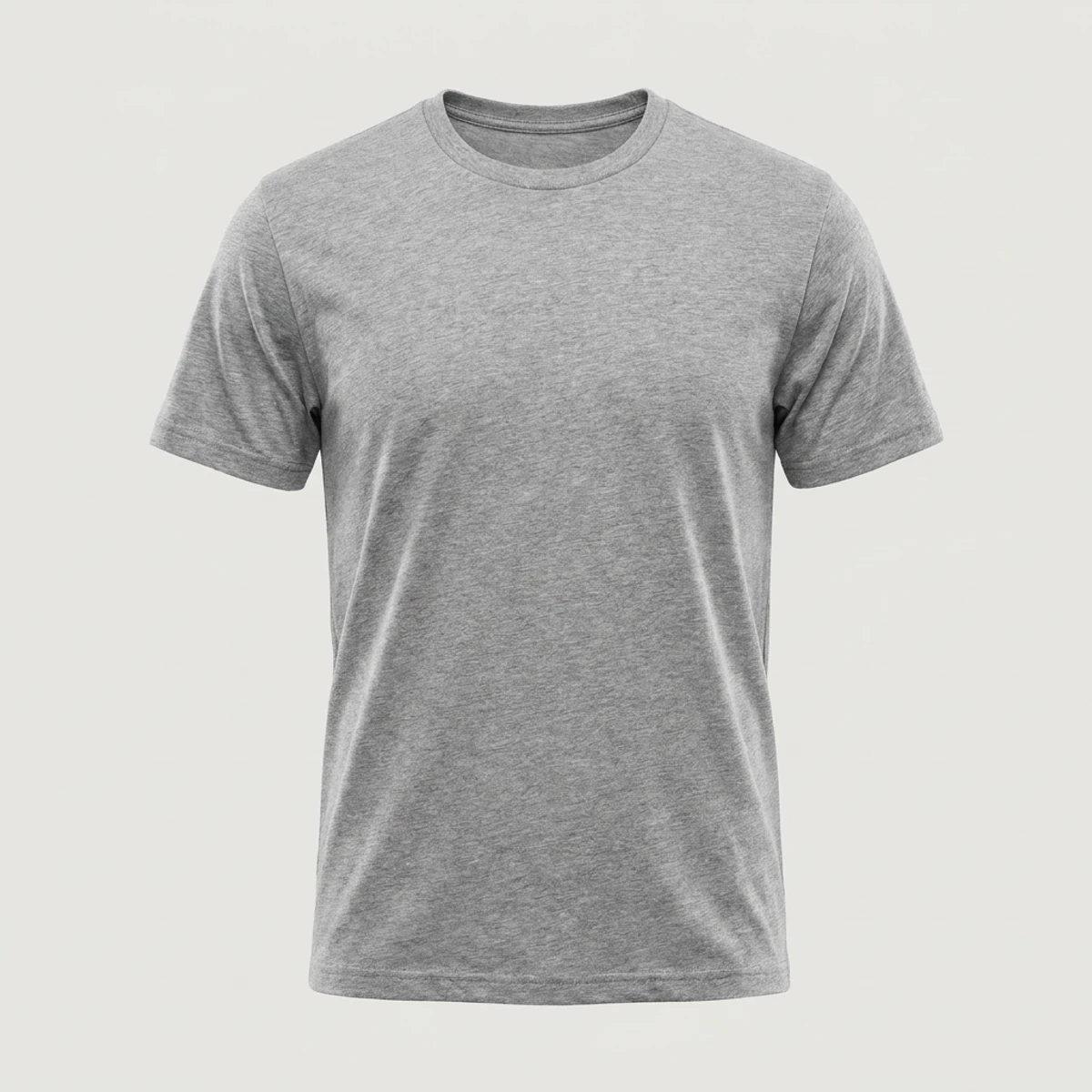
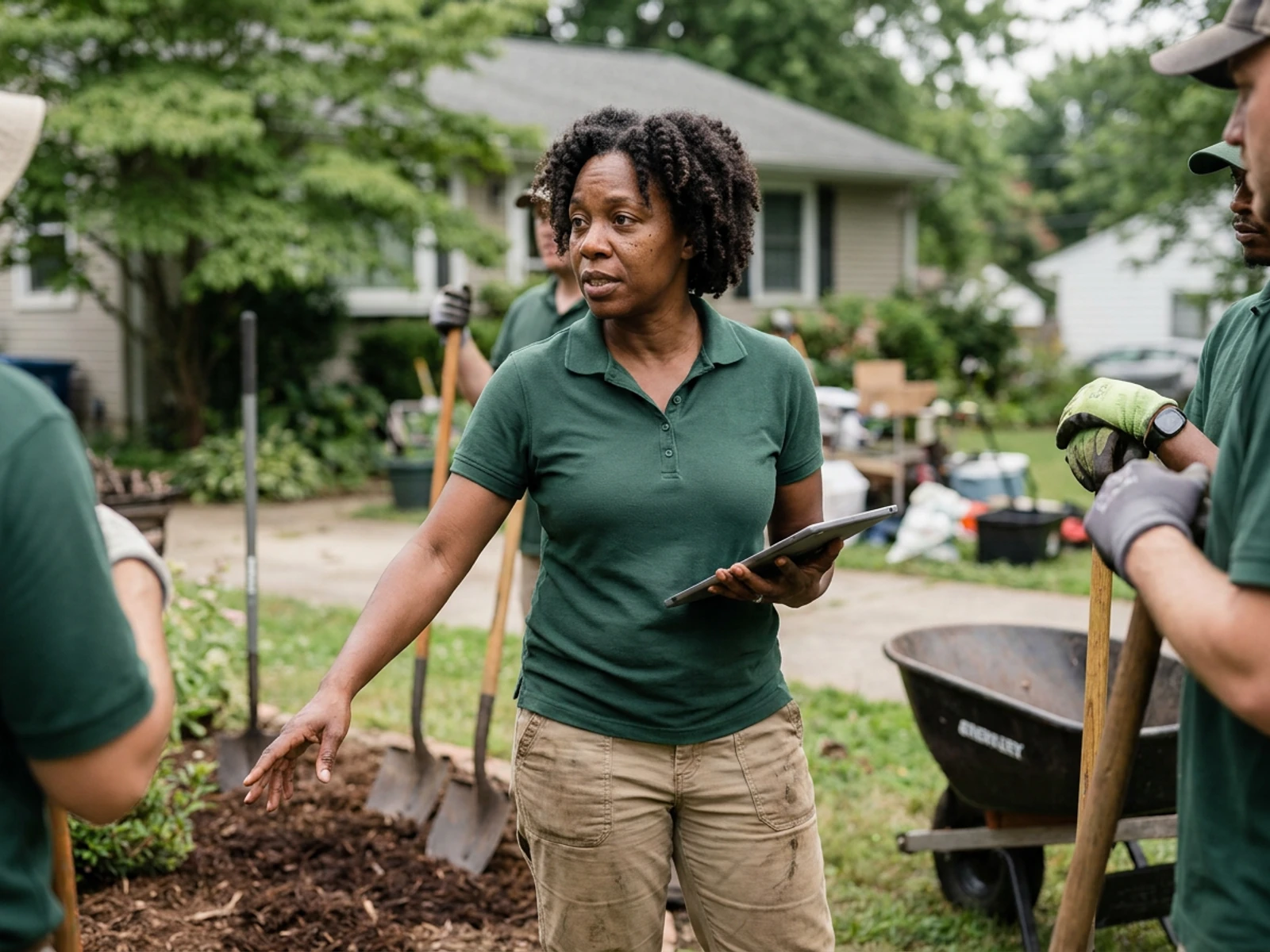
Crew leaders, estimators and sales reps need a sharper look for client visits, usually a polo or button work shirt with an embroidered left-chest logo. Lawn care uniforms that tier this way make it easy for customers to spot who is in charge.
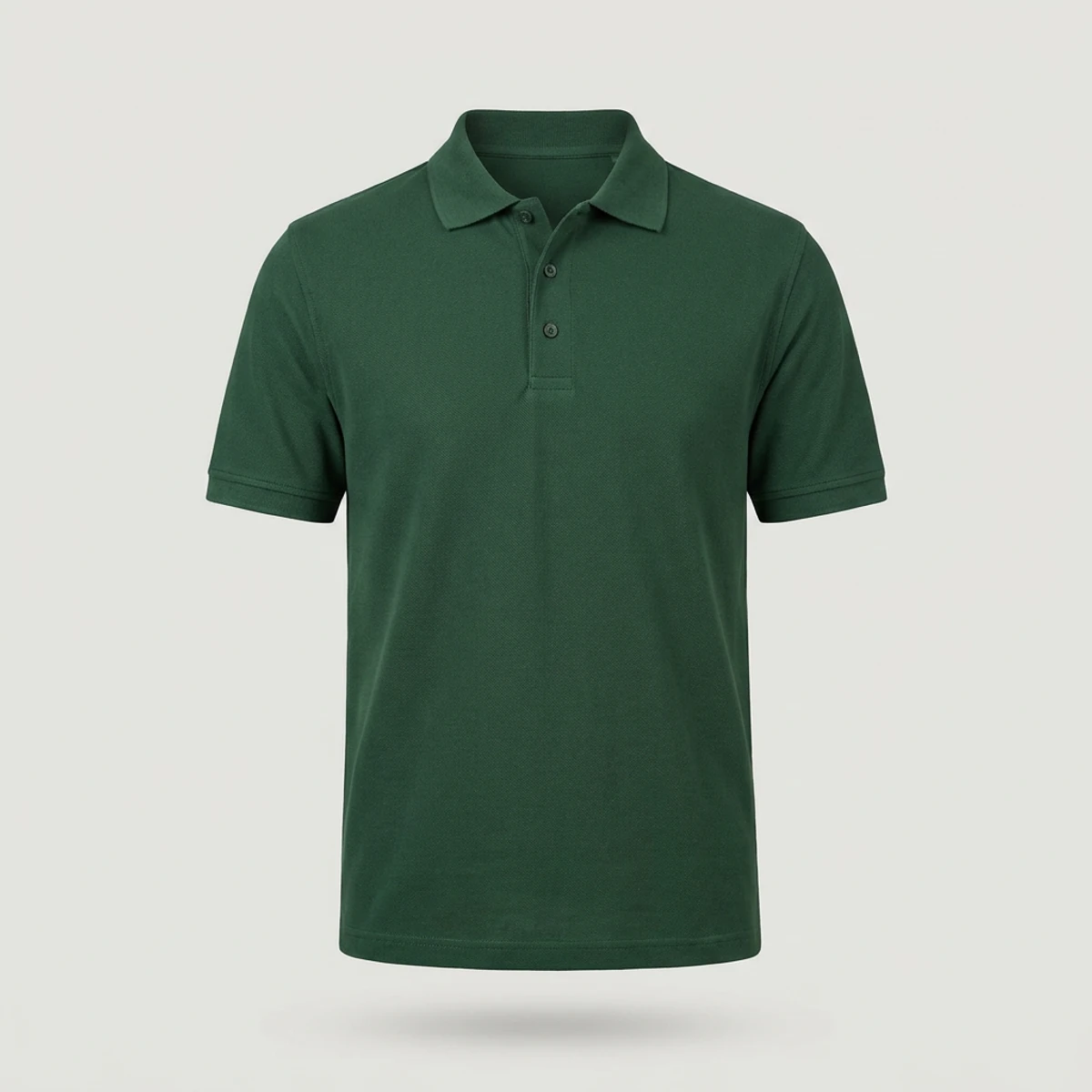
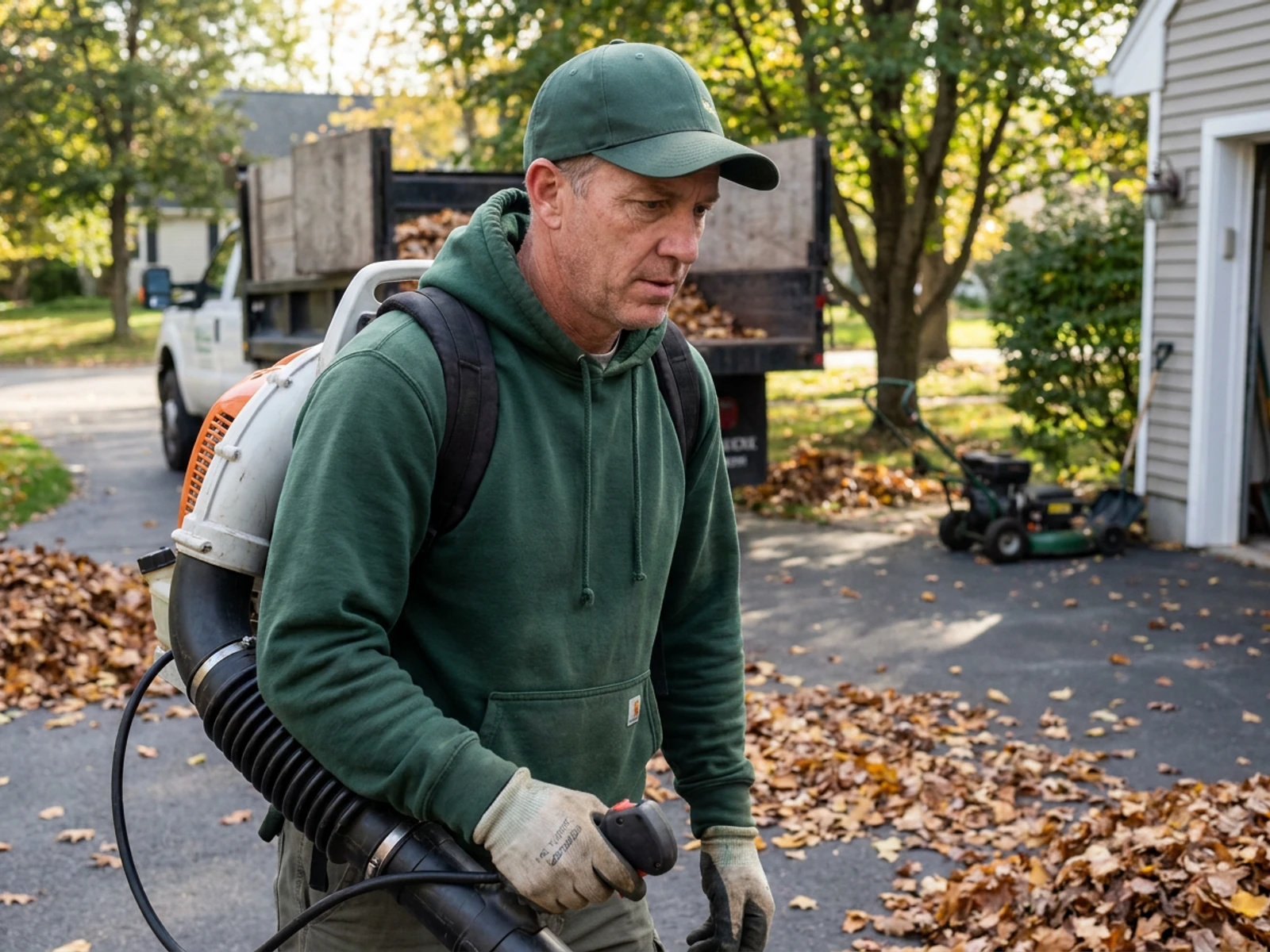
Early starts, leaf season and winter cleanups call for hoodies, jackets and logo caps in the same palette as your summer shirts. Each piece is its own style, so programs often add one layer at a time once they know crew sizes.
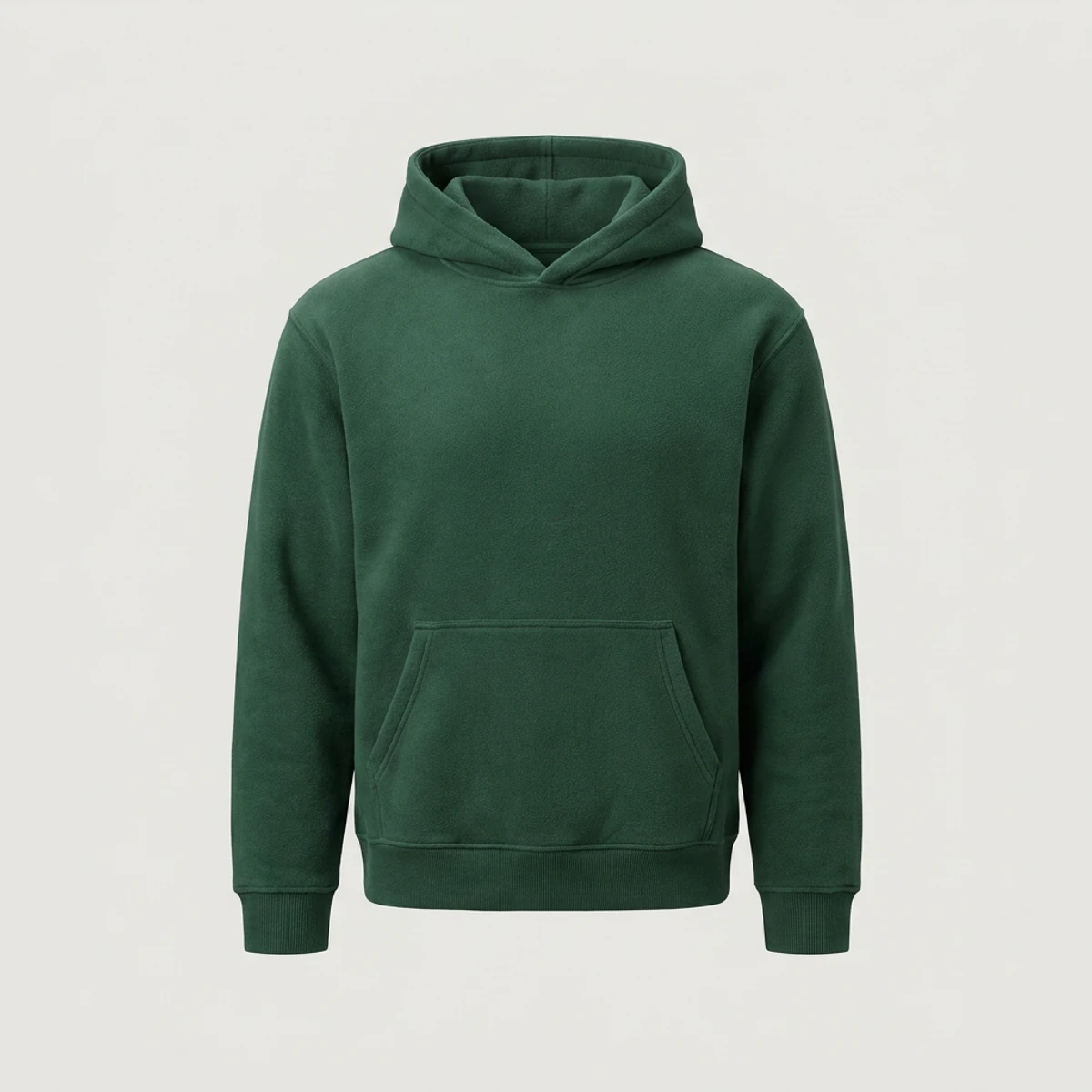
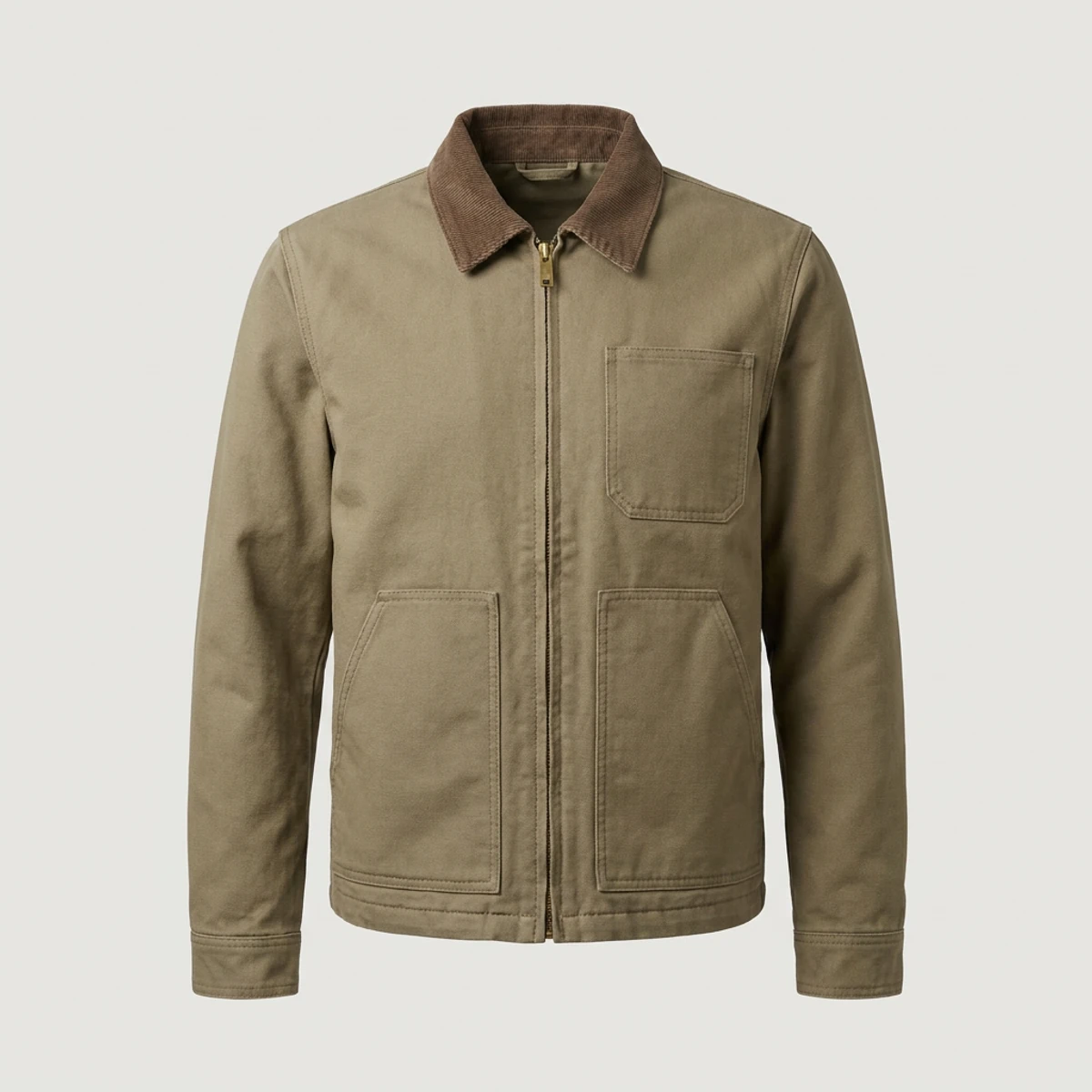
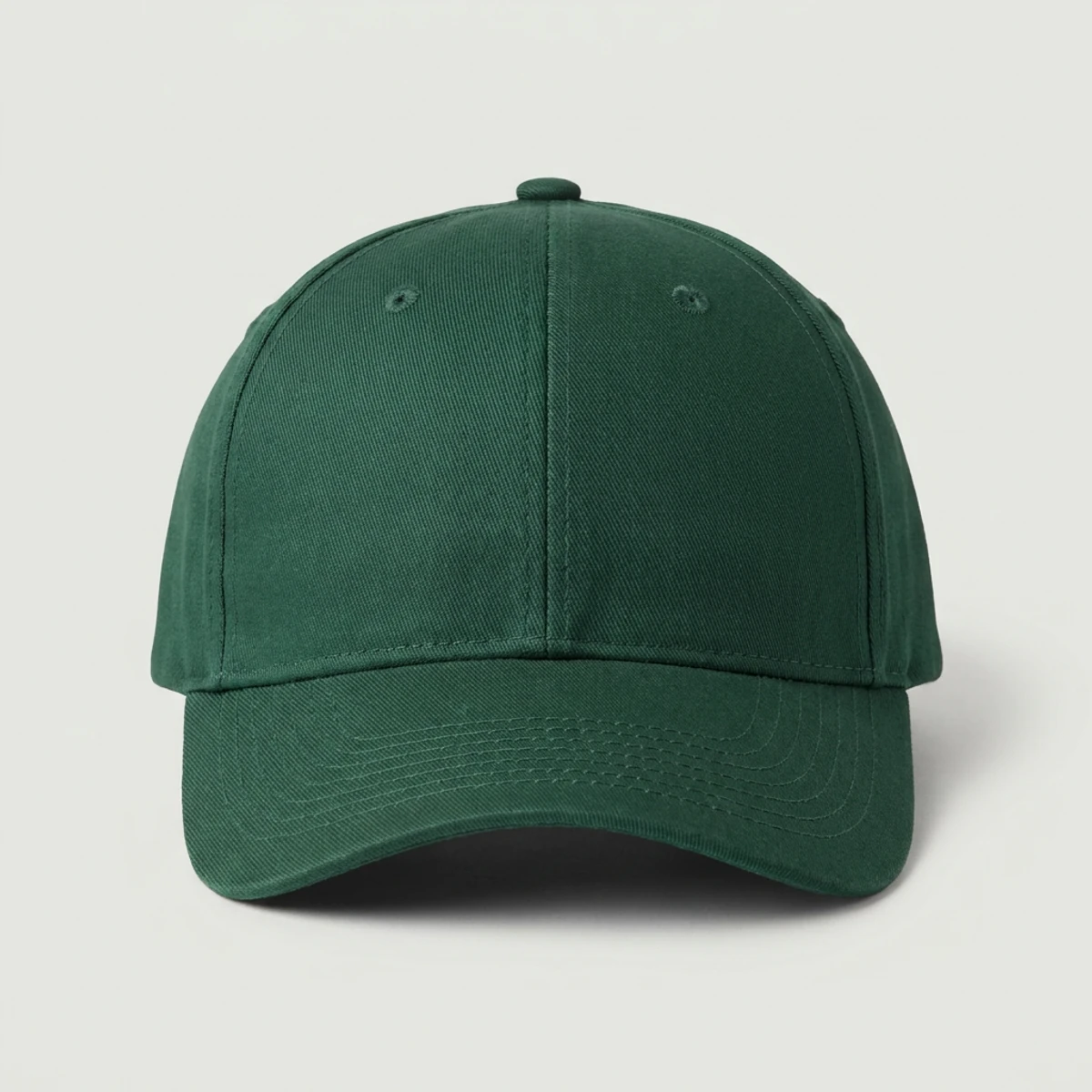
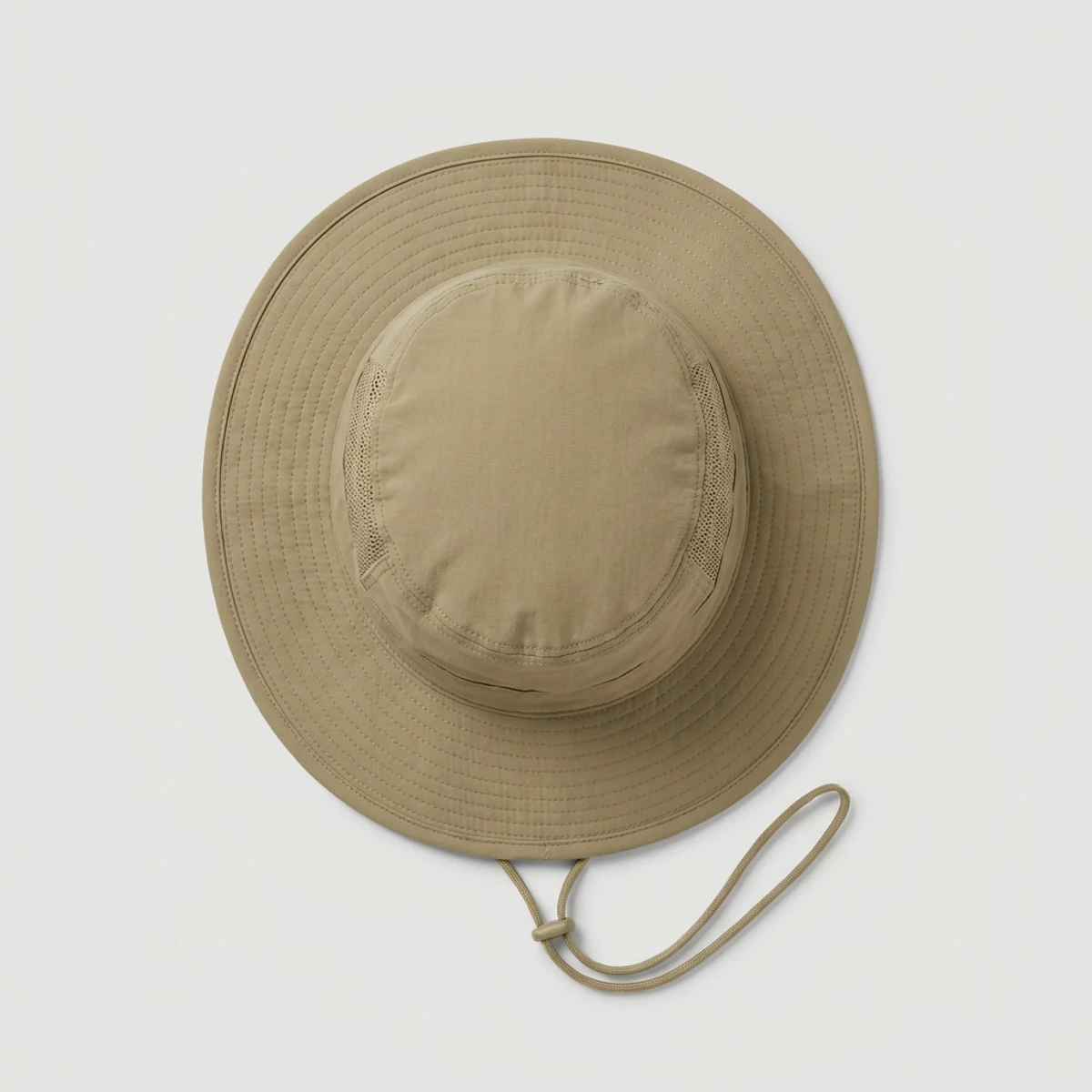
Pick the style, fabric and colors, add your logo and names, then attach the design to your quote. We cut and sew it in Los Angeles from 50 pieces per style.
Landscaping uniforms have to manage heat, survive brush and frequent washing, stay visible and carry your brand. Crews kneel in wet soil, push through shrubs, handle mulch and fertilizer, run trimmers that throw debris and spend long days in the sun, so a good uniform program answers four needs.
Lawn care uniforms are usually built from four pieces: a branded shirt, durable pants or shorts, an outer layer for cool mornings and a cap. Each piece is cut and sewn in the same Los Angeles factory, so shirts, pants and outerwear can share one color palette and one logo placement.
The shirt carries the brand, so most programs start here: a wicking tee for mowing crews, a polo for crew leaders and a long-sleeve work shirt for sun and brush protection.
Durable twill or canvas with reinforced pockets. Dark khaki or charcoal hides soil, grass stains and mower grease; see our work pants for colors and features.
Jackets and hoodies for early starts, leaf season and winter cleanups, plus rain layers for crews working through wet weather.
A logo on the cap stays visible when a jacket covers the shirt. Ask us about caps and sun hats at quote stage.
Custom landscaping shirts are the core of most programs, because the shirt is what homeowners see. Mowing crews in hot climates wear moisture-wicking tees, budget daily wear uses cotton or poly-cotton, crew leaders wear embroidered polos and long-sleeve shirts protect against sun and brush.
| Shirt type | Best for | Branding |
|---|---|---|
| Moisture-wicking tee | Mowing and maintenance crews in hot climates | Chest logo, large back print |
| Cotton or poly-cotton tee | Budget-friendly daily wear | Print front and back |
| Polo | Crew leaders, estimators, sales visits | Embroidered left-chest logo |
| Long-sleeve work shirt | Sun and brush protection, cooler seasons | Embroidered chest, printed back |
Long sleeves in a light fabric protect arms from sun, scratches and plant irritants better than short sleeves, and many crews prefer them in summer for that reason. If you want shirts labeled with a sun protection (UPF, ultraviolet protection factor) rating, the fabric needs a UPF test result; ask us at quote stage which fabrics have one.
Landscaping apparel fabric should be chosen by climate and task: moisture-wicking polyester for heat, cotton for softness in cooler regions, poly-cotton as the year-round middle ground, and heavy twill for pants and jackets that meet thorns and brush. The table compares the common options.
| Fabric | Heat comfort | Durability | Color in sun | Best use |
|---|---|---|---|---|
| Moisture-wicking polyester | Dries fastest, feels cool when sweating | Good, resists shrinking | Holds color well | Summer tees, long-sleeve sun shirts |
| Cotton | Soft and breathable, but stays wet | Moderate, can shrink | Fades faster | Cooler climates, budget tees |
| Poly-cotton blend | Middle ground | Good, wrinkle resistant | Better than cotton | Polos, work shirts, year-round wear |
| Cotton or poly-cotton twill | Heavier, less airy | High against brush and thorns | Good in darker shades | Work pants, jackets |
| Fleece or knit | Warm | Good | Good | Hoodies for early starts and winter cleanups |
Tip: Choose fabric by climate, not by catalog. A crew in Phoenix and a crew in Portland can share the same logo and colors but should not necessarily share the same shirt fabric.
Each landscaping role needs a uniform built around its task: mowing crews need light, cool shirts, tree crews need long sleeves and heavy pants, irrigation techs need pockets, hardscape crews need abrasion resistance and crew leaders need a client-facing look. Roadside crews add a certified hi-vis layer.
| Role | Recommended uniform | Notes |
|---|---|---|
| Mowing and maintenance crew | Wicking tee or long-sleeve sun shirt, durable pants or shorts, cap | Light colors, large back print |
| Tree care and trimming | Long-sleeve shirt, heavy twill pants | Extra protection from branches and debris; follow your PPE (personal protective equipment) rules for chainsaw work |
| Irrigation technicians | Polo or work shirt, cargo pants | Pockets for fittings and tools; visits homeowners |
| Hardscape and installation | Heavy twill or canvas pants, tee, jacket | Kneeling, lifting and abrasion |
| Crew leaders and estimators | Embroidered polo, clean pants, jacket | Client-facing; looks like management |
| Roadside and median crews | Regular uniform plus certified hi-vis layer | Required near live traffic |
Landscaping crews need high-visibility apparel whenever they work in a temporary traffic control zone on medians, highway shoulders or road frontages. Section 6C.05 of the federal Manual on Uniform Traffic Control Devices (MUTCD), 11th edition requires ANSI/ISEA 107 Class 2 or 3 apparel there, and many public contracts repeat it.
A bright brand-colored shirt does not meet that standard on its own. Talk to us about hi vis clothing in fluorescent yellow-green or orange-red, plain safety vests for the whole crew, or custom safety vests carrying your logo, and confirm the class your contract calls for before ordering.
The best outdoor colors are light or mid-tone shirts that stay cool, bright brand colors that are easy to spot from the street, and dark pants that hide soil. Color is a practical decision for landscape crews, not just a branding one, and colorfast fabric keeps it from fading in strong sun.
The logo on landscaping uniforms usually goes on the left chest for a clean mark at conversation distance and across the full back so the company name reads from the street. Sleeves, caps and pant pockets carry secondary marks. Send a Pantone number or swatch so shirts and outerwear match your brand palette.
| Placement | Method | Purpose |
|---|---|---|
| Left chest | Embroidery or print | Clean brand mark at conversation distance |
| Full back | Company name and phone readable from the street | |
| Sleeve | Embroidery or print | Website, crew number or a secondary mark |
| Cap front | Embroidery | Visible even when a jacket covers the shirt |
| Pant thigh or back pocket | Small embroidery | Finishes the uniform without crowding it |
Embroidery suits polos, jackets and caps that need to look sharp for years. Printing suits large back graphics on tees, where embroidery would be heavy and hot. For logo options, see our custom embroidery and printing services.
The cost of custom landscaping uniforms depends mainly on the fabric, the garment type, the quantity per style, the decoration and any custom colors or labels. No prices are published here, because every order is quoted on its actual garments, fabric, artwork and quantity. The table shows the usual direction of each factor.
| Cost driver | How it moves the unit price | How to keep it in check |
|---|---|---|
| Fabric | Performance wicking fabrics and heavy twill usually cost more than basic cotton | Spend on fabric where heat or brush demands it |
| Garment type | Jackets and work shirts take more fabric and sewing than tees | Build the kit around one core shirt |
| Quantity per style | Larger runs spread cutting, setup and sampling across more pieces, so unit cost tends to fall | Consolidate onto fewer styles and colors |
| Decoration | More locations, larger embroidery and more print colors add time per piece | One chest logo plus one back print |
| Custom colors | Matching a brand color can add a fabric or dye step | Choose from available colors where the shade is flexible |
| Labels and packaging | Custom labels and individual bagging add components | Use standard finishing for crew uniforms |
Landscaping apparel has to scale with companies that grow from one truck to several crews in a few seasons. A minimum of about 50 pieces per style covers current staff plus seasonal hires without buying thousands of shirts, and patterns and artwork stay on file so later runs match the first.
Companies that also handle hardscaping, grading or site work alongside general contractors can extend the same look across the kit shown on our construction uniforms page. Franchise systems and distributors can buy in bulk through our wholesale uniforms program.
Each crew member usually needs two to three shirts for a five-day week, one or two pairs of pants and one outer layer, plus a small buffer of the most common sizes for seasonal hires and replacements. Smaller companies often reach the 50-piece minimum on a single core shirt and add garments in later runs.
A short written policy helps crews wear the uniform consistently: which pieces are issued on day one, when shirts are replaced, whether shorts are allowed and how faded or torn garments are returned. Replace shirts on a schedule, because a crew in sun-faded shirts looks less professional than one in fresh brand colors.
Wash landscaping uniforms inside out in cold or warm water to protect prints and colors, pre-treat fertilizer, oil and grass stains, and skip fabric softener on moisture-wicking polyester, since it can coat the fibers and reduce wicking. Hi-vis garments follow their own care label and are replaced once they stop performing.
Tip: Give each crew member a mesh laundry bag with their name on it. Uniforms come back sorted, and printed backs last longer when washed inside out.
Ready to order
A complete landscaping uniform quote needs the headcount, the garments, the size breakdown, the climate, the brand colors and the logo files. Send as much of this list as you can with your first message, and we can recommend fabrics and decoration and confirm what a sample run involves.
Ordering landscaping uniforms with a 50-piece minimum runs in six steps, from crew details to production. The sample is worn on a real job before you commit, and the size breakdown within each 50-piece style is agreed before cutting starts, so the delivery arrives sorted by size.
Example: a lawn care company with 15 crew members orders three wicking tees each (45) plus five spares, reaching 50 on one style, then adds a second style of polos for leaders and office staff only if that style can also reach about 50 pieces.
Ask us for current lead times when you request a quote, especially if you are ordering ahead of spring hiring.
The most common landscaping uniform mistakes are ordering too late in spring, dark shirts for summer crews, treating brand colors as hi-vis, one fabric for every climate and no spares. Each one is cheap to avoid at the planning stage and costly once the season starts.
Need something not covered here? Ask our Los Angeles team and we’ll answer with options for your order.
Ask our Los Angeles teamMost lawn care uniforms combine a breathable branded shirt (tee, polo or button-up), durable work pants or shorts, a cap, and a jacket or hoodie for cool mornings. Crews that work beside roads add a high-visibility vest or shirt. Order two to three shirts per worker so a clean one is always ready.
About 50 pieces per style. A style is one garment in one fabric and color, and the size breakdown within those 50 pieces is agreed at quote stage. A company with 15 crew members ordering three shirts each, plus a few spares, reaches the minimum on a single style.
Lightweight moisture-wicking polyester dries fastest and keeps its color in strong sun. Cotton feels soft and breathes but holds sweat longer. Poly-cotton blends sit between the two. Light colors reflect more heat than dark ones. We confirm fabric options for your climate and budget at quote stage.
Yes, and it usually looks better when they do. Order seasonal sizes in the same run as your permanent crew so everyone matches in color and logo placement, and keep spares in the common sizes for mid-season hires. Many companies add a jacket or hoodie once a seasonal worker stays past the first season.
Yes. A large back print makes your company name readable from the street and from neighbors' windows, which turns every job into advertising. We typically pair it with a smaller embroidered or printed logo on the left chest. Send your logo file and we will suggest sizes and methods.
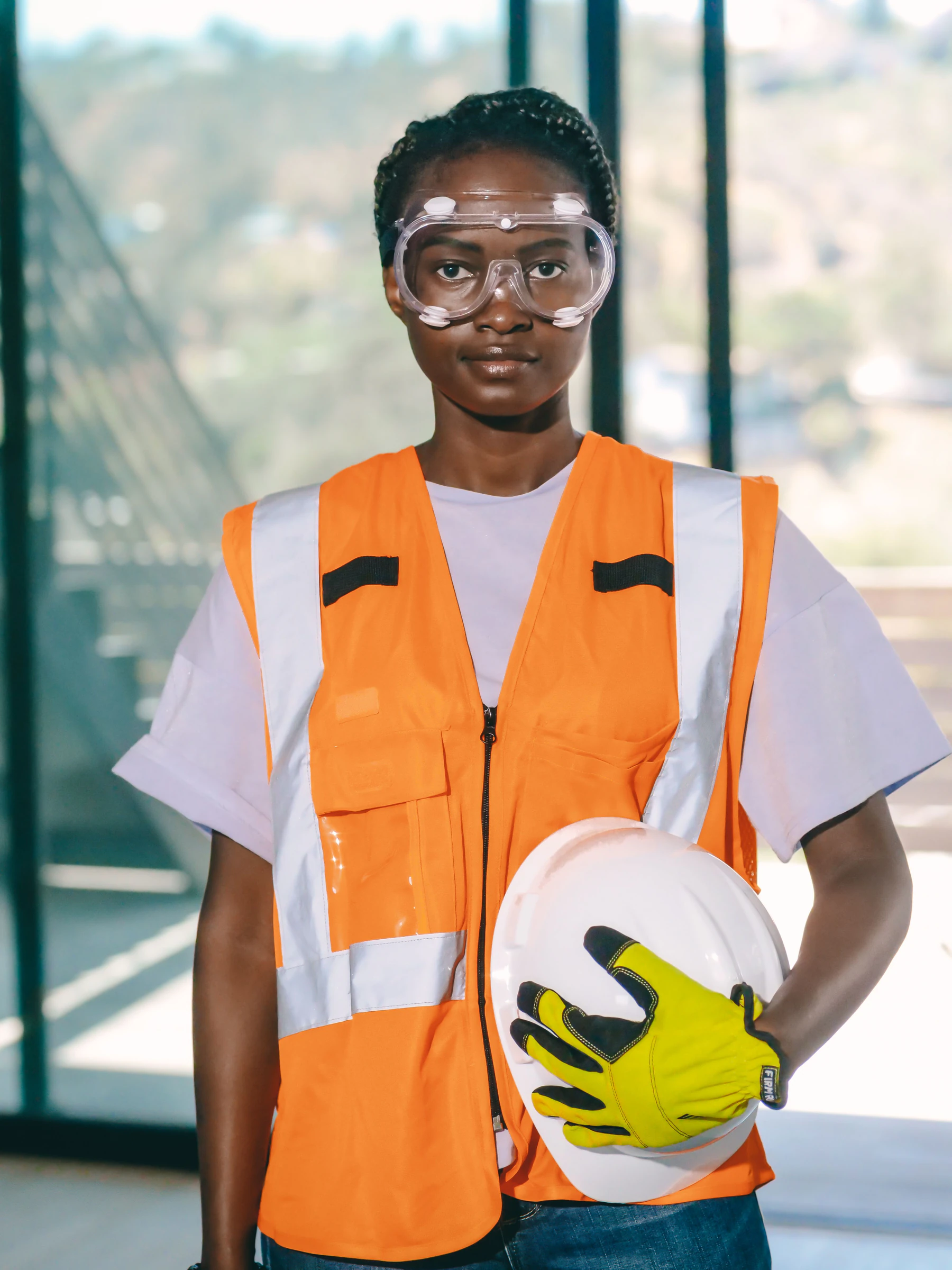
Durable, branded construction uniforms, from hi-vis layers for road and site work to work pants and denim, cut and sewn in Los Angeles from 50 pieces per style.
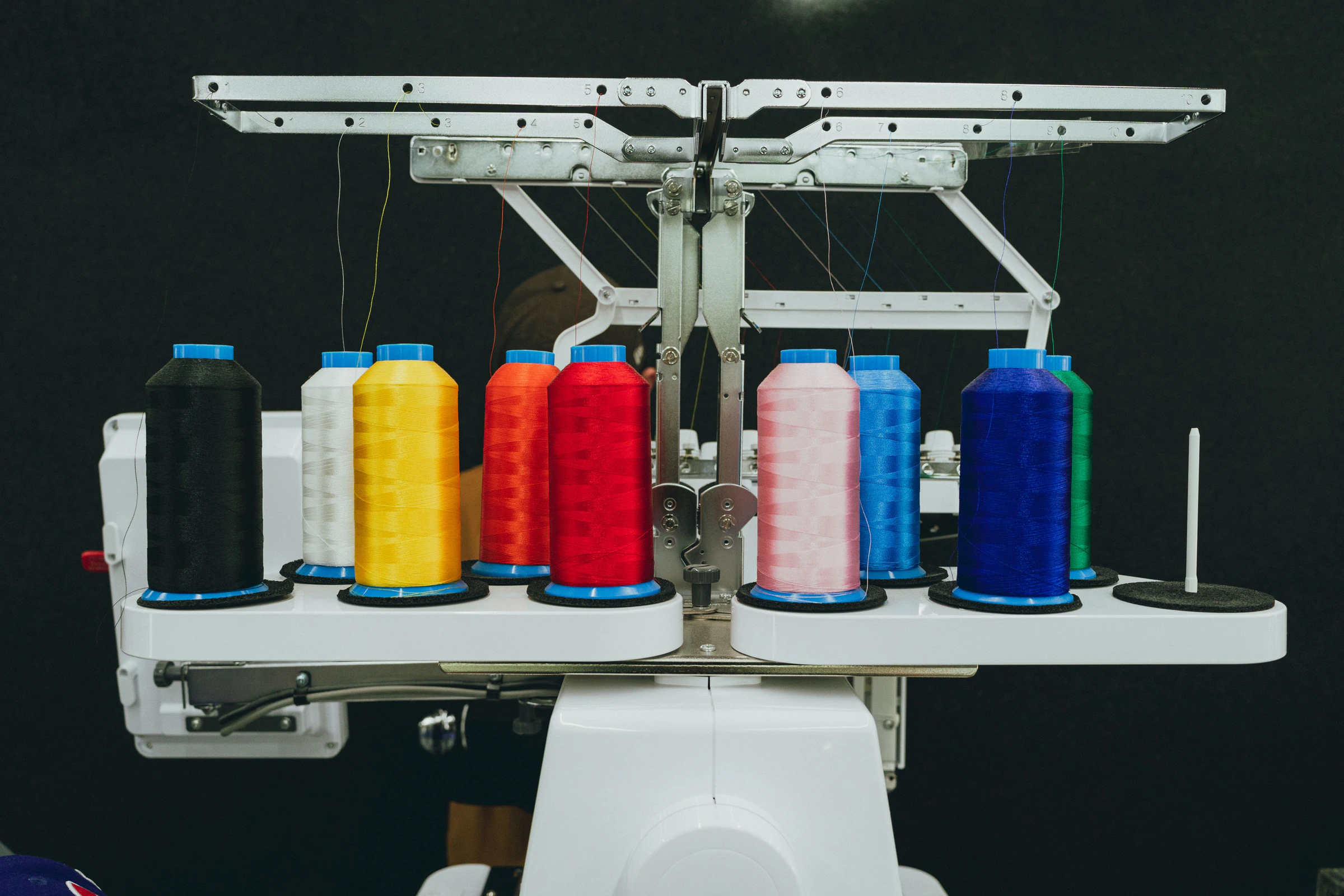
Logo embroidery, screen printing, transfers and patches across workwear, with advice on which method suits each garment, fabric and order size.
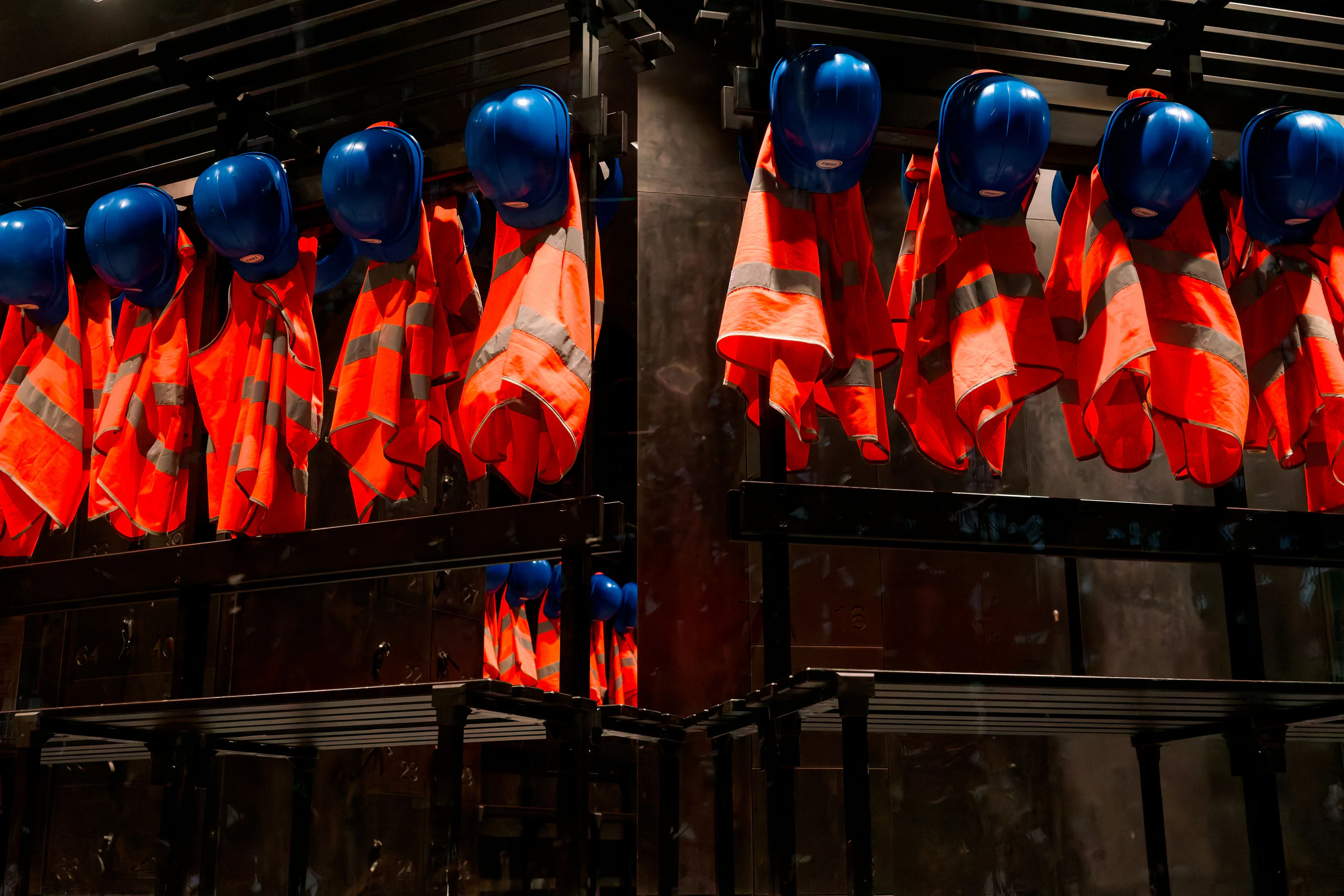
High-visibility vests, shirts, jackets and pants for road, site and warehouse crews, designed around ANSI/ISEA 107 and cut and sewn in Los Angeles.
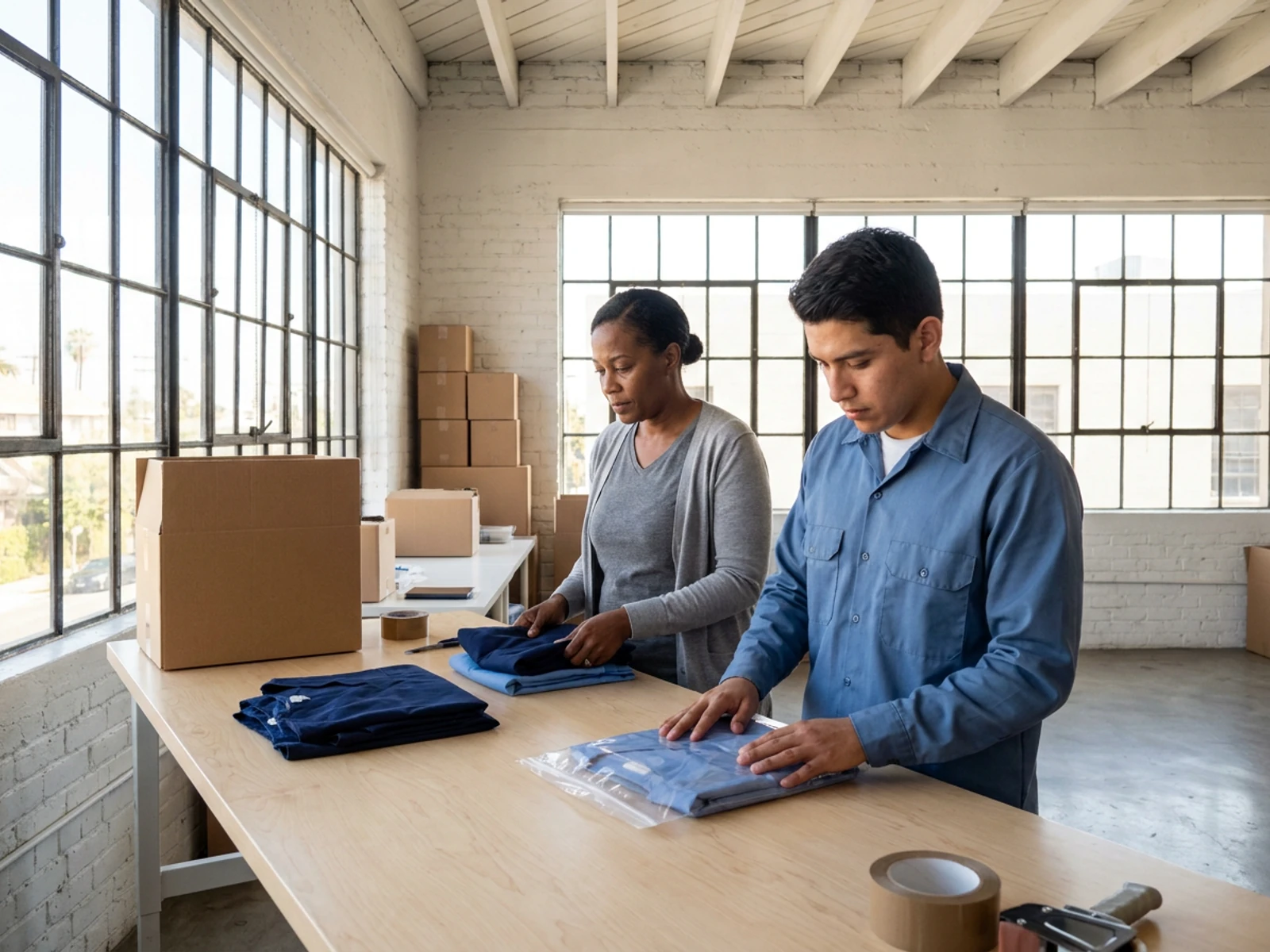
Blank scrub tops, pants and sets plus work uniforms sold wholesale from our Los Angeles factory to resellers, facilities and programs, with quantities confirmed on inquiry.
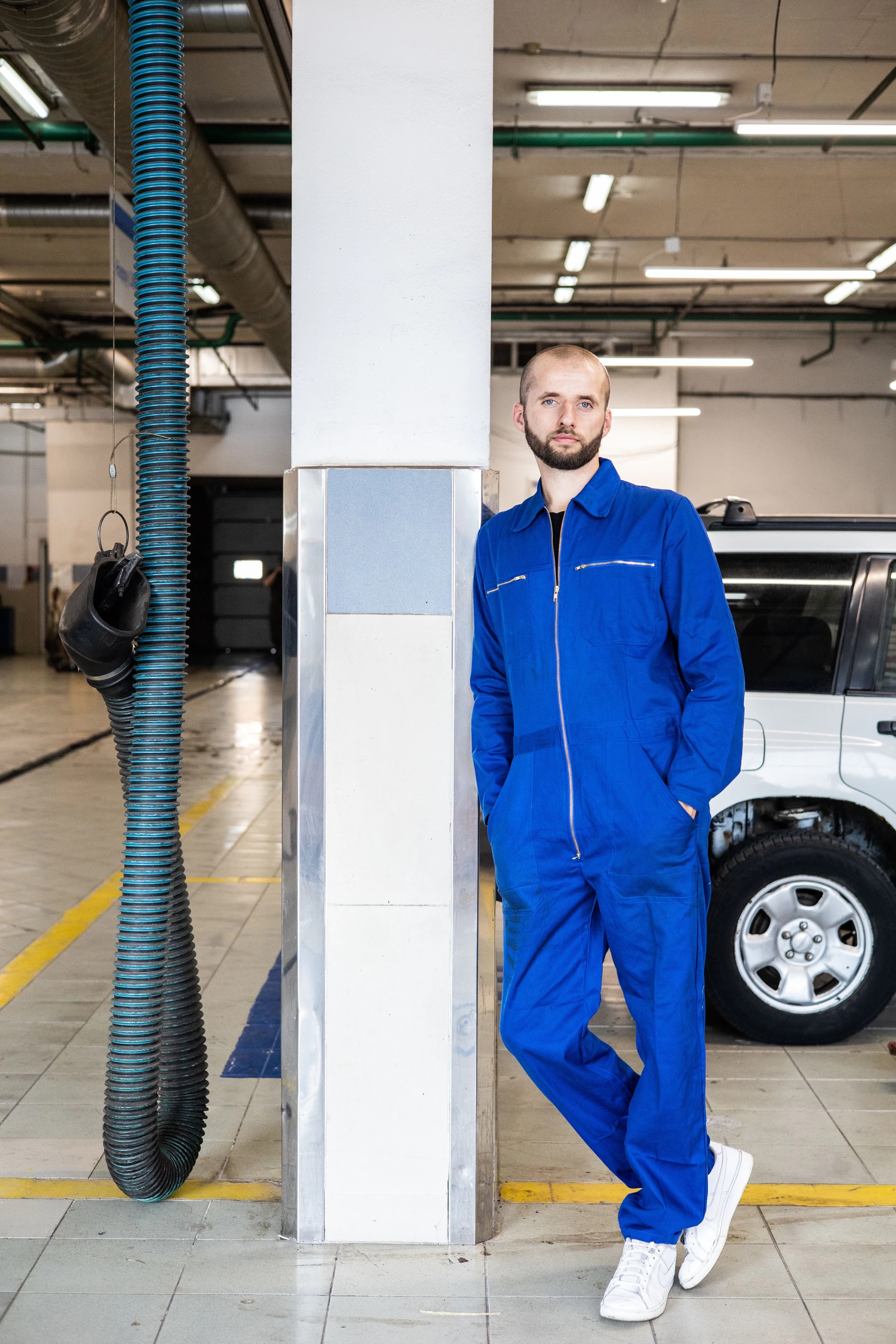
One-piece work coveralls with your logo, name and color, cut and sewn in Los Angeles for mechanics, plants and field crews from about 50 pieces per style.
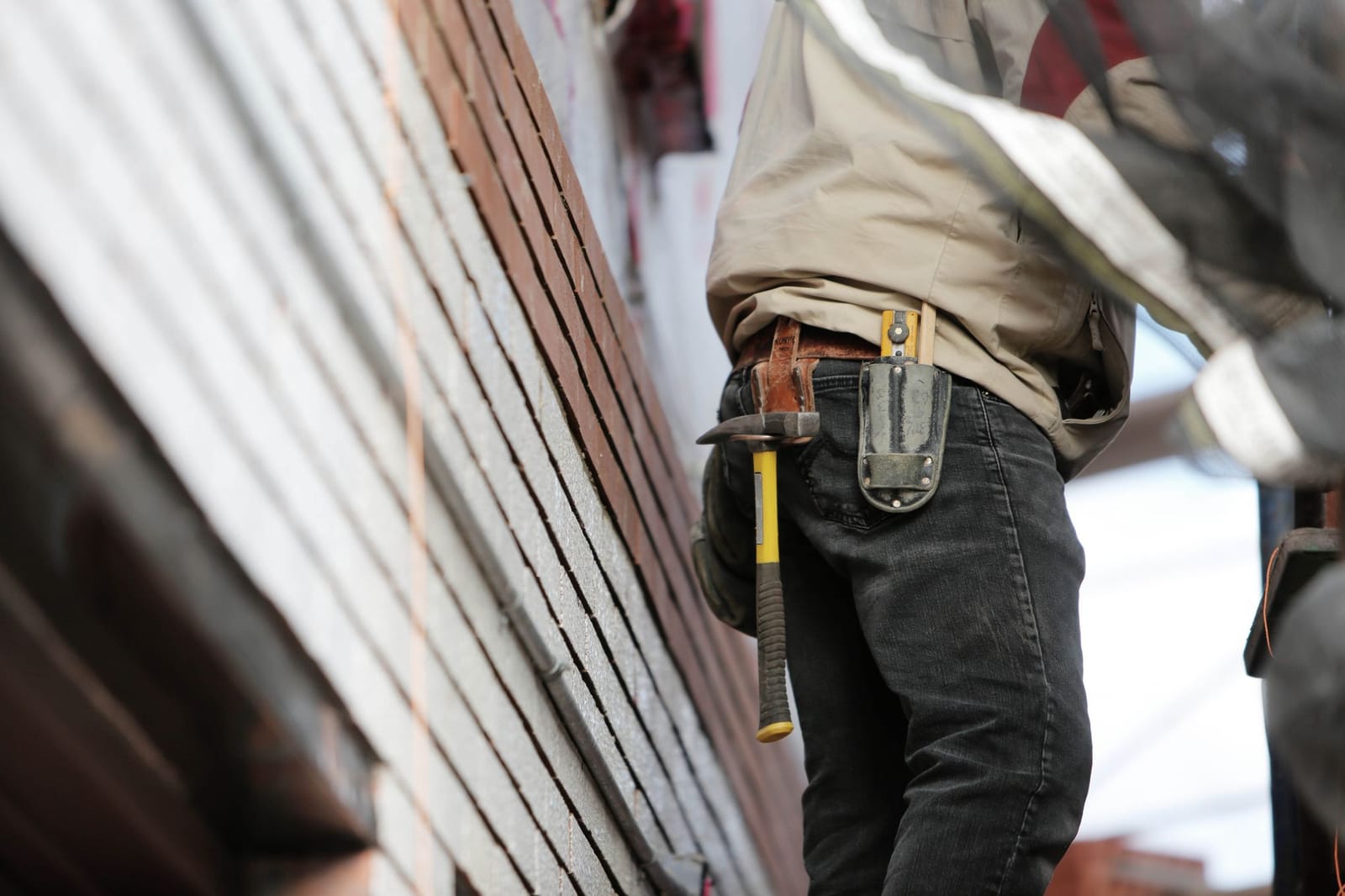
Industrial, cargo and utility work pants in your fit, fabric and color, cut and sewn in Los Angeles from about 50 pieces per style.