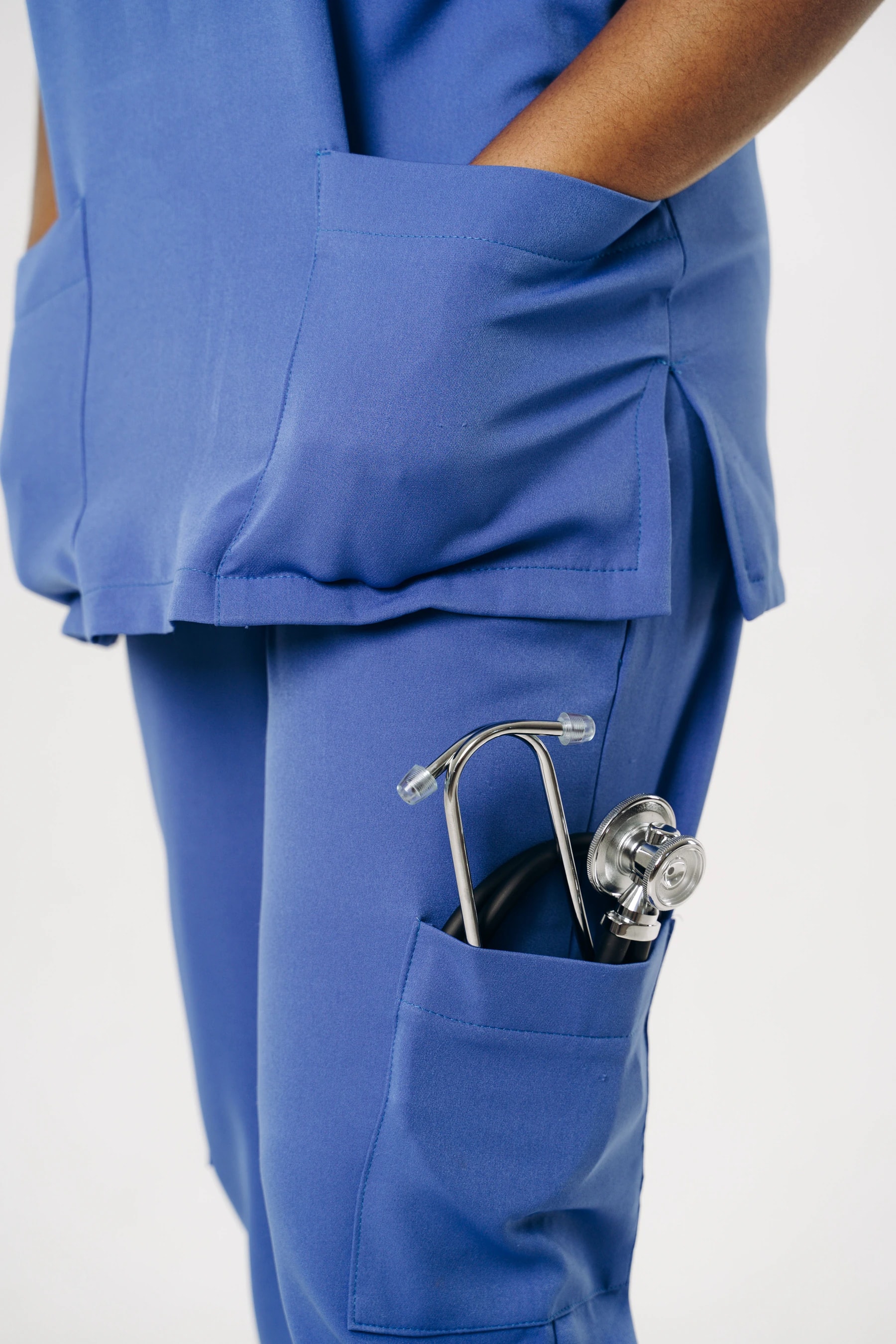
Scrubs · Los Angeles factory

Custom Antimicrobial Scrubs for Odor Control, Explained

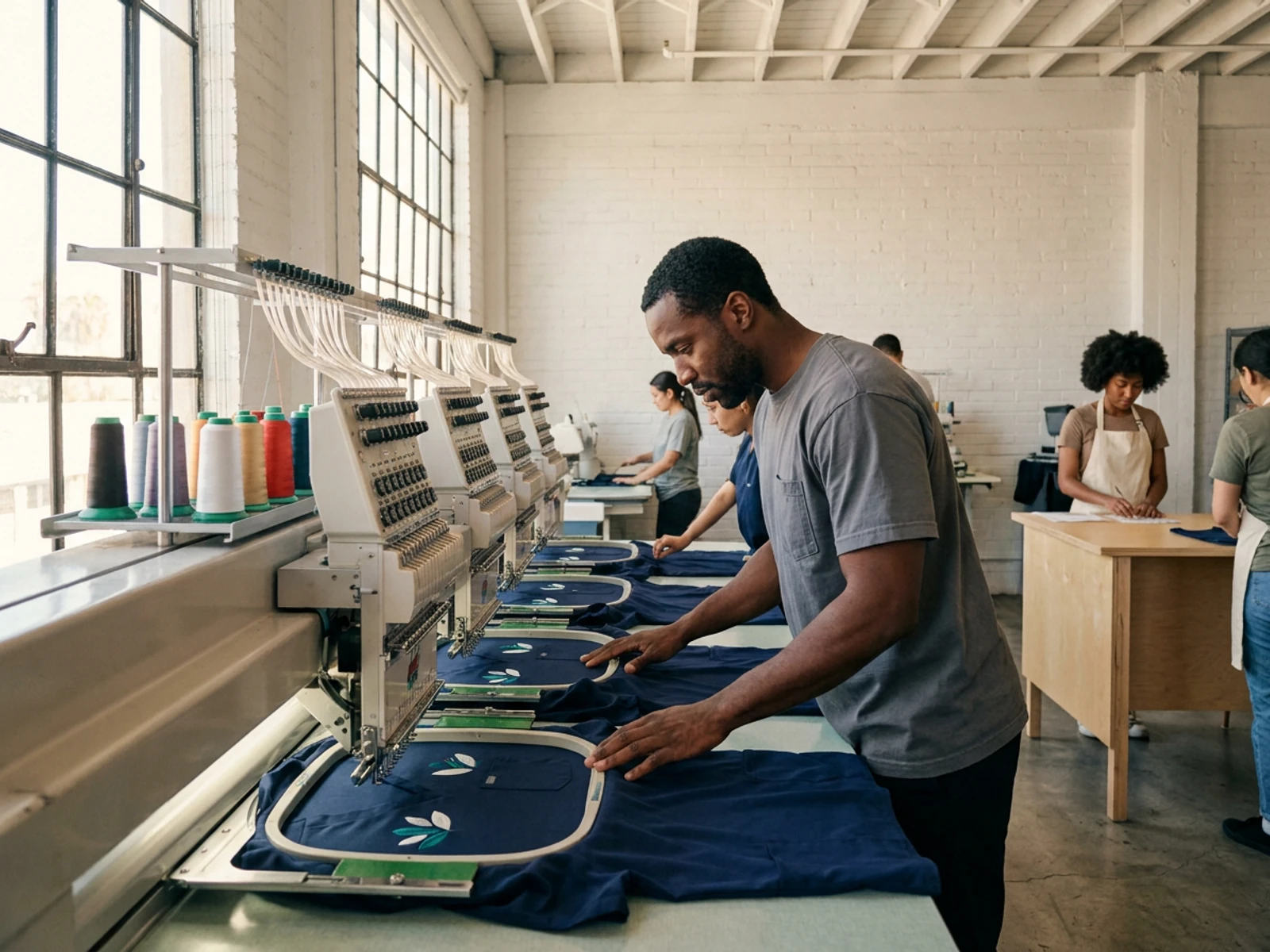
Antimicrobial scrubs are made from fabric treated at the mill with an agent, such as silver, zinc or a quaternary ammonium compound, that inhibits the growth of odor-causing bacteria on the fabric itself. The finish helps scrubs stay fresher between washes and does not replace personal protective equipment (PPE) or hand hygiene. Treated scrubs do not protect wearers or others against bacteria, viruses, germs or other disease organisms; wash them after every shift. Custom Uniform Factory cuts and sews custom scrubs in its Los Angeles factory from about 50 pieces per style, and can quote odor-control treated fabrics where the mill supplies the registration and test documents.

Macro close-up of royal blue woven performance fabric showing a fine textured weave
Minimum order
About 50 pieces per style
Production
Cut & sewn in Los Angeles, imported fabric
Treatment
Applied by the fabric mill; options confirmed at quote stage
Claims
Odor control on the fabric only; no health claims

Antimicrobial Scrubs by style

8 styles in 2 families · each made to order in your fabric, color and branding from 50 pieces.

Customize your scrubsYour fabric, colors, pockets and branding
Nurse in a navy V-neck scrub top walking to a hospital parking garage after shift

Scrub tops quoted with or without treatment

These scrub tops are cut from a smooth poly-spandex twill. Odor-control treated fabric is available to quote where the mill supplies its EPA registration and test documents; any claim stays limited to protecting the fabric, not the wearer.

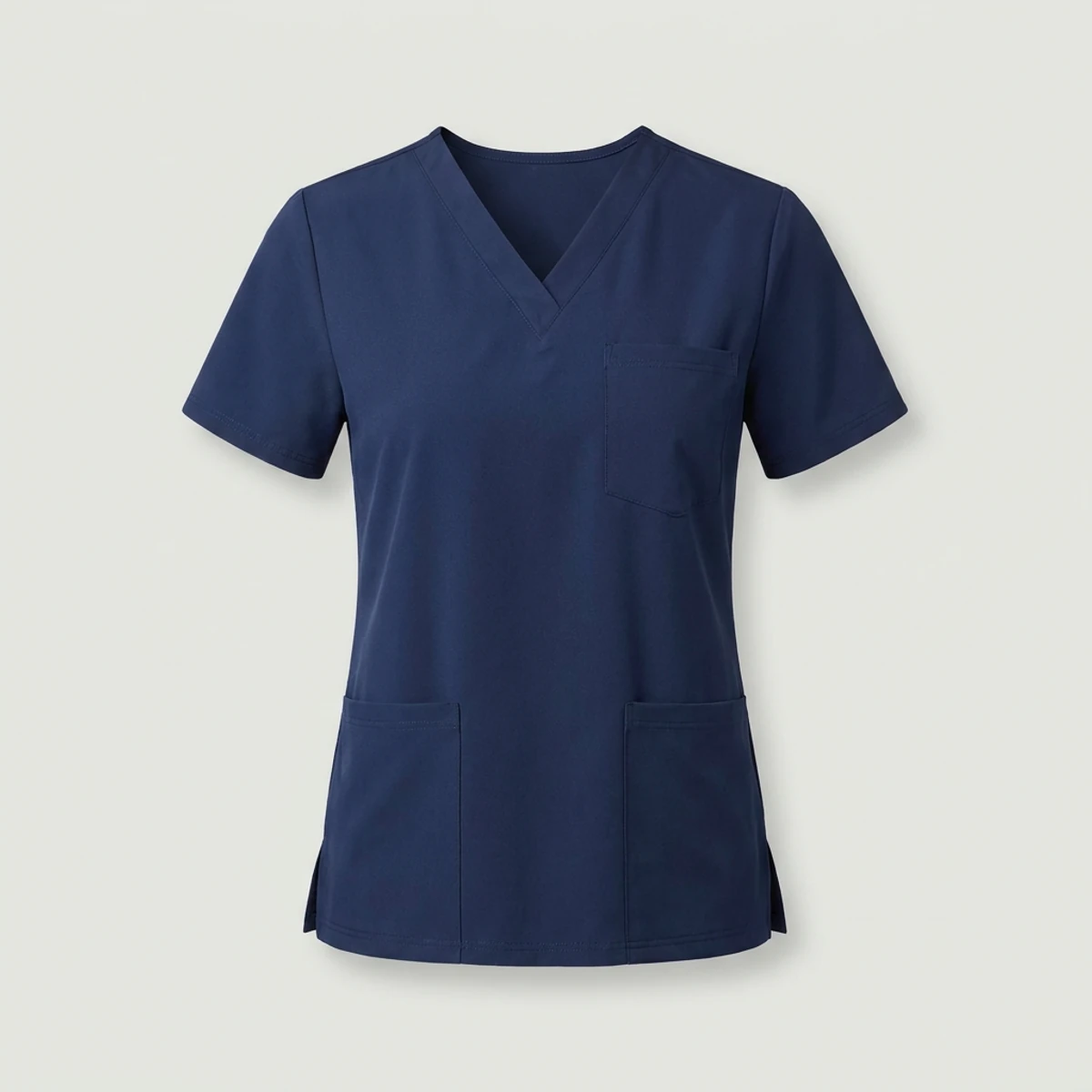
  • Navy V-neck scrub top in smooth poly-spandex twill with chest and lower pocketsNavy V-neck scrub top
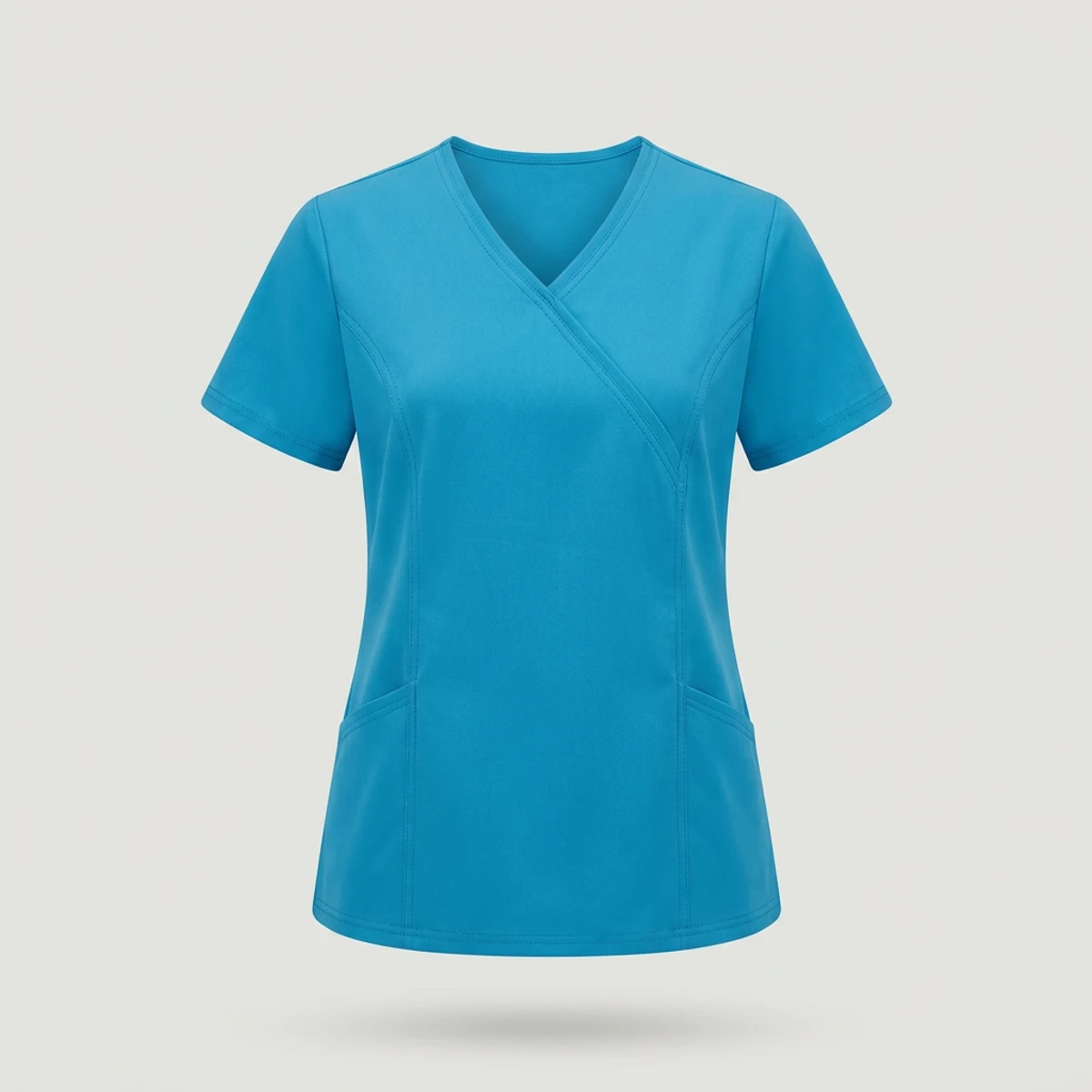
  • Caribbean blue mock wrap scrub top in matte stretch fabric with angled pocketsCaribbean mock wrap scrub top
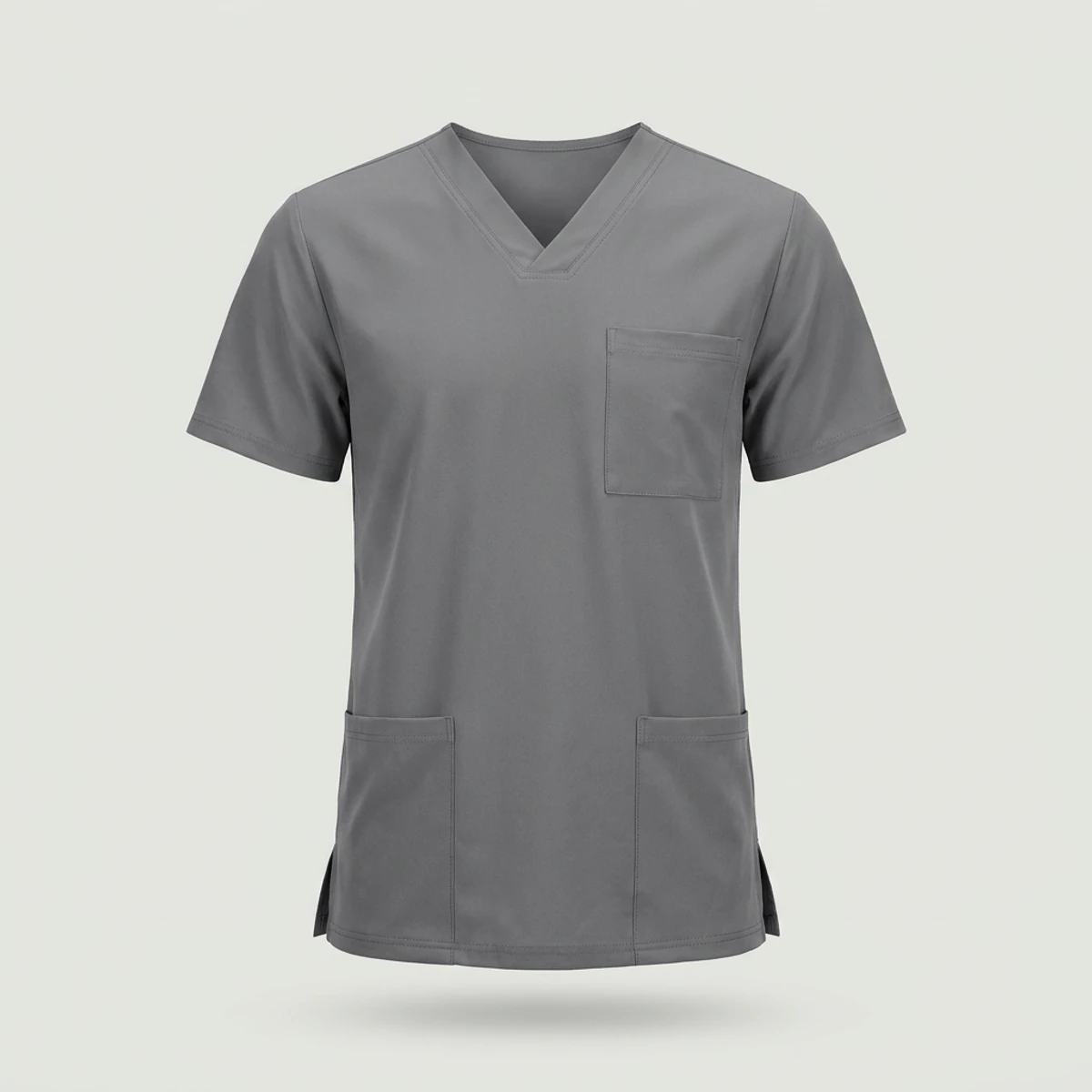
  • Pewter grey men's V-neck scrub top with three pockets and side ventsGrey men's V-neck scrub top
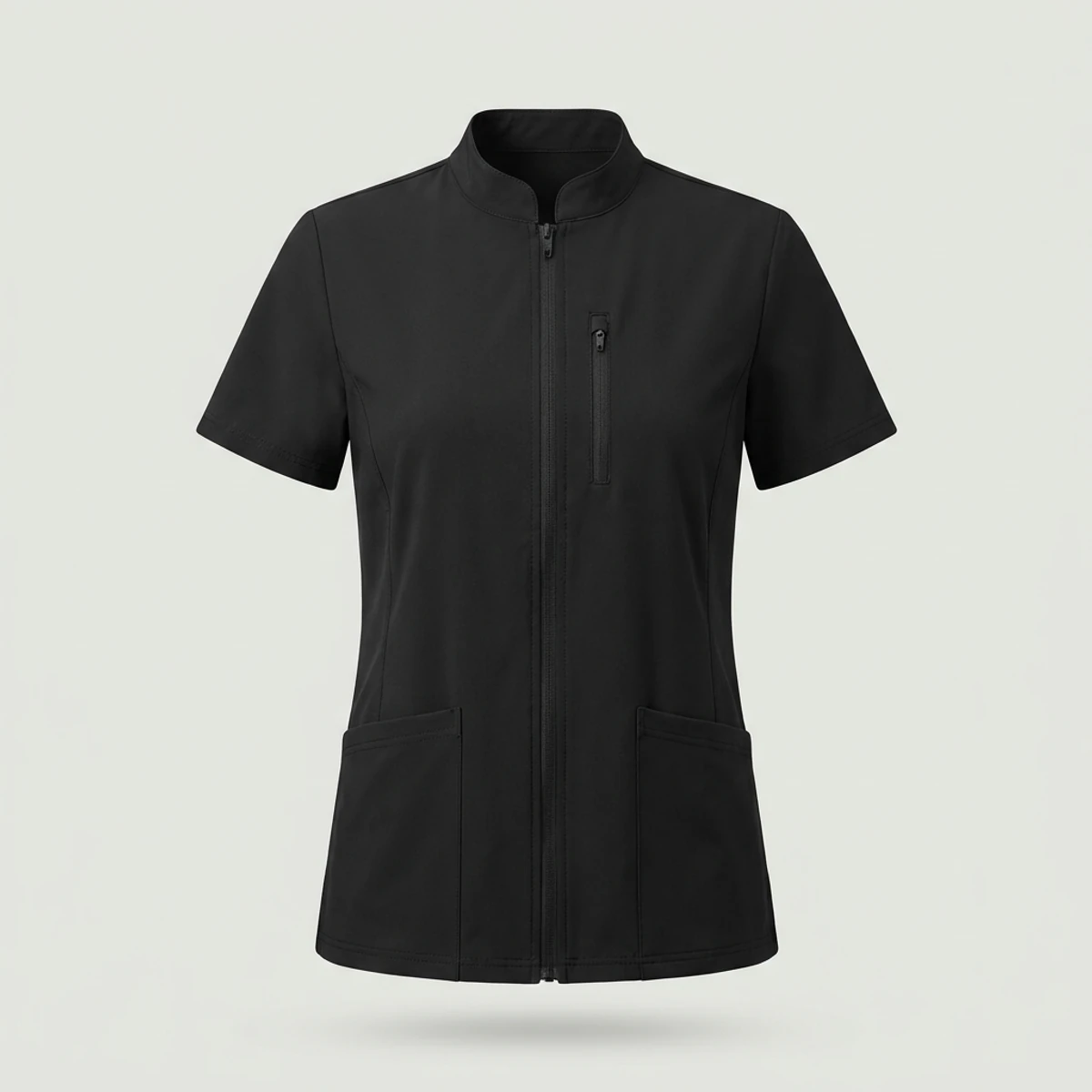
  • Black zip-front scrub top with stand collar and zip chest pocketBlack zip-front scrub top
Quote scrub tops
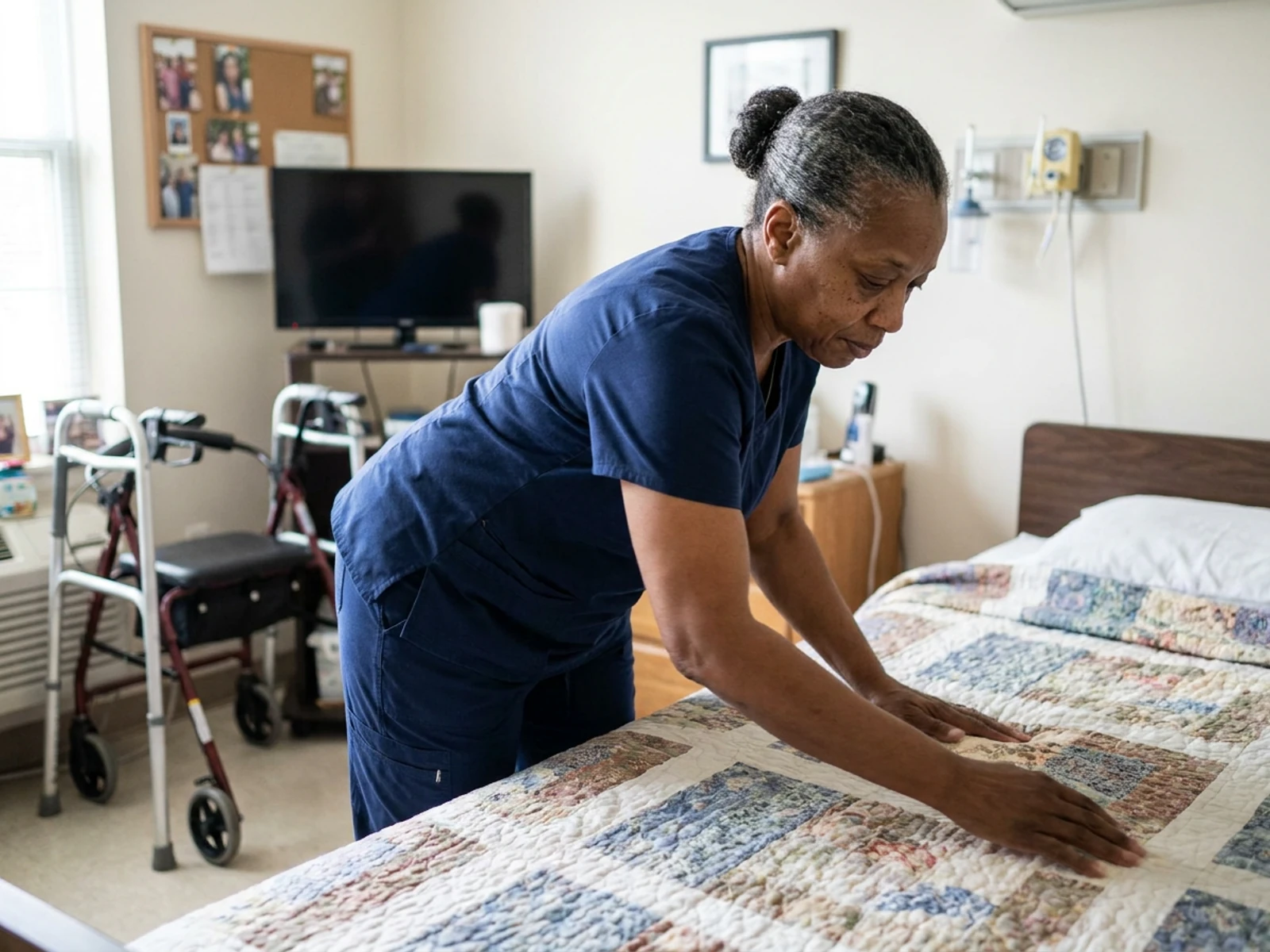
Nursing assistant in navy jogger scrub pants making a bed in a nursing home

Matching scrub pants for the set

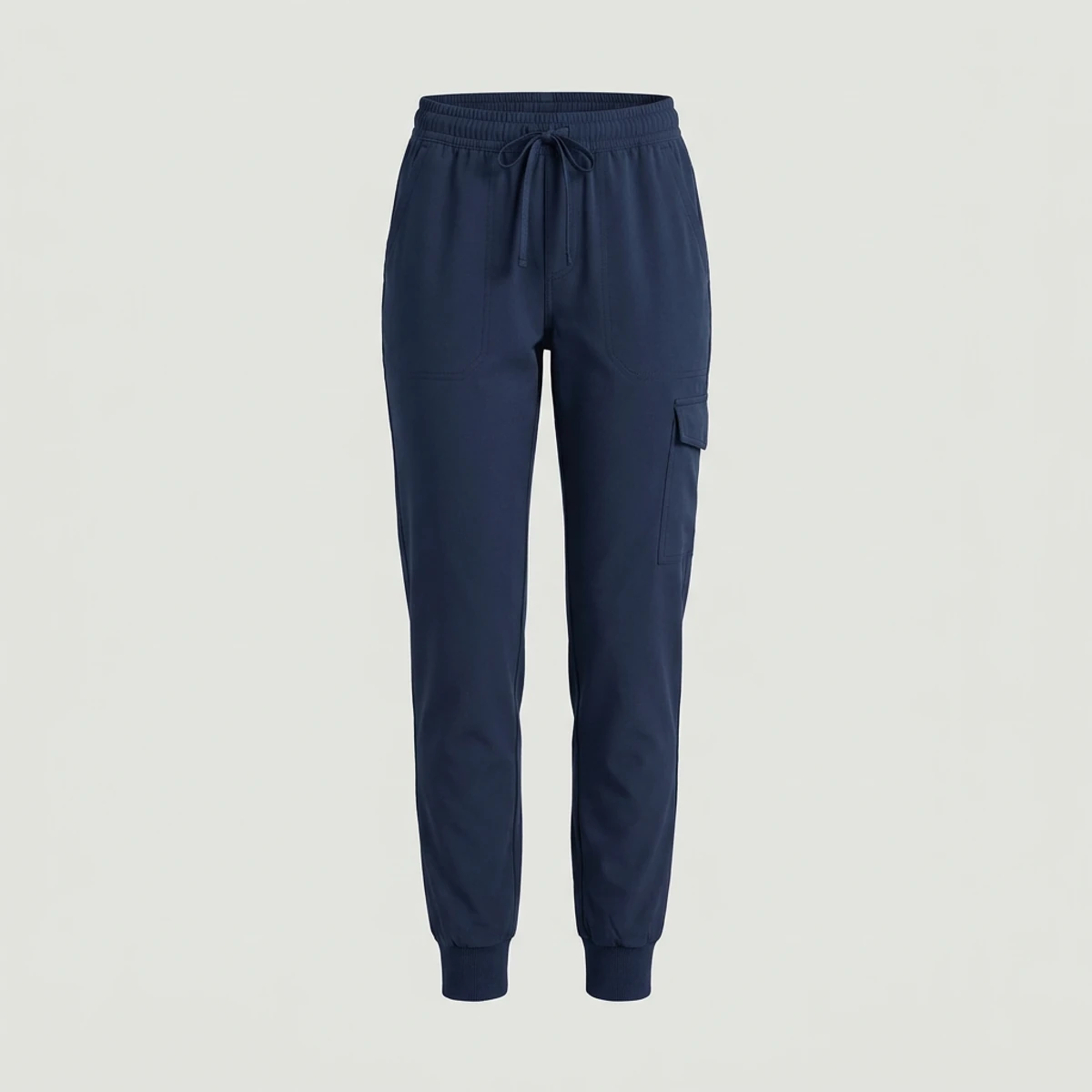
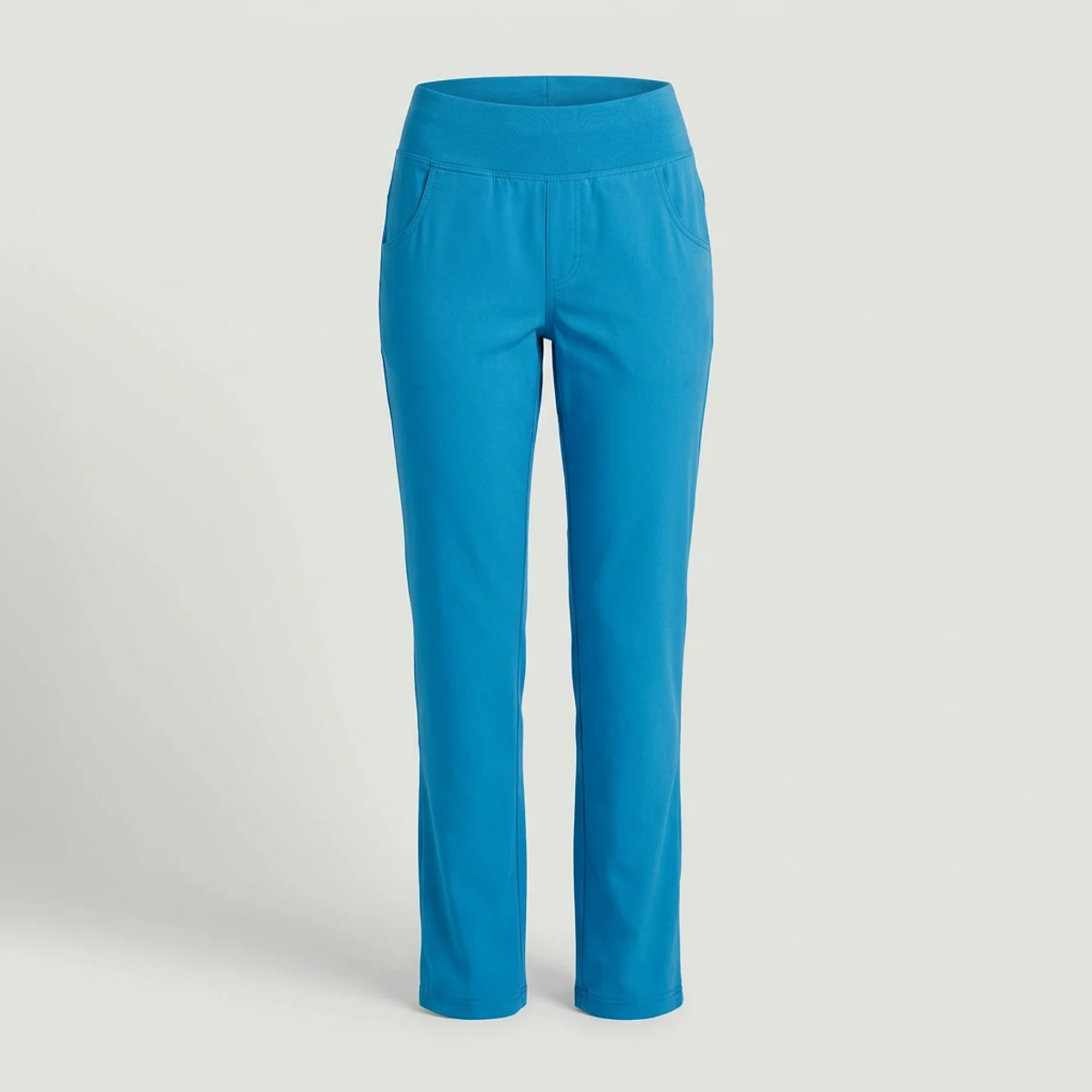
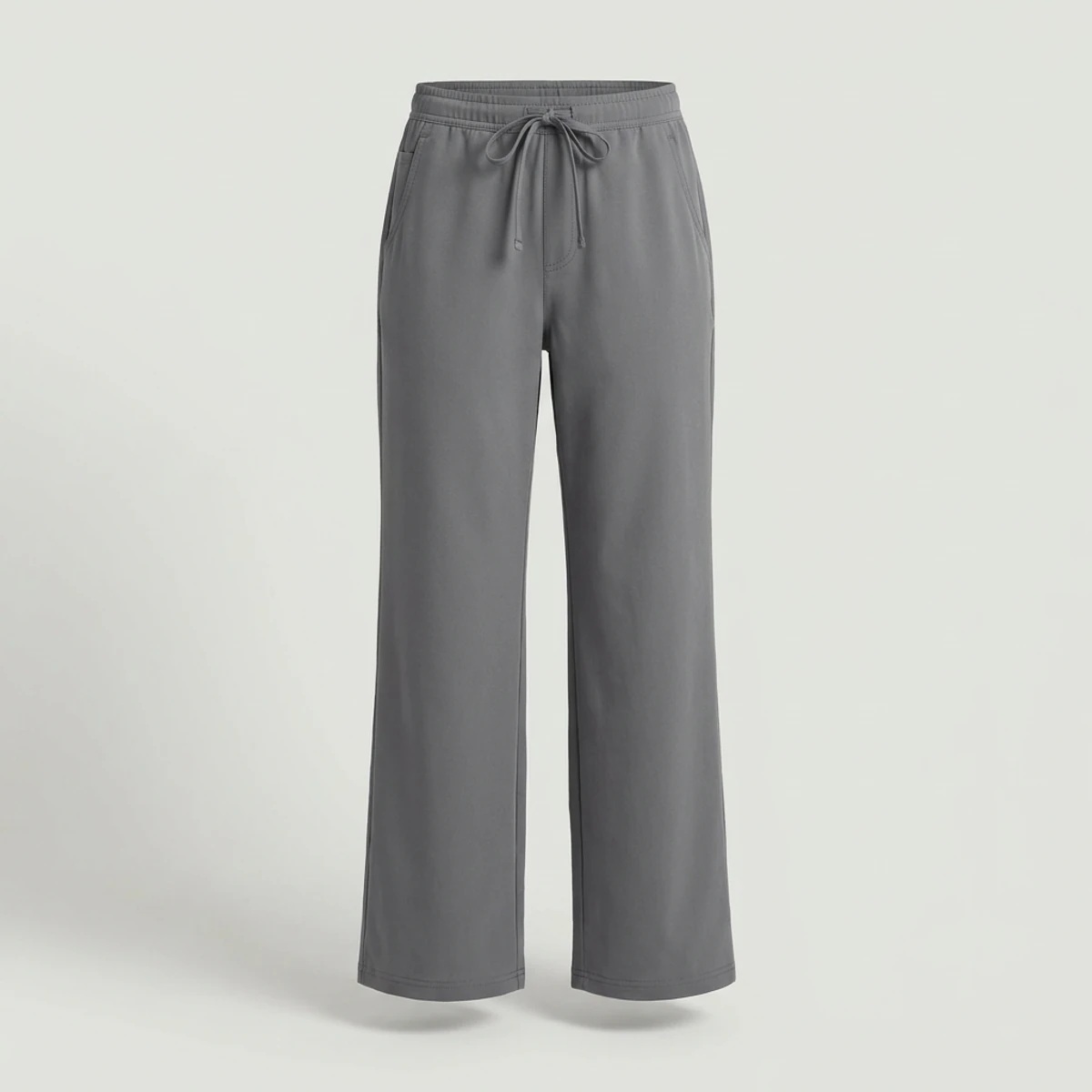
Pants are cut in jogger, straight or wide leg in a stretch fabric that matches the top. If your program or brand quotes odor-control treated fabric, we source it for tops and pants together so the set matches.

  • Navy jogger scrub pants with knit cuffs, drawcord waist and cargo pocketNavy jogger scrub pants
  • Caribbean blue straight-leg scrub pants with yoga waistbandCaribbean straight scrub pants
  • Pewter grey wide-leg scrub pants with drawstring waistGrey wide-leg scrub pants
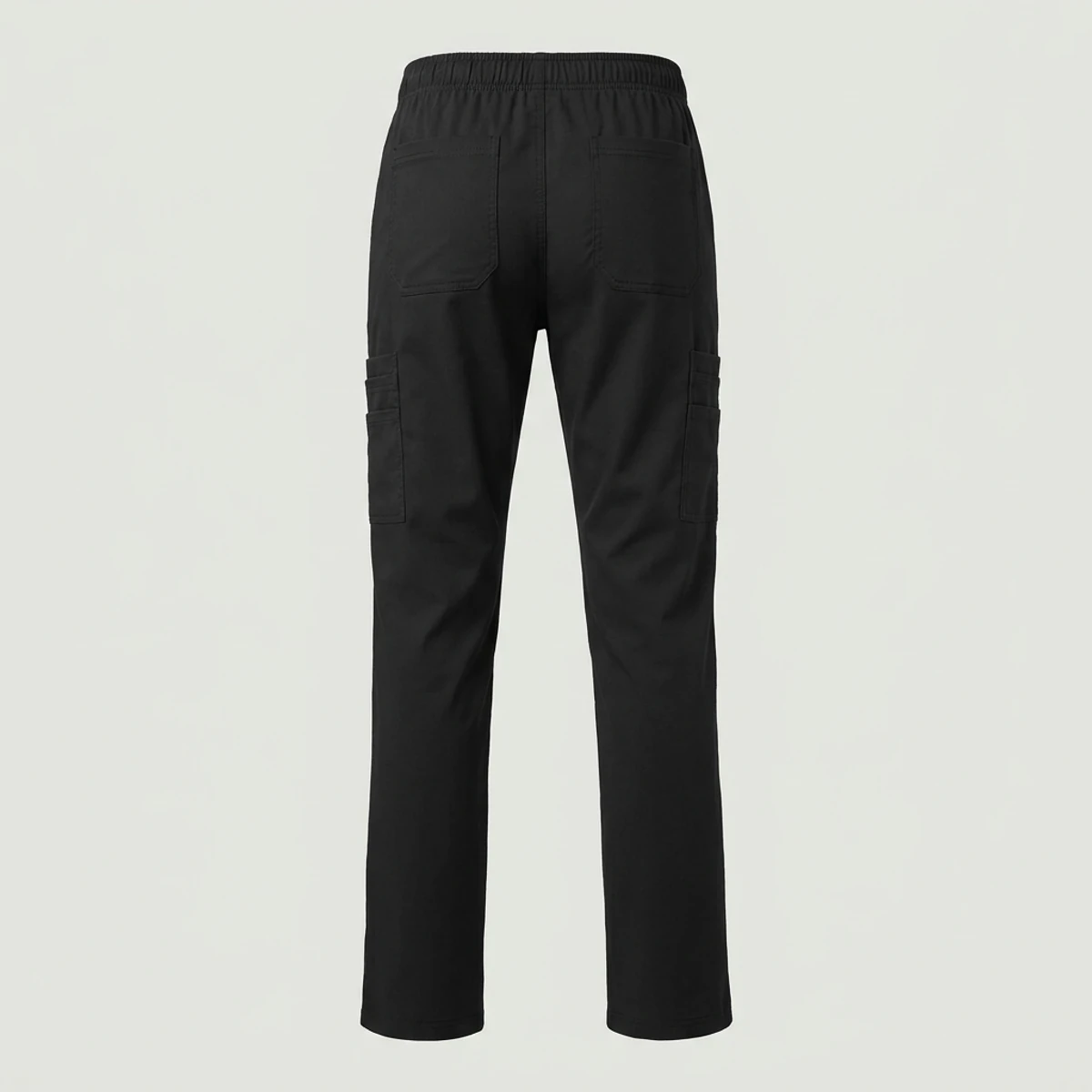
  • Black straight-leg cargo scrub pants with stacked thigh pocketsBlack cargo scrub pants
Quote scrub pants

Customize your scrub tops

Pick the style, fabric and colors, add your logo and names, then attach the design to your quote. We cut and sew it in Los Angeles from 50 pieces per style.

How do antimicrobial scrubs work?

Antimicrobial scrubs work through an active substance in the fabric that interferes with the growth of odor-causing bacteria that land on it. The treatment is applied at the fabric mill, as a finish after dyeing or built into the fiber; a garment factory cuts and sews the treated fabric and does not apply chemicals to finished scrubs.

TechnologyHow it is appliedTypical purposeDurability notes
Silver-based agents (e.g. silver chloride, bound silver ions)Finish on the fabric or built into the fiberOdor controlBuilt-in fiber versions generally hold up longer than surface finishes
Quaternary ammonium compounds (incl. silane-bonded)Finish bonded to the fiber surfaceOdor controlBonding improves wash resistance; some detergents can affect it
Zinc compounds (e.g. zinc pyrithione)FinishOdor controlDepends on formulation and binder
CopperIncorporated into the fiber or yarnOdor controlTied to the fiber rather than a surface coating
Chitosan (derived from shellfish)FinishOdor controlBio-based; durability varies with process

Durability always depends on the specific product, so ask for test data on the actual fabric rather than relying on the general category.

Navy V-neck scrub top in smooth poly-spandex twill with chest and lower pockets

What do antimicrobial scrubs do, and what don’t they?

Antimicrobial scrubs slow the growth of odor-causing bacteria on the fabric, so the garment smells fresher across a long shift. They do not prevent infections, protect patients or the wearer, sterilize the garment or replace laundering, and they are not a barrier; neither antimicrobial nor fluid-resistant finishes make scrubs personal protective equipment (PPE).

What a well-made antimicrobial finish can do: limit odor on the fabric between washes, which is a real comfort benefit on 12-hour shifts.

What it does not do:

  • Prevent infections or protect patients or the wearer from disease.
  • Sterilize or self-clean the garment, or replace laundering after every shift.
  • Act as a barrier against fluids or splashes.

The clinical evidence supports this caution. A 2013 randomized controlled trial of antimicrobial scrubs in the Journal of Hospital Medicine found no significant difference in bacterial contamination between standard scrubs and two types of treated scrubs after an eight-hour workday. A 2014 randomized crossover trial in Infection Control & Hospital Epidemiology of nursing staff in intensive and intermediate care units reported a similar result for a chitosan-based product: about 30% of scrubs were contaminated, with no difference between treated and untreated scrubs. Laboratory activity on fabric samples has not translated into measurable infection-control benefits on the ward.

Antimicrobial, fluid-resistant and standard scrubs compared

Antimicrobial, fluid-resistant and standard scrubs differ in one property each, and none of them protects the wearer from infection. An antimicrobial finish targets odor on the fabric, a fluid-resistant finish helps minor spills bead up and roll off, and standard scrubs keep cost and claims simple.

PropertyStandardAntimicrobialFluid-resistant
What it doesBasic uniformLimits odor-causing bacteria on the fabricHelps liquids bead up and roll off
Protects from infectionNoNoNo; not a barrier or PPE
Main benefitCost, simplicityFreshness over long shiftsEasier cleanup of minor spills
Wash durabilityNot applicableDepends on treatment; ask for dataUsually declines with washing
Claim riskLowHigh if claims go beyond the garmentModerate; avoid implying protection
Navy jogger scrub pants with knit cuffs, drawcord waist and cargo pocket

Who benefits from antimicrobial scrubs?

Antimicrobial scrubs benefit staff who care about freshness: people on 12-hour shifts, in warm climates or hot departments, and those who commute or run errands in their scrubs after work. Scrub brands also use odor-resistant fabric as a feature in performance-style collections, alongside stretch and wrinkle resistance.

Read more

Where the decision is driven by infection prevention, the evidence points elsewhere: hand hygiene, PPE, a clean pair of scrubs every shift and proper laundering. Buyers outfitting hospital and nursing teams should present treated fabric to staff as a comfort feature, not a safety one.

Antibacterial scrubs: what the term means and what the law allows

Antibacterial scrubs is what many buyers search for, but under US law the word antibacterial is a public health claim. A garment treated with an EPA-registered antimicrobial may only be sold with claims about protecting the garment itself, such as resisting odor; calling it antibacterial, or saying it kills germs or prevents infection, requires the product itself to be registered with the US Environmental Protection Agency (EPA). That is why we describe treated scrubs as odor-control or antimicrobial (odor-resistant) scrubs, never as antibacterial scrubs.

EPA rules. Antimicrobial treatments are pesticides under the Federal Insecticide, Fungicide, and Rodenticide Act (FIFRA). Under the treated articles exemption in 40 CFR 152.25(a), a garment treated with a pesticide registered for that use does not need its own registration only if its claims are limited to protecting the article itself. EPA’s PR Notice 2000-1 on the treated articles exemption explains that the exemption does not cover implied or explicit public health claims against human pathogens. The full text of the notice lists antibacterial among the claims that would require registration, accepts antimicrobial only when it is very clearly qualified as a non-public-health use such as odor control, and warns that odor-control claims for articles used where disease-causing organisms may be present can create an impression of protection. That makes careful qualification especially important for scrubs. The notice also says antimicrobial should not be part of a product’s name, and that the odor-control qualification must appear right next to the claim in the same size and style of type.

FTC rules. Separately, the Federal Trade Commission (FTC) Policy Statement Regarding Advertising Substantiation requires a reasonable basis for objective claims before they run, including how long a treatment lasts and how much bacteria it reduces. A claim like “lasts the life of the garment” needs wash-durability testing on the actual fabric.

In practice: use the claim language supplied with the treatment’s registration, keep the fabric maker’s test reports, and keep health benefit language off labels, hang tags, product pages and social posts. States also regulate pesticide-treated products. This page is general information, not legal advice; brands should have claim language reviewed before launch.

Claim language: acceptable and risky examples

Acceptable antimicrobial claim language describes what the treatment does to the fabric, while risky language promises a health outcome for people. The left column illustrates garment-protection wording used under the treated articles exemption; the right column shows public health claims that need EPA product registration. Exact wording depends on the treatment’s registration.

Garment-protection wording (if the treatment is registered for this use)Public health claims that need EPA product registration
“Treated with an antimicrobial finish to inhibit odor-causing bacteria on the fabric”“Kills 99.9% of germs”
“Odor-resistant fabric”“Protects you and your patients”
“Helps scrubs stay fresher between washes”“Prevents infection” or “reduces hospital-acquired infections”
“Contains an antimicrobial agent to control odors in the fabric”“Fights MRSA, E. coli or viruses”
“Inhibits the growth of bacterial odors”“Antibacterial” in a product name, tag or listing (e.g. “Antibacterial Scrub Top”)
“Odor-resistant fabric. Does not protect against disease organisms.”“Germ-resistant” or “bacteria-resistant” fabric

Tip: Brand names count as claims. A product called “GermShield” or “VirusBlock” can be read as a public health claim on its own, even with careful wording elsewhere.

Antimicrobial scrub fabric: what to ask for

Antimicrobial scrub fabric should come with five documents from the supplier: the active ingredient and its registration, lab test results, wash-durability data, approved claim language and care restrictions. Keep them on file for each fabric you sell, because they are what substantiates every claim on your labels and product pages.

  1. 01

    The active ingredient and its EPA registration number

    for use in textiles.
  2. 02

    Lab test results

    using recognized textile methods, such as AATCC TM100 (quantitative) or AATCC TM147 (qualitative) from the American Association of Textile Chemists and Colorists, or ISO 20743, plus which organisms were tested.
  3. 03

    Wash-durability data

    activity measured after a stated number of laundering cycles, ideally at the temperature your facility uses.
  4. 04

    Approved claim language

    that matches the registration.
  5. 05

    Care restrictions

    , for example whether chlorine bleach or fabric softener reduces effectiveness.

Treatments are offered on the same base fabrics as standard scrubs, such as poly-cotton for durability and polyester-rayon-spandex blends for stretch; our scrub fabric guide compares them. We confirm which treated fabrics are available for your order at quote stage.

What determines the cost of custom antimicrobial scrubs?

The cost of custom antimicrobial scrubs depends mainly on the treated fabric, the quantity per style, the style complexity, the decoration and the labels and packaging. No prices appear on this page because every order is quoted on its actual fabric and quantity; the table shows how each factor moves the unit price.

Cost driverHow it moves the unit priceHow to keep it in check
Treated fabricA mill-applied antimicrobial finish usually adds cost over the same untreated base fabricTreat only the garments where odor control matters
Quantity per styleLarger runs spread cutting, setup and sampling across more pieces, so unit cost tends to fallConsolidate onto fewer styles and colors
Style complexityExtra pockets, zips and panels add sewing timeKeep features staff actually use
DecorationStitch count, thread colors and logo locations add time per pieceOne chest logo plus a name line
Labels and packagingCustom labels, hang tags and claim-reviewed copy add components and preparationReuse approved claim wording across styles

How do you care for antimicrobial scrubs?

Antimicrobial scrubs should be washed after every shift like any other scrubs, following the care label, because the treatment does not replace laundering. Some finishes lose effectiveness with chlorine bleach, and fabric softener can coat fibers and mask the treatment, so check both restrictions before choosing detergents or a laundry service.

Read more

Follow your facility’s rules on laundering soiled scrubs, and keep treated and untreated garments on the same care routine so colors age evenly.

Custom and private label antimicrobial scrubs

Custom scrub tops and scrub pants are cut and sewn in the Los Angeles factory from about 50 pieces per style, in sizes XXS to 5XL, and odor-control treated fabric can be quoted where the fabric mill supplies the registration and test documents. Which treated fabrics are available is confirmed at quote stage, and the mill’s documentation is shared with the order so labels and product pages stay within what the treatment supports.

Read more

Ready to order

What to send us for a quote

A complete antimicrobial scrub quote needs the garments and styles, how important the treatment is, your laundering method, colors and branding, the claims you hope to make and the quantity per style. Sharing intended claims early lets them be checked against the fabric documentation before labels are printed.

  • The garments you need (tops, pants, jackets) and styles
  • Whether antimicrobial treatment is a must-have or a nice-to-have
  • Your laundering method and temperatures
  • Colors and branding: logo embroidery or private label tags
  • The claims you hope to make, so they can be checked against the fabric documentation
  • Quantity per style (about 50 pieces minimum) and target date

What mistakes do buyers make with antimicrobial scrubs?

The most common antimicrobial scrub mistakes are copying competitors’ claims, promising untested durability, presenting odor control as infection control and losing the fabric paperwork. Each one creates regulatory or credibility risk that is easy to avoid at the brief stage and hard to undo once labels and listings are live.

  1. Copying competitors’ claims

    Many antimicrobial scrub listings use language that goes beyond what the exemption allows.
  2. Untested durability promises

    “Lasts the life of the garment” needs wash test data on your fabric.
  3. Treating odor control as infection control

    Staff and buyers should understand the benefit is comfort and freshness.
  4. Losing the paperwork

    Keep the registration number, test reports and claim language on file for each fabric you sell.

Questions about antimicrobial scrubs

Need something not covered here? Ask our Los Angeles team and we’ll answer with options for your order.

Ask our Los Angeles team

Are antibacterial scrubs the same as antimicrobial scrubs?

In everyday marketing the terms are used interchangeably. Antimicrobial is the broader word, covering bacteria, fungi and mold; antibacterial refers only to bacteria. On a label they are treated differently: EPA's treated articles guidance lists 'antibacterial' among claims that require product registration, while 'antimicrobial' is acceptable only when clearly qualified as protecting the garment, for example from odor. So if you are shopping for antibacterial scrubs, what you can lawfully buy, unless the garment carries its own EPA registration number, is scrubs in odor-resistant treated fabric.

Does the antimicrobial treatment wash out?

Wash durability depends on the chemistry and how it is applied. Finishes bonded to the fiber or built into the yarn usually last longer than surface treatments, but most lose some activity over many wash cycles, especially with harsh detergents or bleach. Ask for the fabric maker's wash-durability test data rather than relying on a generic lifetime claim.

Are antimicrobial scrubs required in hospitals?

No US federal rule that we are aware of requires treated scrubs, and scrubs are generally not considered personal protective equipment. Facilities set their own uniform policies, and some choose treated fabrics for odor control on long shifts. Check your infection prevention team's guidance before treating them as anything more than a comfort feature.

Can an antimicrobial finish be added to scrubs we already own?

Antimicrobial finishes are applied by the fabric mill, either after dyeing or built into the fiber, before the fabric reaches a garment factory. Custom Uniform Factory makes new scrubs and does not apply chemicals to finished garments, so existing scrubs cannot be treated as part of an order. Treated fabric for new scrubs is quoted where the mill supplies the registration and test documents.

All scrubs →
Antimicrobial ScrubsCut & sewn in Los Angeles · from 50 pieces per styleRequest samplesGet a quote