Industries · Los Angeles factory

Custom Janitorial Uniforms for Your Team

Janitorial uniforms are comfortable, easy-wash tops, pants and aprons with practical pockets that let cleaning crews and custodians move freely all shift while clients see a trusted, identifiable team. Custom Uniform Factory cuts and sews them in its own Los Angeles factory with your company logo embroidered or printed, from about 50 pieces per style, so commercial cleaning companies, maid services and in-house custodial departments can brand their teams without a large order.

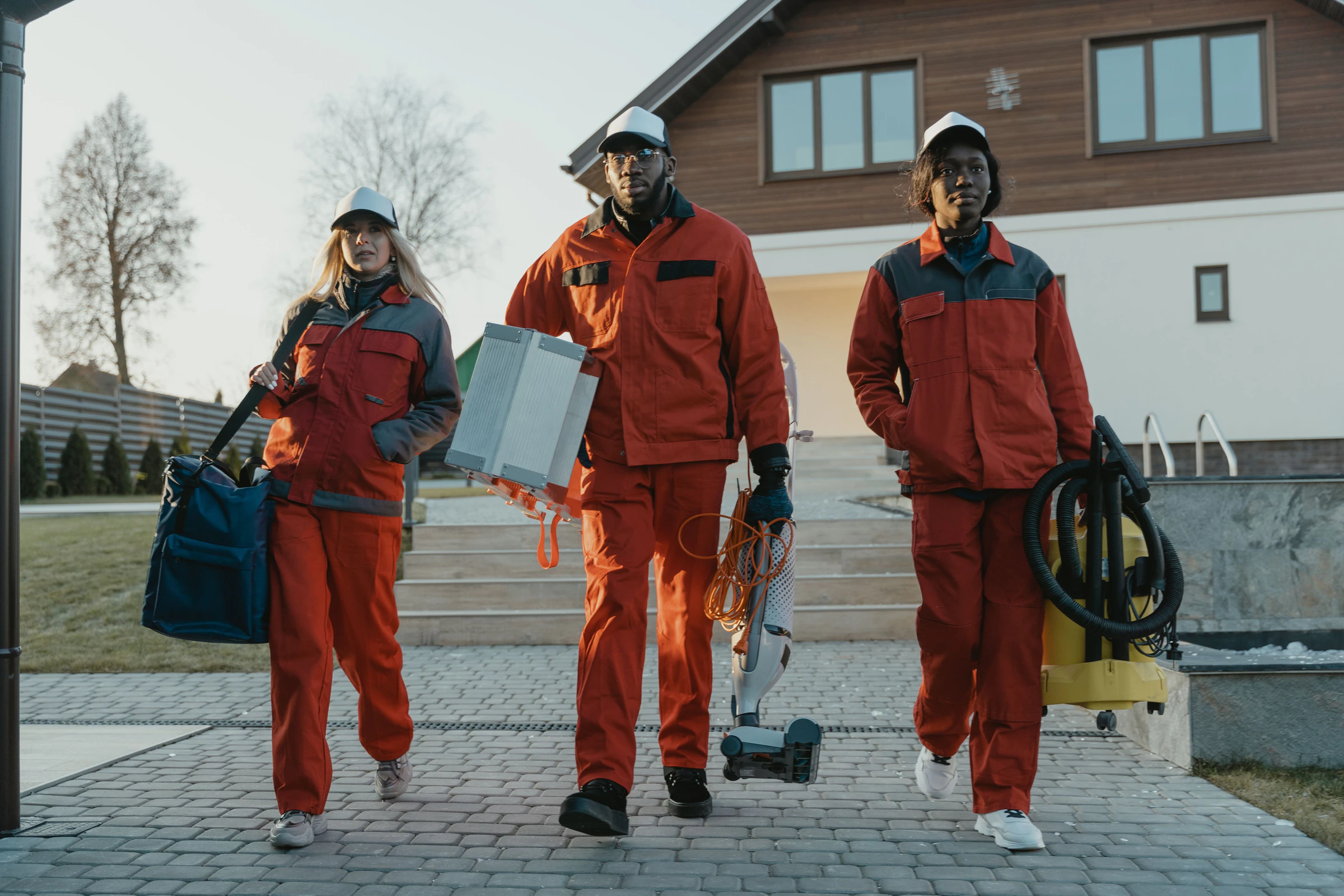
Three cleaning crew members in orange and red work uniforms walking with cleaning equipment
Minimum order
About 50 pieces per style
Production
Cut & sewn in Los Angeles, imported fabric
Typical garments
Scrub-style tops, work shirts, work or scrub pants, aprons
Logo options
Embroidery or printing, names on chest

Janitorial & Cleaning by style

12 styles in 3 families · each made to order in your fabric, color and branding from 50 pieces.

Customize your uniformsYour fabric, colors, pockets and branding
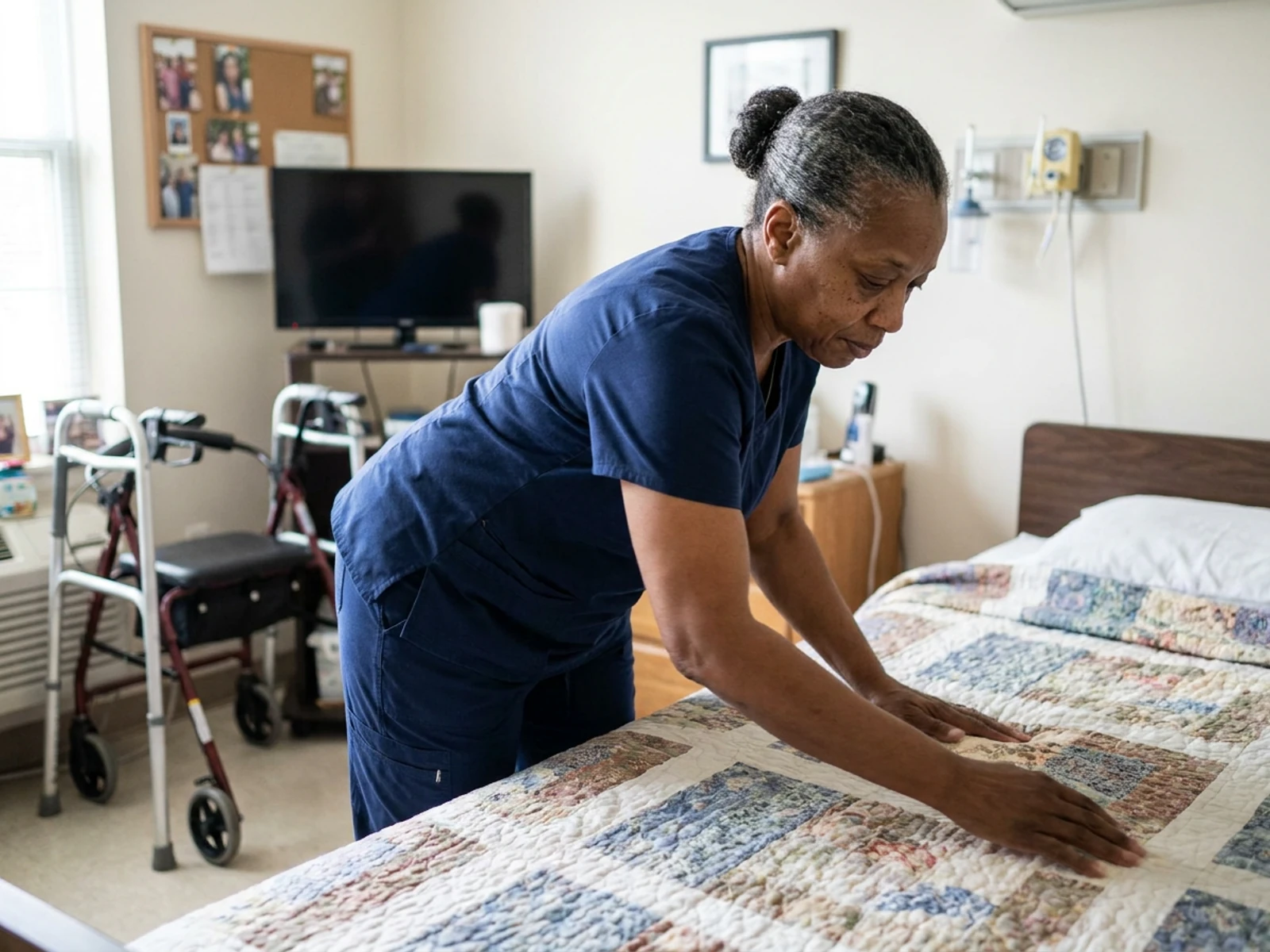
Nursing assistant in navy jogger scrub pants making a bed in a nursing home

Jogger pants for room attendants

Room attendants and environmental services staff bend over beds all day, and a jogger with knit cuffs stays out of the way. We make them in Los Angeles from about 50 pieces per style, with odor-control treated fabric available to quote.

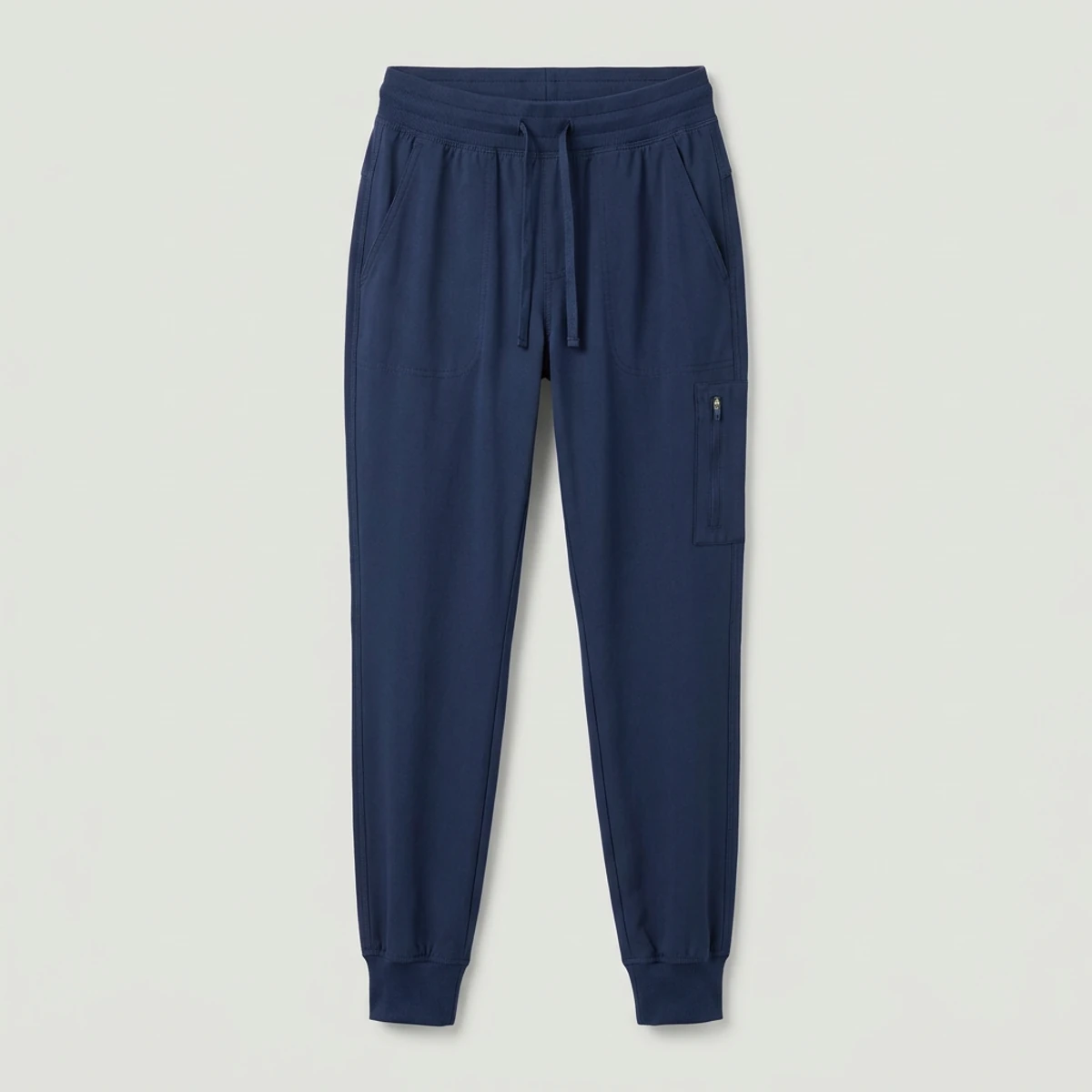
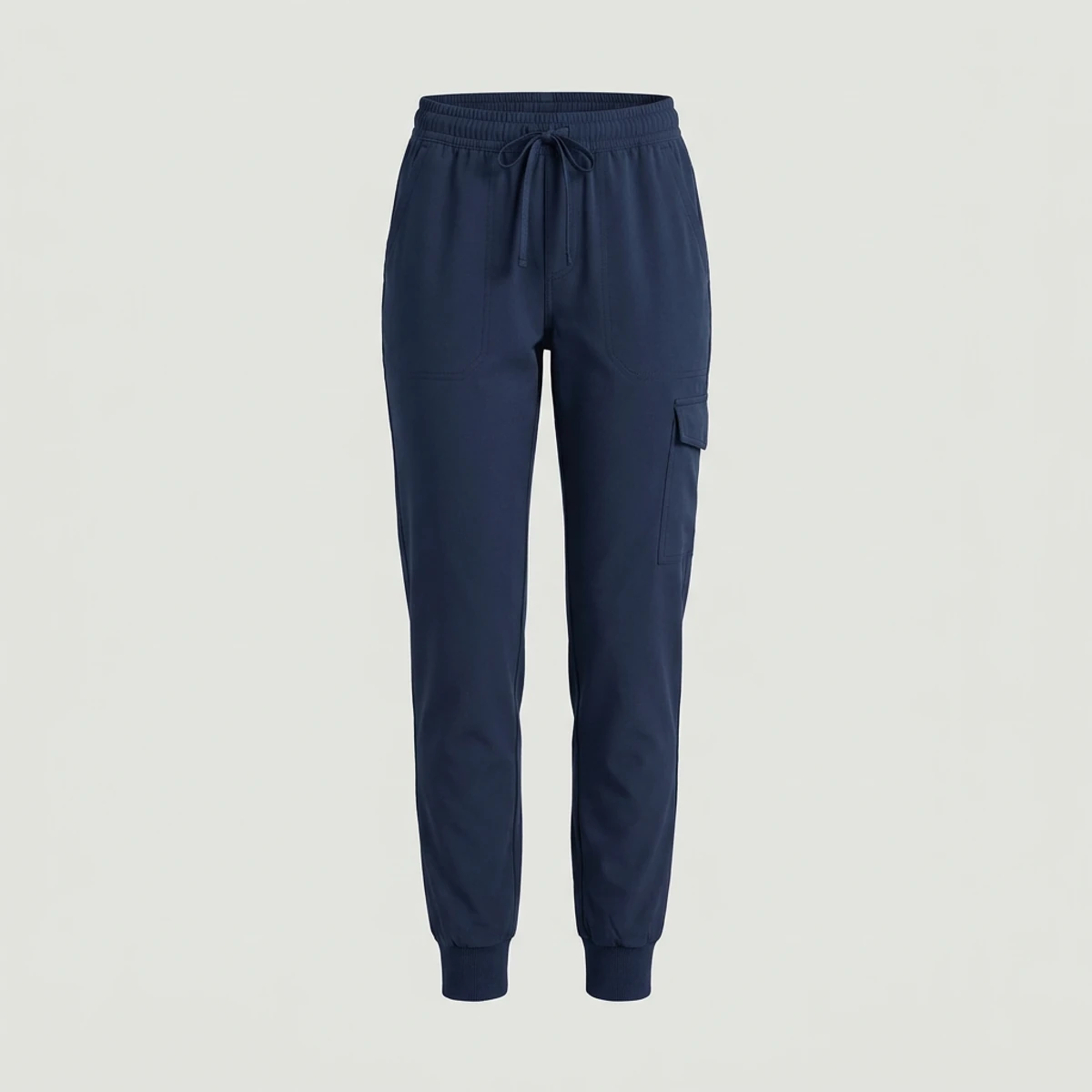
  • Navy jogger scrub pants with knit cuffs, drawcord waist and cargo pocketNavy jogger scrub pants
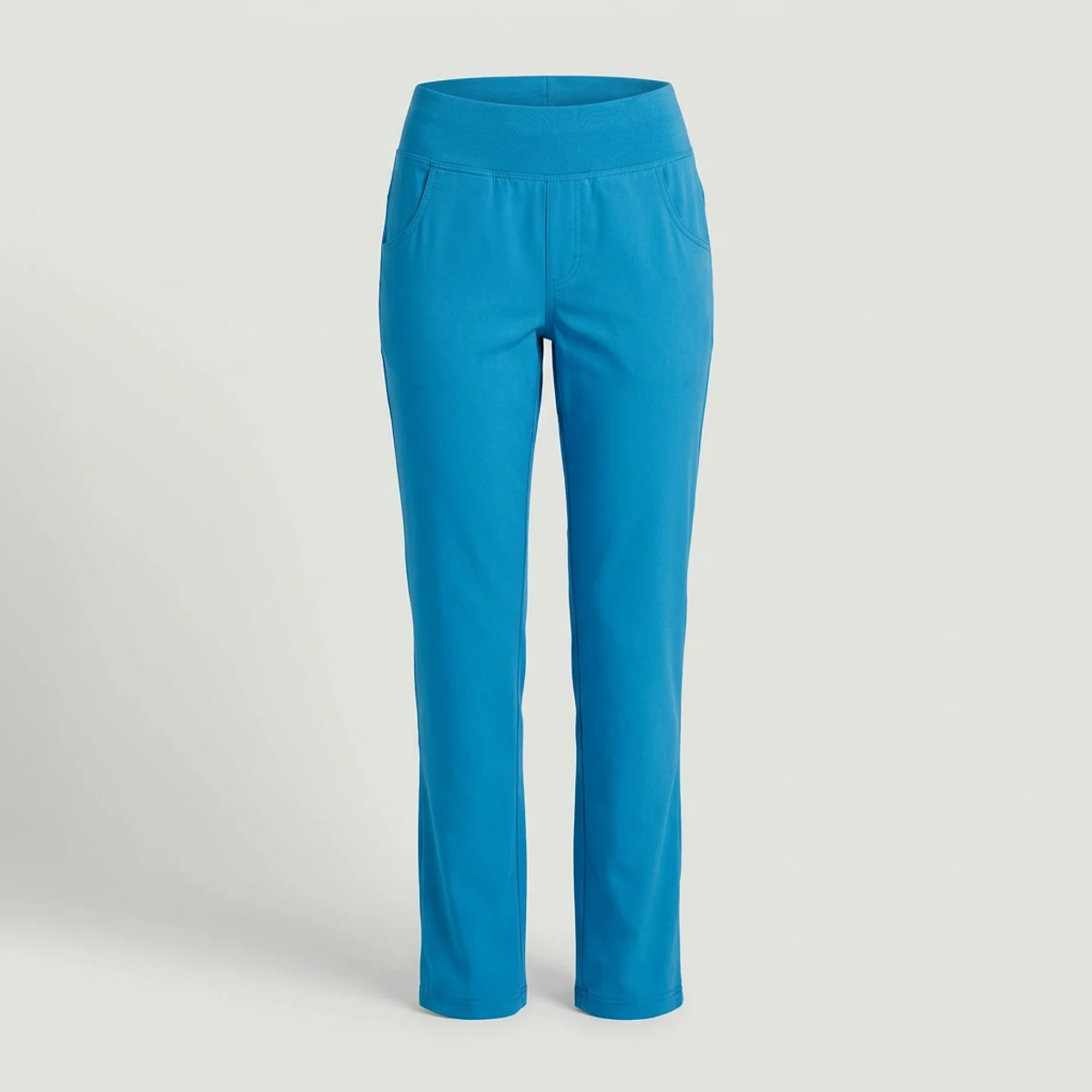
  • Caribbean blue straight-leg scrub pants with yoga waistbandCaribbean straight scrub pants
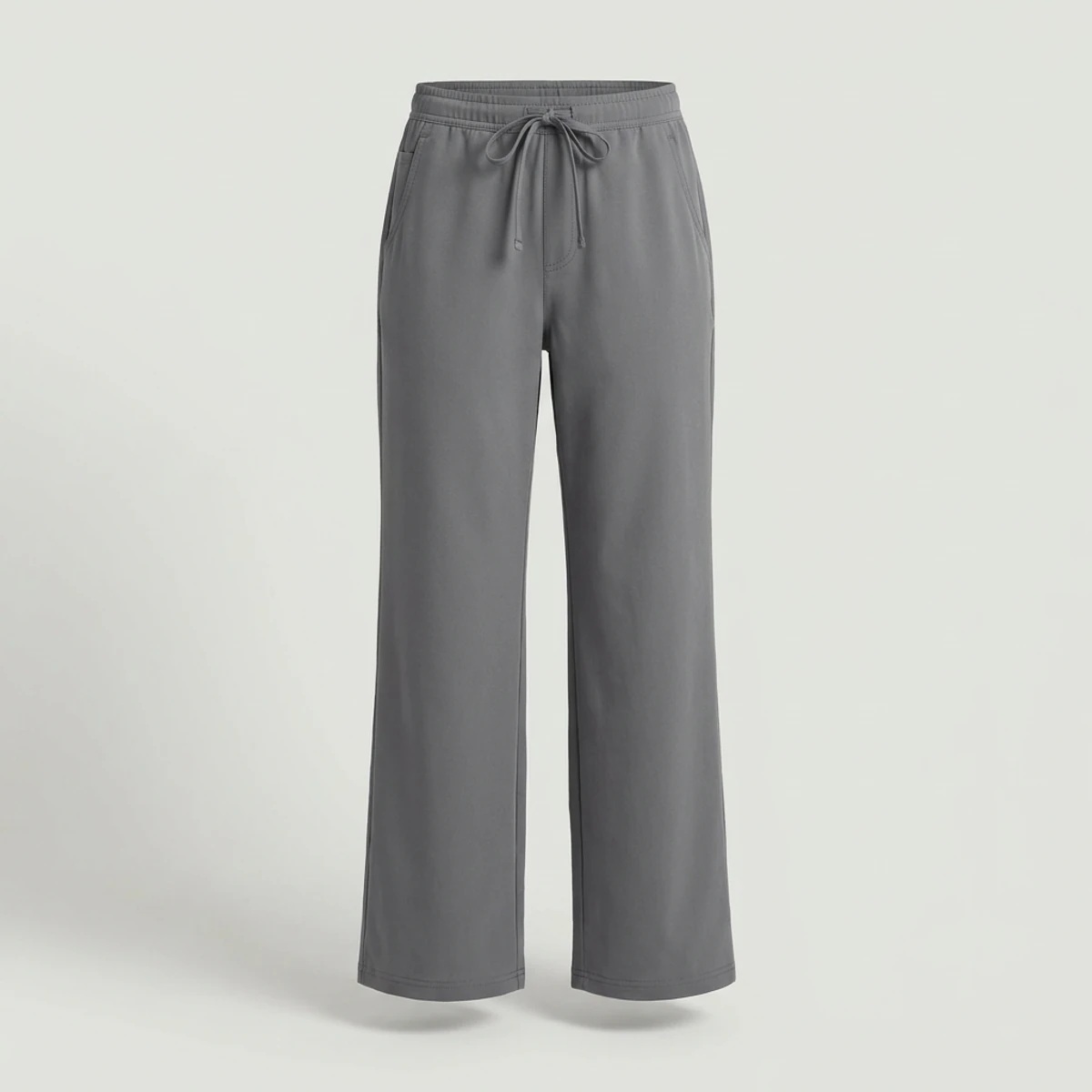
  • Pewter grey wide-leg scrub pants with drawstring waistGrey wide-leg scrub pants
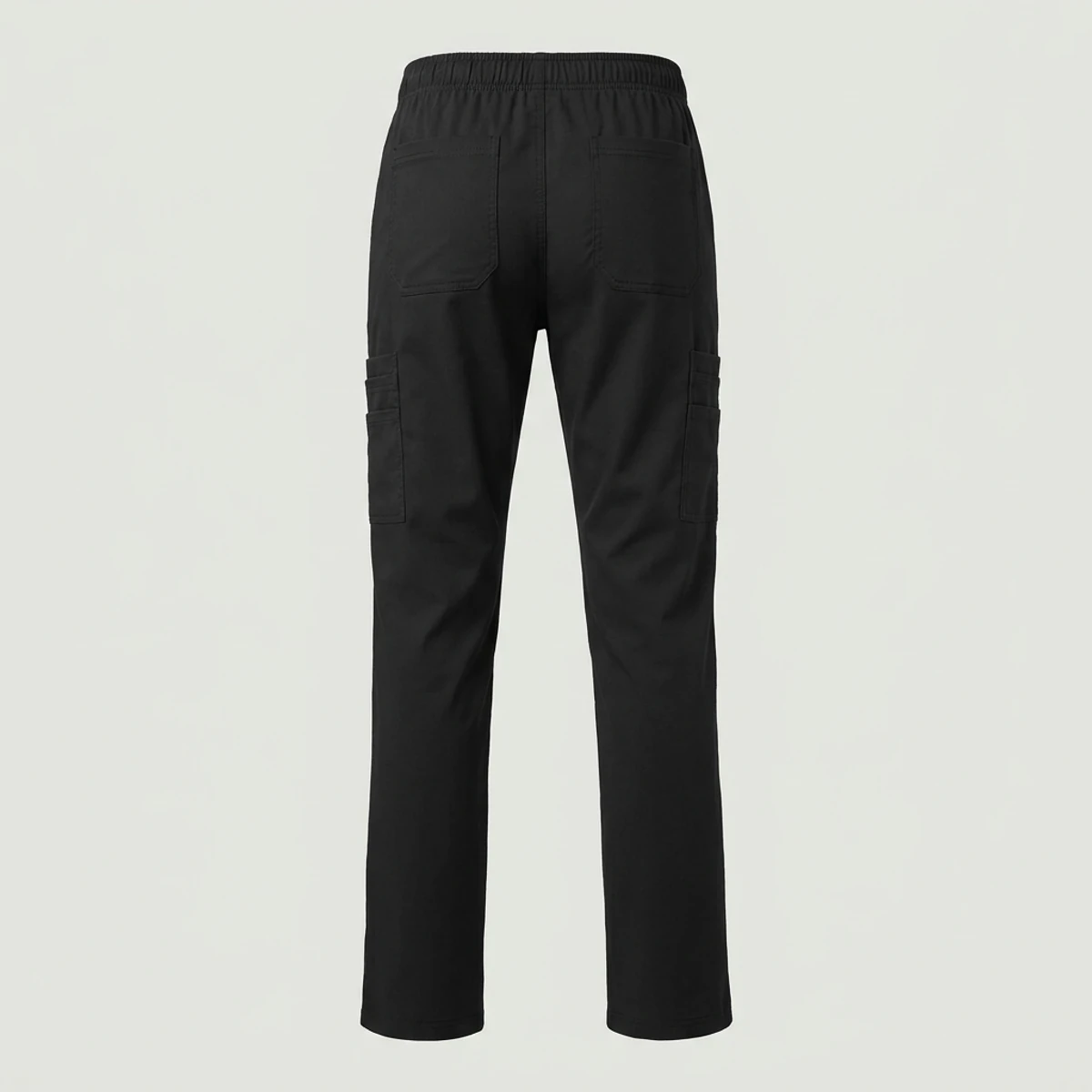
  • Black straight-leg cargo scrub pants with stacked thigh pocketsBlack cargo scrub pants
Quote housekeeping
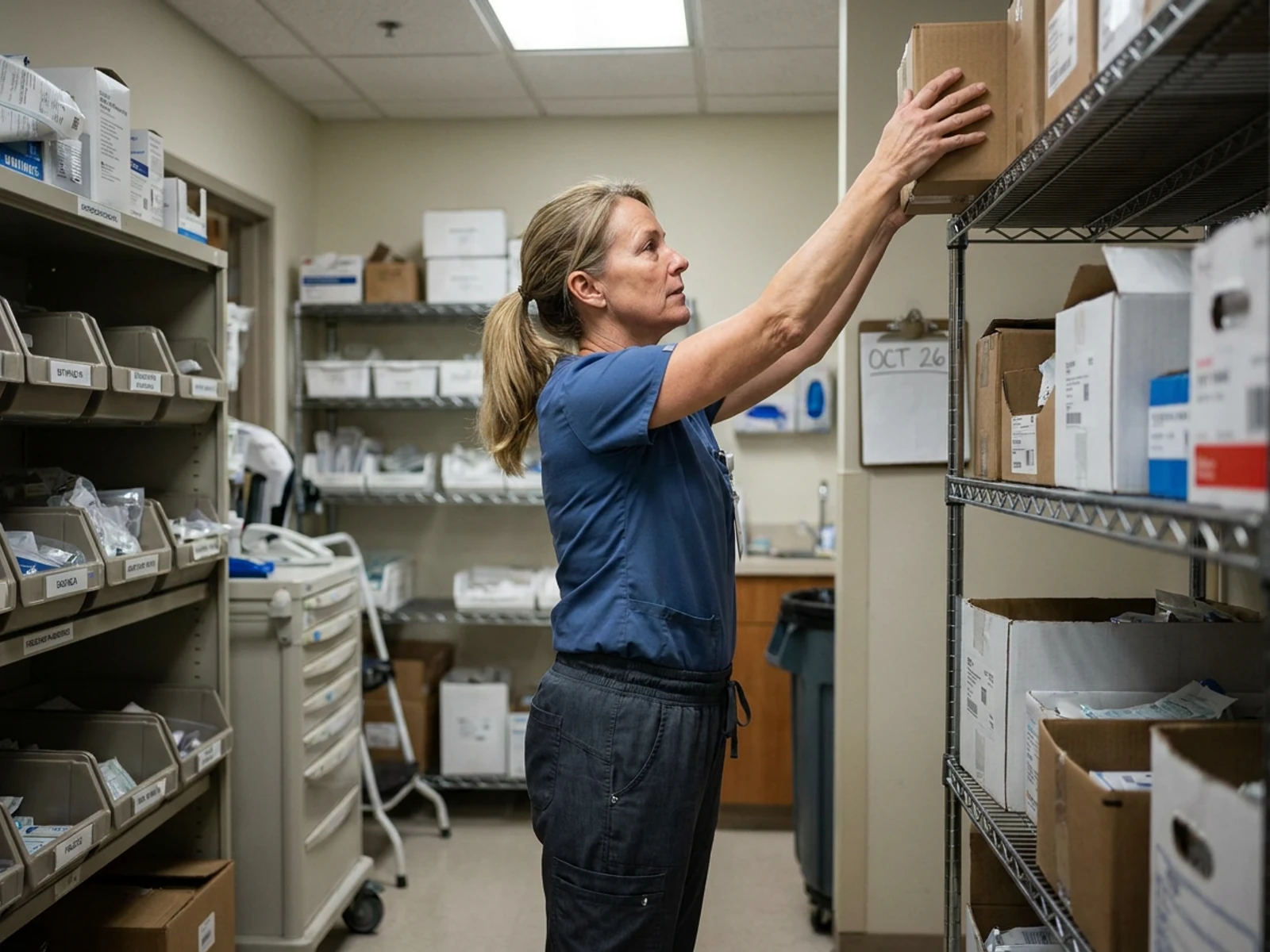
Healthcare worker in black jogger scrub pants restocking an emergency department supply room

Joggers for supply and cleaning teams

Cleaning teams in clinics often wear scrub-style joggers that match the facility while staying comfortable on long walks. They are sewn to order from roughly 50 pieces of a style in your colors.

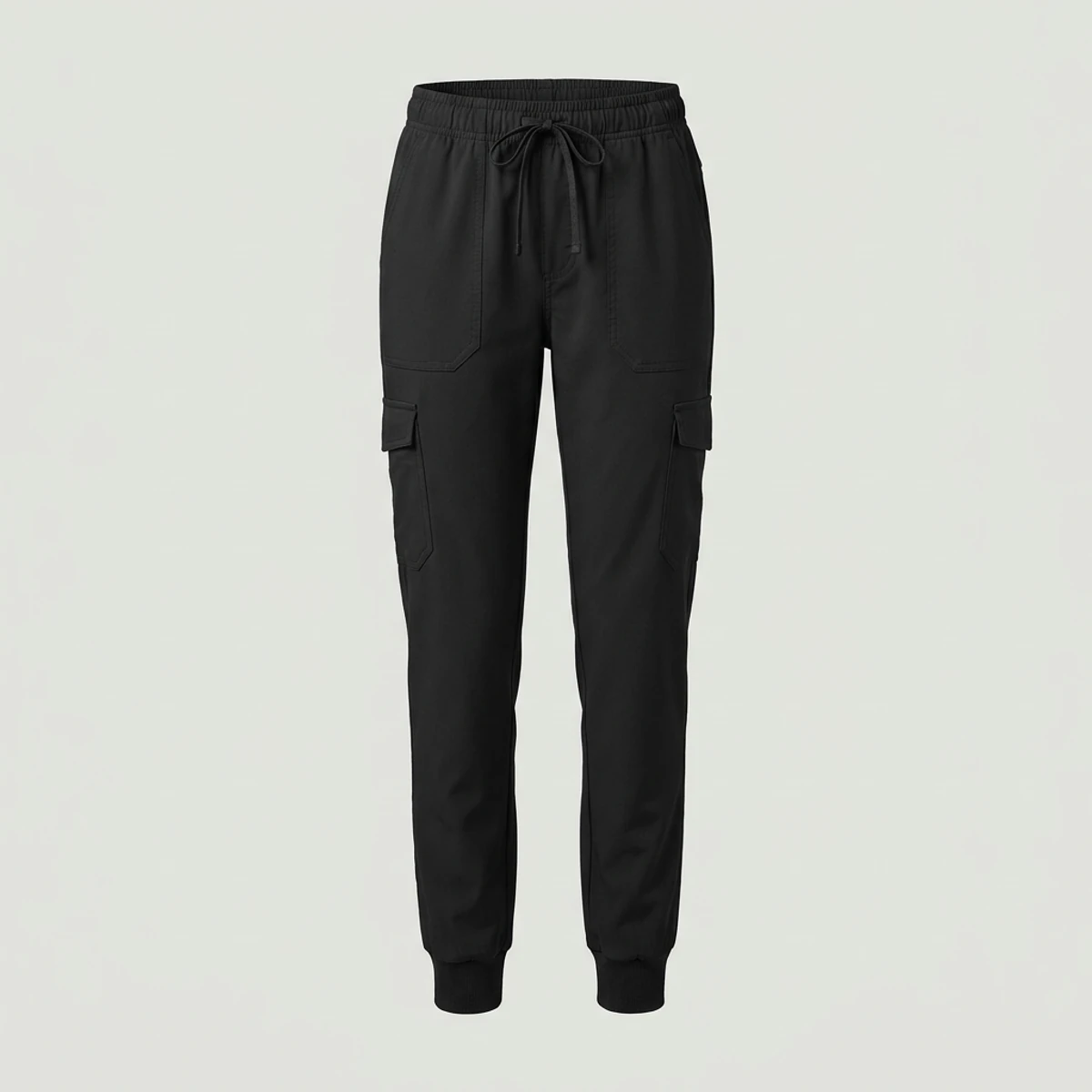
  • Black jogger scrub pants with ribbed knit cuffs and cargo pocketsBlack jogger scrub pants
  • Navy jogger scrub pants with tapered leg and zip thigh pocketNavy jogger scrub pants
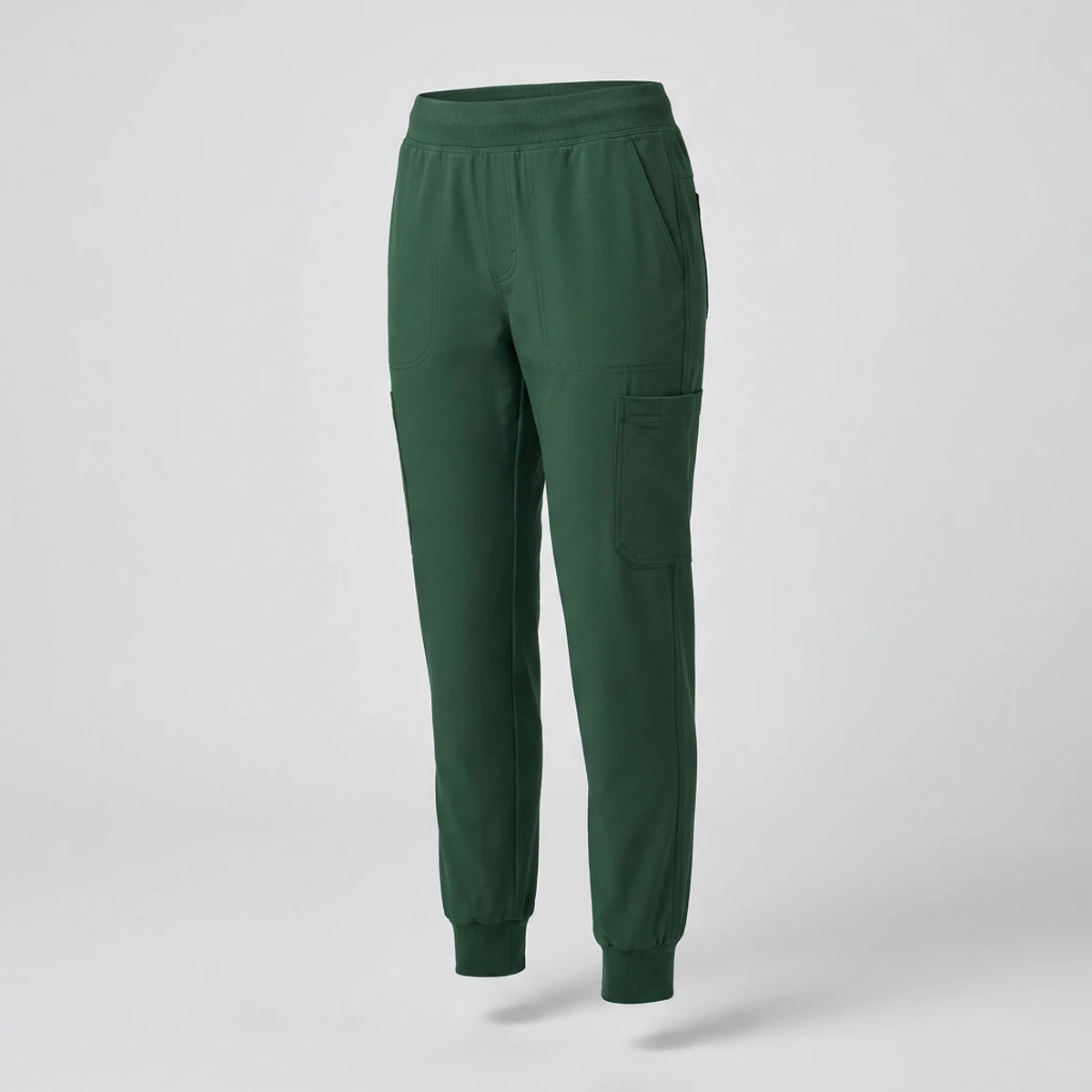
  • Hunter green jogger scrub pants with rib-knit waistband and cuffsHunter green jogger pants
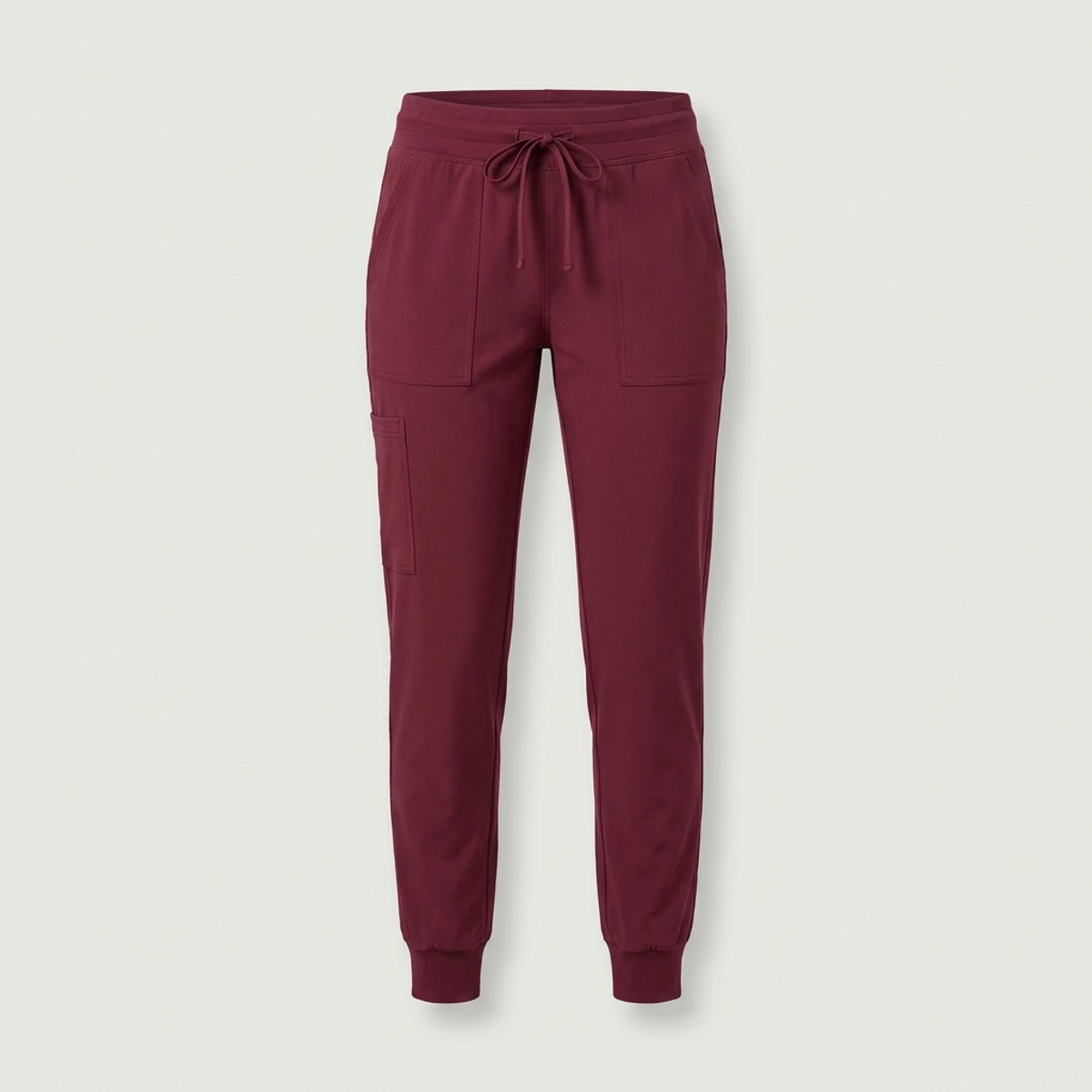
  • Wine colored women's jogger scrub pants with drawstring and patch pocketsWine jogger scrub pants
Quote EVS joggers
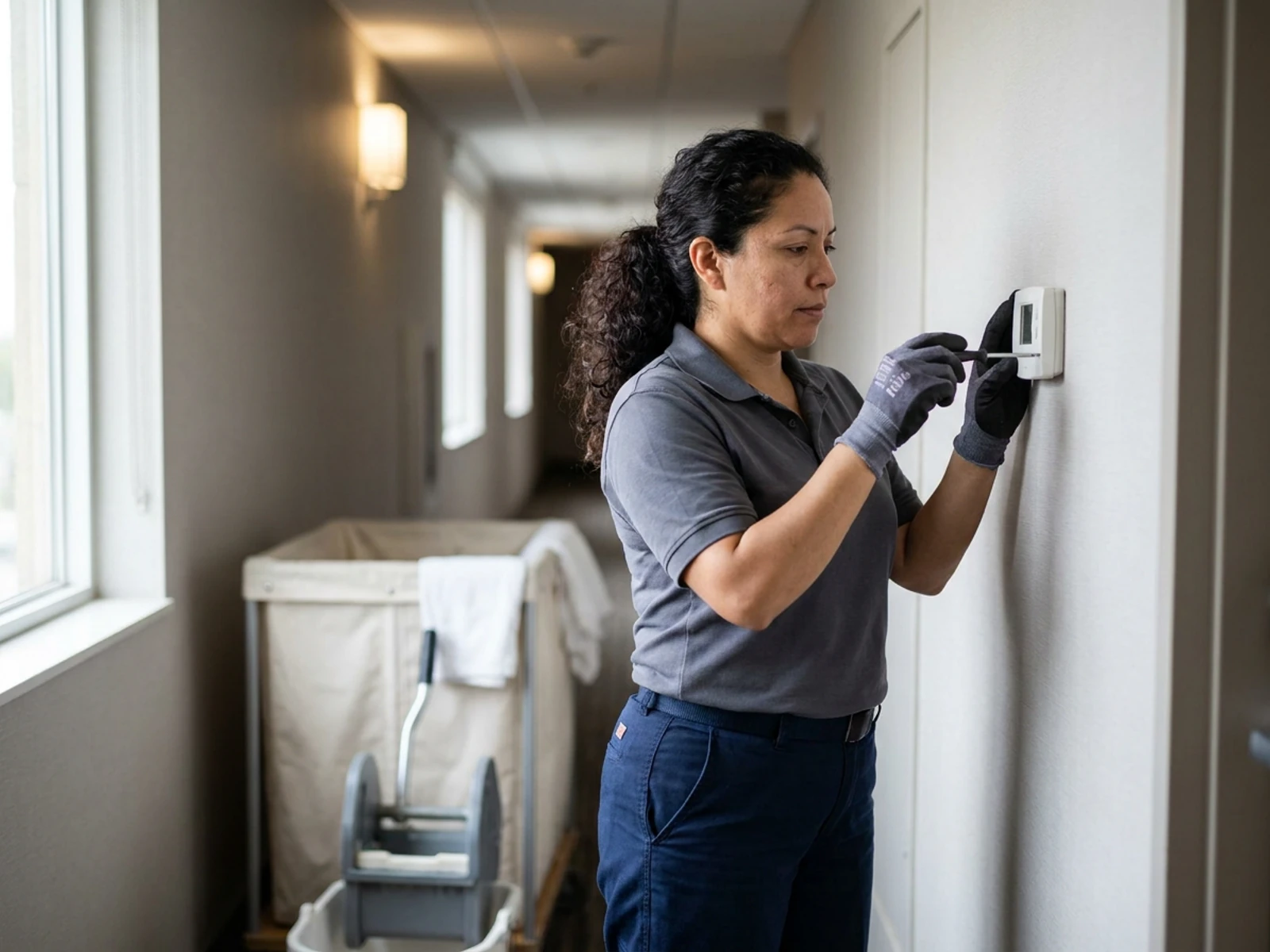
Hotel maintenance engineer in navy women's work pants checking a thermostat in a hallway

Durable pants for custodial and maintenance staff

Custodians who also handle light maintenance need a work pant with pockets and a cut that fits women and men well. We produce them at our LA factory in runs from around 50 pieces.

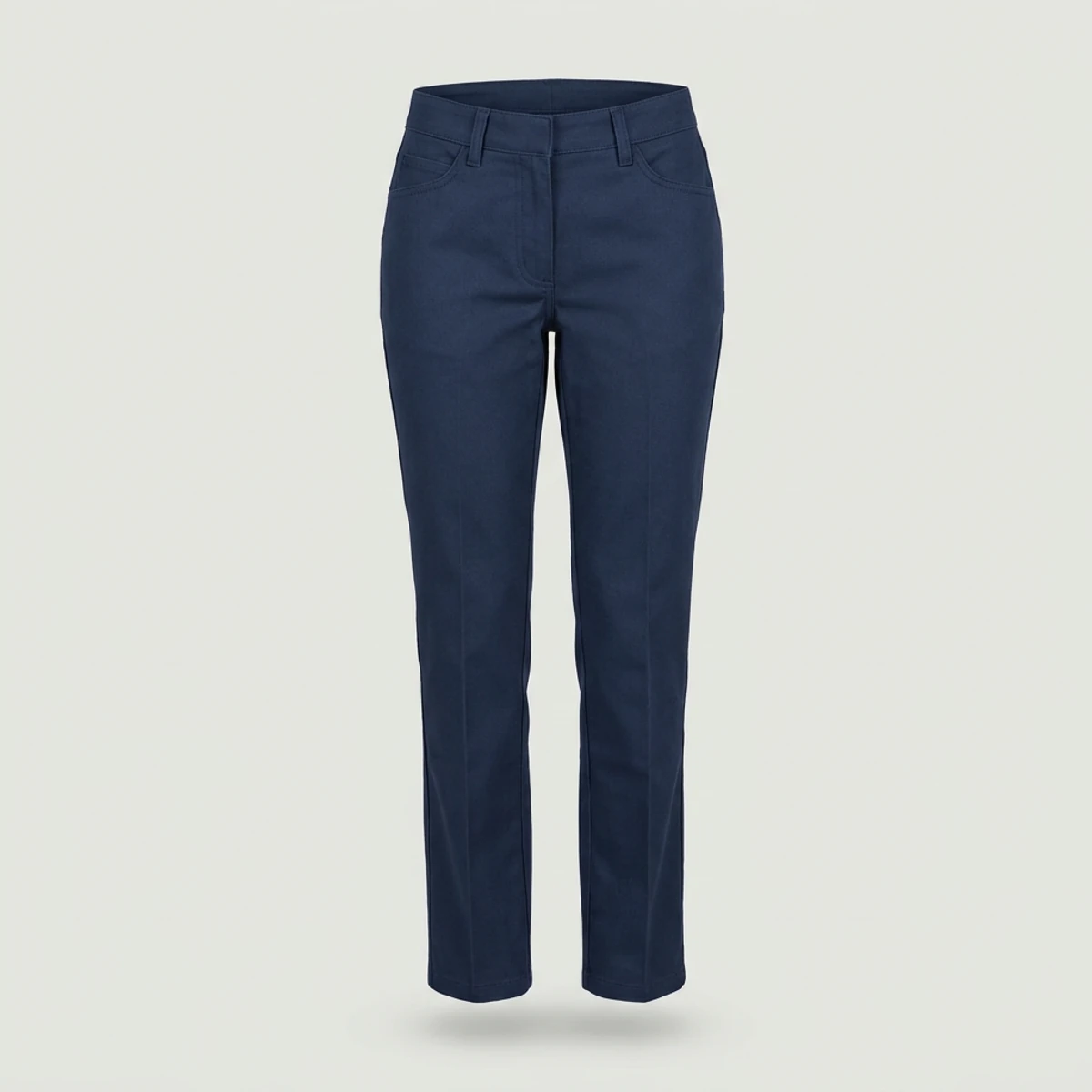
  • Navy women's flat-front work pants with contoured waistband, slant pockets and straight legNavy women's flat-front pants
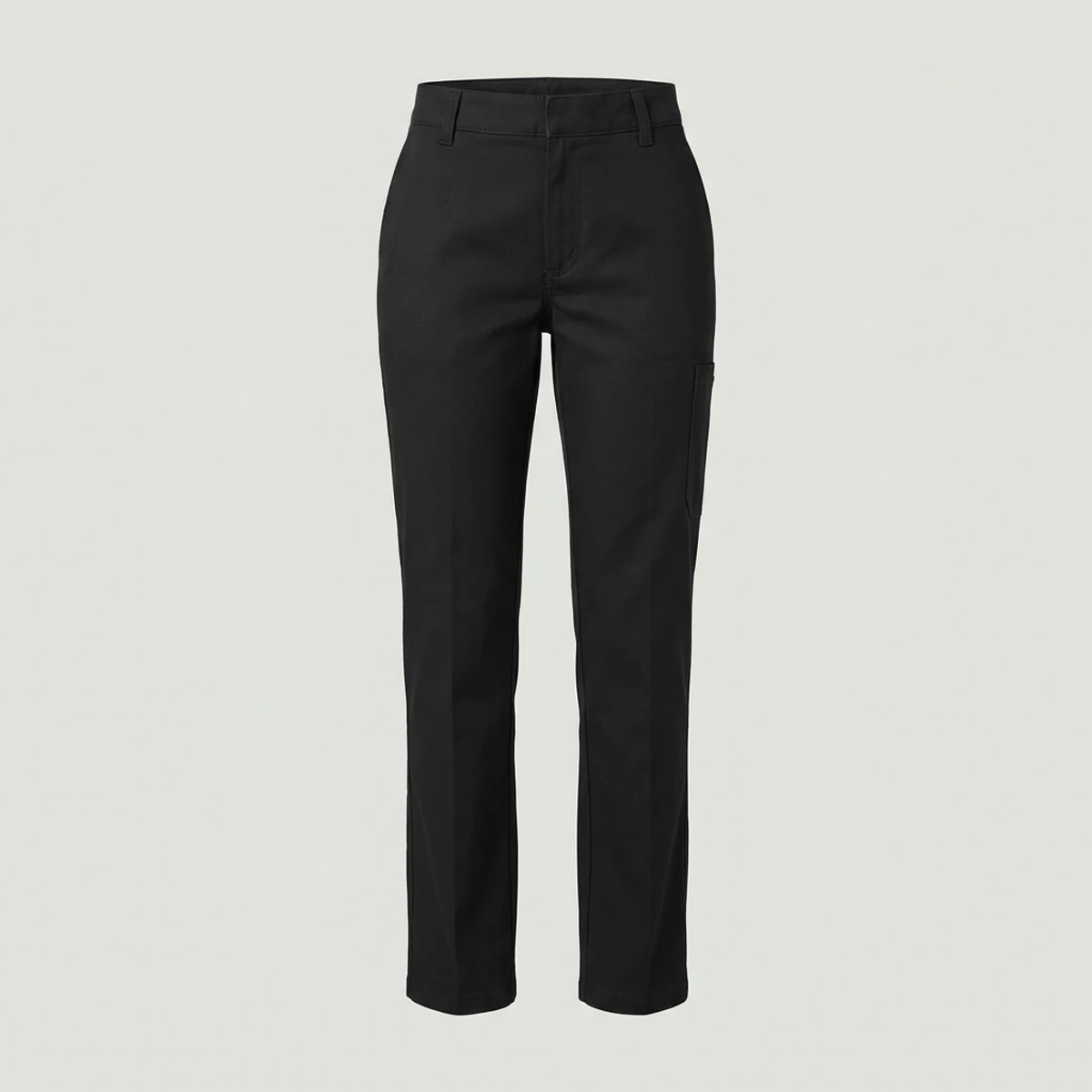
  • Black women's flat-front work pants with side-seam phone pocket and straight legBlack women's flat-front pants
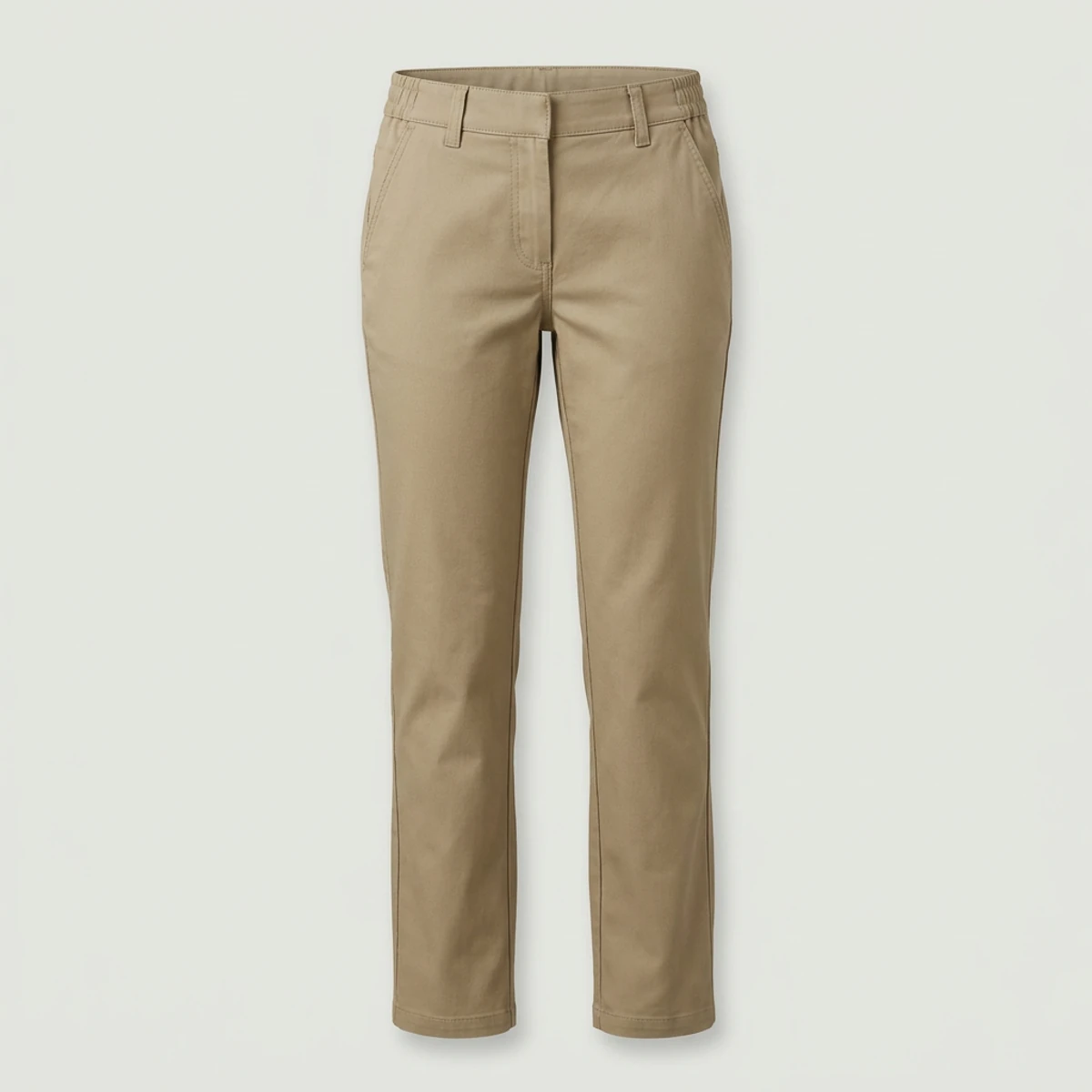
  • Khaki women's flat-front work pants with partial elastic waist sides and slant pocketsKhaki women's flat-front pants
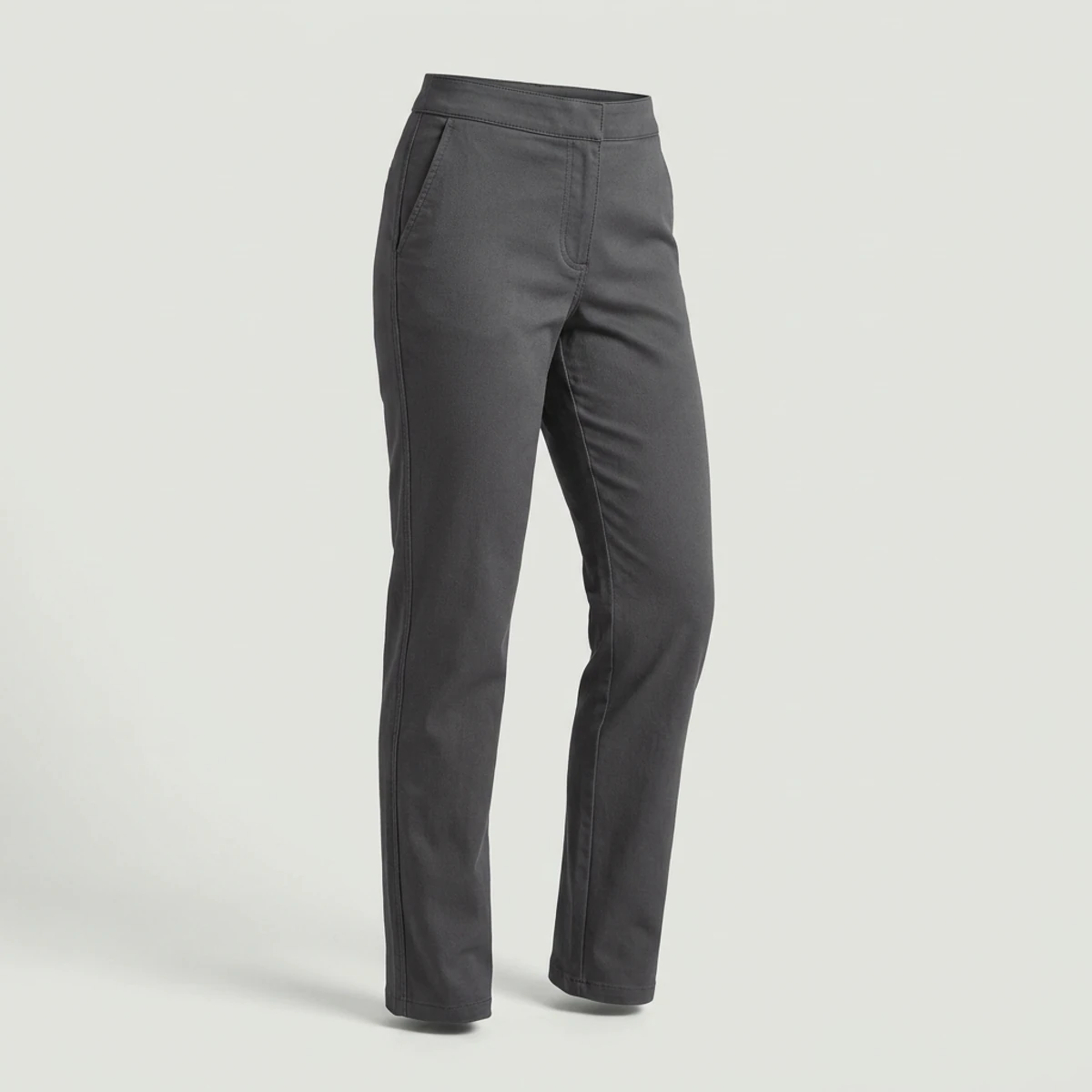
  • Charcoal grey women's flat-front work pants with higher rise and slim straight legCharcoal women's flat-front pants
Quote facilities

Customize your work shirts

Pick the style, fabric and colors, add your logo and names, then attach the design to your quote. We cut and sew it in Los Angeles from 50 pieces per style.

What do janitorial uniforms need to do?

Janitorial uniforms need to stay comfortable through long or overnight shifts, survive constant hot washing, hold keys and badges securely, and tell building occupants that the person in the hallway belongs there. Crews kneel, stretch, push carts and run floor machines, often inside client offices, schools, clinics and homes.

  • Comfort

    breathable fabric and stretch for bending, kneeling and reaching.
  • Washability

    garments that hold color and shape through frequent, hot laundering.
  • Pockets

    secure storage for keys, access badges, a phone, cloths and small supplies.
  • Identification

    company logo and, ideally, the employee’s name, so clients feel safe letting crews in.

Cleaning uniforms by role

Cleaning uniforms vary by role: commercial and residential cleaners usually wear scrub-style or knit tops, custodians and floor-care technicians need durable work pants, healthcare environmental services teams wear department colors, and supervisors need a distinct look. The table shows a typical setup for a multi-service cleaning company.

RoleTypical garmentsNotes
Commercial cleaners (offices, retail)Scrub-style or knit top, work or scrub pantsOften night shifts in client buildings; logo for identification
Residential and maid servicesScrub-style top or polo, stretch pants, apronNeat look inside homes; apron for supplies
School and facility custodiansWork shirt, durable work pantsHeavier tasks, light maintenance, tool storage
Healthcare environmental servicesScrub-style top and pants in a department colorDistinct from clinical staff colors; frequent laundering
Floor care and carpet techniciansWork shirt, durable pants or coverallsKneeling, machine work, chemical splashes
Day portersPolo or knit top, work pantsVisible to occupants during business hours
Supervisors and account managersSame style in a contrasting color, or poloEasy to identify on site
Navy jogger scrub pants with knit cuffs, drawcord waist and cargo pocket

Should custodian uniforms be scrubs or work pants?

Custodian uniforms can be either: scrub-style garments suit cleaning roles that need movement and frequent washing, while durable work pants suit custodians who move furniture, change fixtures or carry tools. Many companies mix the two, with scrub-style tops for everyone and work pants for the floor-care and maintenance crew.

Read more

Our scrub tops and scrub pants can be made in your company color with your logo for residential, office and healthcare cleaning teams. Heavier custodial work suits durable work pants with deeper pockets, paired with a branded shirt. A branded waist or bib apron from our custom aprons range adds storage for cloths and spray bottles and protects the top from splashes.

Black jogger scrub pants with ribbed knit cuffs and cargo pockets

Which OSHA rules affect cleaning staff clothing?

Three Occupational Safety and Health Administration (OSHA) rules shape how a cleaning company plans clothing, and none of them treats an ordinary uniform as protection. Hazard assessment, hazard communication and bloodborne pathogen rules decide which personal protective equipment (PPE) crews need on top of the branded uniform.

Read more
  • Hazard assessment (29 CFR 1910.132): employers assess each task and select PPE such as gloves, eye protection and aprons for chemical handling.
  • Hazard communication (29 CFR 1910.1200): each chemical’s safety data sheet lists the protection needed; concentrates used for dilution often need more than ready-to-use sprays.
  • Bloodborne pathogens (29 CFR 1910.1030): clothing intended to protect against blood or other potentially infectious materials is PPE, which the employer provides and launders at no cost to the employee. Ordinary uniforms not meant as protection are not covered.

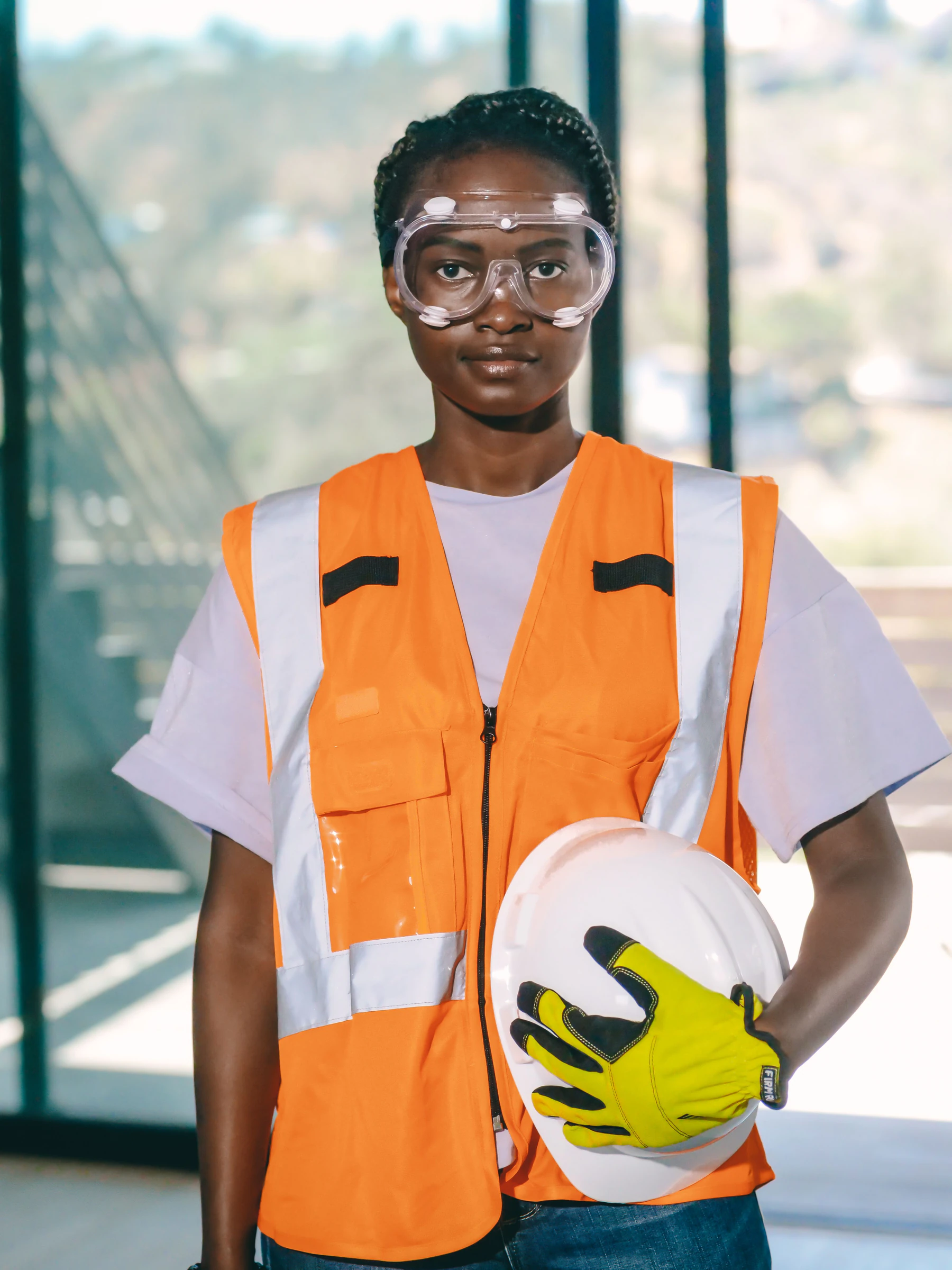
Crews who clean parking lots, loading docks or roadside areas at night also benefit from hi-vis clothing.

Navy women's flat-front work pants with contoured waistband, slant pockets and straight leg

Uniforms for healthcare environmental services

Healthcare environmental services (EVS) uniforms should be a color patients and visitors cannot mistake for nursing or physician scrubs, because EVS teams work beside clinical staff all day. Many hospitals assign each department its own color for that reason, so ask the facility for its color chart before choosing.

EVS crews also change more often: isolation room cleaning, spills and terminal cleans can mean a fresh top mid-shift, so plan more sets per person than an office crew. Where the facility’s exposure control plan treats uniforms as protective clothing, the employer handles laundering. Our healthcare scrubs page explains hospital color coding in more depth.

Which fabrics and features suit cleaning uniforms?

Poly-cotton scrub-style fabric suits most cleaning uniforms because it holds color, dries quickly and handles frequent washing. Stretch blends make bending and reaching easier but dislike chlorine bleach and high heat, cotton suits light-duty warm shifts, and durable twill suits custodians and floor-care technicians.

OptionStrengthsWatch-outsBest for
Poly-cotton scrub-style fabricHolds color, dries faster, handles frequent washingLess breathable than cottonCommercial and EVS crews
Fabric with added stretchBending, kneeling and reaching are easierChlorine bleach and high heat degrade stretch fibersResidential and office cleaners
100% cottonBreathable, comfortable on warm night shiftsFades and wrinkles; bleach spots show on colorsLight-duty roles
Durable twill work pantAbrasion resistant, deeper pocketsHeavier, warmerCustodians and floor-care techs
FeatureWhy it matters
Badge clip point or ID pocketMany client buildings require visible access badges
Zip or flap phone pocketPhones stay put when bending over
Key loopClient keys are a liability if lost
Darker or heathered colorsHide marks between washes

We confirm which fabrics and features we can supply at quote stage.

Branding and color-coding janitorial uniforms

Branded janitorial uniforms are a trust signal: clients hand cleaning crews keys and alarm codes, so a clearly branded top with a name helps security staff and occupants. A left-chest logo on every top is the baseline, with embroidered first names for crews who see the same clients weekly and a back print for large facilities.

Our logo embroidery and printing is done in the same factory that sews the garments. Color-coding in cleaning usually applies to cloths and mops rather than uniforms, so keep uniform colors simple: one crew color, one supervisor color or thread color, and in hospitals a color clearly different from the clinical palette.

What determines the cost of custom janitorial uniforms?

The cost of custom janitorial uniforms depends mainly on fabric, the quantity per style, how many colors and styles you run, pocket features and decoration. No prices are listed here; every order is quoted on its actual fabric, artwork and quantity, and the table shows which choices move the unit price.

Cost driverHow it moves the unit priceHow to keep it in check
FabricStretch blends usually cost more than standard poly-cottonMatch fabric to the work and the laundering, not feel alone
Quantity per styleLarger runs spread cutting, setup and sampling across more piecesOne top and one pant for the whole crew
Number of colors and stylesEach color is its own style with its own minimumMark supervisors with thread color instead of a new color
Style complexityZip pockets, badge points and key loops add sewing timeKeep the features crews actually use
Decoration and namesStitch count, locations and individual names add handlingChest logo plus first name only where clients see the same crew
Branded vs. blankBlanks skip decoration; branding adds a step per garmentKeep blank stock for trial periods

How to roll out a janitorial uniform program

A janitorial uniform program rolls out best from a small core set, planned for turnover from the start. Our minimum is about 50 pieces per style, where a style is one design in one color with sizes mixed inside it, so one shared top and pant for the whole crew usually reaches it quickly.

  1. 01

    Pick a small core set,

    such as one top and one pant for the whole crew.
  2. 02

    Count sets

    per person and multiply by headcount.
  3. 03

    Mark supervisors without a new style,

    for example with a different embroidery thread color.
  4. 04

    Plan for turnover

    Order a reserve of common sizes, or a stock of wholesale blanks for new starters.
  5. 05

    Sample first,

    confirming fabric, fit, pockets, color and logo placement.
  6. 06

    Issue with a sign-out record,

    so uniforms come back when staff leave.
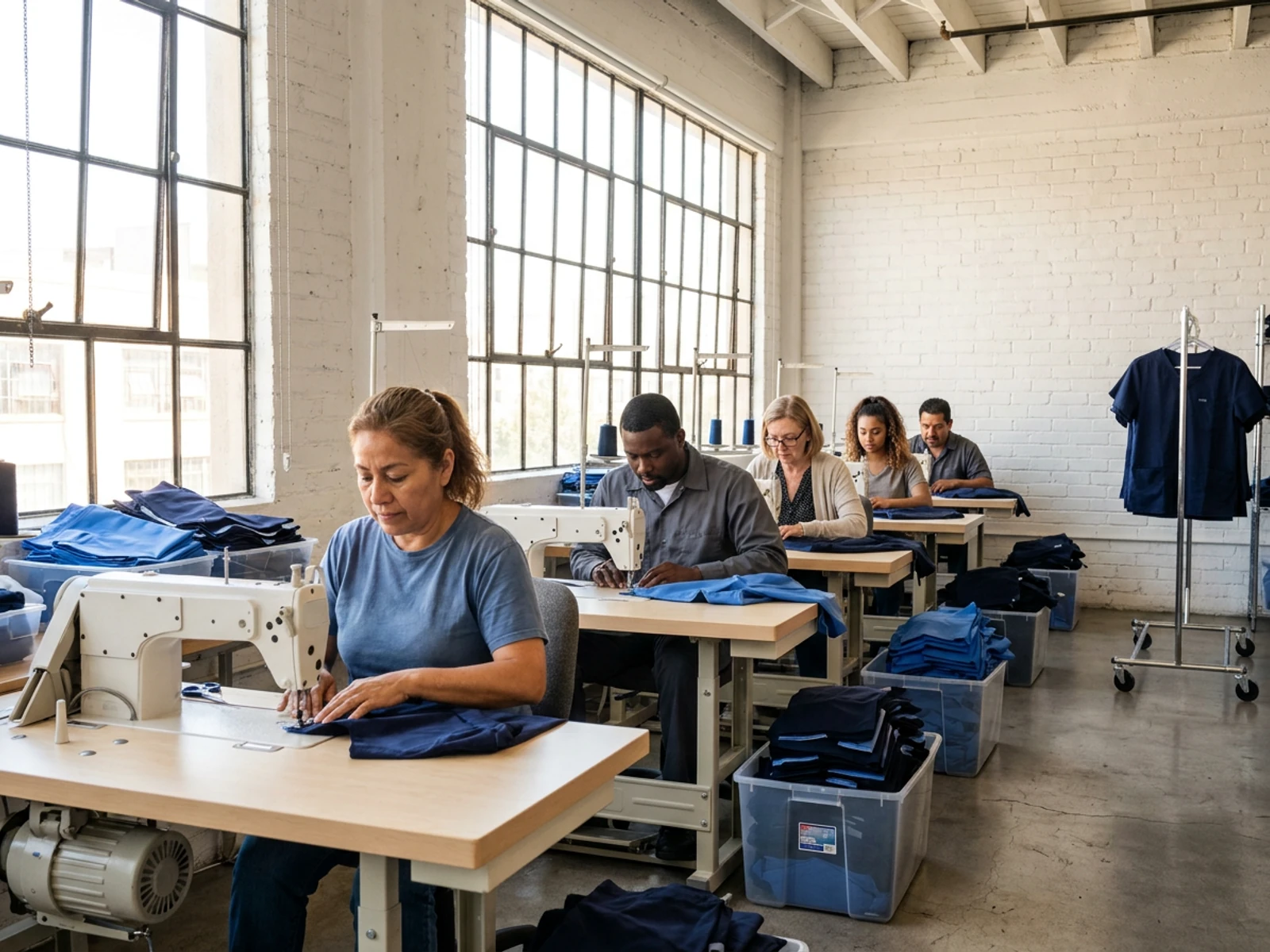
Operators sewing scrub tops on rows of industrial sewing machines

Reorders and new-hire planning

Reorders of janitorial uniforms keep every crew member matching because styles are fixed after sampling. Turnover in cleaning is high and new accounts often start at short notice, so keep a reserve of common sizes, set a reorder point for each size and reorder by style as you add accounts.

Read more

Ask for uniforms back when people leave; clean, returned garments can be reissued for trial periods. Hotel housekeeping teams follow a similar pattern; see our hotel uniforms page.

How should cleaning uniforms be washed?

Cleaning uniforms should be washed to each garment’s care label, with color-safe products instead of chlorine bleach on colored and stretch garments, and chemical splashes rinsed out promptly. Some cleaning products discolor fabric if left to dry, and bleach weakens stretch fibers.

Read more
  • Garments contaminated with blood or body fluids follow your exposure control plan, not home laundering.
  • Wash with similar colors to keep company colors consistent across the crew.

Common mistakes with cleaning uniforms

The most common cleaning uniform mistakes are treating the uniform as PPE, choosing bright white for dirty work, and issuing too few sets. Each one shows up quickly in front of clients, either as stained tops, staff in personal clothing or confusion over who is responsible on site.

  1. Treating the uniform as PPE

    A scrub top does not protect against chemicals or bloodborne pathogens.
  2. Bright white tops

    for crews who handle dirty work.
  3. No supervisor marking,

    leaving clients unsure who to speak to.
  4. One set per cleaner,

    so staff arrive in unwashed or personal clothing.
  5. Forgetting badge and key storage,

    so access cards hang loose and get lost.

Ready to order

What to send us for a quote

A complete janitorial uniform quote needs headcount by role, the types of sites you clean, sets per person, expected hiring and your artwork. With this list in the first message, we can recommend styles that meet the minimum, confirm fabrics and lead times, and arrange a sample.

  • Your logo as a vector file and your brand colors.
  • Headcount by role and the types of sites you clean.
  • Sets per person and expected hiring over the next year.
  • Any client requirements, such as badge display or colors to avoid.
  • A name list if you want first-name embroidery.
  • Whether you want some garments supplied as blanks.

Questions about janitorial & cleaning

Need something not covered here? Ask our Los Angeles team and we’ll answer with options for your order.

Ask our Los Angeles team

What should cleaning staff wear?

Cleaning staff need breathable tops and pants with stretch for bending and reaching, pockets for keys, a phone and small supplies, and colors that hide marks. A branded top helps clients and building occupants recognize your team. Gloves, eye protection and other PPE are added according to the chemicals and tasks in your hazard assessment.

How many uniforms does each cleaner need?

Plan at least three sets per cleaner so one can be worn, one washed and one spare. Crews working in healthcare, food facilities or heavy-soil areas, or those who change mid-shift, may need more. Multiply by headcount and add a reserve for new hires, which in a high-turnover business is often what pushes you past the 50-piece minimum.

Can we order blank uniforms for new hires and brand them later?

Yes. Our wholesale blanks service supplies unbranded garments, with quantities confirmed when you send an inquiry. Some cleaning companies keep blank stock for trial periods and add embroidered logos only for permanent staff. Others order everything branded so every person on a client site looks identical from day one.

Can supervisors wear a different color?

Yes, and it helps clients find the right person on site. A common setup is one style in two colors: the main crew color and a supervisor color. Each color counts as its own style for the 50-piece minimum, so smaller companies sometimes mark supervisors with a different embroidery color instead.

Who launders uniforms for cleaners in hospitals?

It depends on the garment's purpose. Under OSHA's bloodborne pathogens standard, clothing intended to protect workers from blood or other potentially infectious materials counts as protective equipment, and the employer must provide and launder it at no cost to the employee. Ordinary uniforms that are not intended as protection fall outside that rule. Your exposure control plan should say which applies.

Janitorial & CleaningCut & sewn in Los Angeles · from 50 pieces per styleRequest samplesGet a quote