Industries · Los Angeles factory

Custom Warehouse Uniforms and Hi-Vis

Warehouse uniforms need to be tough enough for constant lifting and reaching, and visible enough for aisles where forklifts operate. Custom Uniform Factory makes branded warehouse work clothes and high-visibility vests in its own Los Angeles factory, with a minimum order of about 50 pieces per style, so a distribution center can outfit pickers, loaders and supervisors in one program.

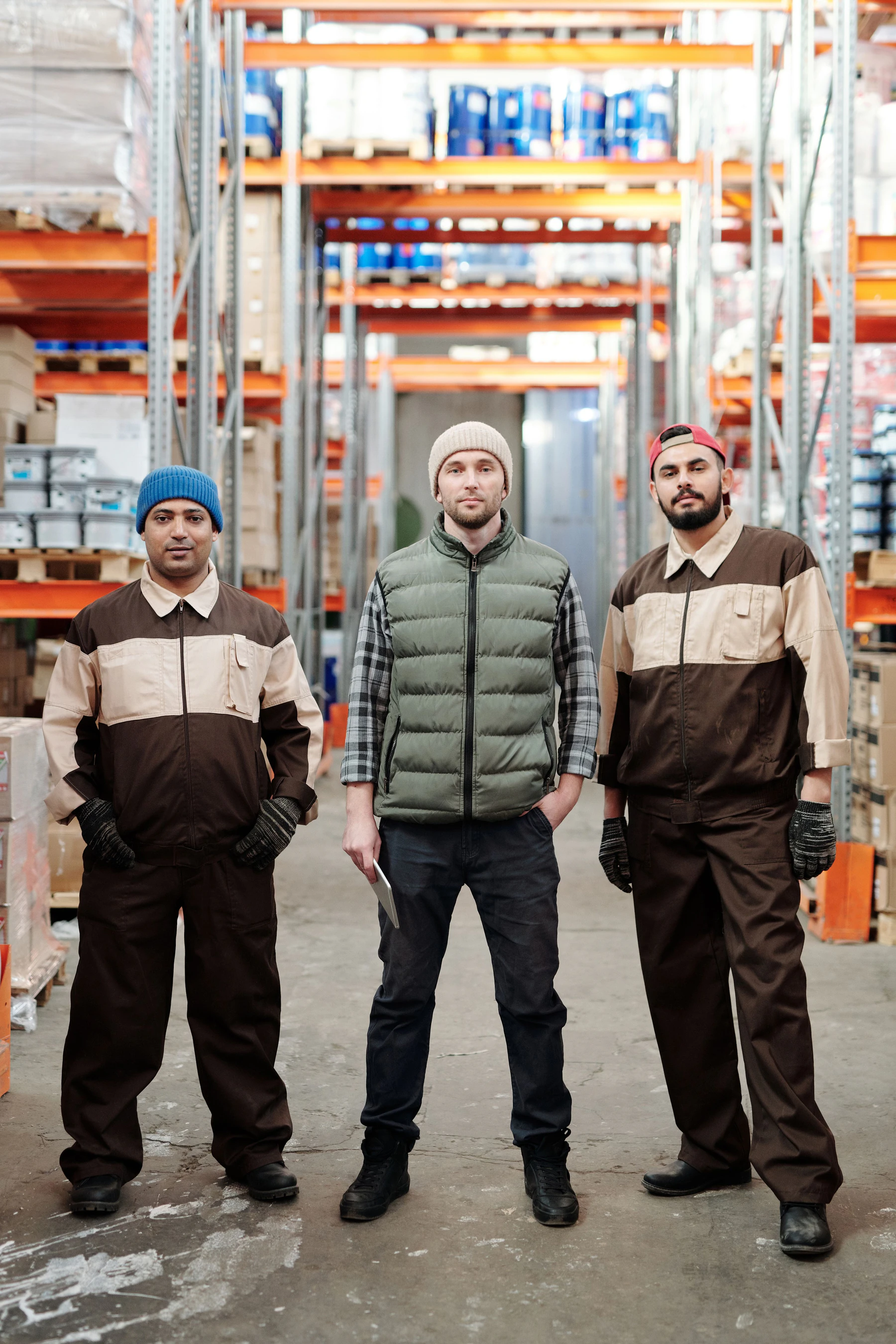
Three warehouse workers, two in brown and beige work uniforms, standing in an aisle of tall racks
Minimum order
About 50 pieces per style
Production
Cut & sewn in Los Angeles, imported fabric
Garments
Work shirts, work pants, coveralls, safety vests
Hi-vis
ANSI/ISEA 107 class and type confirmed at quote stage

Warehouse & Logistics by style

16 styles in 4 families · each made to order in your fabric, color and branding from 50 pieces.

Customize your uniformsYour fabric, colors, pockets and branding
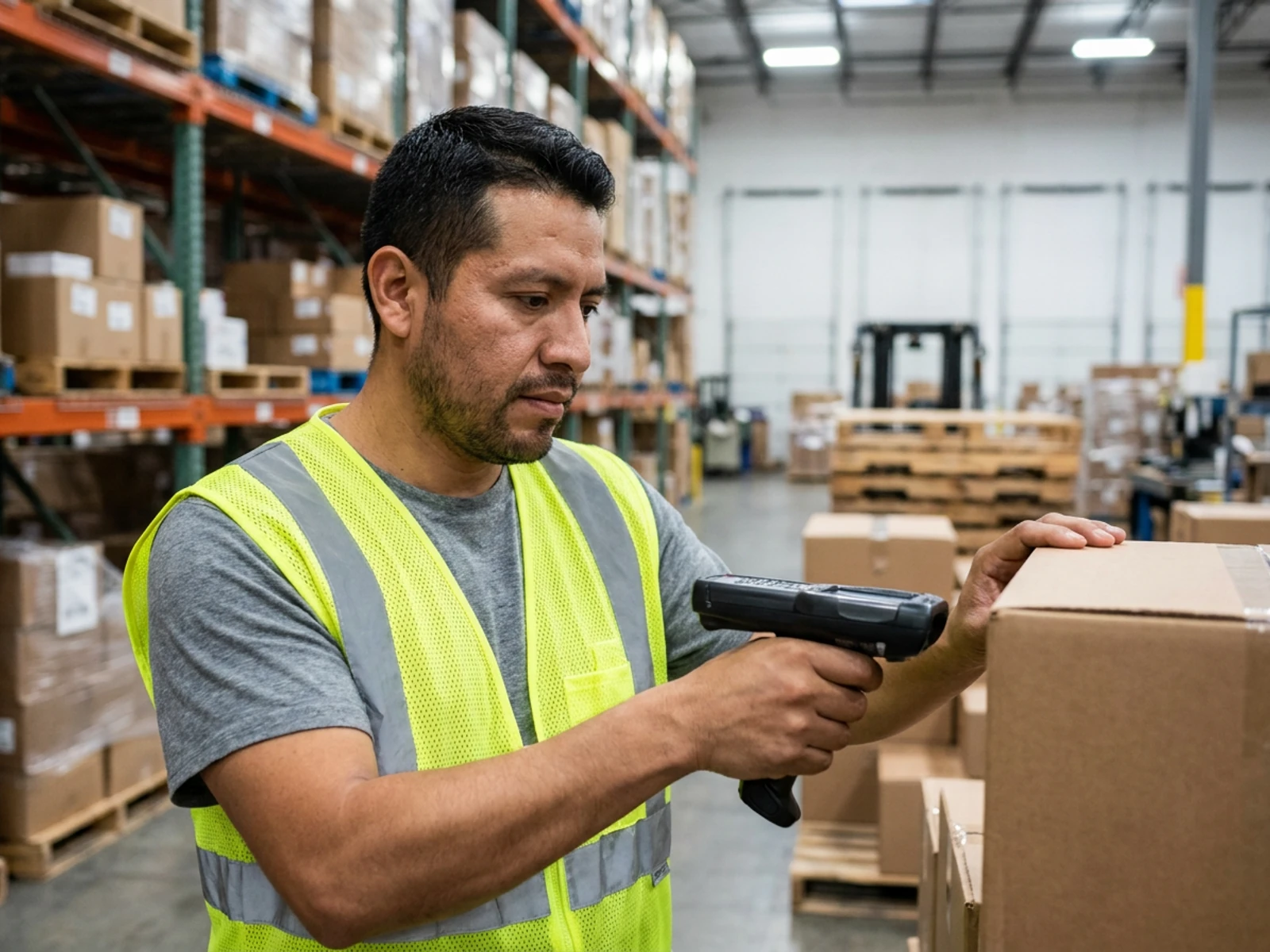
Warehouse worker in a yellow-green mesh safety vest scanning boxes beside tall pallet racking

Mesh vests for pickers and packers

Forklift traffic makes visibility the first concern on most warehouse floors, and a light mesh vest layers over anything. We print your logo and make them from about 50 pieces per style.

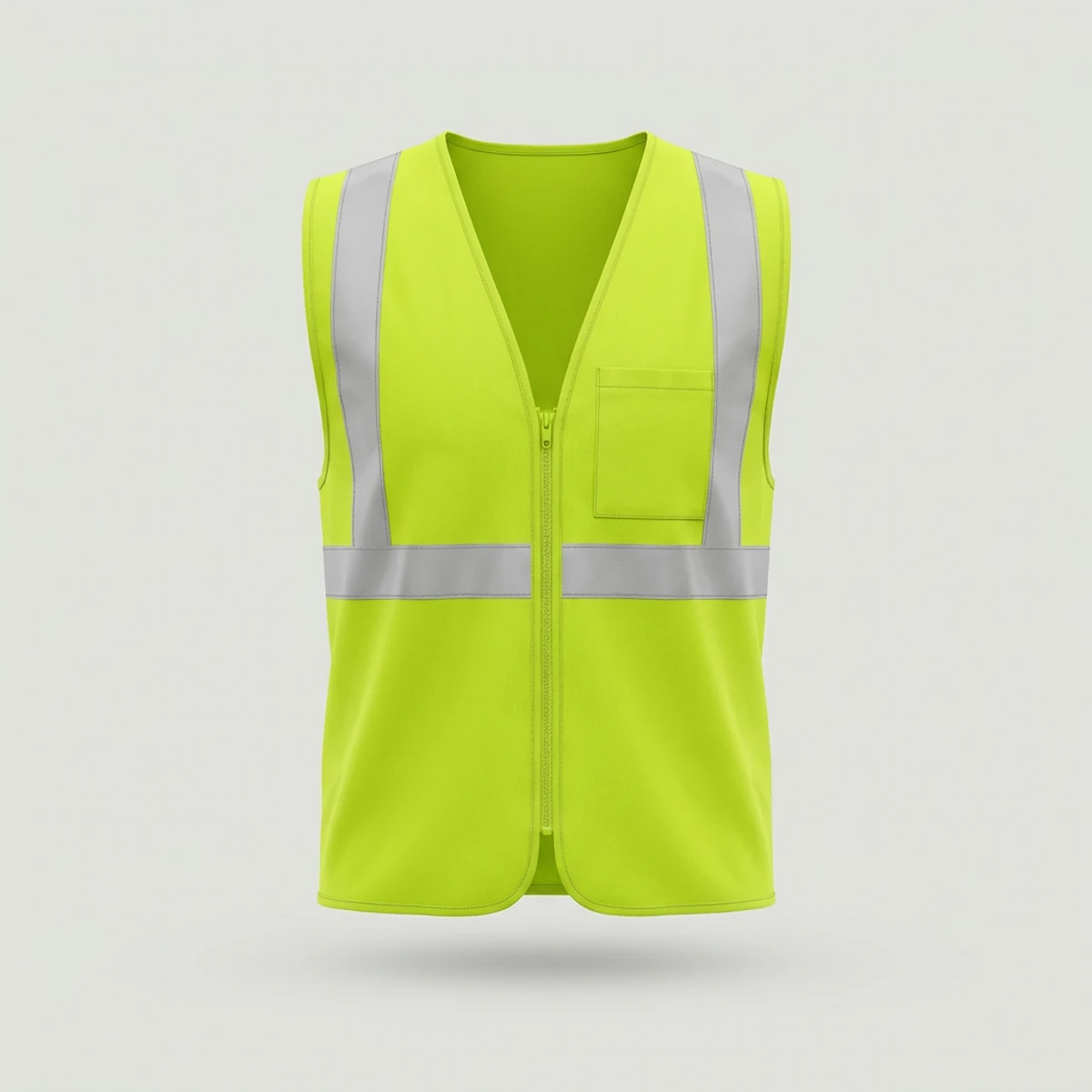
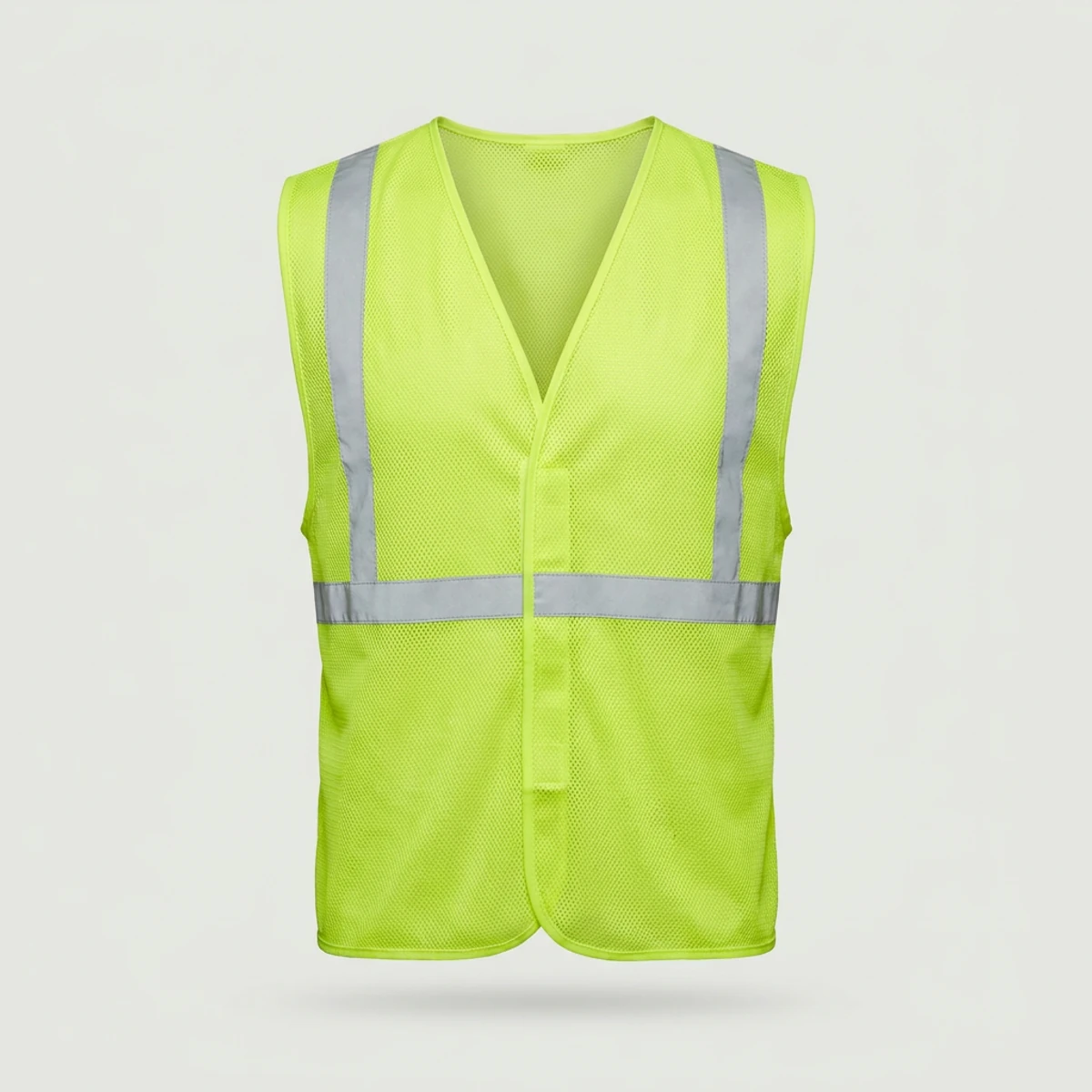
  • Fluorescent yellow-green mesh vest with narrow silver reflective bands and hook-and-loop closureYellow Class 1 mesh vest
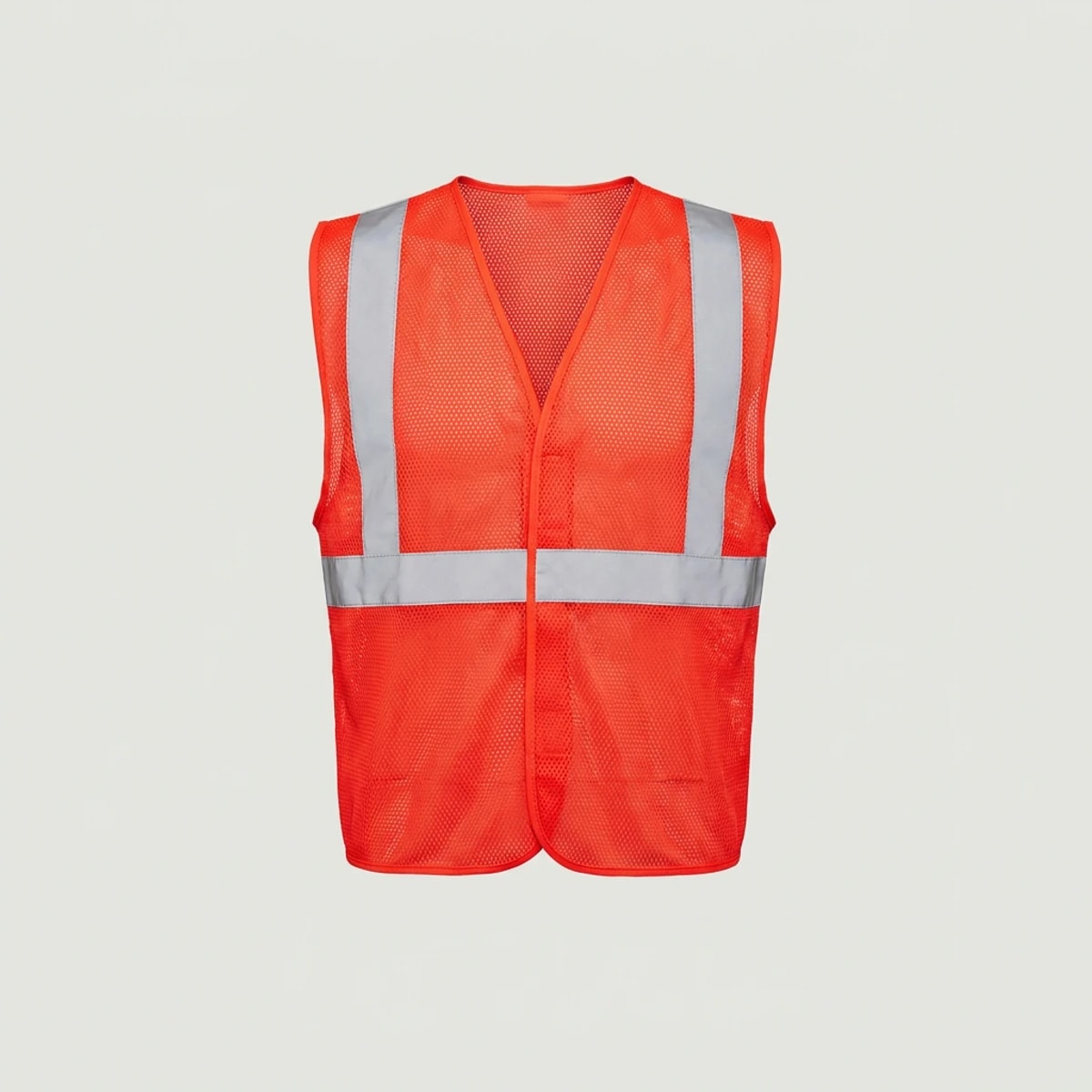
  • Fluorescent orange-red mesh vest with narrow silver reflective bands around the torsoOrange Class 1 mesh vest
  • Fluorescent yellow-green solid polyester vest with zipper front and narrow reflective bandsYellow solid Class 1 vest
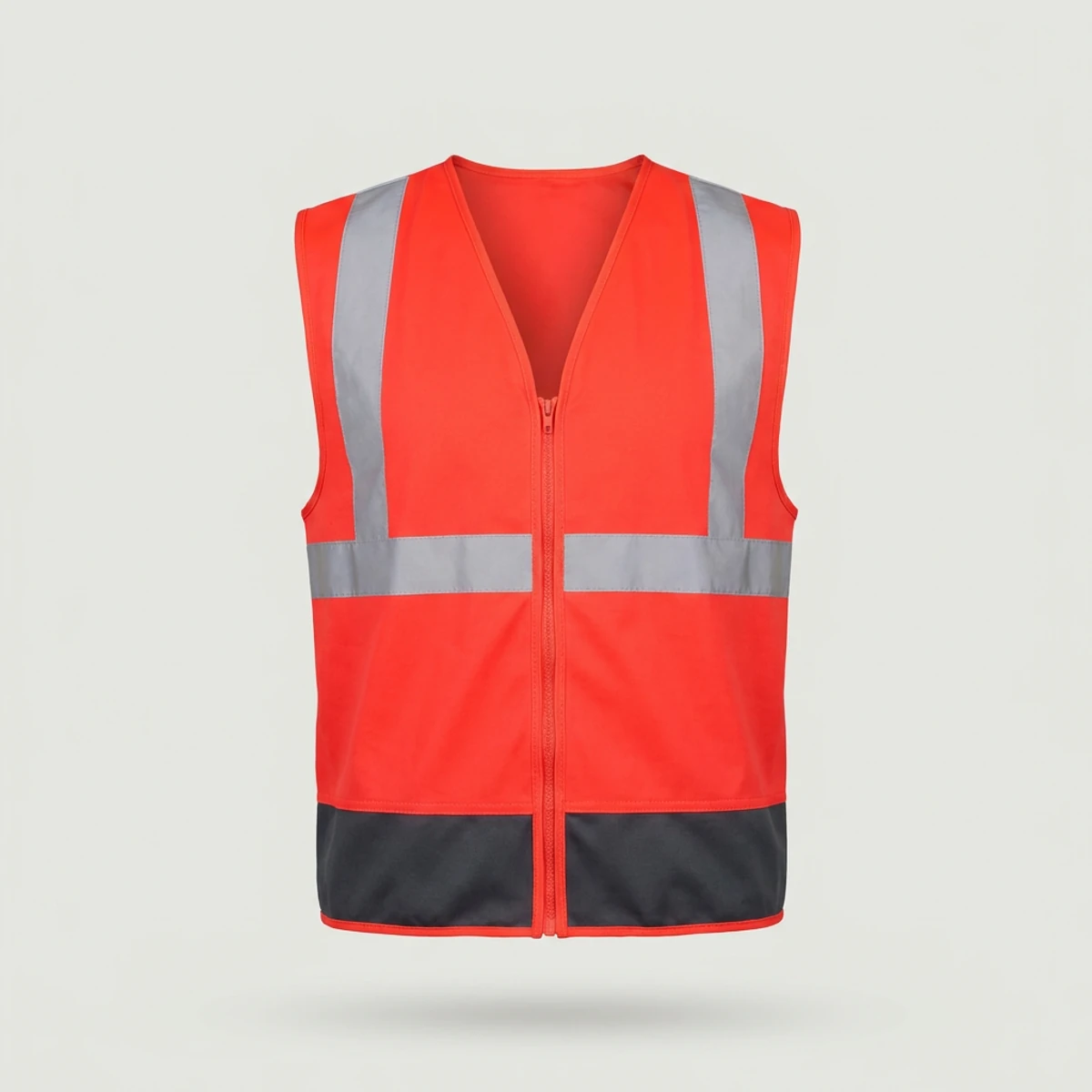
  • Fluorescent orange-red vest with a dark lower panel and narrow silver reflective bandsOrange two-tone Class 1 vest
Quote picker vests
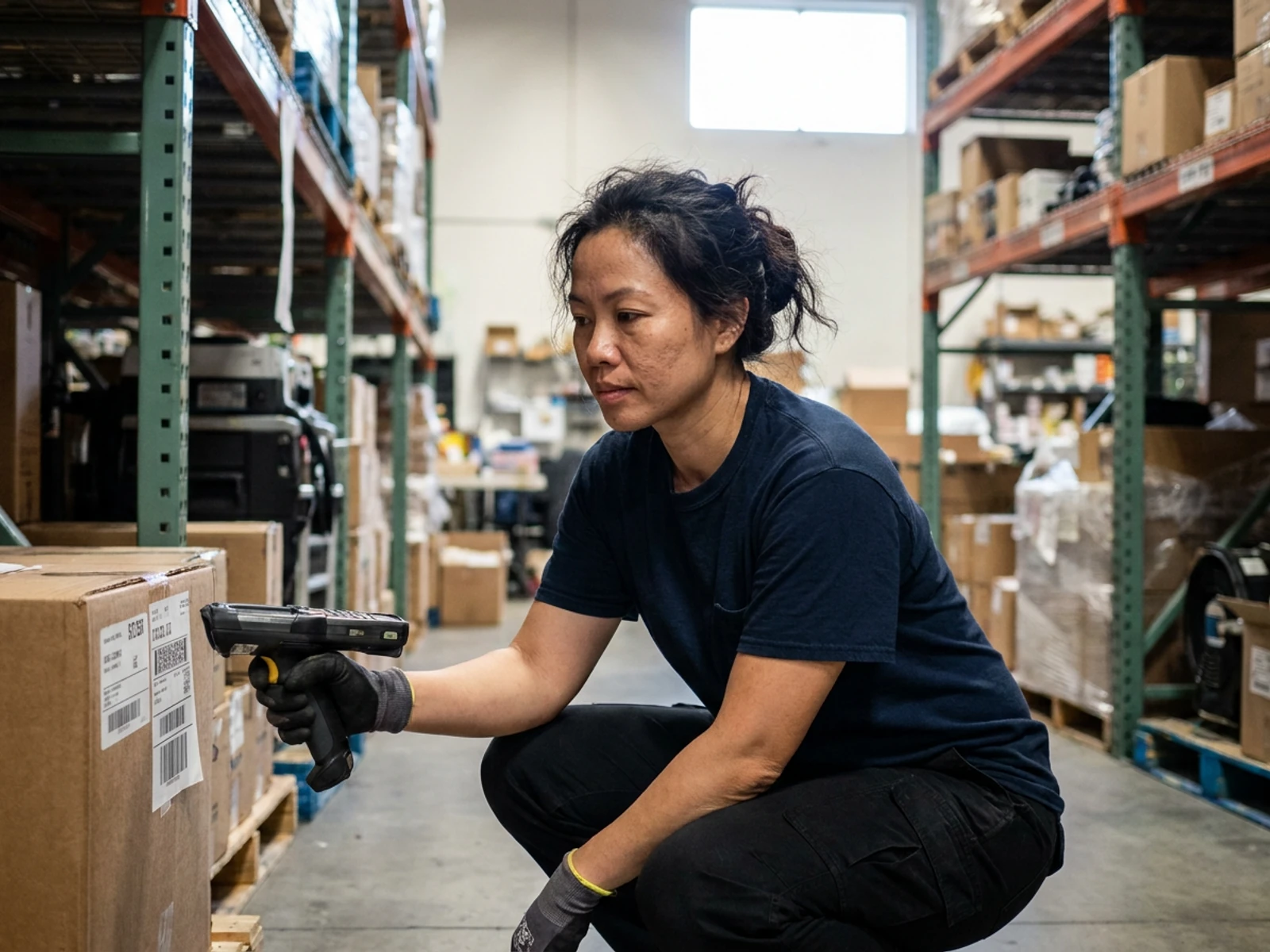
Warehouse team lead in black women's cargo pants scanning a pallet label between racks

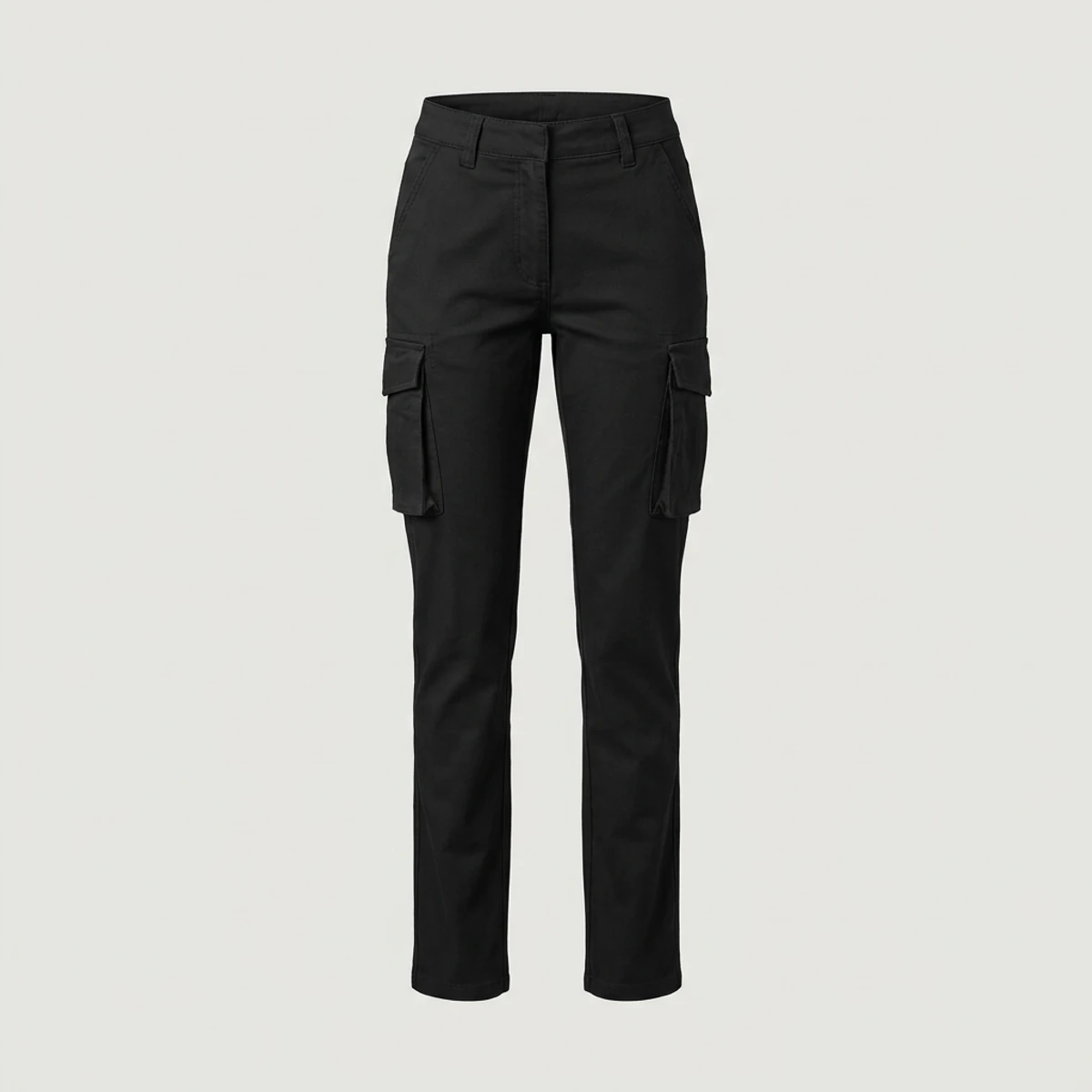
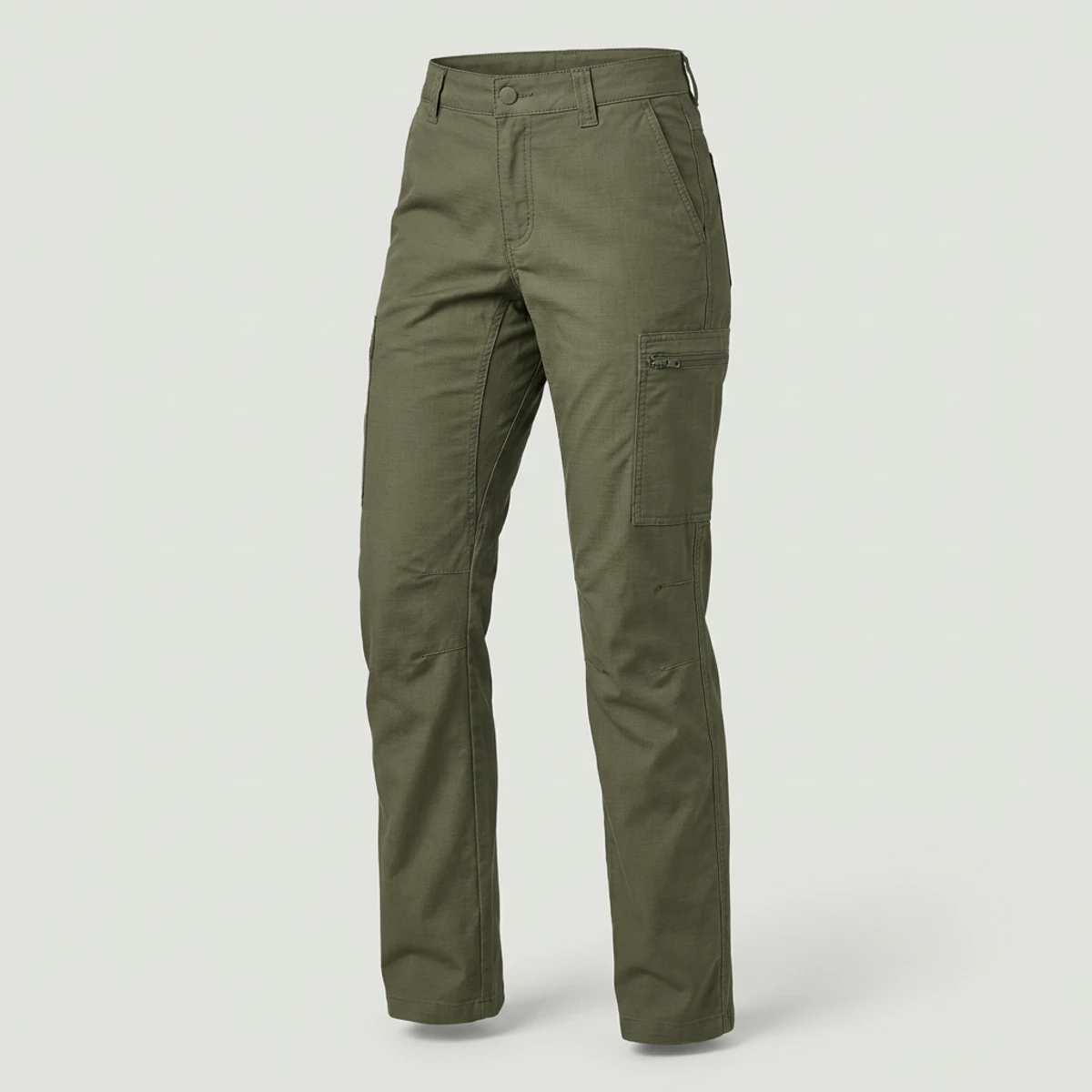
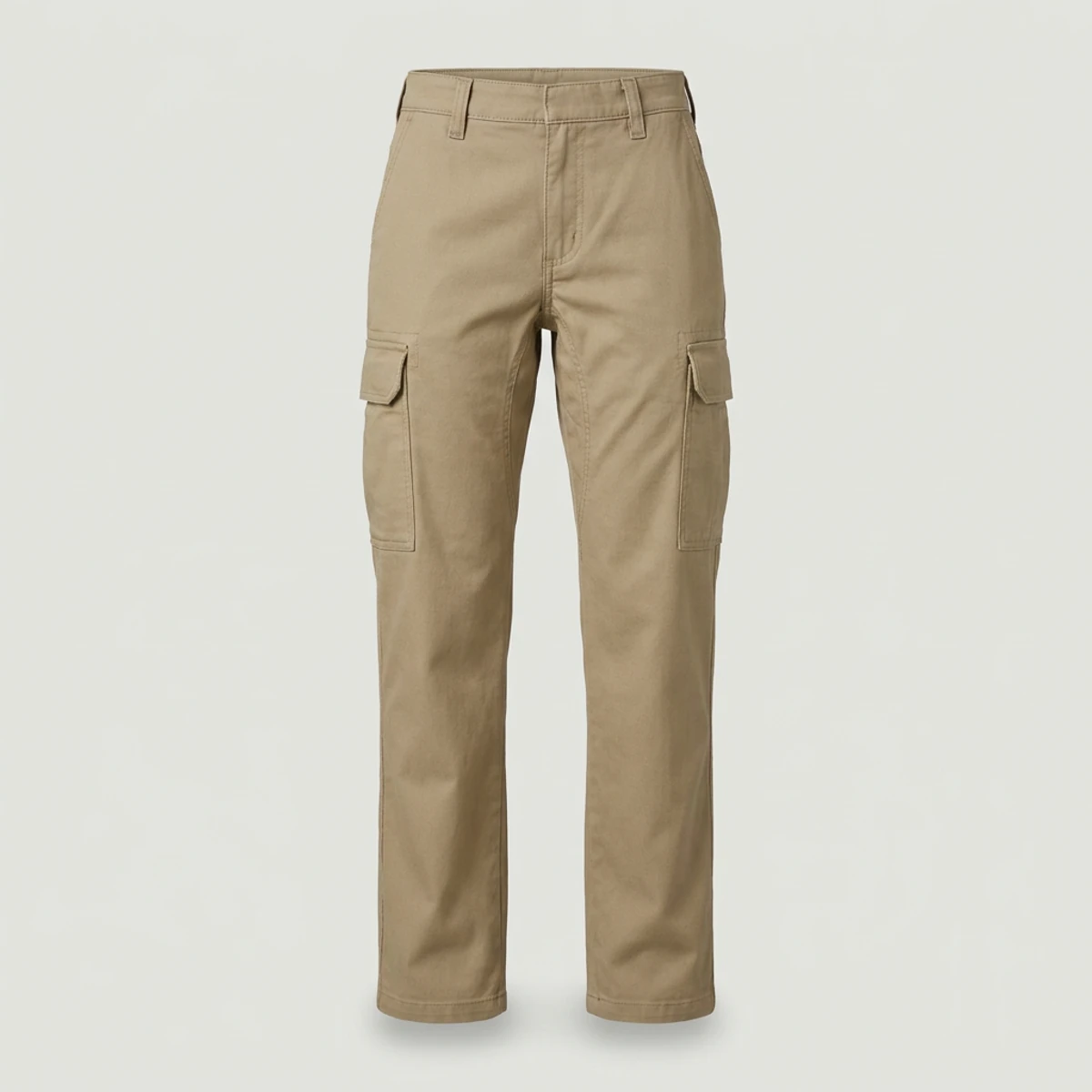
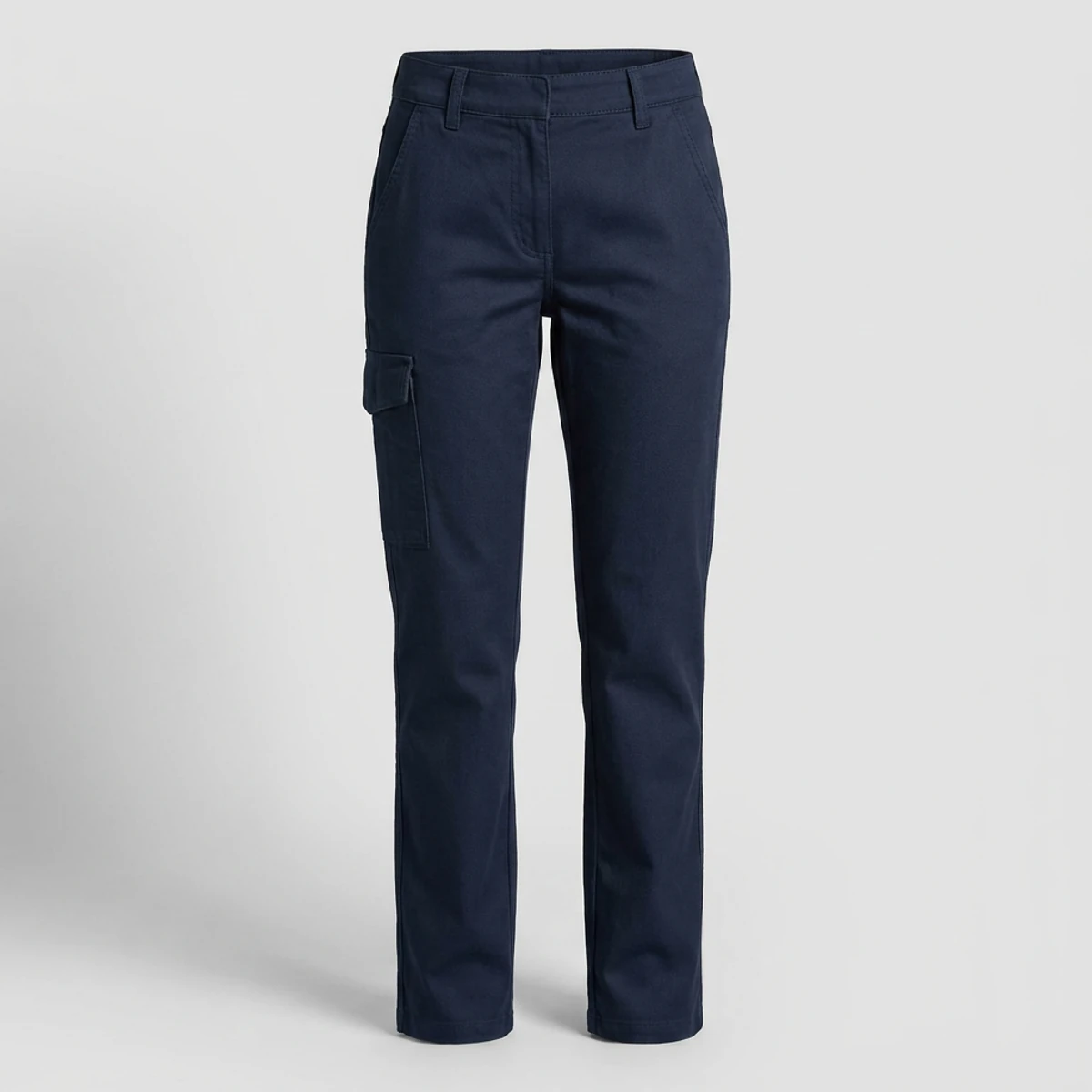
Women's cargo pants for shift leads

Shift leads scan labels, climb step ladders and walk long aisles between racks, so cargo pockets on a women's block make sense. These are sewn in Los Angeles from roughly 50 pieces of a style.

  • Black women's cargo work pants with flap thigh pockets set higher on the legBlack women's cargo pants
  • Olive green women's ripstop cargo work pants with zippered thigh pocketOlive women's cargo pants
  • Khaki women's cargo work pants with hook-and-loop flap pockets and gussetKhaki women's cargo pants
  • Navy women's cargo work pants with deep front pockets and phone pocketNavy women's cargo pants
Quote team lead pants
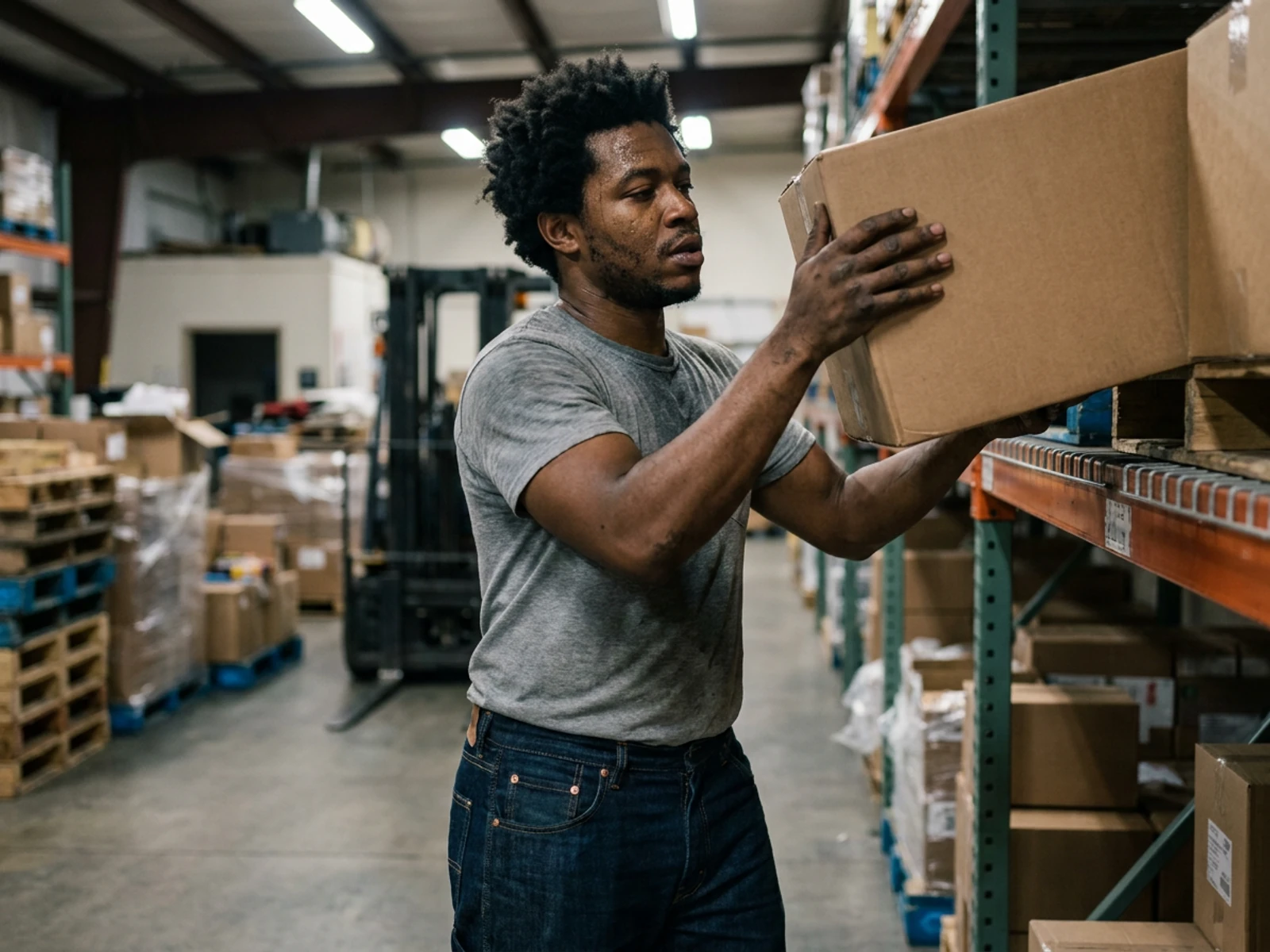
Warehouse worker in dark indigo work jeans lifting a box onto a shelf

Work jeans for receiving and loading

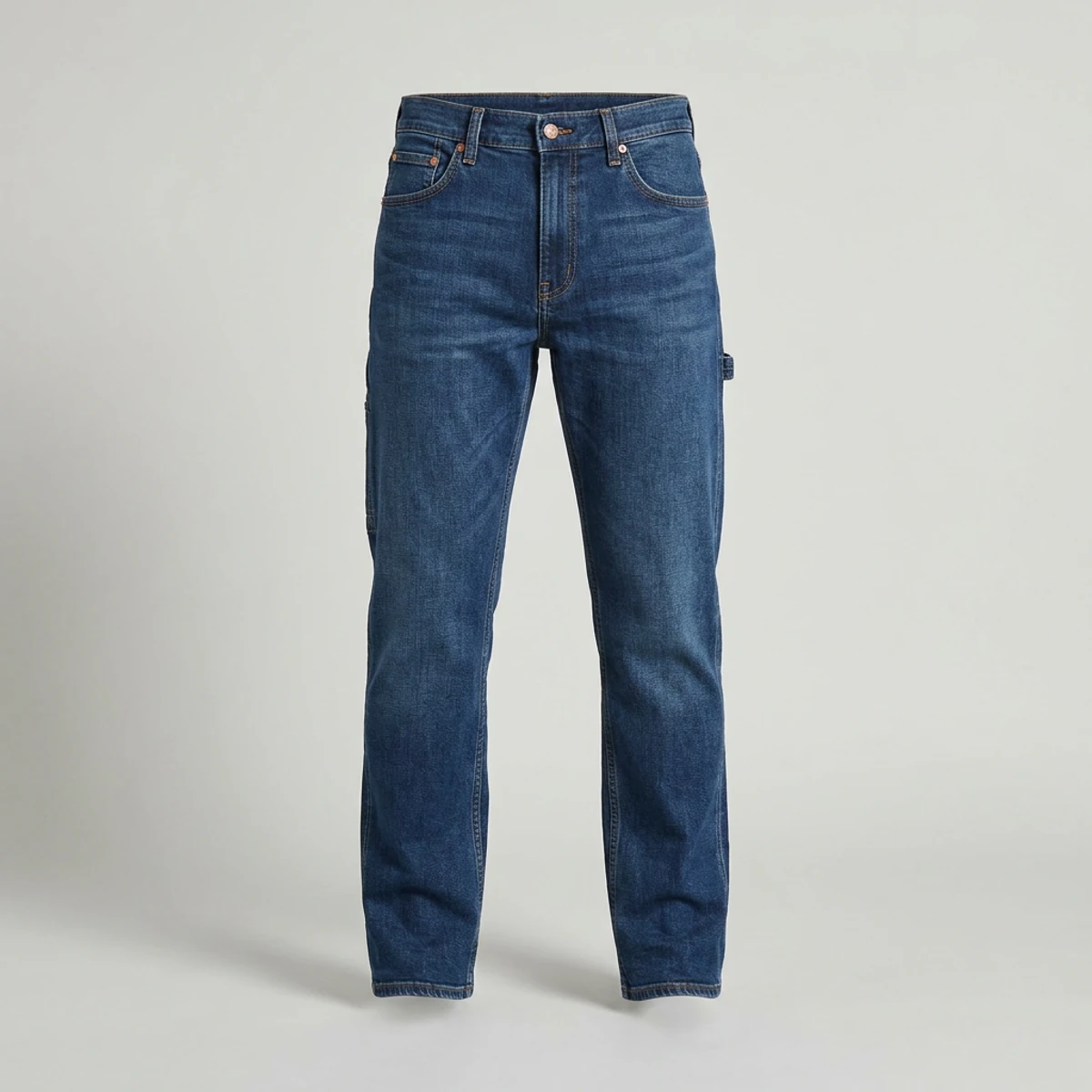
Dock crews lifting boxes onto shelves need a tough denim that holds up at the pockets and seams. We make five-pocket work jeans to order in runs from around 50 pieces.

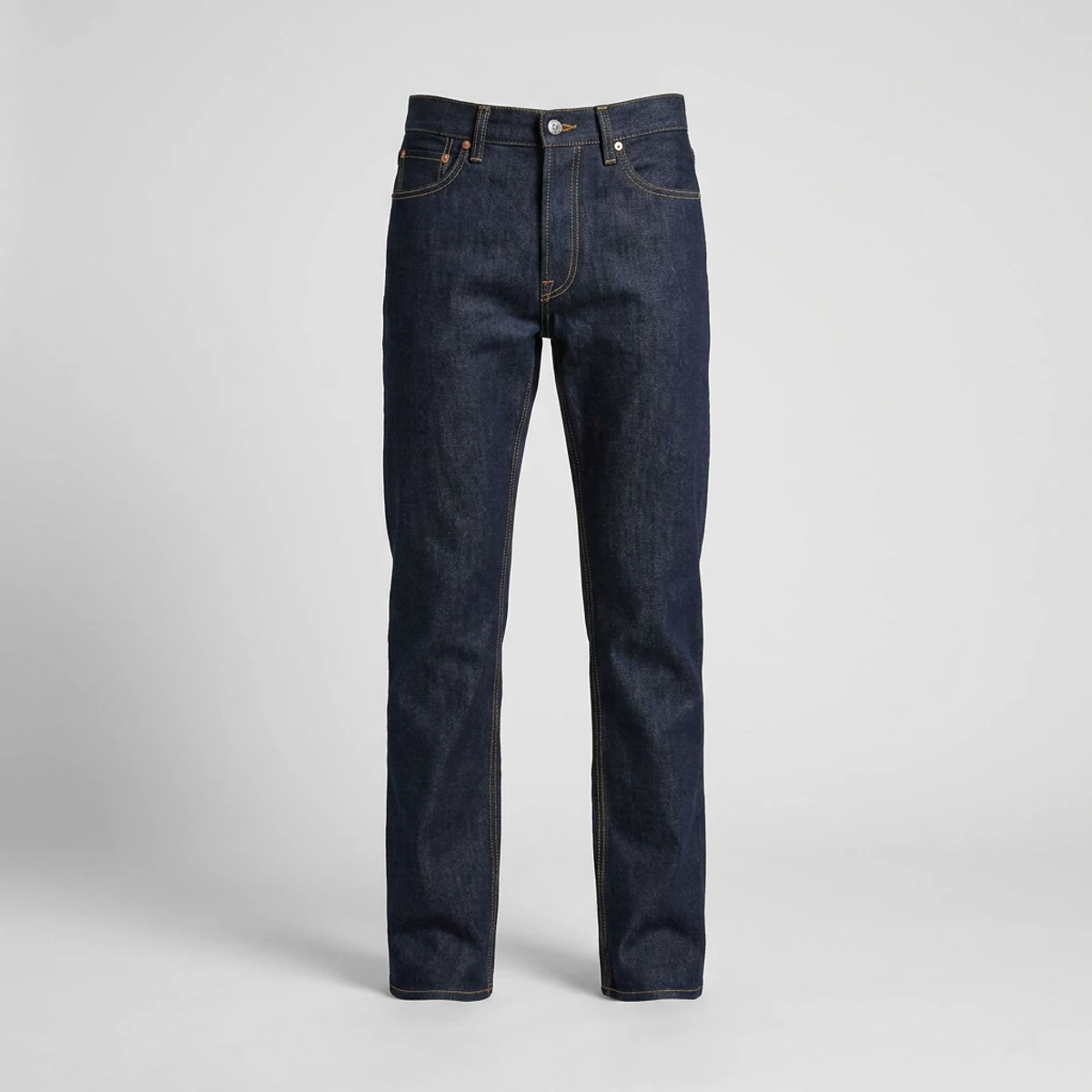
  • Dark indigo five-pocket work jeans with copper rivets and straight legIndigo straight work jeans
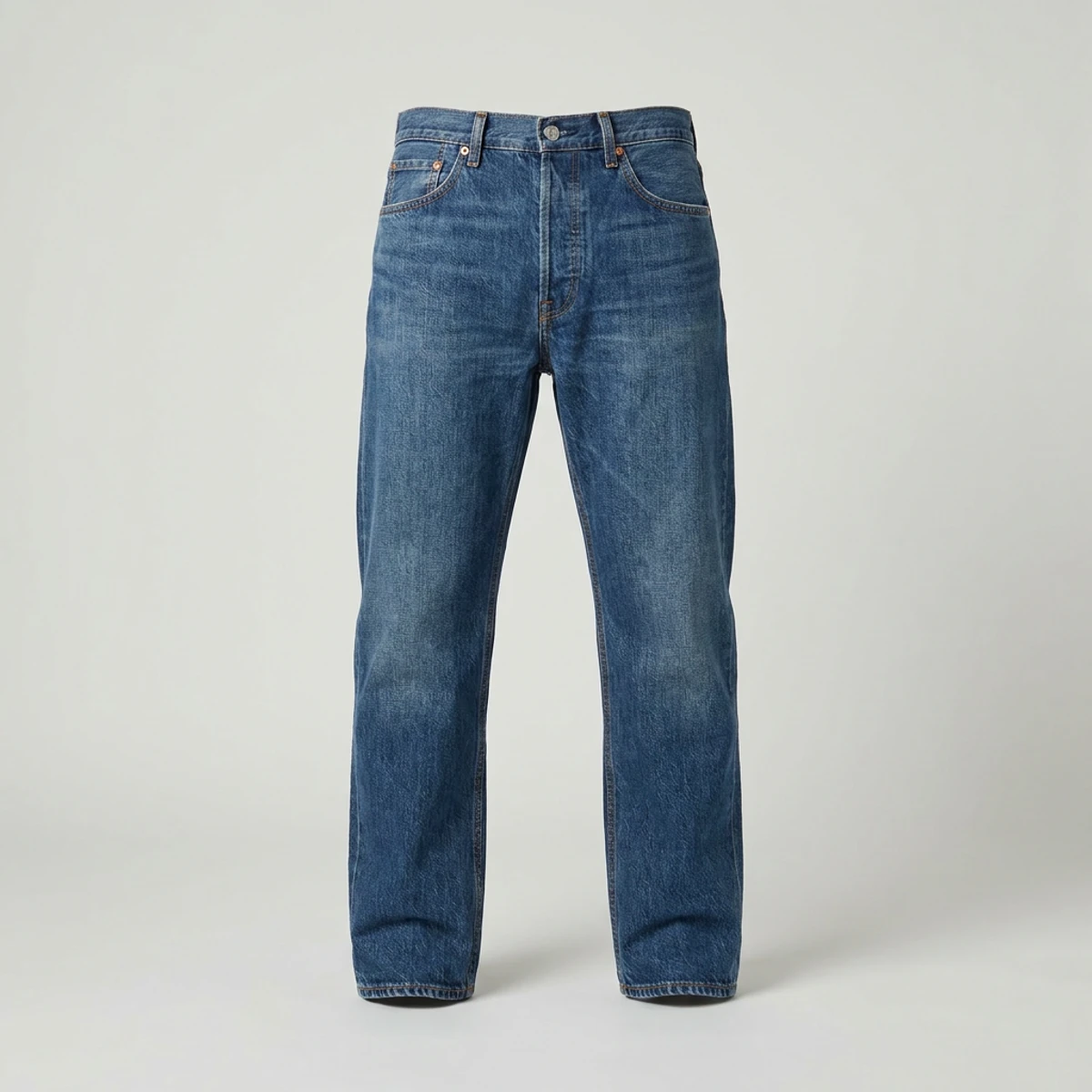
  • Mid-wash indigo relaxed fit work jeans with reinforced seatRelaxed fit work jeans
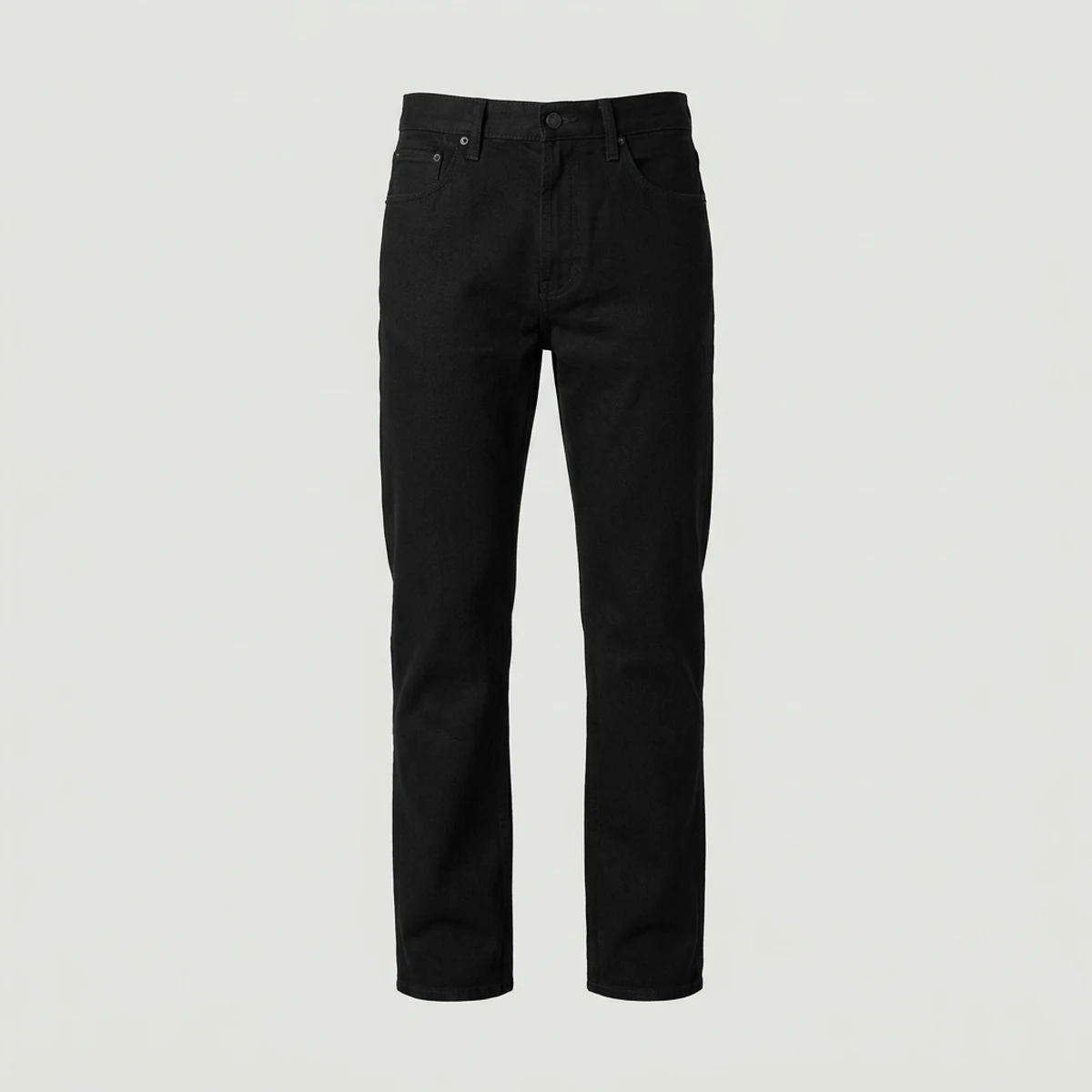
  • Black denim five-pocket work jeans with tonal stitching and rivetsBlack denim work jeans
  • Indigo stretch denim work jeans with phone pocket and gussetStretch work jeans
Quote dock jeans
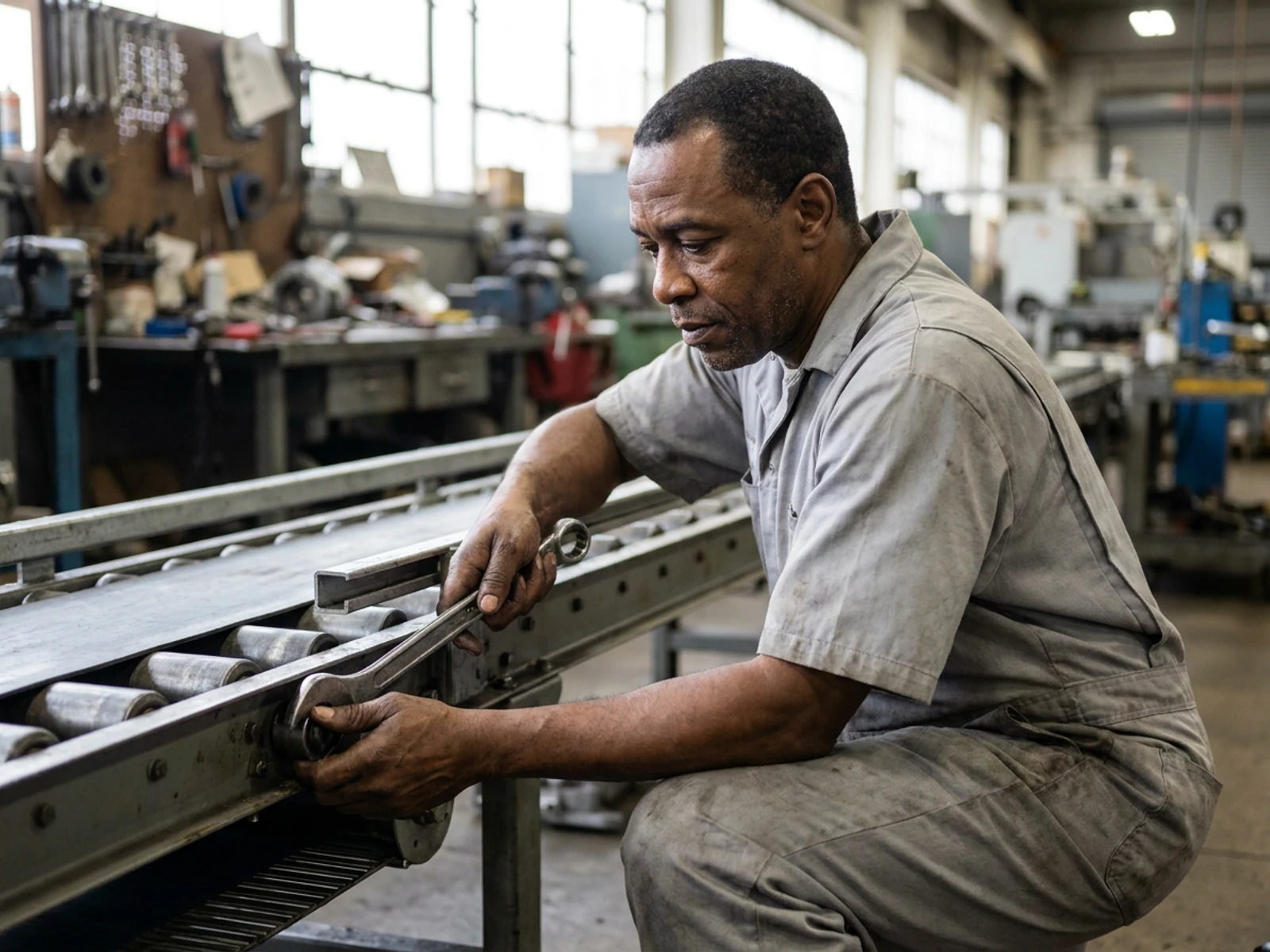
Plant mechanic in a grey short-sleeve coverall servicing a conveyor in a factory

Light coveralls for maintenance mechanics

Conveyor and equipment mechanics need full-body cover that does not overheat on a busy floor. We produce short-sleeve coveralls at our LA factory with a minimum near 50 pieces per style.

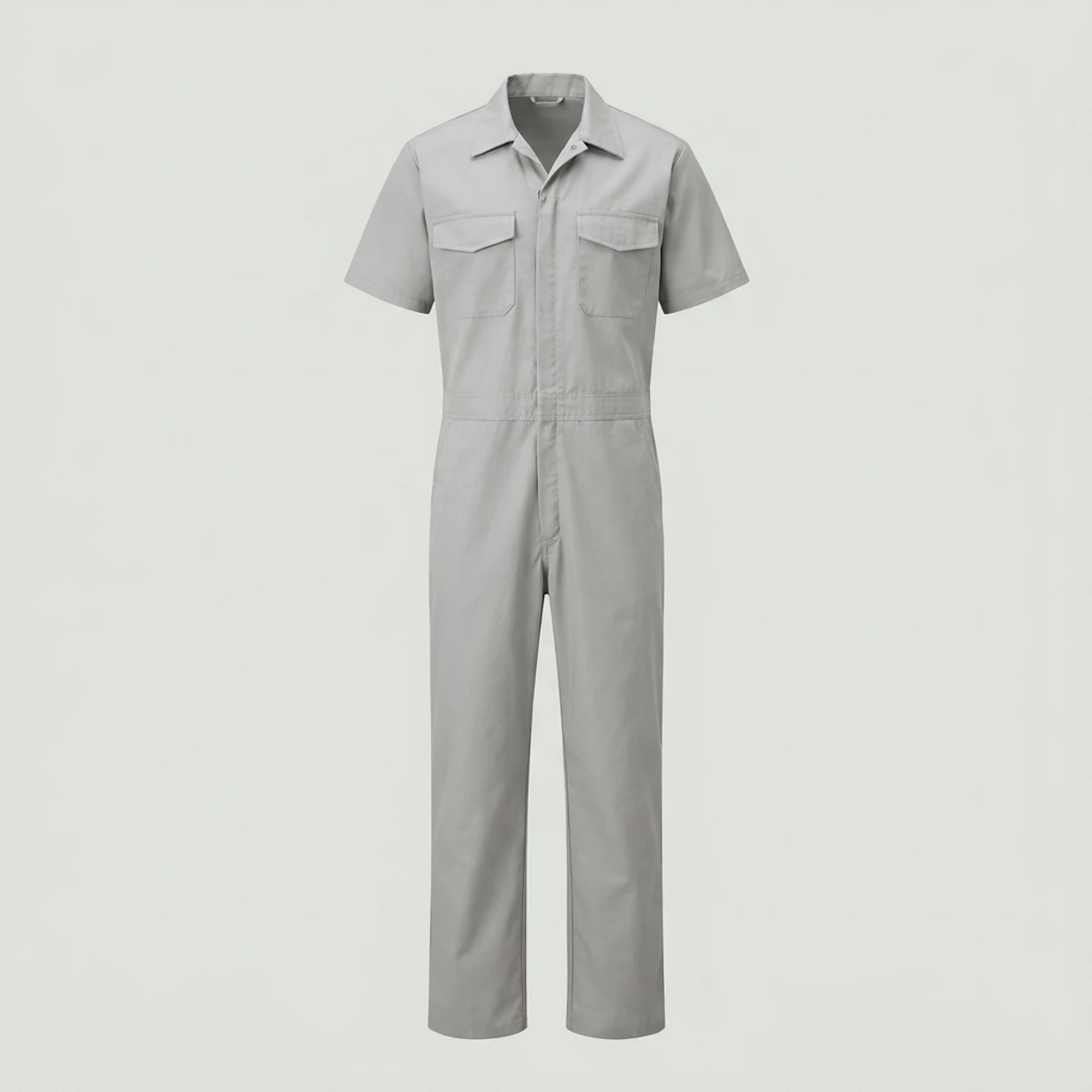
  • Grey short-sleeve coverall with vented back and front zipperGrey short-sleeve coverall
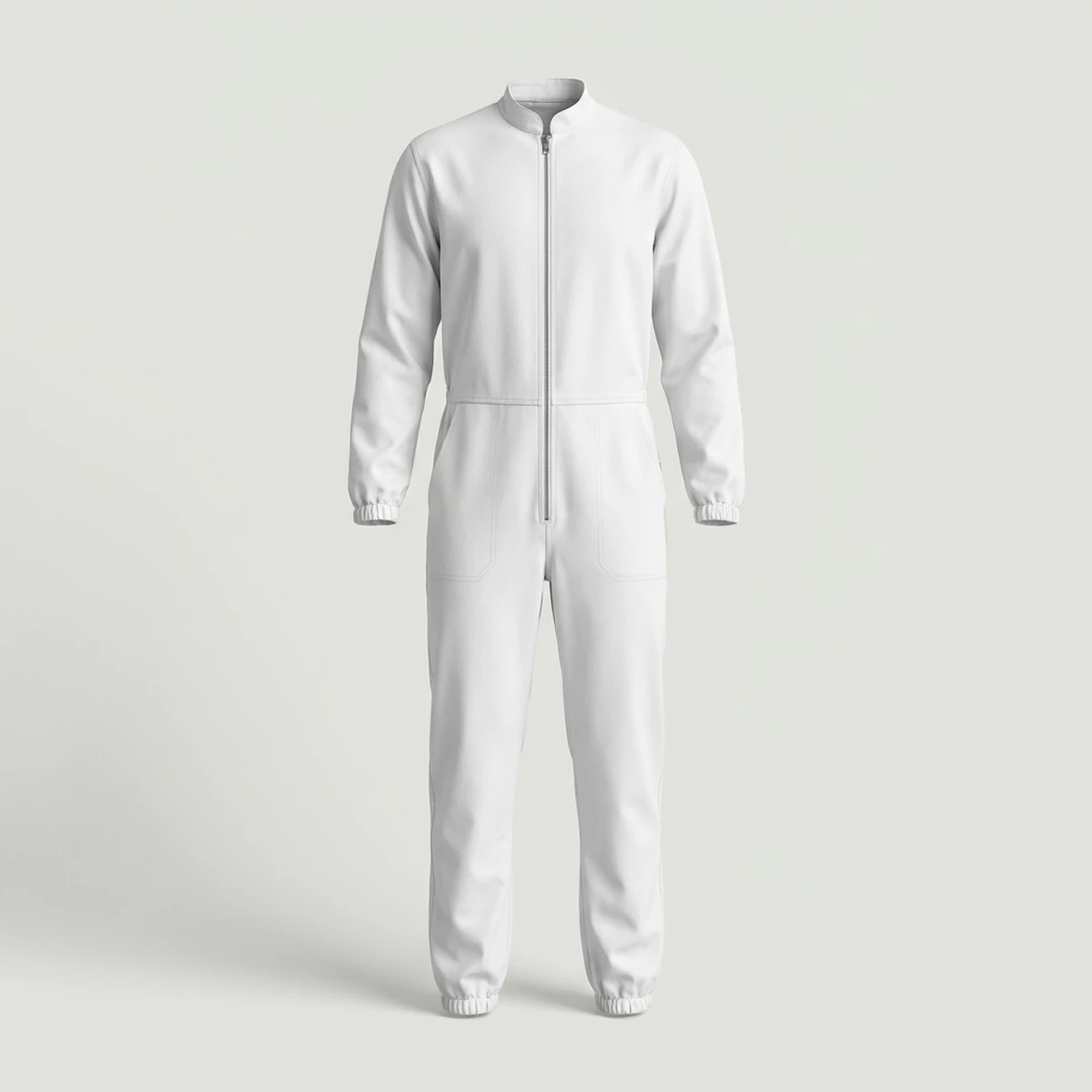
  • White coverall with elastic cuffs and minimal pockets for spray workWhite painter coverall
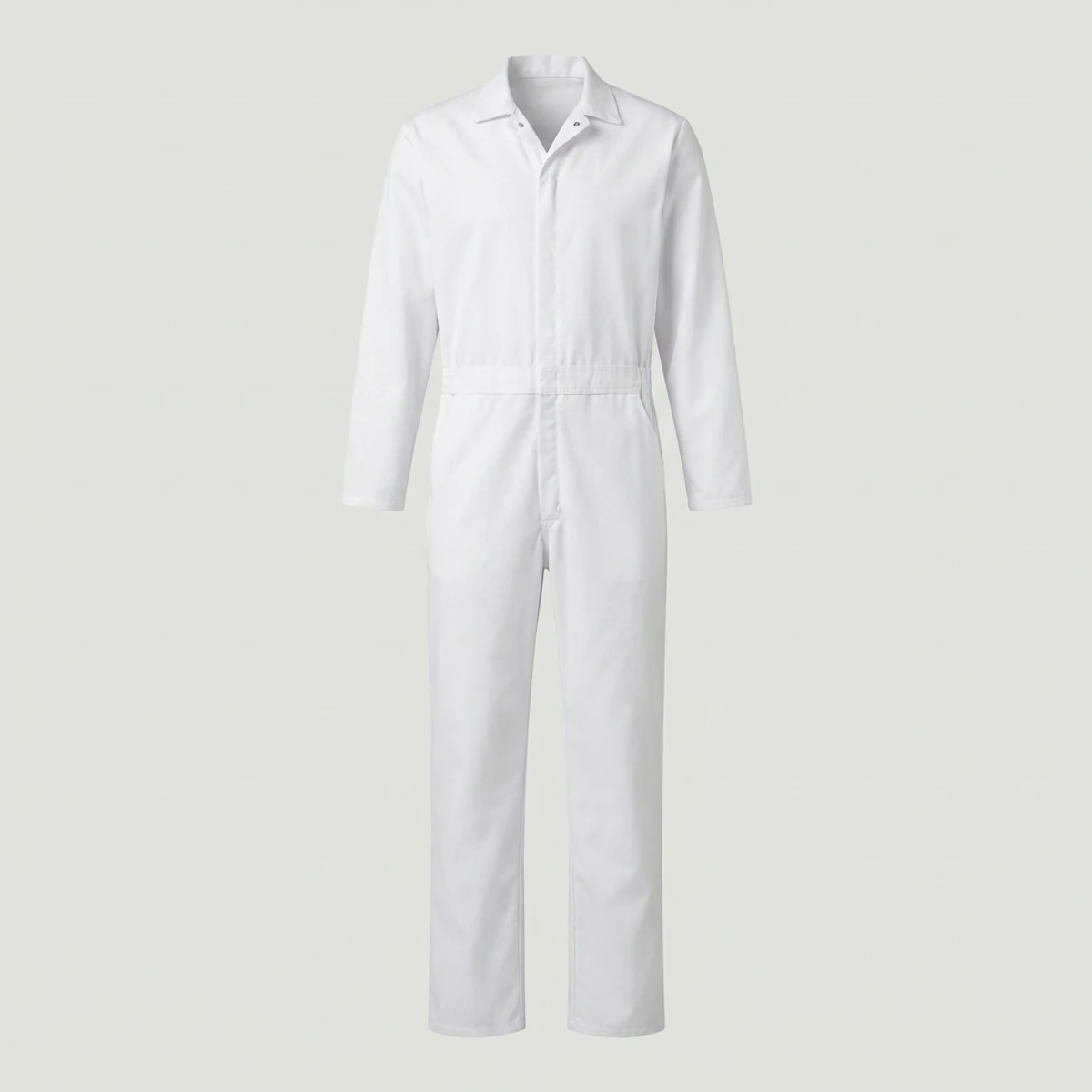
  • White snap-front coverall without external chest pockets for food plantsWhite snap-front coverall
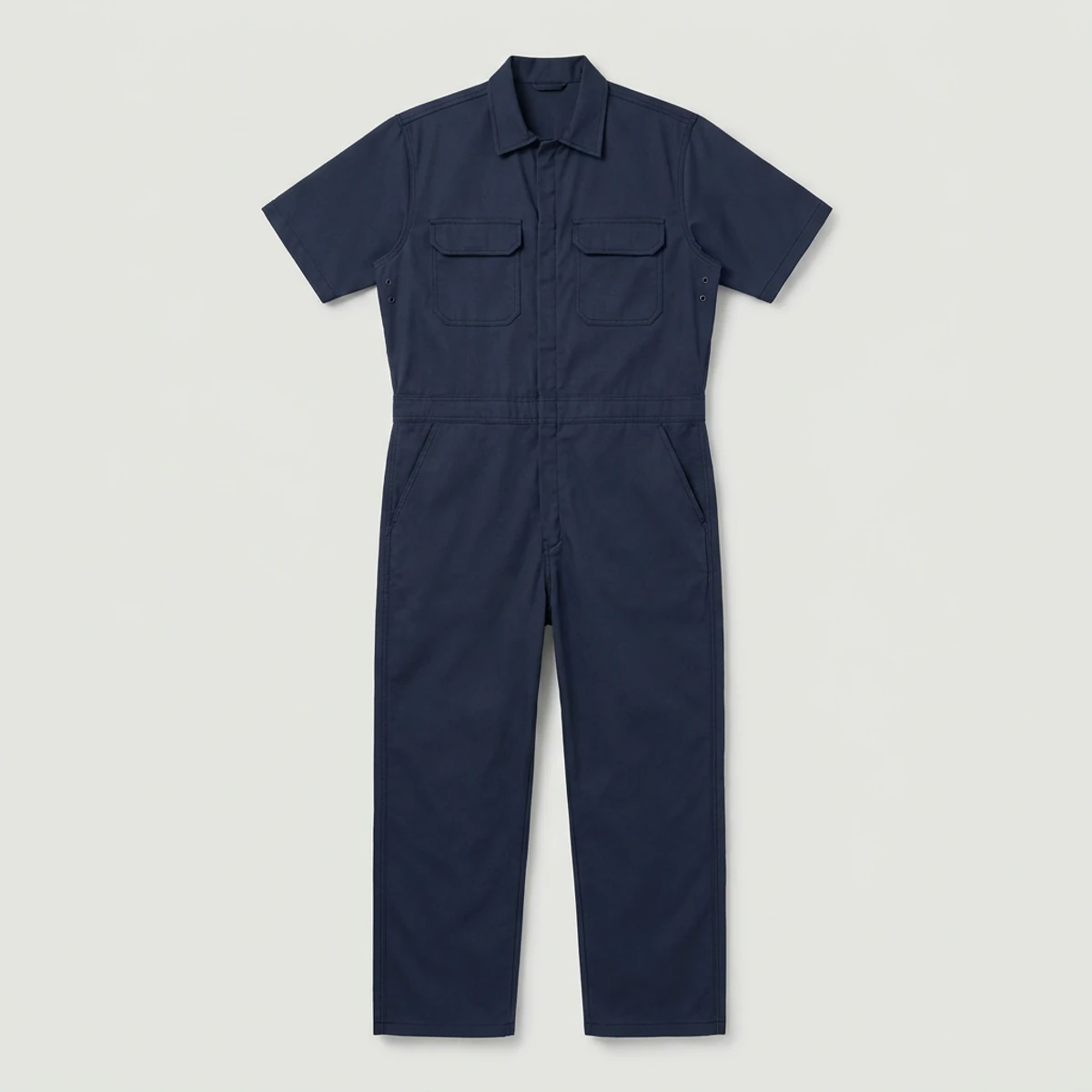
  • Navy short-sleeve work coverall with underarm eyelets and pocketsNavy short-sleeve coverall
Quote plant coveralls

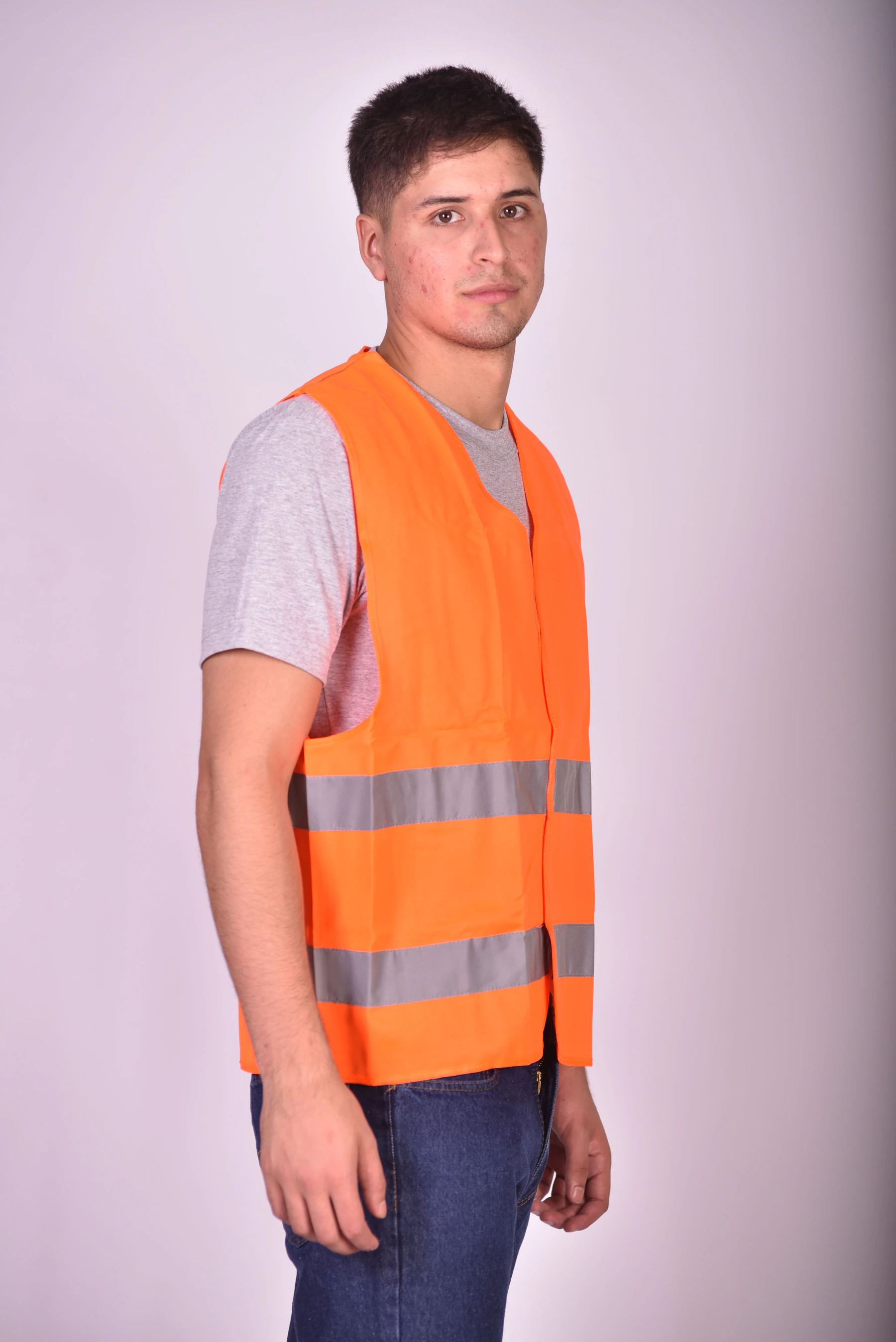
Customize your safety vests

Pick the style, fabric and colors, add your logo and names, then attach the design to your quote. We cut and sew it in Los Angeles from 50 pieces per style.

What do warehouse work clothes need to survive?

Warehouse work clothes need to survive constant lifting, reaching, kneeling and frequent laundering without failing at the seams, knees, cuffs and pockets. Pickers reach into racking all day, loaders twist on the dock and forklift operators climb on and off equipment, so a good warehouse uniform is built for that wear pattern.

  • Strong seams at stress points

    underarms, crotch and shoulders take the most strain.
  • Pants that hold up at the knees and hems

    low racking and dock plates wear pants out fast; durable work pants help.
  • Fabrics that tolerate frequent laundering,

    whether by an industrial laundry or at home.
  • Few snag points

    no loose drawcords, dangling straps or floppy pockets near racking, pallet wrap or conveyors.

Which hazards shape warehouse uniforms?

Struck-by forklifts and trucks, entanglement, cold, heat and abrasion are the hazards that shape warehouse uniforms. The Occupational Safety and Health Administration (OSHA) general PPE rule (29 CFR 1910.132) requires a hazard assessment but names no specific warehouse garment, so that assessment decides what the uniform must include.

HazardWhere it shows upUniform response
Struck-by forklifts and trucksAisles, cross-docks, loading bays, yardHigh-visibility garments at the class your assessment sets
EntanglementConveyors, sorters, palletizers, stretch wrappersClose-fitting garments, no loose drawcords or dangling straps
ColdDocks in winter, chilled and frozen roomsLayers under a hi-vis outer, so visibility is never covered
HeatTrailers and docks in summerBreathable shirts and enough sets to change
Abrasion and cutsCartons, strapping, palletsDurable fabric; gloves and sleeves per your safety program

OSHA’s powered industrial truck standard (29 CFR 1910.178) governs truck operation and operator training rather than pedestrian clothing. Operators have restricted sightlines when carrying loads or reversing, which is why many sites require pedestrians in forklift aisles, on the dock or in the yard to wear high-visibility clothing.

Hi-vis where forklifts operate: ANSI/ISEA 107

Hi-vis requirements in warehouses are written against ANSI/ISEA 107-2020, the American National Standards Institute / International Safety Equipment Association standard for high-visibility safety apparel. It groups garments by type, Type O for off-road and Type R for roadway, and by performance class, and a site with mixed traffic often uses more than one.

DesignationWhere it appliesTypical warehouse use
Type O, Class 1Off-road areas; workers well separated from slow-moving vehiclesPickers and staff in pedestrian-separated areas
Type R, Class 2Roadway work; more background material and retroreflective tapeYard marshals, dock staff near trucks, staff close to forklift traffic
Type R, Class 3Highest visibility, with coverage on sleeves or legsYard and gate work near road traffic or in low light

Check the current edition when you write your policy; our ANSI 107 guide explains each class. We make custom safety vests and other high visibility clothing with your logo. Logos must not cover too much fluorescent background or retroreflective tape, so we confirm placement, materials and the target class at quote stage, and your safety team checks the material documentation.

Logistics uniforms by role

Logistics uniforms work best when role is visible at a glance: pickers and packers in a branded shirt with a vest where required, forklift operators in snag-free vests, dock and yard staff at a higher hi-vis class, and supervisors, visitors and temps in distinct colors. Color coding helps forklift drivers spot visitors and new starters.

RoleTypical uniform
Pickers and packersBranded short-sleeve shirt, durable work pants, Class 1 vest where required
Forklift operatorsBranded shirt, durable pants, hi-vis vest that does not snag on the truck
Dock and yard staffHi-vis shirt or vest at the class your assessment sets, outer layer for weather
Maintenance techniciansWork shirt and pants, or coveralls
Supervisors and leadsCollared shirt or vest in a distinct color, or with a role mark
Visitors and temporary staffVest in a dedicated color so they stand out on the floor

Role or department marks can be embroidered or printed through our custom embroidery and printing service.

Which fabrics suit warehouse uniforms?

Poly-cotton work shirts suit everyday picking and packing because they hold color through frequent washing, while cotton-rich knits are cooler on hot docks and in trailers. Hi-vis polyester shirts keep staff visible all shift, mesh vests suit summer and indoor use, and solid vests suit docks, yards and cold rooms.

OptionBest forTrade-off
Poly-cotton work shirtEveryday picking and packing, color retentionWarmer than a light knit in summer
Cotton-rich knitHot docks and trailersCan stretch and fade faster
Hi-vis polyester shirtStaff who need visibility all shiftVisibility lost if covered by a jacket
Mesh hi-vis vestSummer and indoor use over the uniformLess durable than solid fabric
Solid hi-vis vestDocks, yard and cold roomsWarmer in summer

Useful features include a closed chest pocket for a scanner or phone, a pen slot, reinforced knees, hemmed rather than drawcord cuffs, and sleeves that do not catch on racking. We confirm available fabrics and features at quote stage.

Fluorescent yellow-green mesh vest with narrow silver reflective bands and hook-and-loop closure

How should dock and cold-storage staff layer?

Dock and cold-storage staff should layer a branded work shirt, a long-sleeve layer or work jacket, and a hi-vis vest on the outside, because a hi-vis shirt covered by a dark jacket offers no visibility. Loading docks are open to outside air much of the day, and chilled rooms add more.

Read more

That is why many sites standardize on safety vests that go over everything. Purpose-built freezer suits are specialist products; tell us your temperature range and we will confirm what we can make.
Black women's cargo work pants with flap thigh pockets set higher on the leg

Branding and private label

Branded warehouse uniforms help security recognize staff and visitors, and tell customers touring a third-party logistics (3PL) facility whose operation they are seeing. A left-chest logo on shirts and a logo or site name on the back of vests is the most common setup.

Read more

Logistics companies that supply uniforms to client sites, or want to sell workwear under their own name, can use our private label service for custom labels and tags. For stock blanks you decorate yourselves, ask about wholesale blanks.

What determines the cost of custom warehouse uniforms?

The cost of custom warehouse uniforms depends mainly on fabric, the quantity per style, how many role colors and hi-vis classes you run, garment features and decoration. No prices are listed here; every order is quoted on its actual fabric, artwork and quantity, and the table shows which choices move the unit price.

Cost driverHow it moves the unit priceHow to keep it in check
Fabric and hi-vis materialsHi-vis fabric and retroreflective tape add components; higher classes use more materialMatch each class to the zone, not the whole floor
Quantity per styleLarger runs spread cutting, setup and sampling across more piecesOne core shirt for all floor staff
Role colorsEach color is usually its own style with its own minimumUse role marks on the core shirt where possible
Style complexityBreakaway closures, scanner pockets and reinforced knees add sewing timeKeep the features staff use
DecorationPrint size, stitch count and number of locations add timeChest logo on shirts, one back print on vests
Labels and packagingCustom labels and individual bagging add componentsUse standard finishing for site uniforms

How to roll out a warehouse uniform program

A warehouse uniform program rolls out best from the hazard assessment, because it sets which zones need hi-vis and at what class before any garment is chosen. Role colors come next, since each color is usually its own style for the 50-piece minimum, then issue quantities, samples and a replacement process.

  1. 01

    Start from the hazard assessment

    Mark which zones need hi-vis and at what class.
  2. 02

    Map roles and colors

    before quoting.
  3. 03

    Set the issue per person

    for permanent staff, plus a stock for temps.
  4. 04

    Count by style

    Our minimum is about 50 pieces per style, with sizes mixed in the run.
  5. 05

    Approve samples,

    including logo placement on the hi-vis pieces.
  6. 06

    Issue with care rules

    and a replacement process for damaged vests.
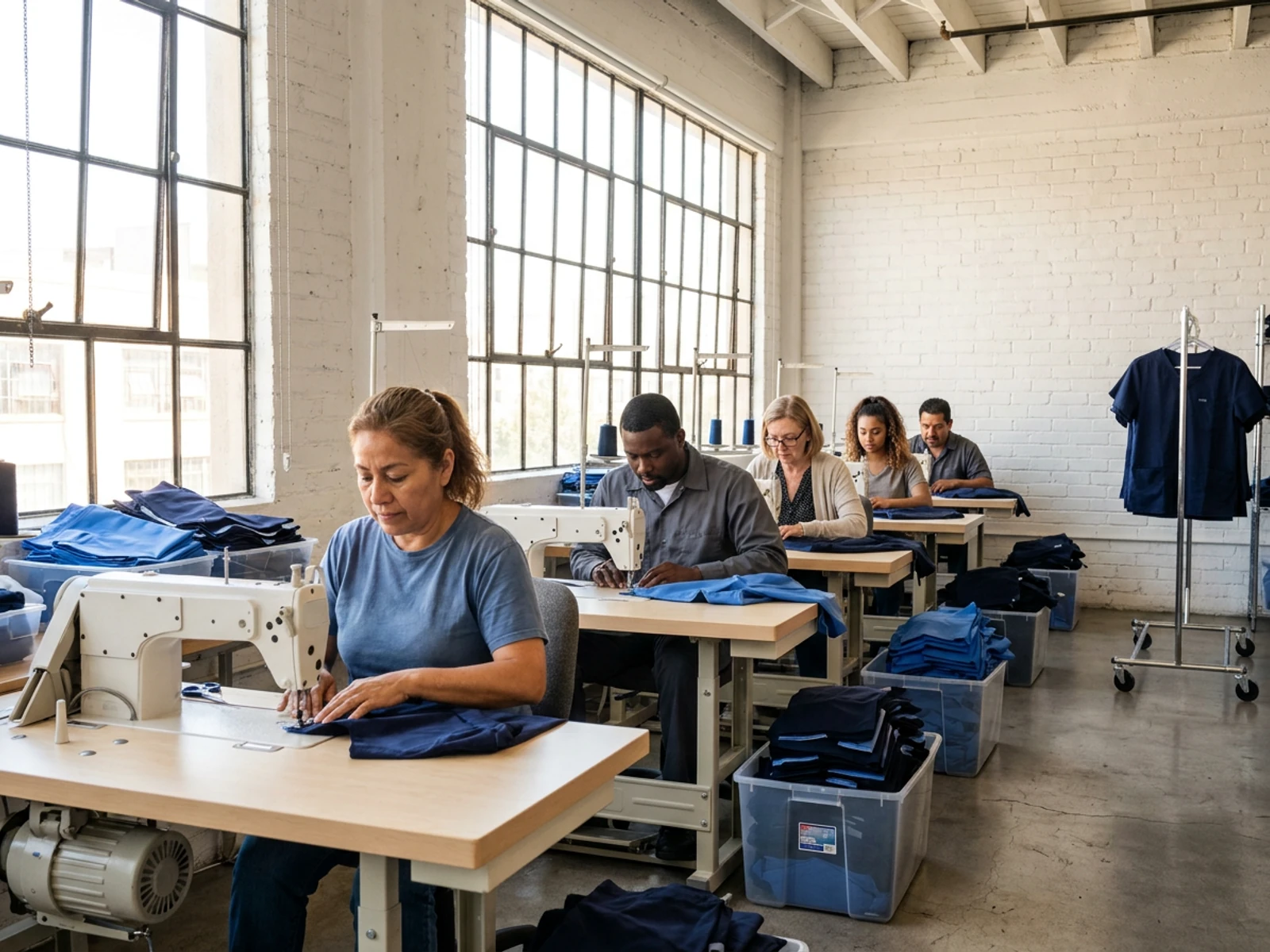
Operators sewing scrub tops on rows of industrial sewing machines

Reorders, peaks and new hires

Reorders of warehouse uniforms match the first run because the approved spec stays on file, but peak season is when programs break. Order buffer stock of the core shirt and vests in common sizes ahead of time, so seasonal hires are outfitted on day one, and ask us for current lead times well before peak.

Read more

Plan for uniforms that leave with people: issue fewer pieces in the first weeks, top up once a new hire stays, and collect vests at the end of temporary assignments.

Tip: Keep the temp vest color the same every year. Returning seasonal staff and forklift drivers already know what it means.

Dark indigo five-pocket work jeans with copper rivets and straight leg

How should hi-vis garments be washed?

Hi-vis garments should be washed to their care label, separately from dark items, without bleach or high heat, because harsh washing dulls fluorescent color and damages retroreflective tape. Some labels state a maximum number of wash cycles, after which the garment may no longer meet its class.

Read more

Retire hi-vis garments that are faded, heavily soiled, torn or have cracked or peeling tape; a dull vest no longer does its job.

Common mistakes to avoid

The most common warehouse uniform mistakes are one hi-vis class for every zone, jackets worn over hi-vis shirts and logos printed over reflective tape. Each one either wastes money on over-specified garments or quietly removes the visibility the program was built to provide.

  1. One hi-vis class for every zone, over-specifying the floor or under-protecting the yard.
  2. Jackets worn over hi-vis shirts in winter.
  3. Large logos printed over the retroreflective tape.
  4. No stock for temps, so seasonal staff start without vests.
  5. Loose hoodies with drawcords worn under vests near conveyors.

Ready to order

What to send us for a quote

A complete warehouse uniform quote needs headcount by role and zone, the hi-vis class each role requires, your color scheme and artwork. With this list in the first message, we can price the order, confirm materials and plan samples without several rounds of questions.

  • Headcount by role and the zones each role works in.
  • The hi-vis class required per role from your hazard assessment.
  • Role color scheme and logo files.
  • Size spread for permanent staff and an estimate for temps.
  • Private label or wholesale needs.

Questions about warehouse & logistics

Need something not covered here? Ask our Los Angeles team and we’ll answer with options for your order.

Ask our Los Angeles team

Do warehouse workers have to wear hi-vis clothing?

There is no single OSHA rule that requires hi-vis in every warehouse. OSHA requires employers to assess workplace hazards and provide suitable PPE, and many operations decide that staff on foot near forklifts or dock traffic need high-visibility garments. ANSI/ISEA 107 is the standard most sites reference when they set that requirement.

Can we color-code uniforms by role or department?

Yes. Many distribution centers use shirt color or vest color to show roles, such as supervisors, forklift operators, visitors or temporary staff. Each color is usually its own style for minimum-order purposes, so plan the scheme before you request a quote.

Can temp and seasonal staff get uniforms quickly?

We recommend ordering a buffer stock of your core shirt and vest in common sizes alongside your main order. That way seasonal hires can be outfitted from stock on day one instead of waiting for a new production run. Ask us for current lead times when planning peak-season reorders.

Do you make cold-storage warehouse clothing?

We make work shirts, pants and coveralls that can be layered for chilled areas. Purpose-built freezer suits are a specialist product, so tell us your temperature range and we will confirm what we can make at quote stage and how it layers with your uniform.

Should warehouse vests have a breakaway closure?

For staff who work near conveyors, sorters or other moving equipment, a breakaway vest is a sensible choice: if the vest snags, it pulls apart instead of pulling the wearer in. Ask your safety lead whether your hazard assessment calls for it, and tell us when you request a quote.

Warehouse & LogisticsCut & sewn in Los Angeles · from 50 pieces per styleRequest samplesGet a quote